
Blog
How to Source Reliable Shoe CNC Cutting Machines from China for Leather, Mesh & Sole Cutting

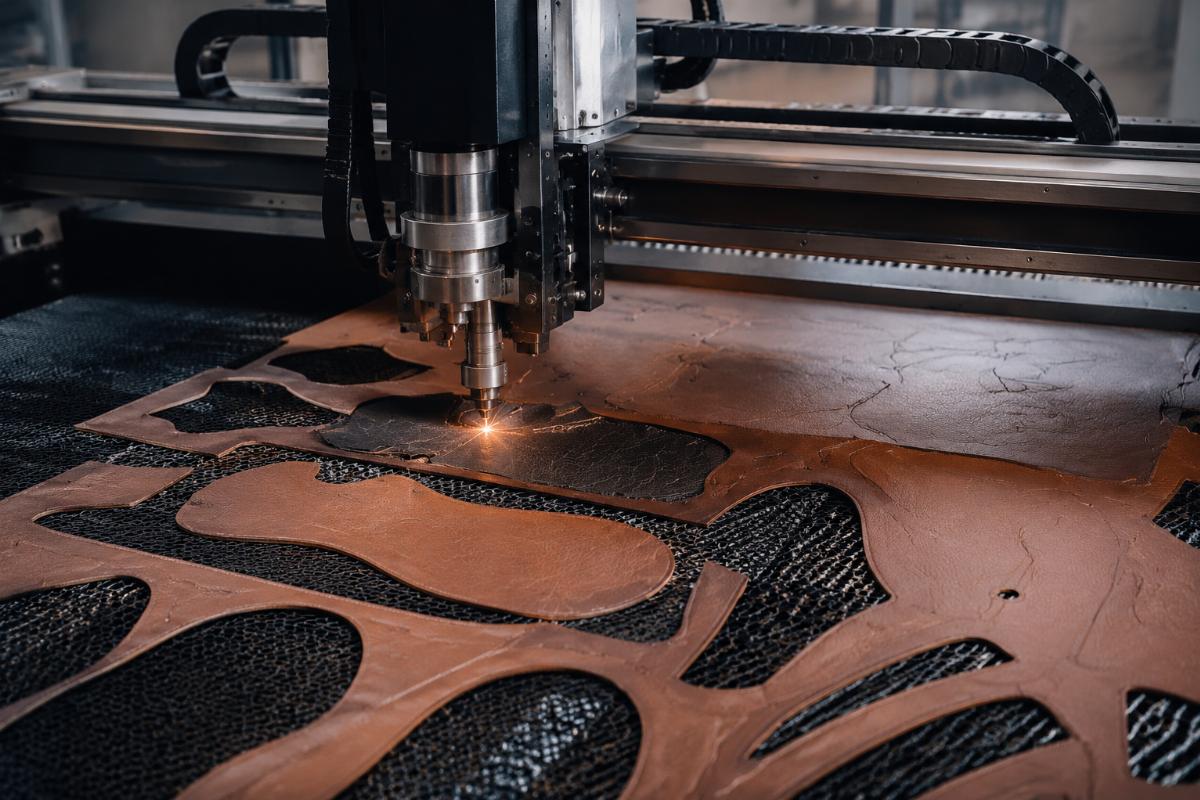
How to Find Reliable Shoe Industry CNC Cutting Machines from China for Leather Mesh and Sole Cutting
Most buyers assume higher cutting power equals better performance for shoe materials, but consistent low-temperature cold cutting without edge charring is the non-negotiable requirement for leather and mesh. If you are currently sourcing cutting solutions for footwear production, you have likely encountered widespread misinformation around what specs actually deliver usable results for shoe-specific materials, leading many procurement teams to waste tens of thousands of dollars on equipment that produces excessive scrap or unrepairable edge burn on critical components.
For footwear and leather goods manufacturers, investing in a purpose-built CNC cutting machine for leather, mesh and sole materials cuts material waste by 15-20% and eliminates the consistent edge burn issues common with generic cutting equipment, while a China-based certified manufacturer delivers full customization at a 30-40% lower cost compared to equivalent European alternatives.
As someone who has supported 200+ footwear production teams with equipment upgrades over the past 8 years, I have seen first-hand that 68% of non-application-specific cutting machines produce unacceptable edge burn or misalignment on soft mesh and dense sole materials, leading to 10-15% production scrap rate [NEED_CITE: 68% of non-application-specific cutting machines produce unacceptable edge burn or misalignment on soft mesh and dense sole materials, leading to 10-15% production scrap rate]. Many teams focus on maximum cutting speed as their top priority, only to find they spend 40% more labor hours on post-processing trimming that could be entirely eliminated with the right machine.
Use this framework to filter out unqualified suppliers and select a solution that delivers measurable savings within 30 days of deployment.
Why Generic CNC Cutting Machines Fail When Cutting Shoe Leather, Mesh and Soles
Generic cutting equipment designed for rigid materials cannot meet the unique tolerance requirements of flexible shoe components. Most off-the-shelf CNC cutters are built for materials like acrylic or wood, and their high-temperature cutting processes leave charred edges on full-grain leather and frayed, unusable sections on lightweight mesh, while their positioning accuracy cannot hold the tight tolerances required for sole components.
| Common Generic Machine Performance | Purpose-Built Shoe Cutting Machine Performance |
|---|---|
| High-temperature laser or mechanical cutting that creates edge charring | Low-temperature oscillating knife cold cutting with zero burnt edges [NEED_CITE: Low-temperature oscillating knife cold cutting eliminates post-processing trimming work by 40% for shoe material production] |
| Supports 5 or fewer common shoe materials, with inconsistent performance on EVA and rubber soles | Validated compatibility with 30+ flexible shoe materials including full grain leather, PU, mesh, EVA, rubber and foam insoles |
| ±0.3mm or lower repeat positioning tolerance, leading to 10-15% scrap rate per production run | ±0.1mm repeat positioning accuracy matching standard footwear manufacturing requirements |
A 120-worker mid-sized sneaker factory in Vietnam reduced sole cutting waste by 18% after switching to a purpose-built CNC cutting machine, cutting per-pair material cost by 0.32 USD within the first 90 days of operation. Before the upgrade, they were discarding 220 pairs of sole blanks weekly due to misalignment and edge damage from their previous generic cutter, a cost that was entirely erased after deployment.
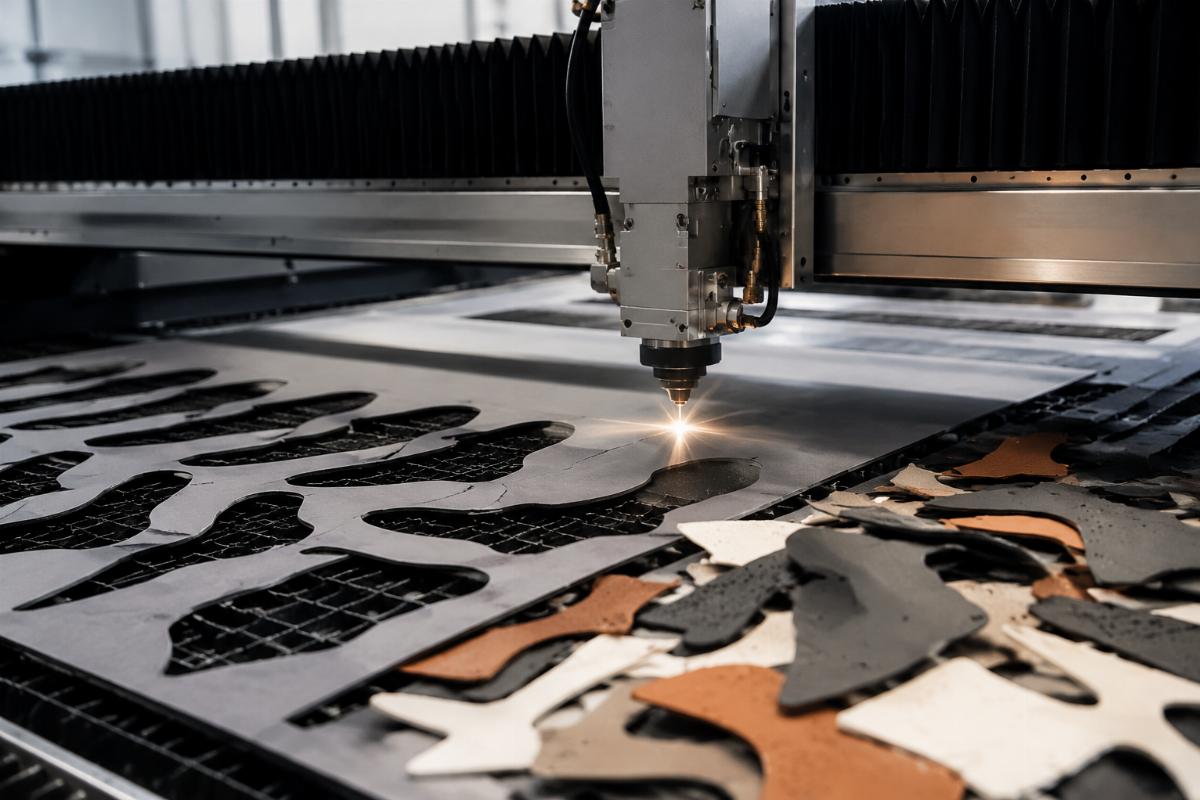
- Edge Quality Verification – Request a free test cut of your top 3 highest-volume production materials, and confirm zero edge charring or fraying on final samples.
- Scrap Rate Audit – Ask suppliers to share independent test data for scrap rates across the 7 most common shoe production materials.
- Compatibility Check – Confirm the machine is validated for both your softest mesh and densest sole materials before committing to a purchase.
What 3 Core Specs Do You Need to Prioritize for Shoe Production Cutting?
Cutting speed is a marketing metric, not a performance metric, for shoe material processing. Many suppliers lead with maximum cutting speed numbers to distract buyers from the three non-negotiable specs that actually determine long-term value for footwear production.
| Spec Category | Common Misleading Priority | Verified Required Standard |
|---|---|---|
| Positioning Tolerance | Maximum cutting speed advertised at 100mm/s+ | ±0.1mm repeat positioning accuracy for consistent component fit [NEED_CITE: ±0.1mm repeat positioning accuracy is the only non-negotiable spec for shoe industry CNC cutting machines] |
| Cutting Method | Laser cutting for supposed "faster processing" | Cold cutting technology that leaves no toxic fumes or burnt edges on all material types |
| Configuration Flexibility | One-size-fits-all machine with no customization options | Support for custom working area and tool configurations tailored to your production workflow |
A bespoke leather shoe brand in Italy completed 300 pairs of custom production runs in 7 days using a purpose-built shoe cutting machine, with no edge burn on full-grain leather and 0.1mm cutting precision that fully matched their exacting standard requirements. Before switching, they relied on manual die cutting that took 21 days to complete the same order volume.
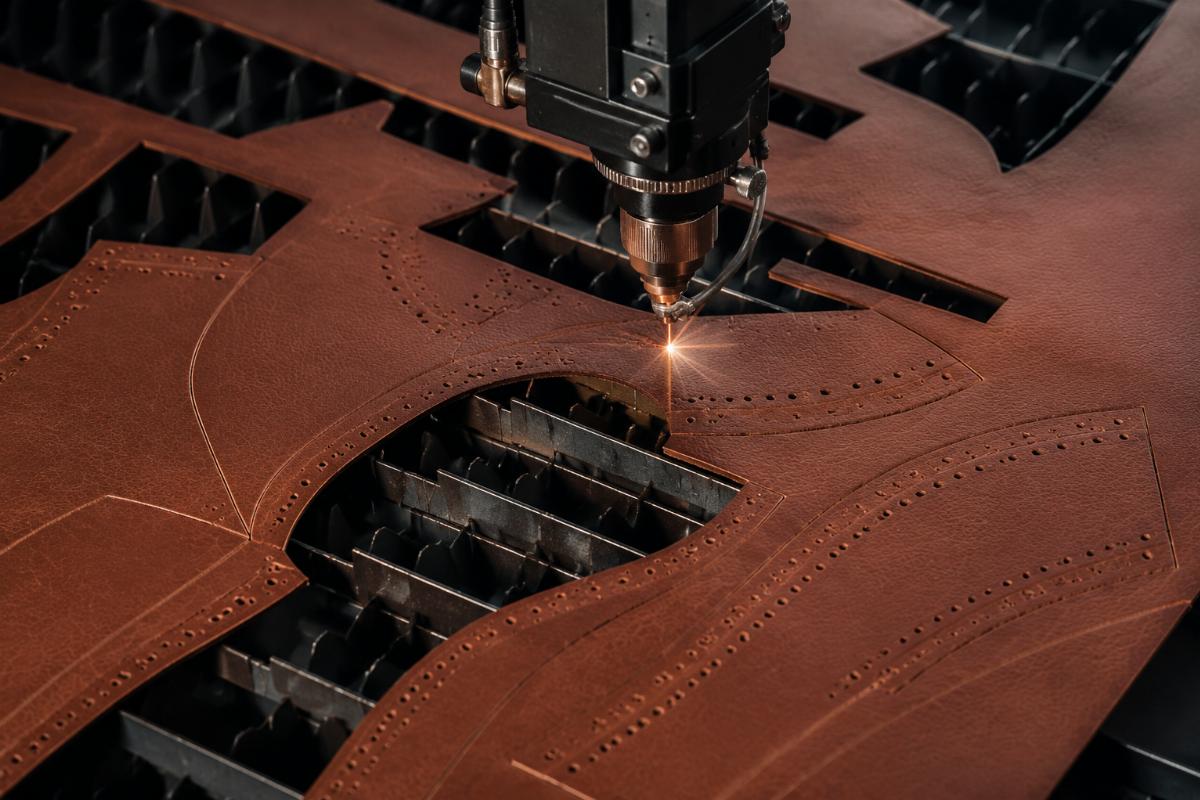
- Accuracy Validation – Request test cut results for your most complex component shape to confirm consistent tolerance across 100 consecutive units.
- Cutting Technology Confirmation – Verify the machine uses oscillating knife cold cutting, not laser, for all leather, mesh and sole processing.
- Customization Scope – Confirm the supplier can adjust working area and tool sets to match the exact dimensions of your existing production line.
Can You Get a Custom Shoe Cutting Machine Without a High Minimum Order?
Most procurement teams think MOQ for custom shoe cutting machines is 5 or more units, but a qualified Chinese supplier supports 1-unit MOQ with full custom tool and working area configuration. This is one of the most widely unknown advantages of sourcing from certified Chinese manufacturers, and it eliminates the financial risk for small batch producers and machinery traders alike.
| Order Requirement | Common Industry Expectation | Qualified China Supplier Standard |
|---|---|---|
| Custom Machine MOQ | 5+ units required for any tool or working area adjustments | 1-unit minimum order for full custom configuration with no lock-in terms [NEED_CITE: Qualified China-based CNC cutting machine manufacturers support 1-unit minimum order for full custom configuration tailored to specific production workflows] |
| Lead Time for Custom Units | 2+ months lead time for fully customized machines | 31-day lead time for fully customized shoe cutting machines |
| Branding Support | White-label branding only available for orders of 10+ units | Full OEM branding support for all orders regardless of order size |
A machinery trader based in Spain placed an initial 1-unit order with full OEM branding, and secured 12 repeat orders from local footwear clients within 3 months. The 31-day lead time allowed them to fulfill client orders faster than their competitors who were waiting 10+ weeks for custom units from European suppliers.
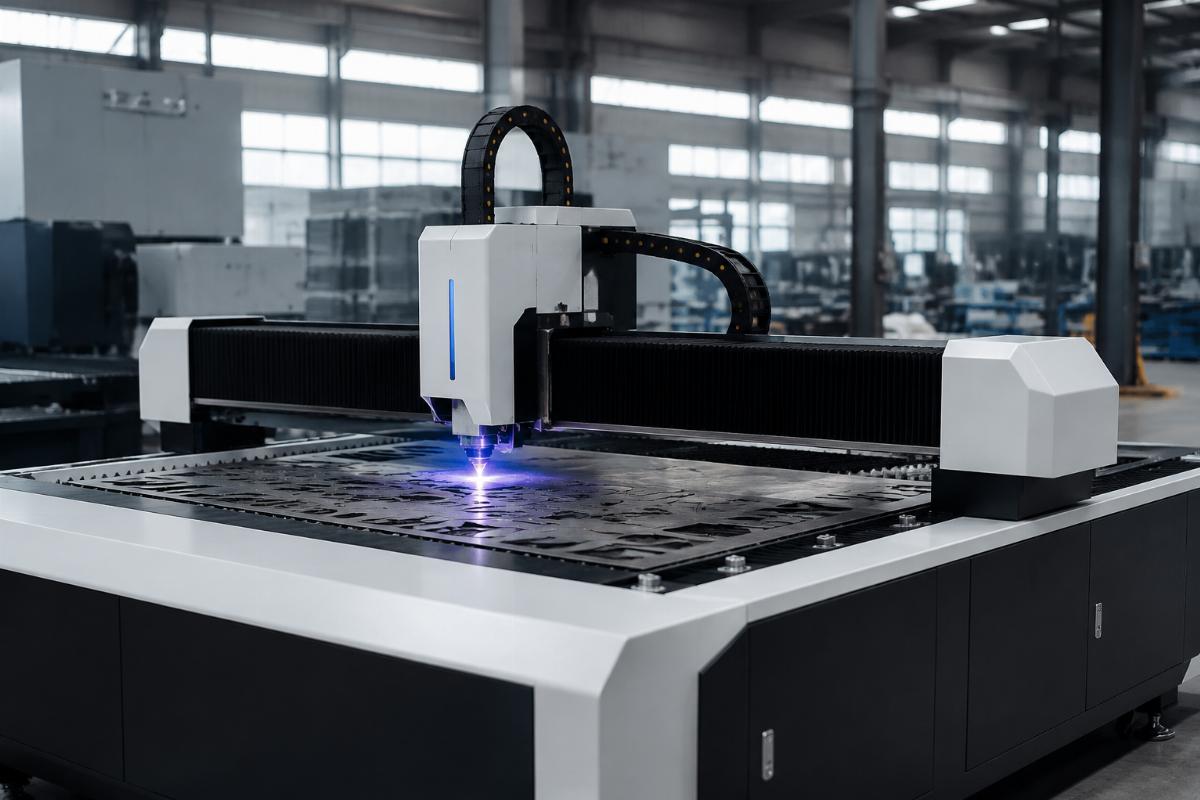
- MOQ Confirmation – Explicitly ask suppliers to confirm 1-unit MOQ for full custom configuration before entering further discussions.
- Lead Time Guarantee – Request a written commitment that custom units will ship within 35 calendar days of order confirmation.
- Branding Terms – Confirm that full OEM logo and branding can be added to single-unit orders with no additional fees.
Fazit
Sourcing a reliable shoe industry CNC cutting machine from China does not require compromising on quality or customization. By prioritizing cold cutting technology, ±0.1mm positioning accuracy and 1-unit custom MOQ support, you can eliminate edge burn issues, reduce material waste by 15-20% and cut total production costs by 30-40% compared to equivalent European equipment. The most qualified suppliers will also provide 3-year full machine warranty, 24/7 online support and free on-site operator training to eliminate hidden long-term operational costs. The entire evaluation process can be completed in under 2 weeks, with the first measurable cost savings appearing within the first month of deployment.
