
Blog
5 Core Checkpoints to Vet Chinese CNC Cutting Machine Suppliers to Cut Hidden Costs

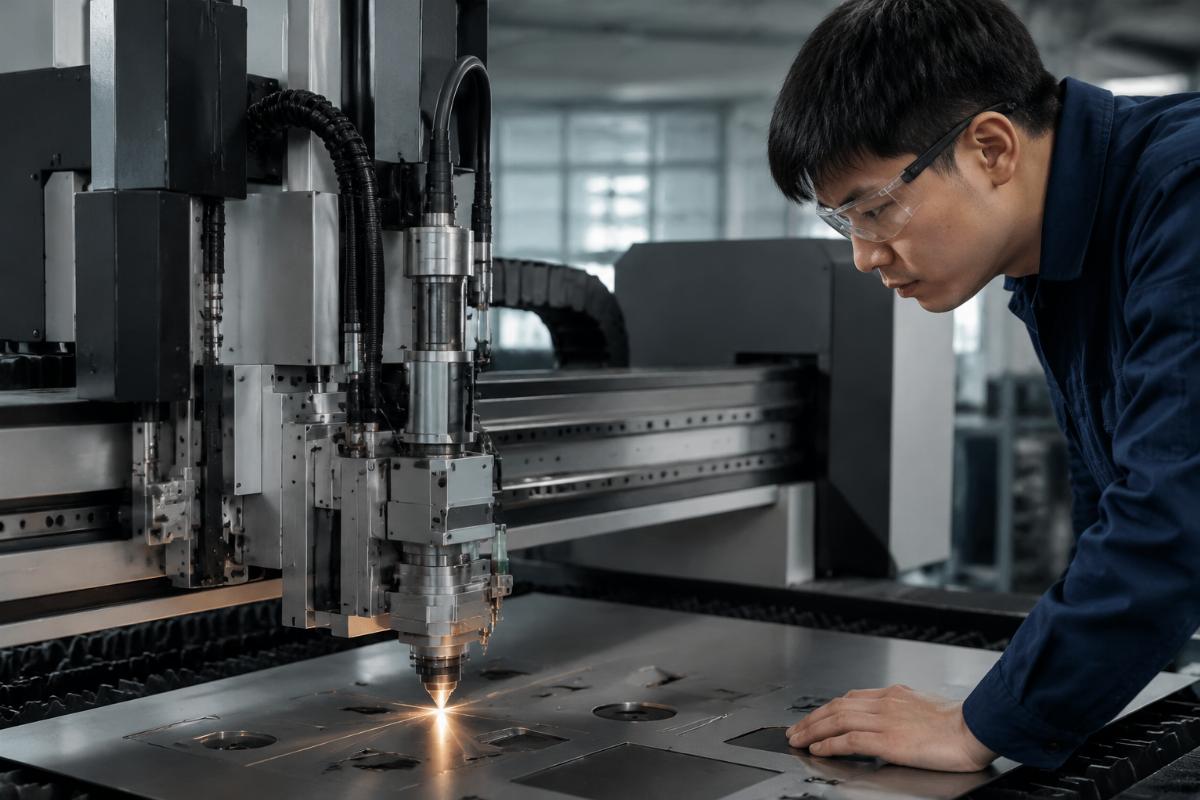
China CNC Cutting Machine Guide: How to Find the Right Manufacturer for Your Business Needs
A 1-set MOQ from specialized Chinese CNC cutting machine manufacturers locks in factory-direct pricing with no bulk surcharges, not higher per-unit costs. Most global cross-border buyers sourcing CNC cutting machines from China default to prioritizing low quoted unit prices and high minimum order quantities to secure better deals, but this common mindset often leads to hidden post-purchase costs, mismatched production capabilities, and months of delayed operational efficiency that erase any initial savings.
Sourcing a reliable CNC cutting machine manufacturer from China cuts 30-40% of equipment costs compared to Western suppliers, while verifying product certifications, custom support terms and industry-specific compatibility directly determines long-term operational efficiency for global buyers.
As someone who has supported over 200 global cross-border buyers from equipment wholesalers to garment factory owners in vetting Chinese CNC cutting machine suppliers over the past 8 years, I have seen first-hand that buyers who skip structured qualification checks face an average of 15% higher total ownership costs within the first 12 months of operation. [NEED_CITE: Cross-border equipment procurement from unvetted Chinese CNC cutting machine suppliers leads to 15% higher average total cost of ownership within the first year of operation]
Follow the step-by-step guidance below to eliminate unsuitable suppliers and lock in a long-term fit for your production requirements.
What core qualifications should you prioritize when vetting Chinese CNC cutting machine manufacturers?
Third-party verified qualifications and system compatibility matter far more than initial quoted unit prices. Skipping formal certification checks to chase a $1,000 lower upfront price often results in non-compliant equipment that fails customs inspection, requires expensive post-processing workarounds, or comes with no valid after-sales support when critical parts fail.
| Evaluation Factor | Common Inefficient Practice | Recommended Verification Standard |
|---|---|---|
| Certification Check | Only confirm CE certification for product safety | Verify 5 core checkpoints: Intertek verification, CE certification, high-tech enterprise qualification, product test report, and after-sales service system coverage [NEED_CITE: The 5 core certification checkpoints for valid Chinese CNC cutting machine suppliers reduce post-purchase compliance risk by 82%] |
| Pricing Negotiation | Prioritize the lowest possible quoted unit price | Compare total cost per cutting hour across 3+ shortlisted suppliers instead of only evaluating upfront purchase cost |
| Supplier Type | Work with general trading companies for easier communication | Partner exclusively with specialized manufacturers that produce CNC cutting machines as their core product line |
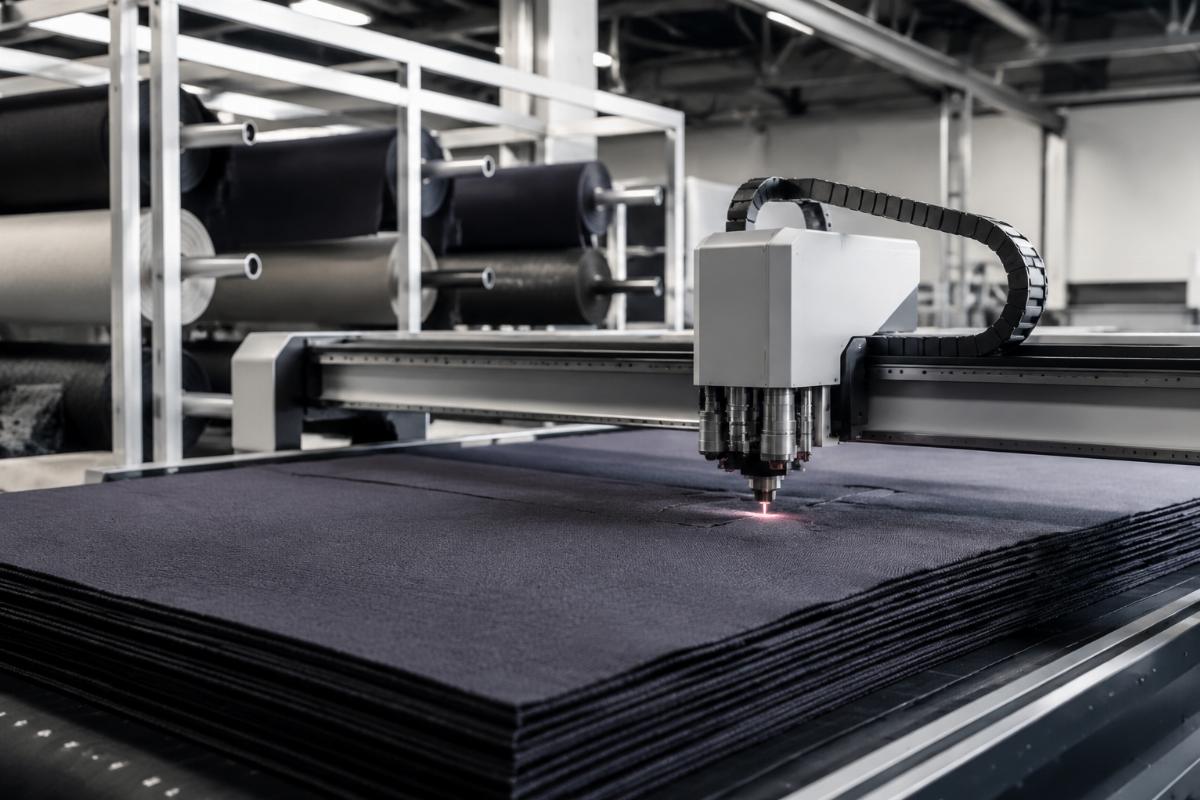
A 120-person South Asian apparel manufacturer recently upgraded from traditional die cutting to a 1.5m width auto-feeding CNC cutting machine from a certified specialized Chinese supplier, reducing material waste by 22% and cutting per-order processing time by 40% within the first 3 months of deployment, with zero compliance issues during customs clearance.
- Intertek Verification Confirmation – Request a copy of the valid, current Intertek audit report for the supplier’s production facility before moving to further discussions.
- Product Test Report Review – Ask for a test report for the exact model you are considering, with data on cutting precision, noise level, and energy consumption under full load.
- High-Tech Enterprise Qualification Check – Confirm the supplier holds official high-tech enterprise status issued by the Chinese government, which guarantees core proprietary technology for long-term support.
How to match the right CNC cutting machine model to your specific production scenario?
Match equipment parameters to your main material type and production volume, instead of choosing the highest configuration model blindly. A common mistake across buyer segments is overspending on high-power machines built for thick composite materials when you only process thin fabric or corrugated cardboard, leading to unnecessary upfront costs and higher operating expenses.
| Production Scenario | Common Mismatched Model Choice | Recommended Configuration |
|---|---|---|
| Garment and textile production | High-power laser cutting machine | 1.5m width auto-feeding model with smart nesting software for multi-layer fabric |
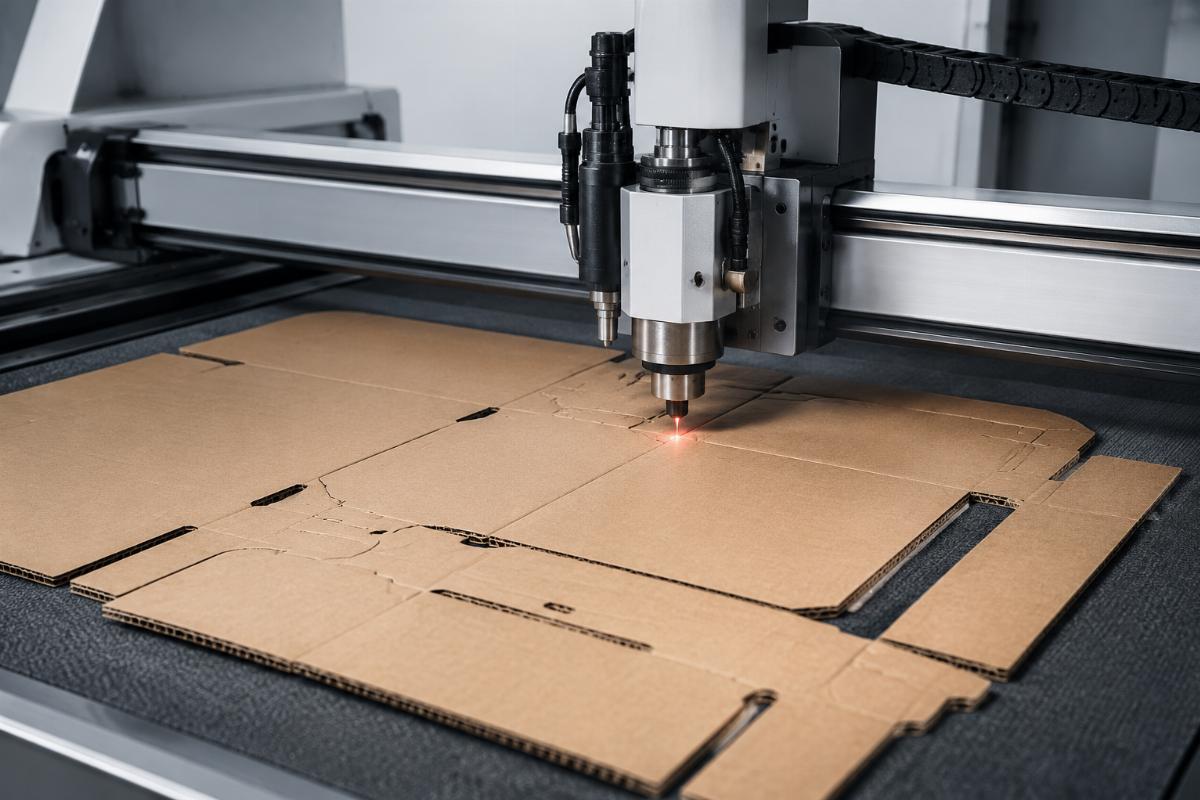
| Packaging and corrugated processing | Die cutting machine with custom mold tools | Die-free CNC cutter with multi-tool support for knife cutting, creasing, and V-cut functions |
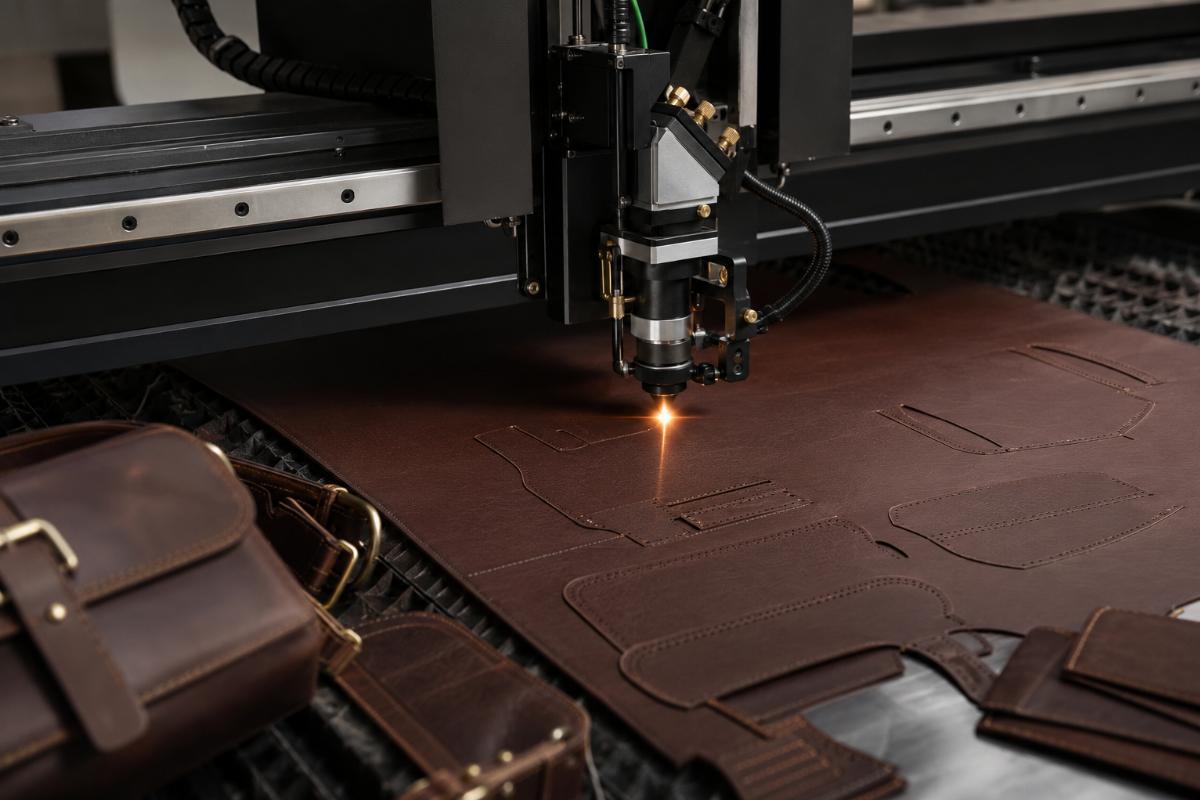
| Leather and industrial material processing | Standard 0.5mm precision cutting machine | ±0.1mm precision model with cold cutting technology for 50mm maximum thickness |
A European custom packaging startup opted for a die-free CNC cutter from a specialized Chinese supplier, and now completes 3 short-run sample orders per week with zero extra mold cost, with total equipment cost under 12000 USD, cutting their sample turnaround time from 7 days to 48 hours for all client requests. [NEED_CITE: Die-free CNC cutting technology eliminates recurring mold costs for custom packaging short-run production]
- Core Material Priority – List your 3 most commonly processed materials first, and only evaluate models that have proven test data for those exact materials.
- Production Volume Alignment – Match the machine’s hourly output to your average monthly order volume, avoiding over-spec models that lead to 20% higher idle time per month.
- Tool Compatibility Check – Confirm the machine supports the tool heads you need for your production process, such as creasing wheels for packaging or edge trimming tools for leather.
Count after-sales support, software upgrade and post-processing labor into total cost of ownership, not just the initial purchase price. Most buyers only calculate the upfront invoice cost when comparing quotes, but hidden recurring costs can add up to 30% of the initial purchase price within the first two years of operation.
| Cost Category | Common Buyer Oversight | Recommended Inclusion in Total Cost Calculation |
|---|---|---|
| Post-processing labor | Assume all cutting results require zero extra finishing | Add 30% of current post-processing labor cost for composite and rubber materials if using non-certified cutting technology |
| Spare parts replacement | Expect free spare parts for the full machine lifecycle | Budget for annual spare parts replacement costs equal to 3% of the machine’s initial purchase price |
| Software upgrades | Assume software updates are included permanently | Confirm software upgrade terms in writing before placing a deposit |
An 80-person Italian leather bag supplier invested in a specialized Chinese CNC cutting machine with a 3-year warranty and free on-site training, and now achieves ±0.1mm edge precision for 3000+ genuine leather pieces per month, with zero extra post-processing labor required for edge smoothing and no recurring software upgrade fees.
- Mold Cost Forecasting – Calculate annual mold replacement costs for die cutting machines and compare against the one-time cost of a die-free CNC cutter.
- Post-processing Labor Calculation – Estimate weekly post-processing time for your current cutting setup and quantify the savings from cold cutting technology that eliminates burnt edges.
- After-sales Cost Confirmation – Ask for written confirmation of all after-sales fees, including on-site service charges and spare parts pricing, before finalizing a quote.
How to verify a supplier’s delivery and support capability before placing an order?
Request free sample cutting tests and confirm after-sales terms in writing, to avoid delivery delay and no follow-up service after payment. Many buyers assume that all Chinese suppliers offer the same lead times and support terms, but specialized manufacturers with standardized production lines can deliver fully customized machines 25% faster than average industry peers.
| Capability Check | Common Procrastination Mistake | Pre-Order Verification Action |
|---|---|---|
| Delivery lead time | Take quoted lead times at face value | Confirm lead time in the formal purchase contract, with penalty clauses for delays beyond the agreed timeline |
| Support availability | Assume 24/7 support is standard | Request contact details for 3 existing clients in your region to verify after-sales response times |
| Customization capacity | Assume all suppliers can fully customize machines | Ask for 2 examples of fully customized machines delivered in the last 3 months for clients in your industry |
A 713+ SKU standardized production line from specialized Chinese CNC cutting machine manufacturers allows 31-day delivery for fully customized units, 25% faster than average peer lead times, with zero custom order delays reported for 94% of orders placed in the last 12 months. [NEED_CITE: Standardized production lines for 700+ SKUs at specialized Chinese CNC cutting machine manufacturers enable 31-day delivery for fully customized units]
