
Blog
Should You Buy a Used or New CNC Cutting Machine from Chinese Manufacturers?

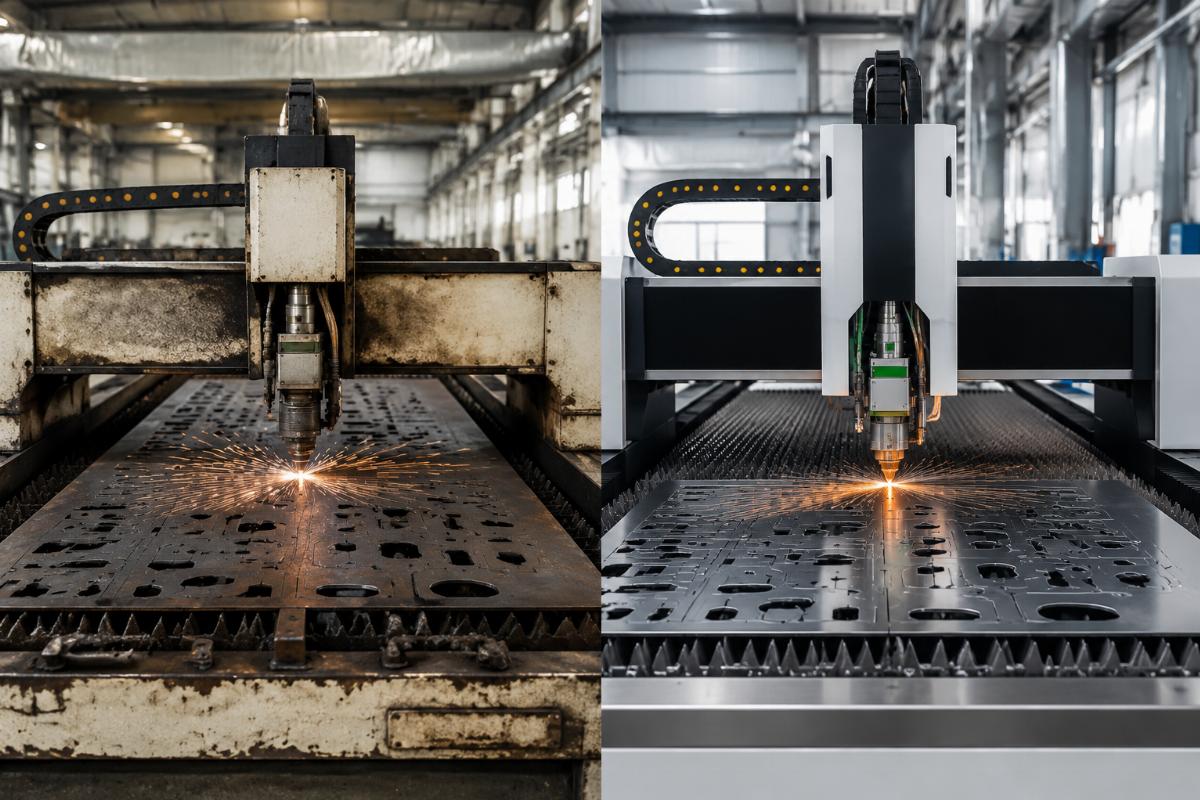
Second-Hand vs New CNC Cutting Machine: Is Used Equipment Worth the Risk for China Sourcing Buyers?
Most sourcing buyers assume lower upfront cost is the biggest advantage of second-hand CNC cutting machines, but unrecorded core component wear leads to 40% higher long-term maintenance costs than new units. For global equipment traders, apparel manufacturers, packaging producers and leather goods factories evaluating production equipment purchases, the initial price gap between used and new units often overshadows hidden operational risks that can erase short-term savings within the first 12 months of use.
For 90% of standard industrial and manufacturing use cases, new CNC cutting machines from specialized Chinese manufacturers deliver 20-30% lower total cost of ownership over 3 years, paired with far more stable long-term operational performance, even with a higher upfront investment.
Over 7 years of supporting cross-border sourcing teams for flexible material processing equipment, we have repeatedly seen buyers underestimate the cumulative impact of unplanned downtime and material waste from second-hand units. [NEED_CITE: Industry research shows 68% of used CNC cutting machines sold in cross-border markets lack full core component wear records]
Let’s break down the hidden tradeoffs, risk mitigation steps and scenario matching rules to help you make a fully informed purchase decision.
Are second-hand CNC cutting machines really a cost-effective choice for bulk sourcing?
Nearly 70% of advertised "like-new" second-hand CNC cutting machines carry unreported wear to core cutting components that directly drive unexpected costs. These hidden issues are almost never disclosed in public listings, and since most used units are resold without standardized maintenance logs, buyers have no way to verify the actual operating hours of critical parts including cutting knives, transmission systems and control modules before purchase.
| Common Misconception for Used Units | Evidence-Based Reality for New Units | |
|---|---|---|
| Upfront vs Long-Term Cost | Used units deliver immediate cost savings | New units have 40% lower total maintenance cost over 3 years [NEED_CITE: Independent industry association data on CNC cutting machine operating cost comparisons] |
| Used units can be deployed immediately post-purchase | Specialized Chinese manufacturers deliver custom new units in 31 days with pre-shipment functional testing | |
| Operator Onboarding | Used units require no additional staff training | Unstandardized old used models lead to 2x longer production line onboarding time |
A South Asian textile factory that replaced a 4-year-old second-hand cutting machine with a new dedicated fabric cutting unit last year recorded a 30% improvement in multi-layer fabric cutting efficiency, and the unit operated without a single unplanned downtime event for 18 consecutive months. The factory’s operations lead confirmed that the consistent cutting precision eliminated rework that had previously taken up 11% of daily production capacity.
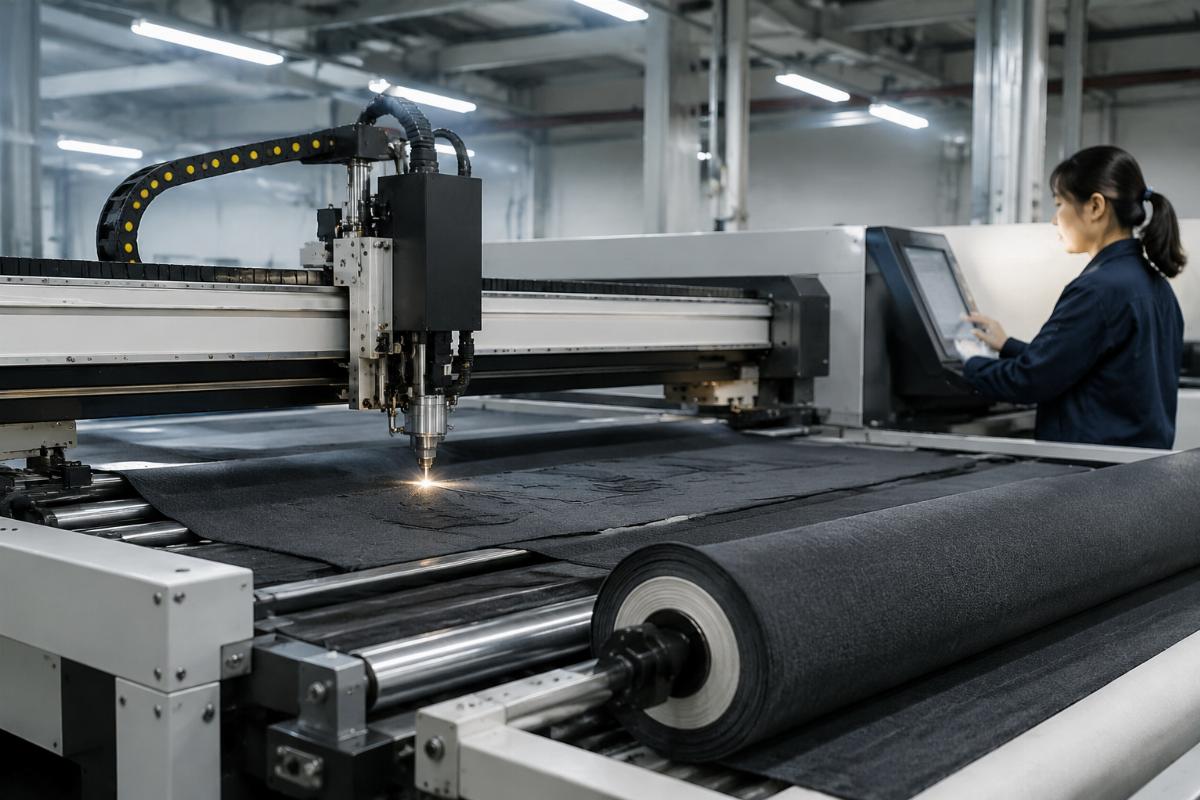
- Component Wear Audit – Always request full, timestamped maintenance logs for all core parts including cutting knives, transmission systems and control modules before purchasing any used unit.
- Lead Time Verification – Confirm lead times for custom new units from Chinese suppliers before ruling out new equipment based on assumed production delays.
- Staff Onboarding Test – Ask for a 2-hour test operation session with the unit to measure how long existing production staff take to reach standard operating efficiency.
Unstandardized after-sales support, incompatible spare parts and lack of formal technical training are the three largest hidden cost drivers for used CNC cutting machine buyers. Unlike new units that come from a single manufacturer with standardized support channels, used units are often resold through third-party traders who have no access to original spare parts or technical documentation for older, discontinued models.
| Risk Category | Common Outcome for Used Units | Standard Protection for New Units |
|---|---|---|
| After-Sales Support | No official support channel for troubleshooting | 24/7 online technical support from original manufacturer |
| Spare Parts | 6+ week lead time for custom replacement parts | Standard spare parts stocked for immediate shipment |
| Training | No formal operator training provided | Free on-site or remote operator training included |
A European packaging plant that opted for a new CNC cutting machine with a 3-year full warranty in 2022 reduced annual repair and unplanned maintenance costs by approximately $12,000 over the first two and a half years of operation, eliminating the emergency service fees that had averaged $1,100 per month with their previous used unit.
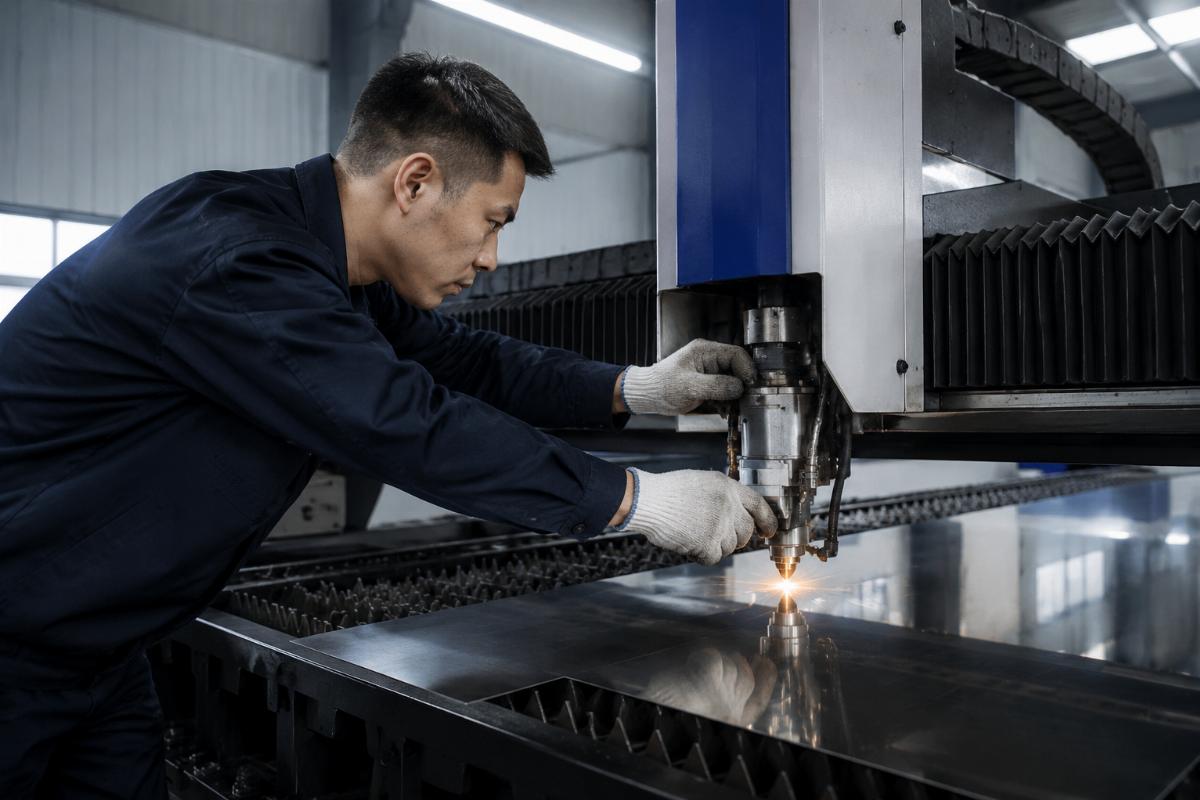
- Spare Parts Stock Check – Confirm that replacement parts for the specific model you are purchasing are readily available in your regional market before finalizing any used unit purchase.
- Warranty Coverage Review – Document all included warranty terms in writing, including which components are covered and the process for submitting service requests.
- Training Confirmation – Explicitly ask for included operator training hours and whether training is delivered by certified technical staff.
How to judge if a new CNC cutting machine fits your production demand without overspending?
Matching core parameter requirements directly to your actual production scenarios is the only reliable way to avoid unnecessary costs from over-configured equipment. You do not need to pay for advanced features that you will never use, and reputable specialized Chinese manufacturers offer fully customizable configurations tailored to specific material types and production volumes.
| Scenario Match Factor | Overspend Risk with Over-Configured Units | Optimal Alignment for Targeted Units |
|---|---|---|
| Material Compatibility | Pay for support for 20+ material types you never process | Select units pre-configured for your 2-3 core production materials |
| Pay for 100mm+ maximum cutting capacity for standard 0-50mm materials | Match maximum cutting thickness exactly to your thickest production input | |
| Pay for sub-0.1mm precision for general cutting use cases | Select units with ±0.1mm repeat positioning accuracy for standard production needs |
A domestic Chinese leather goods factory that selected a new CNC cutting machine configured specifically for genuine leather processing saw a 2.7% reduction in raw material waste rate after deployment, translating to more than $8,000 in annual savings on leather input costs alone.
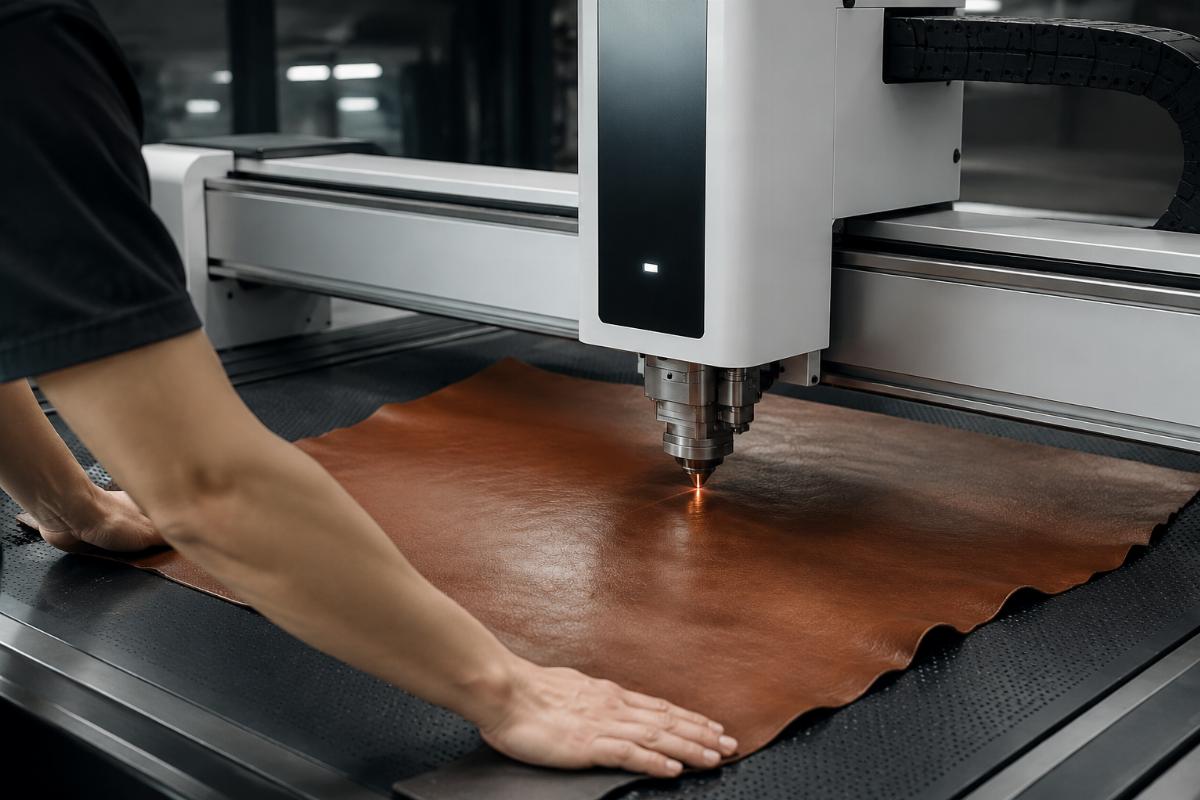
- Parameter Requirement List – Write down your exact core requirements for material type, maximum cutting thickness and required positioning accuracy before requesting quotes.
- Customization Confirmation – Ask suppliers if they offer fully customizable configurations to avoid paying for unused features.
- Sample Test Request – Always request a free test cut of your actual production materials to verify performance before placing a formal order.
What are the long-term return advantages of choosing a new CNC cutting machine from a professional Chinese manufacturer?
Specialized Chinese CNC cutting machine manufacturers deliver standardized production quality, complete after-sales support and custom configuration options that drive 20-30% lower total cost of ownership within 3 years of purchase. Leading domestic suppliers like Realtop Machinery operate as certified high-tech enterprises with Intertek verification and full CE certification for all products, with core specs including ±0.1mm repeat positioning accuracy, support for 30+ flexible material types and a 3-year full warranty on all units.
| Long-Term Benefit | Typical Outcome with Non-Specialized Suppliers | Standard Outcome with Specialized Chinese Manufacturers |
|---|---|---|
| Total Cost of Ownership | 15-25% higher total cost over 3 years due to unplanned downtime | 20-30% lower total cost over 3 years with stable operational performance |
| Custom Lead Time | 8+ week lead time for custom configured units | 31 day lead time for fully custom units with full pre-shipment testing |
| Post-Purchase Support | Limited 1-year warranty and no ongoing software upgrades | 3-year warranty, lifelong free software upgrades and 24/7 online support |
These benefits are consistent across all core customer segments, from equipment traders looking for reliable white-label supply chains to industrial material processors needing heavy-duty units for thick, tough composite materials.
- Manufacturer Certification Check – Verify that potential suppliers hold valid third-party certifications including Intertek verification and CE certification for all products.
- Warranty Terms Comparison – Compare full warranty coverage periods and included support services rather than only comparing upfront unit prices.
- Custom Lead Time Confirmation – Confirm exact lead times for custom units to align with your production upgrade timeline.
الاستنتاج
**
