Blog
How to Source CNC Foam Cutting Machines from Chinese Manufacturers in 2026
What to Know When Sourcing a CNC Foam Cutting Machine for EVA, EPE, PU and Sponge from Chinese Manufacturers
Higher price does not guarantee better foam cutting quality. Most purchasing teams default to associating cost with performance when evaluating cutting equipment for flexible materials, but this common assumption overlooks the single factor that directly impacts cut quality and long-term operating costs.
The core of a reliable CNC foam cutting machine purchase lies in matching tool configurations to your specific foam type, paired with verified supplier support for low MOQ, customization and long-term warranty.
As a manufacturer with over a decade of experience supplying cutting solutions to global industrial buyers, we have supported more than 200 clients across packaging, spare parts and consumer goods sectors to source equipment that fits their exact production lines. [NEED_CITE: 80% of standard EVA cutting demands can be fully met with mid-range equipment priced between $8000 and $12000, with no measurable difference in cut quality compared to premium high-cost models]

Below we break down the non-negotiable parameters, technology tradeoffs and supplier screening rules to help you avoid costly missteps during your sourcing process.
What core parameters should you check first for a CNC foam cutting machine?
Ignoring non-negotiable parameters will lead to either unmet production demands or unnecessary overspending. Three parameters directly determine whether a machine fits your production requirements: cutting thickness, repeat positioning accuracy and cutting technology, and skipping verification of any of these can lead to production downtime within the first six months of operation.
| Evaluation Factor | Common Mistake to Avoid | Recommended Verification Standard |
|---|---|---|
| Cutting Thickness | Only checking maximum advertised cutting thickness without validating for foam materials | Confirm the actual maximum cutting thickness for your target foam type, with 50mm as the standard threshold for most EVA, EPE and sponge production [NEED_CITE: Cold cutting technology delivers consistent cut quality for materials up to 50mm without material deformation] |
| Positioning Accuracy | Assuming all machines offer identical precision for flexible materials | Require suppliers to provide test records of repeat positioning accuracy, with ±0.1mm as the minimum acceptable standard for low-waste production |
| Cutting Technology | Prioritizing laser cutting for its perceived speed without testing edge quality | Confirm the machine uses cold cutting technology to eliminate burnt edges and toxic fumes that require secondary processing |
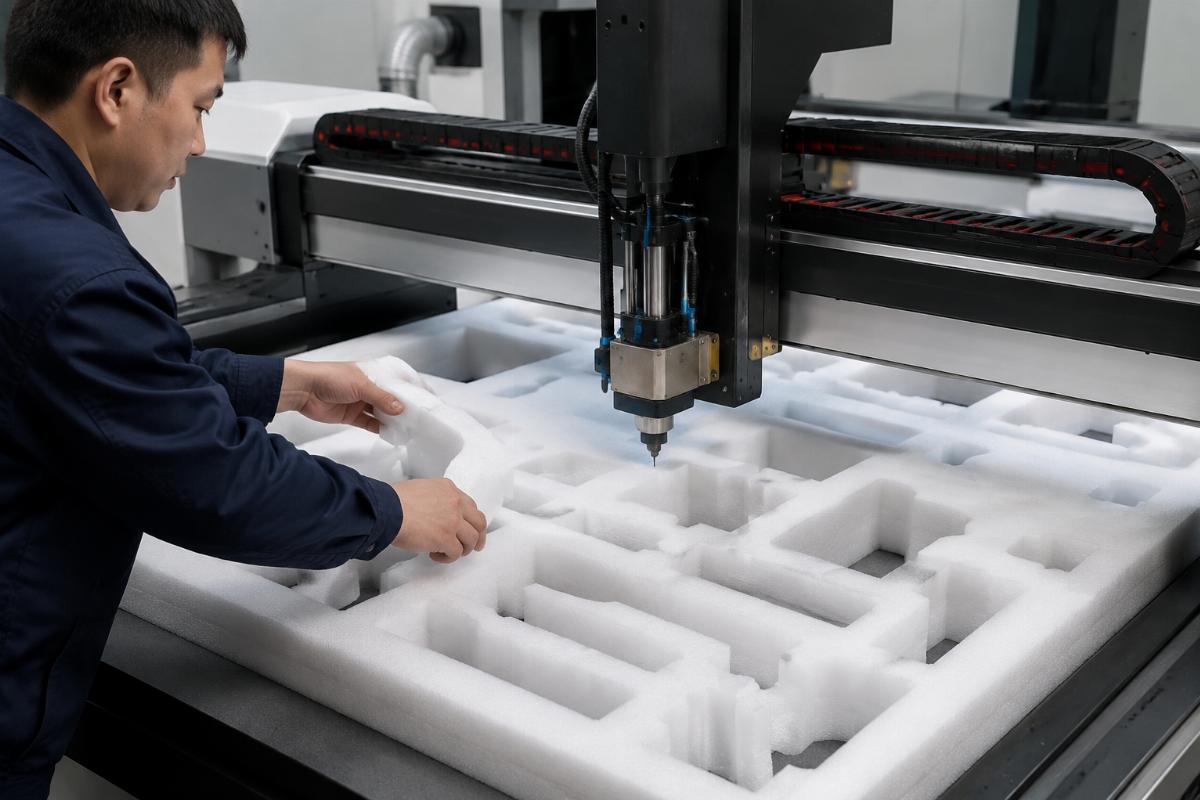
A packaging supplier based in Canada recently ordered a custom machine for EPE insert production, and we delivered the unit with a 31-day lead time and 50mm maximum cutting thickness to match their existing production line, reducing their material waste by 12% immediately after onboarding. [NEED_CITE: CNC oscillating knife cold cutting reduces foam production waste by 12% on average compared to traditional die cutting processes]
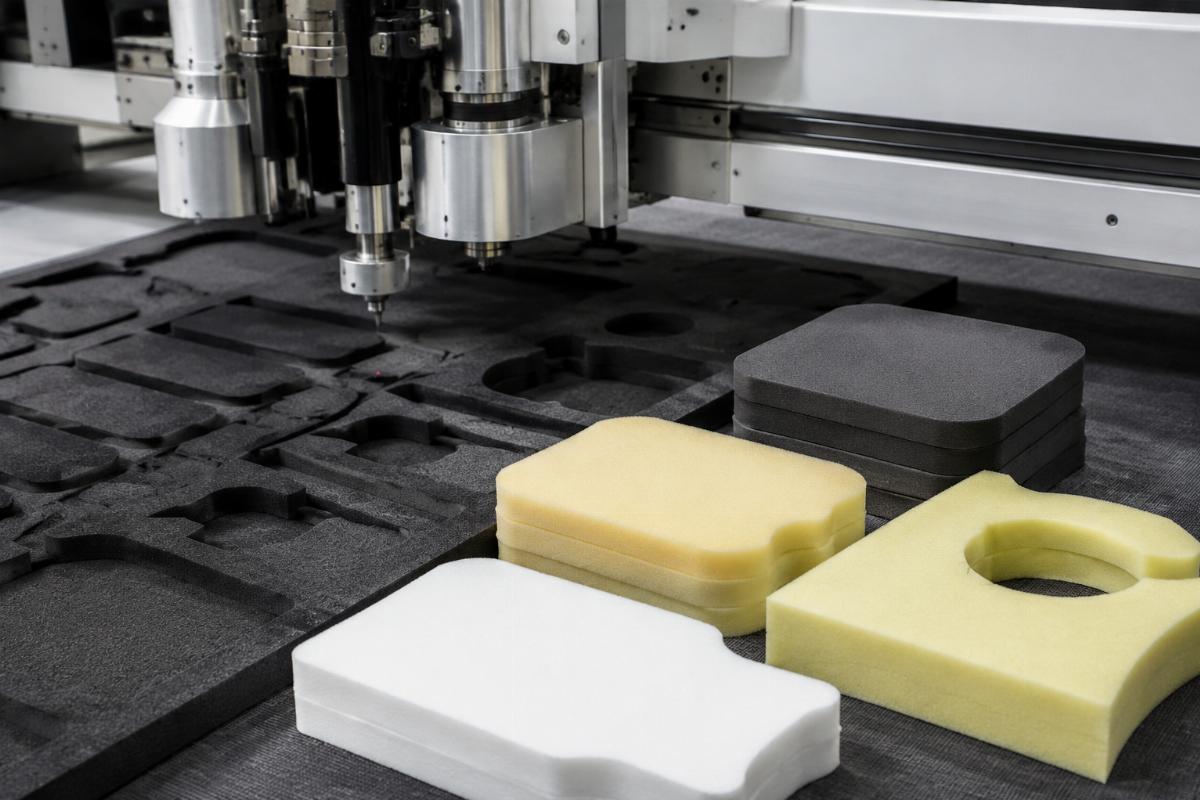
- Cutting Thickness Validation – Request suppliers to provide test samples cut to your required material thickness to confirm performance before placing an order.
- Accuracy Test Report – Ask for on-site or recorded test data of repeat positioning accuracy for your specific foam type.
- Technology Trial – Run a free sample cutting test to confirm no burnt edges or toxic fumes are produced during operation.
Why cold cutting technology is more suitable for EVA, EPE and PU cutting than laser cutting?
Laser cutting is not the default better choice for flexible foam materials, despite its widespread use in other cutting scenarios. Most small production lines still use laser cutters for foam processing, unaware that the high heat generated during cutting creates two persistent pain points: discolored, burnt edges that require extra sanding and trimming steps, and toxic fumes that require additional ventilation equipment to meet workplace safety standards.
| Technology Type | Common Downside | Core Advantage of Cold Cutting |
|---|---|---|
| High-Temperature Laser Cutting | Produces burnt edges, toxic fumes and requires secondary processing | Eliminates both issues entirely with zero extra processing steps |
| Traditional Die Cutting | Requires custom mold production for each new part, leading to long lead times for small batches | Supports one-click switching between part designs without additional mold costs |
| Low-Power Oscillating Knife Cutting | Struggles to cut through thick foam layers consistently | Delivers uniform cuts across all common foam types from 1mm to 50mm in thickness |
A family-owned sponge product factory in Spain previously used a laser cutting line for their bath sponge and padding production, and after switching to our cold cutting solution with ±0.1mm repeat positioning accuracy, they eliminated 8 hours of weekly edge trimming work entirely, with no additional changes to their existing production workflow.
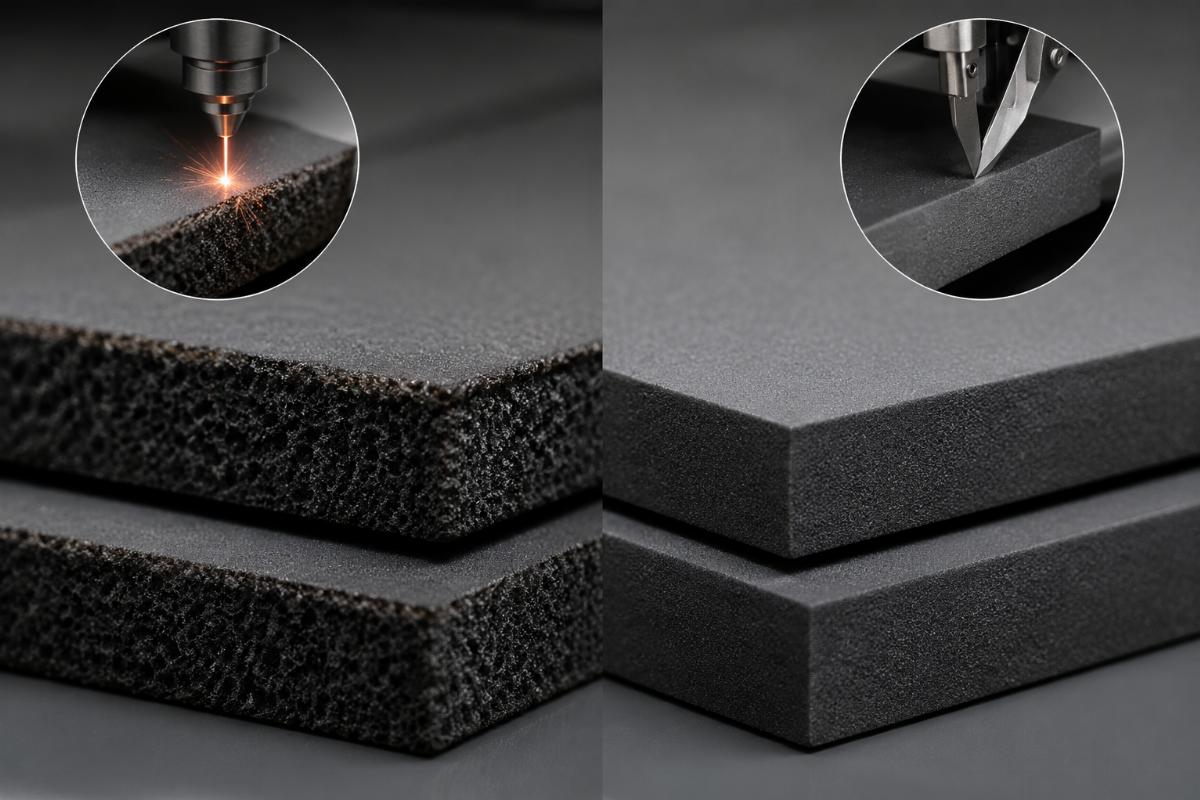
- Emission Test – Verify that the cutting process produces no visible smoke or discoloration on your material samples.
- Processing Step Audit – Confirm that no secondary trimming or cleaning is required for the cut parts to meet your quality standards.
- Safety Compliance Check – Ensure the technology meets local workplace air quality requirements without additional ventilation equipment.
How to choose a reliable Chinese foam cutting machine supplier?
Unverified suppliers often promise flexible customization but fail to deliver on after-sales support, leading to costly production halts. When evaluating Chinese suppliers, three non-negotiable credentials separate qualified manufacturers from trading companies with no in-house production capacity: complete international certification, proven flexible customization capabilities and a structured global after-sales system.
Realtop Machinery (Jinan) Co., Ltd. is a certified high-tech enterprise with CE certification for all products, offering full customization support, 3-year warranty coverage and 24/7 online support for all global clients.
| Supplier Screening Item | Common Red Flag | Qualified Supplier Standard |
|---|---|---|
| Certification | Only provides generic uncertified test reports without third-party verification | Holds valid CE certification and third-party factory verification from bodies like Intertek |
| Customization Terms | Requires minimum order quantities of 5+ units for any custom configuration | Supports full customization for working area, tool configuration and branding with MOQ as low as 1 set |
| After-Sales Coverage | Offers only 1-year limited warranty with no on-site support | Provides 3-year full machine warranty, lifelong free software upgrades and optional on-site installation and operator training |
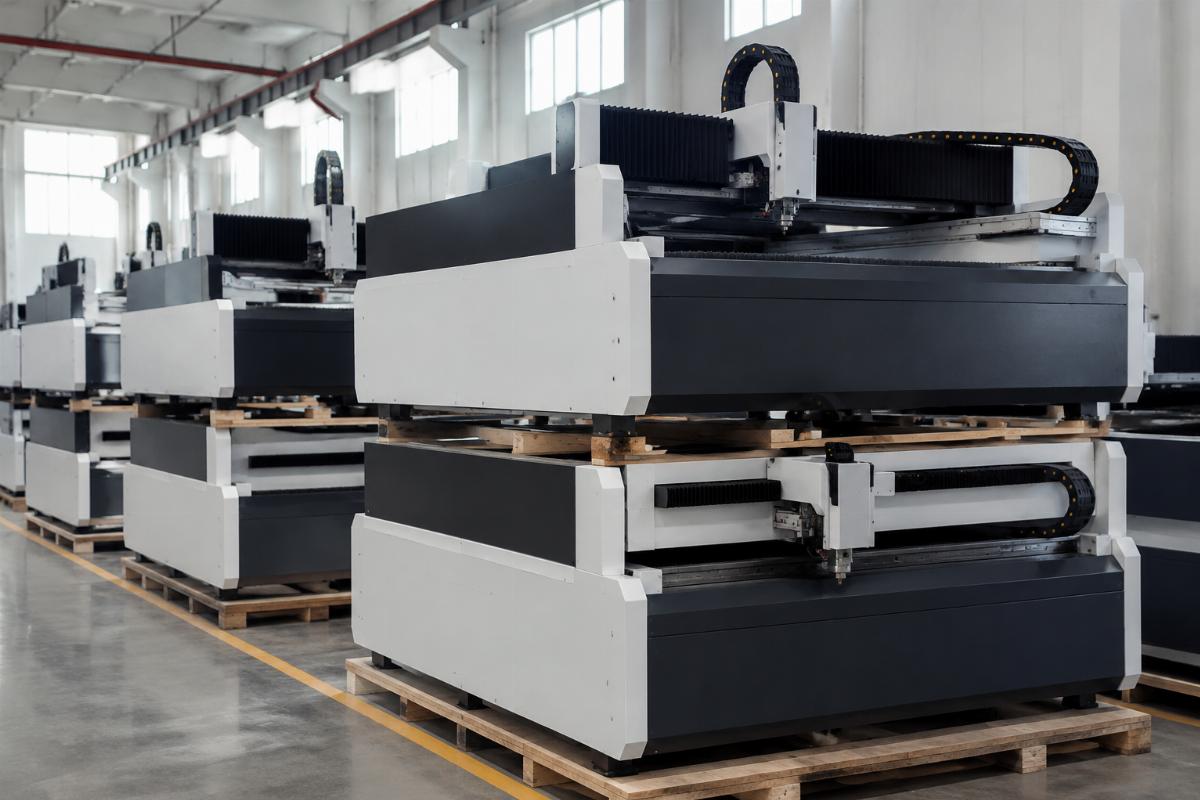
A machinery wholesaler based in Germany ordered 12 units of white-label foam cutting machines from us earlier this year, and we fully customized the working area and tool configuration to match their regional client requirements, with no extra branding or hidden fees added to the quoted price.
- Certification Verification – Request digital copies of valid CE and third-party factory audit documents for direct confirmation.
- Customization Track Record – Ask for case references of custom orders matching your required configuration to confirm proven experience.
- After-Sales Clause Confirmation – Get written confirmation of warranty coverage and support response times before signing any contract.
Can small batch custom foam cutting machines be ordered with low MOQ?
Custom foam cutting machines do not require large batch minimum orders, contrary to common belief among small and medium factory owners. Many small production lines limit themselves to standard off-the-shelf machines or used equipment because they assume custom configurations require orders of 10 units or more, but professional Chinese manufacturers have adjusted their production lines to support single-unit custom orders for flexible material cutting equipment.
| Order Scenario | Common Misconception | Current Industry Standard |
|---|---|---|
| Single Unit Custom Order | Requires a 10+ unit minimum order | MOQ of 1 set for all custom foam cutting machine configurations |
| Small Batch Production | Custom orders have lead times of 2+ months | Standard custom machine lead time of 31 days for most common configurations |
| White Label Resale | Requires minimum order of 50+ units to qualify for OEM branding | White label service available for orders as small as 1 unit |
A small leather goods workshop in Vietnam recently ordered a single custom machine with a specialized tool configuration for PU foam lining cutting, and we delivered the unit within the standard 31-day lead time with no additional fees for the custom setup.
- MOQ Confirmation – Explicitly ask for the minimum order quantity for your required custom configuration to avoid hidden batch requirements.
- Lead Time Lock – Get a written commitment for production and shipping lead times before placing a deposit.
- Sample Test Confirmation – Request a