




Fast Delivery
Quick, reliable shipping to any location.

Free & easy returns
Return this item by mail or in store within 90 days for a full refund.
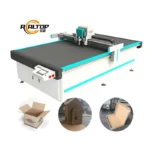
Cutting Method Matched to Material — Realtop builds both oscillating knife and flatbed digital cutting tables in-house, so packaging producers can select the tool head and vacuum zoning that their specific board grade and sticker stock actually requires, rather than forcing one configuration across every job.
Technical Specifications
| Parameter | Value |
|---|---|
| Model | RT–R2513 / RT-D2516 / RT-S2516 |
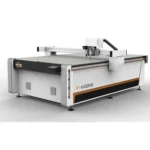
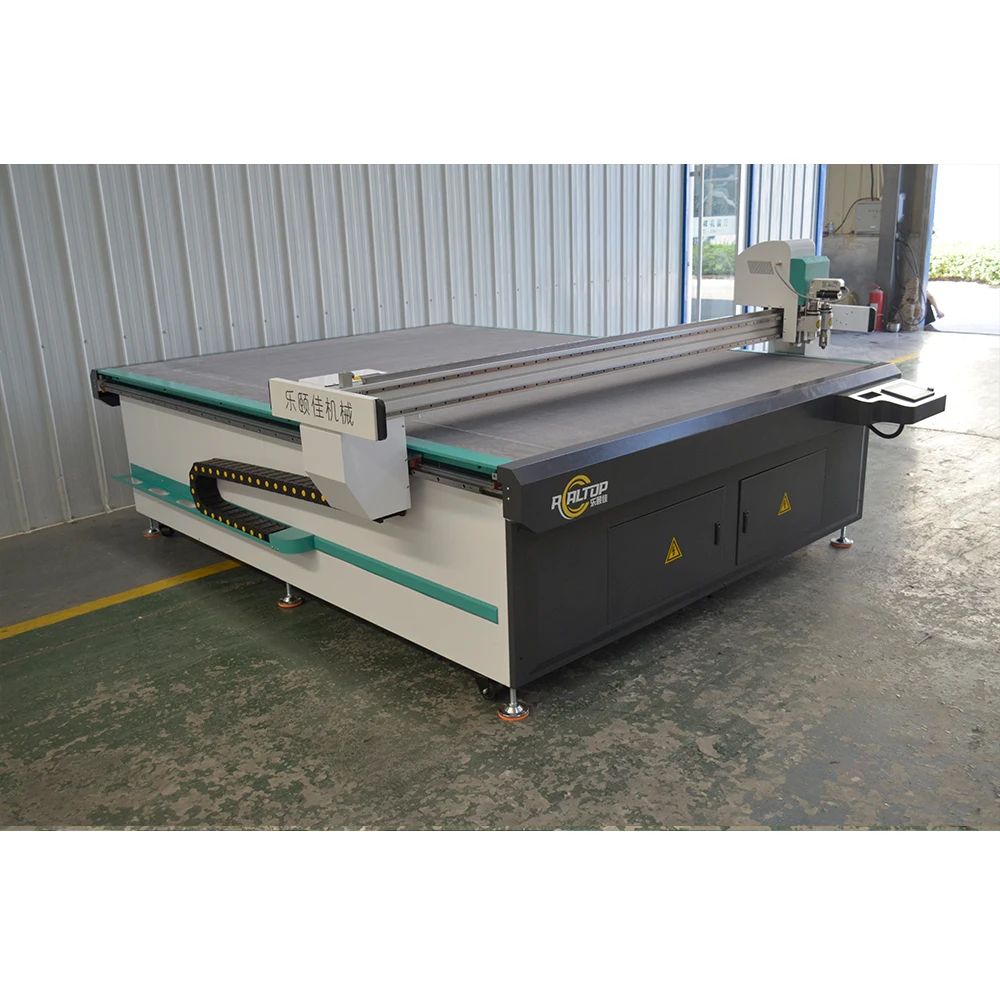
| Product Type | CNC Oscillating Knife Digital Cutting Table |
| Working Area | 2500×1300 mm (RT–R2513) / 1600×2500 mm (RT-D2516 / RT-S2516) |
| Overall Dimensions | 3550×1910×1400 mm (RT–R2513) / 3450×2300×1250 mm (RT-D2516 / RT-S2516) |
| Rated Power | 9 kW |
| Voltage | 380 V |
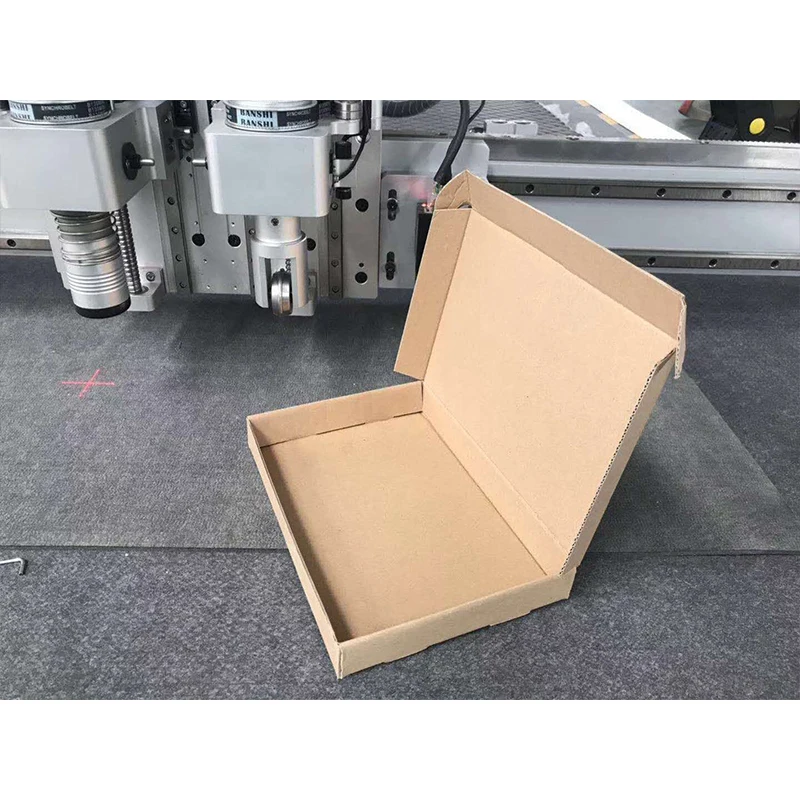
| Tool Head Options | Oscillating knife, Creasing tool, Kiss-Cut knife, Round punch |
| Cutting Thickness | ≤18 mm (basis not stated in source — confirm material type and density) |
| Repeated Accuracy | <0.05 mm |
| Transmission | Ethernet port |
| File Formats Supported | DXF, OLT, PDF, AI |
| Vacuum Platform | Aluminum alloy honeycomb structure vacuum adsorption platform |
| Servo Motor | Dongling servo (Delta servo motor listed as option) |
| Safety Device | Infrared sensors, emergency stop |
| Guide Rail | Taiwan Hiwin rail |
| Vacuum Pump | 7.5 kW |
| Auto Feeding | Available as option with conveyor belt |
| Control Language | Customizable (English, Russian, Italian, Chinese) |
| Nesting Software | Included carton nesting software with customized language support |
| Blades Included | 10 pieces of oscillating blades |
| Warranty | 1 year (excluding felt and knife blades) |
Application Suitability
| Application | Material or Output |
|---|---|
| Carton sample making and short-run box production | Corrugated cardboard, grey board, folding carton stock |
| Sticker and label contour cutting | Adhesive vinyl, PP paper, printed sticker sheets |
| Paper-based packaging for consumer goods | Coated paperboard, kraft board, gift box board |
| Express shipping box prototyping | Single and double-wall corrugated sheets |
| Leather component cutting for packaging inserts | Natural and synthetic leather |
Why the Wrong Tool Head Ruins Perfectly Good Board
A digital flatbed cutting machine for sale might list every tool head in the brochure, but if the oscillating knife stroke, creasing wheel pressure and vacuum zoning are not specified against your actual board grade and sheet size, the first production run becomes scrap. The correct tool head is the one matched to your thickest and your smallest piece — not the one that looks right on a spec sheet.
I have seen packaging sample rooms where a kiss-cut knife was used on 3 mm grey board because that was what the operator had on the spindle from the last sticker job. The result was incomplete cuts and torn edges across the entire sheet. The machine was not at fault; the configuration was [NEED_CITE: tool head selection criteria for digital cutting by material type and density].
Matching Tool Heads to Board Grade and Sticker Stock
The RT–R2513, RT-D2516 and RT-S2516 each accept oscillating knife, creasing tool, kiss-cut knife and round punch heads. Oscillating knife handles corrugated and thicker board where a drag knife would crush the flute structure. Creasing tools score fold lines without cutting through the face stock, which matters for folding carton and gift box work. Kiss-cut knife is reserved for sticker and label contour cutting where the backing paper must remain intact.
Vacuum Zoning and Small-Part Stability
The aluminum alloy honeycomb vacuum adsorption platform holds material flat during cutting, but zoning determines whether small offcuts stay in place once the knife completes its path. When a packaging producer cuts die-line shapes with narrow waste strips, insufficient vacuum in the active zone allows those strips to lift and shift under the tool head [NEED_CITE: vacuum adsorption requirements for small-format digital cutting jobs]. This is where specifying the smallest piece dimension before order prevents production-day failures.
Reading the Specs That Actually Matter on the Shop Floor
Repeated accuracy of <0.05 mm means that nested carton patterns cut in sequence will align when folded and glued, reducing rejection at the finishing stage. The 9 kW rated power drives both the cutting head and the 7.5 kW vacuum pump simultaneously, which matters when a buyer is planning the electrical circuit for a new sample room. Ethernet transmission allows direct file transfer from a design workstation without relying on USB drives that carry malware risk in shared production environments.
File format support across DXF, OLT, PDF and AI means the carton nesting software can import artwork directly from the design team’s existing workflow, whether that is Illustrator-based or CAD-based. The 2500×1300 mm working area on the RT–R2513 suits standard full-sheet carton board, while the 1600×2500 mm area on the RT-D2516 and RT-S2516 accommodates wider format packaging and longer corrugated sheets.
What Happens When Configuration Is Skipped
When a buyer orders a CNC oscillating knife cutting table based on working area alone and skips the tool head and vacuum discussion, the consequences appear within the first week. Thicker corrugated board cut with a drag knife produces crushed flutes and ragged edges that fail compression testing. Small sticker contours on a table without adequate vacuum zoning lift mid-cut, producing offset contours that do not match the printed registration marks [NEED_CITE: common causes of registration failure in digital contour cutting].
Why Source This Range Here
Realtop designs and manufactures both knife and laser cutting equipment under one roof, so a packaging buyer evaluating the full catalogue can compare cutting methods against their material without being pushed toward a single technology. Tool head and table configuration are specified per material and production volume before the order is placed, not adjusted after delivery. CCD camera positioning is available for printed contour work where sticker and label producers need to track registration marks at production speed.
Software compatibility is confirmed before order — the carton nesting software accepts the buyer’s existing file formats and is delivered with the control language set for the target operator. Sample cutting on the buyer’s own material is available before commitment, producing an edge quality and cutting depth report that removes guesswork. Voltage, plug type and control language are confirmed in the specification stage, not discovered when the crate arrives at the port [NEED_CITE: export machinery electrical compliance by destination market].
Documentation & Verification
- Machine specification sheet confirming tool head and table configuration per material
- Electrical schematic with voltage and frequency confirmed for destination market
- Sample cutting report produced on buyer’s own board and sticker stock
- Software licence and file format compatibility note for workflow integration
- Factory test record documenting accuracy and vacuum performance before dispatch
- Operation and maintenance manual with customized control language
Installation, Commissioning & Support
- Floor space planning based on 3550×1910 mm footprint with clearance for sheet loading
- Dedicated 380 V circuit sized for 9 kW total draw including 7.5 kW vacuum pump
- Machine arrives assembled with vacuum platform and gantry; conveyor option requires belt tensioning on site
- First-run commissioning includes tool head pressure calibration and vacuum zone verification
- Operator training covers nesting software workflow and file import in the confirmed language
- Ten oscillating blades supplied at delivery; felt and blade replacement excluded from warranty
Preparing a Meaningful Inquiry
A CNC oscillating knife cutting table manufacturer can only recommend the correct configuration when the buyer provides the material type, thickness range, maximum and minimum sheet size, and the smallest piece dimension in the nesting layout. Include the target daily volume and whether the work involves printed contour cutting or plain board. Specify the local voltage and frequency, the preferred control language, and whether auto feeding with conveyor is needed for roll-to-sheet workflow.
Frequently Asked Questions
Q: How do I compare working area sizes and choose the right model for my sheet format?
A: Measure your largest standard sheet and add clearance for clamping and tool travel. The RT–R2513 covers 2500×1300 mm for standard carton board, while the RT-D2516 and RT-S2516 offer 1600×2500 mm for wider packaging formats. Daily volume and whether you process full sheets or nested layouts determine which size pays for itself in throughput.
Q: Which tool head is correct for my material type and thickness?
A: Oscillating knife handles corrugated and board up to the rated cutting thickness. Creasing tools score fold lines on folding carton. Kiss-cut knife cuts sticker and label contours without damaging the backing paper. Round punch handles internal cutouts. The correct head depends on material density and the edge quality your finished packaging requires.
Q: What file formats does the software accept, and will it fit my existing workflow?
A: The included carton nesting software imports DXF, OLT, PDF and AI files. File format compatibility is confirmed before order to ensure it integrates with your design and nesting workflow. The software language is customizable, so operators work in their preferred language from day one.
Q: What voltage, plug and control language options are available before shipment?
A: The standard configuration runs on 380 V, with voltage and plug type confirmed during the specification stage for your destination market. Control language options include English, Russian, Italian and Chinese, with other languages available on request. All electrical settings are documented in the schematic before dispatch.
Q: Can I send my own material for sample cutting before ordering?
A: Yes. Send your board, sticker stock or packaging material to the factory for a sample cutting test. The resulting report documents edge quality, cutting depth and vacuum holding performance on your actual material, so you can evaluate the machine’s capability before committing to an order.










商品评价
There are no reviews yet.