

Fast Delivery
Quick, reliable shipping to any location.

Free & easy returns
Return this item by mail or in store within 90 days for a full refund.
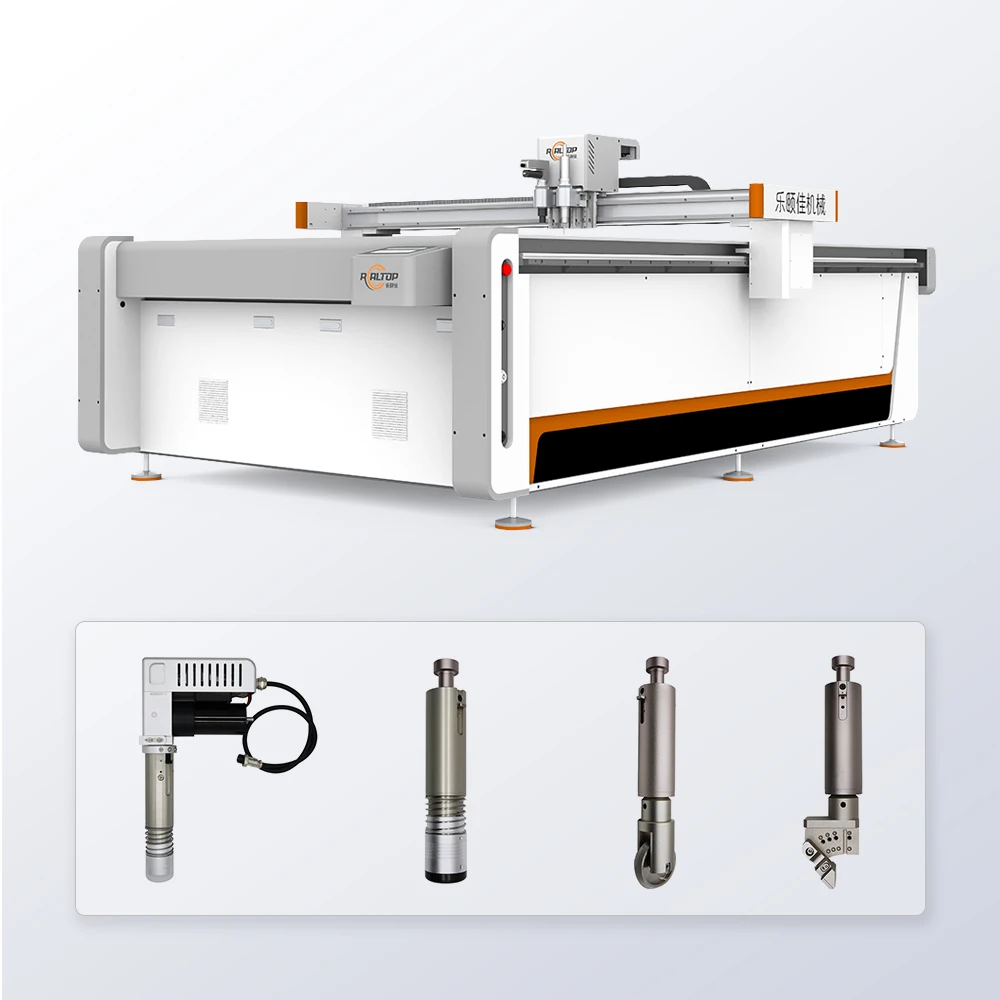
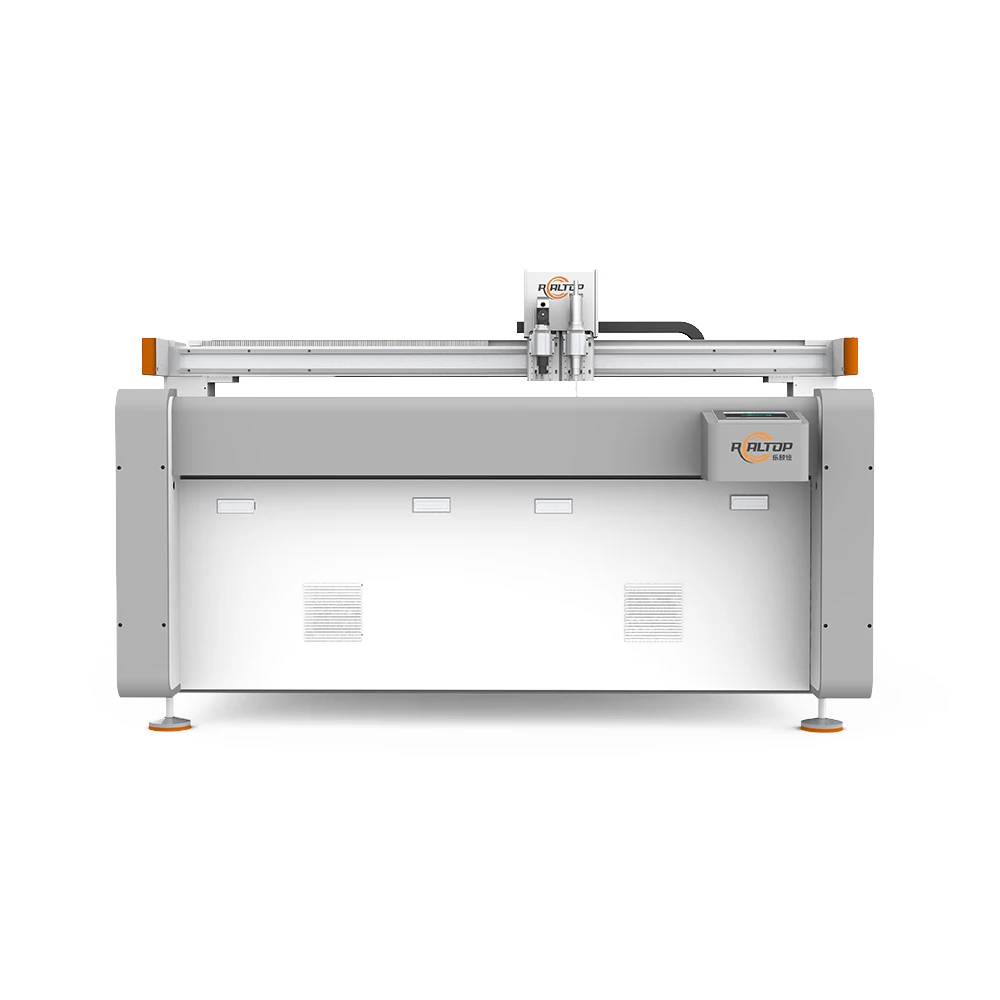
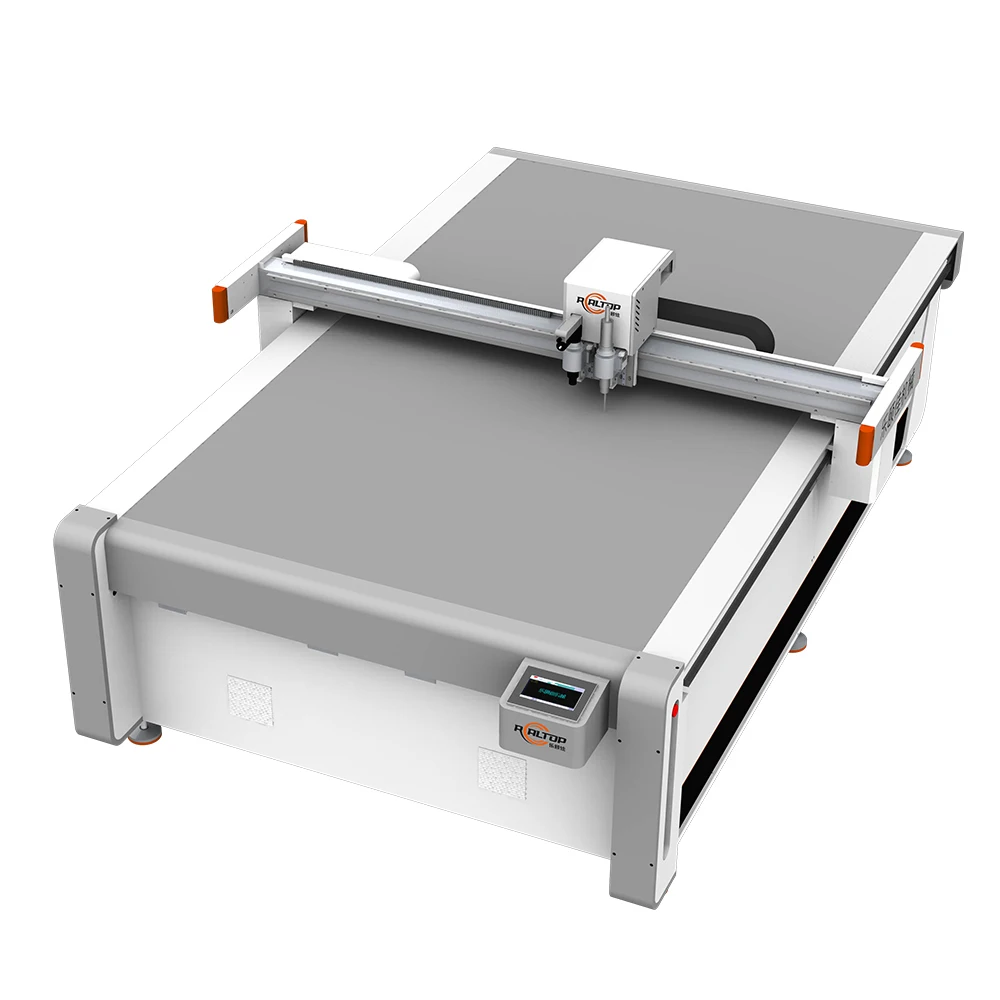
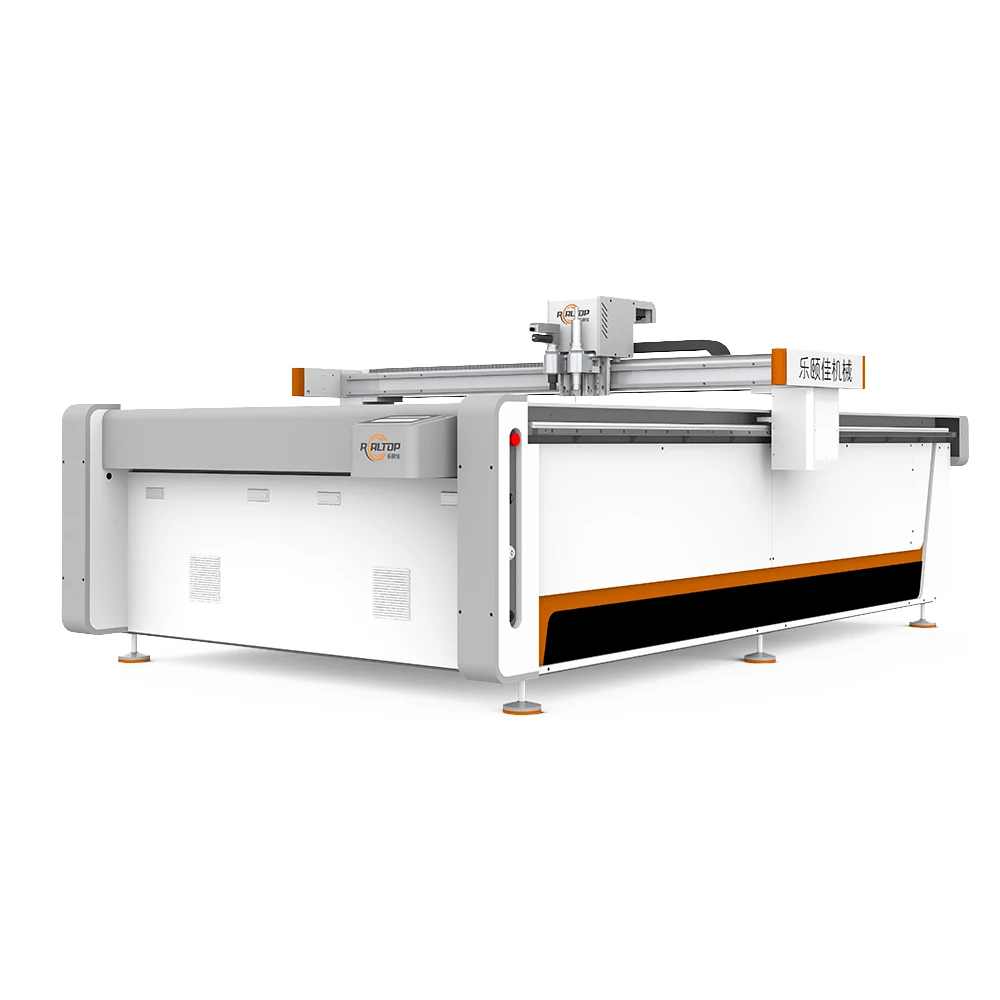
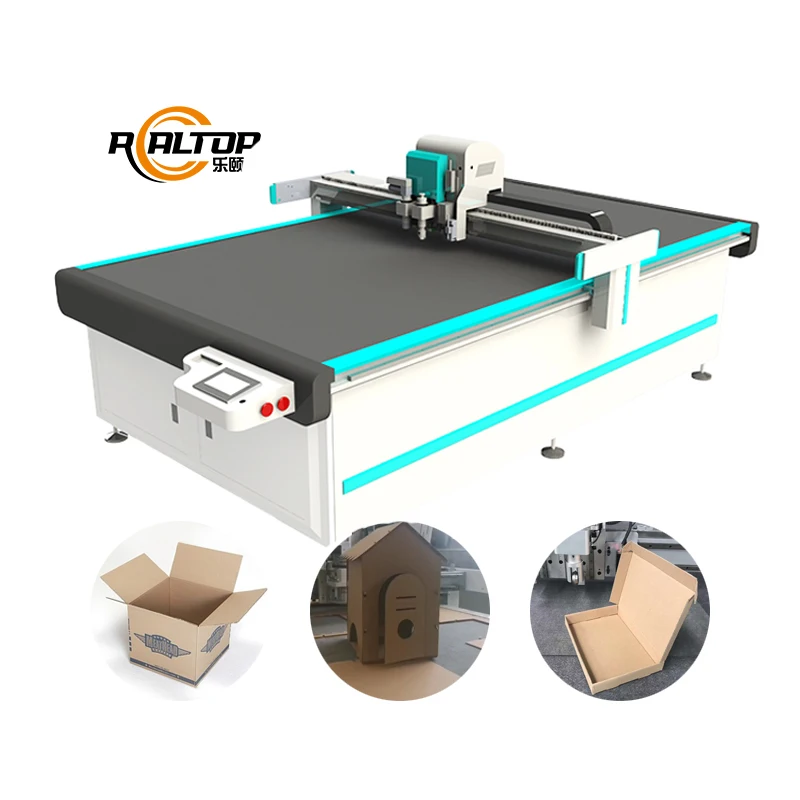
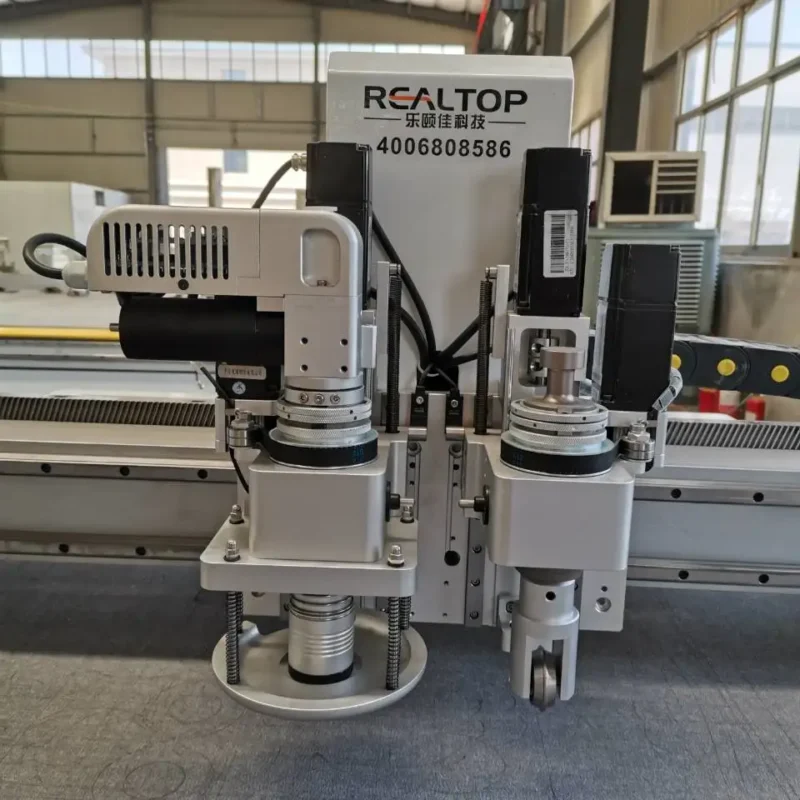
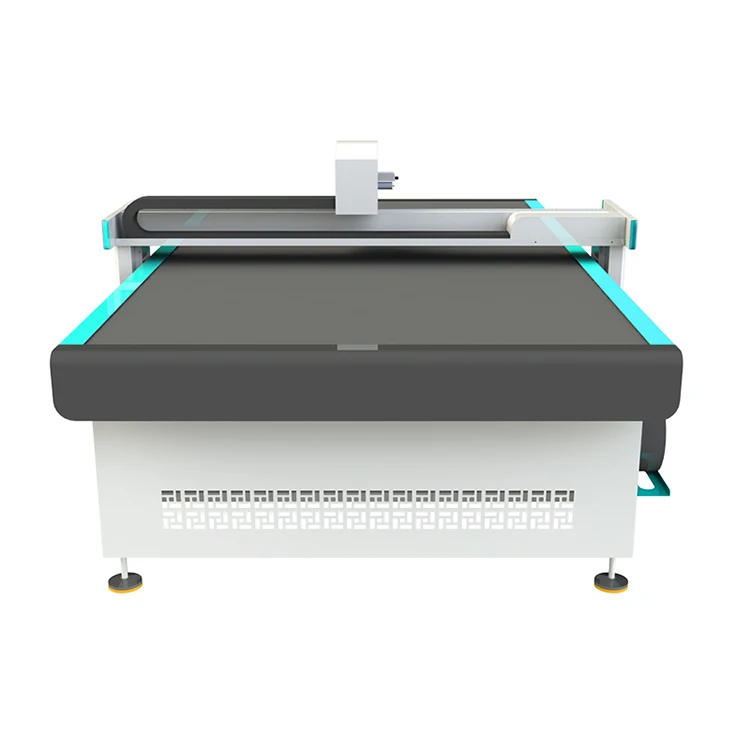
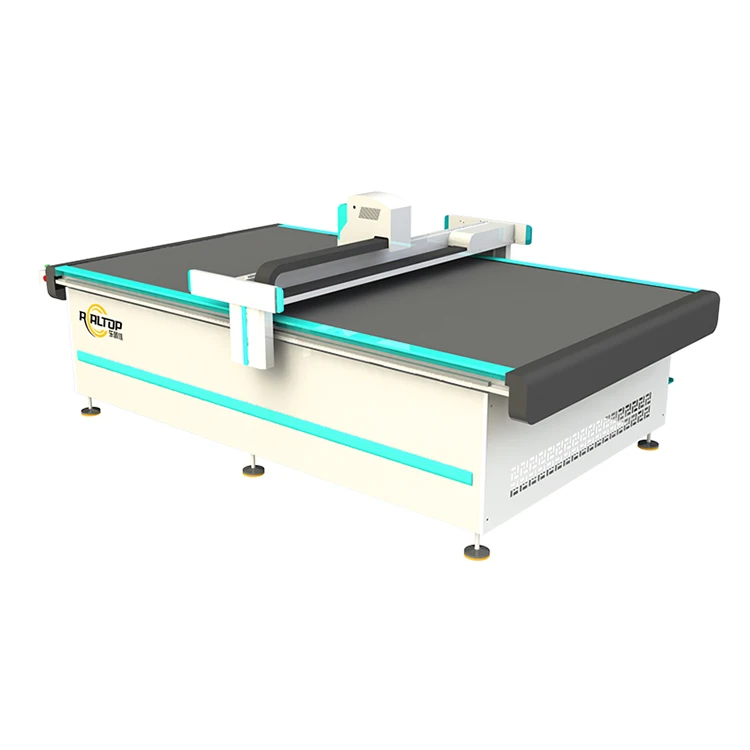
Tool Head Versatility — Seven interchangeable cutting tools configured per material thickness and edge requirement, from oscillating knife for corrugated board to creasing wheel for fold lines.
Technical Specifications
| Parameter | Value |
|---|---|
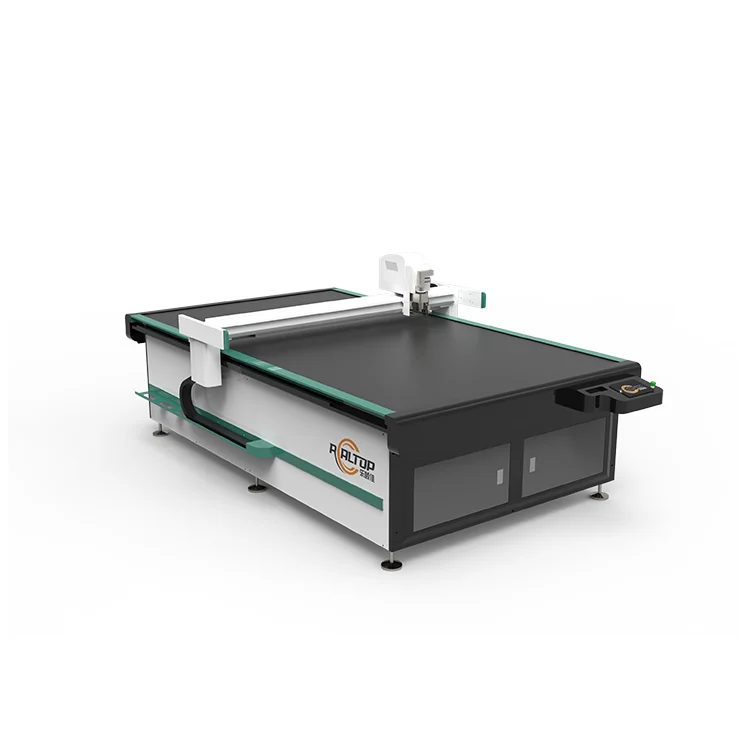
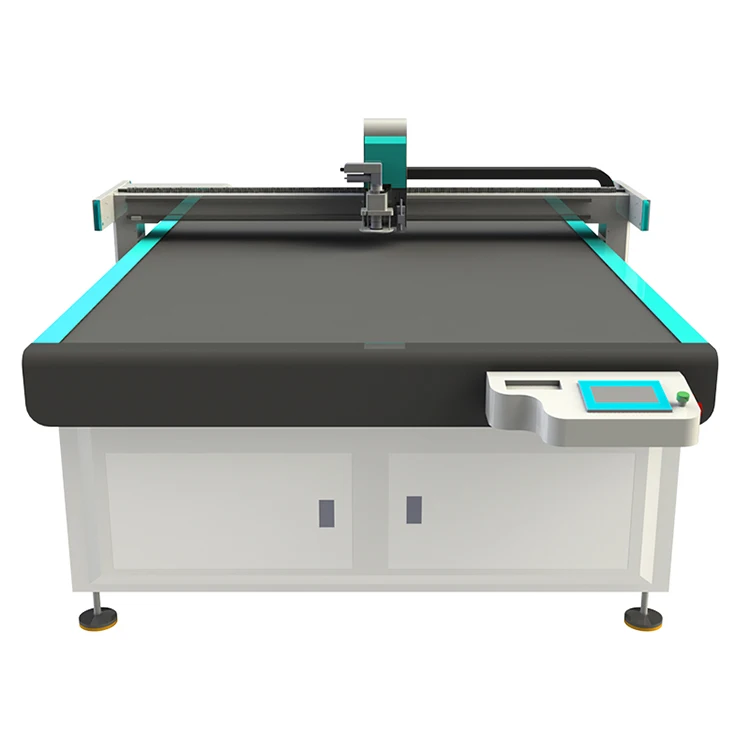
| Product Type | CNC Oscillating Knife Cutting Machine |
| Cutting Area | 1600×2500 mm |
| Tool Options | Oscillating knife, Driven rotary knife, Creasing wheel, Kiss cutting tool, Pneumatic knife, Milling tool, V-groove knife |
| Cutting Speed | 0–1500 mm/s |
| Cutting Thickness | ≤ 40 mm (basis not stated in source — confirm material type and density) |
| Cutting Accuracy | ±0.1 mm |
| Vacuum Pump | 9 kW |
| Vacuum Table | Aluminum bellows vacuum table |
| Control System | PLC control panel |
| Servo Motors | Panasonic, Delta, Dorna options |
| Voltage Options | 110V, 220V, 380V |
| Supported Formats | PLT, DXF, AI, PDF |
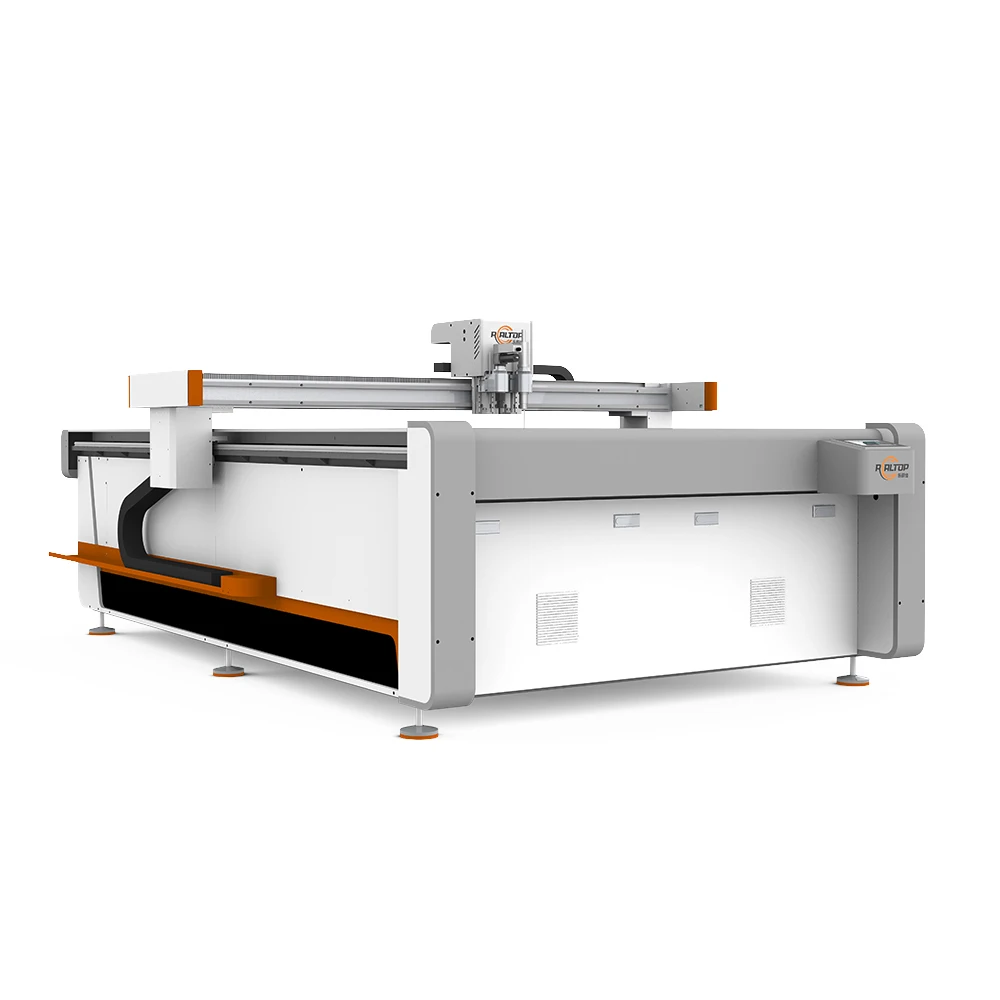
| Machine Dimensions | 3300×2100×1350 mm |
| Safety Features | Infrared sensor device, emergency stop |
| Language Options | English, Russian, Italian, Chinese (customizable) |
Application Suitability
| Application | Material or Output |
|---|---|
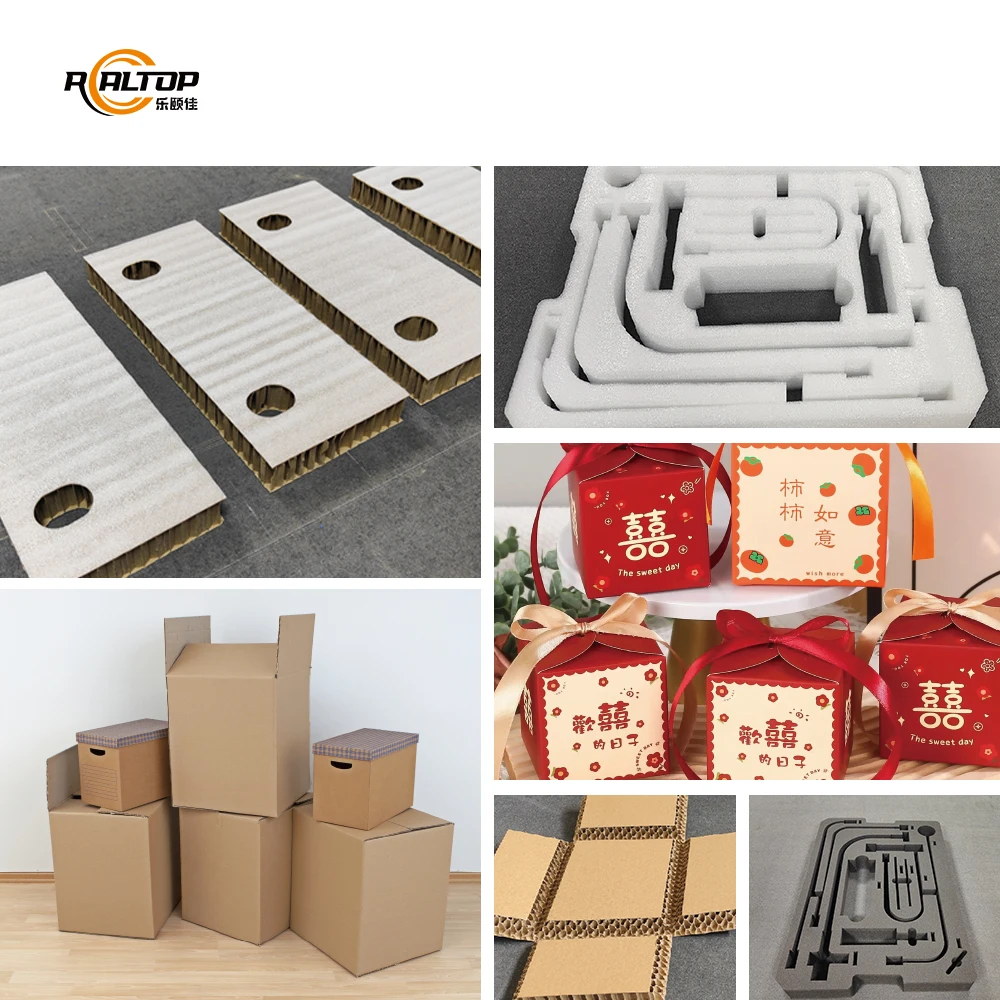
| Corrugated packaging sample making | E-flute, B-flute, BC-flute cardboard |
| Greyboard and cardstock processing | Folding carton stock and rigid board |
| Foam gasket and insert cutting | EVA, EPE, PU foam sheets |
| Rubber mat and fabric cutting | Industrial rubber, textiles, synthetic leather |
| Thin plastic sheet cutting | PVC, PET sheets |
| Composite material processing | Adhesive-backed and laminated materials |
| Packaging prototyping | Box structure samples and short-run production |
What Material Thickness Reveals Before the Purchase Decision
A cutting machine specified only on working area without material density verification will fail on the shop floor.
I once configured an oscillating knife table for a Southeast Asian packaging plant based on corrugated samples they sent. The test cuts were clean, the edges sharp. Two weeks after delivery, they switched to laminated hard cardstock with a protective film layer. The oscillating knife could not penetrate the composite structure, leaving torn fibers along every cut line. The production manager sent me photos of ruined sheets piled beside the machine. We solved it by swapping in a drag knife with a creasing wheel, but the downtime cost them real money. [NEED_CITE: material density and lamination effects on knife cutting performance]
Matching the Cutting Method to the Substrate
The available tool heads on this CNC oscillating knife cutting machine for sale address different material behaviors rather than offering generic versatility. An oscillating knife works well on corrugated flutes because the rapid up-and-down motion shears through the air gaps without crushing the structure. A driven rotary knife handles dense textiles and synthetic leather where a continuous slicing action prevents fraying. Kiss cutting tools score adhesive-backed labels without cutting through the release liner, which requires depth control that oscillating tools cannot replicate.
Why Vacuum Zoning Decides Small-Part Quality
The aluminum bellows vacuum table provides full-surface adsorption, but holding small cut pieces flat during the final passes remains a practical challenge. When a vacuum zone covers a large area and only a small portion holds material, the suction distributes across empty table surface. Operators cutting gaskets or packaging inserts notice corner lift on pieces under a certain size. The table design here requires zoning configuration matched to the typical part dimensions in your production mix, not just the maximum sheet size. [NEED_CITE: vacuum table zoning requirements for small part retention]
Reading the Specification Sheet Beyond Working Area
The 1600×2500 mm cutting area defines the maximum sheet footprint, but the 9 kW vacuum pump determines whether that entire area actually holds material during operation. A weaker pump on a large table loses suction at the far zones, causing material shift mid-cut that shows up as registration errors on printed contours. The PLC control panel with multi-language support means operators do not need to memorize error codes in an unfamiliar language. Servo motor selection across Panasonic, Delta, and Dorna options affects acceleration behavior on intricate cut paths where direction changes happen every few millimeters. The ±0.1 mm cutting accuracy matters most on packaging prototypes where fold lines and cut lines must align within tight tolerances for the box to assemble correctly.
The Hidden Cost of Skipping the Sample Test
Specifying a machine from a catalog without sending your actual production material for testing creates a gap between the quoted capability and the real cutting result. Laminated boards behave differently from uncoated stock of the same thickness. Foam density varies between manufacturers even when the nominal specification reads identically. A buyer who approves a configuration based on standard test materials may discover edge quality problems only after the machine arrives and production begins. [NEED_CITE: material variability between suppliers affecting cutting tool selection]
Why Buyers Source This Equipment Here
In-house design covering both knife and laser cutting technologies means a packaging sample maker can evaluate which method suits their material mix rather than being locked into one approach. Tool head and table configurations get specified per material type and production volume, not quoted as a standard package. The dedicated packaging box structure design software integrates with the supported PLT, DXF, AI, and PDF file formats so existing design workflows carry over without manual redraws. Sample cutting on the buyer’s own material happens before order confirmation, producing a cutting report that documents tool selection, speed settings, and edge quality on the actual substrate. Voltage, control language, and documentation get confirmed in writing before production starts.
Documentation & Verification
- Machine specification sheet listing every installed tool head and table zone configuration
- Electrical schematic with confirmed voltage and phase matching your facility supply
- Sample cutting report on your material showing edge quality and dimensional accuracy
- Software license and file format compatibility note for your existing design files
- Factory test record documenting cutting performance before crate closure
- Operation and maintenance manual in your selected control language
Installation, Commissioning & Support
- Floor space allocation based on 3300×2100 mm machine footprint plus operator access clearance
- Dedicated power circuit sized for the 9 kW vacuum pump plus servo and control loads
- Machine arrives with table and frame separated, requiring on-site assembly and leveling
- First-run parameter setting for your material type, thickness, and cutting path complexity
- Operator training on tool head changes, vacuum zone adjustment, and file import workflow
- Spare parts list covering blades, knife holders, and vacuum table seals
What to Prepare Before Requesting a Quote
Send material samples representing your actual production stock, including any laminated or coated variants. Specify your typical sheet dimensions, the range of thicknesses you process, and whether your workflow involves printed contour cutting or blank cutting only. Confirm your facility voltage, frequency, and preferred control interface language. If you use packaging design software currently, provide sample output files so format compatibility gets verified before the order stage.
Frequently Asked Questions
Q: How do I choose between oscillating knife and drag knife for my materials?
A: Oscillating knives suit corrugated board and foam where the rapid vertical motion cuts through air gaps without crushing the structure. Drag knives work better on dense materials like leather and thick cardstock where continuous slicing action prevents edge tearing. Send your actual material for sample cutting so the correct tool gets specified before production.
Q: What working area and tool combinations are available across the equipment range?
A: Working areas span from compact tables to large-format systems like this 1600×2500 mm configuration. Tool heads include oscillating knife, driven rotary, creasing wheel, kiss cutting, pneumatic knife, milling, and V-groove options. Multiple heads mount on a single carriage for jobs requiring both cutting and creasing in one pass.
Q: How do I verify file format compatibility with my existing design software?
A: The system accepts PLT, DXF, AI, and PDF formats through dedicated packaging structure design software. Before ordering, provide sample files from your current workflow so the engineering team confirms import accuracy, layer recognition, and tool path assignment without manual redraws or format conversion steps.
Q: Which voltage and language options are available for export installations?
A: Voltage options include 110V, 220V, and 380V configurations matched to your facility supply. The control interface supports English, Russian, Italian, and Chinese with additional languages customizable. Voltage and language specifications get documented in the order confirmation before production begins to prevent field modifications.
Tool Head Versatility — Seven interchangeable cutting tools configured per material thickness and edge requirement, from oscillating knife for corrugated board to creasing wheel for fold lines.
Technical Specifications
| Parameter | Value |
|---|---|
| Product Type | CNC Oscillating Knife Cutting Machine |
| Cutting Area | 1600×2500 mm |
| Tool Options | Oscillating knife, Driven rotary knife, Creasing wheel, Kiss cutting tool, Pneumatic knife, Milling tool, V-groove knife |
| Cutting Speed | 0–1500 mm/s |
| Cutting Thickness | ≤ 40 mm (basis not stated in source — confirm material type and density) |
| Cutting Accuracy | ±0.1 mm |
| Vacuum Pump | 9 kW |
| Vacuum Table | Aluminum bellows vacuum table |
| Control System | PLC control panel |
| Servo Motors | Panasonic, Delta, Dorna options |
| Voltage Options | 110V, 220V, 380V |
| Supported Formats | PLT, DXF, AI, PDF |
| Machine Dimensions | 3300×2100×1350 mm |
| Safety Features | Infrared sensor device, emergency stop |
| Language Options | English, Russian, Italian, Chinese (customizable) |
Application Suitability
| Application | Material or Output |
|---|---|
| Corrugated packaging sample making | E-flute, B-flute, BC-flute cardboard |
| Greyboard and cardstock processing | Folding carton stock and rigid board |
| Foam gasket and insert cutting | EVA, EPE, PU foam sheets |
| Rubber mat and fabric cutting | Industrial rubber, textiles, synthetic leather |
| Thin plastic sheet cutting | PVC, PET sheets |
| Composite material processing | Adhesive-backed and laminated materials |
| Packaging prototyping | Box structure samples and short-run production |
What Material Thickness Reveals Before the Purchase Decision
A cutting machine specified only on working area without material density verification will fail on the shop floor.
I once configured an oscillating knife table for a Southeast Asian packaging plant based on corrugated samples they sent. The test cuts were clean, the edges sharp. Two weeks after delivery, they switched to laminated hard cardstock with a protective film layer. The oscillating knife could not penetrate the composite structure, leaving torn fibers along every cut line. The production manager sent me photos of ruined sheets piled beside the machine. We solved it by swapping in a drag knife with a creasing wheel, but the downtime cost them real money. [NEED_CITE: material density and lamination effects on knife cutting performance]
Matching the Cutting Method to the Substrate
The available tool heads on this CNC oscillating knife cutting machine for sale address different material behaviors rather than offering generic versatility. An oscillating knife works well on corrugated flutes because the rapid up-and-down motion shears through the air gaps without crushing the structure. A driven rotary knife handles dense textiles and synthetic leather where a continuous slicing action prevents fraying. Kiss cutting tools score adhesive-backed labels without cutting through the release liner, which requires depth control that oscillating tools cannot replicate.
Why Vacuum Zoning Decides Small-Part Quality
The aluminum bellows vacuum table provides full-surface adsorption, but holding small cut pieces flat during the final passes remains a practical challenge. When a vacuum zone covers a large area and only a small portion holds material, the suction distributes across empty table surface. Operators cutting gaskets or packaging inserts notice corner lift on pieces under a certain size. The table design here requires zoning configuration matched to the typical part dimensions in your production mix, not just the maximum sheet size. [NEED_CITE: vacuum table zoning requirements for small part retention]
Reading the Specification Sheet Beyond Working Area
The 1600×2500 mm cutting area defines the maximum sheet footprint, but the 9 kW vacuum pump determines whether that entire area actually holds material during operation. A weaker pump on a large table loses suction at the far zones, causing material shift mid-cut that shows up as registration errors on printed contours. The PLC control panel with multi-language support means operators do not need to memorize error codes in an unfamiliar language. Servo motor selection across Panasonic, Delta, and Dorna options affects acceleration behavior on intricate cut paths where direction changes happen every few millimeters. The ±0.1 mm cutting accuracy matters most on packaging prototypes where fold lines and cut lines must align within tight tolerances for the box to assemble correctly.
The Hidden Cost of Skipping the Sample Test
Specifying a machine from a catalog without sending your actual production material for testing creates a gap between the quoted capability and the real cutting result. Laminated boards behave differently from uncoated stock of the same thickness. Foam density varies between manufacturers even when the nominal specification reads identically. A buyer who approves a configuration based on standard test materials may discover edge quality problems only after the machine arrives and production begins. [NEED_CITE: material variability between suppliers affecting cutting tool selection]
Why Buyers Source This Equipment Here
In-house design covering both knife and laser cutting technologies means a packaging sample maker can evaluate which method suits their material mix rather than being locked into one approach. Tool head and table configurations get specified per material type and production volume, not quoted as a standard package. The dedicated packaging box structure design software integrates with the supported PLT, DXF, AI, and PDF file formats so existing design workflows carry over without manual redraws. Sample cutting on the buyer’s own material happens before order confirmation, producing a cutting report that documents tool selection, speed settings, and edge quality on the actual substrate. Voltage, control language, and documentation get confirmed in writing before production starts.
Documentation & Verification
- Machine specification sheet listing every installed tool head and table zone configuration
- Electrical schematic with confirmed voltage and phase matching your facility supply
- Sample cutting report on your material showing edge quality and dimensional accuracy
- Software license and file format compatibility note for your existing design files
- Factory test record documenting cutting performance before crate closure
- Operation and maintenance manual in your selected control language
Installation, Commissioning & Support
- Floor space allocation based on 3300×2100 mm machine footprint plus operator access clearance
- Dedicated power circuit sized for the 9 kW vacuum pump plus servo and control loads
- Machine arrives with table and frame separated, requiring on-site assembly and leveling
- First-run parameter setting for your material type, thickness, and cutting path complexity
- Operator training on tool head changes, vacuum zone adjustment, and file import workflow
- Spare parts list covering blades, knife holders, and vacuum table seals
What to Prepare Before Requesting a Quote
Send material samples representing your actual production stock, including any laminated or coated variants. Specify your typical sheet dimensions, the range of thicknesses you process, and whether your workflow involves printed contour cutting or blank cutting only. Confirm your facility voltage, frequency, and preferred control interface language. If you use packaging design software currently, provide sample output files so format compatibility gets verified before the order stage.
Frequently Asked Questions
Q: How do I choose between oscillating knife and drag knife for my materials?
A: Oscillating knives suit corrugated board and foam where the rapid vertical motion cuts through air gaps without crushing the structure. Drag knives work better on dense materials like leather and thick cardstock where continuous slicing action prevents edge tearing. Send your actual material for sample cutting so the correct tool gets specified before production.
Q: What working area and tool combinations are available across the equipment range?
A: Working areas span from compact tables to large-format systems like this 1600×2500 mm configuration. Tool heads include oscillating knife, driven rotary, creasing wheel, kiss cutting, pneumatic knife, milling, and V-groove options. Multiple heads mount on a single carriage for jobs requiring both cutting and creasing in one pass.
Q: How do I verify file format compatibility with my existing design software?
A: The system accepts PLT, DXF, AI, and PDF formats through dedicated packaging structure design software. Before ordering, provide sample files from your current workflow so the engineering team confirms import accuracy, layer recognition, and tool path assignment without manual redraws or format conversion steps.
Q: Which voltage and language options are available for export installations?
A: Voltage options include 110V, 220V, and 380V configurations matched to your facility supply. The control interface supports English, Russian, Italian, and Chinese with additional languages customizable. Voltage and language specifications get documented in the order confirmation before production begins to prevent field modifications.
商品评价
There are no reviews yet.