

Fast Delivery
Quick, reliable shipping to any location.

Free & easy returns
Return this item by mail or in store within 90 days for a full refund.
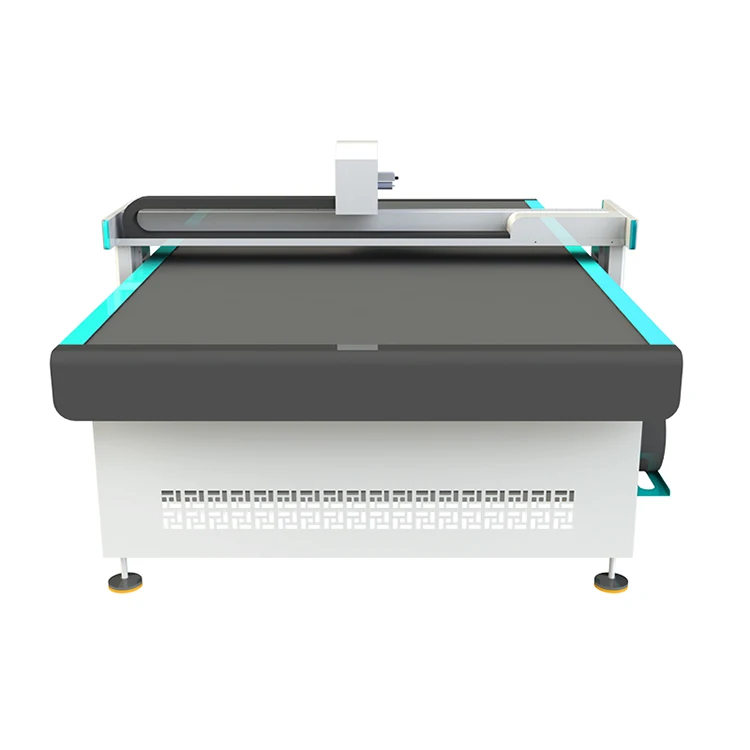
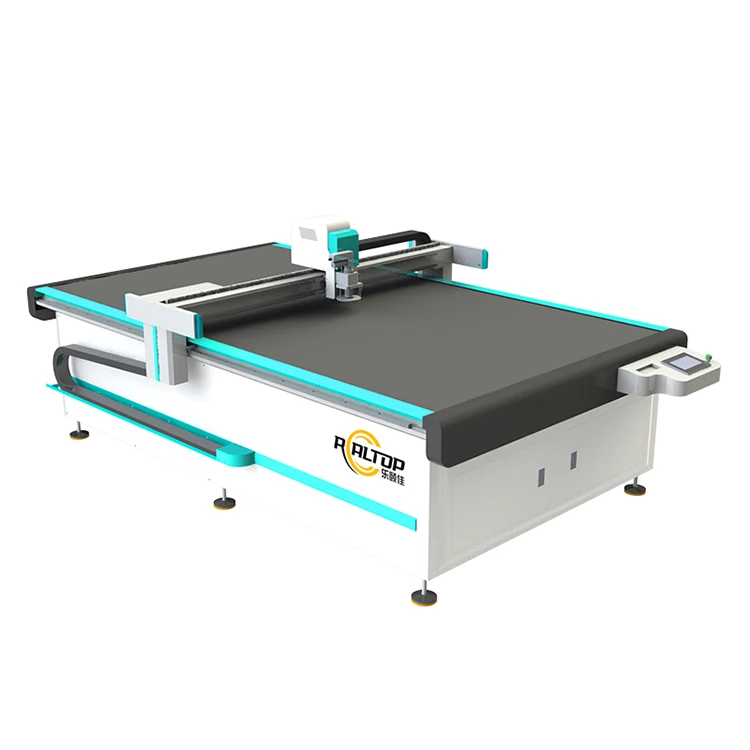
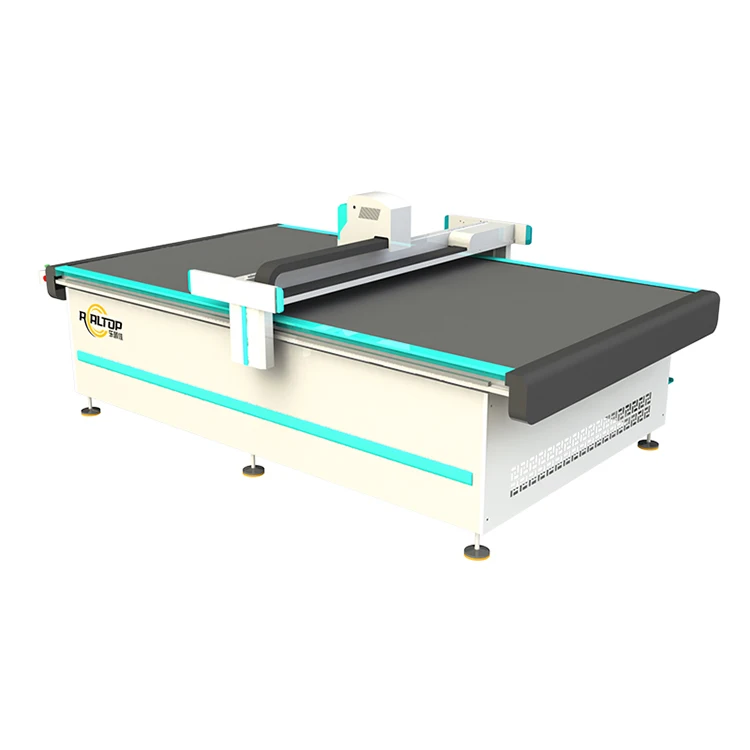
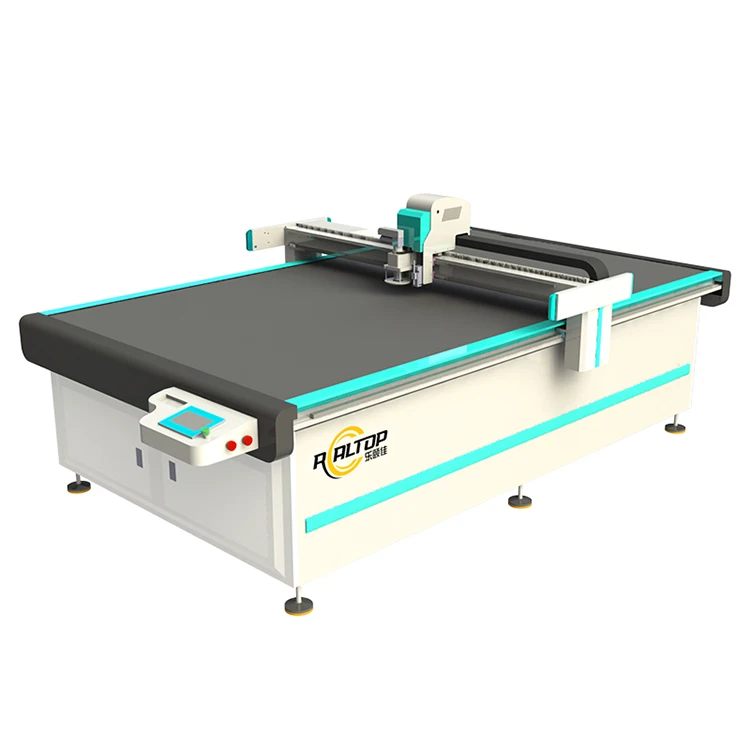
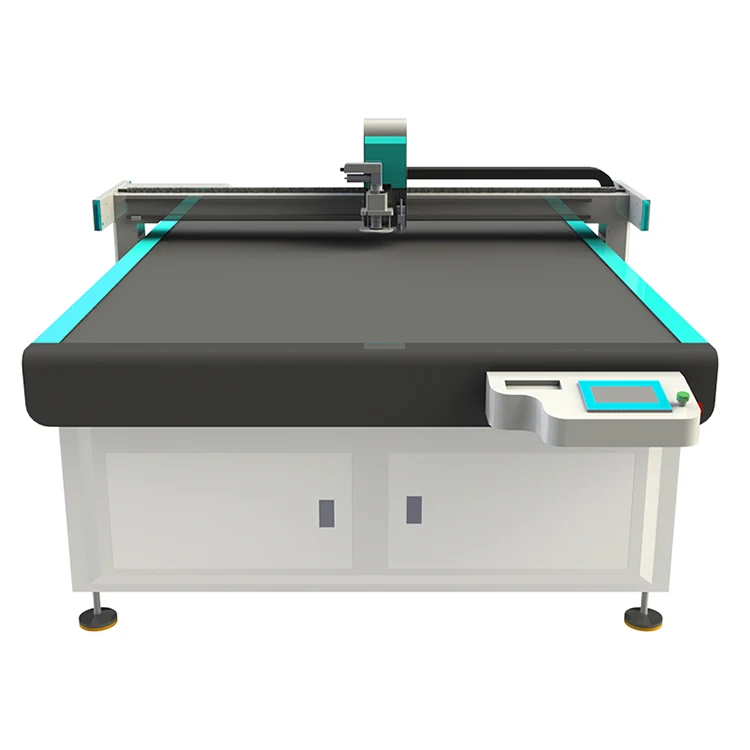
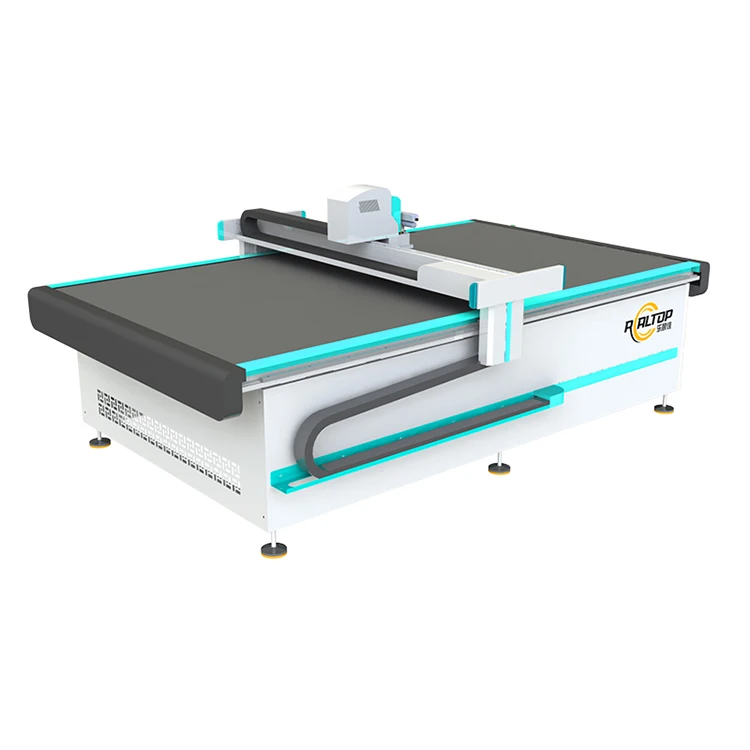
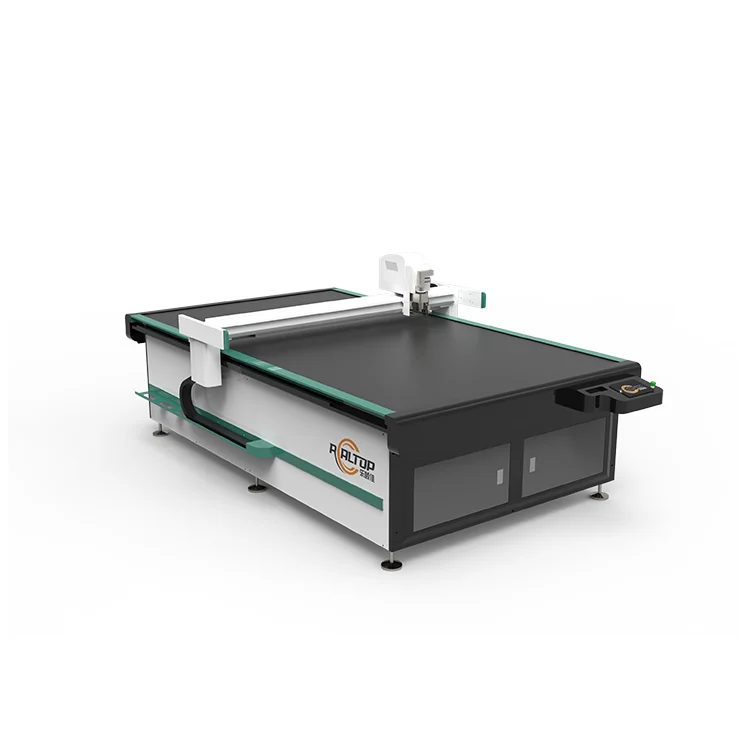
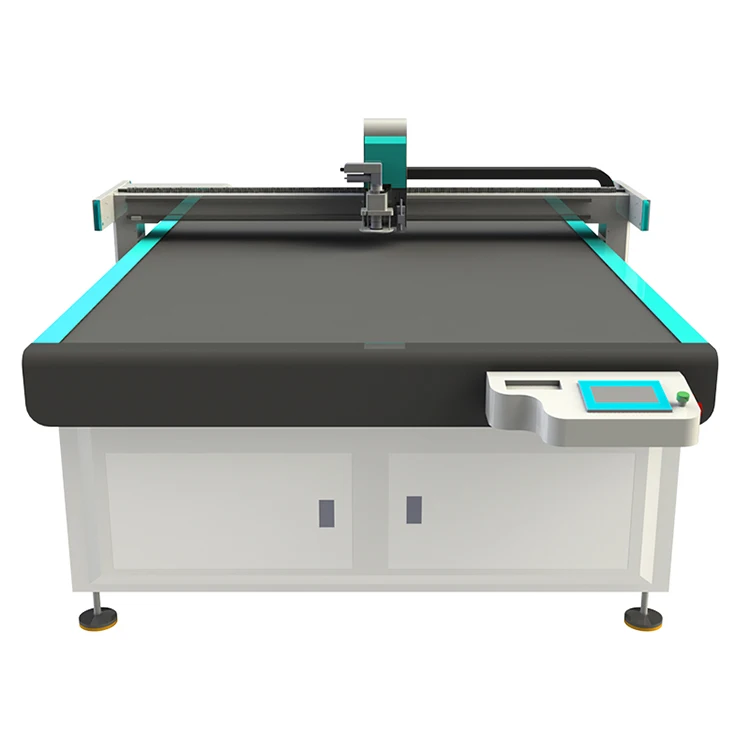
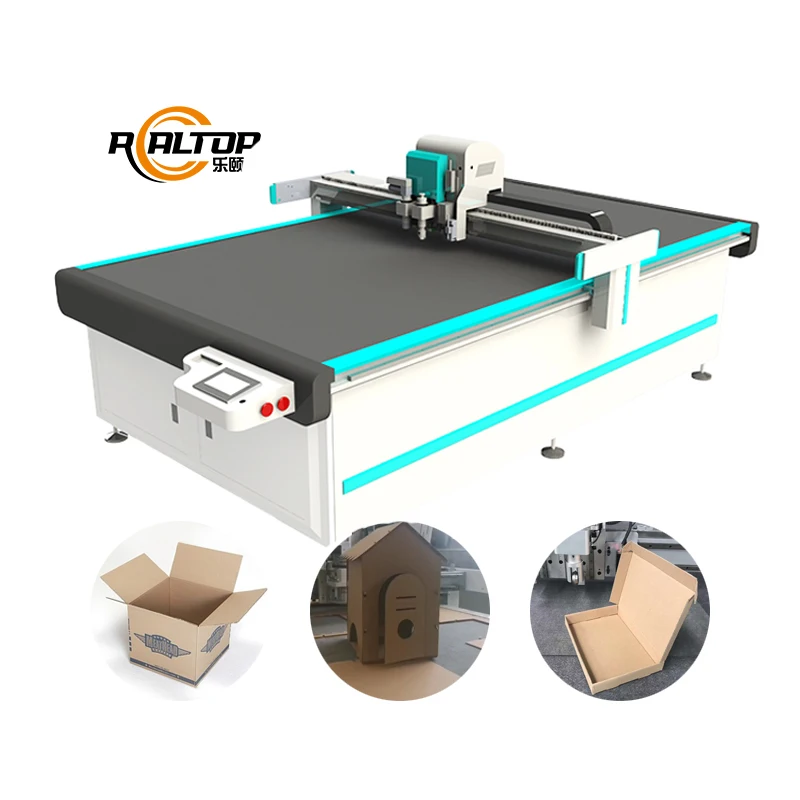
Full catalogue context — The RT-D2516/RT-S2516 occupies the large-format end of the oscillating knife cutting range, positioned for buyers who need to compare knife against laser before committing to a method.
Technical Specifications
| Parameter | Value |
|---|---|
| Model | RT-D2516/RT-S2516 |
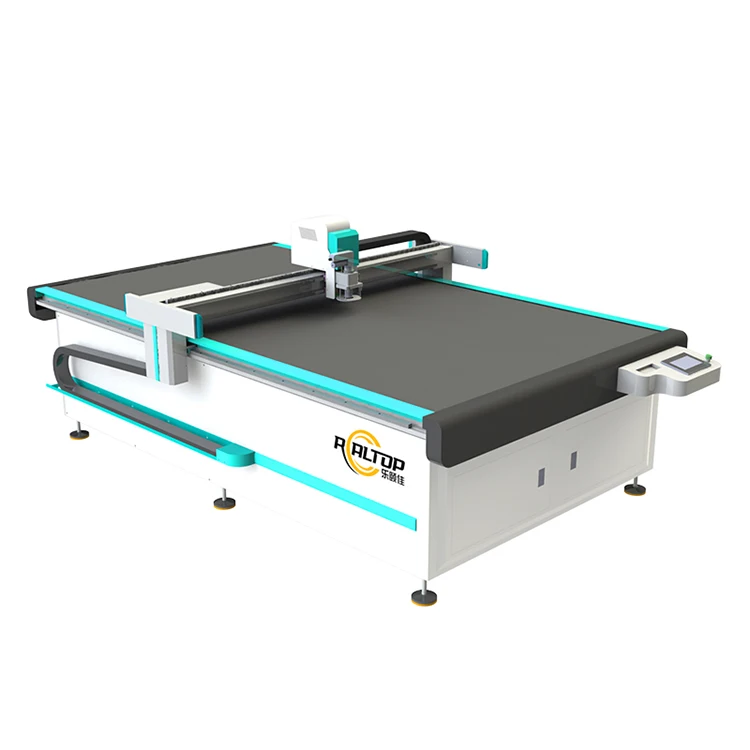
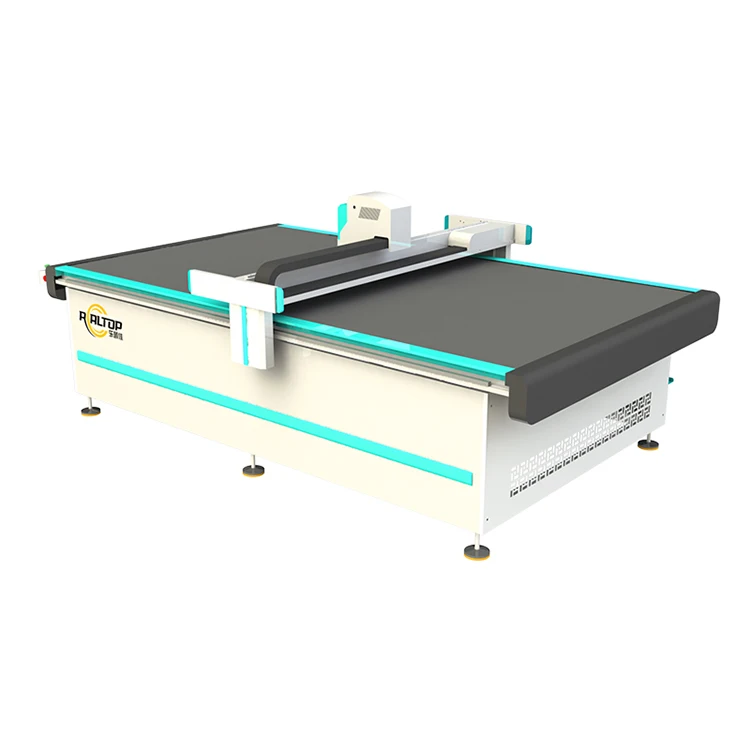
| Product Type | CNC Oscillating Knife Cutting Machine |
| Working Area | 1600×2500 mm |
| Machine Size | 3450×2300×1250 mm |
| Rated Power | 9 kW |
| Vacuum Pump | 7.5 kW |
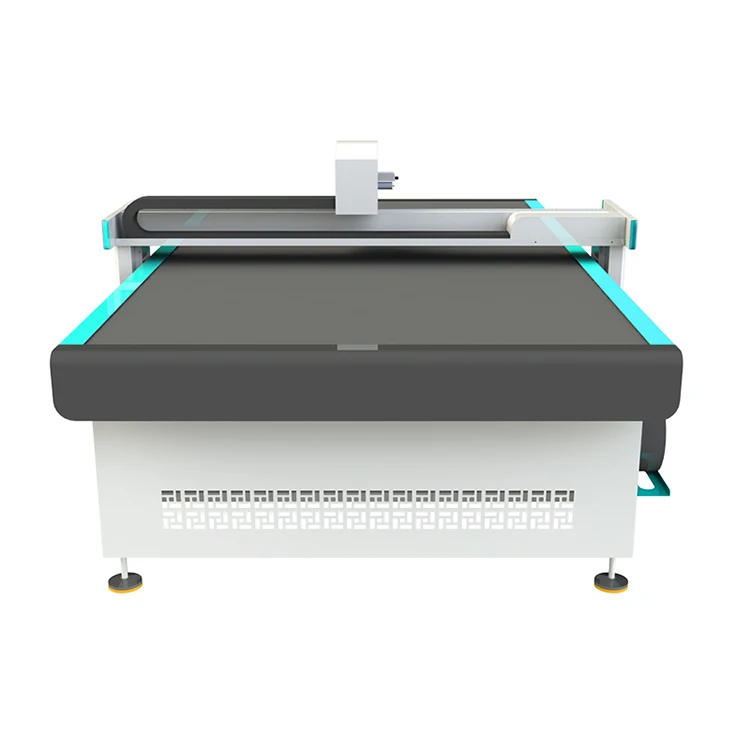
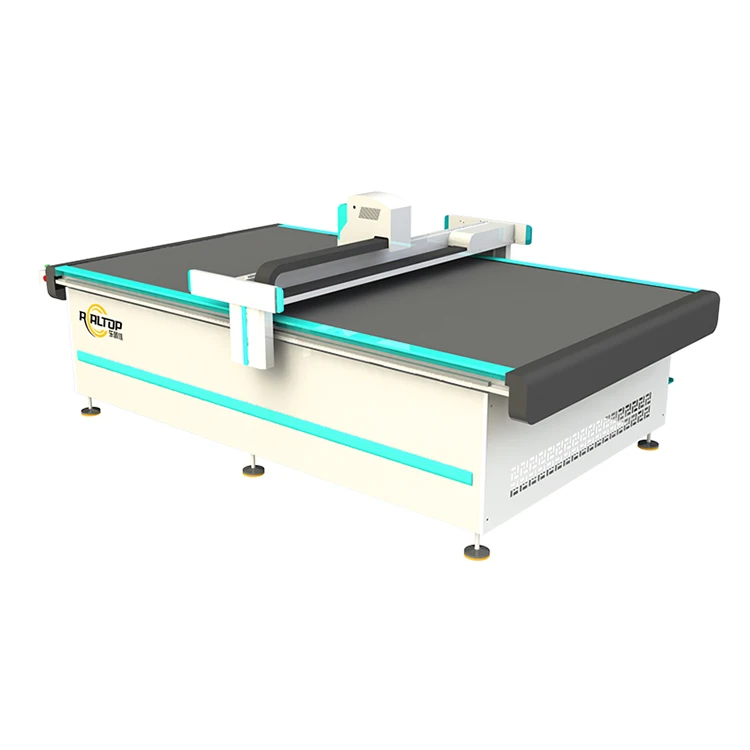
| Table Type | Flat working table with vacuum, auto-feeding conveyor |
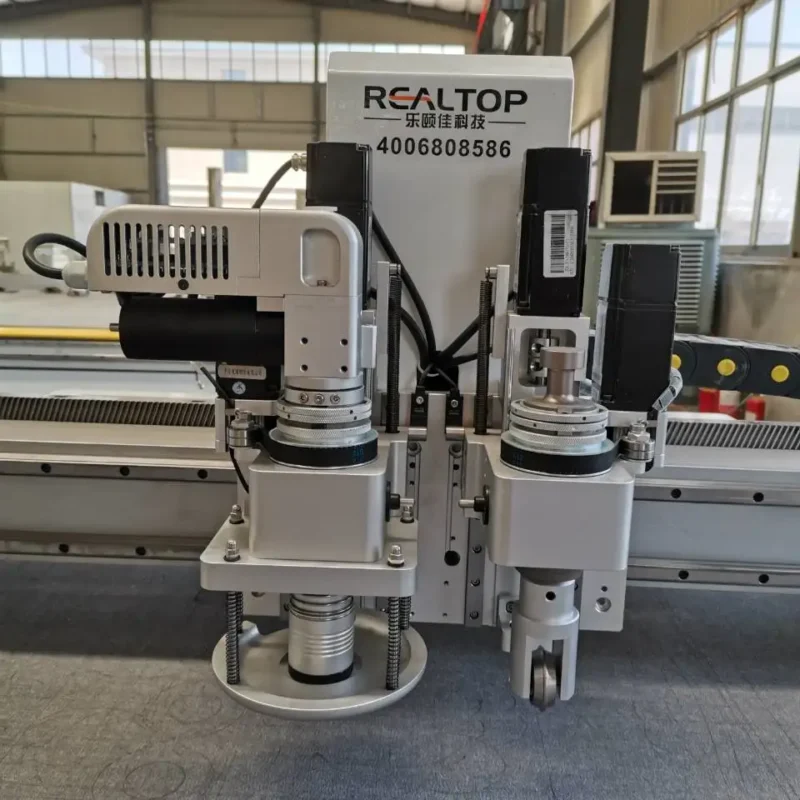
| Tool Head | Oscillating knife — full cutting, half cutting, cursor location |
| Safety Device | Infrared sensors |
| Translational Speed | 800–1200 mm/s |
| Cutting Speed | 200–800 mm/s (basis not stated in source — confirm material type and thickness) |
| Cutting Materials | Leather, flexible fabrics, sponge composite leather, PVC, soft glass, silicon, rubber |
| Repeated Accuracy | ≤0.1 mm |
| Transmission System | Digital servo motor, linear guide, synchronous belt, ball screw |
| Servo Motor | Japanese Yaskawa |
| Linear Rail | Taiwan Hiwin |
| Conveyor Belt | Germany imported |
| Instruction System | HP-GL compatible format |
| Voltage | 380V ±10% |
| Certification | CE |
| Warranty | 12 months whole machine, 3 months consumables |
Application Suitability
| Application | Material or Output |
|---|---|
| Mobile phone sticker and screen protector cutting | Thin adhesive films, vinyl, PVC sticker stock on release liner |
| Flexible packaging sample making | Cardstock, corrugated board, foam-backed laminates |
| Automotive interior gasket production | Rubber sheets, silicon gasket material, sponge composite leather |
| Leather goods and footwear prototyping | Natural and synthetic leather, flexible fabric layers |
| PVC and soft glass fabrication | PVC sheets, soft glass rolls, flexible transparent materials |
Why Working Area Alone Is Not Enough When Choosing a CNC Digital Cutting Machine for Sale
A 1600×2500 mm bed tells you the sheet size it accepts, not whether the knife head can handle your material thickness or whether the vacuum table will hold small sticker pieces flat.
I have watched buyers focus on table size and overlook tool head configuration, then discover mid-production that the oscillating knife cannot cleanly cut through their composite material. The sticker and flexible film sector is especially exposed here. [NEED_CITE:] Material behaviour under a vibrating blade changes dramatically between single-layer vinyl and multi-layer adhesive stacks with silicone backing. When a buyer specifies only on working area, the real cutting capacity stays unverified until material arrives on the factory floor. A CNC digital cutting machine for sale at this format must be evaluated on tool head match, vacuum zoning and cutting depth together — not on bed dimensions alone.
Where the RT-D2516/RT-S2516 Sits in the Knife Cutting Range
This model anchors the large-format segment for oscillating knife work. The 1600×2500 mm working area handles full sheets of sticker stock, leather hides and PVC rolls without repositioning. For buyers surveying the complete cutting equipment range, this is the machine that bridges mid-volume sample making and higher-volume roll-fed production. The auto-feeding conveyor paired with the vacuum table means roll materials like vinyl and soft glass feed continuously, reducing manual handling between cuts.
Knife Versus Laser — Matching Method to Sticker and Film Materials
The oscillating knife approach suits adhesive films, PVC and thin flexible composites where laser heat would melt edges or leave discolouration on the cut line. A CNC digital cutting machine for sale with knife tooling produces a clean mechanical cut without thermal distortion, which matters for screen protectors and phone stickers where edge clarity is visible to the end consumer. Laser alternatives in the catalogue serve different jobs — acrylic edge sealing, textile engraving, wood template cutting — where heat actually improves the finish. [NEED_CITE:] The decision between knife and laser is not about which technology is superior, but which one matches the material response your product requires.
Reading the Specs That Actually Affect Your Sticker Output
The Yaskawa servo motors and Taiwan Hiwin linear rails together deliver the ≤0.1 mm repeated accuracy listed in the specification sheet. For sticker cutting, that repeatability determines whether kiss-cut depth stays consistent across a full 1600×2500 mm sheet — critical when the blade must cut through the vinyl layer without scoring the release liner below. The 7.5 kW vacuum pump provides holding force across the flat table, though zone count should be confirmed against your smallest sticker dimensions. The HP-GL compatible instruction system integrates with established design software workflows, but file format compatibility with your existing nesting files must be verified before order placement. Oscillating knife full-cut and half-cut modes give this machine the range to produce both through-cut gaskets and kiss-cut sticker sheets on the same bed.
What Happens When the Wrong Tool Head Meets Your Material
Buyers who select an oscillating knife head for a material that actually needs a drag knife or creasing wheel end up with ragged edges, crushed foam cores or delaminated composite layers. [NEED_CITE:] I recall a buyer who specified a vibrating knife for silicone-backed composite sticker stock — the oscillation frequency tore through the silicone layer instead of slicing it, producing frayed edges across the entire batch. The fix was not a speed adjustment; it required a different tool head entirely. Small sticker parts also lift off the table when vacuum zoning does not match the piece footprint, causing misregistration mid-cut and wasted material. These failures do not appear in the brochure. They surface only when real material meets the configured machine.
Why Source This Range From a Single Manufacturer
In-house design covering both knife and laser technologies means the cutting method gets matched to the material, not forced into one approach. The tool head and table configuration on the RT-D2516/RT-S2516 are specified per your material type and daily volume, not pulled from a fixed catalogue page. CCD camera positioning is available across the range for printed contour work on sticker and vinyl products. Software compatibility gets confirmed against your existing nesting workflow before an order is placed. Voltage, control language and plug configuration are customised for your target market. Sample cutting runs on your own material — not a factory standard — before any commitment is made.
Documentation & Verification
- Machine specification sheet confirming RT-D2516/RT-S2516 tool head configuration and vacuum table details
- Sample cutting report produced on your actual sticker or film stock
- Electrical schematic with voltage confirmation matching your facility supply
- Software licence and file format compatibility note for your nesting workflow
- Factory test record documenting cutting accuracy on your material thickness range
- Spare parts list covering consumable blades and vacuum table wear items
Installation, Commissioning & Support
- Floor space planning around the 3450×2300×1250 mm machine footprint plus material feed clearance
- Dedicated 380V ±10% circuit with capacity for 9 kW machine load plus 7.5 kW vacuum pump
- Auto-feeding conveyor alignment and vacuum table zone calibration during commissioning
- Oscillating knife depth setting and half-cut calibration on your specific sticker material
- Operator training covering HP-GL file import, nesting setup and tool head changeover
- Consumable blade replacement schedule and Yaskawa servo maintenance intervals documented
What to Prepare Before Requesting a Quote
Send the exact material you plan to cut — including backing layers, adhesive type and total stack thickness — along with your typical sheet or roll dimensions. Confirm your workshop voltage and frequency, the control interface language your operators need, and whether your current design files are in DXF, PLT or HP-GL format. If your production involves kiss-cutting sticker sheets, specify the release liner thickness so the half-cut depth can be set during the sample trial.
Frequently Asked Questions
Q: Should I choose an oscillating knife or a laser for phone sticker production?
A: Oscillating knife cutting avoids the thermal edge melt that lasers produce on adhesive films and vinyl. For phone stickers and screen protectors, the mechanical blade leaves a clean edge without discolouration. Laser machines in the same catalogue suit acrylic, wood and textile engraving where heat sealing is beneficial. The choice depends entirely on your material’s response to heat versus mechanical force.
Q: How do working area, cutting thickness and material interact on this machine?
A: The 1600×2500 mm bed accepts large sheets, but cutting thickness depends on material density and the configured tool head. A soft PVC sheet and a sponge composite leather of the same thickness behave differently under the oscillating knife. Always verify cutting depth on your actual material through a sample test rather than relying on generic thickness charts.
Q: What file formats work with the HP-GL compatible instruction system?
A: The system accepts HP-GL format natively. Compatibility with DXF, AI or PLT files from your existing design software should be confirmed before order placement. A software compatibility note is provided with the documentation package, and your nesting workflow can be validated during the sample cutting stage.
Q: Which tool head is right for my material — oscillating knife, drag knife or creasing wheel?
A: Oscillating knife suits flexible films, sticker stock and thin composites. Drag knife handles thicker gasket materials where a pulling cut produces a cleaner edge. Creasing wheels score fold lines on packaging board. The correct tool head depends on your material composition and the edge quality your product requires, not on cutting speed alone.
Q: Can the voltage and control language be matched to my country?
A: The standard configuration runs on 380V ±10%, but voltage and frequency can be customised for your local supply. Control interface language is set before shipment. Electrical schematics and voltage confirmation documents are included in the delivery package so your electrician can verify the installation requirements in advance.
Full catalogue context — The RT-D2516/RT-S2516 occupies the large-format end of the oscillating knife cutting range, positioned for buyers who need to compare knife against laser before committing to a method.
Technical Specifications
| Parameter | Value |
|---|---|
| Model | RT-D2516/RT-S2516 |
| Product Type | CNC Oscillating Knife Cutting Machine |
| Working Area | 1600×2500 mm |
| Machine Size | 3450×2300×1250 mm |
| Rated Power | 9 kW |
| Vacuum Pump | 7.5 kW |
| Table Type | Flat working table with vacuum, auto-feeding conveyor |
| Tool Head | Oscillating knife — full cutting, half cutting, cursor location |
| Safety Device | Infrared sensors |
| Translational Speed | 800–1200 mm/s |
| Cutting Speed | 200–800 mm/s (basis not stated in source — confirm material type and thickness) |
| Cutting Materials | Leather, flexible fabrics, sponge composite leather, PVC, soft glass, silicon, rubber |
| Repeated Accuracy | ≤0.1 mm |
| Transmission System | Digital servo motor, linear guide, synchronous belt, ball screw |
| Servo Motor | Japanese Yaskawa |
| Linear Rail | Taiwan Hiwin |
| Conveyor Belt | Germany imported |
| Instruction System | HP-GL compatible format |
| Voltage | 380V ±10% |
| Certification | CE |
| Warranty | 12 months whole machine, 3 months consumables |
Application Suitability
| Application | Material or Output |
|---|---|
| Mobile phone sticker and screen protector cutting | Thin adhesive films, vinyl, PVC sticker stock on release liner |
| Flexible packaging sample making | Cardstock, corrugated board, foam-backed laminates |
| Automotive interior gasket production | Rubber sheets, silicon gasket material, sponge composite leather |
| Leather goods and footwear prototyping | Natural and synthetic leather, flexible fabric layers |
| PVC and soft glass fabrication | PVC sheets, soft glass rolls, flexible transparent materials |
Why Working Area Alone Is Not Enough When Choosing a CNC Digital Cutting Machine for Sale
A 1600×2500 mm bed tells you the sheet size it accepts, not whether the knife head can handle your material thickness or whether the vacuum table will hold small sticker pieces flat.
I have watched buyers focus on table size and overlook tool head configuration, then discover mid-production that the oscillating knife cannot cleanly cut through their composite material. The sticker and flexible film sector is especially exposed here. [NEED_CITE:] Material behaviour under a vibrating blade changes dramatically between single-layer vinyl and multi-layer adhesive stacks with silicone backing. When a buyer specifies only on working area, the real cutting capacity stays unverified until material arrives on the factory floor. A CNC digital cutting machine for sale at this format must be evaluated on tool head match, vacuum zoning and cutting depth together — not on bed dimensions alone.
Where the RT-D2516/RT-S2516 Sits in the Knife Cutting Range
This model anchors the large-format segment for oscillating knife work. The 1600×2500 mm working area handles full sheets of sticker stock, leather hides and PVC rolls without repositioning. For buyers surveying the complete cutting equipment range, this is the machine that bridges mid-volume sample making and higher-volume roll-fed production. The auto-feeding conveyor paired with the vacuum table means roll materials like vinyl and soft glass feed continuously, reducing manual handling between cuts.
Knife Versus Laser — Matching Method to Sticker and Film Materials
The oscillating knife approach suits adhesive films, PVC and thin flexible composites where laser heat would melt edges or leave discolouration on the cut line. A CNC digital cutting machine for sale with knife tooling produces a clean mechanical cut without thermal distortion, which matters for screen protectors and phone stickers where edge clarity is visible to the end consumer. Laser alternatives in the catalogue serve different jobs — acrylic edge sealing, textile engraving, wood template cutting — where heat actually improves the finish. [NEED_CITE:] The decision between knife and laser is not about which technology is superior, but which one matches the material response your product requires.
Reading the Specs That Actually Affect Your Sticker Output
The Yaskawa servo motors and Taiwan Hiwin linear rails together deliver the ≤0.1 mm repeated accuracy listed in the specification sheet. For sticker cutting, that repeatability determines whether kiss-cut depth stays consistent across a full 1600×2500 mm sheet — critical when the blade must cut through the vinyl layer without scoring the release liner below. The 7.5 kW vacuum pump provides holding force across the flat table, though zone count should be confirmed against your smallest sticker dimensions. The HP-GL compatible instruction system integrates with established design software workflows, but file format compatibility with your existing nesting files must be verified before order placement. Oscillating knife full-cut and half-cut modes give this machine the range to produce both through-cut gaskets and kiss-cut sticker sheets on the same bed.
What Happens When the Wrong Tool Head Meets Your Material
Buyers who select an oscillating knife head for a material that actually needs a drag knife or creasing wheel end up with ragged edges, crushed foam cores or delaminated composite layers. [NEED_CITE:] I recall a buyer who specified a vibrating knife for silicone-backed composite sticker stock — the oscillation frequency tore through the silicone layer instead of slicing it, producing frayed edges across the entire batch. The fix was not a speed adjustment; it required a different tool head entirely. Small sticker parts also lift off the table when vacuum zoning does not match the piece footprint, causing misregistration mid-cut and wasted material. These failures do not appear in the brochure. They surface only when real material meets the configured machine.
Why Source This Range From a Single Manufacturer
In-house design covering both knife and laser technologies means the cutting method gets matched to the material, not forced into one approach. The tool head and table configuration on the RT-D2516/RT-S2516 are specified per your material type and daily volume, not pulled from a fixed catalogue page. CCD camera positioning is available across the range for printed contour work on sticker and vinyl products. Software compatibility gets confirmed against your existing nesting workflow before an order is placed. Voltage, control language and plug configuration are customised for your target market. Sample cutting runs on your own material — not a factory standard — before any commitment is made.
Documentation & Verification
- Machine specification sheet confirming RT-D2516/RT-S2516 tool head configuration and vacuum table details
- Sample cutting report produced on your actual sticker or film stock
- Electrical schematic with voltage confirmation matching your facility supply
- Software licence and file format compatibility note for your nesting workflow
- Factory test record documenting cutting accuracy on your material thickness range
- Spare parts list covering consumable blades and vacuum table wear items
Installation, Commissioning & Support
- Floor space planning around the 3450×2300×1250 mm machine footprint plus material feed clearance
- Dedicated 380V ±10% circuit with capacity for 9 kW machine load plus 7.5 kW vacuum pump
- Auto-feeding conveyor alignment and vacuum table zone calibration during commissioning
- Oscillating knife depth setting and half-cut calibration on your specific sticker material
- Operator training covering HP-GL file import, nesting setup and tool head changeover
- Consumable blade replacement schedule and Yaskawa servo maintenance intervals documented
What to Prepare Before Requesting a Quote
Send the exact material you plan to cut — including backing layers, adhesive type and total stack thickness — along with your typical sheet or roll dimensions. Confirm your workshop voltage and frequency, the control interface language your operators need, and whether your current design files are in DXF, PLT or HP-GL format. If your production involves kiss-cutting sticker sheets, specify the release liner thickness so the half-cut depth can be set during the sample trial.
Frequently Asked Questions
Q: Should I choose an oscillating knife or a laser for phone sticker production?
A: Oscillating knife cutting avoids the thermal edge melt that lasers produce on adhesive films and vinyl. For phone stickers and screen protectors, the mechanical blade leaves a clean edge without discolouration. Laser machines in the same catalogue suit acrylic, wood and textile engraving where heat sealing is beneficial. The choice depends entirely on your material’s response to heat versus mechanical force.
Q: How do working area, cutting thickness and material interact on this machine?
A: The 1600×2500 mm bed accepts large sheets, but cutting thickness depends on material density and the configured tool head. A soft PVC sheet and a sponge composite leather of the same thickness behave differently under the oscillating knife. Always verify cutting depth on your actual material through a sample test rather than relying on generic thickness charts.
Q: What file formats work with the HP-GL compatible instruction system?
A: The system accepts HP-GL format natively. Compatibility with DXF, AI or PLT files from your existing design software should be confirmed before order placement. A software compatibility note is provided with the documentation package, and your nesting workflow can be validated during the sample cutting stage.
Q: Which tool head is right for my material — oscillating knife, drag knife or creasing wheel?
A: Oscillating knife suits flexible films, sticker stock and thin composites. Drag knife handles thicker gasket materials where a pulling cut produces a cleaner edge. Creasing wheels score fold lines on packaging board. The correct tool head depends on your material composition and the edge quality your product requires, not on cutting speed alone.
Q: Can the voltage and control language be matched to my country?
A: The standard configuration runs on 380V ±10%, but voltage and frequency can be customised for your local supply. Control interface language is set before shipment. Electrical schematics and voltage confirmation documents are included in the delivery package so your electrician can verify the installation requirements in advance.
商品评价
There are no reviews yet.