

Fast Delivery
Quick, reliable shipping to any location.

Free & easy returns
Return this item by mail or in store within 90 days for a full refund.
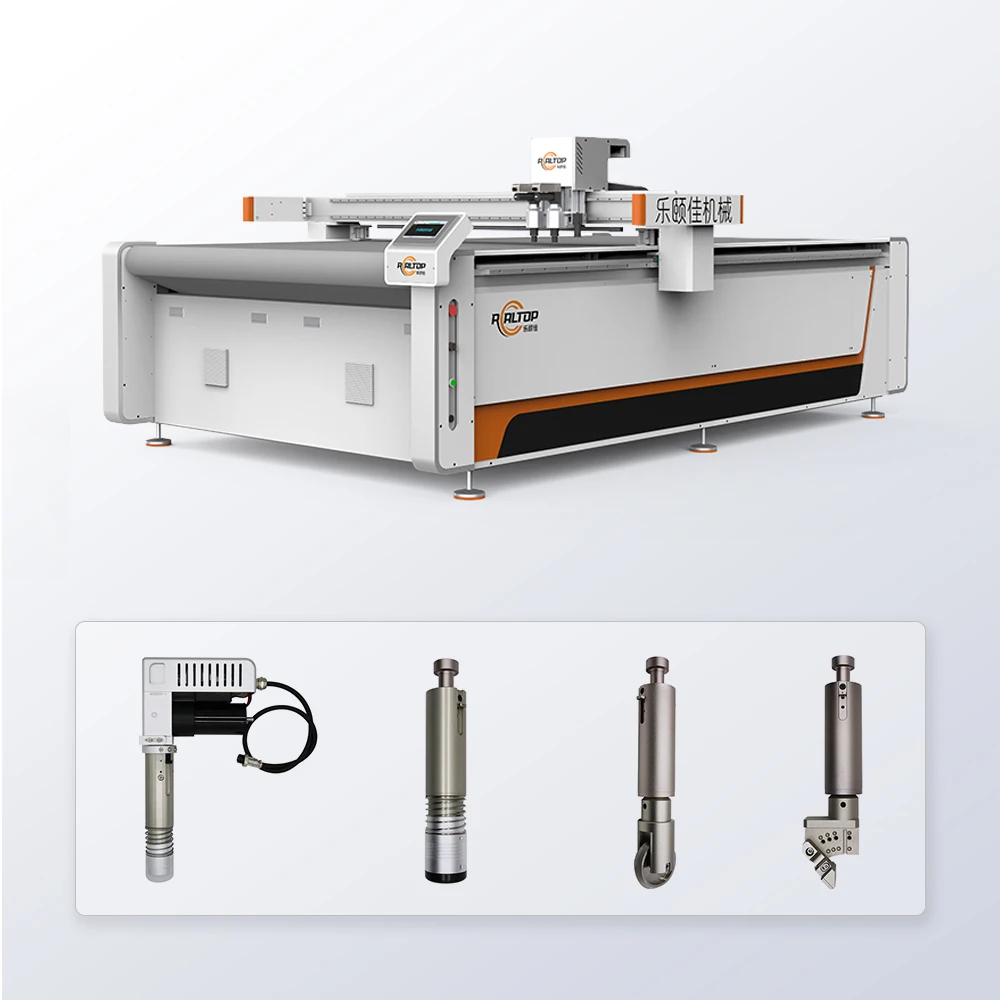
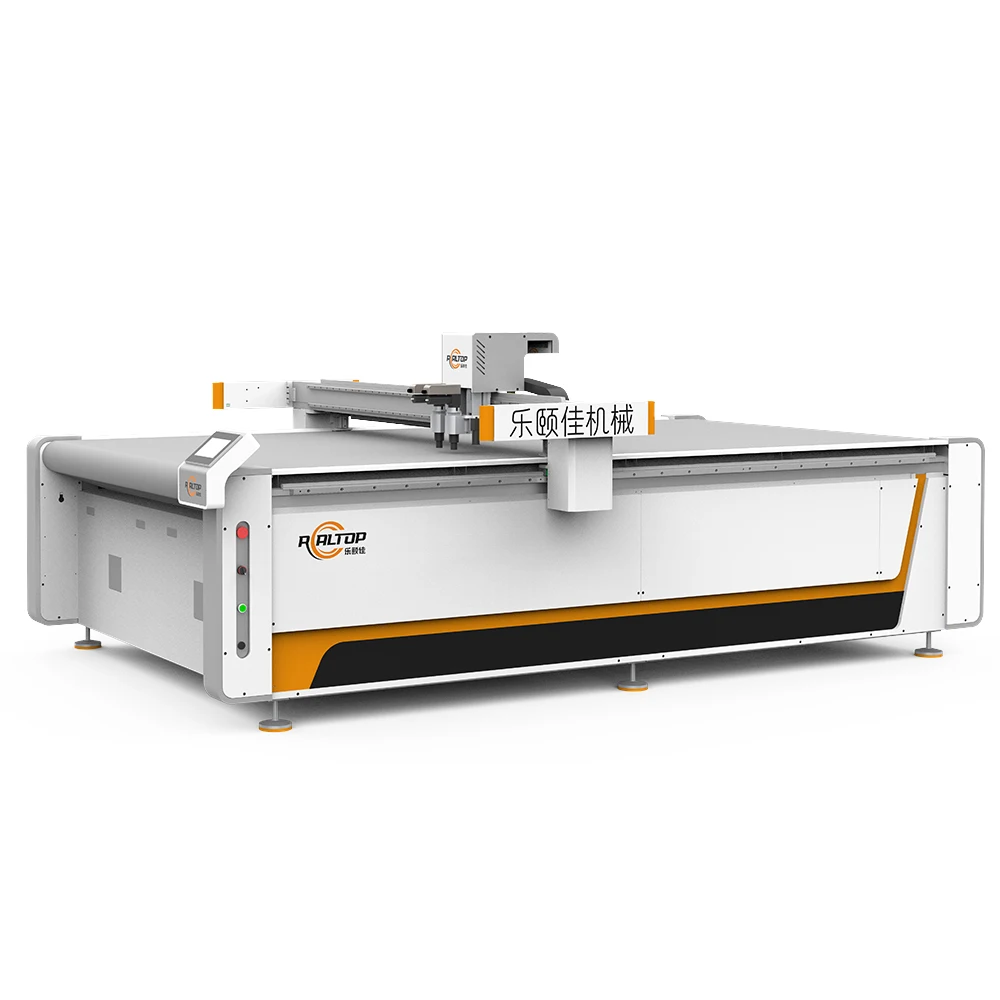
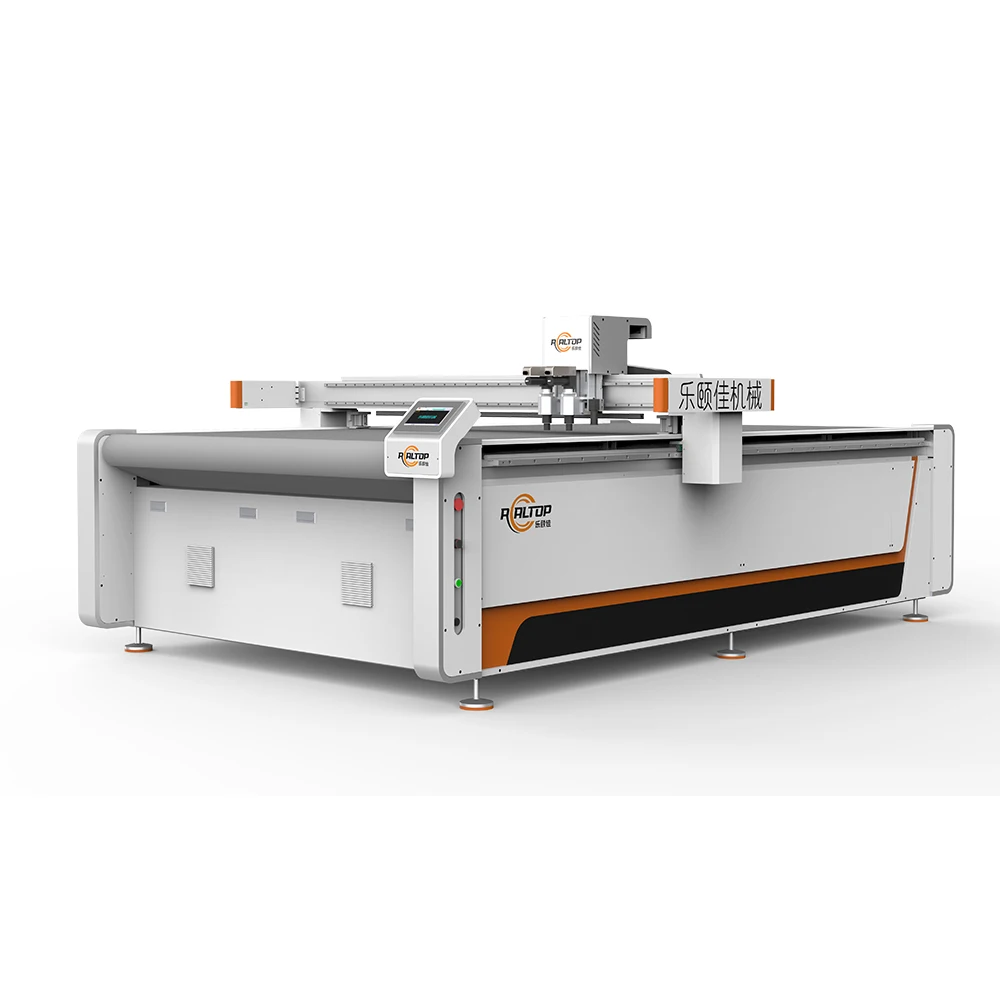
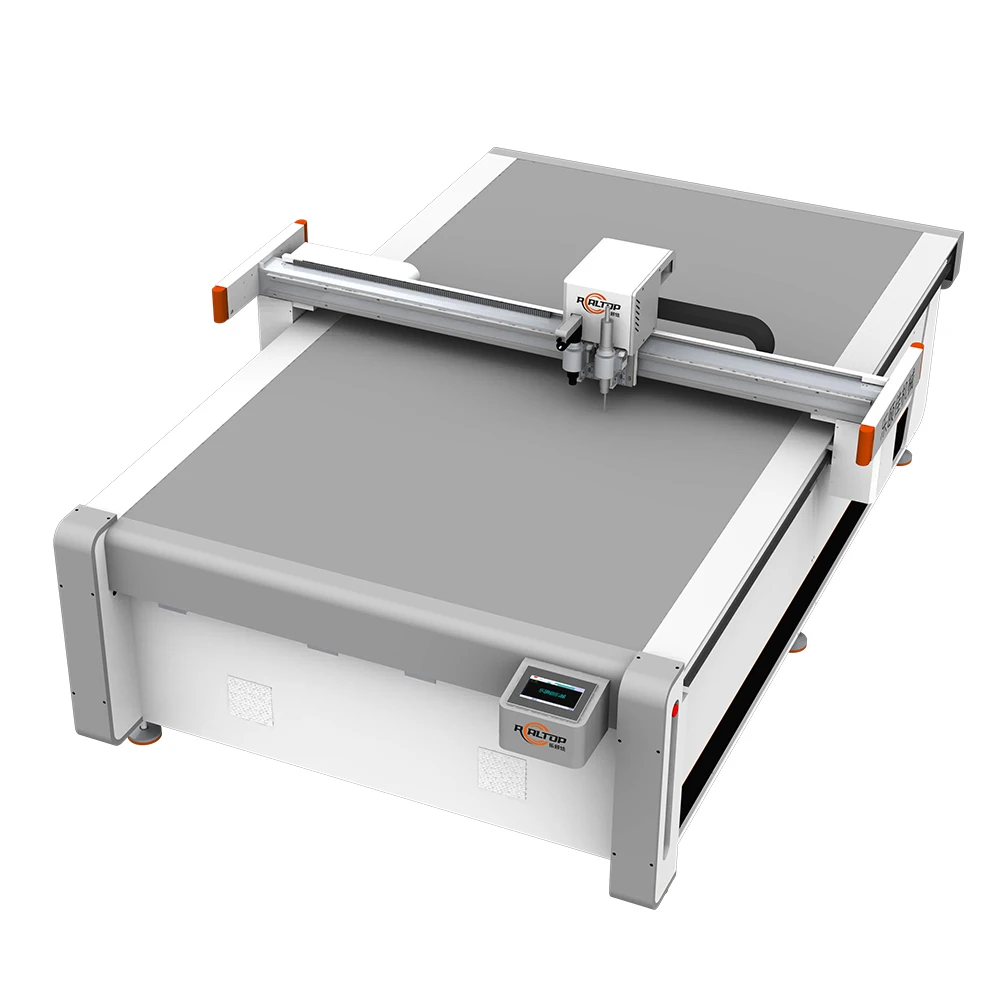
Tooling-first catalogue — Seven interchangeable heads on one bed let packaging producers switch between corrugated flute, greyboard, and foam without forcing one blade type across incompatible stocks.
Technical Specifications
| Parameter | Value |
|---|---|
| Product Type | CNC Oscillating Knife Cutting Machine |
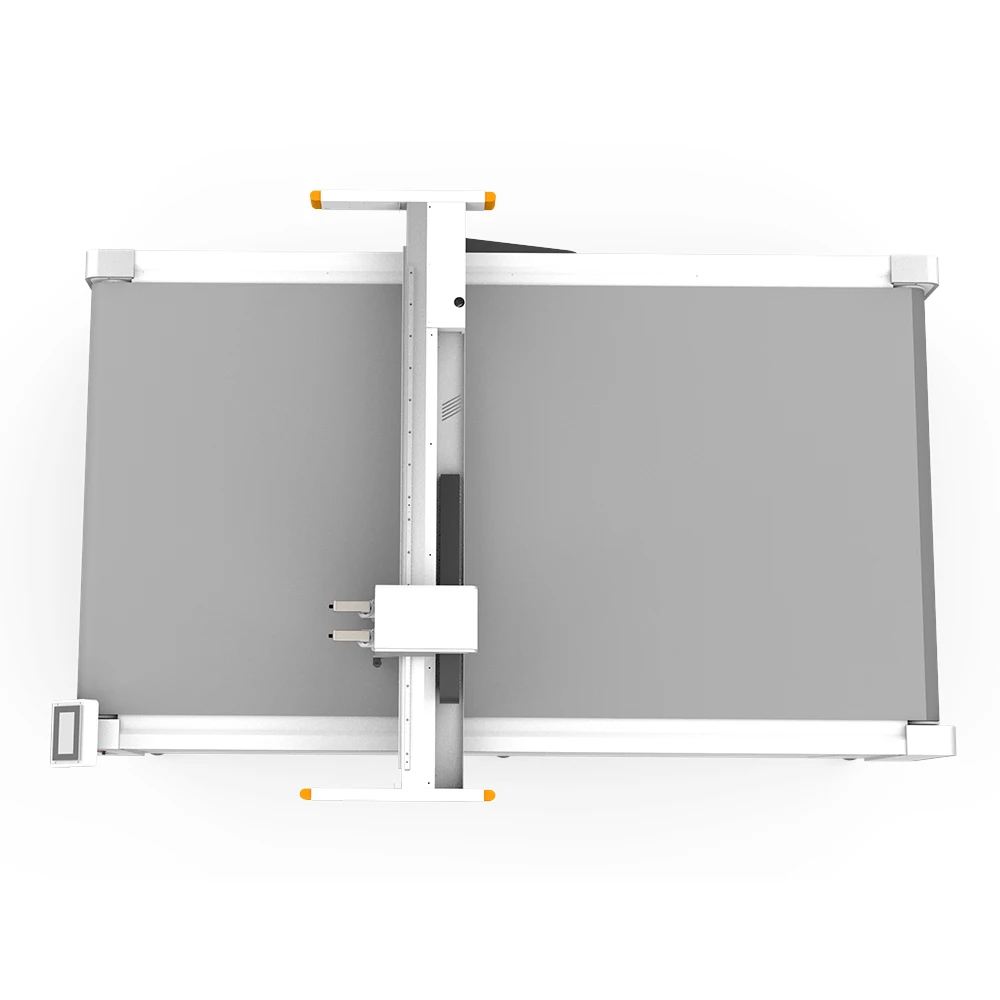
| Working Area | 1600×2500mm |
| Cutting Speed | 0-1500 mm/s |
| Cutting Thickness | ≤ 40mm (basis not stated in source — confirm material type / density) |
| Cutting Accuracy | ±0.1 mm |
| Tools Available | Oscillating knife, Driven rotary knife, Creasing wheel, Kiss cutting tool, Pneumatic knife, Milling tool, V groove knife |
| Vacuum Pump Power | 9 kW |
| Voltage Options | 110V, 220V, 380V |
| Control System | PLC control panel |
| Software Compatibility | PLT, DXF, AI, PDF |
| Machine Dimensions | 3300×2100×1350 mm |
| Vacuum Table | Aluminum bellows vacuum table |
| Safety Devices | Infrared sensor device, Emergency stop device |
| Servo Motor Options | Panasonic, Delta, Dorna (source value — verify against manufacturer catalog) |
| Language Options | English, Russian, Italian, Chinese, custom languages available |
| Dedicated Software | Packaging box structure design software included |
| Certification | CE |
Application Suitability
| Application | Material or Output |
|---|---|
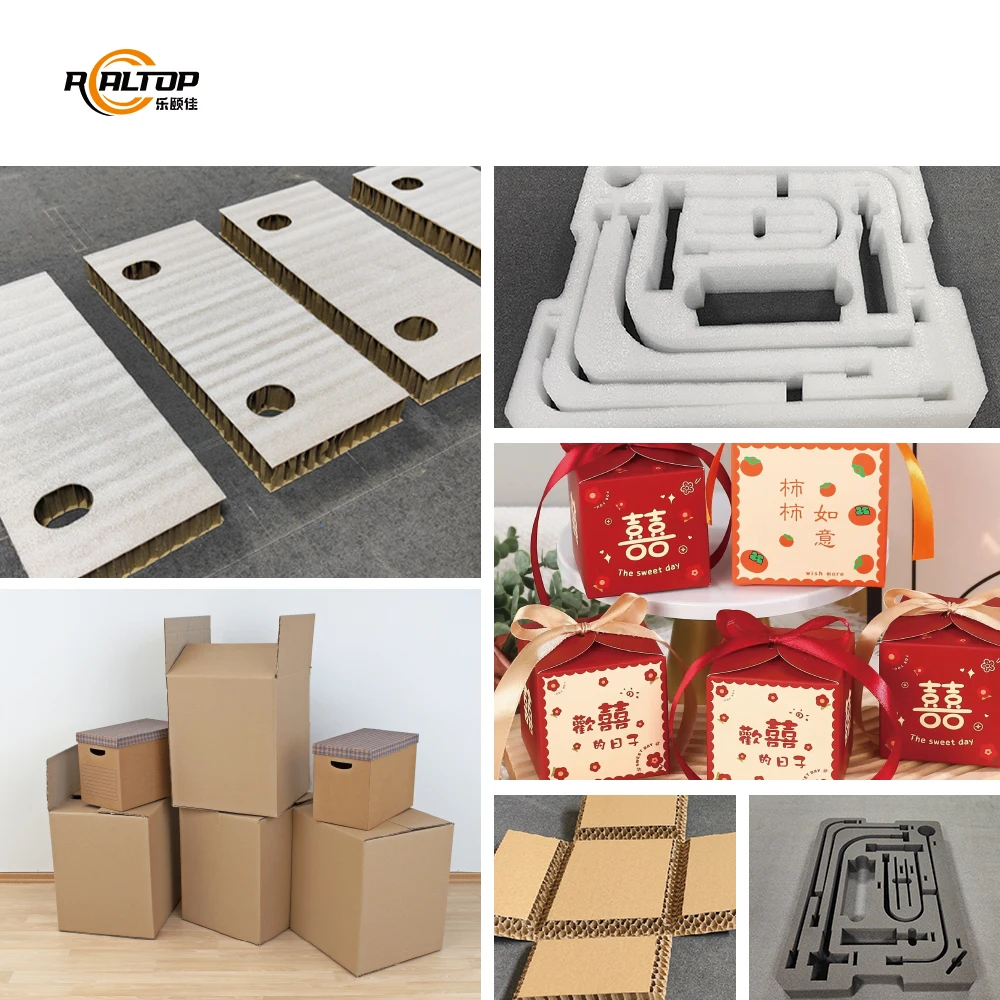
| Corrugated box prototyping and short-run production | E-flute, B-flute, BC-flute corrugated cardboard |
| Rigid box and luxury packaging sample making | Greyboard, cardstock, art paper, specialty paper |
| Protective insert and cushion cutting | EVA foam, EPE foam, PU foam |
| Gasket and seal cutting for food packaging lines | Rubber mats, thin plastic sheets (PVC, PET) |
| Pizza and cake box die-free production | Corrugated board with creasing and kiss cutting combined |
| Inner lining and textile wrap cutting | Velvet/fleece fabric, non-woven fabric, synthetic leather |
Why Material Thickness Claims Break Down at the Factory Door
A CNC oscillating knife cutting machine manufacturer quoting maximum cutting depth without specifying material density and flute structure leaves buyers exposed to edge crush and incomplete penetration on actual stock. Confirm the blade type, oscillation frequency, and vacuum zoning against your specific board weight before accepting the headline thickness figure.
Last year a Middle East client ordered a carton sample maker based on working area alone, specifying standard corrugated paper for testing. When the machine arrived, their real production stock was three-layer laminated cake box board — the knife pressure was insufficient, every edge was crushed, and the entire sample batch was scrapped [NEED_CITE: material density and flute count impact on oscillating knife penetration]. Now we run sample cuts on the buyer’s actual material before confirming the configuration. A 40mm headline figure means very different things when cutting single-face E-flute versus BC-flute double-wall with lamination.
Matching Tool Heads to Packaging Stock Rather Than Forcing One Blade
The seven available tool heads on this flatbed system exist because packaging houses rarely run a single material. Oscillating knife handles corrugated flute cleanly, the driven rotary knife takes on fabrics and non-wovens for inner lining, and the creasing wheel scores fold lines without cutting through the stock. A pizza box job typically requires oscillating knife for the outer profile and creasing wheel for the fold — both executed in one setup without tool change downtime. The V groove knife cuts rigid greyboard at angles for luxury box construction. Selecting the right head per material avoids ragged edges and delamination that force secondary trimming [NEED_CITE: tool head selection criteria for packaging board types].
Vacuum Zoning Decides Whether Small Parts Stay Flat
The 9 kW vacuum pump feeds an aluminum bellows vacuum table, but raw suction power matters less than zone control. When cutting small carton inserts or narrow gasket strips, the full table area creates airflow around the part edges that lifts them during the cut. Zoned vacuum activation holds only the section under the cutting head, keeping lightweight cardstock and thin foam pinned to the bed. This is critical for intricate packaging patterns where a shifted part means the entire nest is scrapped. Buyers running mixed small and large format jobs need to confirm the zone layout matches their typical nesting patterns before the machine ships.
Reading the Specs Beyond the Headline Numbers
The 1600×2500mm working area accommodates standard carton sheet formats, allowing full-sheet nesting without pre-cutting stock down to size. Cutting accuracy of ±0.1 mm supports complex die-free patterns where tab-and-slot fits must engage without glue — a tolerance drift beyond this range causes loose joints on assembled boxes. The PLC control panel manages tool path sequencing across multiple heads in a single job file, essential when a packaging sample requires cutting, creasing, and kiss cutting in one cycle. Software compatibility with PLT, DXF, AI, and PDF means packaging designers can send structure files directly from common CAD platforms without intermediate conversion. The included packaging box structure design software covers standard box templates, reducing the need to draw common formats from scratch. Machine dimensions of 3300×2100×1350 mm define the floor space and overhead clearance needed — buyers must account for material feed clearance beyond the table edges.
The Configuration Mistakes That Show Up After Delivery
Choosing the wrong knife type for your flute count produces crushed edges on corrugated board and frayed borders on foam inserts — defects that look acceptable on the sample but appear consistently across production runs [NEED_CITE: edge quality degradation from incorrect knife geometry]. Insufficient vacuum zoning causes thin cardstock and specialty paper to shift during cutting, misaligning crease lines from their intended fold positions. Ordering a machine without confirming voltage and plug type means the unit arrives incompatible with the workshop supply, requiring transformer installation or rewiring before commissioning. Control language not specified at order time leaves operators navigating menus in an unfamiliar language, slowing setup and increasing parameter entry errors during production.
Why Procurement Conversations Start With Your Material Sample
In-house design covers both knife and laser cutting technologies, so the recommendation begins with your material rather than pushing one method across every stock type. Tool head and table configuration are specified per material and production volume — not selected from a default list. CCD camera positioning is available for printed contour work where the cut path must follow registered print marks on pre-printed carton stock. Software compatibility is confirmed against your existing file format and nesting workflow before the order is placed [NEED_CITE: file format compatibility verification in digital cutting workflows]. Voltage, plug type, language, and specification details are customized and documented before production starts. Sample cutting runs on your actual packaging material before commitment — parameters are locked only after the cut quality meets your standard.
Documentation & Verification
- Machine specification sheet detailing tool head and vacuum table configuration matched to your board type
- Sample cutting report on your corrugated or greyboard stock with edge quality photographs
- Electrical schematic confirming voltage, frequency, and plug type for your destination market
- Software licence and file format compatibility note covering PLT, DXF, AI, and PDF workflows
- Factory test record documenting cutting accuracy and creasing depth on your specified material
- Operation and maintenance manual with language matched to your control panel selection
Installation, Commissioning & Support
- Floor space allocation of at least 4000×3000mm accounting for the 3300×2100mm machine footprint and material feed clearance
- Dedicated electrical circuit rated for the selected voltage option (110V, 220V, or 380V) and the 9 kW vacuum pump draw
- Machine arrives partially disassembled with table and gantry requiring on-site alignment and leveling
- First-run commissioning includes oscillation frequency and knife depth calibration on your actual packaging stock
- Operator training covers tool head changeover, zone vacuum activation, and file import from your CAD software
- Spare knife blades, creasing wheels, and vacuum table seals supplied with initial shipment
What to Include in Your First Inquiry
Send material samples or specifications covering board type, flute count, thickness, and lamination status — these determine knife selection and vacuum configuration. Confirm your workshop voltage, frequency, and plug standard so the electrical system matches on arrival. Specify your target language for the control panel and software interface. If you run existing design files, provide a sample file so compatibility with the included packaging structure software and PLT/DXF/AI/PDF import can be verified before quotation.
Frequently Asked Questions
Q: Should I choose knife or laser cutting for corrugated packaging?
A: Knife cutting handles corrugated flute, greyboard, and foam without burning edges or generating smoke extraction requirements. Laser suits thin cardstock and paper where sealed edges prevent fraying. Some packaging houses run both methods for different product lines. The recommendation depends on your specific material stack and whether edge discoloration is acceptable on your finished boxes.
Q: How do I match machine size to my sheet format?
A: The 1600×2500mm working area covers standard carton sheet sizes. Buyers running oversized formats or high-volume nesting may need a larger bed. Consider not just the sheet dimensions but also the clearance needed for material loading and the nesting efficiency your typical job mix requires. Send your most common sheet size and nesting layout for evaluation.
Q: Which knife type handles my specific corrugated board?
A: E-flute typically cuts cleanly with a standard oscillating knife, while B-flute and BC-flute double-wall require higher oscillation frequency and deeper stroke. Pneumatic knife suits thicker foam inserts. Creasing wheel scores fold lines without penetration. The correct combination depends on your flute count, board weight, and whether lamination is present — send a material sample for test cutting.
Q: Can the control system and software run in my local language?
A: Control language options include English, Russian, Italian, and Chinese, with custom languages available on request. The packaging box structure design software and file import interface can also be configured to match. Confirm your preferred language at inquiry stage so it is loaded before the machine enters production and tested during factory commissioning.
Q: Will my existing design files import without conversion?
A: The system accepts PLT, DXF, AI, and PDF formats directly. If your design team works in other CAD platforms, file conversion may be needed before import. Provide a sample design file during the inquiry stage so compatibility is tested and any conversion workflow is established before the machine ships to your facility.
Tooling-first catalogue — Seven interchangeable heads on one bed let packaging producers switch between corrugated flute, greyboard, and foam without forcing one blade type across incompatible stocks.
Technical Specifications
| Parameter | Value |
|---|---|
| Product Type | CNC Oscillating Knife Cutting Machine |
| Working Area | 1600×2500mm |
| Cutting Speed | 0-1500 mm/s |
| Cutting Thickness | ≤ 40mm (basis not stated in source — confirm material type / density) |
| Cutting Accuracy | ±0.1 mm |
| Tools Available | Oscillating knife, Driven rotary knife, Creasing wheel, Kiss cutting tool, Pneumatic knife, Milling tool, V groove knife |
| Vacuum Pump Power | 9 kW |
| Voltage Options | 110V, 220V, 380V |
| Control System | PLC control panel |
| Software Compatibility | PLT, DXF, AI, PDF |
| Machine Dimensions | 3300×2100×1350 mm |
| Vacuum Table | Aluminum bellows vacuum table |
| Safety Devices | Infrared sensor device, Emergency stop device |
| Servo Motor Options | Panasonic, Delta, Dorna (source value — verify against manufacturer catalog) |
| Language Options | English, Russian, Italian, Chinese, custom languages available |
| Dedicated Software | Packaging box structure design software included |
| Certification | CE |
Application Suitability
| Application | Material or Output |
|---|---|
| Corrugated box prototyping and short-run production | E-flute, B-flute, BC-flute corrugated cardboard |
| Rigid box and luxury packaging sample making | Greyboard, cardstock, art paper, specialty paper |
| Protective insert and cushion cutting | EVA foam, EPE foam, PU foam |
| Gasket and seal cutting for food packaging lines | Rubber mats, thin plastic sheets (PVC, PET) |
| Pizza and cake box die-free production | Corrugated board with creasing and kiss cutting combined |
| Inner lining and textile wrap cutting | Velvet/fleece fabric, non-woven fabric, synthetic leather |
Why Material Thickness Claims Break Down at the Factory Door
A CNC oscillating knife cutting machine manufacturer quoting maximum cutting depth without specifying material density and flute structure leaves buyers exposed to edge crush and incomplete penetration on actual stock. Confirm the blade type, oscillation frequency, and vacuum zoning against your specific board weight before accepting the headline thickness figure.
Last year a Middle East client ordered a carton sample maker based on working area alone, specifying standard corrugated paper for testing. When the machine arrived, their real production stock was three-layer laminated cake box board — the knife pressure was insufficient, every edge was crushed, and the entire sample batch was scrapped [NEED_CITE: material density and flute count impact on oscillating knife penetration]. Now we run sample cuts on the buyer’s actual material before confirming the configuration. A 40mm headline figure means very different things when cutting single-face E-flute versus BC-flute double-wall with lamination.
Matching Tool Heads to Packaging Stock Rather Than Forcing One Blade
The seven available tool heads on this flatbed system exist because packaging houses rarely run a single material. Oscillating knife handles corrugated flute cleanly, the driven rotary knife takes on fabrics and non-wovens for inner lining, and the creasing wheel scores fold lines without cutting through the stock. A pizza box job typically requires oscillating knife for the outer profile and creasing wheel for the fold — both executed in one setup without tool change downtime. The V groove knife cuts rigid greyboard at angles for luxury box construction. Selecting the right head per material avoids ragged edges and delamination that force secondary trimming [NEED_CITE: tool head selection criteria for packaging board types].
Vacuum Zoning Decides Whether Small Parts Stay Flat
The 9 kW vacuum pump feeds an aluminum bellows vacuum table, but raw suction power matters less than zone control. When cutting small carton inserts or narrow gasket strips, the full table area creates airflow around the part edges that lifts them during the cut. Zoned vacuum activation holds only the section under the cutting head, keeping lightweight cardstock and thin foam pinned to the bed. This is critical for intricate packaging patterns where a shifted part means the entire nest is scrapped. Buyers running mixed small and large format jobs need to confirm the zone layout matches their typical nesting patterns before the machine ships.
Reading the Specs Beyond the Headline Numbers
The 1600×2500mm working area accommodates standard carton sheet formats, allowing full-sheet nesting without pre-cutting stock down to size. Cutting accuracy of ±0.1 mm supports complex die-free patterns where tab-and-slot fits must engage without glue — a tolerance drift beyond this range causes loose joints on assembled boxes. The PLC control panel manages tool path sequencing across multiple heads in a single job file, essential when a packaging sample requires cutting, creasing, and kiss cutting in one cycle. Software compatibility with PLT, DXF, AI, and PDF means packaging designers can send structure files directly from common CAD platforms without intermediate conversion. The included packaging box structure design software covers standard box templates, reducing the need to draw common formats from scratch. Machine dimensions of 3300×2100×1350 mm define the floor space and overhead clearance needed — buyers must account for material feed clearance beyond the table edges.
The Configuration Mistakes That Show Up After Delivery
Choosing the wrong knife type for your flute count produces crushed edges on corrugated board and frayed borders on foam inserts — defects that look acceptable on the sample but appear consistently across production runs [NEED_CITE: edge quality degradation from incorrect knife geometry]. Insufficient vacuum zoning causes thin cardstock and specialty paper to shift during cutting, misaligning crease lines from their intended fold positions. Ordering a machine without confirming voltage and plug type means the unit arrives incompatible with the workshop supply, requiring transformer installation or rewiring before commissioning. Control language not specified at order time leaves operators navigating menus in an unfamiliar language, slowing setup and increasing parameter entry errors during production.
Why Procurement Conversations Start With Your Material Sample
In-house design covers both knife and laser cutting technologies, so the recommendation begins with your material rather than pushing one method across every stock type. Tool head and table configuration are specified per material and production volume — not selected from a default list. CCD camera positioning is available for printed contour work where the cut path must follow registered print marks on pre-printed carton stock. Software compatibility is confirmed against your existing file format and nesting workflow before the order is placed [NEED_CITE: file format compatibility verification in digital cutting workflows]. Voltage, plug type, language, and specification details are customized and documented before production starts. Sample cutting runs on your actual packaging material before commitment — parameters are locked only after the cut quality meets your standard.
Documentation & Verification
- Machine specification sheet detailing tool head and vacuum table configuration matched to your board type
- Sample cutting report on your corrugated or greyboard stock with edge quality photographs
- Electrical schematic confirming voltage, frequency, and plug type for your destination market
- Software licence and file format compatibility note covering PLT, DXF, AI, and PDF workflows
- Factory test record documenting cutting accuracy and creasing depth on your specified material
- Operation and maintenance manual with language matched to your control panel selection
Installation, Commissioning & Support
- Floor space allocation of at least 4000×3000mm accounting for the 3300×2100mm machine footprint and material feed clearance
- Dedicated electrical circuit rated for the selected voltage option (110V, 220V, or 380V) and the 9 kW vacuum pump draw
- Machine arrives partially disassembled with table and gantry requiring on-site alignment and leveling
- First-run commissioning includes oscillation frequency and knife depth calibration on your actual packaging stock
- Operator training covers tool head changeover, zone vacuum activation, and file import from your CAD software
- Spare knife blades, creasing wheels, and vacuum table seals supplied with initial shipment
What to Include in Your First Inquiry
Send material samples or specifications covering board type, flute count, thickness, and lamination status — these determine knife selection and vacuum configuration. Confirm your workshop voltage, frequency, and plug standard so the electrical system matches on arrival. Specify your target language for the control panel and software interface. If you run existing design files, provide a sample file so compatibility with the included packaging structure software and PLT/DXF/AI/PDF import can be verified before quotation.
Frequently Asked Questions
Q: Should I choose knife or laser cutting for corrugated packaging?
A: Knife cutting handles corrugated flute, greyboard, and foam without burning edges or generating smoke extraction requirements. Laser suits thin cardstock and paper where sealed edges prevent fraying. Some packaging houses run both methods for different product lines. The recommendation depends on your specific material stack and whether edge discoloration is acceptable on your finished boxes.
Q: How do I match machine size to my sheet format?
A: The 1600×2500mm working area covers standard carton sheet sizes. Buyers running oversized formats or high-volume nesting may need a larger bed. Consider not just the sheet dimensions but also the clearance needed for material loading and the nesting efficiency your typical job mix requires. Send your most common sheet size and nesting layout for evaluation.
Q: Which knife type handles my specific corrugated board?
A: E-flute typically cuts cleanly with a standard oscillating knife, while B-flute and BC-flute double-wall require higher oscillation frequency and deeper stroke. Pneumatic knife suits thicker foam inserts. Creasing wheel scores fold lines without penetration. The correct combination depends on your flute count, board weight, and whether lamination is present — send a material sample for test cutting.
Q: Can the control system and software run in my local language?
A: Control language options include English, Russian, Italian, and Chinese, with custom languages available on request. The packaging box structure design software and file import interface can also be configured to match. Confirm your preferred language at inquiry stage so it is loaded before the machine enters production and tested during factory commissioning.
Q: Will my existing design files import without conversion?
A: The system accepts PLT, DXF, AI, and PDF formats directly. If your design team works in other CAD platforms, file conversion may be needed before import. Provide a sample design file during the inquiry stage so compatibility is tested and any conversion workflow is established before the machine ships to your facility.










商品评价
There are no reviews yet.