



Fast Delivery
Quick, reliable shipping to any location.

Free & easy returns
Return this item by mail or in store within 90 days for a full refund.
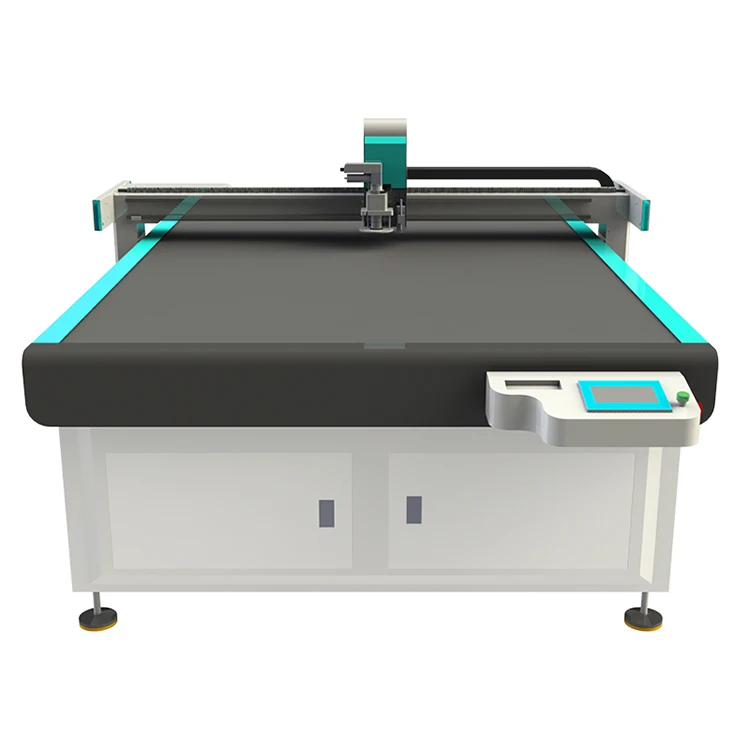
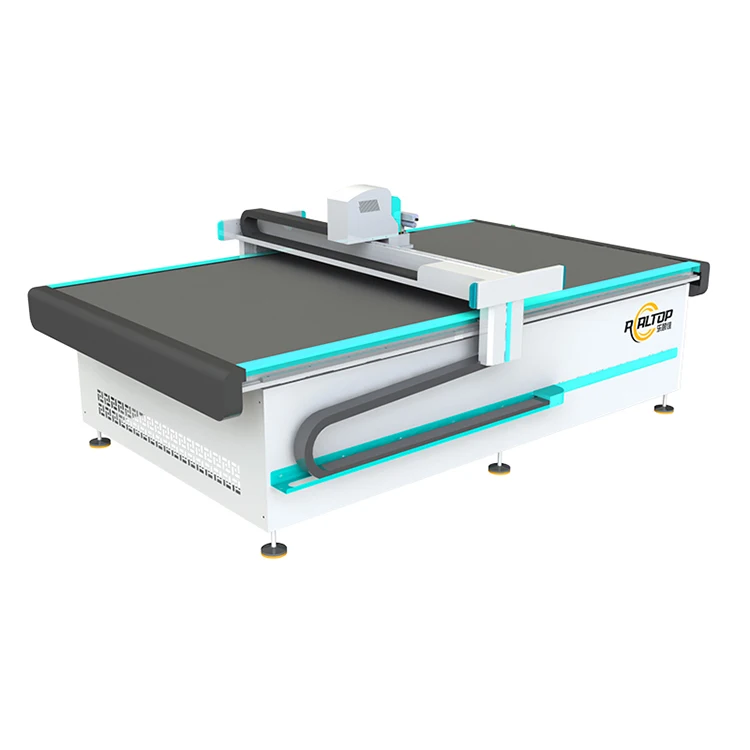
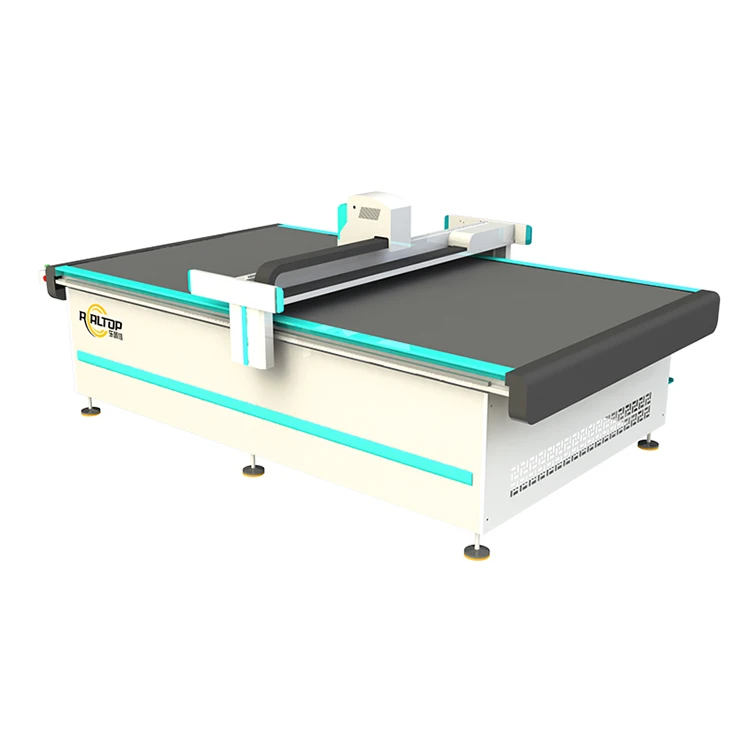
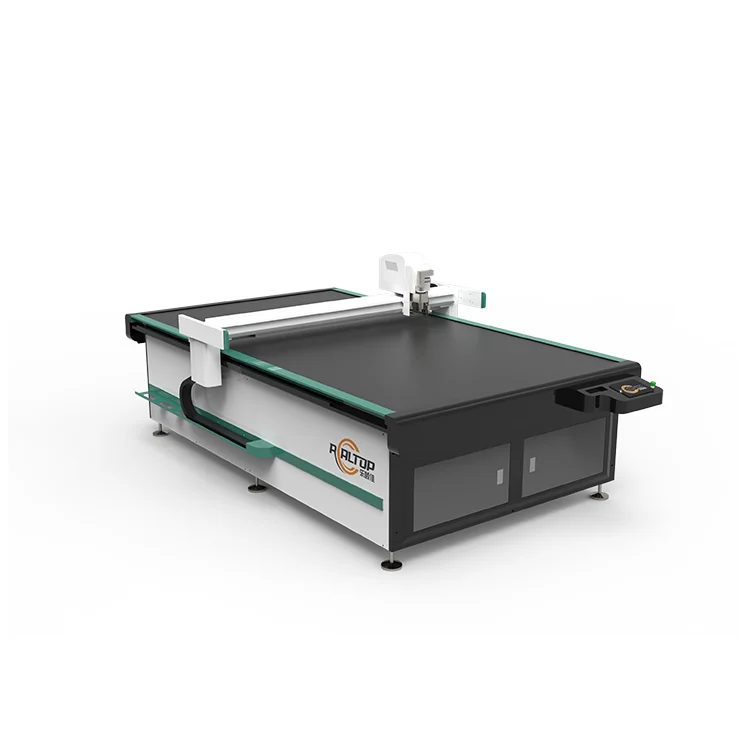
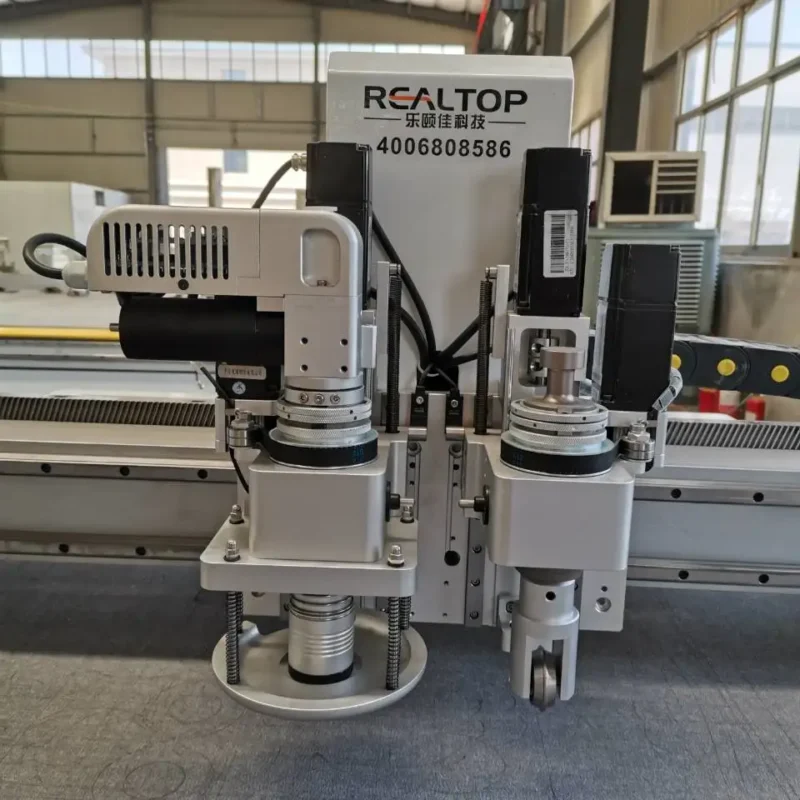
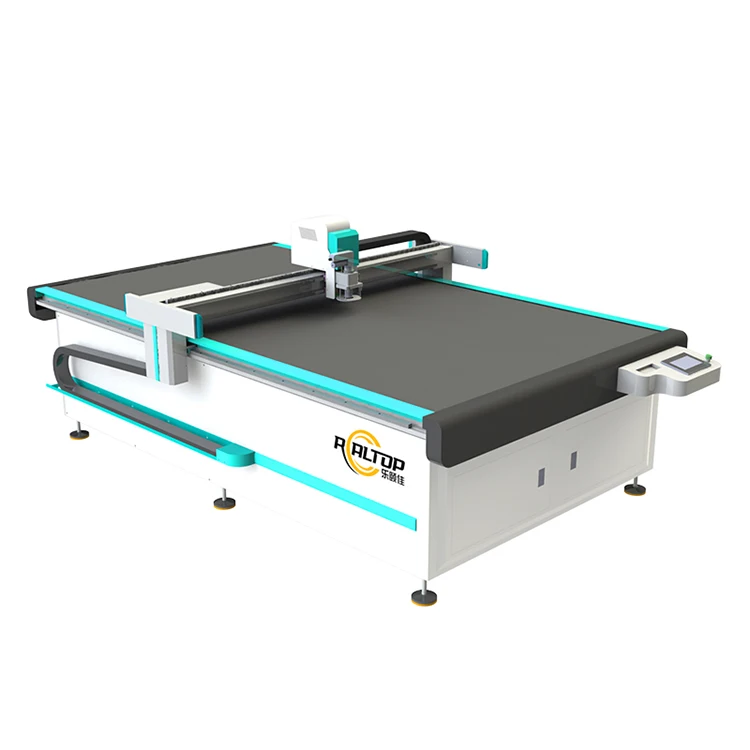
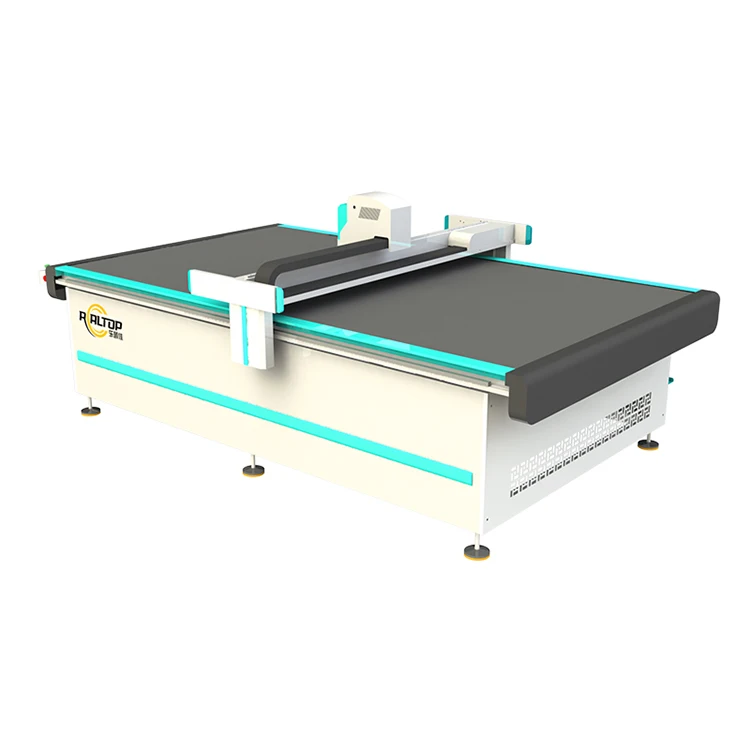
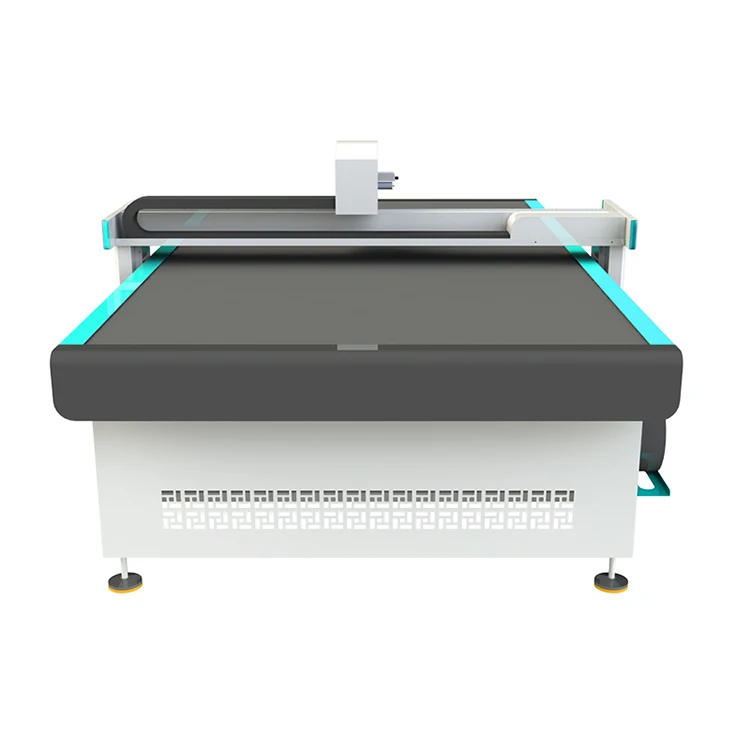
Swiss Oscillating Knife Assembly — the multifunctional head on the RT-D2516/RT-S2516 integrates full cutting, half cutting, and cursor location, configured after sample testing on your specific leather or composite stock rather than quoted on table size alone.
Technical Specifications
| Parameter | Value |
|---|---|
| Model | RT-D2516/RT-S2516 |
| Product Type | CNC Oscillating Knife Cutting Machine |
| Working Area | 1600 × 2500 mm |
| Machine Size | 3450 × 2300 × 1250 mm |
| Rated Power | 9 kW |
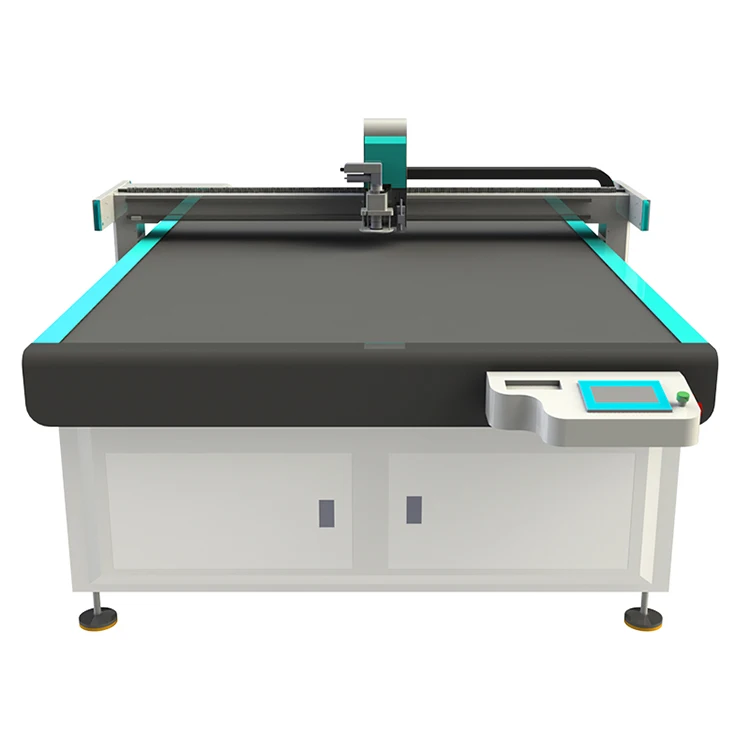
| Table Type | Flat working table with vacuum hold-down and auto-feeding conveyor |
| Tool Head | Swiss imported oscillating knife with vibration full cutting, vibration half cutting, and cursor location |
| Safety Device | Infrared sensors |
| Translational Velocity | 800–1200 mm/s |
| Cutting Speed | 200–800 mm/s (basis not stated in source — depends on material type, thickness, and layer count) |
| Repeated Accuracy | ≤0.1 mm |
| Transmission System | Digital servo motor, imported ball screw, synchronous belt, Taiwan Hiwin linear guide |
| Servo Motor | Japanese Yaskawa |
| Instruction System | HP-GL compatible format |
| Voltage | 380V ±10% |
| Vacuum Pump | 7.5 kW |
| Conveyor Belt | Germany imported |
| Certification | CE |
Application Suitability
| Application | Material or Output |
|---|---|
| Leather goods manufacturing | Natural hides, synthetic leather, and sponge composite leather for bags, belts, and footwear uppers |
| Automotive interior components | Multi-layer composite leather, PVC, and soft glass for dashboards, door panels, and seat covers |
| Garment and footwear production | Flexible fabrics, layered textiles, and rubber sheets for pattern cutting and prototyping |
| Gasket and seal fabrication | Silicon, rubber, and soft composite materials for industrial sealing applications |
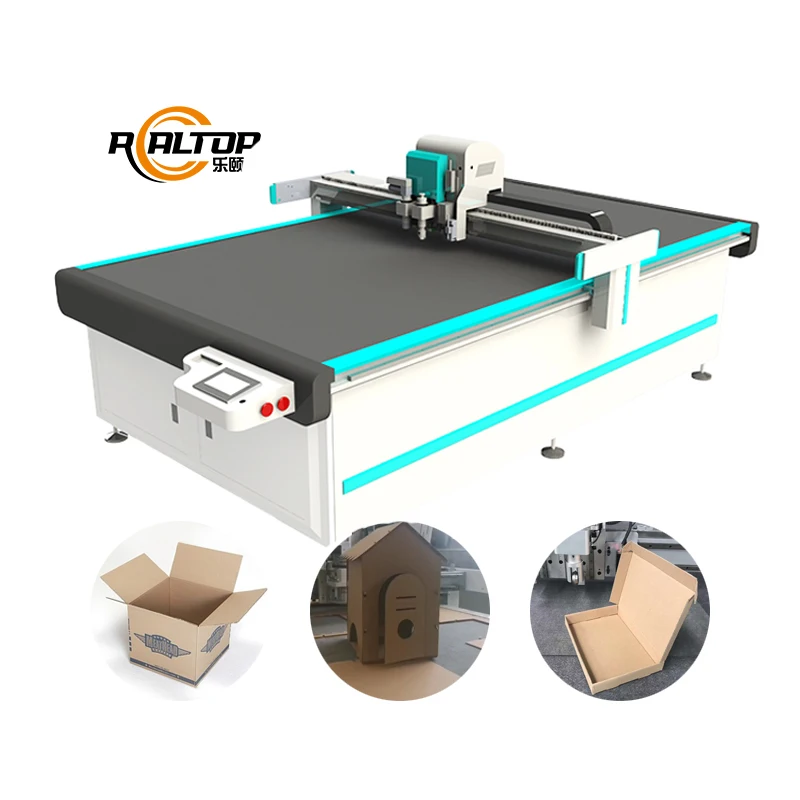
| Signage and packaging sample making | PVC sheets, soft board, and flexible display substrates for contour cutting |
Why Specified Working Area Alone Fails on Multi-Layer Composites
A machine chosen only by table dimensions often breaks down the moment real production material hits the bed.
I once worked with an automotive interior supplier in Southeast Asia who purchased a flatbed cutter based entirely on a 1600 × 2500 mm working area that matched his hide dimensions. The sample test at the factory used single-layer top-grain leather and cut cleanly. When the machine arrived at his facility and began cutting multi-layer synthetic leather with a fiber interlayer, the oscillating knife dulled within two days and the edges were heavily frayed, ruining an entire batch of material [NEED_CITE: material-specific cutting configuration for composite leather]. The cutting depth parameters calibrated for single-layer genuine leather simply did not translate to a denser, layered composite. A CNC Oscillating Knife Cutting Machine manufacturer must validate tooling against your exact stock before configuration is locked.
Knife and Laser Options Under One Roof
Buyers surveying cutting equipment often face a choice between knife and laser methods, and forcing one technology across every material leads to compromised edge quality or throughput. The RT-D2516/RT-S2516 sits within a product range that also includes CO2 and fiber laser systems, meaning the cutting method is matched to the material rather than the buyer adapting their workflow to a single machine type. For natural leather and multi-layer composites, the oscillating knife avoids the burnt edges and discoloration that a laser can produce on organic hides, while laser remains available for acrylic or textile engraving where edge sealing matters.
Vacuum Zoning and Small-Part Hold-Down
When a vacuum table lacks adequate zoning, small cut pieces lift off the bed mid-cycle and collide with the knife head, causing mis-cuts and tool damage. The 7.5 kW vacuum pump on this system is paired with a flat working table designed to maintain consistent hold-down pressure across the full 1600 × 2500 mm area. For leather workshops producing small components like watch straps, shoe eyelets, or gasket seals, this zoning capacity determines whether a nested sheet of dozens of small parts can be cut in a single pass without manual re-pinning between cuts [NEED_CITE: vacuum table zoning standards for CNC cutting tables].
What the Specs Mean on the Shop Floor
The Japanese Yaskawa servo motors paired with Taiwan Hiwin linear guides deliver the ≤0.1 mm repeated accuracy needed when cutting interlocking pattern pieces from expensive hides, where even a slight deviation wastes premium material. Translational velocity of 800–1200 mm/s defines how quickly the head moves between cuts, while the actual cutting speed of 200–800 mm/s is where material thickness and layer count come into play — denser composites demand slower passes to maintain edge quality. The HP-GL compatible instruction system matters for buyers already running nesting software in their workflow; confirming file format compatibility before order prevents the situation where a shop’s existing DXF or PLT libraries cannot be imported directly. The 9 kW rated power covers the combined draw of the servo drives, vacuum pump, and oscillating head motor under typical single-shift operation.
The Hidden Cost of Unverified Tool Head Selection
Choosing a drag knife when your material requires an oscillating knife produces crushed edges on foam-backed leather and incomplete cuts through fiber-reinforced composites. I have seen production floors where the wrong tool head was specified at the quotation stage, and the buyer only discovered the mismatch during commissioning — by which point the machine frame, vacuum system, and software were all locked in, leaving a costly reconfiguration or a machine that simply cannot do the job it was purchased for [NEED_CITE: oscillating versus drag knife selection for composite materials]. The Swiss imported oscillating knife on the RT-D2516/RT-S2516 handles the vibration amplitude required for layered leather and sponge composites, but the specific blade profile and oscillation frequency must still be validated against your actual material during sample testing.
Configuration Driven by Material, Not Catalog Defaults
In-house design covers both oscillating knife and laser platforms, so the cutting method is selected based on what your material demands rather than what a single-product supplier can offer. The RT-D2516/RT-S2516 tool head and vacuum table configuration are specified per your material type and daily volume, not pulled from a standard catalog page. Sample cutting runs on your actual leather or composite stock before the order is confirmed, so edge quality and cutting depth are proven rather than assumed. Software compatibility is checked against your existing HP-GL files and nesting workflow before production begins. Voltage, control language, and plug type are confirmed to match your facility’s electrical infrastructure and operator requirements.
Documentation & Verification
- Machine specification sheet confirming working area, tool head selection, and cutting depth per material type
- Electrical schematic and voltage confirmation document matched to your 380V facility supply
- Tool head and vacuum table configuration list detailing blade profile and pump zoning
- Sample cutting report produced on your actual leather or composite material before order commitment
- Software licence and file format compatibility note verifying HP-GL and nesting workflow support
- Operation and maintenance manual with spare parts list specific to the configured tool head
Installation, Commissioning & Support
- Floor space planning for the 3450 × 2300 × 1250 mm footprint including conveyor infeed clearance
- Dedicated 380V ±10% circuit provision for the 9 kW rated power draw plus vacuum pump startup surge
- Assembly of flat working table, vacuum zones, and auto-feeding conveyor on arrival at your facility
- First-run calibration of oscillating knife depth and vibration frequency on your production leather stock
- Operator training on HP-GL file import, nesting setup, and tool head changeover procedures
- Spare blade inventory and oscillating knife maintenance schedule aligned to your daily cutting volume
What to Share Before Quoting
To specify the right configuration, send the actual leather or composite material you plan to cut — including layer count, backing type, and total thickness — along with your target daily output and typical sheet dimensions. Confirm your workshop voltage and frequency, the control language your operators prefer, and whether your existing nesting software exports in HP-GL format. If you are replacing an older machine, note its current tool head type and any edge quality issues you are trying to resolve so the sample test targets a measurable improvement.
Frequently Asked Questions
Q: How do I choose between oscillating knife and laser cutting for my leather material?
A: Natural hides and multi-layer composites generally suit oscillating knife cutting because it avoids burnt edges and heat discoloration that a laser produces on organic materials. Laser cutting may be preferable for synthetic textiles where edge sealing is needed. The decision depends on your specific material composition, and sample testing on your actual stock confirms which method delivers the edge quality your product requires.
Q: What working area and tool head configuration matches my material and volume?
A: The 1600 × 2500 mm working area accommodates standard leather hides and large composite sheets. The Swiss imported oscillating knife handles full cutting, half cutting, and cursor location for materials including sponge composite leather and PVC. Your material thickness, layer count, and daily volume determine the specific blade profile and oscillation frequency, which are validated during sample testing before the configuration is finalized.
Q: Can the machine work with my existing file format and nesting software?
A: The instruction system supports HP-GL compatible formats, which covers most industry-standard nesting and CAD outputs. Before the order is placed, your existing file formats are tested against the machine’s software to confirm direct import capability. If your workflow uses proprietary nesting software, compatibility is verified during the sample cutting stage to avoid integration issues after delivery.
Q: How are voltage, plug type, and control language confirmed before shipment?
A: Your facility’s voltage supply and frequency are documented during the specification confirmation stage, and the electrical system is built to match — the RT-D2516/RT-S2516 operates on 380V ±10%. Plug type and control panel language are specified according to your local requirements and operator preferences, with written confirmation before production begins to prevent mismatches at commissioning.
Q: What does the sample cutting test on my material involve?
A: You send your actual leather or composite material to the factory, and the CNC Oscillating Knife Cutting Machine manufacturer runs cutting tests using the proposed tool head and vacuum configuration. The test produces a sample cutting report documenting edge quality, cutting depth, speed settings, and any tool wear observations, giving you verified performance data on your exact stock before you commit to the purchase.
Swiss Oscillating Knife Assembly — the multifunctional head on the RT-D2516/RT-S2516 integrates full cutting, half cutting, and cursor location, configured after sample testing on your specific leather or composite stock rather than quoted on table size alone.
Technical Specifications
| Parameter | Value |
|---|---|
| Model | RT-D2516/RT-S2516 |
| Product Type | CNC Oscillating Knife Cutting Machine |
| Working Area | 1600 × 2500 mm |
| Machine Size | 3450 × 2300 × 1250 mm |
| Rated Power | 9 kW |
| Table Type | Flat working table with vacuum hold-down and auto-feeding conveyor |
| Tool Head | Swiss imported oscillating knife with vibration full cutting, vibration half cutting, and cursor location |
| Safety Device | Infrared sensors |
| Translational Velocity | 800–1200 mm/s |
| Cutting Speed | 200–800 mm/s (basis not stated in source — depends on material type, thickness, and layer count) |
| Repeated Accuracy | ≤0.1 mm |
| Transmission System | Digital servo motor, imported ball screw, synchronous belt, Taiwan Hiwin linear guide |
| Servo Motor | Japanese Yaskawa |
| Instruction System | HP-GL compatible format |
| Voltage | 380V ±10% |
| Vacuum Pump | 7.5 kW |
| Conveyor Belt | Germany imported |
| Certification | CE |
Application Suitability
| Application | Material or Output |
|---|---|
| Leather goods manufacturing | Natural hides, synthetic leather, and sponge composite leather for bags, belts, and footwear uppers |
| Automotive interior components | Multi-layer composite leather, PVC, and soft glass for dashboards, door panels, and seat covers |
| Garment and footwear production | Flexible fabrics, layered textiles, and rubber sheets for pattern cutting and prototyping |
| Gasket and seal fabrication | Silicon, rubber, and soft composite materials for industrial sealing applications |
| Signage and packaging sample making | PVC sheets, soft board, and flexible display substrates for contour cutting |
Why Specified Working Area Alone Fails on Multi-Layer Composites
A machine chosen only by table dimensions often breaks down the moment real production material hits the bed.
I once worked with an automotive interior supplier in Southeast Asia who purchased a flatbed cutter based entirely on a 1600 × 2500 mm working area that matched his hide dimensions. The sample test at the factory used single-layer top-grain leather and cut cleanly. When the machine arrived at his facility and began cutting multi-layer synthetic leather with a fiber interlayer, the oscillating knife dulled within two days and the edges were heavily frayed, ruining an entire batch of material [NEED_CITE: material-specific cutting configuration for composite leather]. The cutting depth parameters calibrated for single-layer genuine leather simply did not translate to a denser, layered composite. A CNC Oscillating Knife Cutting Machine manufacturer must validate tooling against your exact stock before configuration is locked.
Knife and Laser Options Under One Roof
Buyers surveying cutting equipment often face a choice between knife and laser methods, and forcing one technology across every material leads to compromised edge quality or throughput. The RT-D2516/RT-S2516 sits within a product range that also includes CO2 and fiber laser systems, meaning the cutting method is matched to the material rather than the buyer adapting their workflow to a single machine type. For natural leather and multi-layer composites, the oscillating knife avoids the burnt edges and discoloration that a laser can produce on organic hides, while laser remains available for acrylic or textile engraving where edge sealing matters.
Vacuum Zoning and Small-Part Hold-Down
When a vacuum table lacks adequate zoning, small cut pieces lift off the bed mid-cycle and collide with the knife head, causing mis-cuts and tool damage. The 7.5 kW vacuum pump on this system is paired with a flat working table designed to maintain consistent hold-down pressure across the full 1600 × 2500 mm area. For leather workshops producing small components like watch straps, shoe eyelets, or gasket seals, this zoning capacity determines whether a nested sheet of dozens of small parts can be cut in a single pass without manual re-pinning between cuts [NEED_CITE: vacuum table zoning standards for CNC cutting tables].
What the Specs Mean on the Shop Floor
The Japanese Yaskawa servo motors paired with Taiwan Hiwin linear guides deliver the ≤0.1 mm repeated accuracy needed when cutting interlocking pattern pieces from expensive hides, where even a slight deviation wastes premium material. Translational velocity of 800–1200 mm/s defines how quickly the head moves between cuts, while the actual cutting speed of 200–800 mm/s is where material thickness and layer count come into play — denser composites demand slower passes to maintain edge quality. The HP-GL compatible instruction system matters for buyers already running nesting software in their workflow; confirming file format compatibility before order prevents the situation where a shop’s existing DXF or PLT libraries cannot be imported directly. The 9 kW rated power covers the combined draw of the servo drives, vacuum pump, and oscillating head motor under typical single-shift operation.
The Hidden Cost of Unverified Tool Head Selection
Choosing a drag knife when your material requires an oscillating knife produces crushed edges on foam-backed leather and incomplete cuts through fiber-reinforced composites. I have seen production floors where the wrong tool head was specified at the quotation stage, and the buyer only discovered the mismatch during commissioning — by which point the machine frame, vacuum system, and software were all locked in, leaving a costly reconfiguration or a machine that simply cannot do the job it was purchased for [NEED_CITE: oscillating versus drag knife selection for composite materials]. The Swiss imported oscillating knife on the RT-D2516/RT-S2516 handles the vibration amplitude required for layered leather and sponge composites, but the specific blade profile and oscillation frequency must still be validated against your actual material during sample testing.
Configuration Driven by Material, Not Catalog Defaults
In-house design covers both oscillating knife and laser platforms, so the cutting method is selected based on what your material demands rather than what a single-product supplier can offer. The RT-D2516/RT-S2516 tool head and vacuum table configuration are specified per your material type and daily volume, not pulled from a standard catalog page. Sample cutting runs on your actual leather or composite stock before the order is confirmed, so edge quality and cutting depth are proven rather than assumed. Software compatibility is checked against your existing HP-GL files and nesting workflow before production begins. Voltage, control language, and plug type are confirmed to match your facility’s electrical infrastructure and operator requirements.
Documentation & Verification
- Machine specification sheet confirming working area, tool head selection, and cutting depth per material type
- Electrical schematic and voltage confirmation document matched to your 380V facility supply
- Tool head and vacuum table configuration list detailing blade profile and pump zoning
- Sample cutting report produced on your actual leather or composite material before order commitment
- Software licence and file format compatibility note verifying HP-GL and nesting workflow support
- Operation and maintenance manual with spare parts list specific to the configured tool head
Installation, Commissioning & Support
- Floor space planning for the 3450 × 2300 × 1250 mm footprint including conveyor infeed clearance
- Dedicated 380V ±10% circuit provision for the 9 kW rated power draw plus vacuum pump startup surge
- Assembly of flat working table, vacuum zones, and auto-feeding conveyor on arrival at your facility
- First-run calibration of oscillating knife depth and vibration frequency on your production leather stock
- Operator training on HP-GL file import, nesting setup, and tool head changeover procedures
- Spare blade inventory and oscillating knife maintenance schedule aligned to your daily cutting volume
What to Share Before Quoting
To specify the right configuration, send the actual leather or composite material you plan to cut — including layer count, backing type, and total thickness — along with your target daily output and typical sheet dimensions. Confirm your workshop voltage and frequency, the control language your operators prefer, and whether your existing nesting software exports in HP-GL format. If you are replacing an older machine, note its current tool head type and any edge quality issues you are trying to resolve so the sample test targets a measurable improvement.
Frequently Asked Questions
Q: How do I choose between oscillating knife and laser cutting for my leather material?
A: Natural hides and multi-layer composites generally suit oscillating knife cutting because it avoids burnt edges and heat discoloration that a laser produces on organic materials. Laser cutting may be preferable for synthetic textiles where edge sealing is needed. The decision depends on your specific material composition, and sample testing on your actual stock confirms which method delivers the edge quality your product requires.
Q: What working area and tool head configuration matches my material and volume?
A: The 1600 × 2500 mm working area accommodates standard leather hides and large composite sheets. The Swiss imported oscillating knife handles full cutting, half cutting, and cursor location for materials including sponge composite leather and PVC. Your material thickness, layer count, and daily volume determine the specific blade profile and oscillation frequency, which are validated during sample testing before the configuration is finalized.
Q: Can the machine work with my existing file format and nesting software?
A: The instruction system supports HP-GL compatible formats, which covers most industry-standard nesting and CAD outputs. Before the order is placed, your existing file formats are tested against the machine’s software to confirm direct import capability. If your workflow uses proprietary nesting software, compatibility is verified during the sample cutting stage to avoid integration issues after delivery.
Q: How are voltage, plug type, and control language confirmed before shipment?
A: Your facility’s voltage supply and frequency are documented during the specification confirmation stage, and the electrical system is built to match — the RT-D2516/RT-S2516 operates on 380V ±10%. Plug type and control panel language are specified according to your local requirements and operator preferences, with written confirmation before production begins to prevent mismatches at commissioning.
Q: What does the sample cutting test on my material involve?
A: You send your actual leather or composite material to the factory, and the CNC Oscillating Knife Cutting Machine manufacturer runs cutting tests using the proposed tool head and vacuum configuration. The test produces a sample cutting report documenting edge quality, cutting depth, speed settings, and any tool wear observations, giving you verified performance data on your exact stock before you commit to the purchase.
商品评价
There are no reviews yet.