

Fast Delivery
Quick, reliable shipping to any location.

Free & easy returns
Return this item by mail or in store within 90 days for a full refund.
Custom Tooling Match — every oscillating knife, drag knife, and laser configuration in our catalogue is validated against the buyer’s actual material stack before a purchase order is issued, ensuring the cutting method fits the job rather than the other way around.
Technical Specifications
| Parameter | Value |
|---|---|
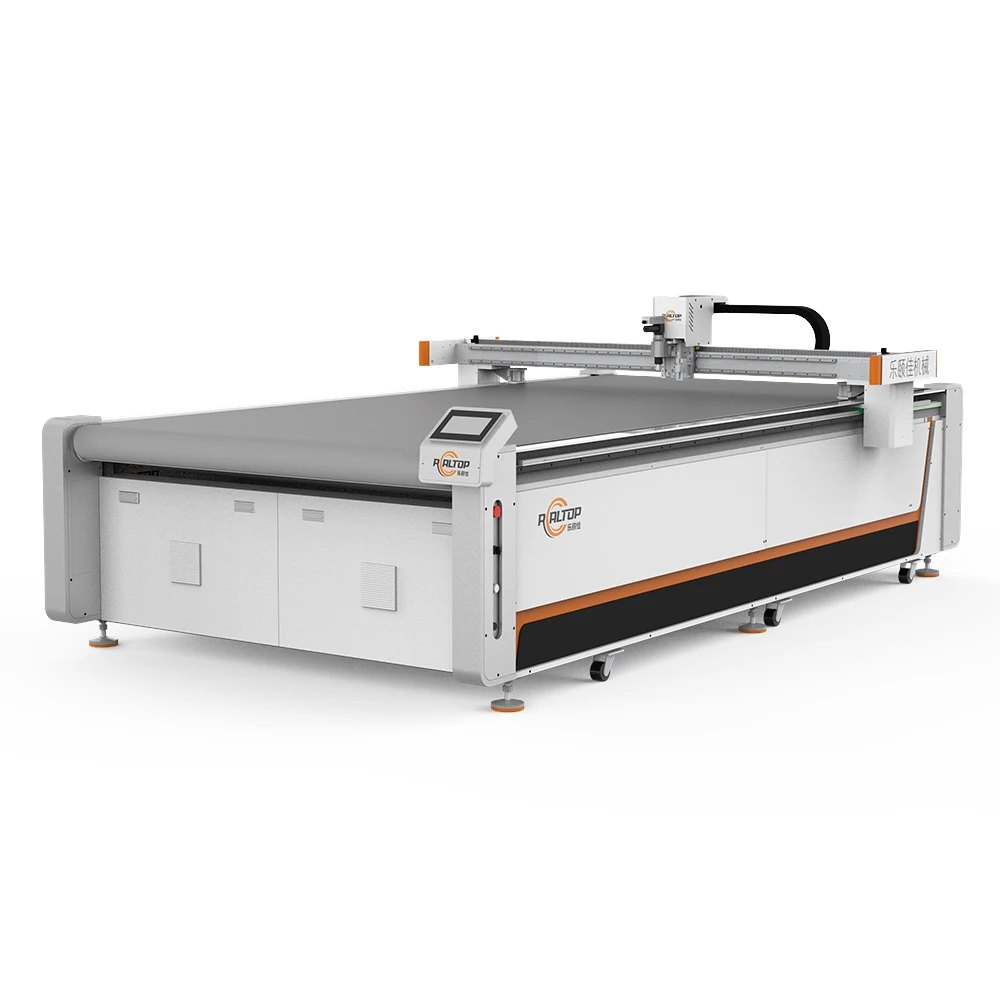
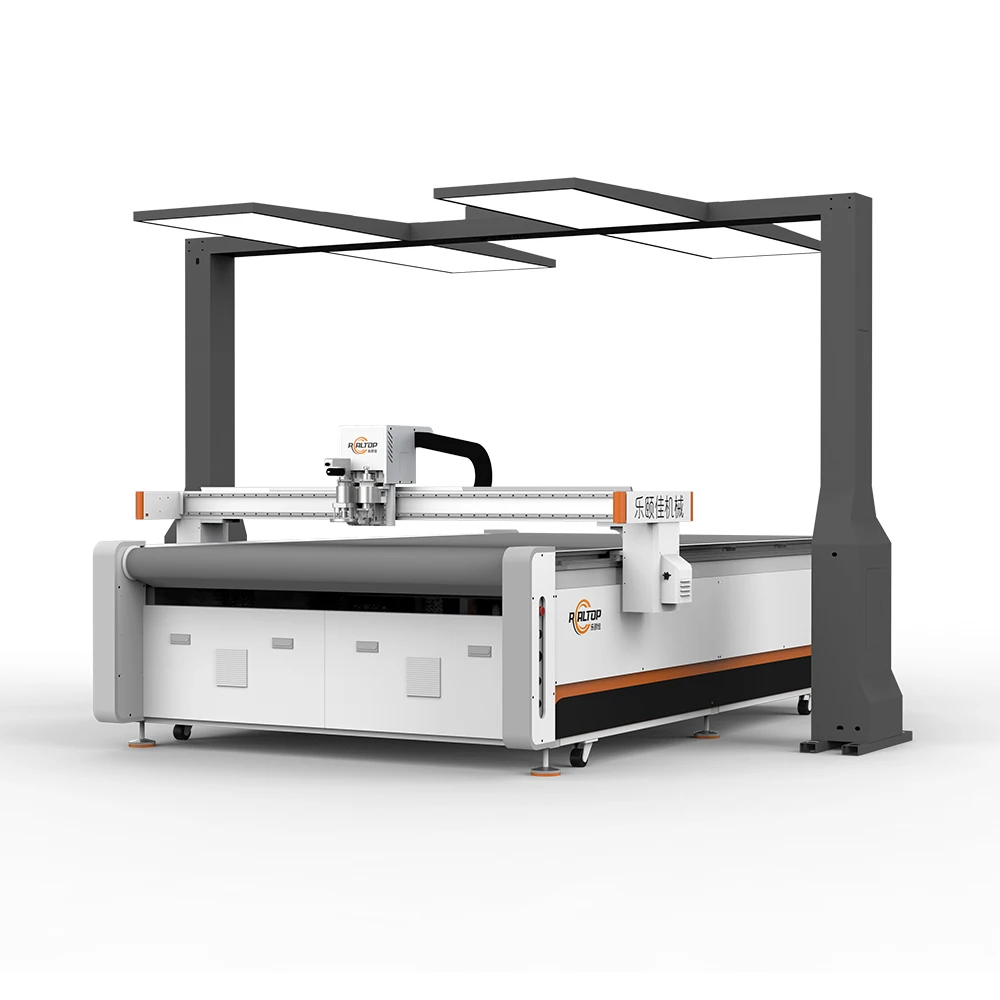
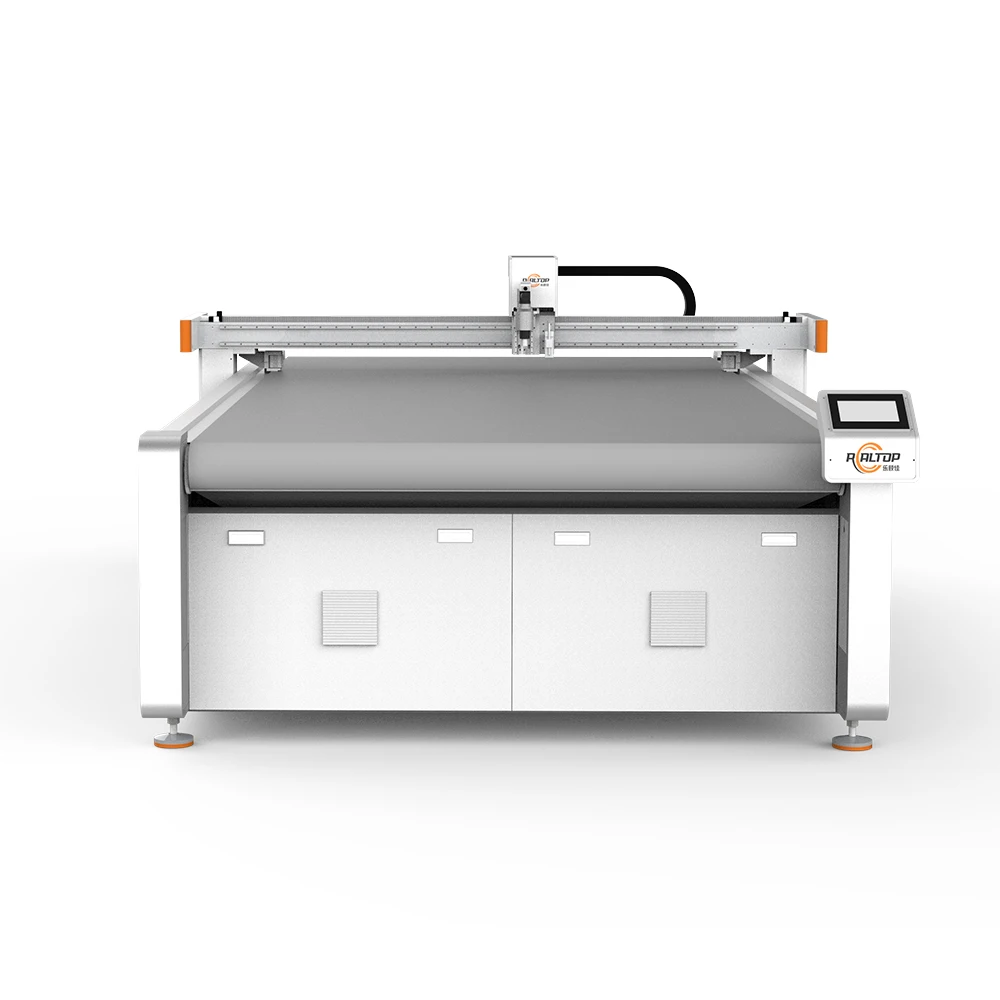
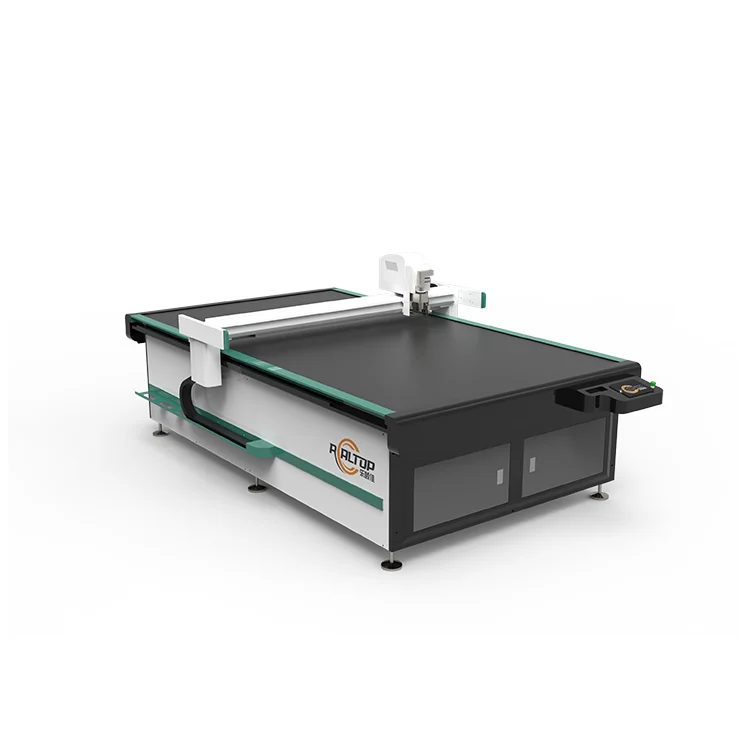
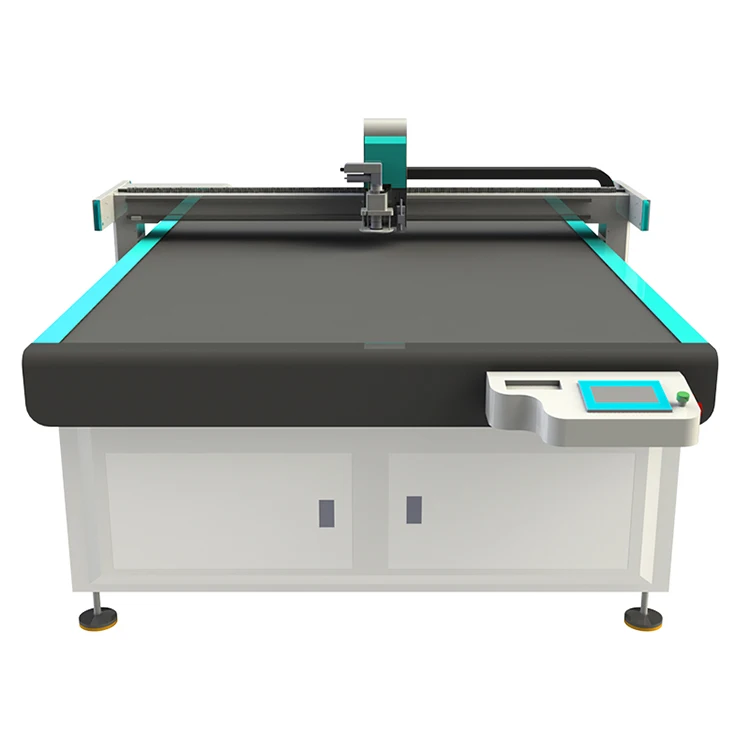
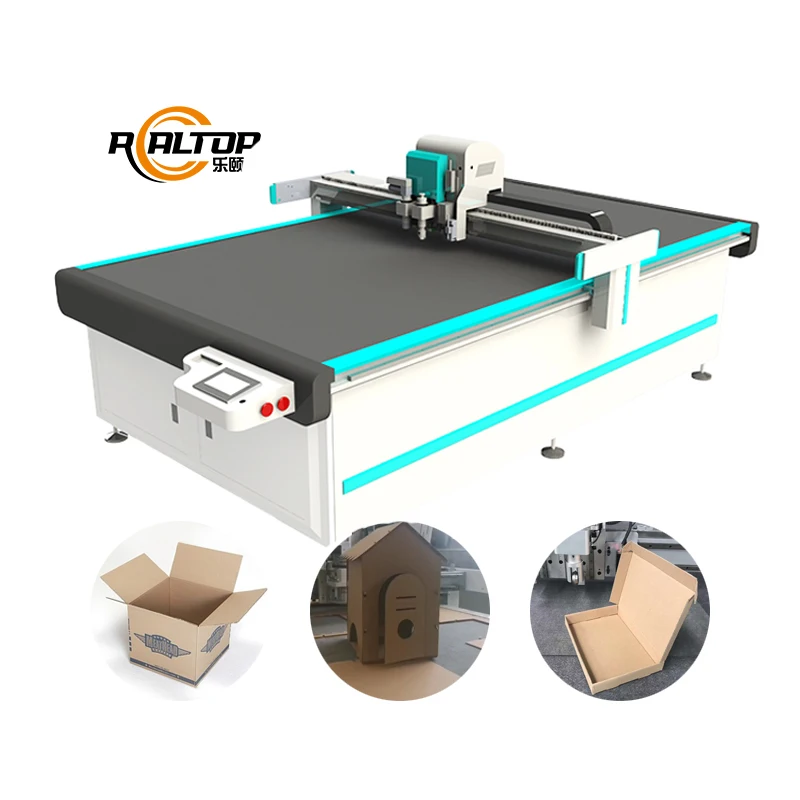
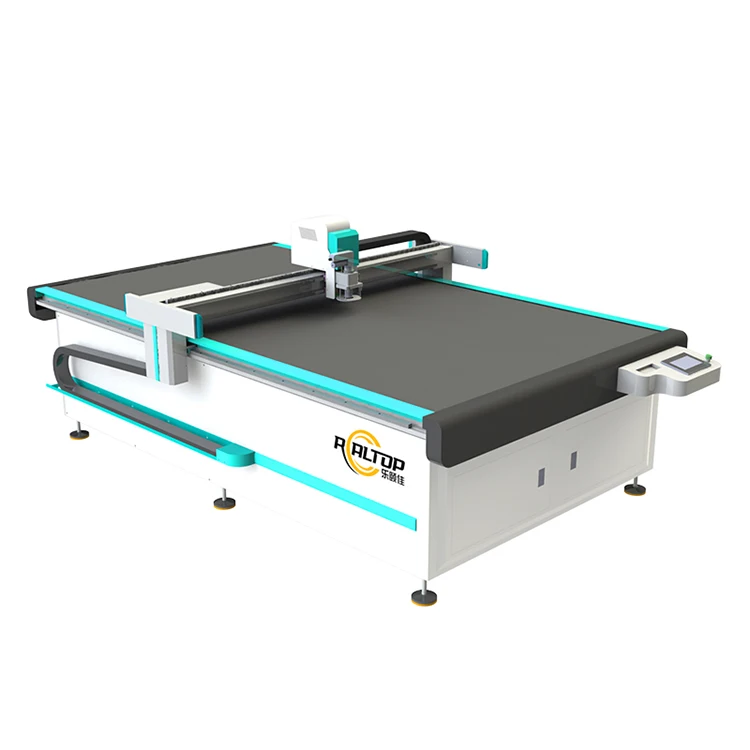
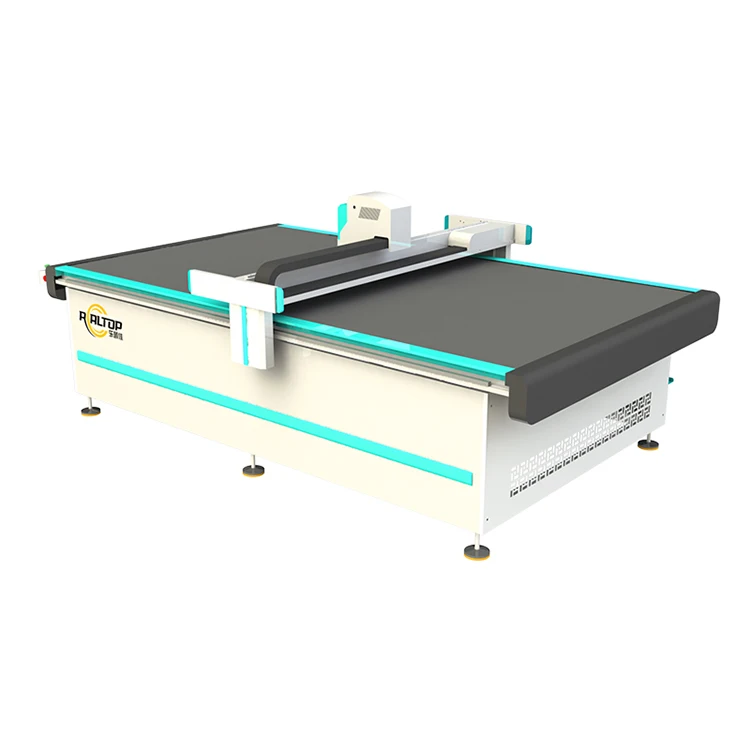
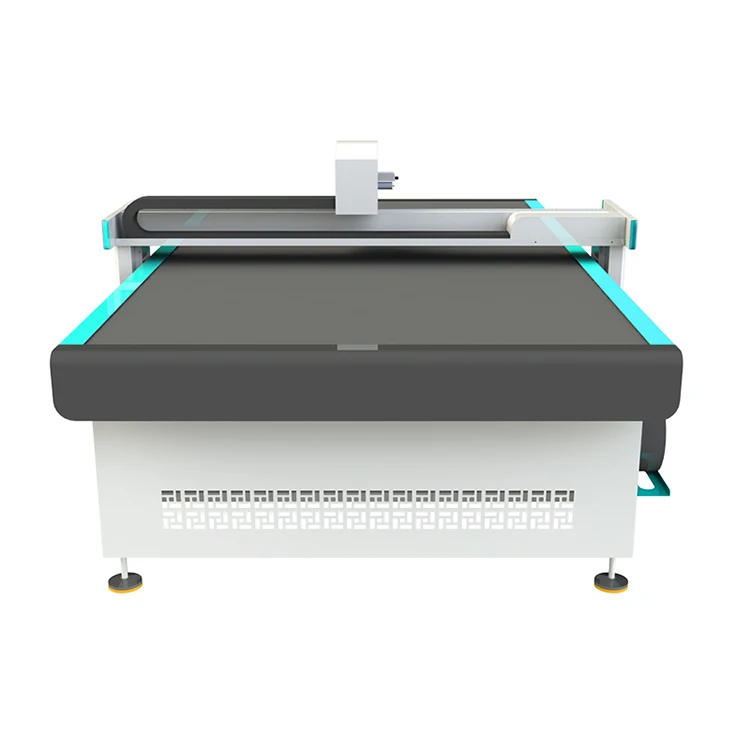
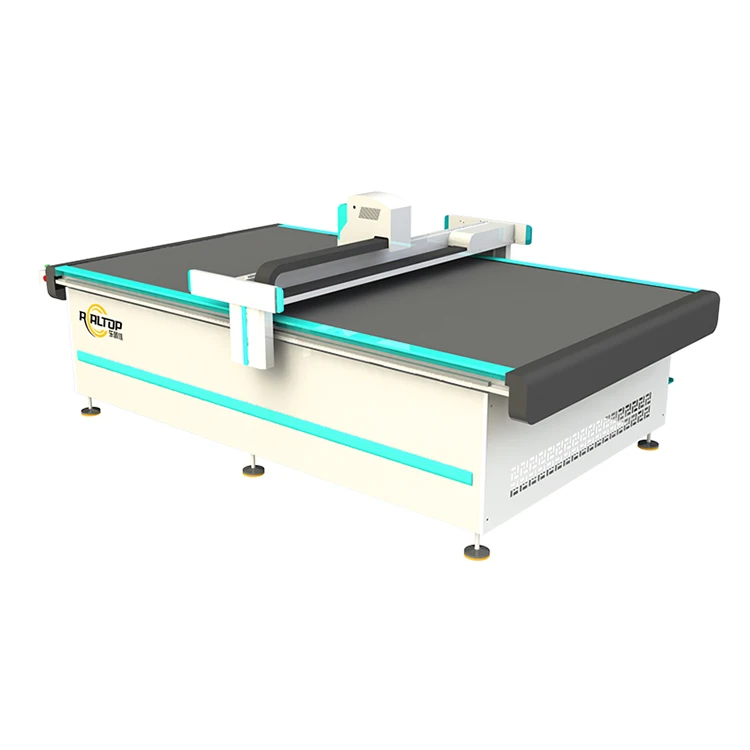
| Product Type | CNC Oscillating Knife Cutting Machine |
| Working Area | 1600 × 2500 mm |
| Cutting Speed | 200–2000 mm/s |
| Cutting Thickness | Up to 40 mm |
| Cutting Accuracy | ±0.1 mm |
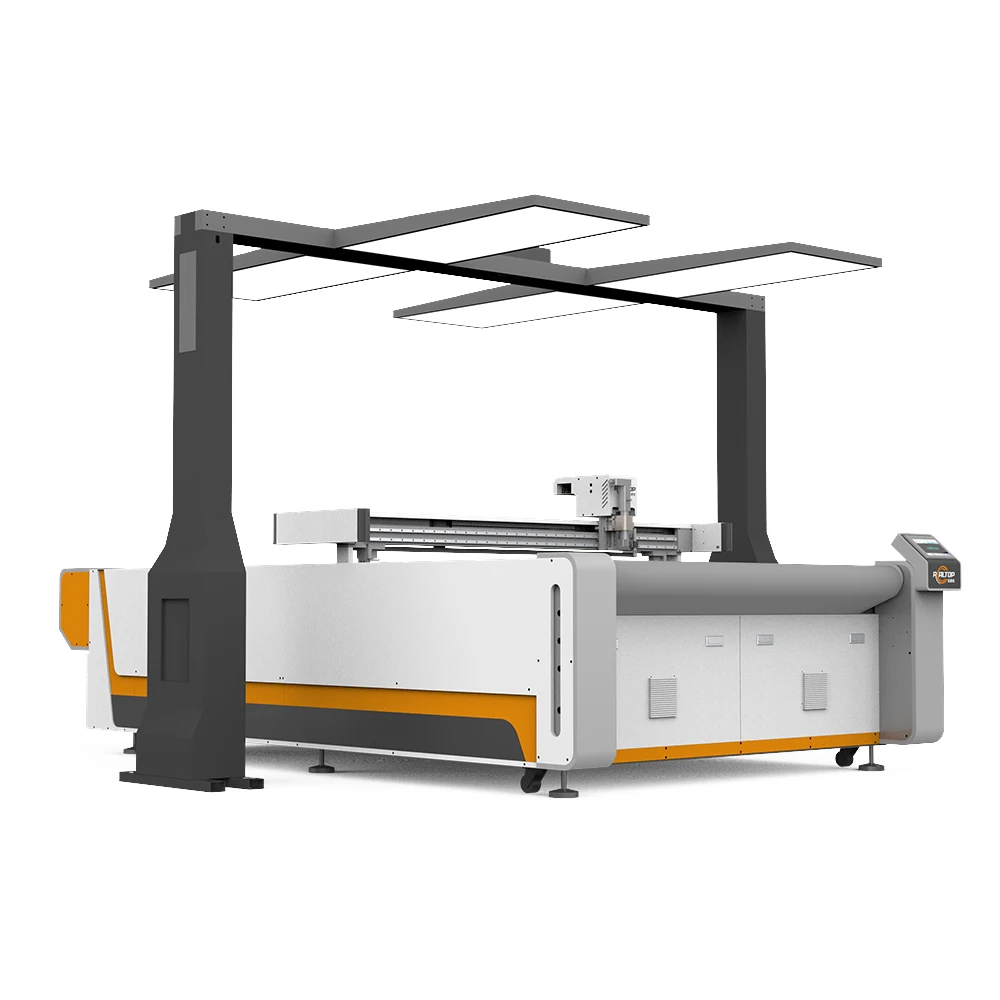
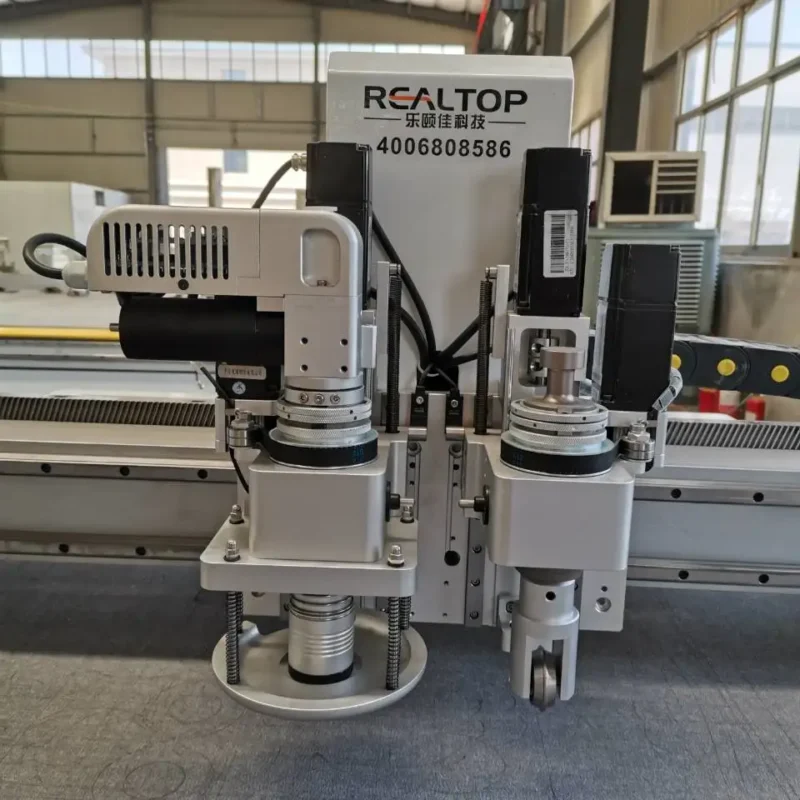
| Available Tool Heads | Oscillating knife, driven rotary knife, creasing wheel, kiss cutting tool, pneumatic knife, milling tool, V-groove knife, CCD camera |
| Vacuum Table | Aluminum bellows vacuum table |
| Vacuum Pump | 9 kW |
| Control System | PLC control panel with configurable display languages |
| Voltage Options | 110V / 220V / 380V (basis to be confirmed with buyer’s site supply) |
| Servo Drive Options | Panasonic, Delta, or Dorna integration |
| Compatible File Formats | PLT, DXF, AI, PDF |
| Safety Devices | Infrared sensor array and emergency stop |
| Machine Frame | Heavy-duty frame with precision-ground surface |
| Overall Dimensions | 3300 × 2100 × 1350 mm |
| Standards | CE (basis to be confirmed for specific destination market) |
Application Suitability
| Application | Material or Output |
|---|---|
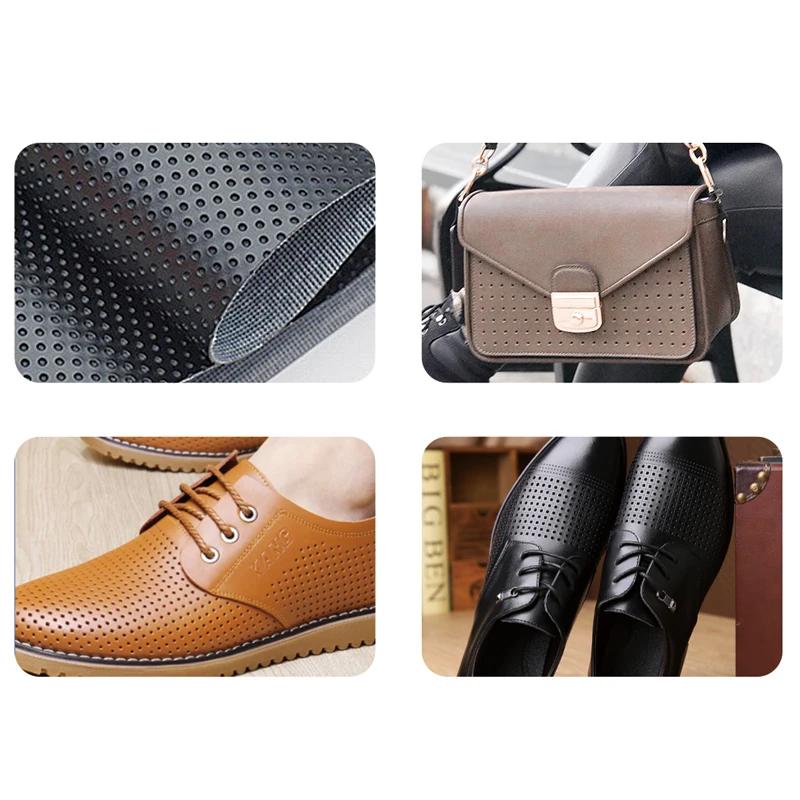
| Footwear and leather goods | Genuine leather, synthetic leather, PU and PVC hides for uppers, linings, and soles |
| Bag and luggage manufacturing | Thick composite leather, reinforced PU, and coated textiles |
| Packaging sample making | Corrugated cardboard, greyboard, carton stock, and art paper |
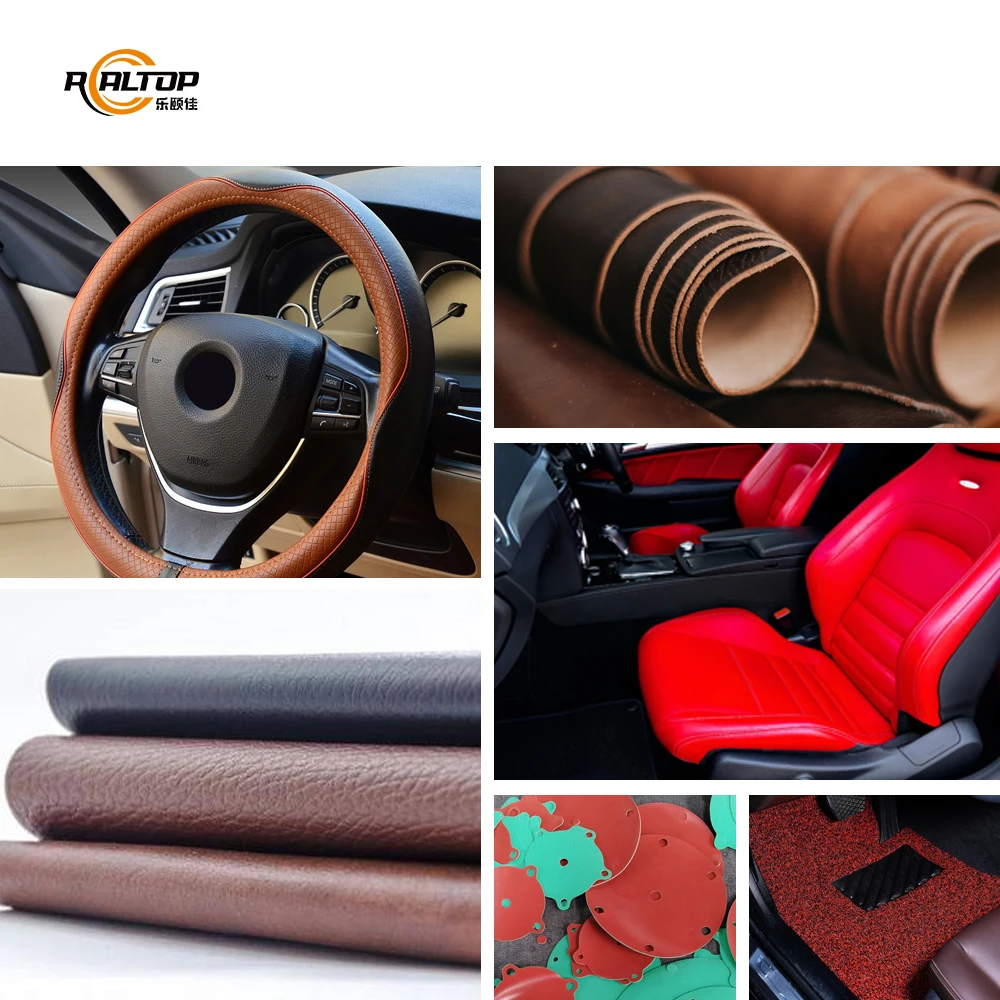
| Automotive interiors | Foam, gasket material, composite panels, and acoustic insulation |
| Industrial composites | PTFE, rubber mats, EVA foam, EPE foam, and adhesive-backed sheets |
| Textile and garment | Velvet, fleece, non-woven fabric, and multi-layer fabric stacks |
Why Specifying Working Area Alone Leads to Cutting Failures
A cutting machine rated by bed size tells you nothing about how it handles your specific hide thickness, composite layup, or daily part count.
I have watched a buyer receive a large-format flatbed only to discover the oscillating knife frequency was tuned for standard vegetable-tanned leather while their production ran rubber-backed composite hides. The blade chattered, edges frayed, and four days vanished into parameter re-tuning on the shop floor. A CNC oscillating knife cutting machine manufacturer that does not ask for your real material samples before quoting is leaving that same risk on your side of the contract [NEED_CITE: material-specific oscillation frequency tuning for composite leather]. Matching tool head, blade amplitude, vacuum zoning, and feed rate to the actual stock you run is the only way to guarantee edge quality from the first shift.
Full Catalogue Coverage Across Knife and Laser Families
Surveying the complete equipment range means understanding where an oscillating knife platform stops and a CO2 or fiber laser system begins. Leather with adhesive backing may require kiss cutting at one station and full-depth oscillating cuts at the next, while acrylic signage blanks demand the sealed edge only a CO2 laser delivers. This catalogue approach lets a buyer compare cutting methods side by side against the same material list and daily volume target.
Matching the Cutting Method to the Production Job
A footwear factory cutting hundreds of nested upper pieces per shift needs the speed and material yield that nesting software paired with an oscillating knife provides. A custom packaging house making short-run carton samples needs the creasing wheel and drag knife on the same gantry. By listing every knife and laser family in one place, the selection narrows from "I need a flatbed" to "I need this specific tool head on this specific table" before any commercial discussion begins.
Translating Specifications into Real Cutting Behaviour
The 1600 × 2500 mm working area accommodates full hides laid flat without folding or repositioning, which matters because every reposition introduces registration drift. The ±0.1 mm cutting accuracy holds across that entire travel range, keeping nested pattern pieces within tolerance for downstream stitching operations. The 9 kW vacuum pump pulls through the aluminum bellows table to clamp thin or porous materials that a weaker pump would let lift during high-speed passes [NEED_CITE: vacuum hold-down requirements for porous leather and foam substrates]. PLC control with configurable languages means the operator interface can match the local workforce rather than forcing a crew to navigate menus in an unfamiliar script.
The Hidden Cost of Choosing the Wrong Tool Head
Selecting a drag knife for thick EVA foam produces crushed edges that fail lamination checks downstream. Skipping CCD camera integration on printed leather hides forces manual alignment and wastes material on every misregistered piece. These are not hypothetical failures — they show up in warranty calls that trace back to a configuration decision made without a sample cut [NEED_CITE: tool head selection errors in composite material cutting]. The repair cost is small; the lost production time is not.
Why Source From This Range
The design team covers both knife and laser cutting technologies in-house, so a buyer comparing methods gets an honest recommendation rather than being pushed toward whichever platform the sales quota favours. Tool head and table configurations are specified per material and production volume, not copied from a default build sheet. CCD camera positioning is validated on the buyer’s printed stock before shipment. Software compatibility is confirmed against the file formats the buyer’s design department actually exports. Voltage, plug type, and control language are locked down in writing before the machine enters assembly.
Documentation & Verification
- Machine specification sheet listing every selected tool head and vacuum zone configuration
- Electrical schematic with voltage and frequency confirmed for the buyer’s destination grid
- Sample cutting report generated on the buyer’s own leather or composite material
- Software licence keys and file format compatibility note covering PLT, DXF, AI, and PDF
- Factory test record documenting cutting accuracy verification across the full working area
- Spare parts list matched to the specific tool heads installed on the delivered unit
Installation, Commissioning & Support
- Floor space planning accounts for the 3300 × 2100 × 1350 mm footprint plus operator access clearance
- Dedicated electrical circuit sized for the 9 kW vacuum pump and servo drive load combined
- Machine arrives on a heavy-duty frame requiring on-site leveling to the precision-ground table surface
- First-run commissioning includes oscillation frequency calibration against the buyer’s production material
- Operator training covers tool head changeover, nesting workflow, and CCD camera registration procedures
- Wear parts inventory covers blades, creasing wheels, and vacuum seals for the initial operating period
What to Include in Your Inquiry
Provide the specific leather type, composite layup, or foam density you run in production along with typical sheet dimensions and daily part volume. Confirm your facility voltage, frequency, and preferred control language. If your workflow relies on printed registration marks or a specific nesting software package, include a sample file so compatibility can be verified before the quotation stage.
Frequently Asked Questions
Q: How do I decide between oscillating knife and laser cutting for my leather products?
A: Oscillating knife is preferred when the material contains adhesives, rubber layers, or backing that melts or discolours under laser heat. Laser is chosen for synthetic textiles requiring a sealed edge. A sample cut on your actual stock using both methods provides a direct edge-quality comparison before you commit to a platform.
Q: Which tool head configuration matches my leather thickness and daily output?
A: Thin garment leather up to 2 mm typically uses a standard oscillating knife, while thicker sole stock or rubber-backed composites require a pneumatic or high-frequency oscillating head. Daily volume determines whether a single-head or multi-head configuration is justified, based on nested layout cycle time.
Q: What working area sizes and multi-head options does the catalogue cover?
A: The range spans compact formats for sample-making up to large-format beds exceeding the 1600 × 2500 mm size listed here. Multi-head configurations are available for high-volume fabric and leather production where identical nested layouts repeat across parallel cutting zones.
Q: How does CCD camera contour recognition work with printed leather?
A: The camera scans printed registration marks on the hide or synthetic sheet and adjusts the cutting path in real time to match any stretch, skew, or print-to-cut offset. This eliminates manual alignment and reduces material waste on every piece in a nested layout.
Q: Which voltage, language, and software options are confirmed before shipment?
A: Voltage and plug type are set to match your facility supply — 110V, 220V, or 380V. Control panel language is configured for your operators. Software file format compatibility covering PLT, DXF, AI, and PDF is verified against a sample file you provide before the machine enters final assembly.
Custom Tooling Match — every oscillating knife, drag knife, and laser configuration in our catalogue is validated against the buyer’s actual material stack before a purchase order is issued, ensuring the cutting method fits the job rather than the other way around.
Technical Specifications
| Parameter | Value |
|---|---|
| Product Type | CNC Oscillating Knife Cutting Machine |
| Working Area | 1600 × 2500 mm |
| Cutting Speed | 200–2000 mm/s |
| Cutting Thickness | Up to 40 mm |
| Cutting Accuracy | ±0.1 mm |
| Available Tool Heads | Oscillating knife, driven rotary knife, creasing wheel, kiss cutting tool, pneumatic knife, milling tool, V-groove knife, CCD camera |
| Vacuum Table | Aluminum bellows vacuum table |
| Vacuum Pump | 9 kW |
| Control System | PLC control panel with configurable display languages |
| Voltage Options | 110V / 220V / 380V (basis to be confirmed with buyer’s site supply) |
| Servo Drive Options | Panasonic, Delta, or Dorna integration |
| Compatible File Formats | PLT, DXF, AI, PDF |
| Safety Devices | Infrared sensor array and emergency stop |
| Machine Frame | Heavy-duty frame with precision-ground surface |
| Overall Dimensions | 3300 × 2100 × 1350 mm |
| Standards | CE (basis to be confirmed for specific destination market) |
Application Suitability
| Application | Material or Output |
|---|---|
| Footwear and leather goods | Genuine leather, synthetic leather, PU and PVC hides for uppers, linings, and soles |
| Bag and luggage manufacturing | Thick composite leather, reinforced PU, and coated textiles |
| Packaging sample making | Corrugated cardboard, greyboard, carton stock, and art paper |
| Automotive interiors | Foam, gasket material, composite panels, and acoustic insulation |
| Industrial composites | PTFE, rubber mats, EVA foam, EPE foam, and adhesive-backed sheets |
| Textile and garment | Velvet, fleece, non-woven fabric, and multi-layer fabric stacks |
Why Specifying Working Area Alone Leads to Cutting Failures
A cutting machine rated by bed size tells you nothing about how it handles your specific hide thickness, composite layup, or daily part count.
I have watched a buyer receive a large-format flatbed only to discover the oscillating knife frequency was tuned for standard vegetable-tanned leather while their production ran rubber-backed composite hides. The blade chattered, edges frayed, and four days vanished into parameter re-tuning on the shop floor. A CNC oscillating knife cutting machine manufacturer that does not ask for your real material samples before quoting is leaving that same risk on your side of the contract [NEED_CITE: material-specific oscillation frequency tuning for composite leather]. Matching tool head, blade amplitude, vacuum zoning, and feed rate to the actual stock you run is the only way to guarantee edge quality from the first shift.
Full Catalogue Coverage Across Knife and Laser Families
Surveying the complete equipment range means understanding where an oscillating knife platform stops and a CO2 or fiber laser system begins. Leather with adhesive backing may require kiss cutting at one station and full-depth oscillating cuts at the next, while acrylic signage blanks demand the sealed edge only a CO2 laser delivers. This catalogue approach lets a buyer compare cutting methods side by side against the same material list and daily volume target.
Matching the Cutting Method to the Production Job
A footwear factory cutting hundreds of nested upper pieces per shift needs the speed and material yield that nesting software paired with an oscillating knife provides. A custom packaging house making short-run carton samples needs the creasing wheel and drag knife on the same gantry. By listing every knife and laser family in one place, the selection narrows from "I need a flatbed" to "I need this specific tool head on this specific table" before any commercial discussion begins.
Translating Specifications into Real Cutting Behaviour
The 1600 × 2500 mm working area accommodates full hides laid flat without folding or repositioning, which matters because every reposition introduces registration drift. The ±0.1 mm cutting accuracy holds across that entire travel range, keeping nested pattern pieces within tolerance for downstream stitching operations. The 9 kW vacuum pump pulls through the aluminum bellows table to clamp thin or porous materials that a weaker pump would let lift during high-speed passes [NEED_CITE: vacuum hold-down requirements for porous leather and foam substrates]. PLC control with configurable languages means the operator interface can match the local workforce rather than forcing a crew to navigate menus in an unfamiliar script.
The Hidden Cost of Choosing the Wrong Tool Head
Selecting a drag knife for thick EVA foam produces crushed edges that fail lamination checks downstream. Skipping CCD camera integration on printed leather hides forces manual alignment and wastes material on every misregistered piece. These are not hypothetical failures — they show up in warranty calls that trace back to a configuration decision made without a sample cut [NEED_CITE: tool head selection errors in composite material cutting]. The repair cost is small; the lost production time is not.
Why Source From This Range
The design team covers both knife and laser cutting technologies in-house, so a buyer comparing methods gets an honest recommendation rather than being pushed toward whichever platform the sales quota favours. Tool head and table configurations are specified per material and production volume, not copied from a default build sheet. CCD camera positioning is validated on the buyer’s printed stock before shipment. Software compatibility is confirmed against the file formats the buyer’s design department actually exports. Voltage, plug type, and control language are locked down in writing before the machine enters assembly.
Documentation & Verification
- Machine specification sheet listing every selected tool head and vacuum zone configuration
- Electrical schematic with voltage and frequency confirmed for the buyer’s destination grid
- Sample cutting report generated on the buyer’s own leather or composite material
- Software licence keys and file format compatibility note covering PLT, DXF, AI, and PDF
- Factory test record documenting cutting accuracy verification across the full working area
- Spare parts list matched to the specific tool heads installed on the delivered unit
Installation, Commissioning & Support
- Floor space planning accounts for the 3300 × 2100 × 1350 mm footprint plus operator access clearance
- Dedicated electrical circuit sized for the 9 kW vacuum pump and servo drive load combined
- Machine arrives on a heavy-duty frame requiring on-site leveling to the precision-ground table surface
- First-run commissioning includes oscillation frequency calibration against the buyer’s production material
- Operator training covers tool head changeover, nesting workflow, and CCD camera registration procedures
- Wear parts inventory covers blades, creasing wheels, and vacuum seals for the initial operating period
What to Include in Your Inquiry
Provide the specific leather type, composite layup, or foam density you run in production along with typical sheet dimensions and daily part volume. Confirm your facility voltage, frequency, and preferred control language. If your workflow relies on printed registration marks or a specific nesting software package, include a sample file so compatibility can be verified before the quotation stage.
Frequently Asked Questions
Q: How do I decide between oscillating knife and laser cutting for my leather products?
A: Oscillating knife is preferred when the material contains adhesives, rubber layers, or backing that melts or discolours under laser heat. Laser is chosen for synthetic textiles requiring a sealed edge. A sample cut on your actual stock using both methods provides a direct edge-quality comparison before you commit to a platform.
Q: Which tool head configuration matches my leather thickness and daily output?
A: Thin garment leather up to 2 mm typically uses a standard oscillating knife, while thicker sole stock or rubber-backed composites require a pneumatic or high-frequency oscillating head. Daily volume determines whether a single-head or multi-head configuration is justified, based on nested layout cycle time.
Q: What working area sizes and multi-head options does the catalogue cover?
A: The range spans compact formats for sample-making up to large-format beds exceeding the 1600 × 2500 mm size listed here. Multi-head configurations are available for high-volume fabric and leather production where identical nested layouts repeat across parallel cutting zones.
Q: How does CCD camera contour recognition work with printed leather?
A: The camera scans printed registration marks on the hide or synthetic sheet and adjusts the cutting path in real time to match any stretch, skew, or print-to-cut offset. This eliminates manual alignment and reduces material waste on every piece in a nested layout.
Q: Which voltage, language, and software options are confirmed before shipment?
A: Voltage and plug type are set to match your facility supply — 110V, 220V, or 380V. Control panel language is configured for your operators. Software file format compatibility covering PLT, DXF, AI, and PDF is verified against a sample file you provide before the machine enters final assembly.
商品评价
There are no reviews yet.