

Fast Delivery
Quick, reliable shipping to any location.

Free & easy returns
Return this item by mail or in store within 90 days for a full refund.
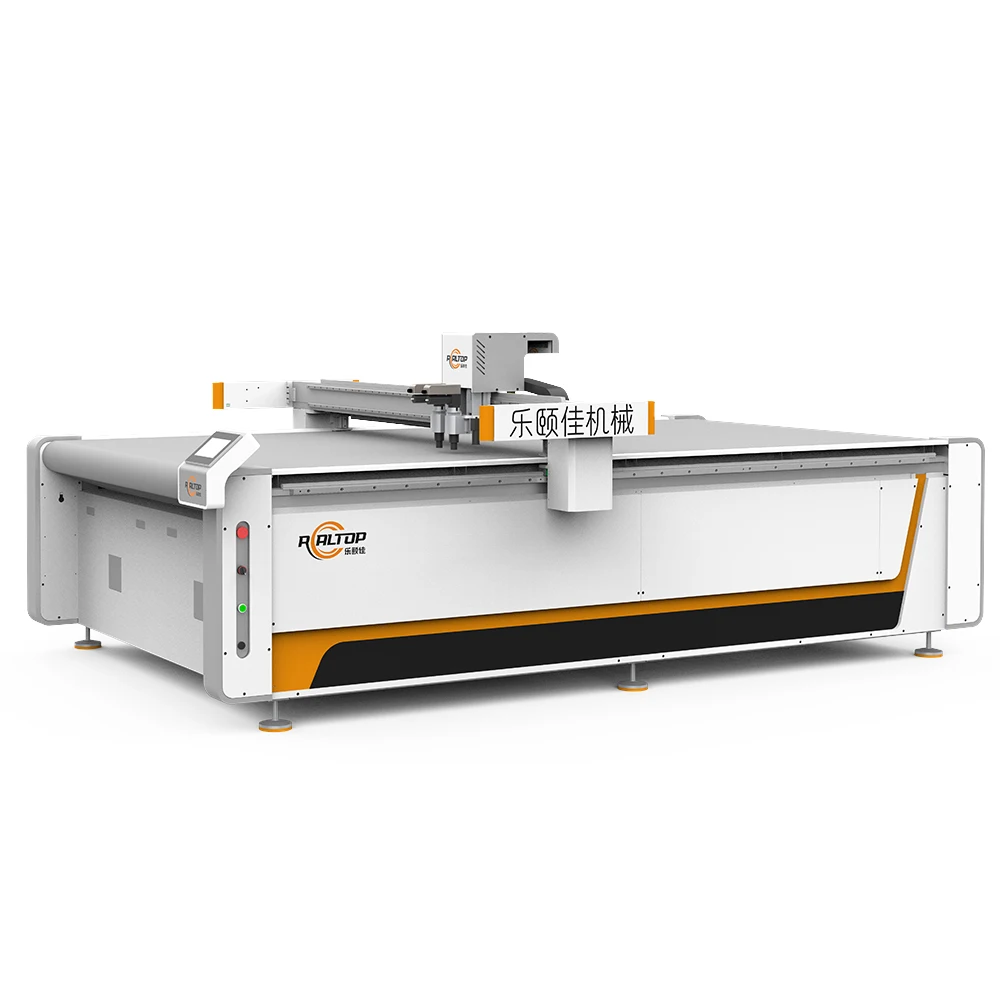
Tool head and table configuration specified per material and production volume — every 1625 cutting table leaves our Jinan workshop only after the oscillating knife, vacuum zoning and software have been validated against the buyer’s actual leather, foam or board sample.
Technical Specifications
| Parameter | Value |
|---|---|
| Model | 1625 |
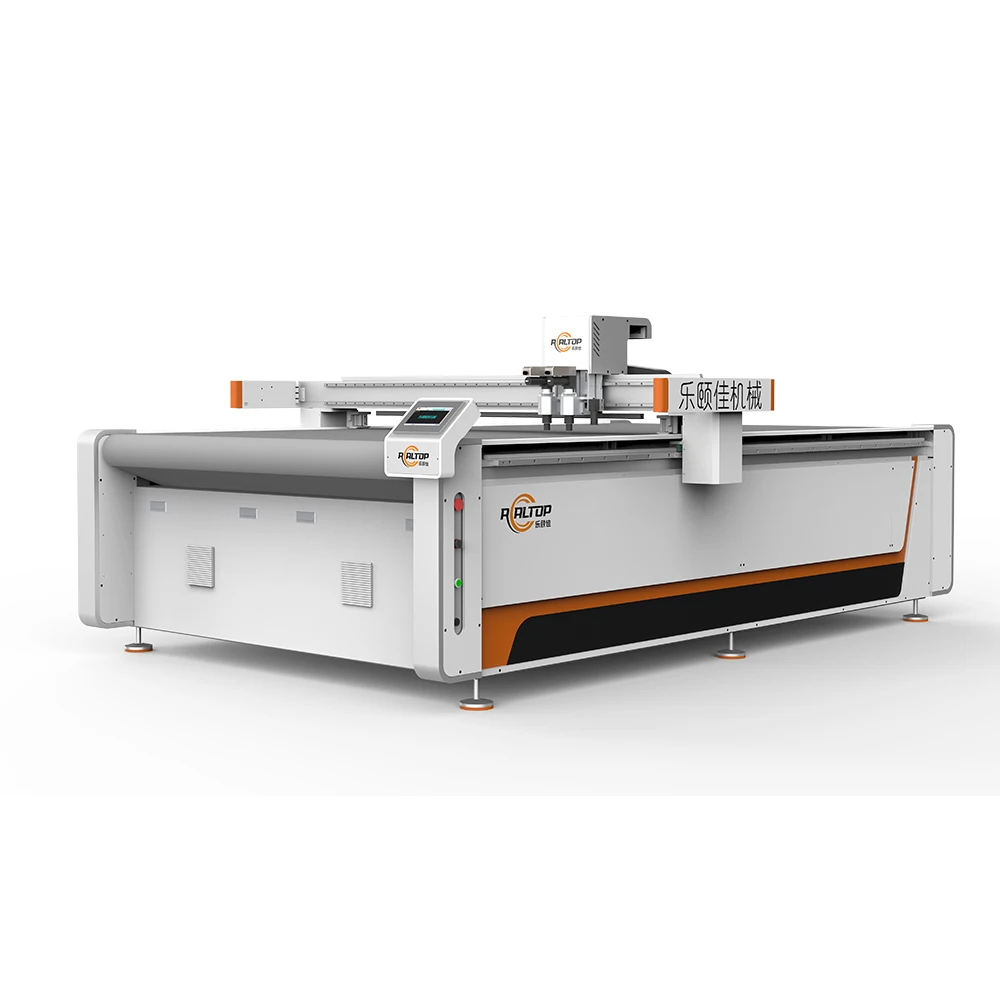
| Product Type | CNC Oscillating Knife Cutting Machine |
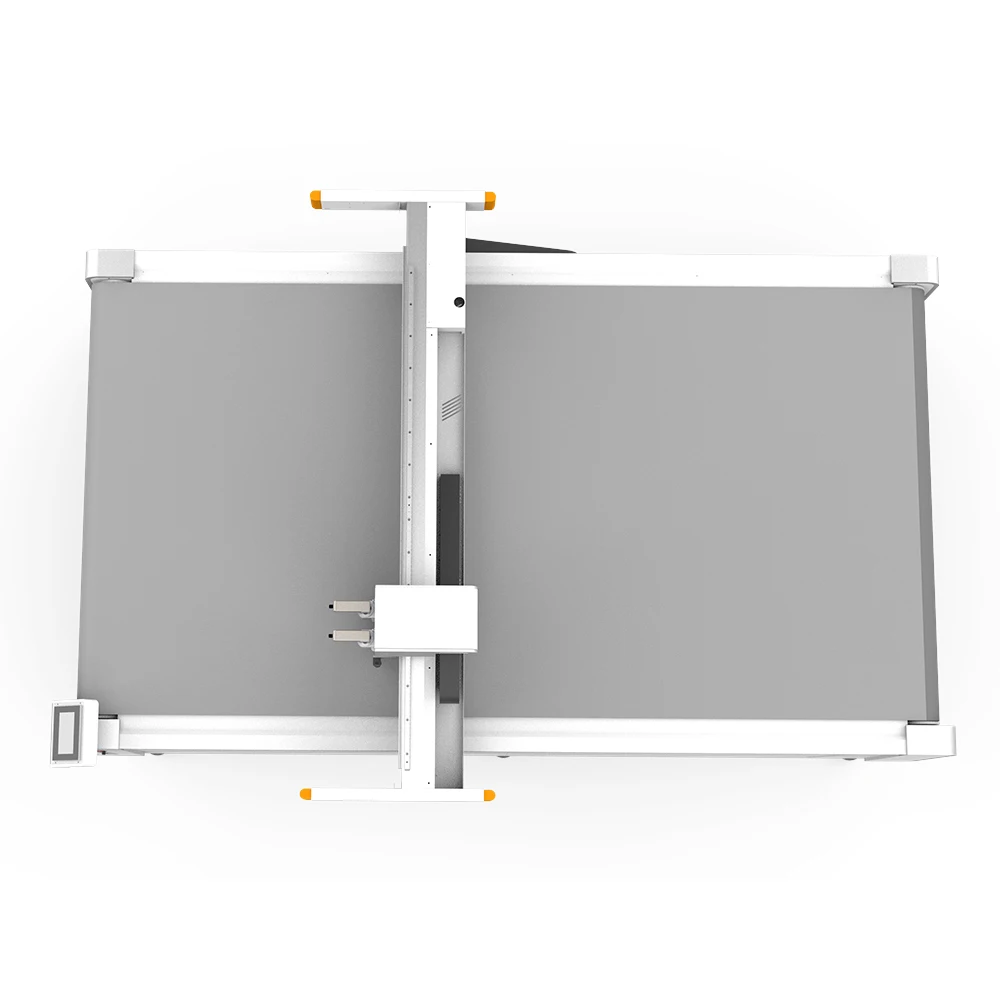
| Working Area | 1600×2500 mm |
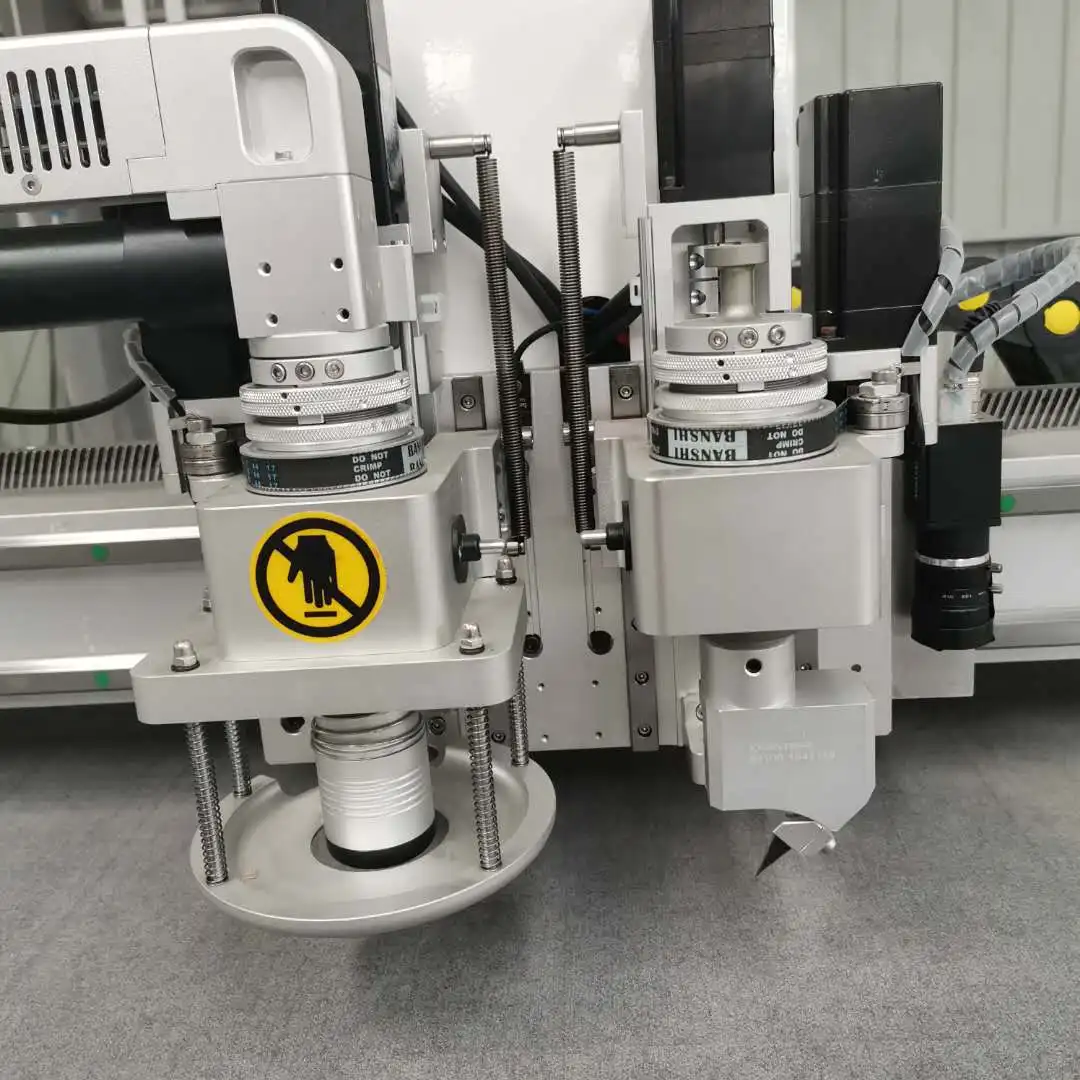
| Tool Head Options | Oscillating knife, Driven rotary knife, Creasing wheel, Kiss cutting tool, Pneumatic knife, Milling tool, V groove knife, CCD camera |
| Cutting Speed | 0-1500 mm/s |
| Cutting Thickness | ≤ 40mm (basis not stated in source — confirm material type / density) |
| Cutting Accuracy | ±0.1 mm |
| Vacuum Pump Power | 9KW |
| Vacuum Table | Aluminum bellows vacuum table |
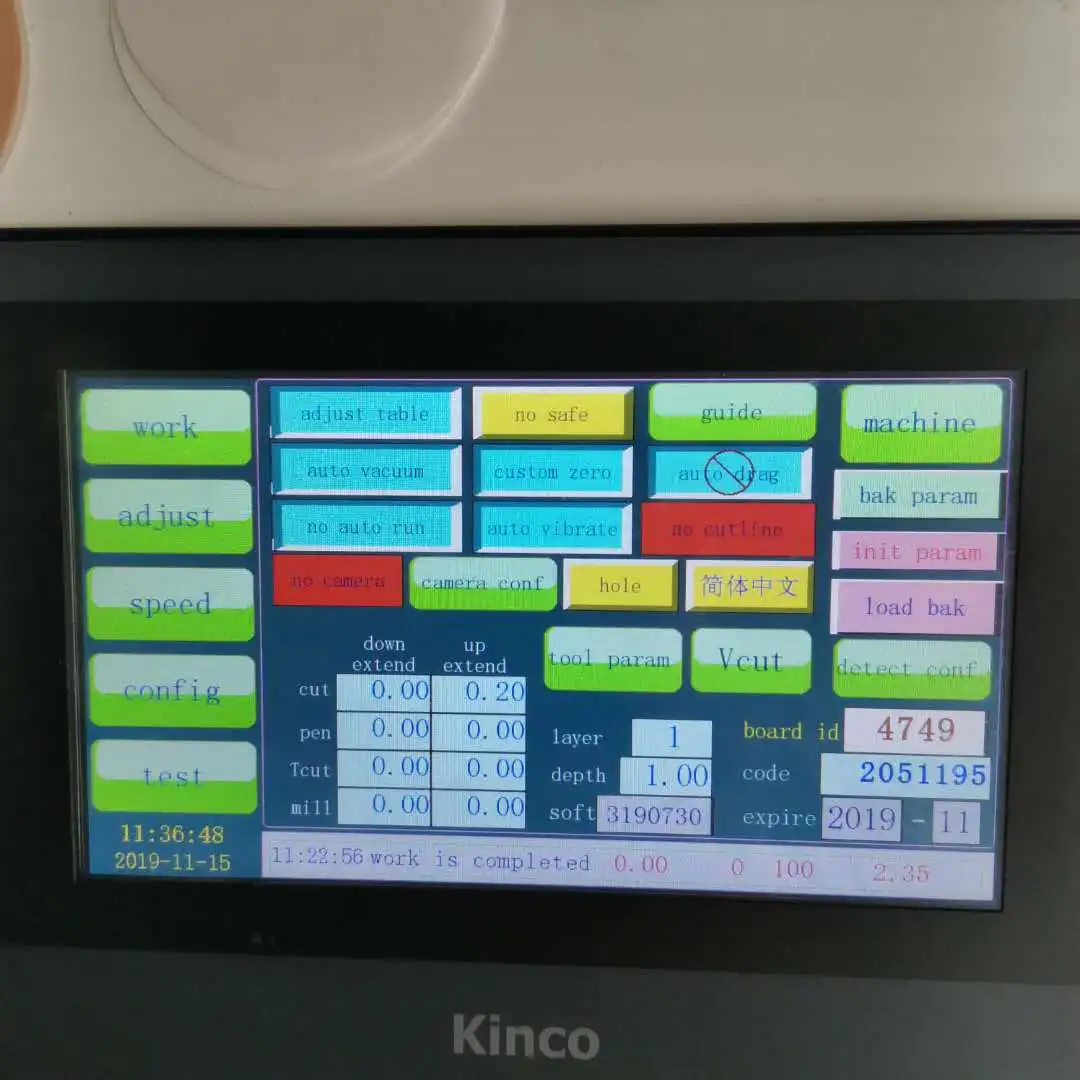
| Control System | PLC control panel |
| Servo Motor Options | Panasonic, Delta, Dorna |
| Voltage Options | 110V, 220V, 380V |
| File Formats Supported | PLT, DXF, AI, PDF |
| Software Language Options | English, Russian, Italian, Chinese (customizable) |
| Safety Devices | Infrared sensor device, Emergency stop device |
| Machine Dimensions (L×W×H) | 3300×2100×1350 mm |
| Certification | CE (verify document availability) |
Application Suitability
| Application | Material or Output |
|---|---|
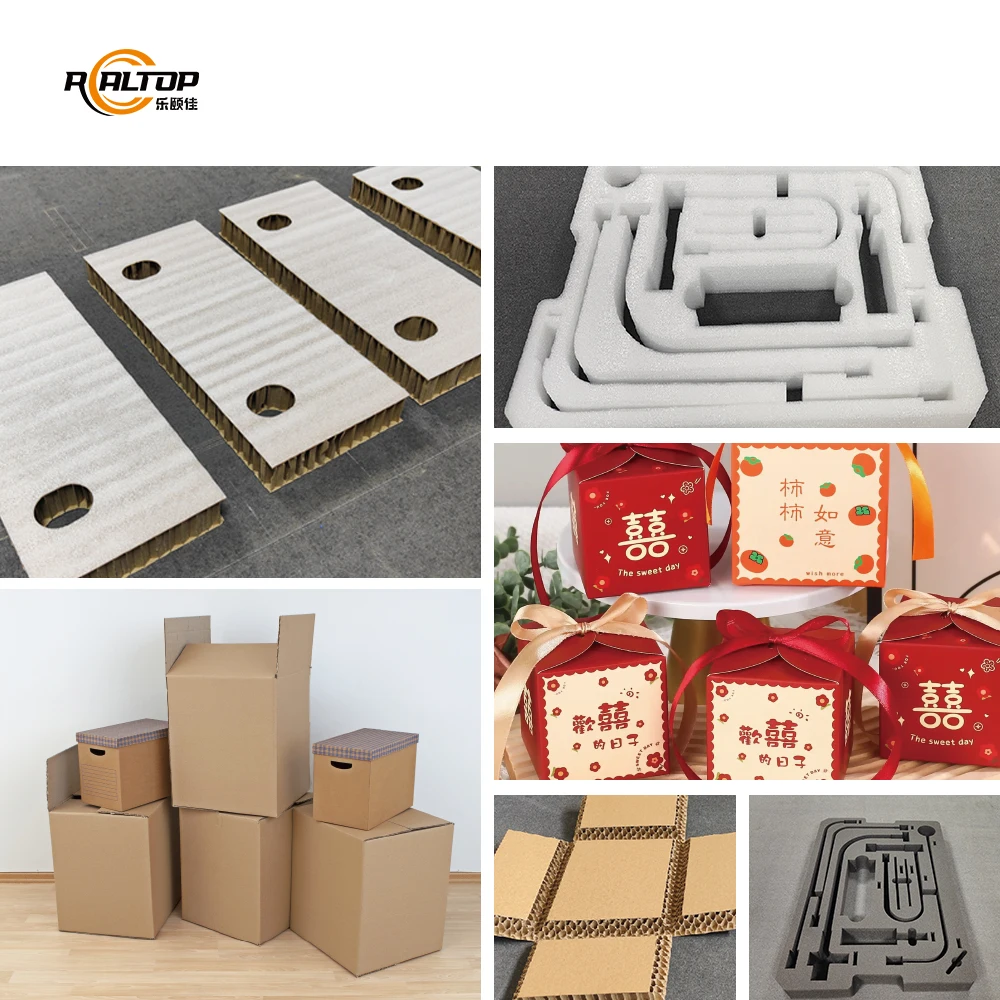
| Leather goods and footwear uppers | Natural leather, synthetic leather, PU, PVC hides |
| Packaging and carton sample making | Corrugated cardboard, greyboard, art paper, flute grades |
| Foam fabrication and gasket cutting | EVA, EPE, PU foam sheets, rubber mats |
| Technical textile and composite cutting | Velvet, fleece, non-woven fabric, adhesive-backed laminates |
| Signage and display board production | Thin PVC sheets, PET, acrylic, foam board |
Why Material Thickness Changes Everything About the Configuration
Buyers often specify a CNC Oscillating Knife Cutting Machine for sale based on working area alone, then discover the machine cannot handle the density or ply count of their actual production material. The cutting method, tool head selection and vacuum zoning must be confirmed against the exact material stack before any order is placed.
I once watched a leather workshop in Jinan discard an entire batch of multi-layer synthetic hide because the oscillating knife frequency was set for single-ply natural leather. The blade dragged through the bottom plies, leaving ragged edges that failed quality inspection [NEED_CITE: common causes of edge quality failure in multi-layer leather cutting]. That failure was not a machine defect — it was a configuration mismatch that a sample cutting test would have caught before the machine shipped. When you evaluate a 1625 table, the thickness rating is only meaningful once you define whether you are cutting one layer of 2mm cowhide or six layers of 1.5mm bonded synthetic.
Matching the Tool Head to the Cut Profile
The 1625 platform supports eight distinct tool head options, each engineered for a different material behavior. Oscillating knife handles most leather and fabric work, where high-frequency vertical vibration shears through fibrous material without crushing. Driven rotary knife suits thicker foam and rubber where a continuous slicing action produces a cleaner face. Kiss cutting tool is specified when the cutter must penetrate the top layer of an adhesive-backed laminate without scoring the release liner underneath. Creasing wheel and V groove knife serve carton sample makers who need scored fold lines alongside full-depth cuts. Selecting the wrong head is the single most common cause of ragged edges and crushed foam in CNC Oscillating Knife Cutting Machine for sale installations we troubleshoot.
Vacuum Table Zoning and Small-Part Hold-Down
A full-surface aluminum bellows vacuum table provides consistent adsorption, but zoning is where small parts succeed or fail. When cutting shoe upper pieces or gasket profiles, the effective holding area must match the footprint of the nested part, not the entire 1600×2500 mm bed. Without correct zoning, small leather or foam pieces lift during the final cuts, shifting position and ruining dimensional accuracy [NEED_CITE: vacuum hold-down principles for small-part CNC cutting]. The 9KW vacuum pump on this model delivers sufficient flow for multi-zone operation, but the zone layout must be planned around the buyer’s typical nesting pattern before the table is assembled.
Reading the Specs That Actually Matter
Cutting speed of 0-1500 mm/s defines the upper travel limit of the head, but real throughput depends on material resistance, corner density and the number of pierce points per sheet. A leather hide with complex contour nesting will run at a fraction of that maximum, while a straight-line carton cut may approach it. The ±0.1 mm accuracy spec is achievable when the servo system — available with Panasonic, Delta or Dorna motors — is matched to the inertia of the selected tool head. File format support for PLT, DXF, AI and PDF means the machine accepts artwork directly from the buyer’s existing CAD or graphic design workflow, avoiding a forced software migration that disrupts production planning.
The Cost of Skipping the Sample Test
When a buyer orders without sending material for trial cutting, the configuration is based on assumptions. A pneumatic knife specified for dense rubber may stall on the first sheet if the air pressure at the buyer’s facility is lower than our workshop supply. A CCD camera set to track printed registration marks may lose lock if the ink density or contrast on the actual production print differs from the test sample [NEED_CITE: CCD registration mark tracking variables in digital cutting]. These are not warranty issues — they are preventable mismatches that surface only when the machine meets the real production environment.
Why Procurement Starts with the Material Sample
Our Jinan workshop runs both knife and laser cutting technologies under one roof, so the cutting method is chosen to fit the material rather than forcing every job through one process. Each 1625 table ships with a tool head and vacuum configuration list matched to the buyer’s confirmed material and thickness. Software license and file format compatibility are documented before the order, not discovered during commissioning. Voltage, plug type and control language are locked in during the specification stage, so the PLC panel speaks the operator’s language from day one. A factory test record on the buyer’s own material accompanies every machine, providing a baseline for the cutting parameters that the installation team will replicate on site.
Documentation & Verification
- Machine specification sheet listing all eight tool head options and confirmed configuration
- Electrical schematic with voltage and frequency matched to the destination facility
- Tool head and vacuum zone layout confirmed against buyer’s material and nesting pattern
- Sample cutting report on buyer’s own leather, foam or board before order commitment
- Software license document with PLT, DXF, AI and PDF format compatibility confirmed
- Factory test record showing cutting accuracy and edge quality on buyer’s material batch
Installation, Commissioning & Support
- 3300×2100×1350 mm footprint requires level concrete floor with clearance for material loading on both long sides
- 9KW vacuum pump plus servo and PLC systems need a dedicated circuit at the confirmed voltage and frequency
- Machine ships as a single assembly; rigging plan must account for the aluminum bellows table weight
- First-run commissioning includes replicating factory test parameters on the buyer’s actual material stock
- Operator training covers tool head changeover, vacuum zone setup and PLC language selection
- Spare parts list includes oscillating knife blades, vacuum seals and CCD camera calibration targets
What We Need to Configure Your Table
Send us the material type, maximum thickness per ply and the number of plies you cut in a single pass. Tell us your typical sheet size, daily volume and whether your nesting files come from a CAD system or a graphic design workflow. Confirm the voltage and frequency at your facility, the preferred control language for the PLC panel, and whether you need CCD contour recognition for printed registration marks. If you can ship a sample of your production material to our Jinan workshop, we will run a cutting test and return a parameter report before you commit to an order.
Frequently Asked Questions
Q: How do I choose between knife and laser for my leather or composite material?
A: Knife cutting produces no burnt edges and handles multi-layer stacks where laser would seal only the top ply. Laser suits thin synthetic leather where edge sealing is acceptable or desired. Since both technologies are available from the same production line, the choice is based on material behavior rather than forcing one method to cover every application.
Q: What tool head is right for my material thickness and edge quality requirement?
A: Oscillating knife suits most leather and fabric up to moderate thickness, while driven rotary knife handles denser foam and rubber with a cleaner face cut. Pneumatic knife is specified for very thick or abrasive materials. The correct head is confirmed during the sample cutting test on your actual material before order.
Q: Can the CCD camera track printed marks at my production speed?
A: CCD contour recognition depends on mark contrast, ink density and lighting rather than speed alone. We test the camera against your printed material sample at the cutting speed your nesting pattern requires, documenting lock reliability in the sample report before the configuration is finalized.
Q: How is vacuum table zoning configured for small leather or gasket parts?
A: The aluminum bellows table is divided into zones matched to your typical nesting layout. Small parts require concentrated hold-down over their footprint rather than full-bed suction. Zone layout is planned from your nesting files and confirmed during the factory test on your material.










商品评价
There are no reviews yet.