





Fast Delivery
Quick, reliable shipping to any location.

Free & easy returns
Return this item by mail or in store within 90 days for a full refund.
Configuration matched to material — We test your actual composite stack before confirming the tool head and vacuum zoning, avoiding on-site failures caused by spec-sheet assumptions.
Technical Specifications
| Parameter | Value |
|---|---|
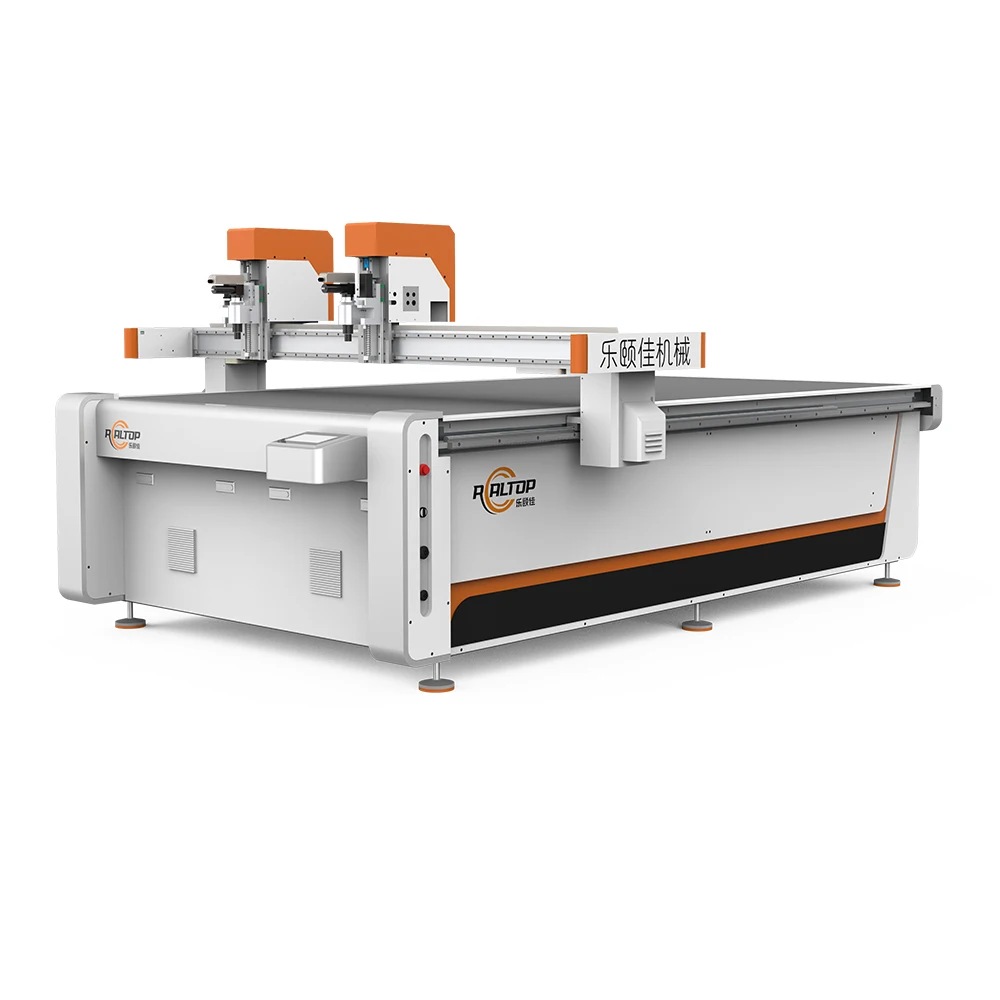
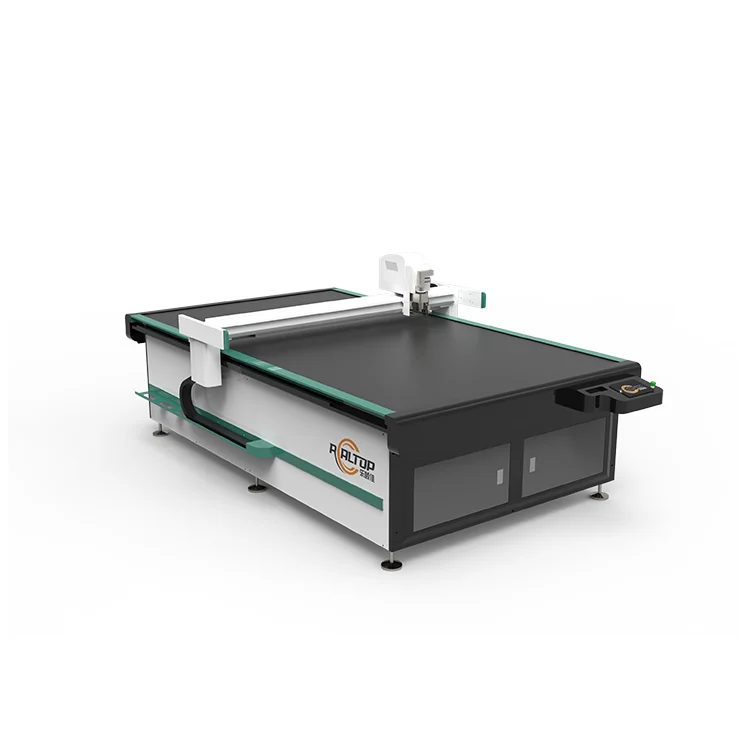
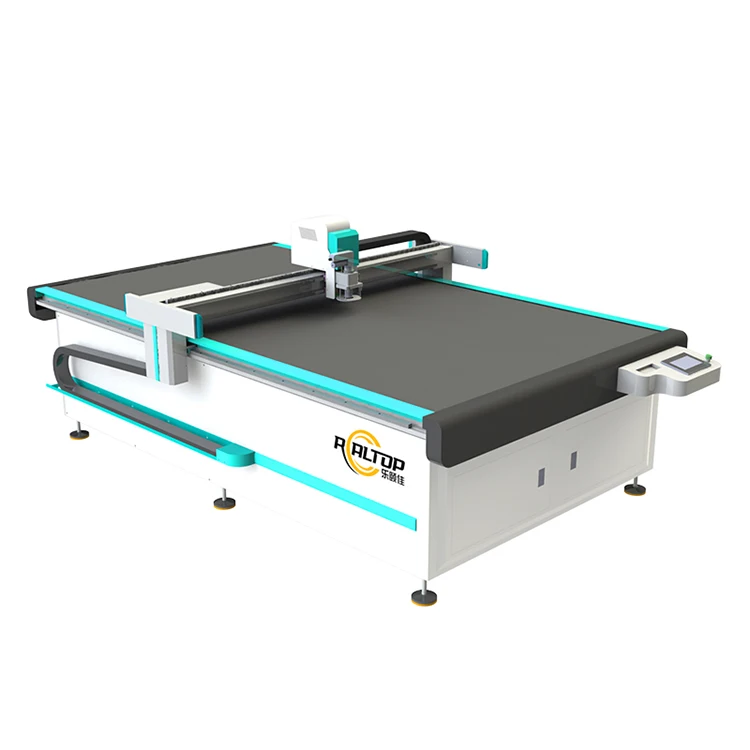
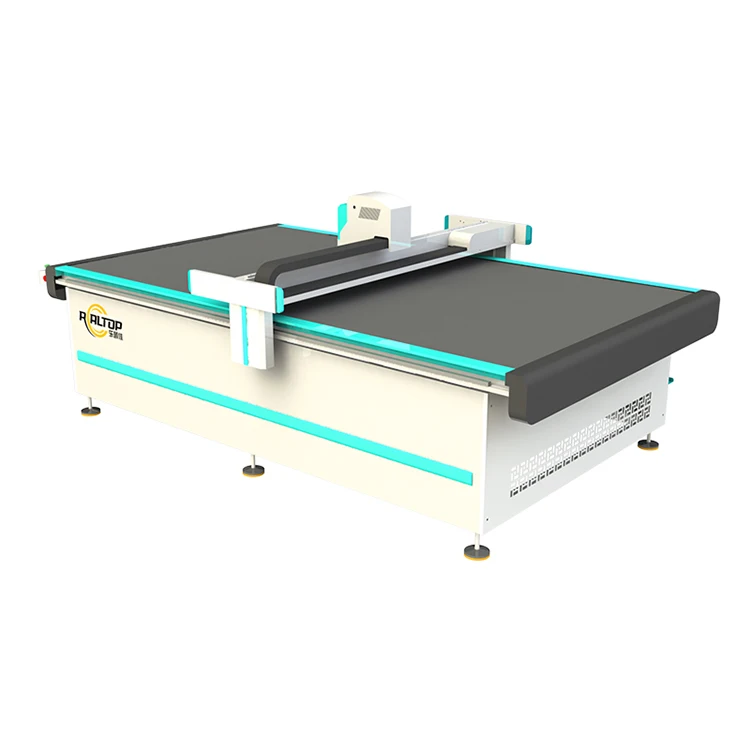
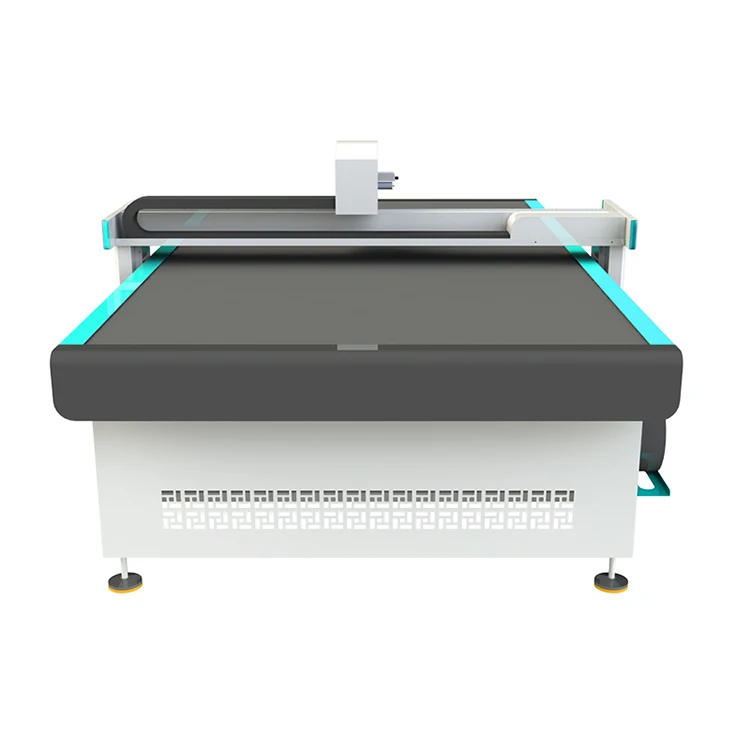
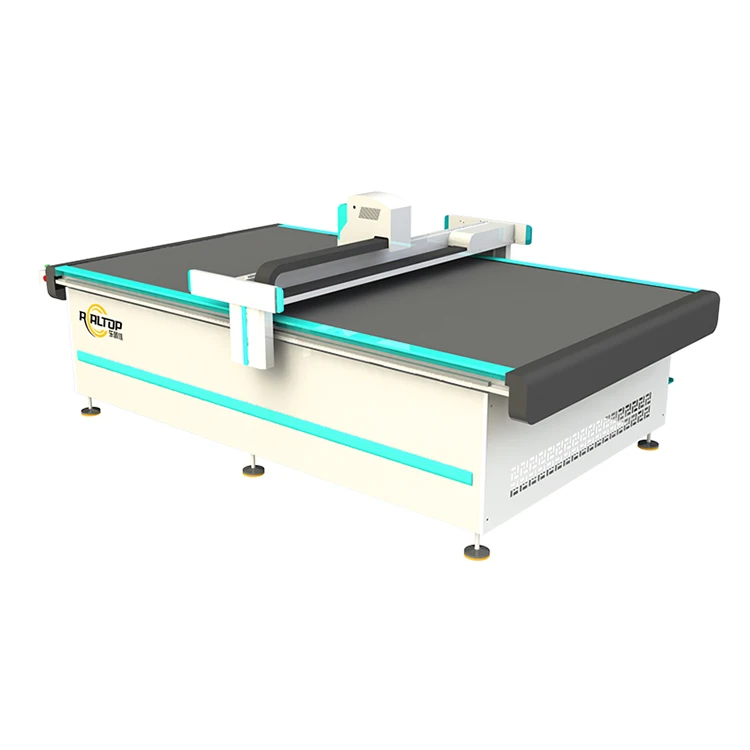
| Product Type | CNC Oscillating Knife Cutting Machine for Composites |
| Working Area | 1600×2500 mm |
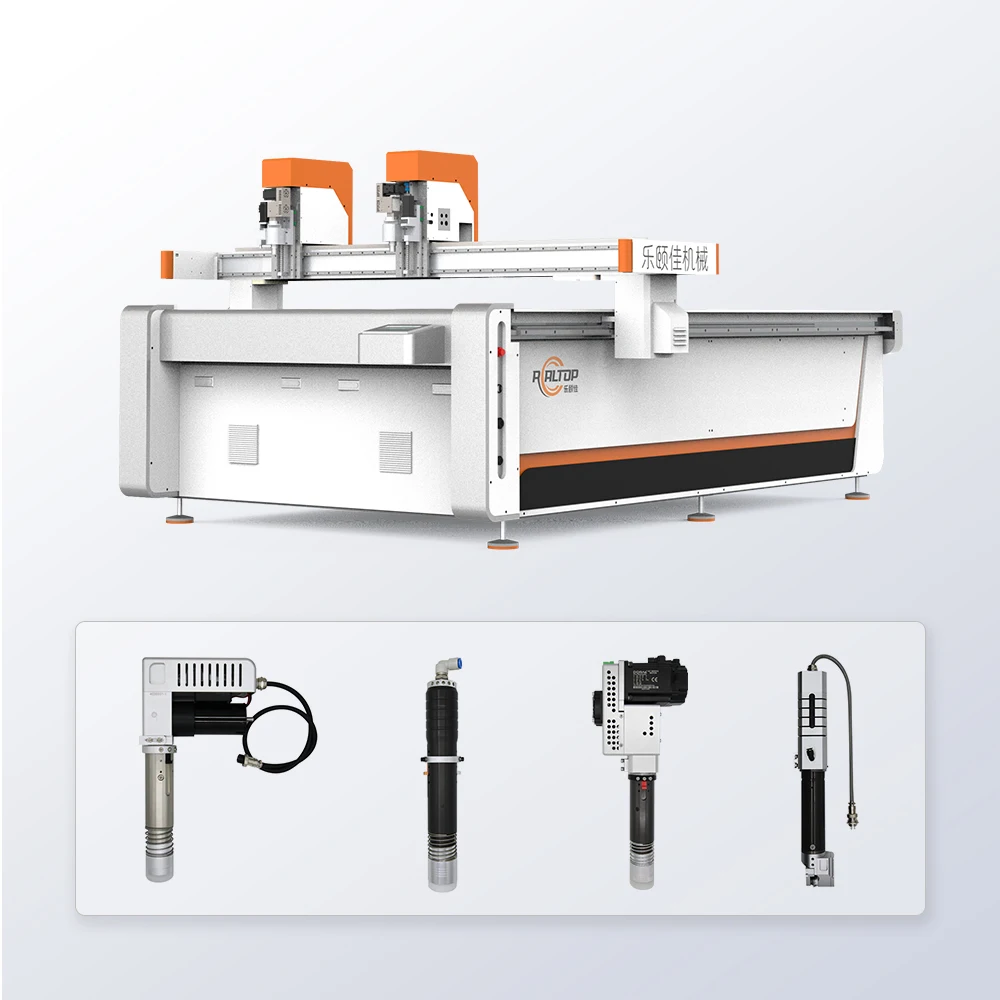
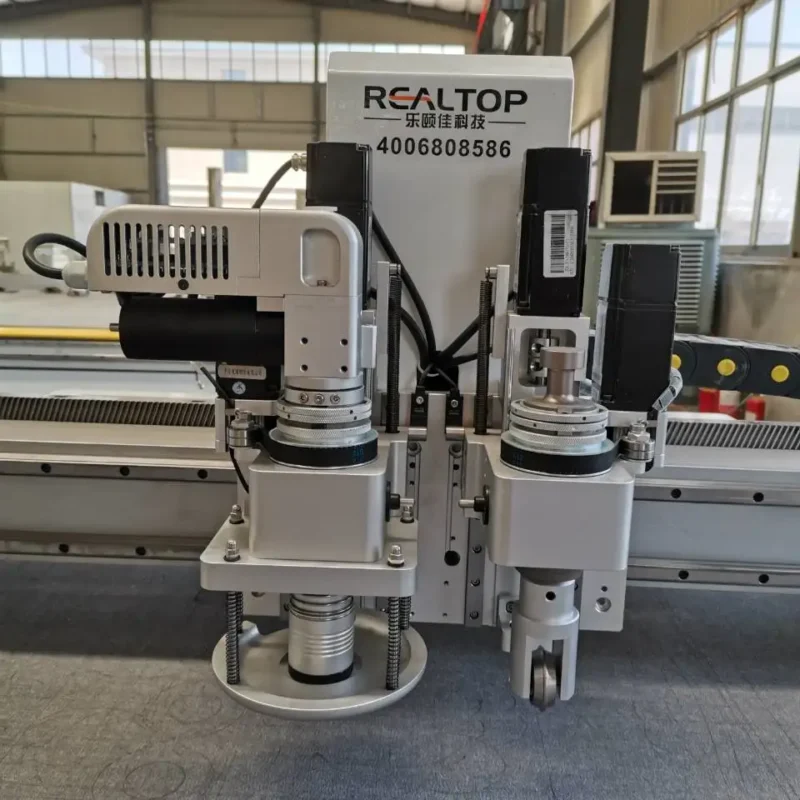
| Tool Head Options | Oscillating knife, Driven rotary knife, Creasing wheel, Kiss cutting tool, Pneumatic knife, Milling tool, V groove knife |
| Maximum Cutting Thickness | ≤ 30 mm |
| Cutting Accuracy | ±0.1 mm |
| Cutting Speed Range | 0–2000 mm/s |
| Vacuum Pump Power | 9 kW |
| Vacuum Table Type | Aluminum bellows with full-surface adsorption |
| Machine Frame | Heavy-duty with precision-ground surface |
| Servo Drive Options | Panasonic, Delta, Dorna (basis to be confirmed) |
| Control System | PLC with intuitive interface, optional display languages |
| File Formats Supported | PLT, DXF, AI, PDF |
| Voltage Options | 110V, 220V, 380V |
| Safety Devices | Infrared sensor, emergency stop |
| Overall Dimensions | 3300×2100×1350 mm |
| Compliance | CE (where applicable) |
Application Suitability
| Application | Material or Output |
|---|---|
| Aerospace composite fabrication | Carbon fiber prepreg, aramid honeycomb cores, thermal and acoustic insulation foam |
| Automotive interior and rail transit | Carbon fiber covers, FRP panels, acoustic felt, damping pads, carpeting |
| Wind energy blade manufacturing | Fiberglass cloth, vacuum infusion mesh, PET/PVC foam core materials |
| New energy and battery production | Battery insulation sheets, composite separators |
| Sporting goods and leisure equipment | Carbon fiber sheets and fabric, Kevlar layers, high-performance foam for surfboards, bicycle frame prepreg, helmet liners |
Why "Working Area" Alone Fails Composite Fabricators
The cutting method must match the material stack, not just the sheet dimensions.
I have watched fabricators specify a Composites CNC Cutting Machine based purely on a 1600×2500 mm bed, only to discover at installation that the oscillating knife cannot shear through a dense aramid honeycomb at the required depth. The vacuum zoning proved too coarse for small acoustic felt pieces, which lifted during the cut and produced ragged edges. Weeks of production time were lost reworking parts. [NEED_CITE: material-specific cutting failures in composite fabrication]
This equipment range addresses that mismatch by offering interchangeable tool heads and configurable vacuum tables on a single platform. Buyers survey the full lineup before narrowing to the exact configuration their material demands, rather than forcing a generic setup onto a specialized production job.
Surveying the Knife Cutting Range by Material Class
A Composites CNC Cutting Machine manufacturer with both knife and laser capabilities under one roof allows processors to match the cutting method to the material rather than force one technology across every job. Soft fabrics like fiberglass cloth and acoustic felt respond well to oscillating knife heads, while semi-rigid boards and honeycomb cores often require a driven rotary knife or milling tool to achieve a clean edge without delamination.
The working area of 1600×2500 mm accommodates large-format composite sheets typical in wind power blade preforms and aerospace interior panels, reducing the need to slit stock down to smaller sizes before processing.
Tool Head Selection and Its Effect on Edge Quality
Choosing the wrong tool head for composite materials produces visible defects that compromise downstream assembly. An oscillating knife shears cleanly through carbon fiber prepreg and soft foams, but pushing it into rigid PET core material causes edge crushing and fiber pull. Switching to a V groove knife or milling tool for those stiffer substrates preserves the structural integrity of the cut face.
Every tool head option on this platform — from creasing wheel to pneumatic knife — exists because a specific composite material class demanded it. Fabricators who process mixed material stacks across production runs benefit from a quick-change head system that adapts without a second machine. [NEED_CITE: tool head selection guidelines for composite material cutting]
Reading the Specs Through a Composite Fabrication Lens
The 9 kW vacuum pump paired with the aluminum bellows table is not a generic specification; it directly determines whether small gasket or insulation pieces stay flat during high-speed cutting. Full-surface adsorption matters most when processing flexible composite layups that tend to buckle under the knife’s downward force. A weaker vacuum system allows material lift, which degrades the stated ±0.1 mm cutting accuracy regardless of servo quality.
The PLC control system with optional display languages ensures that operators in different export markets can adjust cutting parameters — speed, depth, oscillation frequency — without misinterpreting interface prompts. At the same time, file format compatibility with PLT, DXF, AI, and PDF reduces friction when importing nesting layouts from existing CAD workflows. The 0–2000 mm/s speed range lets fabricators dial back for thick, dense honeycomb stacks and accelerate for thinner acoustic felts without sacrificing edge consistency.
The Hidden Cost of Skipping Material Trials
When a Composites CNC Cutting Machine is specified without a sample cut on the buyer’s actual material, the risk surfaces after shipment. Foam density variations between suppliers mean that a parameter set calibrated on the factory’s test stock may fail to penetrate on arrival, leaving the bottom layer partially attached. The resulting downtime — sometimes days of on-site tuning — eats into production schedules and forces operators to compromise on edge quality just to keep parts moving. [NEED_CITE: composite material density variation effects on cutting performance]
Sending your own carbon fiber prepreg, aramid honeycomb, or insulation foam to the factory for trial cutting before order commitment removes that variable entirely. The sample report documents which tool head, blade angle, and speed setting produced the cleanest edge on your specific stack.
Why Fabricators Source This Equipment Here
In-house design and production cover both knife and laser cutting technologies, so a buyer processing carbon fiber prepreg alongside acrylic templates can match each material to its optimal cutting method from one manufacturer.
Tool head and table configuration are specified per material and production volume, not pulled from a default catalog entry — the oscillating knife, V groove, and milling options are selected based on your composite stack.
CCD camera positioning is available for printed contour work on composite signage and automotive interior skins, ensuring the knife tracks registration marks accurately at production speed.
Voltage, language, and specification customization are confirmed in writing before the order enters production, preventing the mismatch between a 380V machine and a 220V workshop that forces expensive on-site transformer installations.
Sample cutting on the buyer’s own composite material takes place before commitment, so configuration decisions rest on physical evidence rather than catalog promises.
Documentation & Verification
- Machine specification sheet listing every selected tool head and table zone configuration
- Electrical schematic confirming voltage and frequency for your target market
- Sample cutting report on your composite material showing edge quality and tooling used
- Software licence note with confirmed PLT, DXF, AI, and PDF file format compatibility
- Operation and maintenance manual in the selected control language
- Spare parts list matched to your tool head and knife assembly selection
Installation, Commissioning & Support
- Heavy-duty frame with precision-ground surface requires a level concrete floor with adequate load rating for the 3300×2100×1350 mm footprint
- 9 kW vacuum pump circuit must be isolated from welding or heavy motor loads on the same supply
- Voltage confirmed at 110V, 220V, or 380V with matching plug and breaker specification before dispatch
- First-run commissioning includes parameter setting for your composite material thickness and tool head selection
- Operator training covers PLC interface navigation, blade replacement, and vacuum zone activation
- Spare oscillating and rotary knife blades shipped with the machine based on your material class
Preparing Your Inquiry
To receive an accurate configuration recommendation, share the composite material type, maximum stack thickness, sheet dimensions, and typical daily cutting volume. Specify the local voltage and frequency, preferred control language, and whether your existing CAD output uses PLT, DXF, AI, or PDF formats. If your material has unusual density or fiber orientation, sending a sample for factory cutting before quotation eliminates guesswork.
Frequently Asked Questions
Q: How do I match working area and cutting thickness to my composite layup?
A: The 1600×2500 mm working area handles standard large-format composite sheets. For thickness, the machine cuts up to 30 mm, but dense materials like aramid honeycomb require slower speeds and specific tool heads. Send your material dimensions and layup description so we can confirm the configuration before quoting.
Q: Which tool head suits carbon fiber prepreg versus rigid foam cores?
A: Carbon fiber prepreg typically cuts cleanly with an oscillating knife, while rigid PET or PVC foam cores often need a V groove knife or milling tool to prevent edge crushing. The platform supports quick head changes so one machine handles mixed material stacks across shifts.
Q: What voltage and control language options exist for export markets?
A: The control system supports optional display languages, and voltage is configurable at 110V, 220V, or 380V. Confirm your local frequency and plug standard during inquiry so the electrical schematic and breaker sizing match your workshop supply before shipment.
Q: Can I send my composite material for sample cutting first?
A: Yes. Send a representative sample of your carbon fiber, fiberglass, honeycomb, or foam material to the factory. We run trial cuts with different tool heads and speeds, then provide a sample report documenting the edge quality and recommended configuration for your order.
Q: What file formats does the software accept for nesting?
A: The system accepts PLT, DXF, AI, and PDF files. Software licence details and file format compatibility are confirmed in writing before the machine ships, ensuring your existing CAD or nesting workflow integrates without requiring a secondary software purchase.
Configuration matched to material — We test your actual composite stack before confirming the tool head and vacuum zoning, avoiding on-site failures caused by spec-sheet assumptions.
Technical Specifications
| Parameter | Value |
|---|---|
| Product Type | CNC Oscillating Knife Cutting Machine for Composites |
| Working Area | 1600×2500 mm |
| Tool Head Options | Oscillating knife, Driven rotary knife, Creasing wheel, Kiss cutting tool, Pneumatic knife, Milling tool, V groove knife |
| Maximum Cutting Thickness | ≤ 30 mm |
| Cutting Accuracy | ±0.1 mm |
| Cutting Speed Range | 0–2000 mm/s |
| Vacuum Pump Power | 9 kW |
| Vacuum Table Type | Aluminum bellows with full-surface adsorption |
| Machine Frame | Heavy-duty with precision-ground surface |
| Servo Drive Options | Panasonic, Delta, Dorna (basis to be confirmed) |
| Control System | PLC with intuitive interface, optional display languages |
| File Formats Supported | PLT, DXF, AI, PDF |
| Voltage Options | 110V, 220V, 380V |
| Safety Devices | Infrared sensor, emergency stop |
| Overall Dimensions | 3300×2100×1350 mm |
| Compliance | CE (where applicable) |
Application Suitability
| Application | Material or Output |
|---|---|
| Aerospace composite fabrication | Carbon fiber prepreg, aramid honeycomb cores, thermal and acoustic insulation foam |
| Automotive interior and rail transit | Carbon fiber covers, FRP panels, acoustic felt, damping pads, carpeting |
| Wind energy blade manufacturing | Fiberglass cloth, vacuum infusion mesh, PET/PVC foam core materials |
| New energy and battery production | Battery insulation sheets, composite separators |
| Sporting goods and leisure equipment | Carbon fiber sheets and fabric, Kevlar layers, high-performance foam for surfboards, bicycle frame prepreg, helmet liners |
Why "Working Area" Alone Fails Composite Fabricators
The cutting method must match the material stack, not just the sheet dimensions.
I have watched fabricators specify a Composites CNC Cutting Machine based purely on a 1600×2500 mm bed, only to discover at installation that the oscillating knife cannot shear through a dense aramid honeycomb at the required depth. The vacuum zoning proved too coarse for small acoustic felt pieces, which lifted during the cut and produced ragged edges. Weeks of production time were lost reworking parts. [NEED_CITE: material-specific cutting failures in composite fabrication]
This equipment range addresses that mismatch by offering interchangeable tool heads and configurable vacuum tables on a single platform. Buyers survey the full lineup before narrowing to the exact configuration their material demands, rather than forcing a generic setup onto a specialized production job.
Surveying the Knife Cutting Range by Material Class
A Composites CNC Cutting Machine manufacturer with both knife and laser capabilities under one roof allows processors to match the cutting method to the material rather than force one technology across every job. Soft fabrics like fiberglass cloth and acoustic felt respond well to oscillating knife heads, while semi-rigid boards and honeycomb cores often require a driven rotary knife or milling tool to achieve a clean edge without delamination.
The working area of 1600×2500 mm accommodates large-format composite sheets typical in wind power blade preforms and aerospace interior panels, reducing the need to slit stock down to smaller sizes before processing.
Tool Head Selection and Its Effect on Edge Quality
Choosing the wrong tool head for composite materials produces visible defects that compromise downstream assembly. An oscillating knife shears cleanly through carbon fiber prepreg and soft foams, but pushing it into rigid PET core material causes edge crushing and fiber pull. Switching to a V groove knife or milling tool for those stiffer substrates preserves the structural integrity of the cut face.
Every tool head option on this platform — from creasing wheel to pneumatic knife — exists because a specific composite material class demanded it. Fabricators who process mixed material stacks across production runs benefit from a quick-change head system that adapts without a second machine. [NEED_CITE: tool head selection guidelines for composite material cutting]
Reading the Specs Through a Composite Fabrication Lens
The 9 kW vacuum pump paired with the aluminum bellows table is not a generic specification; it directly determines whether small gasket or insulation pieces stay flat during high-speed cutting. Full-surface adsorption matters most when processing flexible composite layups that tend to buckle under the knife’s downward force. A weaker vacuum system allows material lift, which degrades the stated ±0.1 mm cutting accuracy regardless of servo quality.
The PLC control system with optional display languages ensures that operators in different export markets can adjust cutting parameters — speed, depth, oscillation frequency — without misinterpreting interface prompts. At the same time, file format compatibility with PLT, DXF, AI, and PDF reduces friction when importing nesting layouts from existing CAD workflows. The 0–2000 mm/s speed range lets fabricators dial back for thick, dense honeycomb stacks and accelerate for thinner acoustic felts without sacrificing edge consistency.
The Hidden Cost of Skipping Material Trials
When a Composites CNC Cutting Machine is specified without a sample cut on the buyer’s actual material, the risk surfaces after shipment. Foam density variations between suppliers mean that a parameter set calibrated on the factory’s test stock may fail to penetrate on arrival, leaving the bottom layer partially attached. The resulting downtime — sometimes days of on-site tuning — eats into production schedules and forces operators to compromise on edge quality just to keep parts moving. [NEED_CITE: composite material density variation effects on cutting performance]
Sending your own carbon fiber prepreg, aramid honeycomb, or insulation foam to the factory for trial cutting before order commitment removes that variable entirely. The sample report documents which tool head, blade angle, and speed setting produced the cleanest edge on your specific stack.
Why Fabricators Source This Equipment Here
In-house design and production cover both knife and laser cutting technologies, so a buyer processing carbon fiber prepreg alongside acrylic templates can match each material to its optimal cutting method from one manufacturer.
Tool head and table configuration are specified per material and production volume, not pulled from a default catalog entry — the oscillating knife, V groove, and milling options are selected based on your composite stack.
CCD camera positioning is available for printed contour work on composite signage and automotive interior skins, ensuring the knife tracks registration marks accurately at production speed.
Voltage, language, and specification customization are confirmed in writing before the order enters production, preventing the mismatch between a 380V machine and a 220V workshop that forces expensive on-site transformer installations.
Sample cutting on the buyer’s own composite material takes place before commitment, so configuration decisions rest on physical evidence rather than catalog promises.
Documentation & Verification
- Machine specification sheet listing every selected tool head and table zone configuration
- Electrical schematic confirming voltage and frequency for your target market
- Sample cutting report on your composite material showing edge quality and tooling used
- Software licence note with confirmed PLT, DXF, AI, and PDF file format compatibility
- Operation and maintenance manual in the selected control language
- Spare parts list matched to your tool head and knife assembly selection
Installation, Commissioning & Support
- Heavy-duty frame with precision-ground surface requires a level concrete floor with adequate load rating for the 3300×2100×1350 mm footprint
- 9 kW vacuum pump circuit must be isolated from welding or heavy motor loads on the same supply
- Voltage confirmed at 110V, 220V, or 380V with matching plug and breaker specification before dispatch
- First-run commissioning includes parameter setting for your composite material thickness and tool head selection
- Operator training covers PLC interface navigation, blade replacement, and vacuum zone activation
- Spare oscillating and rotary knife blades shipped with the machine based on your material class
Preparing Your Inquiry
To receive an accurate configuration recommendation, share the composite material type, maximum stack thickness, sheet dimensions, and typical daily cutting volume. Specify the local voltage and frequency, preferred control language, and whether your existing CAD output uses PLT, DXF, AI, or PDF formats. If your material has unusual density or fiber orientation, sending a sample for factory cutting before quotation eliminates guesswork.
Frequently Asked Questions
Q: How do I match working area and cutting thickness to my composite layup?
A: The 1600×2500 mm working area handles standard large-format composite sheets. For thickness, the machine cuts up to 30 mm, but dense materials like aramid honeycomb require slower speeds and specific tool heads. Send your material dimensions and layup description so we can confirm the configuration before quoting.
Q: Which tool head suits carbon fiber prepreg versus rigid foam cores?
A: Carbon fiber prepreg typically cuts cleanly with an oscillating knife, while rigid PET or PVC foam cores often need a V groove knife or milling tool to prevent edge crushing. The platform supports quick head changes so one machine handles mixed material stacks across shifts.
Q: What voltage and control language options exist for export markets?
A: The control system supports optional display languages, and voltage is configurable at 110V, 220V, or 380V. Confirm your local frequency and plug standard during inquiry so the electrical schematic and breaker sizing match your workshop supply before shipment.
Q: Can I send my composite material for sample cutting first?
A: Yes. Send a representative sample of your carbon fiber, fiberglass, honeycomb, or foam material to the factory. We run trial cuts with different tool heads and speeds, then provide a sample report documenting the edge quality and recommended configuration for your order.
Q: What file formats does the software accept for nesting?
A: The system accepts PLT, DXF, AI, and PDF files. Software licence details and file format compatibility are confirmed in writing before the machine ships, ensuring your existing CAD or nesting workflow integrates without requiring a secondary software purchase.
商品评价
There are no reviews yet.