

Fast Delivery
Quick, reliable shipping to any location.

Free & easy returns
Return this item by mail or in store within 90 days for a full refund.
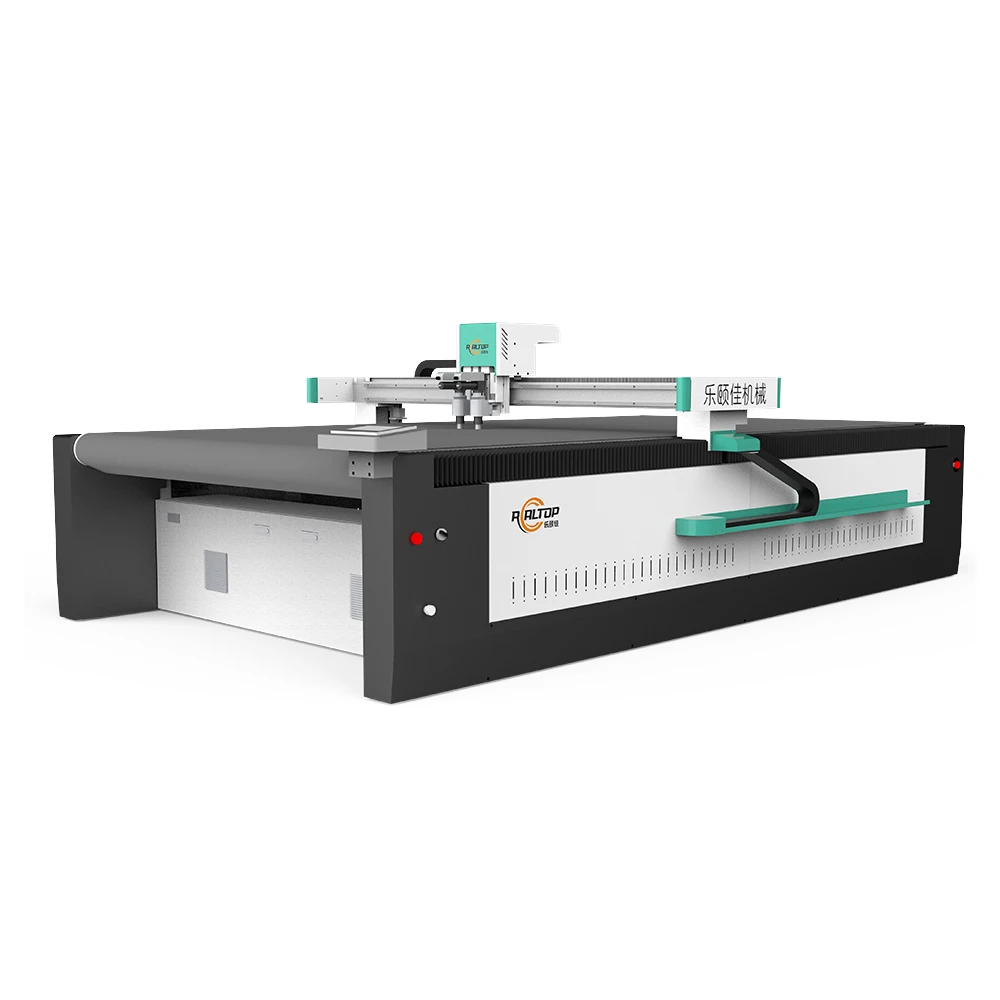
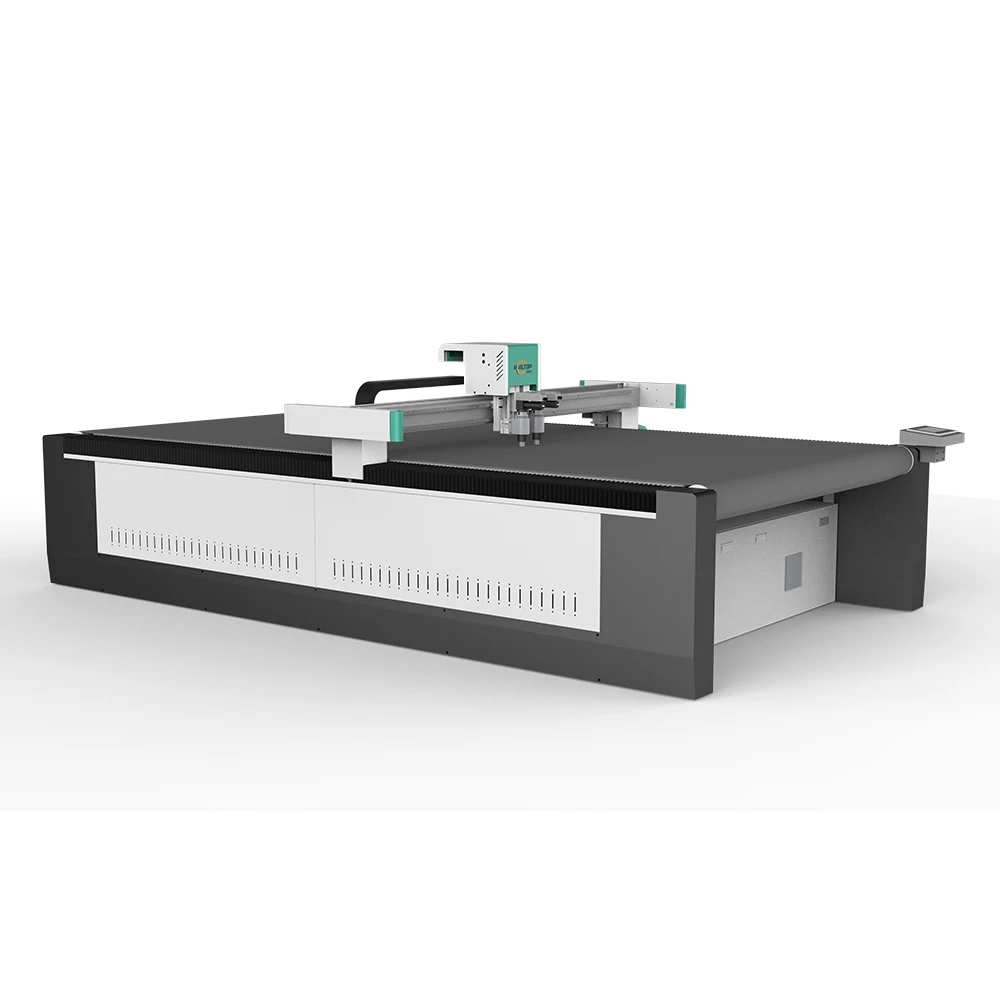
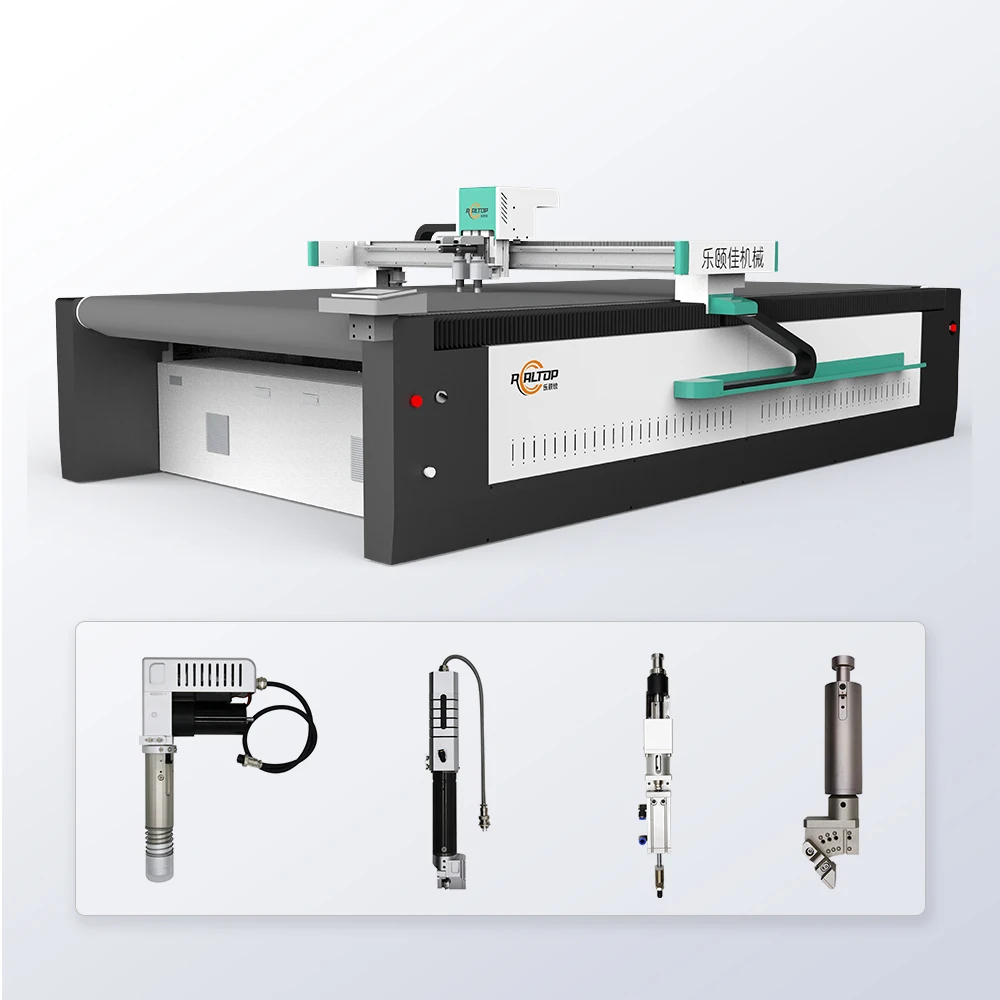
Tool head and table configuration specified per composite material and production volume — matching the cutting method to prepreg, honeycomb, or fiberglass rather than forcing one knife type across every layup.
Technical Specifications
| Parameter | Value |
|---|---|
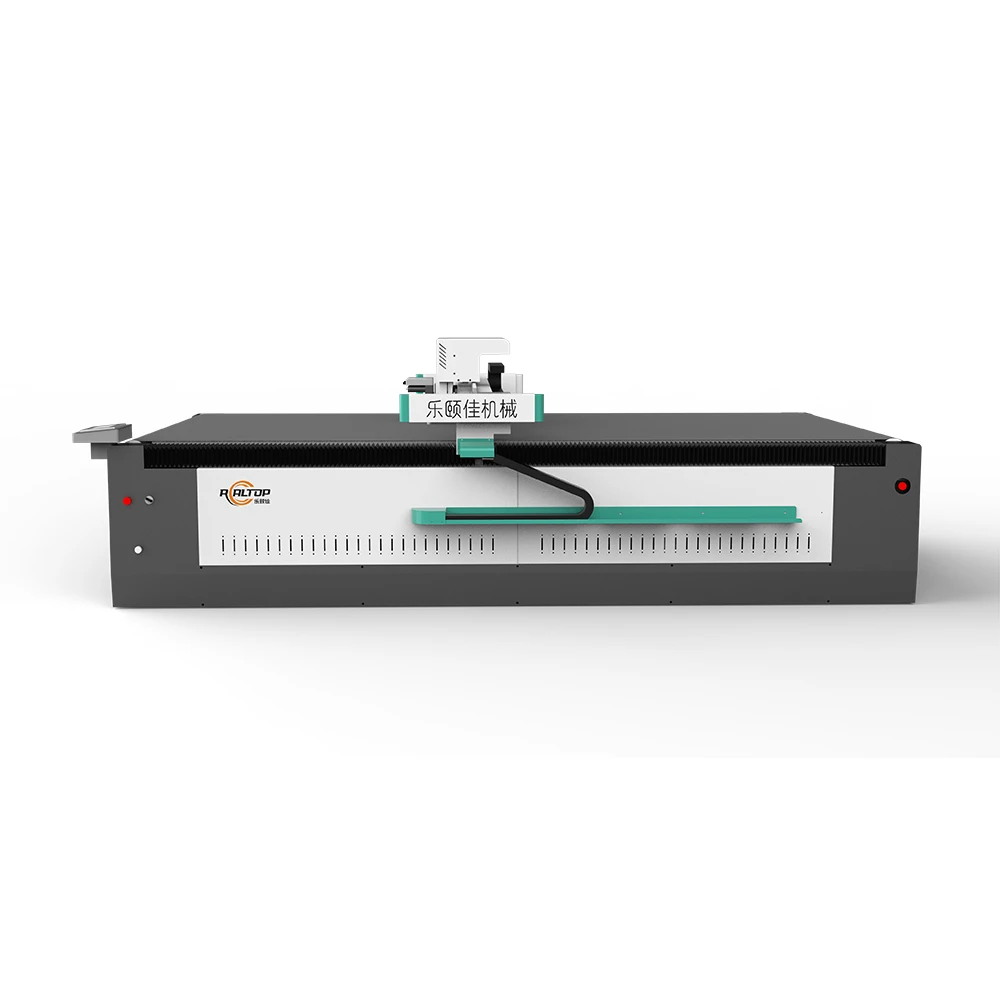
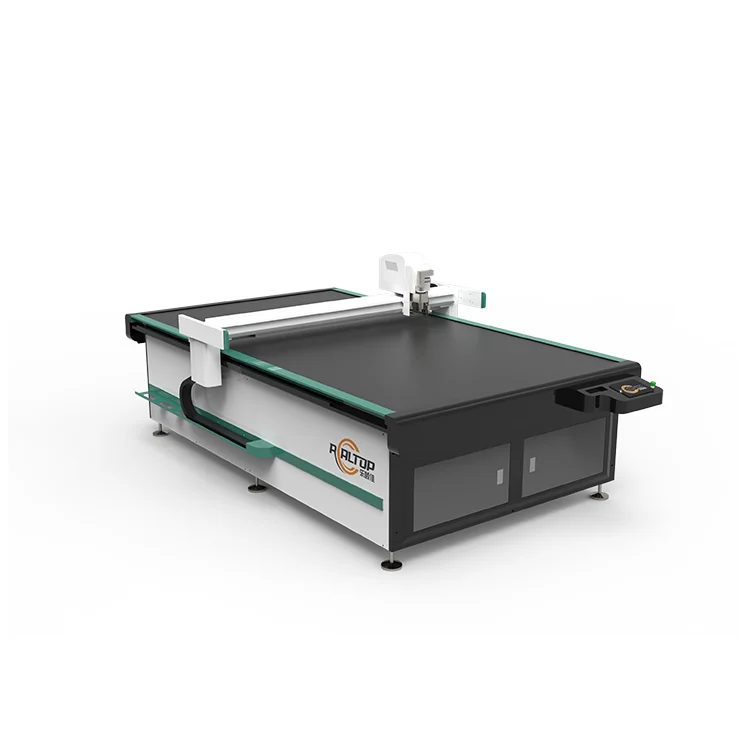
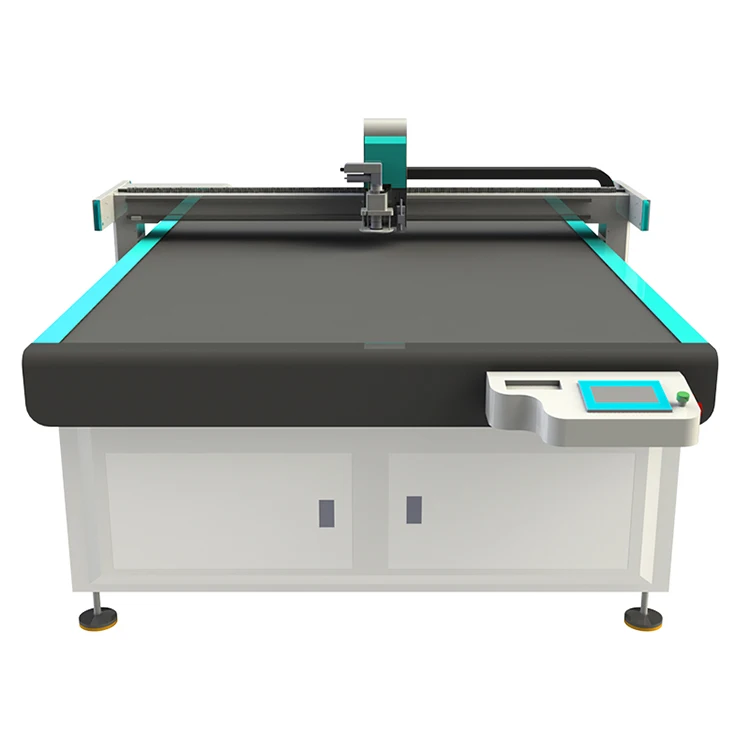
| Product Type | CNC Oscillating Knife Cutting Machine |
| Working Area | 1600 × 2500 mm |
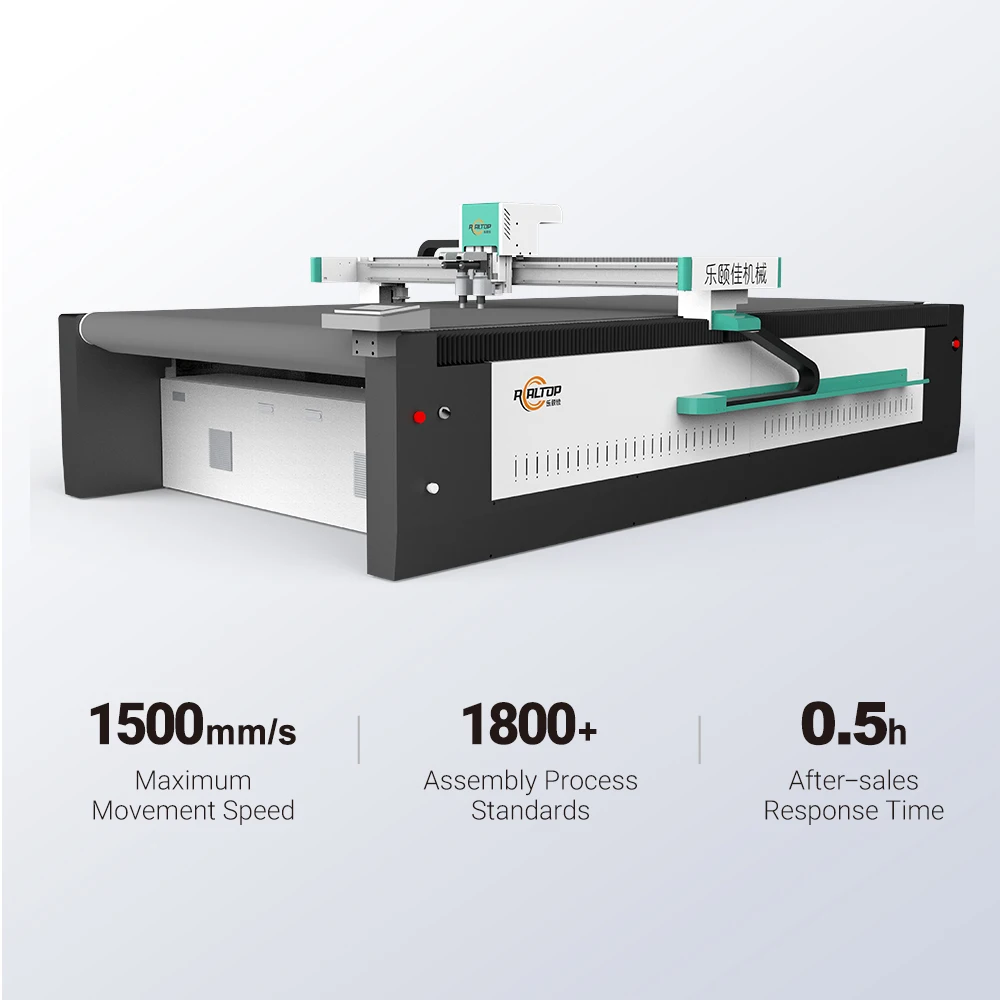
| Cutting Speed | 0–2000 mm/s |
| Cutting Thickness | ≤ 30 mm (basis not stated in source — confirm material density and layup) |
| Cutting Accuracy | ±0.1 mm |
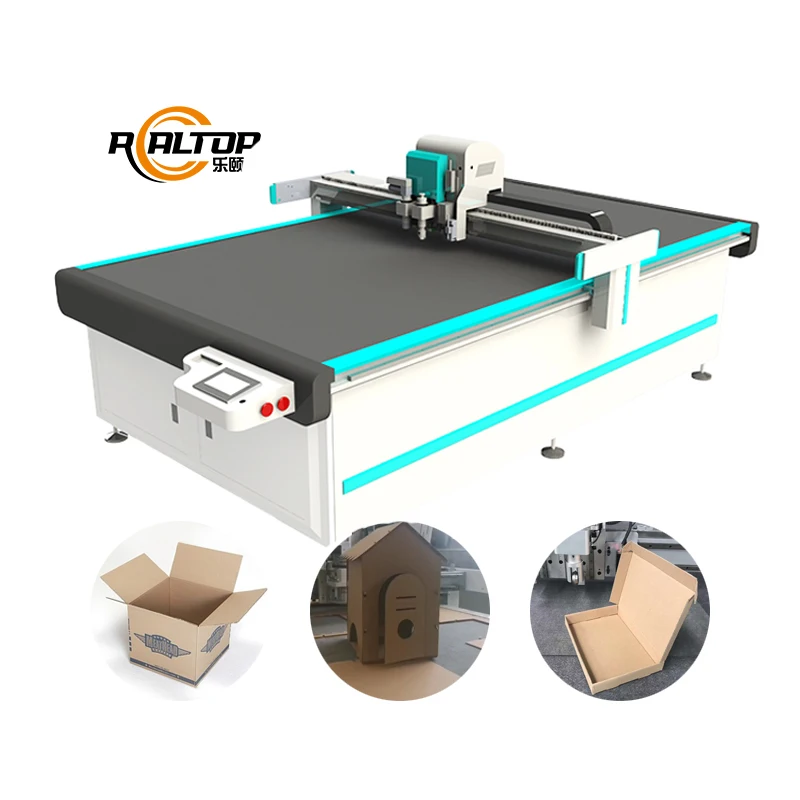
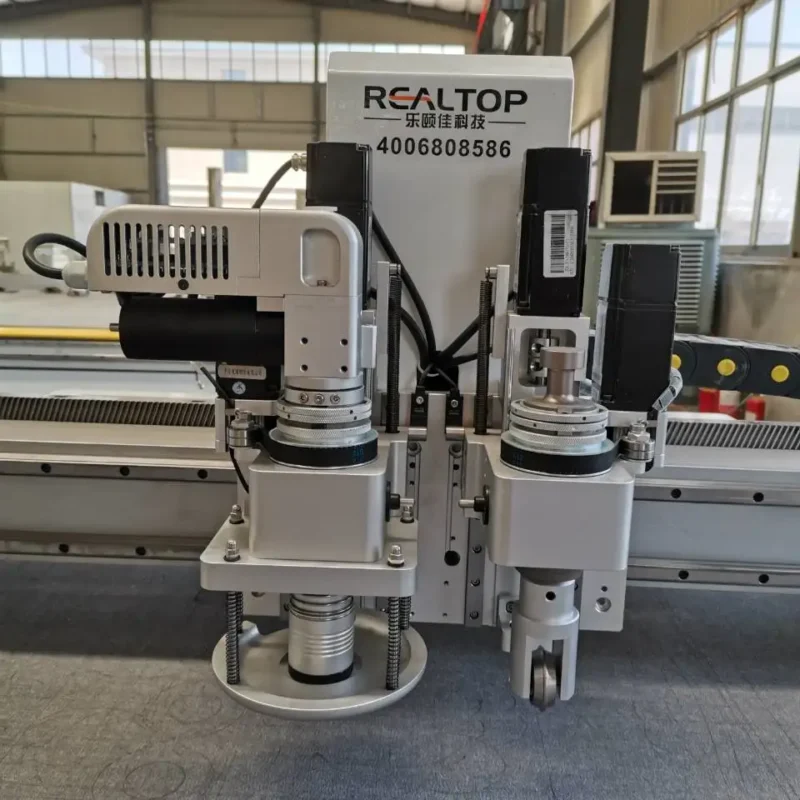
| Tool Head Options | Oscillating knife, Driven rotary knife, Creasing wheel, Kiss cutting tool, Pneumatic knife, Milling tool, V groove knife |
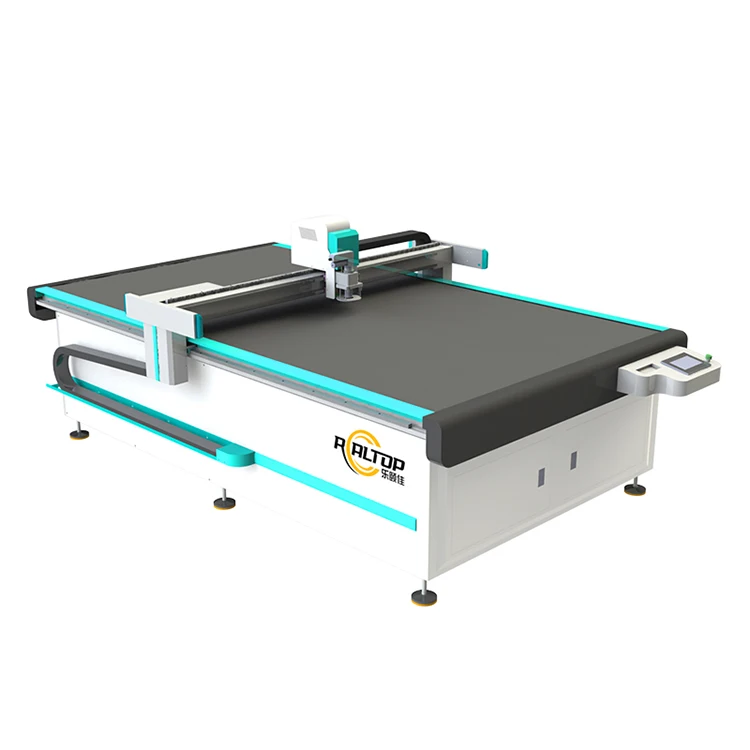
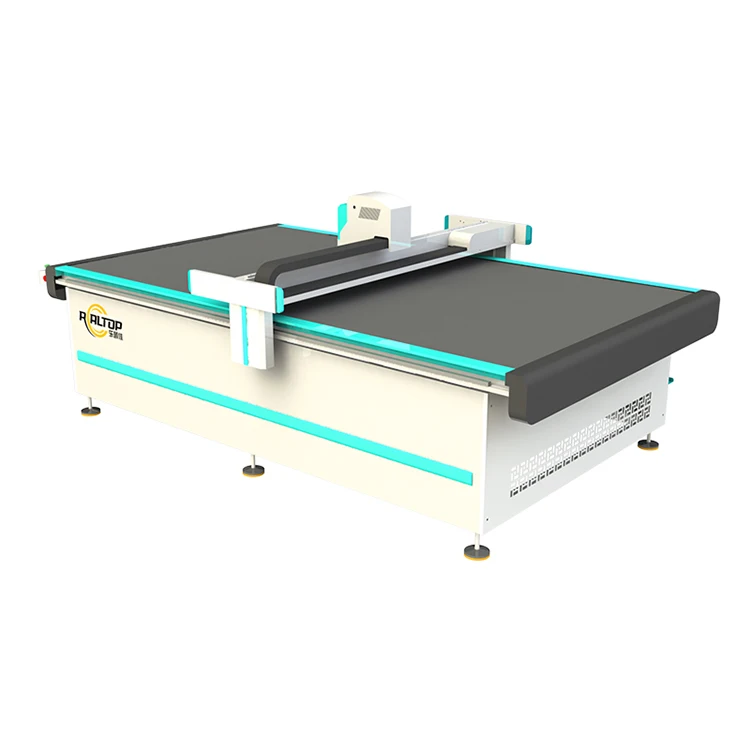
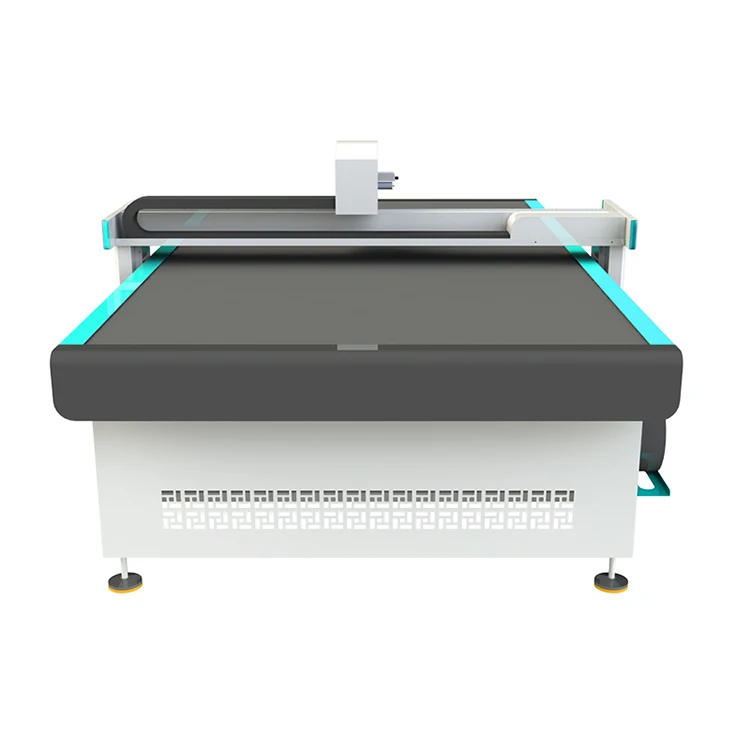
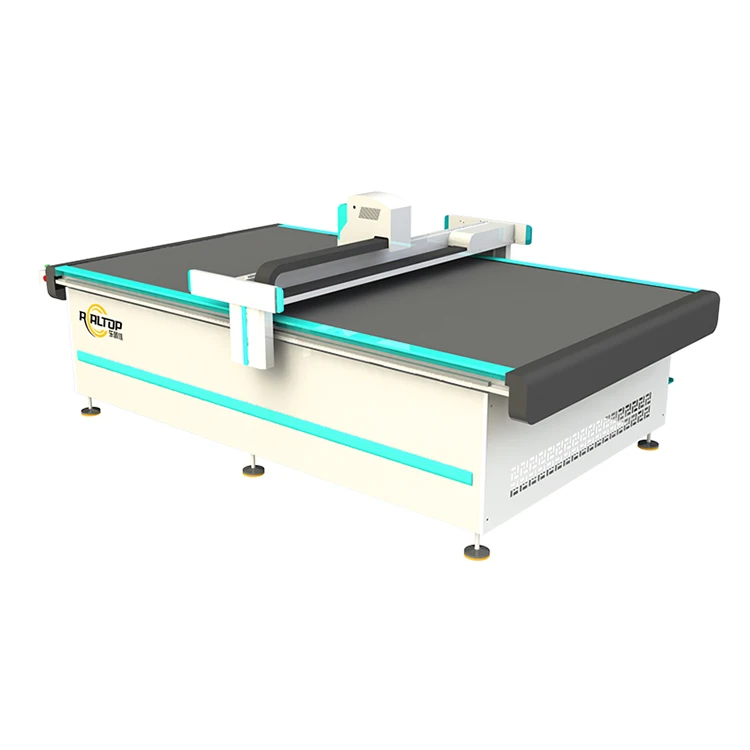
| Vacuum Table Type | Aluminum bellows vacuum table |
| Vacuum Pump Power | 9 kW |
| Voltage Options | 110 V, 220 V, 380 V (configurable) |
| Supported File Formats | PLT, DXF, AI, PDF |
| Safety Devices | Infrared sensor device and emergency stop device |
| Machine Size | 3300 × 2100 × 1350 mm |
| Servo Drive Options | Panasonic, Delta, Dorna (source value — verify against manufacturer catalog) |
| Control System | PLC control panel with optional display languages |
| Language Options | English, Russian, Italian, Chinese (customizable) |
| Certification | CE compliant |
Application Suitability
| Application | Material or Output |
|---|---|
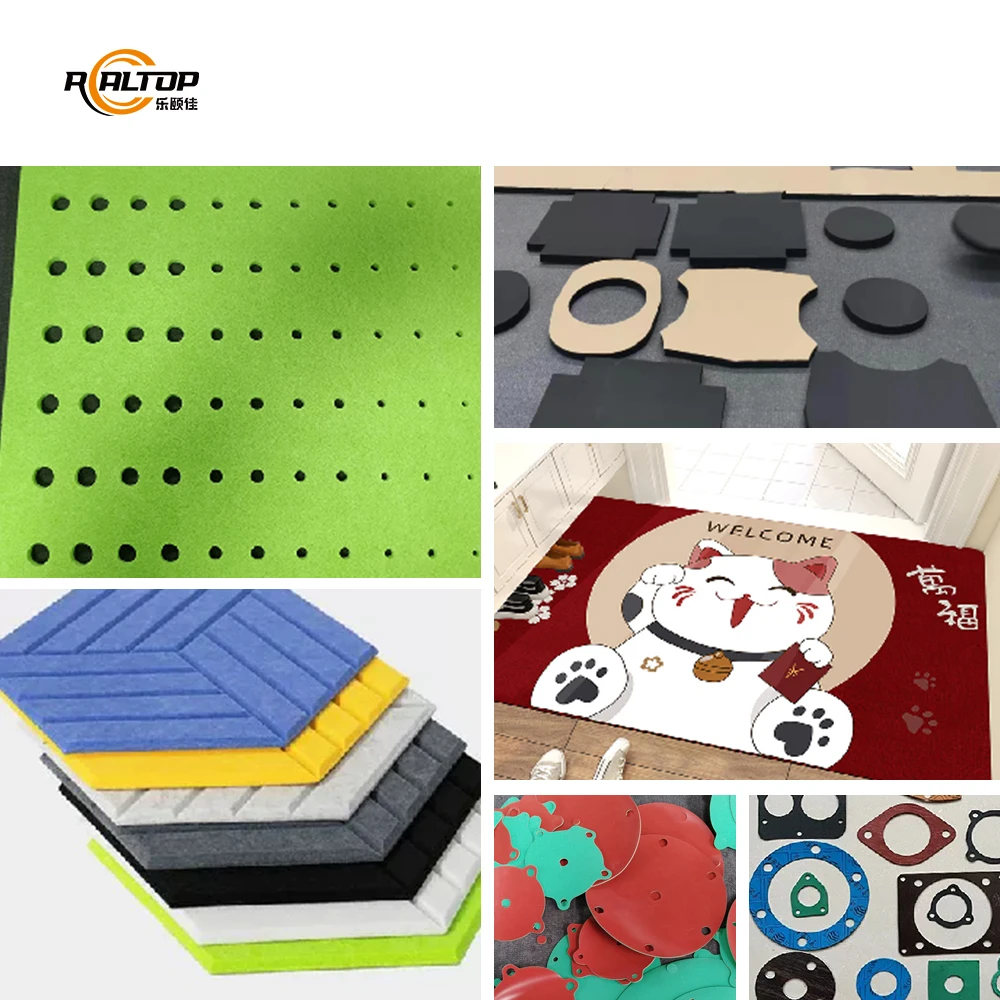
| Aerospace component cutting | Carbon fiber prepreg, aramid honeycomb cores, fiberglass cloth, thermal and acoustic insulation foam |
| Automotive and rail interior | Carbon fiber covers, FRP panels, acoustic felt, damping pads, composite carpets |
| Wind turbine blade fabrication | Fiberglass cloth, carbon fiber cloth, vacuum infusion mesh, foam core materials |
| New energy battery systems | Battery insulation sheets, composite separators, thermal barrier materials |
| Sporting goods and leisure | Carbon fiber sheets and fabric, fiberglass, Kevlar, high-performance foam, composite fabrics |
Why a 1600 × 2500 Working Area Is Not Enough on Its Own
A composites CNC cutting machine manufacturer must confirm material density, layup structure, and tool head pairing — not just table size — before quoting production capacity.
Working area tells you what fits on the table; tool head and vacuum configuration tell you what actually cuts cleanly.
I have watched buyers specify a flatbed purely by sheet dimensions, only to find the oscillating knife chokes on a carbon fiber prepreg stack that exceeds the rated thickness. The vacuum zones hold a full aramid honeycomb panel down fine, but small insulation gaskets lift off the table mid-cut because the zoning is too coarse. Those failures happen after the machine is already crated for shipment. [NEED_CITE: composite material cutting parameters by layup type and density]
Cold Cutting Preserves Resin Integrity in Prepreg and Honeycomb
Thermal cutting methods melt resin matrices and delaminate honeycomb cell walls, leaving edge debris that fails aerospace inspection. This composites CNC cutting machine uses an oscillating knife process that generates no heat at the cut line, keeping prepreg tack surfaces intact and aramid honeycomb cells structurally open. The driven rotary knife option handles continuous fiberglass cloth rolls without fraying the weave, while the milling tool addresses semi-rigid foam cores that would crush under drag knife pressure.
Vacuum Zoning Determines Whether Small Gaskets Stay Flat
The aluminum bellows vacuum table provides full-surface adsorption across the 1600 × 2500 mm working area, which matters when cutting flexible fiberglass cloth or vacuum infusion mesh that wrinkles under partial suction. For smaller parts — battery insulation sheets, acoustic felt gaskets, damping pads — the table zoning must isolate suction to the active cutting region. Without proper zoning, a 50 mm diameter part rides on vacuum meant for a full panel, and the material lifts into the knife path, producing ragged edges and scrapped pieces. [NEED_CITE: vacuum table zoning requirements for small-format composite parts]
Reading the Specs That Actually Matter on the Shop Floor
The ±0.1 mm cutting accuracy holds relevance in aerospace and automotive applications where carbon fiber covers and FRP panels must mate with pre-drilled mounting points — a tolerance stack of even half a millimeter across a 2500 mm panel length forces rework at assembly. The 9 kW vacuum pump power rating supports the suction demand of the aluminum bellows table across its full area; undersized pumps cause edge lift on large fiberglass cloth sheets. The PLC control panel with selectable languages — English, Russian, Italian, Chinese — means the operator in a Southeast Asian workshop or a European composites lab reads parameters in their working language rather than guessing at translated menus. Servo drive options spanning Panasonic, Delta, and Dorna allow the buyer to match the motion system to their maintenance ecosystem and spare parts availability locally.
The Cost of Skipping the Sample Cut on Actual Production Material
Buyers who approve a composites CNC cutting machine based on a generic demo piece often discover the hard way that their specific prepreg resin formulation behaves differently under the knife. The oscillating frequency that slices cleanly through one supplier’s carbon fiber cloth may produce delamination on another’s tighter weave. I have seen foam core materials that tested fine at 10 mm thickness compress and tear at 25 mm because the vacuum hold-down was not matched to the material’s compressibility. Those discoveries happen on the production floor, weeks after the machine arrived, when changing tool heads and rewriting cut parameters costs real downtime. [NEED_CITE: material-specific cutting tests for composite fabrication equipment]
Why This Catalogue Exists for Composite Fabricators
The in-house design team covers both oscillating knife and laser cutting technologies, so a buyer processing resin-impregnated fabrics can stay on cold cutting without being pushed toward a thermal method that damages the matrix. Tool head and table configuration are specified per material and production volume — a wind blade shop cutting thick fiberglass cloth gets a different setup than an automotive supplier slicing thin acoustic felt. CCD camera positioning is available for printed contour work on composite signage and branded panels. Software compatibility with PLT, DXF, AI, and PDF formats is confirmed before the order is locked, preventing the situation where the buyer’s nesting workflow cannot feed the machine. Voltage, language, and specification customization are built into the quotation process rather than treated as afterthoughts.
Documentation & Verification
- Machine specification sheet confirming working area, tool head list, and cutting thickness per composite material
- Electrical schematic and voltage confirmation matched to buyer’s facility power supply
- Tool head and table configuration list tied to specific composite layup and thickness
- Sample cutting report on buyer’s own carbon fiber, fiberglass, or foam material
- Factory test record documenting cutting accuracy and vacuum hold-down performance before dispatch
- Software license and file format compatibility note for PLT, DXF, AI, and PDF workflows
Installation, Commissioning & Support
- Facility floor must support the 3300 × 2100 × 1350 mm machine footprint with level concrete and anchor points
- Dedicated electrical circuit required matching selected voltage option (110 V, 220 V, or 380 V) and the 9 kW vacuum pump load
- Machine ships in modular sections; table, gantry, and control cabinet reassemble on-site with alignment verification
- First-run commissioning includes cutting parameter tuning on buyer’s actual composite material at production speed
- Operator training covers tool head changeover between oscillating knife, rotary knife, and milling configurations
- Spare parts list identifies consumable knife blades, vacuum seals, and servo drive components for local sourcing
What We Need to Recommend the Right Configuration
Send us the specific composite material type — prepreg, dry carbon fiber cloth, fiberglass, aramid honeycomb, foam core — along with actual thickness and sheet dimensions. Include your facility voltage and frequency so we match the electrical system before production starts. If you run an existing nesting workflow, share a sample file in your native format so we confirm software compatibility before the order is finalized.
Frequently Asked Questions
Q: How do I choose between oscillating knife, rotary knife, and milling tool for my composite material?
A: Oscillating knife handles most prepreg and layered fabrics cleanly. Driven rotary knife suits continuous fiberglass cloth rolls where edge fray is a concern. Milling tool works on semi-rigid foam cores that compress under knife pressure. The correct choice depends on your specific material density, thickness, and layup structure — we confirm through a sample cut on your actual production material.
Q: What working area and vacuum table options are available for large-format composite panels?
A: The standard configuration provides a 1600 × 2500 mm working area on an aluminum bellows vacuum table with full-surface adsorption. This handles full-size aerospace panels and wind blade fabric sheets. Vacuum zoning isolates suction for smaller parts to prevent material lift. Additional size configurations are available depending on your maximum sheet dimensions and production volume.
Q: How does cutting thickness capacity vary across different composite materials?
A: The machine handles up to 30 mm thickness, but actual capacity depends on material density and compressibility. Soft insulation foam cuts easily at full depth, while dense carbon fiber prepreg stacks require lower thickness passes and specific oscillating knife settings. We verify cutting depth on your actual material during the sample cutting stage before finalizing the configuration.
Q: Which software file formats does the system accept for composite cutting patterns?
A: The control system accepts PLT, DXF, AI, and PDF file formats directly. If your existing nesting software exports in a different format, we verify compatibility during the quotation stage. The PLC control panel supports multiple display languages including English, Russian, Italian, and Chinese, with additional customization available to match your operator requirements.
Q: How can I verify the machine will handle my specific composite material before committing?
A: Send us a sample of your actual production material — the exact prepreg, fiberglass cloth, honeycomb, or foam core you process daily. We run a cutting test using the recommended tool head and vacuum configuration, then provide a sample cutting report documenting edge quality, dimensional accuracy, and achievable cutting speed. You review results before the order is confirmed.
Tool head and table configuration specified per composite material and production volume — matching the cutting method to prepreg, honeycomb, or fiberglass rather than forcing one knife type across every layup.
Technical Specifications
| Parameter | Value |
|---|---|
| Product Type | CNC Oscillating Knife Cutting Machine |
| Working Area | 1600 × 2500 mm |
| Cutting Speed | 0–2000 mm/s |
| Cutting Thickness | ≤ 30 mm (basis not stated in source — confirm material density and layup) |
| Cutting Accuracy | ±0.1 mm |
| Tool Head Options | Oscillating knife, Driven rotary knife, Creasing wheel, Kiss cutting tool, Pneumatic knife, Milling tool, V groove knife |
| Vacuum Table Type | Aluminum bellows vacuum table |
| Vacuum Pump Power | 9 kW |
| Voltage Options | 110 V, 220 V, 380 V (configurable) |
| Supported File Formats | PLT, DXF, AI, PDF |
| Safety Devices | Infrared sensor device and emergency stop device |
| Machine Size | 3300 × 2100 × 1350 mm |
| Servo Drive Options | Panasonic, Delta, Dorna (source value — verify against manufacturer catalog) |
| Control System | PLC control panel with optional display languages |
| Language Options | English, Russian, Italian, Chinese (customizable) |
| Certification | CE compliant |
Application Suitability
| Application | Material or Output |
|---|---|
| Aerospace component cutting | Carbon fiber prepreg, aramid honeycomb cores, fiberglass cloth, thermal and acoustic insulation foam |
| Automotive and rail interior | Carbon fiber covers, FRP panels, acoustic felt, damping pads, composite carpets |
| Wind turbine blade fabrication | Fiberglass cloth, carbon fiber cloth, vacuum infusion mesh, foam core materials |
| New energy battery systems | Battery insulation sheets, composite separators, thermal barrier materials |
| Sporting goods and leisure | Carbon fiber sheets and fabric, fiberglass, Kevlar, high-performance foam, composite fabrics |
Why a 1600 × 2500 Working Area Is Not Enough on Its Own
A composites CNC cutting machine manufacturer must confirm material density, layup structure, and tool head pairing — not just table size — before quoting production capacity.
Working area tells you what fits on the table; tool head and vacuum configuration tell you what actually cuts cleanly.
I have watched buyers specify a flatbed purely by sheet dimensions, only to find the oscillating knife chokes on a carbon fiber prepreg stack that exceeds the rated thickness. The vacuum zones hold a full aramid honeycomb panel down fine, but small insulation gaskets lift off the table mid-cut because the zoning is too coarse. Those failures happen after the machine is already crated for shipment. [NEED_CITE: composite material cutting parameters by layup type and density]
Cold Cutting Preserves Resin Integrity in Prepreg and Honeycomb
Thermal cutting methods melt resin matrices and delaminate honeycomb cell walls, leaving edge debris that fails aerospace inspection. This composites CNC cutting machine uses an oscillating knife process that generates no heat at the cut line, keeping prepreg tack surfaces intact and aramid honeycomb cells structurally open. The driven rotary knife option handles continuous fiberglass cloth rolls without fraying the weave, while the milling tool addresses semi-rigid foam cores that would crush under drag knife pressure.
Vacuum Zoning Determines Whether Small Gaskets Stay Flat
The aluminum bellows vacuum table provides full-surface adsorption across the 1600 × 2500 mm working area, which matters when cutting flexible fiberglass cloth or vacuum infusion mesh that wrinkles under partial suction. For smaller parts — battery insulation sheets, acoustic felt gaskets, damping pads — the table zoning must isolate suction to the active cutting region. Without proper zoning, a 50 mm diameter part rides on vacuum meant for a full panel, and the material lifts into the knife path, producing ragged edges and scrapped pieces. [NEED_CITE: vacuum table zoning requirements for small-format composite parts]
Reading the Specs That Actually Matter on the Shop Floor
The ±0.1 mm cutting accuracy holds relevance in aerospace and automotive applications where carbon fiber covers and FRP panels must mate with pre-drilled mounting points — a tolerance stack of even half a millimeter across a 2500 mm panel length forces rework at assembly. The 9 kW vacuum pump power rating supports the suction demand of the aluminum bellows table across its full area; undersized pumps cause edge lift on large fiberglass cloth sheets. The PLC control panel with selectable languages — English, Russian, Italian, Chinese — means the operator in a Southeast Asian workshop or a European composites lab reads parameters in their working language rather than guessing at translated menus. Servo drive options spanning Panasonic, Delta, and Dorna allow the buyer to match the motion system to their maintenance ecosystem and spare parts availability locally.
The Cost of Skipping the Sample Cut on Actual Production Material
Buyers who approve a composites CNC cutting machine based on a generic demo piece often discover the hard way that their specific prepreg resin formulation behaves differently under the knife. The oscillating frequency that slices cleanly through one supplier’s carbon fiber cloth may produce delamination on another’s tighter weave. I have seen foam core materials that tested fine at 10 mm thickness compress and tear at 25 mm because the vacuum hold-down was not matched to the material’s compressibility. Those discoveries happen on the production floor, weeks after the machine arrived, when changing tool heads and rewriting cut parameters costs real downtime. [NEED_CITE: material-specific cutting tests for composite fabrication equipment]
Why This Catalogue Exists for Composite Fabricators
The in-house design team covers both oscillating knife and laser cutting technologies, so a buyer processing resin-impregnated fabrics can stay on cold cutting without being pushed toward a thermal method that damages the matrix. Tool head and table configuration are specified per material and production volume — a wind blade shop cutting thick fiberglass cloth gets a different setup than an automotive supplier slicing thin acoustic felt. CCD camera positioning is available for printed contour work on composite signage and branded panels. Software compatibility with PLT, DXF, AI, and PDF formats is confirmed before the order is locked, preventing the situation where the buyer’s nesting workflow cannot feed the machine. Voltage, language, and specification customization are built into the quotation process rather than treated as afterthoughts.
Documentation & Verification
- Machine specification sheet confirming working area, tool head list, and cutting thickness per composite material
- Electrical schematic and voltage confirmation matched to buyer’s facility power supply
- Tool head and table configuration list tied to specific composite layup and thickness
- Sample cutting report on buyer’s own carbon fiber, fiberglass, or foam material
- Factory test record documenting cutting accuracy and vacuum hold-down performance before dispatch
- Software license and file format compatibility note for PLT, DXF, AI, and PDF workflows
Installation, Commissioning & Support
- Facility floor must support the 3300 × 2100 × 1350 mm machine footprint with level concrete and anchor points
- Dedicated electrical circuit required matching selected voltage option (110 V, 220 V, or 380 V) and the 9 kW vacuum pump load
- Machine ships in modular sections; table, gantry, and control cabinet reassemble on-site with alignment verification
- First-run commissioning includes cutting parameter tuning on buyer’s actual composite material at production speed
- Operator training covers tool head changeover between oscillating knife, rotary knife, and milling configurations
- Spare parts list identifies consumable knife blades, vacuum seals, and servo drive components for local sourcing
What We Need to Recommend the Right Configuration
Send us the specific composite material type — prepreg, dry carbon fiber cloth, fiberglass, aramid honeycomb, foam core — along with actual thickness and sheet dimensions. Include your facility voltage and frequency so we match the electrical system before production starts. If you run an existing nesting workflow, share a sample file in your native format so we confirm software compatibility before the order is finalized.
Frequently Asked Questions
Q: How do I choose between oscillating knife, rotary knife, and milling tool for my composite material?
A: Oscillating knife handles most prepreg and layered fabrics cleanly. Driven rotary knife suits continuous fiberglass cloth rolls where edge fray is a concern. Milling tool works on semi-rigid foam cores that compress under knife pressure. The correct choice depends on your specific material density, thickness, and layup structure — we confirm through a sample cut on your actual production material.
Q: What working area and vacuum table options are available for large-format composite panels?
A: The standard configuration provides a 1600 × 2500 mm working area on an aluminum bellows vacuum table with full-surface adsorption. This handles full-size aerospace panels and wind blade fabric sheets. Vacuum zoning isolates suction for smaller parts to prevent material lift. Additional size configurations are available depending on your maximum sheet dimensions and production volume.
Q: How does cutting thickness capacity vary across different composite materials?
A: The machine handles up to 30 mm thickness, but actual capacity depends on material density and compressibility. Soft insulation foam cuts easily at full depth, while dense carbon fiber prepreg stacks require lower thickness passes and specific oscillating knife settings. We verify cutting depth on your actual material during the sample cutting stage before finalizing the configuration.
Q: Which software file formats does the system accept for composite cutting patterns?
A: The control system accepts PLT, DXF, AI, and PDF file formats directly. If your existing nesting software exports in a different format, we verify compatibility during the quotation stage. The PLC control panel supports multiple display languages including English, Russian, Italian, and Chinese, with additional customization available to match your operator requirements.
Q: How can I verify the machine will handle my specific composite material before committing?
A: Send us a sample of your actual production material — the exact prepreg, fiberglass cloth, honeycomb, or foam core you process daily. We run a cutting test using the recommended tool head and vacuum configuration, then provide a sample cutting report documenting edge quality, dimensional accuracy, and achievable cutting speed. You review results before the order is confirmed.
商品评价
There are no reviews yet.