

Fast Delivery
Quick, reliable shipping to any location.

Free & easy returns
Return this item by mail or in store within 90 days for a full refund.
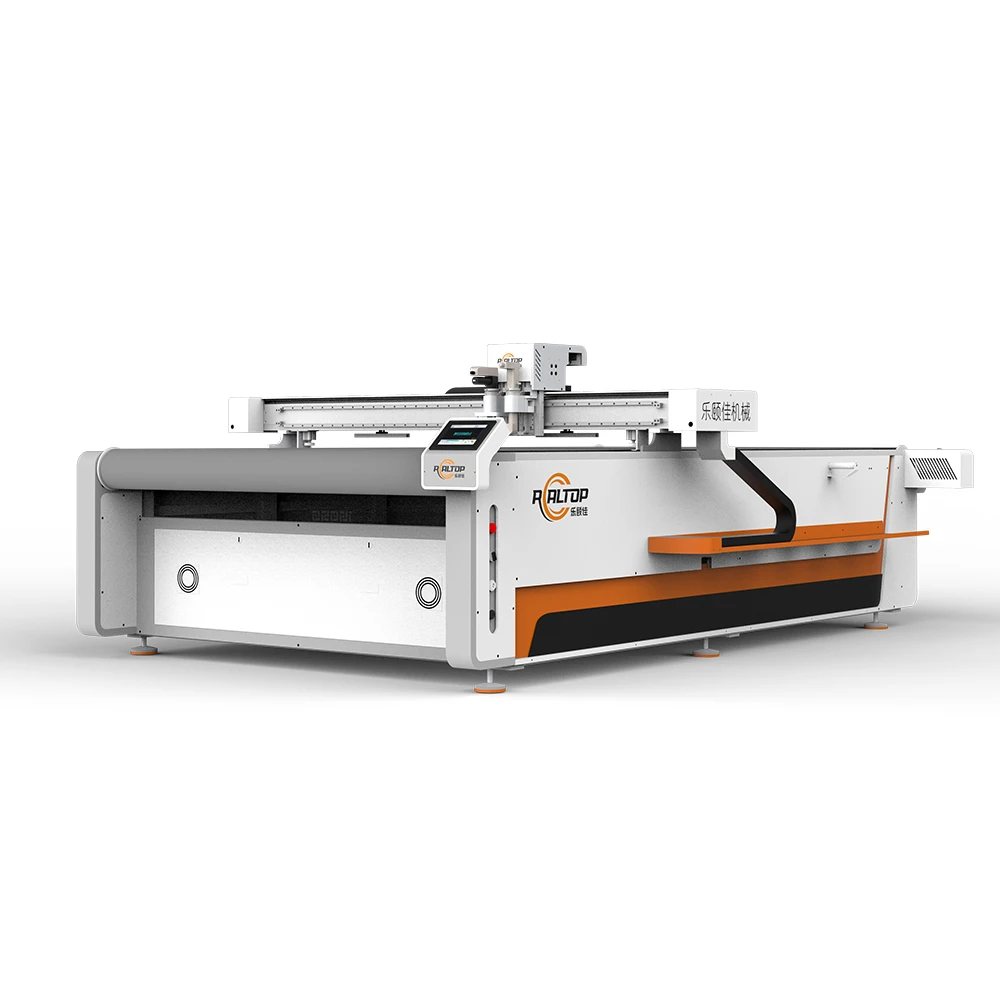
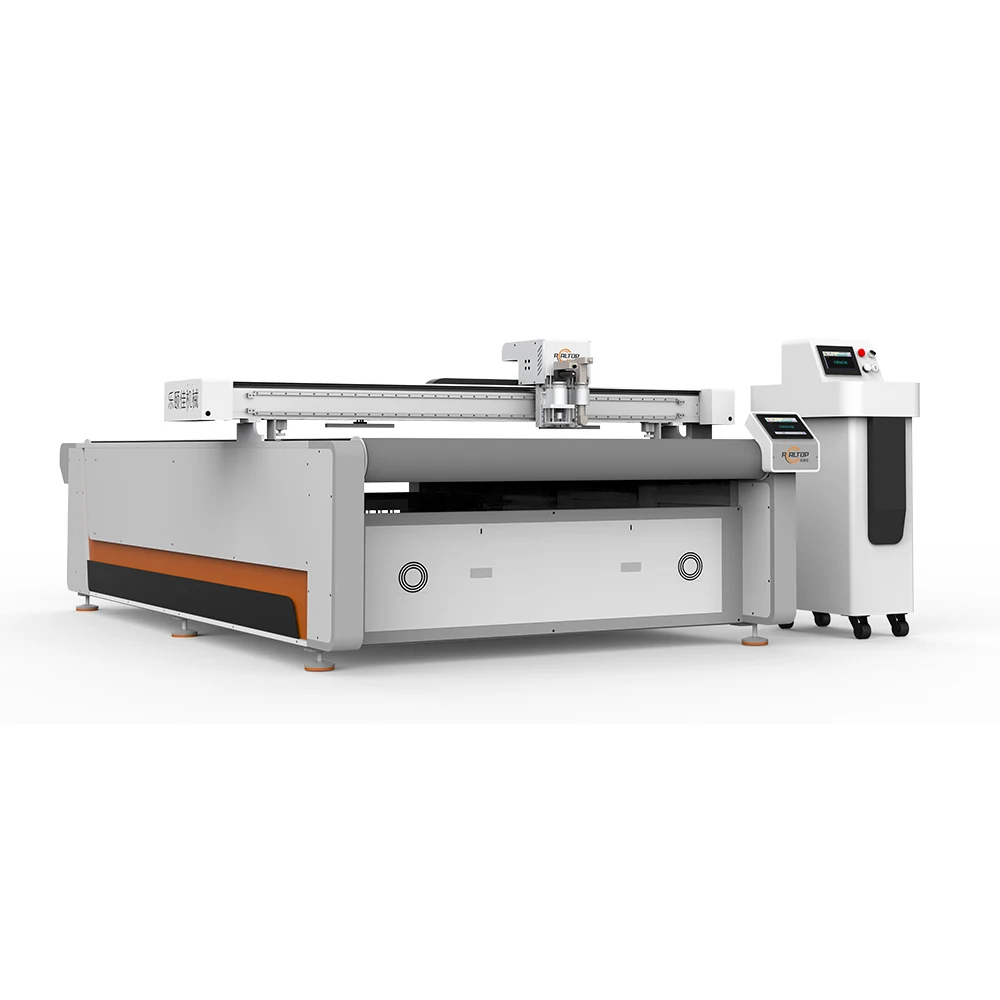
Precision Material-to-Method Matching — Every 1625 configuration is validated against your actual fabric sample thickness and weave density before the tool head recommendation is finalized, eliminating the mismatch between quoted cutting capacity and real production edge quality.
Technical Specifications
| Parameter | Value |
|---|---|
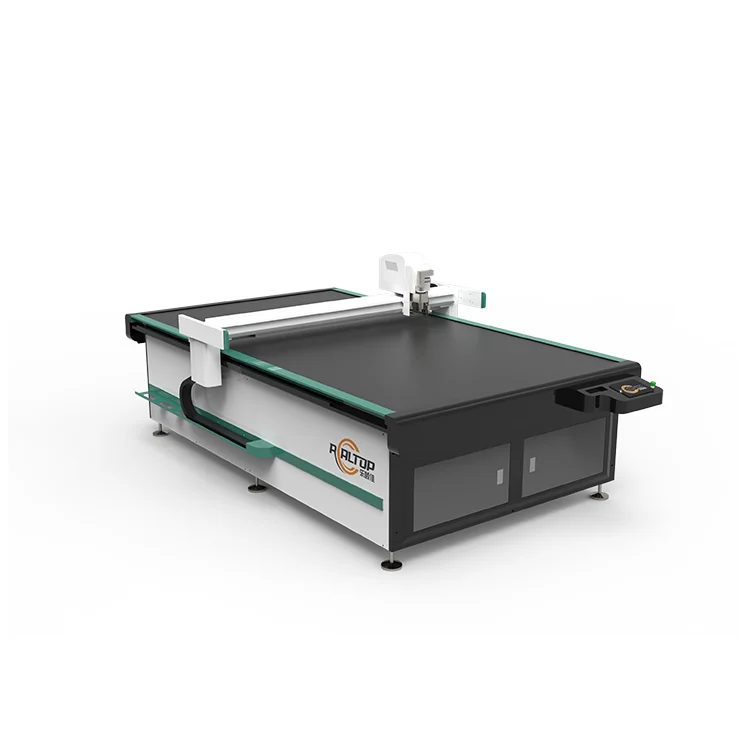
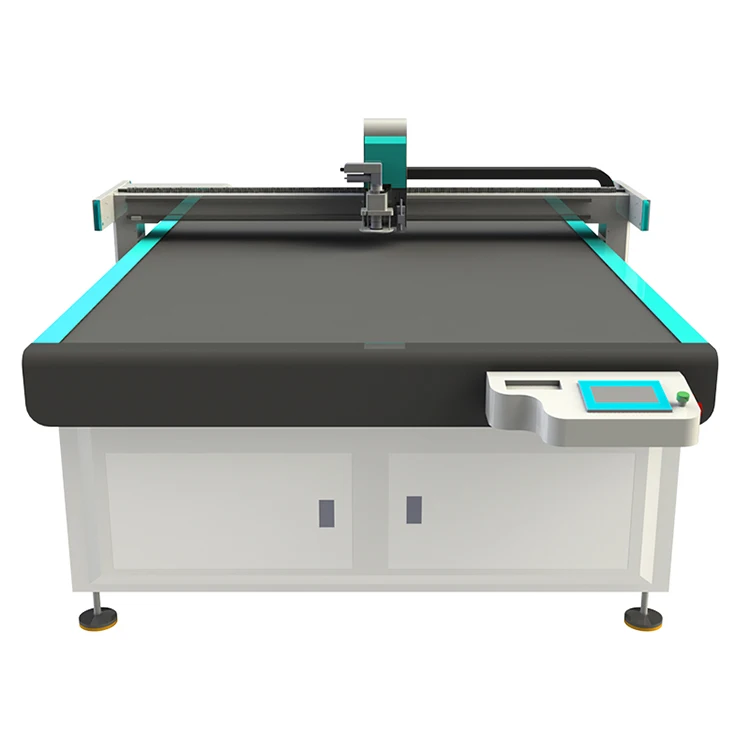
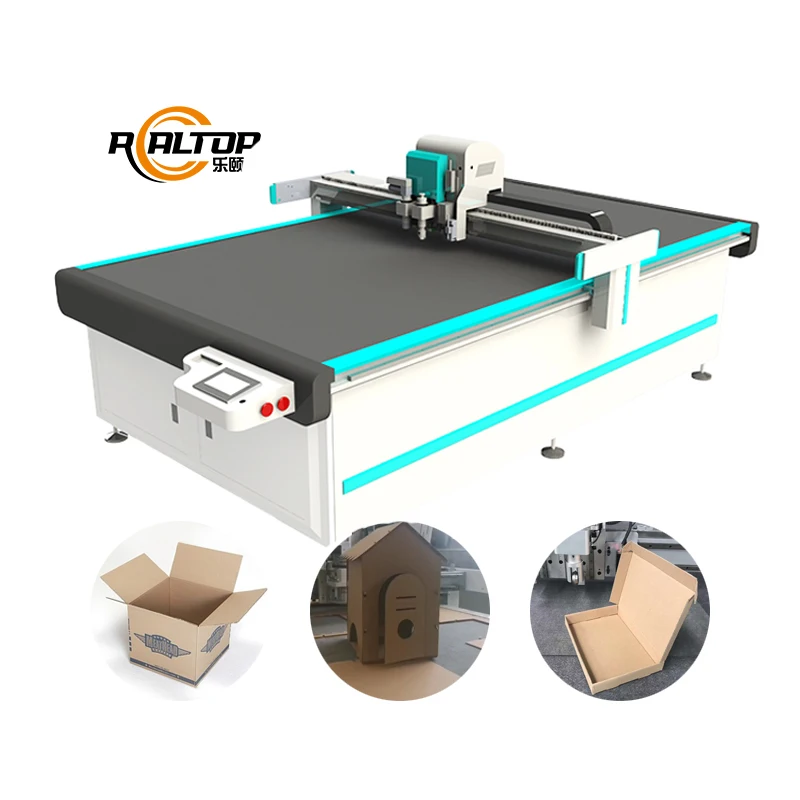
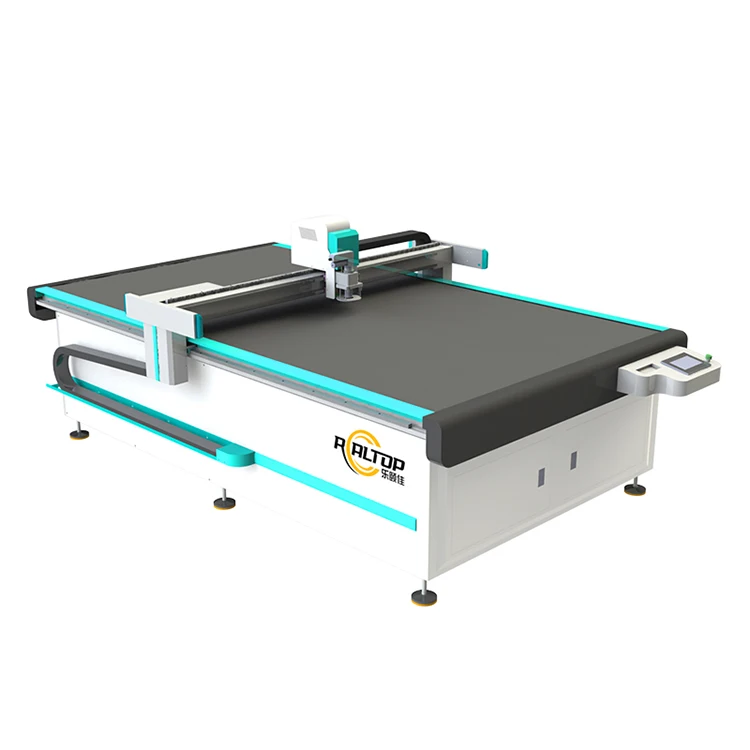
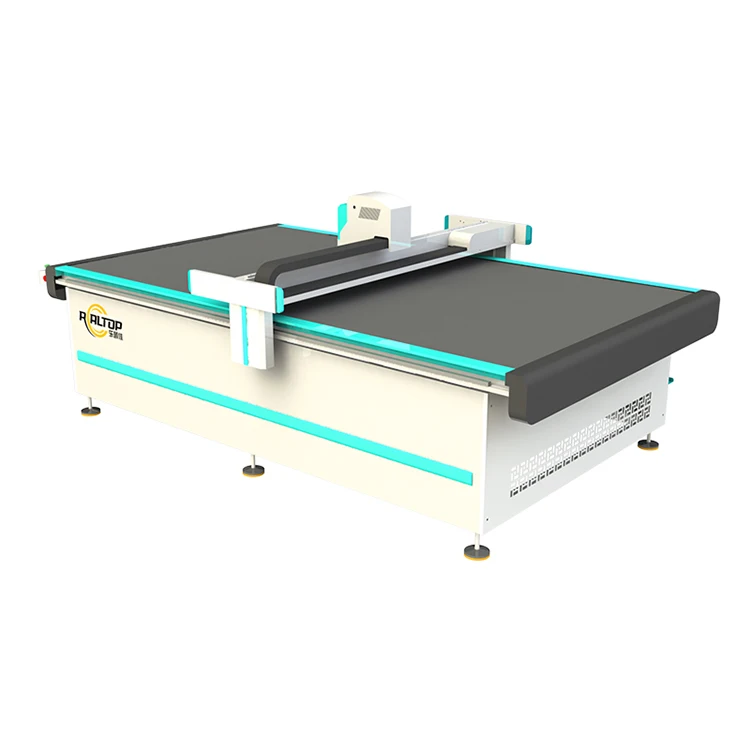
| Product Type | CNC Oscillating Knife Cutting Machine |
| Model | 1625 |
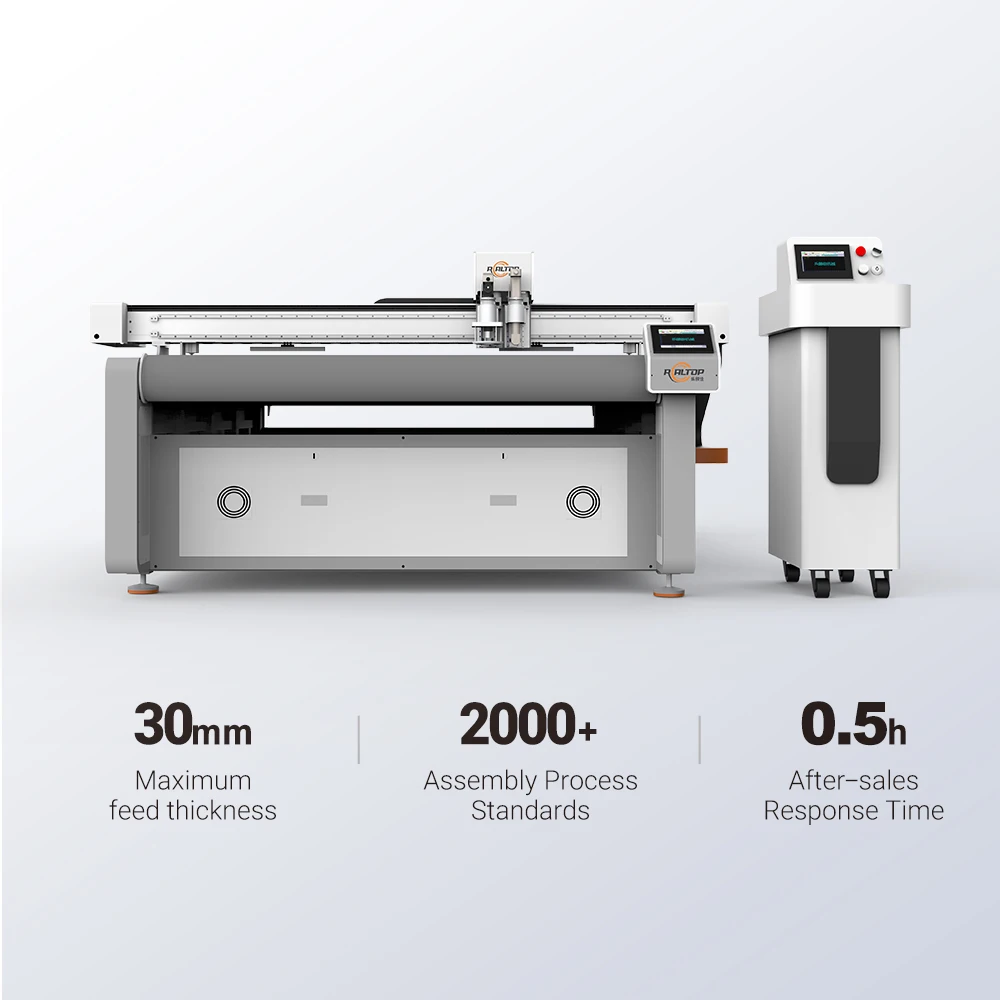
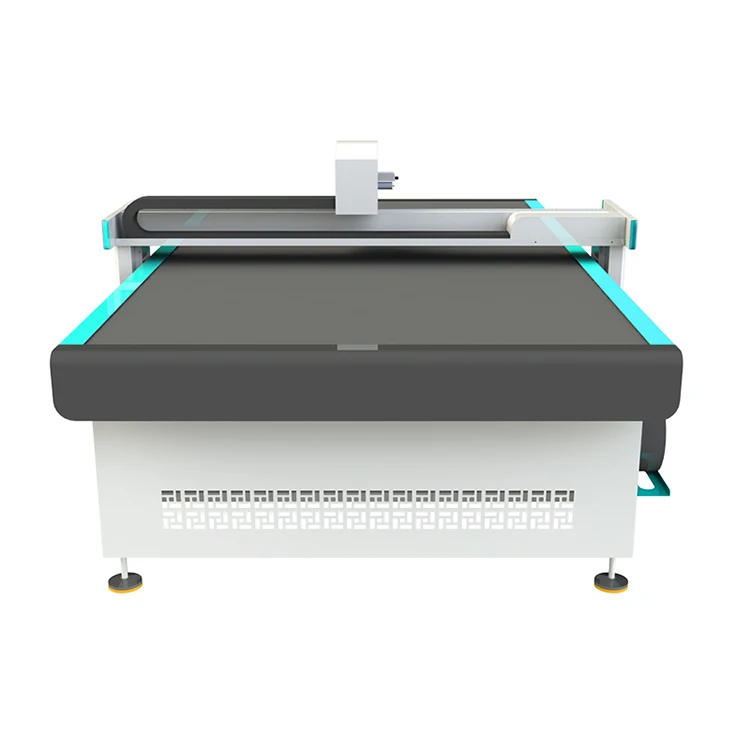
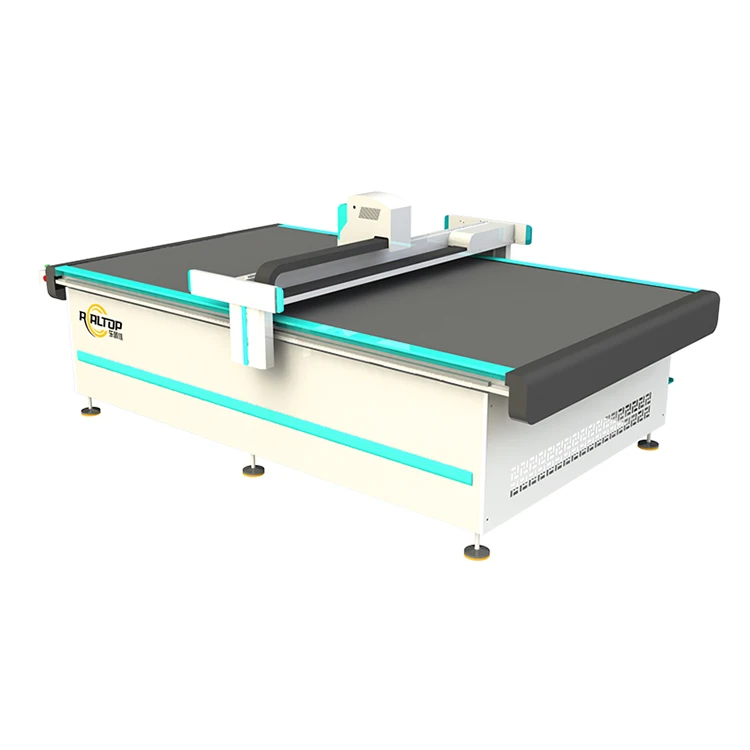
| Working Area | 1600×2500 mm |
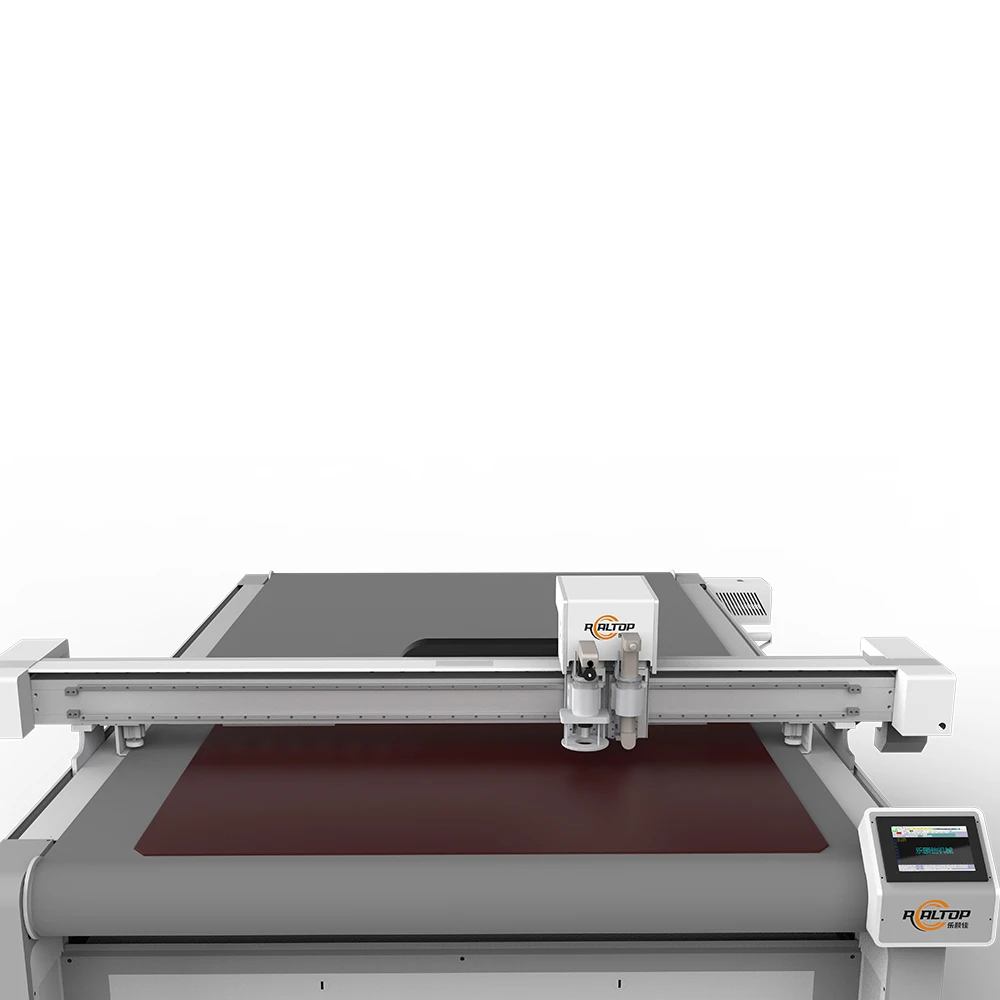
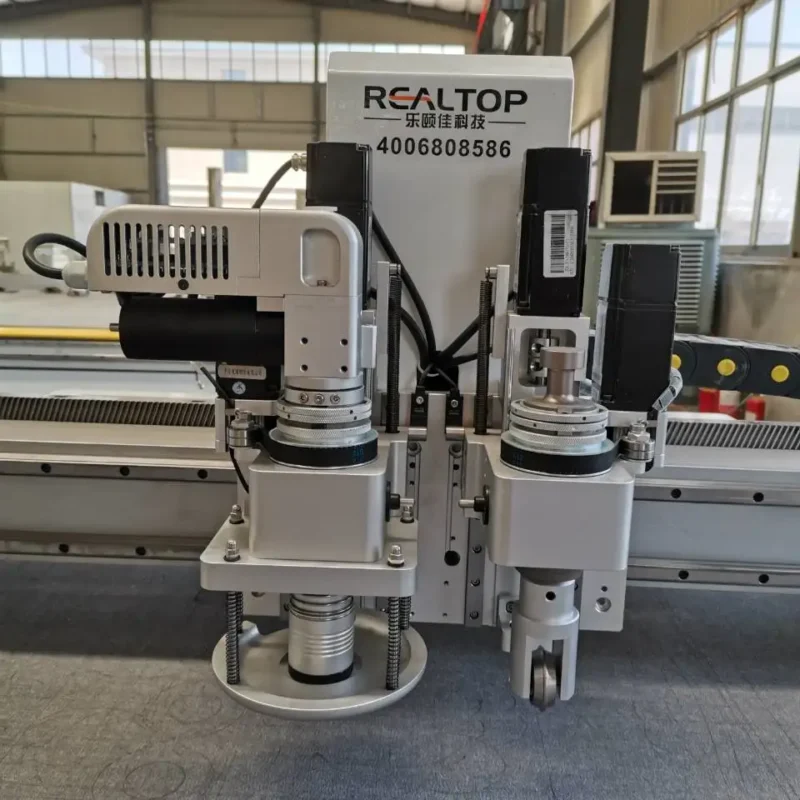
| Available Tool Heads | Oscillating knife, Driven rotary knife, Creasing wheel, Kiss cutting tool, Pneumatic knife, Milling tool, V groove knife |
| Cutting Thickness | Up to 30 mm (basis to be confirmed by material type) |
| Cutting Speed | 0–2000 mm/s (basis to be confirmed by material and thickness) |
| Cutting Accuracy | ±0.1 mm |
| Vacuum Pump | 9 kW |
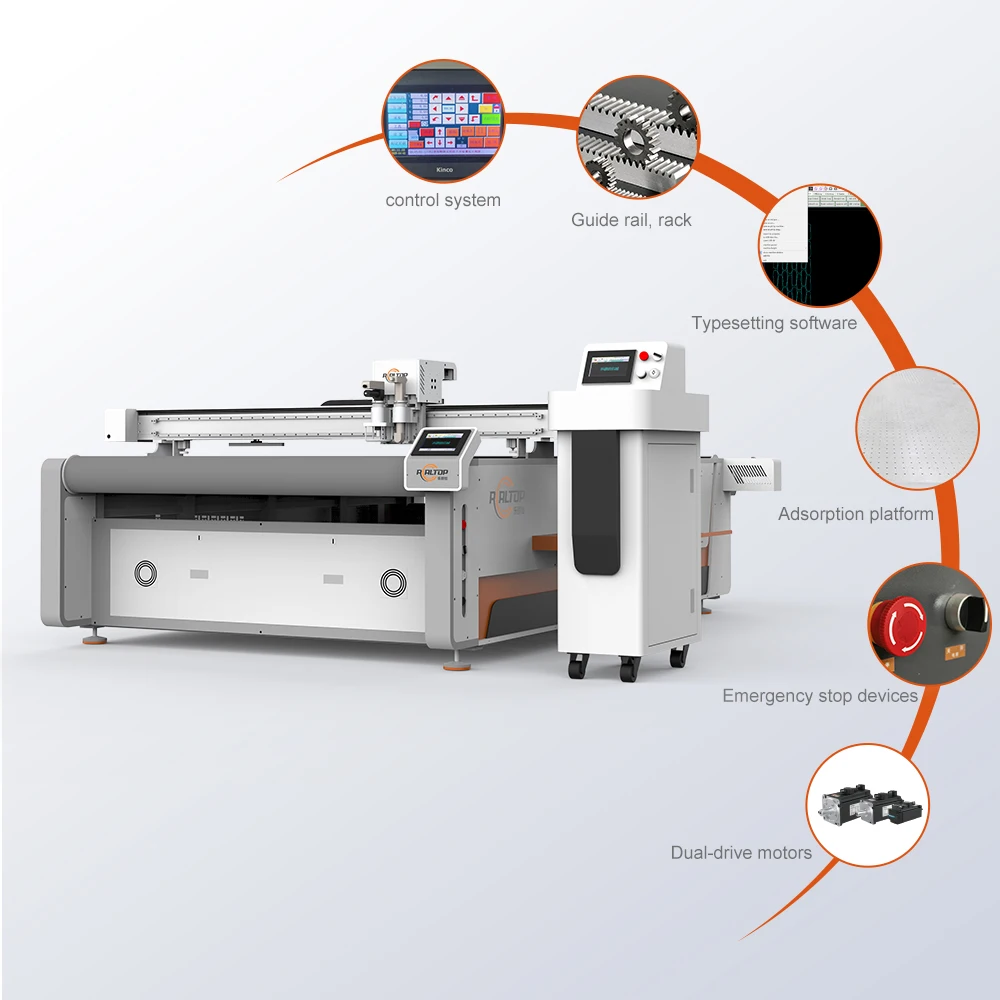
| Vacuum Table | Aluminum bellows vacuum table |
| Servo Motors | Panasonic, Delta, or Dorna options available |
| Control System | PLC control panel with multi-language display |
| Compatible File Formats | PLT, DXF, AI, PDF |
| Voltage Options | 110V, 220V, 380V (frequency to be confirmed) |
| Machine Dimensions | 3300×2100×1350 mm |
| Safety Features | Infrared sensor device and emergency stop device |
| Included Software | Dedicated packaging box structure design software |
| Language Options | English, Russian, Italian, Chinese (custom languages available) |
| Certification | CE |
Application Suitability
| Application | Material or Output |
|---|---|
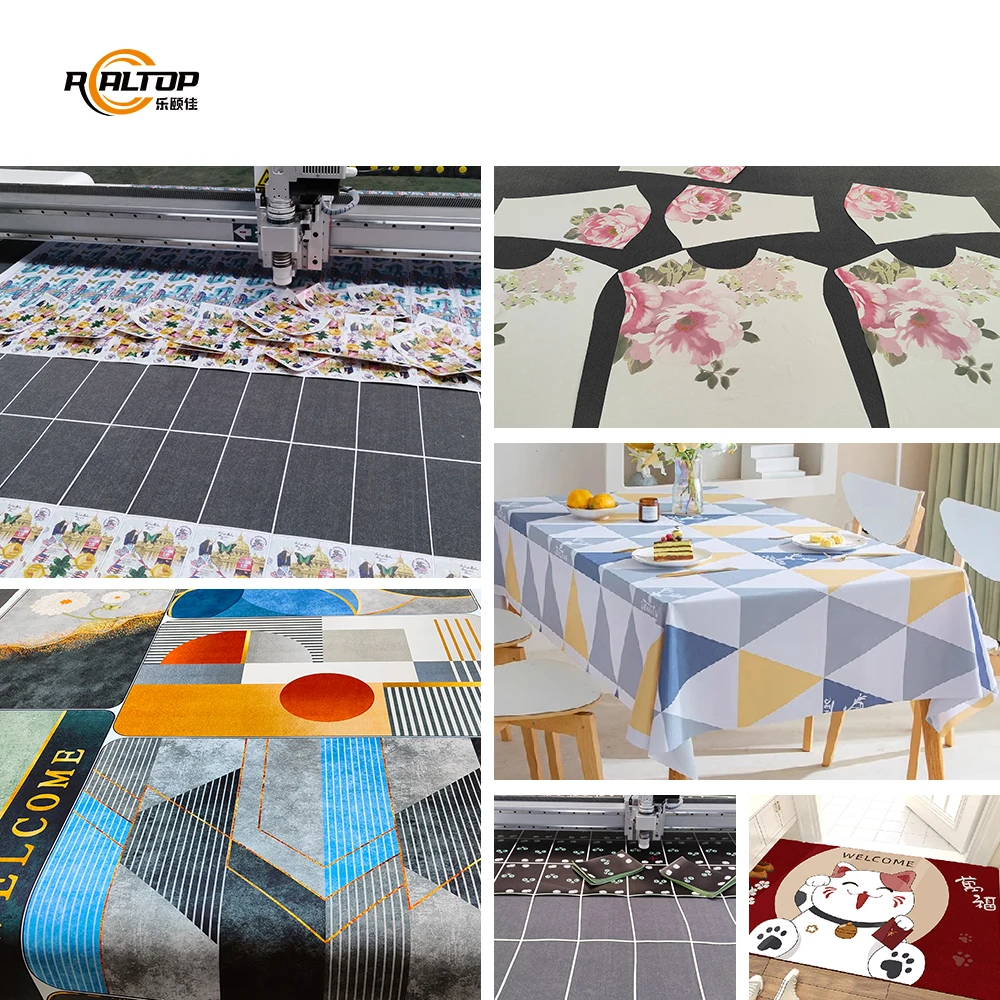
| Apparel Manufacturing | Suits, knitwear, lace, complex fabrics with pattern-matching layouts |
| Automotive Interiors | Seat fabrics, carpets, PVC mats, floor coverings |
| Home Textiles | Sofa fabrics, curtains, rugs, multi-layer textile cutting |
| Composite Processing | Carbon fiber prepreg, aramid fabrics, specialty reinforcement materials |
| Signage and Packaging | Corrugated cardboard sample making, PVC signage blanks, folding carton prototypes |
| Leather Goods and Footwear | Natural and synthetic leather uppers, insoles, gasket blanks |
Why "Up to 30 mm" Means Nothing Without Your Material Sample
A CNC oscillating knife cutting machine manufacturer quoting maximum thickness alone tells you nothing about how that machine will handle your specific fabric weight and coating. Cutting depth is a function of material density, fiber direction, and backing composition — not a single number on a spec sheet.
I have watched production managers discover this the hard way. A buyer sent a fabric sample labeled "sofa upholstery" that turned out to be a coated automotive carpet with a dense PVC backing. The oscillating knife blade that sliced cleanly through plain woven polyester left ragged, crushed edges on that composite structure. The machine was technically capable of the thickness — but the tool head specification was wrong for the material composition. [NEED_CITE: oscillating knife cutting parameters by material density and coating type]
The Full Catalogue Approach to Knife and Laser Cutting
When buyers survey the complete cutting equipment range before committing to a method, the decision becomes about matching the process to the production job rather than forcing a single technology across every material. This CNC fabric cutting machine for sale sits within a broader manufacturer portfolio that spans oscillating knife, drag knife, CO2 laser, and fiber laser platforms — meaning the recommendation starts from your material properties and daily volume, not from whatever machine happens to be in stock.
The 1625 platform serves as a configurable base across fabric, leather, foam, and composite applications. Tool head selection is not an afterthought; it is the primary variable that determines edge quality, cutting speed, and blade life on your specific material stack.
How Tool Head Selection Drives Edge Quality Across Textile Types
Each interchangeable head on this CNC oscillating knife cutting machine addresses a different failure mode in fabric cutting. The oscillating knife handles woven and non-woven textiles through a rapid vertical stroke that prevents fiber pulling. The driven rotary knife suits continuous cuts on knitted and stretch fabrics where a reciprocating blade would distort the material. The pneumatic knife tackles thicker foam and rubber layers where blade deflection under mechanical pressure would compromise dimensional accuracy.
Selecting the wrong head produces symptoms that operators often misdiagnose as machine problems. Crushed foam edges typically indicate excessive downward pressure from a rigid oscillating blade rather than a dull tool. Frayed lace patterns usually point to insufficient hold-down vacuum rather than blade speed issues. The aluminum bellows vacuum table paired with the 9 kW pump provides the suction necessary to keep multi-layer fabric stacks flat during high-speed traversing, but vacuum zoning must match your typical part geometry — small nested pieces require tighter zone segmentation than large automotive carpet blanks. [NEED_CITE: vacuum hold-down requirements for multi-layer fabric cutting operations]
Reading the Specifications That Actually Matter in Production
The ±0.1 mm cutting accuracy figure only holds when the servo system, vacuum hold-down, and tool head are all correctly matched to your material. Panasonic, Delta, and Dorna servo options represent different response characteristics — higher-resolution encoders improve contour following on intricate pattern pieces, while torque-rated servos maintain consistent feed force through dense composite stacks. The choice depends on whether your production mix favors intricate apparel patterns or thick automotive interior blanks.
File format compatibility determines whether the machine integrates with your existing nesting workflow. PLT and DXF imports cover most CAD-originated cutting paths, while AI and PDF support handles printed contour work where the cutting path must follow a registered graphic boundary. The dedicated packaging box structure design software addresses the specific parametric requirements of carton sample making — fold lines, crease depths, and tab geometry that general-purpose nesting software does not natively support.
The PLC control panel with multi-language display ensures operators in different markets can navigate parameter adjustments without relying on translated external documentation. Voltage options spanning 110V to 380V address the primary export markets, though the specific frequency and plug configuration must be confirmed before the electrical cabinet is wired.
The Hidden Cost of Specifying a Cutting Machine by Working Area Alone
Buyers who select a CNC fabric cutting machine for sale based solely on table dimensions regularly encounter problems that have nothing to do with the machine’s physical footprint. A 1600×2500 mm working area tells you the maximum sheet size the table can accommodate — it says nothing about whether the vacuum zoning will hold small nested garment pieces flat, whether the selected tool head will produce acceptable edges on your specific coated textile, or whether the software can import your existing nesting files without manual path reconstruction.
The consequences surface weeks after installation. Production managers report that cutting speed must be reduced to maintain edge quality, that small parts lift off the table during rapid traversing, or that their preferred nesting software output requires reprogramming at the machine. None of these issues reflect machine defects — they reflect a specification process that stopped at table size. [NEED_CITE: common CNC cutting machine specification errors by material application]
Why Production Managers Source From This Catalogue
The manufacturer designs and produces both knife and laser cutting systems in-house, so a buyer evaluating fabric cutting options receives a recommendation based on material behavior rather than available inventory. If your coated composite produces better sealed edges under CO2 laser than clean mechanical cuts under oscillating knife, the conversation shifts to the appropriate technology without requiring a second supplier evaluation.
Tool head and table configuration is specified per material sample and production volume, not selected from a fixed options list. The 1625 platform can be configured with the exact combination of oscillating knife, driven rotary, or pneumatic head that your fabric stack demands, paired with vacuum zone segmentation matched to your typical part geometry.
Sample cutting on your own material happens before order commitment, producing a physical report that documents edge quality, cutting speed achieved, and tool wear observed on your specific fabric composition. This eliminates the gap between manufacturer claims and production reality that buyers often discover only after installation.
Software compatibility is confirmed during the specification phase — your existing PLT, DXF, AI, or PDF nesting files are test-imported and path-verified before the control system is finalized. Voltage, plug type, and control language are documented in the electrical schematic and locked before the cabinet is assembled.
Documentation & Verification
- Machine specification sheet confirming tool head and vacuum table configuration matched to your material sample
- Electrical schematic with voltage, frequency, and plug type locked to your facility requirements
- Sample cutting report documenting edge quality and cutting parameters on your submitted fabric
- Factory test record verifying cutting accuracy and servo response before dispatch
- Software licence documentation with file format compatibility confirmation for PLT, DXF, AI, and PDF imports
- Operation and maintenance manual in your selected control language with tool change procedures
Installation, Commissioning & Support
- Foundation requirements based on the 3300×2100×1350 mm machine footprint and 9 kW vacuum pump load
- Dedicated electrical circuit specification matching your confirmed 110V, 220V, or 380V supply with correct frequency
- Field assembly and leveling of the aluminum bellows vacuum table to maintain ±0.1 mm cutting accuracy across the full 1600×2500 mm working area
- First-run parameter calibration using your production fabric to establish baseline cutting speed and tool head pressure settings
- Operator training on tool head changeover procedures and PLC control panel navigation in your specified language
- Spare parts list covering oscillating knife blades, rotary knife assemblies, and vacuum table sealing elements
What We Need to Specify Your Configuration
Send us your actual fabric sample with the backing and coating intact — not a data sheet description. Include your typical sheet dimensions, the range of part geometries you nest, your daily cutting volume, and the file formats your current nesting software exports. Confirm your facility voltage and frequency, the control language your operators require, and whether your production mix includes materials that might need both knife and laser evaluation.
Frequently Asked Questions
Q: How do I decide between oscillating knife and laser cutting for my fabric type?
A: The choice depends on edge requirements and material composition. Oscillating knife produces clean mechanical cuts on woven textiles without thermal sealing, while laser simultaneously cuts and seals synthetic fibers to prevent fraying. Coated materials and composites often behave differently under each method, which is why sample cutting on your actual fabric is performed before the technology recommendation is finalized.
Q: What configuration details matter beyond the 1600×2500 mm working area?
A: Vacuum zone segmentation must match your typical part size — small nested garment pieces require tighter zoning than large carpet blanks. Tool head selection must align with your material composition and thickness. Software file format compatibility must be verified against your existing nesting workflow. Voltage and control language must be confirmed before the electrical cabinet is wired.
Q: Can the CCD camera track printed registration marks at full production speed?
A: CCD contour recognition performance depends on mark contrast, print quality, and the speed at which your specific material can be cut. High-contrast marks on stable substrates track reliably, but low-contrast prints on stretch fabrics may require reduced traversing speed. This capability should be validated on your actual printed material during the sample cutting phase.
Q: What electrical details must I confirm before placing an order?
A: Voltage, frequency, and plug type must match your facility supply exactly — the machine is available in 110V, 220V, and 380V configurations, but frequency and connector standards vary by market. The control panel language must also be specified. These parameters are documented in the electrical schematic and locked before cabinet assembly begins.
Q: Will this machine accept my existing nesting software output files?
A: The control system imports PLT, DXF, AI, and PDF formats for automatic path generation. However, file structure variations between nesting programs can cause import errors or missing tool path data. Your actual production files should be test-imported during the specification phase to confirm full compatibility before the software configuration is finalized.
Precision Material-to-Method Matching — Every 1625 configuration is validated against your actual fabric sample thickness and weave density before the tool head recommendation is finalized, eliminating the mismatch between quoted cutting capacity and real production edge quality.
Technical Specifications
| Parameter | Value |
|---|---|
| Product Type | CNC Oscillating Knife Cutting Machine |
| Model | 1625 |
| Working Area | 1600×2500 mm |
| Available Tool Heads | Oscillating knife, Driven rotary knife, Creasing wheel, Kiss cutting tool, Pneumatic knife, Milling tool, V groove knife |
| Cutting Thickness | Up to 30 mm (basis to be confirmed by material type) |
| Cutting Speed | 0–2000 mm/s (basis to be confirmed by material and thickness) |
| Cutting Accuracy | ±0.1 mm |
| Vacuum Pump | 9 kW |
| Vacuum Table | Aluminum bellows vacuum table |
| Servo Motors | Panasonic, Delta, or Dorna options available |
| Control System | PLC control panel with multi-language display |
| Compatible File Formats | PLT, DXF, AI, PDF |
| Voltage Options | 110V, 220V, 380V (frequency to be confirmed) |
| Machine Dimensions | 3300×2100×1350 mm |
| Safety Features | Infrared sensor device and emergency stop device |
| Included Software | Dedicated packaging box structure design software |
| Language Options | English, Russian, Italian, Chinese (custom languages available) |
| Certification | CE |
Application Suitability
| Application | Material or Output |
|---|---|
| Apparel Manufacturing | Suits, knitwear, lace, complex fabrics with pattern-matching layouts |
| Automotive Interiors | Seat fabrics, carpets, PVC mats, floor coverings |
| Home Textiles | Sofa fabrics, curtains, rugs, multi-layer textile cutting |
| Composite Processing | Carbon fiber prepreg, aramid fabrics, specialty reinforcement materials |
| Signage and Packaging | Corrugated cardboard sample making, PVC signage blanks, folding carton prototypes |
| Leather Goods and Footwear | Natural and synthetic leather uppers, insoles, gasket blanks |
Why "Up to 30 mm" Means Nothing Without Your Material Sample
A CNC oscillating knife cutting machine manufacturer quoting maximum thickness alone tells you nothing about how that machine will handle your specific fabric weight and coating. Cutting depth is a function of material density, fiber direction, and backing composition — not a single number on a spec sheet.
I have watched production managers discover this the hard way. A buyer sent a fabric sample labeled "sofa upholstery" that turned out to be a coated automotive carpet with a dense PVC backing. The oscillating knife blade that sliced cleanly through plain woven polyester left ragged, crushed edges on that composite structure. The machine was technically capable of the thickness — but the tool head specification was wrong for the material composition. [NEED_CITE: oscillating knife cutting parameters by material density and coating type]
The Full Catalogue Approach to Knife and Laser Cutting
When buyers survey the complete cutting equipment range before committing to a method, the decision becomes about matching the process to the production job rather than forcing a single technology across every material. This CNC fabric cutting machine for sale sits within a broader manufacturer portfolio that spans oscillating knife, drag knife, CO2 laser, and fiber laser platforms — meaning the recommendation starts from your material properties and daily volume, not from whatever machine happens to be in stock.
The 1625 platform serves as a configurable base across fabric, leather, foam, and composite applications. Tool head selection is not an afterthought; it is the primary variable that determines edge quality, cutting speed, and blade life on your specific material stack.
How Tool Head Selection Drives Edge Quality Across Textile Types
Each interchangeable head on this CNC oscillating knife cutting machine addresses a different failure mode in fabric cutting. The oscillating knife handles woven and non-woven textiles through a rapid vertical stroke that prevents fiber pulling. The driven rotary knife suits continuous cuts on knitted and stretch fabrics where a reciprocating blade would distort the material. The pneumatic knife tackles thicker foam and rubber layers where blade deflection under mechanical pressure would compromise dimensional accuracy.
Selecting the wrong head produces symptoms that operators often misdiagnose as machine problems. Crushed foam edges typically indicate excessive downward pressure from a rigid oscillating blade rather than a dull tool. Frayed lace patterns usually point to insufficient hold-down vacuum rather than blade speed issues. The aluminum bellows vacuum table paired with the 9 kW pump provides the suction necessary to keep multi-layer fabric stacks flat during high-speed traversing, but vacuum zoning must match your typical part geometry — small nested pieces require tighter zone segmentation than large automotive carpet blanks. [NEED_CITE: vacuum hold-down requirements for multi-layer fabric cutting operations]
Reading the Specifications That Actually Matter in Production
The ±0.1 mm cutting accuracy figure only holds when the servo system, vacuum hold-down, and tool head are all correctly matched to your material. Panasonic, Delta, and Dorna servo options represent different response characteristics — higher-resolution encoders improve contour following on intricate pattern pieces, while torque-rated servos maintain consistent feed force through dense composite stacks. The choice depends on whether your production mix favors intricate apparel patterns or thick automotive interior blanks.
File format compatibility determines whether the machine integrates with your existing nesting workflow. PLT and DXF imports cover most CAD-originated cutting paths, while AI and PDF support handles printed contour work where the cutting path must follow a registered graphic boundary. The dedicated packaging box structure design software addresses the specific parametric requirements of carton sample making — fold lines, crease depths, and tab geometry that general-purpose nesting software does not natively support.
The PLC control panel with multi-language display ensures operators in different markets can navigate parameter adjustments without relying on translated external documentation. Voltage options spanning 110V to 380V address the primary export markets, though the specific frequency and plug configuration must be confirmed before the electrical cabinet is wired.
The Hidden Cost of Specifying a Cutting Machine by Working Area Alone
Buyers who select a CNC fabric cutting machine for sale based solely on table dimensions regularly encounter problems that have nothing to do with the machine’s physical footprint. A 1600×2500 mm working area tells you the maximum sheet size the table can accommodate — it says nothing about whether the vacuum zoning will hold small nested garment pieces flat, whether the selected tool head will produce acceptable edges on your specific coated textile, or whether the software can import your existing nesting files without manual path reconstruction.
The consequences surface weeks after installation. Production managers report that cutting speed must be reduced to maintain edge quality, that small parts lift off the table during rapid traversing, or that their preferred nesting software output requires reprogramming at the machine. None of these issues reflect machine defects — they reflect a specification process that stopped at table size. [NEED_CITE: common CNC cutting machine specification errors by material application]
Why Production Managers Source From This Catalogue
The manufacturer designs and produces both knife and laser cutting systems in-house, so a buyer evaluating fabric cutting options receives a recommendation based on material behavior rather than available inventory. If your coated composite produces better sealed edges under CO2 laser than clean mechanical cuts under oscillating knife, the conversation shifts to the appropriate technology without requiring a second supplier evaluation.
Tool head and table configuration is specified per material sample and production volume, not selected from a fixed options list. The 1625 platform can be configured with the exact combination of oscillating knife, driven rotary, or pneumatic head that your fabric stack demands, paired with vacuum zone segmentation matched to your typical part geometry.
Sample cutting on your own material happens before order commitment, producing a physical report that documents edge quality, cutting speed achieved, and tool wear observed on your specific fabric composition. This eliminates the gap between manufacturer claims and production reality that buyers often discover only after installation.
Software compatibility is confirmed during the specification phase — your existing PLT, DXF, AI, or PDF nesting files are test-imported and path-verified before the control system is finalized. Voltage, plug type, and control language are documented in the electrical schematic and locked before the cabinet is assembled.
Documentation & Verification
- Machine specification sheet confirming tool head and vacuum table configuration matched to your material sample
- Electrical schematic with voltage, frequency, and plug type locked to your facility requirements
- Sample cutting report documenting edge quality and cutting parameters on your submitted fabric
- Factory test record verifying cutting accuracy and servo response before dispatch
- Software licence documentation with file format compatibility confirmation for PLT, DXF, AI, and PDF imports
- Operation and maintenance manual in your selected control language with tool change procedures
Installation, Commissioning & Support
- Foundation requirements based on the 3300×2100×1350 mm machine footprint and 9 kW vacuum pump load
- Dedicated electrical circuit specification matching your confirmed 110V, 220V, or 380V supply with correct frequency
- Field assembly and leveling of the aluminum bellows vacuum table to maintain ±0.1 mm cutting accuracy across the full 1600×2500 mm working area
- First-run parameter calibration using your production fabric to establish baseline cutting speed and tool head pressure settings
- Operator training on tool head changeover procedures and PLC control panel navigation in your specified language
- Spare parts list covering oscillating knife blades, rotary knife assemblies, and vacuum table sealing elements
What We Need to Specify Your Configuration
Send us your actual fabric sample with the backing and coating intact — not a data sheet description. Include your typical sheet dimensions, the range of part geometries you nest, your daily cutting volume, and the file formats your current nesting software exports. Confirm your facility voltage and frequency, the control language your operators require, and whether your production mix includes materials that might need both knife and laser evaluation.
Frequently Asked Questions
Q: How do I decide between oscillating knife and laser cutting for my fabric type?
A: The choice depends on edge requirements and material composition. Oscillating knife produces clean mechanical cuts on woven textiles without thermal sealing, while laser simultaneously cuts and seals synthetic fibers to prevent fraying. Coated materials and composites often behave differently under each method, which is why sample cutting on your actual fabric is performed before the technology recommendation is finalized.
Q: What configuration details matter beyond the 1600×2500 mm working area?
A: Vacuum zone segmentation must match your typical part size — small nested garment pieces require tighter zoning than large carpet blanks. Tool head selection must align with your material composition and thickness. Software file format compatibility must be verified against your existing nesting workflow. Voltage and control language must be confirmed before the electrical cabinet is wired.
Q: Can the CCD camera track printed registration marks at full production speed?
A: CCD contour recognition performance depends on mark contrast, print quality, and the speed at which your specific material can be cut. High-contrast marks on stable substrates track reliably, but low-contrast prints on stretch fabrics may require reduced traversing speed. This capability should be validated on your actual printed material during the sample cutting phase.
Q: What electrical details must I confirm before placing an order?
A: Voltage, frequency, and plug type must match your facility supply exactly — the machine is available in 110V, 220V, and 380V configurations, but frequency and connector standards vary by market. The control panel language must also be specified. These parameters are documented in the electrical schematic and locked before cabinet assembly begins.
Q: Will this machine accept my existing nesting software output files?
A: The control system imports PLT, DXF, AI, and PDF formats for automatic path generation. However, file structure variations between nesting programs can cause import errors or missing tool path data. Your actual production files should be test-imported during the specification phase to confirm full compatibility before the software configuration is finalized.
商品评价
There are no reviews yet.