


Fast Delivery
Quick, reliable shipping to any location.

Free & easy returns
Return this item by mail or in store within 90 days for a full refund.
Match cutting method to material — Realtop builds both oscillating knife and laser systems under one roof, so a denim manufacturer can validate blade versus beam on their actual fabric before committing to a configuration.
Technical Specifications
| Parameter | Value |
|---|---|
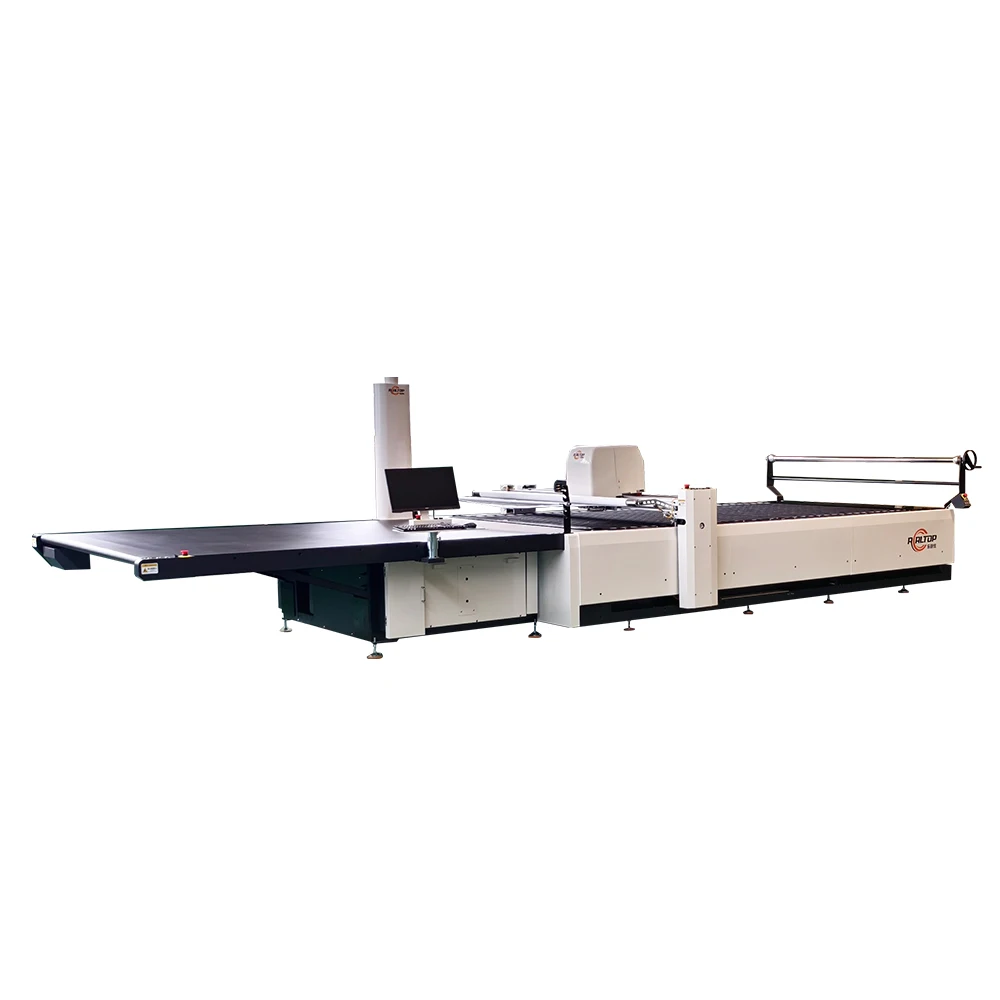
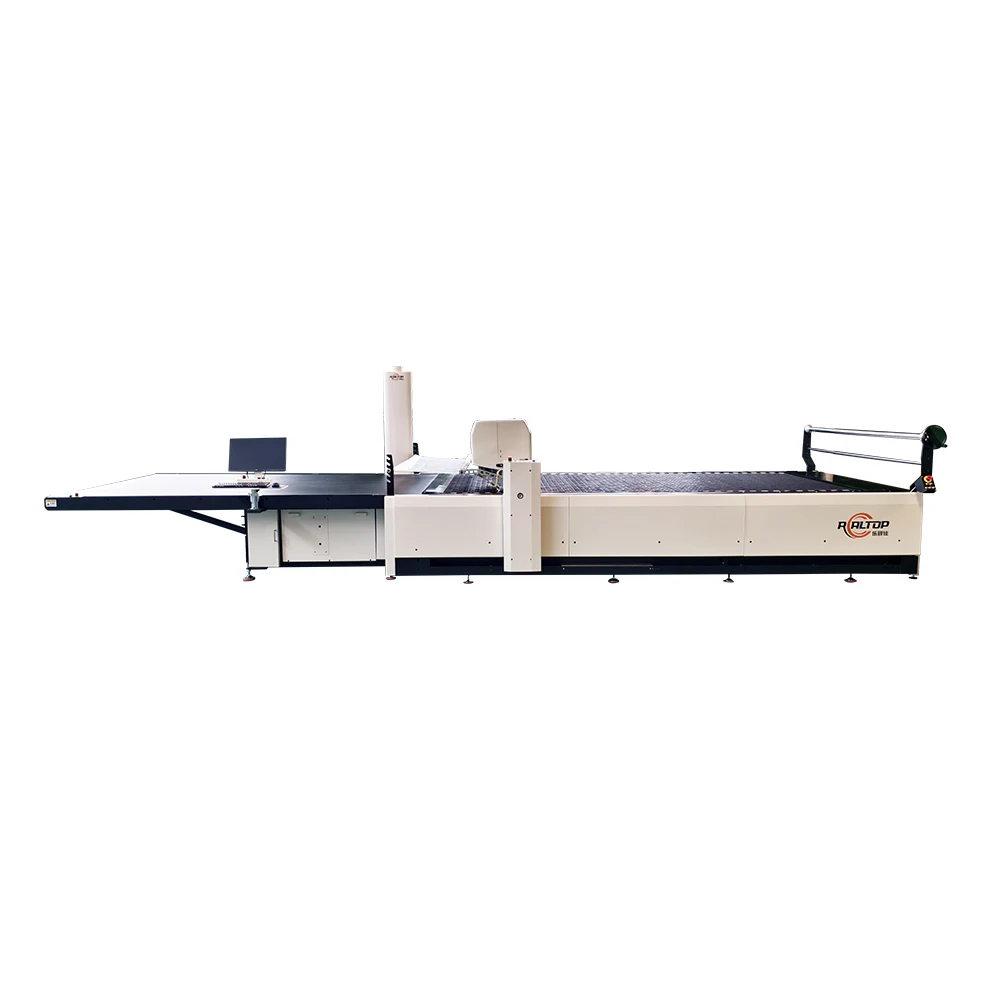
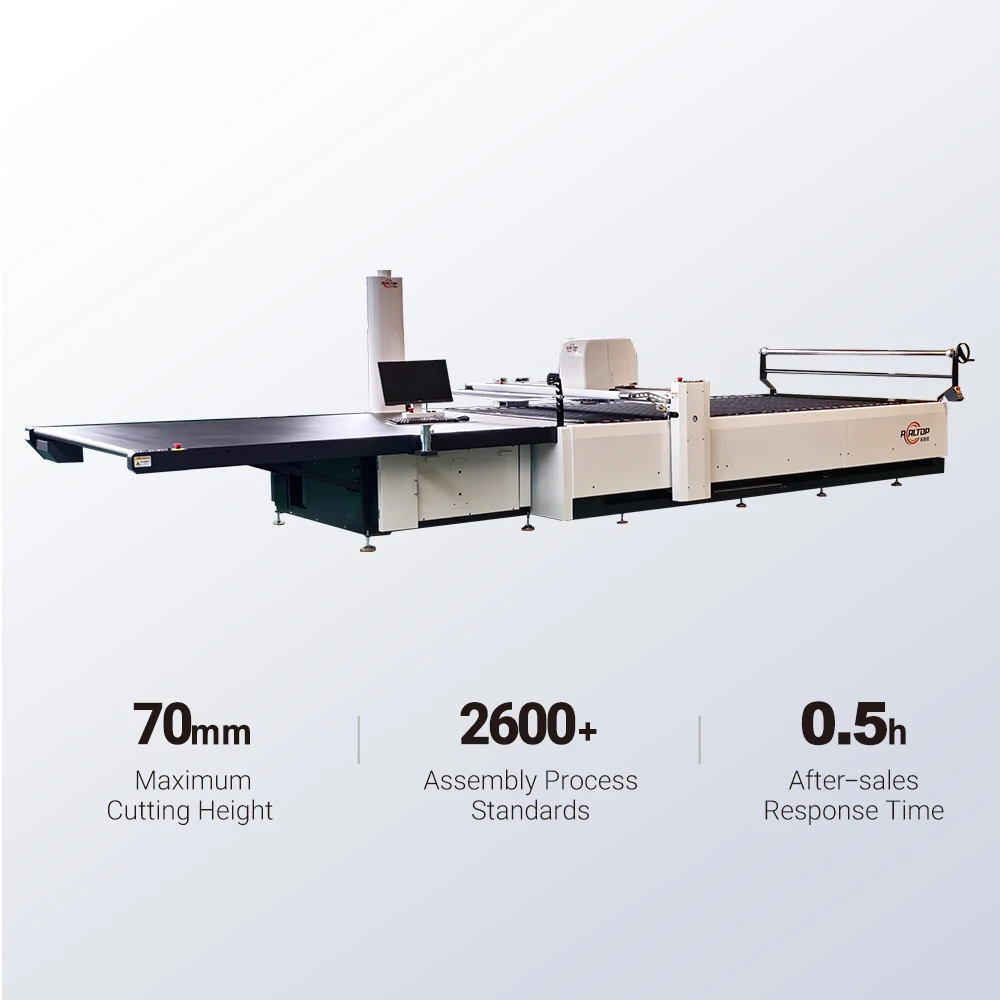
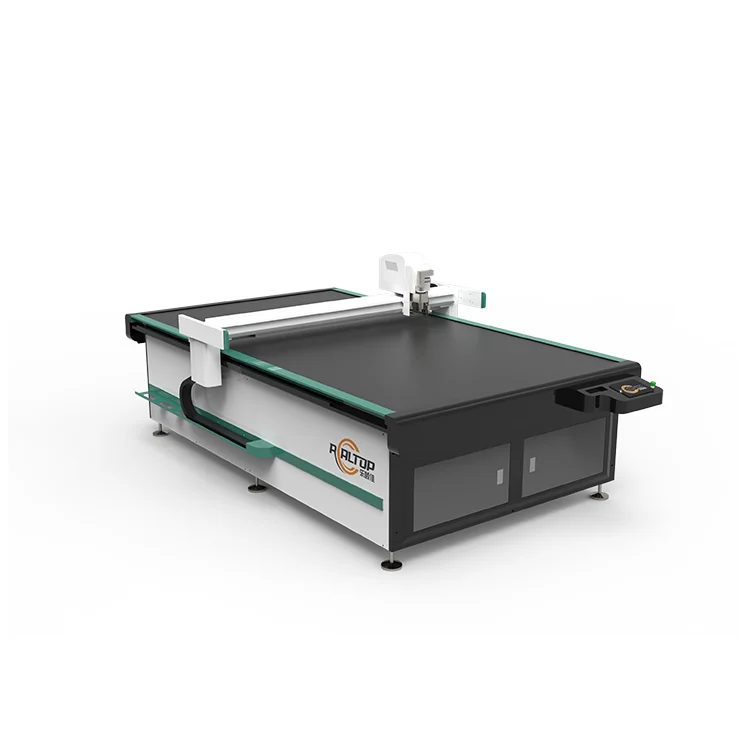
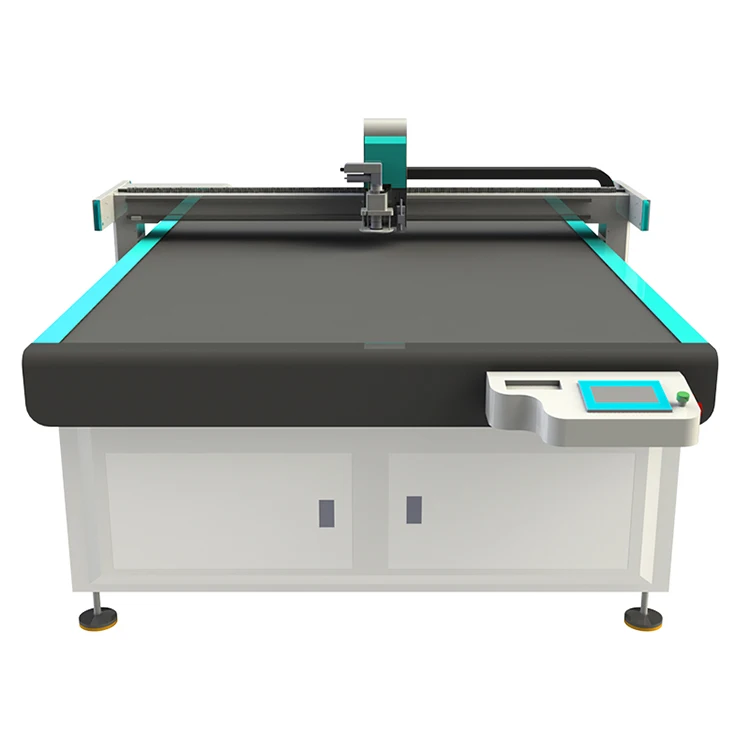
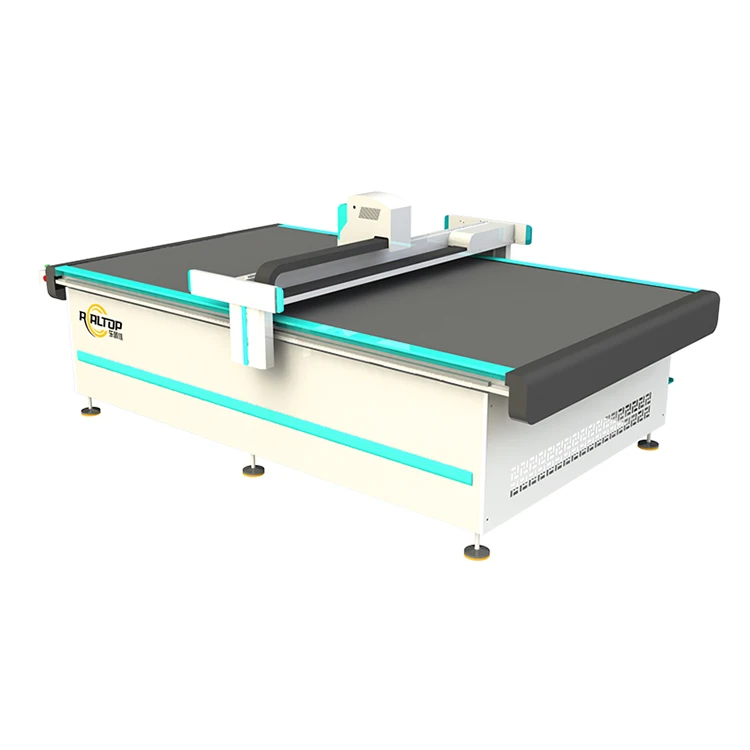
| Product Type | CNC Oscillating Knife Cutting Machine |
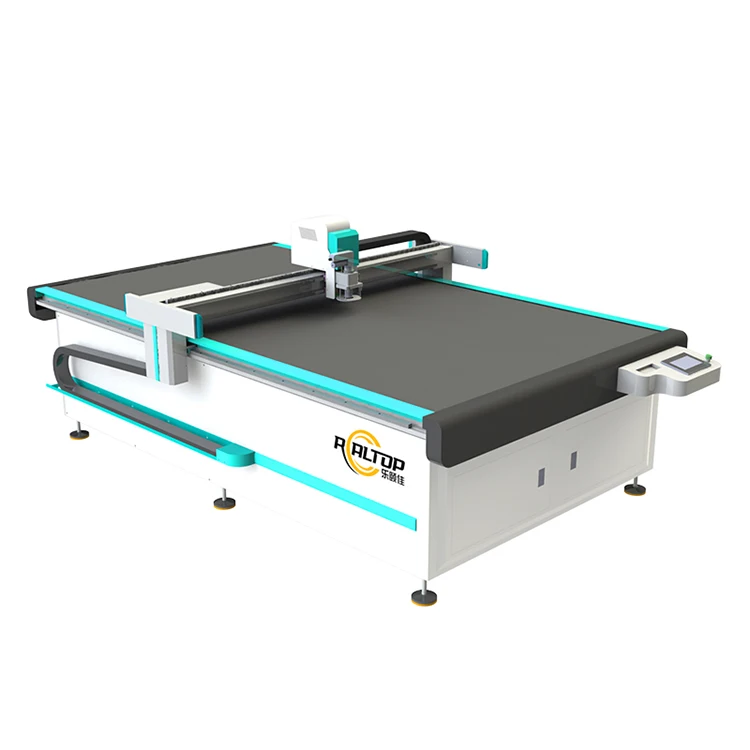
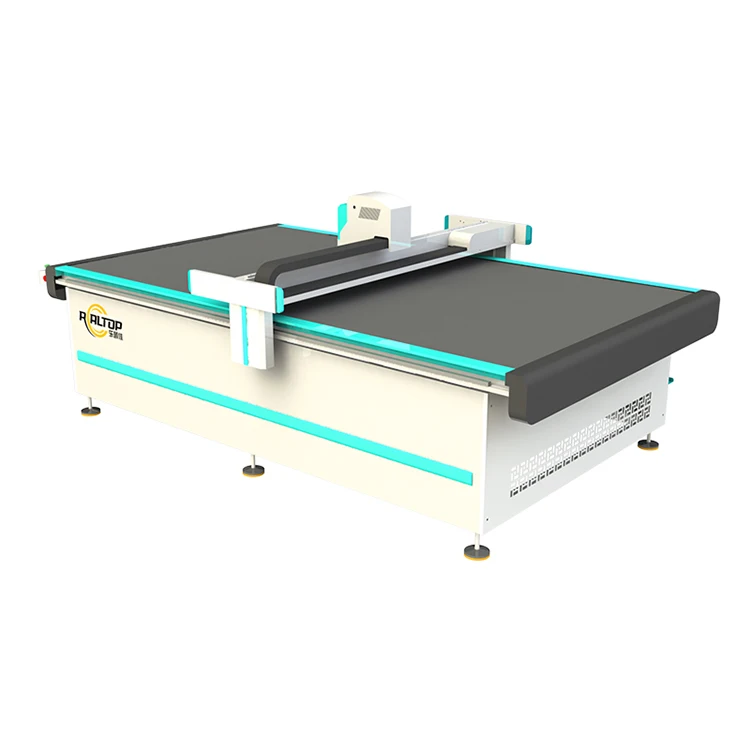
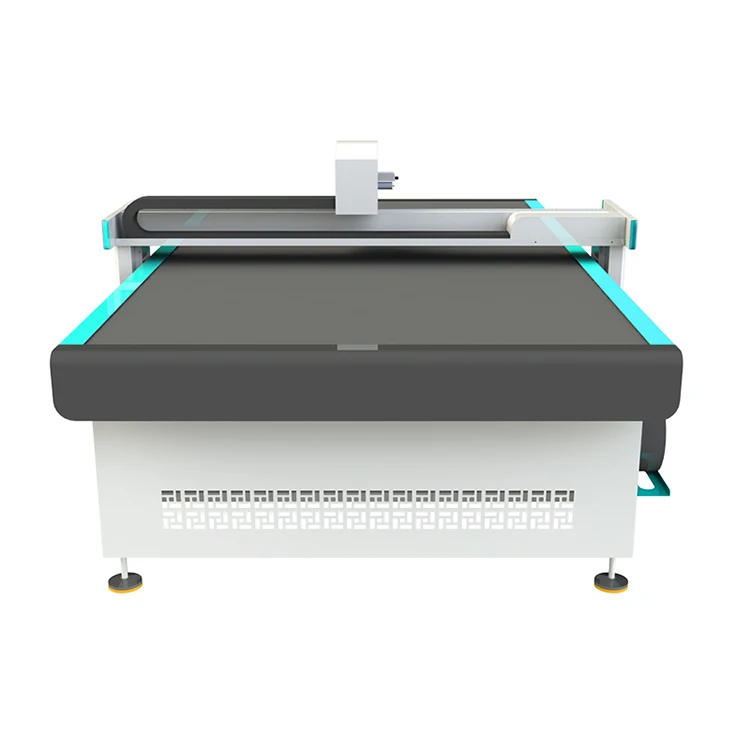
| Working Area (L×W) | 2000×1700mm / 2000×1900mm / 3300×2300mm (multiple configurations available) |
| Max Operating Speed | 80 m/min |
| Average Cutting Speed | 12 m/min (basis not stated in source — confirm material type, thickness and layer count) |
| Cutting Thickness | Up to 70 mm after vacuum adsorption |
| Voltage & Frequency | 380V / 50Hz (other configurations available on request) |
| Max Power | 26 kW (rated or peak not specified) |
| Air Flow Requirement | 160 L/min |
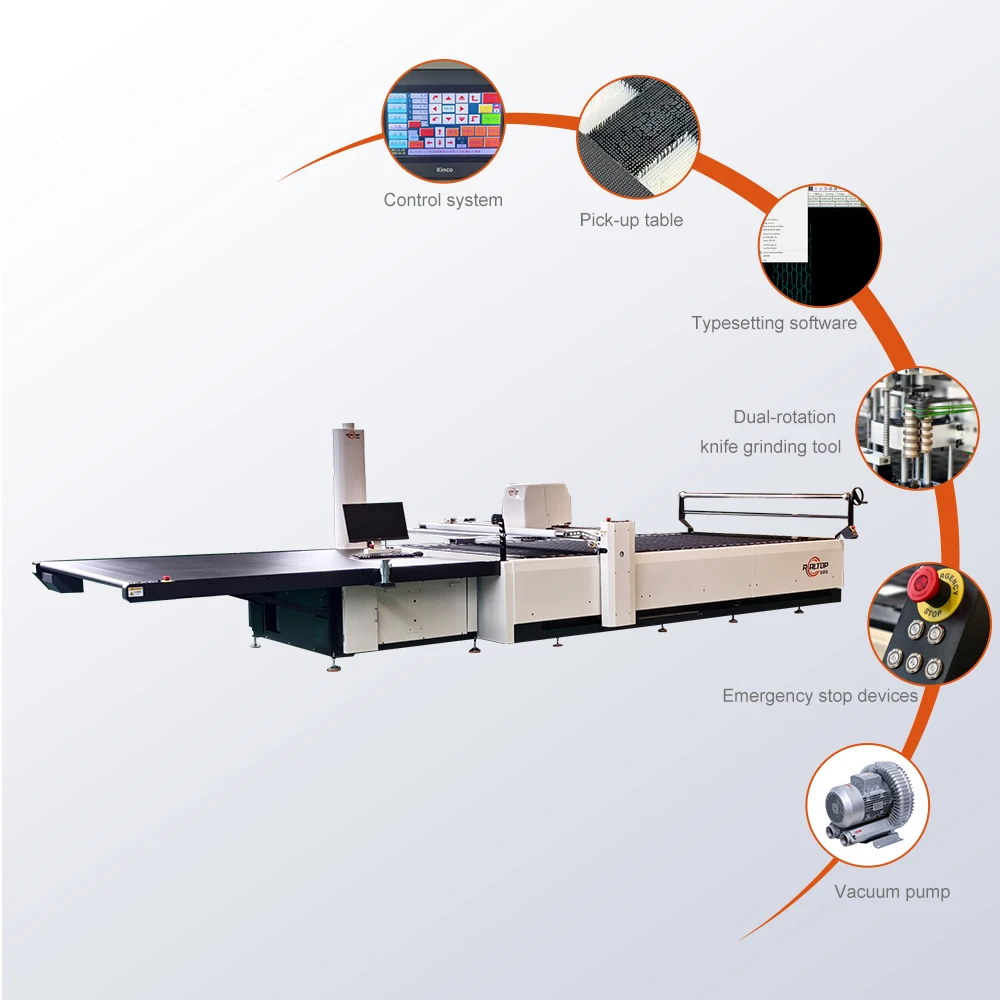
| Blade Grinding Method | Double rotary sharpener |
| Vacuum Table | Aluminum bellows vacuum table |
| Vacuum Pump | Custom high-efficiency pump, aerospace-grade aluminum casting |
| Servo Drive Options | Panasonic / Delta / Dorna (source value — verify against manufacturer catalog) |
| Control System | PLC control panel with intuitive interface |
| Software Compatibility | DXF / PLT / AI / PDF file import for automatic path generation |
| Positioning Accuracy | ±0.1 mm repeatability |
| Language Options | English, Russian, Italian, Chinese (special languages customizable) |
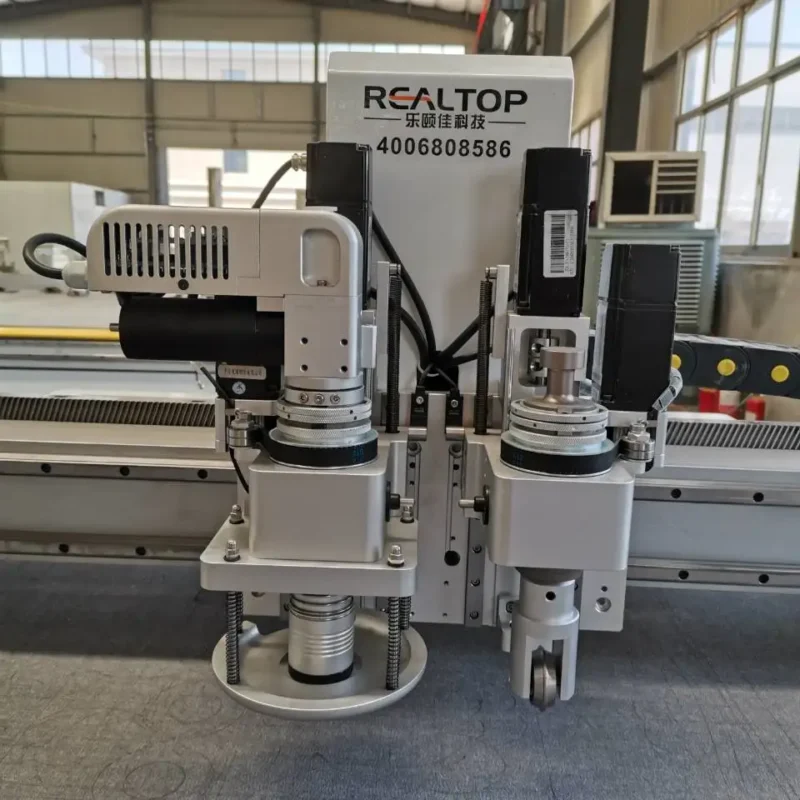
| Tool Head Type | Interchangeable oscillating knife system |
Application Suitability
| Application | Material or Output |
|---|---|
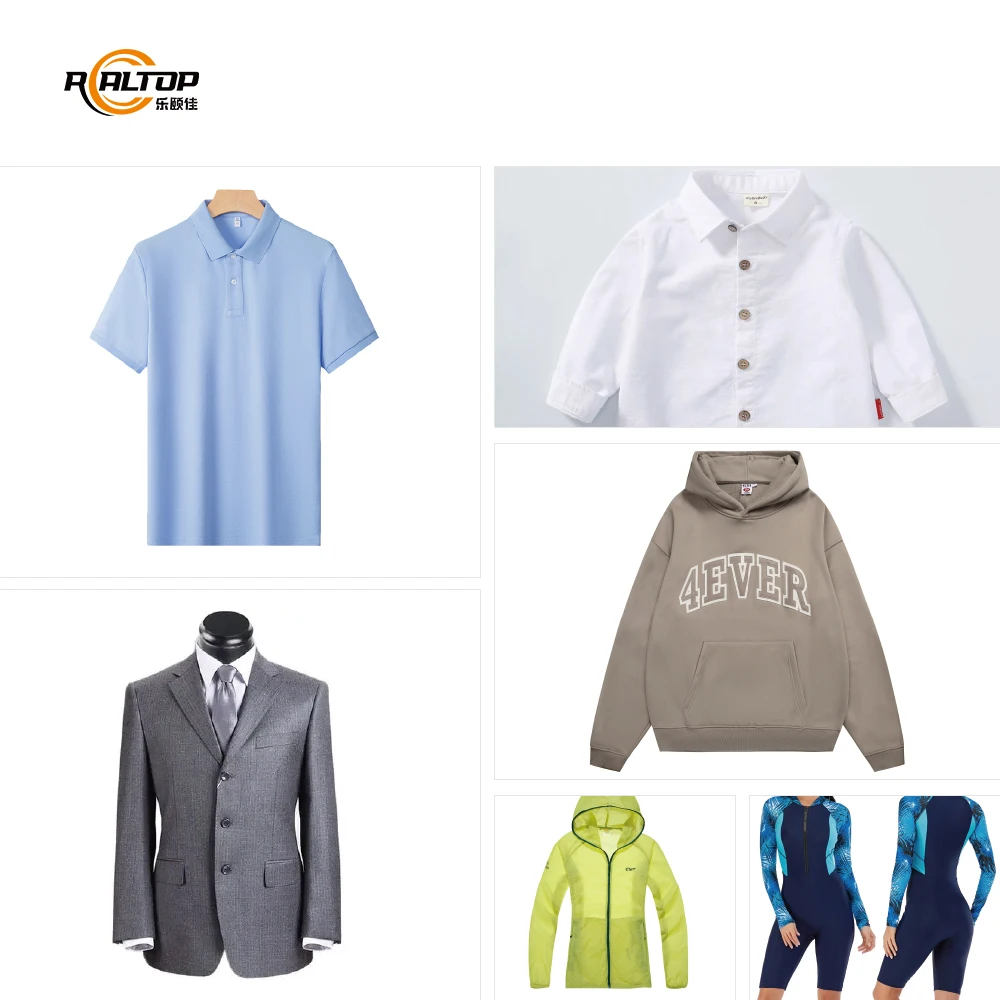
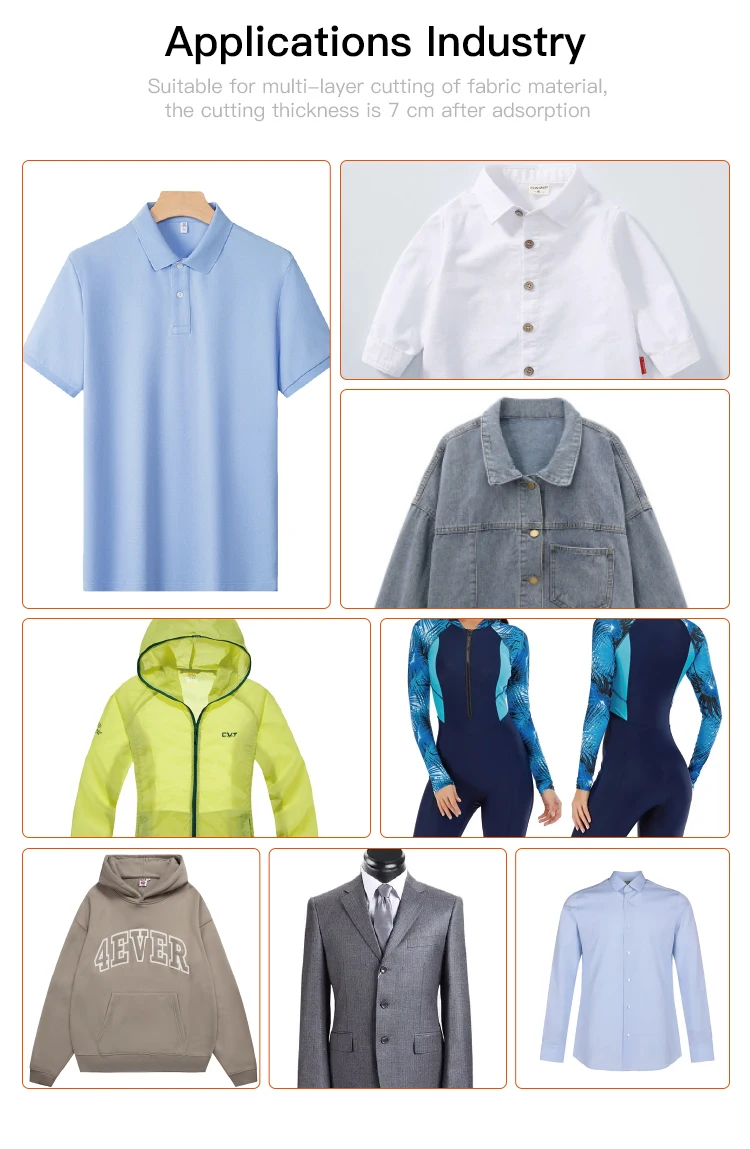
| High-volume garment cutting | Multi-layer woven and knitted denim, cotton twill, canvas for jeans and casual wear |
| Knitwear and activewear production | Stretch jersey, spandex blends, rib knits requiring controlled feed tension |
| Home textile manufacturing | Sofa upholstery fabrics, curtain panels, rug base materials in thick stacks |
| Pattern-matched apparel | Plaid, striped and printed fabrics requiring precise contour alignment |
| Soft signage and flexible composites | Vinyl banners, textile banners, PVC-coated mesh for large-format graphics |
Why "70 mm Cutting Depth" Means Nothing Without the Vacuum Story
The vacuum table is what actually holds 70 mm of fabric down — without adequate zoning, the top layers shift before the blade finishes the stroke.
When a Cloth CNC Cutting Machine manufacturer quotes cutting thickness, the number reflects what the vacuum adsorption system can immobilize, not just what the blade can physically penetrate. I once watched a multi-layer denim stack lift at the trailing edge during a long cut because the vacuum zones were sized for large panels and could not grip the smaller nested pieces. The cutting depth was technically within spec, but the top three layers drifted enough to ruin the entire lay. [NEED_CITE: vacuum zoning requirements for small nested parts in multi-layer fabric cutting]
How the Full Catalogue Informs Your Configuration Choice
Buyers often arrive knowing they need a Cloth CNC Cutting Machine manufacturer to supply a multi-layer denim cutter, but they have not yet decided whether oscillating knife or laser suits their specific blend. The advantage of sourcing from a catalogue that covers both technologies is that the cutting method gets matched to the material rather than forcing one method across every fabric. Denim with high elastane content behaves differently under a blade than under a beam, and seeing both options side by side helps prevent a costly specification error.
What Differentiates Knife Cutting Across Fabric Families
Oscillating knife systems handle the thickness range from delicate single-ply lace up to 70 mm compressed stacks of heavy woven denim. The double rotary sharpener keeps the blade edge consistent through extended production runs, which matters when a single lay can contain dozens of layers and a dull blade produces frayed edges on the bottom plies. For factories running both knitwear and heavy canvas on the same line, the interchangeable tool head allows a quick switch between blade geometries without pulling the machine off the floor. [NEED_CITE: oscillating knife blade wear rates on high-elastane denim blends]
Reading the Specs That Actually Matter on the Production Floor
The 2000×1700 mm to 3300×2300 mm working area range determines how many garment panels you can nest in a single lay and directly influences material yield. A wider table lets you spread full-width denim bolts without pre-slitting, reducing handling time between lays. The ±0.1 mm positioning accuracy ensures that pattern-matching marks on printed or striped fabrics stay aligned across the entire stack — critical when a two-millimeter drift on a size-42 jean panel compounds into visible mismatch at the side seam. The PLC control panel with multi-language support and DXF/PLT/AI/PDF import means the nesting files your design office already generates can drive the machine without an intermediate conversion step that introduces geometry errors.
The Cost of Skipping a Material Trial Before Shipment
Specifying a multi-layer cutting system based on a standard denim sample, then discovering the buyer’s actual fabric contains a much higher elastane percentage, forces a complete parameter reset on-site. Cutting speed, blade oscillation frequency and vacuum pressure all need recalibration for stretchy blends, and that adjustment can consume days of production time that the factory had allocated for ramp-up. A wrong tool head choice on compressible knitwear produces crushed edges rather than clean cuts, generating rejects that the downstream sewing line cannot salvage. [NEED_CITE: material trial protocols for high-elastane fabric cutting equipment]
Why Source From a Dual-Technology Manufacturer
In-house design covering both knife and laser cutting means the cutting method recommendation is driven by material behaviour, not by whichever machine is in stock. Tool head and vacuum table configurations are specified per fabric type and daily volume rather than offered as a one-size package. Sample cutting runs on the buyer’s own denim, knitwear or upholstery fabric happen before the order is confirmed, so edge quality and layer capacity are verified on real production material. Software compatibility with existing DXF, PLT, AI and PDF nesting files is checked during the quotation stage, preventing workflow surprises after delivery. Voltage, control language and plug configuration are confirmed against the destination market’s electrical standards before the machine enters final assembly.
Documentation & Verification
- Machine specification sheet listing confirmed working area, tool head and vacuum table configuration
- Electrical schematic with voltage and frequency matched to destination market supply
- Sample cutting report on buyer-supplied denim or knitwear showing edge quality and layer count
- Tool head and table configuration list per material type and production volume
- Software licence with confirmed DXF/PLT/AI/PDF file format compatibility note
- Factory test record documenting positioning accuracy and cutting speed on specified material
Installation, Commissioning & Support
- Foundation must support the 3300×2300 mm frame footprint with level tolerance for vacuum table sealing
- Dedicated 380V circuit rated for 26 kW max draw with correct frequency for the destination grid
- Machine ships partially disassembled; frame and gantry require on-site alignment before first power-on
- Initial commissioning includes vacuum pressure calibration and oscillation frequency tuning for buyer’s fabric
- Operator training covers PLC panel navigation, blade change procedure and file import workflow
- Spare blade inventory and rotary sharpener maintenance schedule provided at handover
What to Include in Your Enquiry
To configure the right Cloth CNC Cutting Machine manufacturer solution for your production line, share the specific fabric composition including elastane or spandex percentage, the lay height you typically run, and your target daily panel output. Confirm your workshop’s available floor length and ceiling clearance, as the larger 3300×2300 mm configuration requires significant gantry travel space. State your local voltage and frequency standards so the electrical package is built correctly before dispatch, and indicate the control language your operators need.
Frequently Asked Questions
Q: Should I choose oscillating knife or laser cutting for multi-layer denim production?
A: Oscillating knife handles thick compressed stacks of woven denim cleanly without the edge sealing or burn marks that a CO2 laser can leave on cotton-heavy blends. Laser suits single-ply synthetic contour work where edge sealing is desirable. The choice depends on your fabric composition, layer count and daily volume — sending a sample lay for test cutting resolves the question before you commit.
Q: How does the vacuum table affect actual cutting thickness on small pattern pieces?
A: The aluminum bellows vacuum table provides hold-down across the full working area, but small nested pieces may not cover enough surface to generate adequate suction if the zoning is too coarse. Confirming vacuum zone layout against your nesting pattern during the specification stage prevents material lift during cutting, especially on the trailing edges of smaller garment panels.
Q: Can I import my existing DXF or PLT nesting files directly into the control software?
A: The dedicated software supports DXF, PLT, AI and PDF import for automatic cutting path generation. However, layer structure, line weight and curve approximation vary between design platforms. Requesting a file compatibility check during the quotation stage ensures your existing nesting workflow transfers without geometry errors or manual redraws.
Q: What voltage and control language options are available for my market?
A: The standard configuration runs on 380V at 50Hz, but voltage and frequency are configurable for destination markets running different supply standards. Control panel languages include English, Russian, Italian and Chinese, with additional languages available on request. Confirm both parameters before the machine enters final assembly to avoid rewiring after arrival.
Q: Can I send my actual fabric for a test cut before placing an order?
A: Sending your production fabric — especially if it contains high elastane or unusual weave structures — allows the cutting parameters to be tuned to your specific material before the machine ships. The sample cutting report documents edge quality, layer capacity and cutting speed achieved, giving you verified data rather than generic specifications.
Match cutting method to material — Realtop builds both oscillating knife and laser systems under one roof, so a denim manufacturer can validate blade versus beam on their actual fabric before committing to a configuration.
Technical Specifications
| Parameter | Value |
|---|---|
| Product Type | CNC Oscillating Knife Cutting Machine |
| Working Area (L×W) | 2000×1700mm / 2000×1900mm / 3300×2300mm (multiple configurations available) |
| Max Operating Speed | 80 m/min |
| Average Cutting Speed | 12 m/min (basis not stated in source — confirm material type, thickness and layer count) |
| Cutting Thickness | Up to 70 mm after vacuum adsorption |
| Voltage & Frequency | 380V / 50Hz (other configurations available on request) |
| Max Power | 26 kW (rated or peak not specified) |
| Air Flow Requirement | 160 L/min |
| Blade Grinding Method | Double rotary sharpener |
| Vacuum Table | Aluminum bellows vacuum table |
| Vacuum Pump | Custom high-efficiency pump, aerospace-grade aluminum casting |
| Servo Drive Options | Panasonic / Delta / Dorna (source value — verify against manufacturer catalog) |
| Control System | PLC control panel with intuitive interface |
| Software Compatibility | DXF / PLT / AI / PDF file import for automatic path generation |
| Positioning Accuracy | ±0.1 mm repeatability |
| Language Options | English, Russian, Italian, Chinese (special languages customizable) |
| Tool Head Type | Interchangeable oscillating knife system |
Application Suitability
| Application | Material or Output |
|---|---|
| High-volume garment cutting | Multi-layer woven and knitted denim, cotton twill, canvas for jeans and casual wear |
| Knitwear and activewear production | Stretch jersey, spandex blends, rib knits requiring controlled feed tension |
| Home textile manufacturing | Sofa upholstery fabrics, curtain panels, rug base materials in thick stacks |
| Pattern-matched apparel | Plaid, striped and printed fabrics requiring precise contour alignment |
| Soft signage and flexible composites | Vinyl banners, textile banners, PVC-coated mesh for large-format graphics |
Why "70 mm Cutting Depth" Means Nothing Without the Vacuum Story
The vacuum table is what actually holds 70 mm of fabric down — without adequate zoning, the top layers shift before the blade finishes the stroke.
When a Cloth CNC Cutting Machine manufacturer quotes cutting thickness, the number reflects what the vacuum adsorption system can immobilize, not just what the blade can physically penetrate. I once watched a multi-layer denim stack lift at the trailing edge during a long cut because the vacuum zones were sized for large panels and could not grip the smaller nested pieces. The cutting depth was technically within spec, but the top three layers drifted enough to ruin the entire lay. [NEED_CITE: vacuum zoning requirements for small nested parts in multi-layer fabric cutting]
How the Full Catalogue Informs Your Configuration Choice
Buyers often arrive knowing they need a Cloth CNC Cutting Machine manufacturer to supply a multi-layer denim cutter, but they have not yet decided whether oscillating knife or laser suits their specific blend. The advantage of sourcing from a catalogue that covers both technologies is that the cutting method gets matched to the material rather than forcing one method across every fabric. Denim with high elastane content behaves differently under a blade than under a beam, and seeing both options side by side helps prevent a costly specification error.
What Differentiates Knife Cutting Across Fabric Families
Oscillating knife systems handle the thickness range from delicate single-ply lace up to 70 mm compressed stacks of heavy woven denim. The double rotary sharpener keeps the blade edge consistent through extended production runs, which matters when a single lay can contain dozens of layers and a dull blade produces frayed edges on the bottom plies. For factories running both knitwear and heavy canvas on the same line, the interchangeable tool head allows a quick switch between blade geometries without pulling the machine off the floor. [NEED_CITE: oscillating knife blade wear rates on high-elastane denim blends]
Reading the Specs That Actually Matter on the Production Floor
The 2000×1700 mm to 3300×2300 mm working area range determines how many garment panels you can nest in a single lay and directly influences material yield. A wider table lets you spread full-width denim bolts without pre-slitting, reducing handling time between lays. The ±0.1 mm positioning accuracy ensures that pattern-matching marks on printed or striped fabrics stay aligned across the entire stack — critical when a two-millimeter drift on a size-42 jean panel compounds into visible mismatch at the side seam. The PLC control panel with multi-language support and DXF/PLT/AI/PDF import means the nesting files your design office already generates can drive the machine without an intermediate conversion step that introduces geometry errors.
The Cost of Skipping a Material Trial Before Shipment
Specifying a multi-layer cutting system based on a standard denim sample, then discovering the buyer’s actual fabric contains a much higher elastane percentage, forces a complete parameter reset on-site. Cutting speed, blade oscillation frequency and vacuum pressure all need recalibration for stretchy blends, and that adjustment can consume days of production time that the factory had allocated for ramp-up. A wrong tool head choice on compressible knitwear produces crushed edges rather than clean cuts, generating rejects that the downstream sewing line cannot salvage. [NEED_CITE: material trial protocols for high-elastane fabric cutting equipment]
Why Source From a Dual-Technology Manufacturer
In-house design covering both knife and laser cutting means the cutting method recommendation is driven by material behaviour, not by whichever machine is in stock. Tool head and vacuum table configurations are specified per fabric type and daily volume rather than offered as a one-size package. Sample cutting runs on the buyer’s own denim, knitwear or upholstery fabric happen before the order is confirmed, so edge quality and layer capacity are verified on real production material. Software compatibility with existing DXF, PLT, AI and PDF nesting files is checked during the quotation stage, preventing workflow surprises after delivery. Voltage, control language and plug configuration are confirmed against the destination market’s electrical standards before the machine enters final assembly.
Documentation & Verification
- Machine specification sheet listing confirmed working area, tool head and vacuum table configuration
- Electrical schematic with voltage and frequency matched to destination market supply
- Sample cutting report on buyer-supplied denim or knitwear showing edge quality and layer count
- Tool head and table configuration list per material type and production volume
- Software licence with confirmed DXF/PLT/AI/PDF file format compatibility note
- Factory test record documenting positioning accuracy and cutting speed on specified material
Installation, Commissioning & Support
- Foundation must support the 3300×2300 mm frame footprint with level tolerance for vacuum table sealing
- Dedicated 380V circuit rated for 26 kW max draw with correct frequency for the destination grid
- Machine ships partially disassembled; frame and gantry require on-site alignment before first power-on
- Initial commissioning includes vacuum pressure calibration and oscillation frequency tuning for buyer’s fabric
- Operator training covers PLC panel navigation, blade change procedure and file import workflow
- Spare blade inventory and rotary sharpener maintenance schedule provided at handover
What to Include in Your Enquiry
To configure the right Cloth CNC Cutting Machine manufacturer solution for your production line, share the specific fabric composition including elastane or spandex percentage, the lay height you typically run, and your target daily panel output. Confirm your workshop’s available floor length and ceiling clearance, as the larger 3300×2300 mm configuration requires significant gantry travel space. State your local voltage and frequency standards so the electrical package is built correctly before dispatch, and indicate the control language your operators need.
Frequently Asked Questions
Q: Should I choose oscillating knife or laser cutting for multi-layer denim production?
A: Oscillating knife handles thick compressed stacks of woven denim cleanly without the edge sealing or burn marks that a CO2 laser can leave on cotton-heavy blends. Laser suits single-ply synthetic contour work where edge sealing is desirable. The choice depends on your fabric composition, layer count and daily volume — sending a sample lay for test cutting resolves the question before you commit.
Q: How does the vacuum table affect actual cutting thickness on small pattern pieces?
A: The aluminum bellows vacuum table provides hold-down across the full working area, but small nested pieces may not cover enough surface to generate adequate suction if the zoning is too coarse. Confirming vacuum zone layout against your nesting pattern during the specification stage prevents material lift during cutting, especially on the trailing edges of smaller garment panels.
Q: Can I import my existing DXF or PLT nesting files directly into the control software?
A: The dedicated software supports DXF, PLT, AI and PDF import for automatic cutting path generation. However, layer structure, line weight and curve approximation vary between design platforms. Requesting a file compatibility check during the quotation stage ensures your existing nesting workflow transfers without geometry errors or manual redraws.
Q: What voltage and control language options are available for my market?
A: The standard configuration runs on 380V at 50Hz, but voltage and frequency are configurable for destination markets running different supply standards. Control panel languages include English, Russian, Italian and Chinese, with additional languages available on request. Confirm both parameters before the machine enters final assembly to avoid rewiring after arrival.
Q: Can I send my actual fabric for a test cut before placing an order?
A: Sending your production fabric — especially if it contains high elastane or unusual weave structures — allows the cutting parameters to be tuned to your specific material before the machine ships. The sample cutting report documents edge quality, layer capacity and cutting speed achieved, giving you verified data rather than generic specifications.
商品评价
There are no reviews yet.