

Fast Delivery
Quick, reliable shipping to any location.

Free & easy returns
Return this item by mail or in store within 90 days for a full refund.
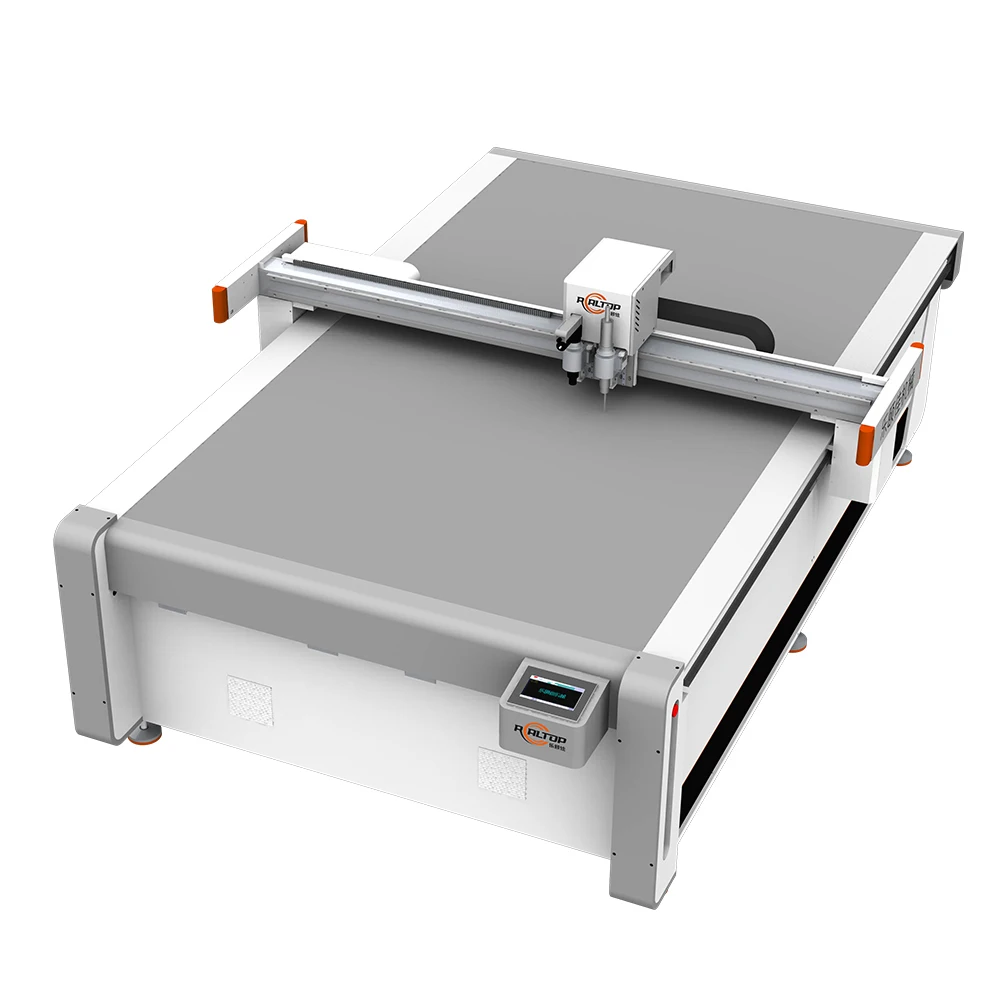
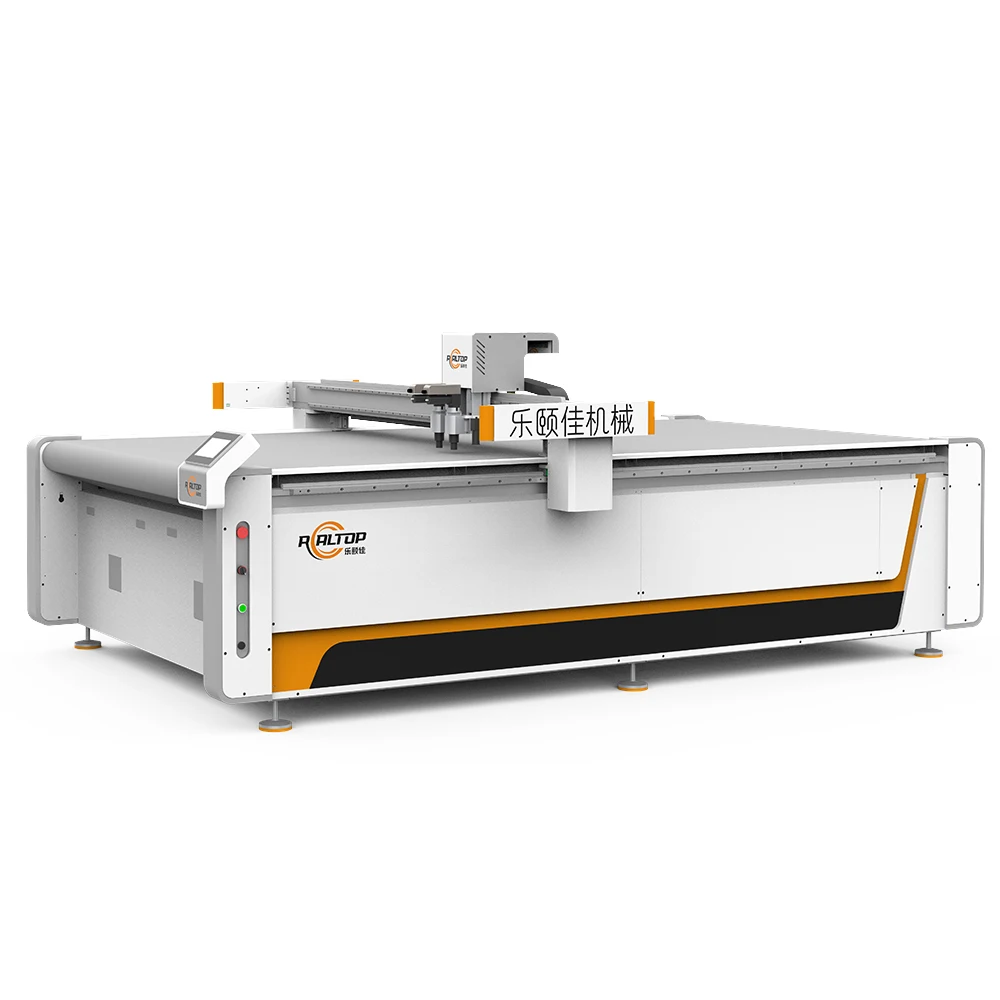
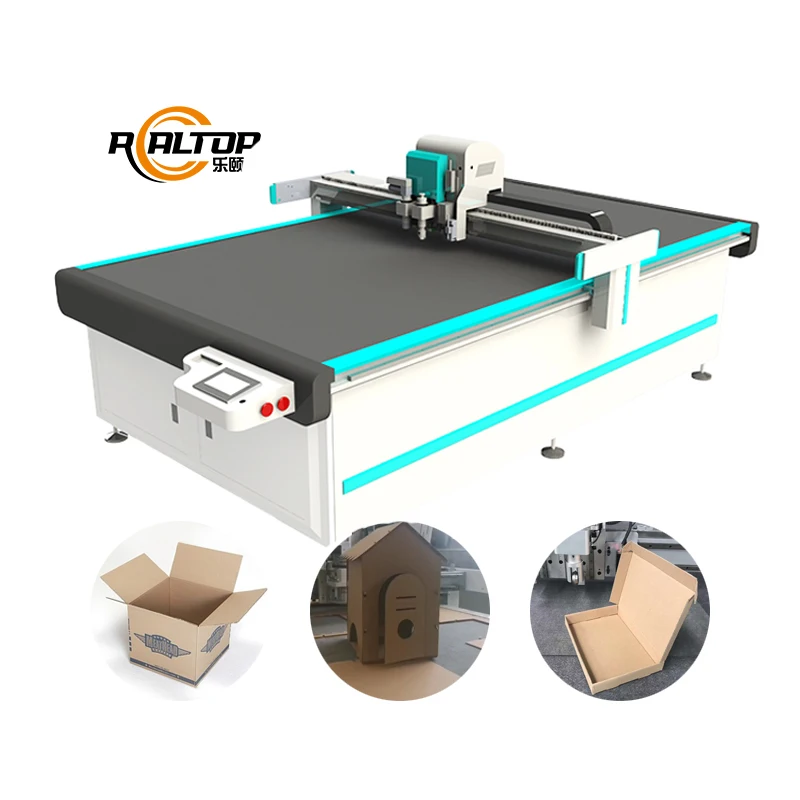
Custom tool head and vacuum zoning — configured per your packaging stock, not forced from a standard catalog, ensuring clean cuts on corrugated board and foam inserts.
Technical Specifications
| Parameter | Value |
|---|---|
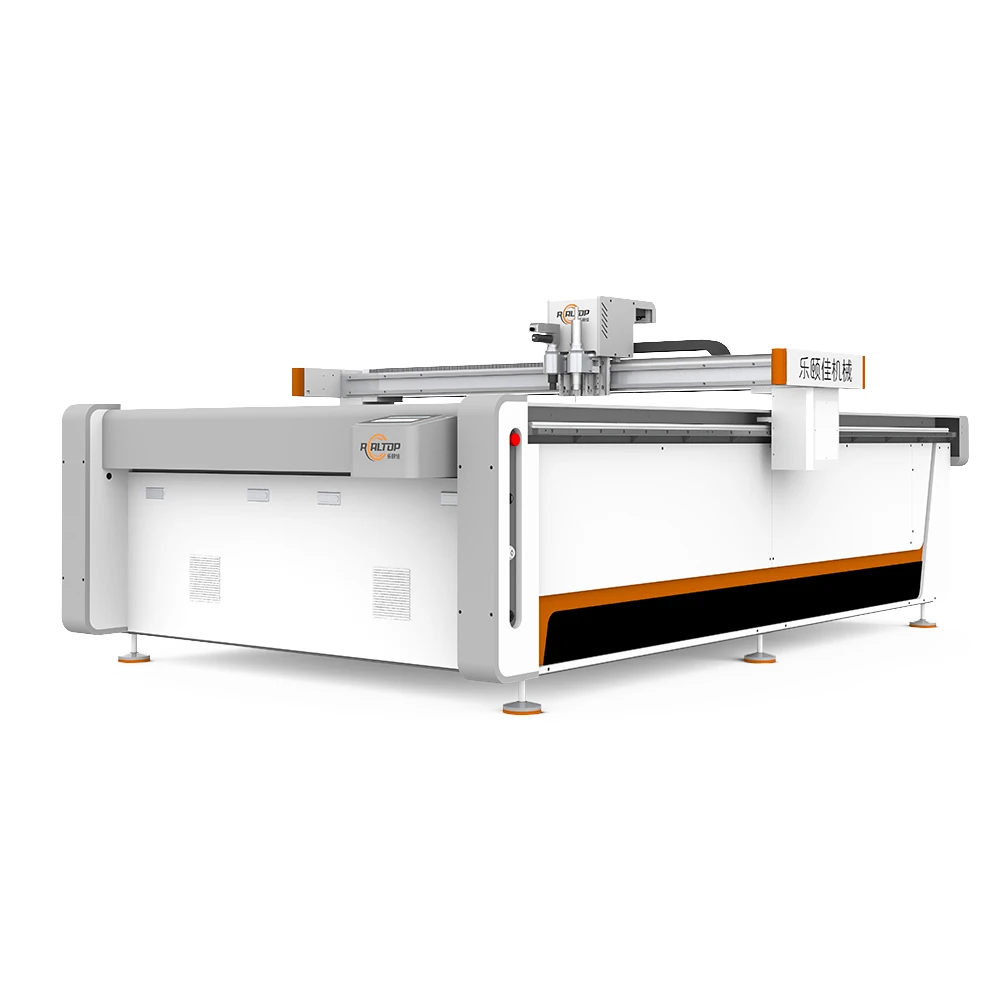
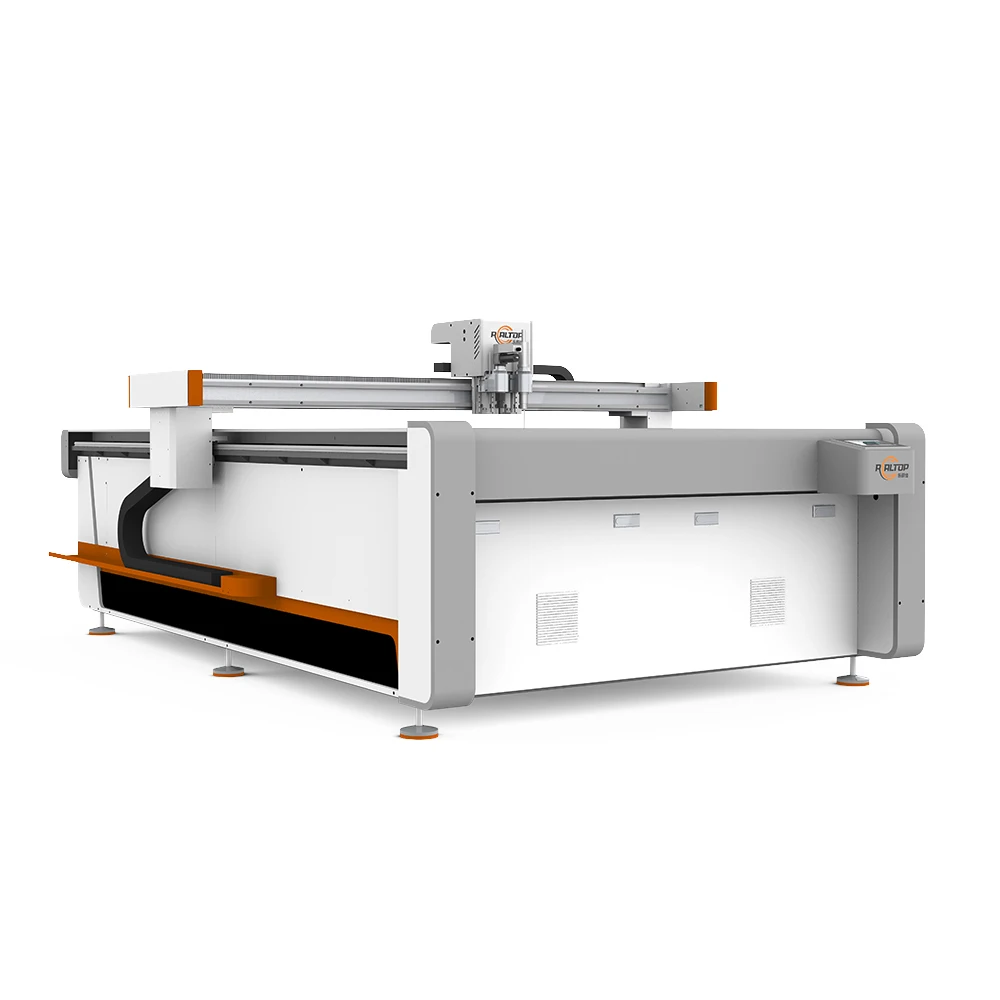
| Product Type | CNC Oscillating Knife Cutting Machine |
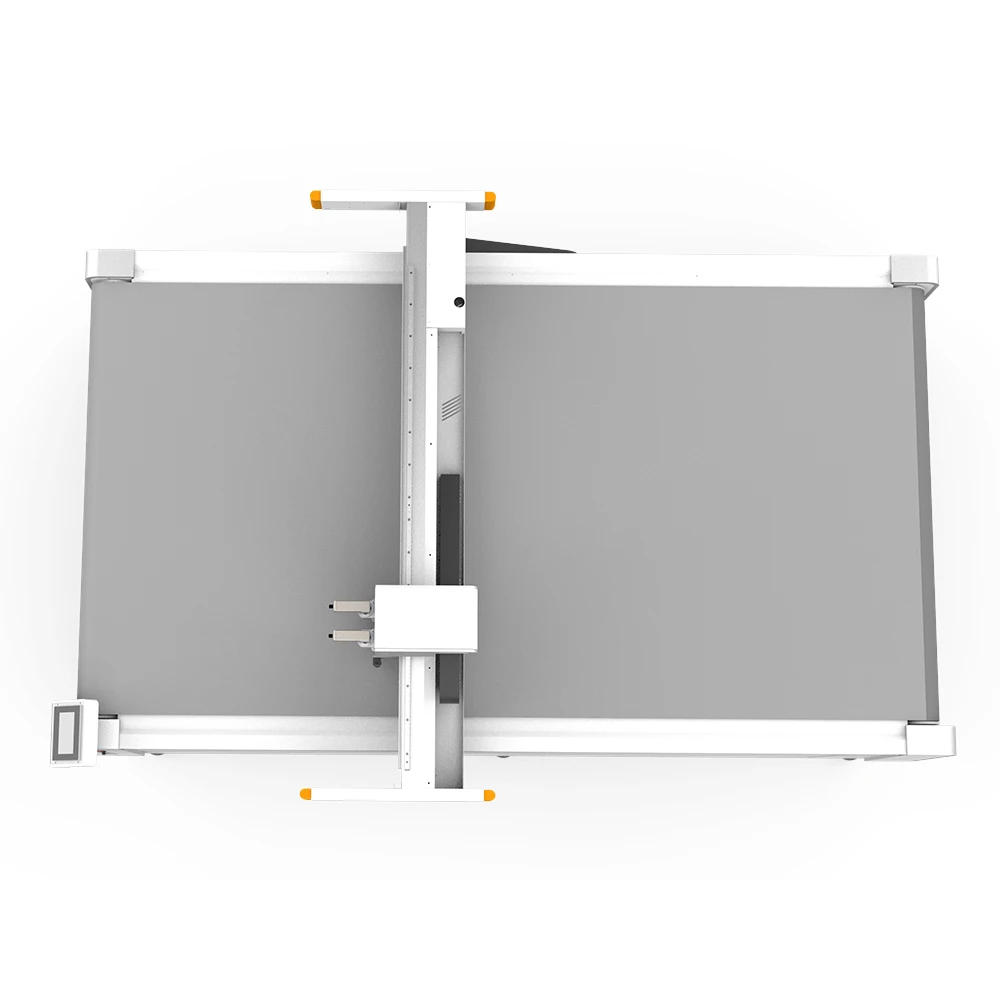
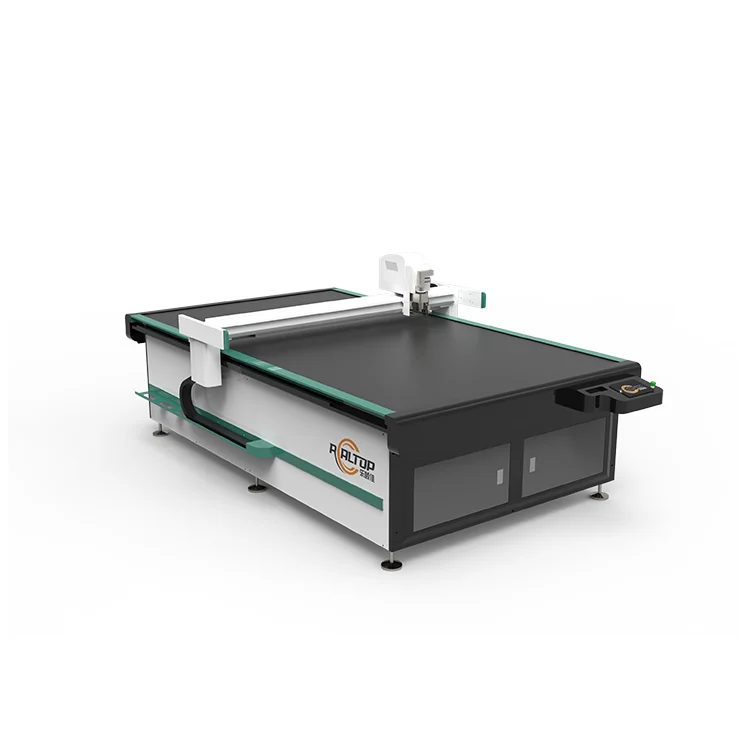
| Working Area | 1600*2500 mm |
| Tool Head Options | Oscillating knife, Driven rotary knife, Creasing wheel, Kiss cutting tool, Pneumatic knife, Milling tool, V groove knife |
| Applicable Materials | Cardboard, Carton, Fabric, Mats, PVC, EVA, Leather, Acrylic, Foam, PTFE, Rubber |
| Cutting Speed | 0-1500 mm/s |
| Cutting Thickness | ≤ 40 mm |
| Positioning Accuracy | ±0.1 mm |
| Vacuum Pump Power | 9 kW |
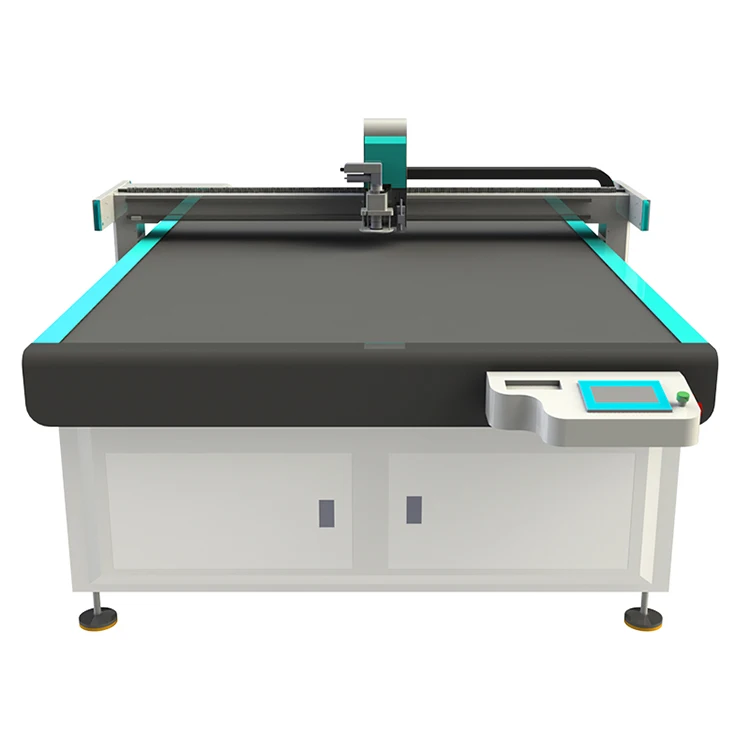
| Vacuum Table | Aluminum bellows vacuum table |
| Control System | PLC control panel |
| Profile Formats | PLT, DXF, AI, PDF |
| Voltage Options | 110V, 220V, 380V |
| Servo Motor Options | Panasonic, Delta, Dorna |
| Language Options | English, Russian, Italian, Chinese (special languages customizable) |
| Safety Devices | Infrared sensor device and emergency stop device |
| Overall Dimensions | 330021001350 mm |
| Standards | CE |
Application Suitability
| Application | Material or Output |
|---|---|
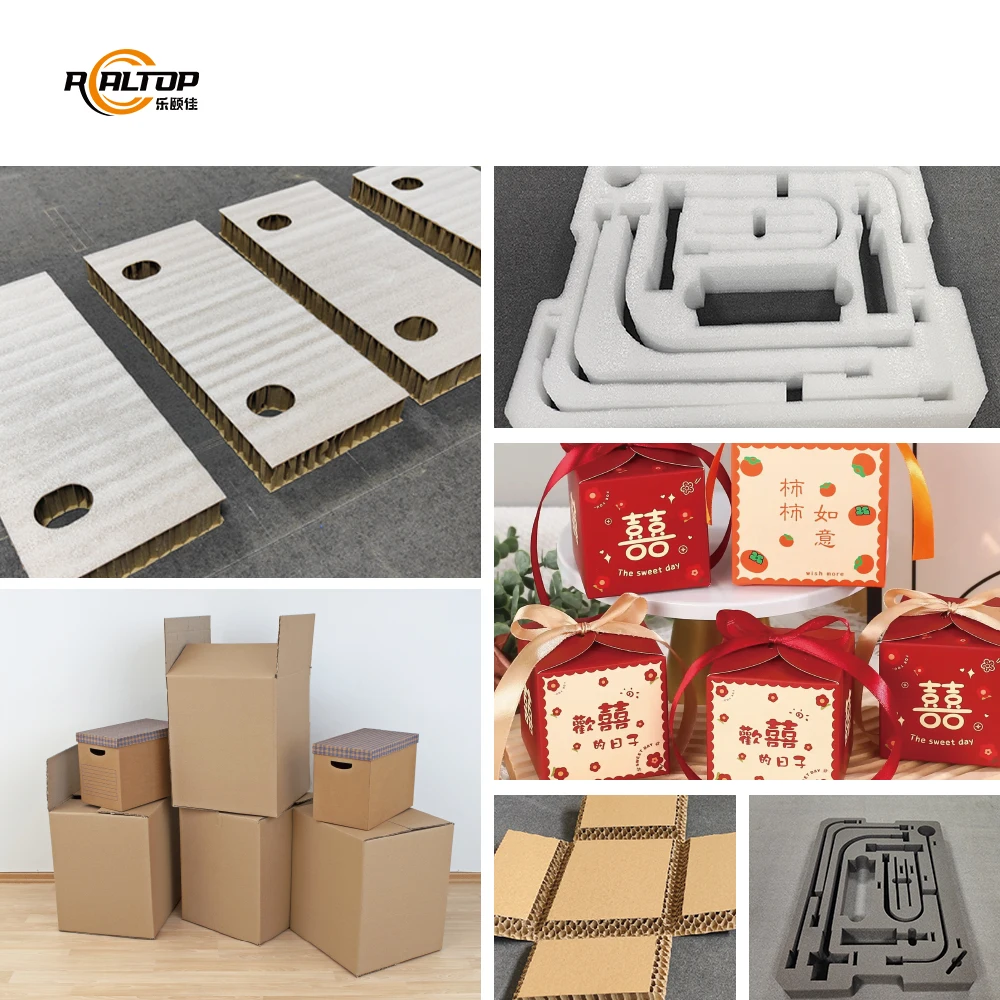
| Packaging sample making and short-run carton production | Corrugated cardboard (E-flute, B-flute, BC-flute), greyboard, cardstock |
| Protective insert fabrication | EVA, EPE, PU foam packaging inserts |
| Specialty paper and art packaging | Art paper, specialty paper, adhesive-backed composite sheets |
| Non-packaging flexible material cutting | Leather, synthetic leather, velvet, fleece, non-woven fabric, rubber mats |
| Thin plastic component cutting | PVC, PET sheet stock |
Why Cutting Thickness Ratings Fail on Real Packaging Stock
A machine quoted at "≤ 40 mm" may still struggle when your specific corrugated board contains high glue content or your foam density exceeds typical assumptions. Match the tool head and oscillation frequency to your actual material, not to a generic thickness number.
I see this often in the packaging sample room: a buyer specifies a working area, the machine arrives, and the first test cut on their own BC-flute board leaves ragged edges because the standard oscillating knife blade wasn’t swapped for a high-frequency option. The cutting depth is technically there, but the edge quality makes the box unsellable [NEED_CITE: edge quality standards for packaging die-cutting]. This is precisely why we run sample cuts on the buyer’s own material before any order is finalized, locking in the blade type, oscillation frequency, and vacuum zoning together.
Matching Tool Heads to Multi-Material Packaging Lines
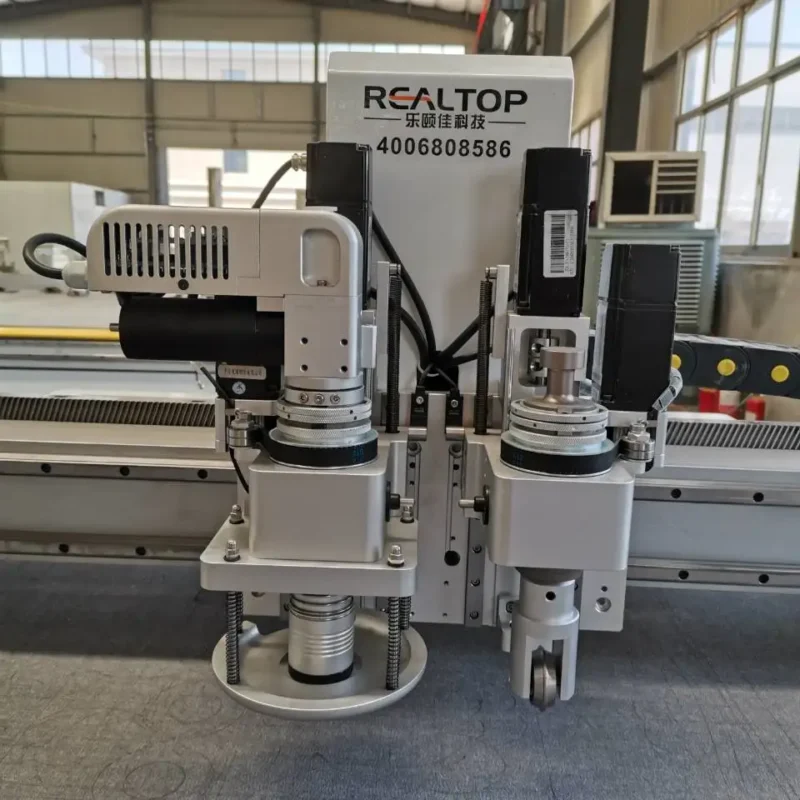
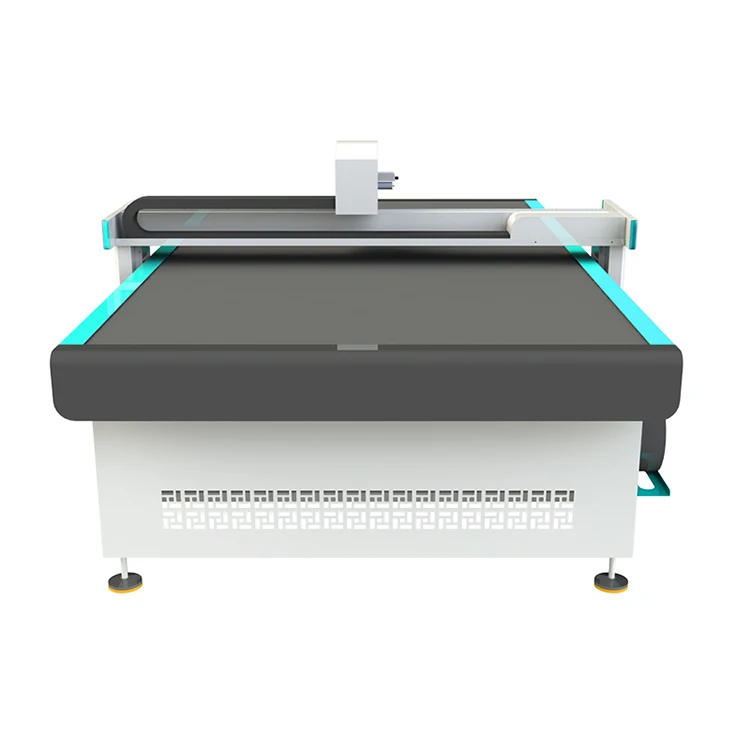
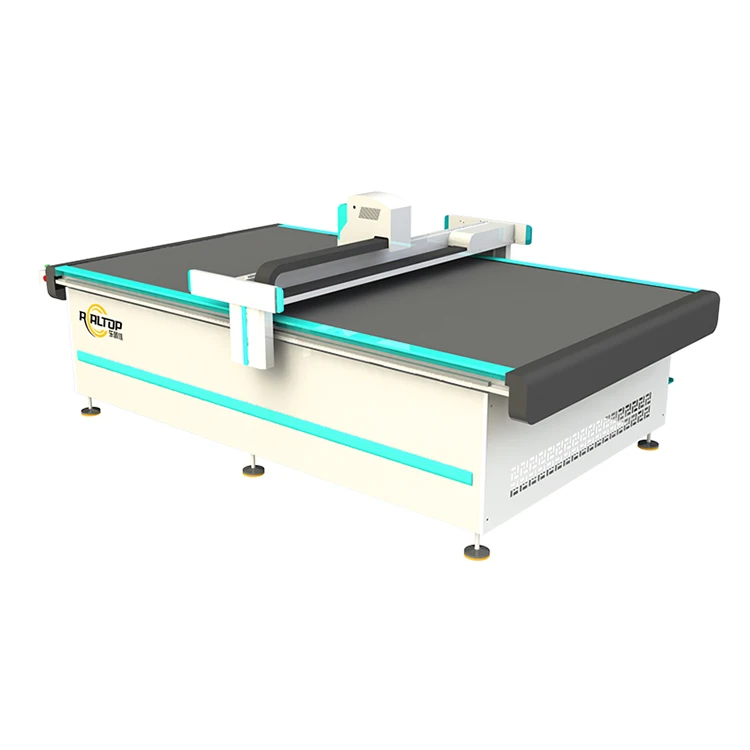
The 1625 working area accommodates standard packaging sheet formats, but the real flexibility comes from the seven available tool heads. An oscillating knife handles standard corrugated and greyboard cleanly, while a creasing wheel produces the fold lines needed for carton assembly without cracking the outer liner. For kiss-cut applications on adhesive-backed labels or gasket material, the dedicated kiss cutting tool controls depth precisely against the backing paper.
Vacuum Zoning That Holds Small Parts Down
When cutting intricate carton designs or small foam inserts, part lift during high-speed travel is a common source of scrap. The aluminum bellows vacuum table paired with the 9 kW pump provides strong, even suction across the bed. This hold-down is critical for thin cardstock and art paper where even slight movement ruins registration against printed contours. The full-sheet vacuum coverage means nesting software can place parts edge-to-edge without worrying about dead zones near the table perimeter [NEED_CITE: vacuum table zoning and material hold-down in digital cutting].
Reading the Specs That Matter for Your Daily Output
The ±0.1 mm positioning accuracy ensures that crease lines align exactly with cut paths, a non-negotiable requirement for structural carton integrity. When creases are offset from cuts, the assembled box will not sit square, causing downstream packing problems. The PLC control panel accepts PLT, DXF, AI, and PDF files directly, meaning your existing design workflow does not require an intermediate conversion step that can introduce errors. Servo motor selection — available with Panasonic, Delta, or Dorna drives — affects long-term repeatability under continuous production runs, and this choice should be matched to your expected daily volume and maintenance capability in your local market.
The Cost of Skipping the Voltage and Language Confirmation
Shipping a machine configured for 380V three-phase to a workshop running 220V single-phase is a mistake that still happens regularly. The control system does not power up, the servo drives fault immediately, and the buyer faces weeks of delay while components are replaced and re-shipped [NEED_CITE: voltage and frequency standards by export market]. Language is a parallel issue: a Russian-speaking operator facing a Chinese-only interface will make setup errors that generate scrap during the first critical production days. Both voltage and control language are configurable options, but only if confirmed in writing before production begins.
Why Sourcing This Equipment Range from One Builder Matters
In-house design covering both knife and laser cutting technologies means a packaging producer can evaluate both methods for a specific material without being steered toward whichever machine is in stock. Tool head and table configuration is specified per material and production volume, not picked from a fixed list. CCD camera positioning is available for printed contour work where registration to a pre-printed graphic is required. Software compatibility is confirmed before the order, with file format testing on actual buyer files. Sample cutting on your own packaging stock — with a full report on blade, speed, and vacuum settings — happens before any commitment is made.
Documentation & Verification
- Machine specification sheet confirming tool head and vacuum table configuration for your material range
- Electrical schematic and voltage confirmation matching your workshop supply before shipment
- Sample cutting report on your specific cardboard and foam stock before order commitment
- Software licence and file format compatibility note covering PLT, DXF, AI, and PDF workflows
- Operation and maintenance manual with language matched to your operator team
- Spare parts list matched to your selected tool head configuration
Installation, Commissioning & Support
- Floor space allocation based on 330021001350 mm overall dimensions including operator access zones
- Dedicated electrical circuit matching confirmed voltage option (110V, 220V, or 380V) with correct frequency
- Table leveling and vacuum pump commissioning on the 9 kW system to verify full-bed hold-down
- First-run parameter setting on your actual carton and foam stock, locking oscillation frequency and knife depth
- Operator training on the PLC control panel with interface language confirmed before arrival
- Initial spare blade and creasing wheel supply matched to your selected tool heads
What to Send with Your Next Inquiry
To get an accurate configuration, provide the specific material types you run daily — including flute profile for corrugated, density for foam, and whether any stock is adhesive-backed. Confirm your local voltage and phase, the control language your operators need, and whether your design files are currently in AI, DXF, PLT, or PDF format. If you run printed graphics that require contour following, send a sample sheet so registration capability can be verified on your actual print registration marks.
Frequently Asked Questions
Q: How do I choose between oscillating knife and laser cutting for my packaging material?
A: Knife cutting produces no heat-affected zone, leaving clean edges on corrugated board and foam without discoloration or melted edges. Laser is preferred for synthetic fabrics or when sealing an edge is necessary. We test both methods on your actual stock so you can compare edge quality, throughput, and operating cost before deciding.
Q: My files are in Adobe Illustrator — will the control software open them directly?
A: The system accepts AI, PDF, DXF, and PLT formats. We verify compatibility with your specific file versions and nesting workflow before order confirmation, and provide a file format compatibility note so your design team knows exactly which export settings to use.
Q: Can the vacuum table hold down small, intricate carton pieces during high-speed cutting?
A: The aluminum bellows vacuum table with the 9 kW pump provides even suction across the full 1600×2500 mm bed. For very small parts, we configure vacuum zoning during setup so suction concentrates in the active cutting area, preventing lift even at maximum travel speed.
Q: What voltage and language options are available for export markets?
A: Voltage is configurable to 110V, 220V, or 380V depending on your local supply. Control language options include English, Russian, Italian, and Chinese, with special languages available on request. Both must be confirmed in writing before production begins to avoid costly rework.
Custom tool head and vacuum zoning — configured per your packaging stock, not forced from a standard catalog, ensuring clean cuts on corrugated board and foam inserts.
Technical Specifications
| Parameter | Value |
|---|---|
| Product Type | CNC Oscillating Knife Cutting Machine |
| Working Area | 1600*2500 mm |
| Tool Head Options | Oscillating knife, Driven rotary knife, Creasing wheel, Kiss cutting tool, Pneumatic knife, Milling tool, V groove knife |
| Applicable Materials | Cardboard, Carton, Fabric, Mats, PVC, EVA, Leather, Acrylic, Foam, PTFE, Rubber |
| Cutting Speed | 0-1500 mm/s |
| Cutting Thickness | ≤ 40 mm |
| Positioning Accuracy | ±0.1 mm |
| Vacuum Pump Power | 9 kW |
| Vacuum Table | Aluminum bellows vacuum table |
| Control System | PLC control panel |
| Profile Formats | PLT, DXF, AI, PDF |
| Voltage Options | 110V, 220V, 380V |
| Servo Motor Options | Panasonic, Delta, Dorna |
| Language Options | English, Russian, Italian, Chinese (special languages customizable) |
| Safety Devices | Infrared sensor device and emergency stop device |
| Overall Dimensions | 330021001350 mm |
| Standards | CE |
Application Suitability
| Application | Material or Output |
|---|---|
| Packaging sample making and short-run carton production | Corrugated cardboard (E-flute, B-flute, BC-flute), greyboard, cardstock |
| Protective insert fabrication | EVA, EPE, PU foam packaging inserts |
| Specialty paper and art packaging | Art paper, specialty paper, adhesive-backed composite sheets |
| Non-packaging flexible material cutting | Leather, synthetic leather, velvet, fleece, non-woven fabric, rubber mats |
| Thin plastic component cutting | PVC, PET sheet stock |
Why Cutting Thickness Ratings Fail on Real Packaging Stock
A machine quoted at "≤ 40 mm" may still struggle when your specific corrugated board contains high glue content or your foam density exceeds typical assumptions. Match the tool head and oscillation frequency to your actual material, not to a generic thickness number.
I see this often in the packaging sample room: a buyer specifies a working area, the machine arrives, and the first test cut on their own BC-flute board leaves ragged edges because the standard oscillating knife blade wasn’t swapped for a high-frequency option. The cutting depth is technically there, but the edge quality makes the box unsellable [NEED_CITE: edge quality standards for packaging die-cutting]. This is precisely why we run sample cuts on the buyer’s own material before any order is finalized, locking in the blade type, oscillation frequency, and vacuum zoning together.
Matching Tool Heads to Multi-Material Packaging Lines
The 1625 working area accommodates standard packaging sheet formats, but the real flexibility comes from the seven available tool heads. An oscillating knife handles standard corrugated and greyboard cleanly, while a creasing wheel produces the fold lines needed for carton assembly without cracking the outer liner. For kiss-cut applications on adhesive-backed labels or gasket material, the dedicated kiss cutting tool controls depth precisely against the backing paper.
Vacuum Zoning That Holds Small Parts Down
When cutting intricate carton designs or small foam inserts, part lift during high-speed travel is a common source of scrap. The aluminum bellows vacuum table paired with the 9 kW pump provides strong, even suction across the bed. This hold-down is critical for thin cardstock and art paper where even slight movement ruins registration against printed contours. The full-sheet vacuum coverage means nesting software can place parts edge-to-edge without worrying about dead zones near the table perimeter [NEED_CITE: vacuum table zoning and material hold-down in digital cutting].
Reading the Specs That Matter for Your Daily Output
The ±0.1 mm positioning accuracy ensures that crease lines align exactly with cut paths, a non-negotiable requirement for structural carton integrity. When creases are offset from cuts, the assembled box will not sit square, causing downstream packing problems. The PLC control panel accepts PLT, DXF, AI, and PDF files directly, meaning your existing design workflow does not require an intermediate conversion step that can introduce errors. Servo motor selection — available with Panasonic, Delta, or Dorna drives — affects long-term repeatability under continuous production runs, and this choice should be matched to your expected daily volume and maintenance capability in your local market.
The Cost of Skipping the Voltage and Language Confirmation
Shipping a machine configured for 380V three-phase to a workshop running 220V single-phase is a mistake that still happens regularly. The control system does not power up, the servo drives fault immediately, and the buyer faces weeks of delay while components are replaced and re-shipped [NEED_CITE: voltage and frequency standards by export market]. Language is a parallel issue: a Russian-speaking operator facing a Chinese-only interface will make setup errors that generate scrap during the first critical production days. Both voltage and control language are configurable options, but only if confirmed in writing before production begins.
Why Sourcing This Equipment Range from One Builder Matters
In-house design covering both knife and laser cutting technologies means a packaging producer can evaluate both methods for a specific material without being steered toward whichever machine is in stock. Tool head and table configuration is specified per material and production volume, not picked from a fixed list. CCD camera positioning is available for printed contour work where registration to a pre-printed graphic is required. Software compatibility is confirmed before the order, with file format testing on actual buyer files. Sample cutting on your own packaging stock — with a full report on blade, speed, and vacuum settings — happens before any commitment is made.
Documentation & Verification
- Machine specification sheet confirming tool head and vacuum table configuration for your material range
- Electrical schematic and voltage confirmation matching your workshop supply before shipment
- Sample cutting report on your specific cardboard and foam stock before order commitment
- Software licence and file format compatibility note covering PLT, DXF, AI, and PDF workflows
- Operation and maintenance manual with language matched to your operator team
- Spare parts list matched to your selected tool head configuration
Installation, Commissioning & Support
- Floor space allocation based on 330021001350 mm overall dimensions including operator access zones
- Dedicated electrical circuit matching confirmed voltage option (110V, 220V, or 380V) with correct frequency
- Table leveling and vacuum pump commissioning on the 9 kW system to verify full-bed hold-down
- First-run parameter setting on your actual carton and foam stock, locking oscillation frequency and knife depth
- Operator training on the PLC control panel with interface language confirmed before arrival
- Initial spare blade and creasing wheel supply matched to your selected tool heads
What to Send with Your Next Inquiry
To get an accurate configuration, provide the specific material types you run daily — including flute profile for corrugated, density for foam, and whether any stock is adhesive-backed. Confirm your local voltage and phase, the control language your operators need, and whether your design files are currently in AI, DXF, PLT, or PDF format. If you run printed graphics that require contour following, send a sample sheet so registration capability can be verified on your actual print registration marks.
Frequently Asked Questions
Q: How do I choose between oscillating knife and laser cutting for my packaging material?
A: Knife cutting produces no heat-affected zone, leaving clean edges on corrugated board and foam without discoloration or melted edges. Laser is preferred for synthetic fabrics or when sealing an edge is necessary. We test both methods on your actual stock so you can compare edge quality, throughput, and operating cost before deciding.
Q: My files are in Adobe Illustrator — will the control software open them directly?
A: The system accepts AI, PDF, DXF, and PLT formats. We verify compatibility with your specific file versions and nesting workflow before order confirmation, and provide a file format compatibility note so your design team knows exactly which export settings to use.
Q: Can the vacuum table hold down small, intricate carton pieces during high-speed cutting?
A: The aluminum bellows vacuum table with the 9 kW pump provides even suction across the full 1600×2500 mm bed. For very small parts, we configure vacuum zoning during setup so suction concentrates in the active cutting area, preventing lift even at maximum travel speed.
Q: What voltage and language options are available for export markets?
A: Voltage is configurable to 110V, 220V, or 380V depending on your local supply. Control language options include English, Russian, Italian, and Chinese, with special languages available on request. Both must be confirmed in writing before production begins to avoid costly rework.
商品评价
There are no reviews yet.