

Fast Delivery
Quick, reliable shipping to any location.

Free & easy returns
Return this item by mail or in store within 90 days for a full refund.
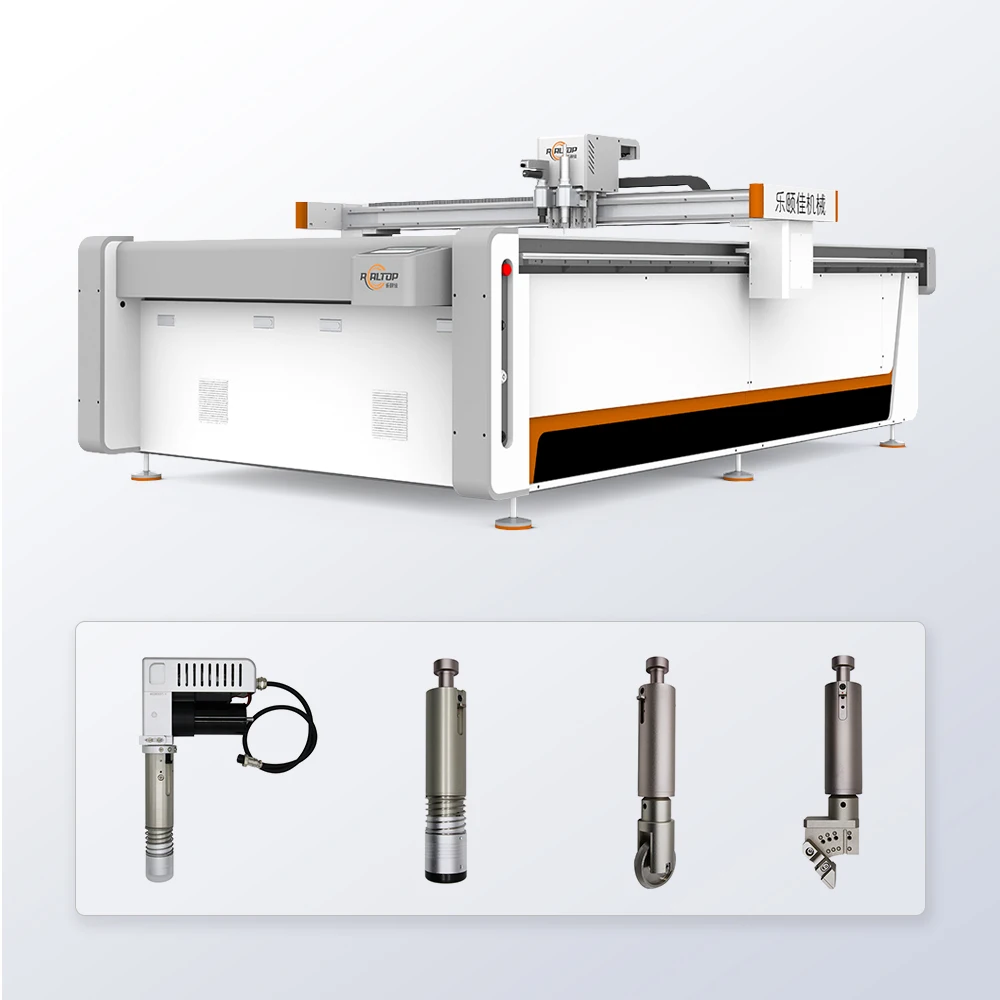
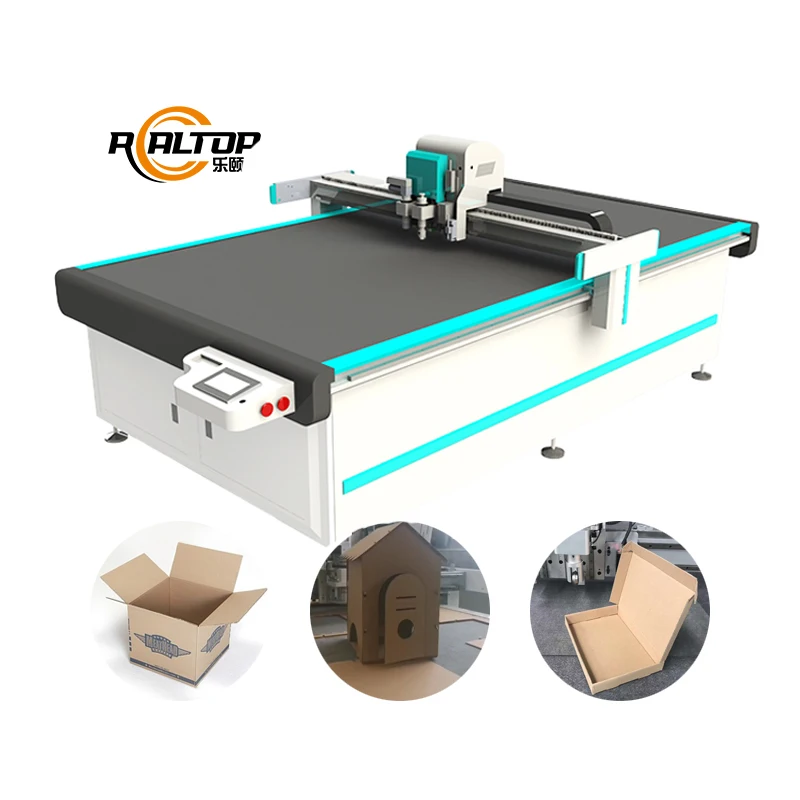
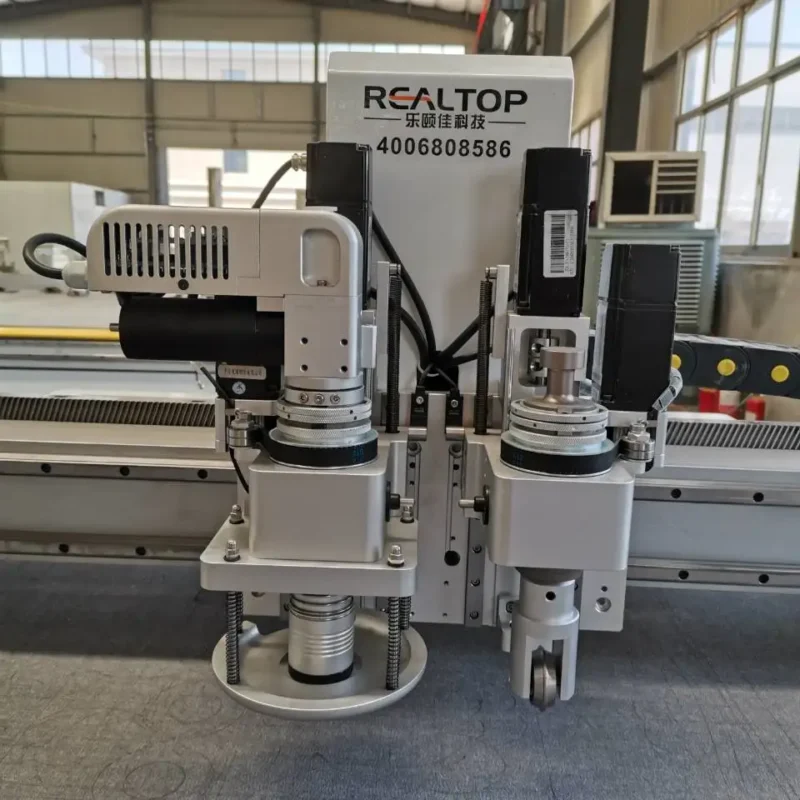
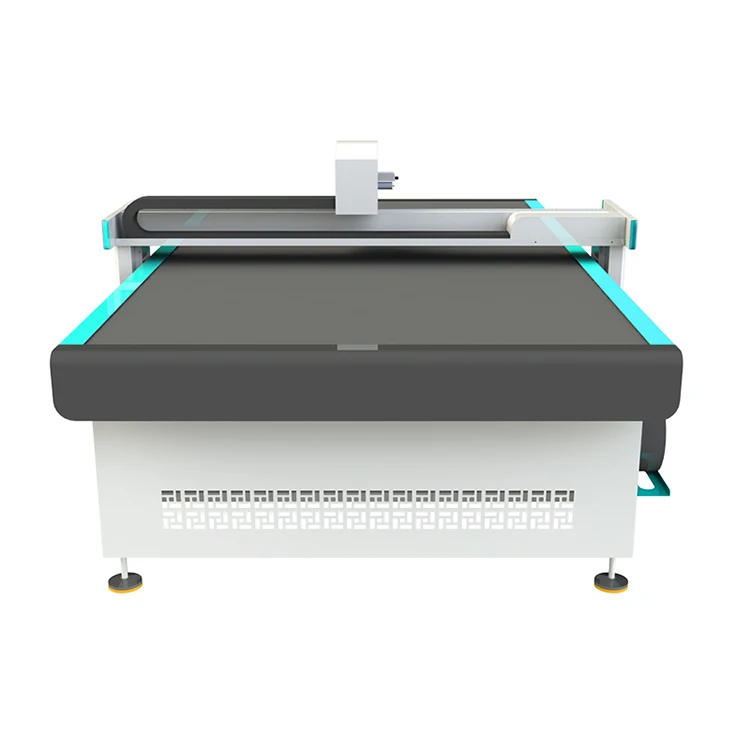
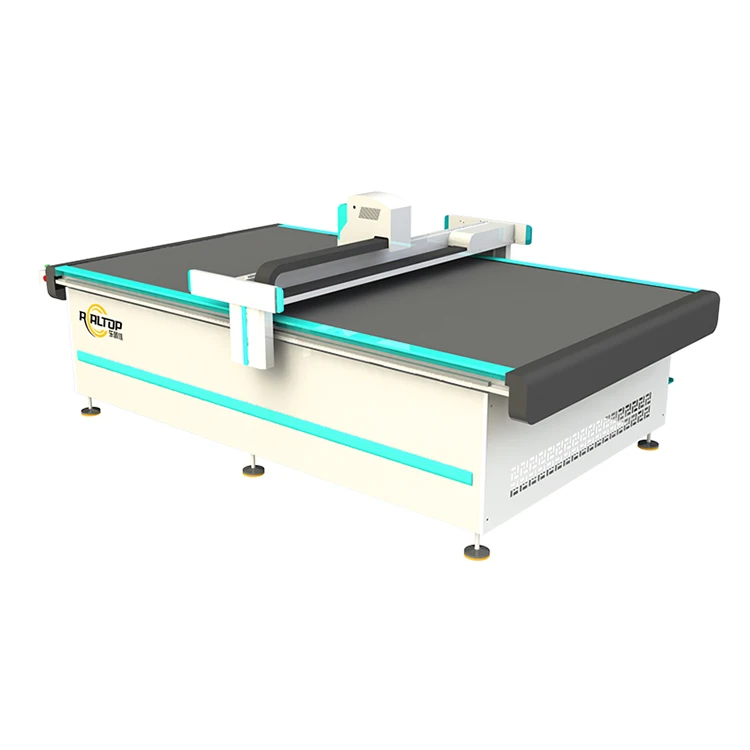
Interchangeable Tooling System — Match oscillating knife, driven rotary knife, or creasing wheel configurations directly to your corrugated flute profile and board density, rather than adapting your material to a fixed machine setup.
Technical Specifications
| Parameter | Value |
|---|---|
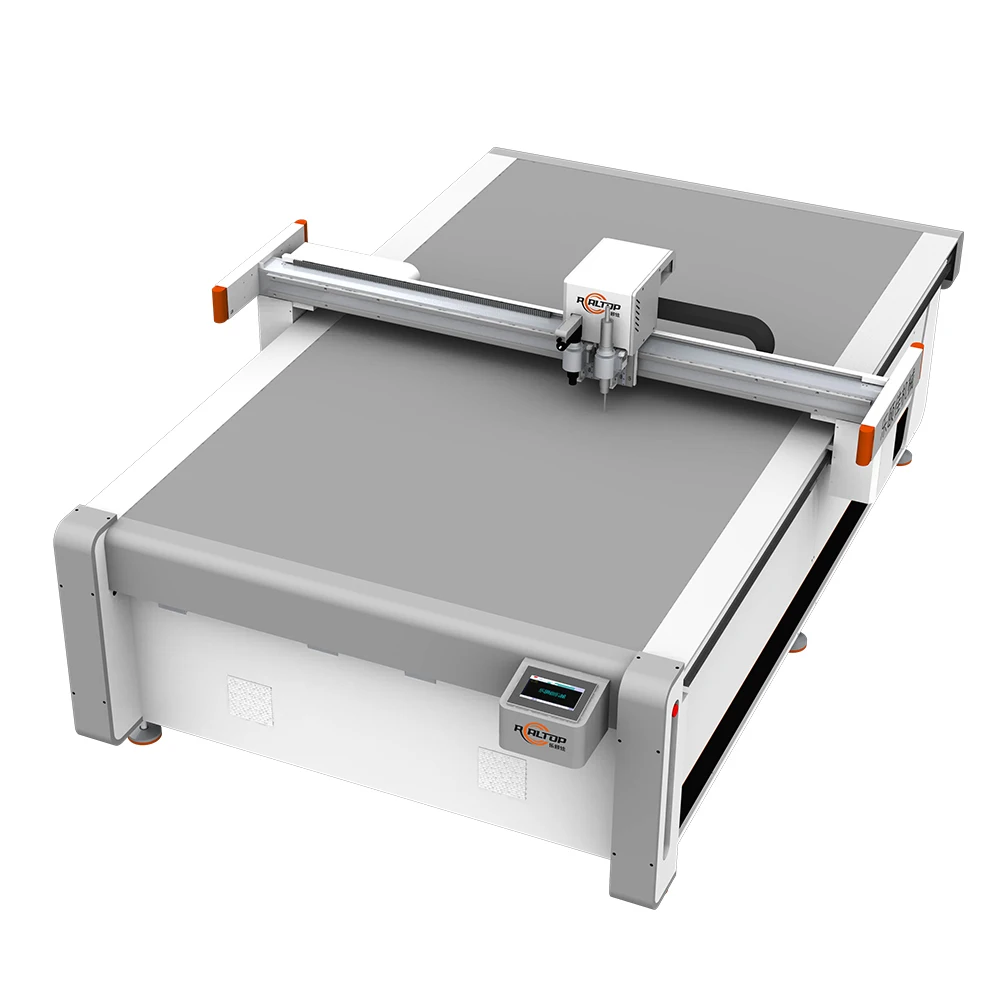
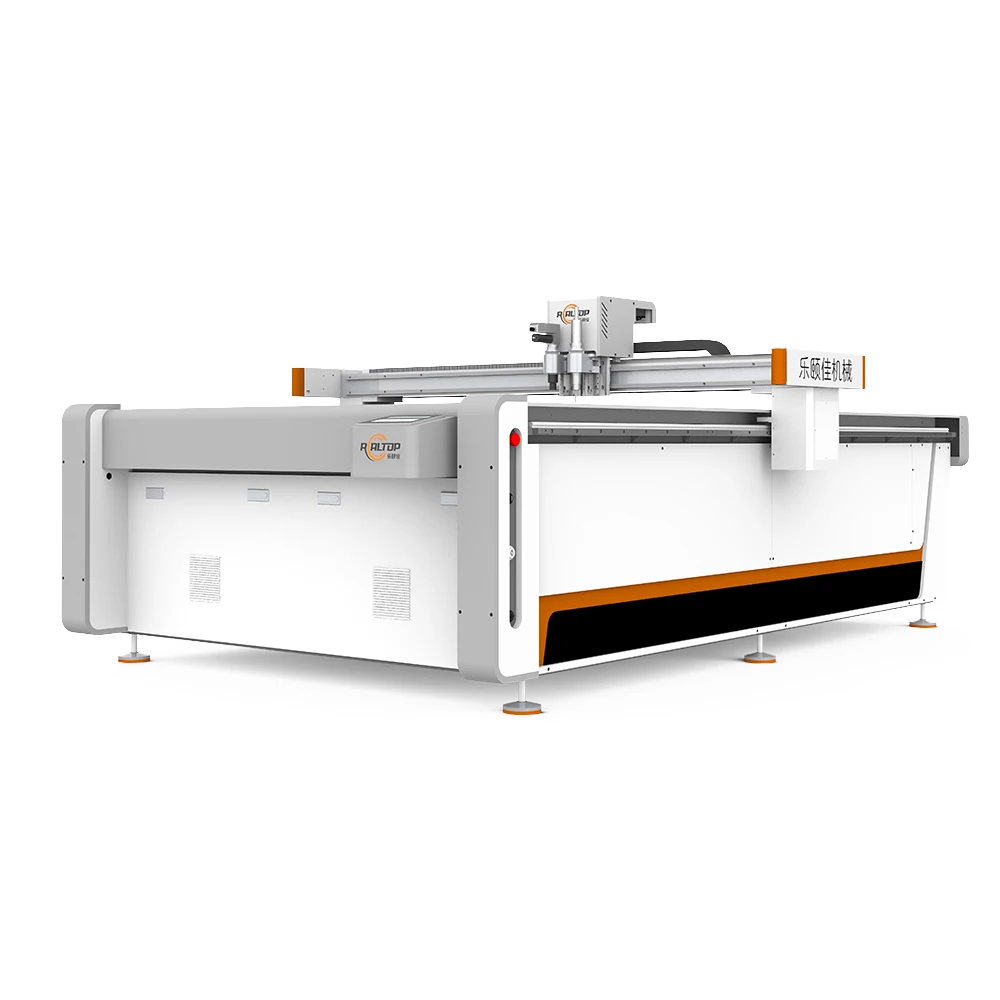
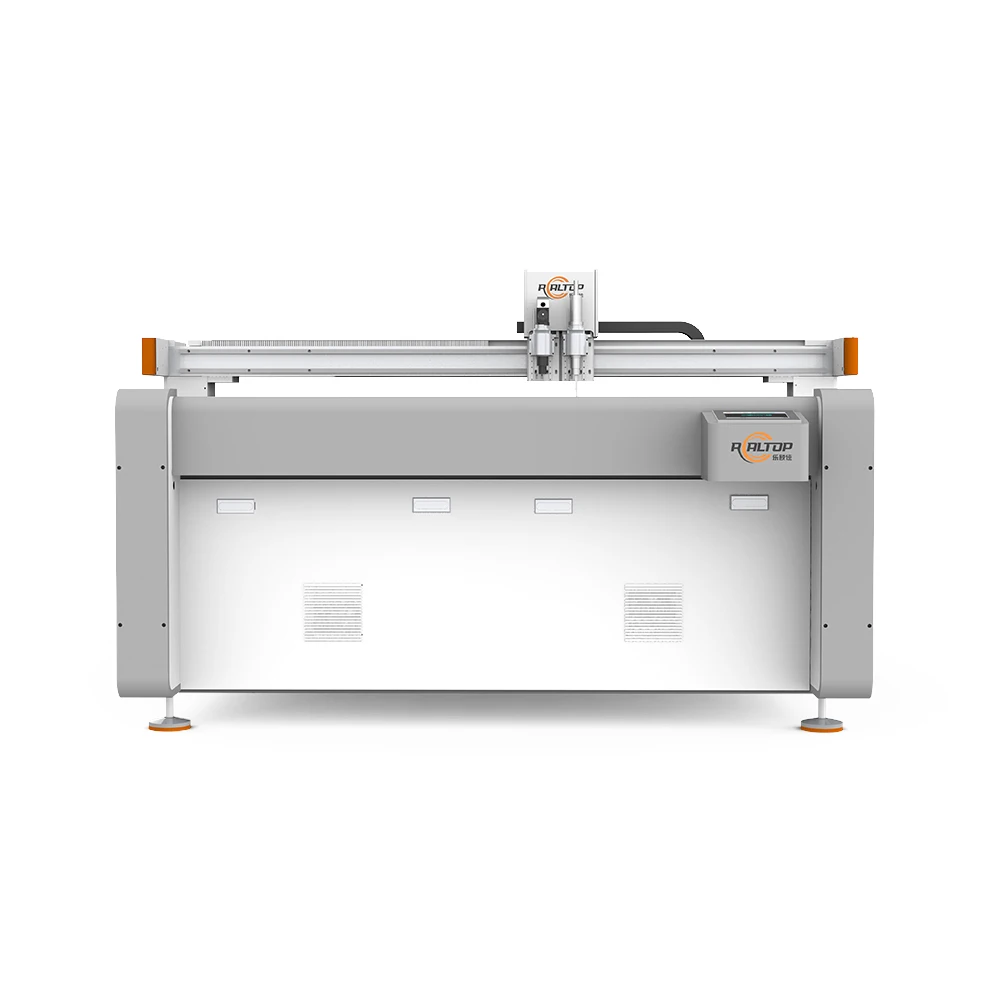
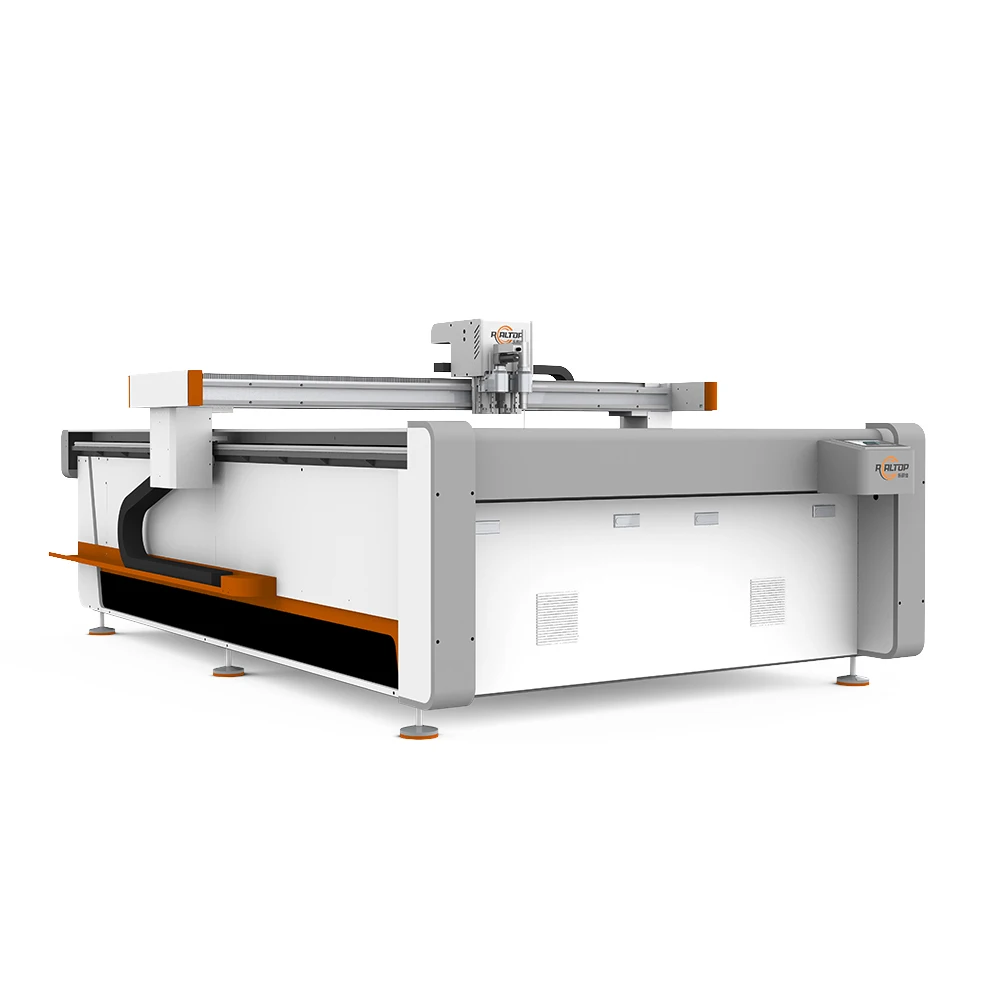
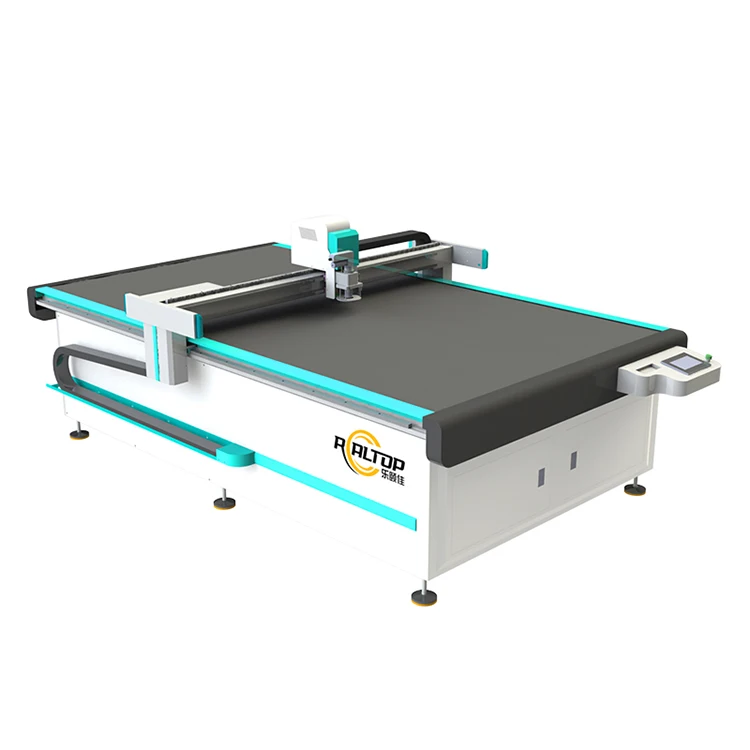
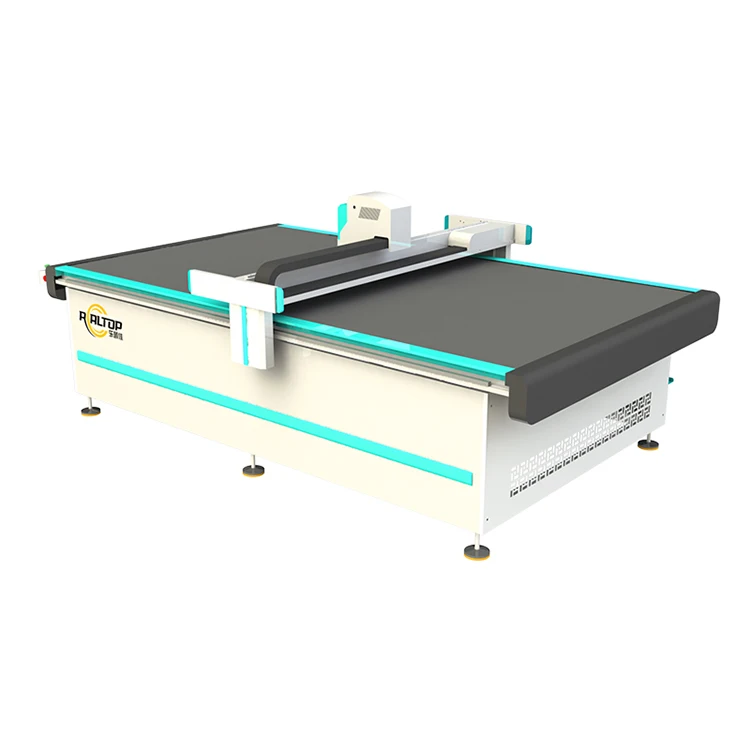
| Product Type | CNC Oscillating Knife Cutting Machine for Packaging |
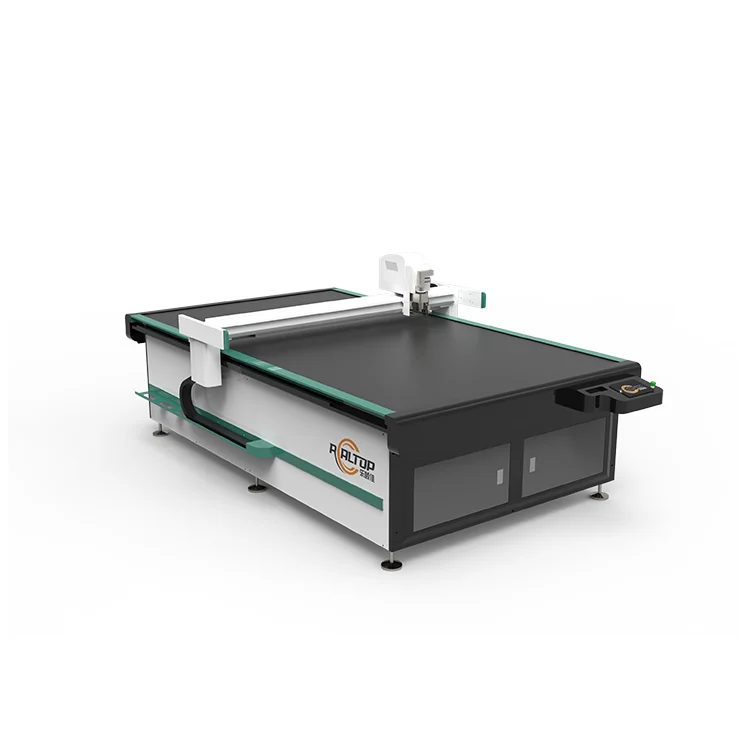
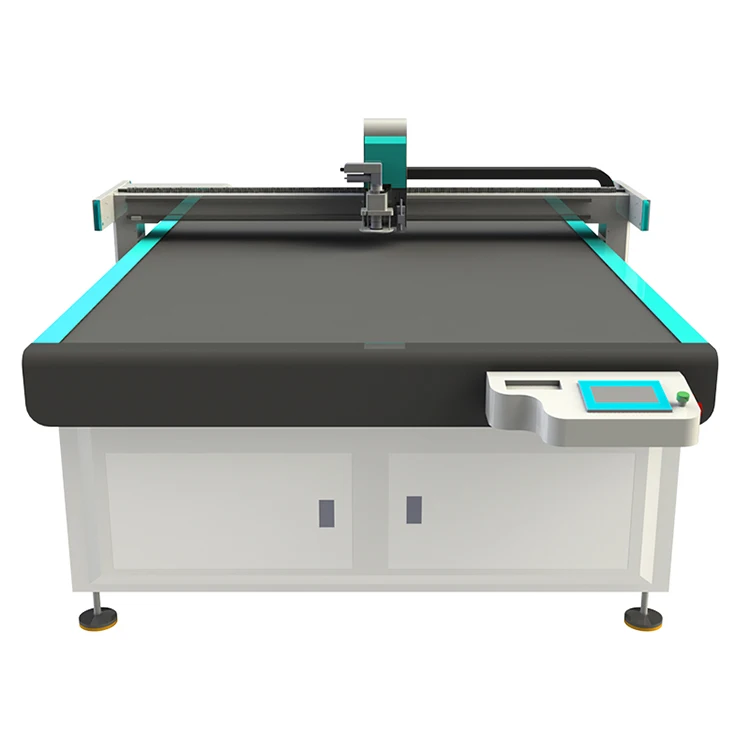
| Working Area | 1600 × 2500 mm |
| Tool Head Options | Oscillating knife, Driven rotary knife, Creasing wheel, Kiss cutting tool, Pneumatic knife, Milling tool, V groove knife |
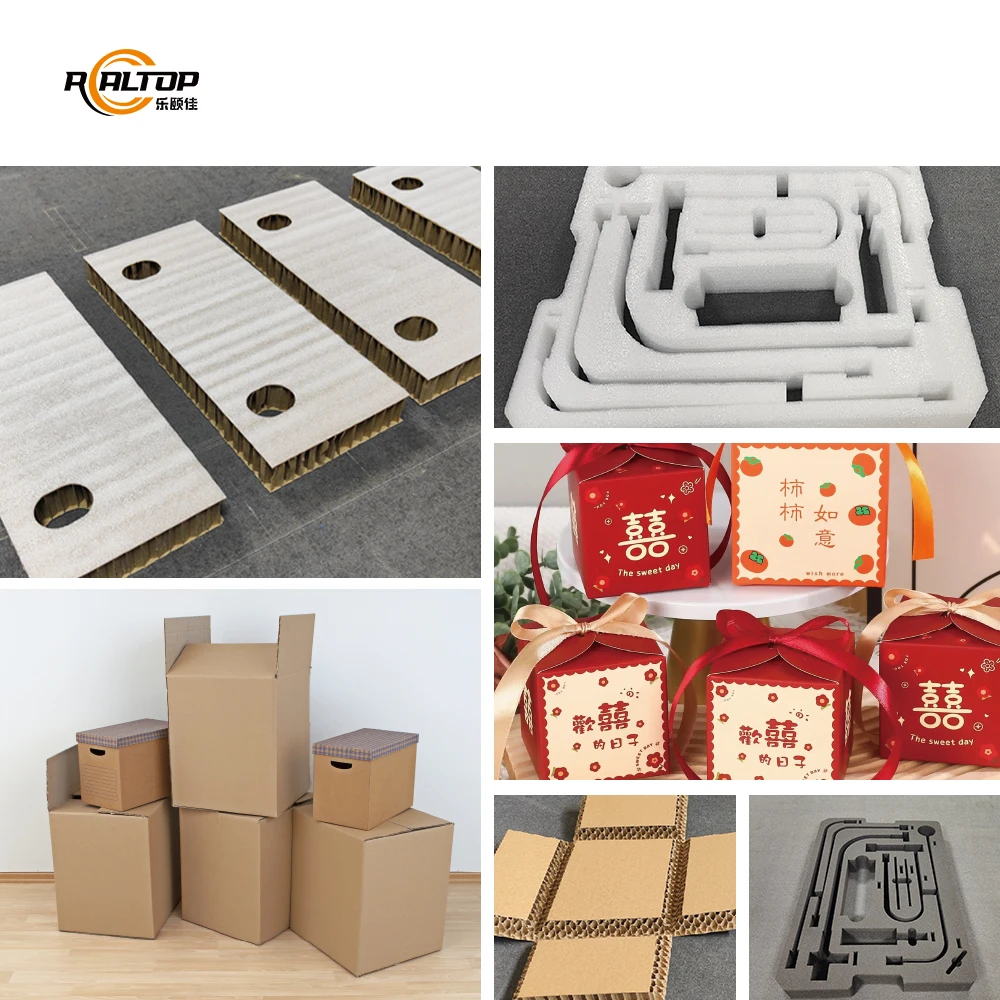
| Applicable Materials | Fabric, Cardboard, Carton, Mats, PVC, EVA, Leather, Acrylic, Foam, PTFE, Rubber |
| Cutting Speed | 0–1500 mm/s |
| Cutting Thickness | ≤ 40 mm (basis not stated in source — confirm material type and density) |
| Cutting Accuracy | ±0.1 mm |
| Vacuum Pump | 9 kW |
| Vacuum Table | Aluminum bellows vacuum table |
| Voltage Options | 110V, 220V, 380V (frequency not specified in source) |
| Control System | PLC control panel with dedicated packaging box structure design software |
| File Formats | PLT, DXF, AI, PDF |
| Servo Motor Options | Panasonic, Delta, Dorna |
| Safety Devices | Infrared sensor device and emergency stop device |
| Overall Dimensions | 3300 × 2100 × 1350 mm |
| Language Options | English, Russian, Italian, Chinese (special languages customizable) |
Application Suitability
| Application | Material or Output |
|---|---|
| Corrugated packaging sample making | E-flute, B-flute, BC-flute corrugated cardboard |
| Pizza box prototyping and short runs | Single and double-wall corrugated board |
| Retail packaging insert production | EVA, EPE, PU foam sheets |
| Carton and greyboard die-free cutting | Greyboard, cardstock, art paper, specialty paper |
| Thin plastic packaging components | PVC, PET sheet stock |
| Composite and adhesive-backed materials | Rubber mats, velvet, fleece, non-woven fabric |
| Leather and synthetic leather packaging | Genuine and PU leather for luxury box wraps |
Why Specified Working Area Is Not Enough for Corrugated Board
A machine quoted purely on bed size often fails when the buyer’s actual corrugated flute profile or ply count exceeds what the default tool head can cleanly shear at production speed.
Tool head selection must follow the material specification, not the other way around.
I have seen packaging producers take delivery of a flatbed cutter only to discover that standard oscillating knife tooling crushes BC-flute board rather than cutting it, leaving ragged edges that fail structural tests. The vacuum table zoning mattered just as much — small carton blanks lifting off the bed mid-cycle because the adsorption zones were configured for full-sheet holding, not short-run sample geometry. When the buyer’s real stock does not match the test material used during quotation, the CNC oscillating knife cutting machine for sale listing becomes irrelevant to the production problem on the floor [NEED_CITE: corrugated flute profiles and tooling compatibility standards].
Configuring the Tool Head to the Flute Profile
Every corrugated grade demands a different shearing action. E-flute cardstock cuts cleanly under a standard oscillating knife, but B-flute and BC-flute board require the higher-frequency stroke of a pneumatic knife or the continuous rotary action of a driven rotary knife to avoid crushing the internal flutes. The creasing wheel operates on a separate axis from the cutting tools, pressing fold lines into the board without penetrating the surface — essential for pizza box construction where scored hinges must fold without cracking the outer liner. Switching between these tool heads on this packaging carton cutting machine manufacturer platform is a manual swap, but the configuration must be specified at order stage so the correct mount and firmware mapping ship with the unit.
Vacuum Holding and Bed Flatness for Thin Stock
The aluminum bellows vacuum table provides full-surface adsorption across the 1600 × 2500 mm working area, holding corrugated sheets flat against the cutting bed without mechanical clamps that would interfere with tool travel. The 9 kW vacuum pump generates sufficient negative pressure to resist the upward force of the oscillating knife penetrating multi-ply board, but zoning configuration determines whether small carton samples remain secure [NEED_CITE: vacuum table zoning principles for flatbed digital cutting]. Without proper zone mapping, a pizza box blank measuring 300 × 300 mm can lift at the trailing edge during a high-speed pass, producing dimensional drift that accumulates across a short run.
Reading the Specs Against Your Production Reality
Cutting speed rated at 0–1500 mm/s defines the upper travel boundary of the tool head gantry, but actual throughput depends on the complexity of the carton geometry and the number of creasing passes required per sheet. The ±0.1 mm positioning accuracy ensures that kiss-cut perforations and internal cutouts align with printed registration marks when CCD contour recognition is integrated into the workflow. File format compatibility spanning PLT, DXF, AI, and PDF allows packaging designers to send structural layouts directly from industry-standard CAD environments without intermediate conversion steps that introduce geometry errors. The PLC control panel runs dedicated packaging box structure design software, reducing the programming burden for operators who produce standard carton formats repeatedly.
The Hidden Cost of Unverified Tool and Table Configuration
Buyers who skip the sample cutting step often discover after delivery that the default vacuum zoning holds full sheets well but allows small-format carton blanks to shift under the oscillating knife during high-speed contour passes. Creasing wheel pressure that works on greyboard can fracture the outer liner of lightweight E-flute board, producing fold lines that crack rather than bend. These mismatches do not appear in the specification sheet because the machine technically performs to rated parameters — the failure sits in the gap between standard test conditions and the buyer’s actual production mix [NEED_CITE: flatbed cutting machine acceptance testing protocols].
Why Procurement Starts With Material Verification
The in-house design team covers both knife tooling and vacuum table engineering, so configuration decisions are made against the buyer’s physical stock rather than a generic material chart. Sample cutting on the buyer’s own corrugated board — with documented flute type, ply count, and measured thickness — runs before the order is confirmed, producing a cutting report that shows edge quality, creasing integrity, and dimensional accuracy on the actual production material. Voltage, plug type, and control panel language are verified against the destination market before the machine enters final assembly. Software licence scope and file format compatibility are confirmed in writing, so the nesting workflow the buyer already uses translates directly onto the new platform without re-engineering existing carton libraries.
Documentation & Verification
- Sample cutting report on buyer-supplied corrugated stock showing edge quality and crease integrity
- Electrical schematic with confirmed voltage, frequency, and plug type for destination market
- Tool head and vacuum table configuration list matched to specified material and production format
- Factory test record documenting cutting accuracy across the 1600 × 2500 mm working area
- Software licence documentation and file format compatibility note for PLT, DXF, AI, PDF workflows
- Operation and maintenance manual with tool changeover procedures and vacuum pump service intervals
Installation, Commissioning & Support
- Floor space allocation based on 3300 × 2100 mm overall dimensions with clearance for material loading on the 1600 × 2500 mm bed
- Dedicated electrical circuit matching confirmed voltage (110V, 220V, or 380V) and frequency for the 9 kW vacuum pump and servo drive system
- PLC control panel commissioning with language set to buyer specification and packaging box design software loaded and tested
- First-article cutting run on buyer material to verify ±0.1 mm accuracy and creasing wheel pressure settings before handover
- Operator training covering tool head changeover between oscillating knife, creasing wheel, and driven rotary knife configurations
- Spare parts inventory aligned with consumable tool blades, vacuum table seals, and creasing wheel inserts
What to Include in Your Inquiry
Provide the specific corrugated flute types and board thicknesses you run, along with the typical blank dimensions and daily volume you need to achieve. Include your local voltage and frequency standard, the control panel language you require, and any existing CAD or nesting software your design team currently uses so file format compatibility can be confirmed before quotation.
Frequently Asked Questions
Q: How do I choose between oscillating knife, driven rotary knife, and creasing wheel for different corrugated flute profiles?
A: E-flute and lightweight cardstock typically cut well under a standard oscillating knife, while B-flute and BC-flute board benefit from a driven rotary knife or pneumatic knife to avoid crushing internal flutes. The creasing wheel handles fold lines independently without penetrating the board surface. Configuration depends on your specific flute mix and should be verified through sample cutting on your actual stock before the order is finalized.
Q: What vacuum table zoning is needed for small carton samples versus full-sheet packaging runs?
A: Full-sheet corrugated cutting uses broad adsorption zones across the 1600 × 2500 mm aluminum bellows table, but small carton blanks require concentrated zoning to prevent material lift during high-speed contour passes. Zone mapping should match your typical blank size range and must be specified at order stage so the vacuum manifold is configured correctly before the machine ships.
Q: Which voltage and language options are available, and how is customization confirmed before shipment?
A: The machine is configurable for 110V, 220V, or 380V supply, with control panel language options including English, Russian, Italian, Chinese, and other languages on request. Voltage, plug type, and frequency must be confirmed against your local electrical standard, and language settings are verified during factory testing before dispatch to avoid on-site reconfiguration delays.
Q: What file formats and nesting workflows does the control software support?
A: The PLC control system accepts PLT, DXF, AI, and PDF files directly, and the dedicated packaging box structure design software handles standard carton geometry creation and modification. File format compatibility and nesting workflow integration with your existing CAD environment should be confirmed in writing before the order enters production to prevent data translation issues.
Q: How do I arrange sample cutting on my own material before committing to an order?
A: Send representative samples of your corrugated stock — including the specific flute type, ply count, and board thickness you run in production — to the factory for a documented test cut. The resulting sample cutting report covers edge quality, creasing integrity, and dimensional accuracy on your actual material, forming the basis for tool head and vacuum table configuration before the machine is built.
Interchangeable Tooling System — Match oscillating knife, driven rotary knife, or creasing wheel configurations directly to your corrugated flute profile and board density, rather than adapting your material to a fixed machine setup.
Technical Specifications
| Parameter | Value |
|---|---|
| Product Type | CNC Oscillating Knife Cutting Machine for Packaging |
| Working Area | 1600 × 2500 mm |
| Tool Head Options | Oscillating knife, Driven rotary knife, Creasing wheel, Kiss cutting tool, Pneumatic knife, Milling tool, V groove knife |
| Applicable Materials | Fabric, Cardboard, Carton, Mats, PVC, EVA, Leather, Acrylic, Foam, PTFE, Rubber |
| Cutting Speed | 0–1500 mm/s |
| Cutting Thickness | ≤ 40 mm (basis not stated in source — confirm material type and density) |
| Cutting Accuracy | ±0.1 mm |
| Vacuum Pump | 9 kW |
| Vacuum Table | Aluminum bellows vacuum table |
| Voltage Options | 110V, 220V, 380V (frequency not specified in source) |
| Control System | PLC control panel with dedicated packaging box structure design software |
| File Formats | PLT, DXF, AI, PDF |
| Servo Motor Options | Panasonic, Delta, Dorna |
| Safety Devices | Infrared sensor device and emergency stop device |
| Overall Dimensions | 3300 × 2100 × 1350 mm |
| Language Options | English, Russian, Italian, Chinese (special languages customizable) |
Application Suitability
| Application | Material or Output |
|---|---|
| Corrugated packaging sample making | E-flute, B-flute, BC-flute corrugated cardboard |
| Pizza box prototyping and short runs | Single and double-wall corrugated board |
| Retail packaging insert production | EVA, EPE, PU foam sheets |
| Carton and greyboard die-free cutting | Greyboard, cardstock, art paper, specialty paper |
| Thin plastic packaging components | PVC, PET sheet stock |
| Composite and adhesive-backed materials | Rubber mats, velvet, fleece, non-woven fabric |
| Leather and synthetic leather packaging | Genuine and PU leather for luxury box wraps |
Why Specified Working Area Is Not Enough for Corrugated Board
A machine quoted purely on bed size often fails when the buyer’s actual corrugated flute profile or ply count exceeds what the default tool head can cleanly shear at production speed.
Tool head selection must follow the material specification, not the other way around.
I have seen packaging producers take delivery of a flatbed cutter only to discover that standard oscillating knife tooling crushes BC-flute board rather than cutting it, leaving ragged edges that fail structural tests. The vacuum table zoning mattered just as much — small carton blanks lifting off the bed mid-cycle because the adsorption zones were configured for full-sheet holding, not short-run sample geometry. When the buyer’s real stock does not match the test material used during quotation, the CNC oscillating knife cutting machine for sale listing becomes irrelevant to the production problem on the floor [NEED_CITE: corrugated flute profiles and tooling compatibility standards].
Configuring the Tool Head to the Flute Profile
Every corrugated grade demands a different shearing action. E-flute cardstock cuts cleanly under a standard oscillating knife, but B-flute and BC-flute board require the higher-frequency stroke of a pneumatic knife or the continuous rotary action of a driven rotary knife to avoid crushing the internal flutes. The creasing wheel operates on a separate axis from the cutting tools, pressing fold lines into the board without penetrating the surface — essential for pizza box construction where scored hinges must fold without cracking the outer liner. Switching between these tool heads on this packaging carton cutting machine manufacturer platform is a manual swap, but the configuration must be specified at order stage so the correct mount and firmware mapping ship with the unit.
Vacuum Holding and Bed Flatness for Thin Stock
The aluminum bellows vacuum table provides full-surface adsorption across the 1600 × 2500 mm working area, holding corrugated sheets flat against the cutting bed without mechanical clamps that would interfere with tool travel. The 9 kW vacuum pump generates sufficient negative pressure to resist the upward force of the oscillating knife penetrating multi-ply board, but zoning configuration determines whether small carton samples remain secure [NEED_CITE: vacuum table zoning principles for flatbed digital cutting]. Without proper zone mapping, a pizza box blank measuring 300 × 300 mm can lift at the trailing edge during a high-speed pass, producing dimensional drift that accumulates across a short run.
Reading the Specs Against Your Production Reality
Cutting speed rated at 0–1500 mm/s defines the upper travel boundary of the tool head gantry, but actual throughput depends on the complexity of the carton geometry and the number of creasing passes required per sheet. The ±0.1 mm positioning accuracy ensures that kiss-cut perforations and internal cutouts align with printed registration marks when CCD contour recognition is integrated into the workflow. File format compatibility spanning PLT, DXF, AI, and PDF allows packaging designers to send structural layouts directly from industry-standard CAD environments without intermediate conversion steps that introduce geometry errors. The PLC control panel runs dedicated packaging box structure design software, reducing the programming burden for operators who produce standard carton formats repeatedly.
The Hidden Cost of Unverified Tool and Table Configuration
Buyers who skip the sample cutting step often discover after delivery that the default vacuum zoning holds full sheets well but allows small-format carton blanks to shift under the oscillating knife during high-speed contour passes. Creasing wheel pressure that works on greyboard can fracture the outer liner of lightweight E-flute board, producing fold lines that crack rather than bend. These mismatches do not appear in the specification sheet because the machine technically performs to rated parameters — the failure sits in the gap between standard test conditions and the buyer’s actual production mix [NEED_CITE: flatbed cutting machine acceptance testing protocols].
Why Procurement Starts With Material Verification
The in-house design team covers both knife tooling and vacuum table engineering, so configuration decisions are made against the buyer’s physical stock rather than a generic material chart. Sample cutting on the buyer’s own corrugated board — with documented flute type, ply count, and measured thickness — runs before the order is confirmed, producing a cutting report that shows edge quality, creasing integrity, and dimensional accuracy on the actual production material. Voltage, plug type, and control panel language are verified against the destination market before the machine enters final assembly. Software licence scope and file format compatibility are confirmed in writing, so the nesting workflow the buyer already uses translates directly onto the new platform without re-engineering existing carton libraries.
Documentation & Verification
- Sample cutting report on buyer-supplied corrugated stock showing edge quality and crease integrity
- Electrical schematic with confirmed voltage, frequency, and plug type for destination market
- Tool head and vacuum table configuration list matched to specified material and production format
- Factory test record documenting cutting accuracy across the 1600 × 2500 mm working area
- Software licence documentation and file format compatibility note for PLT, DXF, AI, PDF workflows
- Operation and maintenance manual with tool changeover procedures and vacuum pump service intervals
Installation, Commissioning & Support
- Floor space allocation based on 3300 × 2100 mm overall dimensions with clearance for material loading on the 1600 × 2500 mm bed
- Dedicated electrical circuit matching confirmed voltage (110V, 220V, or 380V) and frequency for the 9 kW vacuum pump and servo drive system
- PLC control panel commissioning with language set to buyer specification and packaging box design software loaded and tested
- First-article cutting run on buyer material to verify ±0.1 mm accuracy and creasing wheel pressure settings before handover
- Operator training covering tool head changeover between oscillating knife, creasing wheel, and driven rotary knife configurations
- Spare parts inventory aligned with consumable tool blades, vacuum table seals, and creasing wheel inserts
What to Include in Your Inquiry
Provide the specific corrugated flute types and board thicknesses you run, along with the typical blank dimensions and daily volume you need to achieve. Include your local voltage and frequency standard, the control panel language you require, and any existing CAD or nesting software your design team currently uses so file format compatibility can be confirmed before quotation.
Frequently Asked Questions
Q: How do I choose between oscillating knife, driven rotary knife, and creasing wheel for different corrugated flute profiles?
A: E-flute and lightweight cardstock typically cut well under a standard oscillating knife, while B-flute and BC-flute board benefit from a driven rotary knife or pneumatic knife to avoid crushing internal flutes. The creasing wheel handles fold lines independently without penetrating the board surface. Configuration depends on your specific flute mix and should be verified through sample cutting on your actual stock before the order is finalized.
Q: What vacuum table zoning is needed for small carton samples versus full-sheet packaging runs?
A: Full-sheet corrugated cutting uses broad adsorption zones across the 1600 × 2500 mm aluminum bellows table, but small carton blanks require concentrated zoning to prevent material lift during high-speed contour passes. Zone mapping should match your typical blank size range and must be specified at order stage so the vacuum manifold is configured correctly before the machine ships.
Q: Which voltage and language options are available, and how is customization confirmed before shipment?
A: The machine is configurable for 110V, 220V, or 380V supply, with control panel language options including English, Russian, Italian, Chinese, and other languages on request. Voltage, plug type, and frequency must be confirmed against your local electrical standard, and language settings are verified during factory testing before dispatch to avoid on-site reconfiguration delays.
Q: What file formats and nesting workflows does the control software support?
A: The PLC control system accepts PLT, DXF, AI, and PDF files directly, and the dedicated packaging box structure design software handles standard carton geometry creation and modification. File format compatibility and nesting workflow integration with your existing CAD environment should be confirmed in writing before the order enters production to prevent data translation issues.
Q: How do I arrange sample cutting on my own material before committing to an order?
A: Send representative samples of your corrugated stock — including the specific flute type, ply count, and board thickness you run in production — to the factory for a documented test cut. The resulting sample cutting report covers edge quality, creasing integrity, and dimensional accuracy on your actual material, forming the basis for tool head and vacuum table configuration before the machine is built.
商品评价
There are no reviews yet.