

Fast Delivery
Quick, reliable shipping to any location.

Free & easy returns
Return this item by mail or in store within 90 days for a full refund.
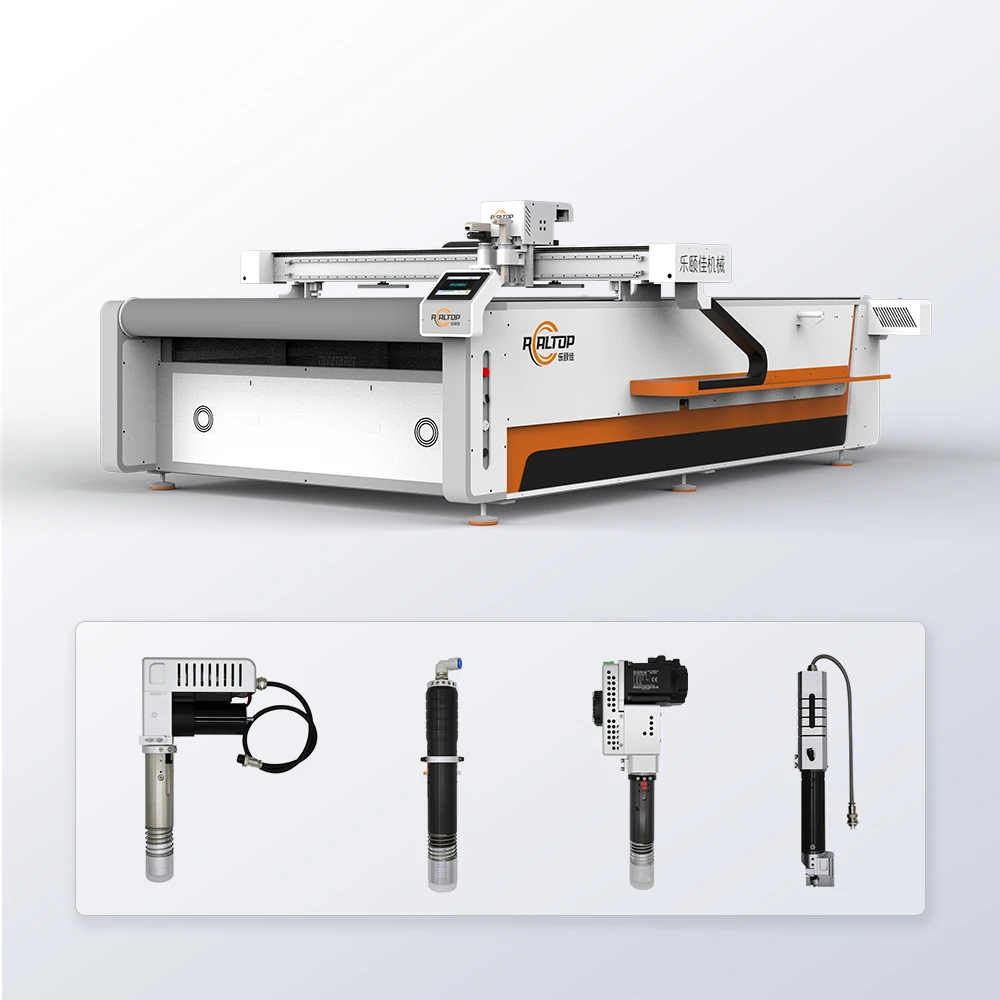
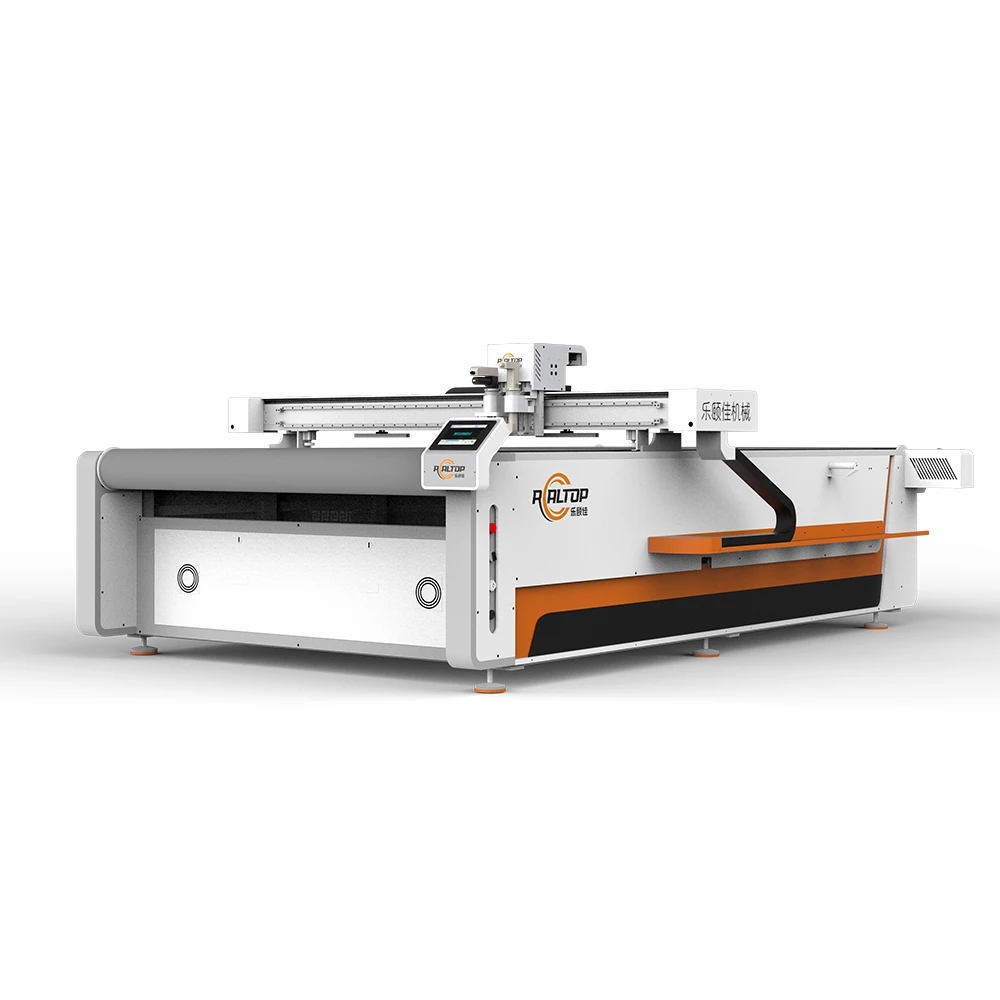
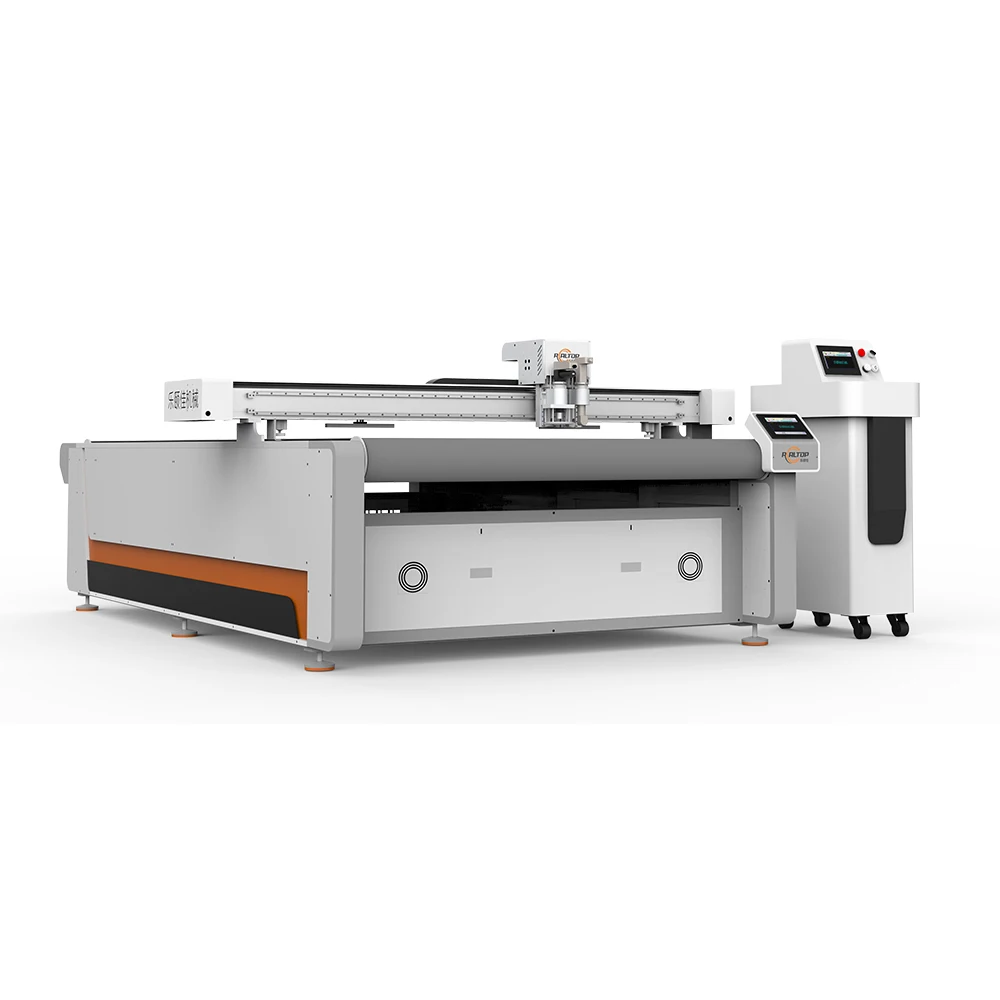
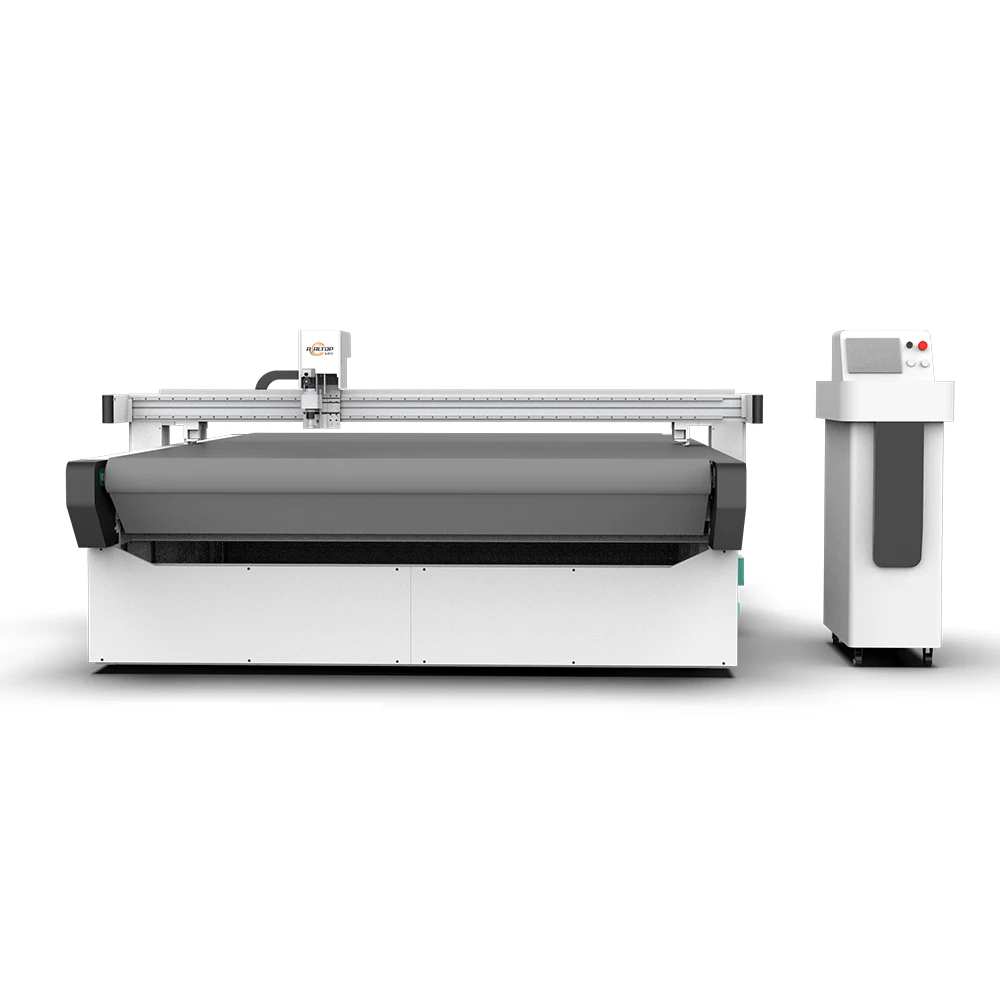
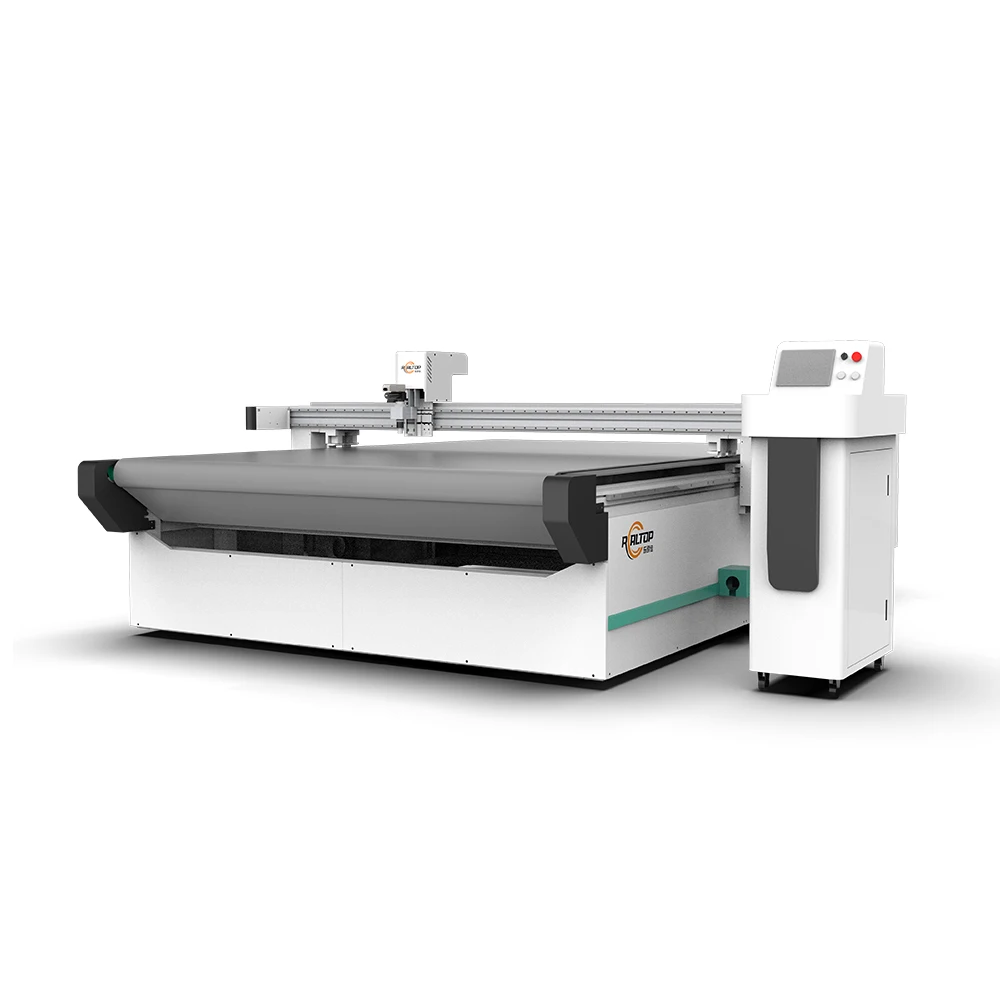
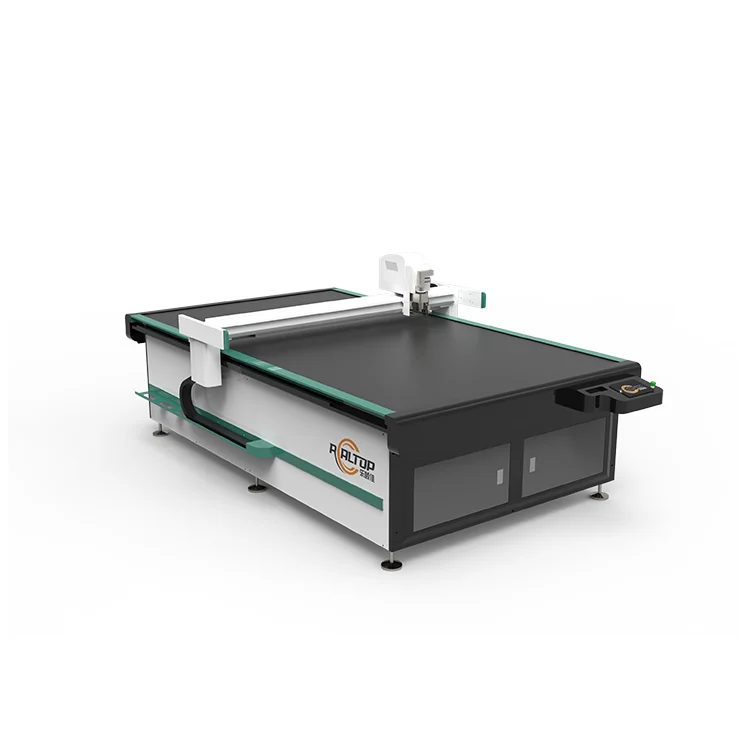
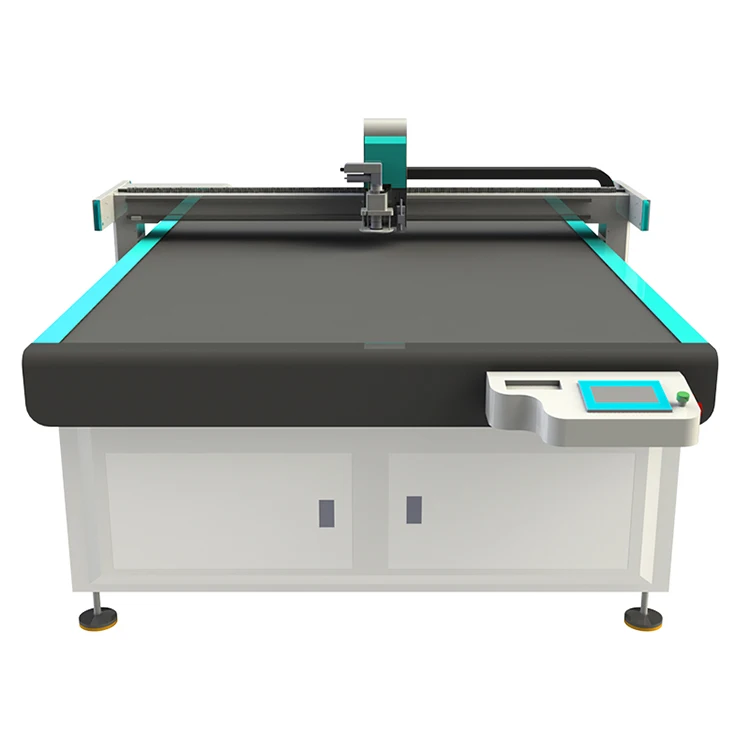
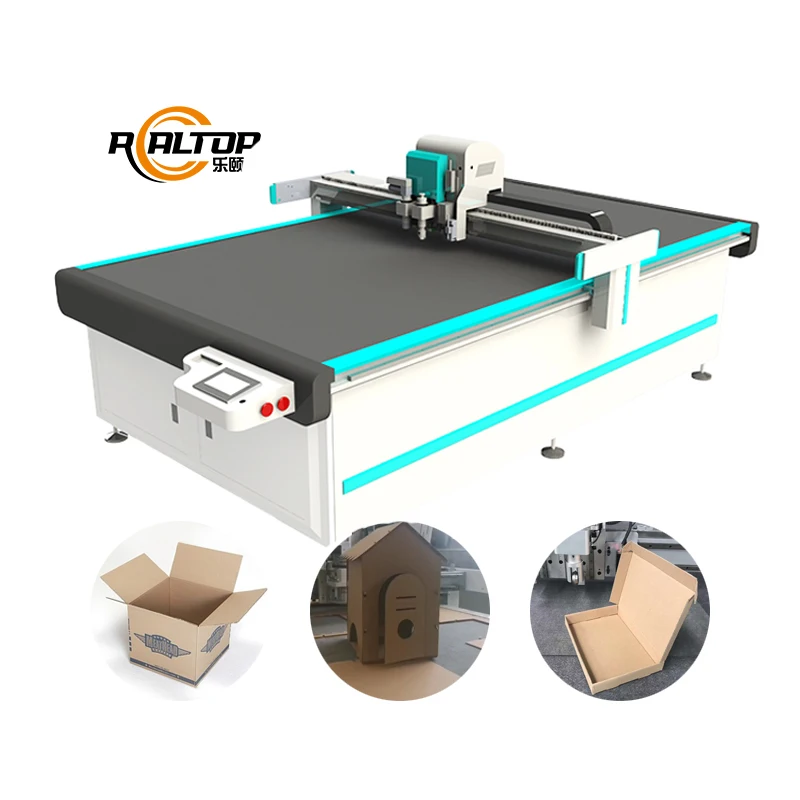
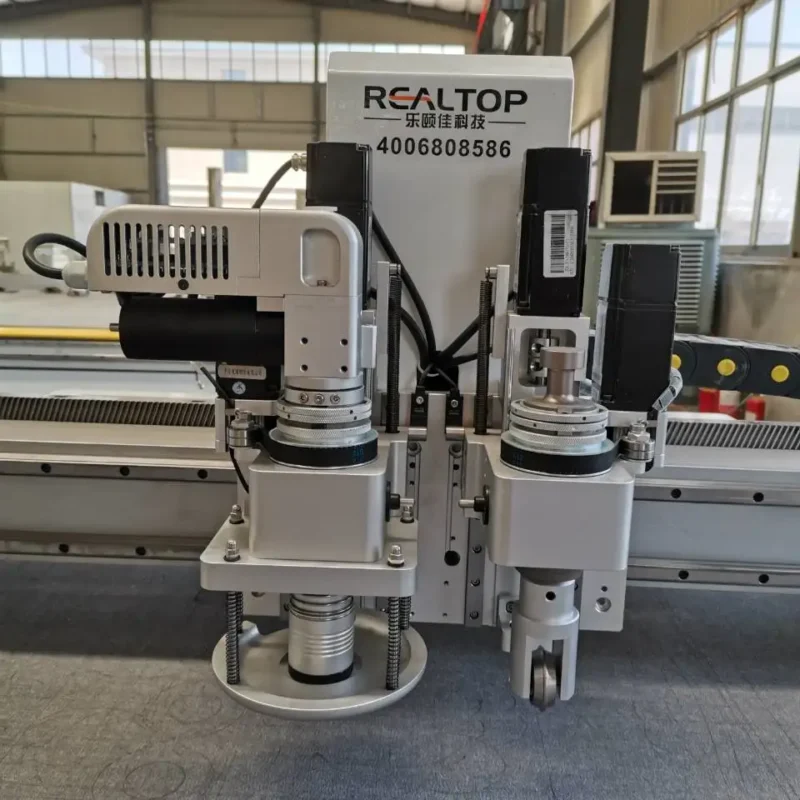
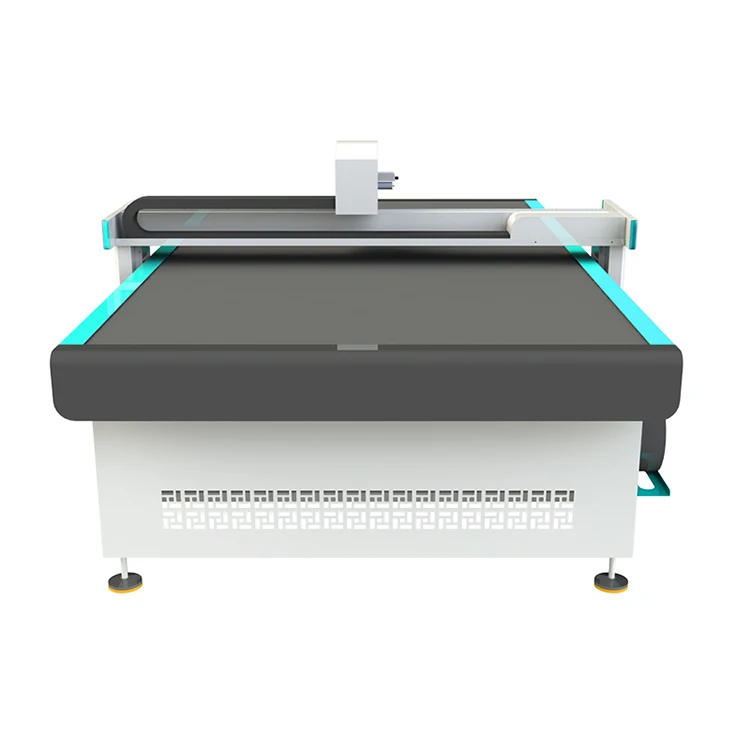
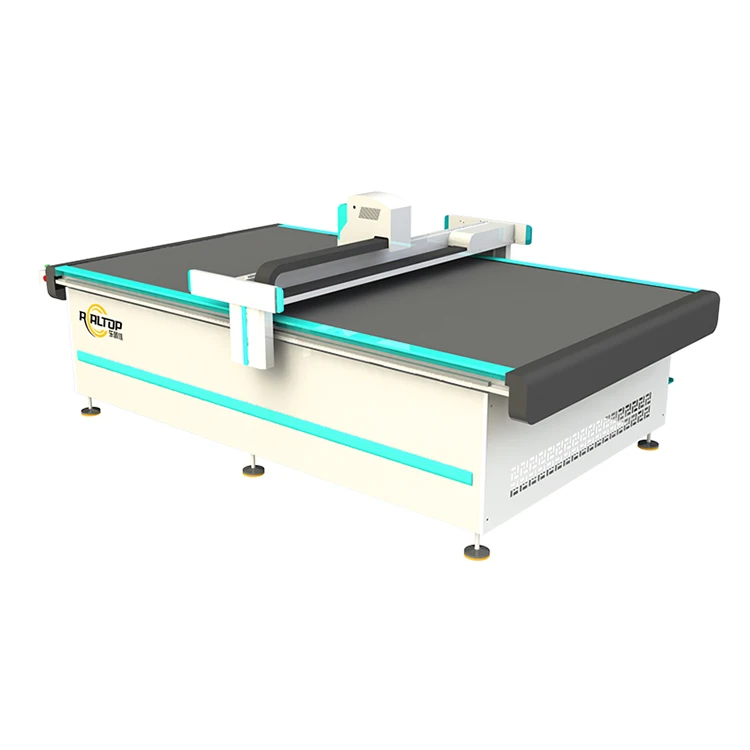
Seven Tool Heads, One Platform — a single 1600×2500 mm cutting table configured with oscillating knife, driven rotary, creasing, kiss cutting, pneumatic, milling, and V groove options so fabric producers can match the tool to the textile rather than force one blade through every weave.
Technical Specifications
| Parameter | Value |
|---|---|
| Model | 1625 |
| Product Type | CNC Oscillating Knife Cutting Machine |
| Working Area | 1600×2500 mm |
| Tool Head Options | Oscillating knife, Driven rotary knife, Creasing wheel, Kiss cutting tool, Pneumatic knife, Milling tool, V groove knife |
| Cutting Speed Range | 0–2000 mm/s (basis to be confirmed by material type and layer count) |
| Cutting Thickness Capacity | Up to 30–50 mm multi-layer (basis to be confirmed by fabric type and compression state) |
| Cutting Accuracy | ±0.1 mm |
| Vacuum Table | Aluminum bellows vacuum table |
| Vacuum Pump | 9 kW |
| Servo Motor Options | Panasonic, Delta, Dorna |
| Control System | PLC control panel with optional display languages |
| File Format Compatibility | PLT, DXF, AI, PDF |
| Nesting Software | Intelligent nesting with automatic defect avoidance; dedicated packaging box structure design software |
| Voltage Options | 110V / 220V / 380V (frequency to be confirmed per market) |
| Safety Devices | Infrared sensor device, emergency stop device |
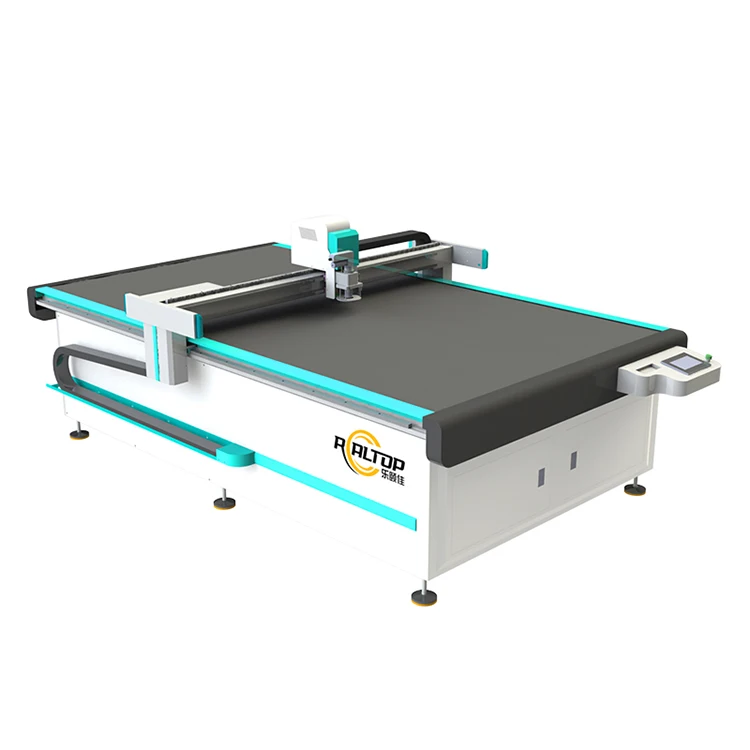
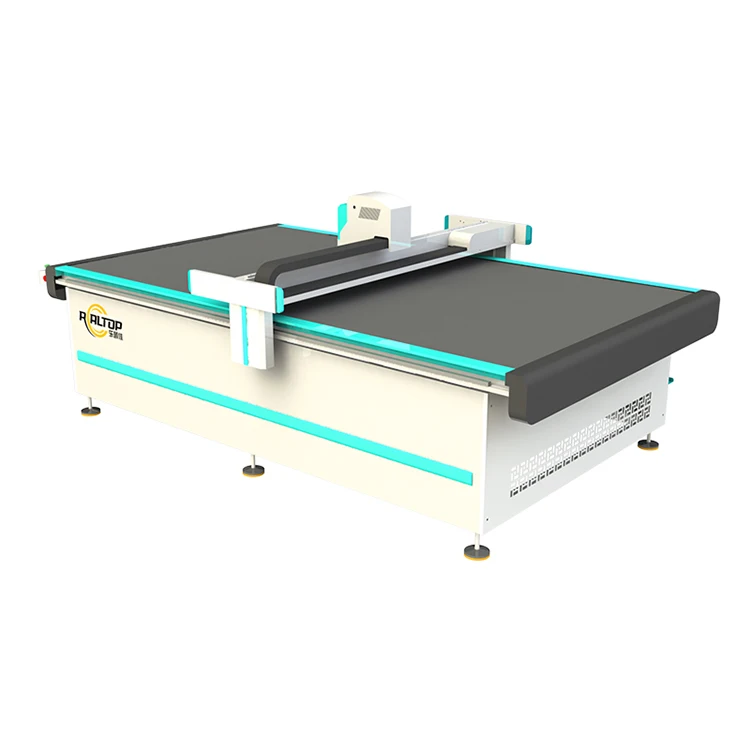
| Machine Dimensions (L×W×H) | 3300×2100×1350 mm |
| Language Options | English, Russian, Italian, Chinese; special languages customizable |
| Certification | CE |
Application Suitability
| Application | Material or Output |
|---|---|
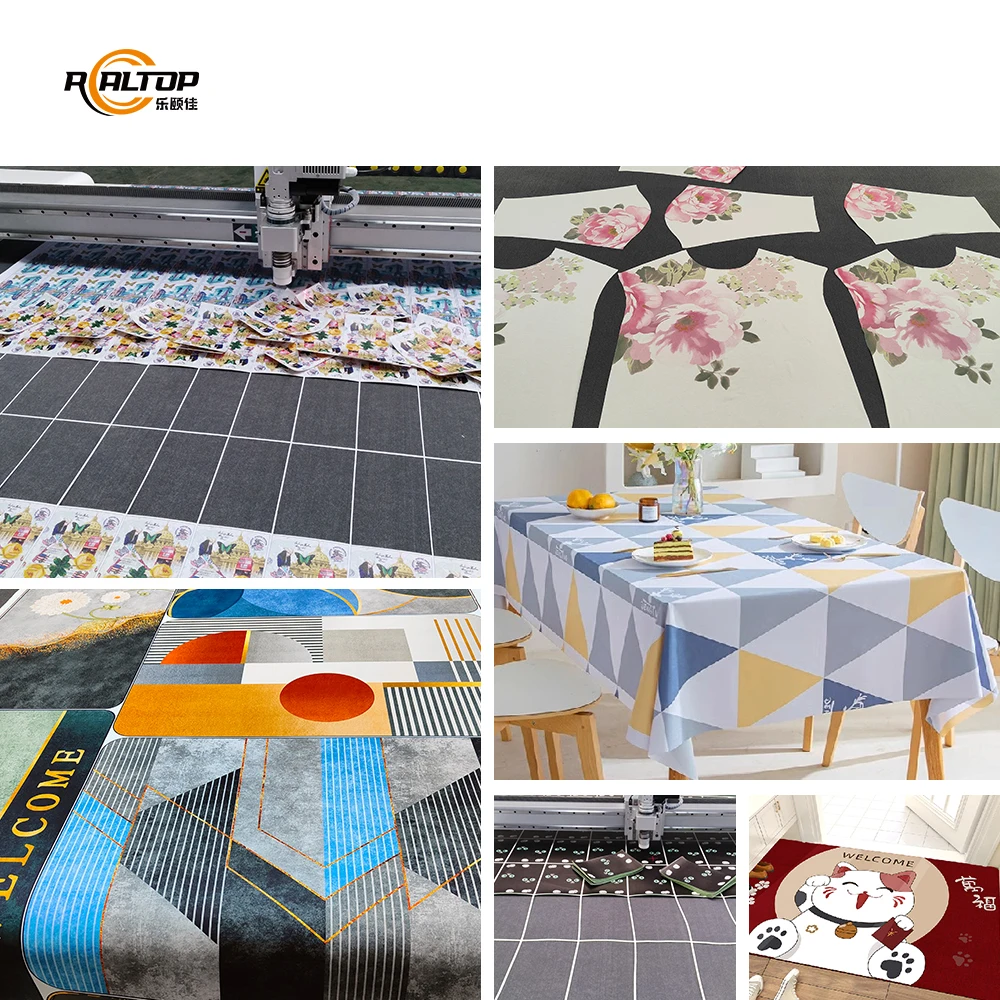
| Apparel manufacturing | Suits, knitwear, lace, complex patterned fabrics with pattern-matching layouts |
| Automotive interiors | Seat fabrics, carpets, PVC mats |
| Home textiles | Sofa fabrics, curtains, rugs, multi-layer blanket and quilt cutting |
| Composite material processing | Carbon fiber prepreg, aramid, specialty materials requiring no delamination or thermal deformation |
| Footwear production | Leather, synthetic uppers, and layered textile components |
Why Specified Working Area Alone Fails on Mixed-Weave Silk
Fabric thickness variation across a single roll determines cutting outcome more than table size ever will.
A 1600×2500 mm table handles most garment and textile formats comfortably, yet I have watched clean cuts on standard charmeuse turn into pulled threads and ragged edges when the same machine meets a blended silk scarf with uneven weight distribution. The oscillating knife pressure, blade oscillation frequency, and vacuum hold-down all need recalibration when material density shifts mid-run. Buyers who specify only by working area often discover during production that edge quality degrades on the second or third layer of a multi-ply layup [NEED_CITE: fabric cutting edge quality versus blade oscillation frequency]. A CNC oscillating knife cutting machine manufacturer should always request actual production fabric before finalizing tool head selection and cutting parameters.
Matching Tool Head to Textile Construction
Woven, knitted, and non-woven fabrics each demand a different cutting action. The oscillating knife handles tight weaves and multi-layer lays cleanly, while the driven rotary knife suits single-ply knits that shift under reciprocating blade motion. Creasing wheels score fold lines on packaging board without penetrating the substrate, and the kiss cutting tool traces printed vinyl contours without cutting through the backing paper. Having seven interchangeable heads on one frame means a garment factory can run suiting wool in the morning and switch to lace appliqué by afternoon, adjusting only the tool head and software parameters rather than moving material to a second machine.
Vacuum Zoning and Small-Piece Hold-Down
The 9 kW vacuum pump paired with the aluminum bellows table delivers consistent suction across the full cutting surface. However, small pattern pieces — collar stays, pocket flaps, appliqué motifs — lift off the table when cutting force exceeds local vacuum pressure. Zoning the table into independently controlled sections concentrates suction exactly where small parts sit, preventing drift during high-speed contour cuts [NEED_CITE: vacuum table zoning effect on small-part cutting accuracy]. This matters most when intelligent nesting software packs irregular shapes tightly to maximize fabric yield.
Reading the Specs Beyond the Headline Numbers
Cutting speed ranges from 0 to 2000 mm/s, but actual throughput depends on how many direction changes the contour requires — a straight rip cut reaches maximum speed quickly, while a lace pattern with continuous curves operates well below that ceiling. The ±0.1 mm accuracy figure applies when servo motors maintain positional feedback across both axes simultaneously; selecting Panasonic, Delta, or Dorna servos allows buyers to match motion precision to their tolerance requirements and local service availability. Intelligent nesting with automatic defect avoidance scans fabric for flaws and routes cut paths around them, which matters when processing natural textiles where weaving defects appear unpredictably. The dedicated packaging box structure design software extends the machine’s utility beyond fabric into carton sample making, useful for packaging departments that prototype insert trays and dividers in-house.
The Cost of Skipping Material Trials Before Shipment
Wrong tool head selection on mixed-fiber textiles produces crushed edges on foam-backed fabrics or delaminated layers on composite prepreg. A buyer who accepts a quotation based solely on working area and nominal cutting thickness often faces unplanned downtime during commissioning, when the technician discovers that the standard oscillating blade cannot penetrate a five-layer layup of heavy upholstery velvet without excessive deflection [NEED_CITE: oscillating knife blade deflection on high-density multi-layer fabric]. Reworking tool head configuration on-site costs days of production and replacement blade inventory that was never included in the original spare parts list.
What Distinguishes a Direct Manufacturing Source
In-house design covers both knife and laser cutting technologies, so a buyer evaluating textile cutting methods can compare oscillating knife results against CO2 laser edge-sealing effects on the same synthetic fabric without sourcing from two different suppliers. Tool head and table configurations are specified per material sample rather than selected from a fixed catalogue page. Voltage, frequency, plug type, and control language are confirmed in writing before the machine enters production. Software compatibility with the buyer’s existing DXF or PLT workflow is validated during the sample cutting stage, eliminating file import failures during commissioning. Every machine ships with factory test records cut on the buyer’s own material, not generic demonstration stock.
Documentation & Verification
- Machine specification sheet confirming 1600×2500 mm working area, all seven tool heads, and vacuum table zoning layout
- Sample cutting report on your actual silk, knitwear, or composite material documenting edge quality and layer count
- Electrical schematic with voltage, frequency, and plug type confirmed for your destination market
- Software licence with file format compatibility note covering PLT, DXF, AI, and PDF import validation
- Nesting workflow report showing defect avoidance paths on your supplied fabric roll
- Spare parts list matched to your selected servo motor brand and tool head combination
Installation, Commissioning & Support
- Dedicated 380V circuit with appropriate breaker rating for the 9 kW vacuum pump and servo drives combined
- Floor leveling within tolerance across the 3300×2100 mm machine footprint to maintain vacuum table flatness
- Field assembly of gantry and tool head carriage after shipping frame arrives in standard container configuration
- First-run parameter calibration on your fabric type, adjusting oscillation frequency and vacuum zone pressure
- Operator training on tool head changeover procedures across all seven head types in use at your facility
- Preventive maintenance schedule covering blade replacement intervals and vacuum pump filter servicing
How to Start an Equipment Evaluation
Send actual production fabric samples — including the heaviest and lightest weights you run — along with target daily output volume and layup thickness. Specify your local voltage and frequency standard, preferred control panel language, and the CAD file formats currently in use. If you process both natural textiles and synthetics, indicate whether edge sealing matters for your finished product so the correct cutting method can be recommended before quotation.
Frequently Asked Questions
Q: How do I decide between oscillating knife and laser cutting for my textile range?
A: Oscillating knife produces clean mechanical cuts on natural fibers and multi-layer lays without thermal effects, while laser seals edges on synthetics and handles intricate single-ply contours. If your product mix includes both material families, evaluating both technologies from one manufacturer avoids forcing a single method onto every application.
Q: What information do I need to specify beyond working area when ordering?
A: Provide material type, typical layer count, heaviest single-ply thickness, and the smallest part dimension in your nesting layout. These details determine tool head selection, vacuum zoning configuration, and blade specification — factors that working area alone does not address.
Q: Can the nesting software handle my existing design files?
A: The system imports PLT, DXF, AI, and PDF formats. During the sample cutting stage, your actual production files are loaded and validated to confirm that layer structure, line weights, and cut path sequencing translate correctly before the machine ships.
Q: How is voltage and control language confirmed before delivery?
A: Your destination market’s voltage, frequency, and plug type are recorded in writing during the quotation stage. Control panel language — including any custom language beyond the standard English, Russian, Italian, and Chinese options — is programmed and verified during factory testing.
Q: What happens if my fabric behaves differently during installation than it did in the sample test?
A: The sample cutting report documents the exact tool head, oscillation frequency, and vacuum settings that produced acceptable results. If production material varies, those baseline parameters give the commissioning technician a documented starting point for on-site adjustment rather than guessing from scratch.
Seven Tool Heads, One Platform — a single 1600×2500 mm cutting table configured with oscillating knife, driven rotary, creasing, kiss cutting, pneumatic, milling, and V groove options so fabric producers can match the tool to the textile rather than force one blade through every weave.
Technical Specifications
| Parameter | Value |
|---|---|
| Model | 1625 |
| Product Type | CNC Oscillating Knife Cutting Machine |
| Working Area | 1600×2500 mm |
| Tool Head Options | Oscillating knife, Driven rotary knife, Creasing wheel, Kiss cutting tool, Pneumatic knife, Milling tool, V groove knife |
| Cutting Speed Range | 0–2000 mm/s (basis to be confirmed by material type and layer count) |
| Cutting Thickness Capacity | Up to 30–50 mm multi-layer (basis to be confirmed by fabric type and compression state) |
| Cutting Accuracy | ±0.1 mm |
| Vacuum Table | Aluminum bellows vacuum table |
| Vacuum Pump | 9 kW |
| Servo Motor Options | Panasonic, Delta, Dorna |
| Control System | PLC control panel with optional display languages |
| File Format Compatibility | PLT, DXF, AI, PDF |
| Nesting Software | Intelligent nesting with automatic defect avoidance; dedicated packaging box structure design software |
| Voltage Options | 110V / 220V / 380V (frequency to be confirmed per market) |
| Safety Devices | Infrared sensor device, emergency stop device |
| Machine Dimensions (L×W×H) | 3300×2100×1350 mm |
| Language Options | English, Russian, Italian, Chinese; special languages customizable |
| Certification | CE |
Application Suitability
| Application | Material or Output |
|---|---|
| Apparel manufacturing | Suits, knitwear, lace, complex patterned fabrics with pattern-matching layouts |
| Automotive interiors | Seat fabrics, carpets, PVC mats |
| Home textiles | Sofa fabrics, curtains, rugs, multi-layer blanket and quilt cutting |
| Composite material processing | Carbon fiber prepreg, aramid, specialty materials requiring no delamination or thermal deformation |
| Footwear production | Leather, synthetic uppers, and layered textile components |
Why Specified Working Area Alone Fails on Mixed-Weave Silk
Fabric thickness variation across a single roll determines cutting outcome more than table size ever will.
A 1600×2500 mm table handles most garment and textile formats comfortably, yet I have watched clean cuts on standard charmeuse turn into pulled threads and ragged edges when the same machine meets a blended silk scarf with uneven weight distribution. The oscillating knife pressure, blade oscillation frequency, and vacuum hold-down all need recalibration when material density shifts mid-run. Buyers who specify only by working area often discover during production that edge quality degrades on the second or third layer of a multi-ply layup [NEED_CITE: fabric cutting edge quality versus blade oscillation frequency]. A CNC oscillating knife cutting machine manufacturer should always request actual production fabric before finalizing tool head selection and cutting parameters.
Matching Tool Head to Textile Construction
Woven, knitted, and non-woven fabrics each demand a different cutting action. The oscillating knife handles tight weaves and multi-layer lays cleanly, while the driven rotary knife suits single-ply knits that shift under reciprocating blade motion. Creasing wheels score fold lines on packaging board without penetrating the substrate, and the kiss cutting tool traces printed vinyl contours without cutting through the backing paper. Having seven interchangeable heads on one frame means a garment factory can run suiting wool in the morning and switch to lace appliqué by afternoon, adjusting only the tool head and software parameters rather than moving material to a second machine.
Vacuum Zoning and Small-Piece Hold-Down
The 9 kW vacuum pump paired with the aluminum bellows table delivers consistent suction across the full cutting surface. However, small pattern pieces — collar stays, pocket flaps, appliqué motifs — lift off the table when cutting force exceeds local vacuum pressure. Zoning the table into independently controlled sections concentrates suction exactly where small parts sit, preventing drift during high-speed contour cuts [NEED_CITE: vacuum table zoning effect on small-part cutting accuracy]. This matters most when intelligent nesting software packs irregular shapes tightly to maximize fabric yield.
Reading the Specs Beyond the Headline Numbers
Cutting speed ranges from 0 to 2000 mm/s, but actual throughput depends on how many direction changes the contour requires — a straight rip cut reaches maximum speed quickly, while a lace pattern with continuous curves operates well below that ceiling. The ±0.1 mm accuracy figure applies when servo motors maintain positional feedback across both axes simultaneously; selecting Panasonic, Delta, or Dorna servos allows buyers to match motion precision to their tolerance requirements and local service availability. Intelligent nesting with automatic defect avoidance scans fabric for flaws and routes cut paths around them, which matters when processing natural textiles where weaving defects appear unpredictably. The dedicated packaging box structure design software extends the machine’s utility beyond fabric into carton sample making, useful for packaging departments that prototype insert trays and dividers in-house.
The Cost of Skipping Material Trials Before Shipment
Wrong tool head selection on mixed-fiber textiles produces crushed edges on foam-backed fabrics or delaminated layers on composite prepreg. A buyer who accepts a quotation based solely on working area and nominal cutting thickness often faces unplanned downtime during commissioning, when the technician discovers that the standard oscillating blade cannot penetrate a five-layer layup of heavy upholstery velvet without excessive deflection [NEED_CITE: oscillating knife blade deflection on high-density multi-layer fabric]. Reworking tool head configuration on-site costs days of production and replacement blade inventory that was never included in the original spare parts list.
What Distinguishes a Direct Manufacturing Source
In-house design covers both knife and laser cutting technologies, so a buyer evaluating textile cutting methods can compare oscillating knife results against CO2 laser edge-sealing effects on the same synthetic fabric without sourcing from two different suppliers. Tool head and table configurations are specified per material sample rather than selected from a fixed catalogue page. Voltage, frequency, plug type, and control language are confirmed in writing before the machine enters production. Software compatibility with the buyer’s existing DXF or PLT workflow is validated during the sample cutting stage, eliminating file import failures during commissioning. Every machine ships with factory test records cut on the buyer’s own material, not generic demonstration stock.
Documentation & Verification
- Machine specification sheet confirming 1600×2500 mm working area, all seven tool heads, and vacuum table zoning layout
- Sample cutting report on your actual silk, knitwear, or composite material documenting edge quality and layer count
- Electrical schematic with voltage, frequency, and plug type confirmed for your destination market
- Software licence with file format compatibility note covering PLT, DXF, AI, and PDF import validation
- Nesting workflow report showing defect avoidance paths on your supplied fabric roll
- Spare parts list matched to your selected servo motor brand and tool head combination
Installation, Commissioning & Support
- Dedicated 380V circuit with appropriate breaker rating for the 9 kW vacuum pump and servo drives combined
- Floor leveling within tolerance across the 3300×2100 mm machine footprint to maintain vacuum table flatness
- Field assembly of gantry and tool head carriage after shipping frame arrives in standard container configuration
- First-run parameter calibration on your fabric type, adjusting oscillation frequency and vacuum zone pressure
- Operator training on tool head changeover procedures across all seven head types in use at your facility
- Preventive maintenance schedule covering blade replacement intervals and vacuum pump filter servicing
How to Start an Equipment Evaluation
Send actual production fabric samples — including the heaviest and lightest weights you run — along with target daily output volume and layup thickness. Specify your local voltage and frequency standard, preferred control panel language, and the CAD file formats currently in use. If you process both natural textiles and synthetics, indicate whether edge sealing matters for your finished product so the correct cutting method can be recommended before quotation.
Frequently Asked Questions
Q: How do I decide between oscillating knife and laser cutting for my textile range?
A: Oscillating knife produces clean mechanical cuts on natural fibers and multi-layer lays without thermal effects, while laser seals edges on synthetics and handles intricate single-ply contours. If your product mix includes both material families, evaluating both technologies from one manufacturer avoids forcing a single method onto every application.
Q: What information do I need to specify beyond working area when ordering?
A: Provide material type, typical layer count, heaviest single-ply thickness, and the smallest part dimension in your nesting layout. These details determine tool head selection, vacuum zoning configuration, and blade specification — factors that working area alone does not address.
Q: Can the nesting software handle my existing design files?
A: The system imports PLT, DXF, AI, and PDF formats. During the sample cutting stage, your actual production files are loaded and validated to confirm that layer structure, line weights, and cut path sequencing translate correctly before the machine ships.
Q: How is voltage and control language confirmed before delivery?
A: Your destination market’s voltage, frequency, and plug type are recorded in writing during the quotation stage. Control panel language — including any custom language beyond the standard English, Russian, Italian, and Chinese options — is programmed and verified during factory testing.
Q: What happens if my fabric behaves differently during installation than it did in the sample test?
A: The sample cutting report documents the exact tool head, oscillation frequency, and vacuum settings that produced acceptable results. If production material varies, those baseline parameters give the commissioning technician a documented starting point for on-site adjustment rather than guessing from scratch.
商品评价
There are no reviews yet.