


Fast Delivery
Quick, reliable shipping to any location.

Free & easy returns
Return this item by mail or in store within 90 days for a full refund.
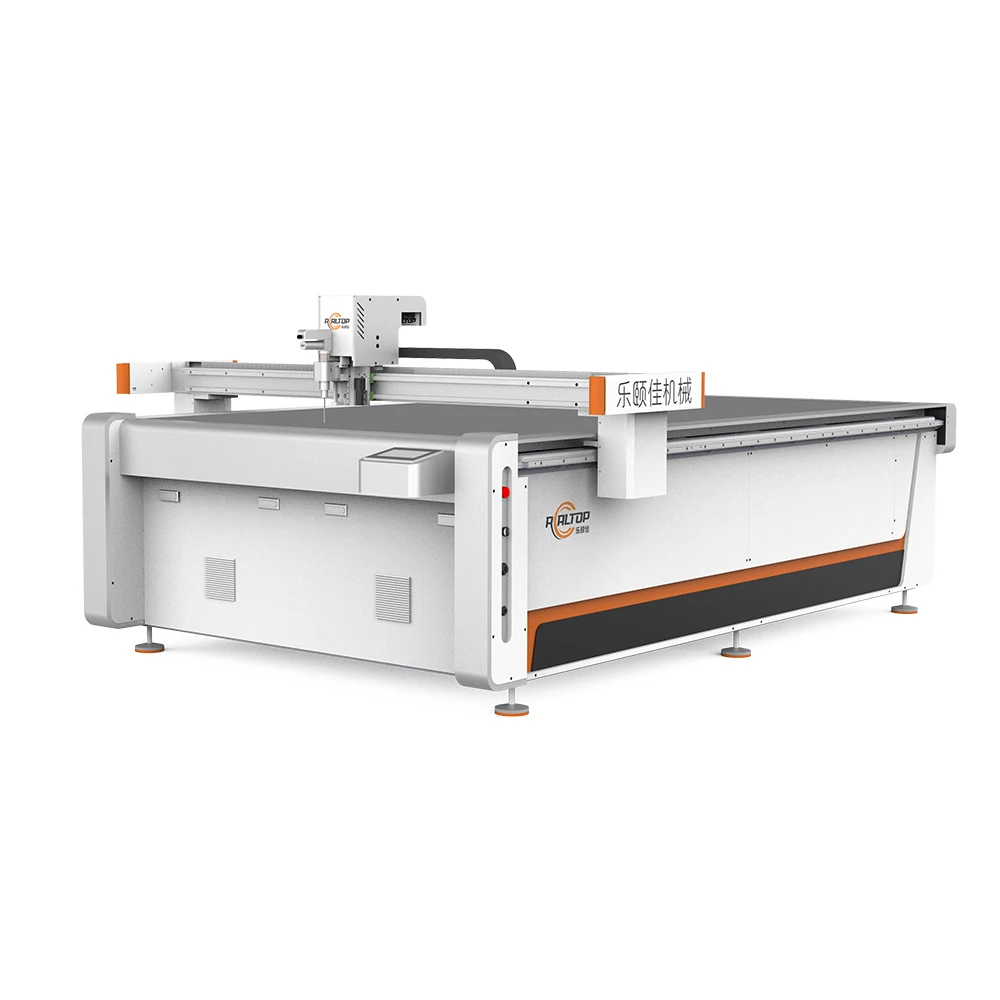
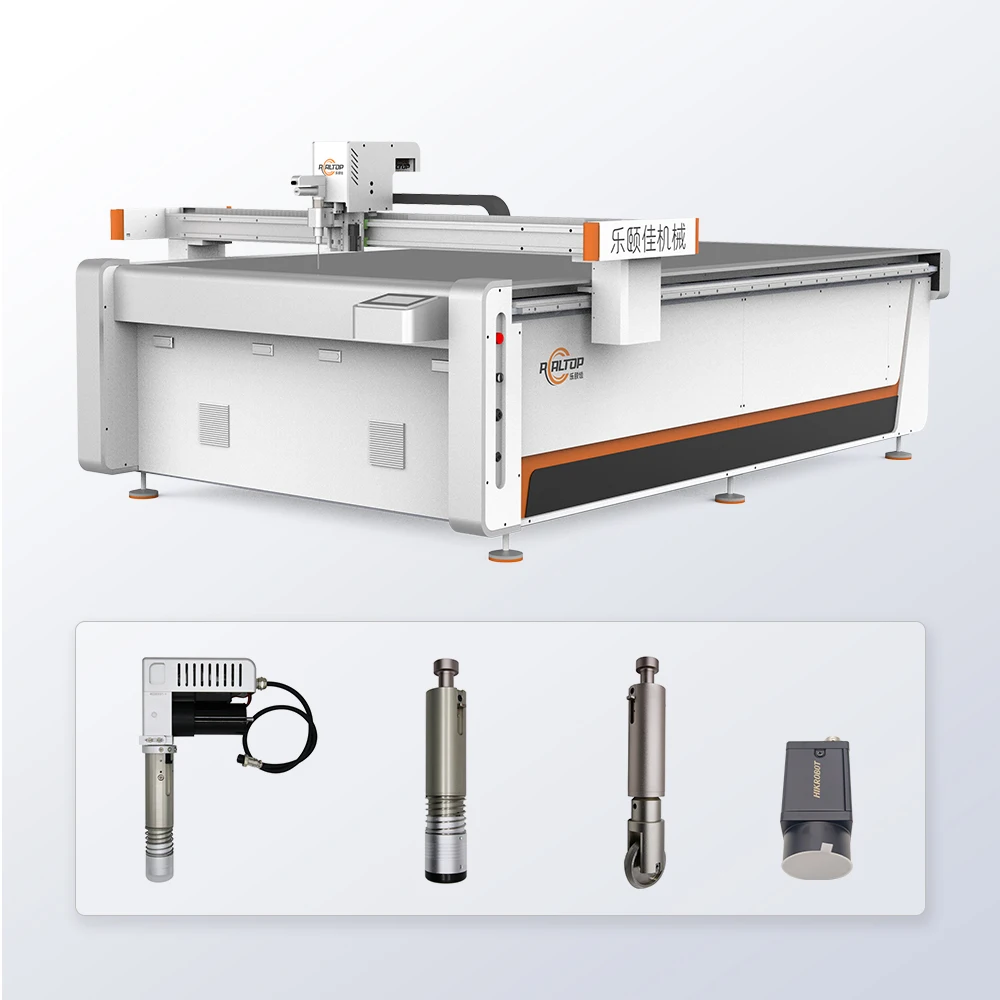
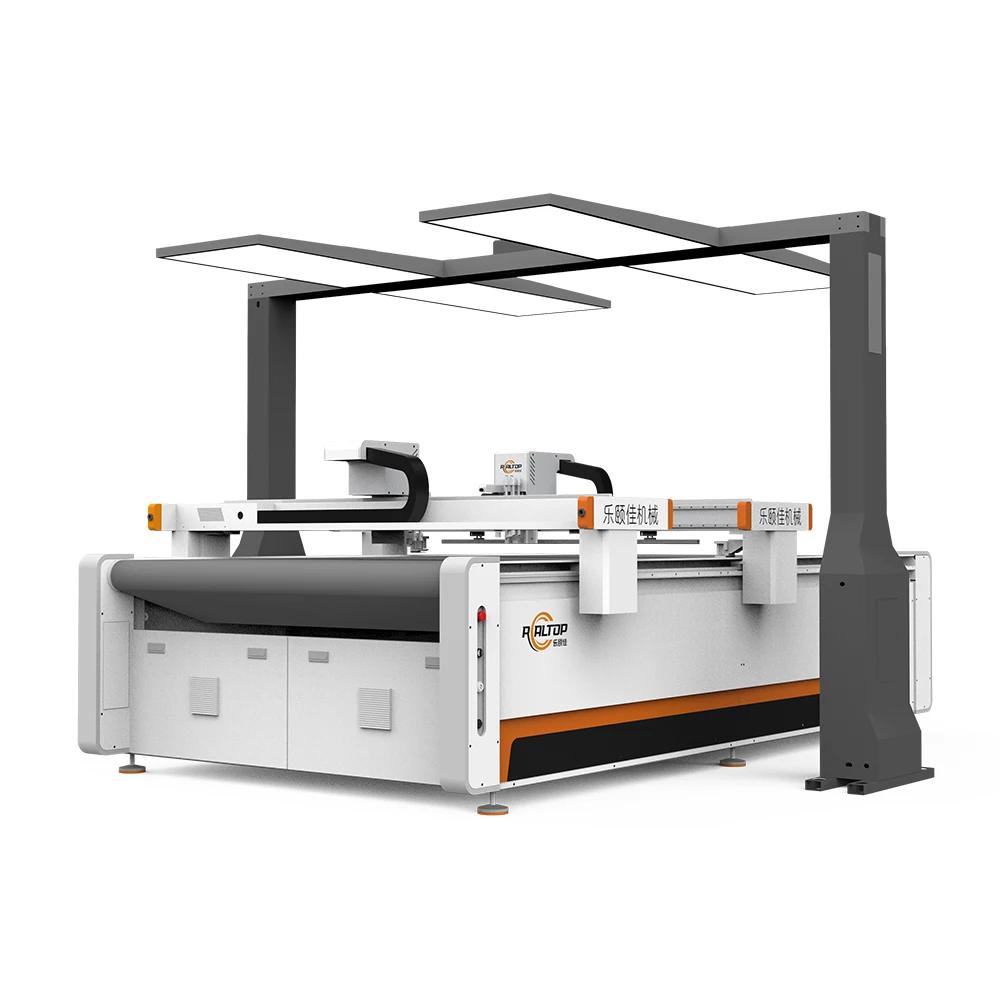
Seven-tool versatility — The 1625 platform supports oscillating, rotary, kiss-cutting, milling and creasing heads on one bed, letting buyers match the tool to the material rather than force a single method across the entire cutting equipment range.
Technical Specifications
| Parameter | Value |
|---|---|
| Model | 1625 |
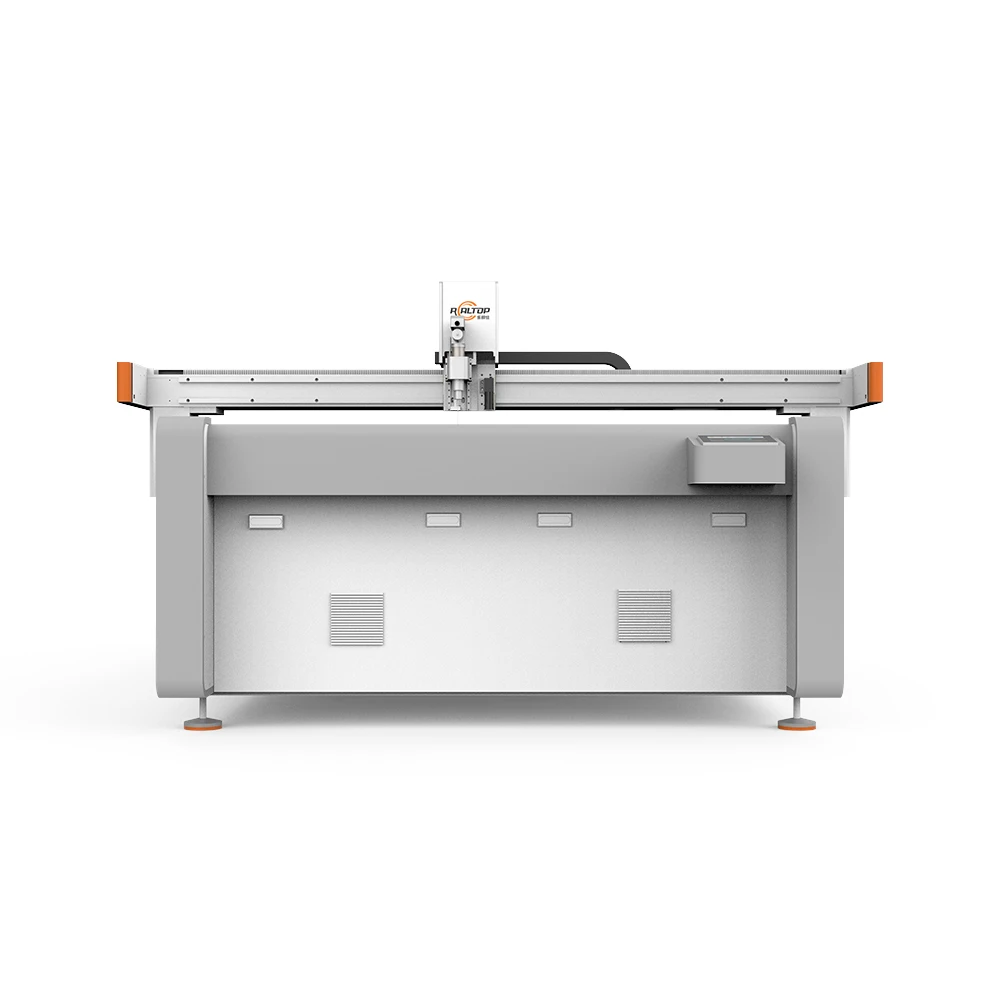
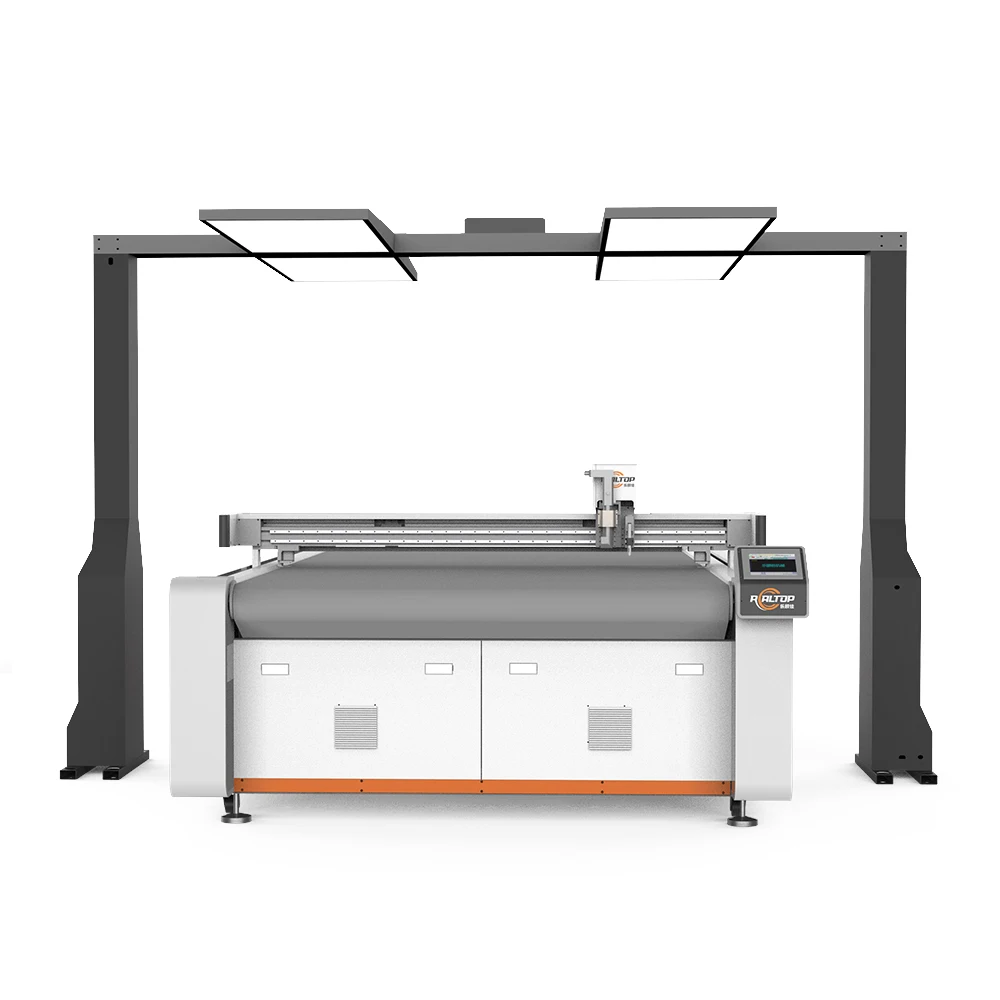
| Product Type | CNC Oscillating Knife Cutting Machine |
| Working Area | 1600 × 2500 mm |
| Cutting Speed | 0 – 2000 mm/s |
| Cutting Thickness | ≤ 30 mm (basis not stated in source — confirm material type and density) |
| Cutting Accuracy | ±0.1 mm |
| Tool Head Options | Oscillating knife, Driven rotary knife, Creasing wheel, Kiss cutting tool, Pneumatic knife, Milling tool, V-groove knife |
| Vacuum Pump | 9 kW |
| Vacuum Table | Aluminum bellows vacuum table |
| Control System | PLC control panel |
| Servo Motor Options | Panasonic, Delta, Dorna |
| Machine Frame | Heavy-duty frame with precision-ground surface |
| Voltage Options | 110 V / 220 V / 380 V (frequency to be confirmed per market) |
| Supported File Formats | PLT, DXF, AI, PDF |
| Machine Dimensions (L × W × H) | 3300 × 2100 × 1350 mm |
| Safety Devices | Infrared sensor, emergency stop |
| Language Options | English, Russian, Italian, Chinese; custom languages available |
| Certifications | CE |
Application Suitability
| Application | Material or Output |
|---|---|
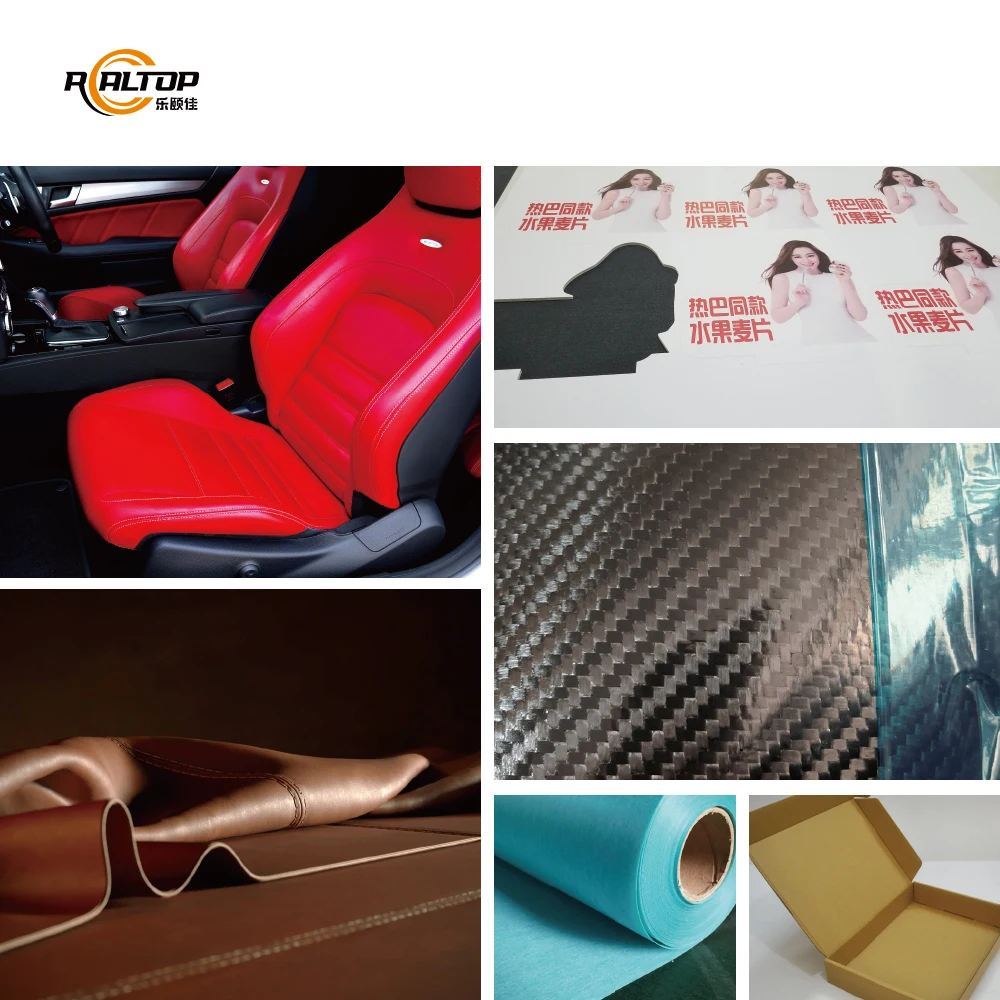
| Leather goods and footwear | Shoe uppers, handbags, belts, garment leather |
| Automotive interiors | Car mats, seat covers, door panels, headliners |
| Upholstery and soft furnishings | Sofa fabrics, curtain panels, composite home textiles |
| Advertising and signage | PVC sheets, adhesive vinyl, foam boards, vehicle wraps |
| Packaging sample making | Corrugated carton, folding carton, gift box prototypes |
| Flexible industrial materials | EVA foam, PTFE gaskets, rubber seals, insulating sheets |
When Thickness Claims Don’t Match the Actual Leather Stack
Spec sheets quote a single cutting-thickness number, but real-world leather composites behave differently at every density.
A buyer once specified a machine based purely on the working area, assuming any knife head would handle a 15 mm automotive floor-mat sandwich of foam-backed PU leather. On the first shift, the blade dragged through the foam layer, leaving uncut fibers and forcing a full stop [NEED_CITE: material density versus effective cutting depth in oscillating knife systems]. The 1625 addresses this gap by pairing seven interchangeable tool heads with a 9 kW vacuum hold-down, so the configuration is locked to the buyer’s actual stack-up — not a generic thickness claim. A CNC Oscillating Knife Cutting Machine manufacturer that tests on the buyer’s own material before shipment avoids this exact failure mode.
Matching the Knife Head to the Leather Grade
Full-grain leather demands a clean oscillating stroke to prevent edge burnishing, while softer split leather or bonded composites respond better to a driven rotary knife that slices without pulling the grain surface. The 1625 platform allows the tool head to be swapped on the same gantry, so a single CNC Oscillating Knife Cutting Machine can cover a production mix that shifts between stiff shoe upper stock and supple upholstery hide. Creasing wheels and V-groove tools handle folding lines on thicker gaskets or carton samples without changing machines.
Vacuum Zoning and Small-Part Hold-Down
The aluminum bellows table divides the 1600 × 2500 mm bed into selectable zones. When cutting small pattern pieces — shoe tongues, gasket rings, bag handles — the operator activates only the zone beneath the nest, concentrating suction where the material actually sits. This prevents thin leather or foam from lifting mid-cut, a problem that shows up most often on vacuum tables sized for full sheets with no zoning logic [NEED_CITE: vacuum table zoning and small-part stability on flatbed cutters].
How Core Parameters Shape Daily Output
The 2000 mm/s maximum travel speed matters most on long, continuous contours such as automotive seat-cover panels; tight radii on shoe-upper patterns force the servo to decelerate, so real throughput depends on nesting geometry. The ±0.1 mm positional accuracy keeps registration tight when the optional CCD camera tracks printed fiducials on pre-printed leather or vinyl. The 9 kW vacuum pump generates enough negative pressure to hold multi-layer stacks flat, yet the PLC panel lets the operator dial back suction for delicate single-layer hides to avoid surface marking. Voltage options spanning 110 V to 380 V mean the servo and pump motors can be wound for the destination market before the crate leaves Jinan.
The Hidden Cost of Skipping the Sample-Cut Step
A buyer who commits to a configuration without a physical sample cut risks discovering edge fraying or crushed foam only after the machine is bolted to the factory floor. Replacing a tool head or adding vacuum zones post-delivery means new wiring, new plumbing, and lost production days. Every hour of unplanned downtime on a running leather line costs the downstream sewing and assembly stations as well [NEED_CITE: unplanned downtime cost propagation across sequential manufacturing cells]. The sample-cut step eliminates most of these surprises before the purchase order is signed.
Why Source This Platform Directly from the Factory
The design team that built the 1625 frame also engineers the company’s laser line, so knife and laser methods are compared on the same material data rather than pitched as separate products. Tool head and table configurations are specified per buyer material, not pulled from a default list. Voltage, control language and plug type are confirmed on the electrical schematic before production starts. The factory test record documents actual cut quality on the buyer’s own stock. CE documentation is prepared in-house and travels with the machine.
Documentation & Verification
- Machine specification sheet listing all seven tool heads and vacuum zone map
- Electrical schematic with voltage and frequency matched to destination grid
- Sample cutting report produced on buyer-supplied leather or composite
- PLC software licence with supported file formats (PLT, DXF, AI, PDF) noted
- Factory test record signed off before crating
- Spare parts list identifying consumables for the selected knife configuration
Installation, Commissioning & Support
- Heavy-duty frame requires level concrete slab; 3300 × 2100 mm footprint plus operator clearance
- Dedicated circuit sized for 9 kW pump plus servo load; confirm voltage and phase before wiring
- Machine ships as single skid; gantry and vacuum table bolt down on arrival
- First-run parameter tuning on buyer’s actual leather thickness and grain direction
- Operator training covers PLC panel language selection and file import workflow
- Wear-part kit includes oscillating knife blades, rotary knife discs and vacuum seals
Send the Right Details with Your Inquiry
Share the leather or composite type, the exact stack thickness you run most often, and the largest single piece you need to nest on the 1600 × 2500 mm bed. Let us know the daily volume you plan to cut and the voltage and frequency standard in your workshop. If you have existing DXF or AI files, send a sample so we can confirm nesting compatibility before quoting.
Frequently Asked Questions
Q: How do I decide between an oscillating knife and a laser for my leather products?
A: Oscillating knives produce a clean mechanical edge with no heat discoloration, which is critical for visible surfaces on bags and shoe uppers. Lasers seal synthetic edges but leave a slight char on genuine leather. We run both methods on your sample material and compare edge quality, cycle time and ventilation requirements before recommending one.
Q: What working area and tool head configuration fits my sheet size?
A: The 1625 covers 1600 × 2500 mm, suitable for most leather hides and automotive mat blanks. We match the tool head — oscillating, rotary, creasing or kiss-cutting — to your thickest and most abrasive material. Larger sheet formats are available elsewhere in the catalogue for roll-fed textile lines.
Q: Can I review sample cutting results before committing to an order?
A: Yes. Send a roll or sheet of your actual leather, foam-backed composite or gasket material. We cut your production patterns, document edge quality, cycle time and vacuum hold-down behaviour, and include the sample cutting report with the quotation package.
Q: Which voltage and control language options are available for my market?
A: The 1625 ships with motors wound for 110 V, 220 V or 380 V. Frequency must be confirmed separately. The PLC control panel is pre-loaded with English, Russian, Italian or Chinese; additional languages can be configured before dispatch so operators start training on day one.
Q: How does the CCD camera option improve printed-contour cutting?
A: When the 1625 is fitted with the CCD camera, it reads printed fiducial marks on pre-printed leather or vinyl and adjusts the cut path in real time. This eliminates manual alignment on patterned materials and keeps registration within the machine’s ±0.1 mm positional accuracy across long production runs.










商品评价
There are no reviews yet.