

Fast Delivery
Quick, reliable shipping to any location.

Free & easy returns
Return this item by mail or in store within 90 days for a full refund.
Material-Matched Configuration — We specify the cutting method and tool head based on the buyer’s actual leather, foam, or composite material, rather than applying a single default setup across all applications.
Technical Specifications
| Parameter | Value |
|---|---|
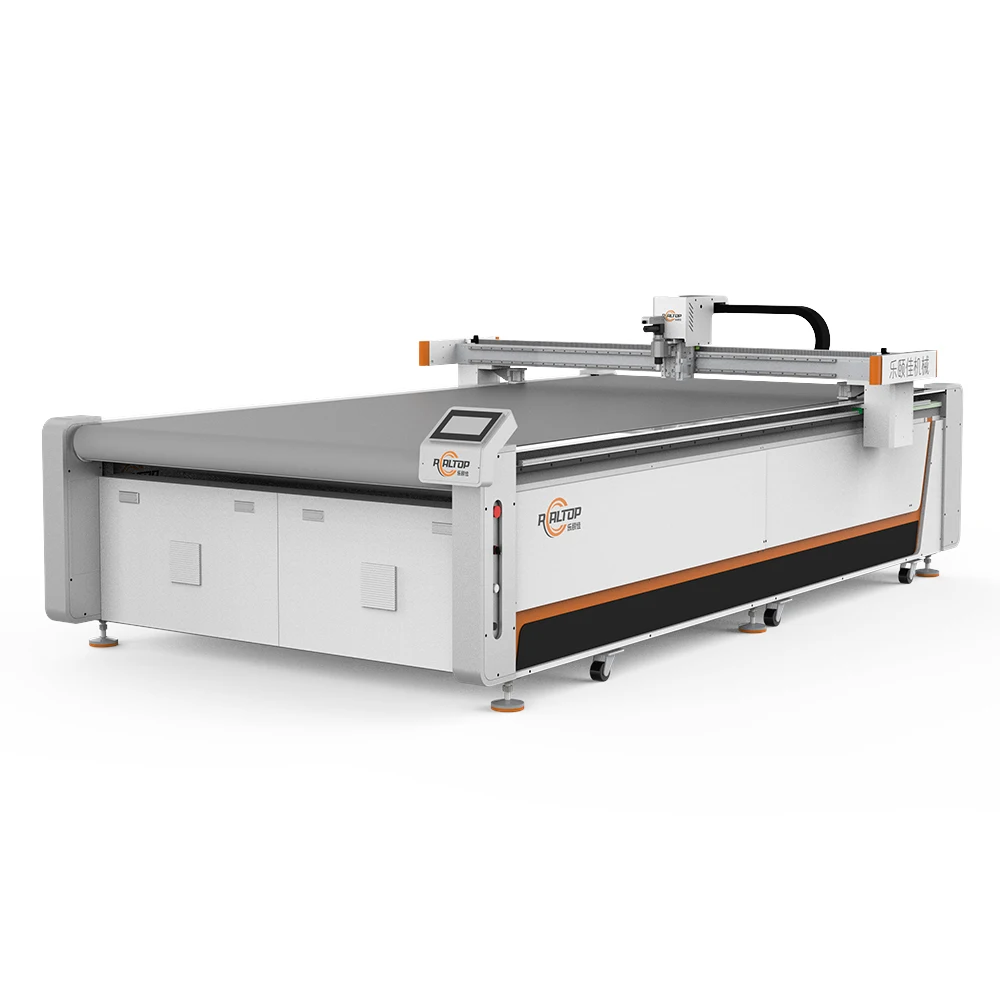
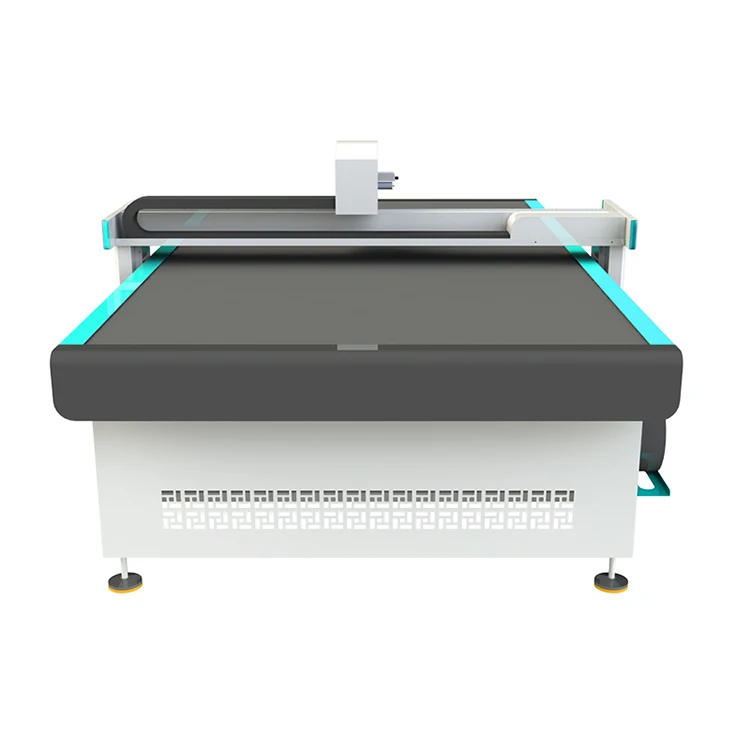
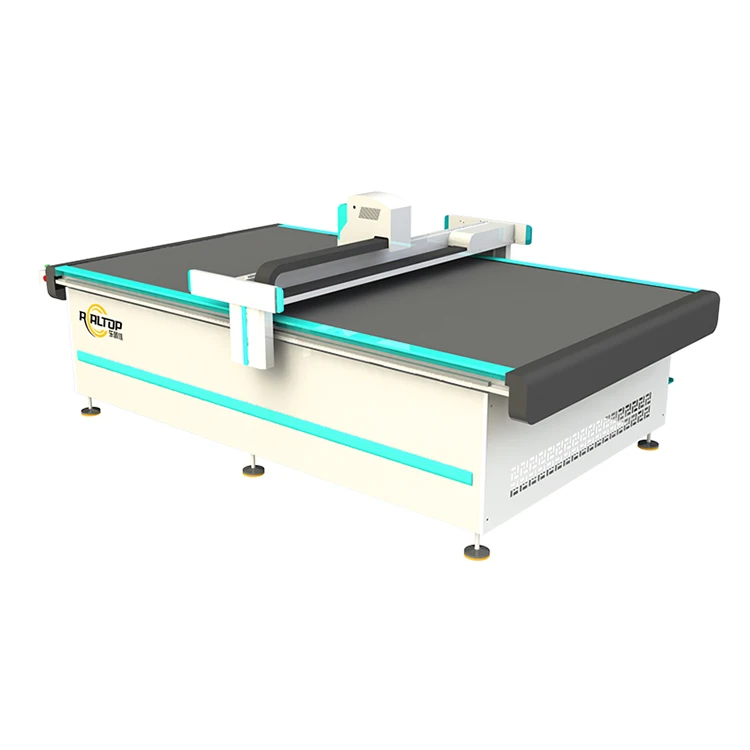
| Product Type | CNC Oscillating Knife Cutting Machine |
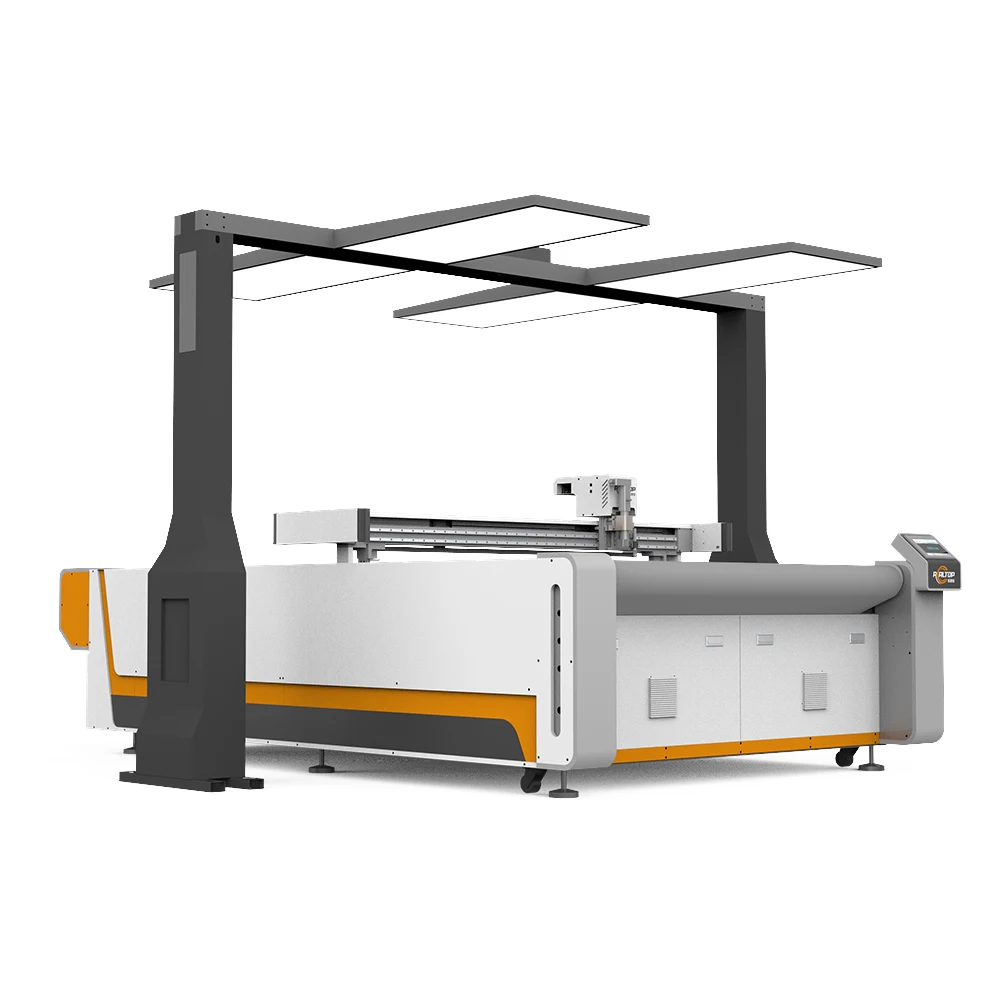
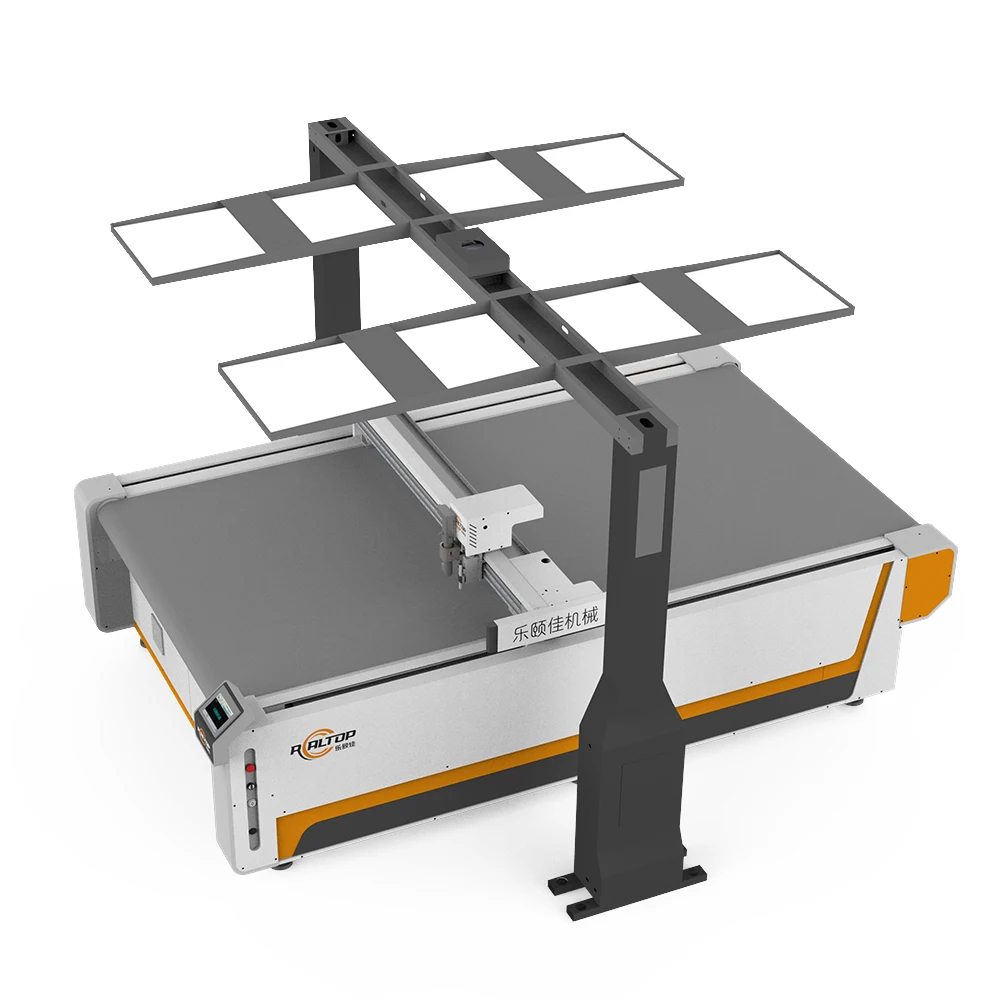
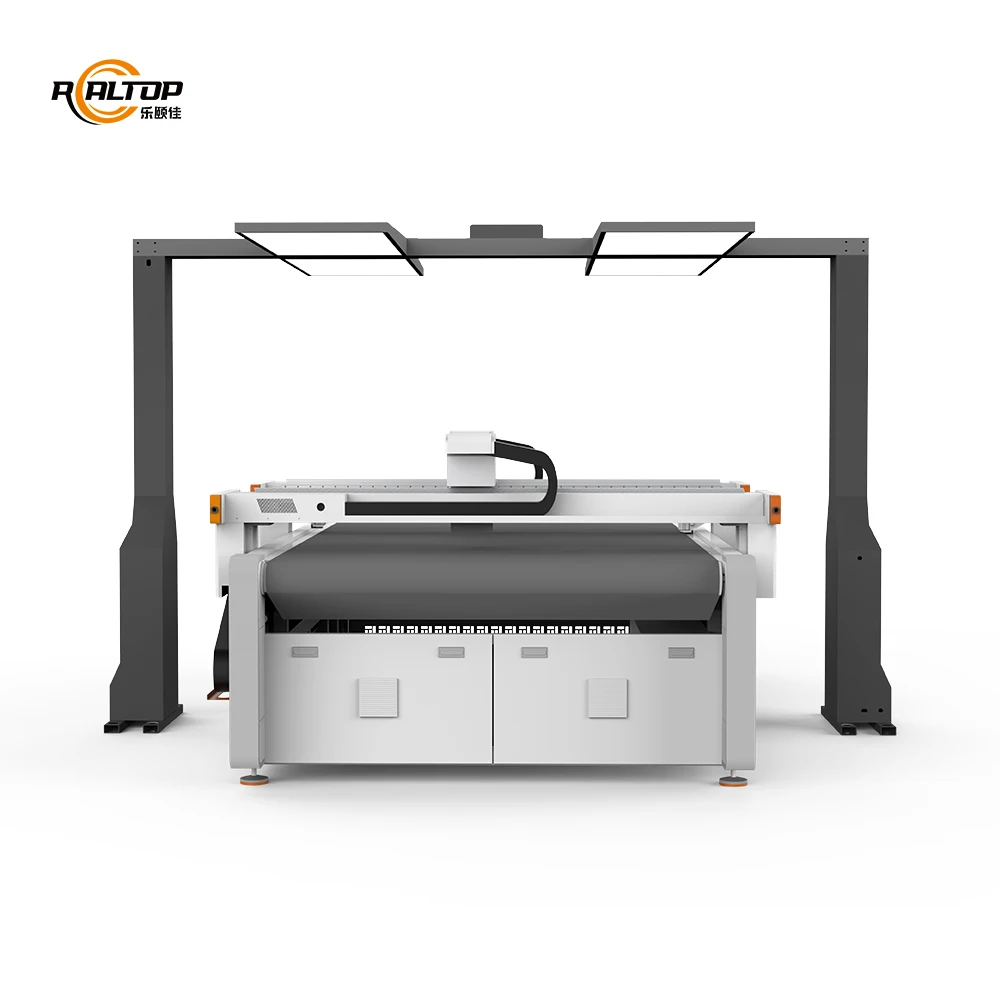
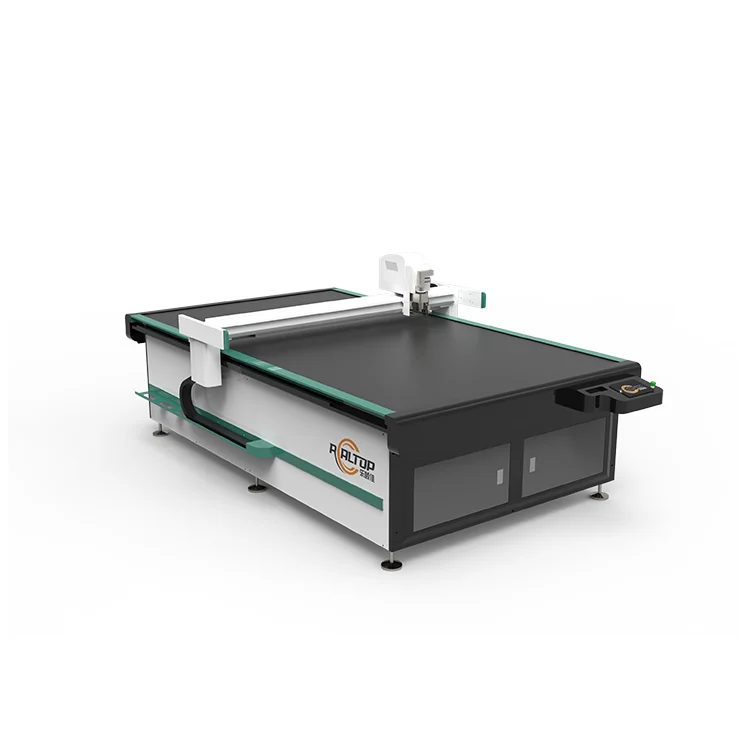
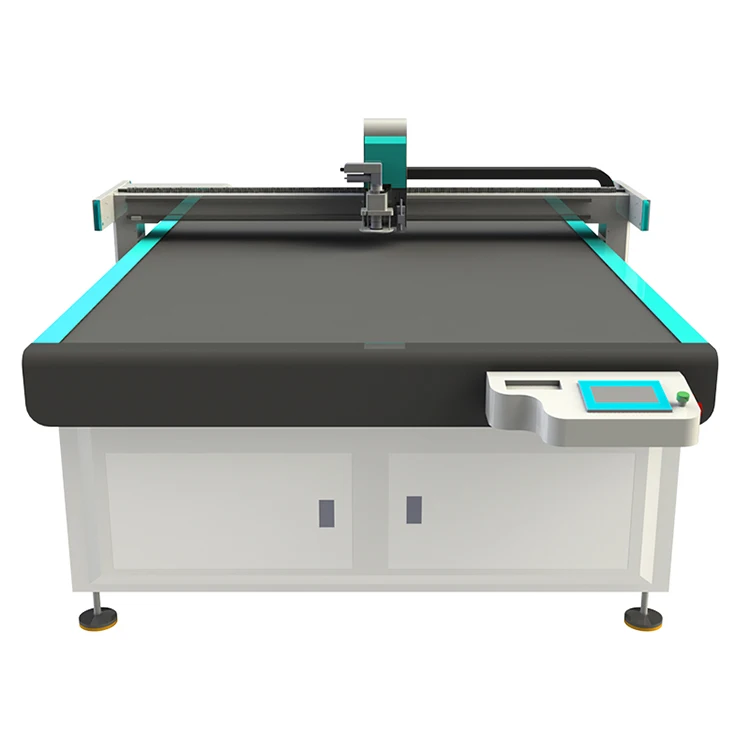
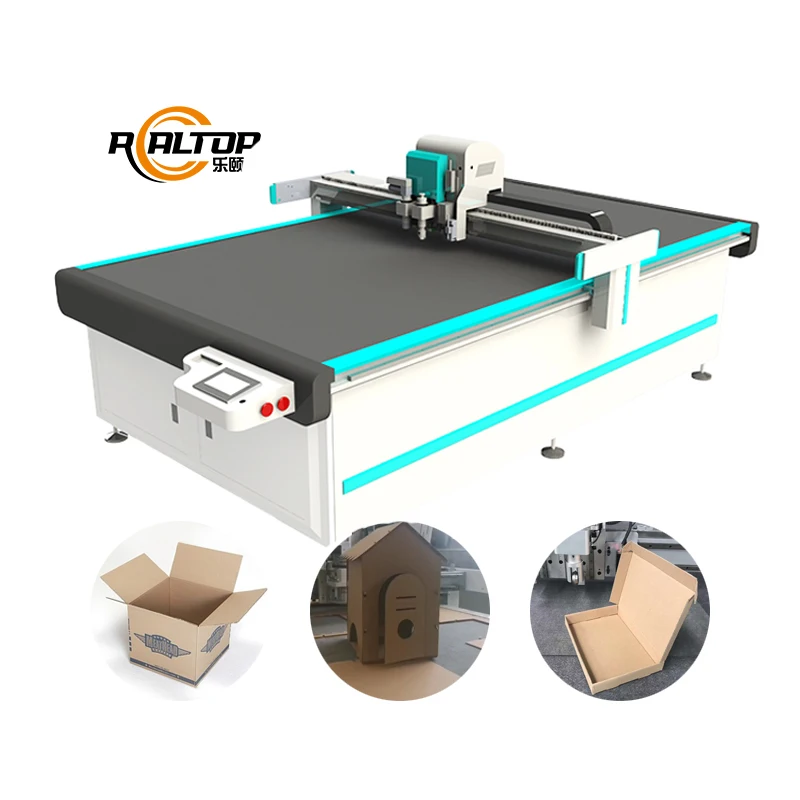
| Working Area | 1600 × 2500 mm |
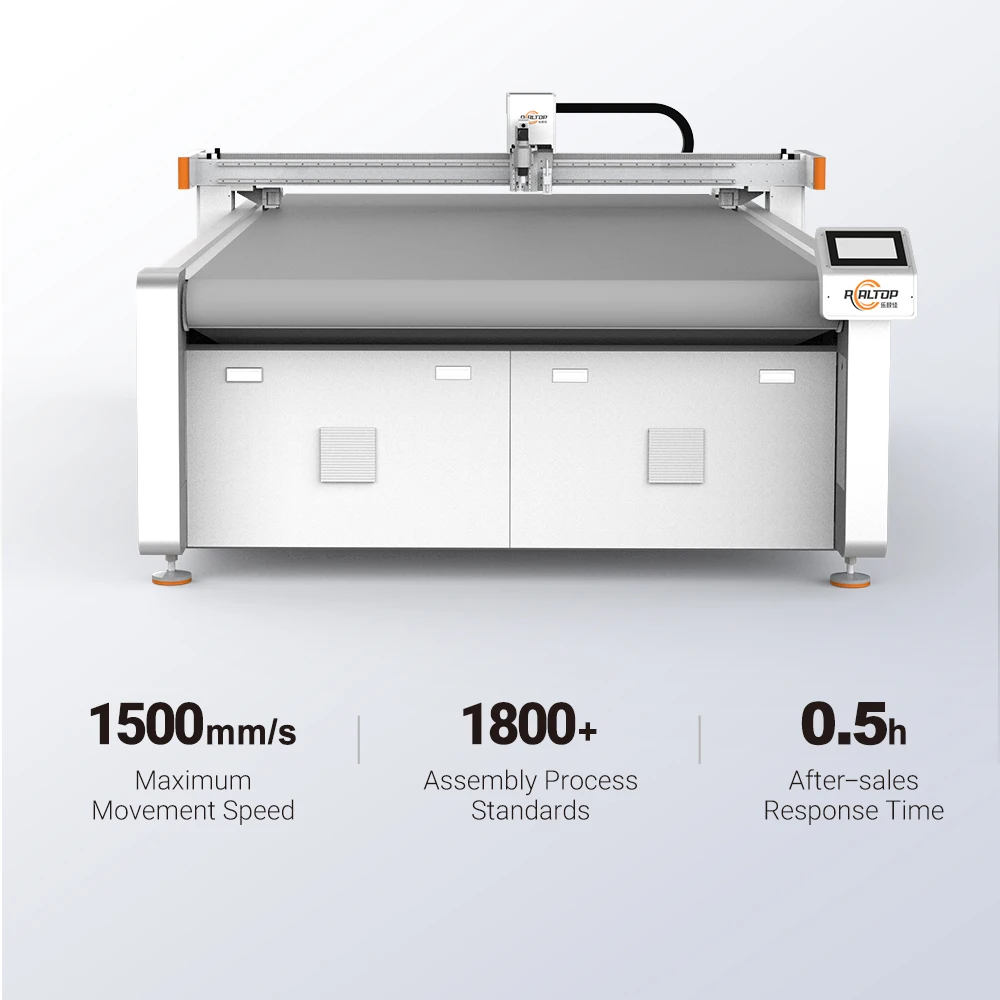
| Cutting Speed | 0–1500 mm/s |
| Cutting Thickness | Up to 40 mm (basis not stated in source — confirm material type and density for leather and car seat mats) |
| Cutting Accuracy | ±0.1 mm |
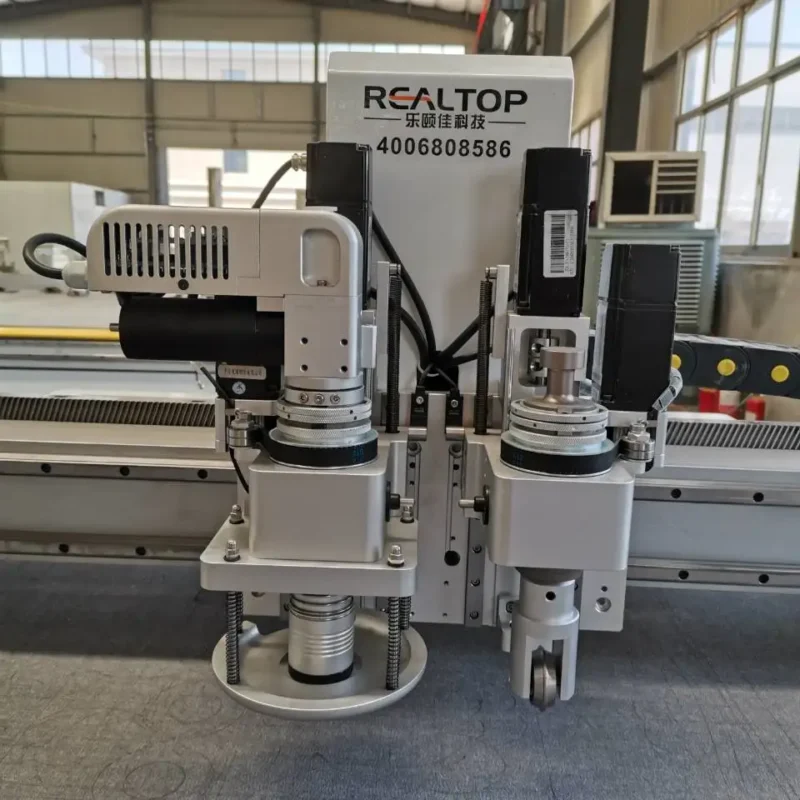
| Tool Head Options | Oscillating knife, Driven rotary knife, Creasing wheel, Kiss cutting tool, Pneumatic knife, Milling tool, V groove knife, CCD camera |
| Vacuum Pump Power | 9 kW |
| Vacuum Table Type | Aluminum bellows vacuum table |
| Drive System | Servo motors (Panasonic, Delta, Dorna options available) |
| Voltage Options | 110V, 220V, 380V (frequency not specified in source) |
| Control System | PLC control panel (source value — verify against manufacturer catalog) |
| Supported File Formats | PLT, DXF, AI, PDF |
| Language Options | English, Russian, Italian, Chinese (custom languages available) |
| Safety Device | Infrared sensor device and emergency stop device |
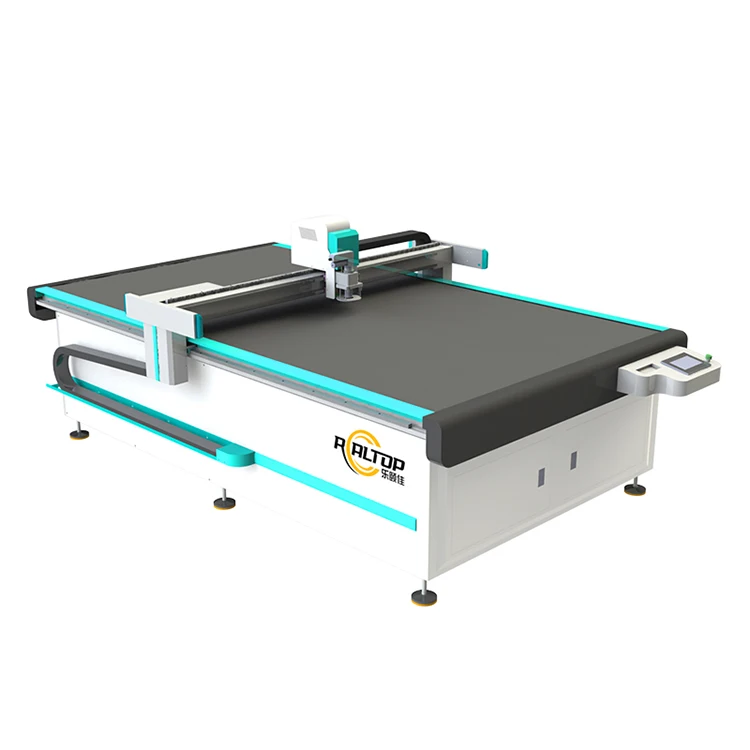
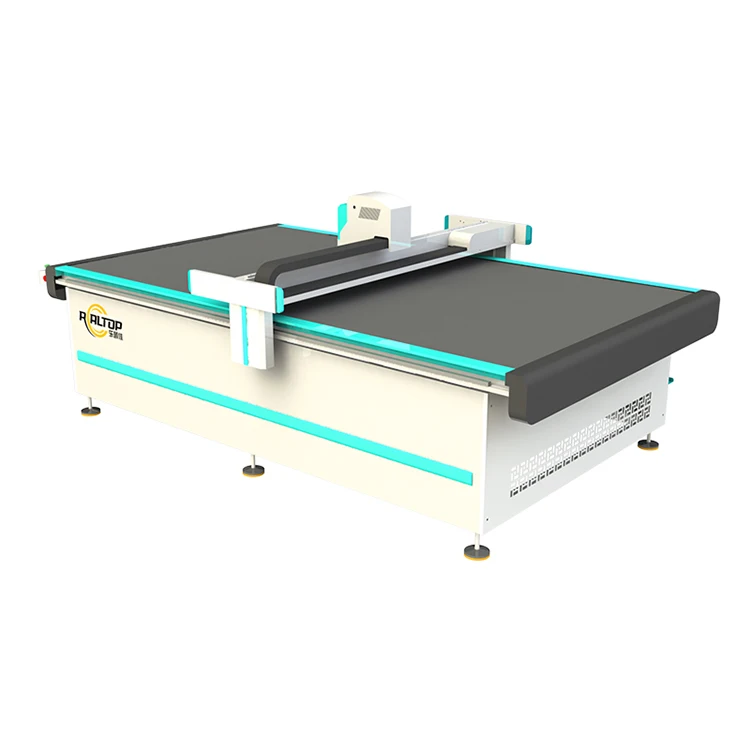
| Machine Dimensions | 3300 × 2100 × 1350 mm |
| Assembly State | Fully assembled (source value — verify against manufacturer catalog) |
| Standards | CE (source value — verify certificate validity and scope) |
Application Suitability
| Application | Material or Output |
|---|---|
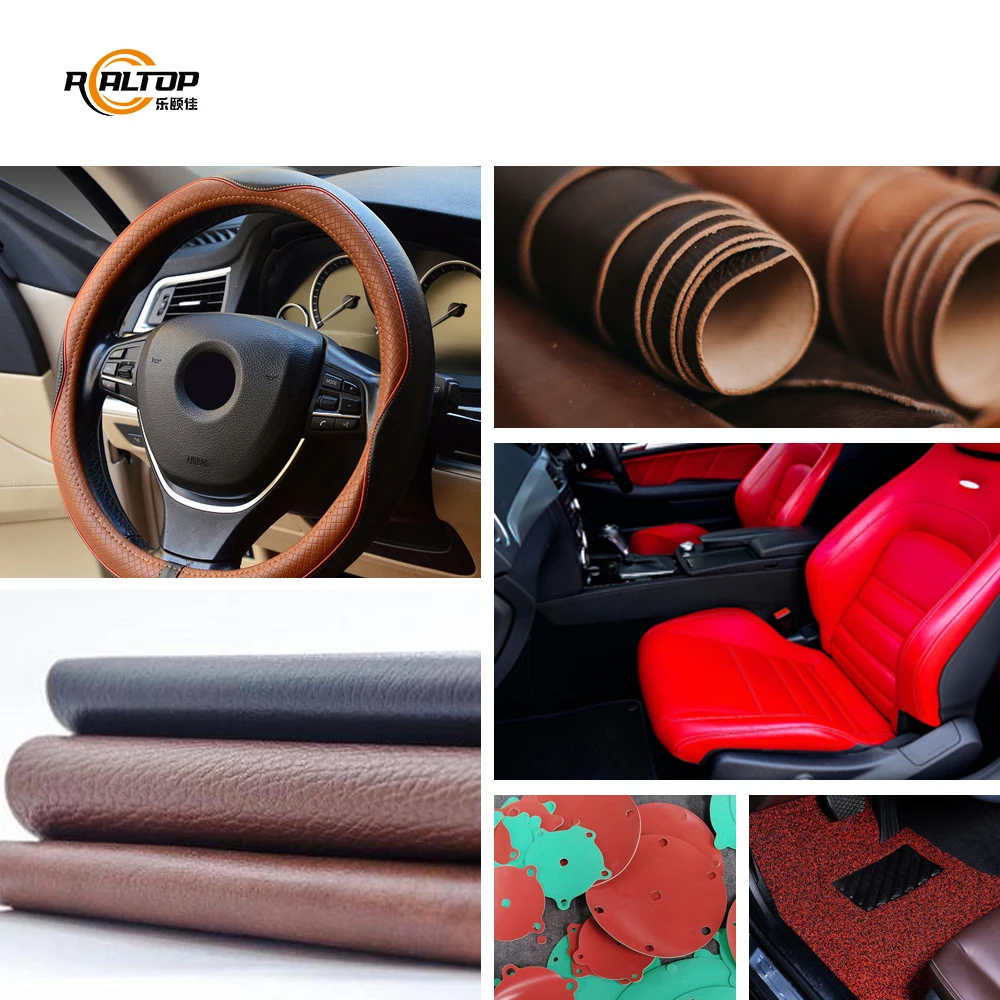
| Car seat mat and automotive interior production | Synthetic leather, PU/PVC leather, composite automotive fabrics |
| Packaging and carton sample making | Corrugated cardboard, greyboard, art paper |
| Foam processing | EVA, EPE, PU foam, Coroplast |
| Textile and fabric cutting | Velvet, fleece, non-woven fabric |
| Synthetic sheet processing | PVC, PET sheet, synthetic leather |
| Rubber mat and composite material processing | Rubber sheets, multi-layer composites |
| Gasket and sealing material fabrication | Cork, fiber, non-asbestos gasket materials |
What Buyers Miss When Choosing a CNC Oscillating Knife Cutting Machine Manufacturer
The cutting method must match the material, not the other way around.
I spent years doing quality control on the factory floor in Shandong before moving into field projects across the Middle East. One assignment involved setting up a leather cutting line for a Dubai-based automotive mat producer. The sample material they sent was standard PU leather, so we configured the tooling accordingly. When production started, the actual material contained a fiberglass interlayer that wore through blades at three times the expected rate, cutting daily output in half. That experience reinforced a rule I now follow on every project: send the actual production material for sample testing before finalizing any configuration [NEED_CITE: material composition variance in automotive leather supply chains].
Knife Versus Laser: Matching the Method to the Production Run
For leather and soft material processors surveying their options, the first decision is cutting method. CNC oscillating knife technology handles thick composites, multi-layer stacks, and materials where a laser would leave a sealed or discolored edge. This machine family sits squarely in the medium-to-large format range, with a 1600 × 2500 mm working area that accommodates full hides and automotive interior panels in a single setup.
The interchangeable tool head system — oscillating knife, driven rotary knife, creasing wheel, and pneumatic knife among the available options — lets a single machine address leather cutting, packaging sample making, and foam processing without dedicated changeover. A CNC oscillating knife cutting machine manufacturer with in-house design capability can match the tool head and table configuration to the buyer’s specific material stack, which is where the real production value lies.
Navigating the Full Equipment Range
The complete Realtop cutting equipment portfolio spans knife and laser technologies. CO2 laser machines handle acrylic, wood, and textile engraving where edge sealing is an advantage. Fiber laser systems cut sheet metal and tube for structural fabrication. CNC knife systems, including this model, occupy the space for soft, thick, and composite materials where mechanical cutting preserves material integrity [NEED_CITE: comparative cutting methods for automotive interior materials].
Buyers evaluating their first digital cutting table often start by comparing working area dimensions, but the configuration behind that number determines real productivity. Vacuum table zoning, pump capacity, servo drive selection, and CCD camera contour recognition all affect whether a machine performs as expected once it reaches the production floor.
How Core Parameters Translate to Production Results
The 1600 × 2500 mm working area supports nesting multiple car seat mat patterns or full leather hides per cycle, which directly influences material yield and daily throughput for automotive interior producers. The 9 kW vacuum pump paired with the aluminum bellows table generates the hold-down force necessary to prevent material shift during high-speed oscillating cuts, particularly important when processing small gasket parts or narrow leather strips.
The ±0.1 mm cutting accuracy depends on the servo motor selection — Panasonic, Delta, and Dorna options are available — each offering different response characteristics that affect corner quality and contour following. CCD camera positioning enables printed contour recognition, critical for packaging sample makers who need to cut precisely around pre-printed graphics. The PLC control panel manages file import from PLT, DXF, AI, and PDF formats, though buyers should confirm software compatibility with their existing nesting workflow before placing an order.
The Hidden Cost of Underspecified Configurations
Selecting a machine based on working area alone, then discovering it cannot handle the actual material thickness, is one of the most common procurement failures in this category. The listed cutting thickness of up to 40 mm applies to specific material densities and compositions — a dense rubber gasket and a soft PU foam layer behave very differently under the same oscillating knife. Without sample cutting on the buyer’s exact material, there is no reliable way to confirm the machine will perform as needed [NEED_CITE: industrial cutting equipment specification gaps in cross-border procurement].
Equally problematic is insufficient vacuum table zoning for small parts, which causes material lift during cutting and produces rejected pieces. The wrong tool head chosen for a given material produces ragged edges on leather or crushed foam cores, forcing secondary trimming and erasing any throughput advantage the machine was supposed to deliver.
Why Source From This Manufacturer
In-house design and production covering both knife and laser cutting technologies means a buyer can match the cutting method to the material rather than forcing one method to do everything. Tool head and table configurations are specified per material type and production volume, not offered as a generic package. CCD camera positioning is available for printed contour work, with performance verified on the buyer’s actual printed materials during sample testing.
Software compatibility and file format support are confirmed before the order is finalized, preventing workflow disruption after installation. Voltage, language, and specification customization ensure the machine arrives configured for the target facility’s electrical infrastructure and operator requirements. Sample cutting on the buyer’s own material before commitment provides documented proof that the configuration handles the real production load.
Documentation & Verification
- Machine specification sheet detailing selected tool head and table configuration for your leather or composite material
- Electrical schematic with voltage and frequency confirmation matching your facility power supply
- Sample cutting report on your actual production material with measured accuracy and edge quality results
- CE declaration and compliance documentation for your target market import requirements
- Software license with confirmed file format compatibility for your nesting and design workflow
- Factory test record documenting full-cycle operation before dispatch from our Jinan facility
Installation, Commissioning & Support
- 3300 × 2100 mm footprint requires level concrete flooring with adequate clearance for full bed access and material loading on all sides
- Dedicated electrical circuit sized for the 9 kW vacuum pump plus servo drive load, with confirmed voltage and frequency at point of connection
- Fully assembled delivery reduces on-site commissioning time; verify access dimensions for workshop doors and overhead clearance
- First-run parameter setting includes vacuum zone mapping, tool head calibration, and servo tuning matched to your specific material stack
- Operator training covers PLC control panel operation in your selected language, file import workflow, and tool change procedures
- Spare parts list and maintenance schedule provided for oscillating knife blades, vacuum seals, and drive components based on your production volume
Preparing Your Inquiry
To move from general catalogue review to a firm configuration, share the specific material type, thickness, and sheet dimensions you will be processing, along with your target daily output volume. Include your facility voltage and frequency, preferred control language, and any existing nesting software in use. If your material contains composite layers or reinforcing elements, send a representative sample so we can run cutting tests and confirm tool head selection, vacuum requirements, and achievable accuracy before building your machine.
Frequently Asked Questions
Q: How does CNC oscillating knife cutting compare to CO2 laser for leather and synthetic materials?
A: Oscillating knife cutting produces a clean mechanical edge without the heat-affected zone that CO2 lasers leave on synthetic leather and composites. Knife cutting also handles thicker material stacks and multi-layer composites that would require excessive laser power. For automotive leather and car seat mats, knife cutting preserves material flexibility and avoids edge discoloration, which is why it is the standard choice for interior trim production.
Q: What working area size is appropriate for car seat mat and automotive interior production?
A: The 1600 × 2500 mm working area on this model accommodates full leather hides and standard automotive mat panels in a single nesting cycle. This size balances material yield against floor space requirements for most automotive interior producers. Buyers processing oversized commercial vehicle mats or continuous roll goods may require a larger format or conveyor-fed system.
Q: Which tool head configuration handles both leather and packaging cardboard on the same machine?
A: An oscillating knife tool head paired with a creasing wheel enables processing of both leather hides and corrugated or greyboard packaging materials on the same table. The driven rotary knife is also available for thicker or reinforced leather composites. The key is specifying the correct combination during the ordering stage so all required tooling is included and calibrated at the factory.
Q: How to verify cutting thickness capability matches specific material density and layer count?
A: Request a sample cutting test using your actual production material at full thickness and layer count. The listed maximum thickness applies to specific densities and compositions, and a dense rubber gasket behaves differently than soft PU foam. The sample report documents cutting accuracy, edge quality, and blade wear rate, providing a reliable basis for final configuration decisions.
Material-Matched Configuration — We specify the cutting method and tool head based on the buyer’s actual leather, foam, or composite material, rather than applying a single default setup across all applications.
Technical Specifications
| Parameter | Value |
|---|---|
| Product Type | CNC Oscillating Knife Cutting Machine |
| Working Area | 1600 × 2500 mm |
| Cutting Speed | 0–1500 mm/s |
| Cutting Thickness | Up to 40 mm (basis not stated in source — confirm material type and density for leather and car seat mats) |
| Cutting Accuracy | ±0.1 mm |
| Tool Head Options | Oscillating knife, Driven rotary knife, Creasing wheel, Kiss cutting tool, Pneumatic knife, Milling tool, V groove knife, CCD camera |
| Vacuum Pump Power | 9 kW |
| Vacuum Table Type | Aluminum bellows vacuum table |
| Drive System | Servo motors (Panasonic, Delta, Dorna options available) |
| Voltage Options | 110V, 220V, 380V (frequency not specified in source) |
| Control System | PLC control panel (source value — verify against manufacturer catalog) |
| Supported File Formats | PLT, DXF, AI, PDF |
| Language Options | English, Russian, Italian, Chinese (custom languages available) |
| Safety Device | Infrared sensor device and emergency stop device |
| Machine Dimensions | 3300 × 2100 × 1350 mm |
| Assembly State | Fully assembled (source value — verify against manufacturer catalog) |
| Standards | CE (source value — verify certificate validity and scope) |
Application Suitability
| Application | Material or Output |
|---|---|
| Car seat mat and automotive interior production | Synthetic leather, PU/PVC leather, composite automotive fabrics |
| Packaging and carton sample making | Corrugated cardboard, greyboard, art paper |
| Foam processing | EVA, EPE, PU foam, Coroplast |
| Textile and fabric cutting | Velvet, fleece, non-woven fabric |
| Synthetic sheet processing | PVC, PET sheet, synthetic leather |
| Rubber mat and composite material processing | Rubber sheets, multi-layer composites |
| Gasket and sealing material fabrication | Cork, fiber, non-asbestos gasket materials |
What Buyers Miss When Choosing a CNC Oscillating Knife Cutting Machine Manufacturer
The cutting method must match the material, not the other way around.
I spent years doing quality control on the factory floor in Shandong before moving into field projects across the Middle East. One assignment involved setting up a leather cutting line for a Dubai-based automotive mat producer. The sample material they sent was standard PU leather, so we configured the tooling accordingly. When production started, the actual material contained a fiberglass interlayer that wore through blades at three times the expected rate, cutting daily output in half. That experience reinforced a rule I now follow on every project: send the actual production material for sample testing before finalizing any configuration [NEED_CITE: material composition variance in automotive leather supply chains].
Knife Versus Laser: Matching the Method to the Production Run
For leather and soft material processors surveying their options, the first decision is cutting method. CNC oscillating knife technology handles thick composites, multi-layer stacks, and materials where a laser would leave a sealed or discolored edge. This machine family sits squarely in the medium-to-large format range, with a 1600 × 2500 mm working area that accommodates full hides and automotive interior panels in a single setup.
The interchangeable tool head system — oscillating knife, driven rotary knife, creasing wheel, and pneumatic knife among the available options — lets a single machine address leather cutting, packaging sample making, and foam processing without dedicated changeover. A CNC oscillating knife cutting machine manufacturer with in-house design capability can match the tool head and table configuration to the buyer’s specific material stack, which is where the real production value lies.
Navigating the Full Equipment Range
The complete Realtop cutting equipment portfolio spans knife and laser technologies. CO2 laser machines handle acrylic, wood, and textile engraving where edge sealing is an advantage. Fiber laser systems cut sheet metal and tube for structural fabrication. CNC knife systems, including this model, occupy the space for soft, thick, and composite materials where mechanical cutting preserves material integrity [NEED_CITE: comparative cutting methods for automotive interior materials].
Buyers evaluating their first digital cutting table often start by comparing working area dimensions, but the configuration behind that number determines real productivity. Vacuum table zoning, pump capacity, servo drive selection, and CCD camera contour recognition all affect whether a machine performs as expected once it reaches the production floor.
How Core Parameters Translate to Production Results
The 1600 × 2500 mm working area supports nesting multiple car seat mat patterns or full leather hides per cycle, which directly influences material yield and daily throughput for automotive interior producers. The 9 kW vacuum pump paired with the aluminum bellows table generates the hold-down force necessary to prevent material shift during high-speed oscillating cuts, particularly important when processing small gasket parts or narrow leather strips.
The ±0.1 mm cutting accuracy depends on the servo motor selection — Panasonic, Delta, and Dorna options are available — each offering different response characteristics that affect corner quality and contour following. CCD camera positioning enables printed contour recognition, critical for packaging sample makers who need to cut precisely around pre-printed graphics. The PLC control panel manages file import from PLT, DXF, AI, and PDF formats, though buyers should confirm software compatibility with their existing nesting workflow before placing an order.
The Hidden Cost of Underspecified Configurations
Selecting a machine based on working area alone, then discovering it cannot handle the actual material thickness, is one of the most common procurement failures in this category. The listed cutting thickness of up to 40 mm applies to specific material densities and compositions — a dense rubber gasket and a soft PU foam layer behave very differently under the same oscillating knife. Without sample cutting on the buyer’s exact material, there is no reliable way to confirm the machine will perform as needed [NEED_CITE: industrial cutting equipment specification gaps in cross-border procurement].
Equally problematic is insufficient vacuum table zoning for small parts, which causes material lift during cutting and produces rejected pieces. The wrong tool head chosen for a given material produces ragged edges on leather or crushed foam cores, forcing secondary trimming and erasing any throughput advantage the machine was supposed to deliver.
Why Source From This Manufacturer
In-house design and production covering both knife and laser cutting technologies means a buyer can match the cutting method to the material rather than forcing one method to do everything. Tool head and table configurations are specified per material type and production volume, not offered as a generic package. CCD camera positioning is available for printed contour work, with performance verified on the buyer’s actual printed materials during sample testing.
Software compatibility and file format support are confirmed before the order is finalized, preventing workflow disruption after installation. Voltage, language, and specification customization ensure the machine arrives configured for the target facility’s electrical infrastructure and operator requirements. Sample cutting on the buyer’s own material before commitment provides documented proof that the configuration handles the real production load.
Documentation & Verification
- Machine specification sheet detailing selected tool head and table configuration for your leather or composite material
- Electrical schematic with voltage and frequency confirmation matching your facility power supply
- Sample cutting report on your actual production material with measured accuracy and edge quality results
- CE declaration and compliance documentation for your target market import requirements
- Software license with confirmed file format compatibility for your nesting and design workflow
- Factory test record documenting full-cycle operation before dispatch from our Jinan facility
Installation, Commissioning & Support
- 3300 × 2100 mm footprint requires level concrete flooring with adequate clearance for full bed access and material loading on all sides
- Dedicated electrical circuit sized for the 9 kW vacuum pump plus servo drive load, with confirmed voltage and frequency at point of connection
- Fully assembled delivery reduces on-site commissioning time; verify access dimensions for workshop doors and overhead clearance
- First-run parameter setting includes vacuum zone mapping, tool head calibration, and servo tuning matched to your specific material stack
- Operator training covers PLC control panel operation in your selected language, file import workflow, and tool change procedures
- Spare parts list and maintenance schedule provided for oscillating knife blades, vacuum seals, and drive components based on your production volume
Preparing Your Inquiry
To move from general catalogue review to a firm configuration, share the specific material type, thickness, and sheet dimensions you will be processing, along with your target daily output volume. Include your facility voltage and frequency, preferred control language, and any existing nesting software in use. If your material contains composite layers or reinforcing elements, send a representative sample so we can run cutting tests and confirm tool head selection, vacuum requirements, and achievable accuracy before building your machine.
Frequently Asked Questions
Q: How does CNC oscillating knife cutting compare to CO2 laser for leather and synthetic materials?
A: Oscillating knife cutting produces a clean mechanical edge without the heat-affected zone that CO2 lasers leave on synthetic leather and composites. Knife cutting also handles thicker material stacks and multi-layer composites that would require excessive laser power. For automotive leather and car seat mats, knife cutting preserves material flexibility and avoids edge discoloration, which is why it is the standard choice for interior trim production.
Q: What working area size is appropriate for car seat mat and automotive interior production?
A: The 1600 × 2500 mm working area on this model accommodates full leather hides and standard automotive mat panels in a single nesting cycle. This size balances material yield against floor space requirements for most automotive interior producers. Buyers processing oversized commercial vehicle mats or continuous roll goods may require a larger format or conveyor-fed system.
Q: Which tool head configuration handles both leather and packaging cardboard on the same machine?
A: An oscillating knife tool head paired with a creasing wheel enables processing of both leather hides and corrugated or greyboard packaging materials on the same table. The driven rotary knife is also available for thicker or reinforced leather composites. The key is specifying the correct combination during the ordering stage so all required tooling is included and calibrated at the factory.
Q: How to verify cutting thickness capability matches specific material density and layer count?
A: Request a sample cutting test using your actual production material at full thickness and layer count. The listed maximum thickness applies to specific densities and compositions, and a dense rubber gasket behaves differently than soft PU foam. The sample report documents cutting accuracy, edge quality, and blade wear rate, providing a reliable basis for final configuration decisions.
商品评价
There are no reviews yet.