


Fast Delivery
Quick, reliable shipping to any location.

Free & easy returns
Return this item by mail or in store within 90 days for a full refund.
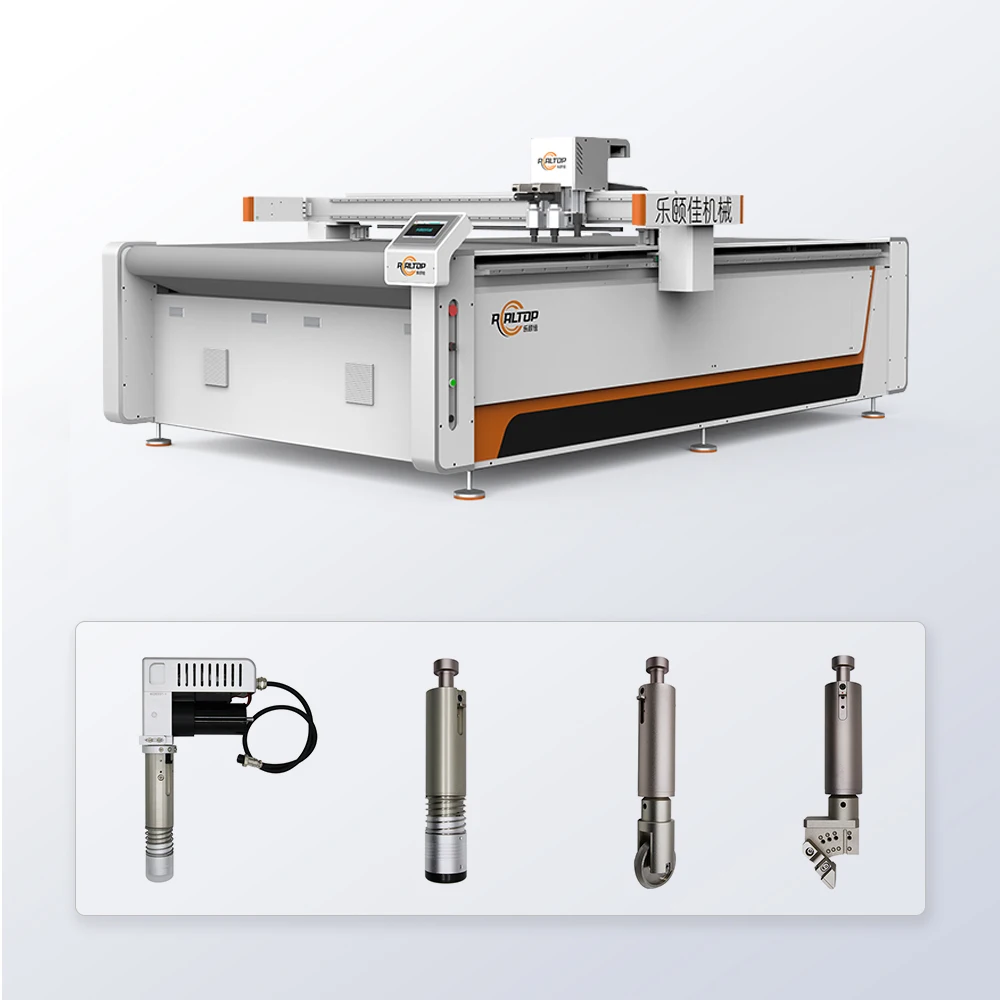
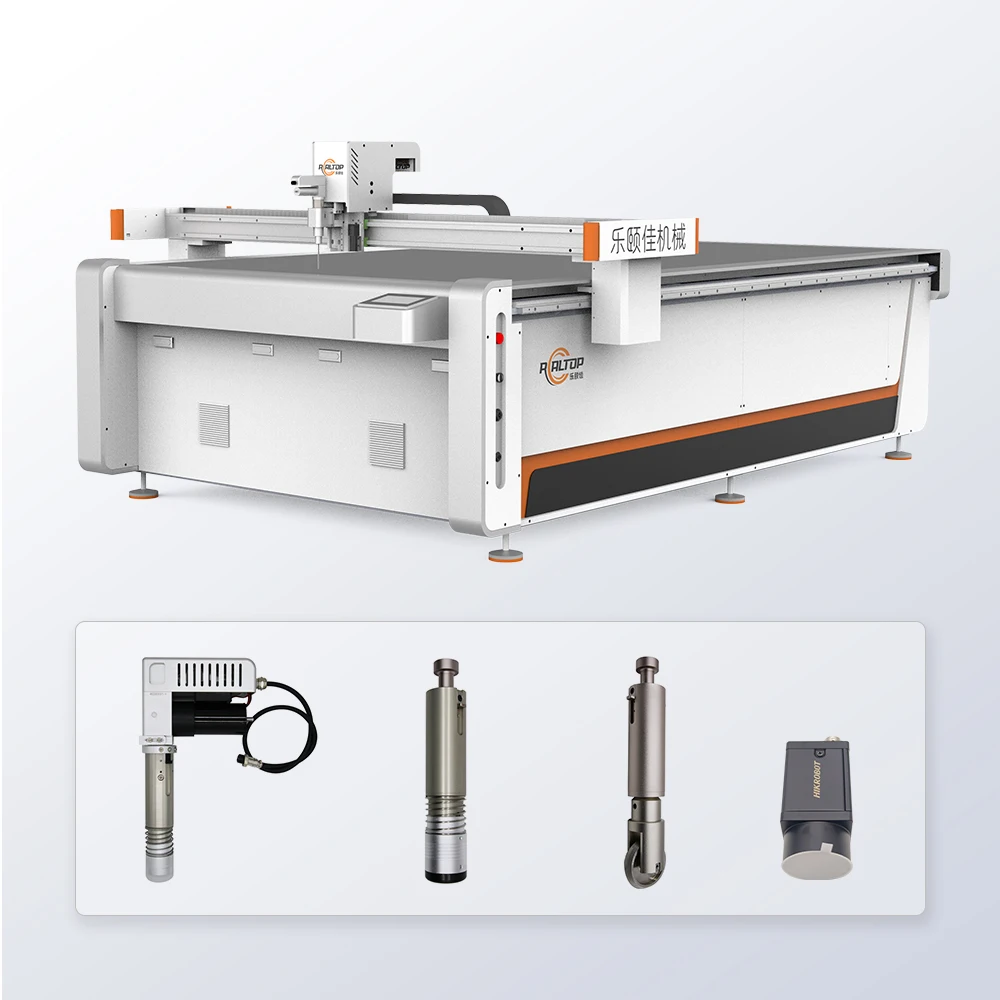
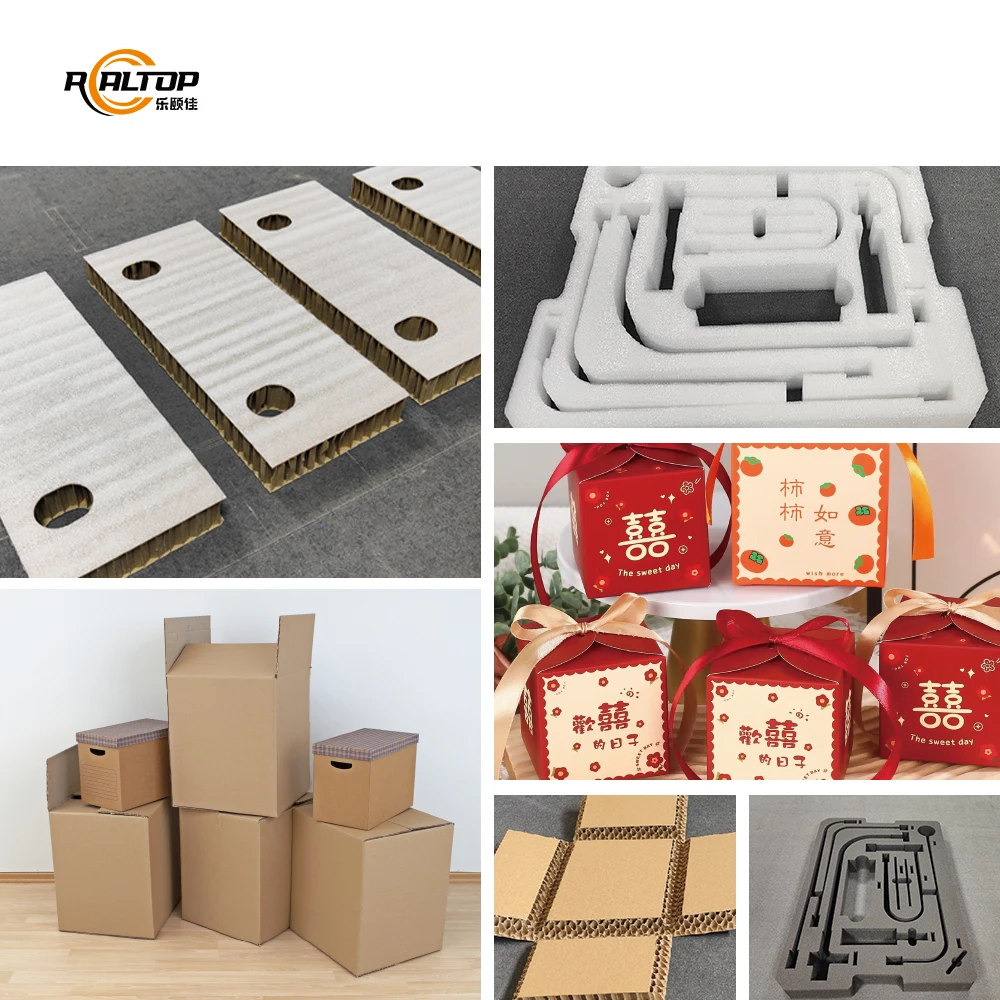
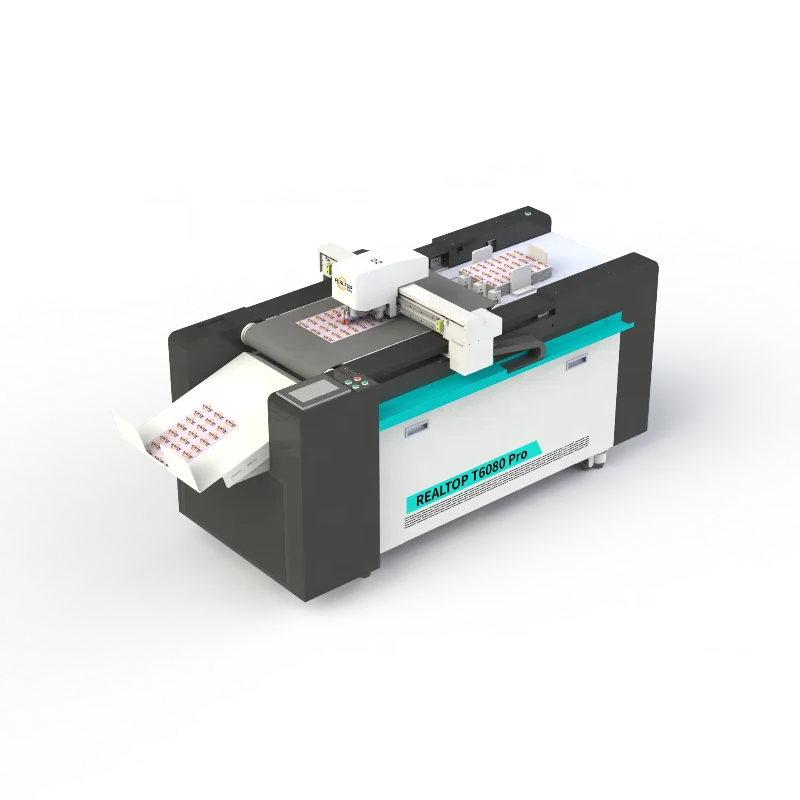
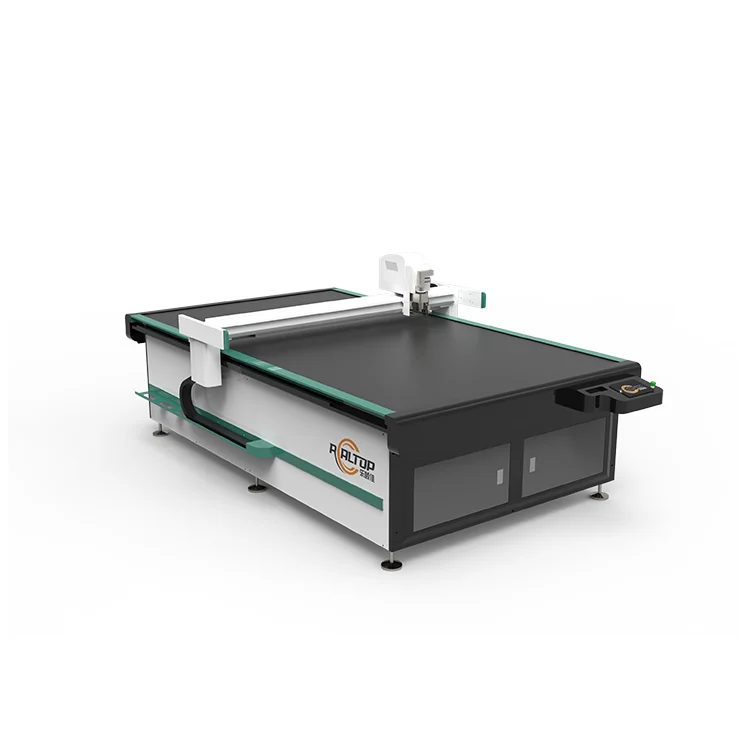
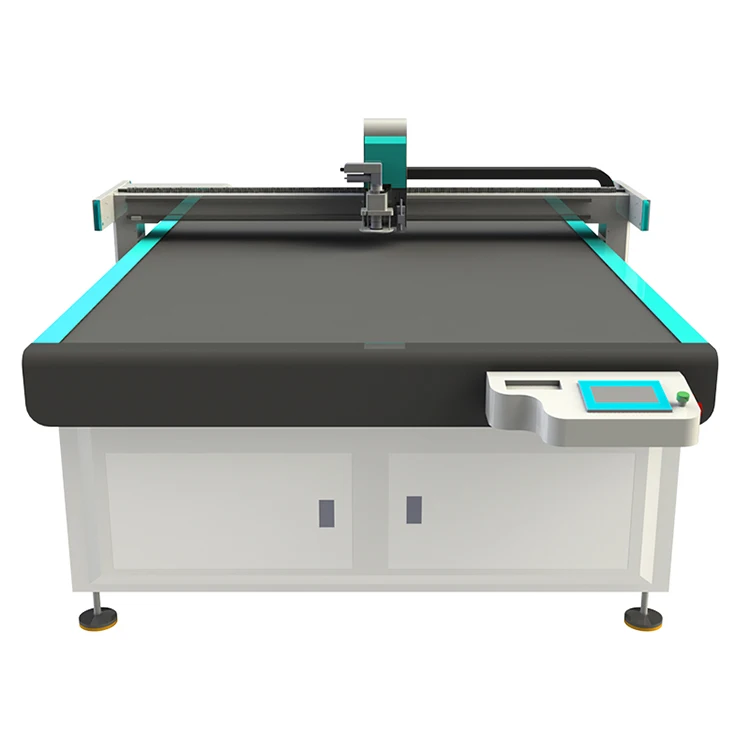
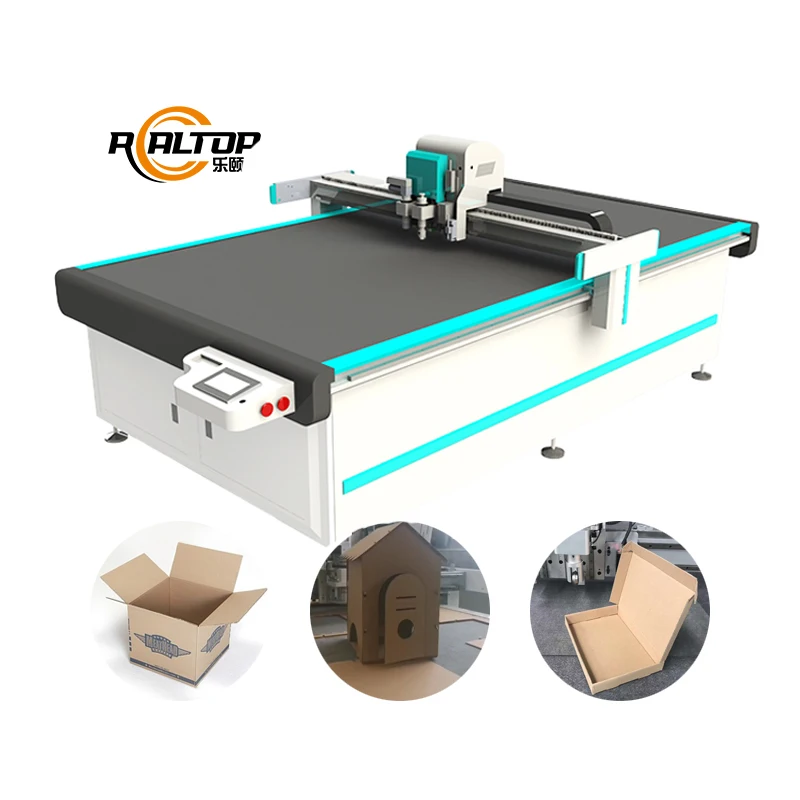
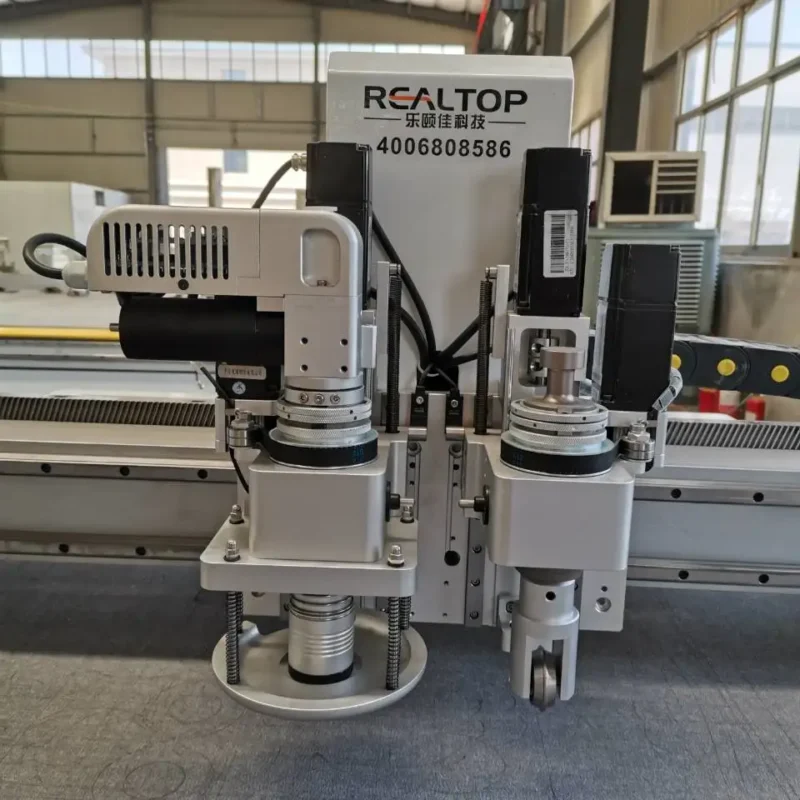
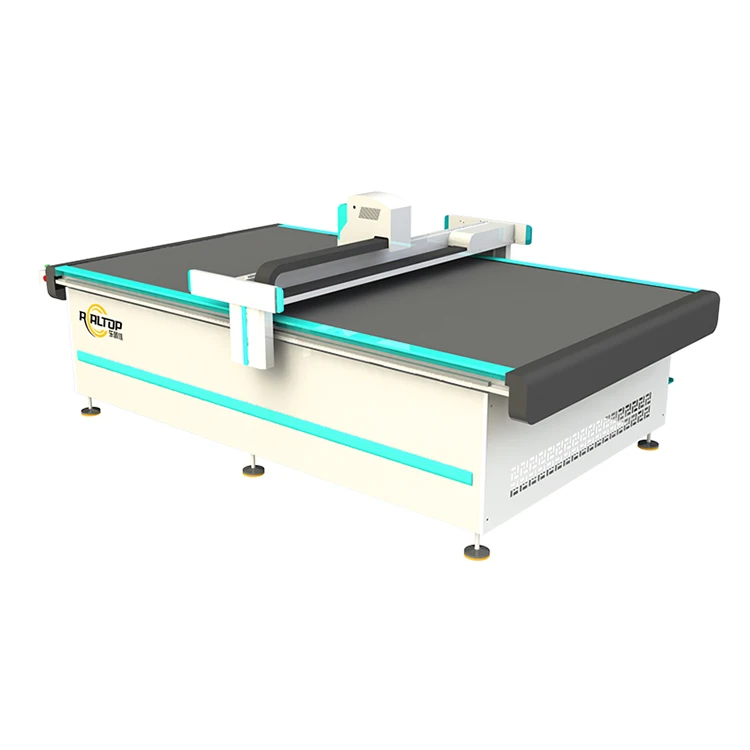
Tool head flexibility — this CNC oscillating knife cutting machine manufacturer pairs knife, creasing, kiss cutting and V groove tools on one table so packaging sample makers can run corrugated, greyboard and foam without swapping machines.
Technical Specifications
| Parameter | Value |
|---|---|
| Model | 1625 |
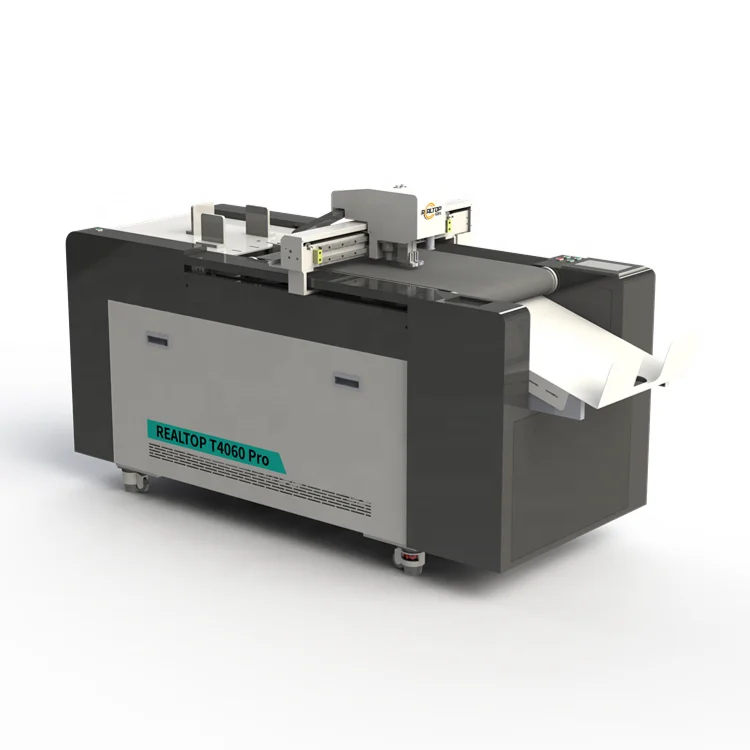
| Product Type | CNC Oscillating Knife Cutting Machine |
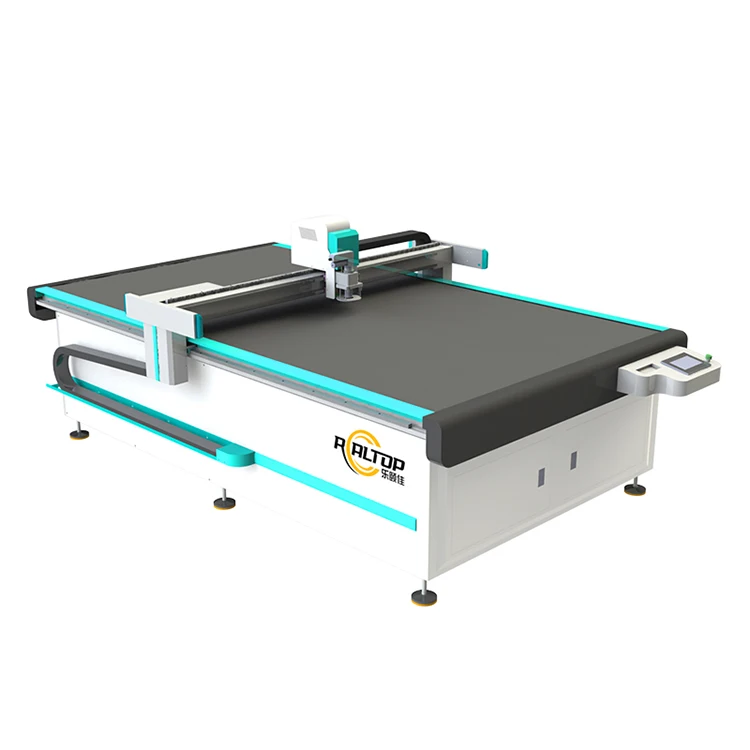
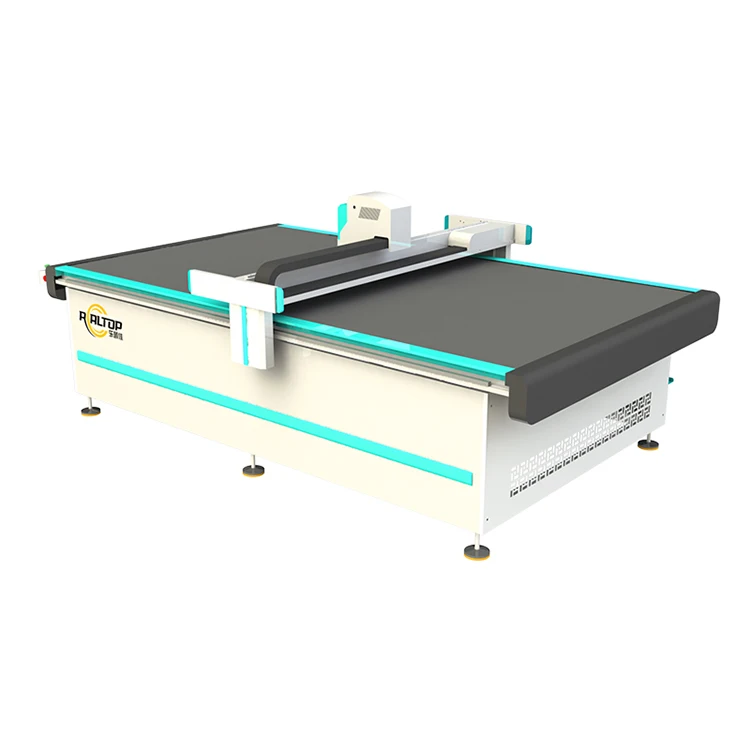
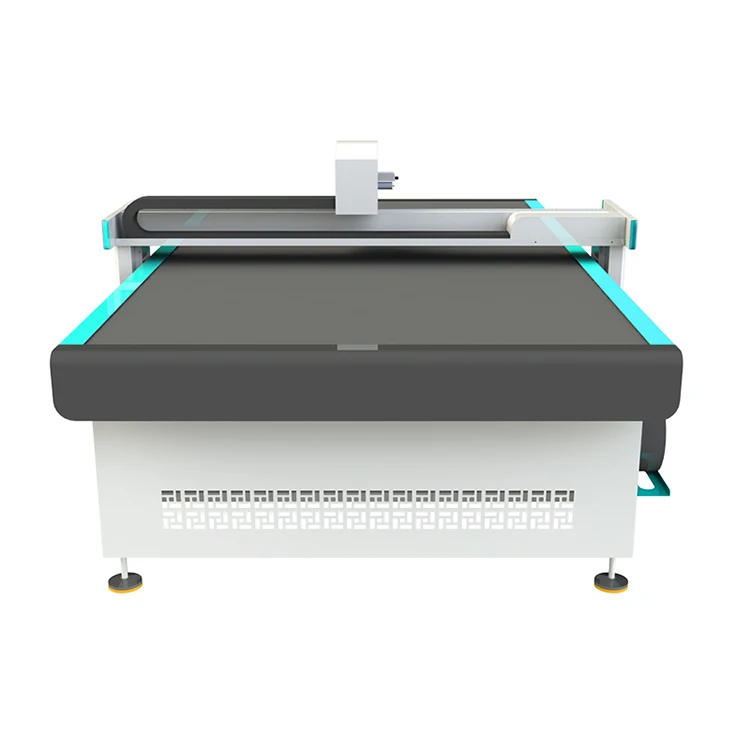
| Working Area | 1600×2500 mm |
| Tool Head Options | Oscillating knife, Driven rotary knife, Creasing wheel, Kiss cutting tool, Pneumatic knife, Milling tool, V groove knife, CCD camera |
| Applicable Materials | Fabric, Cardboard, Carton, Mats, PVC, EVA, Leather, Acrylic, Foam, PTFE, Rubber |
| Cutting Speed | 0–1500 mm/s |
| Cutting Thickness | ≤ 40mm (basis not stated in source — confirm material type and density) |
| Cutting Accuracy | ±0.1 mm |
| Vacuum Pump | 9 kW |
| Voltage Options | 110V / 220V / 380V (frequency to be confirmed) |
| Control System | PLC control panel with optional display languages |
| File Formats Supported | PLT, DXF, AI, PDF |
| Vacuum Table Type | Aluminum bellows vacuum table |
| Software | Dedicated packaging box structure design software included |
| Safety Device | Infrared sensor device and emergency stop device |
| Machine Dimensions (L×W×H) | 3300×2100×1350 mm |
| Language Options | English, Russian, Italian, Chinese (special languages customizable) |
Application Suitability
| Application | Material or Output |
|---|---|
| Packaging sample making and short-run carton production | Corrugated cardboard E/B/BC-flute, greyboard, cardstock, art paper |
| Foam packaging and insert cutting | EVA, EPE, Coroplast, PU foam |
| Gasket and seal cutting | Rubber, PTFE, composite sheets |
| Signage and display board cutting | PVC, PET, thin plastic sheets |
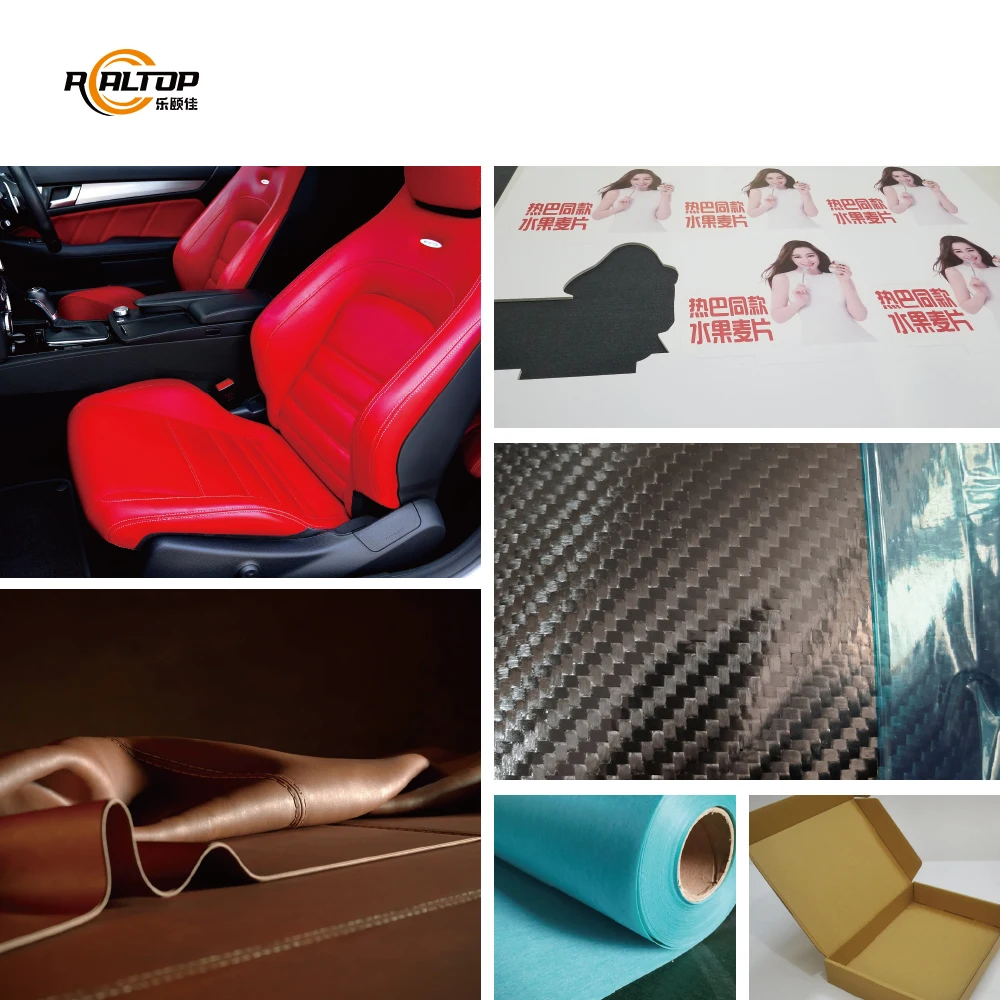
| Leather and synthetic leather cutting | Footwear components, leather goods panels |
| Fabric and non-woven material cutting | Textile layers, non-woven filtration media |
Why Working Area Alone Is Not a Specification
A 1600×2500 mm table only tells you the sheet fits; it says nothing about whether the knife can actually cut through the flute profile you run every day. The CNC oscillating knife cutting machine manufacturer must match tool head, oscillation frequency and vacuum zoning to the specific board weight and density, not just the physical footprint. Configuration locks to the material, not the table size. I have watched packaging shops receive a machine that handled their sample perfectly, only to stall when production greyboard turned out denser than the trial batch. The vacuum table zones were too large for their small die-cut shapes, causing lift at the edges, and the oscillating knife struggled through double-wall corrugated at full speed. Getting these variables wrong costs a week of downtime while parameters are reworked and replacement tooling is shipped [NEED_CITE: packaging substrate density variation across suppliers].
Matching Knife and Laser Across the Catalogue
One manufacturer covering both oscillating knife and laser cutting technologies means a packaging producer can evaluate both methods on the same material before committing. Corrugated and greyboard generally suit knife cutting for clean, uncompressed edges, while laser handles intricate perforations and kiss-cut scoring on thinner stocks. Having both options under one roof eliminates the bias that comes from talking to a single-process vendor.
Contour Recognition on Pre-Printed Sheets
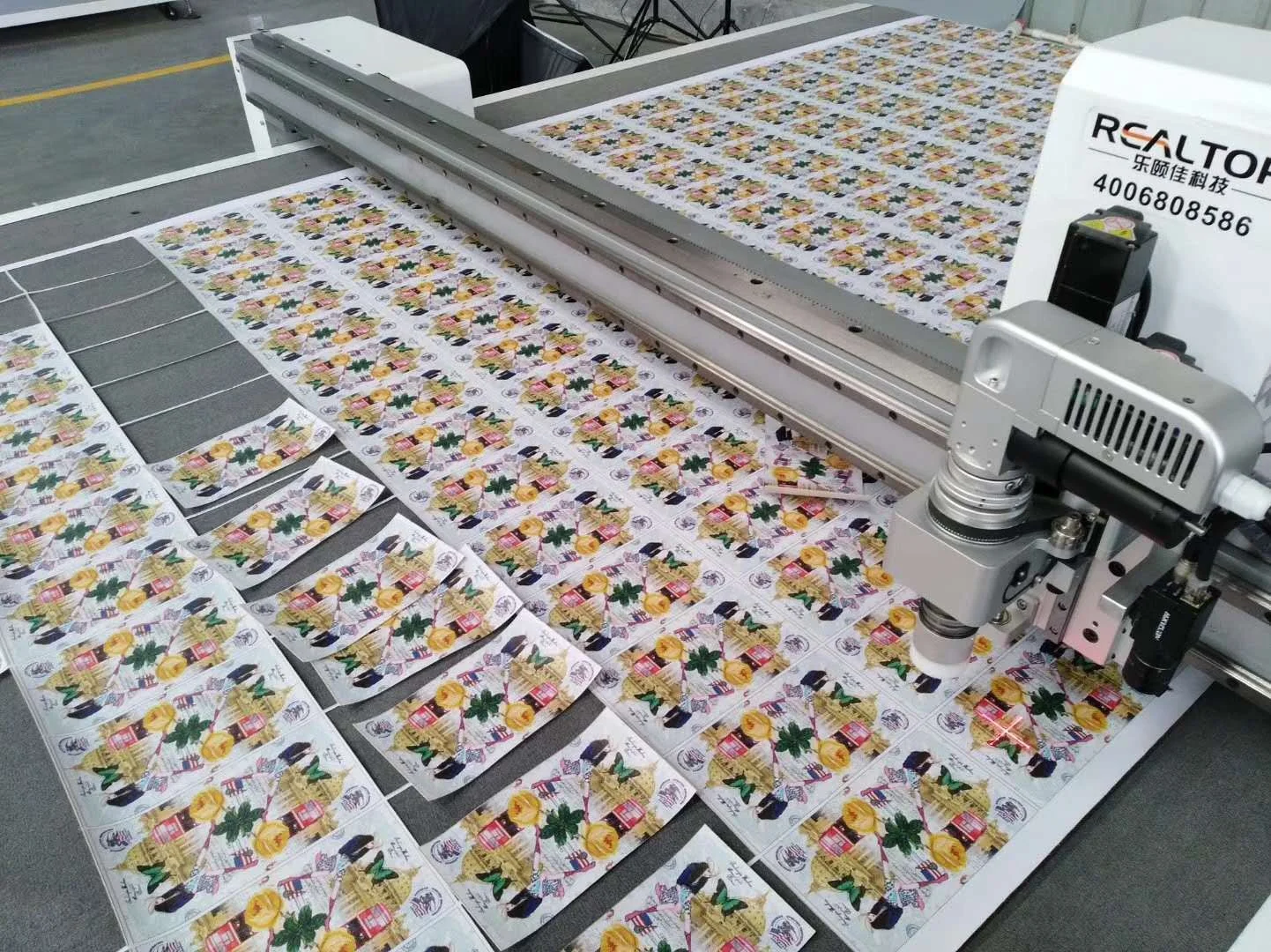
The CCD camera option tracks printed registration marks on pre-printed packaging sheets, adjusting the cut path to compensate for print stretch or sheet distortion. This matters for short-run promotional packaging where the print run has already happened and the cutting must align precisely to the artwork. The camera system pairs with the nesting software to maintain registration across the full 1600×2500 mm working area [NEED_CITE: CCD contour recognition tolerance on printed corrugated].
Reading the Specs That Actually Matter
Cutting thickness is listed at ≤ 40mm, but that figure depends entirely on material density and flute structure — a 40mm EVA foam block cuts differently from 40mm double-wall corrugated. The 9 kW vacuum pump powers the aluminum bellows table, and the zoning layout determines whether small carton samples stay flat or lift at the edges during high-speed passes. The dedicated packaging box structure design software eliminates the translation step between structural design and machine file, while DXF, AI and PDF import covers workflows where the design originates elsewhere. Servo motor selection across available options influences acceleration behaviour and long-term positioning accuracy on repeated sample runs.
The Cost of Skipping Material Trials
When a machine arrives configured for a generic material list rather than the buyer’s actual substrate, the first week becomes a cycle of test cuts, parameter adjustments and tool head swaps. Edge quality suffers on corrugated when the wrong oscillation frequency crushes the flute instead of slicing it. Vacuum zones that are too broad let small packaging samples drift, producing scrap instead of usable prototypes. These problems surface only after the machine is on the floor and the production schedule is already waiting [NEED_CITE: material hold-down requirements for small-format packaging samples].
Why Source This Equipment Here
In-house design and production across both knife and laser platforms means the cutting method is chosen based on material behaviour, not vendor limitation. Tool head and table configuration is specified per material type and production volume rather than offered as a fixed package. CCD camera positioning is available for printed contour work where registration tolerance matters. Software compatibility is confirmed against the buyer’s existing CAD workflow before the order is placed. Sample cutting on the buyer’s own corrugated, greyboard or foam stock provides a physical record before commitment. Voltage, control language and plug type are documented and confirmed to match the destination facility [NEED_CITE: industrial voltage and frequency standards by region].
Documentation & Verification
- Machine specification sheet with confirmed tool head list and vacuum zone layout for the 1600×2500 mm table
- Sample cutting report produced on your corrugated or greyboard stock before dispatch
- Electrical schematic and voltage confirmation matching your facility supply at 110V, 220V or 380V
- Software licence and file format compatibility note covering PLT, DXF, AI and PDF workflows
- Factory test record documenting cutting accuracy across the working area before shipment
Installation, Commissioning & Support
- 3300×2100×1350 mm machine dimensions require confirmed floor space and access clearance before delivery
- 9 kW vacuum pump demands a dedicated circuit matched to your confirmed voltage and frequency
- Aluminum bellows vacuum table arrives pre-assembled; zoning configuration verified during commissioning
- PLC control panel language set to your operator preference during initial parameter configuration
- Dedicated packaging software installed and tested with your file formats on the first production day
- Oscillating knife and creasing wheel tooling calibrated to your specific board weight and flute profile
Before You Send an Inquiry
Provide the specific board types, flute profiles and thickness range you cut most often, along with your typical daily sample volume. Confirm your facility voltage and frequency, and note the CAD software your design team currently uses so file format compatibility can be verified before quotation. If you run pre-printed sheets that require contour cutting, share a sample print so CCD camera performance can be validated on your actual registration marks.
Frequently Asked Questions
Q: How do I verify cutting thickness against my specific flute profiles and board densities?
A: Thickness ratings depend on material density, not just depth. Request a sample cutting test on your actual corrugated or greyboard stock. The resulting report documents knife performance, edge quality and achievable speed on your specific substrate, giving you a reliable baseline before commitment.
Q: Which tool heads do I need for mixed corrugated, foam and gasket work on one table?
A: Oscillating knife handles corrugated and foam, creasing wheel scores fold lines, and a pneumatic or V groove knife suits denser gasket materials. The tool head list is confirmed during specification based on your material mix, so the machine arrives configured for your actual workflow rather than a generic setup.
Q: How is voltage, plug type and control language confirmed before shipment?
A: Your facility voltage, frequency and plug standard are documented in the electrical schematic before production. The PLC control panel language is set to your preference — English, Russian, Italian, Chinese or a custom language — and verified during factory testing so the machine arrives ready for your operators.
Q: Does the CCD camera maintain registration at production speed on pre-printed sheets?
A: CCD contour recognition tracks printed marks across the full working area, compensating for sheet distortion. Performance depends on mark contrast and print quality, so testing on your actual pre-printed packaging sheets confirms tracking reliability at your target cutting speed before the machine is finalised.
Q: When should I choose oscillating knife over laser for packaging materials?
A: Knife cutting suits corrugated, greyboard and foam where edge compression must be avoided and no heat-affected zone is acceptable. Laser handles intricate perforations and thin stock where thermal sealing is beneficial. Evaluating both methods on your material through one manufacturer removes single-process bias from the decision.
Tool head flexibility — this CNC oscillating knife cutting machine manufacturer pairs knife, creasing, kiss cutting and V groove tools on one table so packaging sample makers can run corrugated, greyboard and foam without swapping machines.
Technical Specifications
| Parameter | Value |
|---|---|
| Model | 1625 |
| Product Type | CNC Oscillating Knife Cutting Machine |
| Working Area | 1600×2500 mm |
| Tool Head Options | Oscillating knife, Driven rotary knife, Creasing wheel, Kiss cutting tool, Pneumatic knife, Milling tool, V groove knife, CCD camera |
| Applicable Materials | Fabric, Cardboard, Carton, Mats, PVC, EVA, Leather, Acrylic, Foam, PTFE, Rubber |
| Cutting Speed | 0–1500 mm/s |
| Cutting Thickness | ≤ 40mm (basis not stated in source — confirm material type and density) |
| Cutting Accuracy | ±0.1 mm |
| Vacuum Pump | 9 kW |
| Voltage Options | 110V / 220V / 380V (frequency to be confirmed) |
| Control System | PLC control panel with optional display languages |
| File Formats Supported | PLT, DXF, AI, PDF |
| Vacuum Table Type | Aluminum bellows vacuum table |
| Software | Dedicated packaging box structure design software included |
| Safety Device | Infrared sensor device and emergency stop device |
| Machine Dimensions (L×W×H) | 3300×2100×1350 mm |
| Language Options | English, Russian, Italian, Chinese (special languages customizable) |
Application Suitability
| Application | Material or Output |
|---|---|
| Packaging sample making and short-run carton production | Corrugated cardboard E/B/BC-flute, greyboard, cardstock, art paper |
| Foam packaging and insert cutting | EVA, EPE, Coroplast, PU foam |
| Gasket and seal cutting | Rubber, PTFE, composite sheets |
| Signage and display board cutting | PVC, PET, thin plastic sheets |
| Leather and synthetic leather cutting | Footwear components, leather goods panels |
| Fabric and non-woven material cutting | Textile layers, non-woven filtration media |
Why Working Area Alone Is Not a Specification
A 1600×2500 mm table only tells you the sheet fits; it says nothing about whether the knife can actually cut through the flute profile you run every day. The CNC oscillating knife cutting machine manufacturer must match tool head, oscillation frequency and vacuum zoning to the specific board weight and density, not just the physical footprint. Configuration locks to the material, not the table size. I have watched packaging shops receive a machine that handled their sample perfectly, only to stall when production greyboard turned out denser than the trial batch. The vacuum table zones were too large for their small die-cut shapes, causing lift at the edges, and the oscillating knife struggled through double-wall corrugated at full speed. Getting these variables wrong costs a week of downtime while parameters are reworked and replacement tooling is shipped [NEED_CITE: packaging substrate density variation across suppliers].
Matching Knife and Laser Across the Catalogue
One manufacturer covering both oscillating knife and laser cutting technologies means a packaging producer can evaluate both methods on the same material before committing. Corrugated and greyboard generally suit knife cutting for clean, uncompressed edges, while laser handles intricate perforations and kiss-cut scoring on thinner stocks. Having both options under one roof eliminates the bias that comes from talking to a single-process vendor.
Contour Recognition on Pre-Printed Sheets
The CCD camera option tracks printed registration marks on pre-printed packaging sheets, adjusting the cut path to compensate for print stretch or sheet distortion. This matters for short-run promotional packaging where the print run has already happened and the cutting must align precisely to the artwork. The camera system pairs with the nesting software to maintain registration across the full 1600×2500 mm working area [NEED_CITE: CCD contour recognition tolerance on printed corrugated].
Reading the Specs That Actually Matter
Cutting thickness is listed at ≤ 40mm, but that figure depends entirely on material density and flute structure — a 40mm EVA foam block cuts differently from 40mm double-wall corrugated. The 9 kW vacuum pump powers the aluminum bellows table, and the zoning layout determines whether small carton samples stay flat or lift at the edges during high-speed passes. The dedicated packaging box structure design software eliminates the translation step between structural design and machine file, while DXF, AI and PDF import covers workflows where the design originates elsewhere. Servo motor selection across available options influences acceleration behaviour and long-term positioning accuracy on repeated sample runs.
The Cost of Skipping Material Trials
When a machine arrives configured for a generic material list rather than the buyer’s actual substrate, the first week becomes a cycle of test cuts, parameter adjustments and tool head swaps. Edge quality suffers on corrugated when the wrong oscillation frequency crushes the flute instead of slicing it. Vacuum zones that are too broad let small packaging samples drift, producing scrap instead of usable prototypes. These problems surface only after the machine is on the floor and the production schedule is already waiting [NEED_CITE: material hold-down requirements for small-format packaging samples].
Why Source This Equipment Here
In-house design and production across both knife and laser platforms means the cutting method is chosen based on material behaviour, not vendor limitation. Tool head and table configuration is specified per material type and production volume rather than offered as a fixed package. CCD camera positioning is available for printed contour work where registration tolerance matters. Software compatibility is confirmed against the buyer’s existing CAD workflow before the order is placed. Sample cutting on the buyer’s own corrugated, greyboard or foam stock provides a physical record before commitment. Voltage, control language and plug type are documented and confirmed to match the destination facility [NEED_CITE: industrial voltage and frequency standards by region].
Documentation & Verification
- Machine specification sheet with confirmed tool head list and vacuum zone layout for the 1600×2500 mm table
- Sample cutting report produced on your corrugated or greyboard stock before dispatch
- Electrical schematic and voltage confirmation matching your facility supply at 110V, 220V or 380V
- Software licence and file format compatibility note covering PLT, DXF, AI and PDF workflows
- Factory test record documenting cutting accuracy across the working area before shipment
Installation, Commissioning & Support
- 3300×2100×1350 mm machine dimensions require confirmed floor space and access clearance before delivery
- 9 kW vacuum pump demands a dedicated circuit matched to your confirmed voltage and frequency
- Aluminum bellows vacuum table arrives pre-assembled; zoning configuration verified during commissioning
- PLC control panel language set to your operator preference during initial parameter configuration
- Dedicated packaging software installed and tested with your file formats on the first production day
- Oscillating knife and creasing wheel tooling calibrated to your specific board weight and flute profile
Before You Send an Inquiry
Provide the specific board types, flute profiles and thickness range you cut most often, along with your typical daily sample volume. Confirm your facility voltage and frequency, and note the CAD software your design team currently uses so file format compatibility can be verified before quotation. If you run pre-printed sheets that require contour cutting, share a sample print so CCD camera performance can be validated on your actual registration marks.
Frequently Asked Questions
Q: How do I verify cutting thickness against my specific flute profiles and board densities?
A: Thickness ratings depend on material density, not just depth. Request a sample cutting test on your actual corrugated or greyboard stock. The resulting report documents knife performance, edge quality and achievable speed on your specific substrate, giving you a reliable baseline before commitment.
Q: Which tool heads do I need for mixed corrugated, foam and gasket work on one table?
A: Oscillating knife handles corrugated and foam, creasing wheel scores fold lines, and a pneumatic or V groove knife suits denser gasket materials. The tool head list is confirmed during specification based on your material mix, so the machine arrives configured for your actual workflow rather than a generic setup.
Q: How is voltage, plug type and control language confirmed before shipment?
A: Your facility voltage, frequency and plug standard are documented in the electrical schematic before production. The PLC control panel language is set to your preference — English, Russian, Italian, Chinese or a custom language — and verified during factory testing so the machine arrives ready for your operators.
Q: Does the CCD camera maintain registration at production speed on pre-printed sheets?
A: CCD contour recognition tracks printed marks across the full working area, compensating for sheet distortion. Performance depends on mark contrast and print quality, so testing on your actual pre-printed packaging sheets confirms tracking reliability at your target cutting speed before the machine is finalised.
Q: When should I choose oscillating knife over laser for packaging materials?
A: Knife cutting suits corrugated, greyboard and foam where edge compression must be avoided and no heat-affected zone is acceptable. Laser handles intricate perforations and thin stock where thermal sealing is beneficial. Evaluating both methods on your material through one manufacturer removes single-process bias from the decision.
商品评价
There are no reviews yet.