



Fast Delivery
Quick, reliable shipping to any location.

Free & easy returns
Return this item by mail or in store within 90 days for a full refund.
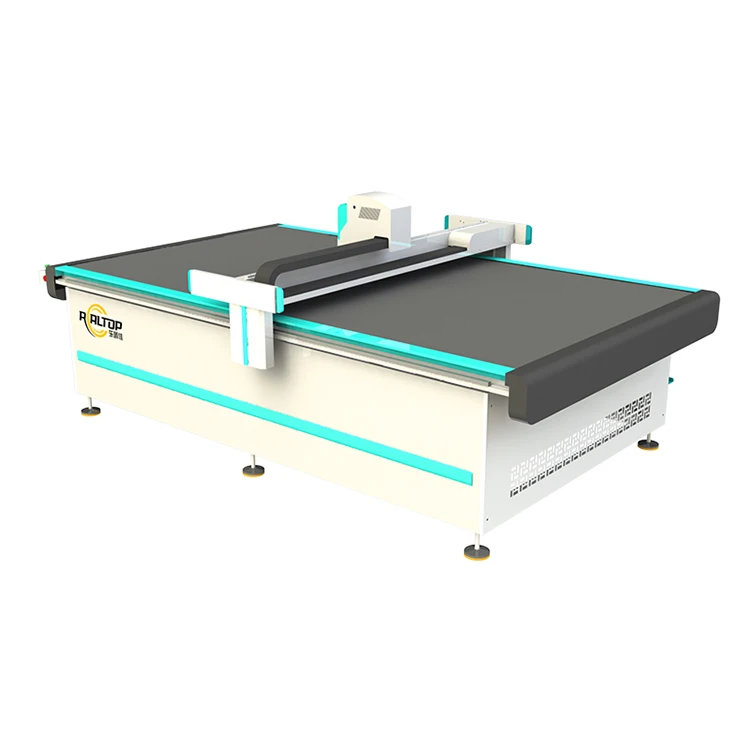
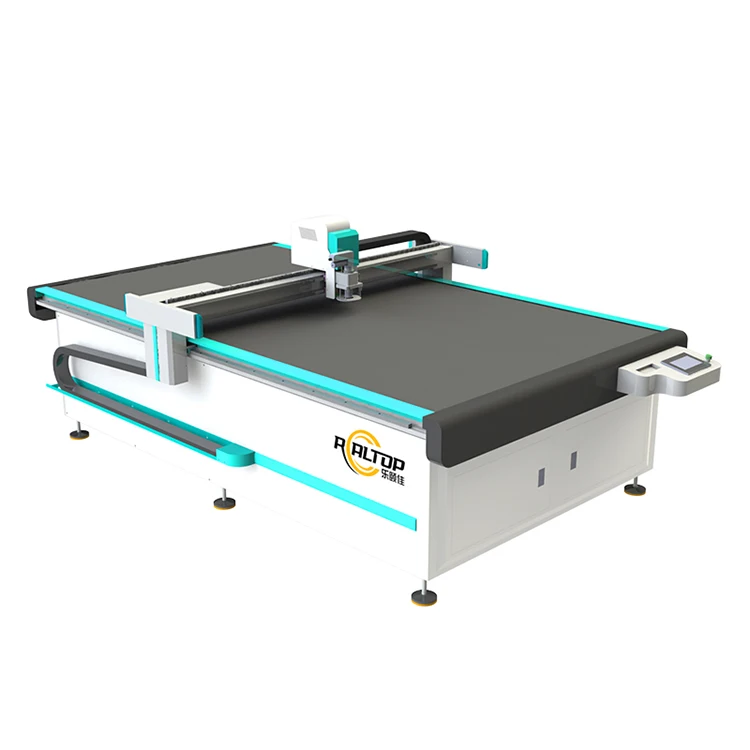
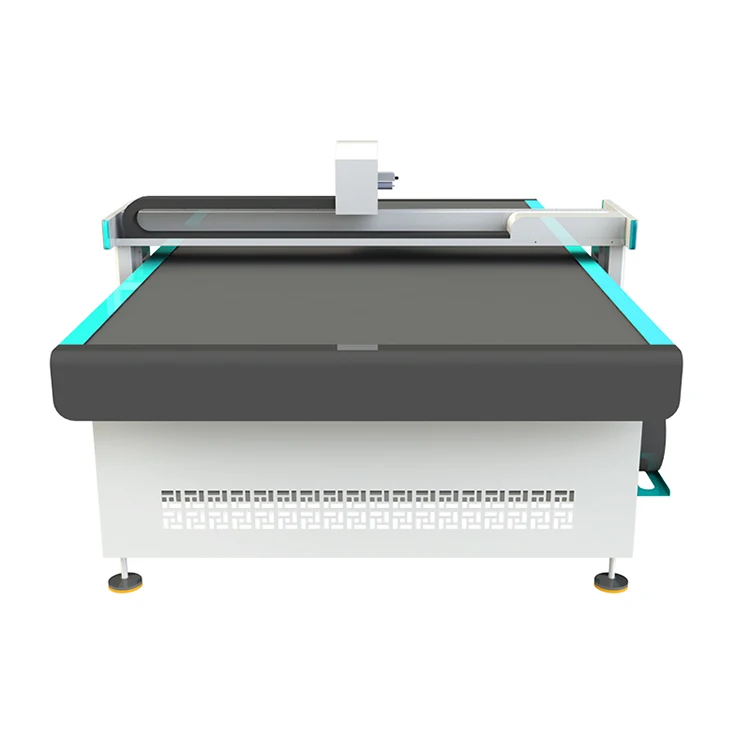
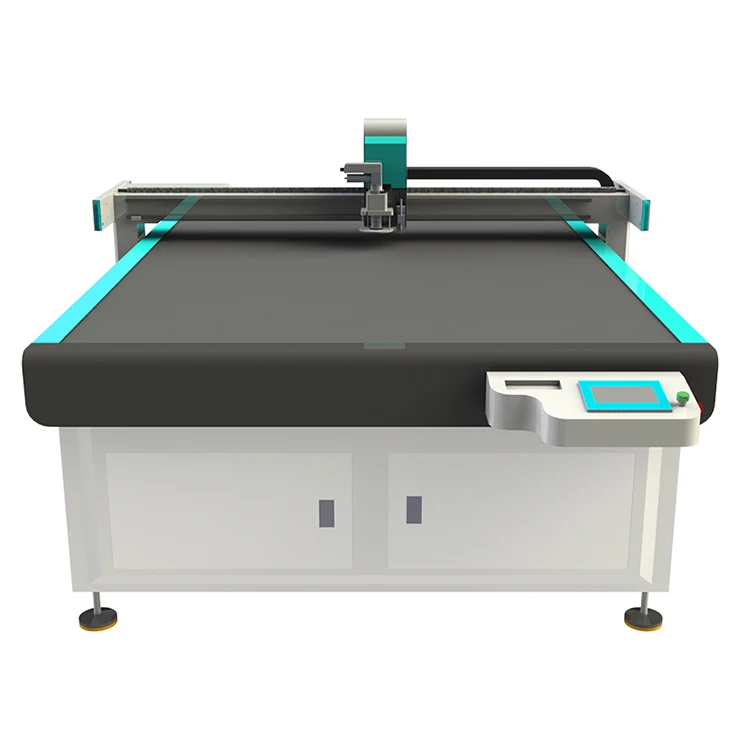
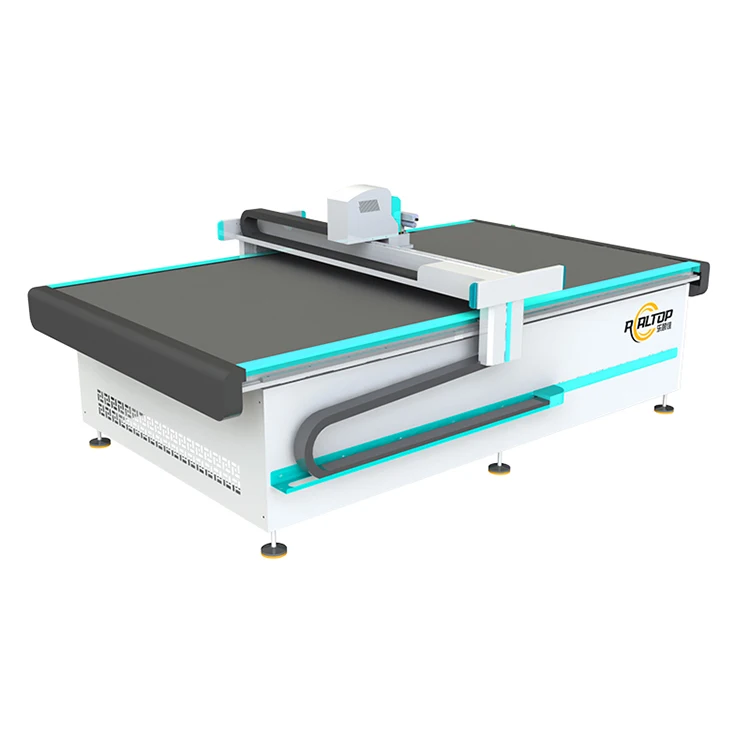
Proven material-envelope matching — the RT-D2516/RT-S2516 sits within a full catalogue where cutting method, tool head and vacuum zoning are specified per material thickness and daily volume rather than sold on working area alone.
Technical Specifications
| Parameter | Value |
|---|---|
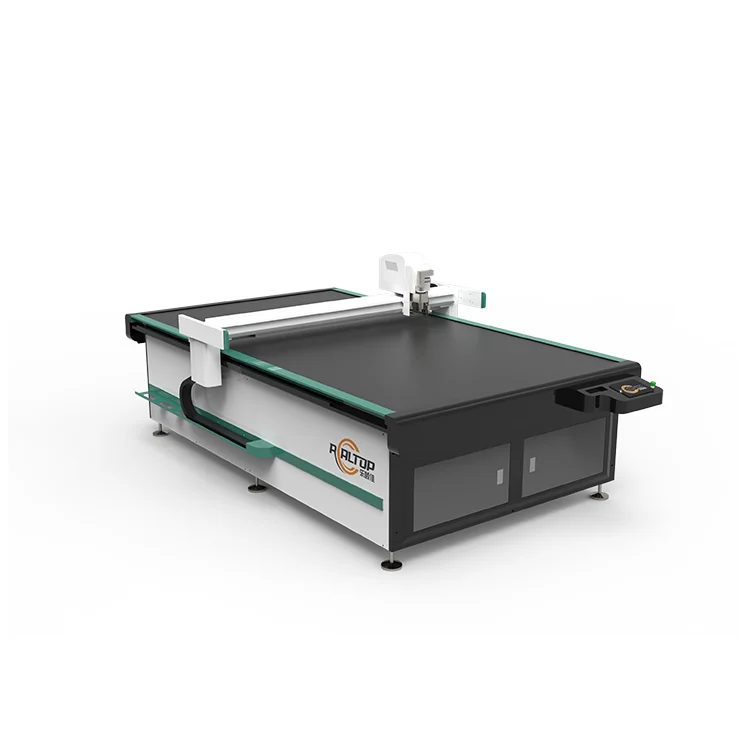
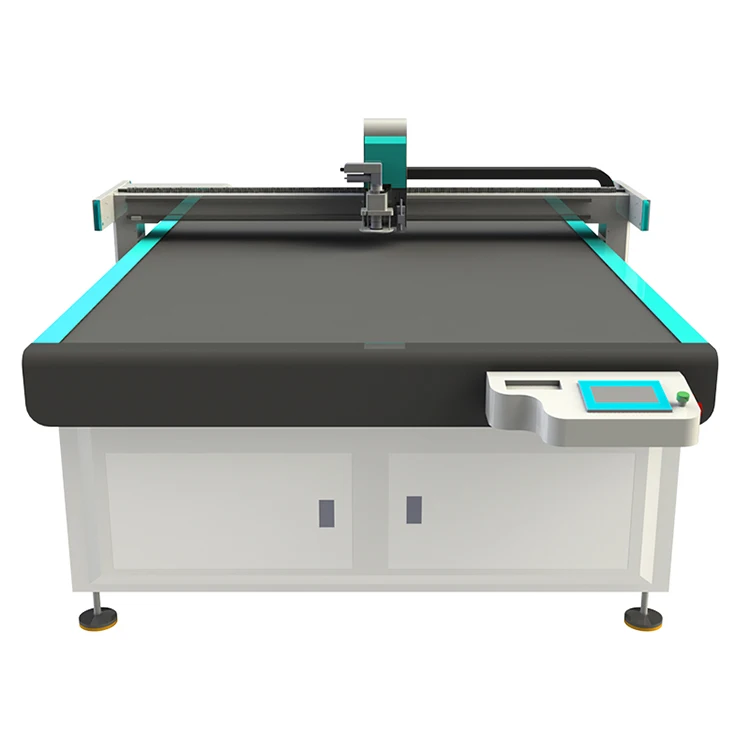
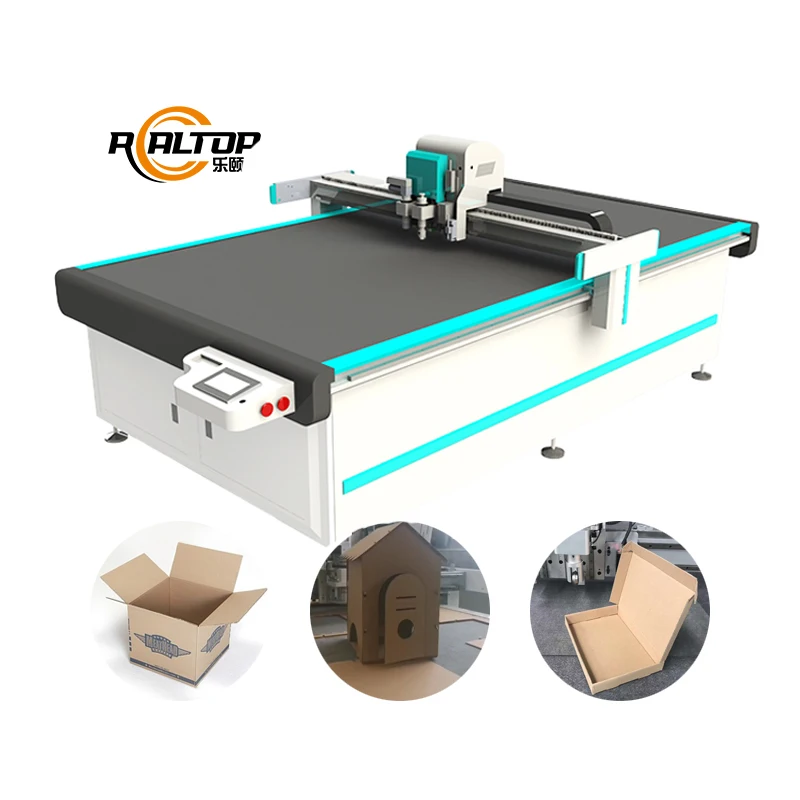
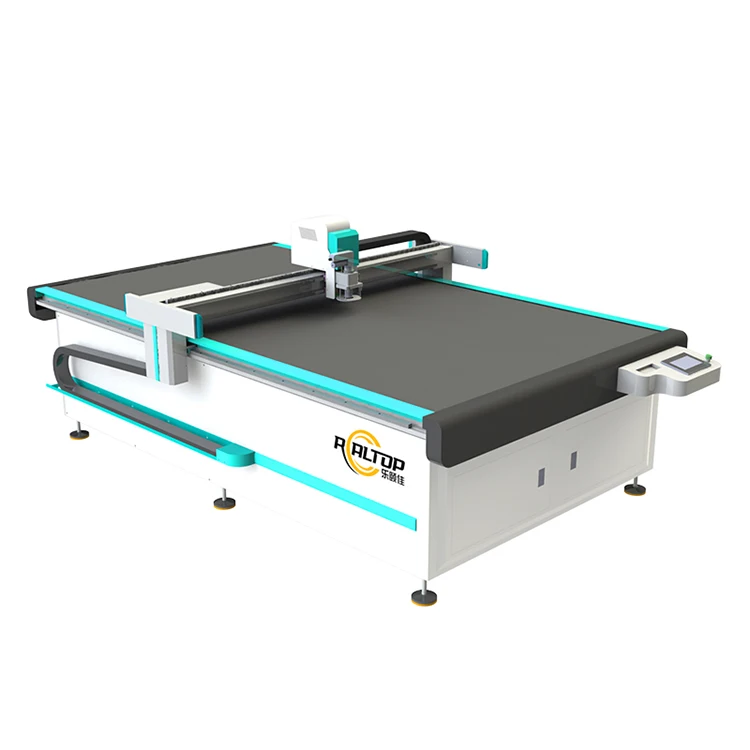
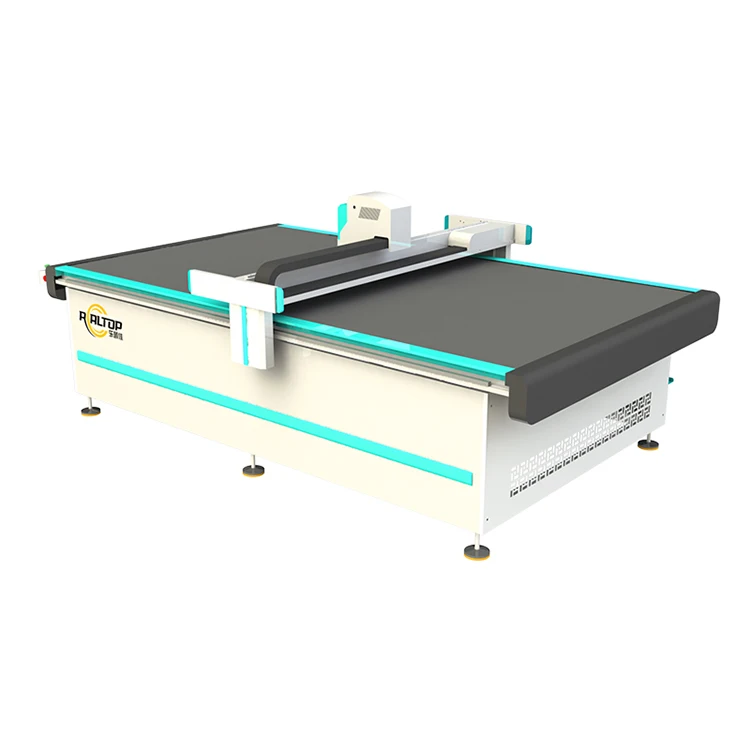
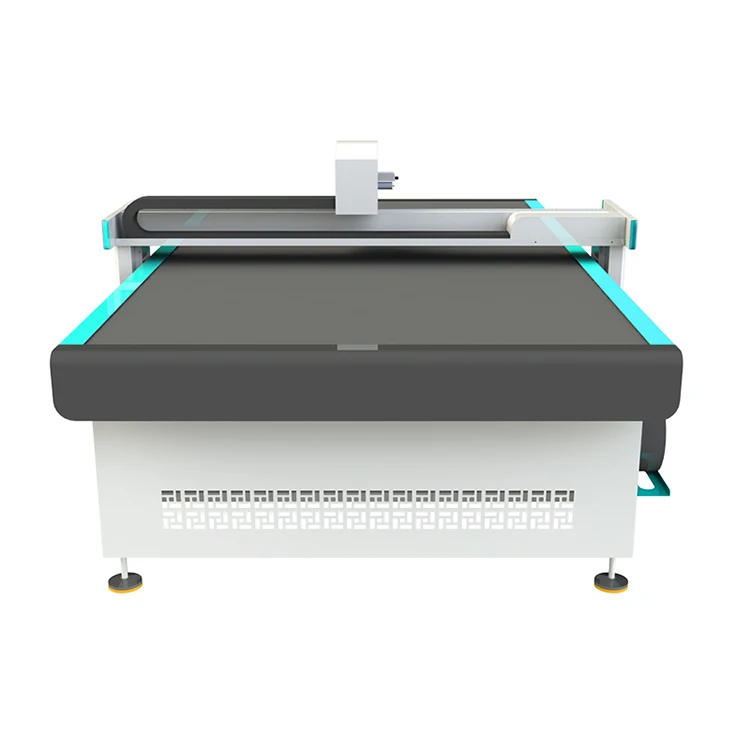
| Product Type | CNC Oscillating Knife Digital Cutting Machine |
| Model | RT-D2516/RT-S2516 |
| Working Area | 1600×2500 mm |
| Machine Size | 3450×2300×1250 mm |
| Rated Power | 9 kW |
| Voltage | 380V ±10% |
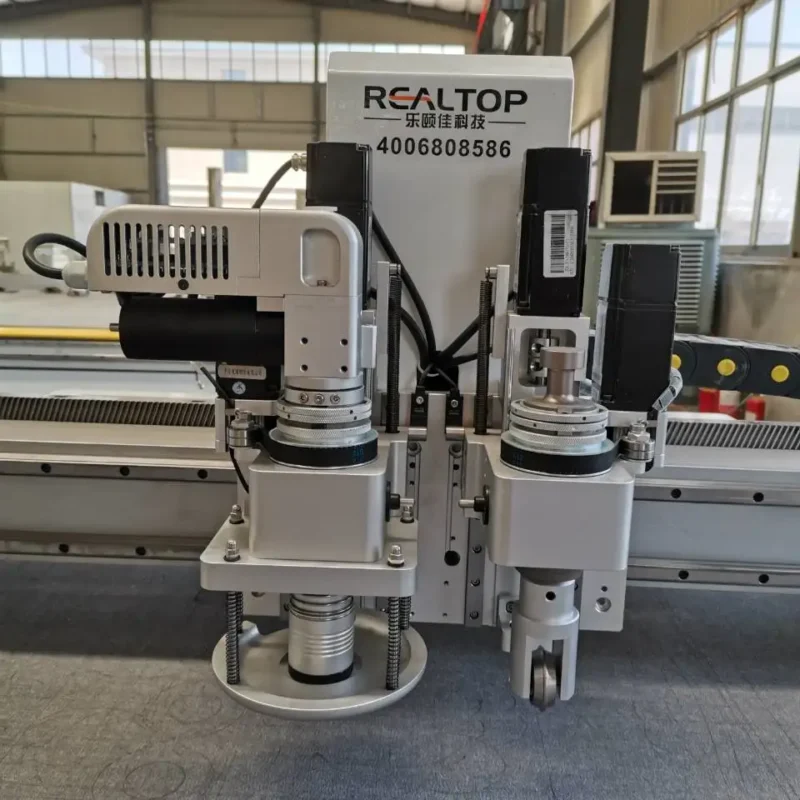
| Tool Head | Swiss imported oscillating knife with full cut, half cut and cursor location |
| Translational Velocity | 800–1200 mm/s |
| Cutting Speed | 200–800 mm/s (according to different cutting materials) |
| Repeated Accuracy | ≤0.1 mm |
| Transmission System | Digital servo motor, linear guide, synchronous belt, ball screw (imported) |
| Vacuum Pump | 7.5 kW |
| Safety Device | Infrared sensors |
| Instruction System | HP-GL compatible format |
| Motion Components | Japanese Yaskawa servo motor, Taiwan Hiwin rail, Germany imported conveyor belt |
Application Suitability
| Application | Material or Output |
|---|---|
| Packaging and carton sample making | Corrugated board, grey board, honeycomb paper, foam insert liners |
| Garment and footwear production | Natural and synthetic leather, textile layers, sponge composite materials |
| Automotive interior components | Gasket materials, acoustic insulation foam, PVC soft trim |
| Signage and display fabrication | PVC foam board, soft glass, vinyl, silicone rubber sheets |
| Composite and gasket fabrication | Rubber compounds, non-metallic sealing materials, flexible industrial sheets |
Why Specifying by Working Area Alone Wastes Money
A cutting table is only as capable as the tool head and vacuum configuration it carries for your exact material.
I have watched buyers lock in a 1600×2500 format machine, pay the deposit, then discover during sample trials that the vacuum zoning cannot hold small gasket pieces flat at production speed. The cutting area was correct, but the holding force was not matched to the part geometry. When sourcing a CNC digital cutting machine manufacturer, the conversation needs to start with material type, thickness and part size — not table dimensions [NEED_CITE: common CNC flatbed cutting machine misconfiguration scenarios].
Knife Versus Laser: Picking the Right Method First
Before evaluating any model, the cutting method itself must be matched to the material. Oscillating knife cutting produces clean, uncompressed edges on foam, gasket and multi-layer textile stacks where a laser would melt or seal edges that need to remain open. Laser systems, by contrast, handle acrylic and wood with sealed edges that knife tools cannot replicate. This catalogue covers both technologies from one factory, so the decision is driven by material behaviour rather than machine availability.
Where the RT-D2516/RT-S2516 Sits in the Family
Within the broader range, this model occupies the mid-format flatbed position suited to sample rooms and small-batch packaging lines. Higher-throughput operations cutting continuous rolls of fabric or label stock typically move to conveyor-fed systems with auto-nesting, while large-format signage producers step up to extended-length tables. A CNC digital cutting machine manufacturer that builds both knife and laser systems can advise on the crossover point where a different model in the range better serves your daily volume [NEED_CITE: matching CNC cutting machine configuration to production volume].
Reading the Specs That Actually Matter on the Floor
The 7.5 kW vacuum pump paired with a flat working table determines how well the machine holds material during cutting — but pump power alone is not the full story. Zoning matters: a single-zone table struggles with small offcuts that lift at the edges, while a multi-zone layout lets the operator activate only the sections under the workpiece. The Swiss imported oscillating knife head supports full cut, half cut and cursor location, giving packaging sample makers the ability to score fold lines and cut outlines on the same sheet without a tool change. The Yaskawa servo motors and Hiwin linear rails keep repeated accuracy within 0.1 mm across the full 1600×2500 mm travel, which matters when nesting software packs parts tight to minimise waste. Cutting speed ranges from 200 to 800 mm/s depending on material density and thickness, meaning the operator sets feed rate per job rather than running one speed for everything.
The Hidden Cost of Skipping a Sample Cut
When a buyer commits without a sample cutting report on their own material, the first production run becomes the test. I recall a packaging plant that ordered based on corrugated board samples, only to find that their actual stock — grey board bonded to EVA foam — required different vacuum zoning and a slower oscillation frequency. Small nested parts lifted during cutting, edges crushed rather than sheared, and the first batch was scrapped. That loss would have been contained in a sample report [NEED_CITE: material-specific vacuum table zoning requirements for CNC knife cutting].
Why Buyers Source the Full Range Here
In-house design covers both oscillating knife and laser platforms, so a buyer comparing methods gets an honest recommendation rather than a forced fit. Tool head selection, vacuum zoning and conveyor options are configured per material before the order is locked. The HP-GL compatible instruction system is checked against the buyer’s existing nesting software and file formats during pre-order confirmation. Electrical schematics, voltage and control language are verified against the target market before production starts. Every machine ships with a factory test record run on the buyer’s specified material, not a generic demonstration sheet.
Documentation & Verification
- Machine specification sheet confirming tool head and vacuum zoning for your material
- Electrical schematic with voltage and frequency matched to your facility supply
- Sample cutting report produced on your actual material before order confirmation
- Software licence with file format and nesting workflow compatibility noted
- Factory test record showing cutting accuracy and edge quality on specified stock
- Spare parts list with oscillating knife blades, vacuum seals and drive belts itemised
Installation, Commissioning & Support
- 380V ±10% supply with dedicated circuit rated for 9 kW continuous draw plus vacuum load
- Flat floor required across the 3450×2300 mm footprint, levelled for full travel accuracy
- Arrives as a single base unit; tool head and vacuum pump connected during on-site commissioning
- First-run parameter setting covers oscillation frequency, vacuum zoning and cutting speed per material
- Operator training includes HP-GL file import, nesting workflow and half-cut scoring setup
- Consumable spares include Swiss knife blades, vacuum table seals and synchronous belt sections
What to Prepare Before Requesting a Quote
To get a configuration that actually works on day one, send the material type, thickness range and maximum sheet size you plan to cut. Include your daily volume and whether you are cutting full sheets or nesting small parts, because that drives vacuum zoning decisions. Confirm your facility voltage, frequency and preferred control language so the electrical build matches from the start. If you have existing nesting software or file formats in your workflow, share a sample file so compatibility is verified before the machine ships.
Frequently Asked Questions
Q: How do I know if oscillating knife or laser is correct for my material?
A: Oscillating knife suits foam, gasket, multi-layer textile and composite materials where a clean uncompressed edge is required. Laser is better for acrylic, wood and thin synthetics where edge sealing is an advantage. A sample cut on your actual material confirms the right method before any order is placed.
Q: Where does the RT-D2516/RT-S2516 fit compared to higher-throughput models?
A: This model suits sample rooms and small-batch packaging or garment operations on the 1600×2500 mm flatbed. Higher daily volumes with continuous roll stock typically move to conveyor-fed models with auto-nesting, while larger signage panels step up to extended-format tables in the same range.
Q: How is vacuum table zoning configured for small nested parts?
A: Multi-zone vacuum layouts let the operator activate only the table sections under the current workpiece, maintaining hold-down force on small parts that a single-zone table would lose. Zoning is specified during pre-order based on your typical part geometry and nesting layout.
Q: What voltage, plug and language options are confirmed before shipment?
A: Voltage and frequency are matched to your facility supply, with the electrical schematic confirmed before production. Control interface language and plug type are specified per target market, so the machine arrives ready to connect without on-site rewiring.
Q: How do you verify software compatibility with my existing workflow?
A: The HP-GL compatible instruction system is tested against your nesting software and file formats using sample files you provide. A compatibility note ships with the machine confirming supported formats and any nesting workflow adjustments identified during pre-order testing.
Proven material-envelope matching — the RT-D2516/RT-S2516 sits within a full catalogue where cutting method, tool head and vacuum zoning are specified per material thickness and daily volume rather than sold on working area alone.
Technical Specifications
| Parameter | Value |
|---|---|
| Product Type | CNC Oscillating Knife Digital Cutting Machine |
| Model | RT-D2516/RT-S2516 |
| Working Area | 1600×2500 mm |
| Machine Size | 3450×2300×1250 mm |
| Rated Power | 9 kW |
| Voltage | 380V ±10% |
| Tool Head | Swiss imported oscillating knife with full cut, half cut and cursor location |
| Translational Velocity | 800–1200 mm/s |
| Cutting Speed | 200–800 mm/s (according to different cutting materials) |
| Repeated Accuracy | ≤0.1 mm |
| Transmission System | Digital servo motor, linear guide, synchronous belt, ball screw (imported) |
| Vacuum Pump | 7.5 kW |
| Safety Device | Infrared sensors |
| Instruction System | HP-GL compatible format |
| Motion Components | Japanese Yaskawa servo motor, Taiwan Hiwin rail, Germany imported conveyor belt |
Application Suitability
| Application | Material or Output |
|---|---|
| Packaging and carton sample making | Corrugated board, grey board, honeycomb paper, foam insert liners |
| Garment and footwear production | Natural and synthetic leather, textile layers, sponge composite materials |
| Automotive interior components | Gasket materials, acoustic insulation foam, PVC soft trim |
| Signage and display fabrication | PVC foam board, soft glass, vinyl, silicone rubber sheets |
| Composite and gasket fabrication | Rubber compounds, non-metallic sealing materials, flexible industrial sheets |
Why Specifying by Working Area Alone Wastes Money
A cutting table is only as capable as the tool head and vacuum configuration it carries for your exact material.
I have watched buyers lock in a 1600×2500 format machine, pay the deposit, then discover during sample trials that the vacuum zoning cannot hold small gasket pieces flat at production speed. The cutting area was correct, but the holding force was not matched to the part geometry. When sourcing a CNC digital cutting machine manufacturer, the conversation needs to start with material type, thickness and part size — not table dimensions [NEED_CITE: common CNC flatbed cutting machine misconfiguration scenarios].
Knife Versus Laser: Picking the Right Method First
Before evaluating any model, the cutting method itself must be matched to the material. Oscillating knife cutting produces clean, uncompressed edges on foam, gasket and multi-layer textile stacks where a laser would melt or seal edges that need to remain open. Laser systems, by contrast, handle acrylic and wood with sealed edges that knife tools cannot replicate. This catalogue covers both technologies from one factory, so the decision is driven by material behaviour rather than machine availability.
Where the RT-D2516/RT-S2516 Sits in the Family
Within the broader range, this model occupies the mid-format flatbed position suited to sample rooms and small-batch packaging lines. Higher-throughput operations cutting continuous rolls of fabric or label stock typically move to conveyor-fed systems with auto-nesting, while large-format signage producers step up to extended-length tables. A CNC digital cutting machine manufacturer that builds both knife and laser systems can advise on the crossover point where a different model in the range better serves your daily volume [NEED_CITE: matching CNC cutting machine configuration to production volume].
Reading the Specs That Actually Matter on the Floor
The 7.5 kW vacuum pump paired with a flat working table determines how well the machine holds material during cutting — but pump power alone is not the full story. Zoning matters: a single-zone table struggles with small offcuts that lift at the edges, while a multi-zone layout lets the operator activate only the sections under the workpiece. The Swiss imported oscillating knife head supports full cut, half cut and cursor location, giving packaging sample makers the ability to score fold lines and cut outlines on the same sheet without a tool change. The Yaskawa servo motors and Hiwin linear rails keep repeated accuracy within 0.1 mm across the full 1600×2500 mm travel, which matters when nesting software packs parts tight to minimise waste. Cutting speed ranges from 200 to 800 mm/s depending on material density and thickness, meaning the operator sets feed rate per job rather than running one speed for everything.
The Hidden Cost of Skipping a Sample Cut
When a buyer commits without a sample cutting report on their own material, the first production run becomes the test. I recall a packaging plant that ordered based on corrugated board samples, only to find that their actual stock — grey board bonded to EVA foam — required different vacuum zoning and a slower oscillation frequency. Small nested parts lifted during cutting, edges crushed rather than sheared, and the first batch was scrapped. That loss would have been contained in a sample report [NEED_CITE: material-specific vacuum table zoning requirements for CNC knife cutting].
Why Buyers Source the Full Range Here
In-house design covers both oscillating knife and laser platforms, so a buyer comparing methods gets an honest recommendation rather than a forced fit. Tool head selection, vacuum zoning and conveyor options are configured per material before the order is locked. The HP-GL compatible instruction system is checked against the buyer’s existing nesting software and file formats during pre-order confirmation. Electrical schematics, voltage and control language are verified against the target market before production starts. Every machine ships with a factory test record run on the buyer’s specified material, not a generic demonstration sheet.
Documentation & Verification
- Machine specification sheet confirming tool head and vacuum zoning for your material
- Electrical schematic with voltage and frequency matched to your facility supply
- Sample cutting report produced on your actual material before order confirmation
- Software licence with file format and nesting workflow compatibility noted
- Factory test record showing cutting accuracy and edge quality on specified stock
- Spare parts list with oscillating knife blades, vacuum seals and drive belts itemised
Installation, Commissioning & Support
- 380V ±10% supply with dedicated circuit rated for 9 kW continuous draw plus vacuum load
- Flat floor required across the 3450×2300 mm footprint, levelled for full travel accuracy
- Arrives as a single base unit; tool head and vacuum pump connected during on-site commissioning
- First-run parameter setting covers oscillation frequency, vacuum zoning and cutting speed per material
- Operator training includes HP-GL file import, nesting workflow and half-cut scoring setup
- Consumable spares include Swiss knife blades, vacuum table seals and synchronous belt sections
What to Prepare Before Requesting a Quote
To get a configuration that actually works on day one, send the material type, thickness range and maximum sheet size you plan to cut. Include your daily volume and whether you are cutting full sheets or nesting small parts, because that drives vacuum zoning decisions. Confirm your facility voltage, frequency and preferred control language so the electrical build matches from the start. If you have existing nesting software or file formats in your workflow, share a sample file so compatibility is verified before the machine ships.
Frequently Asked Questions
Q: How do I know if oscillating knife or laser is correct for my material?
A: Oscillating knife suits foam, gasket, multi-layer textile and composite materials where a clean uncompressed edge is required. Laser is better for acrylic, wood and thin synthetics where edge sealing is an advantage. A sample cut on your actual material confirms the right method before any order is placed.
Q: Where does the RT-D2516/RT-S2516 fit compared to higher-throughput models?
A: This model suits sample rooms and small-batch packaging or garment operations on the 1600×2500 mm flatbed. Higher daily volumes with continuous roll stock typically move to conveyor-fed models with auto-nesting, while larger signage panels step up to extended-format tables in the same range.
Q: How is vacuum table zoning configured for small nested parts?
A: Multi-zone vacuum layouts let the operator activate only the table sections under the current workpiece, maintaining hold-down force on small parts that a single-zone table would lose. Zoning is specified during pre-order based on your typical part geometry and nesting layout.
Q: What voltage, plug and language options are confirmed before shipment?
A: Voltage and frequency are matched to your facility supply, with the electrical schematic confirmed before production. Control interface language and plug type are specified per target market, so the machine arrives ready to connect without on-site rewiring.
Q: How do you verify software compatibility with my existing workflow?
A: The HP-GL compatible instruction system is tested against your nesting software and file formats using sample files you provide. A compatibility note ships with the machine confirming supported formats and any nesting workflow adjustments identified during pre-order testing.
商品评价
There are no reviews yet.