

Fast Delivery
Quick, reliable shipping to any location.

Free & easy returns
Return this item by mail or in store within 90 days for a full refund.
Material-matched cutting configuration — tool head and vacuum table are specified per tensile fabric type and production volume before order confirmation, ensuring edge quality on PVC, PVDF, PTFE and ETFE membranes.
Technical Specifications
| Parameter | Value |
|---|---|
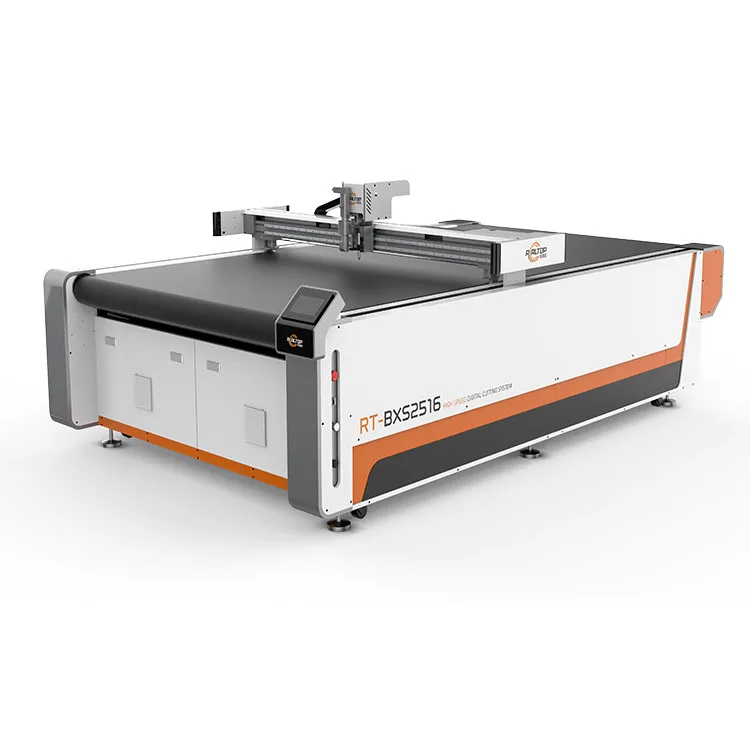
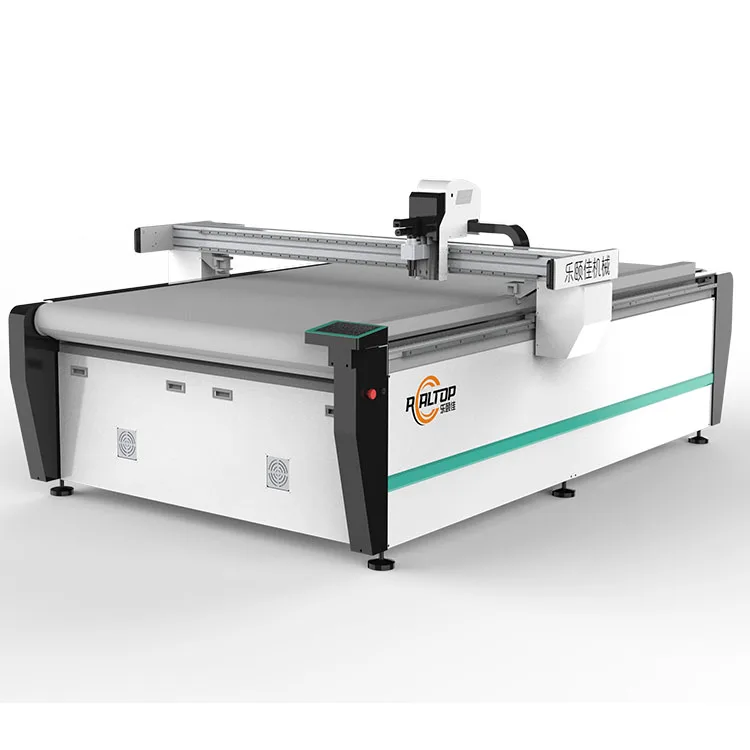
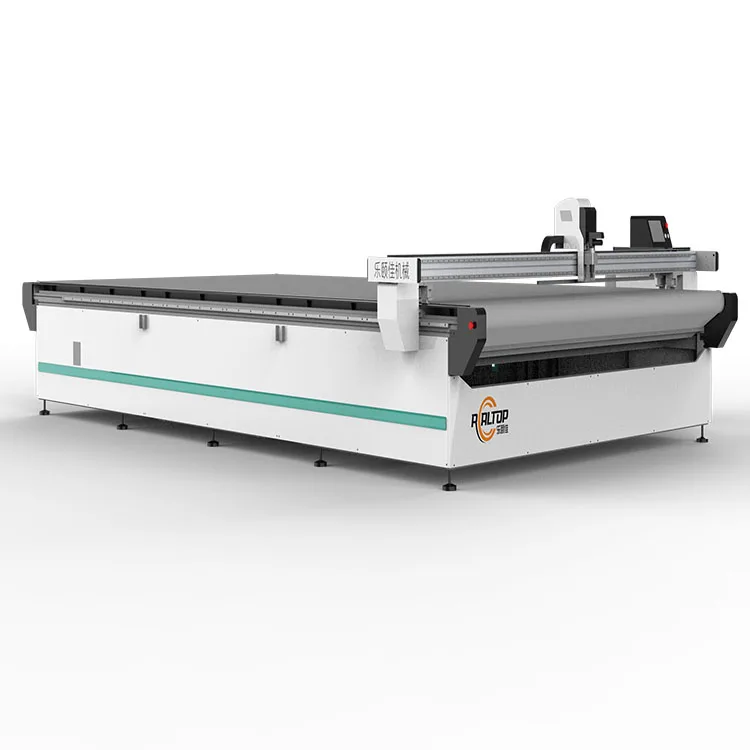
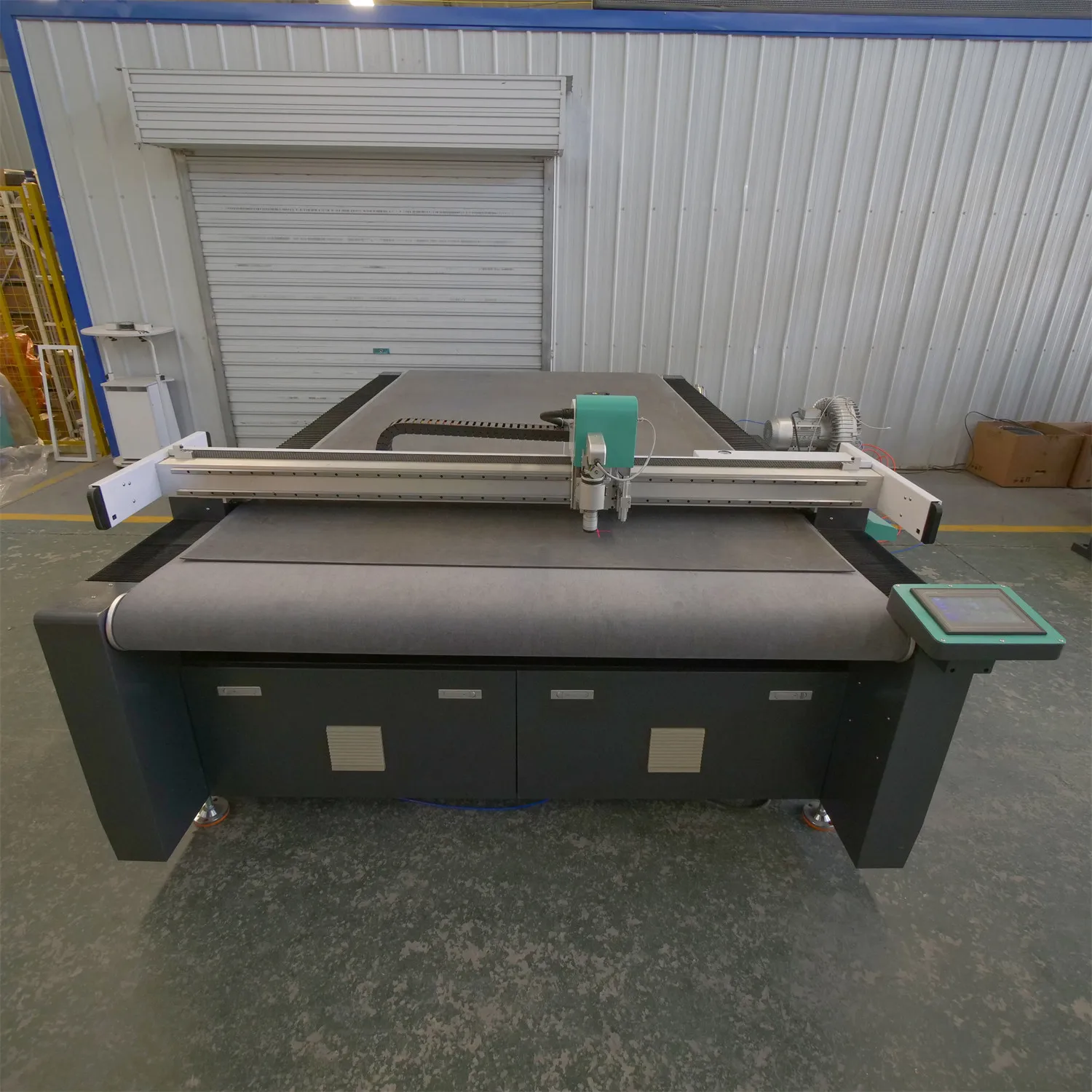
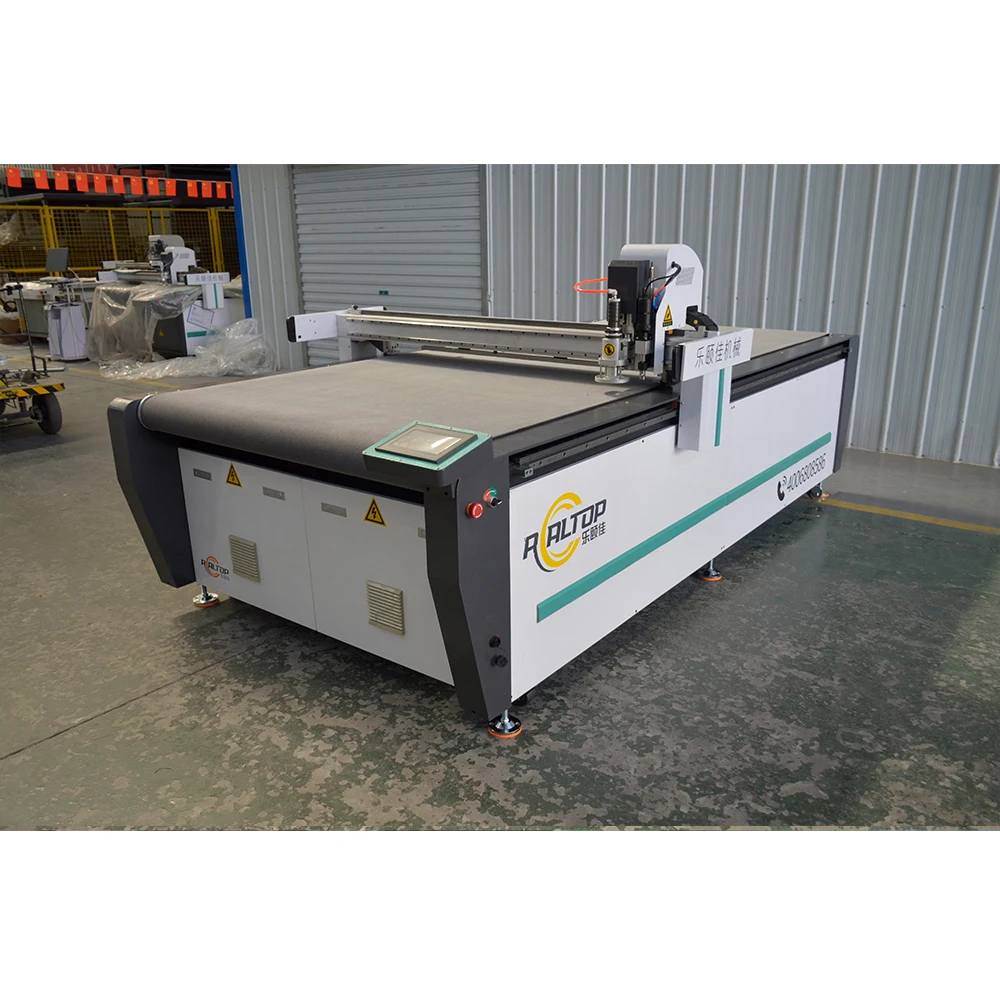
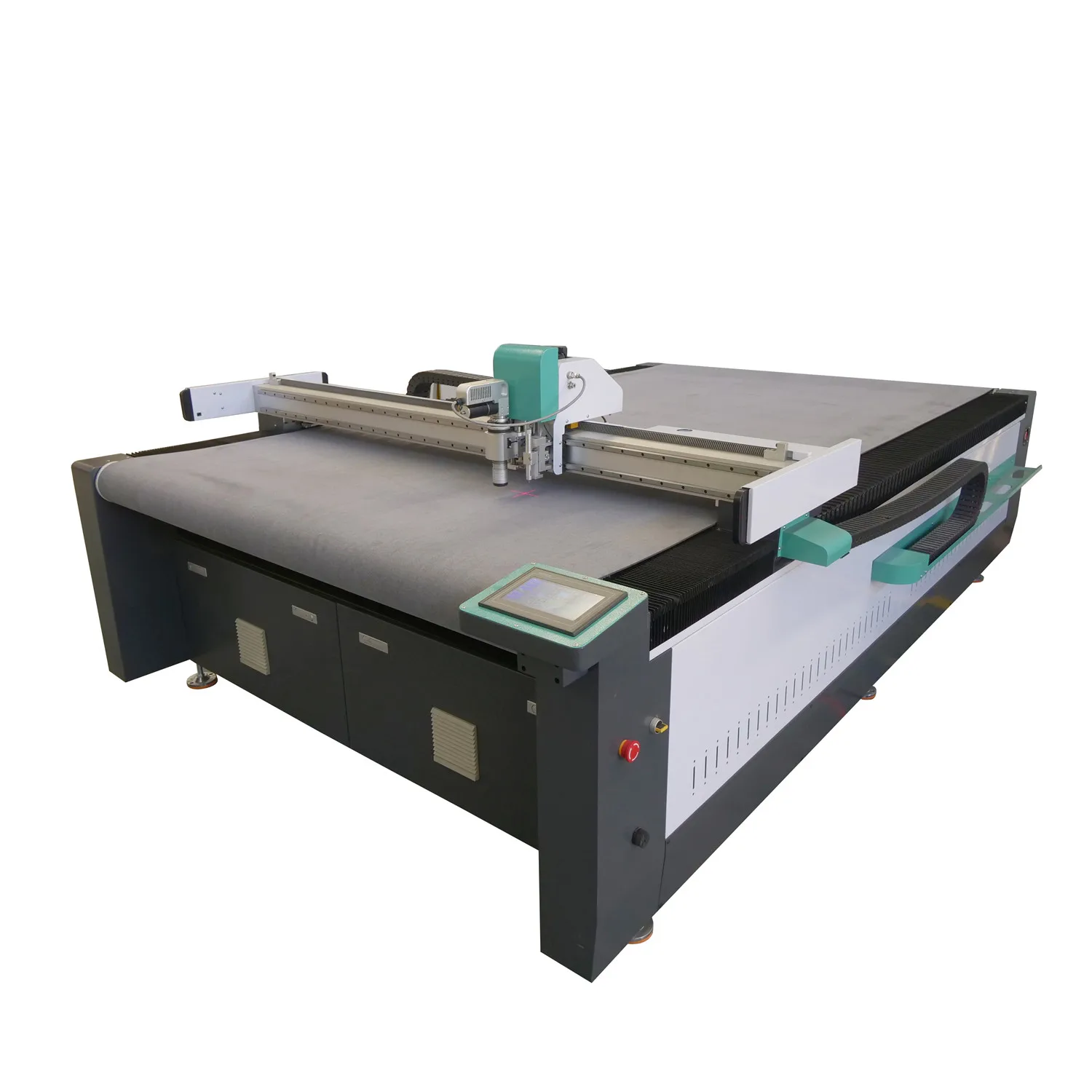
| Product Type | CNC Oscillating Knife Cutting Machine for Membrane Structure Fabrics |
| Working Area | 1600×2500 mm |
| Machine Size | 3450×2300×1250 mm |
| Rated Power | 9 kW |
| Voltage | 380V±10% |
| Table Type | Flat working table / Auto feeding table |
| Tool Head Options | Swiss imported knife (vibration full/half cutting, cursor location), oscillating knife, pneumatic knife, high-power vibrating knife, circular knife, V-cutting knife, drag knife, creasing wheel, dotted line knife, punching tool, brush |
| Translational Velocity | 800–2000 mm/s |
| Cutting Speed | 200–800 mm/s (basis not stated in source — confirm material type and thickness) |
| Cutting Thickness | ≤100 mm (varies by material) |
| Repeated Accuracy | ≤0.1 mm |
| Transmission System | Digital servo motor, linear guide, synchronous belt, ball screw |
| Servo Motor Brand Options | Delta (China) or Panasonic (Japan) — IP67 waterproof |
| Vacuum Table Surface | Magnesium-aluminum alloy, PVDF powder coated, anodic oxidation, hard oxidation |
| Vacuum Pump | 7.5 kW, aviation aluminum shell, built-in silencer sponge |
| Safety Devices | Infrared induction blocking, anti-collision beam sensors, emergency stop |
| Control Panel | Touch screen, multiple language support |
| Instruction System | HP-GL compatible format |
| Software | Auto typesetting / nesting, supports PLT, DXF, AI file formats |
| Visual Positioning Options | Small CCD camera mark point positioning, panoramic camera recognition, projection positioning |
| Language Options | English, Russian, Italian, Chinese (custom languages available) |
Application Suitability
| Application | Material or Output |
|---|---|
| Architectural tensile structures | PVC, PVDF, PTFE, ETFE membrane fabrics |
| Automotive interior panels | Composite leather, PU foam, gasket materials |
| Packaging and carton sample making | Corrugated board, sticker film, cardboard |
| Soft furnishings and upholstery | Textile, cloth, non-woven fabric, carpet |
| Footwear and luggage production | Leather, shoe material, EVA, XPE foam |
| Signage and graphic finishing | Vinyl, film, PP, PE sheet |
Why Working Area Alone Is Not Enough When Buying a Membrane Structure Fabric Cutter
A machine sized for your sheet format can still fail on your material thickness if the tool head and vacuum configuration are not matched to the membrane composition.
I have walked into workshops where the buyer selected a CNC oscillating knife cutting machine for sale based solely on a 1600×2500 mm bed, then watched the blade skate across PTFE-coated fiberglass without biting through the coating layer. The vacuum zones were too large for the small triangular gussets they were cutting, and pieces lifted mid-cycle, ruining the edge profile. [NEED_CITE: common material hold-down failures in tensile fabric cutting] The result was a roll of expensive membrane scrapped before the first shift ended. That outcome traces back to skipping the material-to-tool conversation before the purchase order is signed.
Knife Method Versus Laser Method for Tensile Membranes
The RT-D2516/RT-S2516 sits in REALTOP’s catalogue as a flatbed knife platform rather than a laser unit, which matters when you process coated technical textiles. Knife cutting avoids the sealed edge that a CO2 beam produces on PVC and PU coatings — a sealed edge can trap plasticizer migration and lead to delamination at welded seams downstream. For membrane structure fabric cutters processing architectural membranes, a clean mechanical cut preserves the base weave for proper heat welding. A CNC oscillating knife cutting machine for sale in this range lets the buyer choose oscillating, pneumatic or Swiss vibration knife heads depending on whether the membrane is single-layer PTFE or multi-layer PVC composite.
Vacuum Platform Engineering for Large-Format Membranes
The 7.5 kW vacuum pump sits behind a magnesium-aluminum alloy table that has been PVDF powder coated, anodized and hard oxidized — a sequence that prevents the chemical interaction some plasticizers in PVC membranes cause on raw aluminum surfaces. [NEED_CITE: PVDF coating resistance to plasticizer migration] The zoned adsorption system is critical when you cut a mix of large panels and small reinforcement patches from the same sheet. If your smallest part is a 100 mm gusset, the vacuum zones must be configured to hold that geometry without the surrounding suction lifting the adjacent material. This configuration is finalized during the pre-order material review, not after the machine ships.
How Servo Precision Translates to Panel Registration
The Delta or Panasonic IP67 servo motors drive the gantry through linear guides and ball screws, delivering a repeated accuracy of ≤0.1 mm across the full 1600×2500 mm travel. For tensile architecture panels that must register against cable pockets and corner plates fabricated to tight tolerances, this repeatability determines whether the cut membrane fits the steel frame on-site or requires field trimming. The IP67 rating matters in membrane fabrication shops where PVC dust and plasticizer residue settle on motion components — standard servo housings degrade under those conditions. When the CCD camera or panoramic vision system tracks printed registration marks, the servo repeatability ensures the cut path follows the mark across the entire sheet length.
The Hidden Cost of Skipping Pre-Shipment Verification
When a buyer does not request a sample cutting report on their own membrane roll before committing, they accept the tool head selection as a default. A high-power vibrating knife that slices cleanly through 2 mm PVC-coated polyester may crush the weave structure of a 0.5 mm PTFE-glass fabric, leaving a frayed edge that fails the weld peel test. [NEED_CITE: edge quality requirements for heat-welded tensile membrane seams] The cost shows up weeks later on the installation site, not in the factory. Confirming the voltage, plug type, control language and software file format before shipment prevents the machine from sitting idle while a transformer or translation file is sourced locally.
Why Buyers Source This Equipment from REALTOP
In-house design covers both knife and laser cutting, so a buyer processing membrane structures alongside acrylic signage can match each material to the correct method rather than forcing one technology across all substrates. Tool head and table configuration are specified per material and production volume, meaning a tensile fabric processor receives a pneumatic knife setup while a carton sample maker receives a drag knife and creasing wheel on the same platform. CCD camera positioning for printed contour work is available when membrane panels carry registration marks for automated cutting. Software compatibility is confirmed against the buyer’s PLT, DXF or AI workflow before the order is finalized. Sample cutting on the buyer’s own membrane material takes place before commitment, producing a cutting report that documents edge quality and throughput on that specific fabric.
Documentation & Verification
- Machine specification sheet listing the configured tool heads and vacuum zone layout for your membrane type
- Electrical schematic with voltage, frequency and plug type confirmed against your local supply standard
- Sample cutting report documenting edge quality on your specific PVC, PVDF or PTFE membrane roll
- Software licence with PLT, DXF and AI file format compatibility verified against your CAD system
- Factory test record showing repeated accuracy across the 1600×2500 mm working area before dispatch
- Operation and maintenance manual in your specified control language
Installation, Commissioning & Support
- Floor space of approximately 3450×2300 mm required with clearance for material loading on three sides
- Dedicated 380V±10% three-phase circuit rated for the 9 kW machine draw plus the 7.5 kW vacuum pump
- Machine ships in a single crate; the vacuum table and gantry frame are bolted together on-site
- First-run parameter tuning covers servo acceleration, vacuum zone mapping and tool head depth calibration
- Operator training includes nesting software setup and CCD mark recognition if visual positioning is configured
- Spare parts list identifies oscillating knife blades, vacuum seals and linear guide wipers as consumables
What to Prepare Before Requesting a Quotation
Send the membrane type, manufacturer designation, total thickness including any coating layers, and the maximum sheet width you process. Specify your daily cutting volume and whether you run from rolls or pre-cut sheets. Confirm your local voltage and frequency standard, the control language your operators need, and whether your existing CAD output is in PLT, DXF or AI format. If you have small parts that have lifted during cutting on previous equipment, note the smallest dimension so the vacuum zone layout can be planned accordingly.
Frequently Asked Questions
Q: How do I decide between knife and laser cutting for my membrane material?
A: Knife cutting avoids the sealed edge that laser produces on PVC and PU coatings, which matters when the cut panels will be heat welded at seams. Laser suits acrylic and wood but can melt synthetic membrane edges. The RT-D2516/RT-S2516 is configured as a knife platform, and sample cutting on your roll determines the final tool head selection.
Q: Which tool head works best for PTFE-coated fiberglass versus PVC-coated polyester?
A: PTFE-glass fabrics typically require a Swiss vibration knife or high-power vibrating knife to penetrate the brittle coating without fraying the glass weave. PVC-coated polyester cuts cleanly with a standard oscillating or pneumatic knife. The correct head is confirmed during sample cutting on your specific membrane before order placement.
Q: How is cutting speed confirmed on my material before I commit?
A: Sample cutting runs are performed on your membrane roll at various feed rates, and the results are documented in a cutting report that shows edge quality and achievable throughput. This report becomes the reference for the tool head and vacuum configuration shipped with your machine.
Q: What voltage and language options are available before shipment?
A: The machine is configurable for 380V±10% supply, with control panel language set to English, Russian, Italian, Chinese or a custom language upon request. Voltage, plug type and control language are documented in the electrical schematic and confirmed in writing before production begins.
Q: How does the auto-feeding conveyor table integrate with roll cutting?
A: The auto-feeding option replaces the flat table with a conveyor belt system that advances membrane material from a roll holder, enabling continuous cutting without manual sheet loading. This suits high-volume tensile fabric processors running long production runs from standard roll widths.










商品评价
There are no reviews yet.