


Fast Delivery
Quick, reliable shipping to any location.

Free & easy returns
Return this item by mail or in store within 90 days for a full refund.
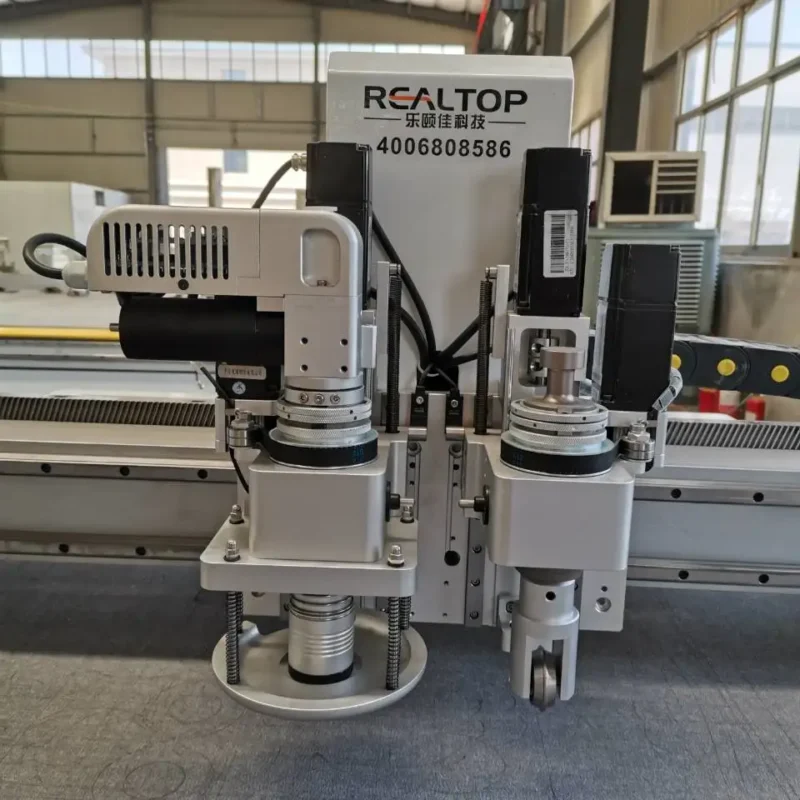
Tool Head Flexibility — Seven interchangeable cutting tools mapped to material type and thickness, so a buyer cutting leather, foam and composites on one bed selects the correct edge rather than forcing a single blade through every job.
Technical Specifications
| Parameter | Value |
|---|---|
| Model | 1625 |
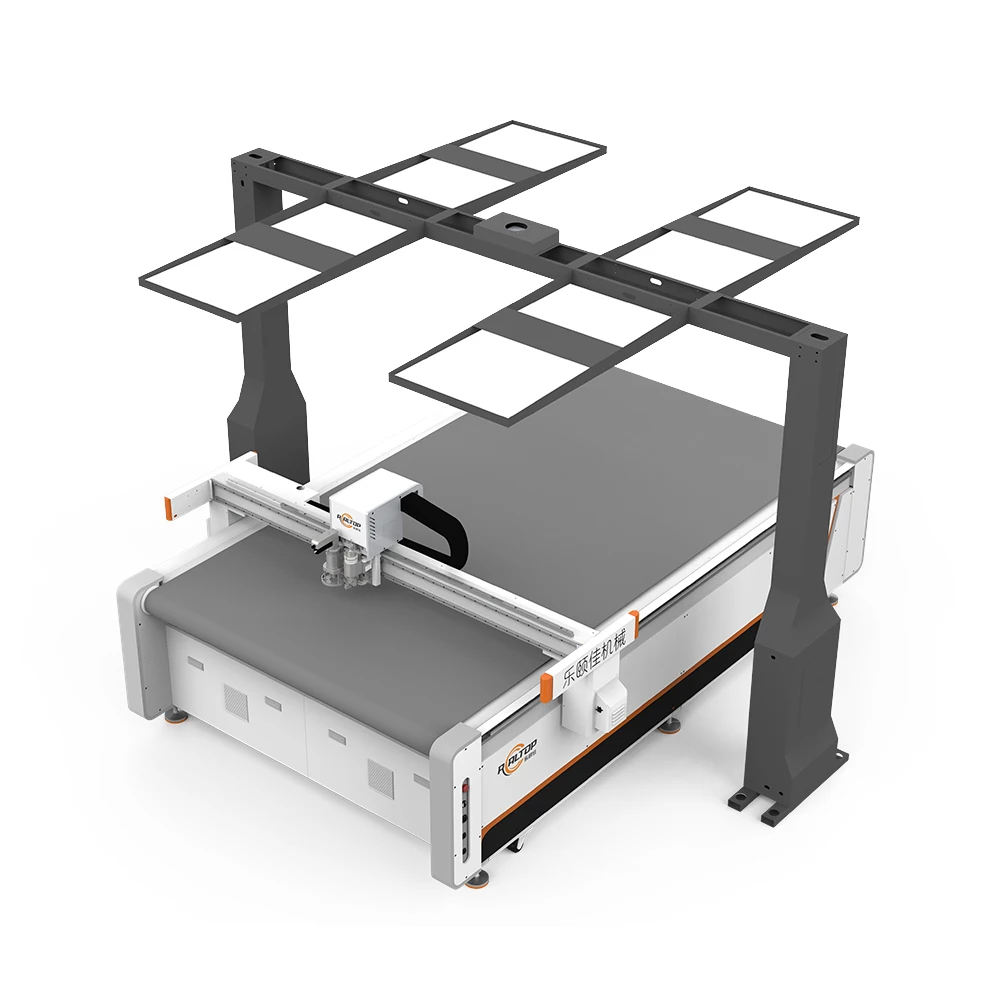
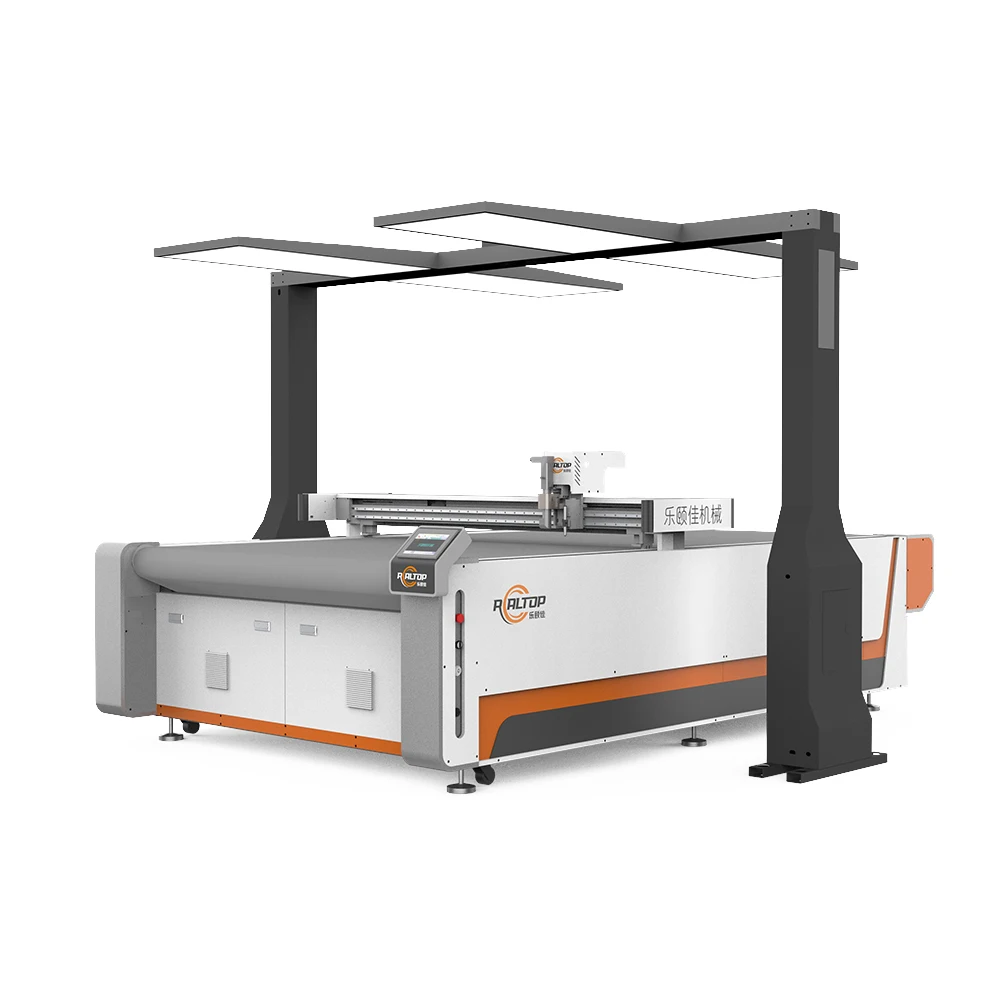
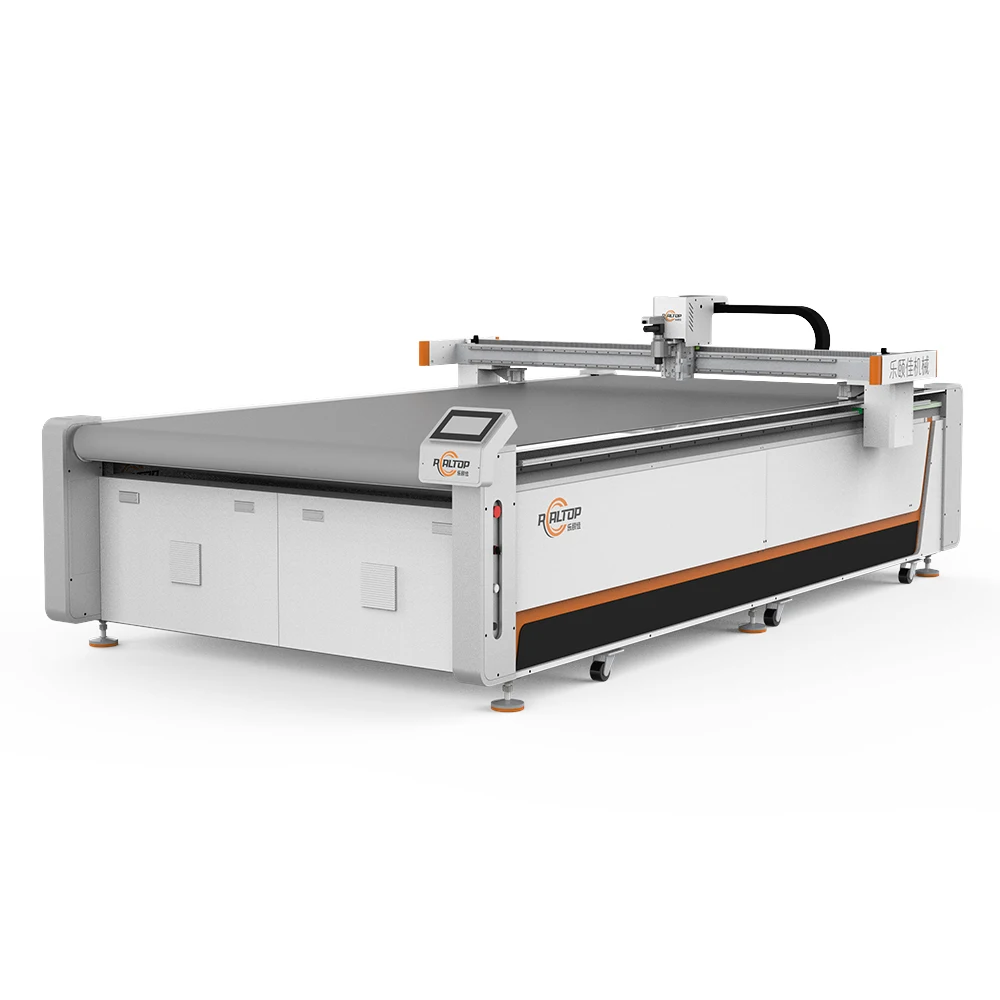
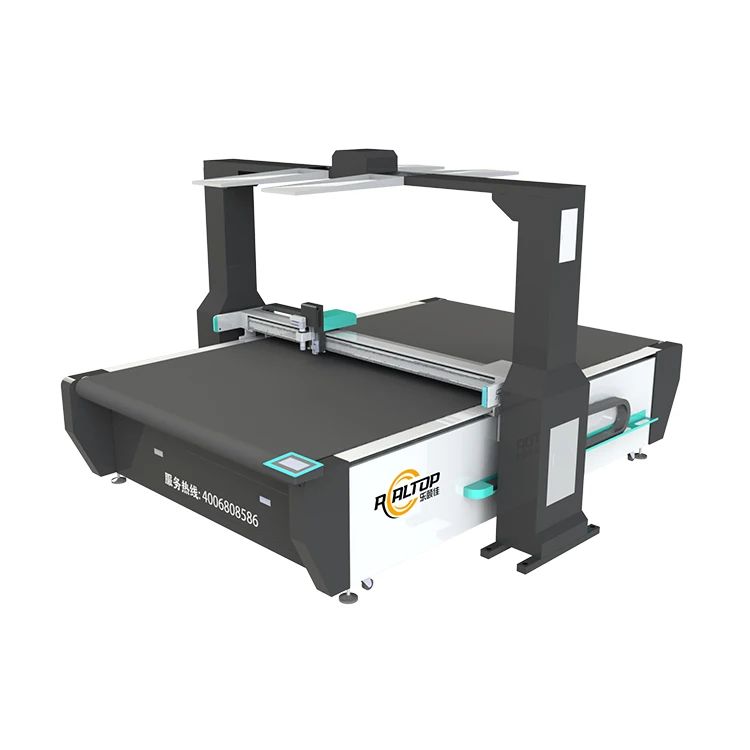
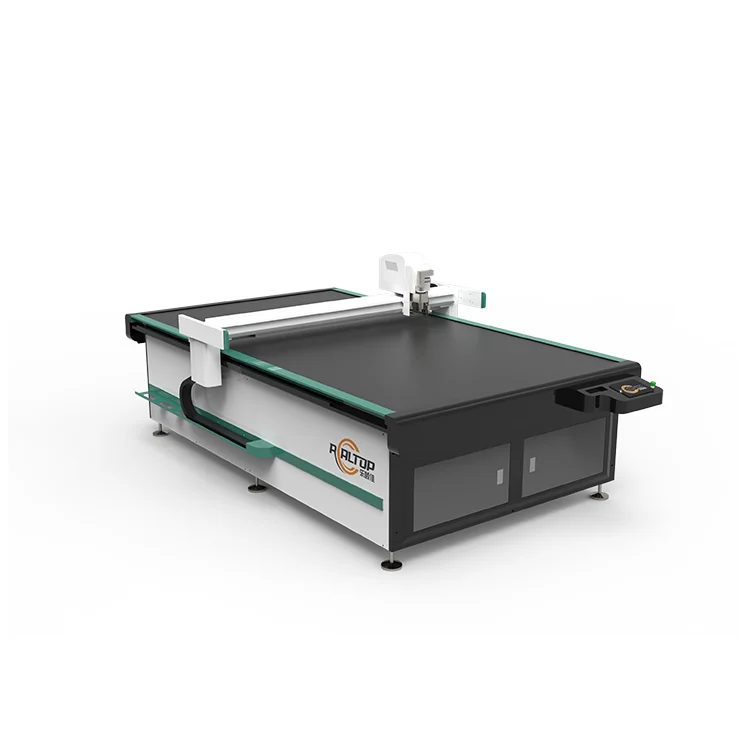
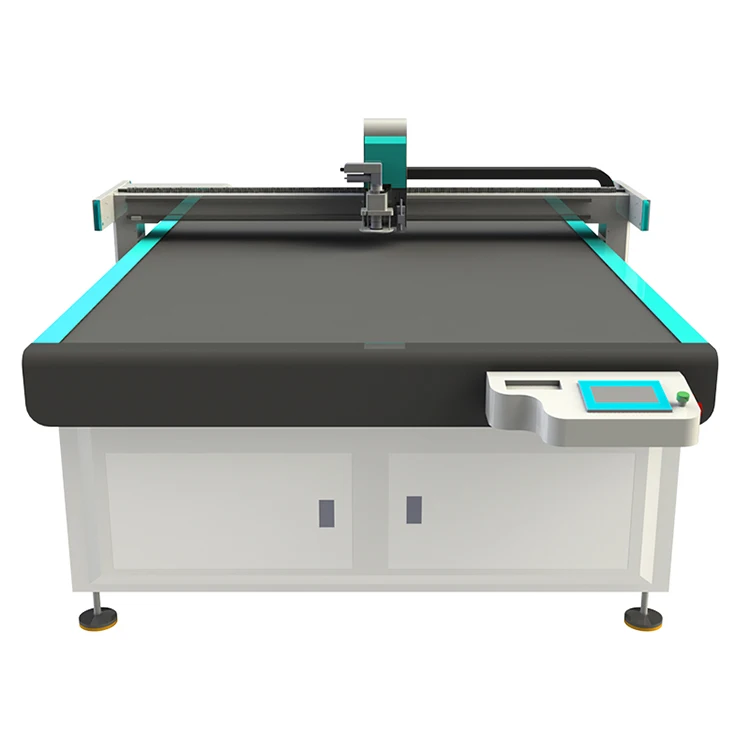
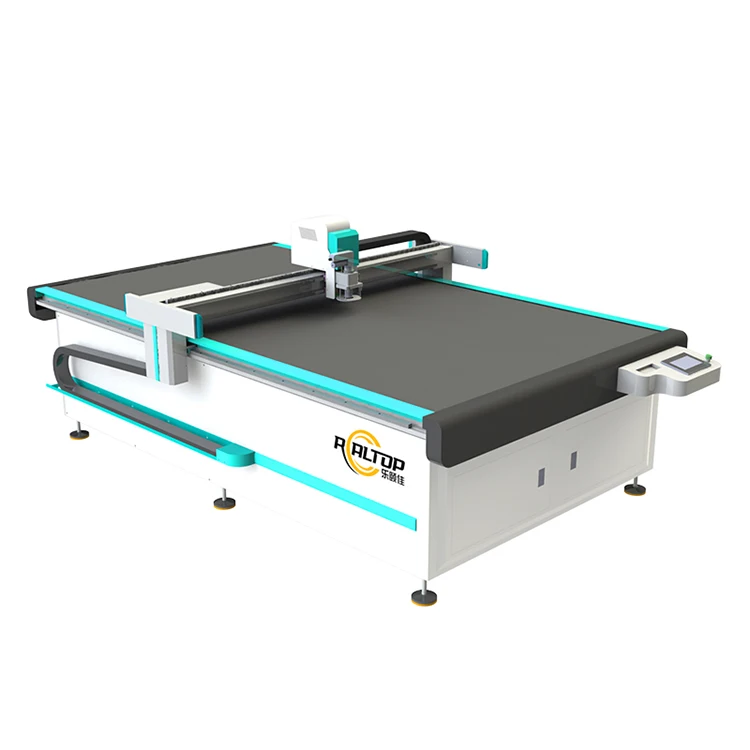
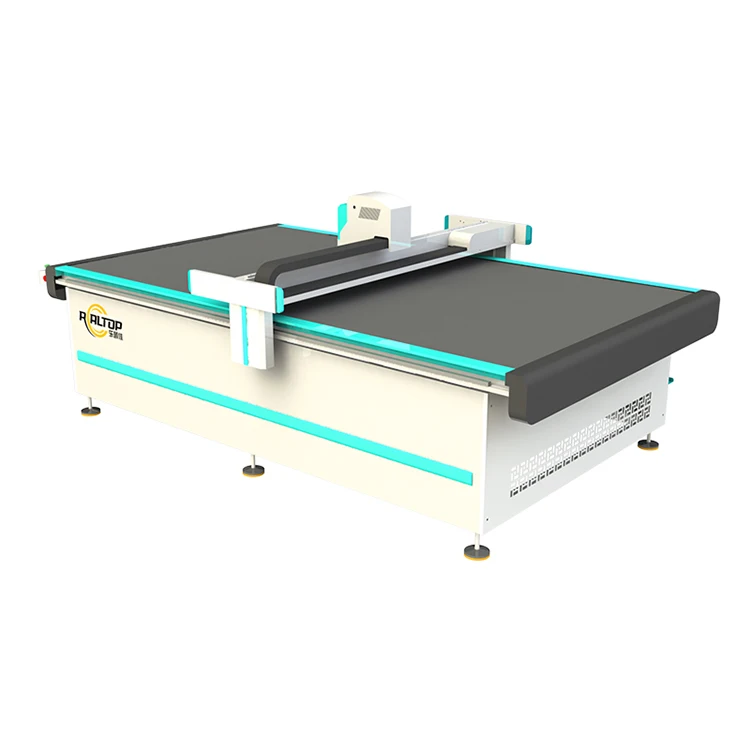
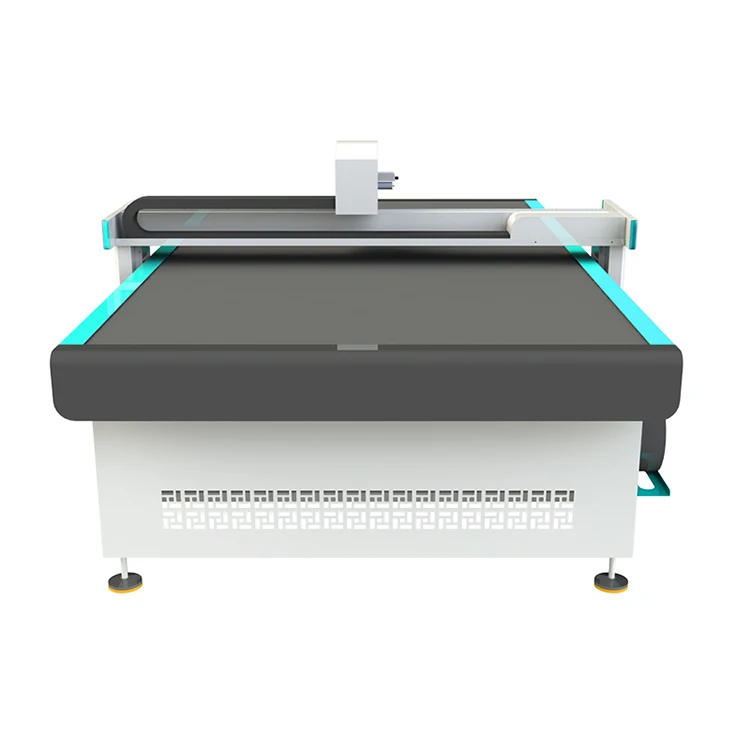
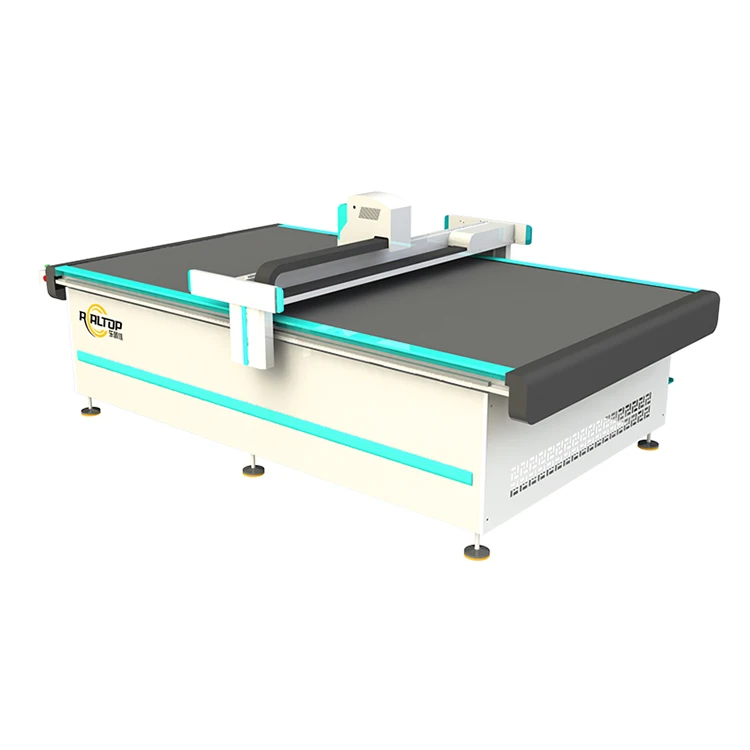
| Product Type | CNC Oscillating Knife Cutting Machine |
| Working Area | 1600×2500 mm |
| Tool Head Options | Oscillating knife, Driven rotary knife, Creasing wheel, Kiss cutting tool, Pneumatic knife, Milling tool, V-groove knife |
| Cutting Speed | 0–2000 mm/s |
| Cutting Thickness | ≤ 30 mm (basis not stated in source — confirm material and block format) |
| Cutting Accuracy | ±0.1 mm |
| Repeat Positioning Accuracy | ≤ 0.1 mm |
| Vacuum Pump Power | 9 kW |
| Vacuum Table Type | Aluminum bellows vacuum table |
| Servo Motor Options | Panasonic, Delta, Dorna |
| Control System | PLC control panel with intuitive interface |
| Voltage Options | 110 V, 220 V, 380 V |
| File Formats Supported | PLT, DXF, AI, PDF |
| Language Options | English, Russian, Italian, Chinese (special languages customizable) |
| Safety Device | Infrared sensor device and emergency stop device |
| Machine Size | 3300×2100×1350 mm |
| Assembly State | Fully assembled |
| Certification | CE |
Application Suitability
| Application | Material or Output |
|---|---|
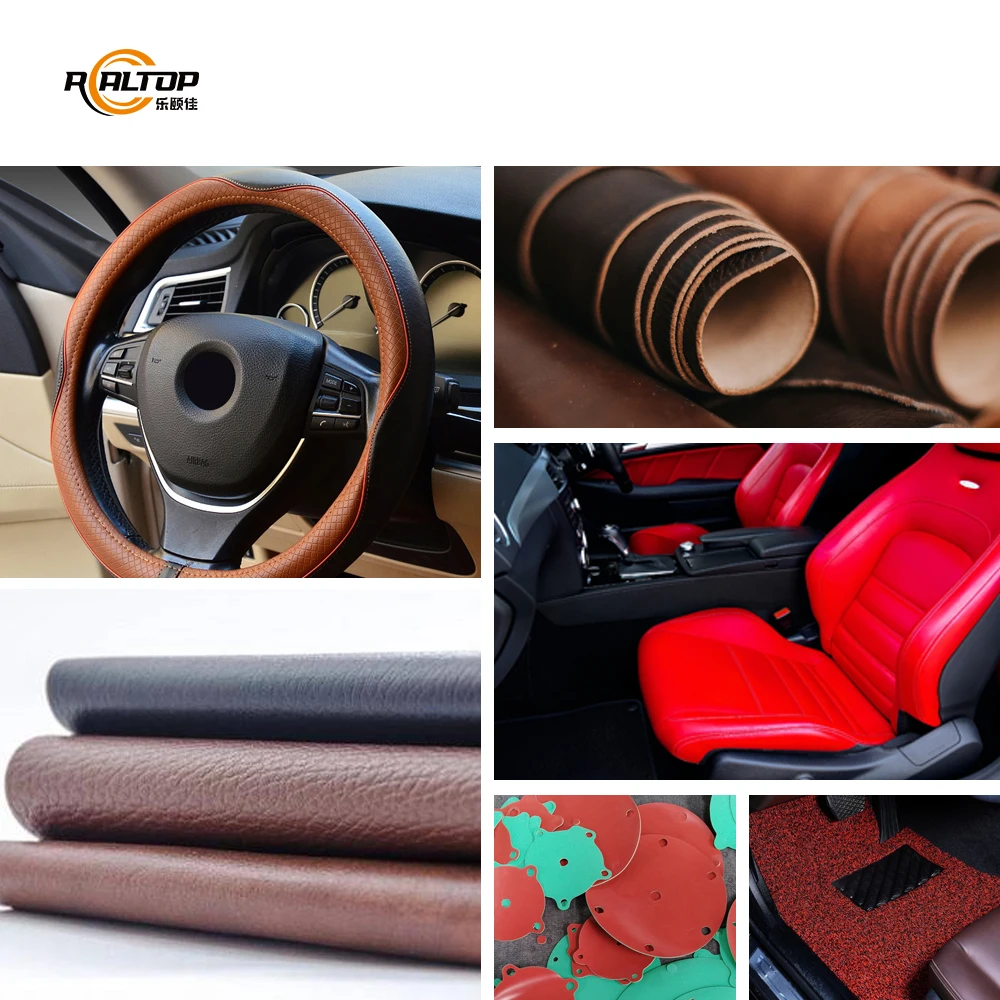
| Automotive floor mats | Leather-EVA composite, tufted fabric with rubber base |
| Seat covers and cushions | Genuine leather, PU, multi-layer foam |
| Steering wheel covers | Leather, silicone |
| Dashboard mats and carpets | Automotive textiles, non-woven backing |
| Footwear and leather goods | Genuine leather, PU, synthetic uppers |
| Bags, clothing, home furnishings | Fabric, textile, composite panels |
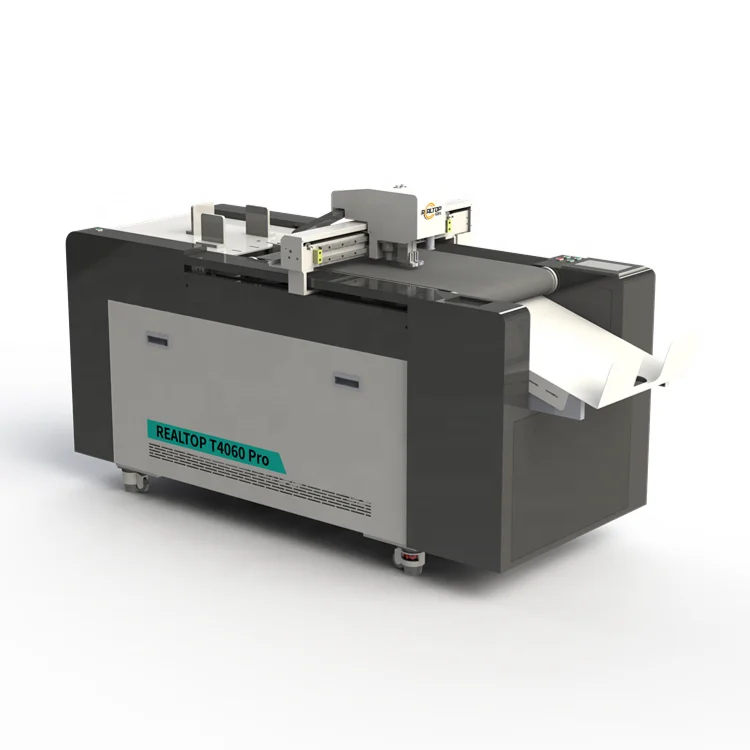
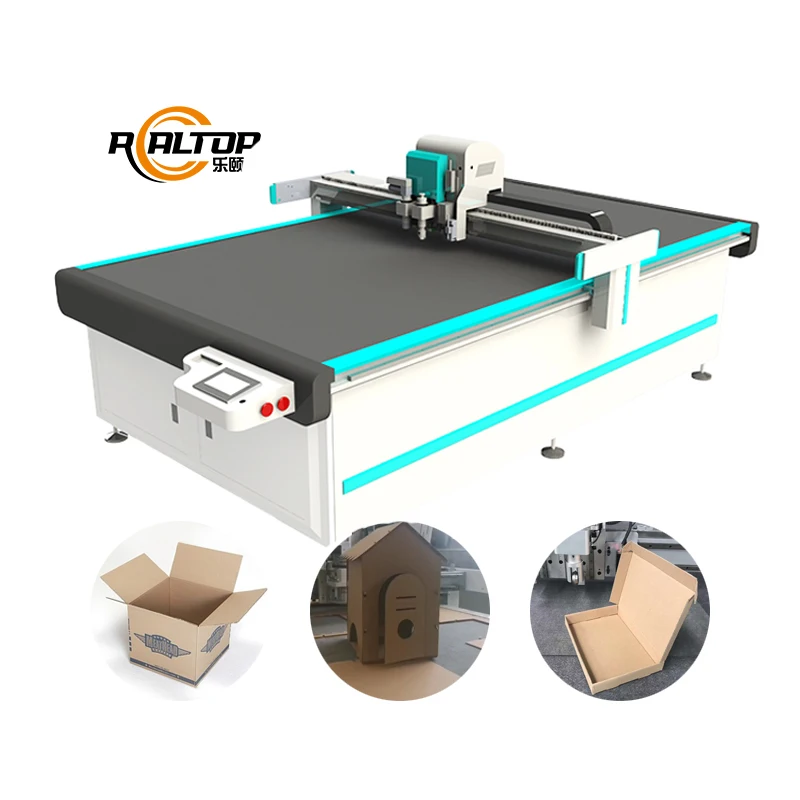
| Carton and packaging samples | Cardboard, corrugated stock, carton |
| Gaskets and industrial parts | PTFE, rubber, foam, PVC |
Why Vacuum Zoning Matters More Than Working Area When Cutting Leather
A 1600×2500 mm bed only holds value if every zone can grip irregular hide contours at full cutting speed.
A machine specified purely on table size often reveals its weakness the first time a buyer runs genuine leather with natural thickness variation across the hide. The thinner belly sections lift under the oscillating knife, producing ragged edges or shifting the entire nest mid-cycle. I have seen automotive interior producers scrap a full batch of seat cover panels because the vacuum table lacked independent zoning, meaning small offcuts in the corner received the same suction as the centre, and the suction simply was not enough to hold them flat [NEED_CITE: vacuum table zoning principles for CNC flatbed cutting].
A CNC oscillating knife cutting machine for sale with a properly zoned aluminum bellows vacuum table addresses this by directing suction only where material is present, maintaining hold-down pressure on small pieces and irregular shapes without wasting pump capacity on empty zones.
Matching Tool Head to Material Rather Than Forcing One Blade
The 1625 platform offers seven interchangeable tool heads, each designed for a specific material behaviour. An oscillating knife handles genuine leather and multi-layer foam cleanly by vibrating at high frequency to slice without dragging. A driven rotary knife suits continuous textile cuts where edge fusion is not a concern. A pneumatic knife drops through thicker EVA and rubber composite mats used in automotive flooring. Buyers running mixed production — leather uppers one shift, foam gaskets the next — swap heads rather than buying a second machine.
Software Compatibility Before the Machine Ships
File format mismatches surface only after installation, when the nesting software refuses to open the buyer’s existing PLT or DXF libraries. This CNC oscillating knife cutting machine for sale supports PLT, DXF, AI and PDF import, and the dedicated packaging box structure design software handles carton sample workflows. Control language is configurable from English, Russian, Italian and Chinese, with special languages available on request. Confirming the buyer’s CAD workflow and preferred interface language before production prevents a costly rework cycle after the machine arrives on the shop floor [NEED_CITE: CAD file format compatibility in digital cutting systems].
Reading the Specification Sheet Against Actual Production Needs
The 9 kW vacuum pump is sized to maintain suction across a 1600×2500 mm aluminum bellows table, but real holding power depends on zone configuration and the porosity of the material being cut. Leather hides are relatively non-porous, so suction translates directly into hold-down force; open-weave textiles and corrugated board leak air and demand higher pump output or reduced cutting speed. The ±0.1 mm cutting accuracy and ≤0.1 mm repeat positioning accuracy are achievable with Panasonic, Delta or Dorna servo motors, but sustained accuracy over a production run also depends on routine belt tension checks and guide rail lubrication. Cutting thickness is rated at ≤30 mm, though the practical limit varies with material density — a 30 mm foam block cuts cleanly, while 30 mm of dense rubber may require multiple passes or a different tool head entirely.
The Hidden Cost of Underspecifying the Vacuum and Tool Configuration
Buyers who select a machine based on bed size and lowest price often discover the real cost after the first production run. Insufficient vacuum zoning on small leather pieces causes lift and移位, producing scrap that far exceeds the savings from a cheaper configuration. A wrong tool head — using a standard oscillating knife on thick EVA composite — generates crushed edges and delaminated layers, forcing secondary trimming and adding labour to every part. These failures are not machine defects; they are specification gaps that a sample cutting report on the buyer’s own material would have revealed before the order was placed [NEED_CITE: material-specific cutting configuration and edge quality outcomes].
Why Source This Cutting Platform Here
In-house design and production cover both knife and laser cutting technologies, so a buyer evaluating leather versus acrylic processing can match the method to the material rather than forcing one technology across every job. Tool head and table configuration is specified per material and daily volume, not pulled from a standard price list. CCD camera positioning is available for printed contour work where registration marks must be tracked at production speed. Software compatibility is confirmed before the order enters production, and voltage, plug type and control language are customised to the target market. Sample cutting on the buyer’s own material is conducted and documented before commitment, providing an edge quality and thickness benchmark that travels with the machine.
Documentation & Verification
- Machine specification sheet with tool head and vacuum zone configuration matched to your material
- Electrical schematic confirming voltage, plug type and circuit requirements for your facility
- Sample cutting report on your leather, foam or composite stock with edge quality photographs
- Factory test record documenting positioning accuracy and cutting speed before crating
- Operation and maintenance manual in your selected control language
- Software licence and file format compatibility note for PLT, DXF, AI and PDF workflows
Installation, Commissioning & Support
- Machine ships fully assembled at 3300×2100×1350 mm; confirm workshop door clearance and floor loading capacity
- 9 kW vacuum pump requires a dedicated circuit; verify local voltage matches the confirmed 110 V, 220 V or 380 V configuration
- First-run commissioning includes servo calibration, vacuum zone mapping and tool head alignment on your material
- Operator training covers tool changeover, nesting import and PLC interface navigation in your chosen language
- Spare parts list identifies wear items — oscillating knife blades, vacuum seals, drive belts — with recommended stock quantities
- Maintenance schedule specifies guide rail lubrication intervals and belt tension checks based on daily cutting hours
What to Share When Requesting a Configuration Quote
To recommend the correct tool head, vacuum zone layout and motor specification, provide the material type and thickness range you cut most frequently, the typical sheet or hide size, and your daily cut-piece volume. Confirm your workshop voltage and frequency, the control language your operators prefer, and whether your existing nesting software exports in PLT, DXF, AI or PDF. If your production includes printed contour work, note the registration mark format so CCD positioning can be evaluated.
Frequently Asked Questions
Q: How do I decide between oscillating knife and laser cutting for leather?
A: Oscillating knife cuts leather without burning or discolouring the edge, which is critical for visible surfaces like automotive seat covers and footwear uppers. Laser cutting seals synthetic edges but can scorch genuine leather. The choice depends on whether edge appearance or edge sealing is the priority for your end product.
Q: Which tool head should I choose if I cut both leather and foam?
A: An oscillating knife handles both genuine leather and multi-layer foam effectively. For thicker EVA or dense rubber composites, a pneumatic knife provides the downforce needed for clean single-pass cuts. If your production mix includes carton samples, adding a creasing wheel expands capability without a second machine.
Q: How do I match the working area to my production volume?
A: The 1600×2500 mm bed accommodates standard leather hides and large textile rolls. Match the format to your largest common sheet size and consider daily volume — high-volume producers may benefit from a conveyor-fed system, while job shops handling varied materials typically prefer a flatbed with full vacuum zoning.
Q: Can the machine run on my local voltage and in my operators’ language?
A: Voltage is configurable to 110 V, 220 V or 380 V, and the PLC control panel supports English, Russian, Italian and Chinese as standard. Special languages and region-specific plug types are confirmed before production so the machine arrives ready to connect and operate.
Q: Will my existing CAD files work with the machine’s software?
A: The system imports PLT, DXF, AI and PDF formats directly. Before the order is placed, a file format compatibility check confirms that your current nesting workflow transfers without conversion or rework, and a software licence note documents the supported formats.
Tool Head Flexibility — Seven interchangeable cutting tools mapped to material type and thickness, so a buyer cutting leather, foam and composites on one bed selects the correct edge rather than forcing a single blade through every job.
Technical Specifications
| Parameter | Value |
|---|---|
| Model | 1625 |
| Product Type | CNC Oscillating Knife Cutting Machine |
| Working Area | 1600×2500 mm |
| Tool Head Options | Oscillating knife, Driven rotary knife, Creasing wheel, Kiss cutting tool, Pneumatic knife, Milling tool, V-groove knife |
| Cutting Speed | 0–2000 mm/s |
| Cutting Thickness | ≤ 30 mm (basis not stated in source — confirm material and block format) |
| Cutting Accuracy | ±0.1 mm |
| Repeat Positioning Accuracy | ≤ 0.1 mm |
| Vacuum Pump Power | 9 kW |
| Vacuum Table Type | Aluminum bellows vacuum table |
| Servo Motor Options | Panasonic, Delta, Dorna |
| Control System | PLC control panel with intuitive interface |
| Voltage Options | 110 V, 220 V, 380 V |
| File Formats Supported | PLT, DXF, AI, PDF |
| Language Options | English, Russian, Italian, Chinese (special languages customizable) |
| Safety Device | Infrared sensor device and emergency stop device |
| Machine Size | 3300×2100×1350 mm |
| Assembly State | Fully assembled |
| Certification | CE |
Application Suitability
| Application | Material or Output |
|---|---|
| Automotive floor mats | Leather-EVA composite, tufted fabric with rubber base |
| Seat covers and cushions | Genuine leather, PU, multi-layer foam |
| Steering wheel covers | Leather, silicone |
| Dashboard mats and carpets | Automotive textiles, non-woven backing |
| Footwear and leather goods | Genuine leather, PU, synthetic uppers |
| Bags, clothing, home furnishings | Fabric, textile, composite panels |
| Carton and packaging samples | Cardboard, corrugated stock, carton |
| Gaskets and industrial parts | PTFE, rubber, foam, PVC |
Why Vacuum Zoning Matters More Than Working Area When Cutting Leather
A 1600×2500 mm bed only holds value if every zone can grip irregular hide contours at full cutting speed.
A machine specified purely on table size often reveals its weakness the first time a buyer runs genuine leather with natural thickness variation across the hide. The thinner belly sections lift under the oscillating knife, producing ragged edges or shifting the entire nest mid-cycle. I have seen automotive interior producers scrap a full batch of seat cover panels because the vacuum table lacked independent zoning, meaning small offcuts in the corner received the same suction as the centre, and the suction simply was not enough to hold them flat [NEED_CITE: vacuum table zoning principles for CNC flatbed cutting].
A CNC oscillating knife cutting machine for sale with a properly zoned aluminum bellows vacuum table addresses this by directing suction only where material is present, maintaining hold-down pressure on small pieces and irregular shapes without wasting pump capacity on empty zones.
Matching Tool Head to Material Rather Than Forcing One Blade
The 1625 platform offers seven interchangeable tool heads, each designed for a specific material behaviour. An oscillating knife handles genuine leather and multi-layer foam cleanly by vibrating at high frequency to slice without dragging. A driven rotary knife suits continuous textile cuts where edge fusion is not a concern. A pneumatic knife drops through thicker EVA and rubber composite mats used in automotive flooring. Buyers running mixed production — leather uppers one shift, foam gaskets the next — swap heads rather than buying a second machine.
Software Compatibility Before the Machine Ships
File format mismatches surface only after installation, when the nesting software refuses to open the buyer’s existing PLT or DXF libraries. This CNC oscillating knife cutting machine for sale supports PLT, DXF, AI and PDF import, and the dedicated packaging box structure design software handles carton sample workflows. Control language is configurable from English, Russian, Italian and Chinese, with special languages available on request. Confirming the buyer’s CAD workflow and preferred interface language before production prevents a costly rework cycle after the machine arrives on the shop floor [NEED_CITE: CAD file format compatibility in digital cutting systems].
Reading the Specification Sheet Against Actual Production Needs
The 9 kW vacuum pump is sized to maintain suction across a 1600×2500 mm aluminum bellows table, but real holding power depends on zone configuration and the porosity of the material being cut. Leather hides are relatively non-porous, so suction translates directly into hold-down force; open-weave textiles and corrugated board leak air and demand higher pump output or reduced cutting speed. The ±0.1 mm cutting accuracy and ≤0.1 mm repeat positioning accuracy are achievable with Panasonic, Delta or Dorna servo motors, but sustained accuracy over a production run also depends on routine belt tension checks and guide rail lubrication. Cutting thickness is rated at ≤30 mm, though the practical limit varies with material density — a 30 mm foam block cuts cleanly, while 30 mm of dense rubber may require multiple passes or a different tool head entirely.
The Hidden Cost of Underspecifying the Vacuum and Tool Configuration
Buyers who select a machine based on bed size and lowest price often discover the real cost after the first production run. Insufficient vacuum zoning on small leather pieces causes lift and移位, producing scrap that far exceeds the savings from a cheaper configuration. A wrong tool head — using a standard oscillating knife on thick EVA composite — generates crushed edges and delaminated layers, forcing secondary trimming and adding labour to every part. These failures are not machine defects; they are specification gaps that a sample cutting report on the buyer’s own material would have revealed before the order was placed [NEED_CITE: material-specific cutting configuration and edge quality outcomes].
Why Source This Cutting Platform Here
In-house design and production cover both knife and laser cutting technologies, so a buyer evaluating leather versus acrylic processing can match the method to the material rather than forcing one technology across every job. Tool head and table configuration is specified per material and daily volume, not pulled from a standard price list. CCD camera positioning is available for printed contour work where registration marks must be tracked at production speed. Software compatibility is confirmed before the order enters production, and voltage, plug type and control language are customised to the target market. Sample cutting on the buyer’s own material is conducted and documented before commitment, providing an edge quality and thickness benchmark that travels with the machine.
Documentation & Verification
- Machine specification sheet with tool head and vacuum zone configuration matched to your material
- Electrical schematic confirming voltage, plug type and circuit requirements for your facility
- Sample cutting report on your leather, foam or composite stock with edge quality photographs
- Factory test record documenting positioning accuracy and cutting speed before crating
- Operation and maintenance manual in your selected control language
- Software licence and file format compatibility note for PLT, DXF, AI and PDF workflows
Installation, Commissioning & Support
- Machine ships fully assembled at 3300×2100×1350 mm; confirm workshop door clearance and floor loading capacity
- 9 kW vacuum pump requires a dedicated circuit; verify local voltage matches the confirmed 110 V, 220 V or 380 V configuration
- First-run commissioning includes servo calibration, vacuum zone mapping and tool head alignment on your material
- Operator training covers tool changeover, nesting import and PLC interface navigation in your chosen language
- Spare parts list identifies wear items — oscillating knife blades, vacuum seals, drive belts — with recommended stock quantities
- Maintenance schedule specifies guide rail lubrication intervals and belt tension checks based on daily cutting hours
What to Share When Requesting a Configuration Quote
To recommend the correct tool head, vacuum zone layout and motor specification, provide the material type and thickness range you cut most frequently, the typical sheet or hide size, and your daily cut-piece volume. Confirm your workshop voltage and frequency, the control language your operators prefer, and whether your existing nesting software exports in PLT, DXF, AI or PDF. If your production includes printed contour work, note the registration mark format so CCD positioning can be evaluated.
Frequently Asked Questions
Q: How do I decide between oscillating knife and laser cutting for leather?
A: Oscillating knife cuts leather without burning or discolouring the edge, which is critical for visible surfaces like automotive seat covers and footwear uppers. Laser cutting seals synthetic edges but can scorch genuine leather. The choice depends on whether edge appearance or edge sealing is the priority for your end product.
Q: Which tool head should I choose if I cut both leather and foam?
A: An oscillating knife handles both genuine leather and multi-layer foam effectively. For thicker EVA or dense rubber composites, a pneumatic knife provides the downforce needed for clean single-pass cuts. If your production mix includes carton samples, adding a creasing wheel expands capability without a second machine.
Q: How do I match the working area to my production volume?
A: The 1600×2500 mm bed accommodates standard leather hides and large textile rolls. Match the format to your largest common sheet size and consider daily volume — high-volume producers may benefit from a conveyor-fed system, while job shops handling varied materials typically prefer a flatbed with full vacuum zoning.
Q: Can the machine run on my local voltage and in my operators’ language?
A: Voltage is configurable to 110 V, 220 V or 380 V, and the PLC control panel supports English, Russian, Italian and Chinese as standard. Special languages and region-specific plug types are confirmed before production so the machine arrives ready to connect and operate.
Q: Will my existing CAD files work with the machine’s software?
A: The system imports PLT, DXF, AI and PDF formats directly. Before the order is placed, a file format compatibility check confirms that your current nesting workflow transfers without conversion or rework, and a software licence note documents the supported formats.
商品评价
There are no reviews yet.