


Fast Delivery
Quick, reliable shipping to any location.

Free & easy returns
Return this item by mail or in store within 90 days for a full refund.
Tool head matched to material — We test your surgical gown composite on our oscillating knife table before quoting the knife frequency and blade type, not after.
Technical Specifications
| Parameter | Value |
|---|---|
| Model | RT-D2516/RT-S2516 |
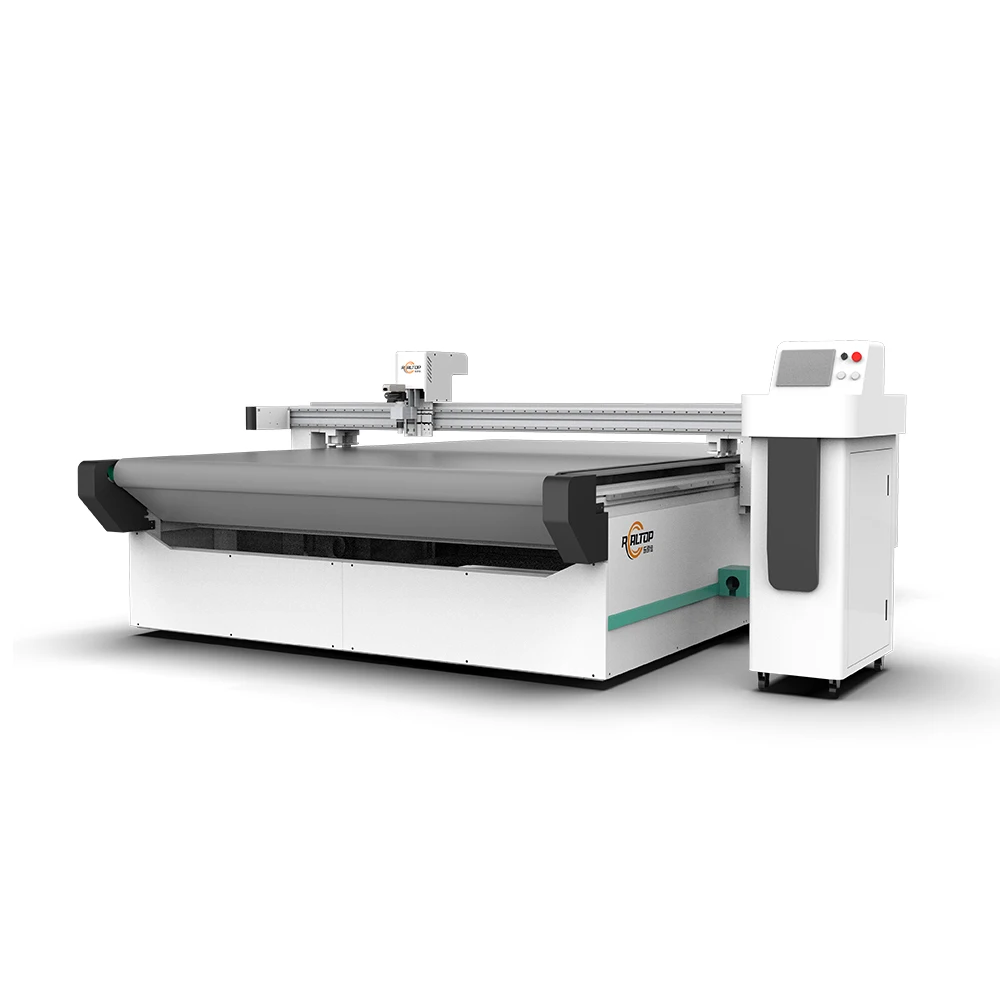
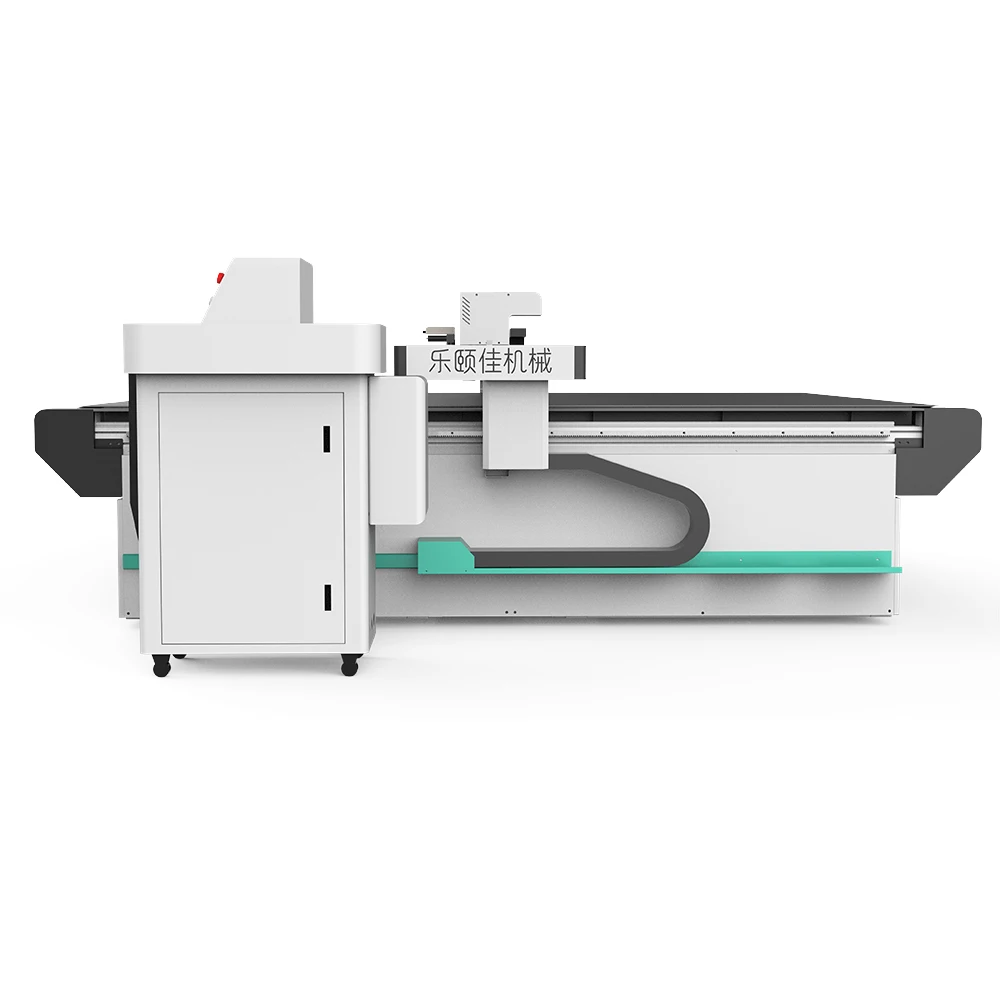
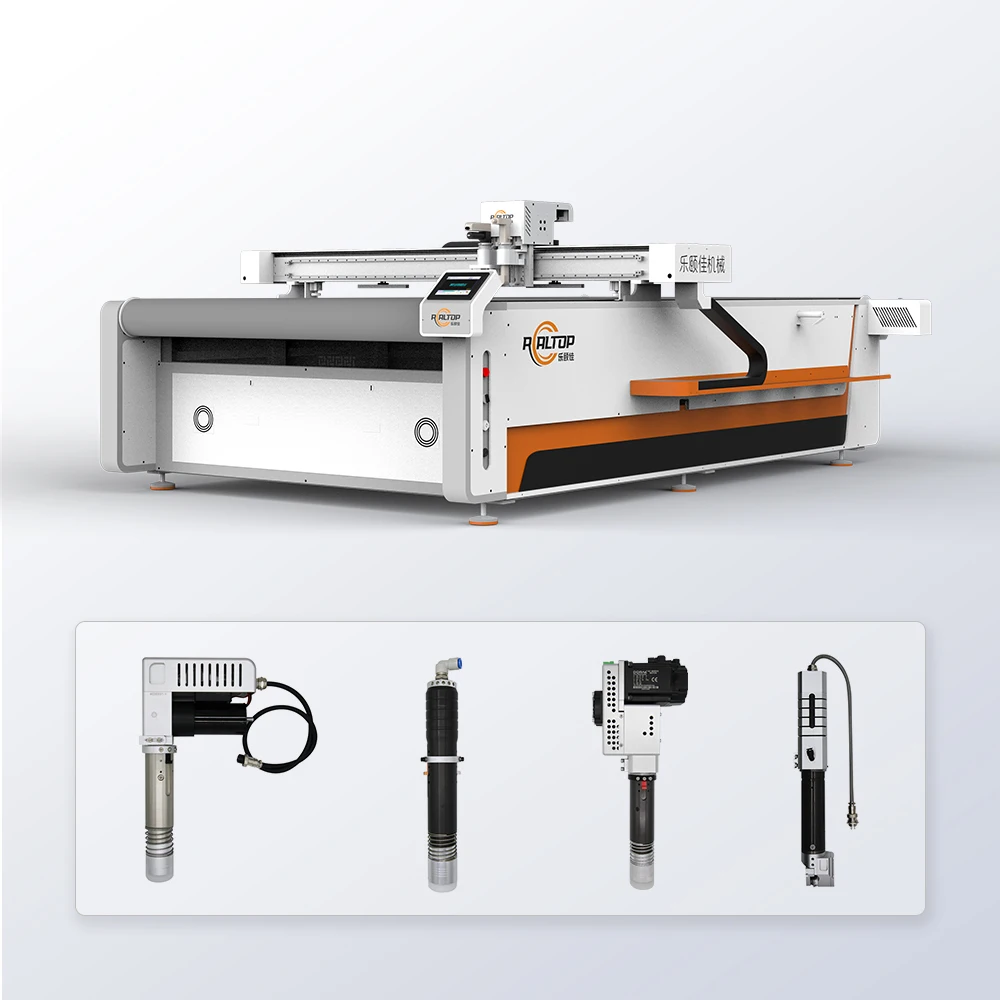
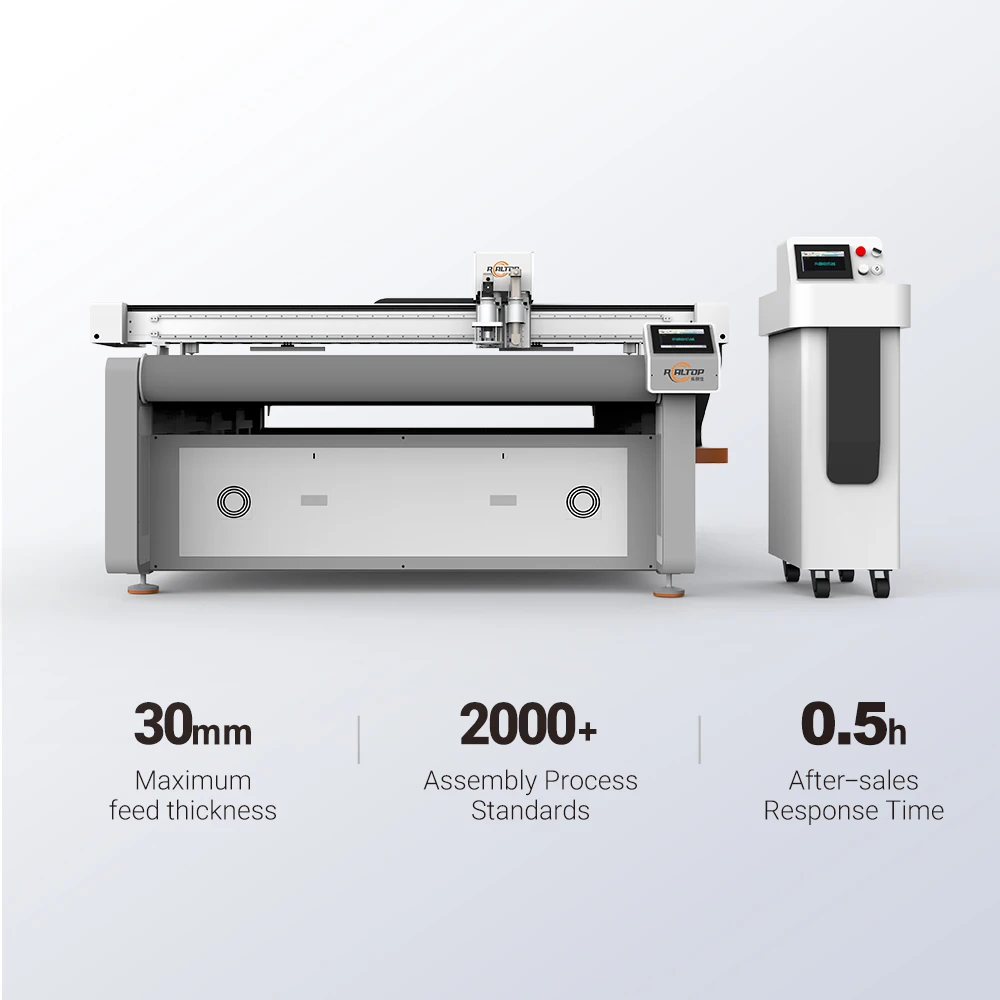
| Product Type | CNC Oscillating Knife Cutting Machine |
| Working Area | 1600×2500mm |
| Overall Dimensions | 3450×2300×1250mm |
| Rated Power | 9kW |
| Voltage | 380V±10% |
| Fixed Model Options | Flat working table / Auto feeding table |
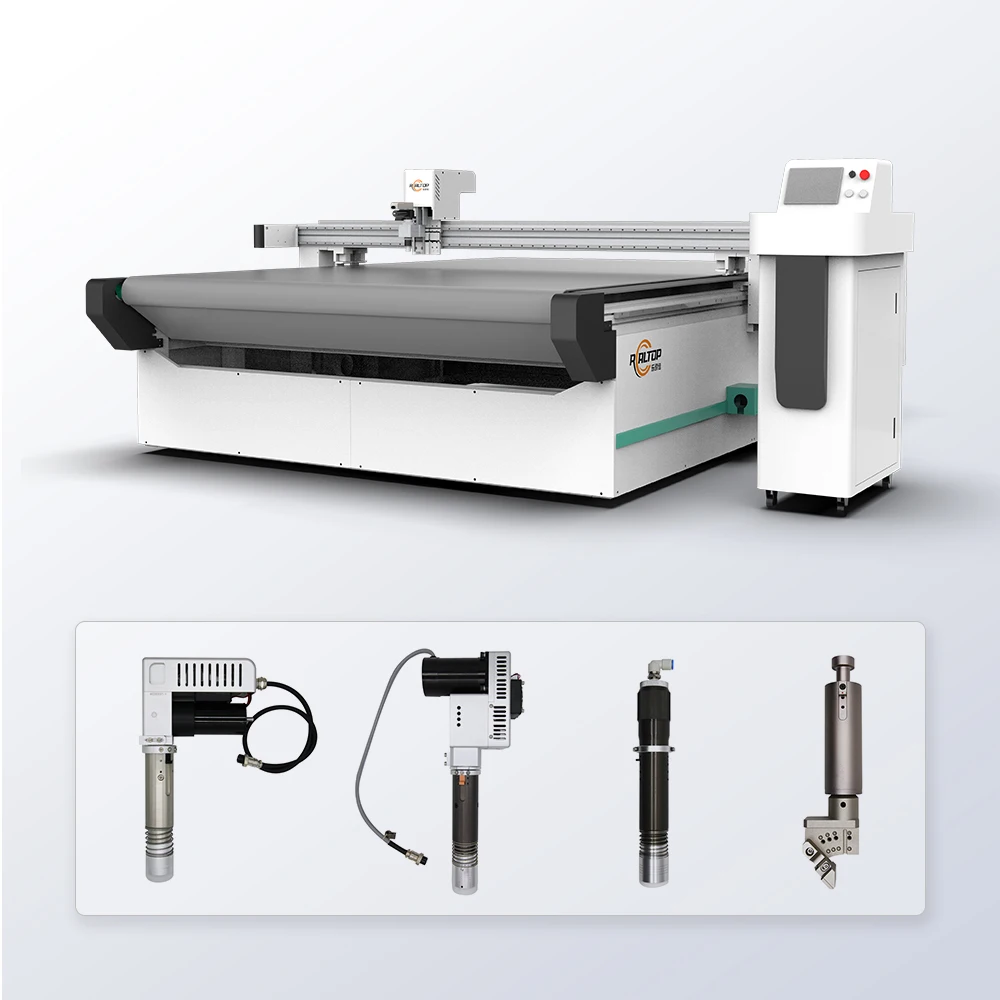
| Multifunctional Head | Swiss imported knife (vibration full cutting, vibration half cutting, cursor location) |
| Translational Velocity | 800–2000mm/s |
| Cutting Speed | 200–800mm/s (basis not stated in source — confirm material / thickness) |
| Cutting Thickness | ≤100mm (varies with material) |
| Repeated Accuracy | ≤0.1mm |
| Transmission System | Digital servo motor, linear guide, synchronous belt, ball screw |
| Instruction System | HP-GL compatible format |
| Safety Device | Infrared sensors, anti-collision, emergency stop |
| Servo Motor Options | Delta (China) or Panasonic (Japan) |
| Vacuum Table | Magnesium-aluminum alloy, PVDF powder spraying, anodic oxidation |
| Vacuum Pump | 7.5kW, integrated aviation aluminum shell with built-in silencer sponge |
| Conveyor Belt | Germany imported (optional) |
| Linear Guide | Taiwan Hiwin rail |
| Control Panel | Touch screen, multiple language supported |
| Software | Auto typesetting, supports PLT, DXF, AI formats |
| Visual Positioning Options | Small CCD camera mark point positioning, panoramic camera recognition, projection positioning |
| Tool Head Options | Oscillating knife, pneumatic knife, high-power vibrating knife, circular knife, V-cutting knife, drag knife, creasing wheel, dotted line knife, punching, brush |
| Language Options | English, Russian, Italian, Chinese; special languages customizable |
| Warranty | 1 year (parts free; buyer covers shipping; engineer visit available with buyer covering travel) |
| Standards | CE declaration where applicable |
Application Suitability
| Application | Material or Output |
|---|---|
| Medical protective apparel | Surgical gown non-woven, laminated SMS fabric, coated breathable film |
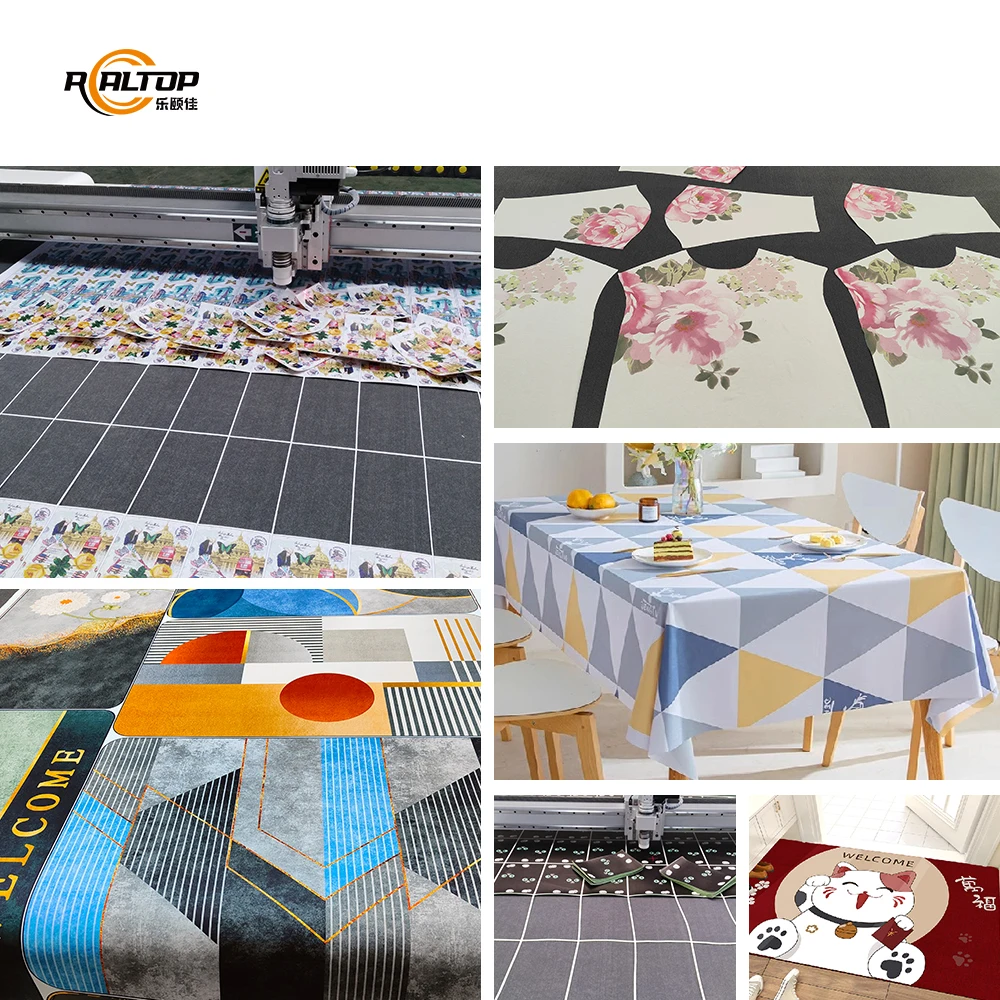
| Garment and footwear production | Woven textiles, cotton blends, synthetic linings, shoe uppers |
| Automotive interior trimming | PU leather, synthetic suede, headliner fabric, sound insulation felt |
| Composite gasket fabrication | PTFE sheets, ETFE film, fiberglass cloth, rubber composites |
| Soft home furnishings | Upholstery fabric, carpet, sponge padding, curtain textiles |
Why "Cutting Speed" Means Nothing Without Material Context
A quoted cutting speed only applies to the material and thickness used during the test run.
When a buyer sees "800mm/s" on a spec sheet, they assume that speed applies to their laminated surgical gown material. It does not. The same CNC oscillating knife cutting machine for sale will run standard single-layer non-woven at high translational velocity but slow considerably on multi-layer coated composites where the blade must overcome film adhesion [NEED_CITE: cutting speed variation across material density and lamination]. I have watched a production line lose half its shift output because the quoted speed came from cutting plain fleece, not the actual laminated material the factory runs daily.
Matching Knife Frequency to Coated Medical Textiles
The oscillating knife head on this machine vibrates at a frequency determined by the Swiss-imported motor assembly. For plain non-woven used in isolation gowns, a mid-range oscillation delivers clean edges without fiber pull. Switch to a laminated surgical gown material with a PE or breathable film layer, and the frequency must increase to prevent the blade from dragging the coating and leaving ragged micro-tears along the cut path. This CNC oscillating knife cutting machine for sale allows frequency and blade angle adjustment per material profile.
Vacuum Table Zoning for Small Pattern Pieces
Surgical gown patterns include numerous small reinforcement panels and tie strips. The magnesium-aluminum alloy vacuum table with PVDF powder coating provides consistent hold-down, but zoning matters more than total suction power. When cutting pieces smaller than 150mm across, the vacuum must be concentrated under the active cutting zone to prevent the lightweight non-woven from lifting at the trailing edge. The 7.5kW vacuum pump with integrated silencer maintains pressure without generating excessive workshop noise that interferes with operator communication.
Reading the Specs That Actually Matter
The 1600×2500mm working area accommodates standard rolled non-woven widths up to 1.6 meters, which covers most medical textile bolt widths. The repeated accuracy of ≤0.1mm ensures that nesting software can place pattern pieces with minimal kerf waste — critical when cutting expensive laminated composites where material cost dominates the unit economics. The Hiwin linear guide rails from Taiwan maintain this tolerance across the full travel distance, preventing the gradual drift that cheaper rail systems introduce after several hundred hours of continuous operation [NEED_CITE: linear guide wear characteristics in continuous CNC operation]. The Delta or Panasonic servo motor choice affects response time during rapid direction changes; Panasonic servos deliver slightly tighter deceleration control on intricate surgical gown contours.
The Cost of Choosing the Wrong Tool Head
A buyer cutting laminated surgical gown material with a drag knife instead of an oscillating knife will experience crushed edges where the coating delaminates from the substrate. The blade drags rather than slices through the film layer, producing rejected pieces that must be re-cut, consuming both material and machine time. Similarly, specifying a flat table when production volume justifies an auto-feeding conveyor means operators spend significant time manually advancing the fabric roll between cuts, creating idle periods that compound across a full shift [NEED_CITE: manual material handling impact on cutting line throughput].
Why Buyers Source This Machine From Our Facility
The design team specifies the tool head and table configuration against the buyer’s actual material sample, not against a generic material category. We run the buyer’s laminated surgical gown fabric on the RT-D2516/RT-S2516 before confirming the oscillating knife frequency, blade geometry, and vacuum zoning layout. The in-house production floor assembles both knife and laser systems, so if a buyer’s material profile shifts — for example, adding a heat-sealing step requiring laser trimming — the same engineering team can evaluate both methods without pushing the buyer toward whichever machine is in stock. Voltage, control language, and plug type are confirmed in writing before production starts, preventing the arrival of a 380V machine in a 415V facility.
Documentation & Verification
- Machine specification sheet listing confirmed tool head, knife frequency, and table type
- Electrical schematic with voltage, frequency, and plug type matched to destination country
- Sample cutting report on buyer’s surgical gown material with edge quality photographs
- Software license and PLT/DXF/AI file format compatibility confirmation note
- Factory test record showing repeated accuracy measurement across full working area
- Packing photographs documenting crating and component protection before dispatch
Installation, Commissioning & Support
- 3450×2300×1250mm overall dimensions require floor space with 800mm clearance on all sides for material access
- 9kW rated power plus 7.5kW vacuum pump require dedicated 380V three-phase circuit with appropriate breaker sizing
- Machine ships with table and gantry separated; assembly requires overhead lifting capability for frame alignment
- First-run commissioning includes vacuum zoning calibration and oscillating knife frequency tuning on buyer’s material
- Touch screen control panel supports operator training in selected language with HP-GL compatible file workflow
- Spare parts list includes Swiss knife blades, vacuum seals, and Hiwin rail lubrication schedule
What We Need to Specify Your Configuration
Send us a roll sample of your actual surgical gown material — including any lamination, coating, or film layers — along with your daily cutting volume and pattern nesting files if available. Tell us your facility voltage and frequency, the language your operators need on the control panel, and whether your upstream workflow feeds from rolls or pre-cut sheets. We will run the material on the machine and return a sample cutting report before either party commits to an order.
Frequently Asked Questions
Q: How do I choose between oscillating knife and drag knife for my surgical gown material?
A: Oscillating knife suits laminated and coated non-woven where the blade must slice cleanly through film layers without delamination. Drag knife works on single-layer uncoated textiles at higher speed. We test both on your material sample and report edge quality, cutting speed, and blade wear before recommending one configuration.
Q: What is the practical difference between flat table and auto-feeding conveyor?
A: Flat table suits batch cutting where operators manually load sheets or advance rolled fabric between nests. Auto-feeding conveyor uses the Germany-imported belt to continuously advance rolled material, reducing operator handling time. The choice depends on whether your daily volume and fabric format justify the conveyor investment.
Q: How do I verify CCD contour recognition works at my production speed?
A: We print registration marks on your actual pattern layout and run the panoramic camera recognition at the cutting speed your material allows. The test record shows mark detection rate and positional accuracy across the full 1600×2500mm working area, not a slowed demonstration speed.
Q: What file formats does the nesting software accept from my existing design system?
A: The software accepts PLT, DXF, and AI formats natively and uses HP-GL compatible instruction output. Before ordering, send us a sample file from your design workflow. We confirm import accuracy, nesting efficiency, and kerf compensation behavior and provide a written compatibility note.
Q: How are voltage and control language confirmed before the machine ships?
A: We document your facility voltage, frequency, plug type, and preferred control language in the specification sheet before production begins. The electrical schematic reflects these confirmed values, and the touch screen is loaded with your selected language. Any deviation requires written change approval.










商品评价
There are no reviews yet.