

Fast Delivery
Quick, reliable shipping to any location.

Free & easy returns
Return this item by mail or in store within 90 days for a full refund.
Tool Head Matching — We configure oscillating, drag, creasing or milling heads per material rather than ship a default setup, verified on your actual cardboard stock before the order is finalized.
Technical Specifications
| Parameter | Value |
|---|---|
| Model | CLD2516 |
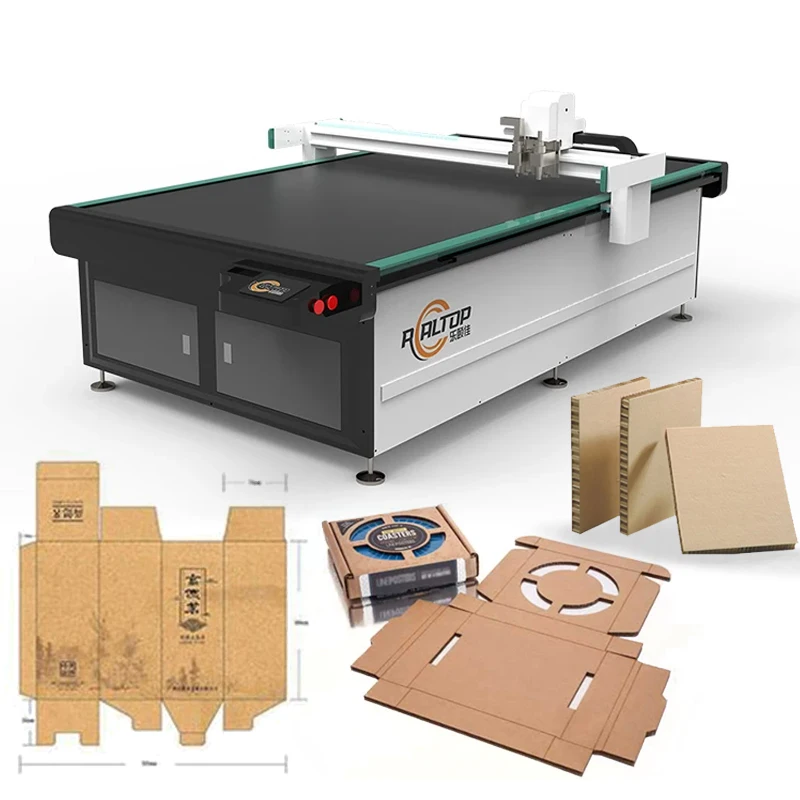
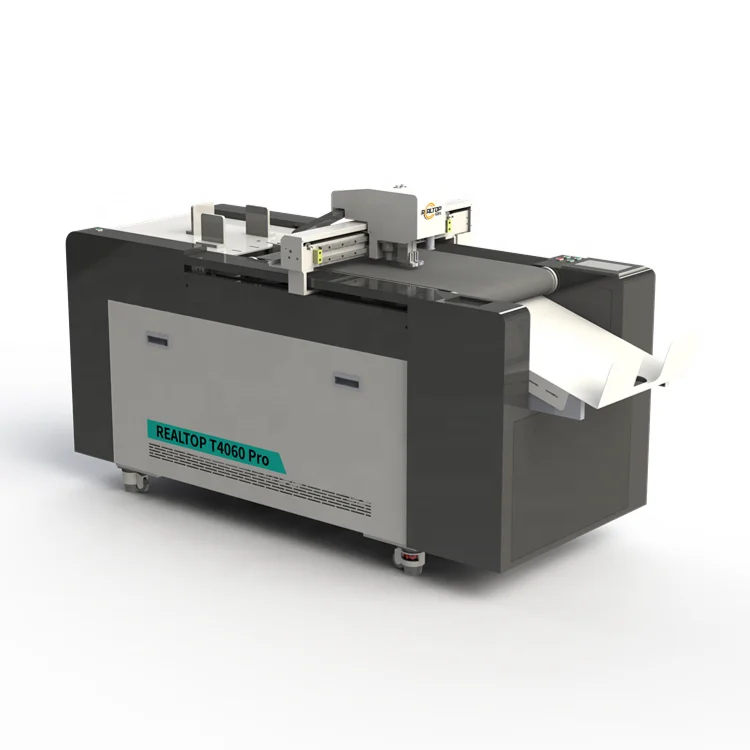
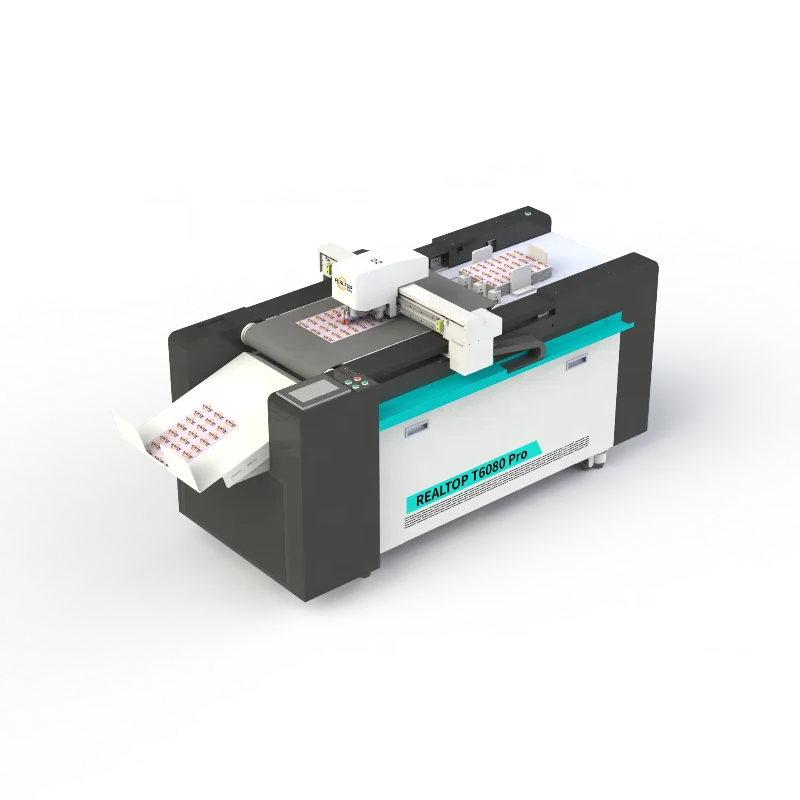
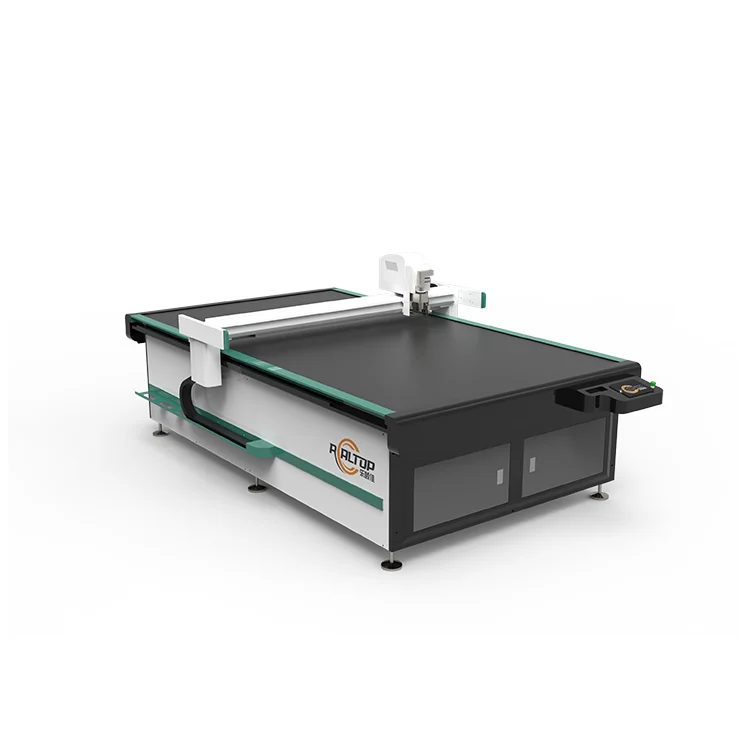
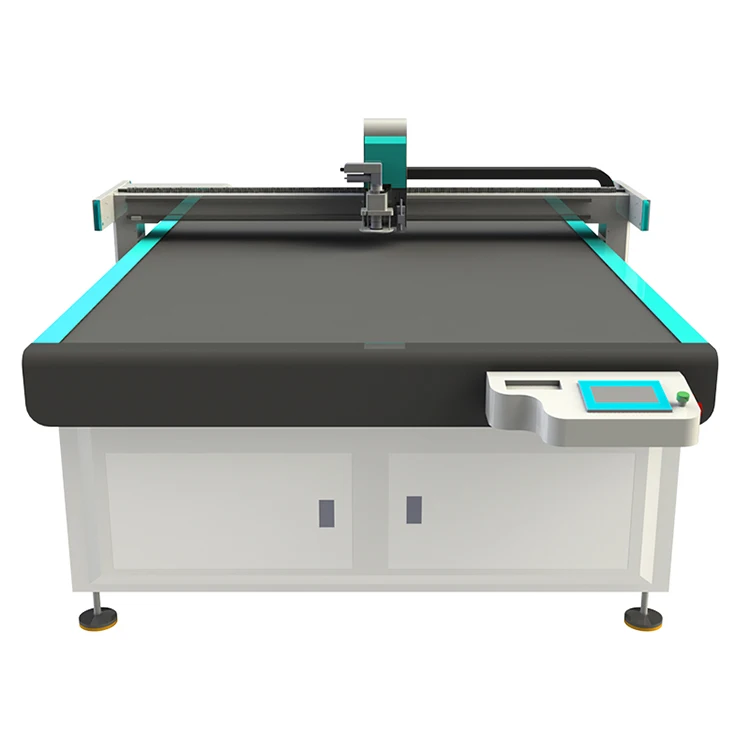
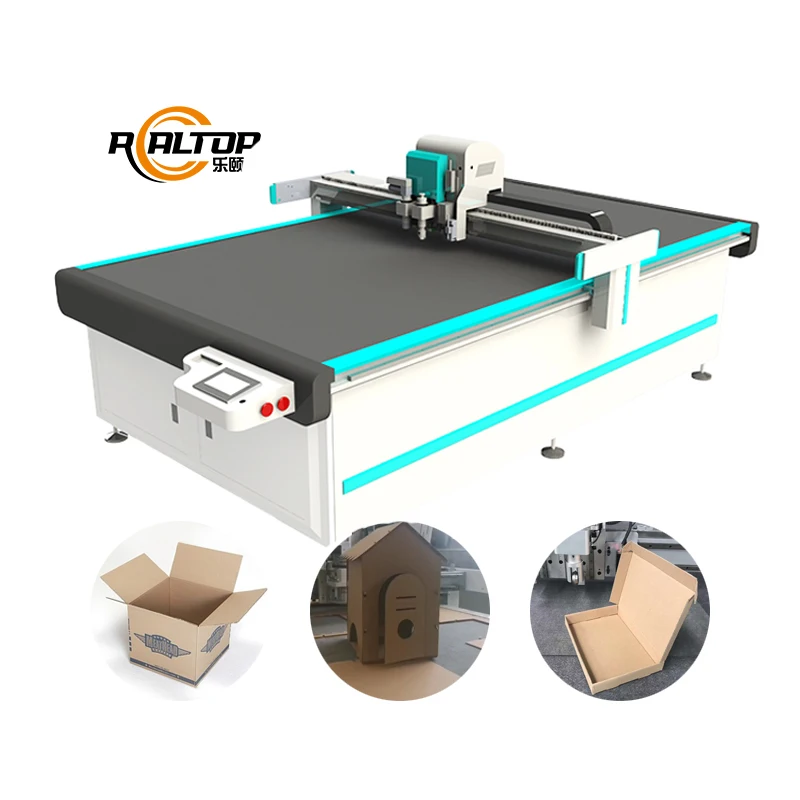
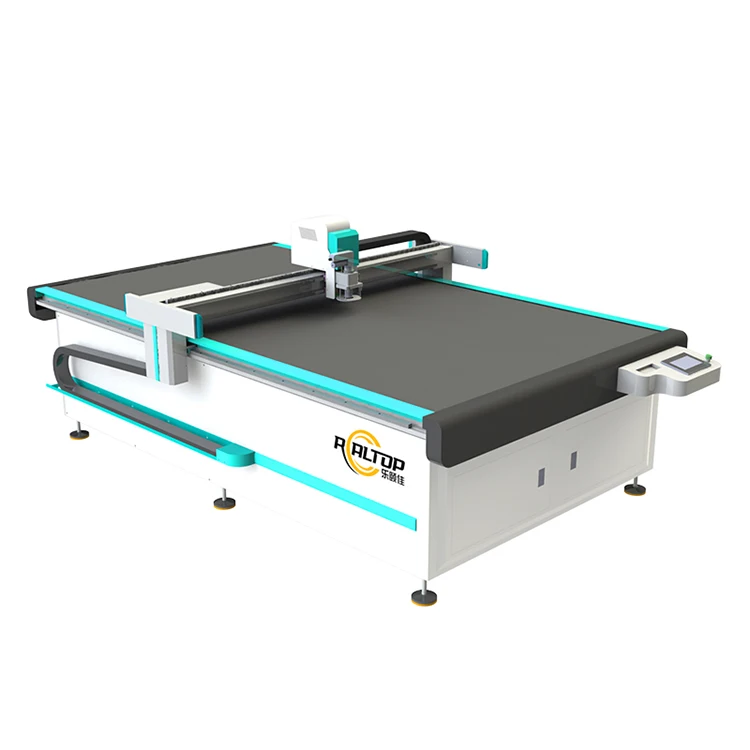
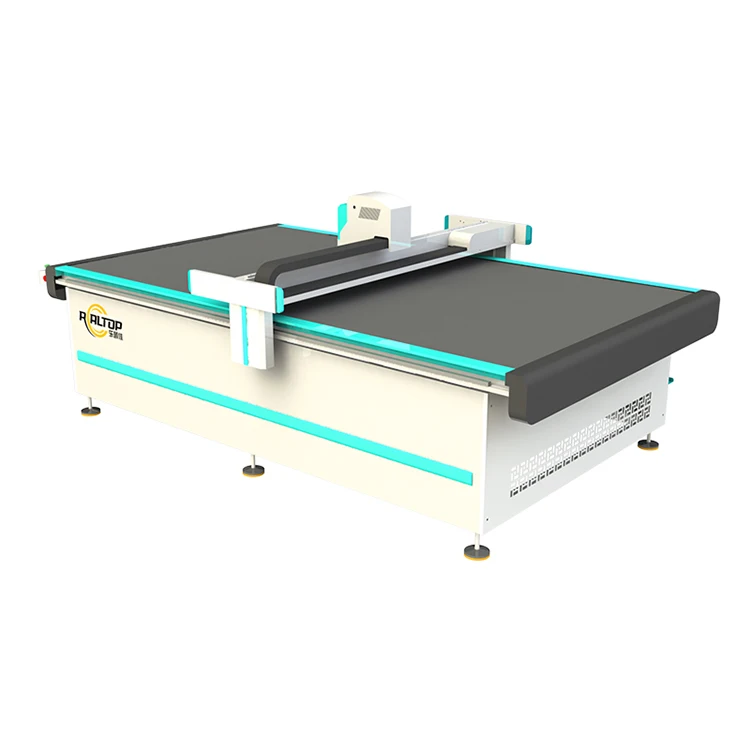
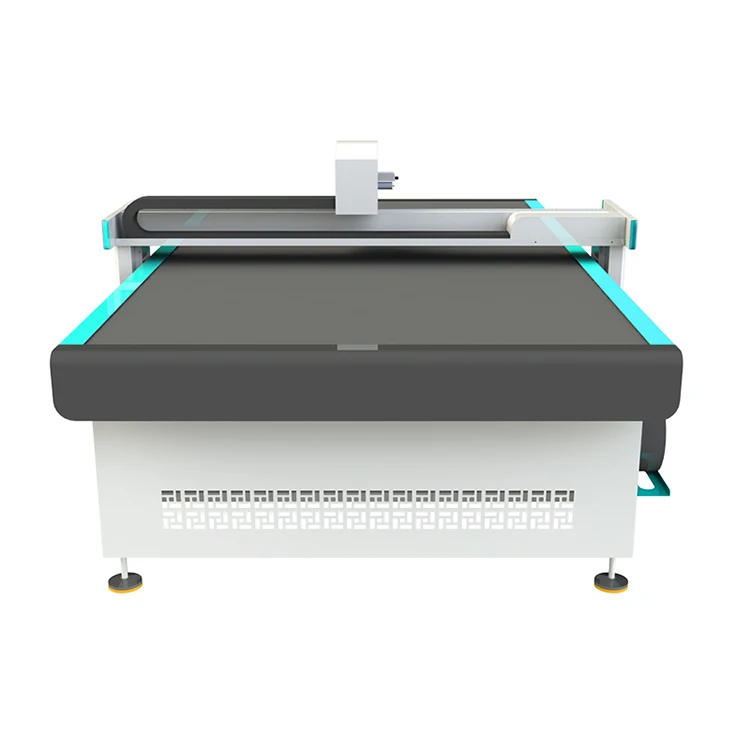
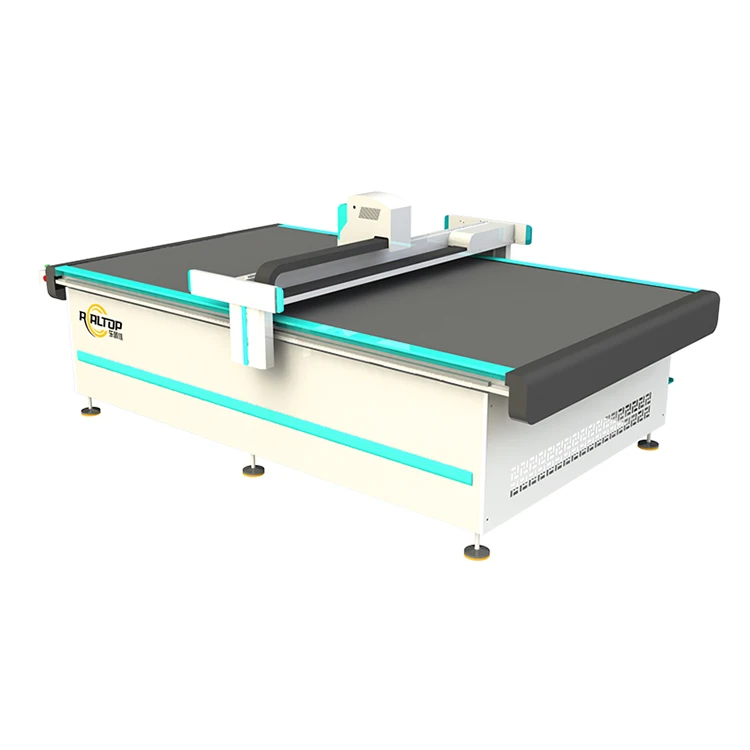
| Product Type | CNC Oscillating Knife Cutting Machine |
| Working Area | 1600 mm × 2500 mm |
| Overall Dimensions (L×W×H) | 3450 × 2300 × 1250 mm |
| Rated Power | 6.6 kW |
| Vacuum Pump Power | 7.5 kW |
| Voltage | 380V ±10% |
| Control System | CNC with HP-GL compatible instruction format |
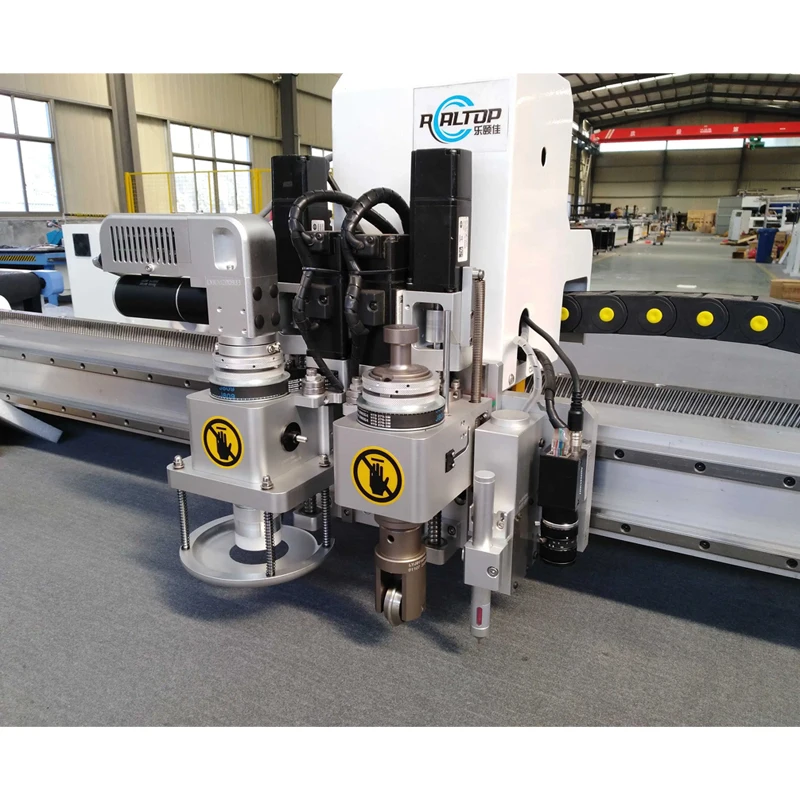
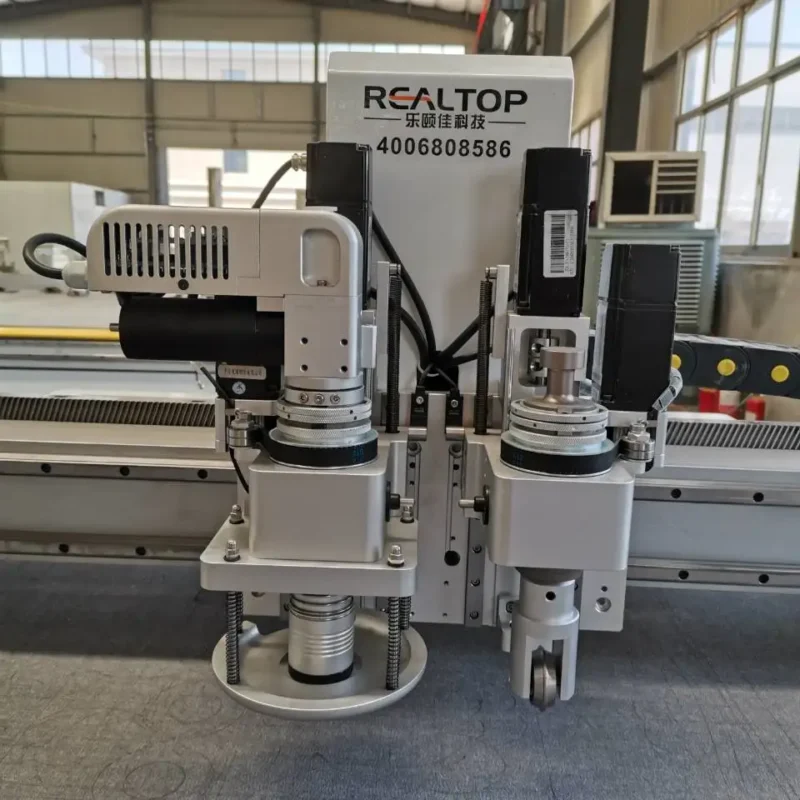
| Tool Head | Multifunctional head with Swiss imported oscillating knife (full cut, half cut, cursor location) |
| Transmission System | Taiwan Delta digital servo motor, Taiwan Hiwin linear guide, rack transmission, synchronous belt, ball screw |
| Translational Velocity | 800–1200 mm/s |
| Cutting Thickness | 20–80 mm (varies by material density — confirm specific material) |
| Repeatability | ≤0.1 mm |
| Table Type | Aluminum alloy honeycomb flat vacuum table with partition adsorption |
| Conveyor Belt | Germany imported felt belt (auto feeding) |
| Support File Formats | PLT, DXF |
| Software | Professional carton nesting software (language customizable) |
| Machine Frame | Welded thick square seamless steel structure with high-temperature treatment |
| Safety Device | Infrared sensors and emergency stop |
| Standards | CE declaration where applicable |
Application Suitability
| Application | Material or Output |
|---|---|
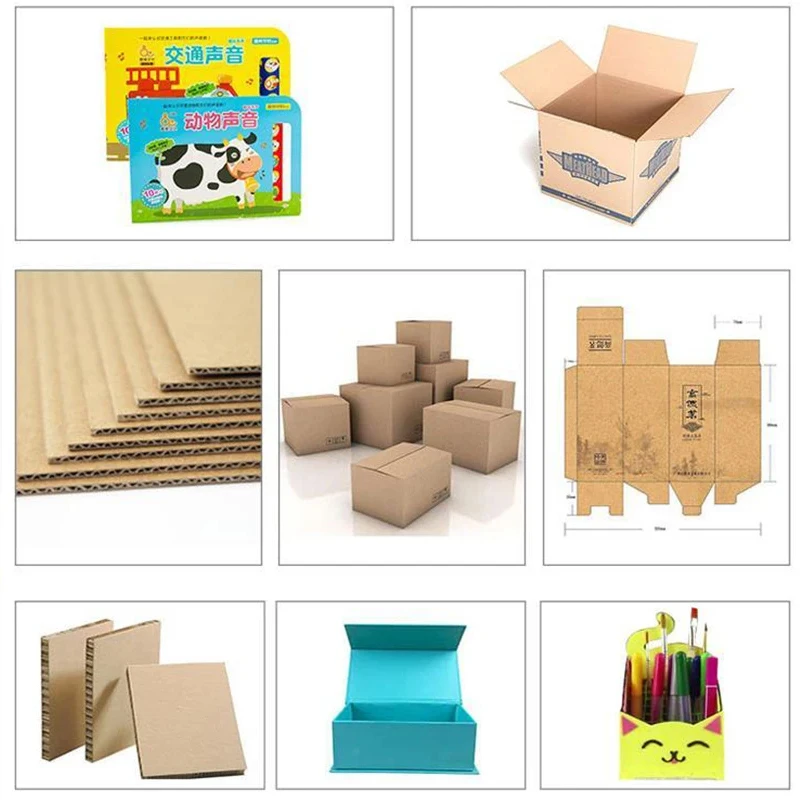
| Packaging and carton sample making | Cardboard, corrugated board, grey board, white card stock |
| Gift box and high-end packaging production | Specialty paper, laminated board, art paper sheets |
| Sticker and label contour cutting | Vinyl, adhesive film, printed sticker sheets |
| Signage and billboard production | PVC foam board, corrugated plastic, lightweight board |
| Flexible material processing | Leather, fabric, sponge composite leather, soft glass, silicone, rubber |
Why Material Thickness Often Breaks a Quoted Cutting Depth
The rated cutting range only holds when tool head geometry, vacuum hold-down and blade stroke are matched to your exact stock.
I watched a buyer order a machine based on working area alone, confident that a 20–80 mm cutting thickness rating would cover everything from thin card to dense foam. When their actual laminated grey board arrived on the table, the oscillating knife left ragged fibers along every crease line. The vacuum zones were not partitioned for their smaller nesting layout, so the sheet lifted slightly during direction changes. A CNC oscillating knife cutting machine manufacturer that tests on generic cardboard will miss these edge cases entirely. [NEED_CITE: relationship between vacuum zoning and material lift on flatbed cutting tables]
Matching the Knife Head to the Job
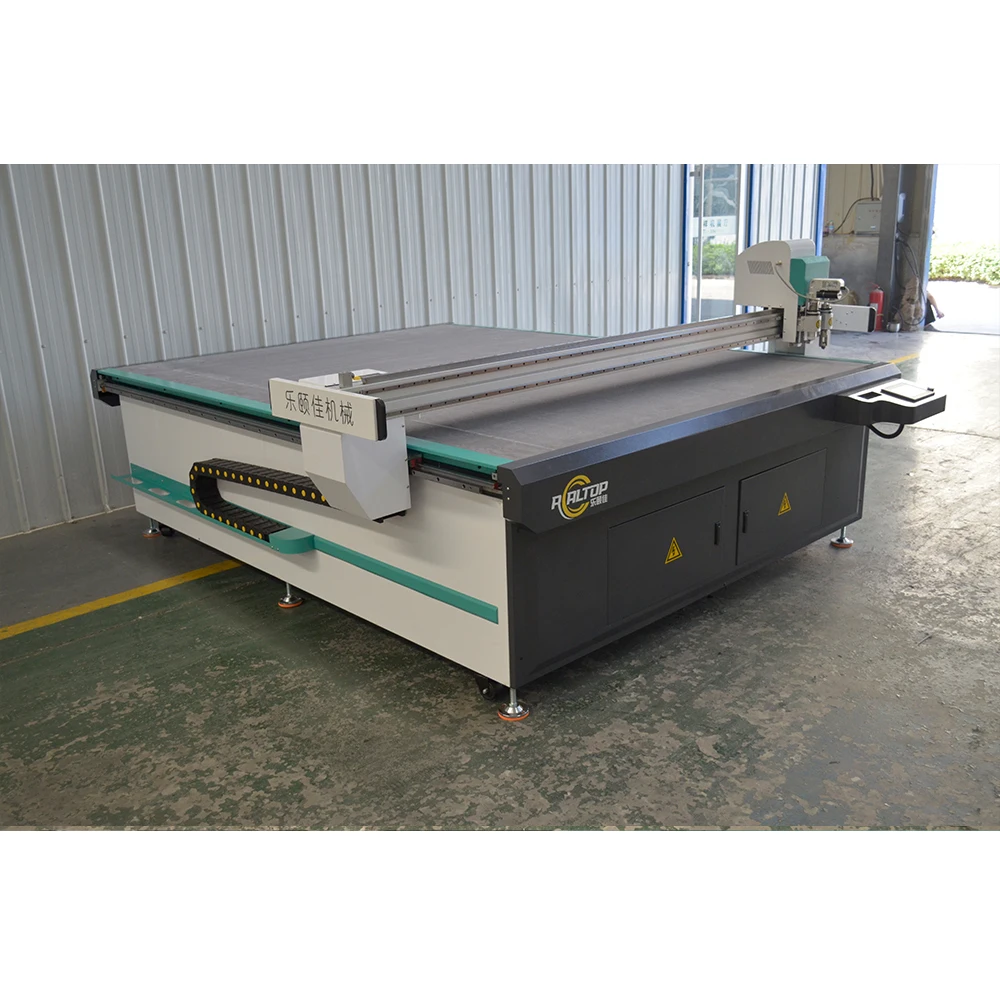
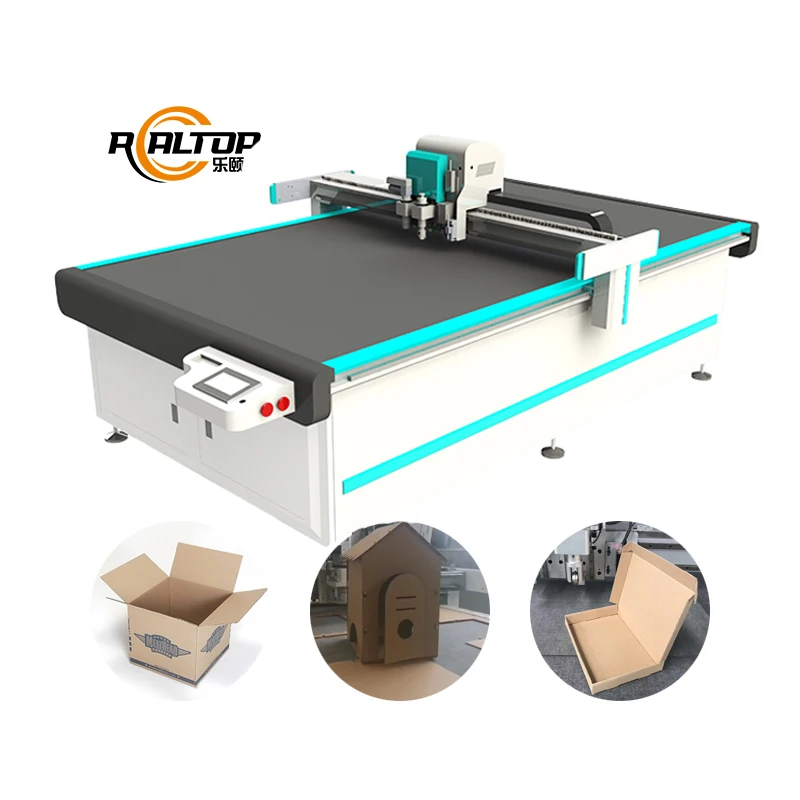
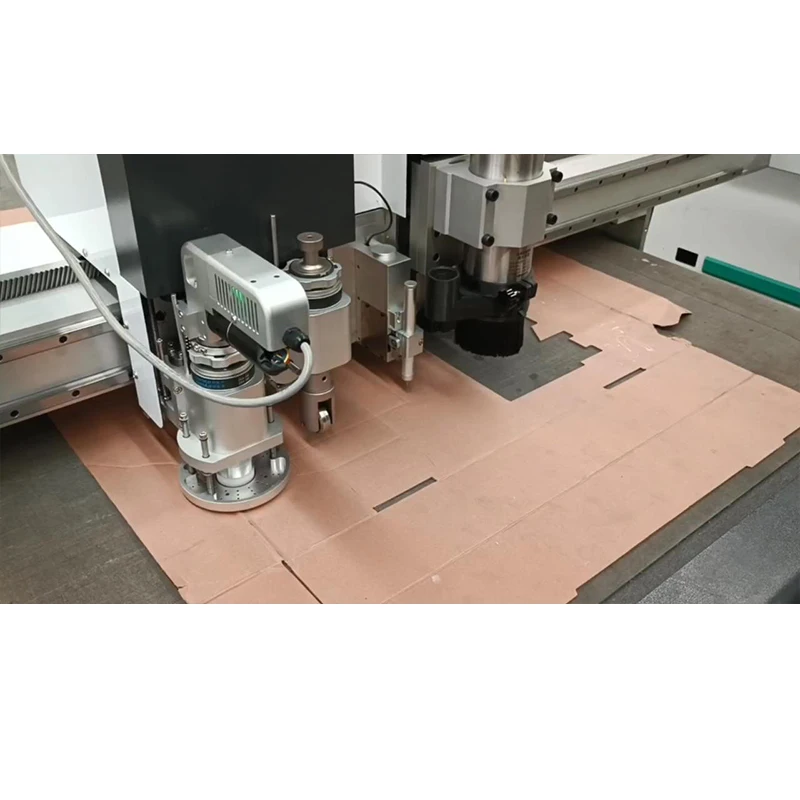
The CLD2516 carries a multifunctional head loaded with a Swiss imported oscillating knife that handles full cuts, half cuts and cursor location within a single cycle. For carton sample work, that means the same tool scores a fold line and then cuts the outer contour without a manual head swap. When the job shifts to sticker contour cutting or leather pieces, the oscillation frequency and blade geometry are adjusted to the material behavior rather than forcing a compromise setting. This flexibility is what separates a catalogue-built CNC oscillating knife cutting machine from a one-purpose machine that stalls when the next order calls for a different stock.
Vacuum Partition Adsorption for Small-Part Stability
The aluminum alloy honeycomb table is divided into adsorption zones so the operator can activate only the sections beneath the material being cut. On a full sheet of corrugated board, all zones engage to hold the perimeter flat. When the nesting layout shifts to smaller gift box blanks, the active zones shrink to match, maintaining negative pressure where the blade is actually traveling. Without this partition logic, small parts drift on the table surface during high-speed direction changes, and edge accuracy degrades toward the end of the cut path. [NEED_CITE: vacuum table zoning effect on small-part positional accuracy]
Reading the Specs Beyond the Brochure
Translational velocity of 800–1200 mm/s is meaningful only when paired with the Taiwan Delta servo motors and Hiwin linear guides that control deceleration into corners. A high travel speed with poor servo response produces overshoot on tight radii, which is exactly where gift box crease lines meet contour edges. The welded steel frame with high-temperature treatment resists the torsional stress that builds during continuous directional reversals across a 1600 mm × 2500 mm working area. Repeatability rated at ≤0.1 mm matters most on multi-pass half-cut work where the blade must return to the same line without visible offset. The HP-GL compatible control system accepts PLT and DXF files directly, so the nesting workflow does not require intermediate format conversion that could shift registration marks.
What Happens When the Configuration Does Not Fit
A machine quoted with the wrong tool head for dense composite leather will crush the material surface before the blade reaches full depth, leaving visible compression marks that reject the part. Insufficient vacuum zoning on sticker sheets causes the vinyl to curl into the blade path, producing micro-tears along curves. If the voltage and plug type are not confirmed before shipment, the machine sits idle on the factory floor while a transformer is sourced locally. Each of these outcomes costs more in downtime and scrap than specifying the configuration correctly at the order stage. [NEED_CITE: cost of unplanned downtime from incorrect machine configuration]
Why Source This Equipment Through the Full Catalogue
The CLD2516 sits within a complete cutting equipment range, so buyers comparing knife versus laser methods can see which technology fits their material before committing to a single approach. Tool head and table configurations are specified per material type and daily volume rather than defaulted to a standard build. CCD camera positioning is available on compatible models for printed contour work, keeping the option open if the product mix shifts toward graphic applications. Software compatibility and file format support are confirmed before the order is placed, not discovered during commissioning. Sample cutting on the buyer’s own material is conducted before shipment, so edge quality and cycle time are validated on the actual stock that will run in production.
Documentation & Verification
- Factory test record on your specific cardboard grade and thickness before dispatch
- Tool head and vacuum table configuration list matched to your material profile
- Electrical schematic confirming voltage, frequency and plug type for your facility
- Software licence and file format compatibility note covering PLT and DXF imports
- Operation and maintenance manual in your requested control language
- CE declaration documentation where applicable to your import market
Installation, Commissioning & Support
- Confirm floor space for 3450 × 2300 mm footprint plus material staging clearance around the machine
- Provide a dedicated circuit for 6.6 kW machine load plus 7.5 kW vacuum pump at 380V ±10%
- Machine ships with table and frame separated; plan overhead clearance for reassembly
- First-run parameter calibration covers blade depth, oscillation frequency and vacuum zone mapping to your material
- Operator training addresses nesting software workflow, file import from PLT or DXF and language settings
- Spare parts list identifies wear items including oscillating blades, felt belt sections and vacuum seals
What We Need to Start the Conversation
Send a sample of the thickest and thinnest material in your production mix along with a representative nesting file so we can confirm cut quality and cycle time on the CLD2516. Let us know your facility voltage, frequency and preferred control language so the electrical and software build matches your shop floor from day one.
Frequently Asked Questions
Q: How do I choose between knife cutting and laser cutting for my material?
A: Knife cutting suits cardboard, foam, leather and composite sheets where edge sealing is not required, while laser cutting handles acrylic, wood and textiles that benefit from sealed edges. The full catalogue covers both methods, so the choice is driven by material response rather than forcing one technology across every job.
Q: What tool head configuration is recommended for my specific material and thickness?
A: The multifunctional head on the CLD2516 accepts oscillating knife, drag knife, creasing wheel and milling tools. Configuration depends on material density, required cutting depth and whether half-cut crease lines are part of the job. We confirm the tool setup after sample cutting on your actual stock.
Q: How is the vacuum table zoning configured for small parts versus full-sheet cutting?
A: The aluminum honeycomb table uses partition adsorption so zones can be activated selectively. Full sheets engage all zones for perimeter stability, while smaller nested parts use targeted zones beneath the cutting path to maintain hold-down without wasting pump capacity on empty table surface.
Q: Which file formats does the software accept and how does nesting work?
A: The system imports PLT and DXF files through the HP-GL compatible control format. The included carton nesting software arranges parts to maximize material yield and supports language customization. We verify file compatibility with your existing design workflow before the order is finalized.
Q: Can voltage, control language and machine configuration be customized before shipment?
A: Voltage is configurable at 380V ±10% and must be confirmed alongside frequency and plug type for your market. Control language, software interface and tool head selection are all locked in during the specification stage. An electrical schematic is provided for your approval before production begins.
Tool Head Matching — We configure oscillating, drag, creasing or milling heads per material rather than ship a default setup, verified on your actual cardboard stock before the order is finalized.
Technical Specifications
| Parameter | Value |
|---|---|
| Model | CLD2516 |
| Product Type | CNC Oscillating Knife Cutting Machine |
| Working Area | 1600 mm × 2500 mm |
| Overall Dimensions (L×W×H) | 3450 × 2300 × 1250 mm |
| Rated Power | 6.6 kW |
| Vacuum Pump Power | 7.5 kW |
| Voltage | 380V ±10% |
| Control System | CNC with HP-GL compatible instruction format |
| Tool Head | Multifunctional head with Swiss imported oscillating knife (full cut, half cut, cursor location) |
| Transmission System | Taiwan Delta digital servo motor, Taiwan Hiwin linear guide, rack transmission, synchronous belt, ball screw |
| Translational Velocity | 800–1200 mm/s |
| Cutting Thickness | 20–80 mm (varies by material density — confirm specific material) |
| Repeatability | ≤0.1 mm |
| Table Type | Aluminum alloy honeycomb flat vacuum table with partition adsorption |
| Conveyor Belt | Germany imported felt belt (auto feeding) |
| Support File Formats | PLT, DXF |
| Software | Professional carton nesting software (language customizable) |
| Machine Frame | Welded thick square seamless steel structure with high-temperature treatment |
| Safety Device | Infrared sensors and emergency stop |
| Standards | CE declaration where applicable |
Application Suitability
| Application | Material or Output |
|---|---|
| Packaging and carton sample making | Cardboard, corrugated board, grey board, white card stock |
| Gift box and high-end packaging production | Specialty paper, laminated board, art paper sheets |
| Sticker and label contour cutting | Vinyl, adhesive film, printed sticker sheets |
| Signage and billboard production | PVC foam board, corrugated plastic, lightweight board |
| Flexible material processing | Leather, fabric, sponge composite leather, soft glass, silicone, rubber |
Why Material Thickness Often Breaks a Quoted Cutting Depth
The rated cutting range only holds when tool head geometry, vacuum hold-down and blade stroke are matched to your exact stock.
I watched a buyer order a machine based on working area alone, confident that a 20–80 mm cutting thickness rating would cover everything from thin card to dense foam. When their actual laminated grey board arrived on the table, the oscillating knife left ragged fibers along every crease line. The vacuum zones were not partitioned for their smaller nesting layout, so the sheet lifted slightly during direction changes. A CNC oscillating knife cutting machine manufacturer that tests on generic cardboard will miss these edge cases entirely. [NEED_CITE: relationship between vacuum zoning and material lift on flatbed cutting tables]
Matching the Knife Head to the Job
The CLD2516 carries a multifunctional head loaded with a Swiss imported oscillating knife that handles full cuts, half cuts and cursor location within a single cycle. For carton sample work, that means the same tool scores a fold line and then cuts the outer contour without a manual head swap. When the job shifts to sticker contour cutting or leather pieces, the oscillation frequency and blade geometry are adjusted to the material behavior rather than forcing a compromise setting. This flexibility is what separates a catalogue-built CNC oscillating knife cutting machine from a one-purpose machine that stalls when the next order calls for a different stock.
Vacuum Partition Adsorption for Small-Part Stability
The aluminum alloy honeycomb table is divided into adsorption zones so the operator can activate only the sections beneath the material being cut. On a full sheet of corrugated board, all zones engage to hold the perimeter flat. When the nesting layout shifts to smaller gift box blanks, the active zones shrink to match, maintaining negative pressure where the blade is actually traveling. Without this partition logic, small parts drift on the table surface during high-speed direction changes, and edge accuracy degrades toward the end of the cut path. [NEED_CITE: vacuum table zoning effect on small-part positional accuracy]
Reading the Specs Beyond the Brochure
Translational velocity of 800–1200 mm/s is meaningful only when paired with the Taiwan Delta servo motors and Hiwin linear guides that control deceleration into corners. A high travel speed with poor servo response produces overshoot on tight radii, which is exactly where gift box crease lines meet contour edges. The welded steel frame with high-temperature treatment resists the torsional stress that builds during continuous directional reversals across a 1600 mm × 2500 mm working area. Repeatability rated at ≤0.1 mm matters most on multi-pass half-cut work where the blade must return to the same line without visible offset. The HP-GL compatible control system accepts PLT and DXF files directly, so the nesting workflow does not require intermediate format conversion that could shift registration marks.
What Happens When the Configuration Does Not Fit
A machine quoted with the wrong tool head for dense composite leather will crush the material surface before the blade reaches full depth, leaving visible compression marks that reject the part. Insufficient vacuum zoning on sticker sheets causes the vinyl to curl into the blade path, producing micro-tears along curves. If the voltage and plug type are not confirmed before shipment, the machine sits idle on the factory floor while a transformer is sourced locally. Each of these outcomes costs more in downtime and scrap than specifying the configuration correctly at the order stage. [NEED_CITE: cost of unplanned downtime from incorrect machine configuration]
Why Source This Equipment Through the Full Catalogue
The CLD2516 sits within a complete cutting equipment range, so buyers comparing knife versus laser methods can see which technology fits their material before committing to a single approach. Tool head and table configurations are specified per material type and daily volume rather than defaulted to a standard build. CCD camera positioning is available on compatible models for printed contour work, keeping the option open if the product mix shifts toward graphic applications. Software compatibility and file format support are confirmed before the order is placed, not discovered during commissioning. Sample cutting on the buyer’s own material is conducted before shipment, so edge quality and cycle time are validated on the actual stock that will run in production.
Documentation & Verification
- Factory test record on your specific cardboard grade and thickness before dispatch
- Tool head and vacuum table configuration list matched to your material profile
- Electrical schematic confirming voltage, frequency and plug type for your facility
- Software licence and file format compatibility note covering PLT and DXF imports
- Operation and maintenance manual in your requested control language
- CE declaration documentation where applicable to your import market
Installation, Commissioning & Support
- Confirm floor space for 3450 × 2300 mm footprint plus material staging clearance around the machine
- Provide a dedicated circuit for 6.6 kW machine load plus 7.5 kW vacuum pump at 380V ±10%
- Machine ships with table and frame separated; plan overhead clearance for reassembly
- First-run parameter calibration covers blade depth, oscillation frequency and vacuum zone mapping to your material
- Operator training addresses nesting software workflow, file import from PLT or DXF and language settings
- Spare parts list identifies wear items including oscillating blades, felt belt sections and vacuum seals
What We Need to Start the Conversation
Send a sample of the thickest and thinnest material in your production mix along with a representative nesting file so we can confirm cut quality and cycle time on the CLD2516. Let us know your facility voltage, frequency and preferred control language so the electrical and software build matches your shop floor from day one.
Frequently Asked Questions
Q: How do I choose between knife cutting and laser cutting for my material?
A: Knife cutting suits cardboard, foam, leather and composite sheets where edge sealing is not required, while laser cutting handles acrylic, wood and textiles that benefit from sealed edges. The full catalogue covers both methods, so the choice is driven by material response rather than forcing one technology across every job.
Q: What tool head configuration is recommended for my specific material and thickness?
A: The multifunctional head on the CLD2516 accepts oscillating knife, drag knife, creasing wheel and milling tools. Configuration depends on material density, required cutting depth and whether half-cut crease lines are part of the job. We confirm the tool setup after sample cutting on your actual stock.
Q: How is the vacuum table zoning configured for small parts versus full-sheet cutting?
A: The aluminum honeycomb table uses partition adsorption so zones can be activated selectively. Full sheets engage all zones for perimeter stability, while smaller nested parts use targeted zones beneath the cutting path to maintain hold-down without wasting pump capacity on empty table surface.
Q: Which file formats does the software accept and how does nesting work?
A: The system imports PLT and DXF files through the HP-GL compatible control format. The included carton nesting software arranges parts to maximize material yield and supports language customization. We verify file compatibility with your existing design workflow before the order is finalized.
Q: Can voltage, control language and machine configuration be customized before shipment?
A: Voltage is configurable at 380V ±10% and must be confirmed alongside frequency and plug type for your market. Control language, software interface and tool head selection are all locked in during the specification stage. An electrical schematic is provided for your approval before production begins.
商品评价
There are no reviews yet.