


Fast Delivery
Quick, reliable shipping to any location.

Free & easy returns
Return this item by mail or in store within 90 days for a full refund.
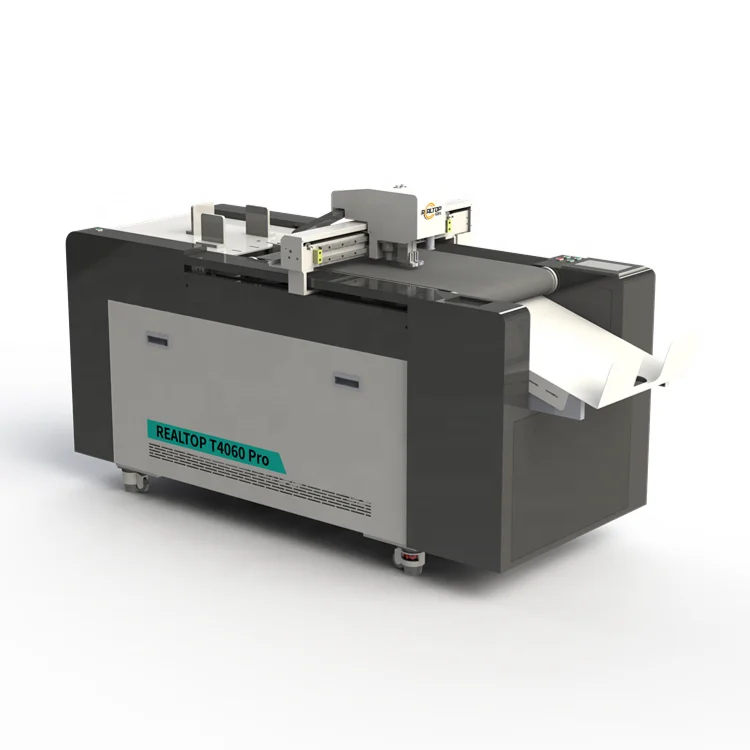
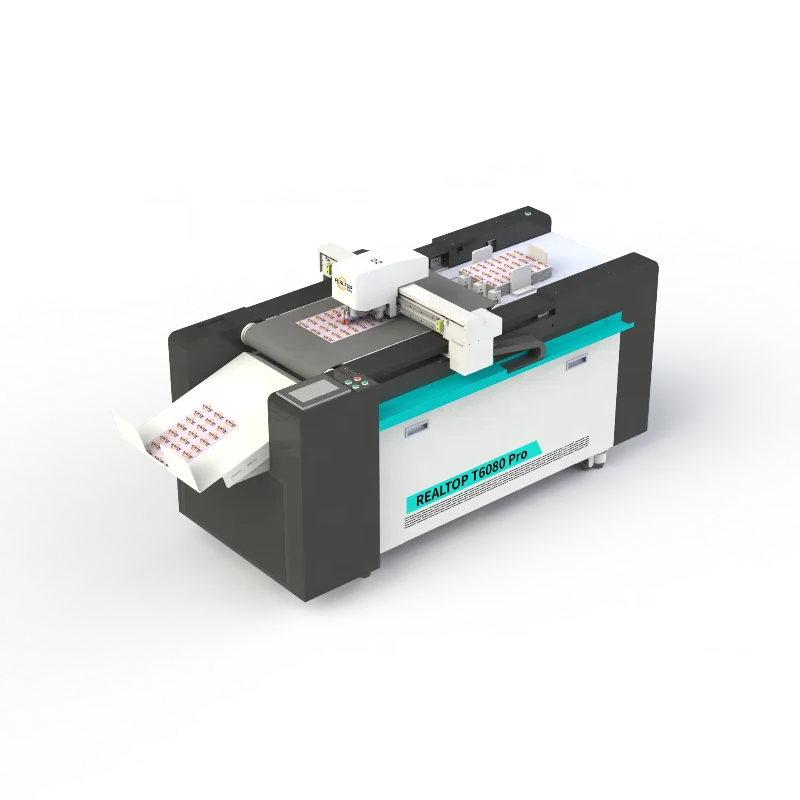
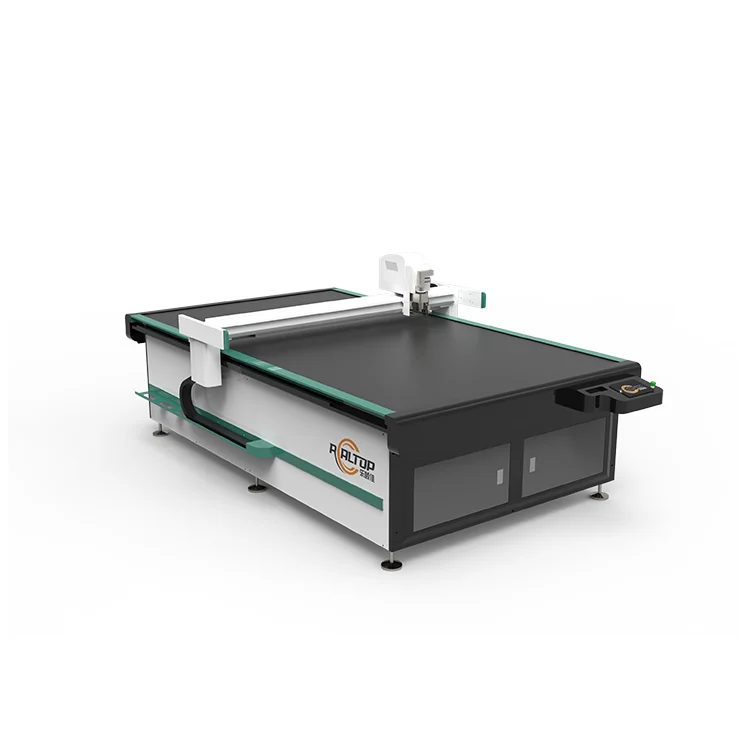
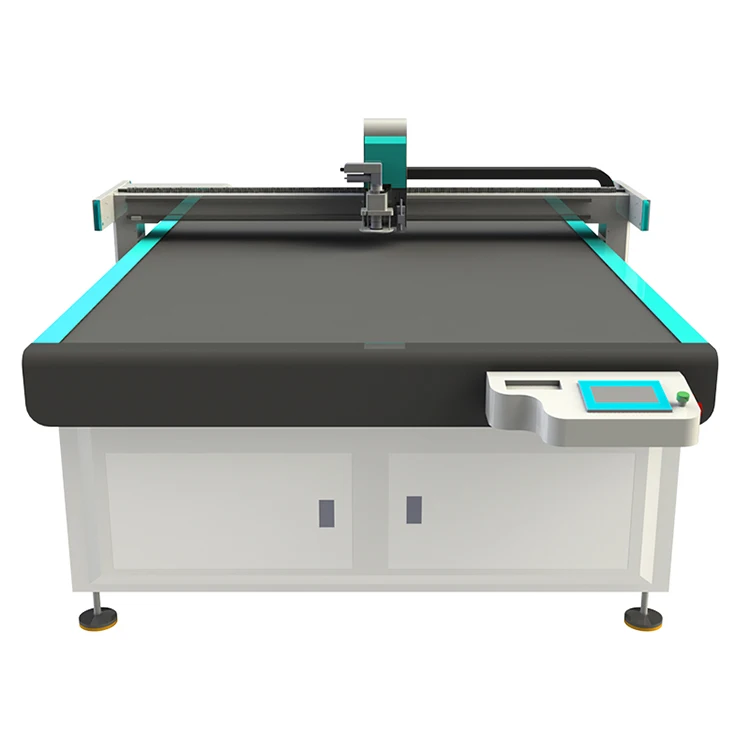
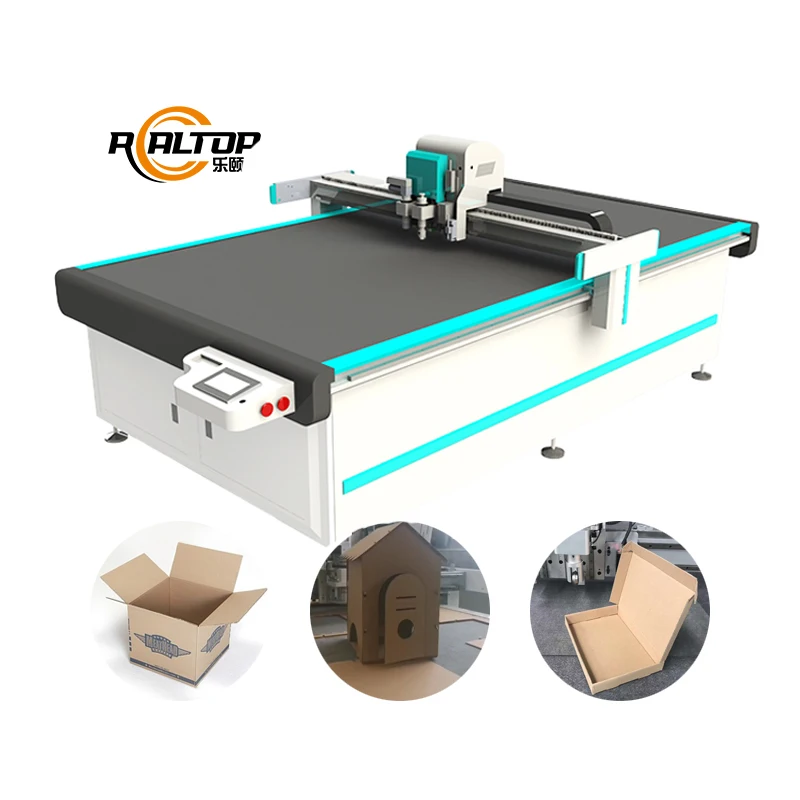
Full-Range Machine Families — In-house design covers both oscillating knife and flatbed configurations so buyers match the cutting method to the material, not the other way around.
Technical Specifications
| Parameter | Value |
|---|---|
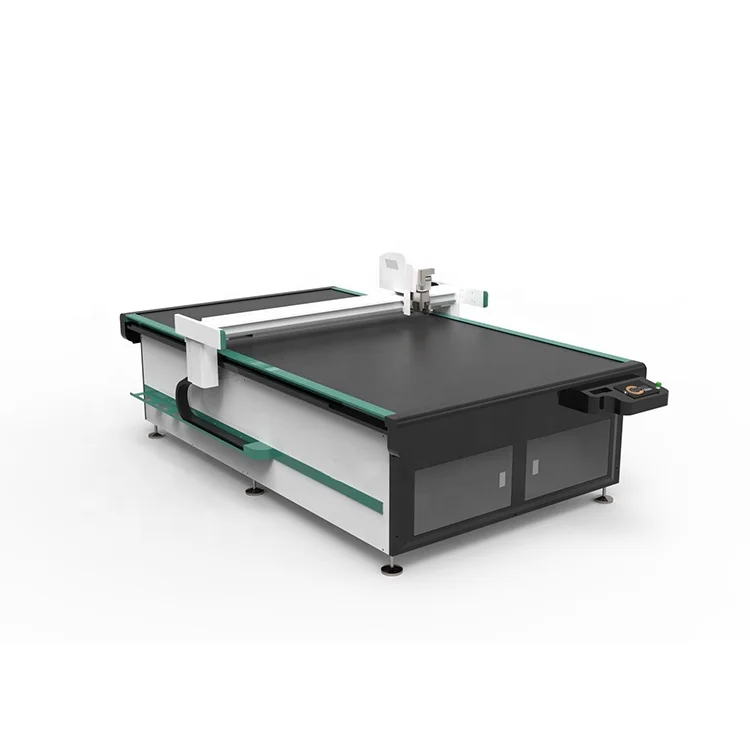
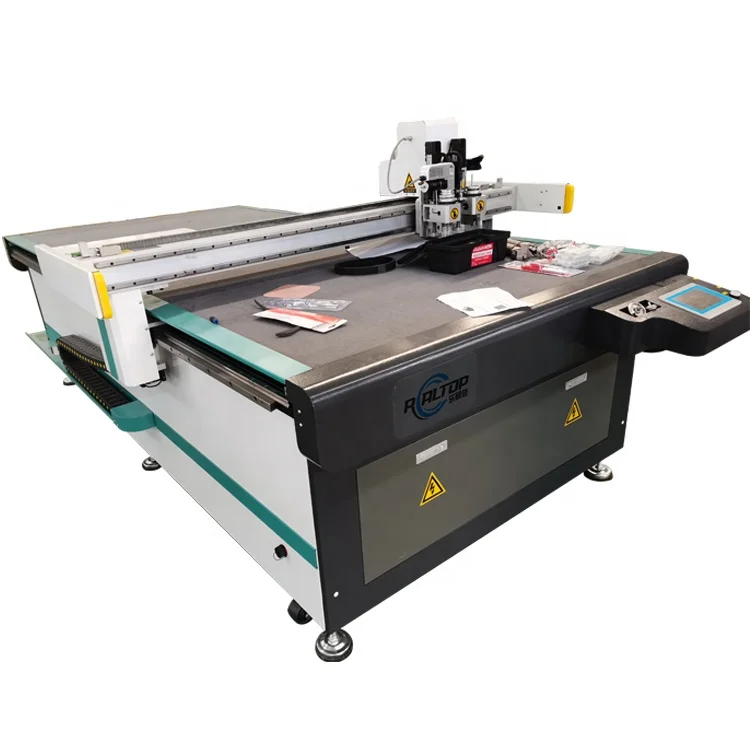
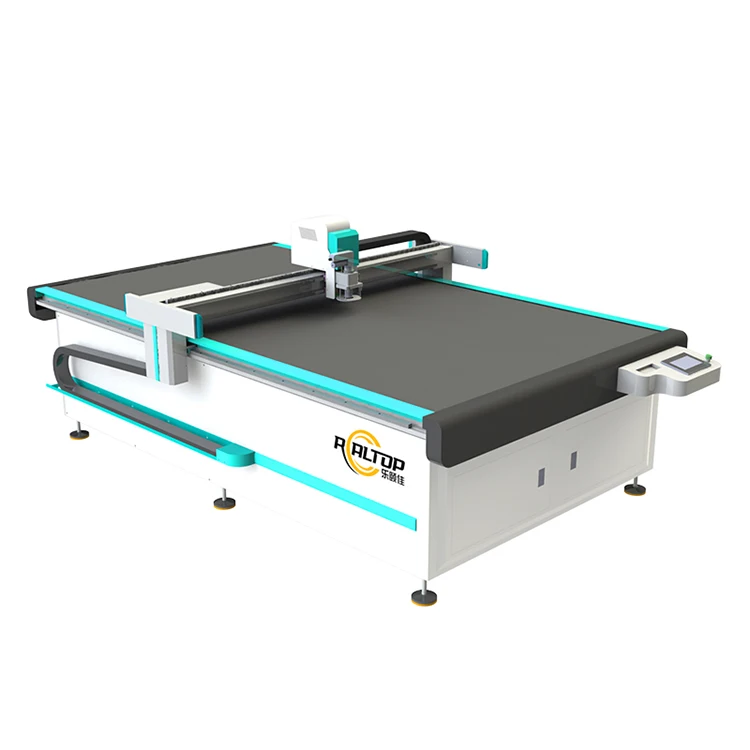
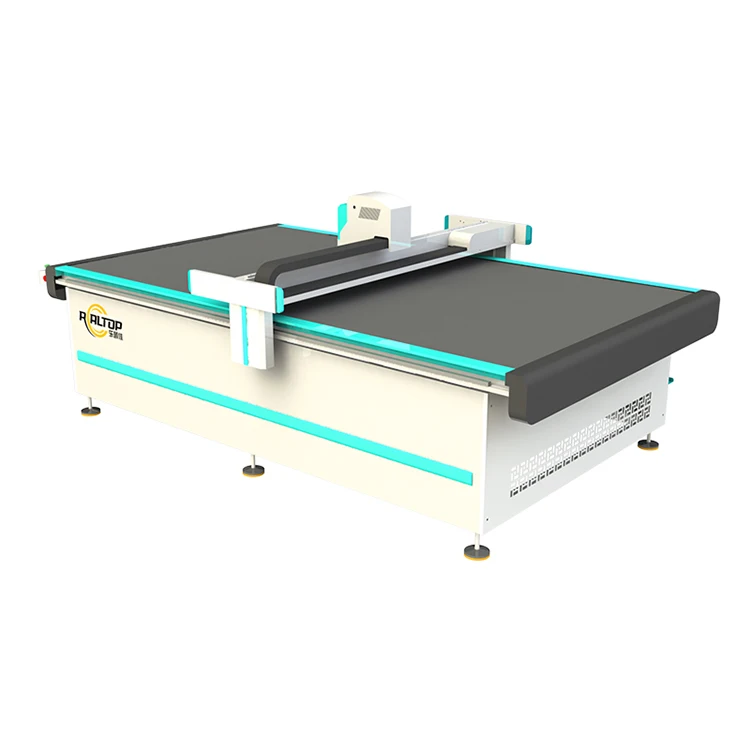
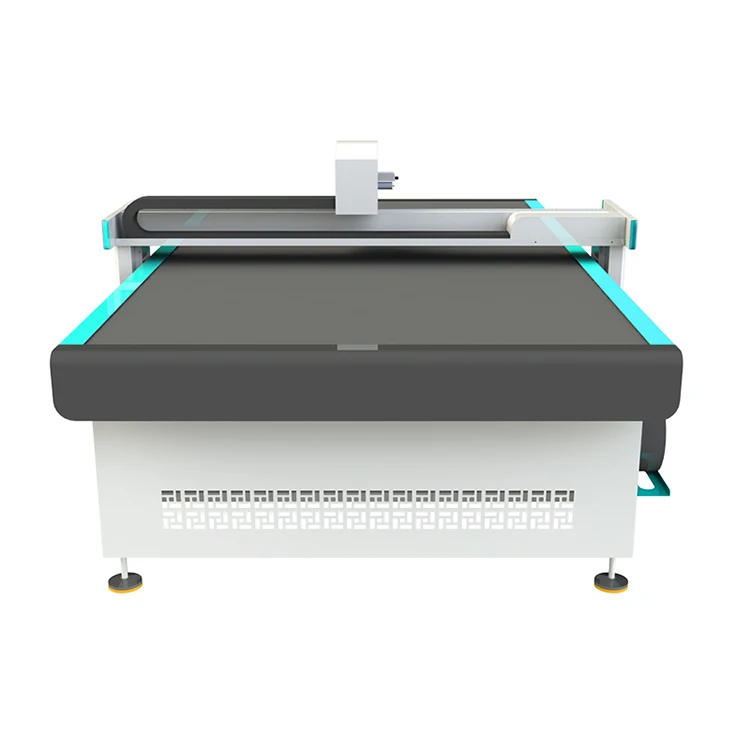
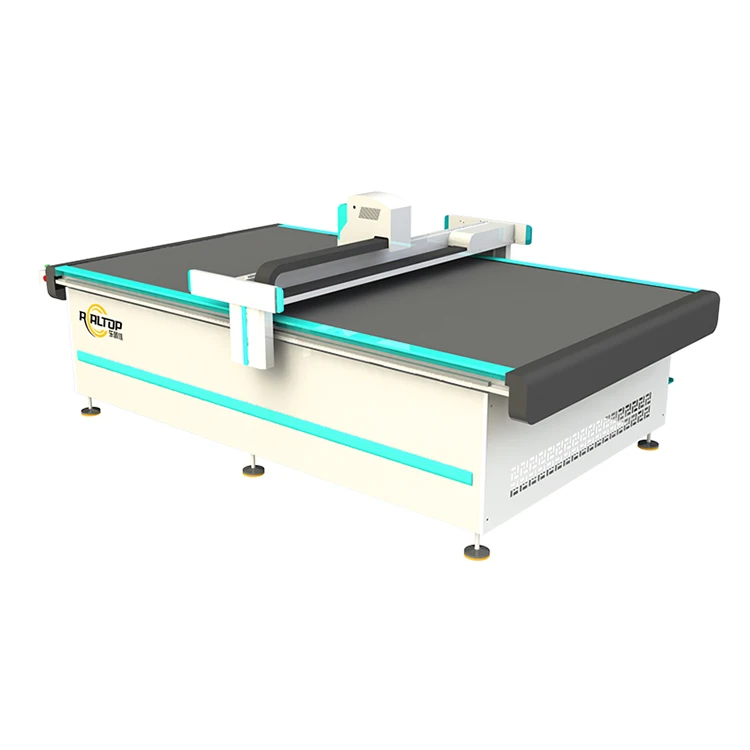
| Product Type | CNC Digital Flatbed Cutting Machine |
| Model | RT-D2516/RT-S2516 |
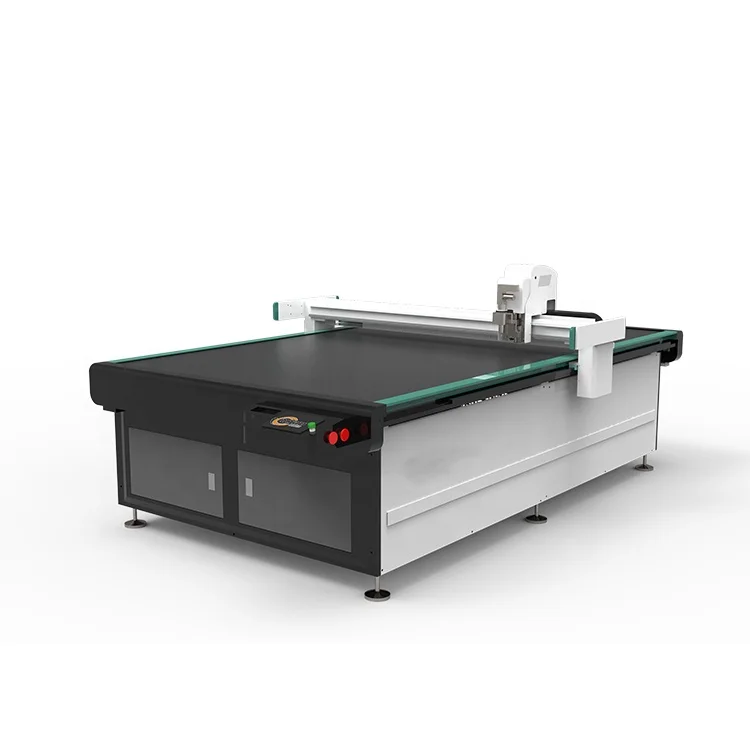
| Working Area | 1600×2500 mm |
| Machine Size | 3450×2300×1250 mm |
| Rated Power | 9 kW |
| Vacuum Pump | 7.5 kW |
| Table Type | Flat working table with vacuum and auto-feeding conveyor |
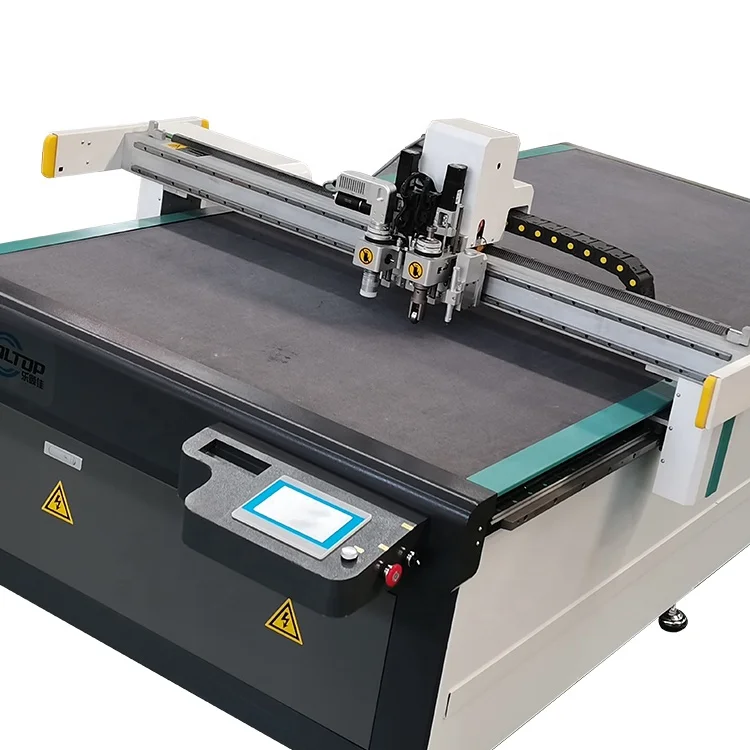
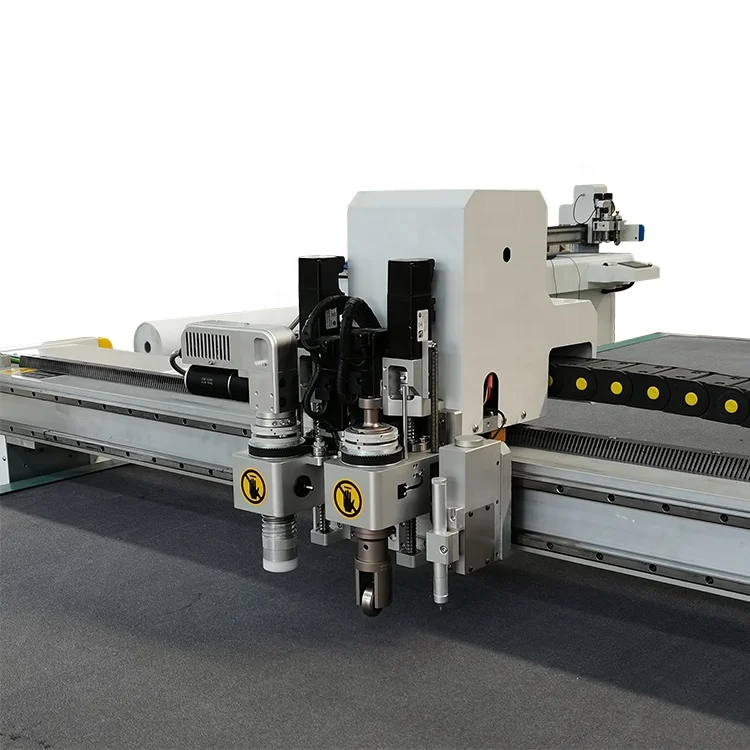
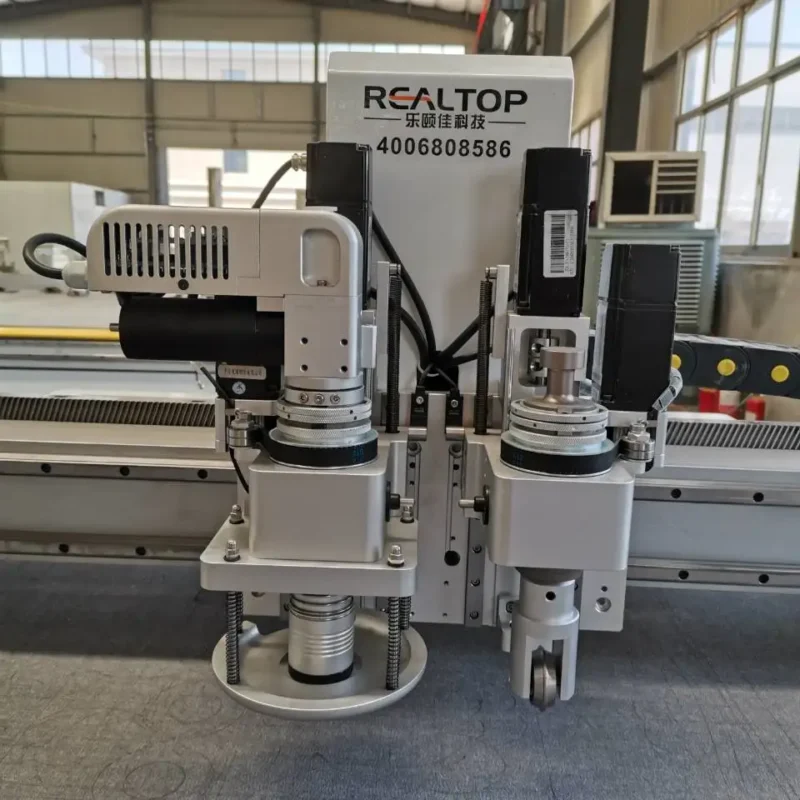
| Multifunctional Head | Swiss imported oscillating knife (vibration full cutting, half cutting, cursor location) |
| Max Pneumatic Cutting Thickness | 70 mm (with optional pneumatic tool) |
| Translational Velocity | 800–1200 mm/s |
| Cutting Speed | 200–800 mm/s (according to different cutting materials) (basis to be confirmed) |
| Repeated Accuracy | ≤0.1 mm |
| Transmission System | Digital servo motor (Japanese Yaskawa), linear guide (Taiwan Hiwin rail), synchronous belt, ball screw |
| Instruction System | HP-GL compatible format |
| Conveyor | Germany imported conveyor belt |
| Voltage | 380V ±10% |
| Safety Device | Infrared sensors |
| Capabilities | Cutting, creasing, marking |
Application Suitability
| Application | Material or Output |
|---|---|
| Packaging and carton sample making | Corrugated board, greyboard, folding carton stock with creasing |
| Sticker and label cutting | Self-adhesive vinyl, label stock, reflective film |
| Fabric and flexible material cutting | Garment textiles, technical fabrics, multi-layer cloth |
| Leather goods production | Natural leather, PU synthetic, split leather for footwear and bags |
| Foam and composite gasket cutting | Sponge composite leather, PVC foam, silicone rubber sheets |
| Signage board cutting | Soft glass, rubber, flexible display substrates |
Why the Cutting Method Must Come Before the Working Area
Specifying a flatbed on table size alone leaves material thickness, edge quality, and tool path logic unverified until the machine arrives.
I have watched buyers commit to a 1600×2500 format because it matched their sheet dimensions, only to find the oscillating head cannot hold a clean edge on 5 mm silicone rubber at production speed. The CNC digital cutting machine manufacturer you choose should be asking about material composition and daily volume before quoting a working area. When the tool head is an afterthought, ragged edges on leather or crushed foam cores become a daily problem on the shop floor [NEED_CITE: oscillating knife selection by material density and thickness].
Matching the Tool Head to the Material Stack
The Swiss imported oscillating knife on this flatbed handles full cutting, half cutting, and cursor location through a single multifunctional head. For packaging sample makers working across corrugated and folding carton, the creasing wheel pairs with the knife to produce scored fold lines without splitting the board surface. Leather and footwear producers benefit from the high-frequency vibration that pulls through composite layers without dragging or fraying the grain side.
Conveyor Fed Production for Continuous Volume
The Germany imported conveyor belt paired with the 7.5 kW vacuum pump supports continuous feeding on flexible rolls and sheet stock. Auto-feeding eliminates the manual lift-and-place cycle between cuts, which matters when a garment or label shop runs hundreds of nests per shift. Vacuum zoning across the flat working table holds small sticker and label parts flat during contour cuts where edge lift would otherwise reject the piece [NEED_CITE: vacuum table zoning for small format label cutting].
Reading the Specs That Govern Daily Output
The Japanese Yaskawa servo motors and Taiwan Hiwin linear guides deliver ≤0.1 mm repeatability, which keeps nested label contours and interlocking gasket profiles within tolerance across long runs. The 9 kW rated power covers the oscillating head, vacuum pump draw, and conveyor drive simultaneously without tripping under load. The 70 mm max pneumatic cutting thickness with the optional tool opens the door to dense foam and thick rubber gaskets that a standard oscillating blade cannot penetrate. HP-GL compatible instruction format means existing nesting files from most CAD packaging and garment systems import without conversion middleware.
What Happens When Configuration Is Guesswork
Choosing a drag knife for closed-cell foam produces crushed edges that fail gasket compression tests. Undersized vacuum zones let small label parts lift mid-cut, generating scrap that the nesting software never accounted for. A machine quoted without voltage confirmation can arrive with a 380V motor in a 415V market, burning out the servo driver within the first week [NEED_CITE: voltage mismatch failures in exported CNC equipment]. These are not warranty claims — they are production losses the buyer absorbs.
Why Buyers Source This Range Here
In-house design and production covering both knife and flatbed technologies means the cutting method is matched to the buyer’s material, not forced into a single platform. Tool head and table configuration are specified per material type and daily volume before the order is confirmed. Sample cutting on the buyer’s own stock runs before commitment, producing a report that documents edge quality, cutting speed, and tool wear on the actual material. Software compatibility with the buyer’s existing file format and nesting workflow is verified at the quotation stage. Voltage, plug type, and control panel language are locked to the destination market before the machine enters assembly.
Documentation & Verification
- Machine specification sheet with tool head and vacuum table configuration confirmed per material
- Electrical schematic and voltage confirmation matched to destination 380V ±10% supply
- Sample cutting report on buyer’s own leather, foam, or board stock before dispatch
- Software licence and HP-GL file format compatibility note provided with shipment
- Factory test record documenting repeated accuracy and cutting speed on specified materials
- Operation and maintenance manual covering oscillating knife blade replacement intervals
Installation, Commissioning & Support
- 3450×2300×1250 mm footprint requires level concrete floor with clearance for conveyor feed and rear access
- 9 kW rated power plus 7.5 kW vacuum pump need dedicated circuits with correct breaker rating
- Fully assembled delivery means the unit is positioned, leveled, and powered without frame bolting
- First-run commissioning includes vacuum zone calibration and oscillating knife depth setting on buyer material
- Operator training covers HP-GL file import, nesting layout, and half-cut versus full-cut tool path selection
- Spare parts list includes oscillating knife blades, conveyor belt segments, and vacuum seal strips
What to Send With Your Inquiry
Provide the material type, thickness, and maximum sheet or roll width you run daily. State your local voltage and frequency, plus the control language your operators need on the panel. Confirm whether your existing CAD system exports HP-GL or requires a format bridge, and note if CCD contour recognition is needed for printed label work.
Frequently Asked Questions
Q: How do I choose between oscillating knife and pneumatic cutting for my material?
A: Oscillating knife handles flexible materials up to moderate thickness with clean edges, while the optional pneumatic tool cuts dense foam and rubber up to 70 mm. Send your material sample so we run both methods and document edge quality, cutting speed, and tool wear before you commit to a configuration.
Q: What working area fits packaging sample making versus continuous label production?
A: The 1600×2500 mm table accommodates standard carton sample sheets and large-format board. For continuous label and sticker runs, the auto-feeding conveyor with the Germany imported belt supports roll-fed workflows. Your daily volume and sheet format determine whether single-head or conveyor-fed operation fits.
Q: Is CCD camera contour recognition available for printed label cutting?
A: CCD positioning is configurable for printed contour work where the camera must track registration marks at production speed. Confirm your mark size, contrast, and spacing so the system is validated on your actual printed stock before shipment.
Q: How does sample cutting on my own material work before I place an order?
A: Send a representative sample of your material — including any adhesive backing or composite layers. We run cutting, creasing, and marking tests, then provide a report covering edge quality, achievable speed, and recommended tool head so the specification is locked before contract signing.
Full-Range Machine Families — In-house design covers both oscillating knife and flatbed configurations so buyers match the cutting method to the material, not the other way around.
Technical Specifications
| Parameter | Value |
|---|---|
| Product Type | CNC Digital Flatbed Cutting Machine |
| Model | RT-D2516/RT-S2516 |
| Working Area | 1600×2500 mm |
| Machine Size | 3450×2300×1250 mm |
| Rated Power | 9 kW |
| Vacuum Pump | 7.5 kW |
| Table Type | Flat working table with vacuum and auto-feeding conveyor |
| Multifunctional Head | Swiss imported oscillating knife (vibration full cutting, half cutting, cursor location) |
| Max Pneumatic Cutting Thickness | 70 mm (with optional pneumatic tool) |
| Translational Velocity | 800–1200 mm/s |
| Cutting Speed | 200–800 mm/s (according to different cutting materials) (basis to be confirmed) |
| Repeated Accuracy | ≤0.1 mm |
| Transmission System | Digital servo motor (Japanese Yaskawa), linear guide (Taiwan Hiwin rail), synchronous belt, ball screw |
| Instruction System | HP-GL compatible format |
| Conveyor | Germany imported conveyor belt |
| Voltage | 380V ±10% |
| Safety Device | Infrared sensors |
| Capabilities | Cutting, creasing, marking |
Application Suitability
| Application | Material or Output |
|---|---|
| Packaging and carton sample making | Corrugated board, greyboard, folding carton stock with creasing |
| Sticker and label cutting | Self-adhesive vinyl, label stock, reflective film |
| Fabric and flexible material cutting | Garment textiles, technical fabrics, multi-layer cloth |
| Leather goods production | Natural leather, PU synthetic, split leather for footwear and bags |
| Foam and composite gasket cutting | Sponge composite leather, PVC foam, silicone rubber sheets |
| Signage board cutting | Soft glass, rubber, flexible display substrates |
Why the Cutting Method Must Come Before the Working Area
Specifying a flatbed on table size alone leaves material thickness, edge quality, and tool path logic unverified until the machine arrives.
I have watched buyers commit to a 1600×2500 format because it matched their sheet dimensions, only to find the oscillating head cannot hold a clean edge on 5 mm silicone rubber at production speed. The CNC digital cutting machine manufacturer you choose should be asking about material composition and daily volume before quoting a working area. When the tool head is an afterthought, ragged edges on leather or crushed foam cores become a daily problem on the shop floor [NEED_CITE: oscillating knife selection by material density and thickness].
Matching the Tool Head to the Material Stack
The Swiss imported oscillating knife on this flatbed handles full cutting, half cutting, and cursor location through a single multifunctional head. For packaging sample makers working across corrugated and folding carton, the creasing wheel pairs with the knife to produce scored fold lines without splitting the board surface. Leather and footwear producers benefit from the high-frequency vibration that pulls through composite layers without dragging or fraying the grain side.
Conveyor Fed Production for Continuous Volume
The Germany imported conveyor belt paired with the 7.5 kW vacuum pump supports continuous feeding on flexible rolls and sheet stock. Auto-feeding eliminates the manual lift-and-place cycle between cuts, which matters when a garment or label shop runs hundreds of nests per shift. Vacuum zoning across the flat working table holds small sticker and label parts flat during contour cuts where edge lift would otherwise reject the piece [NEED_CITE: vacuum table zoning for small format label cutting].
Reading the Specs That Govern Daily Output
The Japanese Yaskawa servo motors and Taiwan Hiwin linear guides deliver ≤0.1 mm repeatability, which keeps nested label contours and interlocking gasket profiles within tolerance across long runs. The 9 kW rated power covers the oscillating head, vacuum pump draw, and conveyor drive simultaneously without tripping under load. The 70 mm max pneumatic cutting thickness with the optional tool opens the door to dense foam and thick rubber gaskets that a standard oscillating blade cannot penetrate. HP-GL compatible instruction format means existing nesting files from most CAD packaging and garment systems import without conversion middleware.
What Happens When Configuration Is Guesswork
Choosing a drag knife for closed-cell foam produces crushed edges that fail gasket compression tests. Undersized vacuum zones let small label parts lift mid-cut, generating scrap that the nesting software never accounted for. A machine quoted without voltage confirmation can arrive with a 380V motor in a 415V market, burning out the servo driver within the first week [NEED_CITE: voltage mismatch failures in exported CNC equipment]. These are not warranty claims — they are production losses the buyer absorbs.
Why Buyers Source This Range Here
In-house design and production covering both knife and flatbed technologies means the cutting method is matched to the buyer’s material, not forced into a single platform. Tool head and table configuration are specified per material type and daily volume before the order is confirmed. Sample cutting on the buyer’s own stock runs before commitment, producing a report that documents edge quality, cutting speed, and tool wear on the actual material. Software compatibility with the buyer’s existing file format and nesting workflow is verified at the quotation stage. Voltage, plug type, and control panel language are locked to the destination market before the machine enters assembly.
Documentation & Verification
- Machine specification sheet with tool head and vacuum table configuration confirmed per material
- Electrical schematic and voltage confirmation matched to destination 380V ±10% supply
- Sample cutting report on buyer’s own leather, foam, or board stock before dispatch
- Software licence and HP-GL file format compatibility note provided with shipment
- Factory test record documenting repeated accuracy and cutting speed on specified materials
- Operation and maintenance manual covering oscillating knife blade replacement intervals
Installation, Commissioning & Support
- 3450×2300×1250 mm footprint requires level concrete floor with clearance for conveyor feed and rear access
- 9 kW rated power plus 7.5 kW vacuum pump need dedicated circuits with correct breaker rating
- Fully assembled delivery means the unit is positioned, leveled, and powered without frame bolting
- First-run commissioning includes vacuum zone calibration and oscillating knife depth setting on buyer material
- Operator training covers HP-GL file import, nesting layout, and half-cut versus full-cut tool path selection
- Spare parts list includes oscillating knife blades, conveyor belt segments, and vacuum seal strips
What to Send With Your Inquiry
Provide the material type, thickness, and maximum sheet or roll width you run daily. State your local voltage and frequency, plus the control language your operators need on the panel. Confirm whether your existing CAD system exports HP-GL or requires a format bridge, and note if CCD contour recognition is needed for printed label work.
Frequently Asked Questions
Q: How do I choose between oscillating knife and pneumatic cutting for my material?
A: Oscillating knife handles flexible materials up to moderate thickness with clean edges, while the optional pneumatic tool cuts dense foam and rubber up to 70 mm. Send your material sample so we run both methods and document edge quality, cutting speed, and tool wear before you commit to a configuration.
Q: What working area fits packaging sample making versus continuous label production?
A: The 1600×2500 mm table accommodates standard carton sample sheets and large-format board. For continuous label and sticker runs, the auto-feeding conveyor with the Germany imported belt supports roll-fed workflows. Your daily volume and sheet format determine whether single-head or conveyor-fed operation fits.
Q: Is CCD camera contour recognition available for printed label cutting?
A: CCD positioning is configurable for printed contour work where the camera must track registration marks at production speed. Confirm your mark size, contrast, and spacing so the system is validated on your actual printed stock before shipment.
Q: How does sample cutting on my own material work before I place an order?
A: Send a representative sample of your material — including any adhesive backing or composite layers. We run cutting, creasing, and marking tests, then provide a report covering edge quality, achievable speed, and recommended tool head so the specification is locked before contract signing.
商品评价
There are no reviews yet.