

Fast Delivery
Quick, reliable shipping to any location.

Free & easy returns
Return this item by mail or in store within 90 days for a full refund.
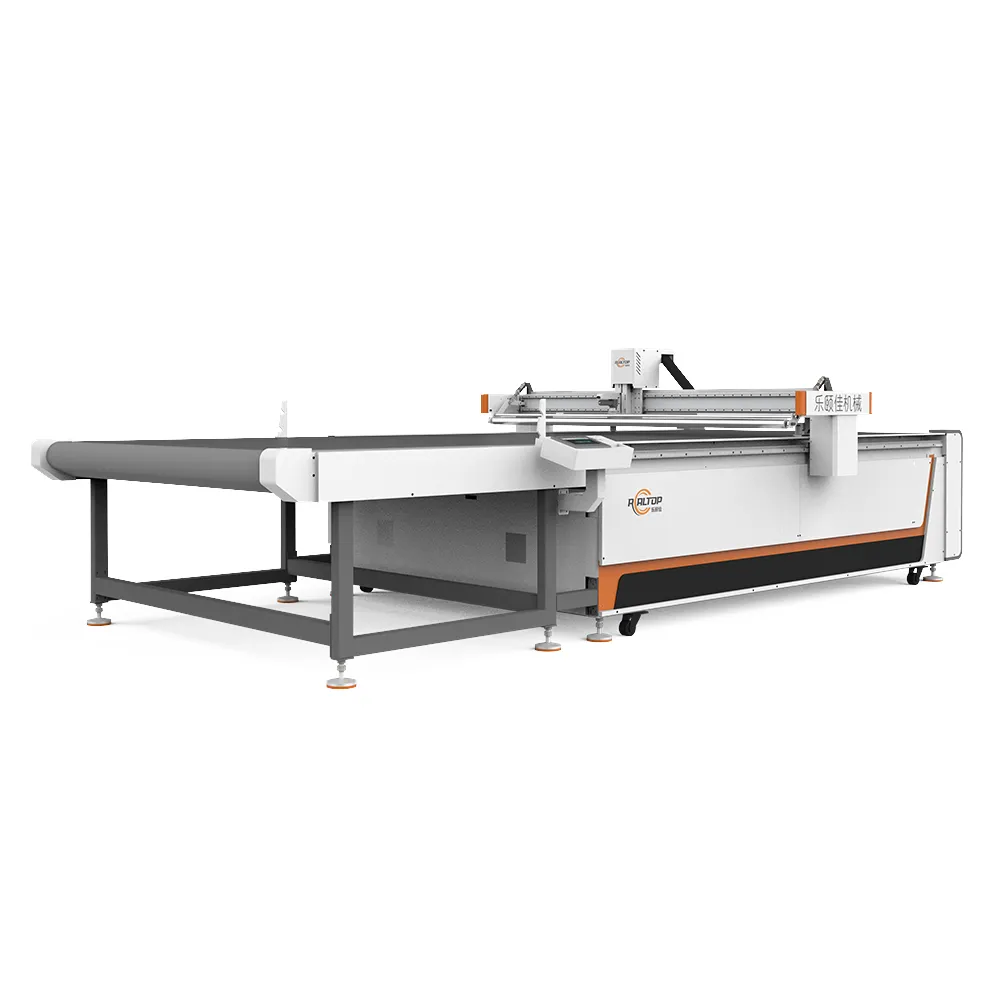
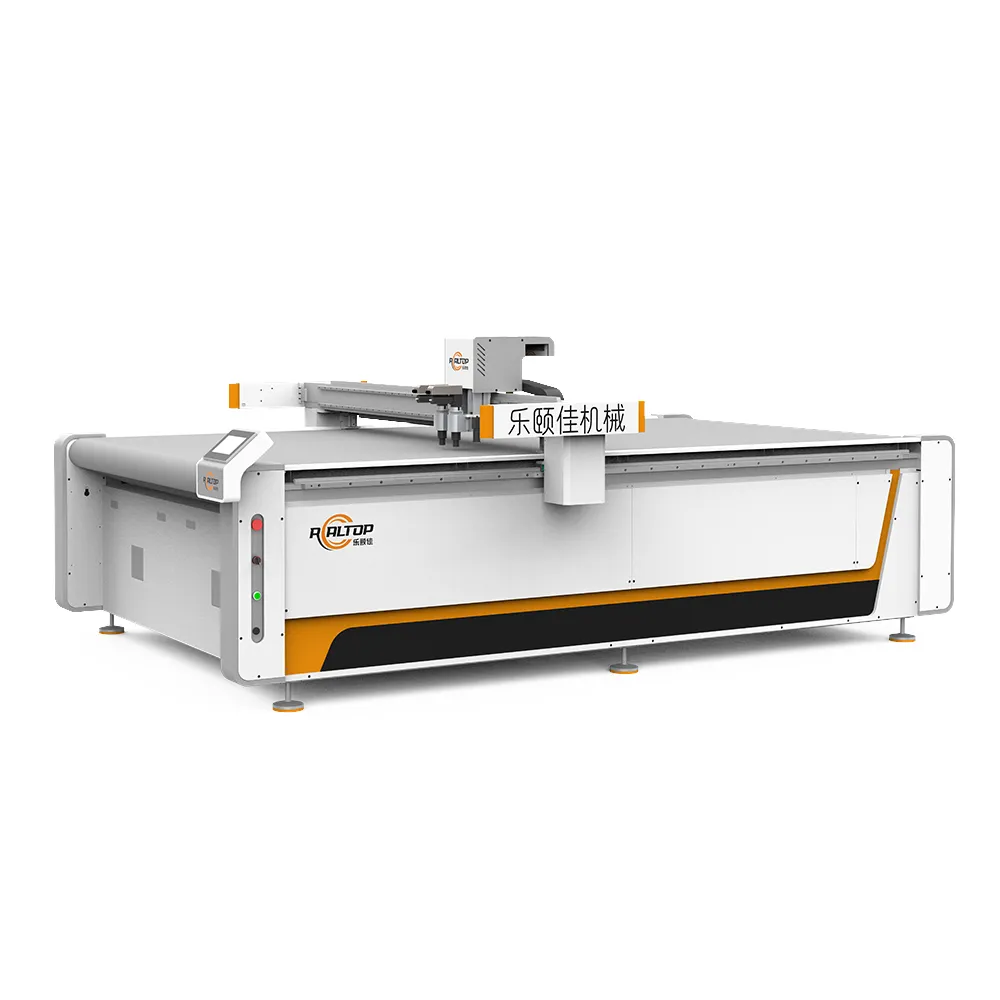
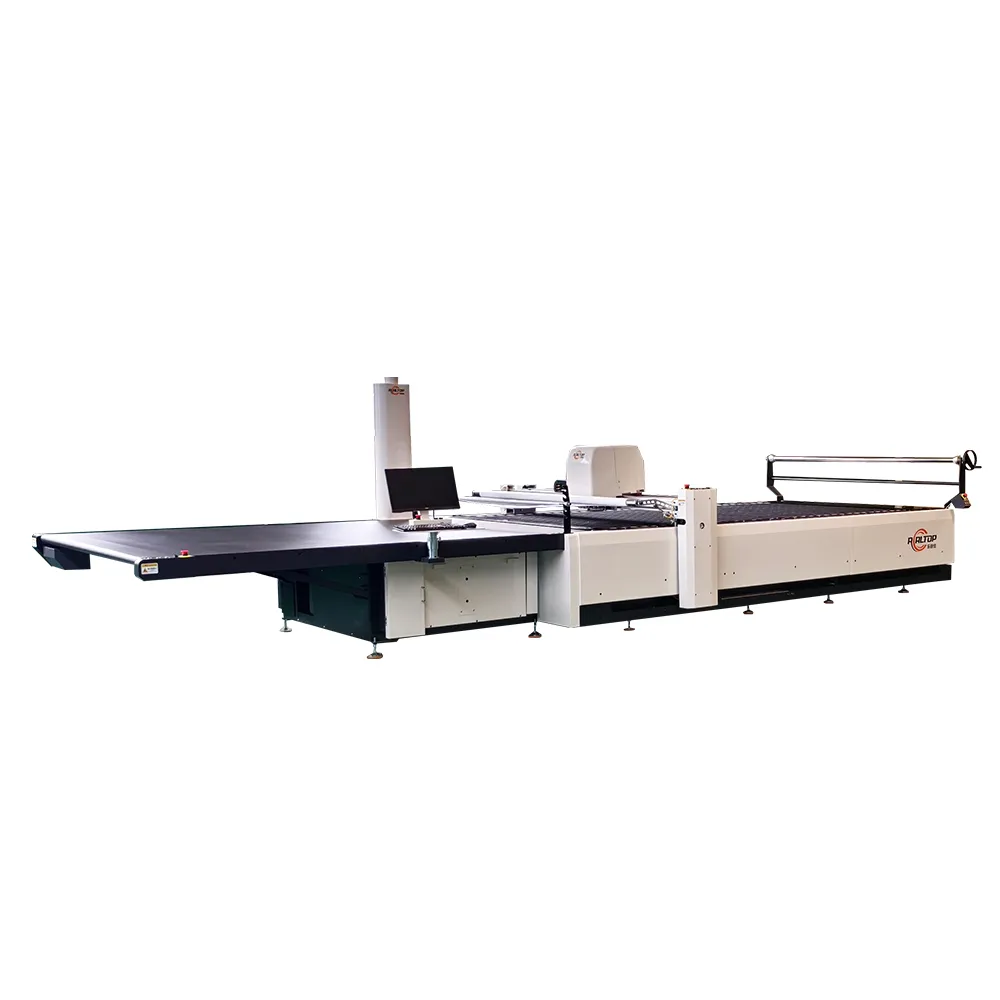
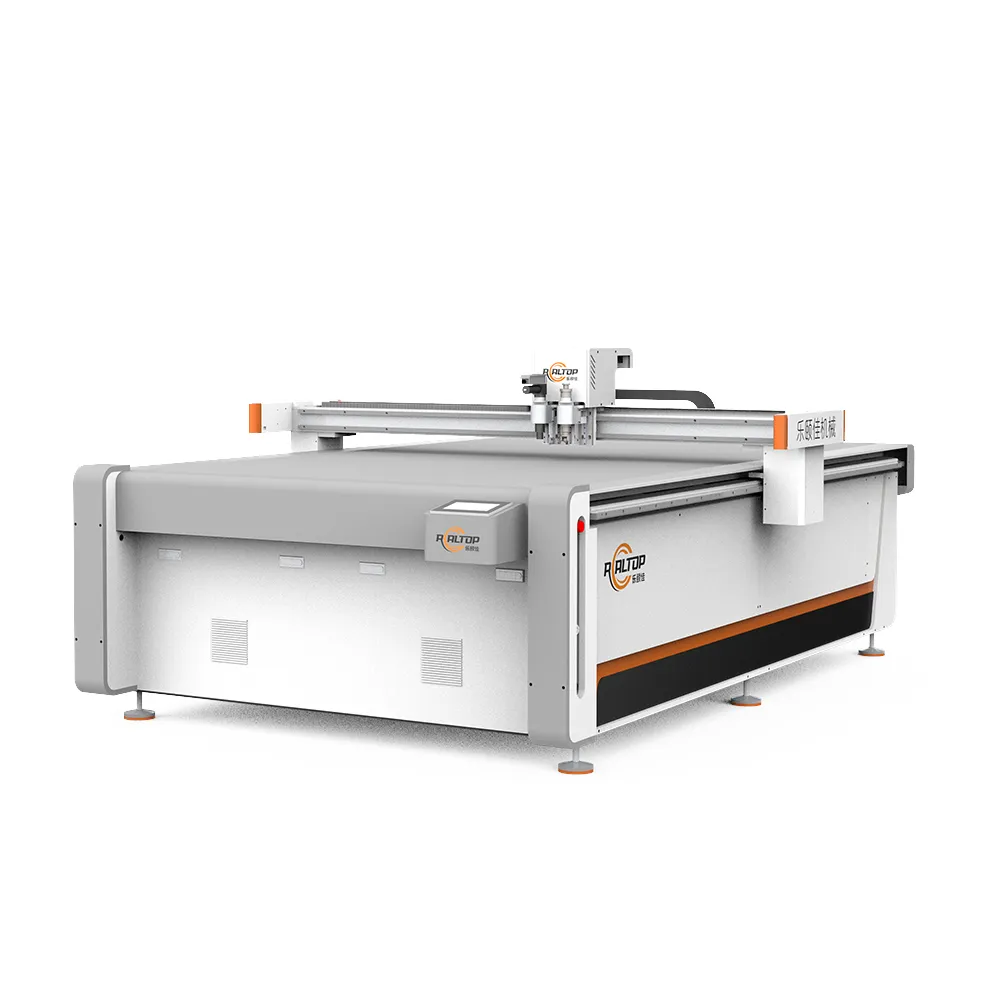
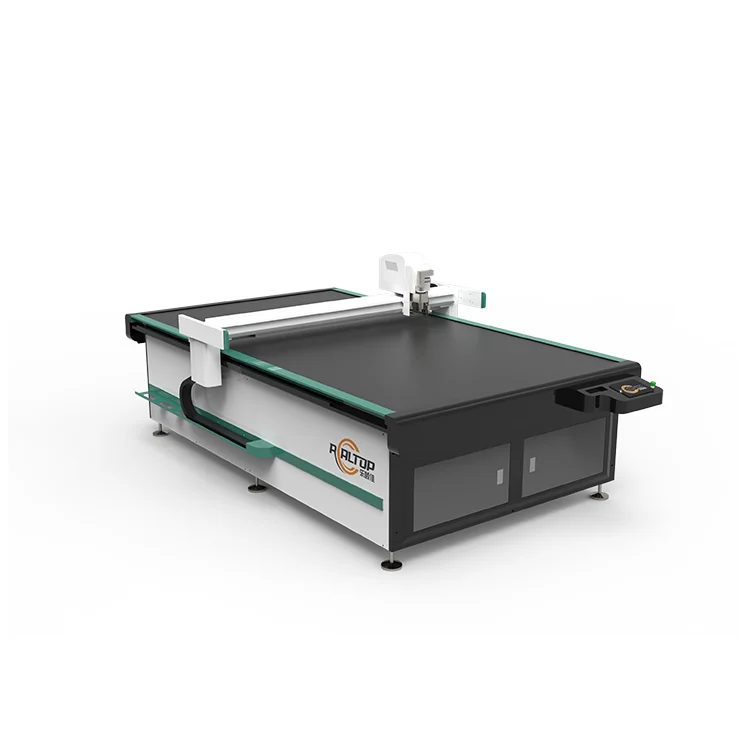
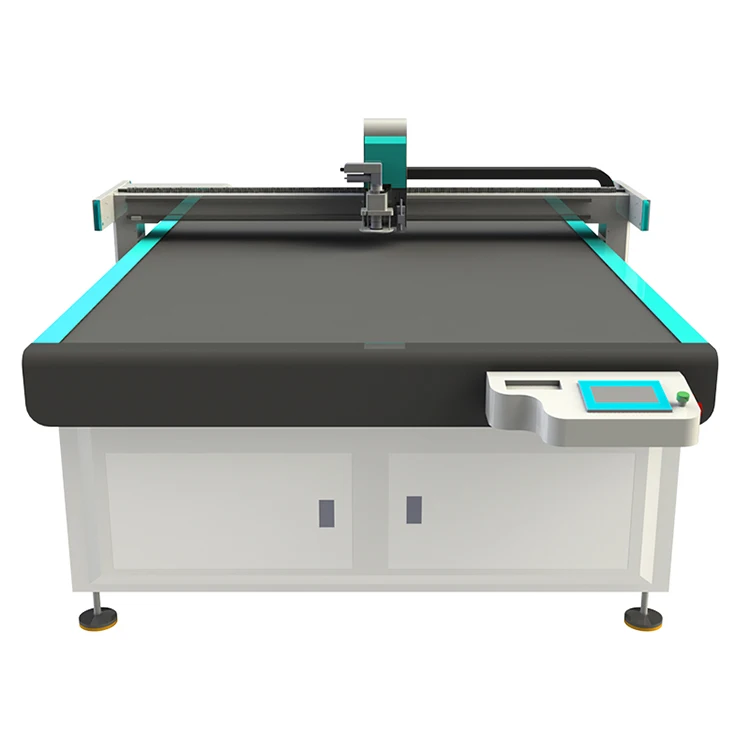
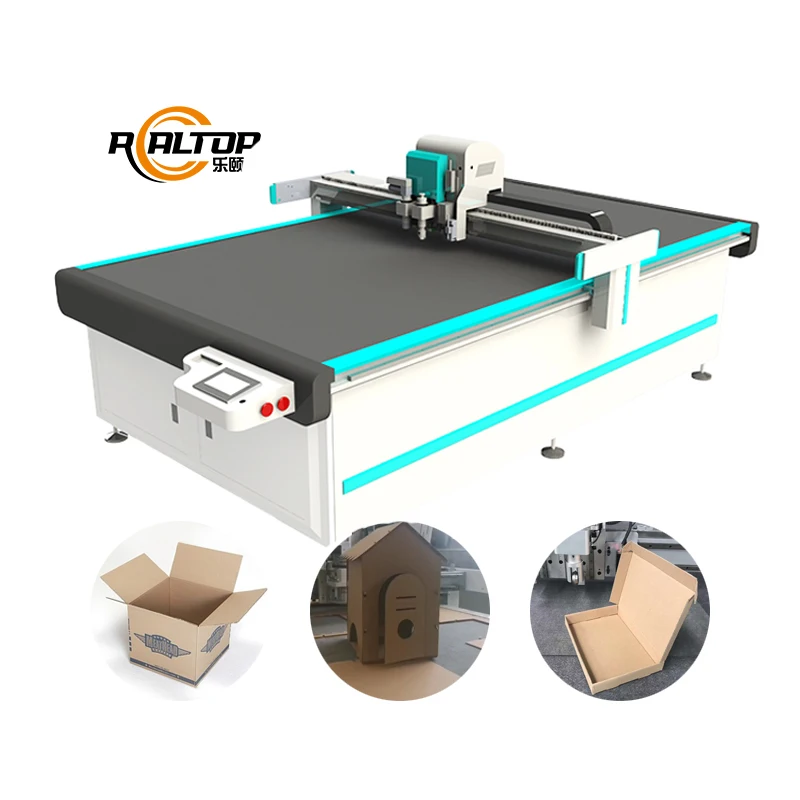
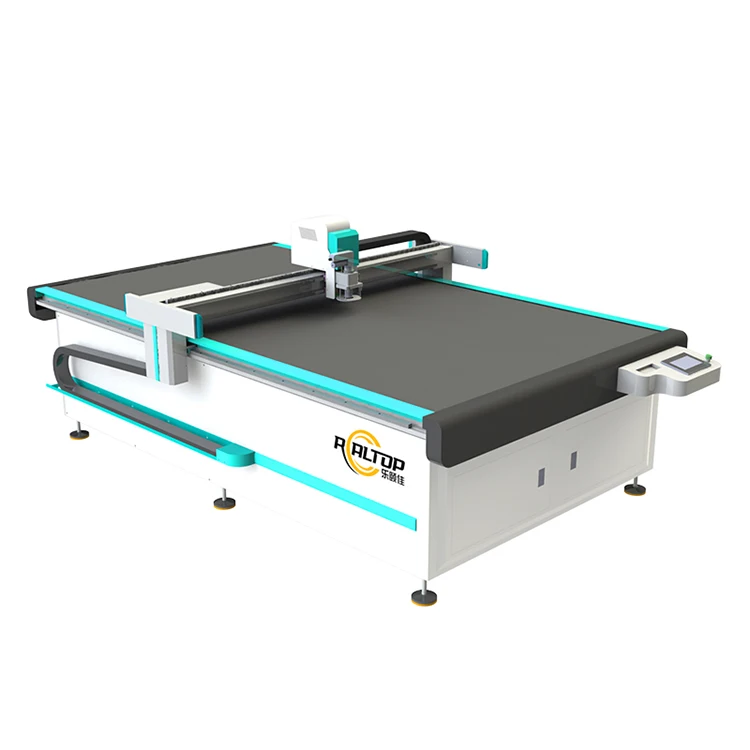
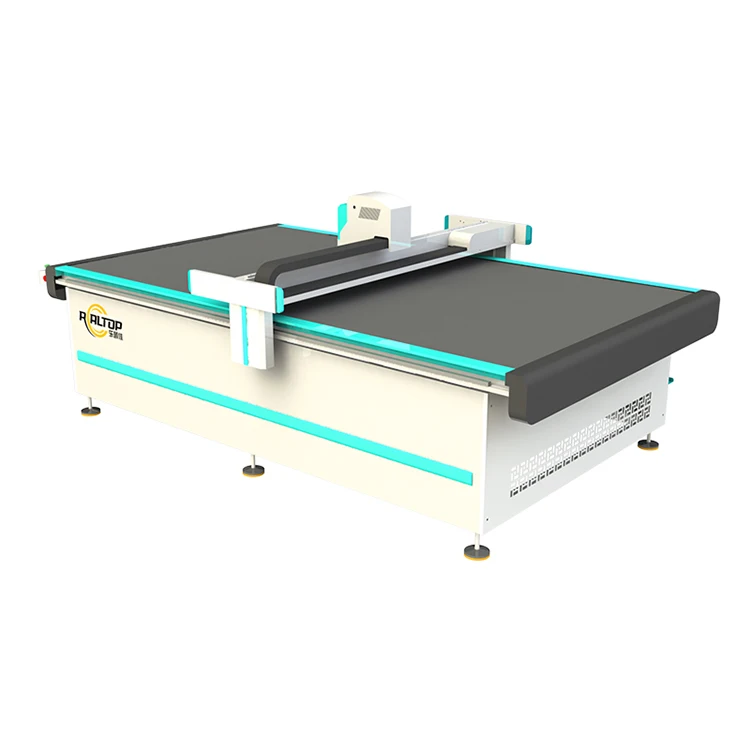
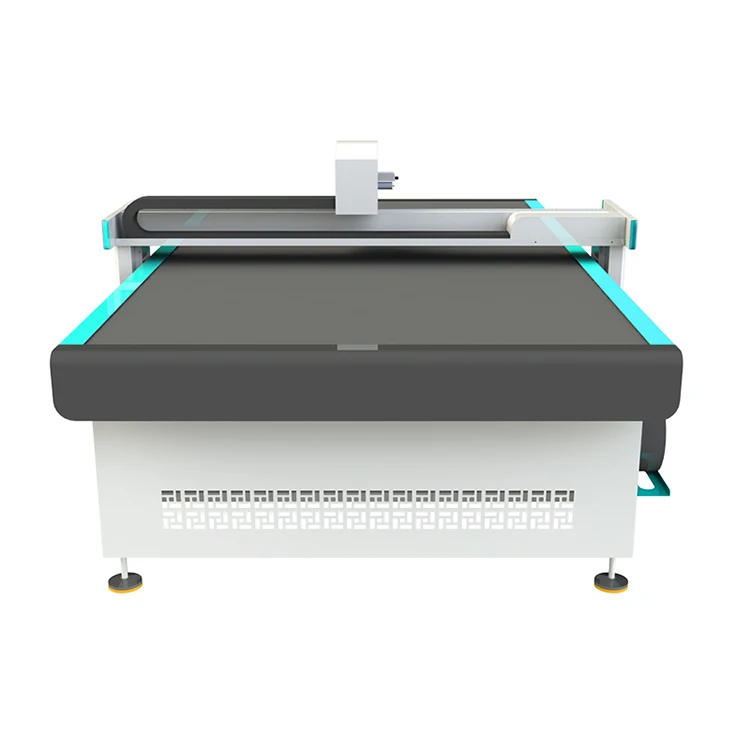
In-house design covering knife and vision positioning — a single CNC digital cutting table configured per your leather weight, coating type, and daily sheet volume rather than a generic off-the-shelf unit.
Technical Specifications
| Parameter | Value |
|---|---|
| Product Type | CNC Flatbed Digital Cutting Table with Vision Positioning |
| Effective Cutting Area | 2500×1600mm / 2500×2200mm / 3000×2200mm |
| Maximum Speed | 2000mm/s |
| Reset Accuracy | ±0.1mm |
| Cutting Thickness | ≤40mm (basis not stated in source) |
| Table Type | Automatic feeding |
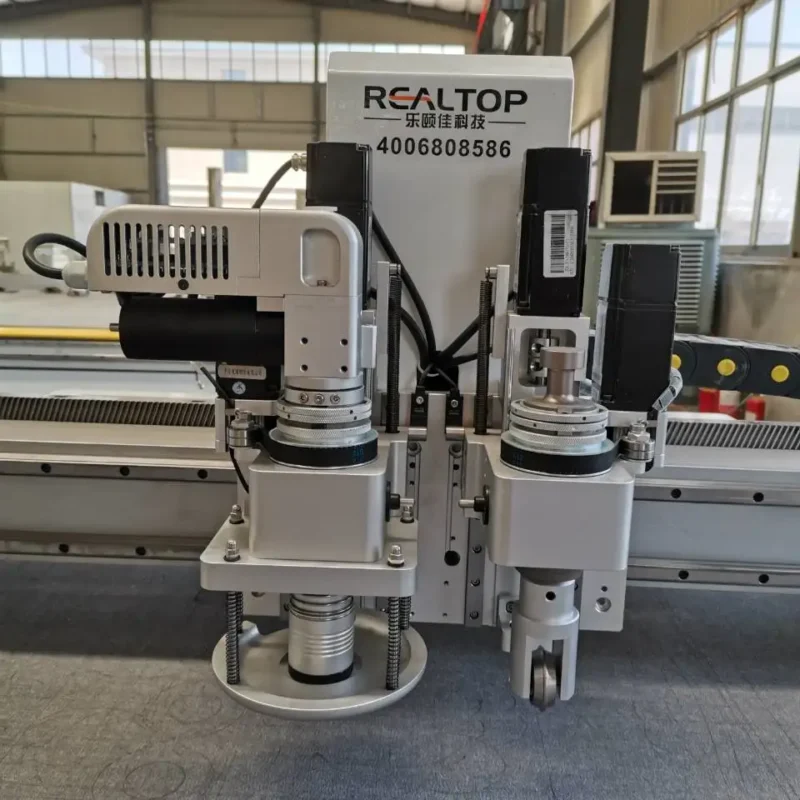
| Tool Head Options | Conventional vibrating knife, servo vibrating knife, pneumatic knife, circular knife, marking pen |
| Data Format | dxf, plt, ai, pdf |
| Safety Device | Infrared blocking stop and anti-collision protection |
| Voltage | 380V / 220V |
| Control System | REALTOP customized high-speed control system |
| Positioning | Panoramic visual positioning (CCD camera) |
| Bed Construction | Quenched to eliminate internal stress |
Application Suitability
| Application | Material or Output |
|---|---|
| Leather goods and footwear uppers | Full-grain, split, coated, and synthetic leather hides |
| Automotive interior trimming | Dashboard skins, seat covers, and door panel inserts |
| Upholstery and furniture cutting | Heavy textiles, composite fabrics, and foam laminates |
| Gasket and technical textile fabrication | Non-metallic sealing materials and multi-layer composites |
Why the Wrong Tool Head Ruins a Leather Cutting Run
Matching the oscillating knife type to the specific leather density is the real separator between a clean hole and a frayed edge. A CNC digital cutting machine manufacturer must understand that coated hides react entirely differently to blade vibration than soft garment splits. I once spent three days in a South Asian factory recalibrating a machine because the initial test was done on scrap PU while the buyer’s actual production involved heavy, wax-coated buffalo leather that simply folded under standard vibration frequency [NEED_CITE:].
Panoramic Vision for Printed Leather Contours
When working with pre-printed leather or hides with irregular natural edges, relying on mechanical stops is a mistake. The panoramic CCD visual positioning system on this CNC flatbed digital cutting table captures the entire sheet, recognizing printed registration marks and compensating for any material distortion that occurred during tanning or transport. This means the CNC oscillating knife cutting table for sale follows the actual contour of the hide rather than forcing a digital file onto a warped surface, which is critical for maximizing yield in footwear uppers where a millimeter of misalignment wastes premium material.
Bed Stability Under Continuous Vibration
The high-frequency oscillation required to punch through dense leather creates significant resonance across the machine frame. This CNC digital cutting machine manufacturer addresses this by using a quenched bed construction designed to eliminate internal stress. Unlike welded frames that can slowly warp under years of micro-vibrations, the stress-relieved bed maintains geometric flatness. This prevents the cutting head from drifting in the Z-axis over a long run of automotive seat panels, ensuring the depth remains consistent from the first hide to the last.
How Specifications Translate to Leather Workshop Output
The 2000mm/s maximum speed and ±0.1mm reset accuracy are critical when cutting interlocking patterns for shoe uppers where waste must be minimized. However, the choice between a servo vibrating knife and a pneumatic knife dictates the actual edge quality. A servo knife maintains torque through dense, multi-layer leather stacks, while a circular knife might be faster for single-ply synthetic rolls. The automatic feeding system, combined with the low-noise industrial belt, allows for continuous rolling out of long hide sheets without the manual repositioning that typically introduces alignment errors.
The Hidden Cost of Ignoring Vacuum Zoning
One of the most frequent complaints I hear on site is small leather pieces lifting during the final cut, causing the blade to catch and ruin the part. This happens when the vacuum table zoning is not matched to the nest layout. A large-format table with a single vacuum zone cannot hold down a small, intricate collar piece once the surrounding material is cut away. Specifying a multi-zone vacuum table ensures that suction remains concentrated on the specific area being worked, preventing the material from shifting and producing the ragged edges that force a production manager to reject an entire batch [NEED_CITE:].
Why Source This Cutting Configuration Here
We build both the knife cutting tables and the laser systems in-house, meaning we can honestly advise whether your specific leather coating will melt under a laser or require the mechanical shear of an oscillating knife. The tool head and table configuration are specified per your material thickness and daily volume, not just the working area. We confirm CCD camera positioning performance on your actual printed marks at production speed before the machine leaves the factory. Software compatibility is verified against your existing nesting workflow, and voltage and control language are locked in to match your local facility requirements.
Documentation & Verification
- Machine specification sheet detailing the exact oscillating knife and vacuum zone configuration.
- Factory test record running your specific leather weight and coating type.
- Electrical schematic confirming 380V or 220V wiring for your local grid.
- Software licence and file format compatibility note for dxf, plt, ai, and pdf.
- Spare parts list including recommended blade types for your specific materials.
Installation, Commissioning & Support
- Quenched bed requires a level concrete floor to maintain geometric stability after arrival.
- Dedicated circuit for 380V or 220V supply to protect the high-speed control system.
- Initial CCD camera calibration performed on-site using your standard printed leather hides.
- Tool head parameter setup for different leather densities, from soft splits to hard coated hides.
- Training on nesting software to maximize yield across irregularly shaped natural leather.
What We Need to Quote Accurately
To provide a configuration that actually works on your floor, please send samples of your thickest and most difficult leather types, along with your standard sheet dimensions. Let us know your local voltage and frequency, and whether your design team works in ai or dxf formats so we can verify the software import path before production begins [NEED_CITE:].
Frequently Asked Questions
Q: How do I choose between a servo vibrating knife and a circular knife for leather?
A: The servo vibrating knife is necessary for dense, multi-layer leather or hard coated hides where the blade must shear through the thickness without crushing the material. The circular knife is typically faster for single-ply synthetic leather or textile rolls used in lining, but it cannot handle the sharp corners and intricate contours that a vibrating knife manages easily.
Q: What is the difference between knife cutting and laser for my leather goods?
A: Knife cutting produces a clean mechanical edge and is essential for thick leather or materials where heat would melt the coating or seal the edges together. Laser cutting is faster for very thin synthetics and seals edges automatically, but it burns natural leather, producing an odor and a darkened edge that is often unacceptable for high-end footwear or automotive interiors.
Q: How does the CCD camera handle distorted leather hides?
A: The panoramic vision system captures the entire working area and identifies registration marks or the natural edge of the hide. It then automatically distorts the digital cutting file to match the physical material on the table, ensuring that pattern pieces are cut exactly where intended, even if the leather has stretched or warped since it was printed.
Q: What voltage and language options are available for export?
A: The control system and electrical cabinet can be configured for either 380V or 220V three-phase supplies depending on your local industrial grid. The control interface language is customized before shipment, ensuring your operators can navigate the nesting software and machine parameters without translation barriers on the floor.
In-house design covering knife and vision positioning — a single CNC digital cutting table configured per your leather weight, coating type, and daily sheet volume rather than a generic off-the-shelf unit.
Technical Specifications
| Parameter | Value |
|---|---|
| Product Type | CNC Flatbed Digital Cutting Table with Vision Positioning |
| Effective Cutting Area | 2500×1600mm / 2500×2200mm / 3000×2200mm |
| Maximum Speed | 2000mm/s |
| Reset Accuracy | ±0.1mm |
| Cutting Thickness | ≤40mm (basis not stated in source) |
| Table Type | Automatic feeding |
| Tool Head Options | Conventional vibrating knife, servo vibrating knife, pneumatic knife, circular knife, marking pen |
| Data Format | dxf, plt, ai, pdf |
| Safety Device | Infrared blocking stop and anti-collision protection |
| Voltage | 380V / 220V |
| Control System | REALTOP customized high-speed control system |
| Positioning | Panoramic visual positioning (CCD camera) |
| Bed Construction | Quenched to eliminate internal stress |
Application Suitability
| Application | Material or Output |
|---|---|
| Leather goods and footwear uppers | Full-grain, split, coated, and synthetic leather hides |
| Automotive interior trimming | Dashboard skins, seat covers, and door panel inserts |
| Upholstery and furniture cutting | Heavy textiles, composite fabrics, and foam laminates |
| Gasket and technical textile fabrication | Non-metallic sealing materials and multi-layer composites |
Why the Wrong Tool Head Ruins a Leather Cutting Run
Matching the oscillating knife type to the specific leather density is the real separator between a clean hole and a frayed edge. A CNC digital cutting machine manufacturer must understand that coated hides react entirely differently to blade vibration than soft garment splits. I once spent three days in a South Asian factory recalibrating a machine because the initial test was done on scrap PU while the buyer’s actual production involved heavy, wax-coated buffalo leather that simply folded under standard vibration frequency [NEED_CITE:].
Panoramic Vision for Printed Leather Contours
When working with pre-printed leather or hides with irregular natural edges, relying on mechanical stops is a mistake. The panoramic CCD visual positioning system on this CNC flatbed digital cutting table captures the entire sheet, recognizing printed registration marks and compensating for any material distortion that occurred during tanning or transport. This means the CNC oscillating knife cutting table for sale follows the actual contour of the hide rather than forcing a digital file onto a warped surface, which is critical for maximizing yield in footwear uppers where a millimeter of misalignment wastes premium material.
Bed Stability Under Continuous Vibration
The high-frequency oscillation required to punch through dense leather creates significant resonance across the machine frame. This CNC digital cutting machine manufacturer addresses this by using a quenched bed construction designed to eliminate internal stress. Unlike welded frames that can slowly warp under years of micro-vibrations, the stress-relieved bed maintains geometric flatness. This prevents the cutting head from drifting in the Z-axis over a long run of automotive seat panels, ensuring the depth remains consistent from the first hide to the last.
How Specifications Translate to Leather Workshop Output
The 2000mm/s maximum speed and ±0.1mm reset accuracy are critical when cutting interlocking patterns for shoe uppers where waste must be minimized. However, the choice between a servo vibrating knife and a pneumatic knife dictates the actual edge quality. A servo knife maintains torque through dense, multi-layer leather stacks, while a circular knife might be faster for single-ply synthetic rolls. The automatic feeding system, combined with the low-noise industrial belt, allows for continuous rolling out of long hide sheets without the manual repositioning that typically introduces alignment errors.
The Hidden Cost of Ignoring Vacuum Zoning
One of the most frequent complaints I hear on site is small leather pieces lifting during the final cut, causing the blade to catch and ruin the part. This happens when the vacuum table zoning is not matched to the nest layout. A large-format table with a single vacuum zone cannot hold down a small, intricate collar piece once the surrounding material is cut away. Specifying a multi-zone vacuum table ensures that suction remains concentrated on the specific area being worked, preventing the material from shifting and producing the ragged edges that force a production manager to reject an entire batch [NEED_CITE:].
Why Source This Cutting Configuration Here
We build both the knife cutting tables and the laser systems in-house, meaning we can honestly advise whether your specific leather coating will melt under a laser or require the mechanical shear of an oscillating knife. The tool head and table configuration are specified per your material thickness and daily volume, not just the working area. We confirm CCD camera positioning performance on your actual printed marks at production speed before the machine leaves the factory. Software compatibility is verified against your existing nesting workflow, and voltage and control language are locked in to match your local facility requirements.
Documentation & Verification
- Machine specification sheet detailing the exact oscillating knife and vacuum zone configuration.
- Factory test record running your specific leather weight and coating type.
- Electrical schematic confirming 380V or 220V wiring for your local grid.
- Software licence and file format compatibility note for dxf, plt, ai, and pdf.
- Spare parts list including recommended blade types for your specific materials.
Installation, Commissioning & Support
- Quenched bed requires a level concrete floor to maintain geometric stability after arrival.
- Dedicated circuit for 380V or 220V supply to protect the high-speed control system.
- Initial CCD camera calibration performed on-site using your standard printed leather hides.
- Tool head parameter setup for different leather densities, from soft splits to hard coated hides.
- Training on nesting software to maximize yield across irregularly shaped natural leather.
What We Need to Quote Accurately
To provide a configuration that actually works on your floor, please send samples of your thickest and most difficult leather types, along with your standard sheet dimensions. Let us know your local voltage and frequency, and whether your design team works in ai or dxf formats so we can verify the software import path before production begins [NEED_CITE:].
Frequently Asked Questions
Q: How do I choose between a servo vibrating knife and a circular knife for leather?
A: The servo vibrating knife is necessary for dense, multi-layer leather or hard coated hides where the blade must shear through the thickness without crushing the material. The circular knife is typically faster for single-ply synthetic leather or textile rolls used in lining, but it cannot handle the sharp corners and intricate contours that a vibrating knife manages easily.
Q: What is the difference between knife cutting and laser for my leather goods?
A: Knife cutting produces a clean mechanical edge and is essential for thick leather or materials where heat would melt the coating or seal the edges together. Laser cutting is faster for very thin synthetics and seals edges automatically, but it burns natural leather, producing an odor and a darkened edge that is often unacceptable for high-end footwear or automotive interiors.
Q: How does the CCD camera handle distorted leather hides?
A: The panoramic vision system captures the entire working area and identifies registration marks or the natural edge of the hide. It then automatically distorts the digital cutting file to match the physical material on the table, ensuring that pattern pieces are cut exactly where intended, even if the leather has stretched or warped since it was printed.
Q: What voltage and language options are available for export?
A: The control system and electrical cabinet can be configured for either 380V or 220V three-phase supplies depending on your local industrial grid. The control interface language is customized before shipment, ensuring your operators can navigate the nesting software and machine parameters without translation barriers on the floor.
商品评价
There are no reviews yet.