


Fast Delivery
Quick, reliable shipping to any location.

Free & easy returns
Return this item by mail or in store within 90 days for a full refund.
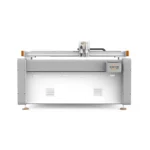
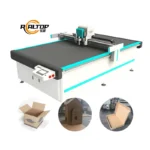
Material-Matched Configuration — A compact-format flatbed cutting platform that lets packaging and signage producers specify the exact tool head for their substrate, verified on buyer-supplied material before shipment.
Technical Specifications
| Parameter | Value |
|---|---|
| Model | 1070PAS4 A1 |
| Product Type | CNC Oscillating Knife Cutting Machine |
| Working Area | 400mm × 600mm |
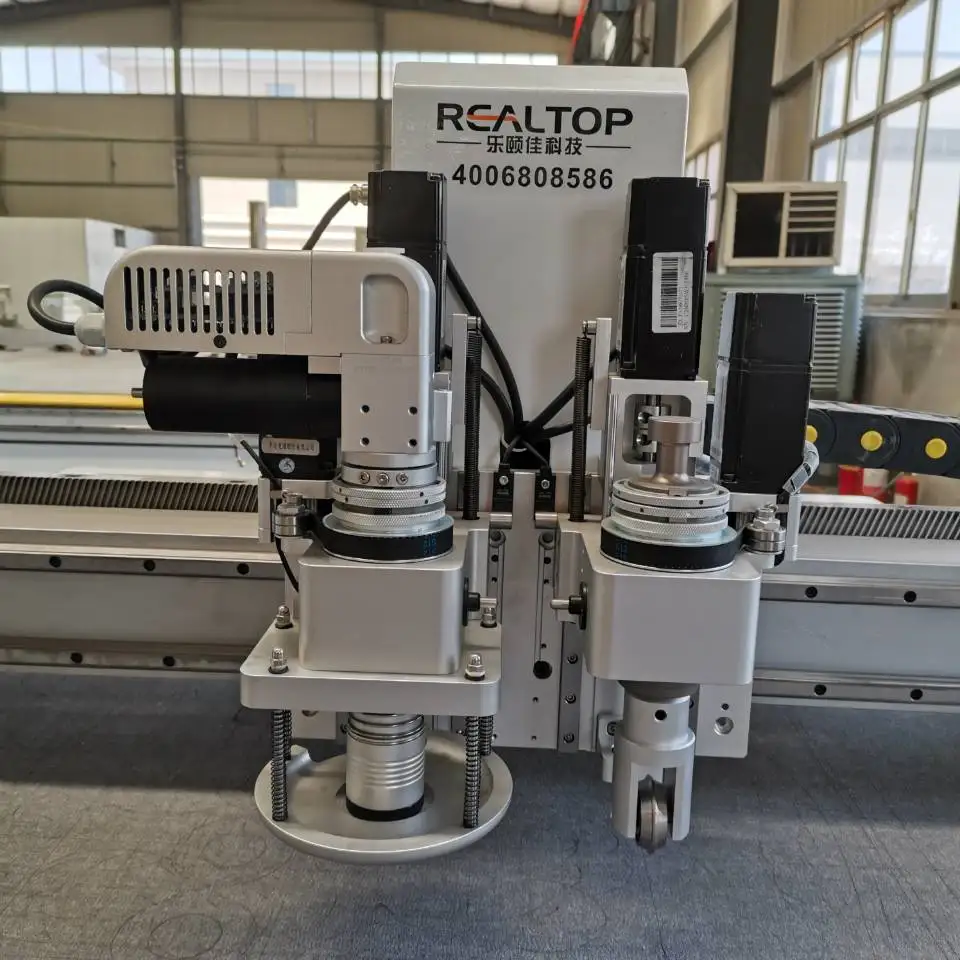
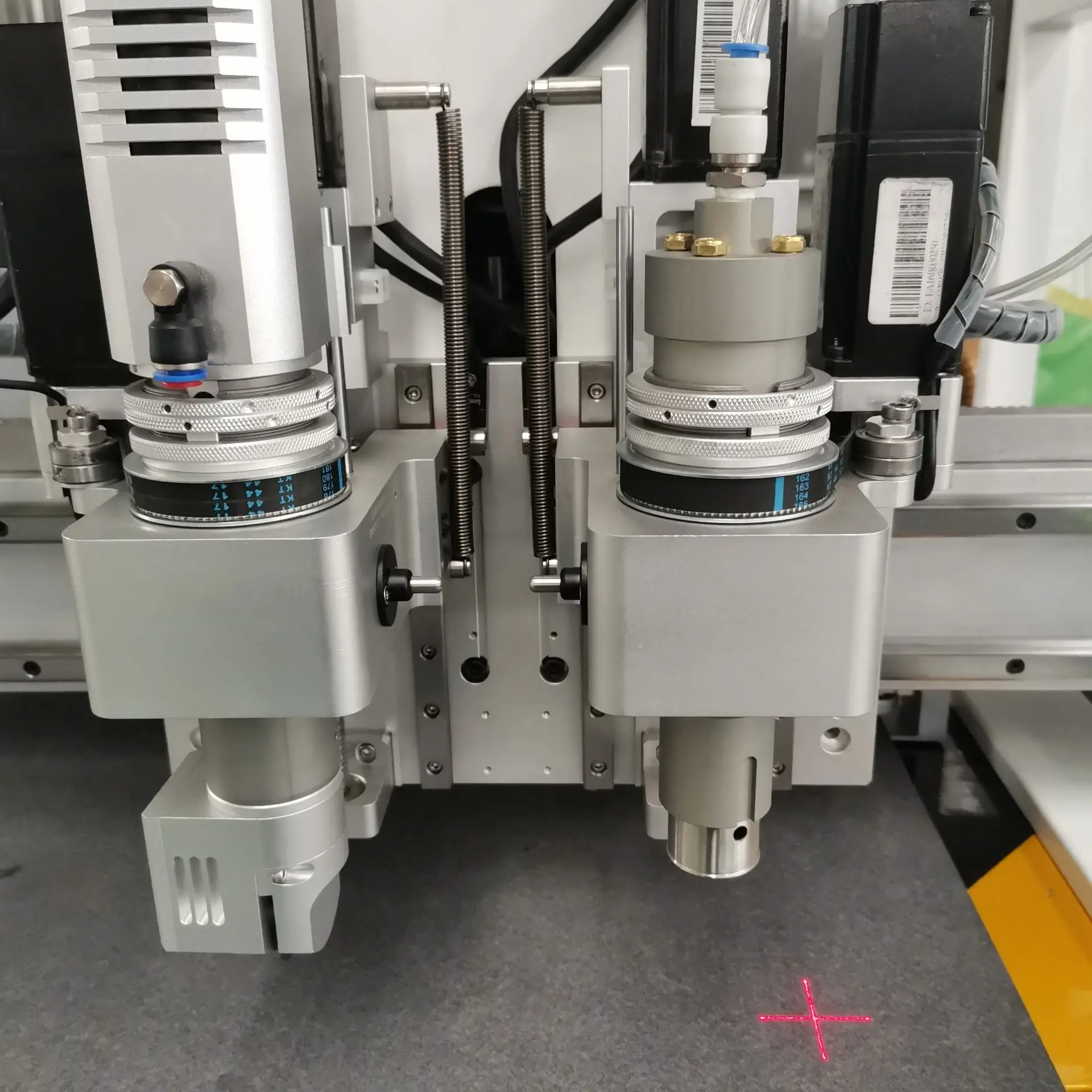
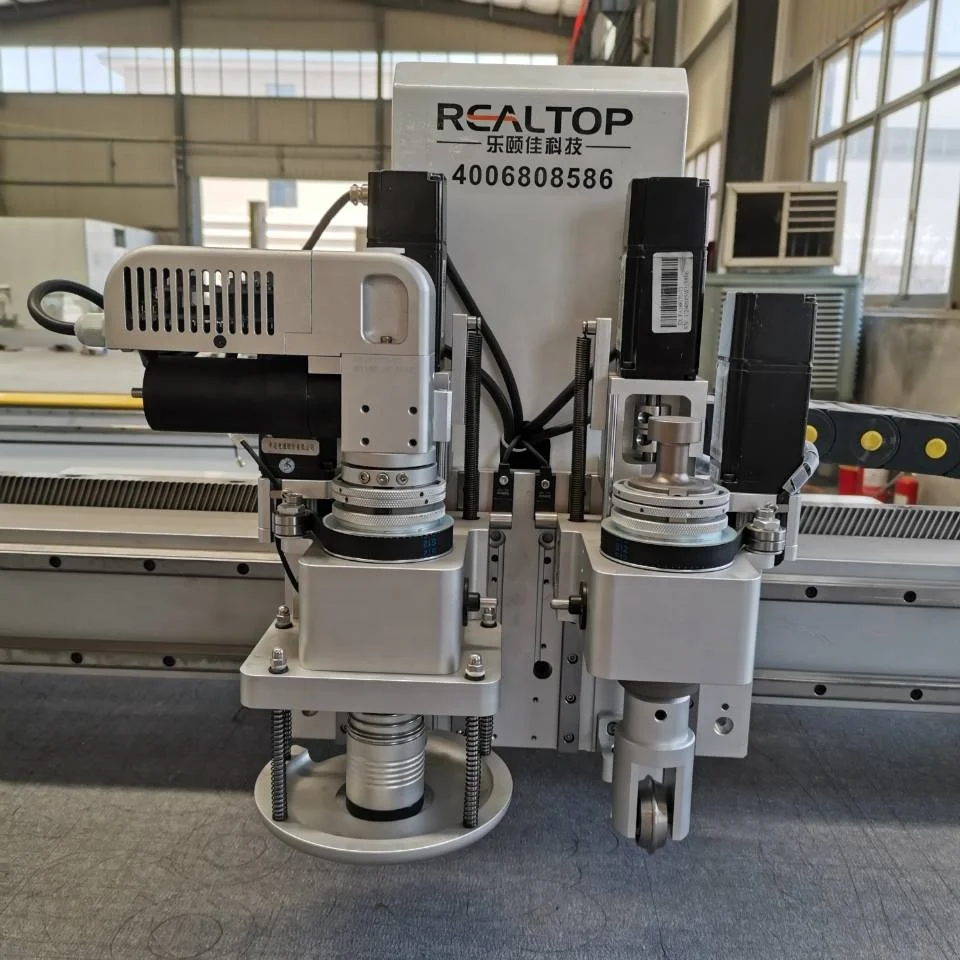
| Tool Head Options | Cutting Tool, Kiss-cutting Tool, Creasing Tool, CCD Camera, High Speed Oscillating Knife (RTT4060 Pro) |
| Max Cutting Speed | 1500mm/s (according to the material) |
| Cutting Thickness | <2mm (RTT4060), <5mm (RTT4060 Pro) |
| Positioning Accuracy | 0.05mm |
| Supported File Formats | DXF, OLT, PDF, AI |
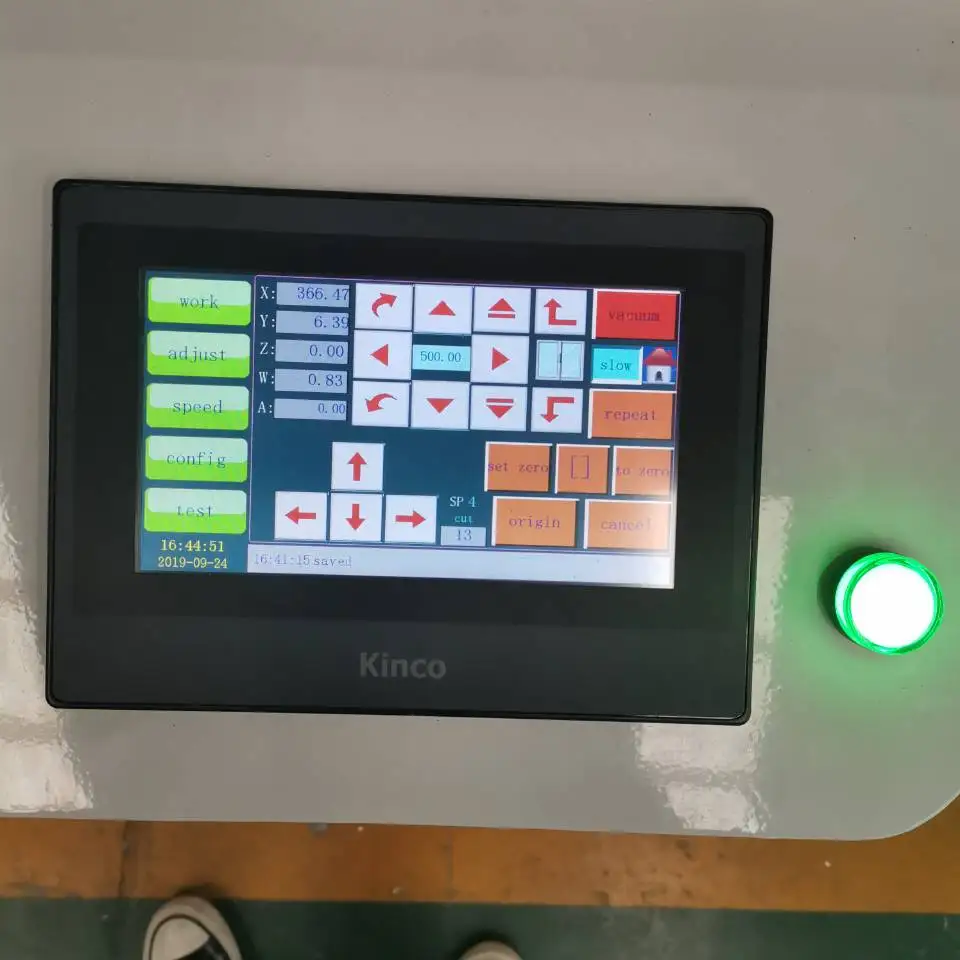
| Transmission Method | Ethernet port |
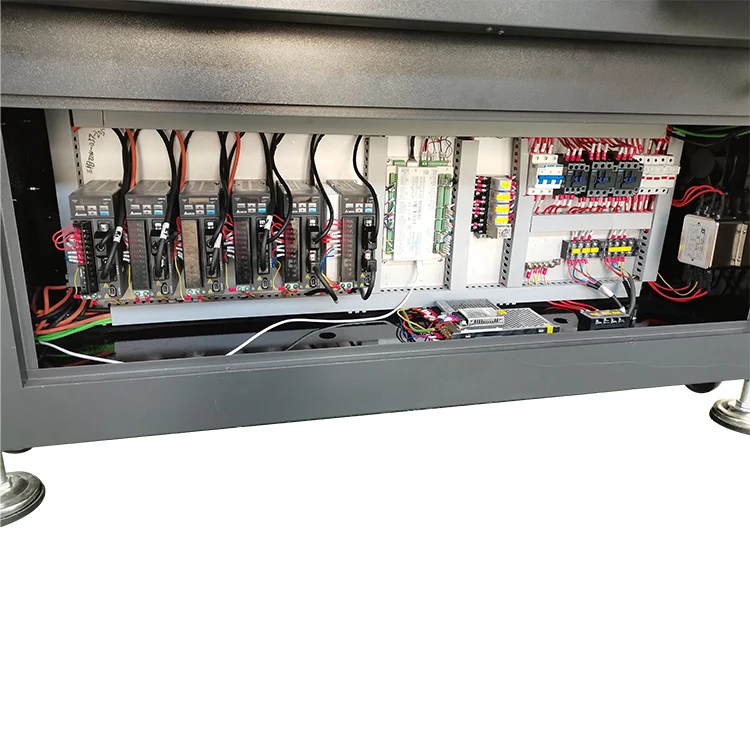
| Rated Power | 2.5kW |
| Voltage & Frequency | Configurable per target market (basis not stated in source) |
| Control System | Configurable per target market (basis not stated in source) |
| Overall Dimensions (L×W×H) | (source value — verify against manufacturer catalog) |
| Net Weight | (source value — verify against manufacturer catalog) |
| Vacuum Table Zones | (source value — verify against manufacturer catalog) |
| Air Supply Requirement | (source value — verify against manufacturer catalog) |
| Certification | (source value — verify against manufacturer catalog) |
| Warranty | One year for whole machine |
| Language Options | (source value — verify against manufacturer catalog) |
Application Suitability
| Application | Material or Output |
|---|---|
| Packaging and Carton Sample Making | Corrugated board, cardstock, grey board up to 5mm |
| Vinyl Sticker and Signage Production | Self-adhesive vinyl, reflective film, transfer tape |
| Thin Leather and Fabric Processing | Garment leather, synthetic textile, PU sheets |
| Digital Paper Prototyping | Art paper, specialty board, folding carton stock |
| Thin Non-Material Fabrication | Foam sheets, gasket material, composite laminates |
Why "Max Thickness" Means Nothing Without the Tool Head Context
Edge quality depends on the tool head matched to your specific material, not a generic thickness figure on a spec sheet.
Many buyers in the packaging and signage sectors focus entirely on the working area or the headline cutting thickness. A machine might claim it cuts up to 5mm, but if you are running thin reflective vinyl for vehicle wraps, an oscillating knife will crush the material while a drag knife produces clean edges. I recently had a client running adhesive-backed reflective film who specified a vibrating head based on thickness alone; the result was frayed edges and lifted material that ruined an entire batch of decals. A CNC Oscillating Knife Cutting Machine manufacturer should always clarify which tool head applies to which substrate before an order is placed [NEED_CITE: tool head selection criteria for flexible and adhesive-backed materials].
Matching the Tool Head to the Substrate
The 1070PAS4 A1 offers a selection of tool heads that address distinct material behaviors. A standard drag knife follows vector paths on thin vinyl and sticker films, producing sharp corners without tearing. The kiss-cutting tool adjusts blade depth precisely so the adhesive layer remains intact while the face stock is cut through, which is essential for sticker sheets that need to stay on the backing. The creasing wheel scores folding carton and grey board without cutting through, enabling clean fold lines for packaging prototypes. For the RTT4060 Pro variant, the high-speed oscillating knife handles thicker substrates like corrugated board and foam up to 5mm. Each CNC Oscillating Knife Cutting Machine configuration must be locked to the buyer’s material list before production begins.
CCD Camera Positioning for Printed Contour Work
When signage producers cut pre-printed vinyl or sticker sheets, the cutting path must align precisely with the printed graphic. The optional CCD camera on this platform reads registration marks on the printed sheet and adjusts the cut path accordingly. This matters because even a slight misalignment between print and cut results in visible white borders or cropped graphics on the final decal. The camera system tracks marks at production speed, though reliable tracking depends on mark contrast, size, and placement relative to the graphic edge. Buyers who run contour-cut stickers should verify mark format compatibility with their existing RIP or print workflow before finalizing the configuration [NEED_CITE: CCD contour recognition standards for wide-format print finishing].
Reading the Specs for Real Production Impact
The 0.05mm positioning accuracy on the 1070PAS4 A1 directly affects tight-registration work. For packaging sample makers producing folding carton prototypes, this tolerance ensures that crease lines and cut paths align precisely across multiple tool changes on the same sheet. The Ethernet-based file transmission supports DXF, OLT, PDF, and AI formats, meaning buyers can send files directly from common design software without intermediate conversion steps that might alter path geometry. The 2.5kW rated power reflects the drive and vacuum system requirements for a compact-format table; buyers should confirm that their workshop electrical supply can accommodate this load on a dedicated circuit. The 1500mm/s maximum cutting speed is achievable on suitable thin materials, though actual speed depends on material density, tool head engaged, and path complexity [NEED_CITE: cutting speed variables by material type and tool configuration].
The Hidden Cost of Skipping Material Trials
When a buyer orders based on published specs alone, several failures can occur at installation. The vacuum table zoning may be insufficient for small sticker parts, causing material lift during cutting and producing inaccurate shapes. The software might not import the buyer’s existing nesting files, forcing manual path recreation for every job. Voltage and plug type mismatches discovered at delivery mean weeks of downtime while adapters or transformers are sourced. For a compact-format CNC Oscillating Knife Cutting Machine, these issues are entirely preventable with a pre-shipment sample cutting test on the buyer’s own material. I always ask clients to send their actual substrate before an order is confirmed, because what works on standard test card may fail completely on a coated specialty board or a high-tack vinyl film [NEED_CITE: pre-shipment sample testing protocols for CNC cutting equipment].
Why Source This Platform Through Our Process
The in-house design team covers both knife and laser cutting technologies, so buyers can compare methods on the same material rather than being locked into one approach. Tool head and table configuration is specified per material and production volume, not offered as a fixed package. The CCD camera positioning option is verified against the buyer’s specific print mark format before the machine ships. Software compatibility with the buyer’s existing file format and nesting workflow is confirmed in writing at the quotation stage. Voltage, plug type, and control language are customized and documented for the target market. Sample cutting on the buyer’s own material is standard procedure before any commitment is made, providing a cutting report that documents edge quality, achievable thickness, and speed for each substrate.
Documentation & Verification
- Machine specification sheet listing confirmed tool heads and working area for your application
- Electrical schematic with voltage, frequency, and plug type matched to your facility
- Tool head and table configuration list tied to your material and thickness requirements
- Sample cutting report produced on your supplied substrate before order confirmation
- Software licence and file format compatibility note for your design workflow
- Operation and maintenance manual with spare parts list for the 1070PAS4 A1
Installation, Commissioning & Support
- Dedicated 2.5kW circuit with correct voltage and frequency verified before dispatch
- Ethernet port connection configured for your local network environment
- Vacuum table zoning tested against your typical part sizes during commissioning
- Tool head parameters calibrated on your material during on-site setup
- Operator training covering CCD camera mark recognition and file import workflow
- Spare parts list supplied covering blades, creasing wheels, and wear components
What We Need From You to Proceed
To configure the 1070PAS4 A1 correctly, we need to know your primary material types, thicknesses, and maximum sheet sizes. Please share the file formats your design team currently uses and whether your workflow involves printed contour cutting that requires CCD registration. Confirm your facility voltage, frequency, and plug standard so the electrical system matches on arrival. If possible, send a sample of your most demanding substrate so we can run a cutting test and document the results before you commit.
Frequently Asked Questions
Q: How do I verify cutting thickness capability for my specific material?
A: Thickness capability varies by material type and tool head. A 5mm rating on corrugated board does not apply to dense foam or leather. We run a sample cutting test on your actual substrate, documenting the achievable thickness, edge quality, and tool head used in a report you receive before placing your order.
Q: Which tool head matches my material and edge quality requirement?
A: Drag knives suit thin vinyl and sticker films. Kiss-cutting tools cut through face stock while preserving the backing. Creasing wheels score folding carton without penetrating. The oscillating knife on the Pro model handles thicker board and foam. We match the tool to your material list during configuration.
Q: How are voltage and control language confirmed before shipment?
A: We document your facility voltage, frequency, plug type, and preferred control language in the electrical schematic and specification sheet. This is confirmed at the quotation stage, so the machine arrives ready to connect without adapters or transformers.
Q: Will my existing design files work with this machine?
A: The system supports DXF, OLT, PDF, and AI formats via Ethernet transmission. We confirm compatibility with your specific design software and nesting workflow in writing before order, and note any required file preparation steps in the software compatibility document.
Q: What does the CCD camera need to track printed marks reliably?
A: The CCD camera reads registration marks on printed sheets for contour cutting. Reliable tracking depends on mark contrast, minimum size, and placement relative to graphic edges. We verify mark format compatibility with your RIP or print workflow during the configuration stage.
Material-Matched Configuration — A compact-format flatbed cutting platform that lets packaging and signage producers specify the exact tool head for their substrate, verified on buyer-supplied material before shipment.
Technical Specifications
| Parameter | Value |
|---|---|
| Model | 1070PAS4 A1 |
| Product Type | CNC Oscillating Knife Cutting Machine |
| Working Area | 400mm × 600mm |
| Tool Head Options | Cutting Tool, Kiss-cutting Tool, Creasing Tool, CCD Camera, High Speed Oscillating Knife (RTT4060 Pro) |
| Max Cutting Speed | 1500mm/s (according to the material) |
| Cutting Thickness | <2mm (RTT4060), <5mm (RTT4060 Pro) |
| Positioning Accuracy | 0.05mm |
| Supported File Formats | DXF, OLT, PDF, AI |
| Transmission Method | Ethernet port |
| Rated Power | 2.5kW |
| Voltage & Frequency | Configurable per target market (basis not stated in source) |
| Control System | Configurable per target market (basis not stated in source) |
| Overall Dimensions (L×W×H) | (source value — verify against manufacturer catalog) |
| Net Weight | (source value — verify against manufacturer catalog) |
| Vacuum Table Zones | (source value — verify against manufacturer catalog) |
| Air Supply Requirement | (source value — verify against manufacturer catalog) |
| Certification | (source value — verify against manufacturer catalog) |
| Warranty | One year for whole machine |
| Language Options | (source value — verify against manufacturer catalog) |
Application Suitability
| Application | Material or Output |
|---|---|
| Packaging and Carton Sample Making | Corrugated board, cardstock, grey board up to 5mm |
| Vinyl Sticker and Signage Production | Self-adhesive vinyl, reflective film, transfer tape |
| Thin Leather and Fabric Processing | Garment leather, synthetic textile, PU sheets |
| Digital Paper Prototyping | Art paper, specialty board, folding carton stock |
| Thin Non-Material Fabrication | Foam sheets, gasket material, composite laminates |
Why "Max Thickness" Means Nothing Without the Tool Head Context
Edge quality depends on the tool head matched to your specific material, not a generic thickness figure on a spec sheet.
Many buyers in the packaging and signage sectors focus entirely on the working area or the headline cutting thickness. A machine might claim it cuts up to 5mm, but if you are running thin reflective vinyl for vehicle wraps, an oscillating knife will crush the material while a drag knife produces clean edges. I recently had a client running adhesive-backed reflective film who specified a vibrating head based on thickness alone; the result was frayed edges and lifted material that ruined an entire batch of decals. A CNC Oscillating Knife Cutting Machine manufacturer should always clarify which tool head applies to which substrate before an order is placed [NEED_CITE: tool head selection criteria for flexible and adhesive-backed materials].
Matching the Tool Head to the Substrate
The 1070PAS4 A1 offers a selection of tool heads that address distinct material behaviors. A standard drag knife follows vector paths on thin vinyl and sticker films, producing sharp corners without tearing. The kiss-cutting tool adjusts blade depth precisely so the adhesive layer remains intact while the face stock is cut through, which is essential for sticker sheets that need to stay on the backing. The creasing wheel scores folding carton and grey board without cutting through, enabling clean fold lines for packaging prototypes. For the RTT4060 Pro variant, the high-speed oscillating knife handles thicker substrates like corrugated board and foam up to 5mm. Each CNC Oscillating Knife Cutting Machine configuration must be locked to the buyer’s material list before production begins.
CCD Camera Positioning for Printed Contour Work
When signage producers cut pre-printed vinyl or sticker sheets, the cutting path must align precisely with the printed graphic. The optional CCD camera on this platform reads registration marks on the printed sheet and adjusts the cut path accordingly. This matters because even a slight misalignment between print and cut results in visible white borders or cropped graphics on the final decal. The camera system tracks marks at production speed, though reliable tracking depends on mark contrast, size, and placement relative to the graphic edge. Buyers who run contour-cut stickers should verify mark format compatibility with their existing RIP or print workflow before finalizing the configuration [NEED_CITE: CCD contour recognition standards for wide-format print finishing].
Reading the Specs for Real Production Impact
The 0.05mm positioning accuracy on the 1070PAS4 A1 directly affects tight-registration work. For packaging sample makers producing folding carton prototypes, this tolerance ensures that crease lines and cut paths align precisely across multiple tool changes on the same sheet. The Ethernet-based file transmission supports DXF, OLT, PDF, and AI formats, meaning buyers can send files directly from common design software without intermediate conversion steps that might alter path geometry. The 2.5kW rated power reflects the drive and vacuum system requirements for a compact-format table; buyers should confirm that their workshop electrical supply can accommodate this load on a dedicated circuit. The 1500mm/s maximum cutting speed is achievable on suitable thin materials, though actual speed depends on material density, tool head engaged, and path complexity [NEED_CITE: cutting speed variables by material type and tool configuration].
The Hidden Cost of Skipping Material Trials
When a buyer orders based on published specs alone, several failures can occur at installation. The vacuum table zoning may be insufficient for small sticker parts, causing material lift during cutting and producing inaccurate shapes. The software might not import the buyer’s existing nesting files, forcing manual path recreation for every job. Voltage and plug type mismatches discovered at delivery mean weeks of downtime while adapters or transformers are sourced. For a compact-format CNC Oscillating Knife Cutting Machine, these issues are entirely preventable with a pre-shipment sample cutting test on the buyer’s own material. I always ask clients to send their actual substrate before an order is confirmed, because what works on standard test card may fail completely on a coated specialty board or a high-tack vinyl film [NEED_CITE: pre-shipment sample testing protocols for CNC cutting equipment].
Why Source This Platform Through Our Process
The in-house design team covers both knife and laser cutting technologies, so buyers can compare methods on the same material rather than being locked into one approach. Tool head and table configuration is specified per material and production volume, not offered as a fixed package. The CCD camera positioning option is verified against the buyer’s specific print mark format before the machine ships. Software compatibility with the buyer’s existing file format and nesting workflow is confirmed in writing at the quotation stage. Voltage, plug type, and control language are customized and documented for the target market. Sample cutting on the buyer’s own material is standard procedure before any commitment is made, providing a cutting report that documents edge quality, achievable thickness, and speed for each substrate.
Documentation & Verification
- Machine specification sheet listing confirmed tool heads and working area for your application
- Electrical schematic with voltage, frequency, and plug type matched to your facility
- Tool head and table configuration list tied to your material and thickness requirements
- Sample cutting report produced on your supplied substrate before order confirmation
- Software licence and file format compatibility note for your design workflow
- Operation and maintenance manual with spare parts list for the 1070PAS4 A1
Installation, Commissioning & Support
- Dedicated 2.5kW circuit with correct voltage and frequency verified before dispatch
- Ethernet port connection configured for your local network environment
- Vacuum table zoning tested against your typical part sizes during commissioning
- Tool head parameters calibrated on your material during on-site setup
- Operator training covering CCD camera mark recognition and file import workflow
- Spare parts list supplied covering blades, creasing wheels, and wear components
What We Need From You to Proceed
To configure the 1070PAS4 A1 correctly, we need to know your primary material types, thicknesses, and maximum sheet sizes. Please share the file formats your design team currently uses and whether your workflow involves printed contour cutting that requires CCD registration. Confirm your facility voltage, frequency, and plug standard so the electrical system matches on arrival. If possible, send a sample of your most demanding substrate so we can run a cutting test and document the results before you commit.
Frequently Asked Questions
Q: How do I verify cutting thickness capability for my specific material?
A: Thickness capability varies by material type and tool head. A 5mm rating on corrugated board does not apply to dense foam or leather. We run a sample cutting test on your actual substrate, documenting the achievable thickness, edge quality, and tool head used in a report you receive before placing your order.
Q: Which tool head matches my material and edge quality requirement?
A: Drag knives suit thin vinyl and sticker films. Kiss-cutting tools cut through face stock while preserving the backing. Creasing wheels score folding carton without penetrating. The oscillating knife on the Pro model handles thicker board and foam. We match the tool to your material list during configuration.
Q: How are voltage and control language confirmed before shipment?
A: We document your facility voltage, frequency, plug type, and preferred control language in the electrical schematic and specification sheet. This is confirmed at the quotation stage, so the machine arrives ready to connect without adapters or transformers.
Q: Will my existing design files work with this machine?
A: The system supports DXF, OLT, PDF, and AI formats via Ethernet transmission. We confirm compatibility with your specific design software and nesting workflow in writing before order, and note any required file preparation steps in the software compatibility document.
Q: What does the CCD camera need to track printed marks reliably?
A: The CCD camera reads registration marks on printed sheets for contour cutting. Reliable tracking depends on mark contrast, minimum size, and placement relative to graphic edges. We verify mark format compatibility with your RIP or print workflow during the configuration stage.









商品评价
There are no reviews yet.