

Fast Delivery
Quick, reliable shipping to any location.

Free & easy returns
Return this item by mail or in store within 90 days for a full refund.
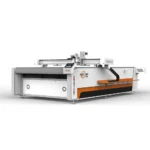
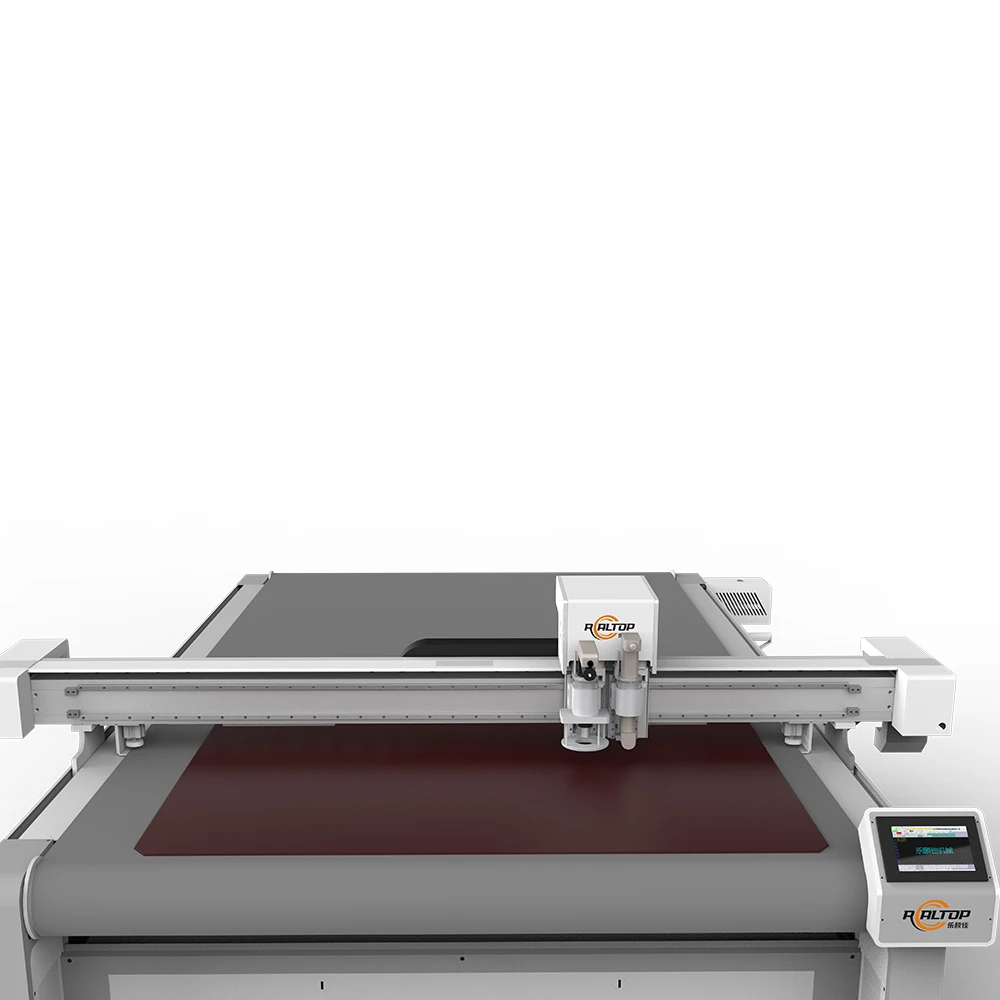
Material-First Configuration — every oscillating knife and table setup is matched to fabric type, layer count, and daily volume before a single specification is locked in.
Technical Specifications
| Parameter | Value |
|---|---|
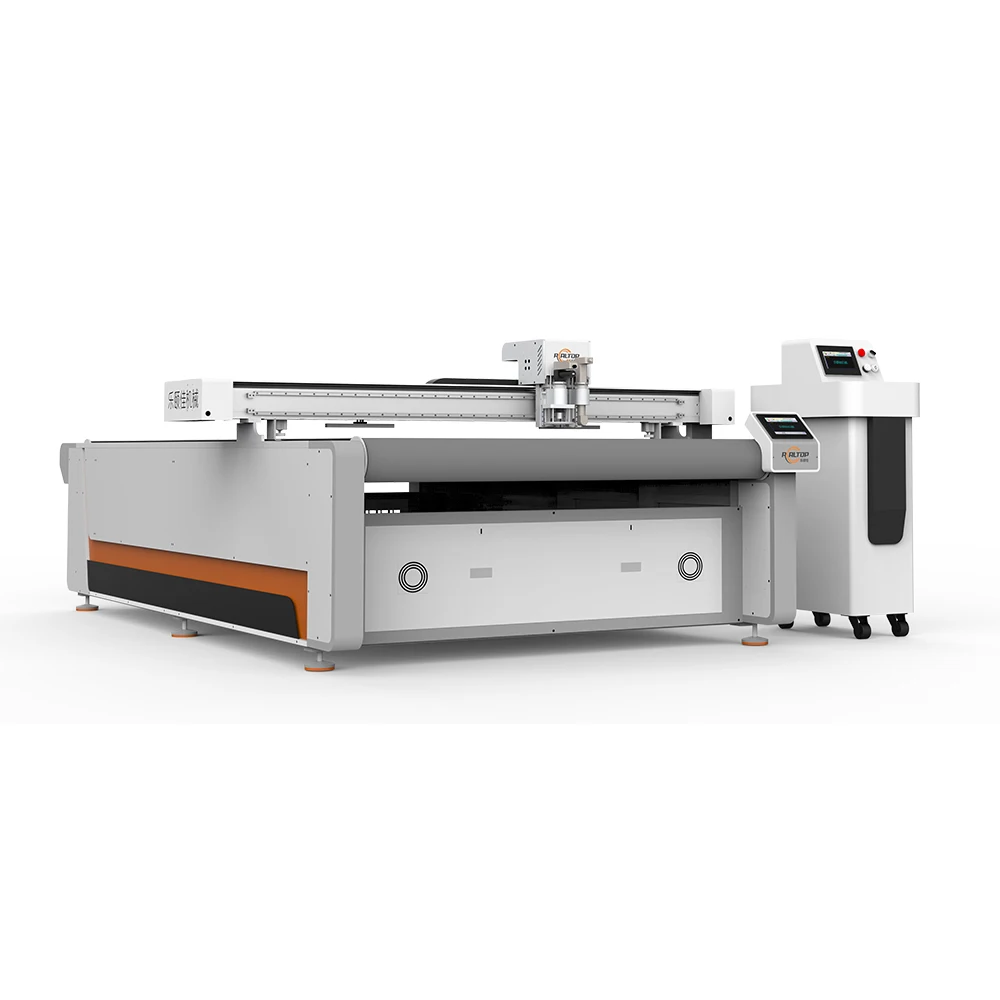
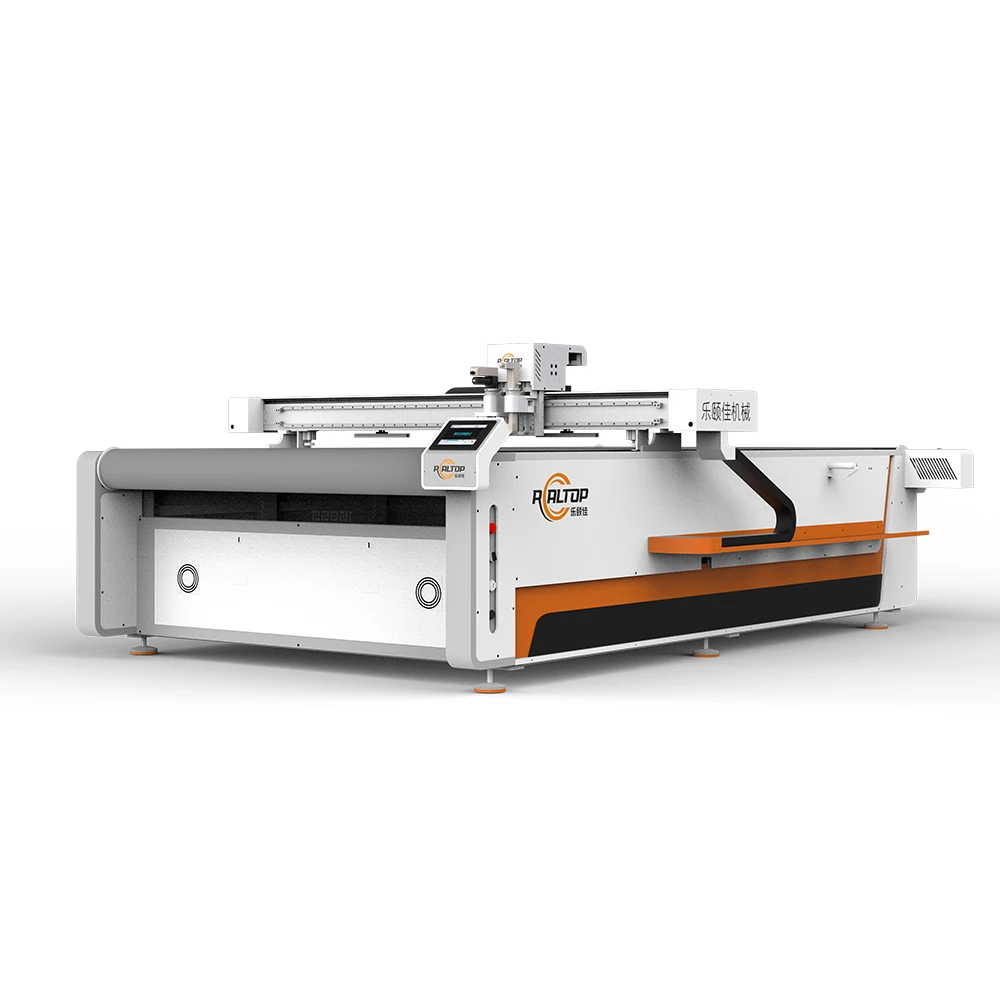
| Product Type | CNC Oscillating Knife Cutting Machine |
| Working Area | 1600×2500 mm |
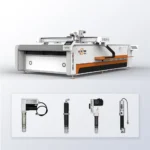
| Tool Head Options | Oscillating knife, Driven rotary knife, Creasing wheel, Kiss cutting tool, Pneumatic knife, Milling tool, V groove knife |
| Cutting Speed | 0–2000 mm/s |
| Cutting Thickness | ≤ 30 mm (basis not stated in source — confirm material / layer count / density) |
| Cutting Accuracy | ±0.1 mm |
| Repeat Positioning Accuracy | ±0.1 mm |
| Vacuum Table | Aluminum bellows vacuum table |
| Vacuum Pump | 9 kW |
| Servo Drive Options | Panasonic, Delta, Dorna (rated or peak not specified in source) |
| Control System | PLC control panel |
| Software & File Formats | PLT, DXF, AI, PDF |
| Nesting | Intelligent nesting system (included) |
| Voltage | 110V / 220V / 380V (frequency not stated in source) |
| Language Options | English, Russian, Italian, Chinese (special languages customizable) |
| Safety Device | Infrared sensor device and emergency stop device |
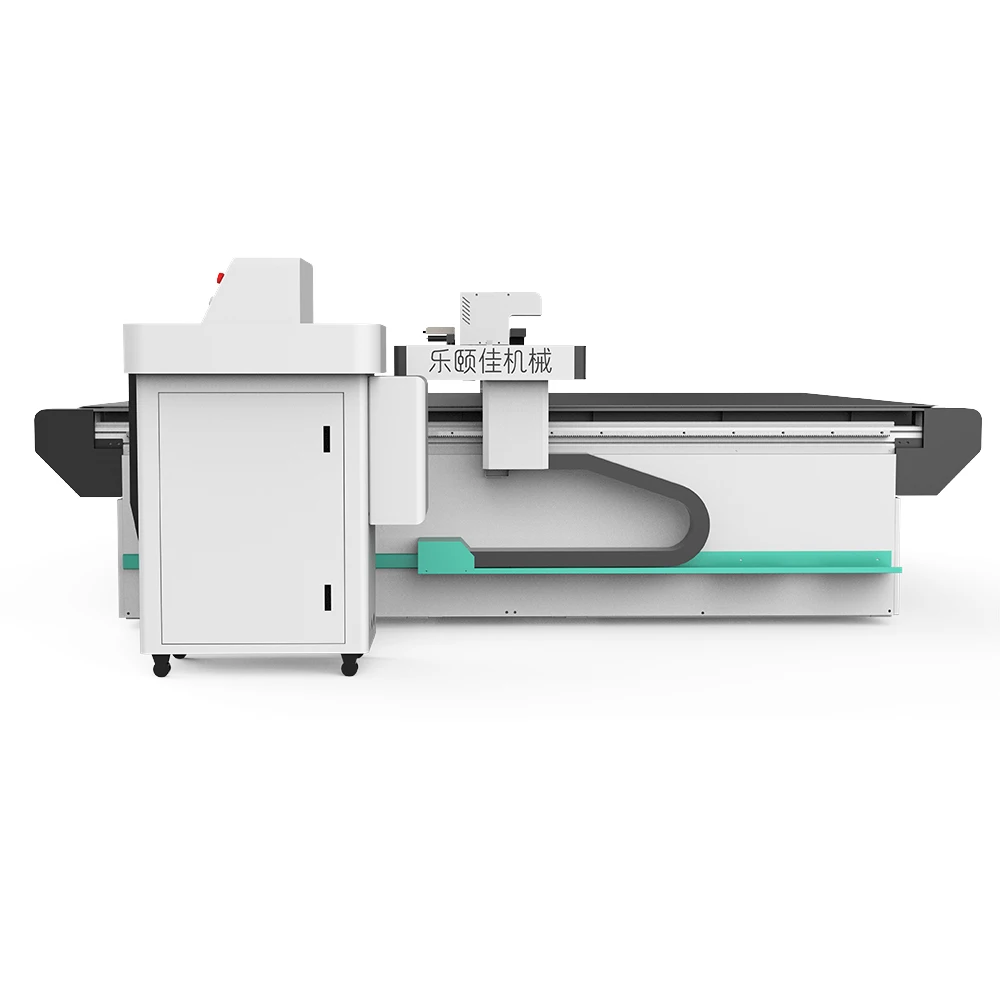
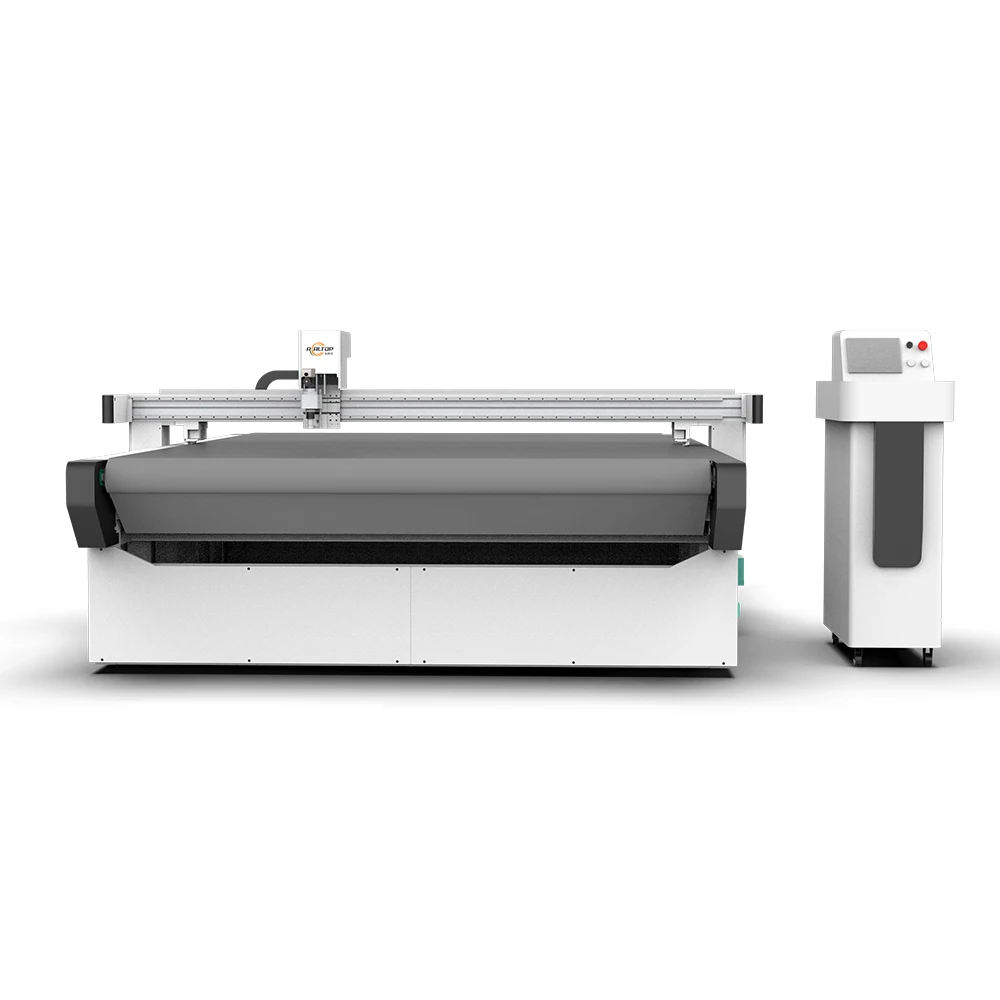
| Overall Dimensions | 3300×2100×1350 mm |
| Standards | CE |
Application Suitability
| Application | Material or Output |
|---|---|
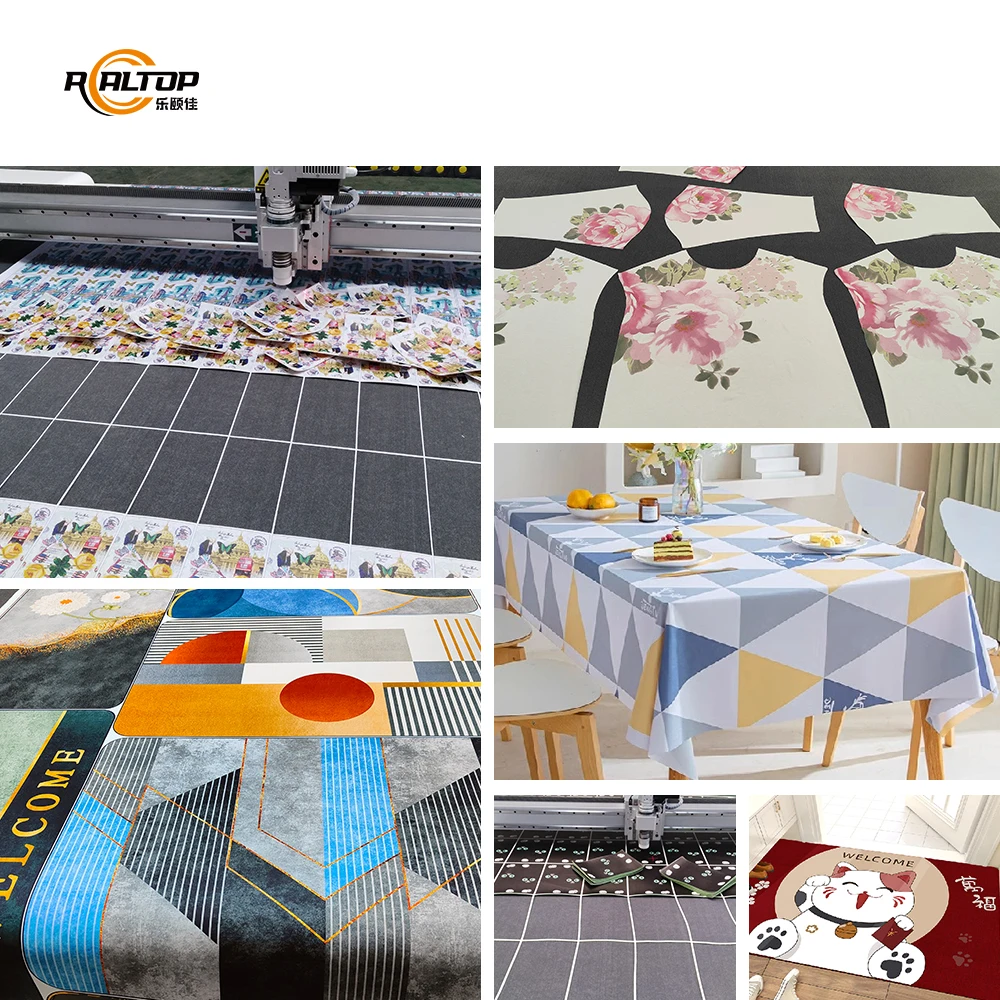
| Apparel manufacturing | Suits, knitwear, lace, complex fabrics, pattern-matching layouts |
| Automotive interiors | Seat fabrics, carpets, PVC mats |
| Home textiles | Sofa fabrics, curtains, rugs, multi-layer cutting |
| Composite material processing | Carbon fiber prepreg, aramid, specialty materials |
| Non-textile compatible | Cardboard, carton, mats, EVA, leather, acrylic, foam, PTFE, rubber |
What "Cutting Thickness Up to 30 mm" Really Means for Your Fabric
The number on the spec sheet only matters when tied to your actual material density and layer count.
I once saw a buyer specify a multi-layer cutter based purely on a 30 mm headline figure, then discover on the first production run that high-elasticity lycra with spandex content compressed unevenly under the oscillating knife, causing layers to shift mid-cut and producing distorted panels across an entire batch [NEED_CITE: material compression behavior under oscillating knife cutting]. When the CNC fabric cutting machine for sale is evaluated on working area and maximum thickness alone, the real variables — fabric composition, weave density, elasticity, and actual ply count — get pushed to the side. The result is ragged edges on stretch knits, incomplete cuts through dense composites, or crushed foam that cannot be used in assembly. A CNC oscillating knife cutting machine manufacturer worth working with will always ask for your material sample before confirming the tool head, blade amplitude, and vacuum zoning setup.
Matching the Blade to the Fabric, Not the Other Way Around
An oscillating knife handles standard woven and knit fabrics cleanly at high ply counts, but switch to a dense technical textile or a rubber-backed composite and you may need a pneumatic knife or a driven rotary knife to maintain edge quality. This CNC fabric cutting machine for sale supports seven interchangeable tool heads, which means the cutting action is selected around your material rather than forcing one blade type to cover everything. A buyer cutting automotive seat fabrics with foam backing will set up a different tool configuration than one producing lace panels for apparel.
Vacuum Hold-Down That Actually Works at Full Bed Size
The aluminum bellows vacuum table paired with a 9 kW pump is designed to maintain consistent suction across the entire 1600×2500 mm surface. On a smaller table this would be straightforward, but at this working area, zoning matters significantly [NEED_CITE: vacuum table zoning requirements for large format CNC cutting]. Small pattern pieces in a nesting layout can lift during high-speed cutting if the vacuum zones are not segmented properly, leading to misaligned cuts and wasted material. The bellows design distributes suction more evenly compared to flat drilled plates, which tend to lose grip at the table edges.
Reading the Specs That Actually Affect Your Output
The ±0.1 mm cutting and repeat positioning accuracy is maintained through the servo drive system, with options from Panasonic, Delta, or Dorna depending on the precision requirement and budget of each production line. For garment manufacturers doing pattern-matching layouts where stripe or plaid alignment is critical, repeat accuracy across hundreds of cuts determines whether panels line up in assembly or require re-cutting. The PLC control panel manages the full cutting cycle, while the intelligent nesting system accepts PLT, DXF, AI, and PDF files directly, removing the need to convert patterns through an intermediate software layer before production begins.
The Cost of Skipping the Material Test
Choosing a tool head based on a fabric category name rather than an actual sample leads to problems that only show up during production. A woven cotton cuts cleanly with a standard oscillating knife, but the same knife on a silicone-coated technical fabric produces frayed edges that fail quality inspection [NEED_CITE: tool head selection errors in CNC fabric cutting]. Buyers who skip the sample cutting step often discover these mismatches after the machine is installed and the first real order is on the line, when reconfiguring tool heads and reprogramming cut paths means delaying shipment.
Why This Configuration Approach Works
In-house design and production across both knife and laser technologies means the cutting method is matched to the material at the recommendation stage, not after the machine arrives. Tool head and table configurations are specified per material type and production volume rather than sold as a single standard package. CCD camera positioning is available for printed contour work on dyed or sublimated fabrics. Software compatibility with your existing PLT, DXF, AI, or PDF workflow is confirmed before the order is placed. Sample cutting on your own material runs before any commitment, so edge quality, layer integrity, and cycle time are verified on what you actually produce.
Documentation & Verification
- Machine specification sheet listing every tool head and table configuration matched to your fabric
- Sample cutting report produced on your material with measured edge quality and layer shift data
- Electrical schematic confirming voltage, frequency, and plug type for your facility
- Software licence and file format compatibility note covering PLT, DXF, AI, and PDF workflows
- Factory test record documenting cutting accuracy and vacuum performance before dispatch
- Operation and maintenance manual in your selected control language
Installation, Commissioning & Support
- Floor space requirement based on 3300×2100×1350 mm overall dimensions with clearance for material loading
- Dedicated power circuit matching your confirmed 110V, 220V, or 380V supply with frequency verification
- 9 kW vacuum pump requires separate electrical run and exhaust routing away from the cutting area
- First-run commissioning includes tool head calibration and vacuum zone testing on your material
- Operator training covers intelligent nesting setup, tool head changeover, and PLC parameter adjustment
- Spare parts list with oscillating knife blades, rotary knife assemblies, and vacuum table seals included
Before You Send the Inquiry
Provide the specific fabric type, weight per square meter, and the number of layers you plan to cut per cycle, along with your maximum sheet dimensions and daily output target. Include your facility voltage and frequency, preferred control language, and the file formats your design team currently uses. If you are cutting printed or patterned fabric that requires contour recognition, note that in the initial message so the configuration can account for it from the start.
Frequently Asked Questions
Q: How do I choose between oscillating knife and laser cutting for my fabric?
A: Oscillating knife is preferred for multi-layer fabric cutting where sealed edges are not required, particularly in apparel and automotive textiles where fraying is acceptable or even desirable for downstream sewing. Laser cuts and seals synthetic edges simultaneously, which suits single-layer technical textiles and applique work. The right choice depends on your material composition, layer count, and whether edge sealing adds value or interferes with assembly.
Q: What should I specify beyond the working area size?
A: Working area determines maximum sheet size, but tool head selection, vacuum table zoning, and servo drive choice determine actual cutting quality on your material. A 1600×2500 mm table with incorrect vacuum zoning will lose grip on small nested pieces, and the wrong tool head will produce poor edges regardless of table size. Specify your material, ply count, and daily volume to drive the full configuration.
Q: Can the control language and electrical supply be customized before shipment?
A: Yes. The PLC control panel supports English, Russian, Italian, and Chinese as standard options, with other languages configurable. Voltage is set to 110V, 220V, or 380V based on your facility supply, and frequency must be confirmed separately since it varies by region. Both are locked in during the specification confirmation stage before production begins.
Q: Will my existing design files work with the nesting software?
A: The intelligent nesting system imports PLT, DXF, AI, and PDF formats directly. If your design team works in one of these formats, files transfer without conversion. Compatibility is confirmed during the pre-order stage with a test import and nesting run, so any formatting issues are resolved before the machine ships rather than during your first production week.
Q: Where does this machine sit in the overall equipment range?
A: This CNC oscillating knife cutting machine sits in the mid-to-large format category, suited for fabric, leather, foam, and composite producers running multi-layer or large-panel cutting. It bridges the gap between compact single-head machines for sample rooms and high-volume conveyor-fed systems for continuous roll production, configurable for the specific material and volume requirements of each buyer.










商品评价
There are no reviews yet.