

Fast Delivery
Quick, reliable shipping to any location.

Free & easy returns
Return this item by mail or in store within 90 days for a full refund.
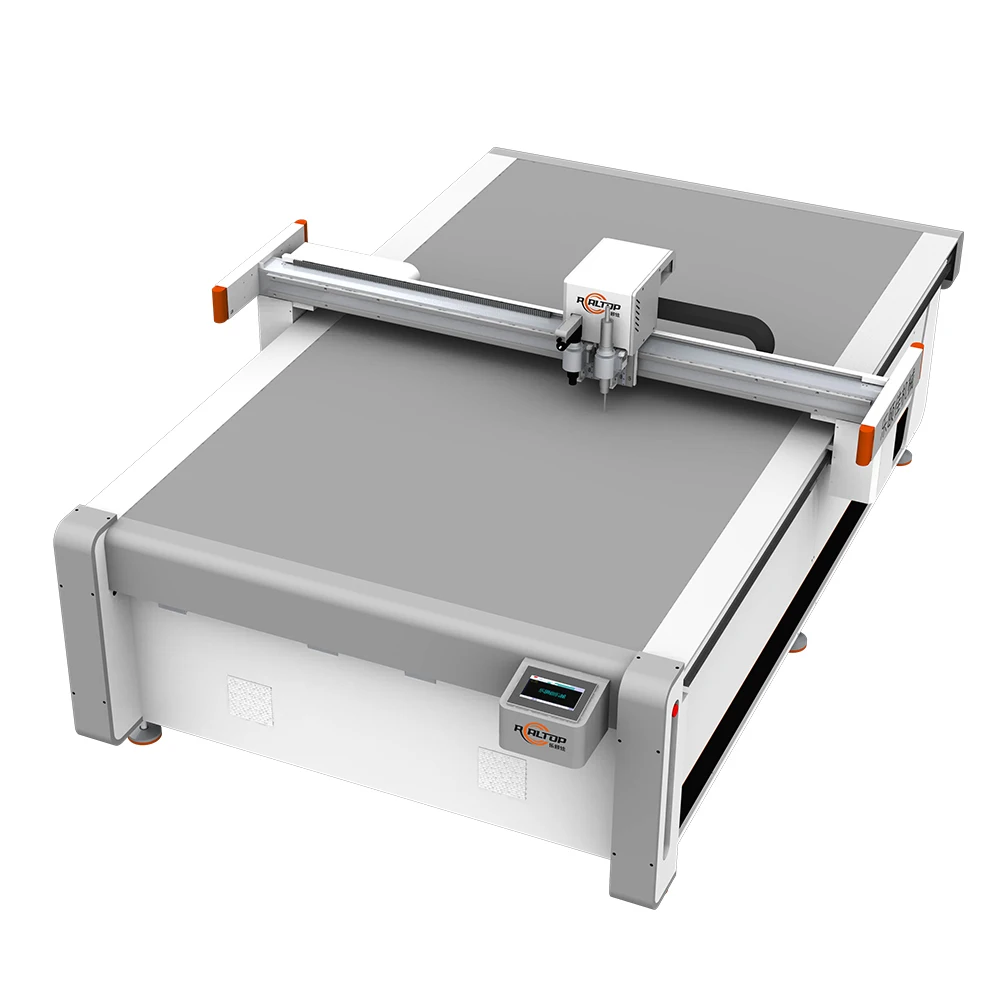
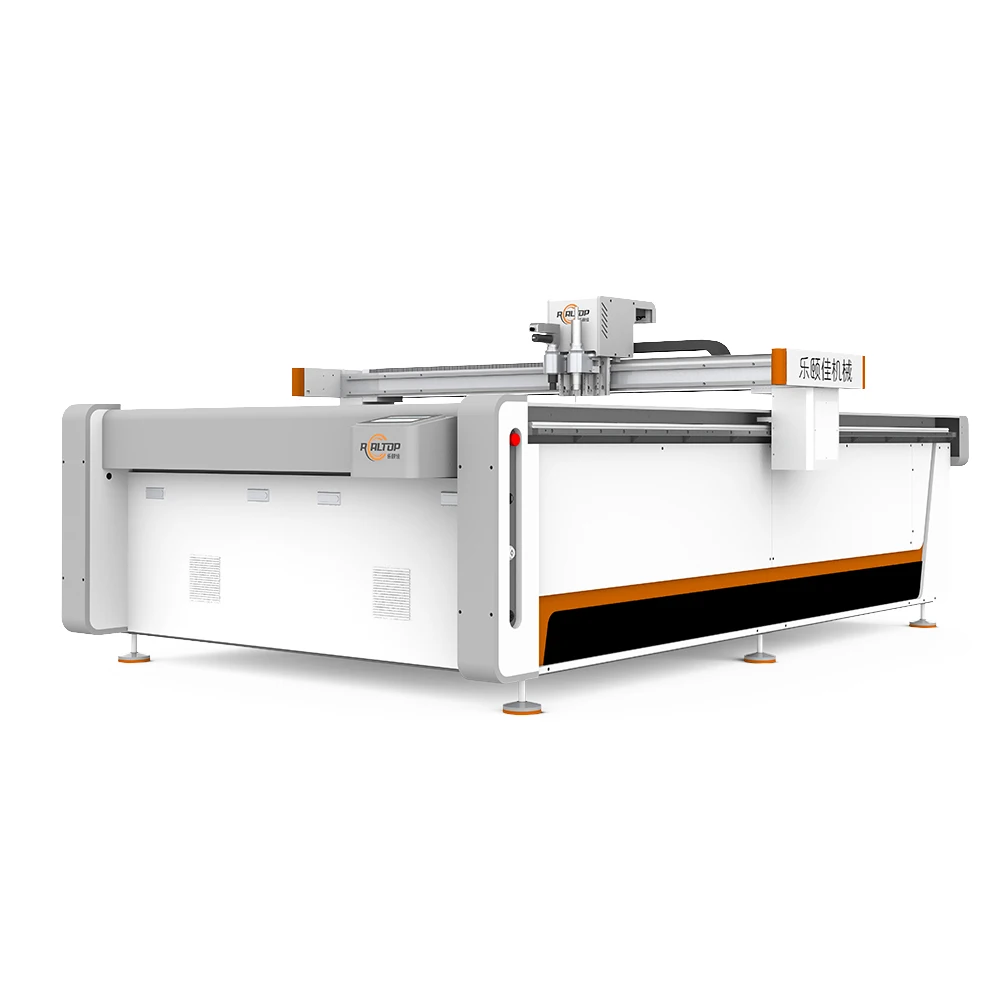
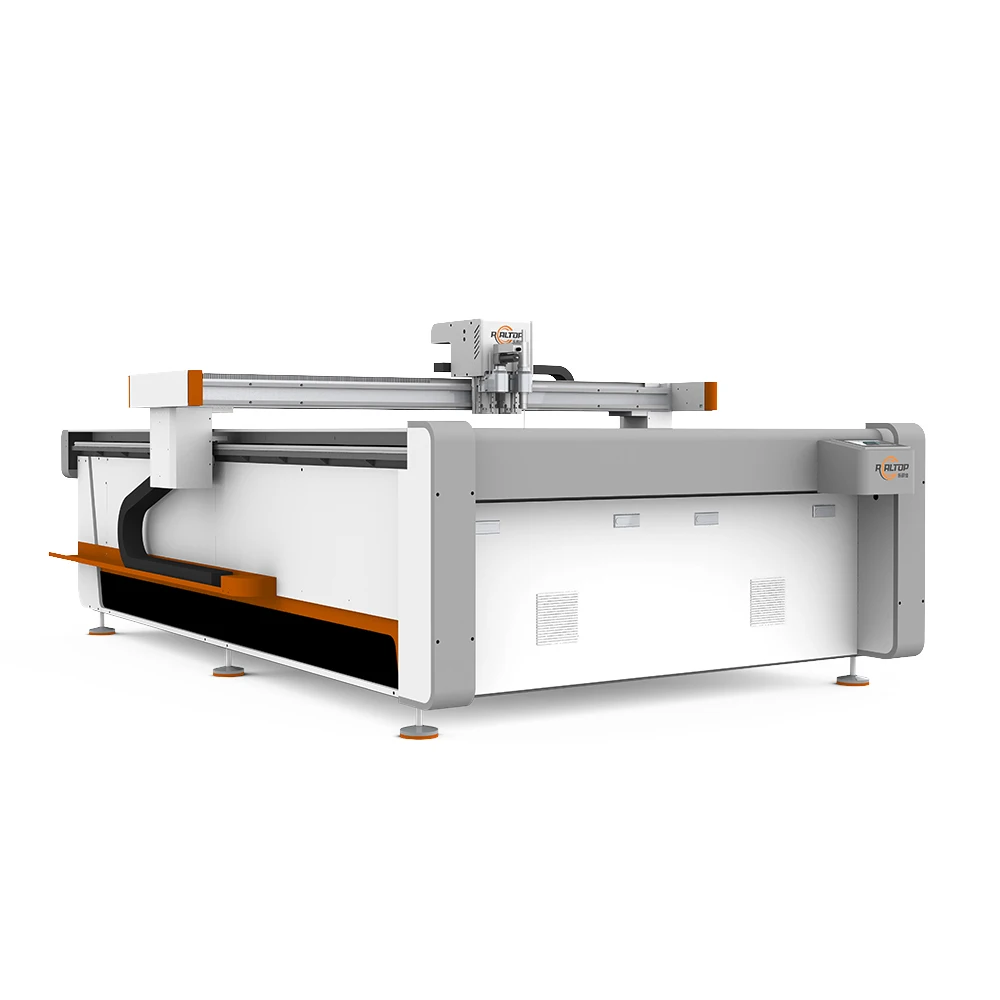
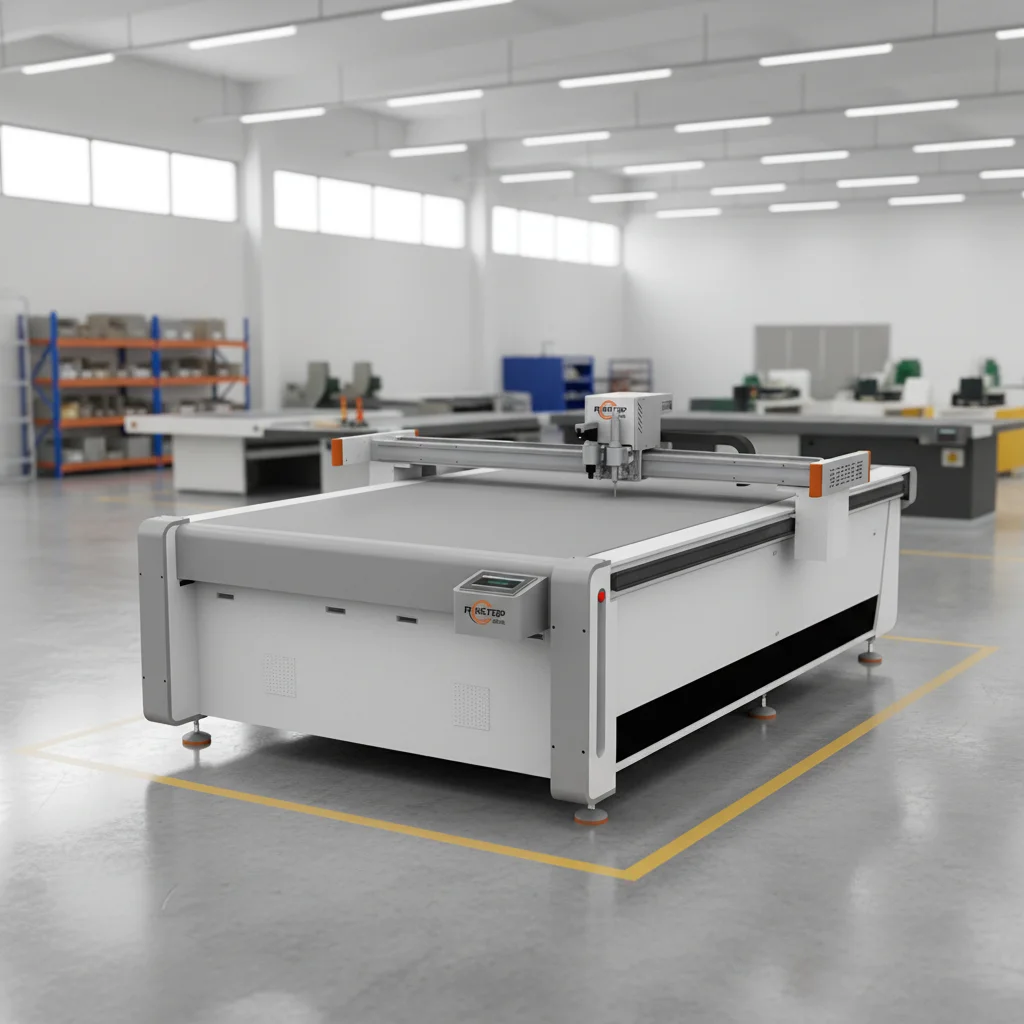
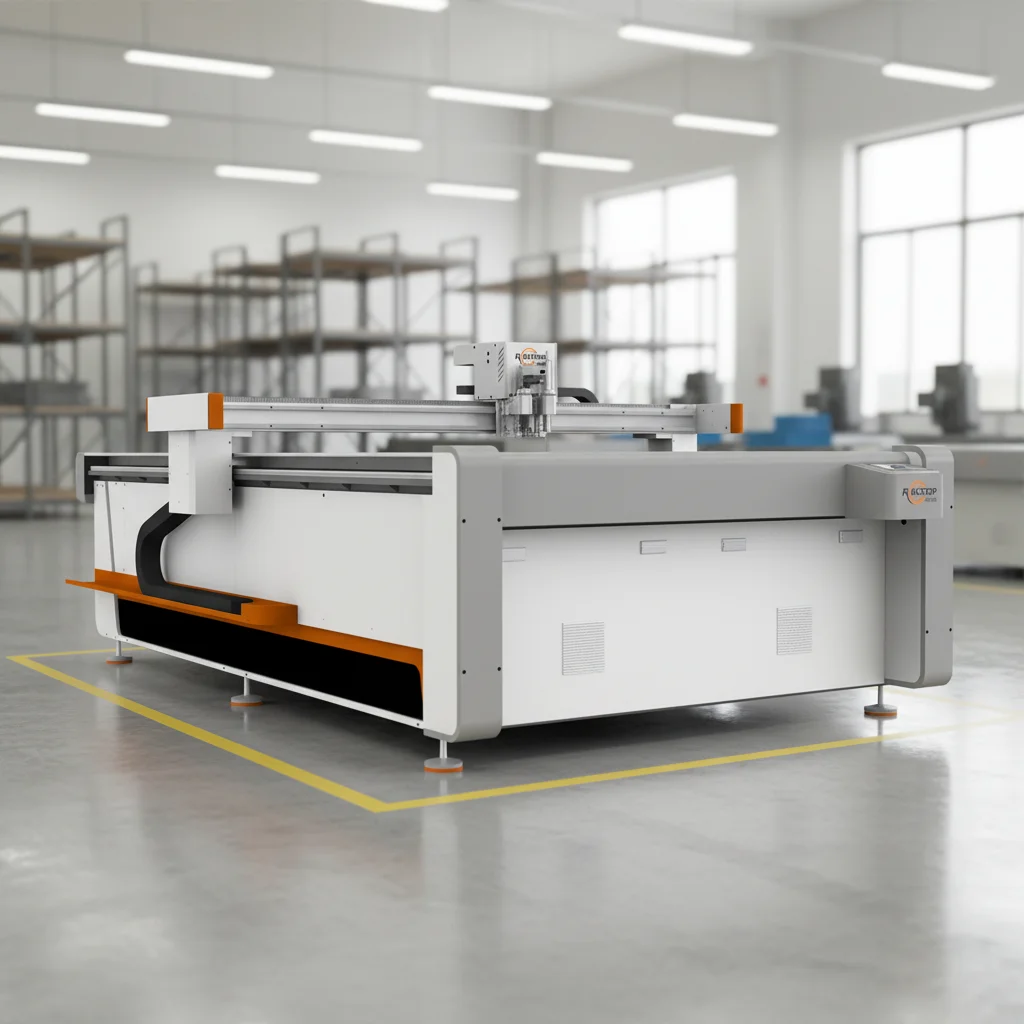
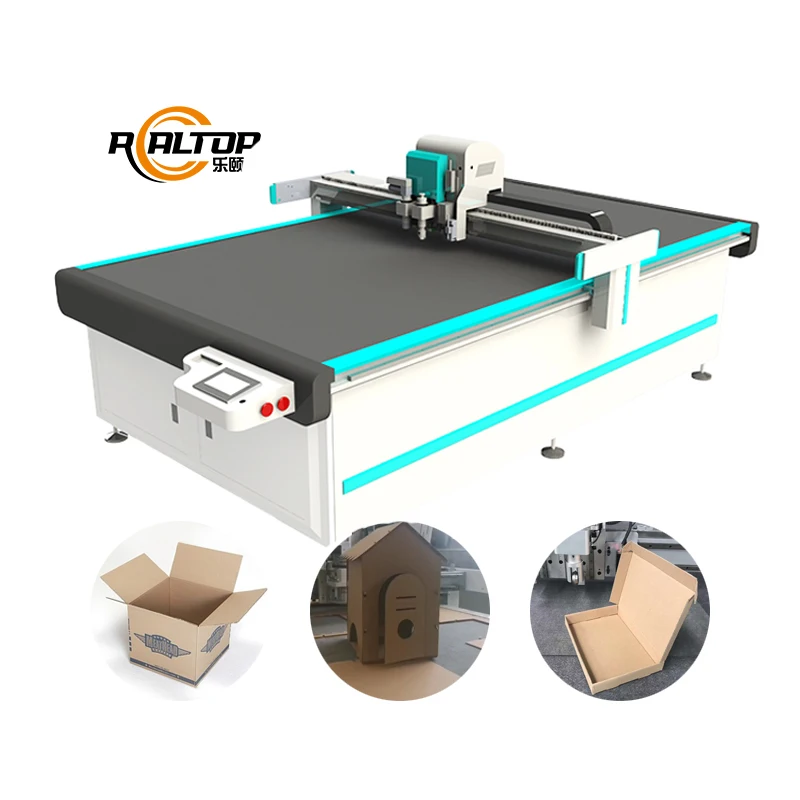
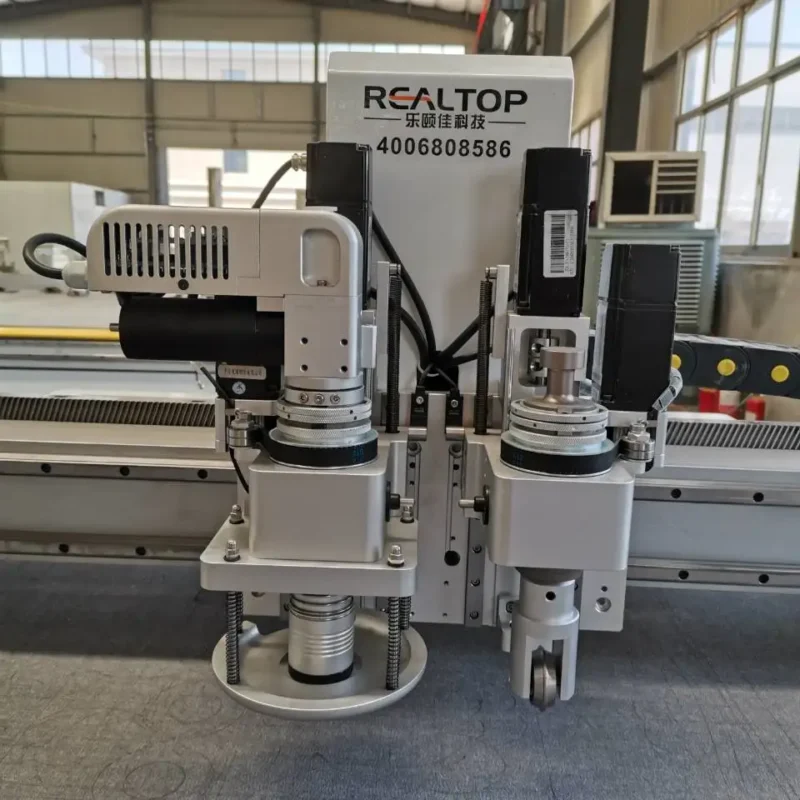
Precision-Configured Tooling — Knife head, vacuum zoning and CCD positioning specified against your corrugated flute profile before the machine leaves the Jinan factory, not guessed at the dock.
Technical Specifications
| Parameter | Value |
|---|---|
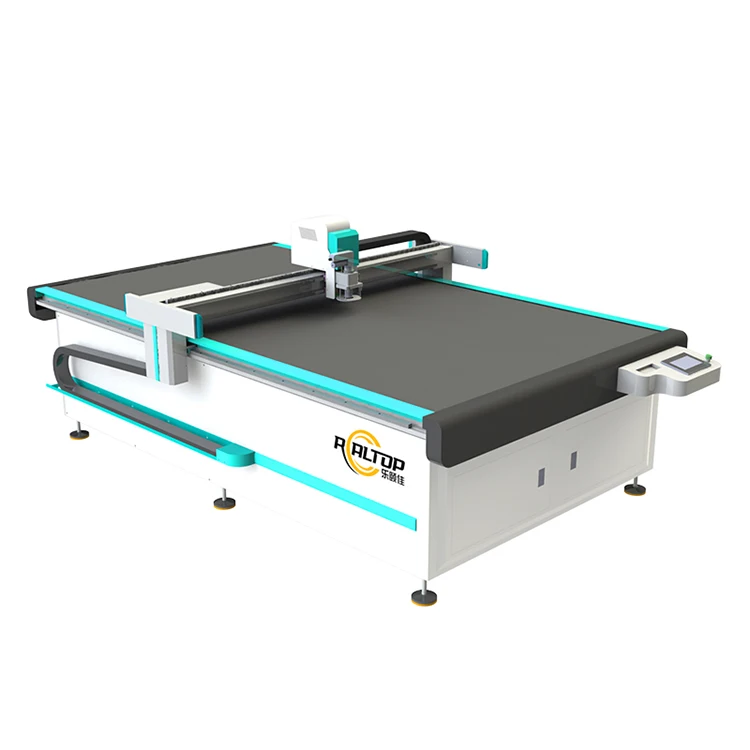
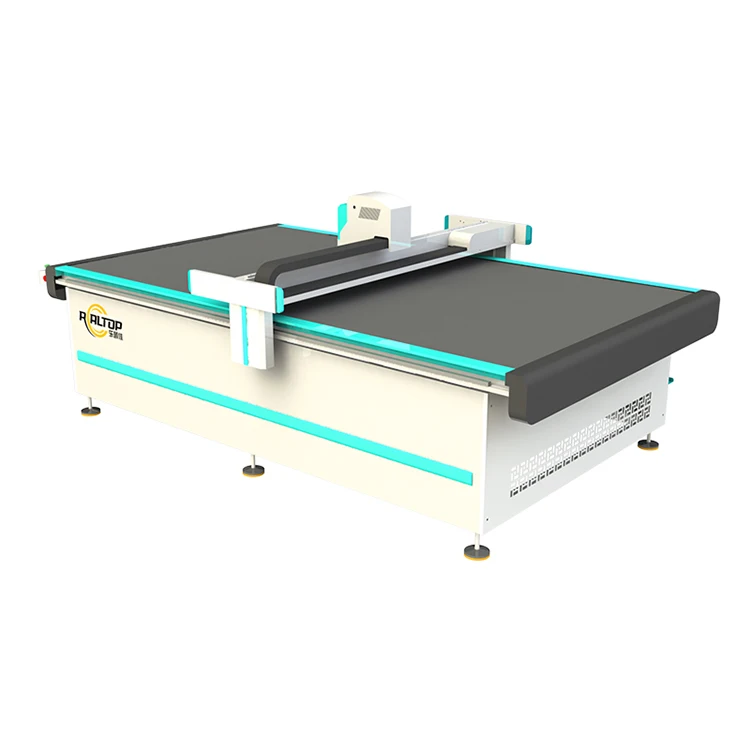
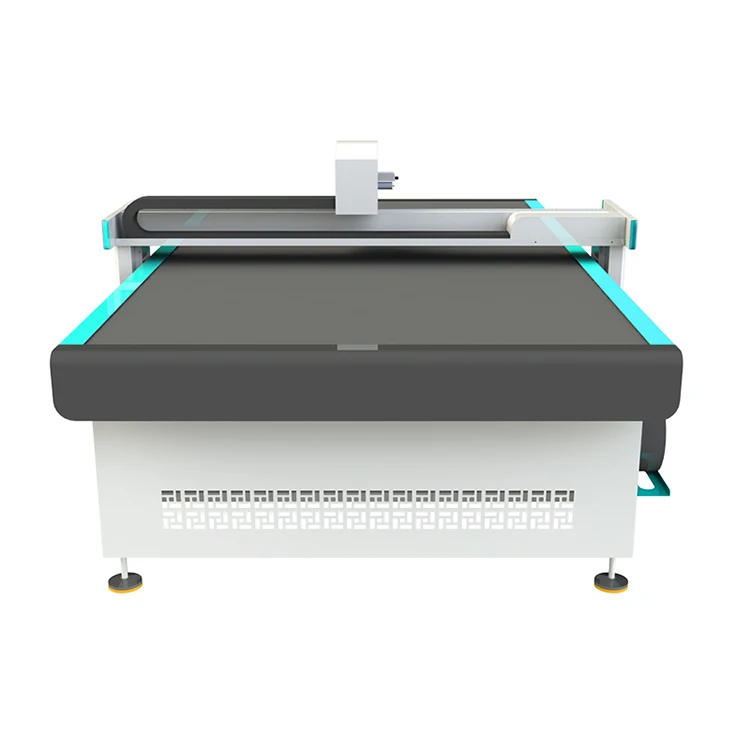
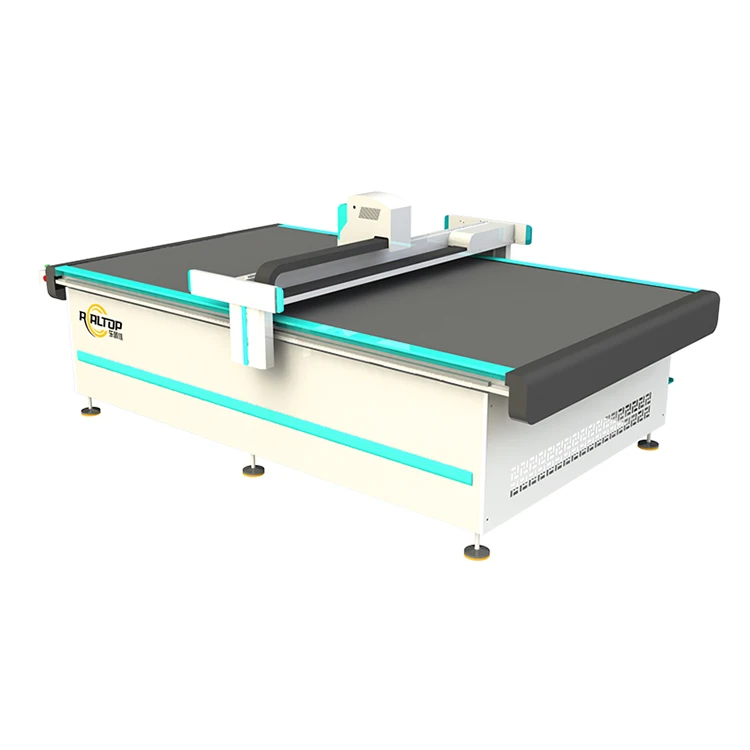
| Product Type | CNC Oscillating Knife Cutting Machine |
| Working Area | 1600 × 2500 mm |
| Cutting Thickness | ≤ 40 mm |
| Cutting Speed | 0 – 1500 mm/s |
| Cutting Accuracy | ±0.1 mm |
| Tools Available | Oscillating knife, Driven rotary knife, Creasing wheel, Kiss cutting tool, Pneumatic knife, Milling tool, V groove knife |
| Positioning System | CCD camera contour recognition |
| Vacuum Pump | 9 kW |
| Vacuum Table | Aluminum bellows vacuum table |
| Control System | PLC control panel |
| Servo Motors | Panasonic, Delta, Dorna (source value — verify against manufacturer catalog) |
| Voltage Options | 110 V, 220 V, 380 V |
| Profile Formats | PLT, DXF, AI, PDF |
| Safety Devices | Infrared sensor, emergency stop |
| Machine Size | 3300 × 2100 × 1350 mm |
| Software Languages | English, Russian, Italian, Chinese (custom available) |
| Certification | CE |
Application Suitability
| Application | Material or Output |
|---|---|
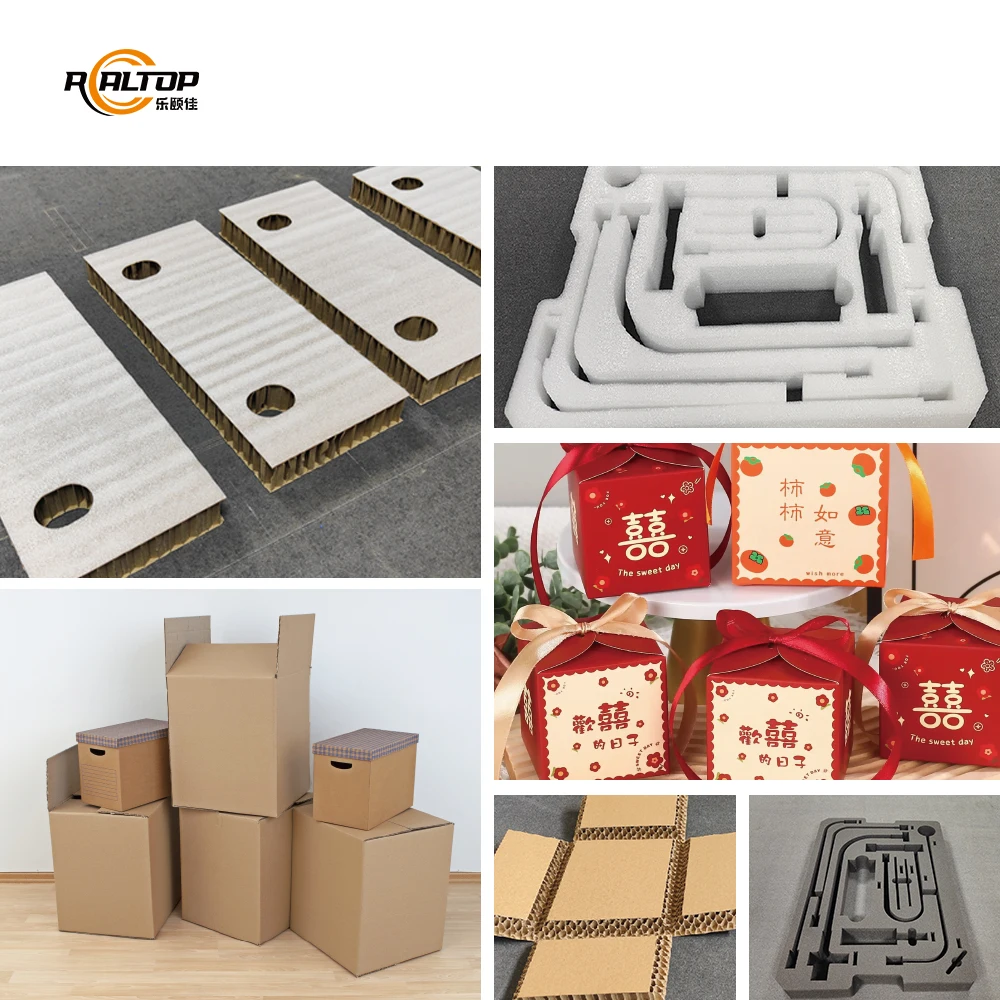
| Packaging sample making | E-flute, B-flute and BC-flute corrugated cardboard |
| Carton and box prototyping | Greyboard, cardstock, art paper, specialty paper |
| Display and signage cutting | PVC thin sheet, Coroplast, EVA / EPE / PU foam |
| Gasket and seal production | Rubber mats, PTFE, composite gasket sheet |
| Textile and leather cutting | Leather, synthetic leather, non-woven fabric, velvet, fleece |
| Composite panel trimming | Foam core panels, adhesive-backed laminates |
Why Working Area Alone Won’t Tell You If the Machine Fits Your Board
Most corrugated sample failures trace back to a specification sheet that stopped at bed size and ignored the flute.
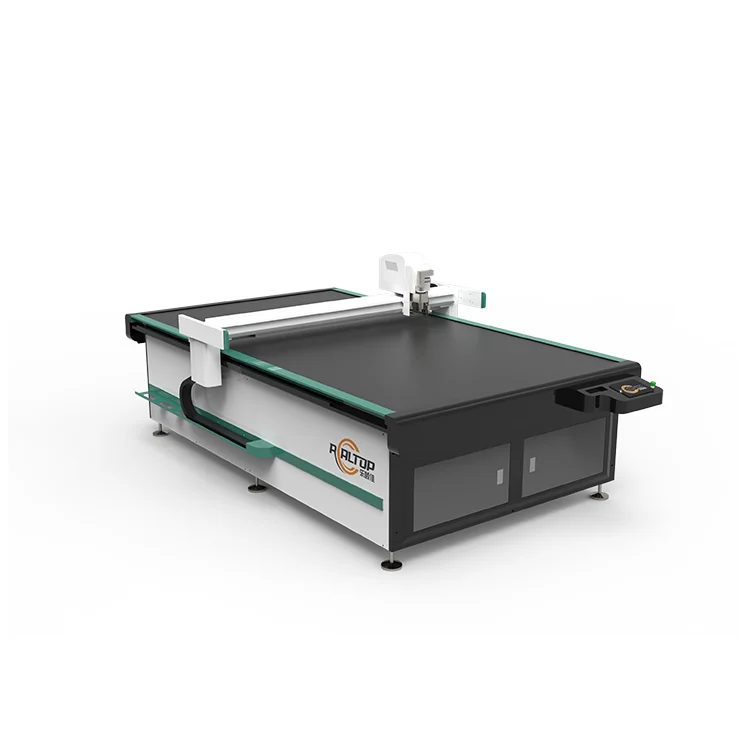
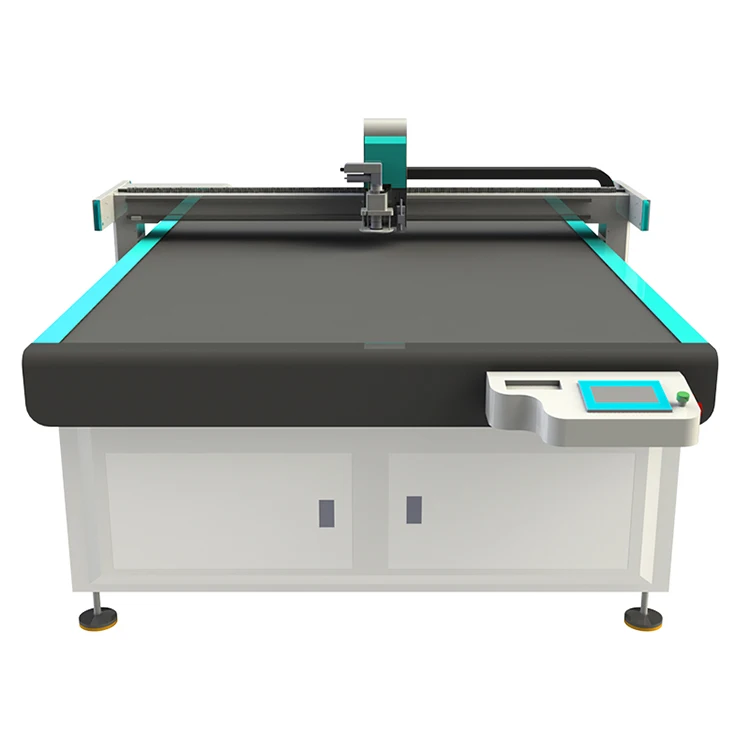
Buyers regularly select a CNC digital cutting table for sale based on the 1600 × 2500 mm envelope, then discover the oscillating knife cannot push through a double-wall BC-flute sheet without crushing the top liner. The 40 mm maximum cutting depth on this unit covers single, double and triple-wall corrugated, but depth capability means little if the blade angle, oscillation frequency and Z-axis plunge rate are set for a lighter stock. I have watched a dense E-flute board behave completely differently from a soft B-flute at the same feed rate, forcing on-site retuning that delays sample approval [NEED_CITE: typical corrugated flute density variation across regional paper mills]. That is why every configuration on this CNC oscillating knife cutting machine manufacturer range should be locked only after a test cut on the buyer’s own reel stock.
Knife Versus Laser Across the Packaging Range
This catalogue is built around the choice between oscillating knife and laser as two parallel cutting paths, not one forcing the other aside. Corrugated board, greyboard and foam core packaging respond better to knife tooling because the mechanical cut leaves a clean, uncompressed edge that folds predictably along the crease line. Laser energy, by contrast, tends to scorch the liner paper and seal the flute ends, which interferes with downstream gluing on sample boxes. The full range therefore positions knife machines — from compact sample tables up to multi-layer conveyor systems — as the default for any substrate where edge integrity and fold behaviour matter, while reserving CO2 and fiber laser units for acrylic signage, textile engraving and sheet metal enclosures where heat-sealed edges or high-speed metal slicing is the actual production requirement.
How the Catalogue Maps to Buyer Volume
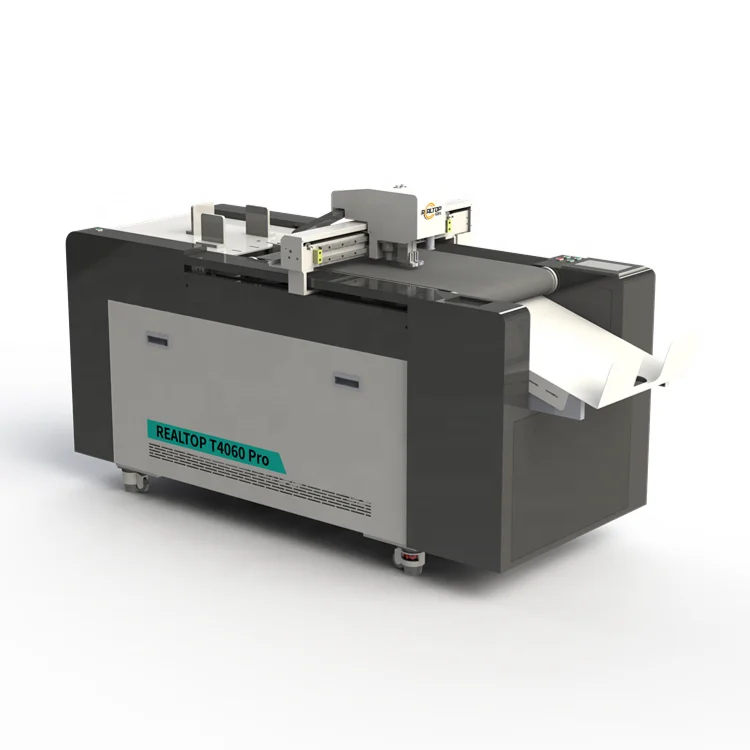
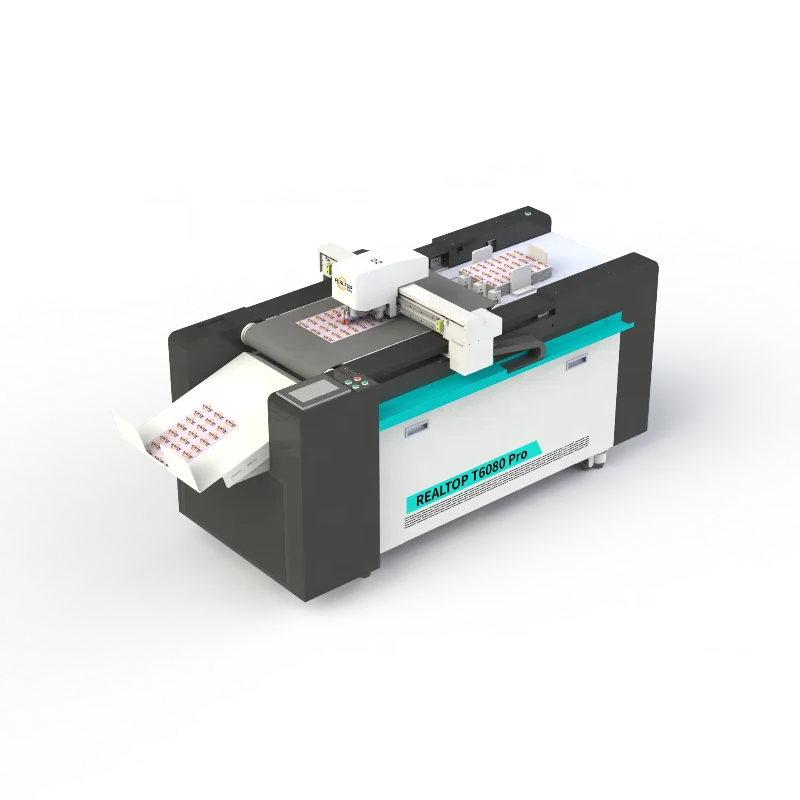
A one-person packaging studio cutting ten sample boxes a day sits at the opposite end of this range from a folding-carton plant running nesting shifts on 1600 × 2500 mm sheets. The compact end of the line handles low-volume prototyping with single-head oscillating knife and creasing wheel, while the larger format and multi-head configurations address production throughput on corrugated and composite panels. Between those extremes, buyers in advertising, footwear, automotive interior and gasket fabrication each land on a different machine family within the same catalogue. The role of this CNC oscillating knife cutting machine manufacturer is to match flute profile, sheet size and daily sample count to a specific knife-and-table combination rather than default everyone to the mid-range unit [NEED_CITE: packaging sample volume benchmarks across small and mid-size box plants].
Reading the Specification Sheet Against Your Flute Profile
The 1600 × 2500 mm working area accommodates most standard corrugated sheet sizes fed from a guillotine or slitter, leaving enough margin for vacuum hold-down around the perimeter. Cutting speed listed at 0 – 1500 mm/s is a travel ceiling; real throughput on a dense BC-flute board will be a fraction of that figure once the knife slows through the crease transitions. The 9 kW vacuum pump paired with the aluminum bellows table is sized to keep a full sheet flat without localised lift around small cut-outs, which is the usual failure point on carton sample work. Profile import across PLT, DXF, AI and PDF means the operator can feed crease-and-cut files straight from common packaging CAD without an intermediate conversion step that often shifts registration marks the CCD camera is supposed to track.
The Cost of Skipping the Sample Cut
Sending a board sample to the factory before the order is signed feels like a delay, but it is cheaper than the alternative. A buyer who locked in a standard oscillating knife head for what turned out to be a high-density micro-flute stock spent several days on-site swapping blade angles and rewriting Z-depth parameters after the machine arrived. Ragged edges on the first hundred samples erode customer confidence faster than any quoted lead time. That outcome is avoidable when the tool head, vacuum zoning and software nesting workflow are each validated against the actual material in the test lab before production starts [NEED_CITE: on-site commissioning time versus factory pre-validated configuration].
Why Buyers Source This Range Here
In-house design and production cover both knife and laser cutting technologies under one roof, so the buyer compares methods on the same quotation rather than being steered toward whichever machine is in stock. Tool head and table configuration are written into the order against the buyer’s material and volume, not picked from a default list. CCD camera positioning for printed contour work is validated on the buyer’s own artwork before dispatch. Software file format compatibility is confirmed at quotation stage so the nesting workflow is not a surprise on day one. Voltage, plug type and control panel language are locked before production begins, removing the most common shipment-day disputes. Sample cutting on the buyer’s own material forms the basis of every configuration decision.
Documentation & Verification
- Machine specification sheet naming each knife head and vacuum zone selected for your board grade
- Electrical schematic confirming voltage, phase and plug type before the control cabinet is wired
- Sample cutting report on your own corrugated stock with measured edge quality and crease depth
- Factory test record showing CCD contour tracking on your printed artwork at working speed
- Tool head and table configuration list signed off against your daily sample volume
- Software licence and file format compatibility note covering your existing packaging CAD
Installation, Commissioning & Support
- 3300 × 2100 × 1350 mm footprint mapped against your workshop floor plan and column spacing
- Dedicated circuit sized for 9 kW vacuum pump plus servo load at your confirmed voltage
- Machine shipped in one assembly with protective crating; re-levelled on your floor before power-up
- First-run parameter tuning on your corrugated grade, flute profile and crease specification
- Operator training covering tool changeover, CCD registration and PLT / DXF file import
- Spare blades, creasing wheels and vacuum seals supplied as a documented start-up kit
What We Need From You to Configure the Right Machine
Send the flute profile, sheet size and typical board grade you run, along with the crease style and sample volume you expect per shift. Confirm your local voltage, frequency and control panel language preference so the electrical cabinet and PLC menu are set before assembly. If you already run packaging CAD, share a sample PLT or DXF file so we can verify the nesting and CCD registration path before the order is placed.
Frequently Asked Questions
Q: How do I choose between oscillating knife and laser for corrugated packaging work?
A: Knife tooling is standard for corrugated, greyboard and foam because it leaves a clean edge that folds predictably and does not scorch the liner. Laser is reserved in this catalogue for acrylic, textile engraving and sheet metal where heat sealing or high-speed metal cutting is the production requirement. The quotation stage compares both routes against your specific material.
Q: Will the 1600 × 2500 mm bed handle my double-wall BC-flute sheet?
A: The working area covers most standard corrugated sheet sizes, and the 40 mm cutting depth accommodates double-wall and triple-wall board. Bed size alone is not the deciding factor; the flute density and liner weight determine which knife head and Z-depth setting are specified. That is validated through a sample cut on your own stock.
Q: Which tool heads do I actually need for carton sample making?
A: A typical carton sample configuration pairs the oscillating knife for outline cutting with the creasing wheel for fold lines, and adds the kiss cutting tool when adhesive-backed labels or window patches are involved. V groove and milling tools are included for speciality packaging and display work. The final combination is written against your sample library.
Q: What file formats does the software accept from my existing CAD?
A: The control accepts PLT, DXF, AI and PDF directly, covering the export formats of most packaging and signage CAD systems. File format compatibility is confirmed at quotation stage, and a sample file from your workflow is tested on the machine before shipment to verify registration and nesting behaviour.
Q: Which machine family fits low-volume prototyping versus production shifts?
A: Compact single-head knife tables suit sample rooms cutting a small number of cartons per day. Larger format and multi-head configurations in the same catalogue address production runs on corrugated and composite sheets. The selection is based on your daily sample count and sheet size, not on catalogue position alone.
Precision-Configured Tooling — Knife head, vacuum zoning and CCD positioning specified against your corrugated flute profile before the machine leaves the Jinan factory, not guessed at the dock.
Technical Specifications
| Parameter | Value |
|---|---|
| Product Type | CNC Oscillating Knife Cutting Machine |
| Working Area | 1600 × 2500 mm |
| Cutting Thickness | ≤ 40 mm |
| Cutting Speed | 0 – 1500 mm/s |
| Cutting Accuracy | ±0.1 mm |
| Tools Available | Oscillating knife, Driven rotary knife, Creasing wheel, Kiss cutting tool, Pneumatic knife, Milling tool, V groove knife |
| Positioning System | CCD camera contour recognition |
| Vacuum Pump | 9 kW |
| Vacuum Table | Aluminum bellows vacuum table |
| Control System | PLC control panel |
| Servo Motors | Panasonic, Delta, Dorna (source value — verify against manufacturer catalog) |
| Voltage Options | 110 V, 220 V, 380 V |
| Profile Formats | PLT, DXF, AI, PDF |
| Safety Devices | Infrared sensor, emergency stop |
| Machine Size | 3300 × 2100 × 1350 mm |
| Software Languages | English, Russian, Italian, Chinese (custom available) |
| Certification | CE |
Application Suitability
| Application | Material or Output |
|---|---|
| Packaging sample making | E-flute, B-flute and BC-flute corrugated cardboard |
| Carton and box prototyping | Greyboard, cardstock, art paper, specialty paper |
| Display and signage cutting | PVC thin sheet, Coroplast, EVA / EPE / PU foam |
| Gasket and seal production | Rubber mats, PTFE, composite gasket sheet |
| Textile and leather cutting | Leather, synthetic leather, non-woven fabric, velvet, fleece |
| Composite panel trimming | Foam core panels, adhesive-backed laminates |
Why Working Area Alone Won’t Tell You If the Machine Fits Your Board
Most corrugated sample failures trace back to a specification sheet that stopped at bed size and ignored the flute.
Buyers regularly select a CNC digital cutting table for sale based on the 1600 × 2500 mm envelope, then discover the oscillating knife cannot push through a double-wall BC-flute sheet without crushing the top liner. The 40 mm maximum cutting depth on this unit covers single, double and triple-wall corrugated, but depth capability means little if the blade angle, oscillation frequency and Z-axis plunge rate are set for a lighter stock. I have watched a dense E-flute board behave completely differently from a soft B-flute at the same feed rate, forcing on-site retuning that delays sample approval [NEED_CITE: typical corrugated flute density variation across regional paper mills]. That is why every configuration on this CNC oscillating knife cutting machine manufacturer range should be locked only after a test cut on the buyer’s own reel stock.
Knife Versus Laser Across the Packaging Range
This catalogue is built around the choice between oscillating knife and laser as two parallel cutting paths, not one forcing the other aside. Corrugated board, greyboard and foam core packaging respond better to knife tooling because the mechanical cut leaves a clean, uncompressed edge that folds predictably along the crease line. Laser energy, by contrast, tends to scorch the liner paper and seal the flute ends, which interferes with downstream gluing on sample boxes. The full range therefore positions knife machines — from compact sample tables up to multi-layer conveyor systems — as the default for any substrate where edge integrity and fold behaviour matter, while reserving CO2 and fiber laser units for acrylic signage, textile engraving and sheet metal enclosures where heat-sealed edges or high-speed metal slicing is the actual production requirement.
How the Catalogue Maps to Buyer Volume
A one-person packaging studio cutting ten sample boxes a day sits at the opposite end of this range from a folding-carton plant running nesting shifts on 1600 × 2500 mm sheets. The compact end of the line handles low-volume prototyping with single-head oscillating knife and creasing wheel, while the larger format and multi-head configurations address production throughput on corrugated and composite panels. Between those extremes, buyers in advertising, footwear, automotive interior and gasket fabrication each land on a different machine family within the same catalogue. The role of this CNC oscillating knife cutting machine manufacturer is to match flute profile, sheet size and daily sample count to a specific knife-and-table combination rather than default everyone to the mid-range unit [NEED_CITE: packaging sample volume benchmarks across small and mid-size box plants].
Reading the Specification Sheet Against Your Flute Profile
The 1600 × 2500 mm working area accommodates most standard corrugated sheet sizes fed from a guillotine or slitter, leaving enough margin for vacuum hold-down around the perimeter. Cutting speed listed at 0 – 1500 mm/s is a travel ceiling; real throughput on a dense BC-flute board will be a fraction of that figure once the knife slows through the crease transitions. The 9 kW vacuum pump paired with the aluminum bellows table is sized to keep a full sheet flat without localised lift around small cut-outs, which is the usual failure point on carton sample work. Profile import across PLT, DXF, AI and PDF means the operator can feed crease-and-cut files straight from common packaging CAD without an intermediate conversion step that often shifts registration marks the CCD camera is supposed to track.
The Cost of Skipping the Sample Cut
Sending a board sample to the factory before the order is signed feels like a delay, but it is cheaper than the alternative. A buyer who locked in a standard oscillating knife head for what turned out to be a high-density micro-flute stock spent several days on-site swapping blade angles and rewriting Z-depth parameters after the machine arrived. Ragged edges on the first hundred samples erode customer confidence faster than any quoted lead time. That outcome is avoidable when the tool head, vacuum zoning and software nesting workflow are each validated against the actual material in the test lab before production starts [NEED_CITE: on-site commissioning time versus factory pre-validated configuration].
Why Buyers Source This Range Here
In-house design and production cover both knife and laser cutting technologies under one roof, so the buyer compares methods on the same quotation rather than being steered toward whichever machine is in stock. Tool head and table configuration are written into the order against the buyer’s material and volume, not picked from a default list. CCD camera positioning for printed contour work is validated on the buyer’s own artwork before dispatch. Software file format compatibility is confirmed at quotation stage so the nesting workflow is not a surprise on day one. Voltage, plug type and control panel language are locked before production begins, removing the most common shipment-day disputes. Sample cutting on the buyer’s own material forms the basis of every configuration decision.
Documentation & Verification
- Machine specification sheet naming each knife head and vacuum zone selected for your board grade
- Electrical schematic confirming voltage, phase and plug type before the control cabinet is wired
- Sample cutting report on your own corrugated stock with measured edge quality and crease depth
- Factory test record showing CCD contour tracking on your printed artwork at working speed
- Tool head and table configuration list signed off against your daily sample volume
- Software licence and file format compatibility note covering your existing packaging CAD
Installation, Commissioning & Support
- 3300 × 2100 × 1350 mm footprint mapped against your workshop floor plan and column spacing
- Dedicated circuit sized for 9 kW vacuum pump plus servo load at your confirmed voltage
- Machine shipped in one assembly with protective crating; re-levelled on your floor before power-up
- First-run parameter tuning on your corrugated grade, flute profile and crease specification
- Operator training covering tool changeover, CCD registration and PLT / DXF file import
- Spare blades, creasing wheels and vacuum seals supplied as a documented start-up kit
What We Need From You to Configure the Right Machine
Send the flute profile, sheet size and typical board grade you run, along with the crease style and sample volume you expect per shift. Confirm your local voltage, frequency and control panel language preference so the electrical cabinet and PLC menu are set before assembly. If you already run packaging CAD, share a sample PLT or DXF file so we can verify the nesting and CCD registration path before the order is placed.
Frequently Asked Questions
Q: How do I choose between oscillating knife and laser for corrugated packaging work?
A: Knife tooling is standard for corrugated, greyboard and foam because it leaves a clean edge that folds predictably and does not scorch the liner. Laser is reserved in this catalogue for acrylic, textile engraving and sheet metal where heat sealing or high-speed metal cutting is the production requirement. The quotation stage compares both routes against your specific material.
Q: Will the 1600 × 2500 mm bed handle my double-wall BC-flute sheet?
A: The working area covers most standard corrugated sheet sizes, and the 40 mm cutting depth accommodates double-wall and triple-wall board. Bed size alone is not the deciding factor; the flute density and liner weight determine which knife head and Z-depth setting are specified. That is validated through a sample cut on your own stock.
Q: Which tool heads do I actually need for carton sample making?
A: A typical carton sample configuration pairs the oscillating knife for outline cutting with the creasing wheel for fold lines, and adds the kiss cutting tool when adhesive-backed labels or window patches are involved. V groove and milling tools are included for speciality packaging and display work. The final combination is written against your sample library.
Q: What file formats does the software accept from my existing CAD?
A: The control accepts PLT, DXF, AI and PDF directly, covering the export formats of most packaging and signage CAD systems. File format compatibility is confirmed at quotation stage, and a sample file from your workflow is tested on the machine before shipment to verify registration and nesting behaviour.
Q: Which machine family fits low-volume prototyping versus production shifts?
A: Compact single-head knife tables suit sample rooms cutting a small number of cartons per day. Larger format and multi-head configurations in the same catalogue address production runs on corrugated and composite sheets. The selection is based on your daily sample count and sheet size, not on catalogue position alone.
商品评价
There are no reviews yet.