

Fast Delivery
Quick, reliable shipping to any location.

Free & easy returns
Return this item by mail or in store within 90 days for a full refund.
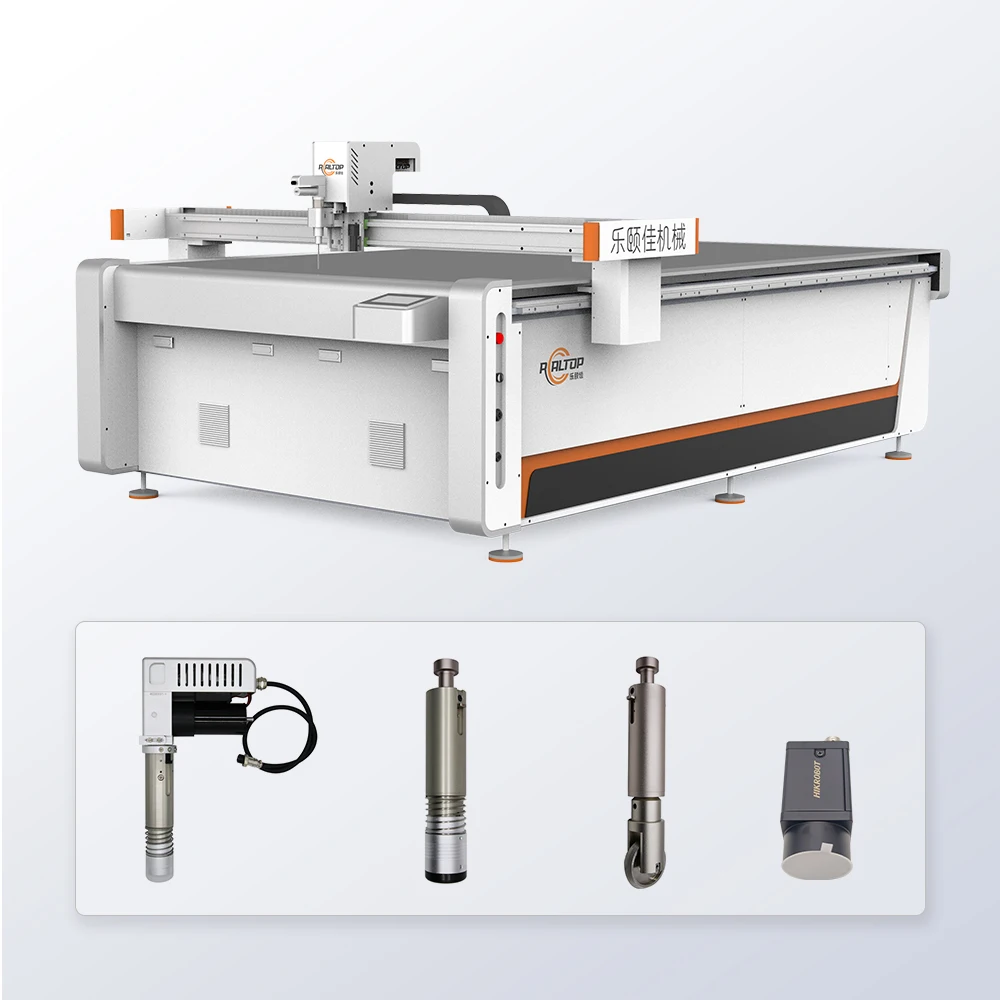
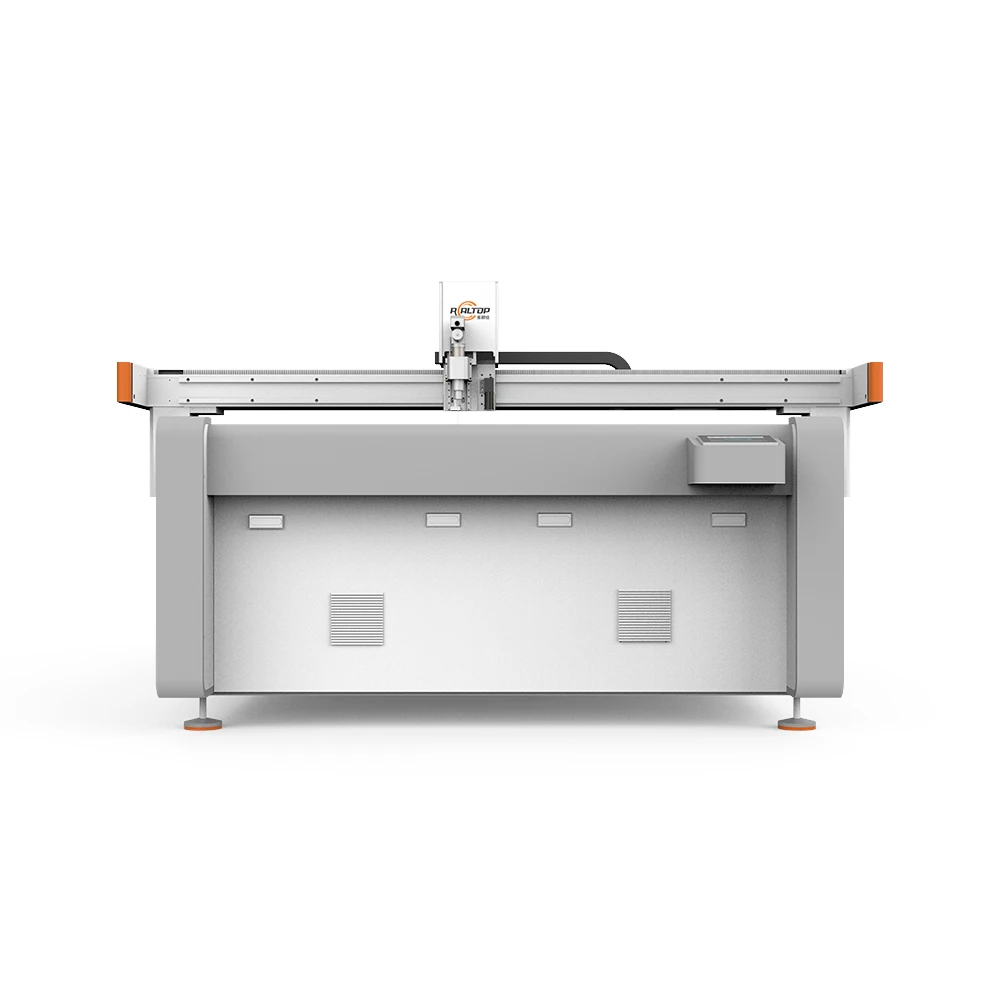
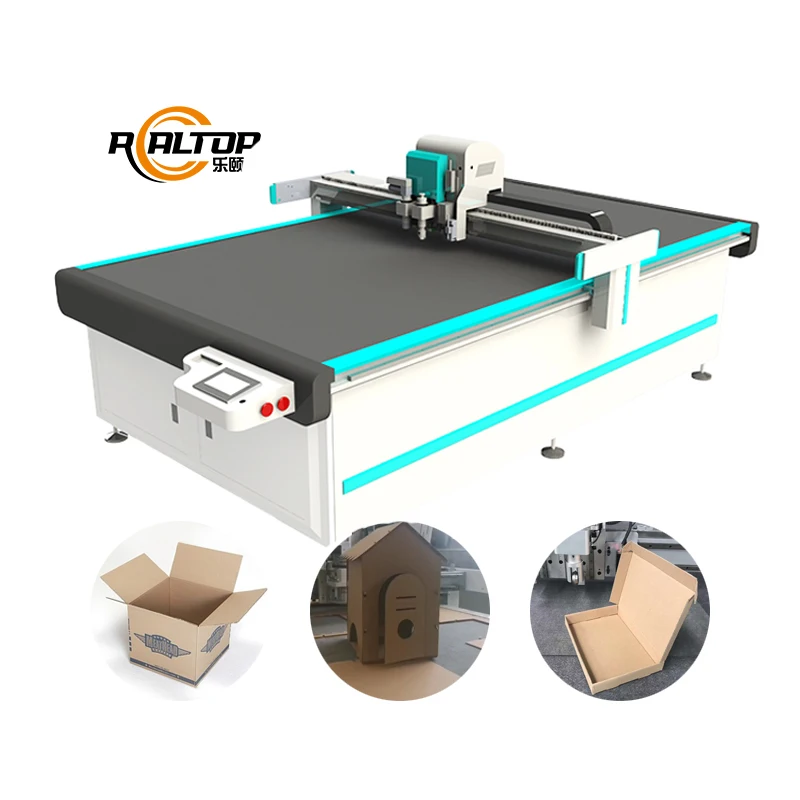
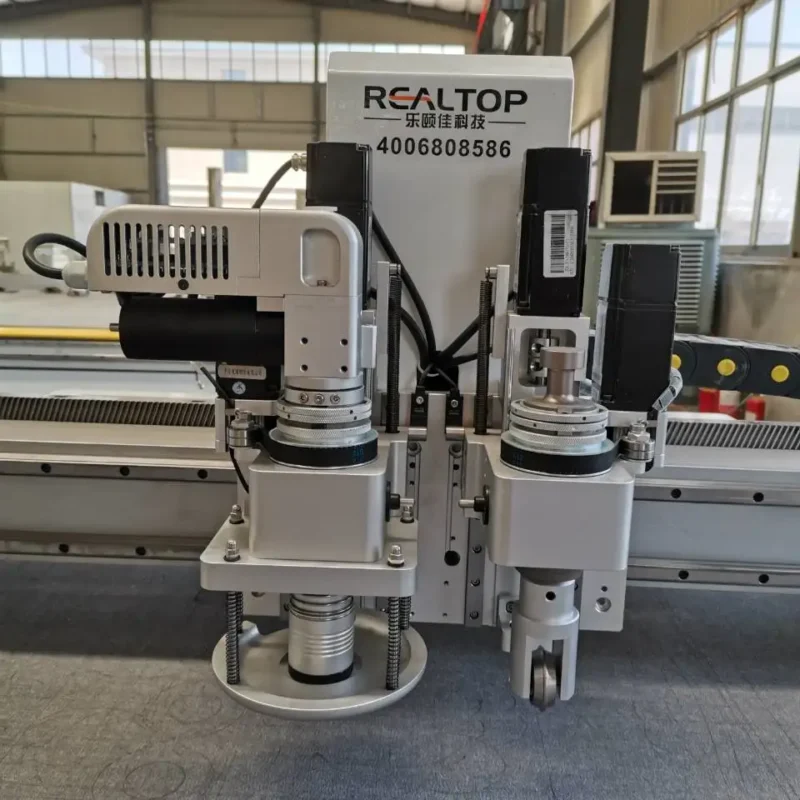
Tool Head Flexibility — the 1625 supports oscillating, driven rotary, pneumatic and creasing tool heads, configured per material density rather than sold as a universal default.
Technical Specifications
| Parameter | Value |
|---|---|
| Model | 1625 |
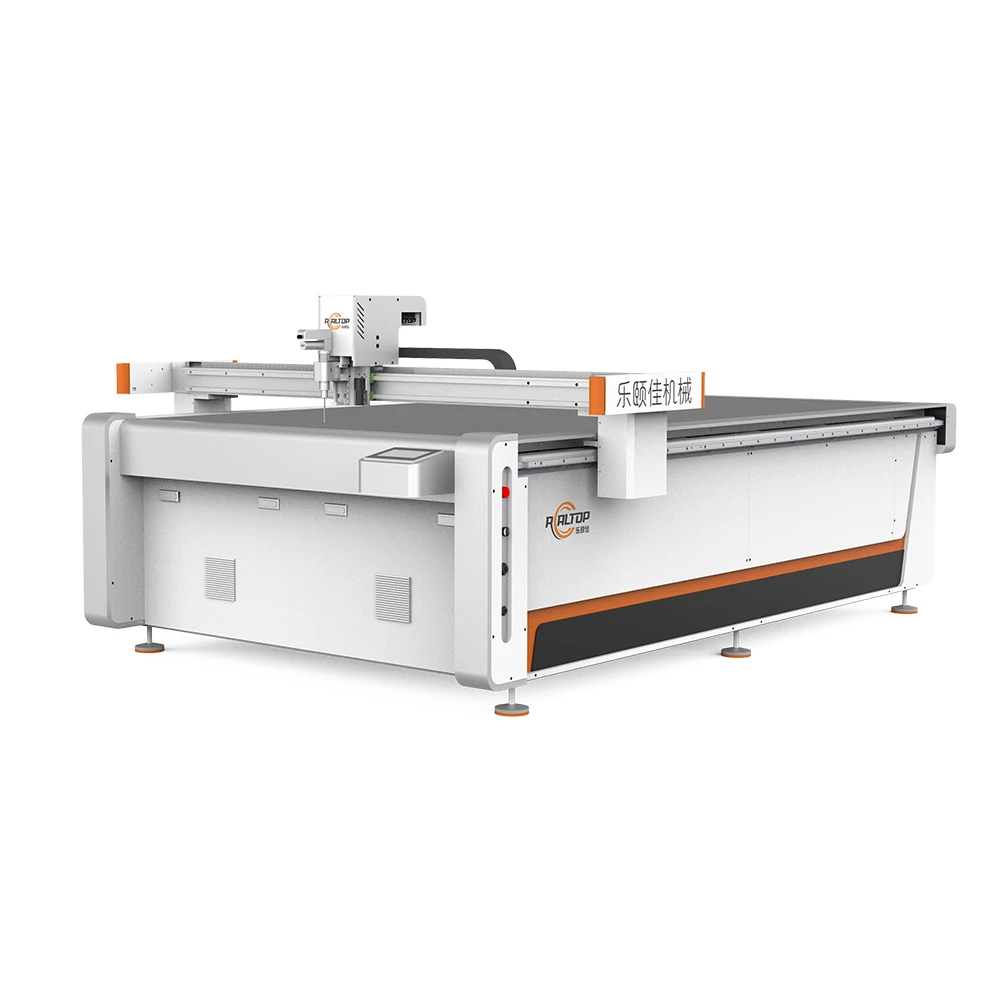
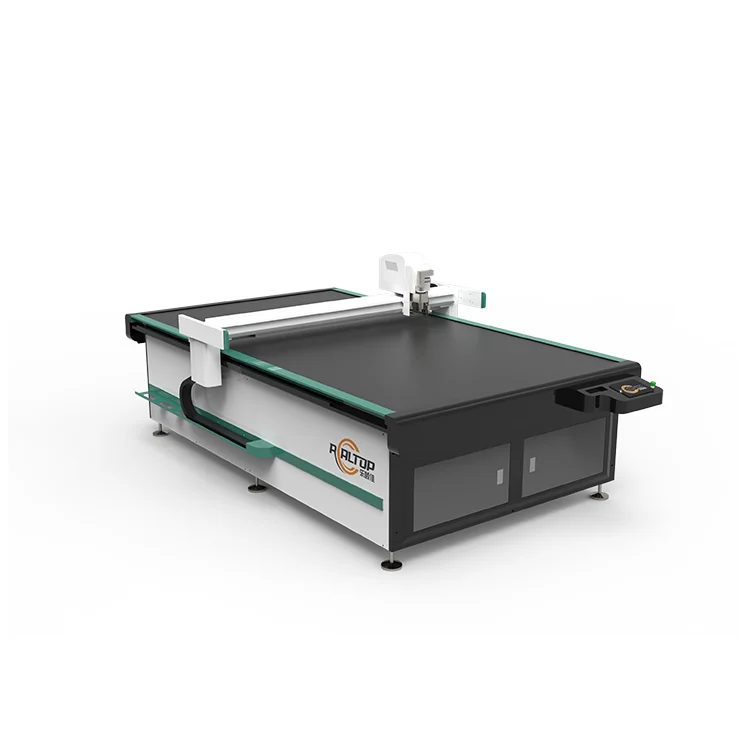
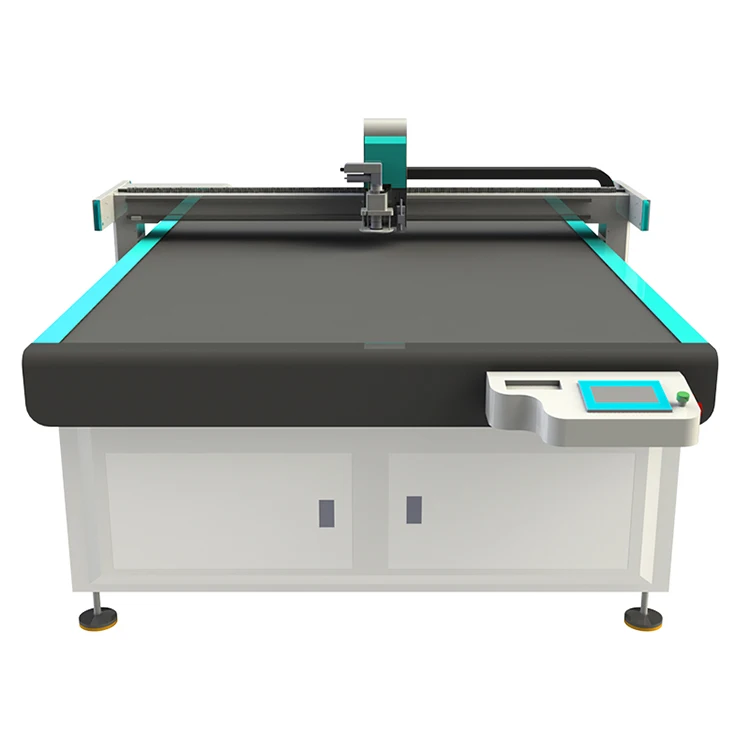
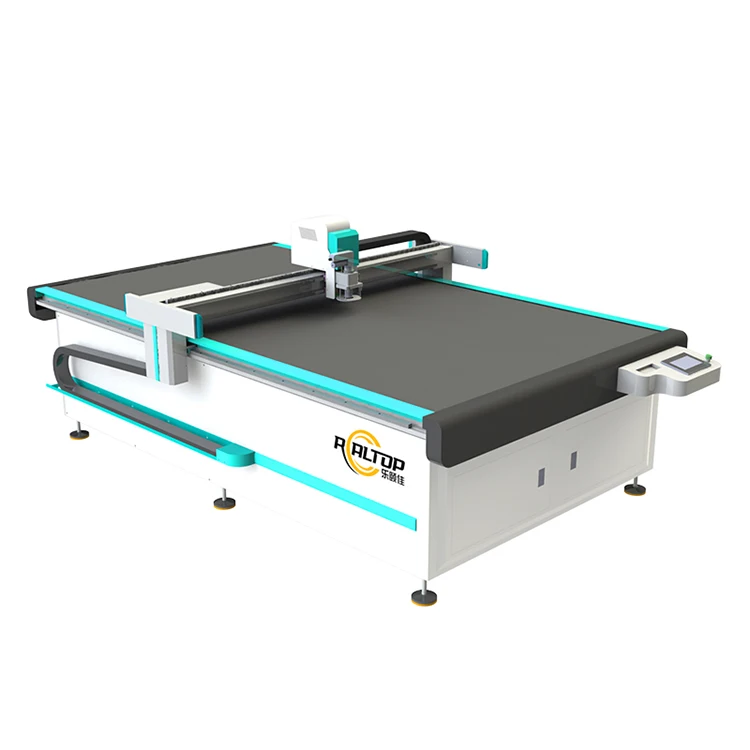
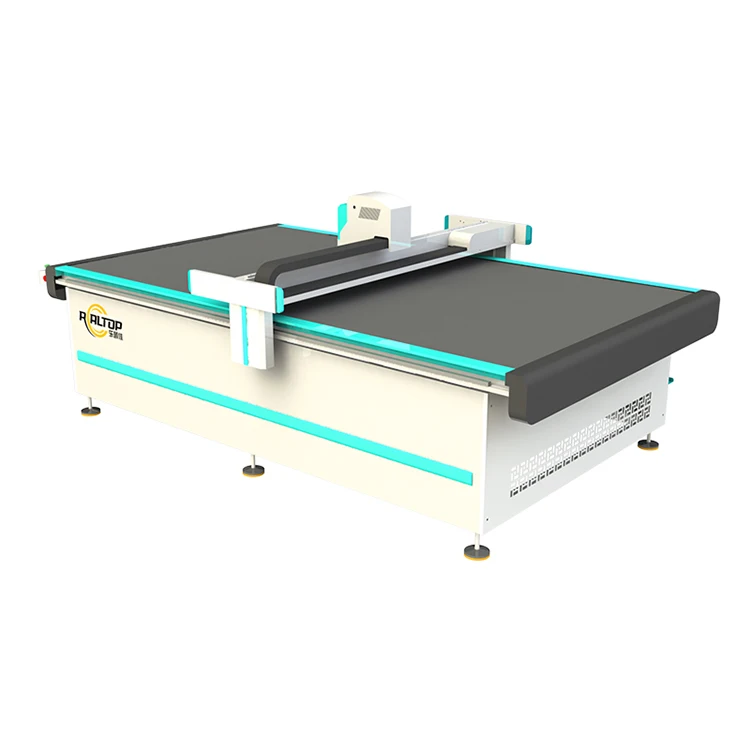
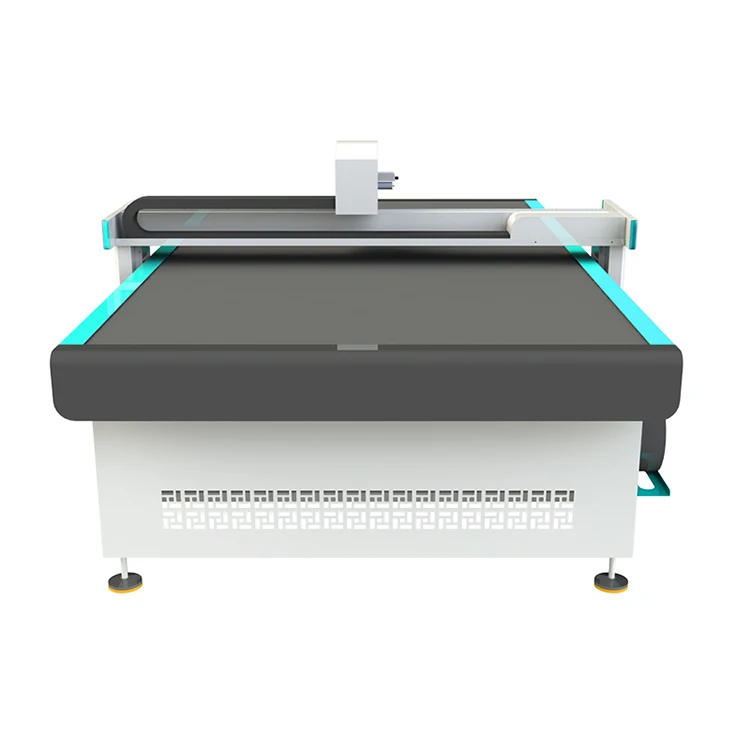
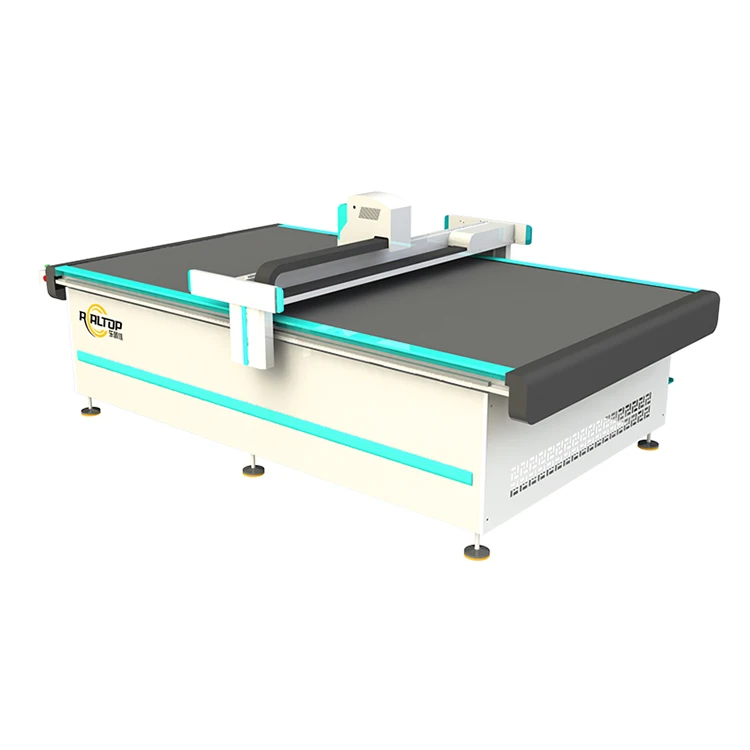
| Product Type | CNC Oscillating Knife Cutting Machine |
| Working Area | 1600×2500 mm |
| Cutting Speed | 0–1500 mm/s |
| Cutting Thickness | ≤ 40 mm |
| Cutting Accuracy | ±0.1 mm |
| Tool Head Options | Oscillating knife, Driven rotary knife, Creasing wheel, Kiss cutting tool, Pneumatic knife, Milling tool, V groove knife |
| Vacuum Pump Power | 9 kW |
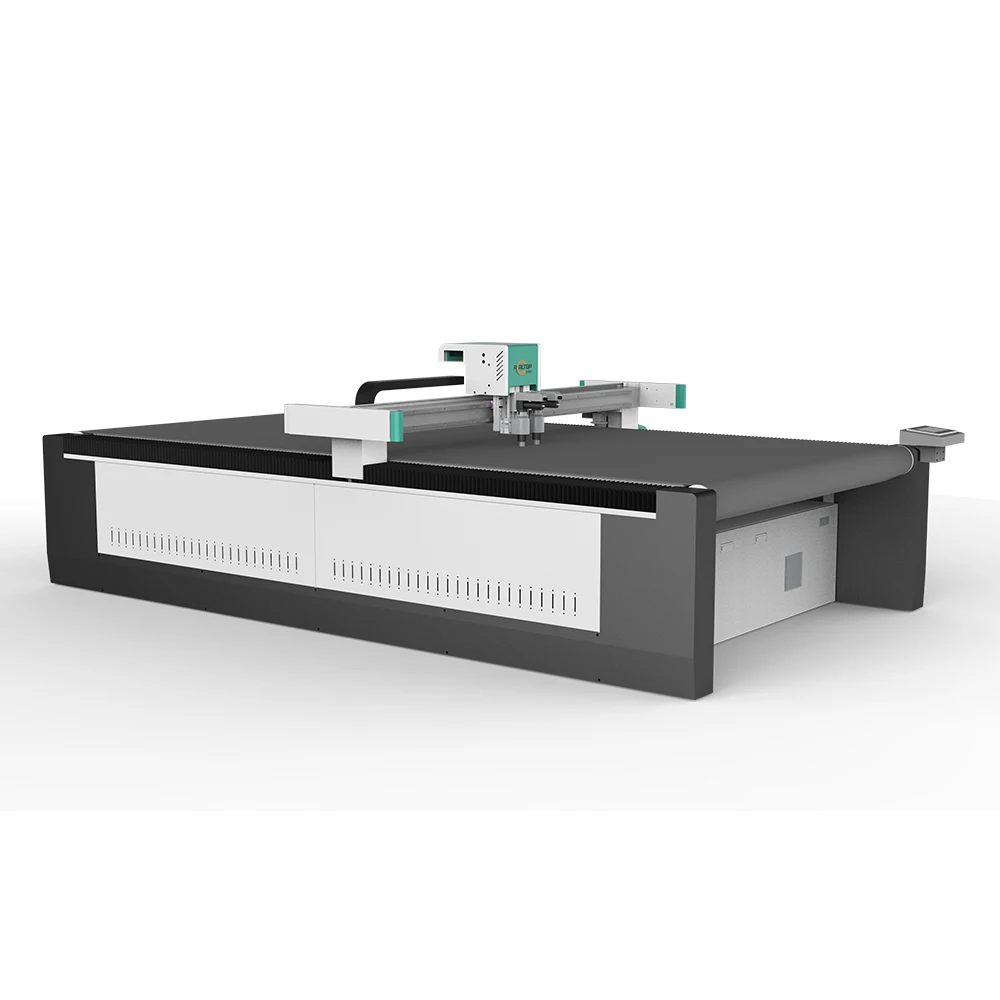
| Vacuum Table | Aluminum bellows vacuum table |
| Machine Frame | Heavy-duty frame with precision-ground surface |
| Voltage Options | 110V / 220V / 380V |
| Servo Motor Options | Panasonic, Delta, Dorna |
| Control System | PLC control panel with intuitive interface |
| File Format Compatibility | PLT, DXF, AI, PDF |
| Software | Dedicated packaging box structure design software included |
| Language Options | English, Russian, Italian, Chinese; special languages customizable |
| Safety Device | Infrared sensor device and emergency stop device |
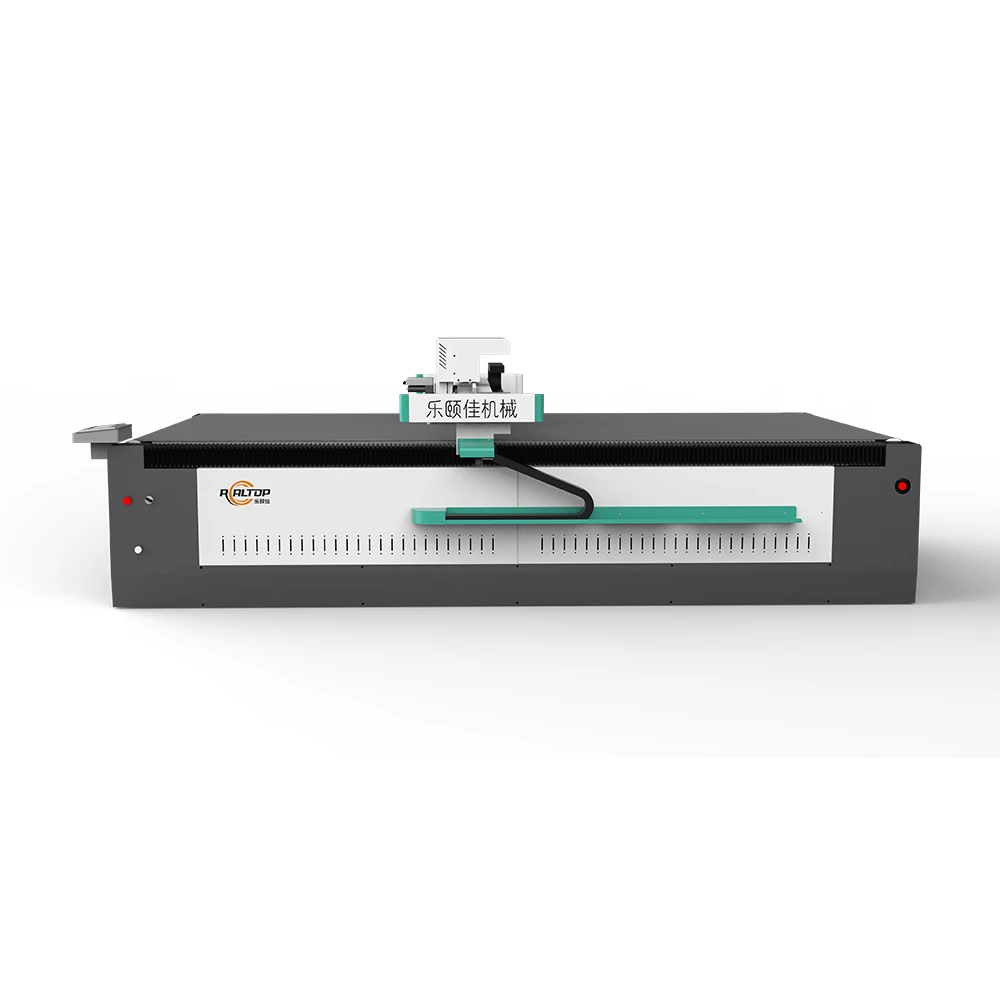
| Overall Dimensions (L×W×H) | 3300×2100×1350 mm |
| Certification | CE |
Application Suitability
| Application | Material or Output |
|---|---|
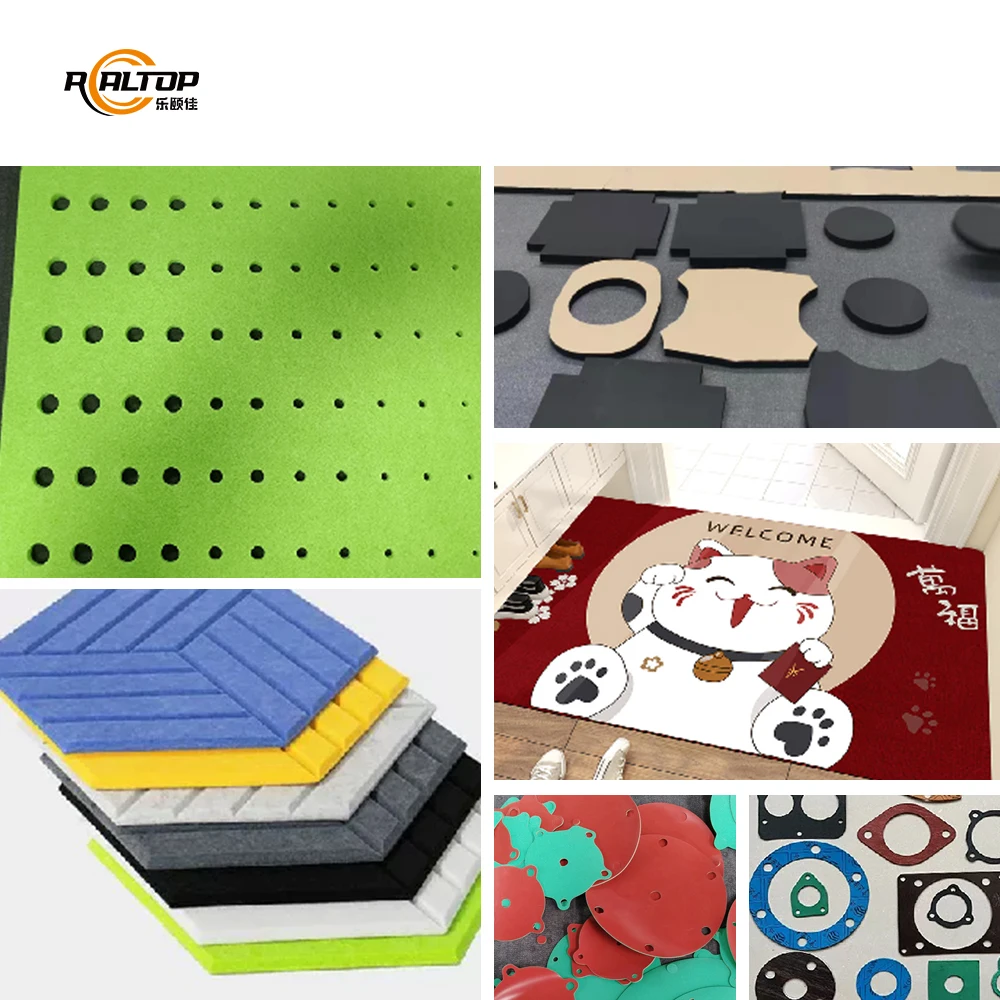
| Packaging sample making | Corrugated cardboard (E-flute, B-flute, BC-flute), greyboard, cardstock, art paper |
| Footwear and EVA foot mat production | EVA foam, EPE, PU foam, rubber mats up to 40 mm |
| Garment and textile cutting | Velvet, fleece fabric, non-woven fabric, multi-layer fabric stacks |
| Leather goods manufacturing | Synthetic leather, genuine leather, composite adhesive-backed materials |
| Gasket and seal fabrication | PTFE, rubber, cork, fiber composite sheets |
| Signage and display | Thin plastic sheets (PVC, PET), acrylic, foam board |
What a Working Area Spec Alone Will Not Tell You About Cutting Performance
Bed size determines how much fits on the table; material density determines whether the tool head actually cuts through it.
A buyer specifies a machine on dimensions alone, confirms the 1600×2500 mm working area matches their sheet size, and signs off. Then the first production run on high-density EVA foam reveals ragged edges and incomplete cuts because the oscillation frequency and blade angle were never matched to that specific foam density. The CNC oscillating knife cutting machine manufacturer should have asked for the actual production material before quoting the tool head [NEED_CITE: material density effects on oscillation frequency selection]. I have walked into workshops where a machine sat idle for weeks because the original knife specification could not handle what the buyer was actually cutting day after day.
Matching Tool Head to Material Before the Machine Leaves the Factory
The 1625 ships with an interchangeable tool head system that spans oscillating knife, driven rotary knife, creasing wheel, kiss cutting, pneumatic knife, milling, and V-groove. Each head serves a different material behaviour: oscillating knife handles dense foams and thick composites, driven rotary suits woven textiles, and the creasing wheel scores corrugated board without penetrating the face liner. Choosing the right one is not a catalogue exercise — it depends on the exact material the buyer runs in daily production. A CNC knife cutting machine for sale that lists every head as available is only useful if the correct head is actually installed and calibrated before dispatch.
How the Vacuum Table Holds What the Knife Tries to Lift
The 9 kW vacuum pump feeds an aluminum bellows vacuum table designed for full-surface adsorption with high flatness and sealing. When a knife cuts through a 40 mm foam slab, the upward force at the point of cut can lift small or lightweight parts off the table surface. Full-area adsorption keeps the sheet locked flat across the entire bed, not just where the cutting head happens to be. This matters especially for nested layouts with mixed part geometries, where some regions hold large panels and others hold small offcuts that weigh very little [NEED_CITE: vacuum hold-down requirements for nested cutting layouts].
Reading the Specs That Actually Shape the Cut
The ±0.1 mm cutting accuracy depends on the servo motor system working against the heavy-duty frame with its precision-ground surface. Panasonic, Delta, or Dorna servo motors are available, and each brand brings different tuning characteristics that affect how the head decelerates at corners and tight curves. The PLC control panel interprets the PLT, DXF, AI, or PDF file and translates geometry into motion commands — if the software cannot import the buyer’s existing file format, the accuracy spec on paper means nothing in practice. File format compatibility should be confirmed with a sample file before the order is placed, not discovered after delivery. The 0–1500 mm/s cutting speed range allows the operator to dial back for delicate kiss cuts on thin vinyl or push forward through straight runs on cardboard, but the useful speed on any given material is always lower than the maximum.
The Cost of Skipping the Sample Cut
When the trial material does not match the production material, the machine arrives and fails on the first real job. Edge quality degrades on thick or dense stock, the blade dulls prematurely, and production halts while replacement tool heads ship internationally. Buyers absorb downtime, rush freight costs, and lost delivery deadlines — all because a sample was never cut on the actual material before the machine was built [NEED_CITE: consequences of specification mismatch in CNC cutting equipment]. The fix takes minutes at the quoting stage: send a sheet of production material, let the factory run it, and document the result.
What Buying From the Builder Directly Changes
The in-house design team covers both knife and laser cutting technologies, so a buyer comparing methods for the same material gets a recommendation based on the substrate rather than whichever machine needs to move off the showroom floor. Tool head and vacuum table configuration is specified per material and daily volume, not selected from a default package. The dedicated packaging box structure design software ships with the machine and handles the structural geometry that carton sample makers need. Voltage is confirmed at the quoting stage — 110V, 220V, or 380V — so the electrical schematic matches the buyer’s workshop supply before the crate is sealed. Language on the PLC control panel is set to English, Russian, Italian, Chinese, or a custom language before dispatch.
Documentation & Verification
- Machine specification sheet listing confirmed tool head and vacuum table configuration for your material
- Electrical schematic with voltage and plug type matched to your workshop supply
- Sample cutting report on your own material documenting edge quality and cycle data
- Software licence and file format compatibility note for PLT, DXF, AI, and PDF workflows
- Factory test record showing cutting accuracy across your specified thickness range
- Operation and maintenance manual in your selected control language
Installation, Commissioning & Support
- Heavy-duty frame requires level concrete floor; confirm 3300×2100 mm footprint and 1350 mm height clearance before delivery
- Dedicated circuit for 9 kW vacuum pump plus servo system; confirm voltage at 110V, 220V, or 380V before connection
- Machine ships as a single unit; allow forklift access to the 1600×2500 mm working area for unloading
- First-run parameter tuning on your material: cutting speed, oscillation frequency, and vacuum zone calibration
- Operator training covers tool head changeover, PLC file import, and emergency stop and infrared sensor protocols
- Spare parts list includes oscillating knife blades, creasing wheels, and vacuum table sealing strips
What to Send With Your Inquiry
To get an accurate configuration rather than a generic quote, share your material type, thickness, and maximum sheet size along with daily production volume. Confirm your local voltage, frequency, and plug type. If you already use nesting software or a specific CAD workflow, send a sample file so we can verify format compatibility before the order. If you can ship a small batch of your actual production material, we will run the sample cut and include the results with the quotation.
Frequently Asked Questions
Q: Should I choose an oscillating knife or a laser for cutting EVA foam and corrugated cardboard?
A: Oscillating knife cuts EVA foam up to 40 mm without melting the edge, which laser heat cannot avoid on thick foam. For corrugated cardboard, the knife with a creasing wheel scores fold lines cleanly. Laser suits acrylic and thin textiles where sealed edges are desired. The choice depends on your material mix, not on which technology is more modern.
Q: Does the 1600×2500 mm bed size automatically mean the vacuum table holds small parts securely?
A: The aluminum bellows vacuum table provides full-surface adsorption, but small lightweight parts can still shift during high-speed cutting if vacuum zoning is not matched to the nested layout. Confirm your typical part geometry and nesting pattern so the table zoning can be evaluated against your actual production layout.
Q: How is voltage and control language confirmed before the machine ships?
A: Voltage options include 110V, 220V, and 380V, confirmed at the quoting stage and documented in the electrical schematic. PLC control panel language is set to English, Russian, Italian, Chinese, or a custom language before dispatch. Both are locked in before production begins, not adjusted at arrival.
Q: Can the CCD camera contour recognition be added to this CNC oscillating knife cutting machine?
A: CCD camera positioning is available across the machine family for printed contour cutting. If your workflow requires tracking printed registration marks on materials like signage vinyl or printed packaging stock, specify this at the inquiry stage so the camera and software integration are included in the build configuration.
Q: What file formats does the included software accept for packaging and carton design?
A: The dedicated packaging box structure design software accepts PLT, DXF, AI, and PDF files. If your current design workflow uses a different format, send a sample file before ordering so compatibility can be verified. File conversion issues are far easier to solve before the machine is built than after it arrives on your floor.
Tool Head Flexibility — the 1625 supports oscillating, driven rotary, pneumatic and creasing tool heads, configured per material density rather than sold as a universal default.
Technical Specifications
| Parameter | Value |
|---|---|
| Model | 1625 |
| Product Type | CNC Oscillating Knife Cutting Machine |
| Working Area | 1600×2500 mm |
| Cutting Speed | 0–1500 mm/s |
| Cutting Thickness | ≤ 40 mm |
| Cutting Accuracy | ±0.1 mm |
| Tool Head Options | Oscillating knife, Driven rotary knife, Creasing wheel, Kiss cutting tool, Pneumatic knife, Milling tool, V groove knife |
| Vacuum Pump Power | 9 kW |
| Vacuum Table | Aluminum bellows vacuum table |
| Machine Frame | Heavy-duty frame with precision-ground surface |
| Voltage Options | 110V / 220V / 380V |
| Servo Motor Options | Panasonic, Delta, Dorna |
| Control System | PLC control panel with intuitive interface |
| File Format Compatibility | PLT, DXF, AI, PDF |
| Software | Dedicated packaging box structure design software included |
| Language Options | English, Russian, Italian, Chinese; special languages customizable |
| Safety Device | Infrared sensor device and emergency stop device |
| Overall Dimensions (L×W×H) | 3300×2100×1350 mm |
| Certification | CE |
Application Suitability
| Application | Material or Output |
|---|---|
| Packaging sample making | Corrugated cardboard (E-flute, B-flute, BC-flute), greyboard, cardstock, art paper |
| Footwear and EVA foot mat production | EVA foam, EPE, PU foam, rubber mats up to 40 mm |
| Garment and textile cutting | Velvet, fleece fabric, non-woven fabric, multi-layer fabric stacks |
| Leather goods manufacturing | Synthetic leather, genuine leather, composite adhesive-backed materials |
| Gasket and seal fabrication | PTFE, rubber, cork, fiber composite sheets |
| Signage and display | Thin plastic sheets (PVC, PET), acrylic, foam board |
What a Working Area Spec Alone Will Not Tell You About Cutting Performance
Bed size determines how much fits on the table; material density determines whether the tool head actually cuts through it.
A buyer specifies a machine on dimensions alone, confirms the 1600×2500 mm working area matches their sheet size, and signs off. Then the first production run on high-density EVA foam reveals ragged edges and incomplete cuts because the oscillation frequency and blade angle were never matched to that specific foam density. The CNC oscillating knife cutting machine manufacturer should have asked for the actual production material before quoting the tool head [NEED_CITE: material density effects on oscillation frequency selection]. I have walked into workshops where a machine sat idle for weeks because the original knife specification could not handle what the buyer was actually cutting day after day.
Matching Tool Head to Material Before the Machine Leaves the Factory
The 1625 ships with an interchangeable tool head system that spans oscillating knife, driven rotary knife, creasing wheel, kiss cutting, pneumatic knife, milling, and V-groove. Each head serves a different material behaviour: oscillating knife handles dense foams and thick composites, driven rotary suits woven textiles, and the creasing wheel scores corrugated board without penetrating the face liner. Choosing the right one is not a catalogue exercise — it depends on the exact material the buyer runs in daily production. A CNC knife cutting machine for sale that lists every head as available is only useful if the correct head is actually installed and calibrated before dispatch.
How the Vacuum Table Holds What the Knife Tries to Lift
The 9 kW vacuum pump feeds an aluminum bellows vacuum table designed for full-surface adsorption with high flatness and sealing. When a knife cuts through a 40 mm foam slab, the upward force at the point of cut can lift small or lightweight parts off the table surface. Full-area adsorption keeps the sheet locked flat across the entire bed, not just where the cutting head happens to be. This matters especially for nested layouts with mixed part geometries, where some regions hold large panels and others hold small offcuts that weigh very little [NEED_CITE: vacuum hold-down requirements for nested cutting layouts].
Reading the Specs That Actually Shape the Cut
The ±0.1 mm cutting accuracy depends on the servo motor system working against the heavy-duty frame with its precision-ground surface. Panasonic, Delta, or Dorna servo motors are available, and each brand brings different tuning characteristics that affect how the head decelerates at corners and tight curves. The PLC control panel interprets the PLT, DXF, AI, or PDF file and translates geometry into motion commands — if the software cannot import the buyer’s existing file format, the accuracy spec on paper means nothing in practice. File format compatibility should be confirmed with a sample file before the order is placed, not discovered after delivery. The 0–1500 mm/s cutting speed range allows the operator to dial back for delicate kiss cuts on thin vinyl or push forward through straight runs on cardboard, but the useful speed on any given material is always lower than the maximum.
The Cost of Skipping the Sample Cut
When the trial material does not match the production material, the machine arrives and fails on the first real job. Edge quality degrades on thick or dense stock, the blade dulls prematurely, and production halts while replacement tool heads ship internationally. Buyers absorb downtime, rush freight costs, and lost delivery deadlines — all because a sample was never cut on the actual material before the machine was built [NEED_CITE: consequences of specification mismatch in CNC cutting equipment]. The fix takes minutes at the quoting stage: send a sheet of production material, let the factory run it, and document the result.
What Buying From the Builder Directly Changes
The in-house design team covers both knife and laser cutting technologies, so a buyer comparing methods for the same material gets a recommendation based on the substrate rather than whichever machine needs to move off the showroom floor. Tool head and vacuum table configuration is specified per material and daily volume, not selected from a default package. The dedicated packaging box structure design software ships with the machine and handles the structural geometry that carton sample makers need. Voltage is confirmed at the quoting stage — 110V, 220V, or 380V — so the electrical schematic matches the buyer’s workshop supply before the crate is sealed. Language on the PLC control panel is set to English, Russian, Italian, Chinese, or a custom language before dispatch.
Documentation & Verification
- Machine specification sheet listing confirmed tool head and vacuum table configuration for your material
- Electrical schematic with voltage and plug type matched to your workshop supply
- Sample cutting report on your own material documenting edge quality and cycle data
- Software licence and file format compatibility note for PLT, DXF, AI, and PDF workflows
- Factory test record showing cutting accuracy across your specified thickness range
- Operation and maintenance manual in your selected control language
Installation, Commissioning & Support
- Heavy-duty frame requires level concrete floor; confirm 3300×2100 mm footprint and 1350 mm height clearance before delivery
- Dedicated circuit for 9 kW vacuum pump plus servo system; confirm voltage at 110V, 220V, or 380V before connection
- Machine ships as a single unit; allow forklift access to the 1600×2500 mm working area for unloading
- First-run parameter tuning on your material: cutting speed, oscillation frequency, and vacuum zone calibration
- Operator training covers tool head changeover, PLC file import, and emergency stop and infrared sensor protocols
- Spare parts list includes oscillating knife blades, creasing wheels, and vacuum table sealing strips
What to Send With Your Inquiry
To get an accurate configuration rather than a generic quote, share your material type, thickness, and maximum sheet size along with daily production volume. Confirm your local voltage, frequency, and plug type. If you already use nesting software or a specific CAD workflow, send a sample file so we can verify format compatibility before the order. If you can ship a small batch of your actual production material, we will run the sample cut and include the results with the quotation.
Frequently Asked Questions
Q: Should I choose an oscillating knife or a laser for cutting EVA foam and corrugated cardboard?
A: Oscillating knife cuts EVA foam up to 40 mm without melting the edge, which laser heat cannot avoid on thick foam. For corrugated cardboard, the knife with a creasing wheel scores fold lines cleanly. Laser suits acrylic and thin textiles where sealed edges are desired. The choice depends on your material mix, not on which technology is more modern.
Q: Does the 1600×2500 mm bed size automatically mean the vacuum table holds small parts securely?
A: The aluminum bellows vacuum table provides full-surface adsorption, but small lightweight parts can still shift during high-speed cutting if vacuum zoning is not matched to the nested layout. Confirm your typical part geometry and nesting pattern so the table zoning can be evaluated against your actual production layout.
Q: How is voltage and control language confirmed before the machine ships?
A: Voltage options include 110V, 220V, and 380V, confirmed at the quoting stage and documented in the electrical schematic. PLC control panel language is set to English, Russian, Italian, Chinese, or a custom language before dispatch. Both are locked in before production begins, not adjusted at arrival.
Q: Can the CCD camera contour recognition be added to this CNC oscillating knife cutting machine?
A: CCD camera positioning is available across the machine family for printed contour cutting. If your workflow requires tracking printed registration marks on materials like signage vinyl or printed packaging stock, specify this at the inquiry stage so the camera and software integration are included in the build configuration.
Q: What file formats does the included software accept for packaging and carton design?
A: The dedicated packaging box structure design software accepts PLT, DXF, AI, and PDF files. If your current design workflow uses a different format, send a sample file before ordering so compatibility can be verified. File conversion issues are far easier to solve before the machine is built than after it arrives on your floor.
商品评价
There are no reviews yet.