

Fast Delivery
Quick, reliable shipping to any location.

Free & easy returns
Return this item by mail or in store within 90 days for a full refund.
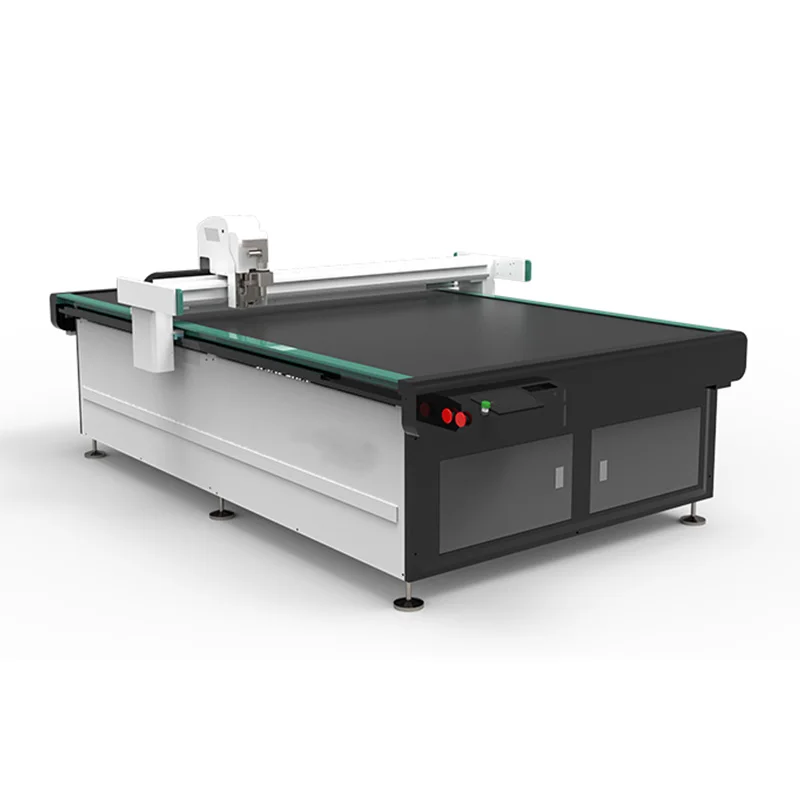
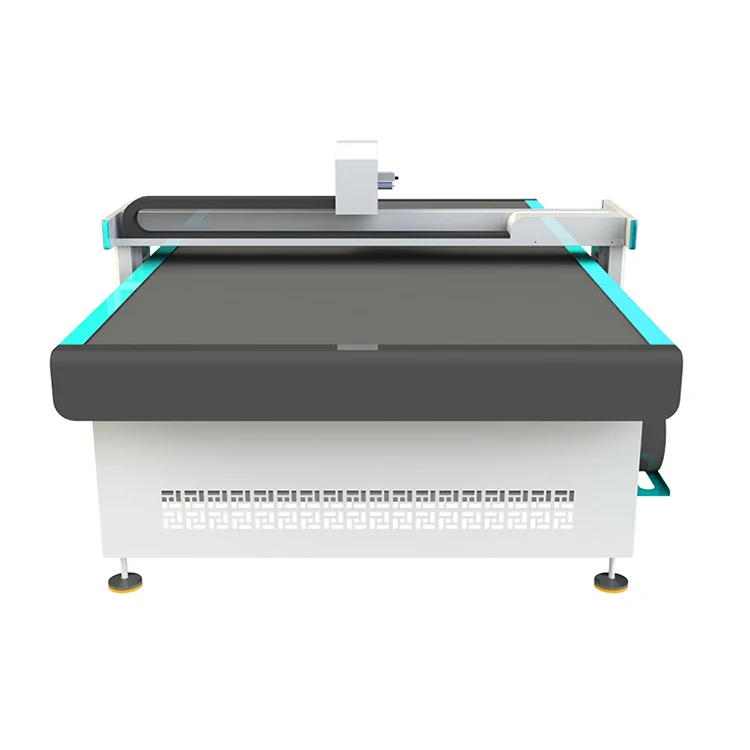
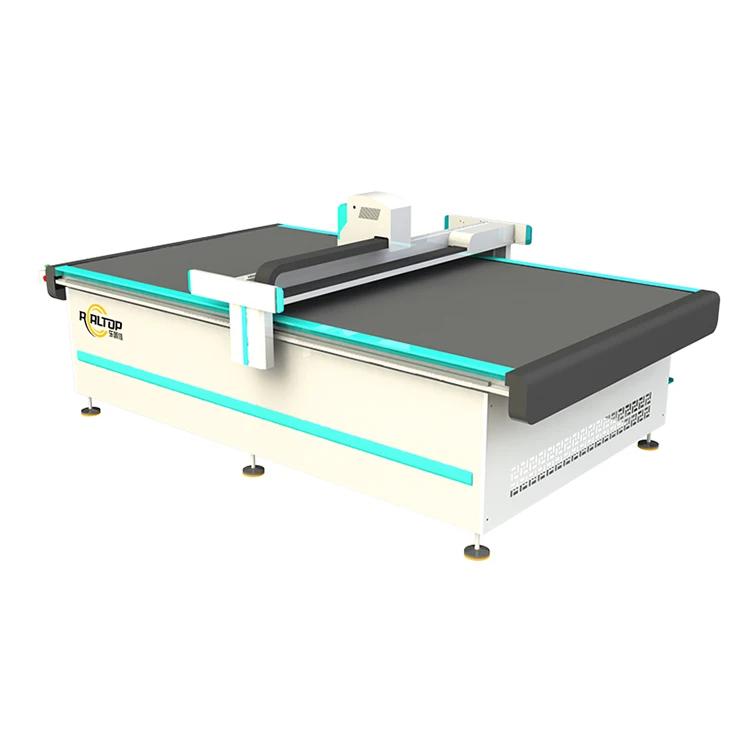
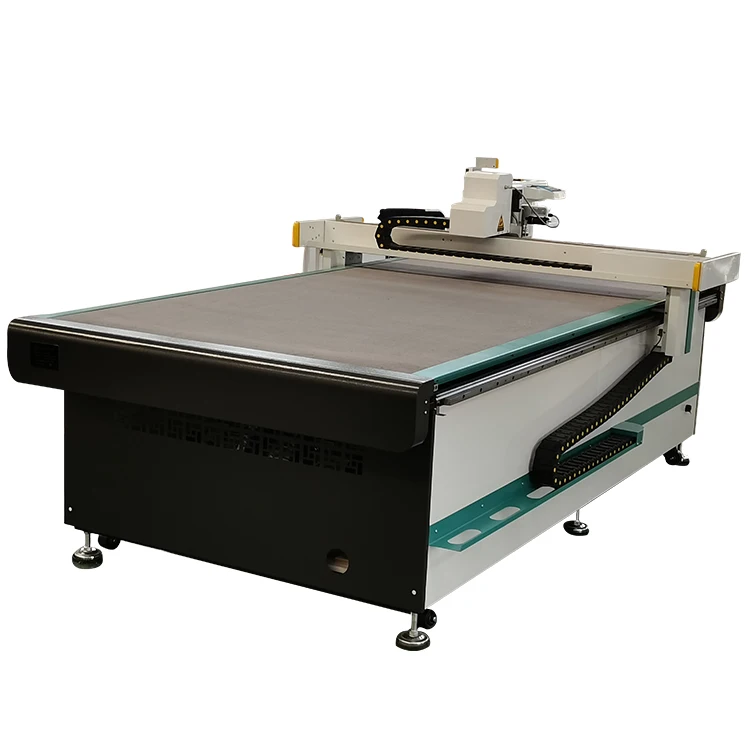
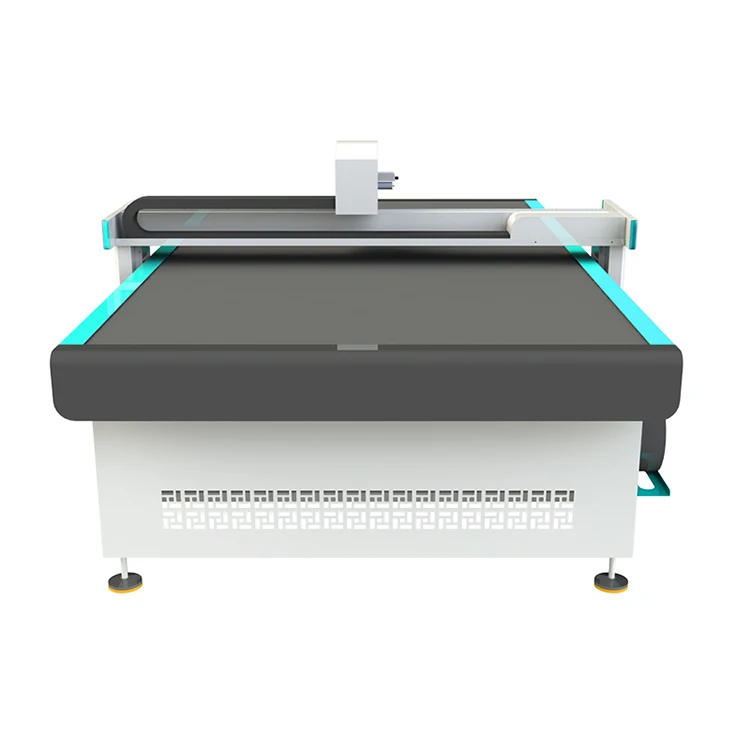
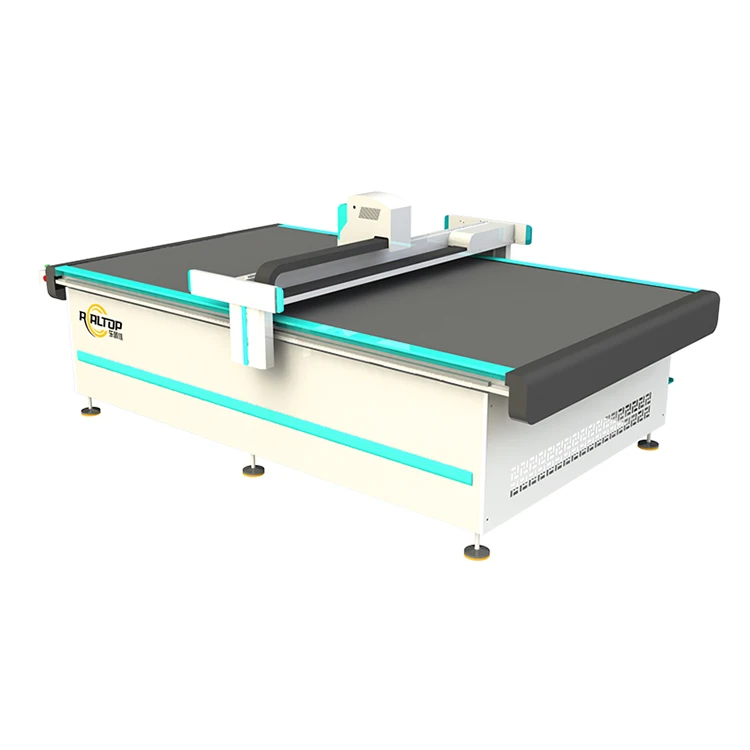
Tool Head and Table Configuration Specified Per Material — The RT-D2516/RT-S2516 is set up after testing your actual silicone rubber or flexible sheet, so the knife oscillation and vacuum zoning match the real material rather than a generic catalog assumption.
Technical Specifications
| Parameter | Value |
|---|---|
| Model | RT-D2516/RT-S2516 |
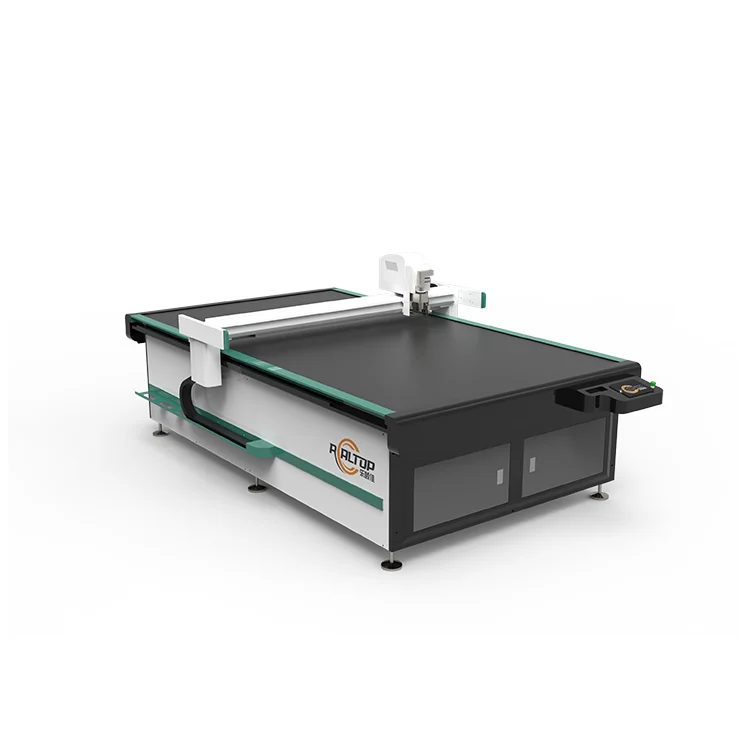
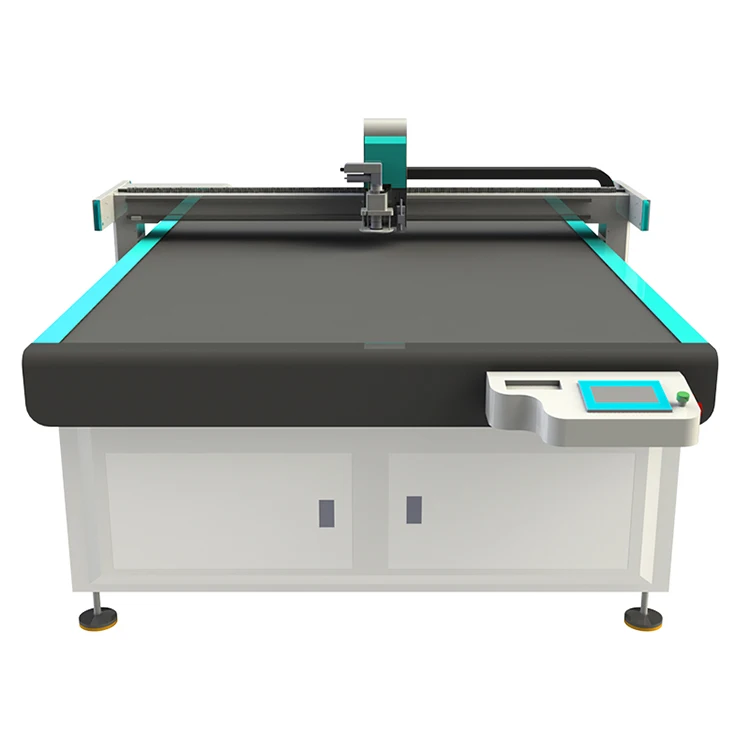
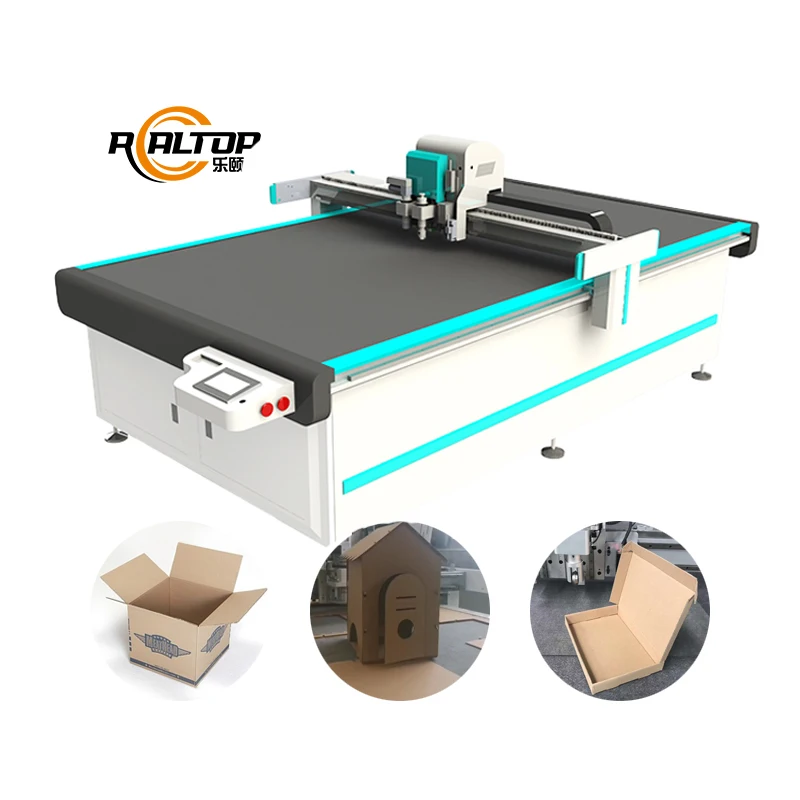
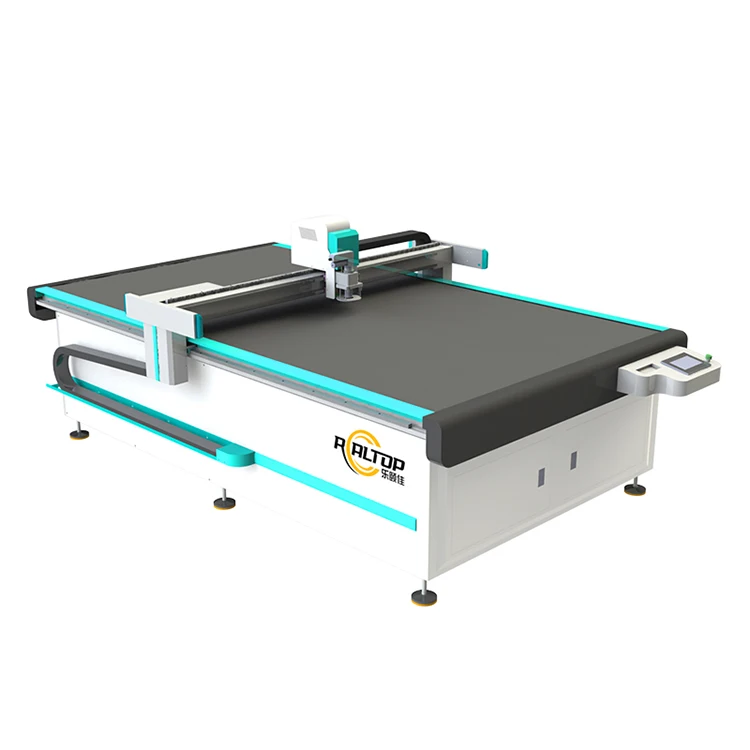
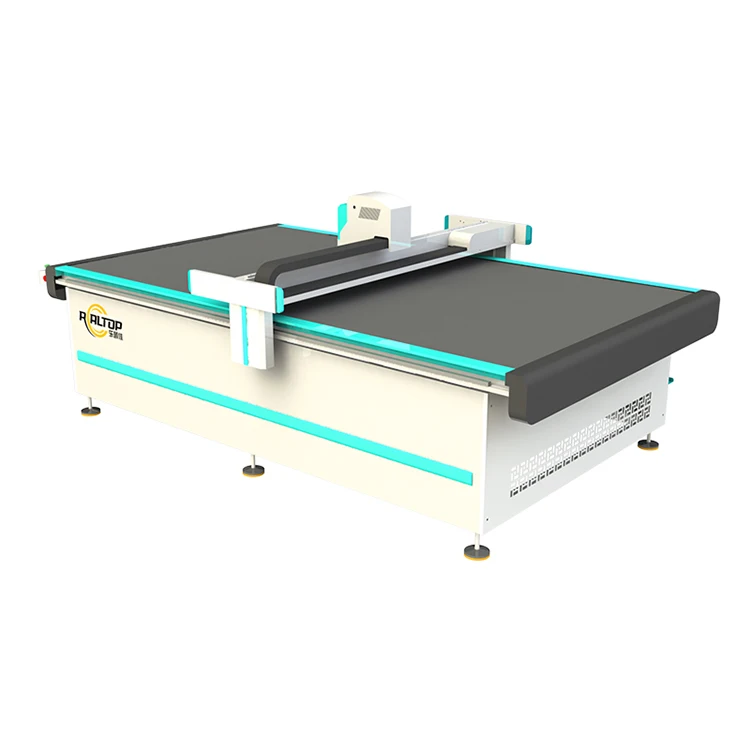
| Product Type | CNC Oscillating Knife Cutting Machine |
| Working Area | 1600 × 2500 mm |
| Overall Dimensions (L×W×H) | 3450 × 2300 × 1250 mm |
| Rated Power | 9 kW |
| Vacuum Pump | 7.5 kW |
| Table Type | Vacuum table with auto feeding |
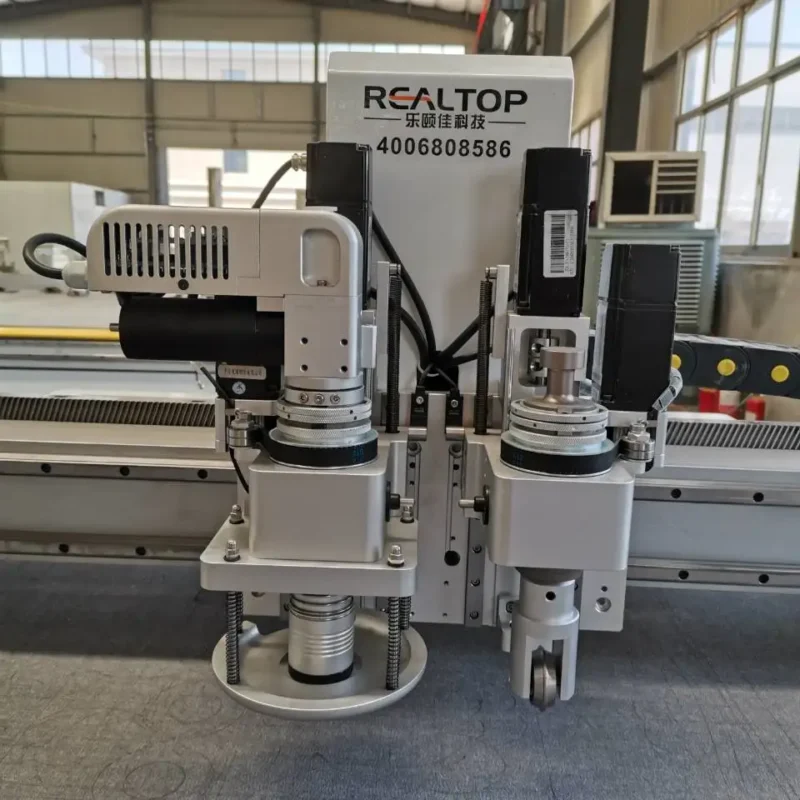
| Tool Head Type | Multifunctional head with Swiss imported knife (vibration full cutting, vibration half cutting, cursor location) |
| Translational Velocity | 800–1200 mm/s |
| Cutting Speed | 200–800 mm/s (according to different cutting materials) |
| Repeated Accuracy | ≤0.1 mm |
| Servo Motor | Japanese Yaskawa |
| Transmission System | Digital servo motor, linear guide, synchronous belt, imported ball screw |
| Linear Rail | Taiwan Hiwin |
| Conveyor Belt | Germany imported |
| Instruction System | HP-GL compatible format |
| Voltage | 380V ± 10% |
| Safety Device | Infrared sensors |
| Certification | CE (declared where applicable) |
| Warranty | 12 months for whole machine |
Application Suitability
| Application | Material or Output |
|---|---|
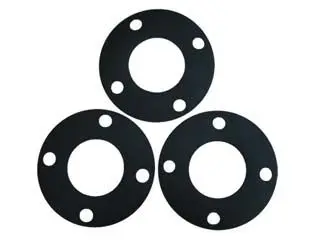
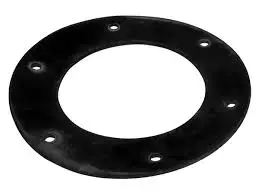
| Gasket and seal production | Silicone rubber sheets, rubber compounds |
| Automotive interior trimming | Sponge composite leather, flexible PVC |
| Footwear and leather goods | Natural and synthetic leather, soft composites |
| Garment and textile cutting | Clothing flexible materials, layered fabric |
| Signage and soft glass fabrication | PVC sheets, soft glass, flexible board |
Why the Tool Head Matters More Than the Working Area When Sourcing a CNC Knife Cutting Machine for Sale
Matching the oscillation frequency and blade type to your material hardness is what determines edge quality and blade life, not the table size printed on the nameplate.
I have watched buyers focus entirely on whether a bed fits their sheet dimensions, then ship the machine to a workshop where it cannot produce a clean edge on 4 mm silicone rubber. The oscillating knife on the RT-D2516/RT-S2516 runs with a Swiss imported blade, but blade geometry and stroke frequency still need adjustment once your real material arrives. Silicone rubber alone varies widely — a 40 Shore A sheet behaves differently from a 65 Shore A compound loaded with mineral filler. [NEED_CITE: material hardness variation in silicone rubber compounds for gasket production]
If you are evaluating a CNC knife cutting machine for sale based on working area alone, you are missing the variable that controls whether you get a sealed edge or a ragged one that needs secondary trimming. The multifunctional head here supports vibration full cutting, half cutting, and cursor location, giving the operator latitude across flexible and rubber materials — but the starting point must be a sample cut on your actual stock.
How the Full Catalogue Approach Prevents Material Mismatches
A buyer surveying options before narrowing to a cutting method benefits from seeing the complete CNC knife cutting machine for sale range side by side. Knife cutting handles silicone rubber, leather, and sponge composite cleanly at thicknesses where a drag knife would crush the material or a laser would melt the edge. This machine family covers flexible and rubber materials with oscillation, while other lines in the catalogue address acrylic and sheet metal with CO2 or fiber laser — letting you match the cutting method to the material rather than forcing one method to do everything.
Oscillation, Vacuum, and Feed — The Three Variables That Decide Throughput
The translational velocity reaches 800–1200 mm/s and the cutting speed ranges from 200 to 800 mm/s depending on the material being processed. On softer silicone sheets, the upper end of that range is achievable; on harder rubber with high filler content, the machine slows to maintain edge integrity. The vacuum table with auto feeding and a Germany imported conveyor belt keeps the sheet flat and advances it between cuts, so nested parts do not shift. Vacuum zoning across the 1600 × 2500 mm bed matters when you cut small gaskets — insufficient hold-down in one zone means the part lifts during the final pass and the blade drags. [NEED_CITE: vacuum table zoning requirements for small-part digital cutting]
Reading the Spec Sheet Against Your Actual Production Task
The Yaskawa servo motors and Taiwan Hiwin linear rails on the RT-D2516/RT-S2516 deliver repeated accuracy of ≤0.1 mm, which is relevant when you are cutting gasket profiles that must seat tightly in an assembly. The 9 kW rated power covers the servo drives, oscillation motor, and conveyor; the separate 7.5 kW vacuum pump runs on its own circuit, so voltage drop under load does not affect motion accuracy. The HP-GL compatible instruction system integrates with nesting software already common in gasket and footwear workshops — but file format compatibility still needs written confirmation before the order, because some nesting suites export HP-GL variants with slightly different header syntax that the controller may not parse.
What Happens When the Blade and Material Do Not Agree
A wrong blade angle on silicone rubber produces a burr that flakes off during assembly. On PVC and soft glass, excessive oscillation frequency generates heat that softens the cut edge and closes the kerf, trapping the blade. On layered garment textiles, a drag knife that works fine on single-ply cotton will pull and distort a three-layer sponge composite. None of these failures show up in a specification table — they appear only after your material meets the knife at production speed. [NEED_CITE: blade geometry selection for elastomer and composite cutting]
What You Get Beyond the Machine Itself
In-house design covers both knife and laser technology, so if your material testing shows laser is the better method for one product line, the conversation stays under one roof. The tool head and table configuration on the RT-D2516/RT-S2516 are documented per your material before the order is finalized, not assumed from a standard build. Sample cutting on your own silicone rubber or flexible stock happens before commitment, with a written report you can hold against your edge quality standard. Voltage, plug type, control language, and frequency are confirmed in writing — the 380V ± 10% rating may need adjustment for markets running 415V or 220V three-phase. The HP-GL instruction system and nesting workflow compatibility are verified with your actual file format, so the machine arrives ready to read your production data without a software workaround.
Documentation & Verification
- Machine specification sheet listing tool head and vacuum table configuration matched to your silicone rubber grade
- Sample cutting report on your material with edge quality photographs and measured tolerances
- Electrical schematic confirming voltage, frequency, and plug type for your destination market
- Software licence and HP-GL file format compatibility note signed before production release
- Factory test record showing repeated accuracy and cutting speed on your supplied material
- Spare parts list identifying blade types, conveyor belt sections, and vacuum seals
Installation, Commissioning & Support
- Floor space allocation for the 3450 × 2300 × 1250 mm footprint plus material feed and offfeed clearance
- Dedicated electrical circuit rated for the combined 9 kW machine and 7.5 kW vacuum pump load at 380V ± 10%
- Assembly of conveyor and vacuum table sections on site with alignment check against the Hiwin linear rails
- First-run parameter setting for oscillation frequency and cutting speed on your delivered material stock
- Operator training on multifunctional head changeover between vibration full cutting and half cutting modes
- Scheduled blade replacement intervals and conveyor belt tensioning based on your daily cutting volume
Before You Request a Quote
Send us the material type, hardness or Shore rating, sheet thickness, and maximum sheet size you plan to run. Let us know your daily cutting volume and whether your existing nesting software exports HP-GL or a variant. If your workshop runs a voltage or frequency outside the 380V / 50 Hz range, state the local supply so the electrical system is built accordingly. A sample of your actual silicone rubber or flexible material — not a data sheet — is the fastest way to lock in the right configuration.
Frequently Asked Questions
Q: How do I confirm the cutting speed is realistic for my silicone rubber compound?
A: Provide a sample of your actual material with the Shore hardness and filler specification. We run a cutting test on the RT-D2516/RT-S2516 at different speeds and document edge quality and blade wear in a sample report you review before the order is confirmed.
Q: Should I choose knife cutting or laser for my mixed material production?
A: Knife cutting generally suits silicone rubber, leather, and sponge composites where edge sealing is not required. Laser handles acrylic and textile edge sealing better. The full catalogue covers both methods, and material testing determines which fits each product line.
Q: What voltage and control language options are available before shipment?
A: The standard configuration is 380V ± 10%, but voltage, plug type, frequency, and control panel language are confirmed in writing before production. This avoids rewiring or software reconfiguration after the machine arrives at your facility.
Q: How does vacuum table zoning affect small gasket cutting accuracy?
A: Small parts need sufficient vacuum hold-down directly under the cutting path. The RT-D2516/RT-S2516 vacuum table with auto feeding is zoned to prevent part lift during high-speed oscillation, and the zoning layout is matched to your nesting pattern before dispatch.
Q: What documentation accompanies the machine to verify performance?
A: You receive a factory test record run on your supplied material, an electrical schematic confirming your voltage and frequency, a software compatibility note for your nesting format, and a spare parts list with blade specifications for your material grade.
Tool Head and Table Configuration Specified Per Material — The RT-D2516/RT-S2516 is set up after testing your actual silicone rubber or flexible sheet, so the knife oscillation and vacuum zoning match the real material rather than a generic catalog assumption.
Technical Specifications
| Parameter | Value |
|---|---|
| Model | RT-D2516/RT-S2516 |
| Product Type | CNC Oscillating Knife Cutting Machine |
| Working Area | 1600 × 2500 mm |
| Overall Dimensions (L×W×H) | 3450 × 2300 × 1250 mm |
| Rated Power | 9 kW |
| Vacuum Pump | 7.5 kW |
| Table Type | Vacuum table with auto feeding |
| Tool Head Type | Multifunctional head with Swiss imported knife (vibration full cutting, vibration half cutting, cursor location) |
| Translational Velocity | 800–1200 mm/s |
| Cutting Speed | 200–800 mm/s (according to different cutting materials) |
| Repeated Accuracy | ≤0.1 mm |
| Servo Motor | Japanese Yaskawa |
| Transmission System | Digital servo motor, linear guide, synchronous belt, imported ball screw |
| Linear Rail | Taiwan Hiwin |
| Conveyor Belt | Germany imported |
| Instruction System | HP-GL compatible format |
| Voltage | 380V ± 10% |
| Safety Device | Infrared sensors |
| Certification | CE (declared where applicable) |
| Warranty | 12 months for whole machine |
Application Suitability
| Application | Material or Output |
|---|---|
| Gasket and seal production | Silicone rubber sheets, rubber compounds |
| Automotive interior trimming | Sponge composite leather, flexible PVC |
| Footwear and leather goods | Natural and synthetic leather, soft composites |
| Garment and textile cutting | Clothing flexible materials, layered fabric |
| Signage and soft glass fabrication | PVC sheets, soft glass, flexible board |
Why the Tool Head Matters More Than the Working Area When Sourcing a CNC Knife Cutting Machine for Sale
Matching the oscillation frequency and blade type to your material hardness is what determines edge quality and blade life, not the table size printed on the nameplate.
I have watched buyers focus entirely on whether a bed fits their sheet dimensions, then ship the machine to a workshop where it cannot produce a clean edge on 4 mm silicone rubber. The oscillating knife on the RT-D2516/RT-S2516 runs with a Swiss imported blade, but blade geometry and stroke frequency still need adjustment once your real material arrives. Silicone rubber alone varies widely — a 40 Shore A sheet behaves differently from a 65 Shore A compound loaded with mineral filler. [NEED_CITE: material hardness variation in silicone rubber compounds for gasket production]
If you are evaluating a CNC knife cutting machine for sale based on working area alone, you are missing the variable that controls whether you get a sealed edge or a ragged one that needs secondary trimming. The multifunctional head here supports vibration full cutting, half cutting, and cursor location, giving the operator latitude across flexible and rubber materials — but the starting point must be a sample cut on your actual stock.
How the Full Catalogue Approach Prevents Material Mismatches
A buyer surveying options before narrowing to a cutting method benefits from seeing the complete CNC knife cutting machine for sale range side by side. Knife cutting handles silicone rubber, leather, and sponge composite cleanly at thicknesses where a drag knife would crush the material or a laser would melt the edge. This machine family covers flexible and rubber materials with oscillation, while other lines in the catalogue address acrylic and sheet metal with CO2 or fiber laser — letting you match the cutting method to the material rather than forcing one method to do everything.
Oscillation, Vacuum, and Feed — The Three Variables That Decide Throughput
The translational velocity reaches 800–1200 mm/s and the cutting speed ranges from 200 to 800 mm/s depending on the material being processed. On softer silicone sheets, the upper end of that range is achievable; on harder rubber with high filler content, the machine slows to maintain edge integrity. The vacuum table with auto feeding and a Germany imported conveyor belt keeps the sheet flat and advances it between cuts, so nested parts do not shift. Vacuum zoning across the 1600 × 2500 mm bed matters when you cut small gaskets — insufficient hold-down in one zone means the part lifts during the final pass and the blade drags. [NEED_CITE: vacuum table zoning requirements for small-part digital cutting]
Reading the Spec Sheet Against Your Actual Production Task
The Yaskawa servo motors and Taiwan Hiwin linear rails on the RT-D2516/RT-S2516 deliver repeated accuracy of ≤0.1 mm, which is relevant when you are cutting gasket profiles that must seat tightly in an assembly. The 9 kW rated power covers the servo drives, oscillation motor, and conveyor; the separate 7.5 kW vacuum pump runs on its own circuit, so voltage drop under load does not affect motion accuracy. The HP-GL compatible instruction system integrates with nesting software already common in gasket and footwear workshops — but file format compatibility still needs written confirmation before the order, because some nesting suites export HP-GL variants with slightly different header syntax that the controller may not parse.
What Happens When the Blade and Material Do Not Agree
A wrong blade angle on silicone rubber produces a burr that flakes off during assembly. On PVC and soft glass, excessive oscillation frequency generates heat that softens the cut edge and closes the kerf, trapping the blade. On layered garment textiles, a drag knife that works fine on single-ply cotton will pull and distort a three-layer sponge composite. None of these failures show up in a specification table — they appear only after your material meets the knife at production speed. [NEED_CITE: blade geometry selection for elastomer and composite cutting]
What You Get Beyond the Machine Itself
In-house design covers both knife and laser technology, so if your material testing shows laser is the better method for one product line, the conversation stays under one roof. The tool head and table configuration on the RT-D2516/RT-S2516 are documented per your material before the order is finalized, not assumed from a standard build. Sample cutting on your own silicone rubber or flexible stock happens before commitment, with a written report you can hold against your edge quality standard. Voltage, plug type, control language, and frequency are confirmed in writing — the 380V ± 10% rating may need adjustment for markets running 415V or 220V three-phase. The HP-GL instruction system and nesting workflow compatibility are verified with your actual file format, so the machine arrives ready to read your production data without a software workaround.
Documentation & Verification
- Machine specification sheet listing tool head and vacuum table configuration matched to your silicone rubber grade
- Sample cutting report on your material with edge quality photographs and measured tolerances
- Electrical schematic confirming voltage, frequency, and plug type for your destination market
- Software licence and HP-GL file format compatibility note signed before production release
- Factory test record showing repeated accuracy and cutting speed on your supplied material
- Spare parts list identifying blade types, conveyor belt sections, and vacuum seals
Installation, Commissioning & Support
- Floor space allocation for the 3450 × 2300 × 1250 mm footprint plus material feed and offfeed clearance
- Dedicated electrical circuit rated for the combined 9 kW machine and 7.5 kW vacuum pump load at 380V ± 10%
- Assembly of conveyor and vacuum table sections on site with alignment check against the Hiwin linear rails
- First-run parameter setting for oscillation frequency and cutting speed on your delivered material stock
- Operator training on multifunctional head changeover between vibration full cutting and half cutting modes
- Scheduled blade replacement intervals and conveyor belt tensioning based on your daily cutting volume
Before You Request a Quote
Send us the material type, hardness or Shore rating, sheet thickness, and maximum sheet size you plan to run. Let us know your daily cutting volume and whether your existing nesting software exports HP-GL or a variant. If your workshop runs a voltage or frequency outside the 380V / 50 Hz range, state the local supply so the electrical system is built accordingly. A sample of your actual silicone rubber or flexible material — not a data sheet — is the fastest way to lock in the right configuration.
Frequently Asked Questions
Q: How do I confirm the cutting speed is realistic for my silicone rubber compound?
A: Provide a sample of your actual material with the Shore hardness and filler specification. We run a cutting test on the RT-D2516/RT-S2516 at different speeds and document edge quality and blade wear in a sample report you review before the order is confirmed.
Q: Should I choose knife cutting or laser for my mixed material production?
A: Knife cutting generally suits silicone rubber, leather, and sponge composites where edge sealing is not required. Laser handles acrylic and textile edge sealing better. The full catalogue covers both methods, and material testing determines which fits each product line.
Q: What voltage and control language options are available before shipment?
A: The standard configuration is 380V ± 10%, but voltage, plug type, frequency, and control panel language are confirmed in writing before production. This avoids rewiring or software reconfiguration after the machine arrives at your facility.
Q: How does vacuum table zoning affect small gasket cutting accuracy?
A: Small parts need sufficient vacuum hold-down directly under the cutting path. The RT-D2516/RT-S2516 vacuum table with auto feeding is zoned to prevent part lift during high-speed oscillation, and the zoning layout is matched to your nesting pattern before dispatch.
Q: What documentation accompanies the machine to verify performance?
A: You receive a factory test record run on your supplied material, an electrical schematic confirming your voltage and frequency, a software compatibility note for your nesting format, and a spare parts list with blade specifications for your material grade.
商品评价
There are no reviews yet.