

Fast Delivery
Quick, reliable shipping to any location.

Free & easy returns
Return this item by mail or in store within 90 days for a full refund.
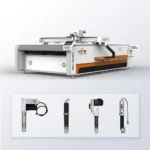
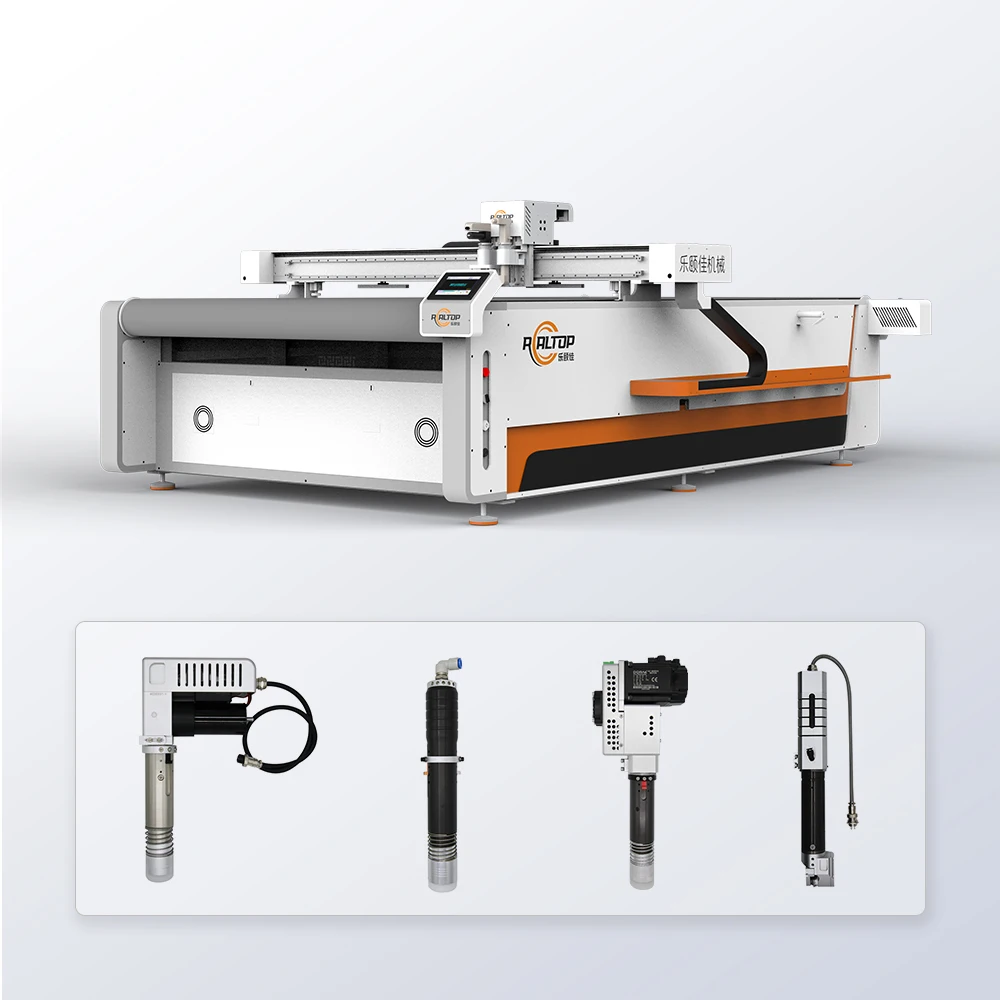
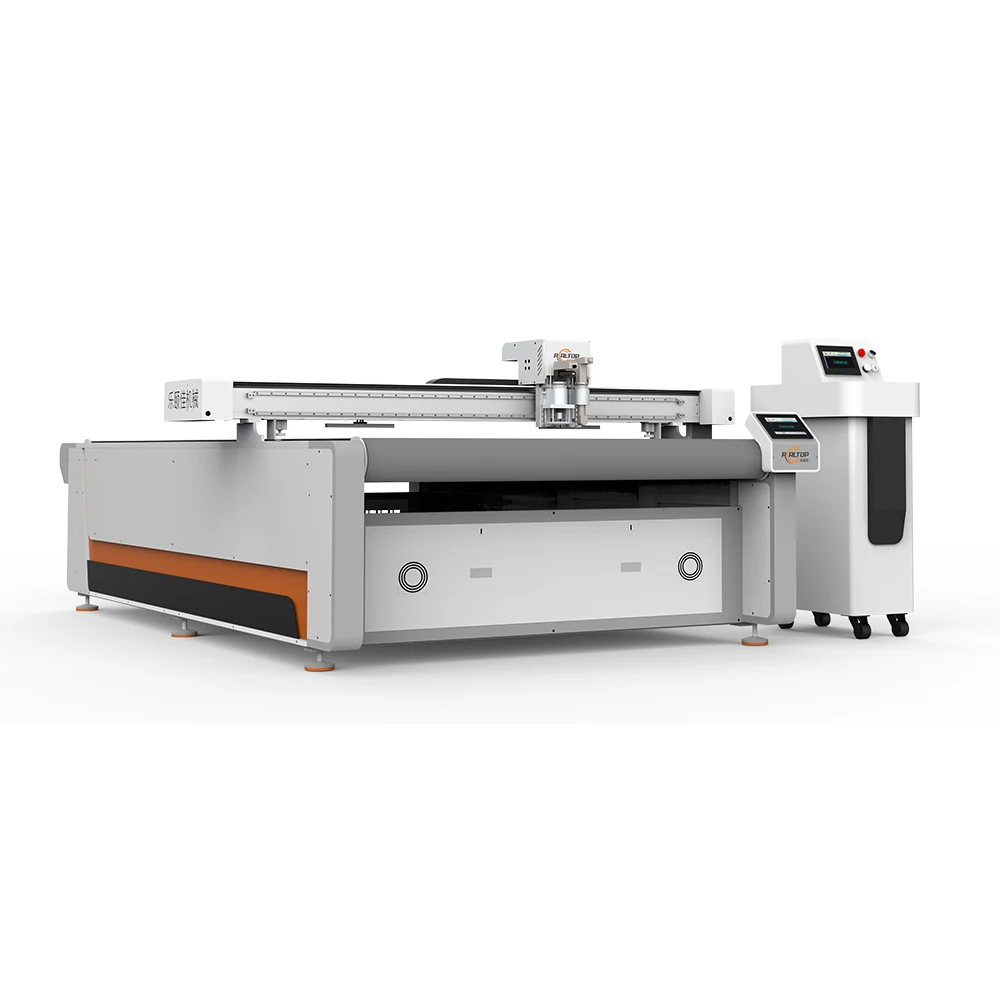
Tool-to-Material Matching — Every RT-D2516/RT-S2516 configuration starts with the buyer’s actual material sample on the cutting bed before the final head and table specification is locked in.
Technical Specifications
| Parameter | Value |
|---|---|
| Model | RT-D2516 / RT-S2516 |
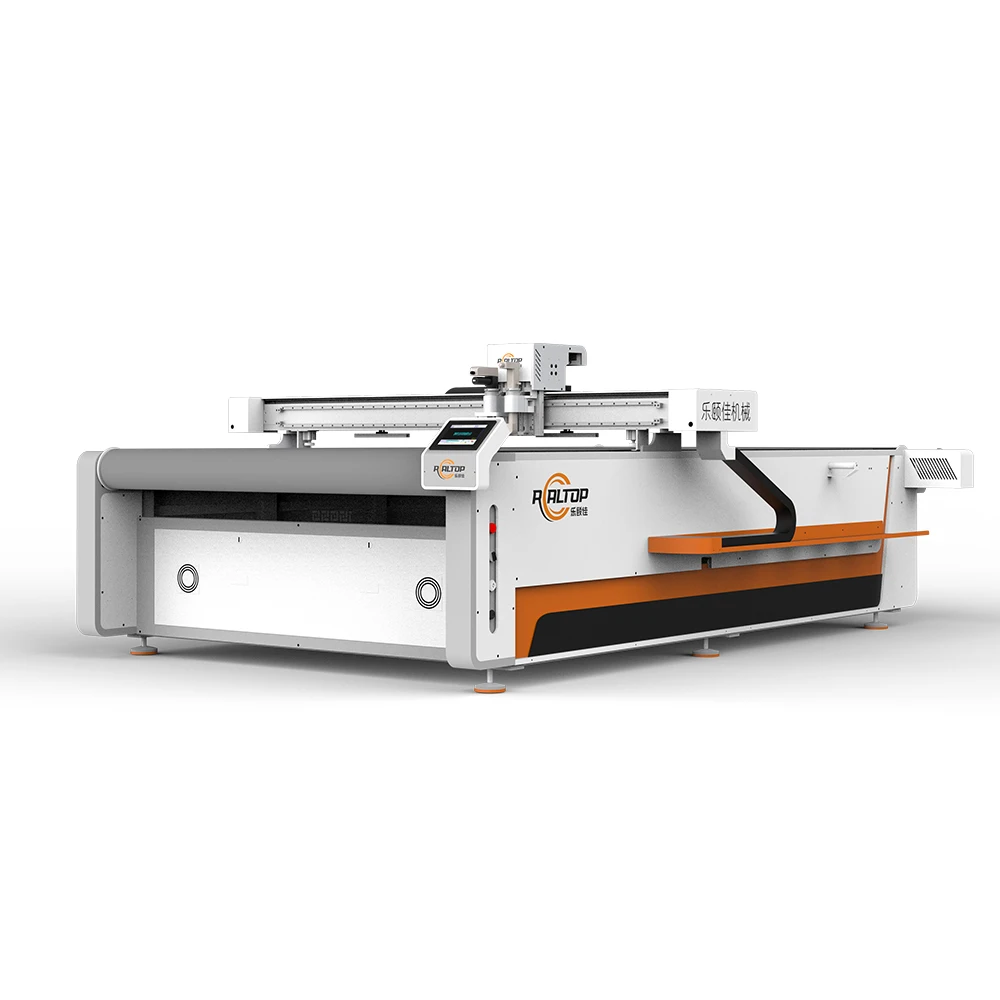
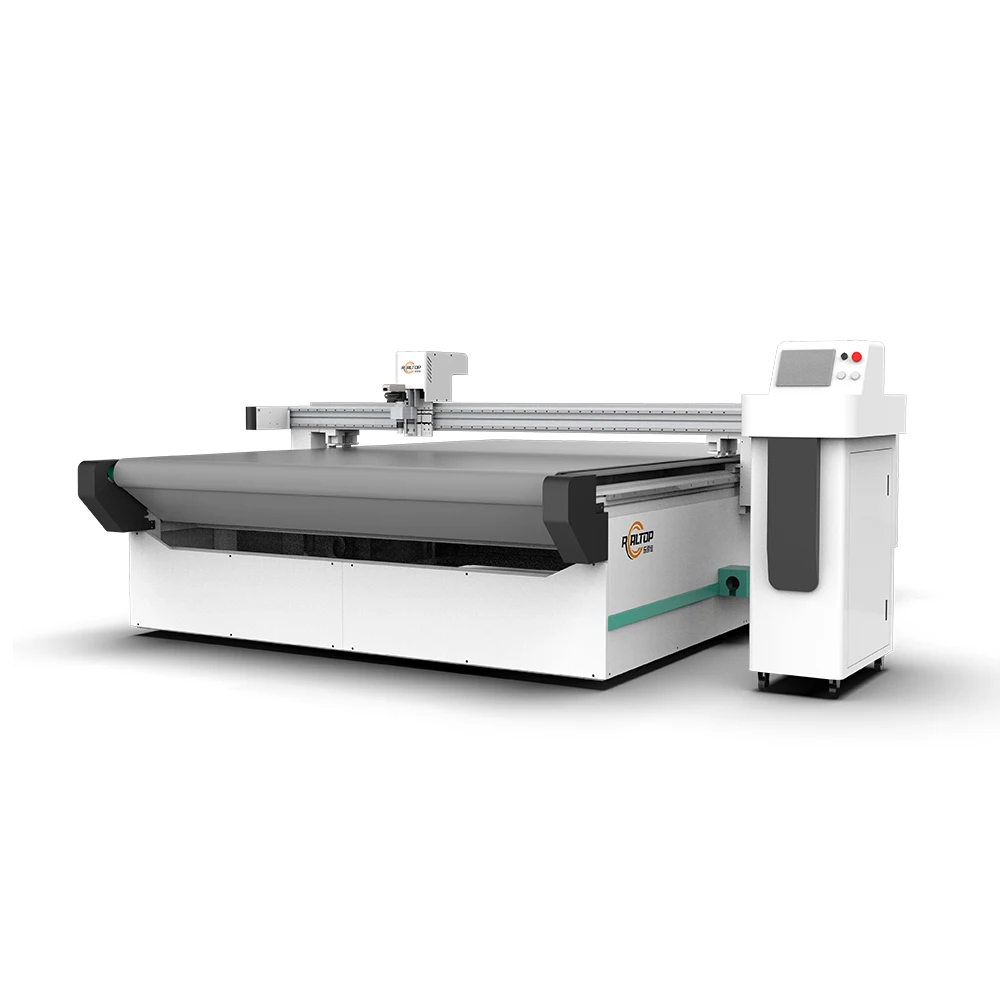
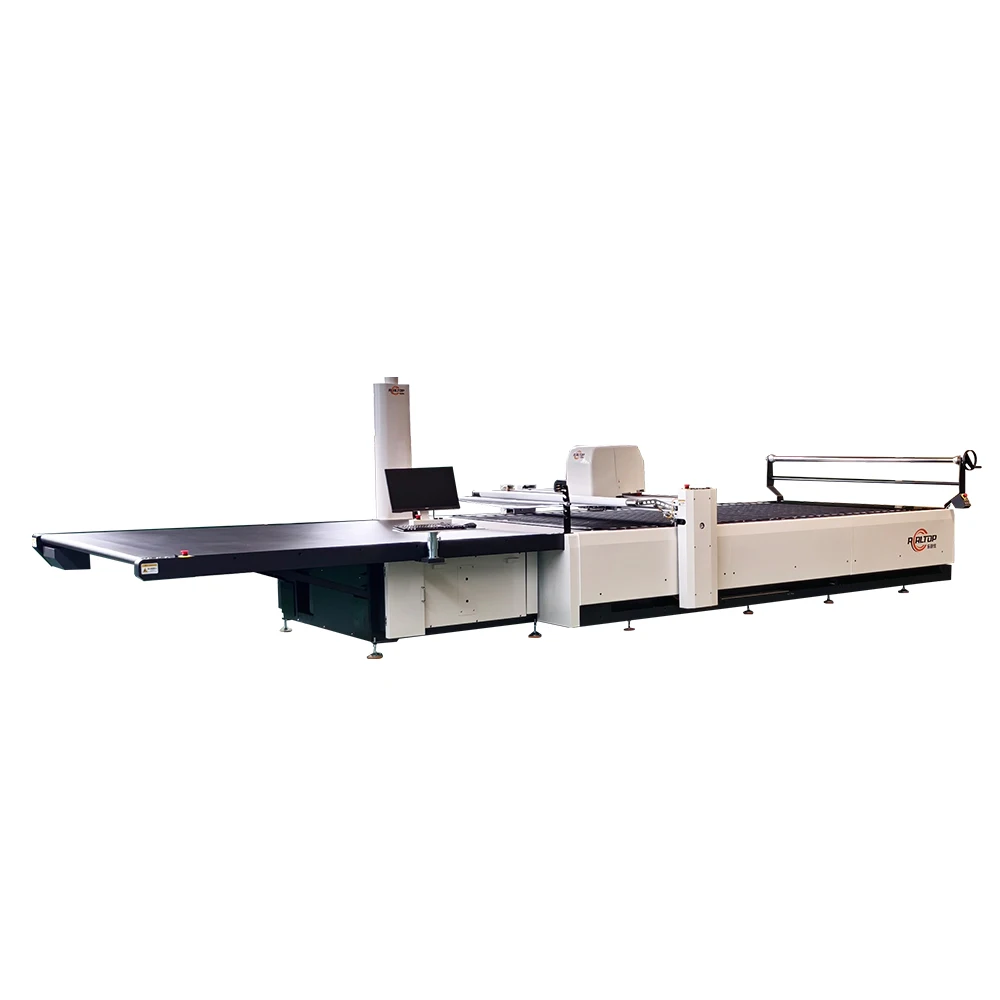
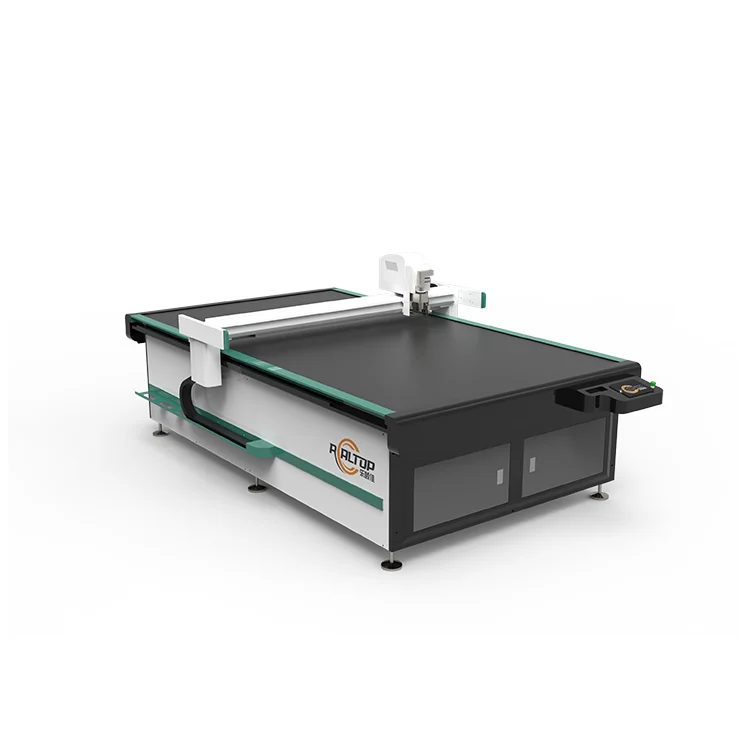
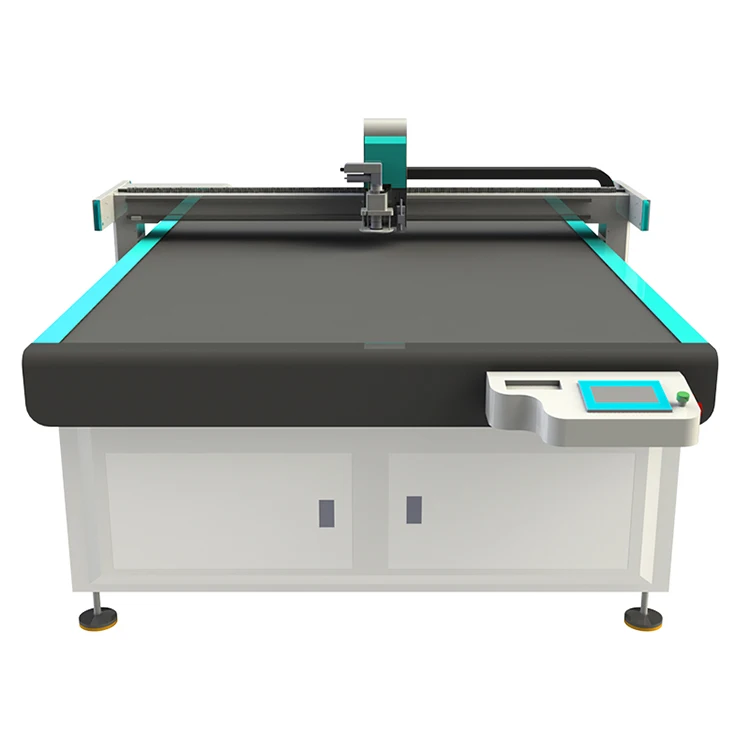
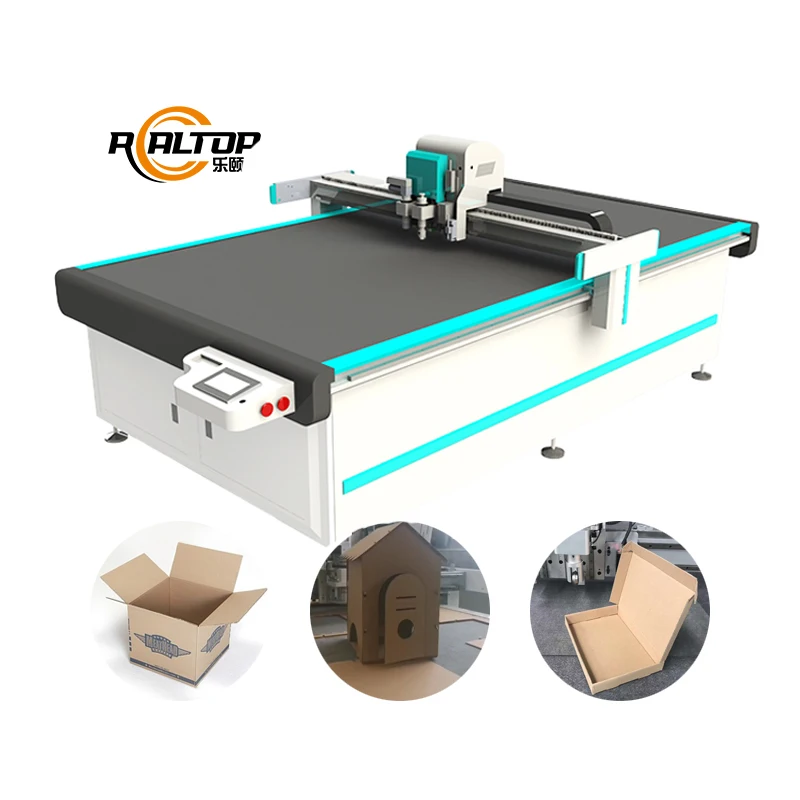
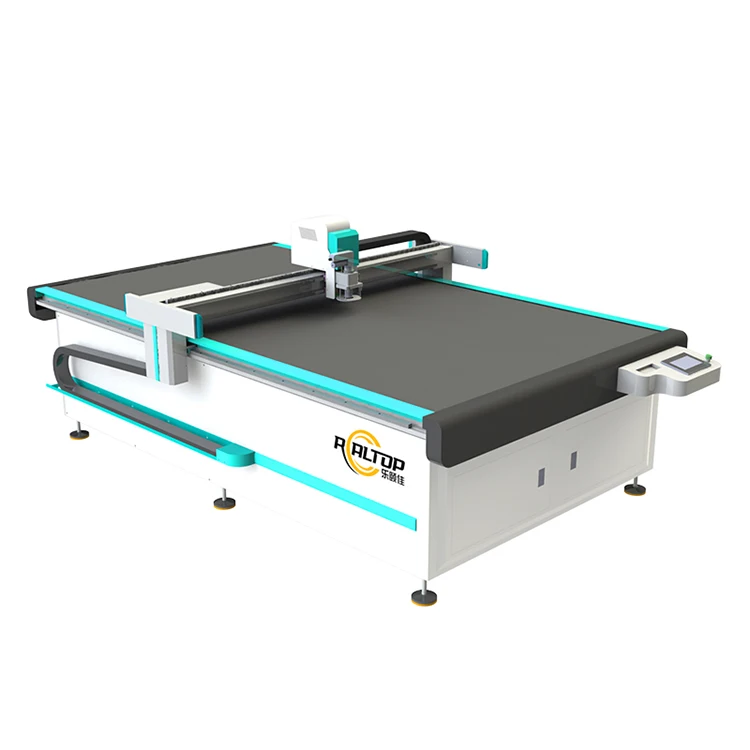
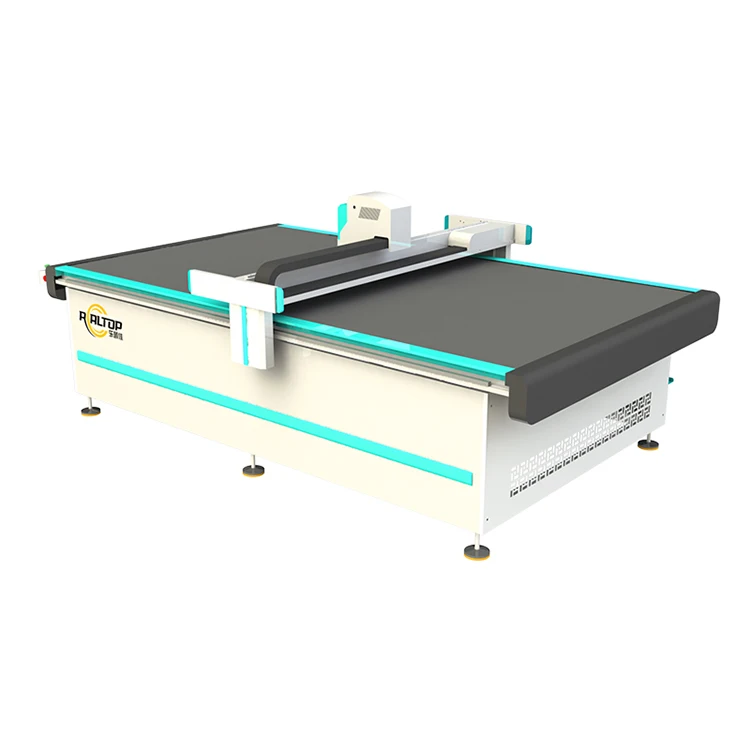
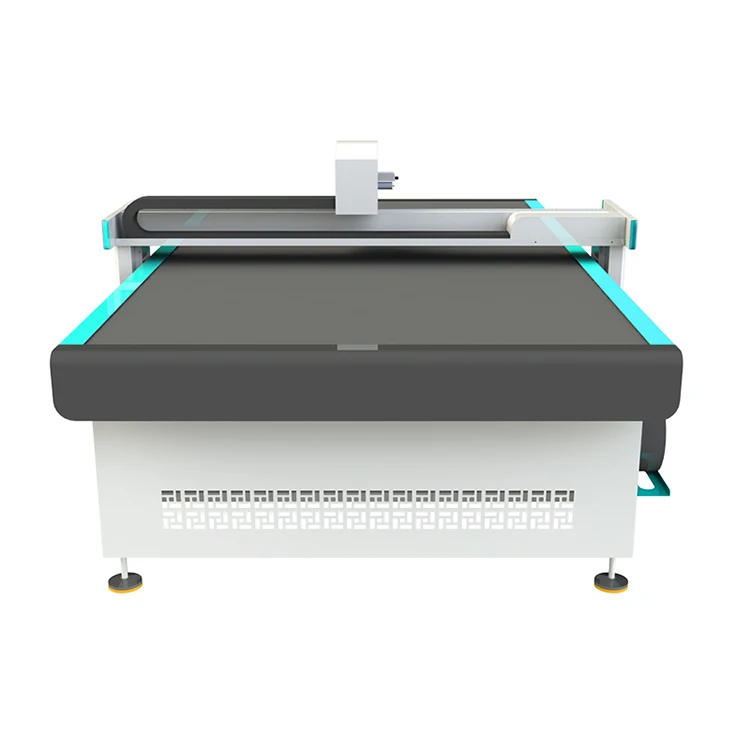
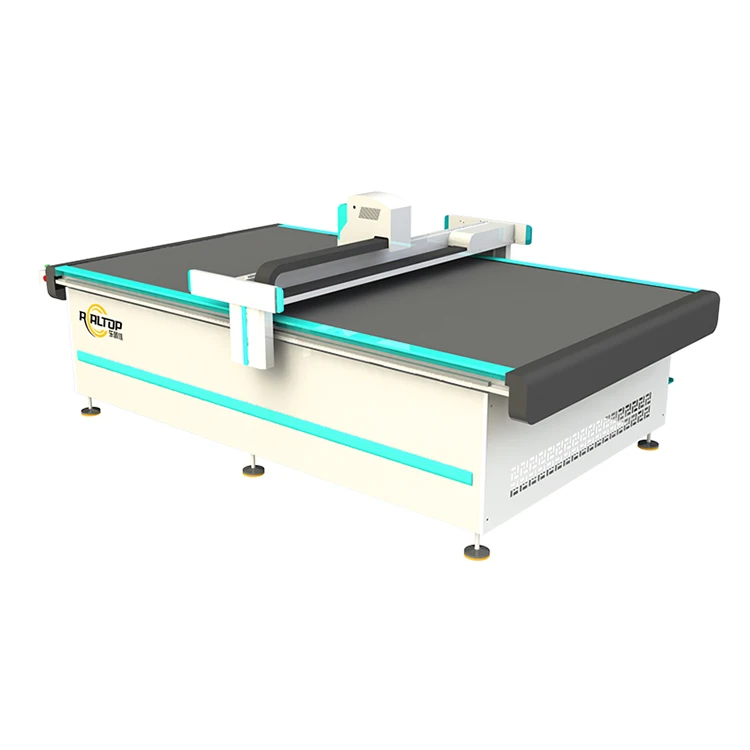
| Product Type | CNC Digital Cutting Machine with Automatic Feeding |
| Working Area | 1600 × 2500 mm |
| Machine Size | 3450 × 2300 × 1250 mm |
| Rated Power | 9 kW |
| Voltage | 380V ±10% |
| Table Options | Flat working table or auto-feeding conveyor table |
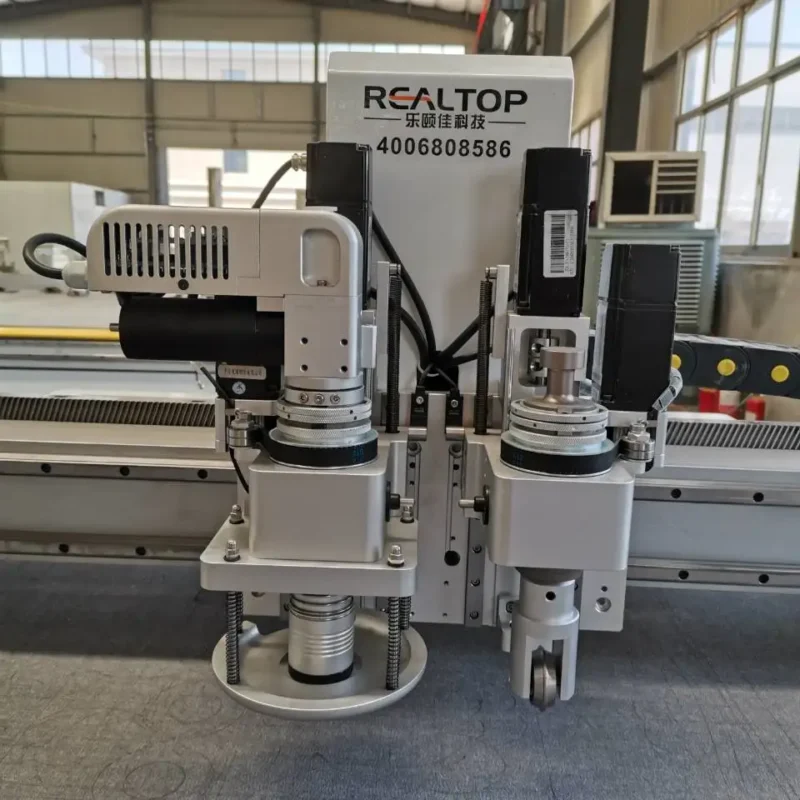
| Multifunctional Head | Swiss-imported vibrating knife (full/half cut, cursor location); optional oscillating, pneumatic, high-power vibrating, circular, V-cutting, drag knife, creasing wheel, dotted line knife, punching, brush |
| Translational Velocity | 800–2000 mm/s |
| Cutting Speed | 200–800 mm/s (basis not stated in source — confirm with material and thickness) |
| Cutting Thickness | ≤100 mm (varies with material) |
| Repeated Accuracy | ≤0.1 mm |
| Transmission System | Digital servo motor, linear guide, synchronous belt, ball screw |
| Servo Motor Options | Delta (China) or Panasonic (Japan), IP67 waterproof |
| Linear Guide | Taiwan Hiwin rail |
| Vacuum Table | Magnesium-aluminum alloy, fluorocarbon PVDF powder spraying, anodic and hard oxidation; integrated or split-box adsorption |
| Vacuum Pump | 7.5 kW, aviation aluminum shell, built-in silencer sponge (noise reduced by approximately 35%) |
| Auto Feeding Belt | Germany-imported conveyor belt |
| Visual Positioning Options | Small CCD mark-point positioning, panoramic camera recognition, projection positioning |
| Control Panel | Touch screen, multi-language (English, Russian, Italian, Chinese, custom languages available) |
| Software | Auto typesetting; supports PLT, DXF, AI file formats |
| Safety Device | Infrared sensors with auto-pause, beam anti-collision, emergency stop with in-situ resume |
| Instruction System | HP-GL compatible format |
Application Suitability
| Application | Material or Output |
|---|---|
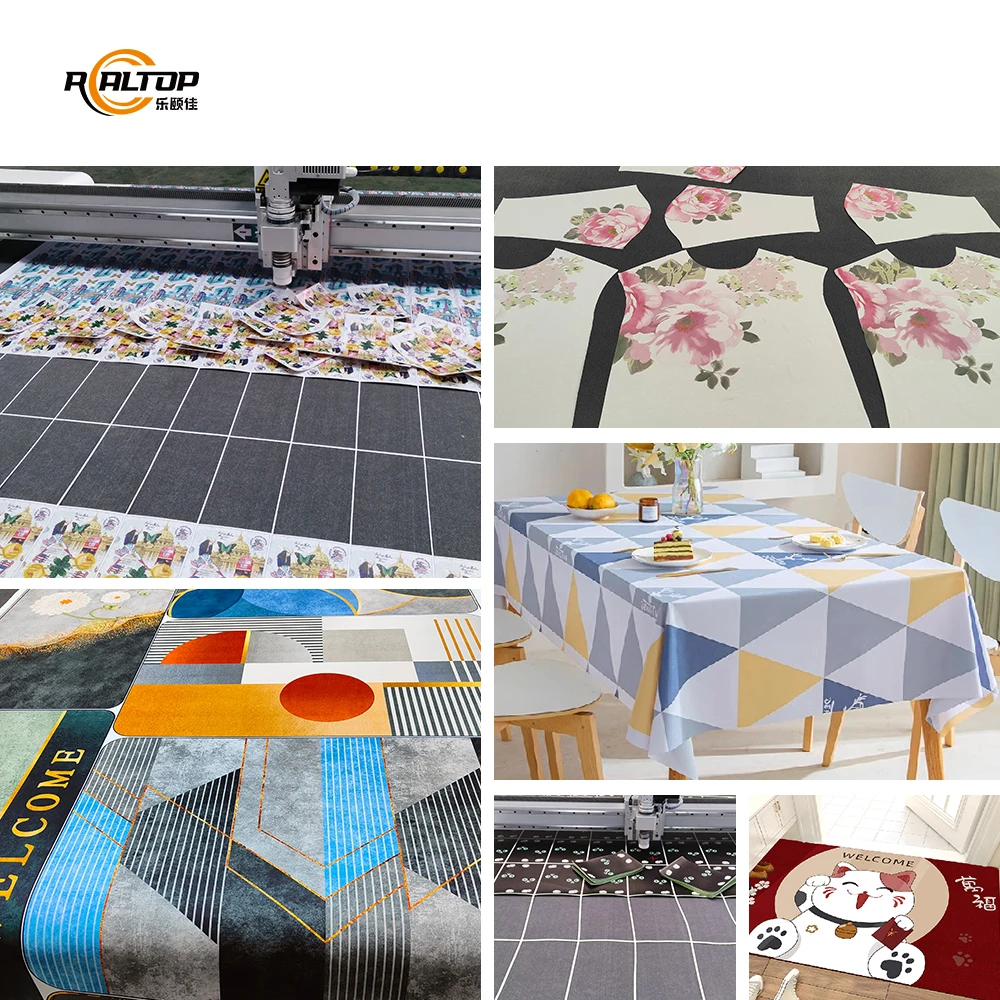
| Garment and footwear production | Multi-layer woven fabric, non-woven fabric, PU leather, shoe material |
| Automotive interior trimming | PVC drop stitch fabric, sponge composite leather, EVA foam, carpet |
| Advertising and signage | Sticker film, corrugated cardboard, soft glass, PP and PE sheet |
| Outdoor sports goods | PVC sheet, fiberglass, carbon fiber prepreg, composite panels |
| Packaging and carton sampling | Corrugated cardboard, film, sticker, foam board |
| Sealing and gasket fabrication | Rubber, PTFE, ETFE, gasket material, silicon sheet |
Why Specifying Working Area Is Not Enough for a CNC Digital Cutting Machine Manufacturer
The cutting method must be decided before the table size, otherwise the machine arrives and the tool head simply cannot process the buyer’s material.
Many fabricators choose a flatbed digital cutter based entirely on sheet dimensions, then discover that the oscillating knife struggles with the coated surface of PVC drop stitch fabric, or that the vacuum zoning leaves small gasket parts lifting during the cut. I once had a client running coated PVC mesh who watched two full production days evaporate because the standard blade pulled fibers instead of shearing cleanly through the polymer layer. The working envelope was correct, but the tool head was not. That gap between table size and actual cutting capability is where most dissatisfaction with any CNC digital cutting machine manufacturer originates [NEED_CITE: industrial cutting machine procurement failure patterns].
Head Selection Drives the Edge, Not the Motor
The RT-D2516/RT-S2516 carries a Swiss-imported vibrating knife capable of full-depth and half-depth cuts with cursor location, and the head accepts a wide range of interchangeable tools. An oscillating knife suits woven and non-woven fabrics where the blade must travel through the weave without dragging fibers. A circular knife handles thinner films and stickers at higher traverse rates. A creasing wheel paired with a drag knife gives packaging sample makers clean fold lines on corrugated stock without crushing the flute. Matching head to material is what separates a production-ready CNC digital cutting machine manufacturer from a catalogue that simply lists working areas.
Vacuum Adsorption and What It Actually Holds Down
The magnesium-aluminum alloy table is finished with fluorocarbon PVDF powder spraying plus anodic and hard oxidation, giving a flat surface that resists scratching from repeated sheet loading. More importantly, the platform can be specified as a single integrated box or a split-box zoning layout. Split-box zoning matters when the job involves nested small parts — gaskets, shoe uppers, or garment panels — where full-area suction would waste vacuum capacity on uncovered zones and leave thin PVC drop stitch edges curling under the knife [NEED_CITE: vacuum table zoning principles for flatbed digital cutters]. The 7.5 kW pump with aviation aluminum housing maintains consistent negative pressure across whichever zones are active, and the internal silencer sponge lowers operational noise noticeably in enclosed workshops.
Reading the Specs That Matter for Fabric and Composite Cutting
Cutting thickness is listed at ≤100 mm, but that figure shifts depending on material density; a stack of non-woven fabric compresses differently than a single sheet of XPE foam, so sample cutting on the actual material is the only way to confirm real depth. The repeated accuracy of ≤0.1 mm depends on the Taiwan Hiwin linear rails and ball screw transmission working with the digital servo motors — Panasonic units offer higher resolution feedback loops than the Delta option, which matters when cutting printed contour marks tracked by the CCD camera. Translational velocity ranges from 800 to 2000 mm/s, while cutting speed sits at 200–800 mm/s, a gap that reflects the difference between rapid positioning and actual knife engagement with resistance from the material. Software accepts PLT, DXF, and AI files with automatic typesetting, so nesting efficiency depends as much on the operator’s file preparation as on the machine’s motion system.
The Hidden Cost of Skipping the Sample Cut
A machine that slices cleanly through the supplier’s demo material can behave very differently on a buyer’s production stock, especially when coatings, laminations, or reinforcement meshes are involved. Wrong tool geometry produces ragged edges on PVC drop stitch or crushed surfaces on foam composites. Insufficient vacuum zoning lets lightweight film drift during the cut, pushing registration off by millimeters across a full sheet. When these issues surface after delivery, the downtime cost of waiting for replacement blades or a reconfigured vacuum bed far outweighs the time spent shipping a sample roll before purchase [NEED_CITE: production downtime cost factors in industrial cutting operations].
Why Procurement Teams Source This Range Here
Both knife and laser cutting technologies are designed and built under one roof, so a buyer processing materials that sit between the two methods does not have to force one technology where the other would perform better. Tool head and table configurations are specified against the buyer’s actual material type, thickness, and daily volume rather than a default package. CCD camera positioning options — mark-point, panoramic, and projection — are confirmed for the specific printed stock before the order is finalized. Voltage, plug type, and control panel language are locked in during the quotation stage, eliminating the shipment-surprise problem. Every unit ships with a factory test record run on the buyer’s own material, not a generic certificate.
Documentation & Verification
- Machine specification sheet listing every confirmed tool head and optional accessory for the RT-D2516/RT-S2516
- Electrical schematic with 380V ±10% circuit diagram and servo motor option clearly noted
- Sample cutting report generated on your PVC drop stitch or composite material before dispatch
- Software licence and file format compatibility note covering PLT, DXF, and AI imports
- Spare parts list identifying consumable blades, vacuum pump filters, and Hiwin rail carriages
Installation, Commissioning & Support
- 9 kW rated power requires a dedicated 380V ±10% three-phase circuit with appropriate breaker rating
- Machine footprint of 3450 × 2300 mm plus conveyor infeed clearance must be surveyed before delivery
- Touch screen control panel configured to operator language before commissioning begins
- First-run calibration of CCD mark-point or panoramic camera against buyer’s printed material on site
- Vacuum pump silencer sponge inspection and replacement schedule included in maintenance manual
- Servo motor IP67 rating verified during commissioning for environments with coolant or dust exposure
What to Include with Your Enquiry
Provide the exact material type — PVC drop stitch fabric, coated textile, or composite — along with thickness, sheet dimensions, and the daily volume you need to sustain. Confirm your workshop’s available floor space, ceiling height, and the local voltage and frequency standard so the electrical package matches before production begins. Specify the control panel language your operators use and whether your existing design files are in PLT, DXF, or AI format so software compatibility is verified in advance.
Frequently Asked Questions
Q: How is cutting speed verified and what material thickness does the quoted figure assume?
A: The 200–800 mm/s cutting speed range is measured under controlled conditions, but actual throughput depends on material density and thickness. We run your specific stock on the RT-D2516/RT-S2516 and document the sustained speed in the sample cutting report before any order is confirmed.
Q: How do I choose between oscillating knife, drag knife, circular knife, and creasing wheel?
A: Oscillating knives handle thicker woven and non-woven fabrics without fraying. Drag knives cut thin films and stickers. Circular knives suit high-speed film work. Creasing wheels score corrugated board for folding. Selection is finalized after sample cutting on your actual material.
Q: Can the CCD camera track printed contour marks at full production speed?
A: The small CCD and panoramic camera options are both available, but tracking reliability at speed depends on mark contrast, print quality, and material reflectivity. We test with your printed stock before confirming which positioning system suits your workflow.
Q: What voltage, plug, and control panel language options are confirmed before shipment?
A: Voltage at 380V ±10%, plug type, and touch screen language — English, Russian, Italian, Chinese, or a custom language — are all specified and documented during the quotation stage, not left to default settings at dispatch.
Q: How are knife and laser cutting compared when my material sits between both methods?
A: Because both knife and laser systems are designed in-house, we evaluate your material against each method and recommend whichever produces the required edge quality and throughput, rather than forcing one technology where the other is more suitable.
Tool-to-Material Matching — Every RT-D2516/RT-S2516 configuration starts with the buyer’s actual material sample on the cutting bed before the final head and table specification is locked in.
Technical Specifications
| Parameter | Value |
|---|---|
| Model | RT-D2516 / RT-S2516 |
| Product Type | CNC Digital Cutting Machine with Automatic Feeding |
| Working Area | 1600 × 2500 mm |
| Machine Size | 3450 × 2300 × 1250 mm |
| Rated Power | 9 kW |
| Voltage | 380V ±10% |
| Table Options | Flat working table or auto-feeding conveyor table |
| Multifunctional Head | Swiss-imported vibrating knife (full/half cut, cursor location); optional oscillating, pneumatic, high-power vibrating, circular, V-cutting, drag knife, creasing wheel, dotted line knife, punching, brush |
| Translational Velocity | 800–2000 mm/s |
| Cutting Speed | 200–800 mm/s (basis not stated in source — confirm with material and thickness) |
| Cutting Thickness | ≤100 mm (varies with material) |
| Repeated Accuracy | ≤0.1 mm |
| Transmission System | Digital servo motor, linear guide, synchronous belt, ball screw |
| Servo Motor Options | Delta (China) or Panasonic (Japan), IP67 waterproof |
| Linear Guide | Taiwan Hiwin rail |
| Vacuum Table | Magnesium-aluminum alloy, fluorocarbon PVDF powder spraying, anodic and hard oxidation; integrated or split-box adsorption |
| Vacuum Pump | 7.5 kW, aviation aluminum shell, built-in silencer sponge (noise reduced by approximately 35%) |
| Auto Feeding Belt | Germany-imported conveyor belt |
| Visual Positioning Options | Small CCD mark-point positioning, panoramic camera recognition, projection positioning |
| Control Panel | Touch screen, multi-language (English, Russian, Italian, Chinese, custom languages available) |
| Software | Auto typesetting; supports PLT, DXF, AI file formats |
| Safety Device | Infrared sensors with auto-pause, beam anti-collision, emergency stop with in-situ resume |
| Instruction System | HP-GL compatible format |
Application Suitability
| Application | Material or Output |
|---|---|
| Garment and footwear production | Multi-layer woven fabric, non-woven fabric, PU leather, shoe material |
| Automotive interior trimming | PVC drop stitch fabric, sponge composite leather, EVA foam, carpet |
| Advertising and signage | Sticker film, corrugated cardboard, soft glass, PP and PE sheet |
| Outdoor sports goods | PVC sheet, fiberglass, carbon fiber prepreg, composite panels |
| Packaging and carton sampling | Corrugated cardboard, film, sticker, foam board |
| Sealing and gasket fabrication | Rubber, PTFE, ETFE, gasket material, silicon sheet |
Why Specifying Working Area Is Not Enough for a CNC Digital Cutting Machine Manufacturer
The cutting method must be decided before the table size, otherwise the machine arrives and the tool head simply cannot process the buyer’s material.
Many fabricators choose a flatbed digital cutter based entirely on sheet dimensions, then discover that the oscillating knife struggles with the coated surface of PVC drop stitch fabric, or that the vacuum zoning leaves small gasket parts lifting during the cut. I once had a client running coated PVC mesh who watched two full production days evaporate because the standard blade pulled fibers instead of shearing cleanly through the polymer layer. The working envelope was correct, but the tool head was not. That gap between table size and actual cutting capability is where most dissatisfaction with any CNC digital cutting machine manufacturer originates [NEED_CITE: industrial cutting machine procurement failure patterns].
Head Selection Drives the Edge, Not the Motor
The RT-D2516/RT-S2516 carries a Swiss-imported vibrating knife capable of full-depth and half-depth cuts with cursor location, and the head accepts a wide range of interchangeable tools. An oscillating knife suits woven and non-woven fabrics where the blade must travel through the weave without dragging fibers. A circular knife handles thinner films and stickers at higher traverse rates. A creasing wheel paired with a drag knife gives packaging sample makers clean fold lines on corrugated stock without crushing the flute. Matching head to material is what separates a production-ready CNC digital cutting machine manufacturer from a catalogue that simply lists working areas.
Vacuum Adsorption and What It Actually Holds Down
The magnesium-aluminum alloy table is finished with fluorocarbon PVDF powder spraying plus anodic and hard oxidation, giving a flat surface that resists scratching from repeated sheet loading. More importantly, the platform can be specified as a single integrated box or a split-box zoning layout. Split-box zoning matters when the job involves nested small parts — gaskets, shoe uppers, or garment panels — where full-area suction would waste vacuum capacity on uncovered zones and leave thin PVC drop stitch edges curling under the knife [NEED_CITE: vacuum table zoning principles for flatbed digital cutters]. The 7.5 kW pump with aviation aluminum housing maintains consistent negative pressure across whichever zones are active, and the internal silencer sponge lowers operational noise noticeably in enclosed workshops.
Reading the Specs That Matter for Fabric and Composite Cutting
Cutting thickness is listed at ≤100 mm, but that figure shifts depending on material density; a stack of non-woven fabric compresses differently than a single sheet of XPE foam, so sample cutting on the actual material is the only way to confirm real depth. The repeated accuracy of ≤0.1 mm depends on the Taiwan Hiwin linear rails and ball screw transmission working with the digital servo motors — Panasonic units offer higher resolution feedback loops than the Delta option, which matters when cutting printed contour marks tracked by the CCD camera. Translational velocity ranges from 800 to 2000 mm/s, while cutting speed sits at 200–800 mm/s, a gap that reflects the difference between rapid positioning and actual knife engagement with resistance from the material. Software accepts PLT, DXF, and AI files with automatic typesetting, so nesting efficiency depends as much on the operator’s file preparation as on the machine’s motion system.
The Hidden Cost of Skipping the Sample Cut
A machine that slices cleanly through the supplier’s demo material can behave very differently on a buyer’s production stock, especially when coatings, laminations, or reinforcement meshes are involved. Wrong tool geometry produces ragged edges on PVC drop stitch or crushed surfaces on foam composites. Insufficient vacuum zoning lets lightweight film drift during the cut, pushing registration off by millimeters across a full sheet. When these issues surface after delivery, the downtime cost of waiting for replacement blades or a reconfigured vacuum bed far outweighs the time spent shipping a sample roll before purchase [NEED_CITE: production downtime cost factors in industrial cutting operations].
Why Procurement Teams Source This Range Here
Both knife and laser cutting technologies are designed and built under one roof, so a buyer processing materials that sit between the two methods does not have to force one technology where the other would perform better. Tool head and table configurations are specified against the buyer’s actual material type, thickness, and daily volume rather than a default package. CCD camera positioning options — mark-point, panoramic, and projection — are confirmed for the specific printed stock before the order is finalized. Voltage, plug type, and control panel language are locked in during the quotation stage, eliminating the shipment-surprise problem. Every unit ships with a factory test record run on the buyer’s own material, not a generic certificate.
Documentation & Verification
- Machine specification sheet listing every confirmed tool head and optional accessory for the RT-D2516/RT-S2516
- Electrical schematic with 380V ±10% circuit diagram and servo motor option clearly noted
- Sample cutting report generated on your PVC drop stitch or composite material before dispatch
- Software licence and file format compatibility note covering PLT, DXF, and AI imports
- Spare parts list identifying consumable blades, vacuum pump filters, and Hiwin rail carriages
Installation, Commissioning & Support
- 9 kW rated power requires a dedicated 380V ±10% three-phase circuit with appropriate breaker rating
- Machine footprint of 3450 × 2300 mm plus conveyor infeed clearance must be surveyed before delivery
- Touch screen control panel configured to operator language before commissioning begins
- First-run calibration of CCD mark-point or panoramic camera against buyer’s printed material on site
- Vacuum pump silencer sponge inspection and replacement schedule included in maintenance manual
- Servo motor IP67 rating verified during commissioning for environments with coolant or dust exposure
What to Include with Your Enquiry
Provide the exact material type — PVC drop stitch fabric, coated textile, or composite — along with thickness, sheet dimensions, and the daily volume you need to sustain. Confirm your workshop’s available floor space, ceiling height, and the local voltage and frequency standard so the electrical package matches before production begins. Specify the control panel language your operators use and whether your existing design files are in PLT, DXF, or AI format so software compatibility is verified in advance.
Frequently Asked Questions
Q: How is cutting speed verified and what material thickness does the quoted figure assume?
A: The 200–800 mm/s cutting speed range is measured under controlled conditions, but actual throughput depends on material density and thickness. We run your specific stock on the RT-D2516/RT-S2516 and document the sustained speed in the sample cutting report before any order is confirmed.
Q: How do I choose between oscillating knife, drag knife, circular knife, and creasing wheel?
A: Oscillating knives handle thicker woven and non-woven fabrics without fraying. Drag knives cut thin films and stickers. Circular knives suit high-speed film work. Creasing wheels score corrugated board for folding. Selection is finalized after sample cutting on your actual material.
Q: Can the CCD camera track printed contour marks at full production speed?
A: The small CCD and panoramic camera options are both available, but tracking reliability at speed depends on mark contrast, print quality, and material reflectivity. We test with your printed stock before confirming which positioning system suits your workflow.
Q: What voltage, plug, and control panel language options are confirmed before shipment?
A: Voltage at 380V ±10%, plug type, and touch screen language — English, Russian, Italian, Chinese, or a custom language — are all specified and documented during the quotation stage, not left to default settings at dispatch.
Q: How are knife and laser cutting compared when my material sits between both methods?
A: Because both knife and laser systems are designed in-house, we evaluate your material against each method and recommend whichever produces the required edge quality and throughput, rather than forcing one technology where the other is more suitable.
商品评价
There are no reviews yet.