






Fast Delivery
Quick, reliable shipping to any location.

Free & easy returns
Return this item by mail or in store within 90 days for a full refund.
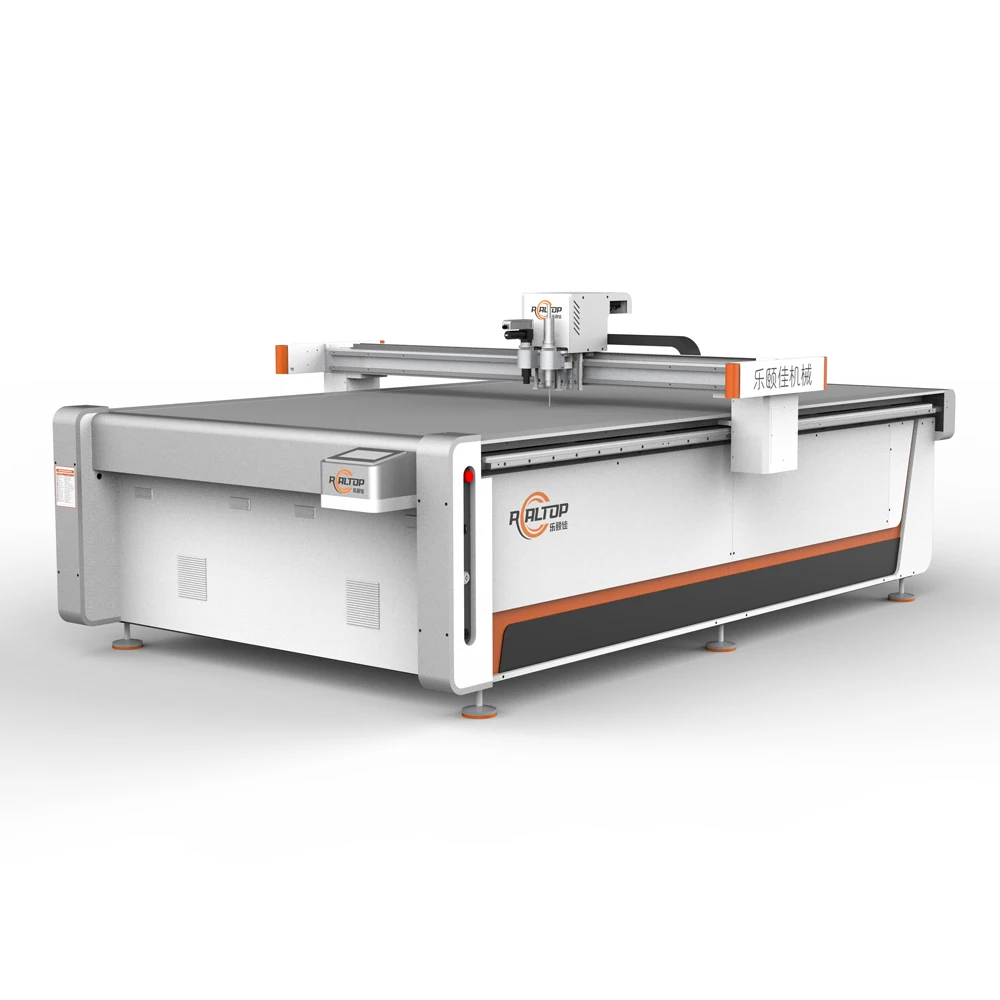
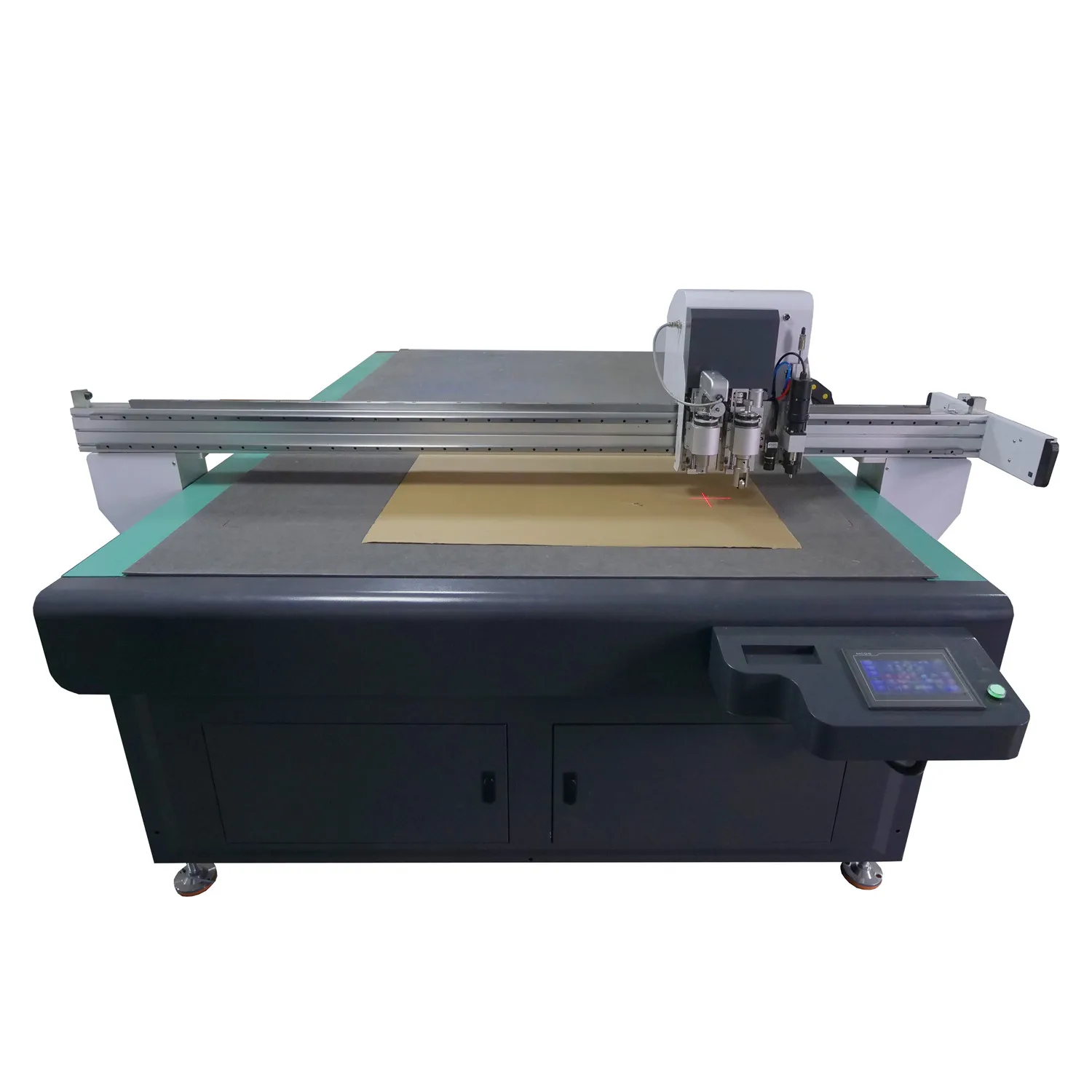
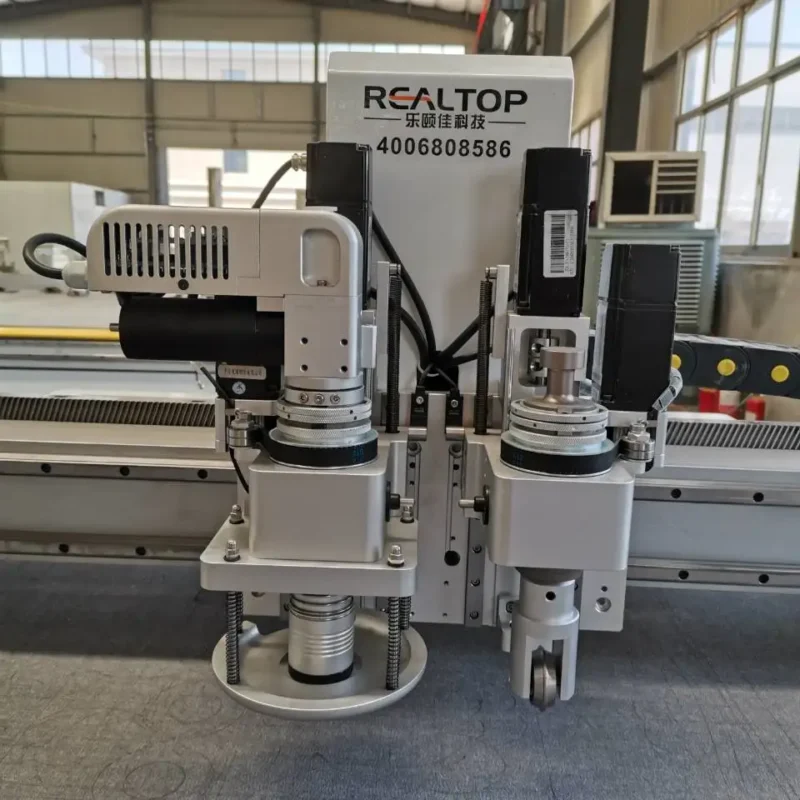
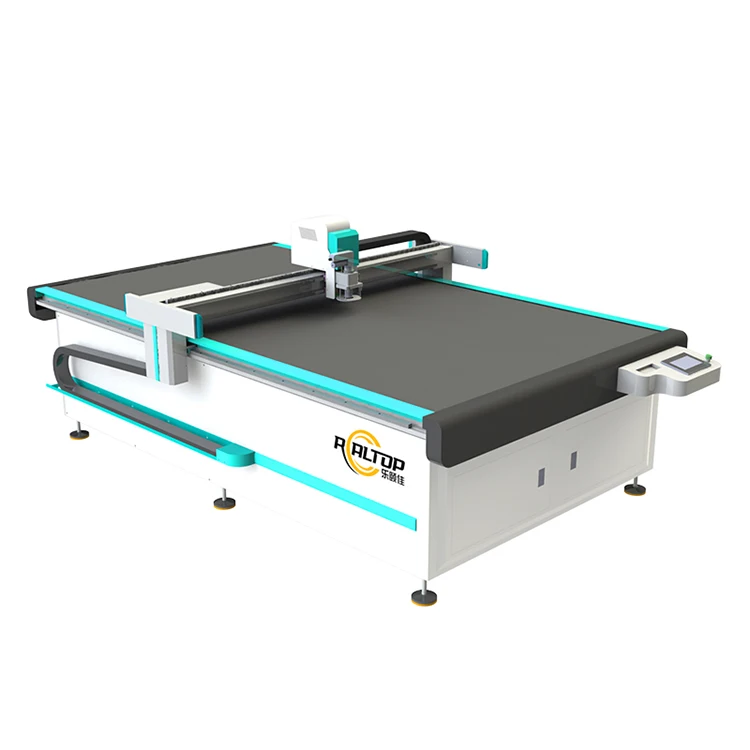
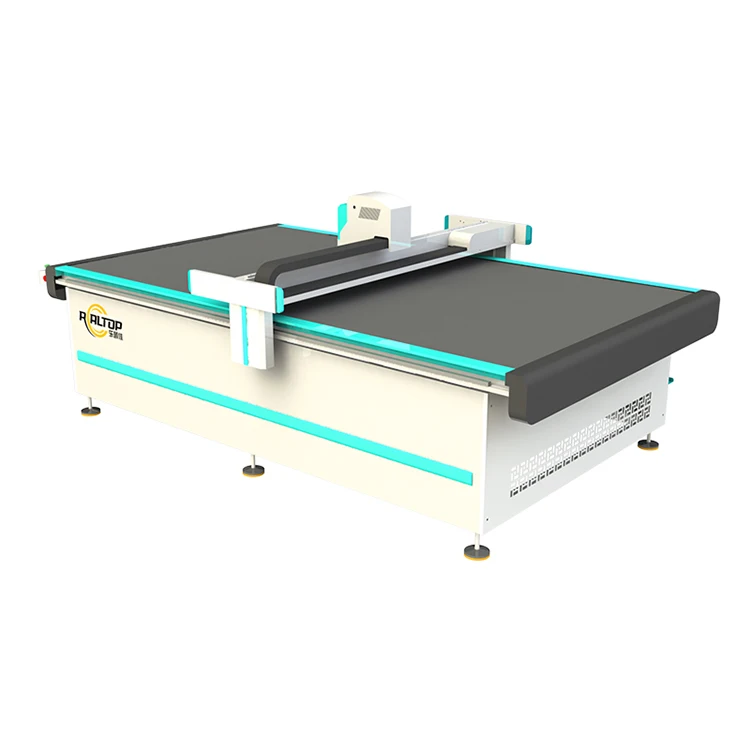
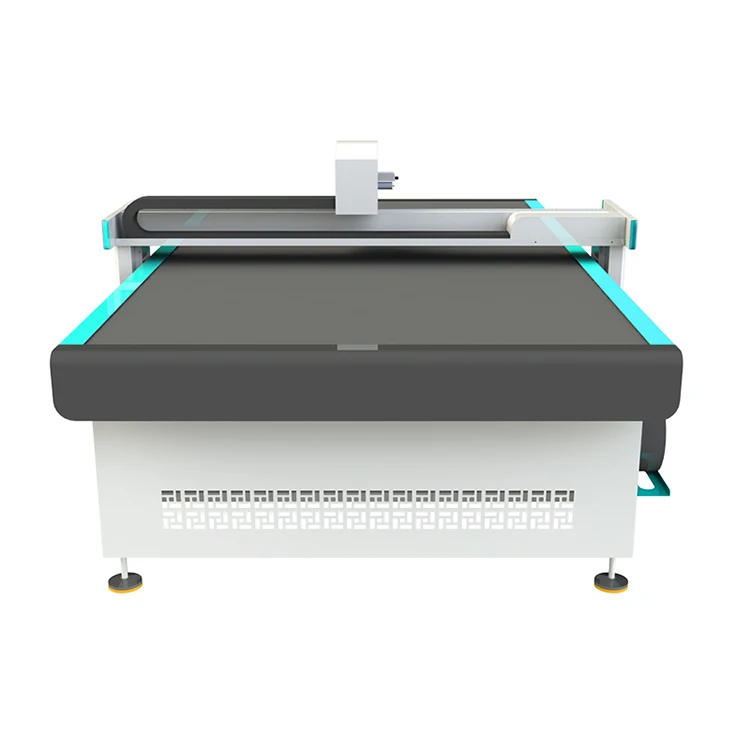
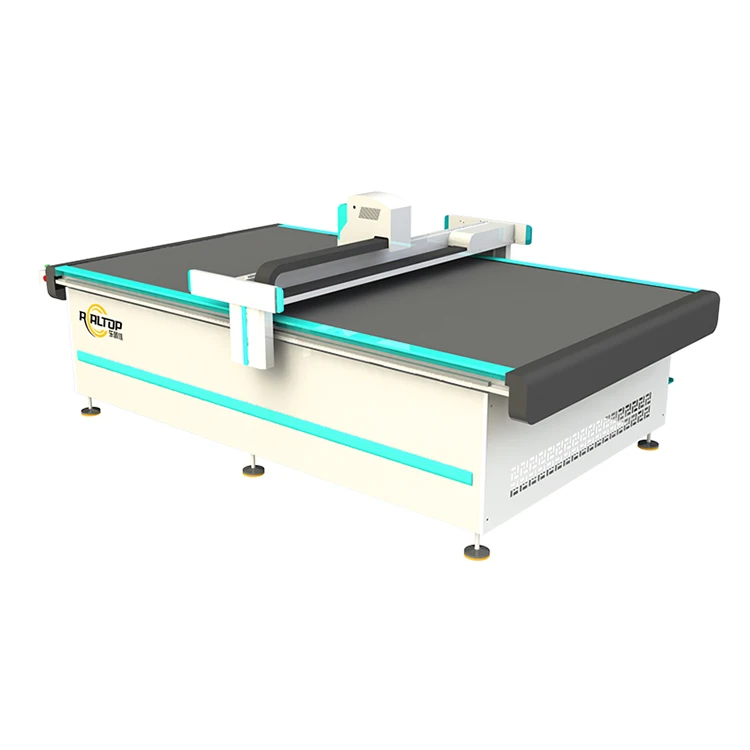
Tool Head and Table Configuration Specified per Material — A buyer cutting 3mm E-flute needs a different oscillating frequency and vacuum zoning than one running 15mm double-wall board, so the RT-D2516/RT-S2516 configuration is locked after sample testing on the actual stock you ship to our facility.
Technical Specifications
| Parameter | Value |
|---|---|
| Model | RT-D2516/RT-S2516 |
| Product Type | Digital Corrugated Board Cutting and Creasing Machine |
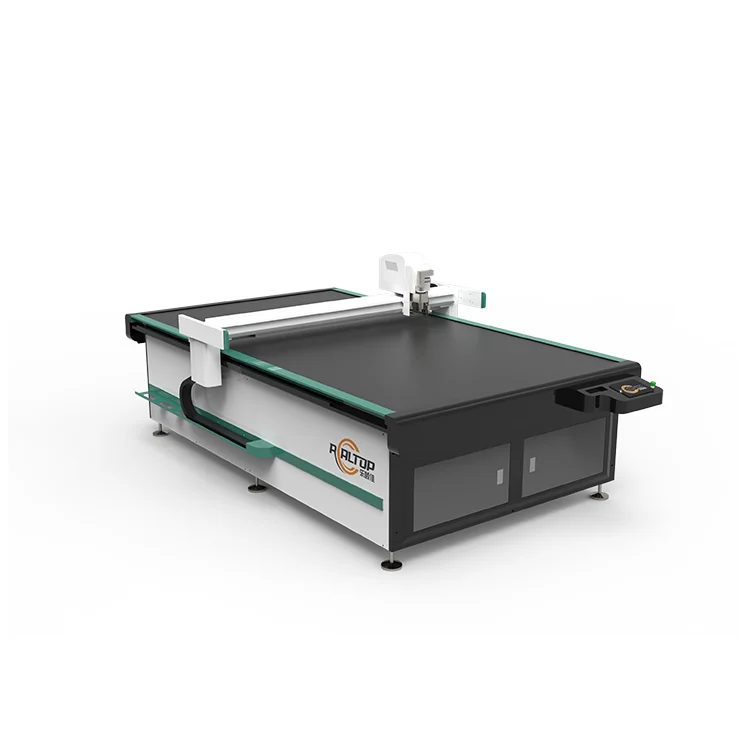
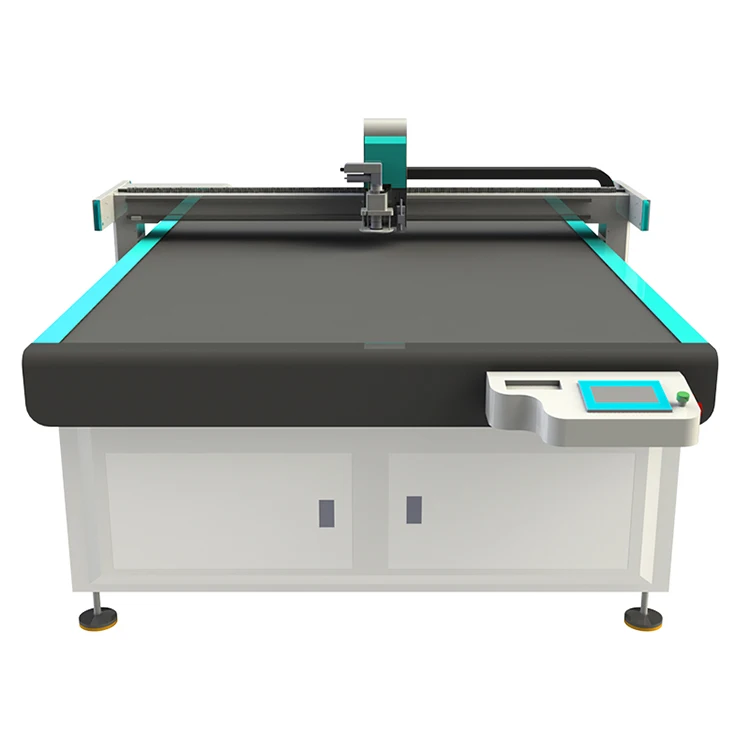
| Working Area | 1600 × 2500 mm |
| Machine Size | 3450 × 2300 × 1250 mm |
| Rated Power | 9 kW |
| Table Type | Aluminum alloy honeycomb flat working table |
| Tool Head | Swiss-imported knife with vibration full cutting, half cutting, and cursor location |
| Safety Device | Infrared sensors |
| Translational Velocity | 800–2000 mm/s |
| Cutting Speed | 200–800 mm/s (varies with material type and thickness) |
| Repeated Accuracy | ≤0.1 mm |
| Transmission System | Digital servo motor, linear guide, synchronous belt, imported ball screw |
| Instruction System | HP-GL compatible format |
| Voltage | 380V ± 10% |
| Servo Motor | Delta |
| Vacuum Pump | 7.5 kW |
| Guide Rail | Taiwan Hiwin |
| Conveyor Belt | Germany imported |
| Software | Professional carton nesting software with customized language support |
| Cutting Thickness | ≤100 mm (varies with material) |
Application Suitability
| Application | Material or Output |
|---|---|
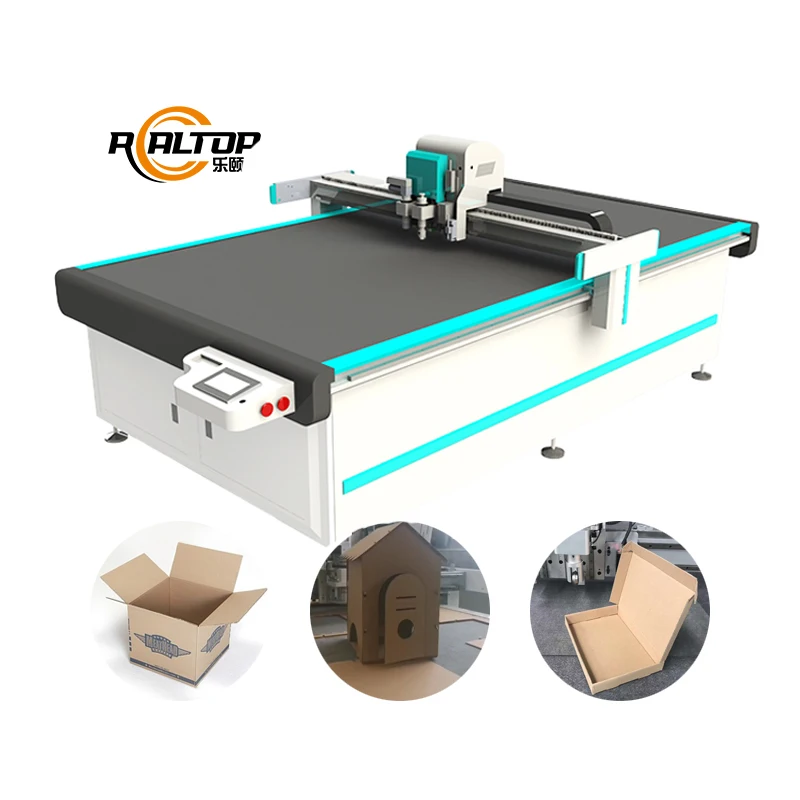
| Carton sample prototyping | Corrugated board (E-flute, B-flute, double-wall) |
| Short-run packaging production | Grey board, high-grammage chipboard |
| Express and shipping box cutting | Single and multi-wall corrugated sheets |
| Snack and consumer goods packaging | Folding carton board, coated stock |
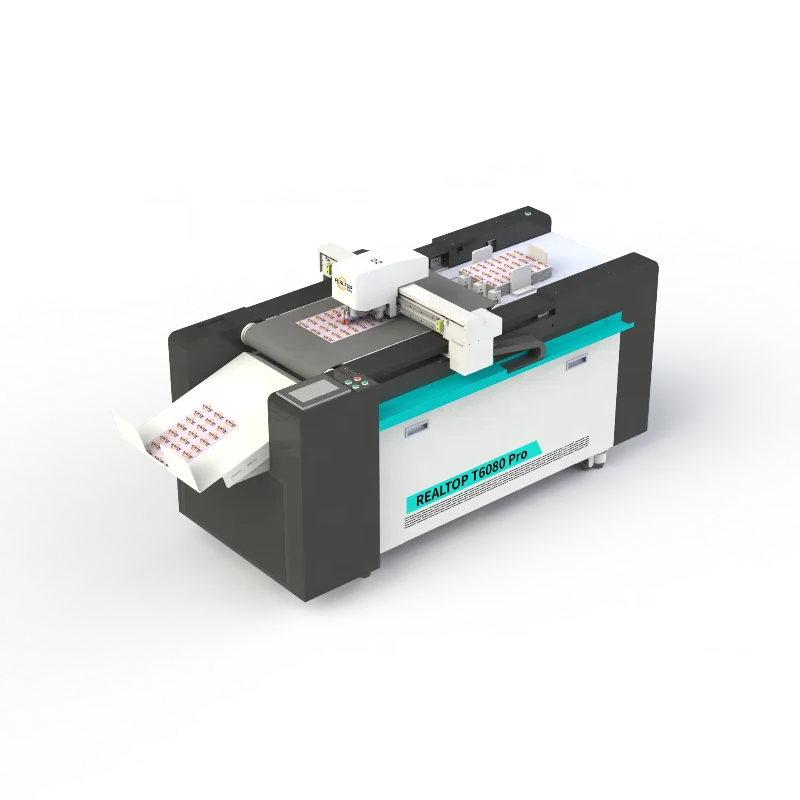
| Sticker and label contour cutting | Vinyl, adhesive-backed board |
| Billboard and business card production | Lightweight foam board, PVC sheet |
Why the Wrong Tool Head Ruins a Perfectly Good Board
Matching the oscillating knife profile to your flute geometry determines whether crease lines fold cleanly or crush the corrugation medium. Specifying a Packaging CNC Cutting Machine for sale without confirming the tool head for your exact board grade is the most common reason sample boxes arrive with ragged edges.
I have watched a creasing wheel that worked perfectly on B-flute completely flatten the arches on double-wall BC board, leaving fold lines that cracked open during assembly. The vibration frequency, knife angle, and downward pressure each need adjustment for the material in front of the blade. [NEED_CITE: corrugated flute profiles and crush resistance standards]
Matching Knife Frequency to Flute Density
E-flute corrugated board has roughly three times the flute count per linear meter compared to C-flute, which means the oscillating knife must cycle faster and travel a shorter stroke to slice through each wall without dragging the liner. The Swiss-imported knife head on this Packaging CNC Cutting Machine for sale supports adjustable vibration parameters so the blade enters and exits each flute cleanly, avoiding the delamination that happens when a static drag knife pulls through multi-layer board.
Vacuum Zoning Across the Full Bed
The 7.5 kW vacuum pump feeds an aluminum honeycomb platform that can be divided into active zones. When a small sticker sheet occupies only a corner of the 1600 × 2500 mm bed, the remaining zones stay sealed so suction concentrates where the material actually sits. This zoned approach prevents lightweight vinyl or thin carton stock from lifting under the knife head at high translational speeds, a problem that frequently surfaces when operators run mixed-size jobs on an undivided table. [NEED_CITE: vacuum hold-down requirements for flatbed digital cutting]
Reading the Specs That Actually Matter
The Delta servo motors paired with Taiwan Hiwin linear guides deliver the repeated accuracy of ≤0.1 mm that creasing work demands — a crease line offset by even half a millimeter on a gift box blank will misalign every fold downstream. The 9 kW rated power covers the knife head oscillation, vacuum pump, and drive system simultaneously, so the machine does not starve any single function when cutting dense grey board. Cutting speed ranges from 200 to 800 mm/s depending on the material, meaning a single-layer E-flute sheet cuts faster while 10 mm double-wall board requires a slower pass to keep the knife from deflecting through the flute arches. The HP-GL compatible instruction system accepts files from most mainstream carton design software without requiring a secondary conversion step.
The Cost of Skipping the Sample Cut
I once supplied a machine configured for standard B-flute to a buyer who later revealed their daily production included 2.5 mm grey board for premium gift boxes. The creasing wheel pressed right through the grey board surface without forming a proper score, and every box folded out of square. A sample cutting report on the buyer’s own material before shipment would have caught that mismatch in the factory instead of on the production floor. [NEED_CITE: material-specific tooling verification in digital cutting]
What Sets This Configuration Apart
In-house design and production across both knife and laser platforms means the cutting method is chosen to match the board, not forced into a single technology. The tool head and table layout are specified per material type and production volume before the order is locked. CCD camera positioning is available for printed contour work on sticker and label stock. Software compatibility with the buyer’s existing nesting workflow is confirmed before production starts. Voltage, plug type, and control language are verified against the destination market so no adapter or reprogramming is needed on arrival.
Documentation & Verification
- Machine specification sheet listing the exact tool head and table zones configured for your board grade
- Electrical schematic confirming 380V ± 10% wiring and Delta servo motor circuit layout
- Sample cutting report produced on your corrugated material before dispatch
- Software licence and file format compatibility note for your nesting workflow
- Factory test record documenting repeated accuracy across the full 1600 × 2500 mm bed
Installation, Commissioning & Support
- Foundation must support 3450 × 2300 × 1250 mm footprint plus operator clearance on three sides
- Dedicated 380V circuit required; confirm local voltage tolerance before wiring the 9 kW rated system
- Machine ships in assembled frame; vacuum table and knife head calibrated during factory test before crating
- First-run parameter setting covers oscillation frequency and vacuum zone mapping for your specific board
- Professional carton nesting software loaded with your chosen language before operator training begins
- Spare knife blades and creasing wheels listed in the included parts schedule for routine changeover intervals
What to Include in Your Inquiry
Send the actual corrugated board samples you plan to run, including flute type, gram weight, and maximum thickness, so the tool head can be matched before the quote. Specify your local voltage, frequency, and preferred plug type, along with the control language your operators read. If you already use nesting software, share a sample file so format compatibility is verified before production begins.
Frequently Asked Questions
Q: How is cutting thickness verified against my specific corrugated flute type and board grade?
A: We run a sample cutting test on the exact board you ship to our facility, recording the knife stroke, oscillation frequency, and vacuum pressure needed. The results are documented in a sample cutting report and used to set the machine configuration before production begins, so the cutting thickness capacity is tied to your real material rather than a generic specification.
Q: What tool head configuration do I need for combined cutting and creasing?
A: It depends on whether you are scoring single-flute corrugated board or pressing fold lines into high-grammage grey board. The Swiss-imported knife head handles full and half cutting, while a separate creasing wheel is selected based on the score width and depth your box design requires. Both are confirmed during the sample test.
Q: Does the CCD camera track printed marks reliably on corrugated surfaces?
A: The camera reads registration marks on printed corrugated sheets provided the mark contrast and size meet minimum thresholds. On uneven flute surfaces we adjust the lighting angle during the sample test to confirm reliable tracking at your target cutting speed before the machine is released for production.
Q: What voltage and software language options are available for my market?
A: The standard electrical system runs on 380V ± 10%, but we confirm the exact voltage, plug type, and frequency for your destination before wiring. The carton nesting software supports multiple interface languages, which are loaded and tested during factory commissioning so operators see their preferred language from the first power-on.
Q: How do I confirm software compatibility with my existing file-format workflow?
A: Share a sample file from your current design or nesting software during the inquiry stage. We import it into the included professional carton nesting software, verify that cut lines, crease lines, and contour paths translate correctly, and document the result in a file format compatibility note shipped with the machine.
Tool Head and Table Configuration Specified per Material — A buyer cutting 3mm E-flute needs a different oscillating frequency and vacuum zoning than one running 15mm double-wall board, so the RT-D2516/RT-S2516 configuration is locked after sample testing on the actual stock you ship to our facility.
Technical Specifications
| Parameter | Value |
|---|---|
| Model | RT-D2516/RT-S2516 |
| Product Type | Digital Corrugated Board Cutting and Creasing Machine |
| Working Area | 1600 × 2500 mm |
| Machine Size | 3450 × 2300 × 1250 mm |
| Rated Power | 9 kW |
| Table Type | Aluminum alloy honeycomb flat working table |
| Tool Head | Swiss-imported knife with vibration full cutting, half cutting, and cursor location |
| Safety Device | Infrared sensors |
| Translational Velocity | 800–2000 mm/s |
| Cutting Speed | 200–800 mm/s (varies with material type and thickness) |
| Repeated Accuracy | ≤0.1 mm |
| Transmission System | Digital servo motor, linear guide, synchronous belt, imported ball screw |
| Instruction System | HP-GL compatible format |
| Voltage | 380V ± 10% |
| Servo Motor | Delta |
| Vacuum Pump | 7.5 kW |
| Guide Rail | Taiwan Hiwin |
| Conveyor Belt | Germany imported |
| Software | Professional carton nesting software with customized language support |
| Cutting Thickness | ≤100 mm (varies with material) |
Application Suitability
| Application | Material or Output |
|---|---|
| Carton sample prototyping | Corrugated board (E-flute, B-flute, double-wall) |
| Short-run packaging production | Grey board, high-grammage chipboard |
| Express and shipping box cutting | Single and multi-wall corrugated sheets |
| Snack and consumer goods packaging | Folding carton board, coated stock |
| Sticker and label contour cutting | Vinyl, adhesive-backed board |
| Billboard and business card production | Lightweight foam board, PVC sheet |
Why the Wrong Tool Head Ruins a Perfectly Good Board
Matching the oscillating knife profile to your flute geometry determines whether crease lines fold cleanly or crush the corrugation medium. Specifying a Packaging CNC Cutting Machine for sale without confirming the tool head for your exact board grade is the most common reason sample boxes arrive with ragged edges.
I have watched a creasing wheel that worked perfectly on B-flute completely flatten the arches on double-wall BC board, leaving fold lines that cracked open during assembly. The vibration frequency, knife angle, and downward pressure each need adjustment for the material in front of the blade. [NEED_CITE: corrugated flute profiles and crush resistance standards]
Matching Knife Frequency to Flute Density
E-flute corrugated board has roughly three times the flute count per linear meter compared to C-flute, which means the oscillating knife must cycle faster and travel a shorter stroke to slice through each wall without dragging the liner. The Swiss-imported knife head on this Packaging CNC Cutting Machine for sale supports adjustable vibration parameters so the blade enters and exits each flute cleanly, avoiding the delamination that happens when a static drag knife pulls through multi-layer board.
Vacuum Zoning Across the Full Bed
The 7.5 kW vacuum pump feeds an aluminum honeycomb platform that can be divided into active zones. When a small sticker sheet occupies only a corner of the 1600 × 2500 mm bed, the remaining zones stay sealed so suction concentrates where the material actually sits. This zoned approach prevents lightweight vinyl or thin carton stock from lifting under the knife head at high translational speeds, a problem that frequently surfaces when operators run mixed-size jobs on an undivided table. [NEED_CITE: vacuum hold-down requirements for flatbed digital cutting]
Reading the Specs That Actually Matter
The Delta servo motors paired with Taiwan Hiwin linear guides deliver the repeated accuracy of ≤0.1 mm that creasing work demands — a crease line offset by even half a millimeter on a gift box blank will misalign every fold downstream. The 9 kW rated power covers the knife head oscillation, vacuum pump, and drive system simultaneously, so the machine does not starve any single function when cutting dense grey board. Cutting speed ranges from 200 to 800 mm/s depending on the material, meaning a single-layer E-flute sheet cuts faster while 10 mm double-wall board requires a slower pass to keep the knife from deflecting through the flute arches. The HP-GL compatible instruction system accepts files from most mainstream carton design software without requiring a secondary conversion step.
The Cost of Skipping the Sample Cut
I once supplied a machine configured for standard B-flute to a buyer who later revealed their daily production included 2.5 mm grey board for premium gift boxes. The creasing wheel pressed right through the grey board surface without forming a proper score, and every box folded out of square. A sample cutting report on the buyer’s own material before shipment would have caught that mismatch in the factory instead of on the production floor. [NEED_CITE: material-specific tooling verification in digital cutting]
What Sets This Configuration Apart
In-house design and production across both knife and laser platforms means the cutting method is chosen to match the board, not forced into a single technology. The tool head and table layout are specified per material type and production volume before the order is locked. CCD camera positioning is available for printed contour work on sticker and label stock. Software compatibility with the buyer’s existing nesting workflow is confirmed before production starts. Voltage, plug type, and control language are verified against the destination market so no adapter or reprogramming is needed on arrival.
Documentation & Verification
- Machine specification sheet listing the exact tool head and table zones configured for your board grade
- Electrical schematic confirming 380V ± 10% wiring and Delta servo motor circuit layout
- Sample cutting report produced on your corrugated material before dispatch
- Software licence and file format compatibility note for your nesting workflow
- Factory test record documenting repeated accuracy across the full 1600 × 2500 mm bed
Installation, Commissioning & Support
- Foundation must support 3450 × 2300 × 1250 mm footprint plus operator clearance on three sides
- Dedicated 380V circuit required; confirm local voltage tolerance before wiring the 9 kW rated system
- Machine ships in assembled frame; vacuum table and knife head calibrated during factory test before crating
- First-run parameter setting covers oscillation frequency and vacuum zone mapping for your specific board
- Professional carton nesting software loaded with your chosen language before operator training begins
- Spare knife blades and creasing wheels listed in the included parts schedule for routine changeover intervals
What to Include in Your Inquiry
Send the actual corrugated board samples you plan to run, including flute type, gram weight, and maximum thickness, so the tool head can be matched before the quote. Specify your local voltage, frequency, and preferred plug type, along with the control language your operators read. If you already use nesting software, share a sample file so format compatibility is verified before production begins.
Frequently Asked Questions
Q: How is cutting thickness verified against my specific corrugated flute type and board grade?
A: We run a sample cutting test on the exact board you ship to our facility, recording the knife stroke, oscillation frequency, and vacuum pressure needed. The results are documented in a sample cutting report and used to set the machine configuration before production begins, so the cutting thickness capacity is tied to your real material rather than a generic specification.
Q: What tool head configuration do I need for combined cutting and creasing?
A: It depends on whether you are scoring single-flute corrugated board or pressing fold lines into high-grammage grey board. The Swiss-imported knife head handles full and half cutting, while a separate creasing wheel is selected based on the score width and depth your box design requires. Both are confirmed during the sample test.
Q: Does the CCD camera track printed marks reliably on corrugated surfaces?
A: The camera reads registration marks on printed corrugated sheets provided the mark contrast and size meet minimum thresholds. On uneven flute surfaces we adjust the lighting angle during the sample test to confirm reliable tracking at your target cutting speed before the machine is released for production.
Q: What voltage and software language options are available for my market?
A: The standard electrical system runs on 380V ± 10%, but we confirm the exact voltage, plug type, and frequency for your destination before wiring. The carton nesting software supports multiple interface languages, which are loaded and tested during factory commissioning so operators see their preferred language from the first power-on.
Q: How do I confirm software compatibility with my existing file-format workflow?
A: Share a sample file from your current design or nesting software during the inquiry stage. We import it into the included professional carton nesting software, verify that cut lines, crease lines, and contour paths translate correctly, and document the result in a file format compatibility note shipped with the machine.
商品评价
There are no reviews yet.