

Fast Delivery
Quick, reliable shipping to any location.

Free & easy returns
Return this item by mail or in store within 90 days for a full refund.
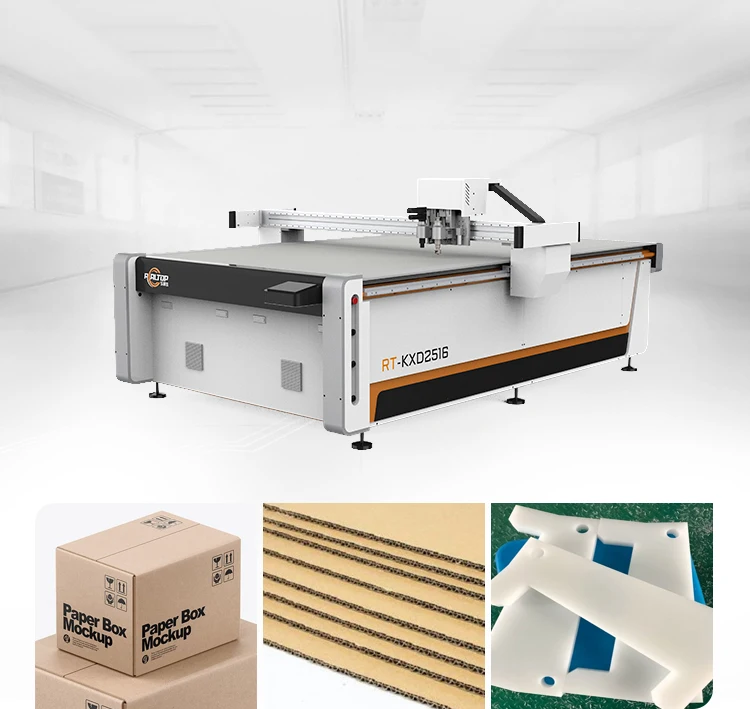
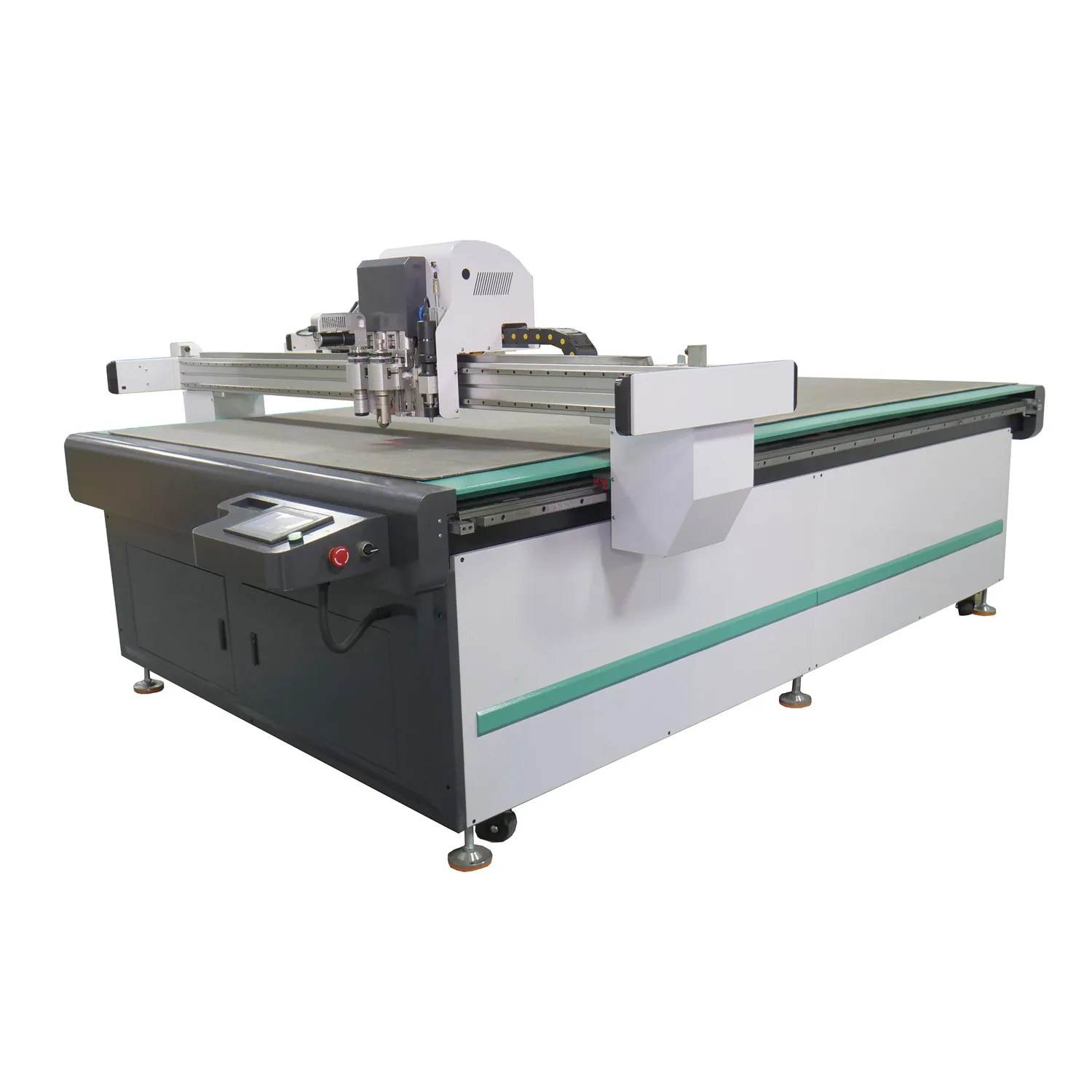
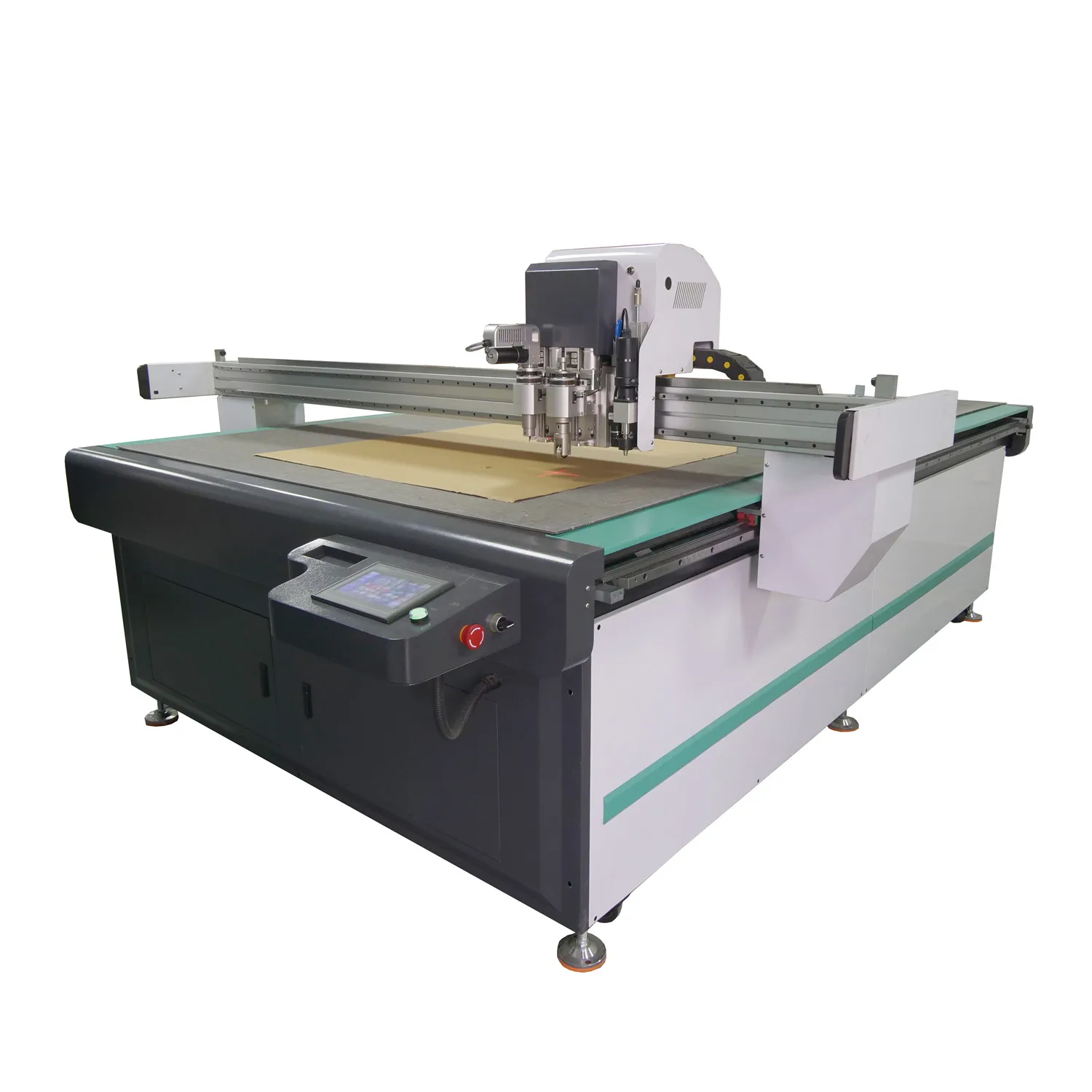
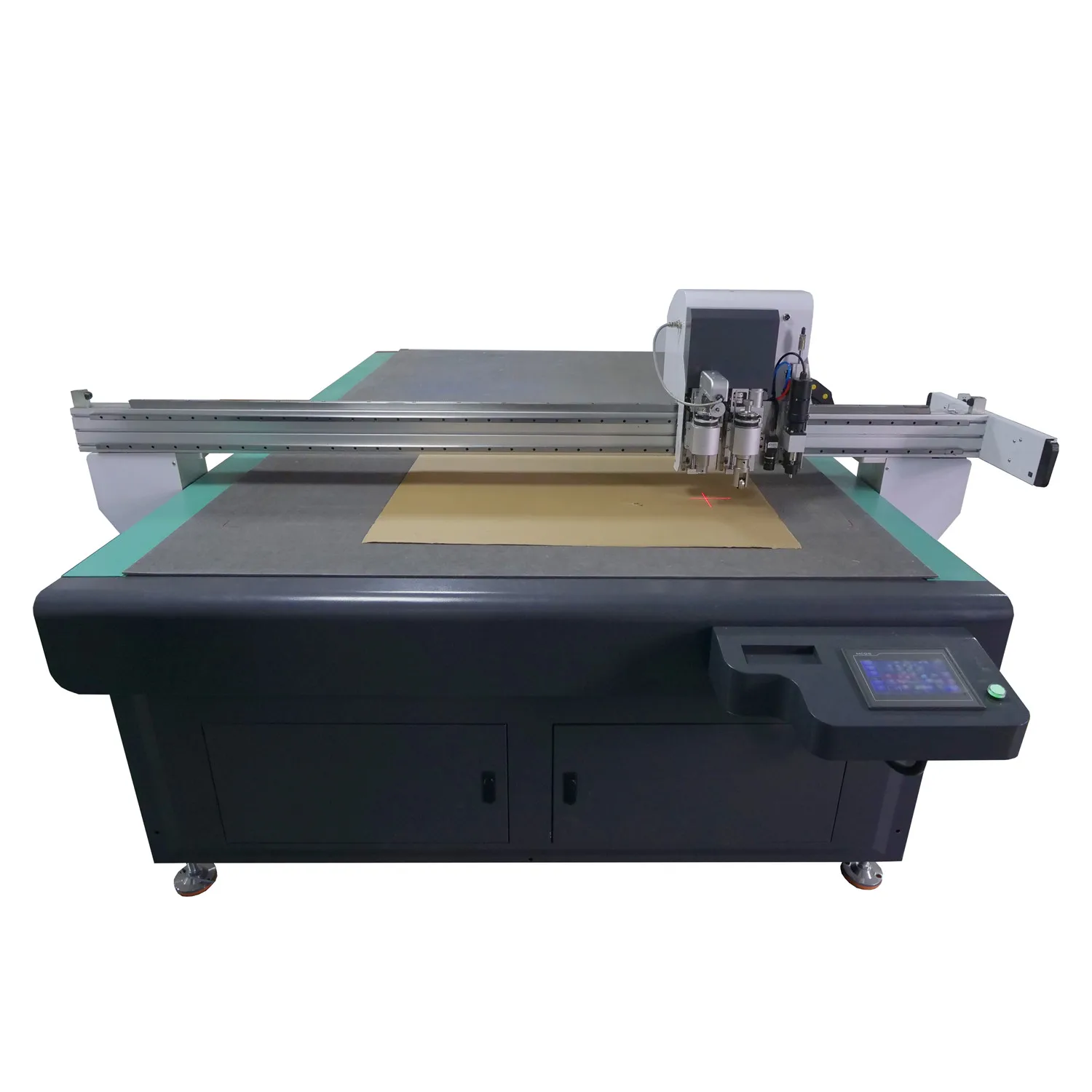
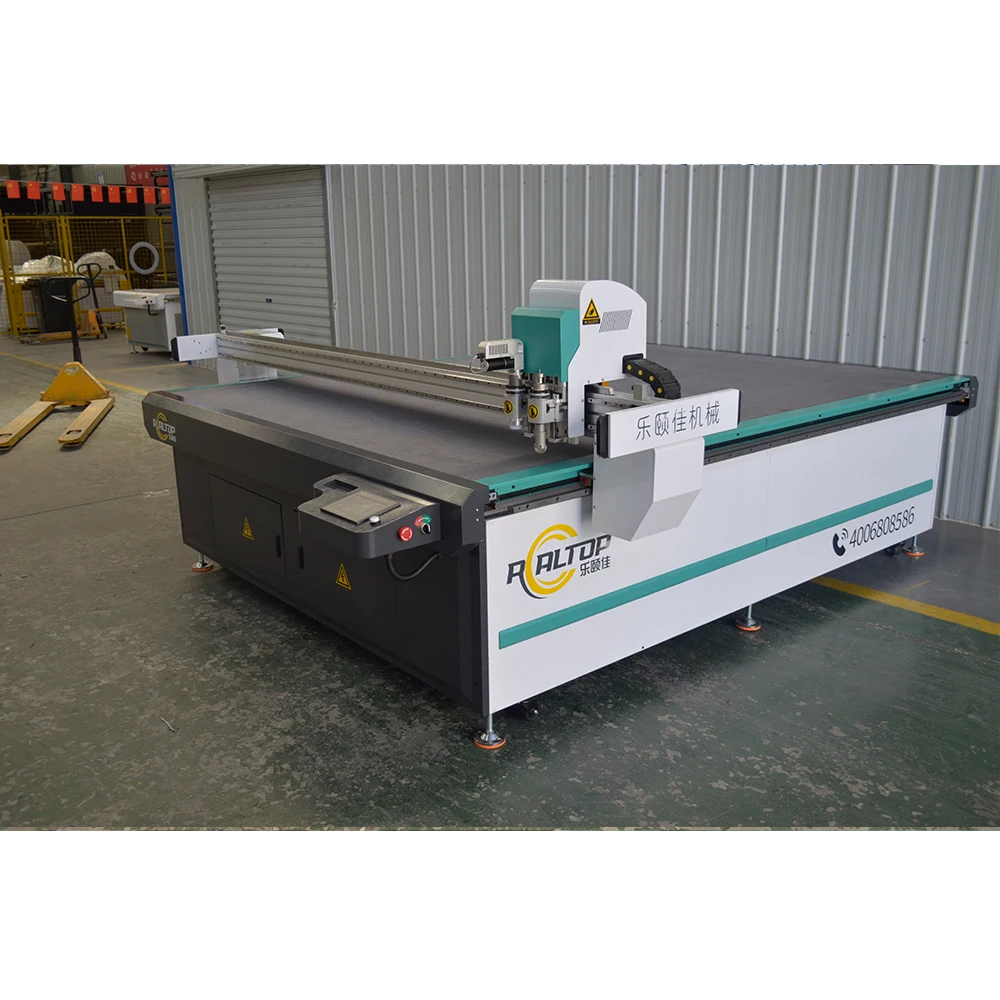
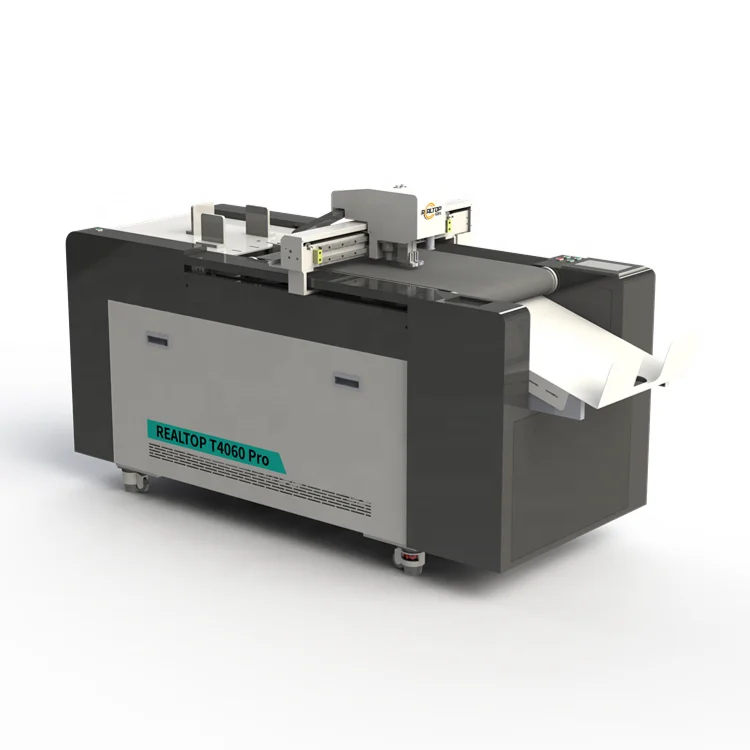
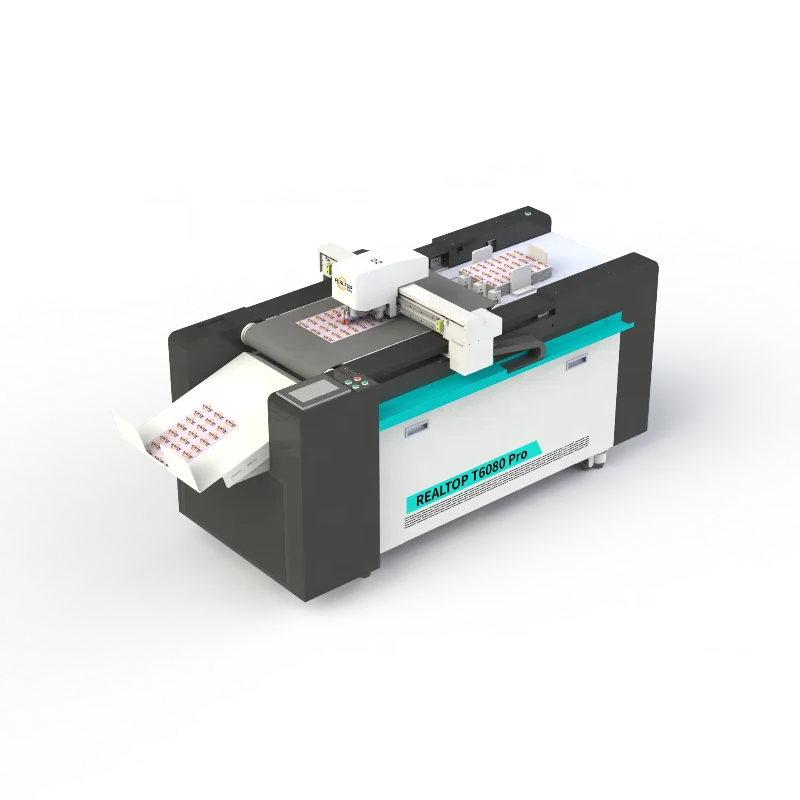
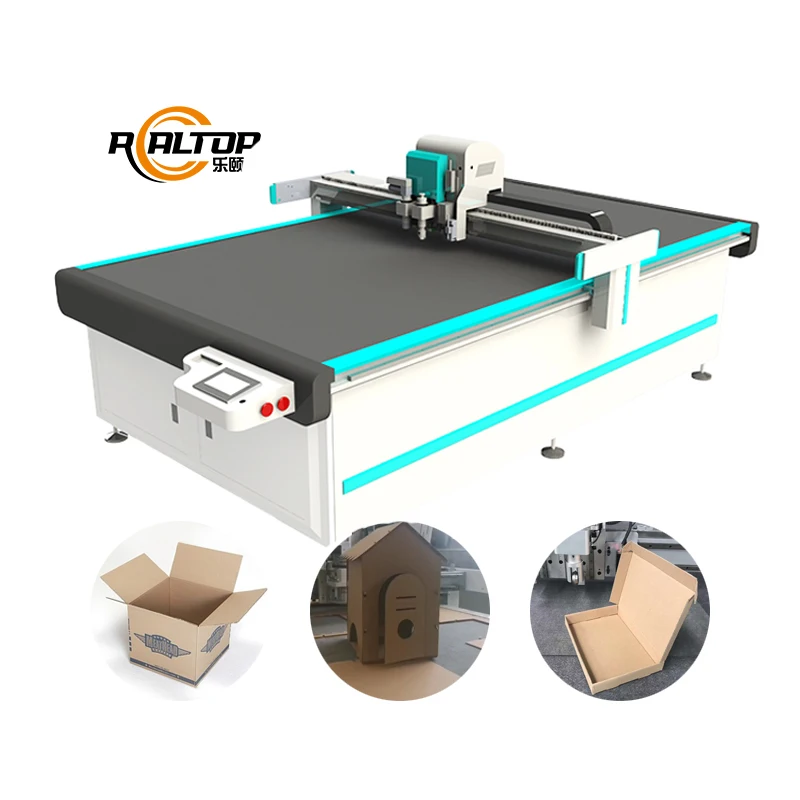
Tool Head Versatility — Match oscillating knife, creasing wheel or drag knife to your exact material family, configured at order rather than forced into a single fixed setup.
Technical Specifications
| Parameter | Value |
|---|---|
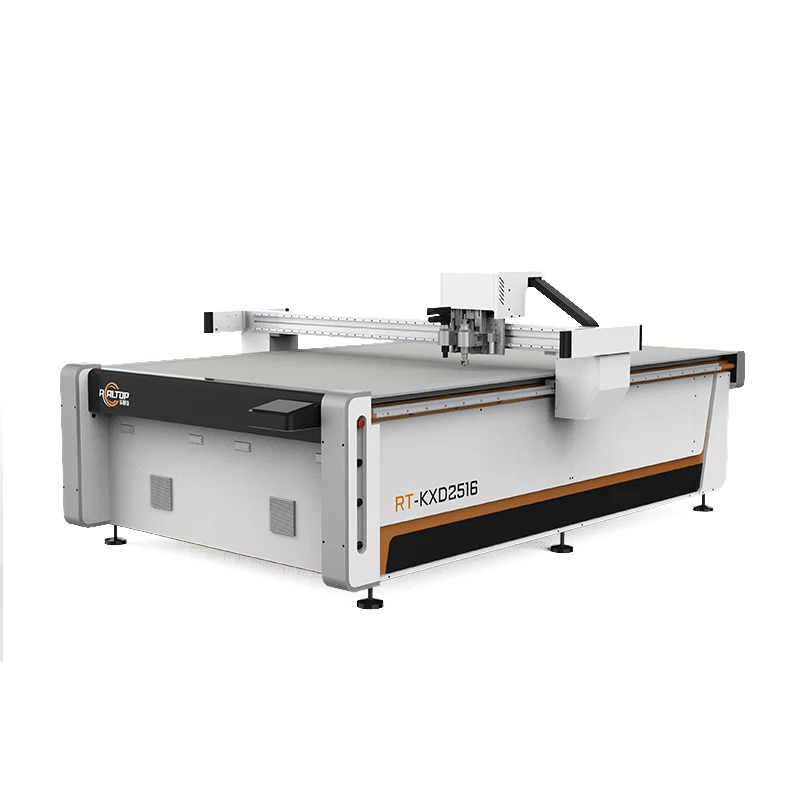
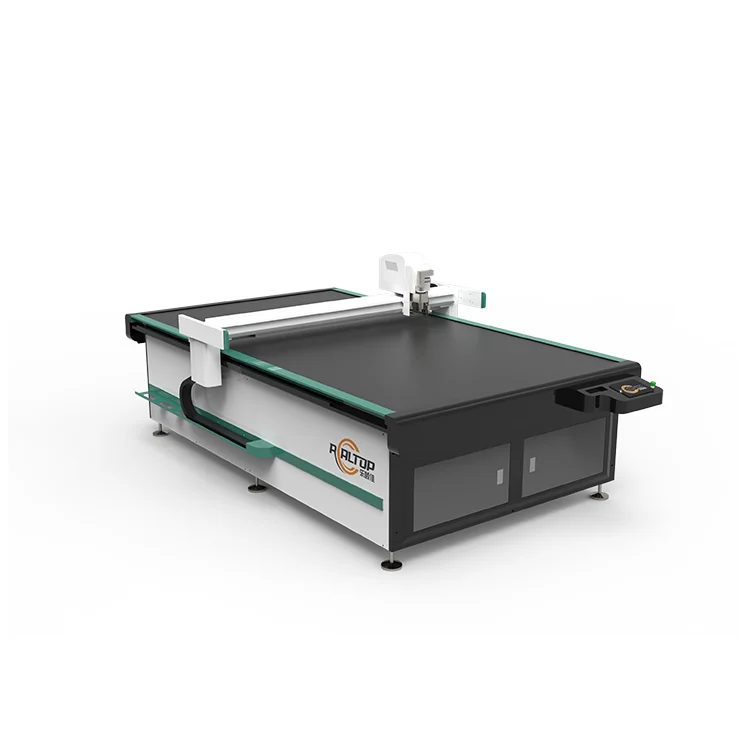
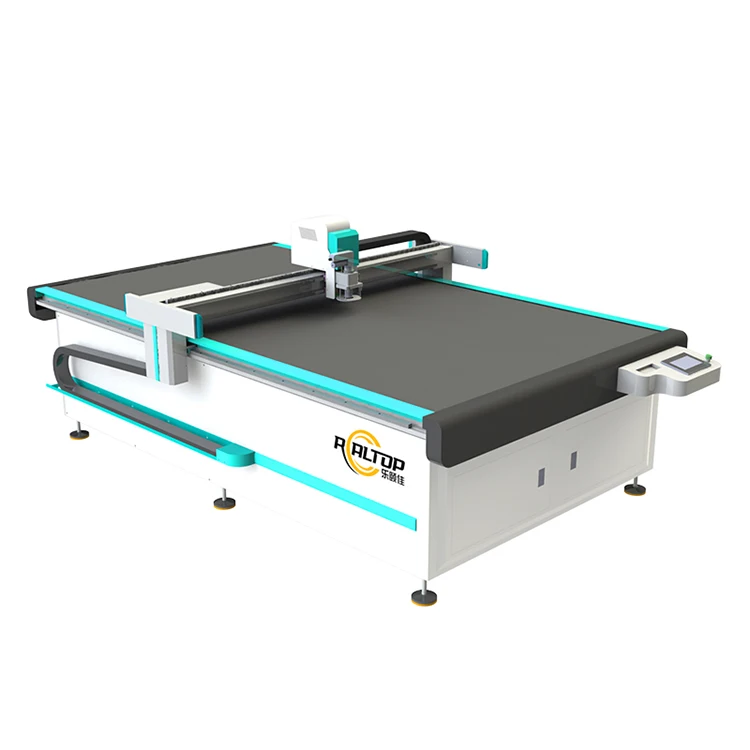
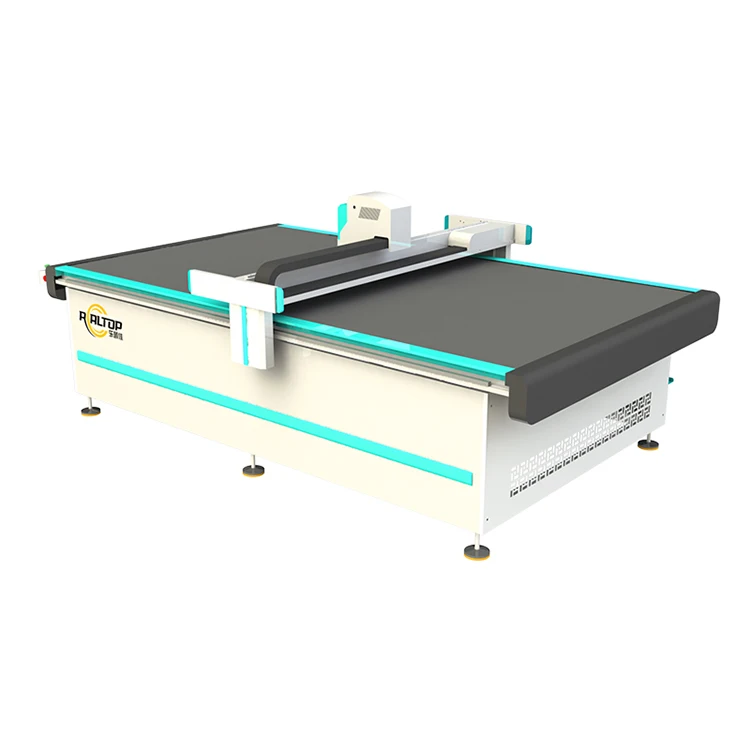
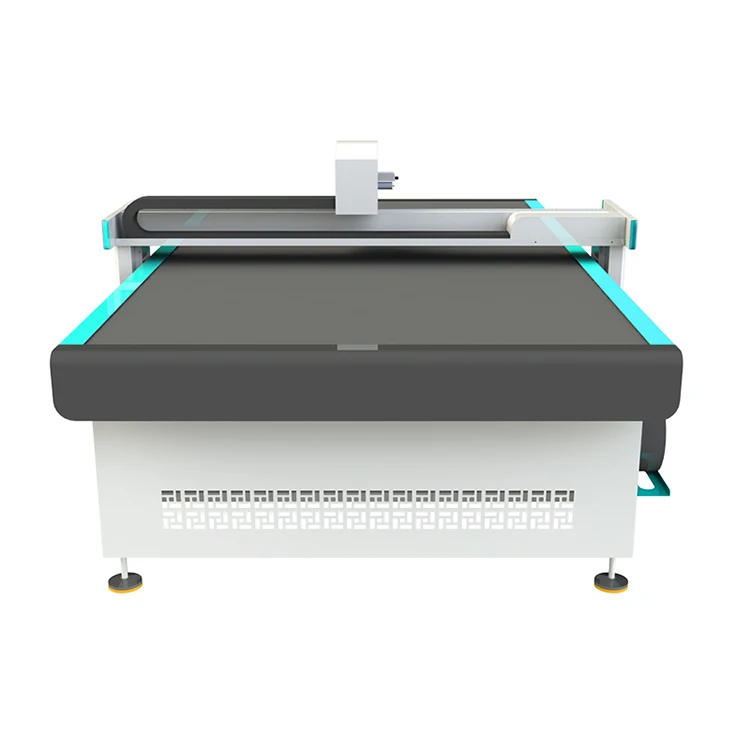
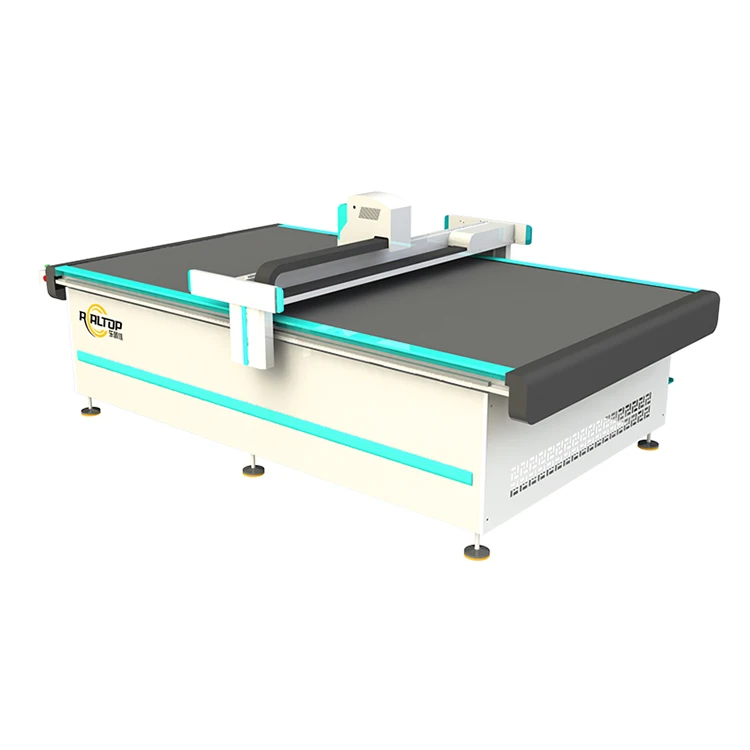
| Product Type | Digital Box Sample Cutter / CNC Oscillating Knife Cutting Machine |
| Model | RT-D2516 / RT-S2516 |
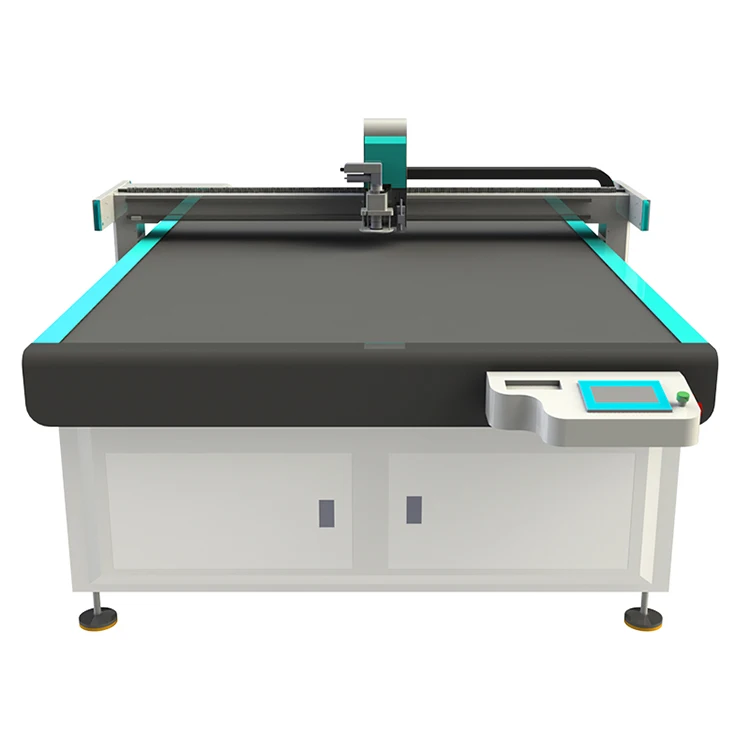
| Working Area | 1600 × 2500 mm |
| Machine Dimensions (L×W×H) | 3450 × 2300 × 1250 mm |
| Rated Power | 9 kW |
| Voltage | 380V ±10% |
| Control System | CNC with touch screen panel, HP-GL compatible |
| Servo Motor | Delta (Panasonic optional) |
| Transmission | Linear guide, synchronous belt, ball screw (Taiwan Hiwin rail) |
| Translational Velocity | 800 – 2000 mm/s |
| Cutting Speed | 200 – 800 mm/s (varies by material) |
| Cutting Thickness | ≤ 100 mm (material dependent) |
| Repeated Accuracy | ≤ 0.1 mm |
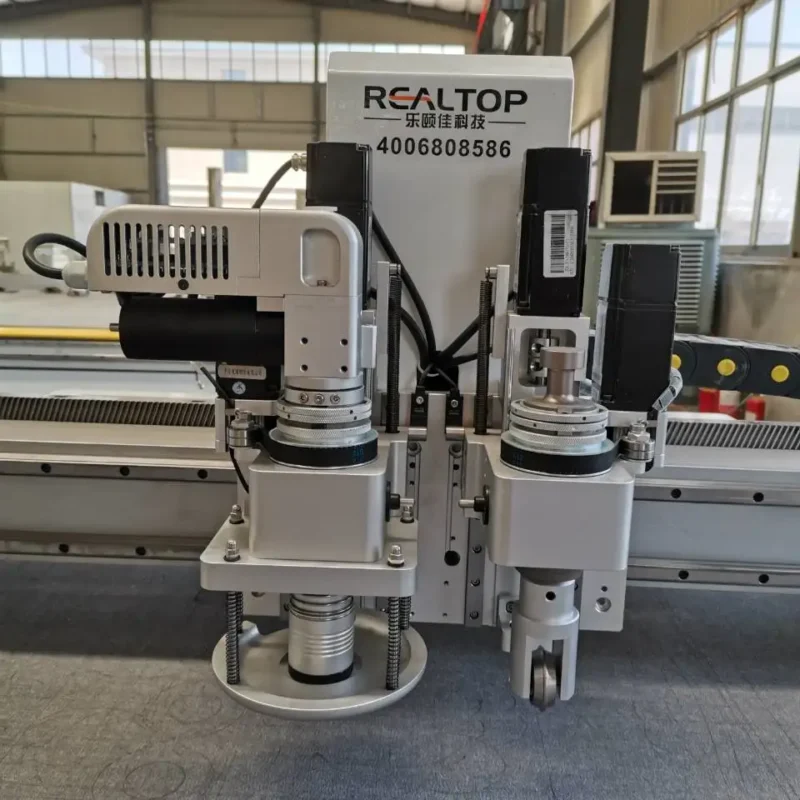
| Tool Head Options | Oscillating knife, pneumatic knife, high-power vibrating knife, circular knife, V-cutting knife, drag knife, creasing wheel, dotted line knife, punching, brush |
| Visual Positioning | Small CCD mark point, panoramic camera, projection positioning |
| Vacuum Table | Magnesium-aluminum alloy with PVDF coating and anodic oxidation, 7.5 kW vacuum pump |
| Working Table Options | Flat table, auto feeding table |
| Conveyor Belt | Germany imported |
| Safety Devices | Infrared induction blocking, anti-collision, emergency stop |
| Software | Auto typesetting, supports PLT, DXF, AI |
| Language Options | English, Russian, Italian, Chinese (custom languages available) |
Application Suitability
| Application | Material or Output |
|---|---|
| Packaging and carton sample making | Cardboard, honeycomb board, corrugated cardboard |
| Leather and footwear cutting | Natural leather, PU, synthetic uppers |
| Gasket and sealing fabrication | Rubber, PTFE, silicon sheet |
| Composite and foam processing | EVA, XPE, PU foam, carbon fiber prepreg |
| Signage and advertising | PVC foam board, vinyl, acrylic |
| Textile and garment production | Woven fabric, non-woven, carpet |
The Thickness Mismatch That Stops a Sample Room Cold
A digital box sample cutter specified on working area alone, then found unable to handle the corrugated flute thickness a client actually runs daily — this scenario is more common than buyers expect when surveying the full CNC oscillating knife cutting machine manufacturer range.
Match the knife stroke and tool head to the thickest material in your daily mix, not just the average sheet size.
I used to get service calls from sample rooms where the creasing wheel simply could not score double-wall corrugated at full depth. The operator would slow the feed rate, burn through tool life and still deliver creases that cracked at the fold. The real problem surfaced during installation: nobody had confirmed the material stack-up before the machine left the factory [NEED_CITE: common packaging sample cutter specification errors]. When the cutting method and tool head are selected against the buyer’s actual material library rather than a generic catalogue spec, these production halts disappear.
Tool Head Selection Across the Material Library
The value of a broad catalogue lies in matching the cutting action to the substrate. A creasing wheel scores cardboard without severing fibers, while an oscillating knife slices through foam and gasket material cleanly. Having the full head range — including V-cutting, drag knife and punching — on one platform lets a sample room handle both folding carton prototypes and flat gasket layouts without moving work between stations. The CNC oscillating knife cutting machine manufacturer configures the head combination at order based on the buyer’s declared material list.
Vacuum Table Flatness and Zoned Suction
The magnesium-aluminum alloy table with PVDF coating and anodic oxidation provides a flat reference surface that resists wear from repeated knife contact. More critically, the 7.5 kW vacuum pump paired with zoned suction areas holds small carton blanks and nested fabric pieces in place. When vacuum zoning is inadequate, lightweight honeycomb board lifts at the corners during high-speed passes, producing dimensional drift that forces re-cuts [NEED_CITE: vacuum hold-down requirements for digital cutting tables].
What the Speed and Accuracy Numbers Mean on the Shop Floor
Translational velocity between 800 and 2000 mm/s defines how fast the head moves between cut points, while cutting speed of 200 to 800 mm/s reflects actual engagement with the material. On corrugated board, expect to run at the lower end of that cutting band to maintain edge quality. The Taiwan Hiwin linear guides and ball screw drive maintain repeated accuracy within 0.1 mm, which matters when a carton sample must fold to exact dimension on the first prototype. Delta servo motors provide the positioning response needed for tight contour work, with Panasonic available for buyers who standardize on Japanese drives across their floor.
The Cost of Skipping the Material Conversation
When a buyer orders on working area and price alone, the wrong tool head ships with the machine. A drag knife meant for vinyl will crush foam instead of slicing it, leaving ragged edges that fail client inspection. I have seen carton sample operations stall for an entire week while waiting for the correct creasing wheel to arrive from overseas [NEED_CITE: lead time impact of incorrect tooling on digital cutting machines]. Confirming material type, thickness and daily volume before the quotation locks in the right configuration and avoids these costly reworks.
Why Source This Configuration Here
In-house design covers both knife and laser technologies, so the cutting method matches the material rather than forcing one approach. Tool head and table configuration are specified per declared material and production volume. CCD camera positioning is available for printed contour workflows. Software compatibility with PLT, DXF and AI formats is confirmed before order. Voltage and control language customization is handled before shipment. Sample cutting on the buyer’s own material is performed before commitment.
Documentation & Verification
- Machine specification sheet with confirmed tool head and table configuration for your material range
- Electrical schematic and voltage confirmation document matched to your local supply standard
- Sample cutting report generated on your actual cardboard or foam stock before dispatch
- Software licence and file format compatibility note covering PLT, DXF and AI workflows
- Operation and maintenance manual in your selected control language
Installation, Commissioning & Support
- Floor space of at least 4000 × 3000 mm required to accommodate the 3450 × 2300 mm footprint plus operator access
- Dedicated 380V circuit with stable supply and correct phase rotation verified before the 9 kW main motor energizes
- Machine ships on a flat pallet; vacuum table and gantry assemble on site with factory-supplied fasteners
- First-day commissioning includes vacuum zone mapping across the 1600 × 2500 mm working area and servo calibration
- Operator training covers tool head changeover, HP-GL file import and creasing wheel depth adjustment
- Wear parts kit includes spare oscillating knife blades, creasing wheel inserts and vacuum table seals
Before You Request a Quotation
Send a list of the materials you cut most often, including type, maximum thickness and typical sheet dimensions. Note your local voltage and frequency standard so the electrical package matches your workshop supply. If you run printed contour work, specify whether your register marks are small fiducials or full-panel features so the correct visual positioning option is selected. Mention your preferred control panel language and any existing nesting software you need to connect.
Frequently Asked Questions
Q: How do I choose the right tool head for my material?
A: The selection depends on material type, thickness and edge quality requirement. Oscillating knife suits foam and fabric, creasing wheel scores cardboard without cutting through, and drag knife handles thin vinyl and sticker. Share your full material list so the head combination is matched at order rather than guessed.
Q: Which visual positioning system fits printed contour work?
A: Small CCD mark point positioning works for sheets with printed fiducial marks. Panoramic camera recognition handles full-panel contour matching where print registration varies. Projection positioning overlays the cut path on the material for manual alignment. The choice depends on your print workflow and tolerance requirement.
Q: Can the vacuum table hold very small carton blanks without lifting?
A: The magnesium-aluminum alloy table offers zoned suction areas. For small parts, specific zones activate to concentrate hold-down force exactly where the material sits, preventing corner lift during high-speed cutting passes. Zone configuration is confirmed during material testing before shipment.
Q: What file formats does the software accept?
A: The auto typesetting software imports PLT, DXF and AI files natively. HP-GL compatible format is also supported. If your design team works in a different vector format, confirm compatibility during the pre-order software check so file conversion issues are resolved before the machine ships.
Tool Head Versatility — Match oscillating knife, creasing wheel or drag knife to your exact material family, configured at order rather than forced into a single fixed setup.
Technical Specifications
| Parameter | Value |
|---|---|
| Product Type | Digital Box Sample Cutter / CNC Oscillating Knife Cutting Machine |
| Model | RT-D2516 / RT-S2516 |
| Working Area | 1600 × 2500 mm |
| Machine Dimensions (L×W×H) | 3450 × 2300 × 1250 mm |
| Rated Power | 9 kW |
| Voltage | 380V ±10% |
| Control System | CNC with touch screen panel, HP-GL compatible |
| Servo Motor | Delta (Panasonic optional) |
| Transmission | Linear guide, synchronous belt, ball screw (Taiwan Hiwin rail) |
| Translational Velocity | 800 – 2000 mm/s |
| Cutting Speed | 200 – 800 mm/s (varies by material) |
| Cutting Thickness | ≤ 100 mm (material dependent) |
| Repeated Accuracy | ≤ 0.1 mm |
| Tool Head Options | Oscillating knife, pneumatic knife, high-power vibrating knife, circular knife, V-cutting knife, drag knife, creasing wheel, dotted line knife, punching, brush |
| Visual Positioning | Small CCD mark point, panoramic camera, projection positioning |
| Vacuum Table | Magnesium-aluminum alloy with PVDF coating and anodic oxidation, 7.5 kW vacuum pump |
| Working Table Options | Flat table, auto feeding table |
| Conveyor Belt | Germany imported |
| Safety Devices | Infrared induction blocking, anti-collision, emergency stop |
| Software | Auto typesetting, supports PLT, DXF, AI |
| Language Options | English, Russian, Italian, Chinese (custom languages available) |
Application Suitability
| Application | Material or Output |
|---|---|
| Packaging and carton sample making | Cardboard, honeycomb board, corrugated cardboard |
| Leather and footwear cutting | Natural leather, PU, synthetic uppers |
| Gasket and sealing fabrication | Rubber, PTFE, silicon sheet |
| Composite and foam processing | EVA, XPE, PU foam, carbon fiber prepreg |
| Signage and advertising | PVC foam board, vinyl, acrylic |
| Textile and garment production | Woven fabric, non-woven, carpet |
The Thickness Mismatch That Stops a Sample Room Cold
A digital box sample cutter specified on working area alone, then found unable to handle the corrugated flute thickness a client actually runs daily — this scenario is more common than buyers expect when surveying the full CNC oscillating knife cutting machine manufacturer range.
Match the knife stroke and tool head to the thickest material in your daily mix, not just the average sheet size.
I used to get service calls from sample rooms where the creasing wheel simply could not score double-wall corrugated at full depth. The operator would slow the feed rate, burn through tool life and still deliver creases that cracked at the fold. The real problem surfaced during installation: nobody had confirmed the material stack-up before the machine left the factory [NEED_CITE: common packaging sample cutter specification errors]. When the cutting method and tool head are selected against the buyer’s actual material library rather than a generic catalogue spec, these production halts disappear.
Tool Head Selection Across the Material Library
The value of a broad catalogue lies in matching the cutting action to the substrate. A creasing wheel scores cardboard without severing fibers, while an oscillating knife slices through foam and gasket material cleanly. Having the full head range — including V-cutting, drag knife and punching — on one platform lets a sample room handle both folding carton prototypes and flat gasket layouts without moving work between stations. The CNC oscillating knife cutting machine manufacturer configures the head combination at order based on the buyer’s declared material list.
Vacuum Table Flatness and Zoned Suction
The magnesium-aluminum alloy table with PVDF coating and anodic oxidation provides a flat reference surface that resists wear from repeated knife contact. More critically, the 7.5 kW vacuum pump paired with zoned suction areas holds small carton blanks and nested fabric pieces in place. When vacuum zoning is inadequate, lightweight honeycomb board lifts at the corners during high-speed passes, producing dimensional drift that forces re-cuts [NEED_CITE: vacuum hold-down requirements for digital cutting tables].
What the Speed and Accuracy Numbers Mean on the Shop Floor
Translational velocity between 800 and 2000 mm/s defines how fast the head moves between cut points, while cutting speed of 200 to 800 mm/s reflects actual engagement with the material. On corrugated board, expect to run at the lower end of that cutting band to maintain edge quality. The Taiwan Hiwin linear guides and ball screw drive maintain repeated accuracy within 0.1 mm, which matters when a carton sample must fold to exact dimension on the first prototype. Delta servo motors provide the positioning response needed for tight contour work, with Panasonic available for buyers who standardize on Japanese drives across their floor.
The Cost of Skipping the Material Conversation
When a buyer orders on working area and price alone, the wrong tool head ships with the machine. A drag knife meant for vinyl will crush foam instead of slicing it, leaving ragged edges that fail client inspection. I have seen carton sample operations stall for an entire week while waiting for the correct creasing wheel to arrive from overseas [NEED_CITE: lead time impact of incorrect tooling on digital cutting machines]. Confirming material type, thickness and daily volume before the quotation locks in the right configuration and avoids these costly reworks.
Why Source This Configuration Here
In-house design covers both knife and laser technologies, so the cutting method matches the material rather than forcing one approach. Tool head and table configuration are specified per declared material and production volume. CCD camera positioning is available for printed contour workflows. Software compatibility with PLT, DXF and AI formats is confirmed before order. Voltage and control language customization is handled before shipment. Sample cutting on the buyer’s own material is performed before commitment.
Documentation & Verification
- Machine specification sheet with confirmed tool head and table configuration for your material range
- Electrical schematic and voltage confirmation document matched to your local supply standard
- Sample cutting report generated on your actual cardboard or foam stock before dispatch
- Software licence and file format compatibility note covering PLT, DXF and AI workflows
- Operation and maintenance manual in your selected control language
Installation, Commissioning & Support
- Floor space of at least 4000 × 3000 mm required to accommodate the 3450 × 2300 mm footprint plus operator access
- Dedicated 380V circuit with stable supply and correct phase rotation verified before the 9 kW main motor energizes
- Machine ships on a flat pallet; vacuum table and gantry assemble on site with factory-supplied fasteners
- First-day commissioning includes vacuum zone mapping across the 1600 × 2500 mm working area and servo calibration
- Operator training covers tool head changeover, HP-GL file import and creasing wheel depth adjustment
- Wear parts kit includes spare oscillating knife blades, creasing wheel inserts and vacuum table seals
Before You Request a Quotation
Send a list of the materials you cut most often, including type, maximum thickness and typical sheet dimensions. Note your local voltage and frequency standard so the electrical package matches your workshop supply. If you run printed contour work, specify whether your register marks are small fiducials or full-panel features so the correct visual positioning option is selected. Mention your preferred control panel language and any existing nesting software you need to connect.
Frequently Asked Questions
Q: How do I choose the right tool head for my material?
A: The selection depends on material type, thickness and edge quality requirement. Oscillating knife suits foam and fabric, creasing wheel scores cardboard without cutting through, and drag knife handles thin vinyl and sticker. Share your full material list so the head combination is matched at order rather than guessed.
Q: Which visual positioning system fits printed contour work?
A: Small CCD mark point positioning works for sheets with printed fiducial marks. Panoramic camera recognition handles full-panel contour matching where print registration varies. Projection positioning overlays the cut path on the material for manual alignment. The choice depends on your print workflow and tolerance requirement.
Q: Can the vacuum table hold very small carton blanks without lifting?
A: The magnesium-aluminum alloy table offers zoned suction areas. For small parts, specific zones activate to concentrate hold-down force exactly where the material sits, preventing corner lift during high-speed cutting passes. Zone configuration is confirmed during material testing before shipment.
Q: What file formats does the software accept?
A: The auto typesetting software imports PLT, DXF and AI files natively. HP-GL compatible format is also supported. If your design team works in a different vector format, confirm compatibility during the pre-order software check so file conversion issues are resolved before the machine ships.
商品评价
There are no reviews yet.