

Fast Delivery
Quick, reliable shipping to any location.

Free & easy returns
Return this item by mail or in store within 90 days for a full refund.
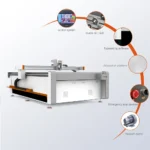
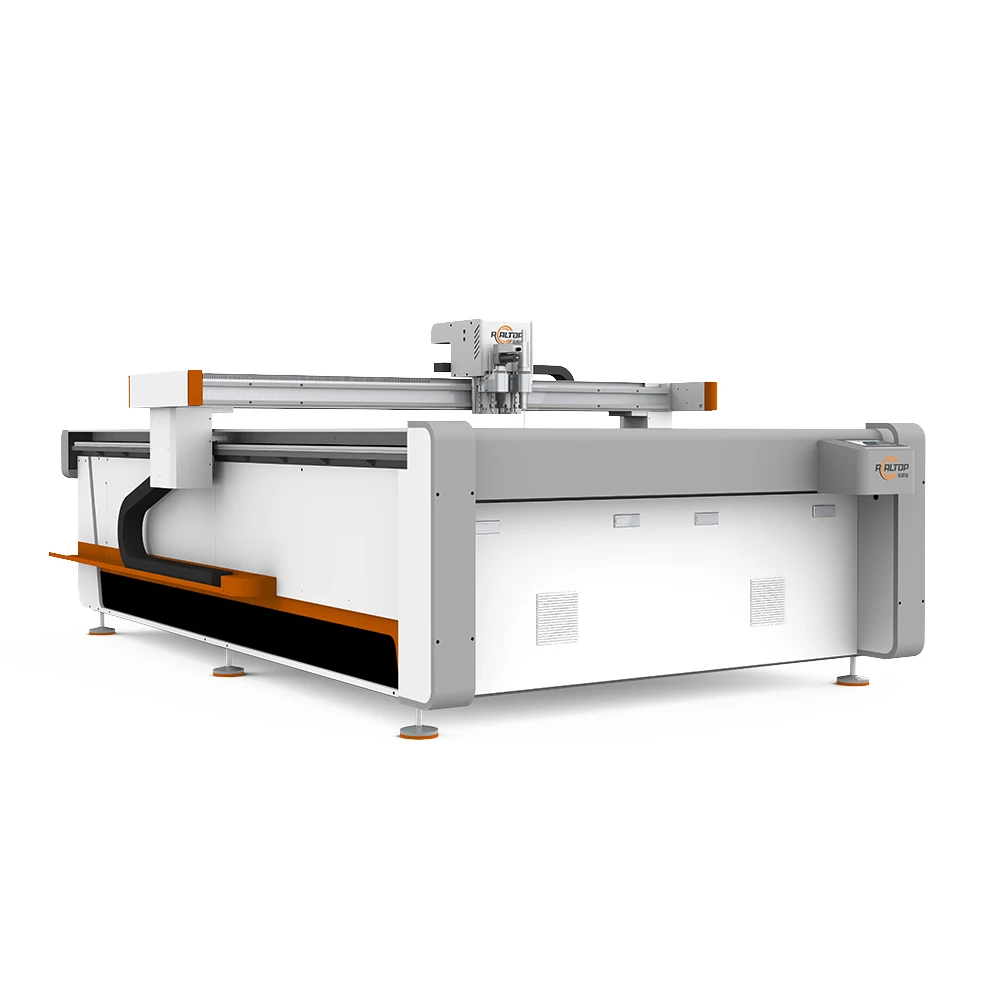
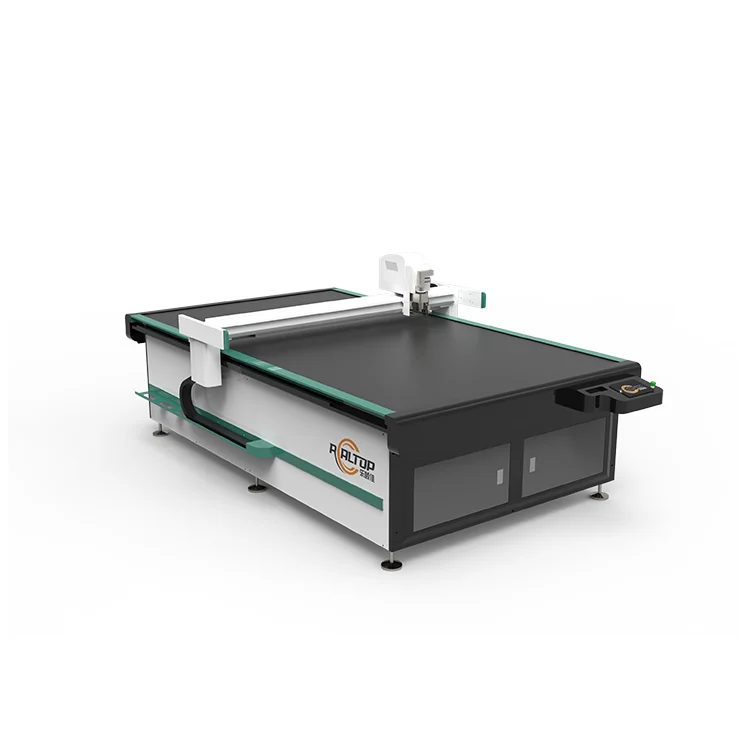
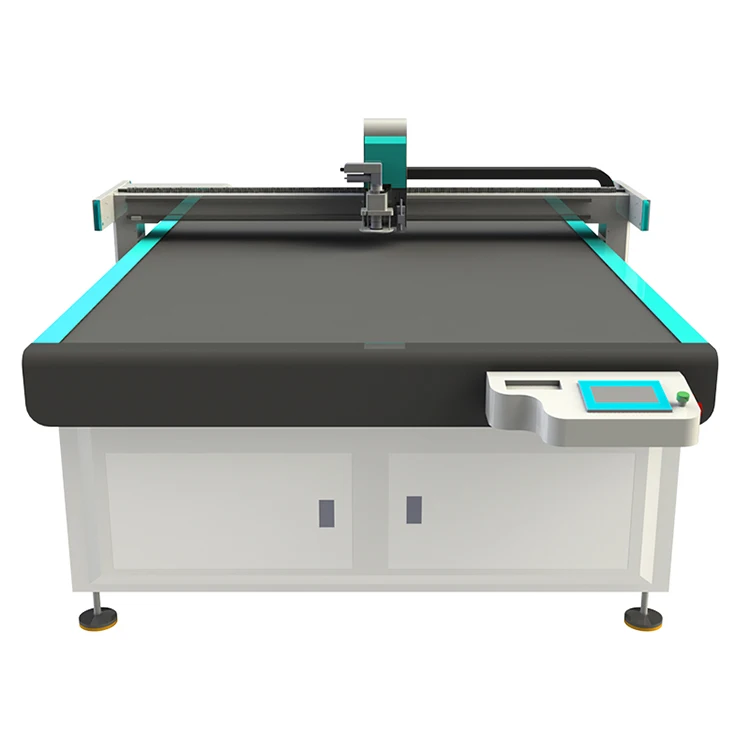
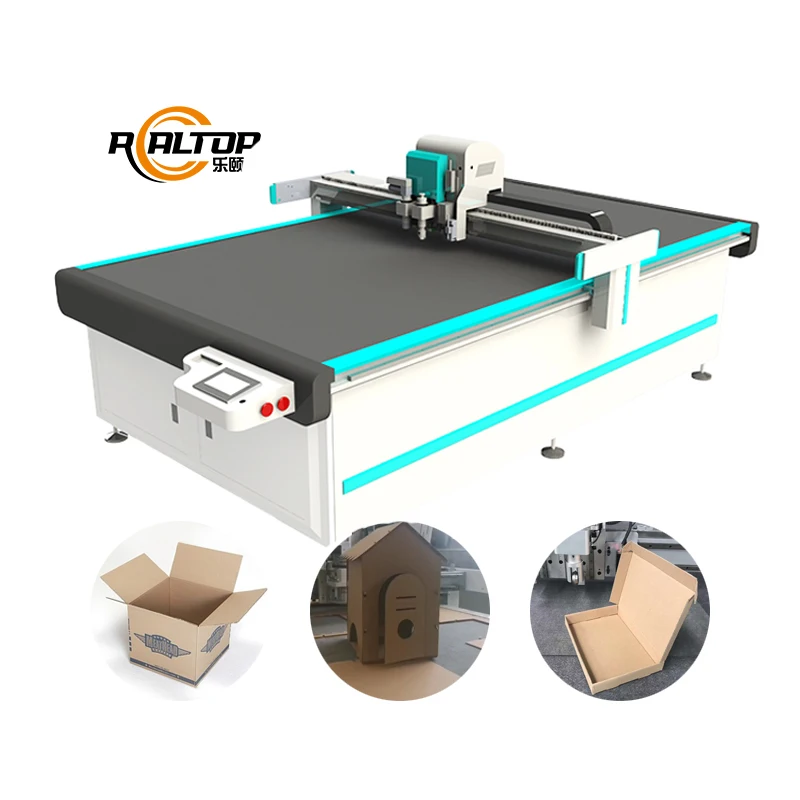
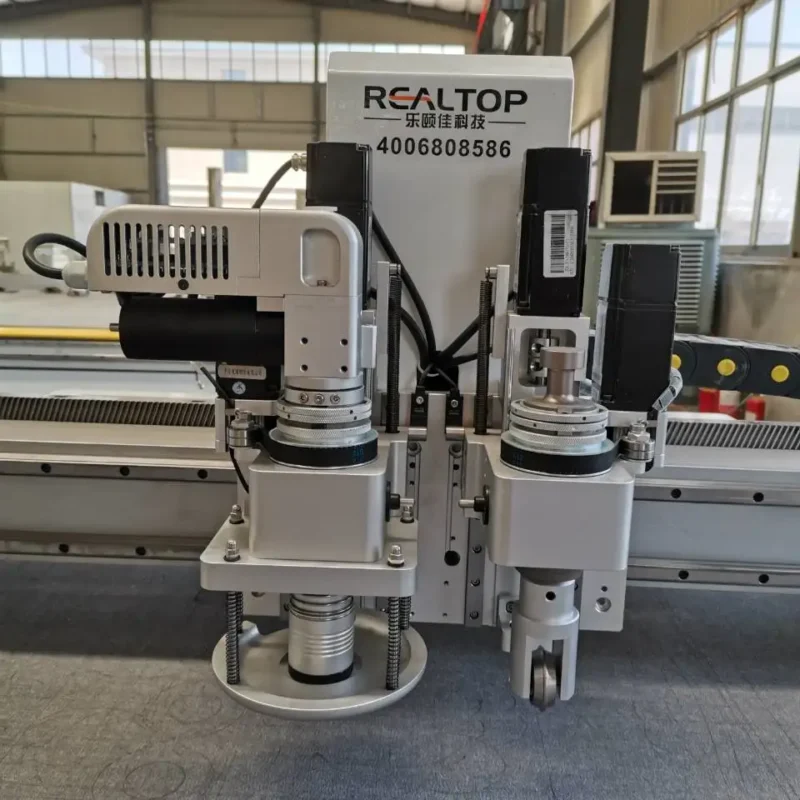
Custom Tooling Matched to Material — Every oscillating knife, creasing wheel and vacuum zone is specified against your actual sheet stock before the order is locked, not guessed from a generic brochure.
Technical Specifications
| Parameter | Value |
|---|---|
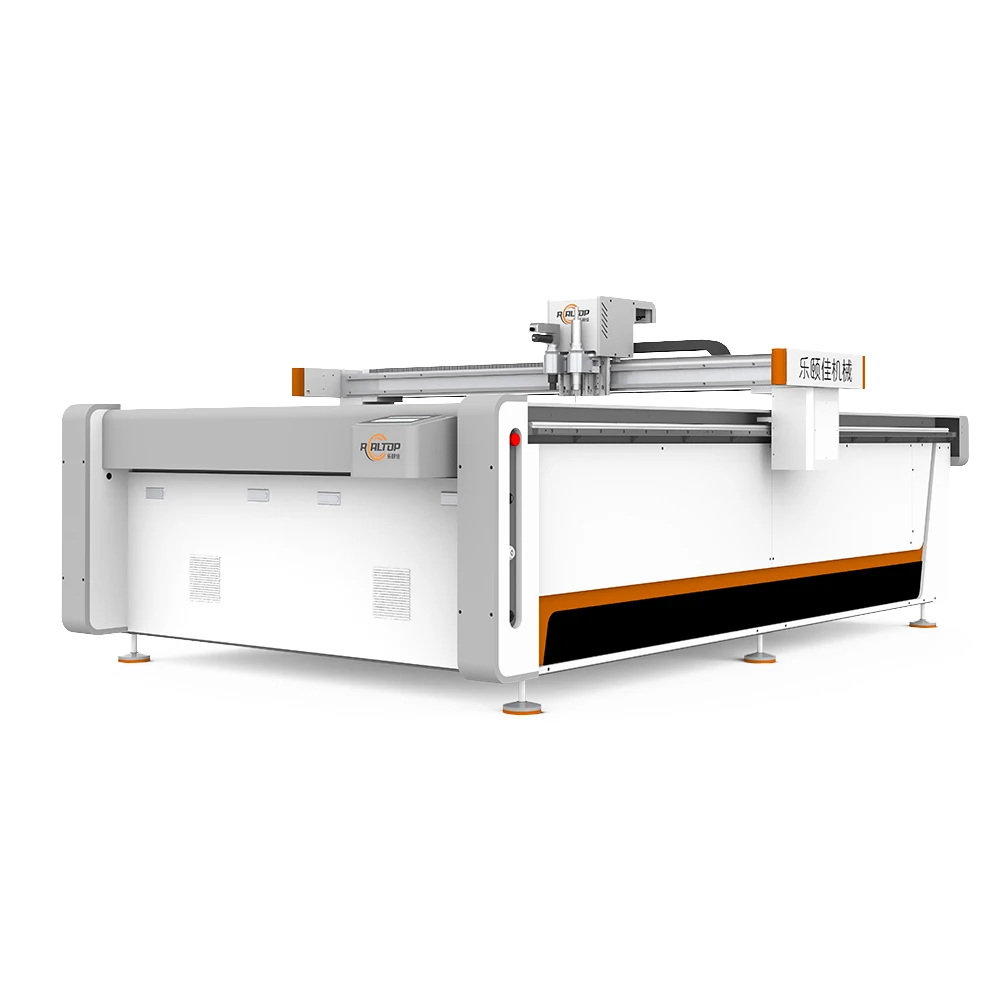
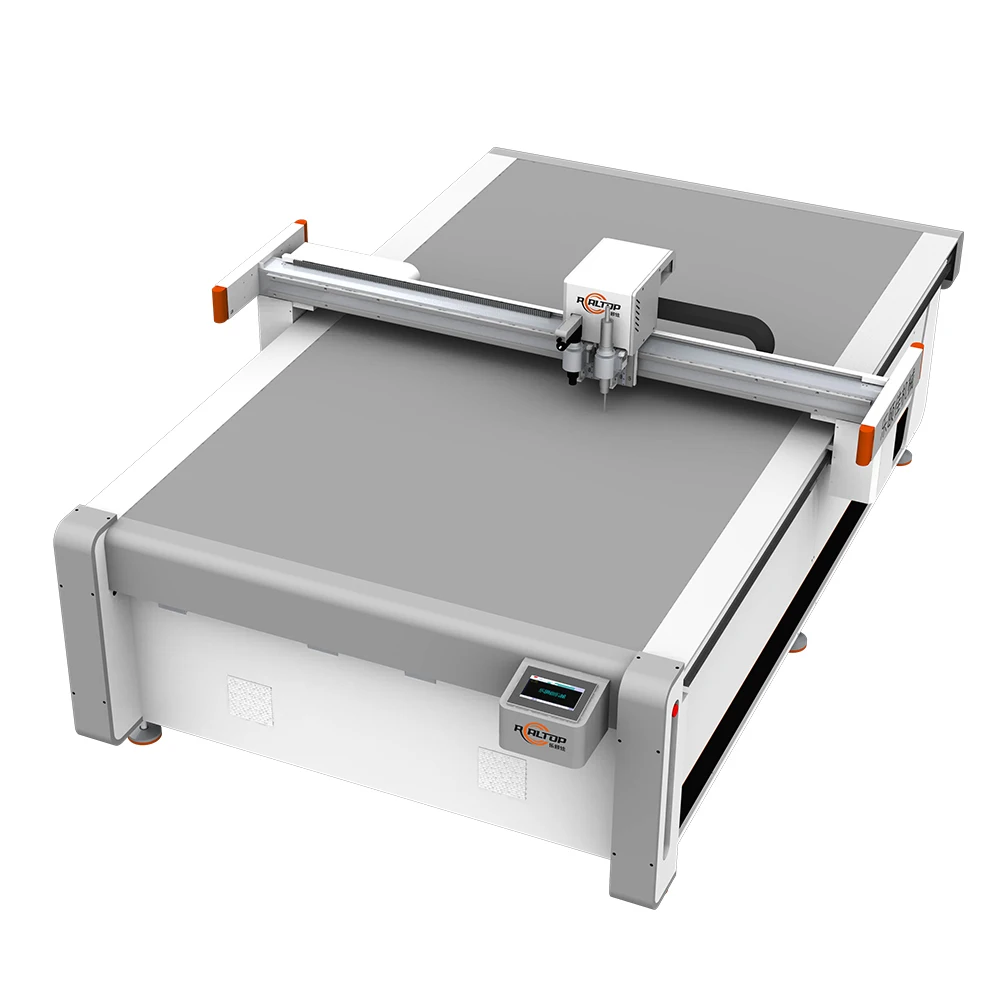
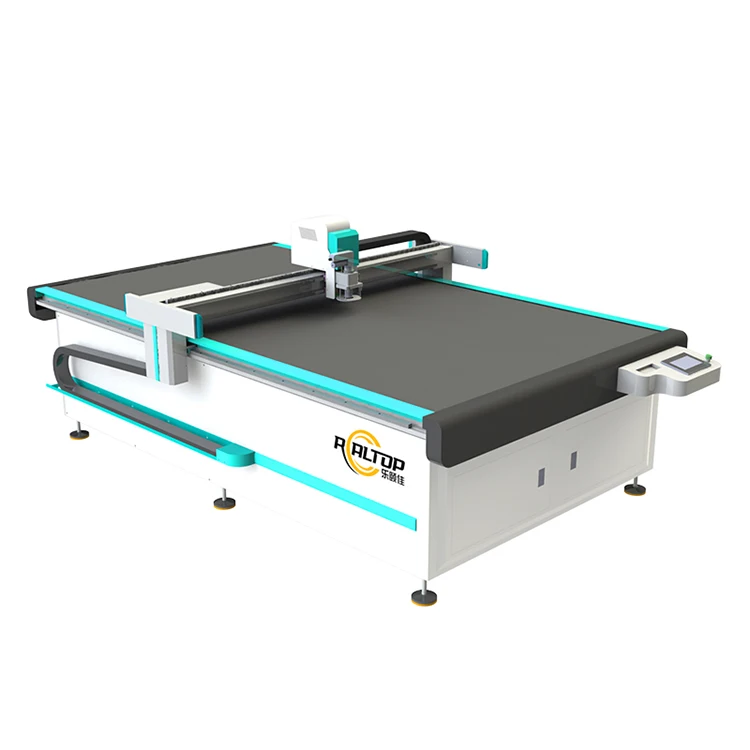
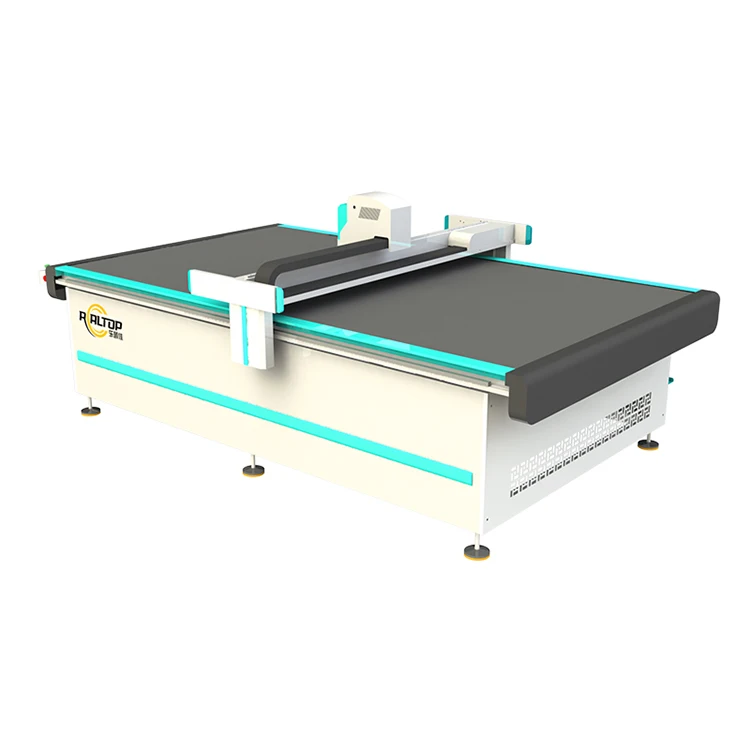
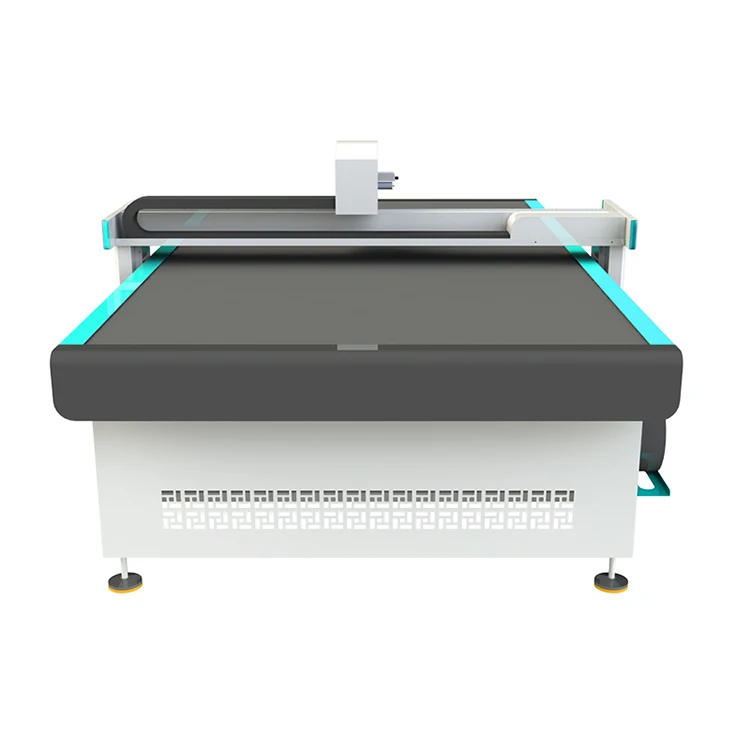
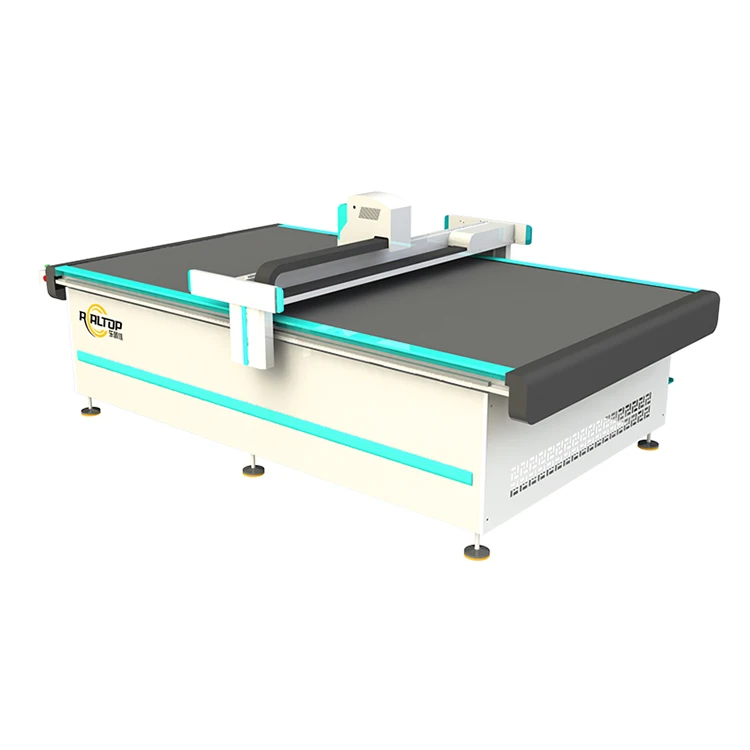
| Product Type | CNC Oscillating Knife Cutting Machine |
| Working Area | 1600 × 2500 mm |
| Tool Head Options | Oscillating knife, Driven rotary knife, Creasing wheel, Kiss cutting tool, Pneumatic knife, Milling tool, V groove knife |
| Applicable Materials | Fabric, Cardboard, Carton, Mats, PVC, EVA, Leather, Acrylic, Foam, PTFE, Rubber |
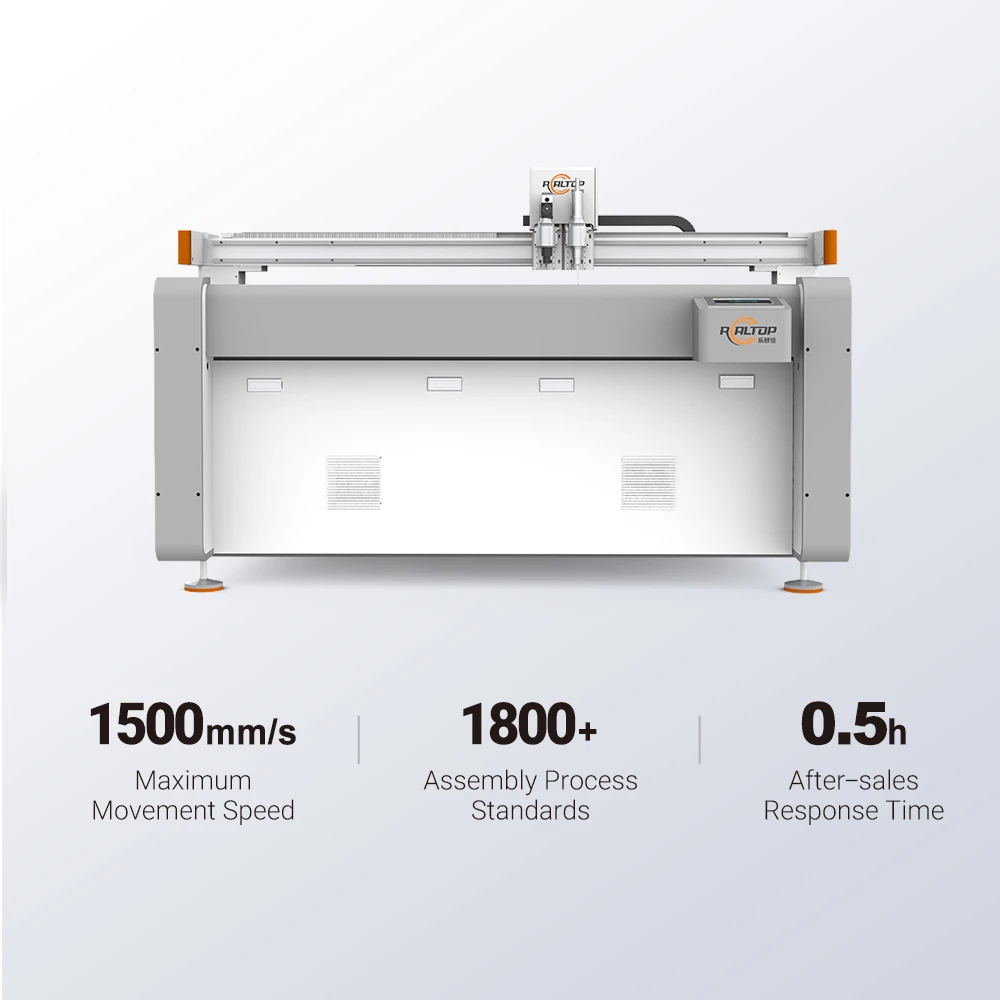
| Cutting Speed | 0–1500 mm/s |
| Cutting Thickness | ≤ 40 mm |
| Cutting Accuracy | ±0.1 mm |
| Vacuum Pump | 9 kW |
| Vacuum Table | Aluminum bellows vacuum table |
| Voltage Options | 110V, 220V, 380V |
| Profile Format | PLT, DXF, AI, PDF |
| Control System | PLC control panel |
| Servo Motors | Panasonic, Delta, Dorna options |
| Safety Device | Infrared sensor device and emergency stop device |
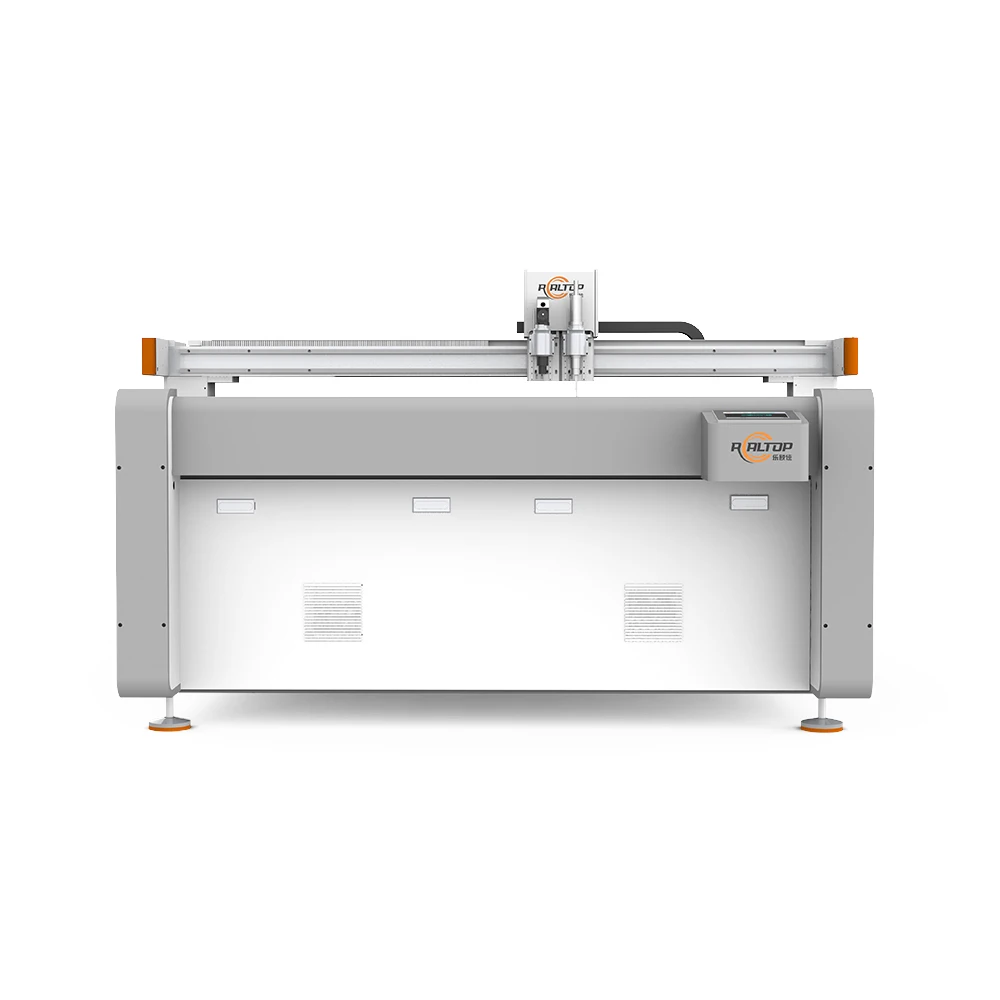
| Machine Size | 3300 × 2100 × 1350 mm |
| Language Options | English, Russian, Italian, Chinese, customizable |
| Standards | CE |
Application Suitability
| Application | Material or Output |
|---|---|
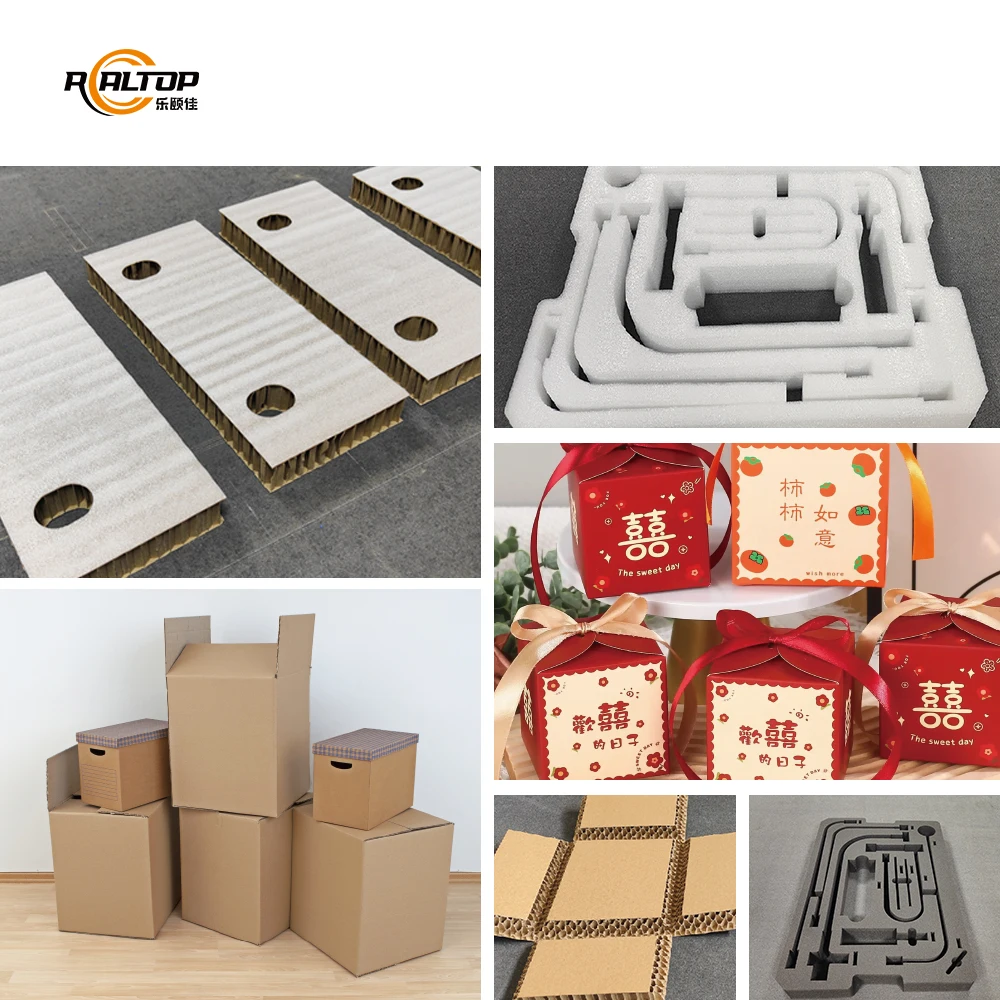
| Packaging sample making | Corrugated board, greyboard, specialty cardstock |
| Carton and box prototyping | Single and double-wall corrugated, folding carton |
| Foam gasket and insert cutting | EVA, EPE, PU foam sheets |
| Signage and display production | PVC foam board, thin acrylic, vinyl |
| Leather and textile cutting | Synthetic leather, velvet, fleece, non-woven fabric |
| Rubber mat and composite processing | PTFE, rubber sheets, adhesive-backed laminates |
Why "Cutting Thickness ≤ 40 mm" Does Not Tell the Whole Story
The real limit depends on which tool head meets which material density, not just the number on the spec sheet.
I have stood in workshops where a buyer picked a CNC oscillating knife cutting machine manufacturer based purely on working area and maximum thickness, then watched the oscillating knife crush low-density foam instead of slicing it, or leave ragged fibres on corrugated board because the driven rotary knife was the correct tool for that stock [NEED_CITE: tool head selection by material density for oscillating knife cutting]. When the method is chosen to match the material rather than forced across every job, the same platform produces clean edges on 2 mm vinyl and 30 mm EVA without swapping machines.
Matching the Knife Method to Your Sheet Stock
A buyer surveying cutting options needs to see where oscillating knife sits alongside laser on the same production floor. Corrugated board and greyboard respond well to the oscillating knife because the rapid vertical stroke severs fibres without burning the edges, while laser would char the paper and leave soot on the finished sample. For thin PVC and acrylic signage, CO2 laser seals the edge as it cuts, something no knife can replicate. This CNC oscillating knife cutting machine manufacturer range covers both, so the decision rests on material behaviour, not on which machine happens to be in the showroom.
Vacuum Zoning and Small Part Hold-Down
The 9 kW vacuum pump paired with the aluminum bellows table is zoned so that operators can open only the sectors covered by the sheet. When cutting small carton samples or narrow gasket strips, full-table vacuum would pull air through uncovered areas and lose grip on the actual workpiece [NEED_CITE: vacuum table zoning principles for flatbed digital cutters]. Closing unused zones concentrates suction under the material, preventing lift at high cutting speeds and reducing the need for mechanical clamps that interfere with the tool path.
Reading the Specs Beyond the Working Area
The 1600 × 2500 mm bed handles most carton sample and packaging prototype sheets in a single placement, but the working area alone does not guarantee edge quality. Cutting accuracy of ±0.1 mm is maintained by the servo drive options — Panasonic, Delta or Dorna — and the rigidity of the gantry across that span. The PLC control panel processes PLT, DXF, AI and PDF profiles, so packaging designers can send artwork directly from Illustrator or CAD without intermediate conversion that shifts fold lines. Voltage configurable across 110V, 220V and 380V means the machine can be wired for the destination market before dispatch, avoiding on-site transformer issues.
The Hidden Cost of Skipping a Sample Cut
When a buyer confirms the order on working area and price alone, the first production run becomes the real test. I have seen a Middle East advertising shop receive their machine, load a flame-retardant PVC board that was not part of the original trial, and find the knife dulling within hours while the edges frayed into white fuzz. The whole first batch of samples was scrapped before they could show anything to their client [NEED_CITE: material composition variance and its effect on cutting tool life]. Sending a sheet of the actual production stock for a sample cutting report before shipment compresses that learning curve into the factory, not the buyer’s floor.
Why Source from This Manufacturer Range
In-house design covers both knife and laser platforms, so a packaging buyer comparing methods gets a single point of accountability rather than two unrelated suppliers pointing blame at each other. Tool head and table configuration are written into the order against the buyer’s material list, not left as a default assembly-line build. CCD camera contour recognition is available for printed mark tracking on pre-printed carton stock, confirmed during the sample run. Voltage, plug type and control language are locked before production starts. Software licence and file format compatibility are documented so the buyer knows their existing PLT or DXF workflow transfers without a new nesting package.
Documentation & Verification
- Machine specification sheet listing every tool head and table zone confirmed for your material
- Electrical schematic with voltage and frequency matched to your facility before build
- Sample cutting report on your own sheet stock with edge quality photographs
- Factory test record showing cutting accuracy across the full 1600 × 2500 mm bed
- Software licence and file format compatibility note for PLT, DXF, AI, PDF
- Packing photographs of the machine and tool kit before container loading
Installation, Commissioning & Support
- Floor must be level within tolerance across the 3300 × 2100 mm machine footprint
- Dedicated circuit matching confirmed voltage — 110V, 220V or 380V — with correct breaker rating
- Gantry and vacuum table assembled on site from shipped modules with alignment check
- First-run parameter setting for your material thickness up to 40 mm using sample stock
- Operator training on PLC control panel in confirmed language with emergency stop drill
- Spare oscillating knife blades and creasing wheels included for initial production period
What to Include in Your Inquiry
Send the material type, thickness range and maximum sheet size you plan to cut, along with the daily volume of samples or production parts. Confirm your local voltage, frequency and the control language your operators need. If your artwork arrives as AI or PDF, mention the nesting software you currently use so file format compatibility can be checked before quotation.
Frequently Asked Questions
Q: How do I choose between oscillating knife and laser for my packaging material?
A: Oscillating knife cuts corrugated board, greyboard and foam without burning or charring the edges, which is critical for packaging samples that must show clean fold lines. Laser suits thin acrylic and some synthetics where edge sealing is needed. Send your material for a sample cut on both methods so you can compare edge quality directly.
Q: Can the vacuum table hold small carton samples without them lifting?
A: The aluminum bellows vacuum table is divided into zones, and the 9 kW pump can be directed to only the active area. When cutting small or narrow parts, closing the unused zones concentrates suction under the workpiece and prevents lift at cutting speeds up to 1500 mm/s.
Q: Will my existing DXF and AI files work without new software?
A: The PLC control system reads PLT, DXF, AI and PDF profiles. Before the order is confirmed, a file format compatibility note is issued so you know your current artwork and nesting workflow transfers to the machine without purchasing additional software licences.
Q: How is voltage and control language confirmed before shipment?
A: Voltage is selected from 110V, 220V or 380V options during the quotation stage, and the plug type matches the destination country. The control panel language — English, Russian, Italian, Chinese or another agreed language — is programmed before the factory test and documented in the specification sheet.
Q: What happens if the machine cannot cut my material cleanly?
A: A sample cutting report on your own material is produced before you commit to the order. If the edge quality or cutting thickness does not meet your requirement, the tool head or cutting method is adjusted, or a different machine family from the range is recommended.
Custom Tooling Matched to Material — Every oscillating knife, creasing wheel and vacuum zone is specified against your actual sheet stock before the order is locked, not guessed from a generic brochure.
Technical Specifications
| Parameter | Value |
|---|---|
| Product Type | CNC Oscillating Knife Cutting Machine |
| Working Area | 1600 × 2500 mm |
| Tool Head Options | Oscillating knife, Driven rotary knife, Creasing wheel, Kiss cutting tool, Pneumatic knife, Milling tool, V groove knife |
| Applicable Materials | Fabric, Cardboard, Carton, Mats, PVC, EVA, Leather, Acrylic, Foam, PTFE, Rubber |
| Cutting Speed | 0–1500 mm/s |
| Cutting Thickness | ≤ 40 mm |
| Cutting Accuracy | ±0.1 mm |
| Vacuum Pump | 9 kW |
| Vacuum Table | Aluminum bellows vacuum table |
| Voltage Options | 110V, 220V, 380V |
| Profile Format | PLT, DXF, AI, PDF |
| Control System | PLC control panel |
| Servo Motors | Panasonic, Delta, Dorna options |
| Safety Device | Infrared sensor device and emergency stop device |
| Machine Size | 3300 × 2100 × 1350 mm |
| Language Options | English, Russian, Italian, Chinese, customizable |
| Standards | CE |
Application Suitability
| Application | Material or Output |
|---|---|
| Packaging sample making | Corrugated board, greyboard, specialty cardstock |
| Carton and box prototyping | Single and double-wall corrugated, folding carton |
| Foam gasket and insert cutting | EVA, EPE, PU foam sheets |
| Signage and display production | PVC foam board, thin acrylic, vinyl |
| Leather and textile cutting | Synthetic leather, velvet, fleece, non-woven fabric |
| Rubber mat and composite processing | PTFE, rubber sheets, adhesive-backed laminates |
Why "Cutting Thickness ≤ 40 mm" Does Not Tell the Whole Story
The real limit depends on which tool head meets which material density, not just the number on the spec sheet.
I have stood in workshops where a buyer picked a CNC oscillating knife cutting machine manufacturer based purely on working area and maximum thickness, then watched the oscillating knife crush low-density foam instead of slicing it, or leave ragged fibres on corrugated board because the driven rotary knife was the correct tool for that stock [NEED_CITE: tool head selection by material density for oscillating knife cutting]. When the method is chosen to match the material rather than forced across every job, the same platform produces clean edges on 2 mm vinyl and 30 mm EVA without swapping machines.
Matching the Knife Method to Your Sheet Stock
A buyer surveying cutting options needs to see where oscillating knife sits alongside laser on the same production floor. Corrugated board and greyboard respond well to the oscillating knife because the rapid vertical stroke severs fibres without burning the edges, while laser would char the paper and leave soot on the finished sample. For thin PVC and acrylic signage, CO2 laser seals the edge as it cuts, something no knife can replicate. This CNC oscillating knife cutting machine manufacturer range covers both, so the decision rests on material behaviour, not on which machine happens to be in the showroom.
Vacuum Zoning and Small Part Hold-Down
The 9 kW vacuum pump paired with the aluminum bellows table is zoned so that operators can open only the sectors covered by the sheet. When cutting small carton samples or narrow gasket strips, full-table vacuum would pull air through uncovered areas and lose grip on the actual workpiece [NEED_CITE: vacuum table zoning principles for flatbed digital cutters]. Closing unused zones concentrates suction under the material, preventing lift at high cutting speeds and reducing the need for mechanical clamps that interfere with the tool path.
Reading the Specs Beyond the Working Area
The 1600 × 2500 mm bed handles most carton sample and packaging prototype sheets in a single placement, but the working area alone does not guarantee edge quality. Cutting accuracy of ±0.1 mm is maintained by the servo drive options — Panasonic, Delta or Dorna — and the rigidity of the gantry across that span. The PLC control panel processes PLT, DXF, AI and PDF profiles, so packaging designers can send artwork directly from Illustrator or CAD without intermediate conversion that shifts fold lines. Voltage configurable across 110V, 220V and 380V means the machine can be wired for the destination market before dispatch, avoiding on-site transformer issues.
The Hidden Cost of Skipping a Sample Cut
When a buyer confirms the order on working area and price alone, the first production run becomes the real test. I have seen a Middle East advertising shop receive their machine, load a flame-retardant PVC board that was not part of the original trial, and find the knife dulling within hours while the edges frayed into white fuzz. The whole first batch of samples was scrapped before they could show anything to their client [NEED_CITE: material composition variance and its effect on cutting tool life]. Sending a sheet of the actual production stock for a sample cutting report before shipment compresses that learning curve into the factory, not the buyer’s floor.
Why Source from This Manufacturer Range
In-house design covers both knife and laser platforms, so a packaging buyer comparing methods gets a single point of accountability rather than two unrelated suppliers pointing blame at each other. Tool head and table configuration are written into the order against the buyer’s material list, not left as a default assembly-line build. CCD camera contour recognition is available for printed mark tracking on pre-printed carton stock, confirmed during the sample run. Voltage, plug type and control language are locked before production starts. Software licence and file format compatibility are documented so the buyer knows their existing PLT or DXF workflow transfers without a new nesting package.
Documentation & Verification
- Machine specification sheet listing every tool head and table zone confirmed for your material
- Electrical schematic with voltage and frequency matched to your facility before build
- Sample cutting report on your own sheet stock with edge quality photographs
- Factory test record showing cutting accuracy across the full 1600 × 2500 mm bed
- Software licence and file format compatibility note for PLT, DXF, AI, PDF
- Packing photographs of the machine and tool kit before container loading
Installation, Commissioning & Support
- Floor must be level within tolerance across the 3300 × 2100 mm machine footprint
- Dedicated circuit matching confirmed voltage — 110V, 220V or 380V — with correct breaker rating
- Gantry and vacuum table assembled on site from shipped modules with alignment check
- First-run parameter setting for your material thickness up to 40 mm using sample stock
- Operator training on PLC control panel in confirmed language with emergency stop drill
- Spare oscillating knife blades and creasing wheels included for initial production period
What to Include in Your Inquiry
Send the material type, thickness range and maximum sheet size you plan to cut, along with the daily volume of samples or production parts. Confirm your local voltage, frequency and the control language your operators need. If your artwork arrives as AI or PDF, mention the nesting software you currently use so file format compatibility can be checked before quotation.
Frequently Asked Questions
Q: How do I choose between oscillating knife and laser for my packaging material?
A: Oscillating knife cuts corrugated board, greyboard and foam without burning or charring the edges, which is critical for packaging samples that must show clean fold lines. Laser suits thin acrylic and some synthetics where edge sealing is needed. Send your material for a sample cut on both methods so you can compare edge quality directly.
Q: Can the vacuum table hold small carton samples without them lifting?
A: The aluminum bellows vacuum table is divided into zones, and the 9 kW pump can be directed to only the active area. When cutting small or narrow parts, closing the unused zones concentrates suction under the workpiece and prevents lift at cutting speeds up to 1500 mm/s.
Q: Will my existing DXF and AI files work without new software?
A: The PLC control system reads PLT, DXF, AI and PDF profiles. Before the order is confirmed, a file format compatibility note is issued so you know your current artwork and nesting workflow transfers to the machine without purchasing additional software licences.
Q: How is voltage and control language confirmed before shipment?
A: Voltage is selected from 110V, 220V or 380V options during the quotation stage, and the plug type matches the destination country. The control panel language — English, Russian, Italian, Chinese or another agreed language — is programmed before the factory test and documented in the specification sheet.
Q: What happens if the machine cannot cut my material cleanly?
A: A sample cutting report on your own material is produced before you commit to the order. If the edge quality or cutting thickness does not meet your requirement, the tool head or cutting method is adjusted, or a different machine family from the range is recommended.
商品评价
There are no reviews yet.