




Fast Delivery
Quick, reliable shipping to any location.

Free & easy returns
Return this item by mail or in store within 90 days for a full refund.
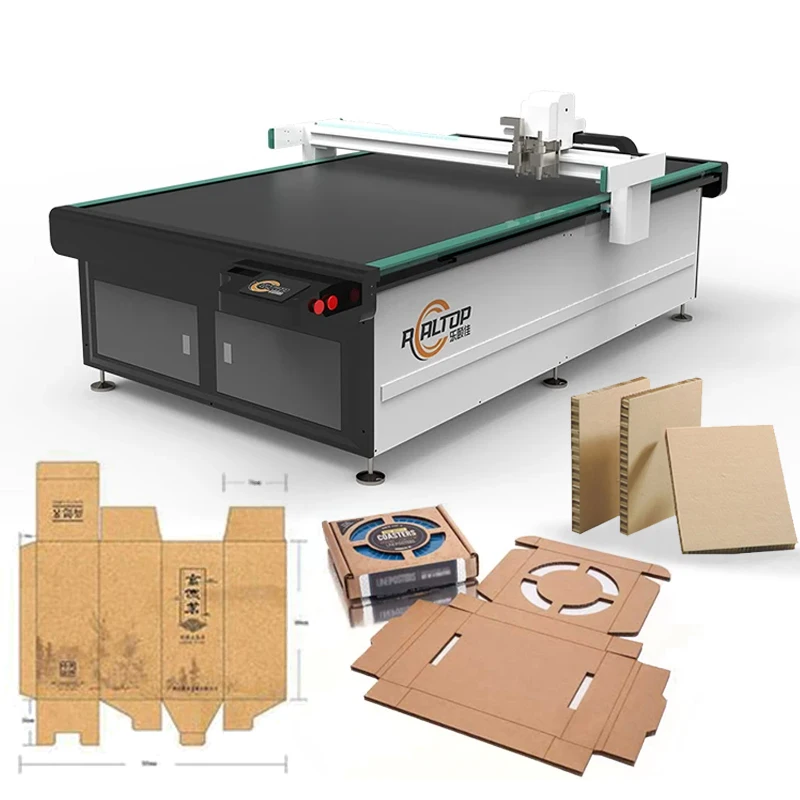
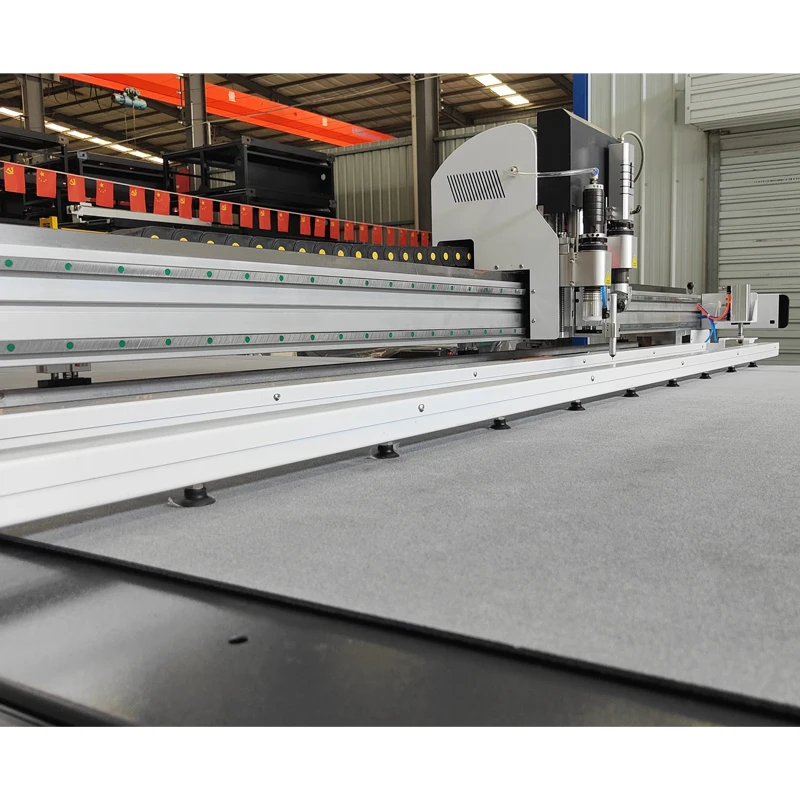
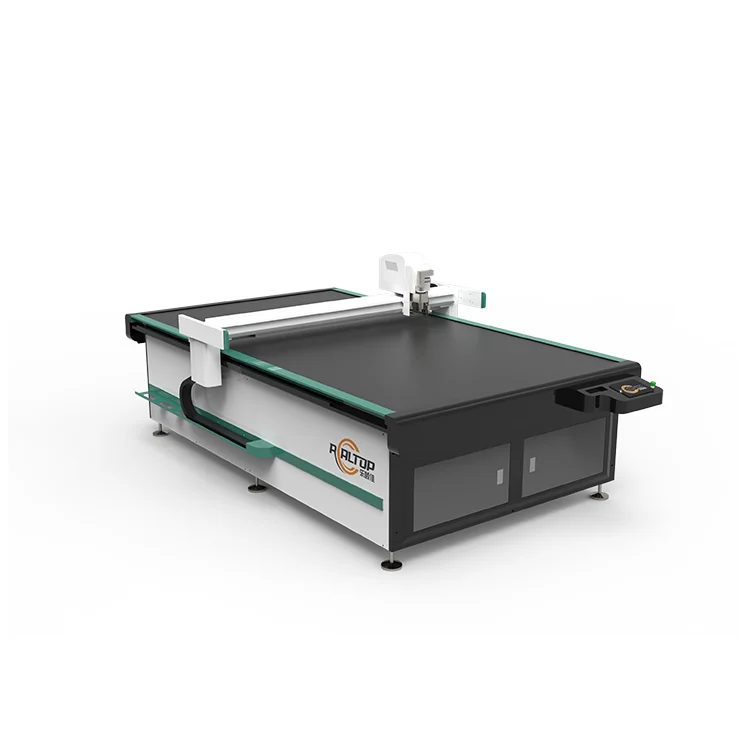
In-house knife and laser design — Every RT–R2513, RT-D2516, and RT-S2516 is built on a common engineering platform where oscillating knife, creasing wheel, kiss-cut knife, and round punch tooling are specified per material rather than forced onto a single method.
Technical Specifications
| Parameter | Value |
|---|---|
| Model | RT–R2513 / RT-D2516 / RT-S2516 |
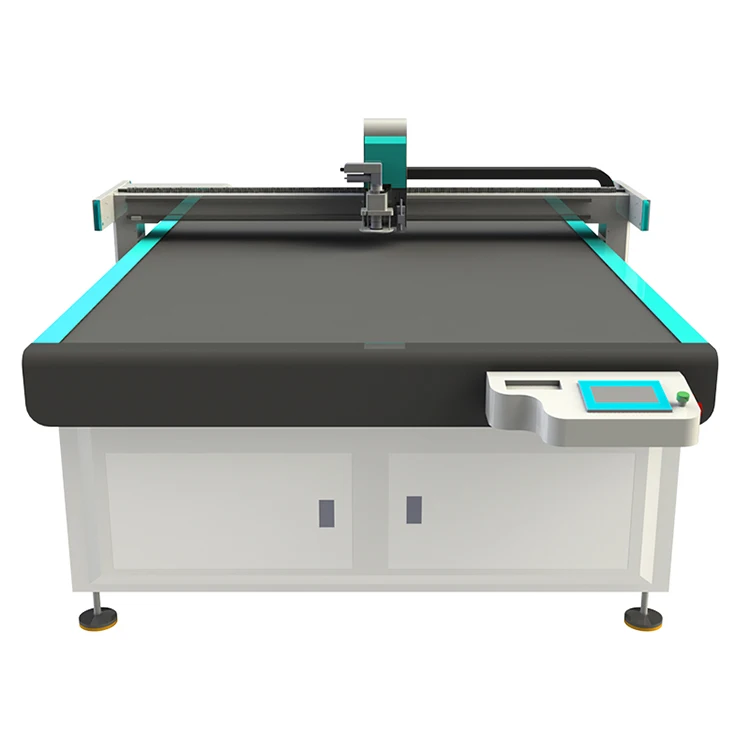
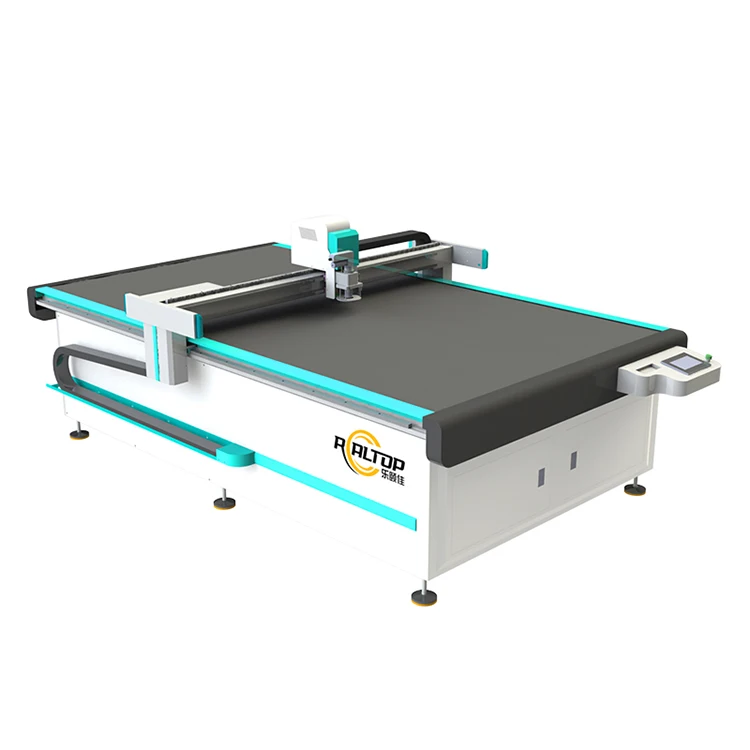
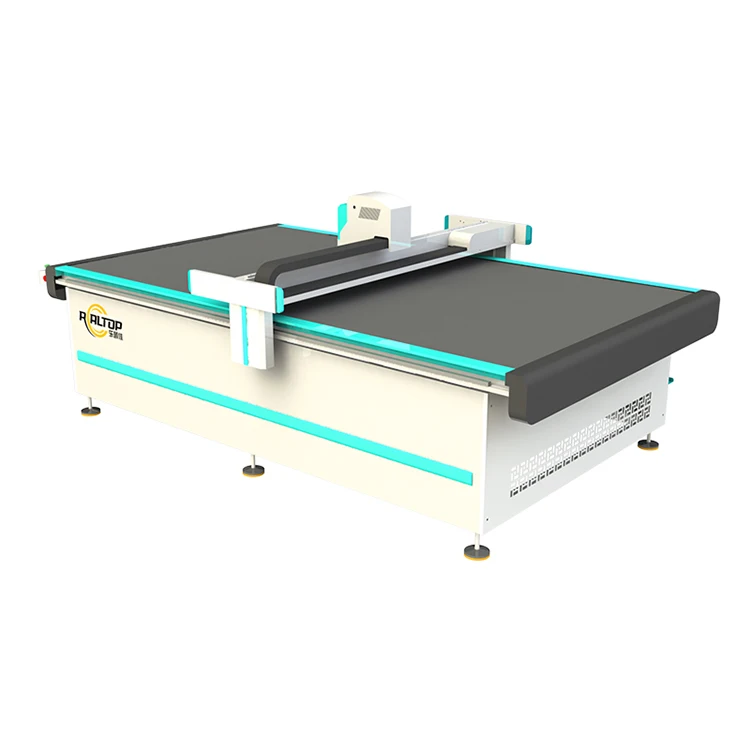
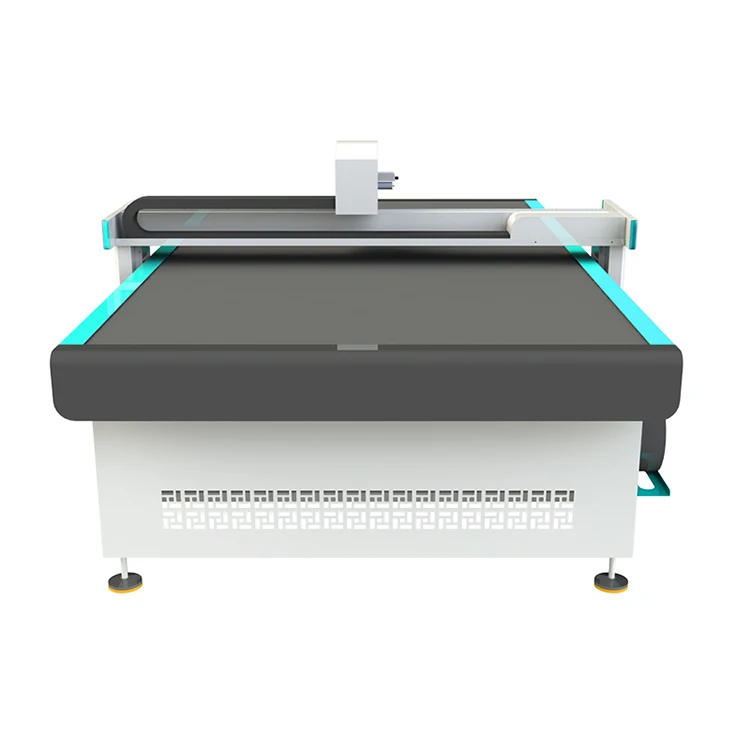
| Product Type | CNC Flatbed Digital Cutting Machine with Oscillating Knife |
| Working Area | 2500×1300 mm (RT–R2513); 1600×2500 mm (RT-D2516 / RT-S2516) |
| Machine Size | 3550×1910×1400 mm (RT–R2513); 3450×2300×1250 mm (RT-D2516 / RT-S2516) |
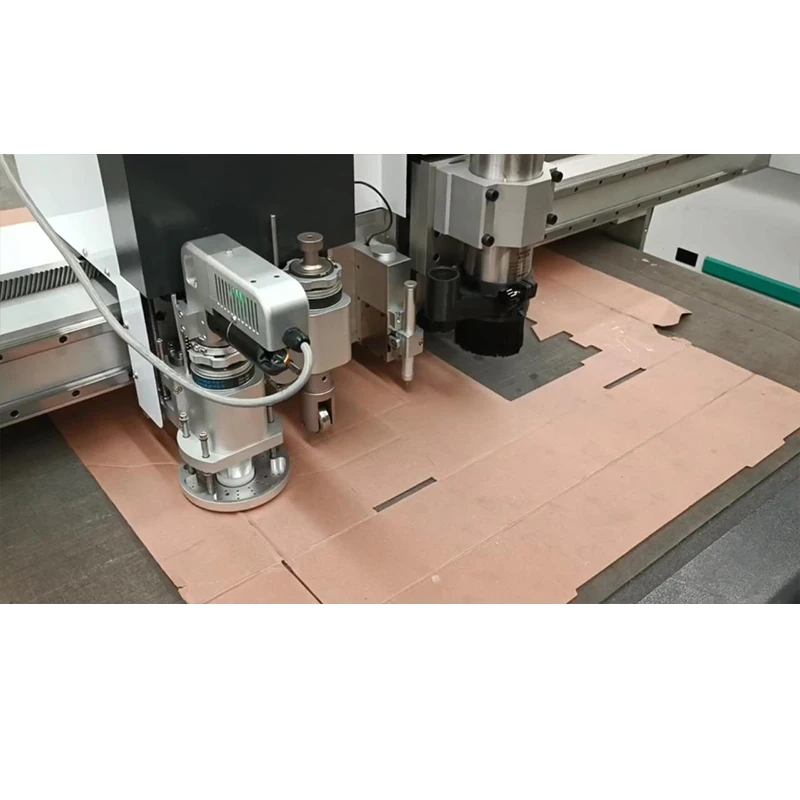
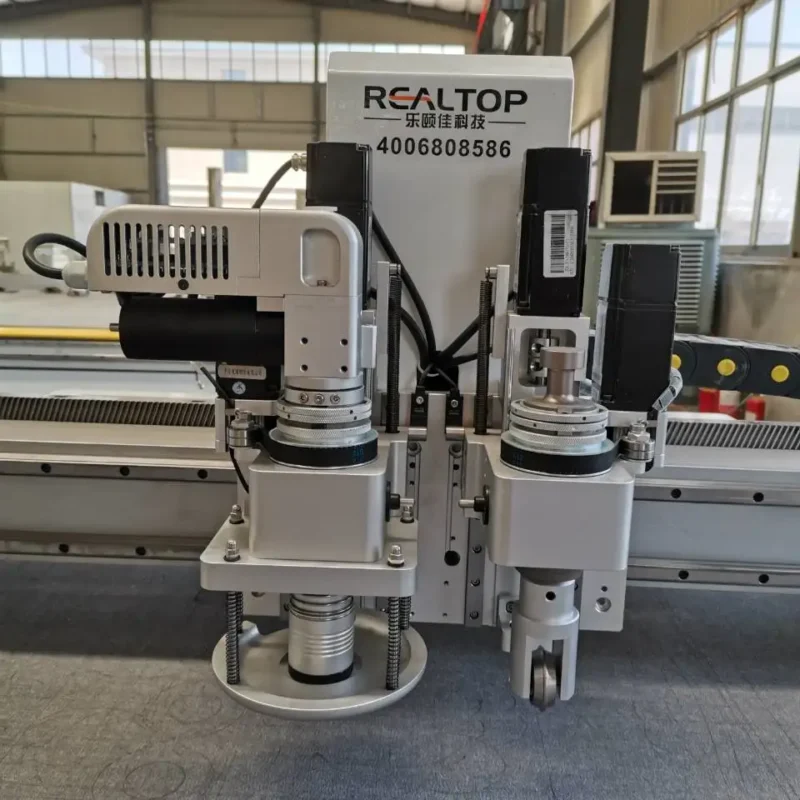
| Cutting Tools | Oscillating knife, Creasing tool, Kiss-Cut Knife Tool, Round punch |
| Cutting Thickness | ≤18 mm (basis not stated in source — confirm material type and density) |
| Table Type | Aluminum alloy honeycomb structure vacuum adsorption platform |
| Vacuum Pump | 7.5 kW |
| Rated Power | 9 kW |
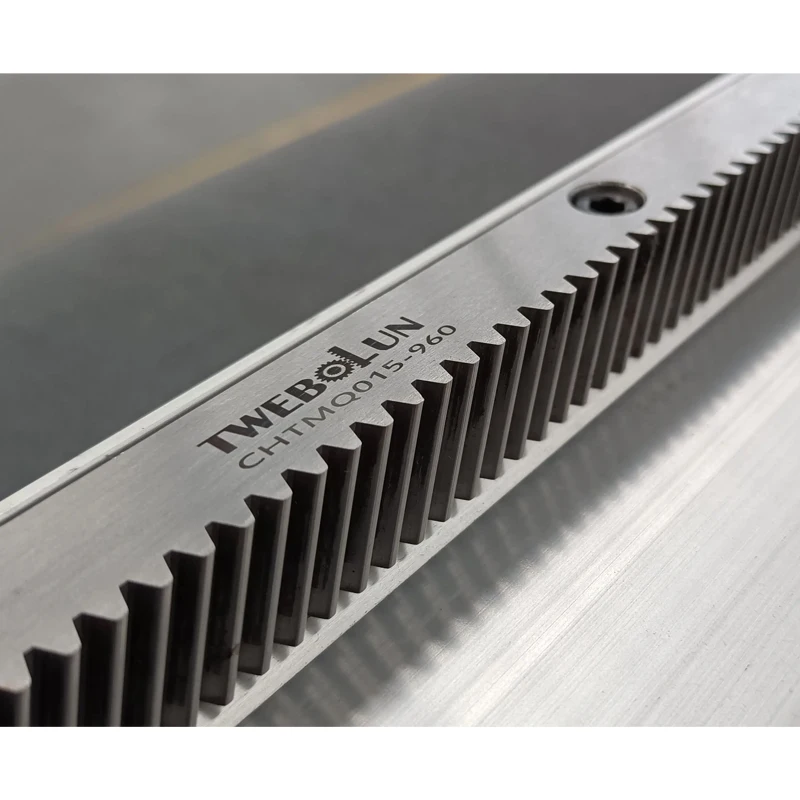
| Transmission | Rack and pinion with imported straight-line square guide |
| Guide Rail | Taiwan Hiwin rail |
| Servo | Dongling servo (Delta servo optional) |
| Fixing Method | Vacuum system |
| Repeated Accuracy | <0.05 mm |
| Voltage | 380 V (frequency to be confirmed for target market) |
| Profile Format | DXF, OLT, PDF, AI |
| Transmission Method | Ethernet port |
| Safety Device | Infrared sensors, emergency stop |
| Blade Supply | 10 pieces of oscillating blades included |
| Conveyor Belt | Germany imported (source value — verify against manufacturer catalog) |
| Frame | Welded thick square seamless steel structure with high-temperature treatment |
| Software | Professional carton nesting software included |
| Language Options | English, Russian, Italian, Chinese; special languages customizable |
| Warranty | 1 year (excludes felt and knife blades) |
| Delivery Time | <30 working days |
| Standards | CE (referenced in customer profile documentation; verify) |
Application Suitability
| Application | Material or Output |
|---|---|
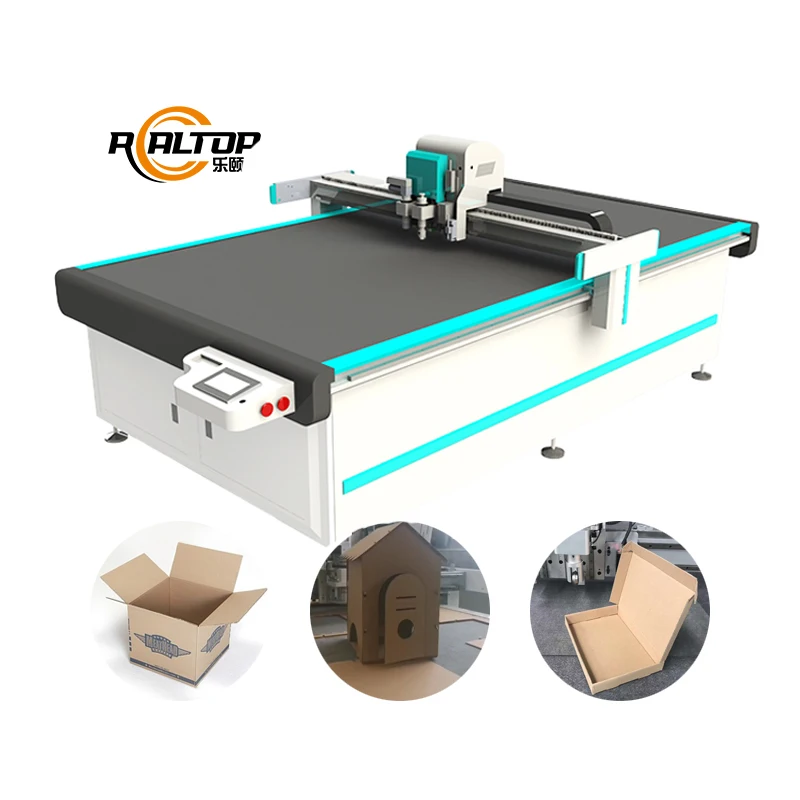
| Packaging carton and box sample making | Corrugated board, kraft paper, greyboard |
| Sticker and label contour cutting | Adhesive vinyl, PP paper, stickers |
| Cardboard and paper processing | Cardboard, paper, business cards, tags |
| Leather cutting | Genuine leather, synthetic leather, PU |
| Signage and billboard production | Foam board, PVC board, corrugated plastic |
Why "Working Area Alone" Is the Wrong Starting Point for a CNC Flatbed Digital Cutting Machine Manufacturer Selection
A flatbed size only tells you what fits on the table — not what the knife can actually cut at production speed.
I have seen buyers specify a 2500×1300 mm table based on their largest sheet, then discover the oscillating knife stalls on 15 mm foam because the vacuum zoning cannot hold small nested parts flat. Others choose the larger 1600×2500 mm format and find the 7.5 kW vacuum pump overkill for thin sticker stock, wasting energy on every shift [NEED_CITE: vacuum pump sizing relative to table area and material porosity]. The CNC flatbed digital cutting machine manufacturer you work with should confirm cutting depth, tool head selection, and vacuum zoning together with working area before any commitment is made.
Matching the Knife Head to the Material, Not the Brochure
The RT–R2513, RT-D2516, and RT-S2516 models all accept the same multi-tool head carriage — oscillating knife for thick and fibrous stock, creasing tool for fold lines on carton, kiss-cut knife for adhesive labels where the backing must remain intact, and round punch for registration holes. Selecting the wrong tool head for a given material produces ragged edges on foam, crushed corrugated flutes, or incomplete kiss-cuts that tear the liner during weeding. A CNC flatbed digital cutting machine manufacturer worth engaging will run your actual material sample before the order is finalized.
Vacuum Hold-Down and the Small-Part Problem
The aluminum alloy honeycomb platform paired with the 7.5 kW vacuum pump generates uniform suction across the table surface. For large sheets of leather or corrugated board, full-table vacuum is sufficient. But when nesting dozens of small gasket or label shapes from a single sheet, peripheral zones can lose suction if the table lacks independent zoning control [NEED_CITE: vacuum table zoning requirements for nested small-part cutting]. Parts lift during the final pass, the knife drags the edge, and the entire nest must be re-cut.
Reading the Spec Sheet Like a Production Manager
The rack-and-pinion drive on Taiwan Hiwin square rails delivers a repeated positioning accuracy of <0.05 mm, which matters when a CCD camera tracks printed registration marks on pre-printed carton. The 9 kW rated power covers the spindle, servo drives, and vacuum system operating simultaneously — buyers in markets with voltage fluctuation should confirm whether the 380 V supply requires a stabilizer upstream. The Dongling servo (with Delta as an alternative) handles acceleration and deceleration during direction changes; on dense materials like 12 mm greyboard, servo response directly affects corner quality. The Ethernet port for file transfer keeps the workflow digital from nesting software to machine, avoiding USB drives that carry malware into production environments.
The Cost of Skipping the Material Test
A buyer in the packaging sample industry once ordered a machine based on a spec sheet promising cutting thickness up to 18 mm, without clarifying that the figure applied to soft foam rather than dense corrugated board. The knife could not penetrate double-wall corrugated at full speed, forcing a two-pass cut that doubled cycle time and wore blades prematurely [NEED_CITE: cutting depth ratings relative to material density and knife oscillation frequency]. Another buyer received a machine with control software in Chinese despite requesting English, delaying operator training by weeks while the distributor sourced a firmware update. These are not manufacturing defects — they are specification gaps that a proper pre-order material test and configuration checklist would have caught.
Why Buyers Source This CNC Flatbed Digital Cutting Machine Manufacturer Range Here
The design team covers both knife and laser cutting on a shared engineering platform, so a buyer evaluating carton sample making alongside acrylic signage can compare methods on the same table frame without switching suppliers. Tool head and vacuum table configuration are written into the order specification per material and production volume rather than left as a generic default. Software compatibility is confirmed before the order — file formats including DXF, OLT, PDF, and AI are verified against the buyer’s existing design workflow. Language customization on the control interface is set before shipment, not discovered at unboxing. Sample cutting on the buyer’s own material runs before commitment, with a cutting report documenting knife type, speed, and edge quality for each material tested.
Documentation & Verification
- Machine specification sheet listing tool head and table configuration per ordered model
- Sample cutting report on buyer’s own material with knife type, speed, and edge photos
- Electrical schematic confirming voltage, frequency, and plug type for destination market
- Software licence and file format compatibility note matching buyer’s design software
- Factory test record documenting repeated accuracy and vacuum hold-down before dispatch
- Operation and maintenance manual in the buyer’s confirmed control language
Installation, Commissioning & Support
- Foundation must be level within tolerance across the 3550×1910 mm or 3450×2300 mm footprint to prevent rack-and-pinion binding
- Dedicated 380 V circuit with rated capacity above 9 kW plus vacuum pump startup surge
- Machine ships in sections requiring on-site assembly of the honeycomb platform and gantry
- First-power commissioning includes servo tuning, vacuum zoning calibration, and knife depth setting
- Operator training covers tool head changeover, nesting software import, and blade replacement procedure
- Spare oscillating blades included; felt pad and consumable knife supply scheduled for reorder
Before You Send the Inquiry
Provide the material type, thickness, and sheet size you will cut most often — not just the largest format you occasionally handle. Specify your local voltage and frequency, the control language your operators need, and whether your design files are currently in DXF, AI, PDF, or another format. If you are a distributor, indicate which models you plan to stock and whether OEM branding applies.
Frequently Asked Questions
Q: How do I choose between knife cutting and laser cutting for my material?
A: Knife cutting suits fibrous, layered, or thick materials like corrugated board, foam, and leather where a laser would burn edges or produce fumes. Laser is preferred for acrylic, wood, and thin textiles where edge sealing matters. A CNC flatbed digital cutting machine manufacturer offering both technologies on one platform lets you match the method to each material without compromise.
Q: Which working area model fits my sheet size and daily volume?
A: The RT–R2513 at 2500×1300 mm handles standard carton and signage sheets. The RT-D2516 and RT-S2516 at 1600×2500 mm accommodate wider formats common in packaging and large signage. Choose based on your most frequent sheet size, not your largest occasional job, to avoid paying for unused table area and oversized vacuum capacity.
Q: What tool head do I need for my specific material?
A: Oscillating knife cuts foam, corrugated, leather, and thick gasket cleanly. The creasing tool scores fold lines on carton without cutting through. Kiss-cut knife slices adhesive labels while preserving the backing liner. Round punch creates registration or hanging holes. Multiple heads on one carriage allow switching within a single job file.
Q: Can the voltage, plug type, and control language be customized before shipment?
A: The standard supply is 380 V, but frequency and plug type must be confirmed for your destination market. Control language options include English, Russian, Italian, and Chinese, with additional languages configurable. These details are locked into the order specification and verified on the electrical schematic before the machine leaves the factory.
Q: Are OEM and private-label options available for distributors?
A: The manufacturer supports OEM branding and configuration customization for distributors and importers. Machine appearance, software interface language, and documentation can be adapted to your brand. Specific OEM terms are confirmed during the inquiry stage after model selection and target market details are established.
In-house knife and laser design — Every RT–R2513, RT-D2516, and RT-S2516 is built on a common engineering platform where oscillating knife, creasing wheel, kiss-cut knife, and round punch tooling are specified per material rather than forced onto a single method.
Technical Specifications
| Parameter | Value |
|---|---|
| Model | RT–R2513 / RT-D2516 / RT-S2516 |
| Product Type | CNC Flatbed Digital Cutting Machine with Oscillating Knife |
| Working Area | 2500×1300 mm (RT–R2513); 1600×2500 mm (RT-D2516 / RT-S2516) |
| Machine Size | 3550×1910×1400 mm (RT–R2513); 3450×2300×1250 mm (RT-D2516 / RT-S2516) |
| Cutting Tools | Oscillating knife, Creasing tool, Kiss-Cut Knife Tool, Round punch |
| Cutting Thickness | ≤18 mm (basis not stated in source — confirm material type and density) |
| Table Type | Aluminum alloy honeycomb structure vacuum adsorption platform |
| Vacuum Pump | 7.5 kW |
| Rated Power | 9 kW |
| Transmission | Rack and pinion with imported straight-line square guide |
| Guide Rail | Taiwan Hiwin rail |
| Servo | Dongling servo (Delta servo optional) |
| Fixing Method | Vacuum system |
| Repeated Accuracy | <0.05 mm |
| Voltage | 380 V (frequency to be confirmed for target market) |
| Profile Format | DXF, OLT, PDF, AI |
| Transmission Method | Ethernet port |
| Safety Device | Infrared sensors, emergency stop |
| Blade Supply | 10 pieces of oscillating blades included |
| Conveyor Belt | Germany imported (source value — verify against manufacturer catalog) |
| Frame | Welded thick square seamless steel structure with high-temperature treatment |
| Software | Professional carton nesting software included |
| Language Options | English, Russian, Italian, Chinese; special languages customizable |
| Warranty | 1 year (excludes felt and knife blades) |
| Delivery Time | <30 working days |
| Standards | CE (referenced in customer profile documentation; verify) |
Application Suitability
| Application | Material or Output |
|---|---|
| Packaging carton and box sample making | Corrugated board, kraft paper, greyboard |
| Sticker and label contour cutting | Adhesive vinyl, PP paper, stickers |
| Cardboard and paper processing | Cardboard, paper, business cards, tags |
| Leather cutting | Genuine leather, synthetic leather, PU |
| Signage and billboard production | Foam board, PVC board, corrugated plastic |
Why "Working Area Alone" Is the Wrong Starting Point for a CNC Flatbed Digital Cutting Machine Manufacturer Selection
A flatbed size only tells you what fits on the table — not what the knife can actually cut at production speed.
I have seen buyers specify a 2500×1300 mm table based on their largest sheet, then discover the oscillating knife stalls on 15 mm foam because the vacuum zoning cannot hold small nested parts flat. Others choose the larger 1600×2500 mm format and find the 7.5 kW vacuum pump overkill for thin sticker stock, wasting energy on every shift [NEED_CITE: vacuum pump sizing relative to table area and material porosity]. The CNC flatbed digital cutting machine manufacturer you work with should confirm cutting depth, tool head selection, and vacuum zoning together with working area before any commitment is made.
Matching the Knife Head to the Material, Not the Brochure
The RT–R2513, RT-D2516, and RT-S2516 models all accept the same multi-tool head carriage — oscillating knife for thick and fibrous stock, creasing tool for fold lines on carton, kiss-cut knife for adhesive labels where the backing must remain intact, and round punch for registration holes. Selecting the wrong tool head for a given material produces ragged edges on foam, crushed corrugated flutes, or incomplete kiss-cuts that tear the liner during weeding. A CNC flatbed digital cutting machine manufacturer worth engaging will run your actual material sample before the order is finalized.
Vacuum Hold-Down and the Small-Part Problem
The aluminum alloy honeycomb platform paired with the 7.5 kW vacuum pump generates uniform suction across the table surface. For large sheets of leather or corrugated board, full-table vacuum is sufficient. But when nesting dozens of small gasket or label shapes from a single sheet, peripheral zones can lose suction if the table lacks independent zoning control [NEED_CITE: vacuum table zoning requirements for nested small-part cutting]. Parts lift during the final pass, the knife drags the edge, and the entire nest must be re-cut.
Reading the Spec Sheet Like a Production Manager
The rack-and-pinion drive on Taiwan Hiwin square rails delivers a repeated positioning accuracy of <0.05 mm, which matters when a CCD camera tracks printed registration marks on pre-printed carton. The 9 kW rated power covers the spindle, servo drives, and vacuum system operating simultaneously — buyers in markets with voltage fluctuation should confirm whether the 380 V supply requires a stabilizer upstream. The Dongling servo (with Delta as an alternative) handles acceleration and deceleration during direction changes; on dense materials like 12 mm greyboard, servo response directly affects corner quality. The Ethernet port for file transfer keeps the workflow digital from nesting software to machine, avoiding USB drives that carry malware into production environments.
The Cost of Skipping the Material Test
A buyer in the packaging sample industry once ordered a machine based on a spec sheet promising cutting thickness up to 18 mm, without clarifying that the figure applied to soft foam rather than dense corrugated board. The knife could not penetrate double-wall corrugated at full speed, forcing a two-pass cut that doubled cycle time and wore blades prematurely [NEED_CITE: cutting depth ratings relative to material density and knife oscillation frequency]. Another buyer received a machine with control software in Chinese despite requesting English, delaying operator training by weeks while the distributor sourced a firmware update. These are not manufacturing defects — they are specification gaps that a proper pre-order material test and configuration checklist would have caught.
Why Buyers Source This CNC Flatbed Digital Cutting Machine Manufacturer Range Here
The design team covers both knife and laser cutting on a shared engineering platform, so a buyer evaluating carton sample making alongside acrylic signage can compare methods on the same table frame without switching suppliers. Tool head and vacuum table configuration are written into the order specification per material and production volume rather than left as a generic default. Software compatibility is confirmed before the order — file formats including DXF, OLT, PDF, and AI are verified against the buyer’s existing design workflow. Language customization on the control interface is set before shipment, not discovered at unboxing. Sample cutting on the buyer’s own material runs before commitment, with a cutting report documenting knife type, speed, and edge quality for each material tested.
Documentation & Verification
- Machine specification sheet listing tool head and table configuration per ordered model
- Sample cutting report on buyer’s own material with knife type, speed, and edge photos
- Electrical schematic confirming voltage, frequency, and plug type for destination market
- Software licence and file format compatibility note matching buyer’s design software
- Factory test record documenting repeated accuracy and vacuum hold-down before dispatch
- Operation and maintenance manual in the buyer’s confirmed control language
Installation, Commissioning & Support
- Foundation must be level within tolerance across the 3550×1910 mm or 3450×2300 mm footprint to prevent rack-and-pinion binding
- Dedicated 380 V circuit with rated capacity above 9 kW plus vacuum pump startup surge
- Machine ships in sections requiring on-site assembly of the honeycomb platform and gantry
- First-power commissioning includes servo tuning, vacuum zoning calibration, and knife depth setting
- Operator training covers tool head changeover, nesting software import, and blade replacement procedure
- Spare oscillating blades included; felt pad and consumable knife supply scheduled for reorder
Before You Send the Inquiry
Provide the material type, thickness, and sheet size you will cut most often — not just the largest format you occasionally handle. Specify your local voltage and frequency, the control language your operators need, and whether your design files are currently in DXF, AI, PDF, or another format. If you are a distributor, indicate which models you plan to stock and whether OEM branding applies.
Frequently Asked Questions
Q: How do I choose between knife cutting and laser cutting for my material?
A: Knife cutting suits fibrous, layered, or thick materials like corrugated board, foam, and leather where a laser would burn edges or produce fumes. Laser is preferred for acrylic, wood, and thin textiles where edge sealing matters. A CNC flatbed digital cutting machine manufacturer offering both technologies on one platform lets you match the method to each material without compromise.
Q: Which working area model fits my sheet size and daily volume?
A: The RT–R2513 at 2500×1300 mm handles standard carton and signage sheets. The RT-D2516 and RT-S2516 at 1600×2500 mm accommodate wider formats common in packaging and large signage. Choose based on your most frequent sheet size, not your largest occasional job, to avoid paying for unused table area and oversized vacuum capacity.
Q: What tool head do I need for my specific material?
A: Oscillating knife cuts foam, corrugated, leather, and thick gasket cleanly. The creasing tool scores fold lines on carton without cutting through. Kiss-cut knife slices adhesive labels while preserving the backing liner. Round punch creates registration or hanging holes. Multiple heads on one carriage allow switching within a single job file.
Q: Can the voltage, plug type, and control language be customized before shipment?
A: The standard supply is 380 V, but frequency and plug type must be confirmed for your destination market. Control language options include English, Russian, Italian, and Chinese, with additional languages configurable. These details are locked into the order specification and verified on the electrical schematic before the machine leaves the factory.
Q: Are OEM and private-label options available for distributors?
A: The manufacturer supports OEM branding and configuration customization for distributors and importers. Machine appearance, software interface language, and documentation can be adapted to your brand. Specific OEM terms are confirmed during the inquiry stage after model selection and target market details are established.
商品评价
There are no reviews yet.