

Fast Delivery
Quick, reliable shipping to any location.

Free & easy returns
Return this item by mail or in store within 90 days for a full refund.
Tool Head Match Before Purchase — every composite material gets a sample cut on its actual stock before we lock the knife type, stroke frequency and vacuum zoning into the spec sheet.
Technical Specifications
| Parameter | Value |
|---|---|
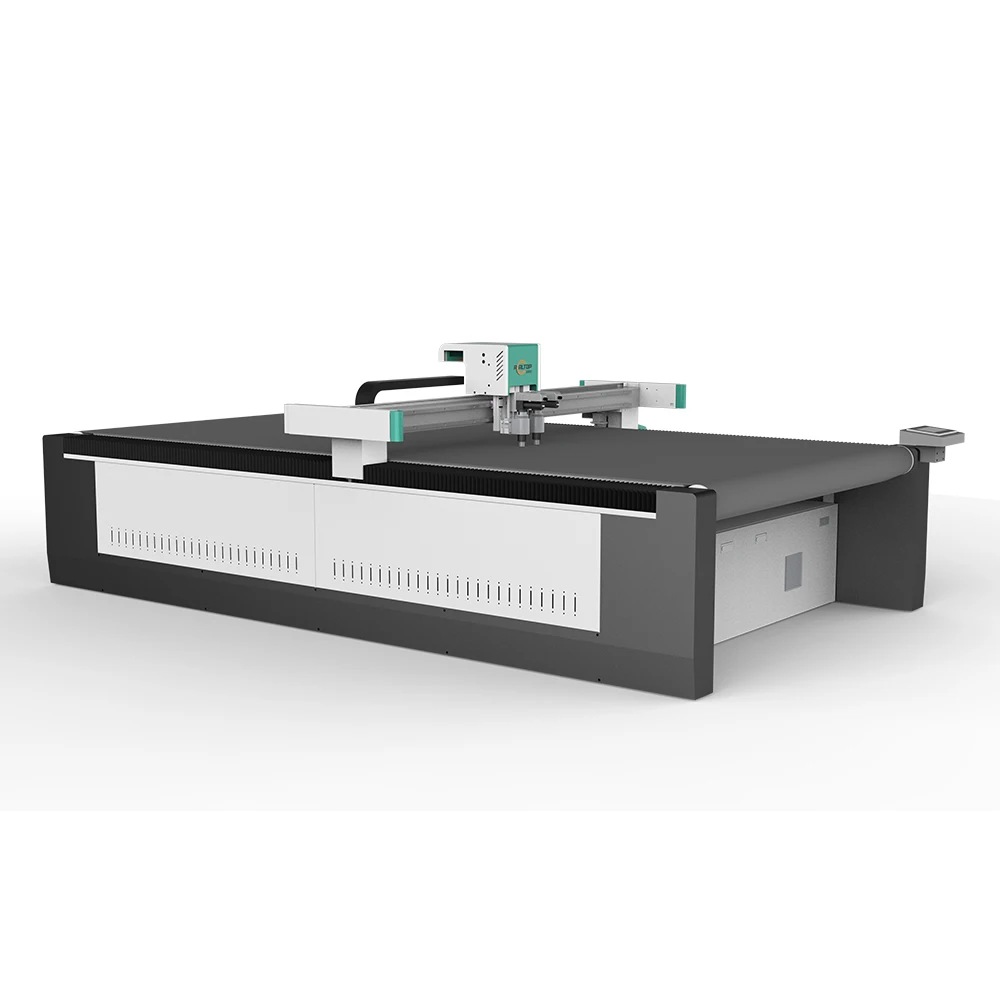
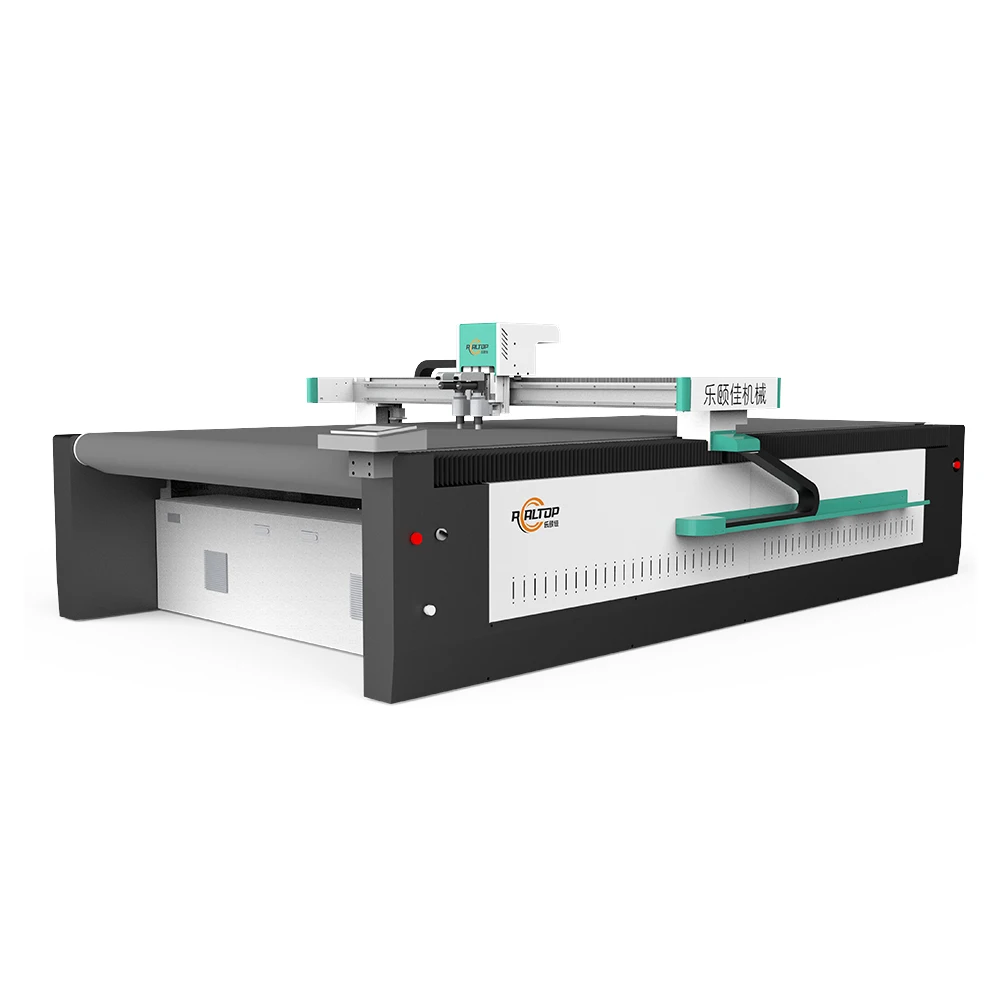
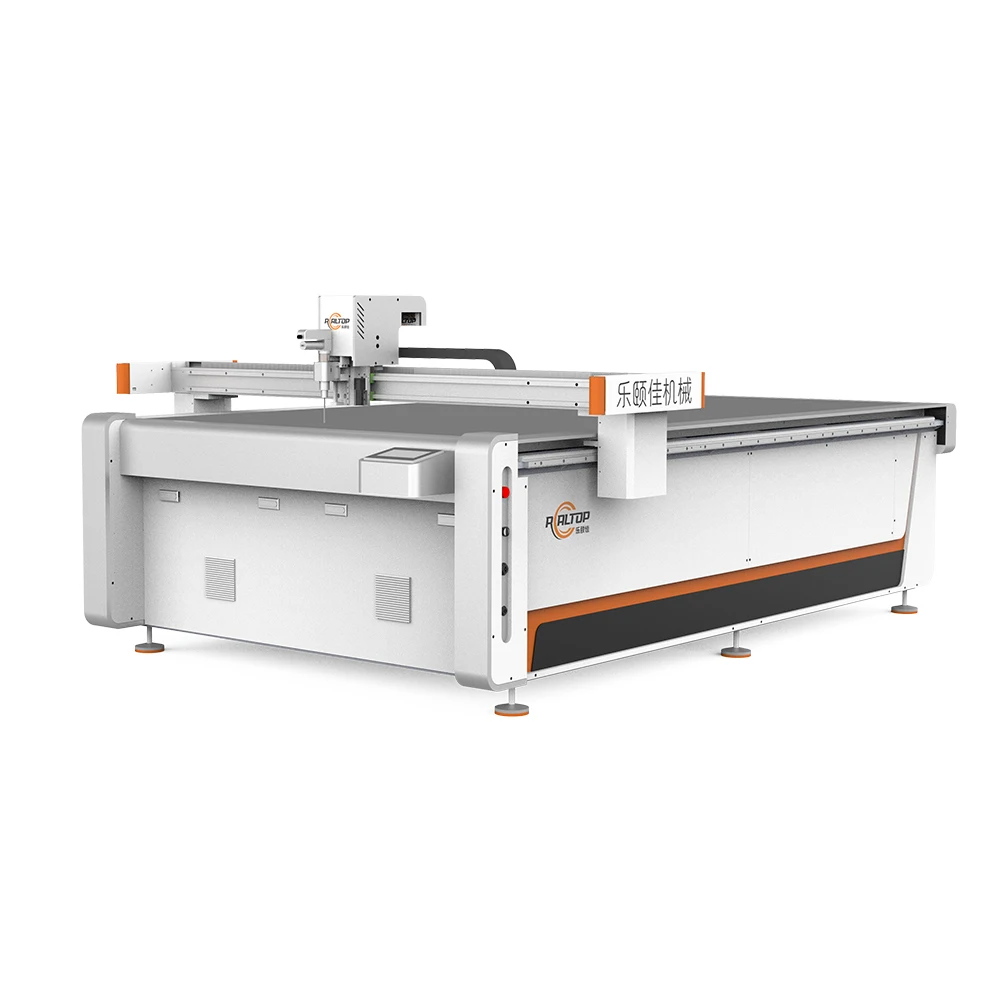
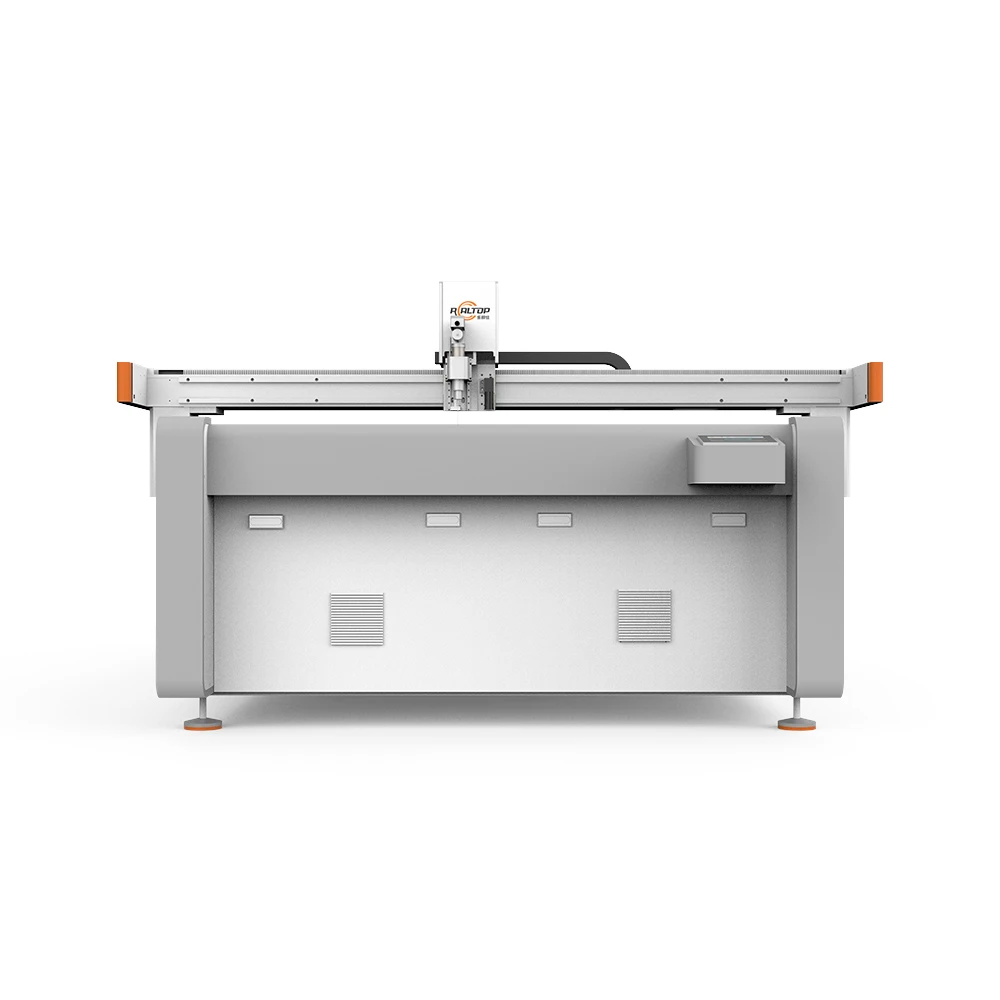
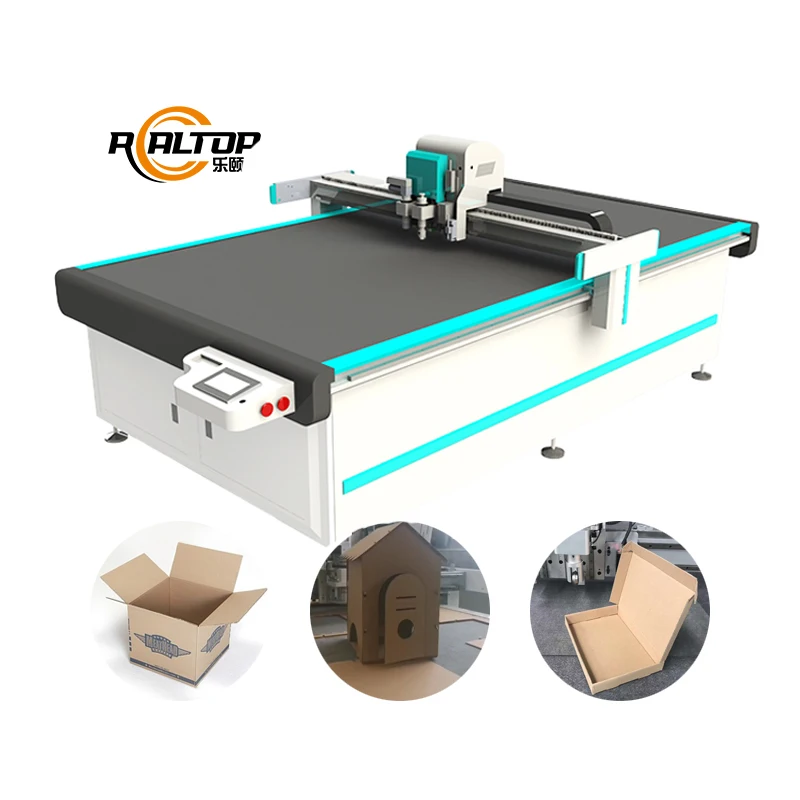
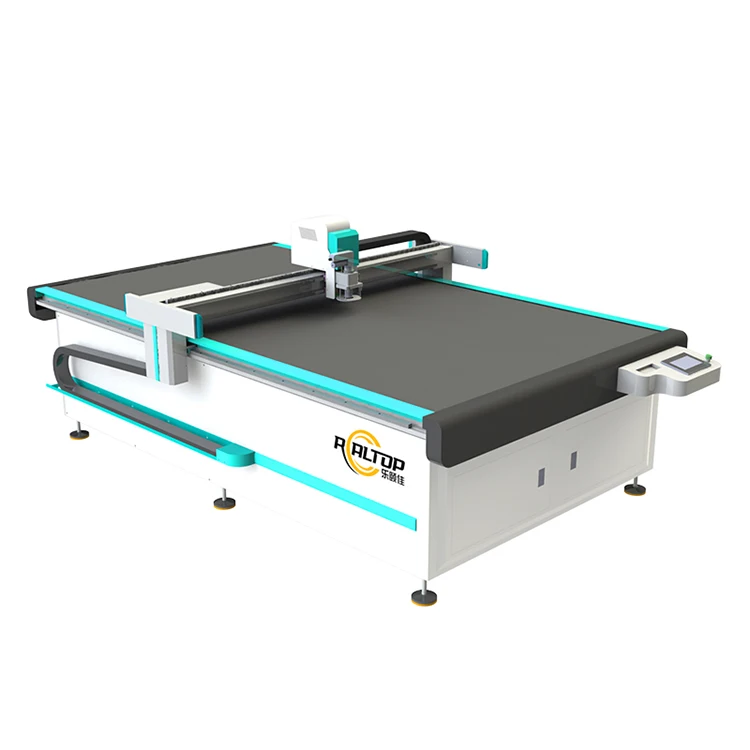
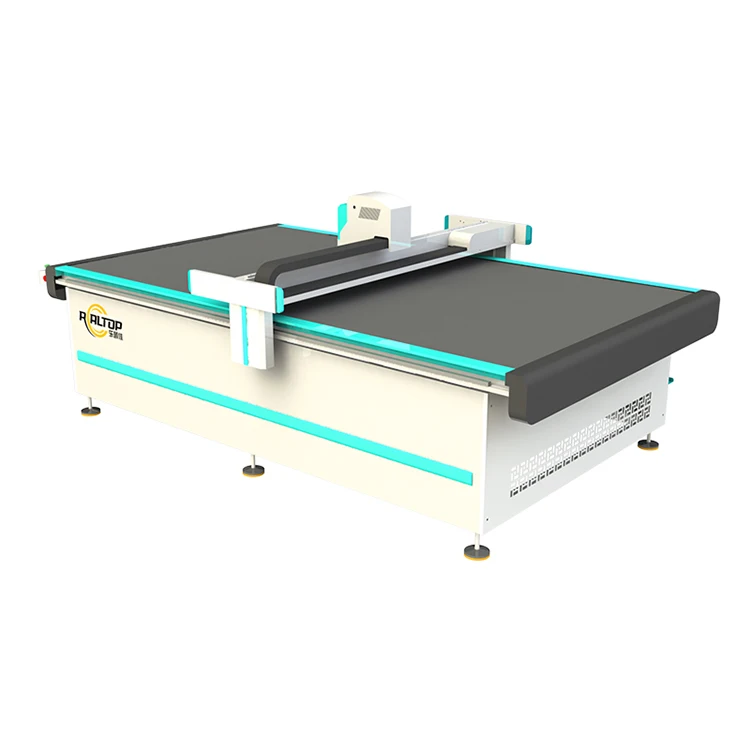
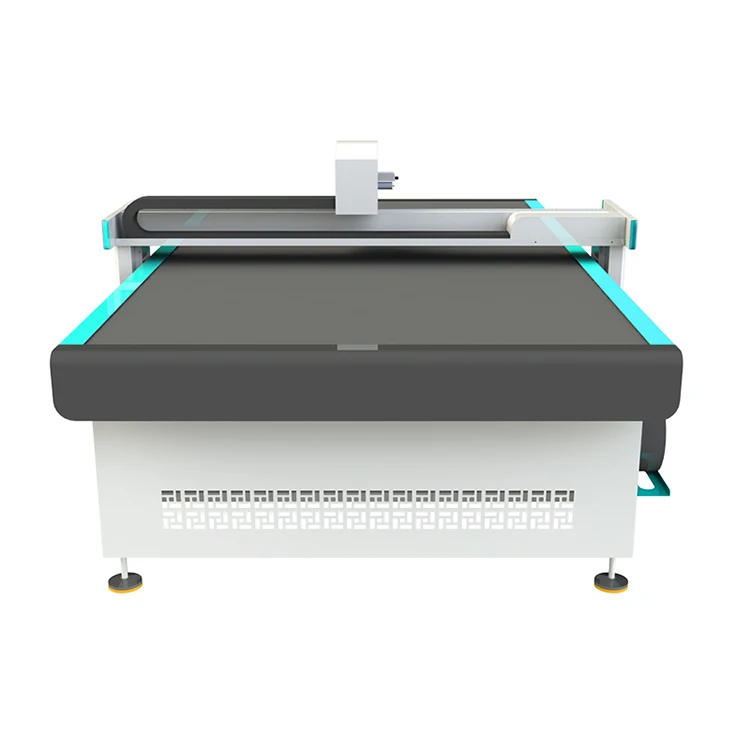
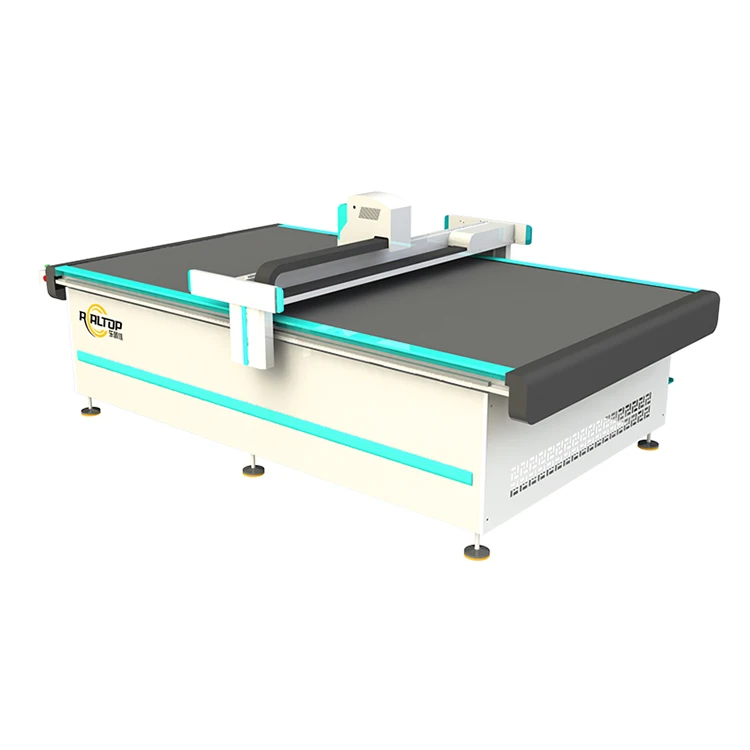
| Product Type | CNC Digital Knife Cutting Machine |
| Model | RT-D2516/RT-S2516 |
| Working Area | 1600 × 2500 mm |
| Overall Dimensions (L×W×H) | 3450 × 2300 × 1250 mm |
| Rated Power | 9 kW |
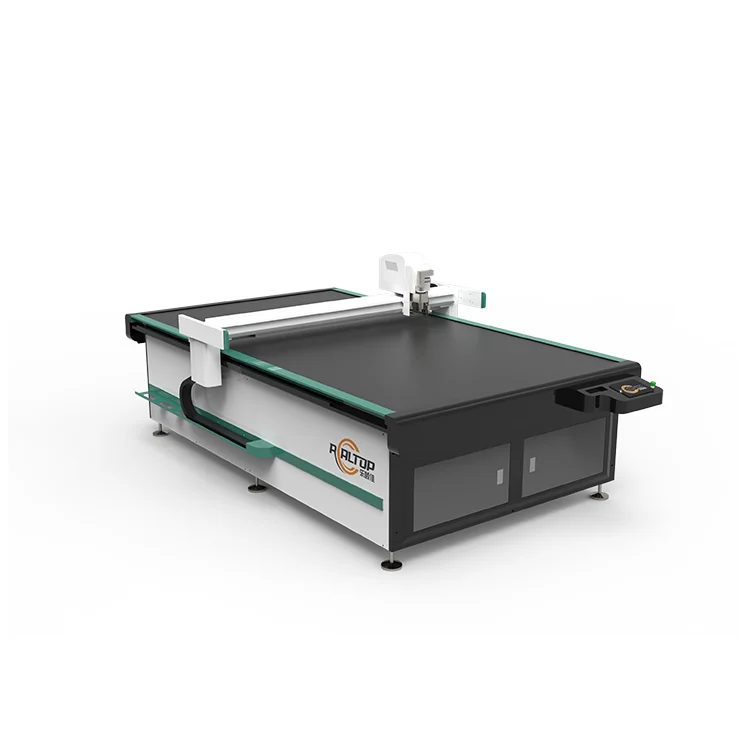
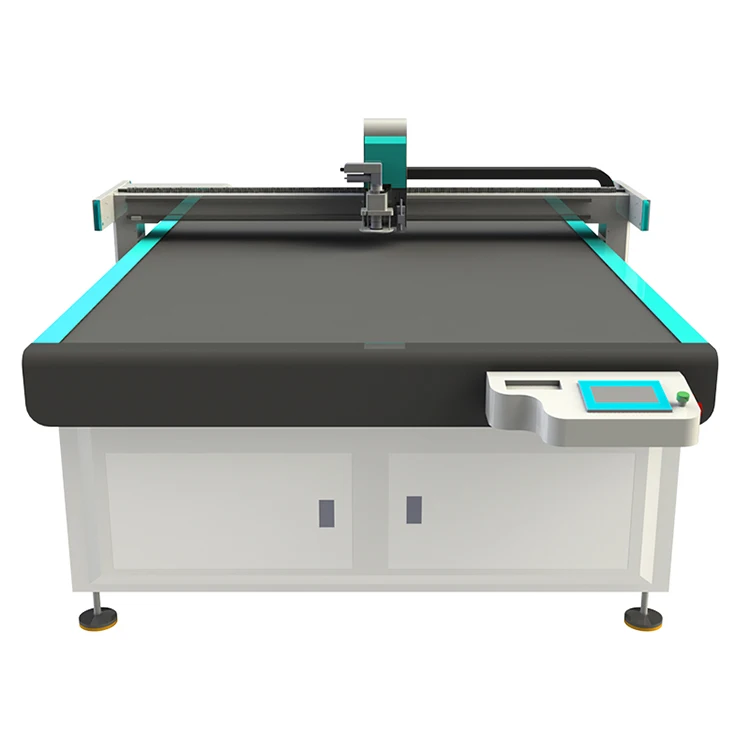
| Table Type | Flat working table |
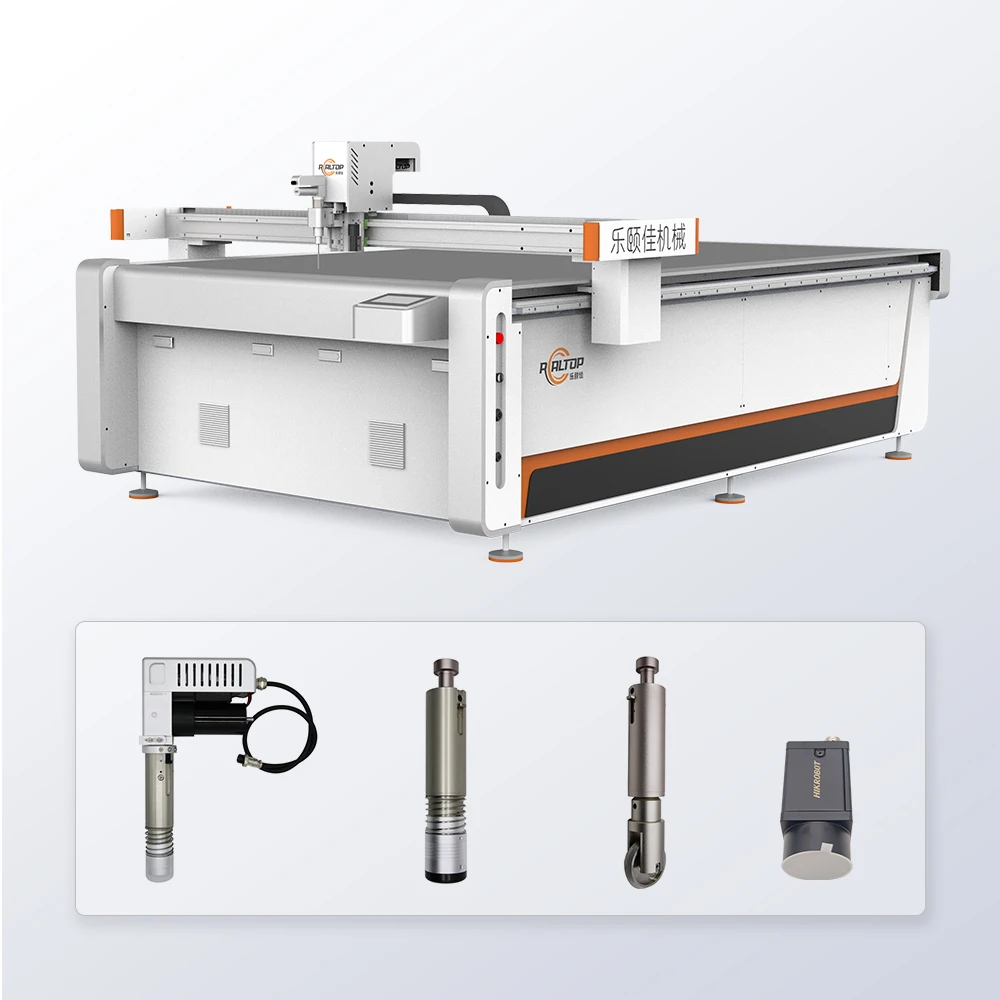
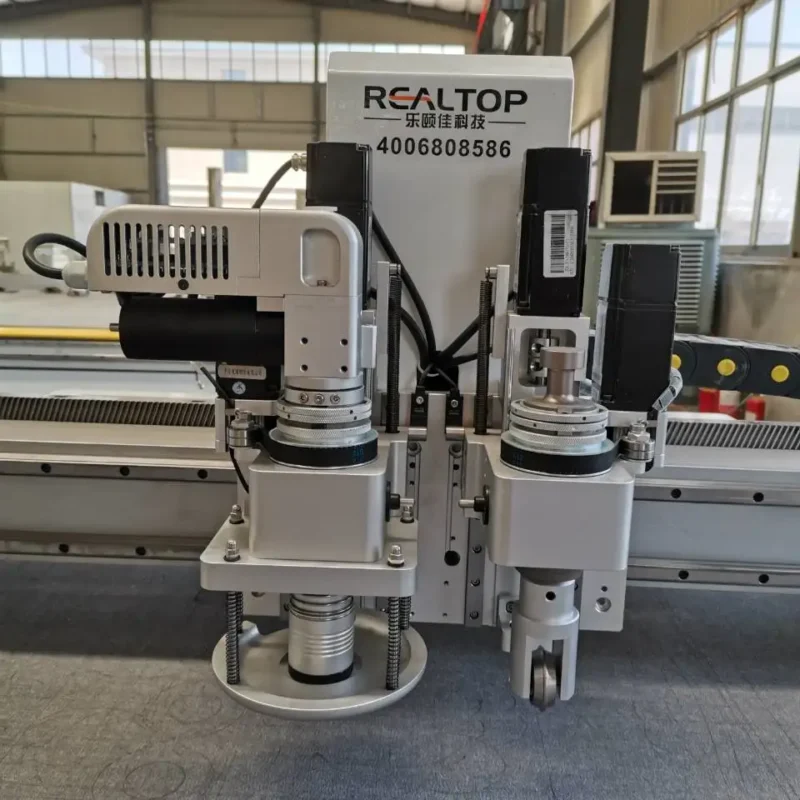
| Tool Head | Swiss imported knife (vibration full cutting, vibration half cutting, cursor location) |
| Safety Device | Infrared sensors |
| Translational Velocity | 800–2000 mm/s |
| Cutting Speed | 200–800 mm/s (varies with material density and thickness) |
| Cutting Thickness | ≤100 mm (varies with material) |
| Repeatability | ≤0.1 mm |
| Transmission System | Digital servo motor, linear guide, synchronous belt, ball screw |
| Instruction System | HP-GL compatible format |
| Voltage | 380V ± 10% |
| Servo Motor Brand | Delta |
| Vacuum Pump | 7.5 kW |
| Guide Rail | Taiwan Hiwin |
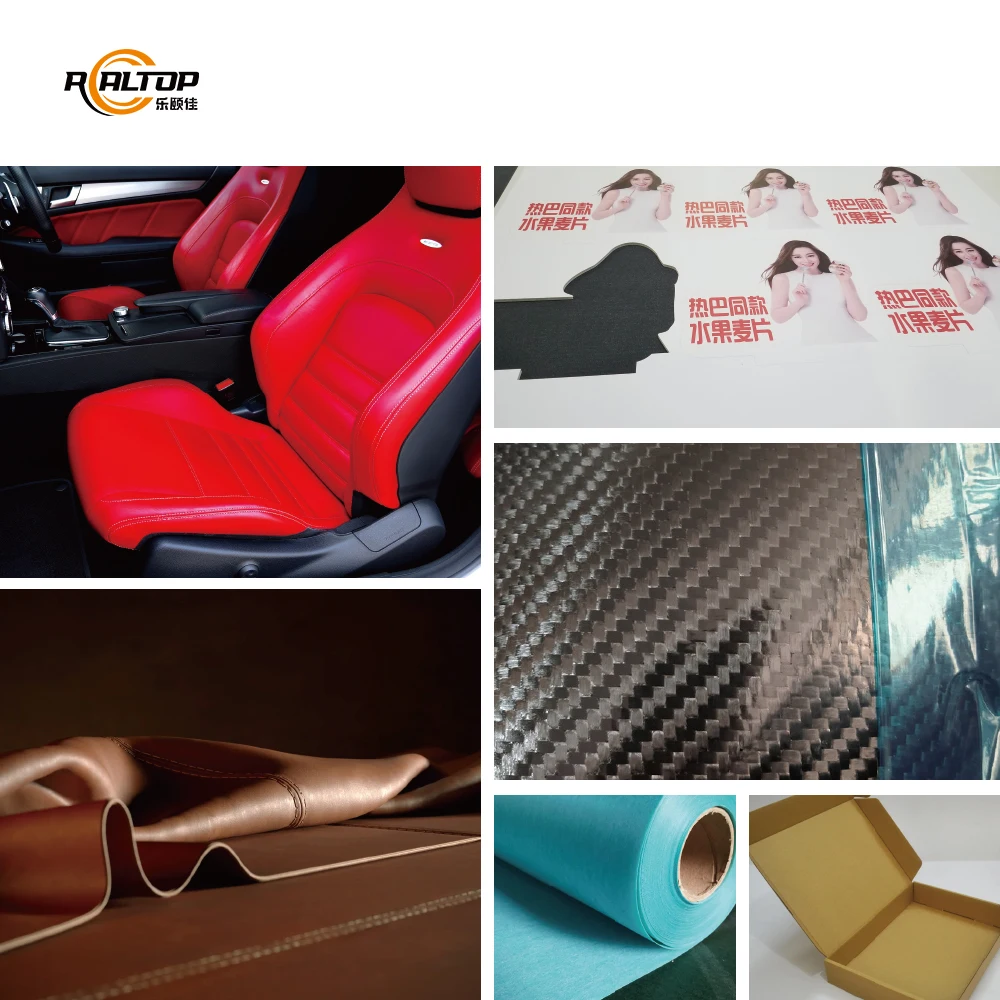
| Cutting Materials | Leather, clothing flexible material, sponge composite leather, PVC, soft glass, silicon, rubber |
Application Suitability
| Application | Material or Output |
|---|---|
| Acoustic panel trimming | High-density fiberglass composite boards and polyester fiber boards |
| Automotive interior parts | Sponge composite leather, closed-cell foam, rubber gaskets |
| Signage substrate cutting | PVC foam board, acrylic composite, vinyl overlays |
| Gasket and seal fabrication | Silicone sheet, rubber, non-metallic composite materials |
| Flexible packaging samples | Leather, fabric-reinforced PVC, soft glass |
Why the Wrong Tool Head Ruins a Composite Cut
Material density, not working area, decides whether the knife holds up through the shift.
I once ran a sample on standard MDF for a Middle East buyer, and the edge came out clean. The actual shipment arrived with high-density fiberglass acoustic boards. The standard oscillating knife frayed every edge, forcing a complete tool head and parameter reset. A CNC digital cutting machine manufacturer worth quoting against will always ask for your real stock before locking the configuration [NEED_CITE: tool head selection for abrasive composite panels]. When the material is unknown, the machine is being guessed at.
Knife Stroke and Material Density
The RT-D2516/RT-S2516 carries a Swiss imported knife with vibration full cutting and half cutting modes. For abrasive composites like fiberglass acoustic boards, the oscillation frequency must be high enough to shear fibers rather than drag them. Lower stroke frequencies leave frayed edges that fail visual inspection on decorative panels. Matching stroke to material density is the first variable we confirm during sample cutting.
Vacuum Hold-Down on Porous Composites
A 7.5 kW vacuum pump sits underneath the flat working table. Acoustic panels are often porous or textured on one face, which reduces suction effectiveness on small cut parts. Uniform adsorption across the 1600 × 2500 mm bed prevents material lift during high-speed traversing, a common source of dimensional drift on nested gasket jobs [NEED_CITE: vacuum table zoning for porous composite sheets].
Servo Drive and Repeatability Tolerance
Delta servo motors paired with Taiwan Hiwin linear guides deliver ≤0.1 mm repeatability. For multi-layer acoustic panel layouts where cut pieces must align with mounting hardware, this tolerance keeps hole positions and profile edges within assembly limits. Synchronous belt and ball screw transmission maintain positional accuracy across the full stroke, not just at the origin point.
HP-GL File Format Compatibility
The instruction system reads HP-GL compatible format, which covers most legacy CAD outputs still used in signage and gasket workshops. Buyers migrating from older flatbed cutters can typically import existing nesting files without re-drawing, reducing the gap between machine delivery and first production run.
What Happens When Vacuum Zoning Is Ignored
Small composite parts — gaskets, cable management cutouts, acoustic baffles under 150 mm — release from the table the moment the knife exits the cut. Without adequate zoned vacuum or a sacrificial overlay, those parts shift and the next pass gouges both the workpiece and the belt. This is not a software issue; it is a physics problem that surfaces only on the buyer’s actual material profile [NEED_CITE: part retention on vacuum tables for small geometry].
Why Buy the Range, Not the Brochure
In-house design covers both knife and laser platforms, so a buyer processing mixed composites can match the cutting method to each material rather than forcing one technology. Tool head and table configuration are specified per material sample, not per catalog page. Voltage, plug standard and control panel language are confirmed in writing before production starts. Sample cutting on the buyer’s own stock is standard procedure, not an exception. Software license and file format notes ship with the manual, so the nesting workflow is verified before the crate leaves the factory.
Documentation & Verification
- Machine specification sheet listing confirmed tool head, stroke frequency and table zoning
- Electrical schematic with voltage, plug type and breaker rating matched to destination
- Sample cutting report on buyer-supplied composite material with edge quality photographs
- HP-GL file format compatibility note and nesting software license documentation
- Factory test record showing repeatability measurement before crating
- Spare parts list covering knife blades, vacuum seals and guide rail wipers
Installation, Commissioning & Support
- Level the 3450 × 2300 × 1250 mm frame on a rigid floor before vacuum pump startup
- Confirm 380V ± 10% supply with dedicated 9 kW circuit and correct phase rotation
- Re-tension synchronous belts and verify Hiwin guide rail lubrication after transit
- Run HP-GL test file to validate servo tuning and repeatability on arrival
- Train operators on vibration full cutting and half cutting tool changeover procedure
- Stock first-year consumables: oscillating knife blades, vacuum table seals, pen tips
What to Include in Your Inquiry
Send the exact composite material type, thickness range and sheet dimensions you run daily. State your local voltage standard, plug type and preferred control panel language. If you use an existing nesting or CAD workflow, attach a sample file so we can verify HP-GL format import before the machine enters production. Requesting a sample cut on your own stock eliminates guesswork on edge quality and cutting speed.
Frequently Asked Questions
Q: How do I choose between oscillating knife and vibration half cutting for my composite material?
A: Oscillating full cutting suits dense, fibrous composites like fiberglass acoustic panels where a clean through-cut is needed. Half cutting scores crease lines on packaging substrates without severing the material. We run your actual stock on a sample table to confirm which mode holds edge quality at production speed before finalizing the tool head.
Q: What voltage and control language options are available for export?
A: The RT-D2516/RT-S2516 is configured at 380V ± 10% as standard, with alternative voltage available upon confirmation. Plug type and control panel language are agreed in writing before production. This avoids field rewiring and operator confusion when the machine arrives at your facility.
Q: Can I send my own composite material for sample cutting?
A: Yes. Send a sheet of your actual production material — fiberglass board, sponge composite leather, PVC foam, or rubber — and we cut it on the configured tool head. You receive a sample report with edge photographs, cutting speed and depth data before any order commitment is made.
Q: Which file formats does the instruction system accept?
A: The HP-GL compatible format covers most CAD and nesting software outputs common in signage, gasket and packaging workflows. If your current system uses a proprietary export, send us a sample file and we verify import compatibility during the quotation stage, not after delivery.
Q: What spare parts should I order with the machine?
A: The recommended first-year list includes oscillating knife blades, vacuum table seals, guide rail wipers and cursor location tips. Exact quantities depend on your daily run time and material abrasiveness. We include this list in the quotation so consumable stock is on hand when the machine enters production.
Tool Head Match Before Purchase — every composite material gets a sample cut on its actual stock before we lock the knife type, stroke frequency and vacuum zoning into the spec sheet.
Technical Specifications
| Parameter | Value |
|---|---|
| Product Type | CNC Digital Knife Cutting Machine |
| Model | RT-D2516/RT-S2516 |
| Working Area | 1600 × 2500 mm |
| Overall Dimensions (L×W×H) | 3450 × 2300 × 1250 mm |
| Rated Power | 9 kW |
| Table Type | Flat working table |
| Tool Head | Swiss imported knife (vibration full cutting, vibration half cutting, cursor location) |
| Safety Device | Infrared sensors |
| Translational Velocity | 800–2000 mm/s |
| Cutting Speed | 200–800 mm/s (varies with material density and thickness) |
| Cutting Thickness | ≤100 mm (varies with material) |
| Repeatability | ≤0.1 mm |
| Transmission System | Digital servo motor, linear guide, synchronous belt, ball screw |
| Instruction System | HP-GL compatible format |
| Voltage | 380V ± 10% |
| Servo Motor Brand | Delta |
| Vacuum Pump | 7.5 kW |
| Guide Rail | Taiwan Hiwin |
| Cutting Materials | Leather, clothing flexible material, sponge composite leather, PVC, soft glass, silicon, rubber |
Application Suitability
| Application | Material or Output |
|---|---|
| Acoustic panel trimming | High-density fiberglass composite boards and polyester fiber boards |
| Automotive interior parts | Sponge composite leather, closed-cell foam, rubber gaskets |
| Signage substrate cutting | PVC foam board, acrylic composite, vinyl overlays |
| Gasket and seal fabrication | Silicone sheet, rubber, non-metallic composite materials |
| Flexible packaging samples | Leather, fabric-reinforced PVC, soft glass |
Why the Wrong Tool Head Ruins a Composite Cut
Material density, not working area, decides whether the knife holds up through the shift.
I once ran a sample on standard MDF for a Middle East buyer, and the edge came out clean. The actual shipment arrived with high-density fiberglass acoustic boards. The standard oscillating knife frayed every edge, forcing a complete tool head and parameter reset. A CNC digital cutting machine manufacturer worth quoting against will always ask for your real stock before locking the configuration [NEED_CITE: tool head selection for abrasive composite panels]. When the material is unknown, the machine is being guessed at.
Knife Stroke and Material Density
The RT-D2516/RT-S2516 carries a Swiss imported knife with vibration full cutting and half cutting modes. For abrasive composites like fiberglass acoustic boards, the oscillation frequency must be high enough to shear fibers rather than drag them. Lower stroke frequencies leave frayed edges that fail visual inspection on decorative panels. Matching stroke to material density is the first variable we confirm during sample cutting.
Vacuum Hold-Down on Porous Composites
A 7.5 kW vacuum pump sits underneath the flat working table. Acoustic panels are often porous or textured on one face, which reduces suction effectiveness on small cut parts. Uniform adsorption across the 1600 × 2500 mm bed prevents material lift during high-speed traversing, a common source of dimensional drift on nested gasket jobs [NEED_CITE: vacuum table zoning for porous composite sheets].
Servo Drive and Repeatability Tolerance
Delta servo motors paired with Taiwan Hiwin linear guides deliver ≤0.1 mm repeatability. For multi-layer acoustic panel layouts where cut pieces must align with mounting hardware, this tolerance keeps hole positions and profile edges within assembly limits. Synchronous belt and ball screw transmission maintain positional accuracy across the full stroke, not just at the origin point.
HP-GL File Format Compatibility
The instruction system reads HP-GL compatible format, which covers most legacy CAD outputs still used in signage and gasket workshops. Buyers migrating from older flatbed cutters can typically import existing nesting files without re-drawing, reducing the gap between machine delivery and first production run.
What Happens When Vacuum Zoning Is Ignored
Small composite parts — gaskets, cable management cutouts, acoustic baffles under 150 mm — release from the table the moment the knife exits the cut. Without adequate zoned vacuum or a sacrificial overlay, those parts shift and the next pass gouges both the workpiece and the belt. This is not a software issue; it is a physics problem that surfaces only on the buyer’s actual material profile [NEED_CITE: part retention on vacuum tables for small geometry].
Why Buy the Range, Not the Brochure
In-house design covers both knife and laser platforms, so a buyer processing mixed composites can match the cutting method to each material rather than forcing one technology. Tool head and table configuration are specified per material sample, not per catalog page. Voltage, plug standard and control panel language are confirmed in writing before production starts. Sample cutting on the buyer’s own stock is standard procedure, not an exception. Software license and file format notes ship with the manual, so the nesting workflow is verified before the crate leaves the factory.
Documentation & Verification
- Machine specification sheet listing confirmed tool head, stroke frequency and table zoning
- Electrical schematic with voltage, plug type and breaker rating matched to destination
- Sample cutting report on buyer-supplied composite material with edge quality photographs
- HP-GL file format compatibility note and nesting software license documentation
- Factory test record showing repeatability measurement before crating
- Spare parts list covering knife blades, vacuum seals and guide rail wipers
Installation, Commissioning & Support
- Level the 3450 × 2300 × 1250 mm frame on a rigid floor before vacuum pump startup
- Confirm 380V ± 10% supply with dedicated 9 kW circuit and correct phase rotation
- Re-tension synchronous belts and verify Hiwin guide rail lubrication after transit
- Run HP-GL test file to validate servo tuning and repeatability on arrival
- Train operators on vibration full cutting and half cutting tool changeover procedure
- Stock first-year consumables: oscillating knife blades, vacuum table seals, pen tips
What to Include in Your Inquiry
Send the exact composite material type, thickness range and sheet dimensions you run daily. State your local voltage standard, plug type and preferred control panel language. If you use an existing nesting or CAD workflow, attach a sample file so we can verify HP-GL format import before the machine enters production. Requesting a sample cut on your own stock eliminates guesswork on edge quality and cutting speed.
Frequently Asked Questions
Q: How do I choose between oscillating knife and vibration half cutting for my composite material?
A: Oscillating full cutting suits dense, fibrous composites like fiberglass acoustic panels where a clean through-cut is needed. Half cutting scores crease lines on packaging substrates without severing the material. We run your actual stock on a sample table to confirm which mode holds edge quality at production speed before finalizing the tool head.
Q: What voltage and control language options are available for export?
A: The RT-D2516/RT-S2516 is configured at 380V ± 10% as standard, with alternative voltage available upon confirmation. Plug type and control panel language are agreed in writing before production. This avoids field rewiring and operator confusion when the machine arrives at your facility.
Q: Can I send my own composite material for sample cutting?
A: Yes. Send a sheet of your actual production material — fiberglass board, sponge composite leather, PVC foam, or rubber — and we cut it on the configured tool head. You receive a sample report with edge photographs, cutting speed and depth data before any order commitment is made.
Q: Which file formats does the instruction system accept?
A: The HP-GL compatible format covers most CAD and nesting software outputs common in signage, gasket and packaging workflows. If your current system uses a proprietary export, send us a sample file and we verify import compatibility during the quotation stage, not after delivery.
Q: What spare parts should I order with the machine?
A: The recommended first-year list includes oscillating knife blades, vacuum table seals, guide rail wipers and cursor location tips. Exact quantities depend on your daily run time and material abrasiveness. We include this list in the quotation so consumable stock is on hand when the machine enters production.
商品评价
There are no reviews yet.