

Fast Delivery
Quick, reliable shipping to any location.

Free & easy returns
Return this item by mail or in store within 90 days for a full refund.
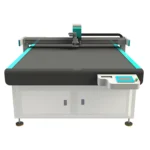
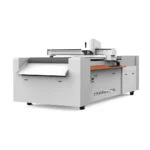
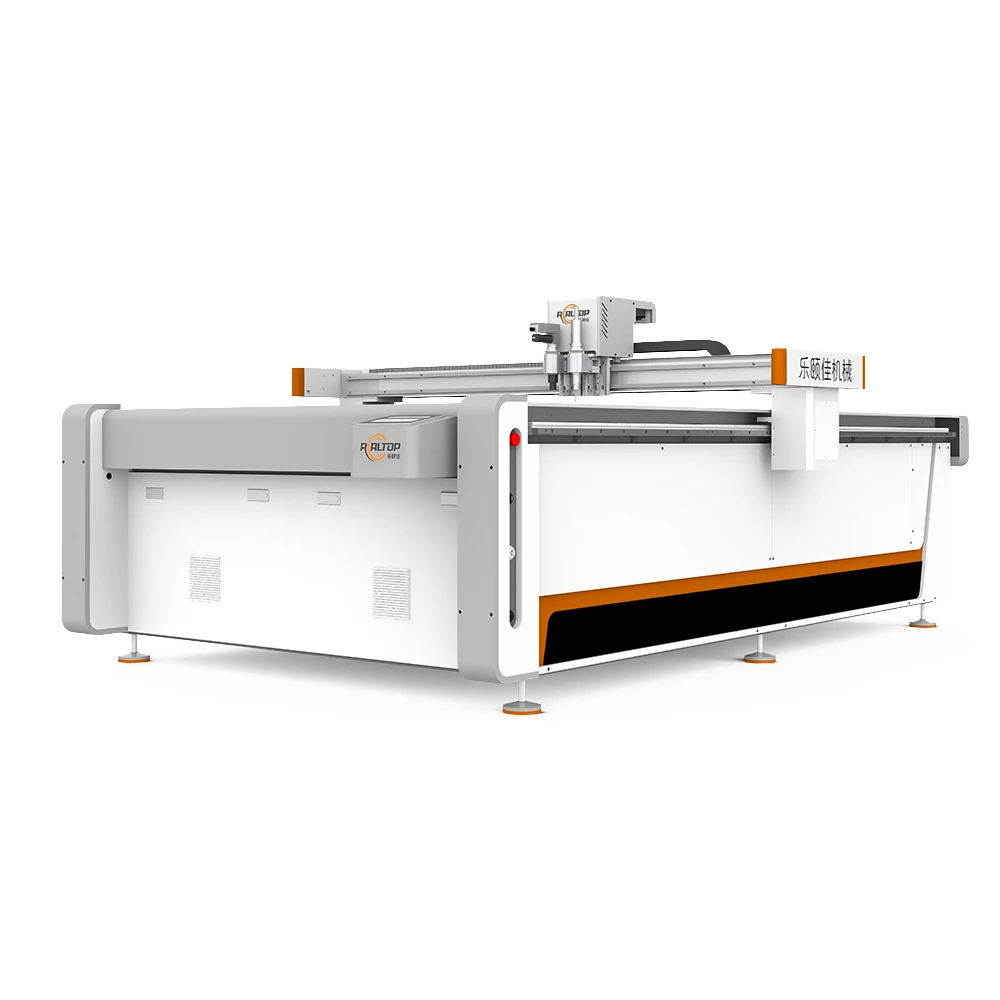
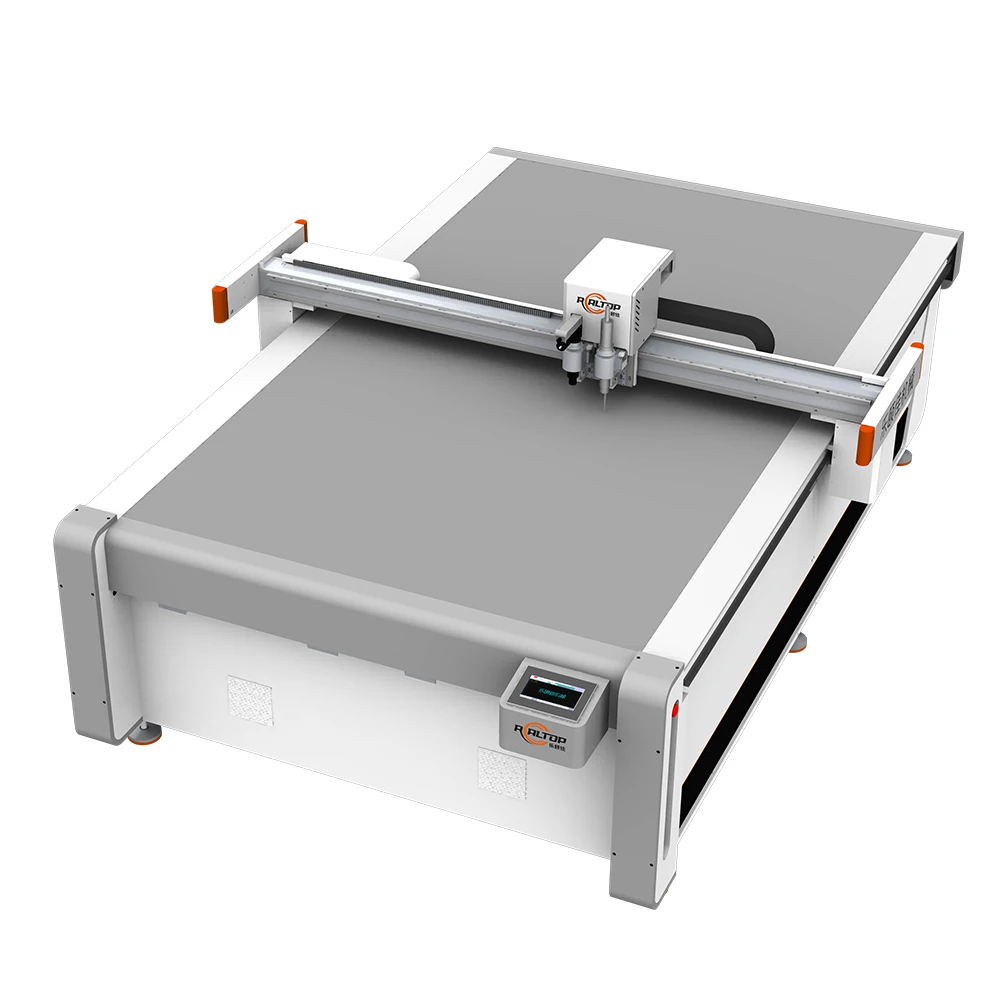
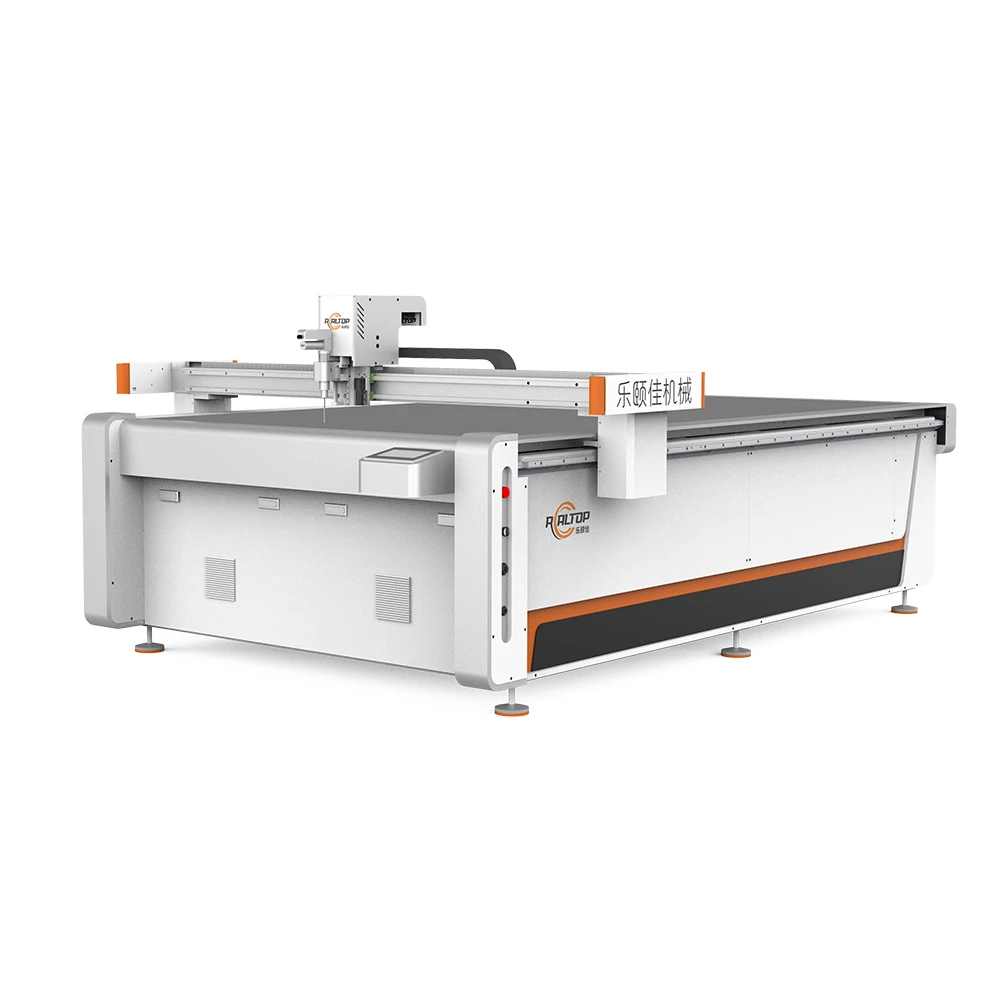
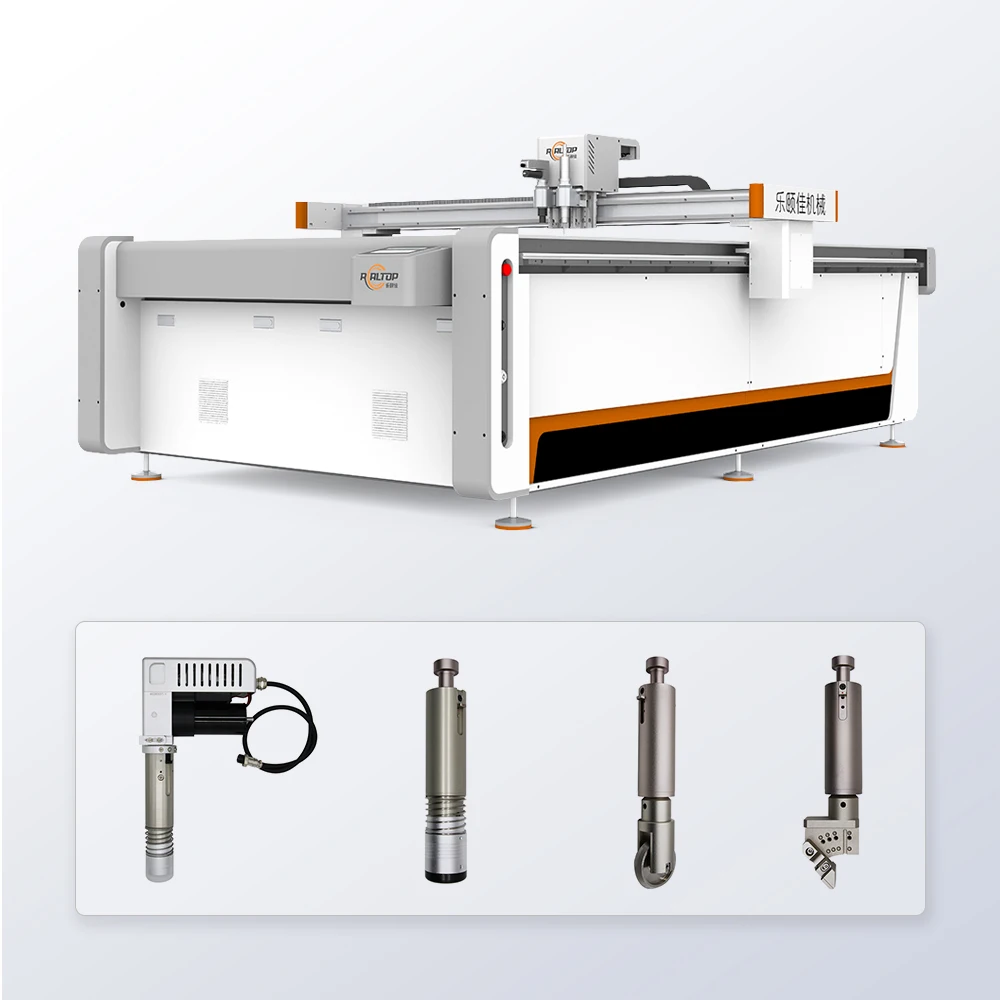
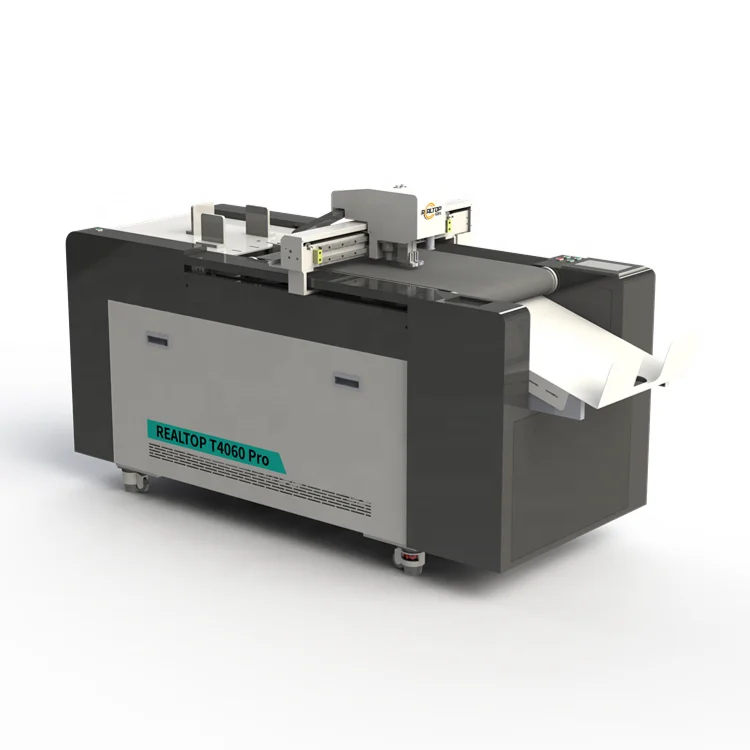
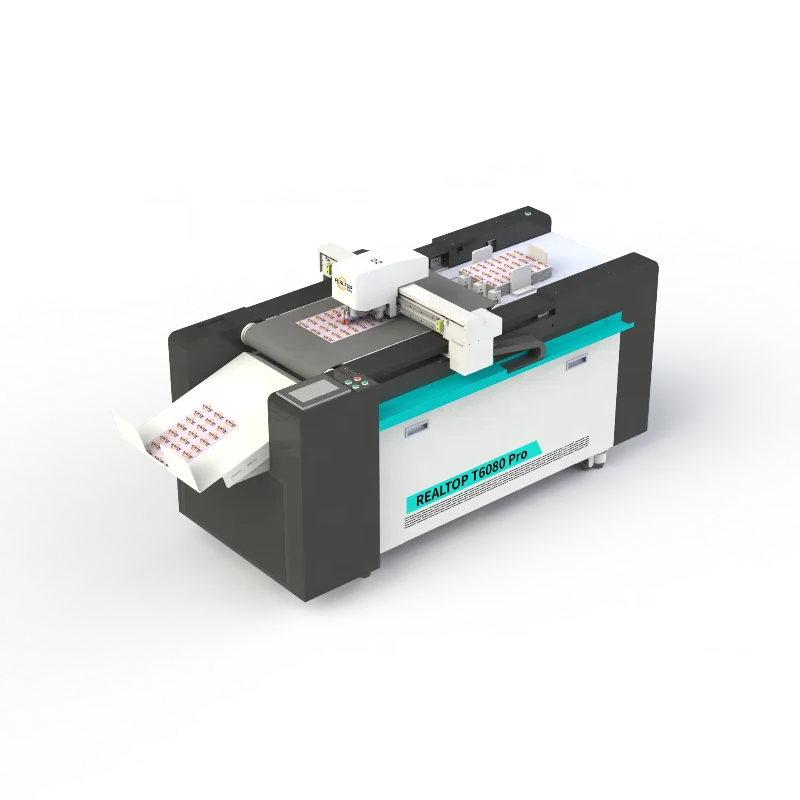
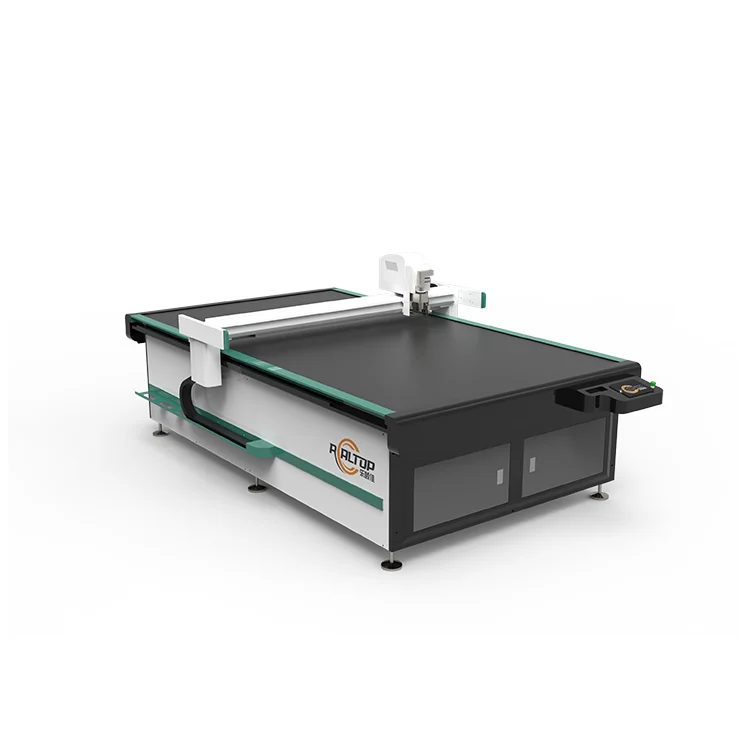
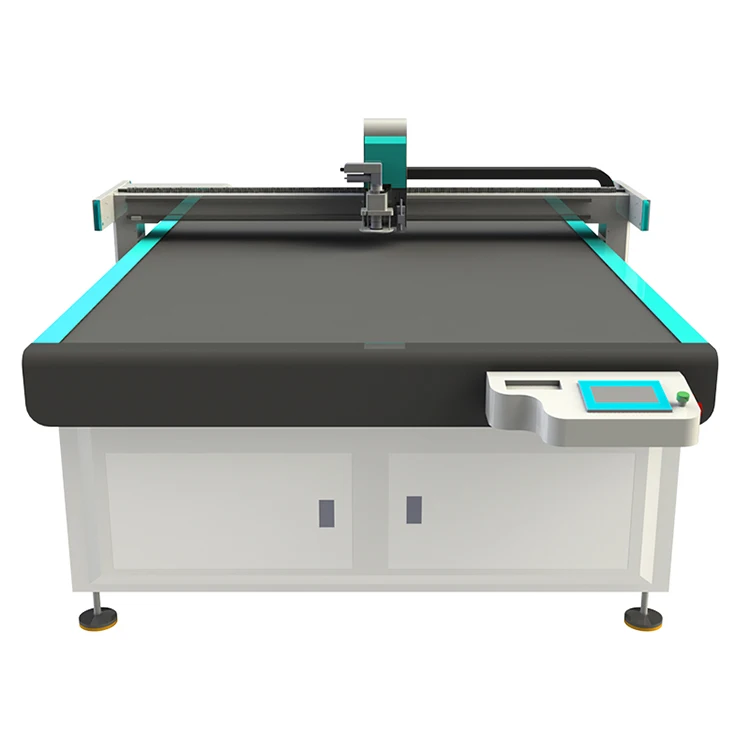
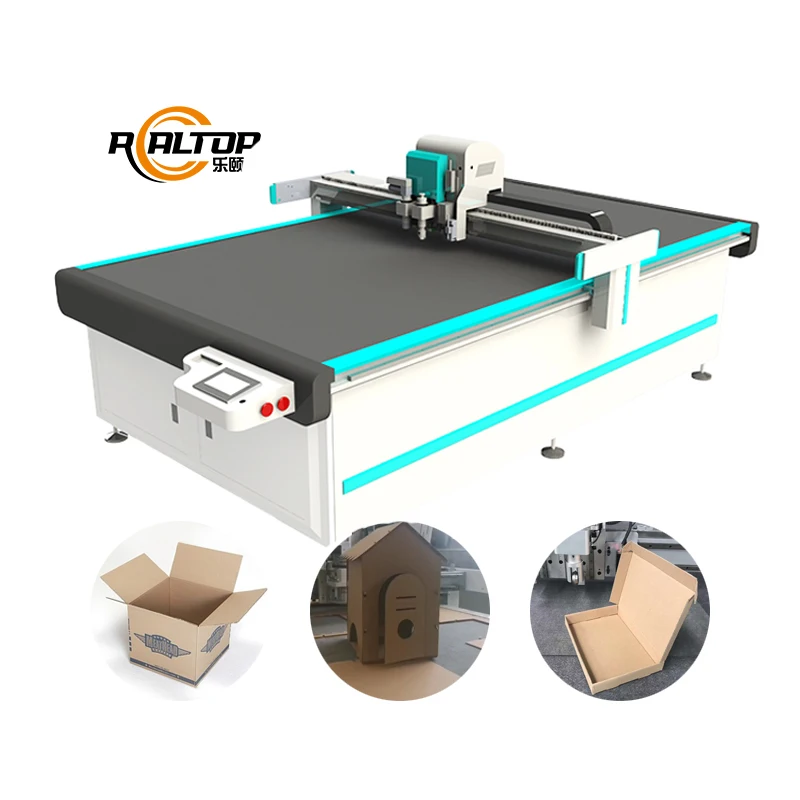
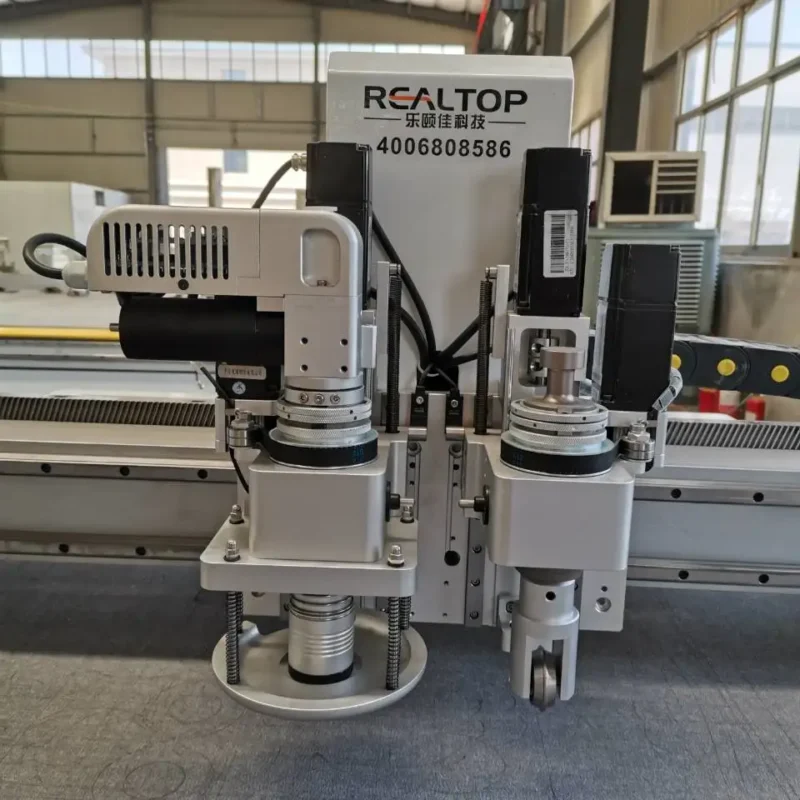
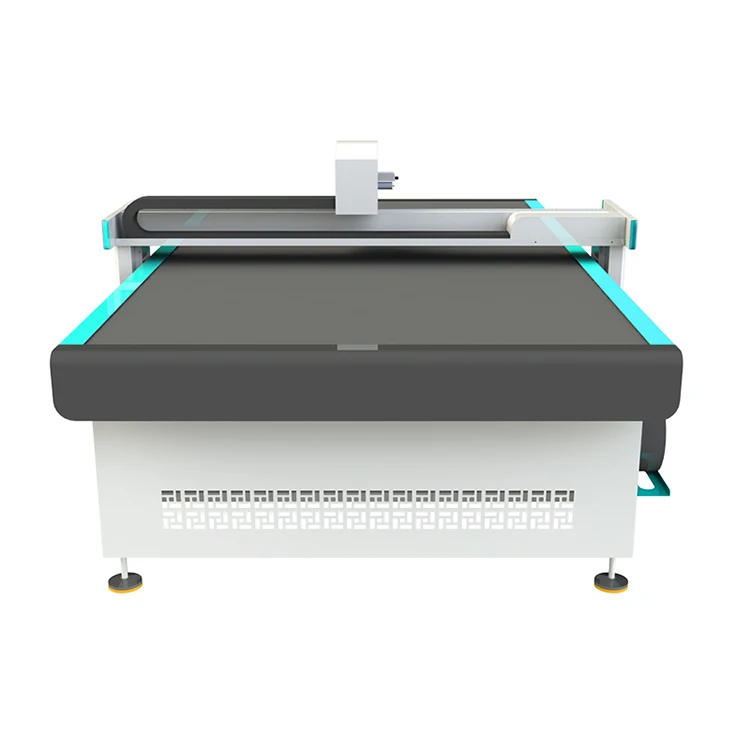
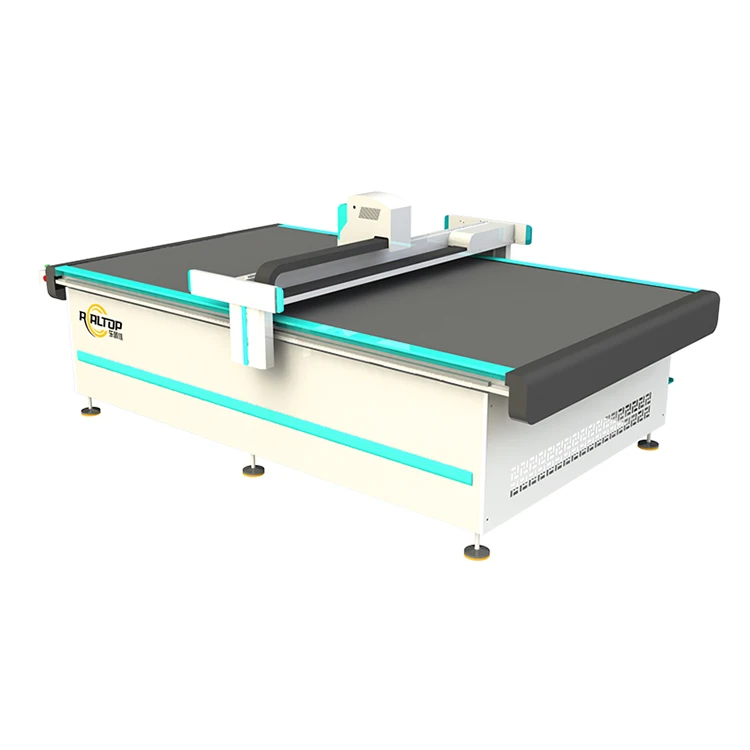
Seven Tool Heads, One Table — REALTOP configures the knife head and vacuum zoning to match your specific flute profile, board density, and daily sample volume rather than shipping a default setup.
Technical Specifications
| Parameter | Value |
|---|---|
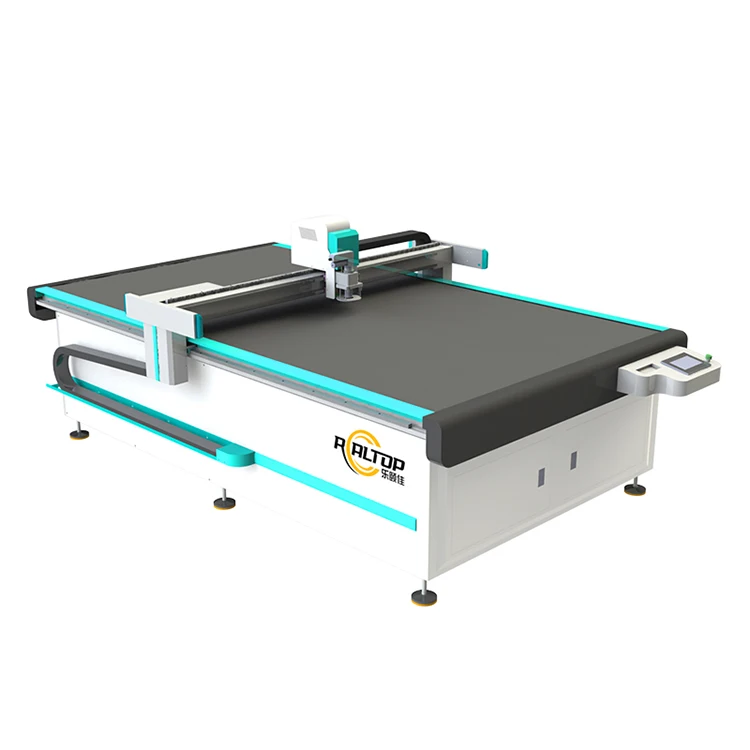
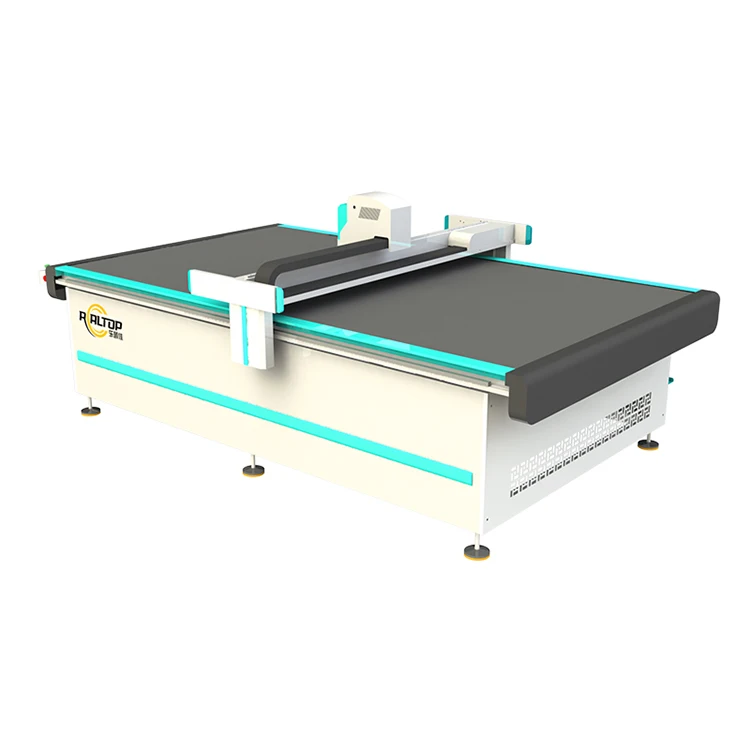
| Product Type | CNC Oscillating Knife Cutting Machine |
| Working Area | 1600×2500 mm |
| Tool Heads Available | Oscillating knife, Driven rotary knife, Creasing wheel, Kiss cutting tool, Pneumatic knife, Milling tool, V groove knife |
| Cutting Speed | 0–1500 mm/s |
| Cutting Accuracy | ±0.1 mm |
| Cutting Thickness | Up to 40 mm (basis not stated in source — confirm flute profile and ply count) |
| Vacuum Pump | 9 kW |
| Vacuum Table | Aluminum bellows vacuum table |
| Control System | PLC control panel with optional display languages |
| Servo Motors | Panasonic, Delta, or Dorna (configurable) |
| Voltage Options | 110V, 220V, 380V (frequency to be confirmed per market) |
| File Format Compatibility | PLT, DXF, AI, PDF |
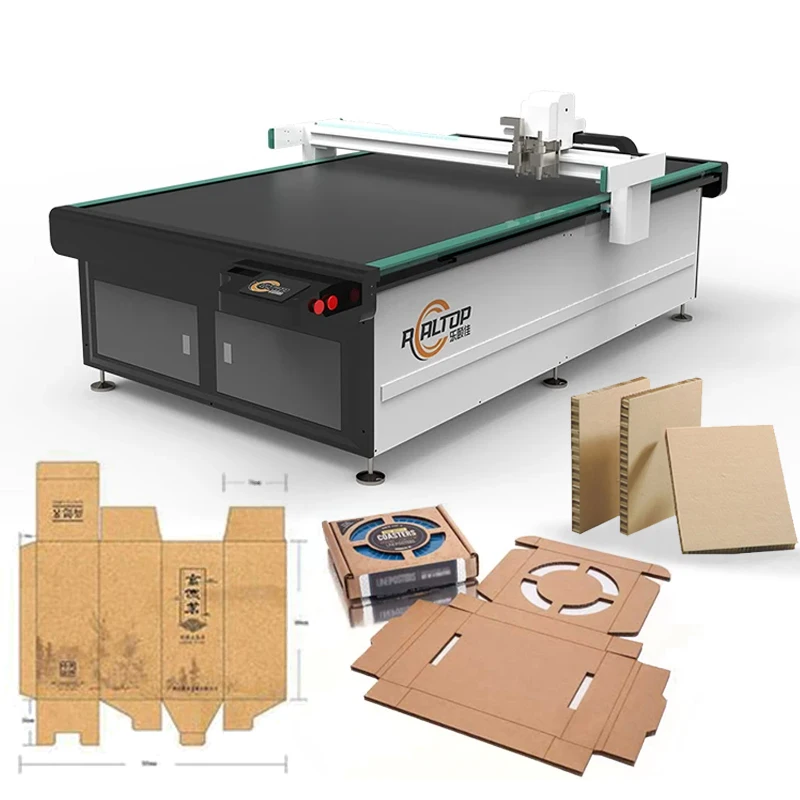
| Packaging Design Software | Box structure design software included |
| Safety Devices | Infrared sensor and emergency stop |
| Machine Dimensions | 3300×2100×1350 mm |
| Standard | CE |
Application Suitability
| Application | Material or Output |
|---|---|
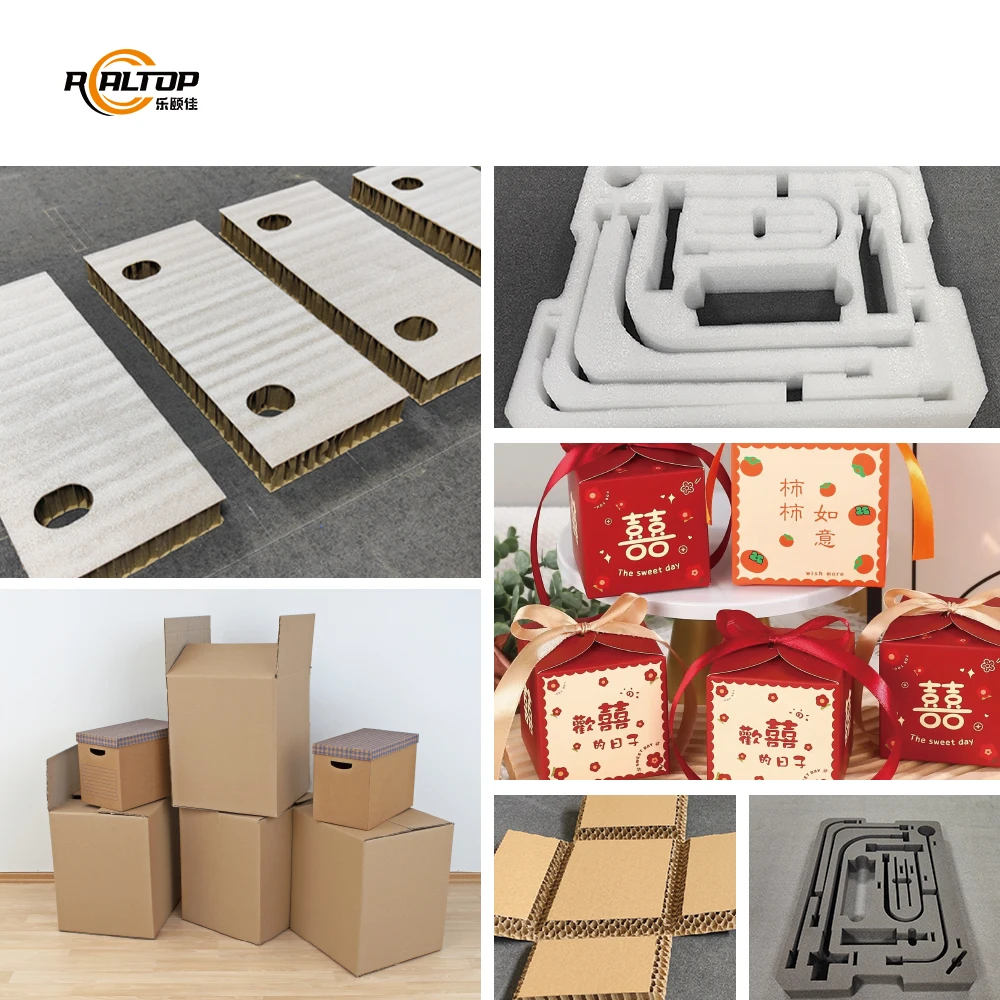
| Carton and corrugated board prototyping | E-flute, B-flute, BC-flute corrugated cardboard |
| Greyboard and specialty paper sample making | Greyboard, cardstock, art paper, specialty paper |
| Foam insert and protective packaging | EVA, EPE, PU foam sheets |
| Small-batch customized packaging runs | Adhesive-backed composites, thin PVC and PET sheets |
| Leather and synthetic leather packaging | Leather, synthetic leather, velvet and fleece fabric |
| Gasket and rubber packaging components | Rubber mats, PTFE, non-woven fabric |
Why Specifying Working Area First Leads to the Wrong Machine
The cutting method must follow the material, not the table size.
I once visited a packaging sample shop that bought a machine purely because the bed matched their largest sheet dimension. Three weeks in, they realized the standard oscillating knife could not cleanly shear their 3mm high-density greyboard — the edges were crushed, and crease lines were shallow. They had the right footprint but the wrong tool head and vacuum zoning configuration. This happens more often than buyers expect [NEED_CITE: common misconfiguration patterns in digital cutting procurement]. Before any quotation, the conversation needs to cover board stock density, flute count, sheet size, and daily sample volume. A CNC oscillating knife cutting machine manufacturer that skips these questions is selling a frame, not a solution.
Knife Versus Laser — Matching the Process to the Board Stock
The decision between oscillating knife and laser cutting depends on the material behavior under each process. Corrugated board with open flutes tends to compress under a blade if the wrong knife profile is used, while a laser can seal edges on synthetic materials like EVA foam inserts. REALTOP produces both knife and laser platforms in-house, which means the recommendation starts with your material stack rather than pushing one technology across every application. For most corrugated and greyboard carton sample work, the oscillating knife with a creasing wheel combination handles both cutting and fold-line scoring in a single pass.
Configuring the Table for Production Volume and Part Geometry
A packaging sample maker running short runs of complex box structures faces different vacuum requirements than a producer running long sheets of simple tray blanks. The aluminum bellows vacuum table on this 1600×2500 mm platform pairs with a 9 kW pump to hold corrugated sheets flat during high-speed oscillating cuts. However, when cutting small gasket or foam insert parts, full-surface vacuum can lose grip on pieces smaller than the zone pitch [NEED_CITE: vacuum hold-down behavior on small-format digital cutting]. Zoning configuration and false-bed strategies need to be discussed at the inquiry stage so the table matches the smallest part in your typical job mix.
Reading the Specification Sheet Against Your Actual Workflow
The ±0.1 mm cutting accuracy and 0–1500 mm/s speed range define what the motion system can deliver, but real throughput depends on your file preparation and nesting workflow. The included box structure design software generates cut and crease paths directly compatible with PLT, DXF, AI, and PDF imports — this eliminates manual toolpath translation that often introduces errors in crease-line placement. The PLC control panel supports multiple display languages, and servo motor selection (Panasonic, Delta, or Dorna) can be specified to match local service availability. Cutting thickness is rated up to 40 mm, though actual depth capability depends on flute profile, ply count, and material density — always verify against your heaviest stock before ordering.
The Hidden Cost of Skipping Material Trials
A buyer who approves a configuration based on standard E-flute samples may find the same setup fails on triple-wall BC-flute or compressed greyboard. The oscillating knife frequency, blade angle, and downward pressure all need adjustment for denser stocks, and a tool head that works on 1.5 mm cardstock will stall or produce ragged edges on 5 mm foam [NEED_CITE: tool wear and edge quality variance across board densities]. Without a sample cutting report run on the buyer’s own material — including edge inspection, crease definition measurement, and throughput timing — the machine arrives with unknown variables. This is the single most common reason for post-delivery disputes in digital cutting equipment.
Why Packaging Buyers Source From REALTOP
- REALTOP designs and builds both knife and laser platforms, so the cutting method is chosen to fit the material rather than forcing one technology across every substrate.
- Tool head and vacuum table configurations are specified per material type, board thickness, and expected daily volume before an order is placed.
- Sample cutting is performed on the buyer’s actual corrugated, greyboard, or foam stock, producing a report on edge quality and throughput before commitment.
- Voltage, frequency, plug type, and control language are confirmed to the target market’s electrical standards before the machine enters production.
- The included packaging box structure design software integrates with PLT, DXF, AI, and PDF workflows, reducing file-format friction at startup.
Documentation & Verification
- Machine specification sheet covering all seven tool head options and vacuum table configuration
- Electrical schematic with voltage and frequency locked to your facility supply
- Sample cutting report on your own corrugated or greyboard stock before dispatch
- Software license and file format compatibility note for your existing design workflow
- Operation and maintenance manual in the confirmed control language
- CE declaration and factory test record included with shipment
Installation, Commissioning & Support
- Verify floor space for the 3300×2100×1350 mm footprint plus material feed clearance before delivery
- Confirm dedicated circuit capacity for 9 kW vacuum pump plus spindle and servo loads at your local voltage
- Machine ships fully assembled — plan for rigging access and doorway clearance at your facility
- First-run commissioning includes tool head calibration and vacuum zone testing on your material
- Operator training covers crease wheel depth setting, knife changeover, and nesting software workflow
- Spare parts list provided with recommended blade and creasing wheel consumables inventory
What to Include With Your Inquiry
Provide the specific board stocks you run — flute type, ply count, and measured thickness — along with your typical sheet dimensions and daily sample volume. Confirm your facility voltage and frequency, preferred control language, and whether your current design workflow uses PLT, DXF, AI, or PDF files. If you have unusual materials in your job mix such as dense greyboard or adhesive-backed composites, send physical samples so we can run cutting trials before finalizing the tool head and vacuum configuration.
Frequently Asked Questions
Q: How do I choose between knife cutting and laser cutting for my packaging materials?
A: The choice depends on material composition and edge requirements. Oscillating knife suits corrugated board, greyboard, and foam where clean mechanical shearing is needed without thermal effects. Laser cutting seals edges on synthetics like EVA and fabric, preventing fraying. REALTOP builds both platforms, so the recommendation starts with your actual material stack rather than defaulting to one method.
Q: What working area and machine families does REALTOP offer for packaging applications?
A: The 1600×2500 mm platform covers most standard carton sample and small-batch packaging work. REALTOP’s full range spans compact tables for prototype labs to large-format systems for high-volume production. Each model is positioned by material type and daily output, so buyers can compare configurations before narrowing to a specific cutting method and table size.
Q: Which voltage, plug, and language options must be confirmed before shipment?
A: The machine supports 110V, 220V, and 380V configurations, with frequency matched to the destination market. Plug type and control panel language — English, Russian, Italian, Chinese, or custom — are locked during order confirmation. Specifying these before production avoids costly rewiring or interface replacement after the CNC oscillating knife cutting machine arrives at your facility.
Q: Is the software compatible with my existing packaging design files?
A: The system accepts PLT, DXF, AI, and PDF imports, and the included box structure design software generates cut and crease paths natively. Before ordering, we verify file format compatibility with your current nesting and design workflow to confirm that toolpath translation does not introduce errors in crease-line placement or cutting contours.
Q: How do I request sample cutting on my own material before placing an order?
A: Send physical samples of your corrugated board, greyboard, or foam stock along with your target cutting specifications. REALTOP runs trial cuts and produces a sample cutting report documenting edge quality, crease definition, and throughput on your material. This report forms part of the order documentation so the delivered configuration matches proven results.
Seven Tool Heads, One Table — REALTOP configures the knife head and vacuum zoning to match your specific flute profile, board density, and daily sample volume rather than shipping a default setup.
Technical Specifications
| Parameter | Value |
|---|---|
| Product Type | CNC Oscillating Knife Cutting Machine |
| Working Area | 1600×2500 mm |
| Tool Heads Available | Oscillating knife, Driven rotary knife, Creasing wheel, Kiss cutting tool, Pneumatic knife, Milling tool, V groove knife |
| Cutting Speed | 0–1500 mm/s |
| Cutting Accuracy | ±0.1 mm |
| Cutting Thickness | Up to 40 mm (basis not stated in source — confirm flute profile and ply count) |
| Vacuum Pump | 9 kW |
| Vacuum Table | Aluminum bellows vacuum table |
| Control System | PLC control panel with optional display languages |
| Servo Motors | Panasonic, Delta, or Dorna (configurable) |
| Voltage Options | 110V, 220V, 380V (frequency to be confirmed per market) |
| File Format Compatibility | PLT, DXF, AI, PDF |
| Packaging Design Software | Box structure design software included |
| Safety Devices | Infrared sensor and emergency stop |
| Machine Dimensions | 3300×2100×1350 mm |
| Standard | CE |
Application Suitability
| Application | Material or Output |
|---|---|
| Carton and corrugated board prototyping | E-flute, B-flute, BC-flute corrugated cardboard |
| Greyboard and specialty paper sample making | Greyboard, cardstock, art paper, specialty paper |
| Foam insert and protective packaging | EVA, EPE, PU foam sheets |
| Small-batch customized packaging runs | Adhesive-backed composites, thin PVC and PET sheets |
| Leather and synthetic leather packaging | Leather, synthetic leather, velvet and fleece fabric |
| Gasket and rubber packaging components | Rubber mats, PTFE, non-woven fabric |
Why Specifying Working Area First Leads to the Wrong Machine
The cutting method must follow the material, not the table size.
I once visited a packaging sample shop that bought a machine purely because the bed matched their largest sheet dimension. Three weeks in, they realized the standard oscillating knife could not cleanly shear their 3mm high-density greyboard — the edges were crushed, and crease lines were shallow. They had the right footprint but the wrong tool head and vacuum zoning configuration. This happens more often than buyers expect [NEED_CITE: common misconfiguration patterns in digital cutting procurement]. Before any quotation, the conversation needs to cover board stock density, flute count, sheet size, and daily sample volume. A CNC oscillating knife cutting machine manufacturer that skips these questions is selling a frame, not a solution.
Knife Versus Laser — Matching the Process to the Board Stock
The decision between oscillating knife and laser cutting depends on the material behavior under each process. Corrugated board with open flutes tends to compress under a blade if the wrong knife profile is used, while a laser can seal edges on synthetic materials like EVA foam inserts. REALTOP produces both knife and laser platforms in-house, which means the recommendation starts with your material stack rather than pushing one technology across every application. For most corrugated and greyboard carton sample work, the oscillating knife with a creasing wheel combination handles both cutting and fold-line scoring in a single pass.
Configuring the Table for Production Volume and Part Geometry
A packaging sample maker running short runs of complex box structures faces different vacuum requirements than a producer running long sheets of simple tray blanks. The aluminum bellows vacuum table on this 1600×2500 mm platform pairs with a 9 kW pump to hold corrugated sheets flat during high-speed oscillating cuts. However, when cutting small gasket or foam insert parts, full-surface vacuum can lose grip on pieces smaller than the zone pitch [NEED_CITE: vacuum hold-down behavior on small-format digital cutting]. Zoning configuration and false-bed strategies need to be discussed at the inquiry stage so the table matches the smallest part in your typical job mix.
Reading the Specification Sheet Against Your Actual Workflow
The ±0.1 mm cutting accuracy and 0–1500 mm/s speed range define what the motion system can deliver, but real throughput depends on your file preparation and nesting workflow. The included box structure design software generates cut and crease paths directly compatible with PLT, DXF, AI, and PDF imports — this eliminates manual toolpath translation that often introduces errors in crease-line placement. The PLC control panel supports multiple display languages, and servo motor selection (Panasonic, Delta, or Dorna) can be specified to match local service availability. Cutting thickness is rated up to 40 mm, though actual depth capability depends on flute profile, ply count, and material density — always verify against your heaviest stock before ordering.
The Hidden Cost of Skipping Material Trials
A buyer who approves a configuration based on standard E-flute samples may find the same setup fails on triple-wall BC-flute or compressed greyboard. The oscillating knife frequency, blade angle, and downward pressure all need adjustment for denser stocks, and a tool head that works on 1.5 mm cardstock will stall or produce ragged edges on 5 mm foam [NEED_CITE: tool wear and edge quality variance across board densities]. Without a sample cutting report run on the buyer’s own material — including edge inspection, crease definition measurement, and throughput timing — the machine arrives with unknown variables. This is the single most common reason for post-delivery disputes in digital cutting equipment.
Why Packaging Buyers Source From REALTOP
- REALTOP designs and builds both knife and laser platforms, so the cutting method is chosen to fit the material rather than forcing one technology across every substrate.
- Tool head and vacuum table configurations are specified per material type, board thickness, and expected daily volume before an order is placed.
- Sample cutting is performed on the buyer’s actual corrugated, greyboard, or foam stock, producing a report on edge quality and throughput before commitment.
- Voltage, frequency, plug type, and control language are confirmed to the target market’s electrical standards before the machine enters production.
- The included packaging box structure design software integrates with PLT, DXF, AI, and PDF workflows, reducing file-format friction at startup.
Documentation & Verification
- Machine specification sheet covering all seven tool head options and vacuum table configuration
- Electrical schematic with voltage and frequency locked to your facility supply
- Sample cutting report on your own corrugated or greyboard stock before dispatch
- Software license and file format compatibility note for your existing design workflow
- Operation and maintenance manual in the confirmed control language
- CE declaration and factory test record included with shipment
Installation, Commissioning & Support
- Verify floor space for the 3300×2100×1350 mm footprint plus material feed clearance before delivery
- Confirm dedicated circuit capacity for 9 kW vacuum pump plus spindle and servo loads at your local voltage
- Machine ships fully assembled — plan for rigging access and doorway clearance at your facility
- First-run commissioning includes tool head calibration and vacuum zone testing on your material
- Operator training covers crease wheel depth setting, knife changeover, and nesting software workflow
- Spare parts list provided with recommended blade and creasing wheel consumables inventory
What to Include With Your Inquiry
Provide the specific board stocks you run — flute type, ply count, and measured thickness — along with your typical sheet dimensions and daily sample volume. Confirm your facility voltage and frequency, preferred control language, and whether your current design workflow uses PLT, DXF, AI, or PDF files. If you have unusual materials in your job mix such as dense greyboard or adhesive-backed composites, send physical samples so we can run cutting trials before finalizing the tool head and vacuum configuration.
Frequently Asked Questions
Q: How do I choose between knife cutting and laser cutting for my packaging materials?
A: The choice depends on material composition and edge requirements. Oscillating knife suits corrugated board, greyboard, and foam where clean mechanical shearing is needed without thermal effects. Laser cutting seals edges on synthetics like EVA and fabric, preventing fraying. REALTOP builds both platforms, so the recommendation starts with your actual material stack rather than defaulting to one method.
Q: What working area and machine families does REALTOP offer for packaging applications?
A: The 1600×2500 mm platform covers most standard carton sample and small-batch packaging work. REALTOP’s full range spans compact tables for prototype labs to large-format systems for high-volume production. Each model is positioned by material type and daily output, so buyers can compare configurations before narrowing to a specific cutting method and table size.
Q: Which voltage, plug, and language options must be confirmed before shipment?
A: The machine supports 110V, 220V, and 380V configurations, with frequency matched to the destination market. Plug type and control panel language — English, Russian, Italian, Chinese, or custom — are locked during order confirmation. Specifying these before production avoids costly rewiring or interface replacement after the CNC oscillating knife cutting machine arrives at your facility.
Q: Is the software compatible with my existing packaging design files?
A: The system accepts PLT, DXF, AI, and PDF imports, and the included box structure design software generates cut and crease paths natively. Before ordering, we verify file format compatibility with your current nesting and design workflow to confirm that toolpath translation does not introduce errors in crease-line placement or cutting contours.
Q: How do I request sample cutting on my own material before placing an order?
A: Send physical samples of your corrugated board, greyboard, or foam stock along with your target cutting specifications. REALTOP runs trial cuts and produces a sample cutting report documenting edge quality, crease definition, and throughput on your material. This report forms part of the order documentation so the delivered configuration matches proven results.
商品评价
There are no reviews yet.