


Fast Delivery
Quick, reliable shipping to any location.

Free & easy returns
Return this item by mail or in store within 90 days for a full refund.
Knife or laser, matched to your material — our catalog pairs each oscillating knife and flatbed configuration with the material it actually cuts, rather than forcing one method across every job.
Technical Specifications
| Parameter | Value |
|---|---|
| Model | RT–R2513 / RT-D2516 / RT-S2516 |
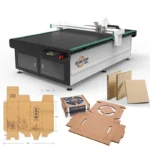
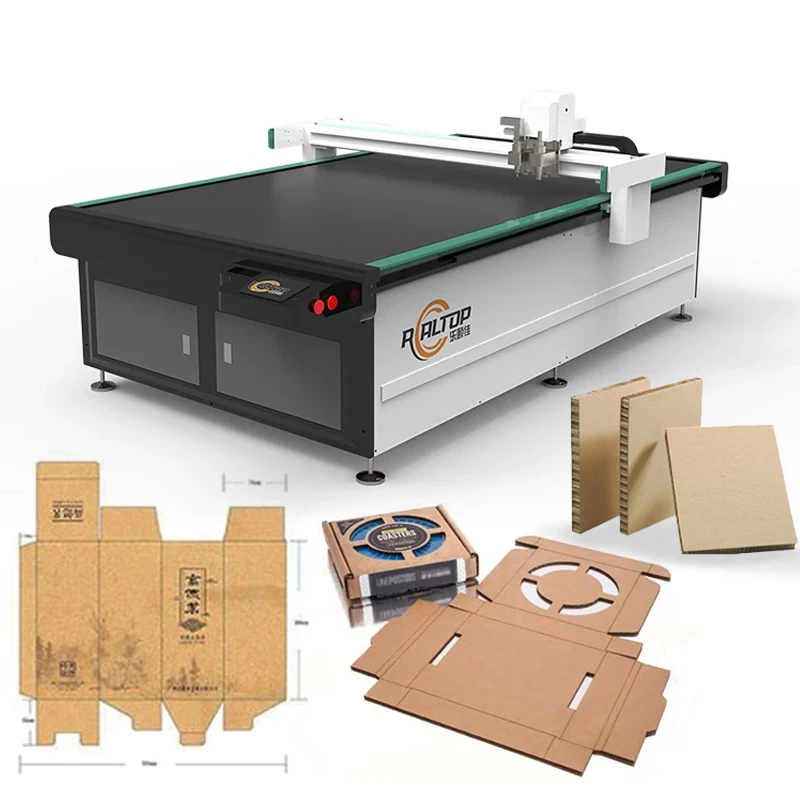
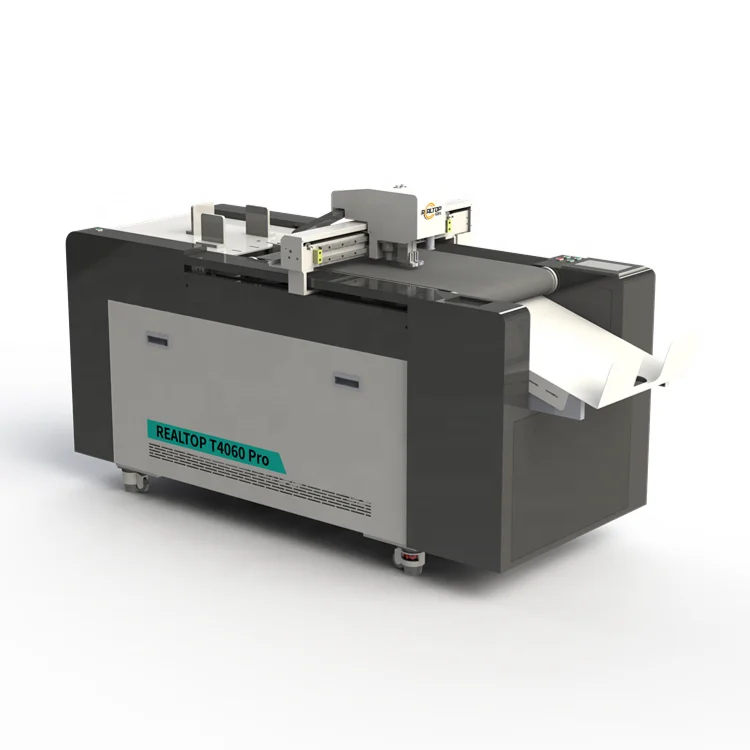
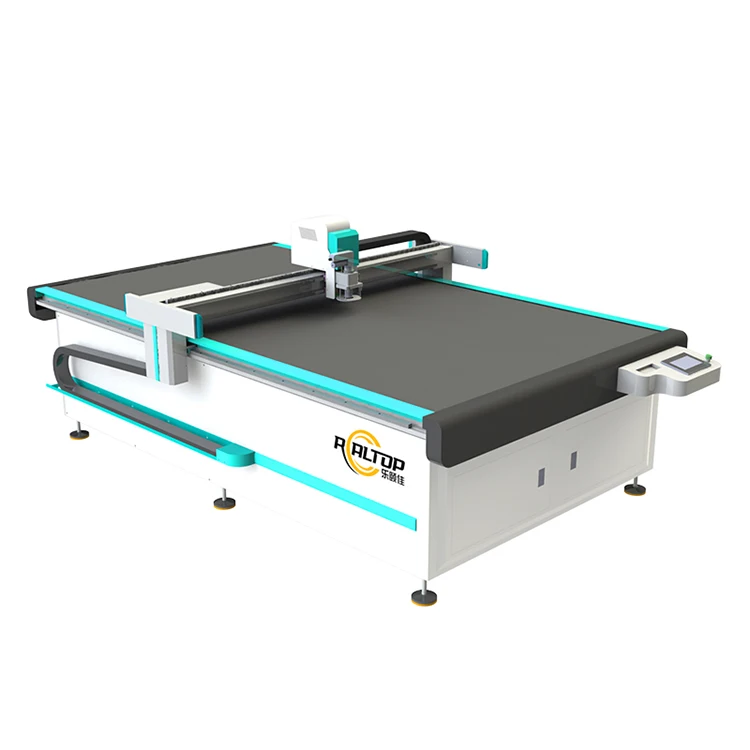
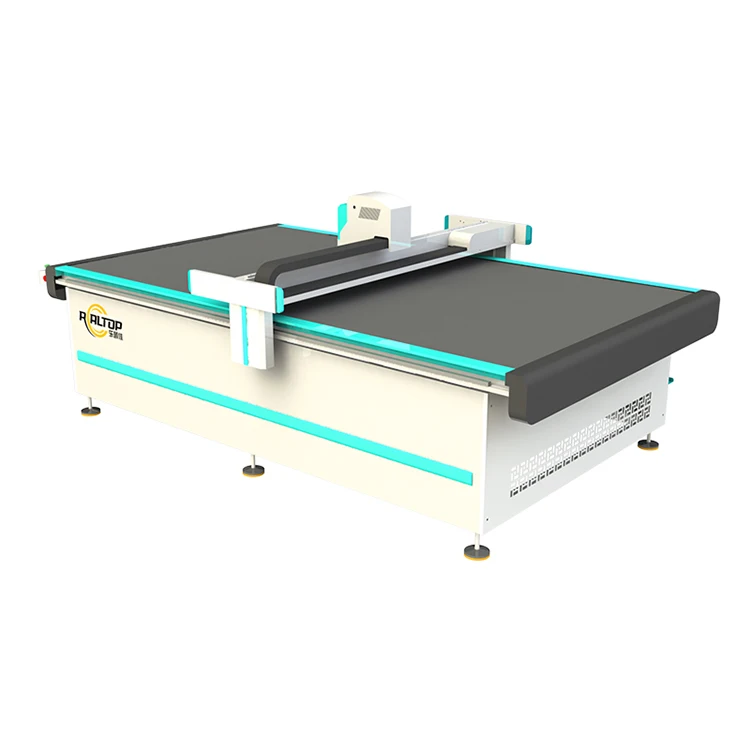
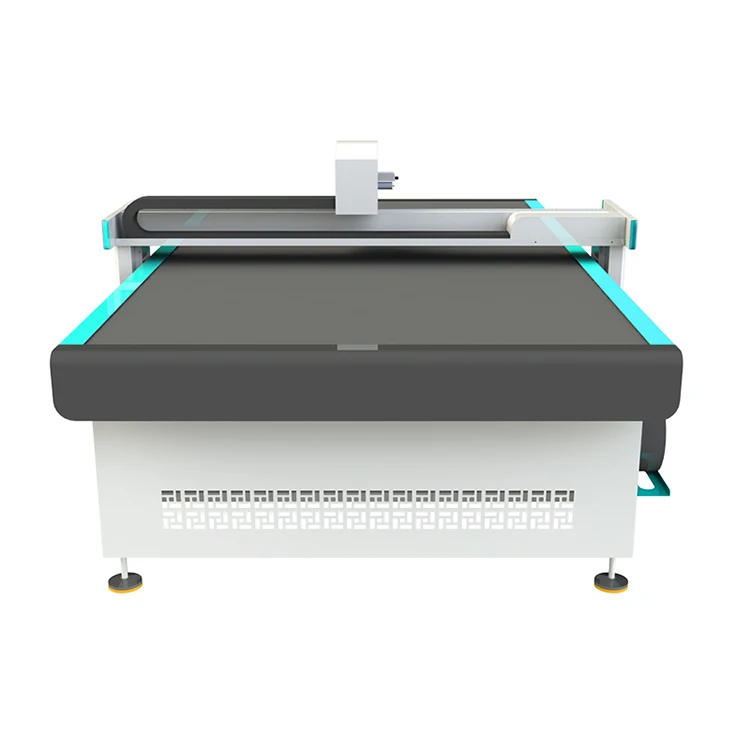
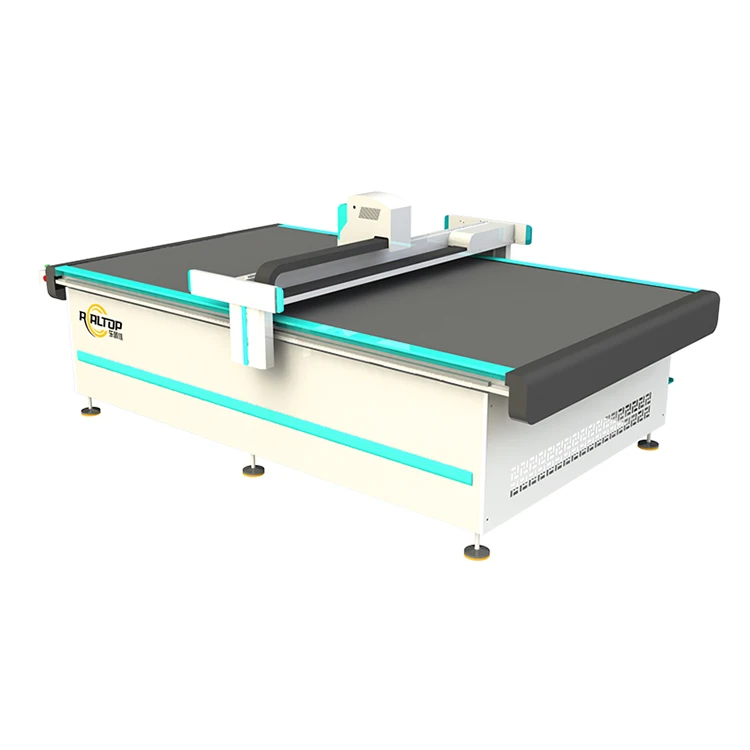
| Product Type | CNC Oscillating Knife Cutting Machine |
| Working Area | 2500×1300 mm (RT–R2513) / 1600×2500 mm (RT-D2516 / RT-S2516) |
| Machine Size | 3550×1910×1400 mm (RT–R2513) / 3450×2300×1250 mm (RT-D2516 / RT-S2516) |
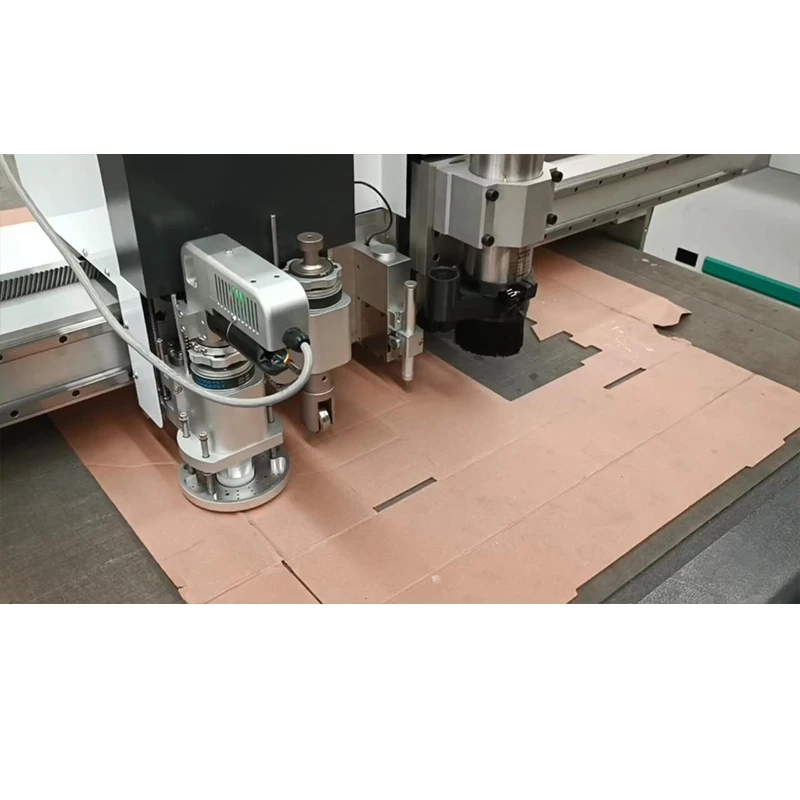
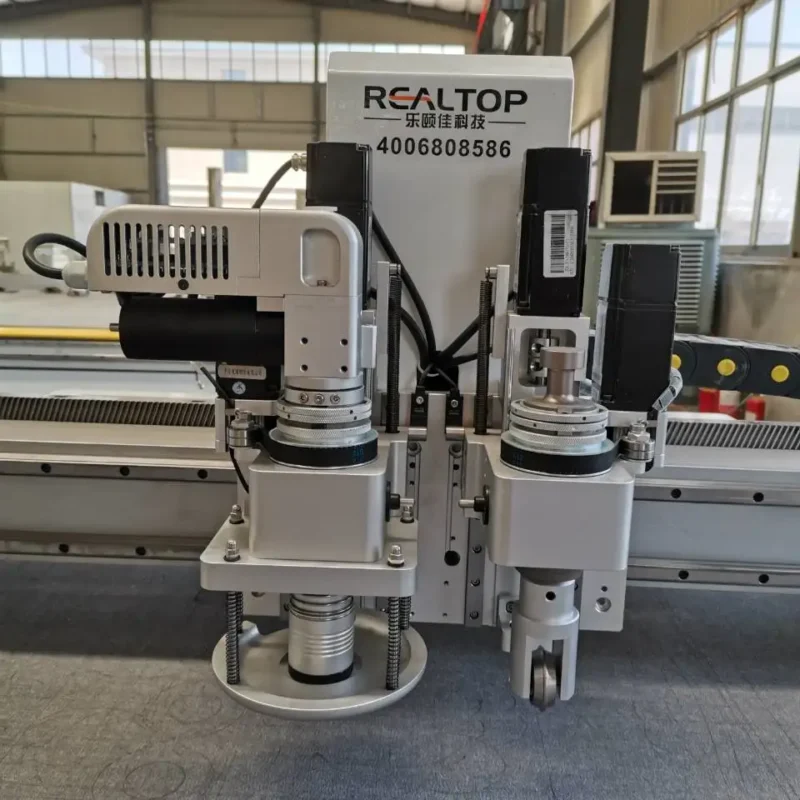
| Cutting Tools | Oscillating knife, creasing tool, kiss-cut knife tool, round punch |
| Cutting Thickness | ≤18 mm (basis not stated in source — confirm material and format) |
| Repeated Accuracy | <0.05 mm |
| Rated Power | 9 kW |
| Voltage | 380 V |
| Vacuum Pump | 7.5 kW |
| Vacuum Platform | Aluminum alloy honeycomb structure |
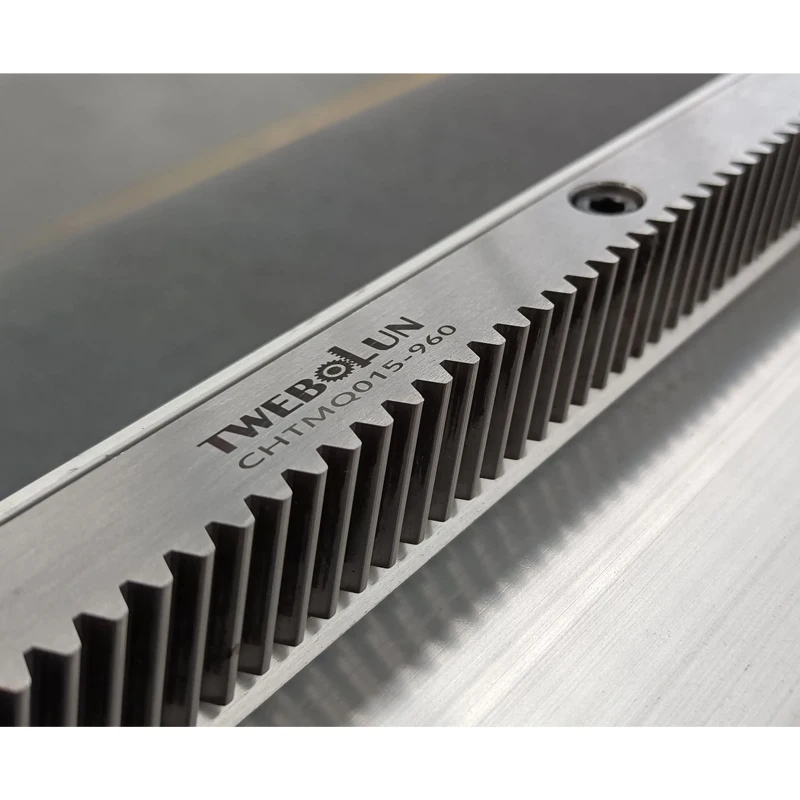
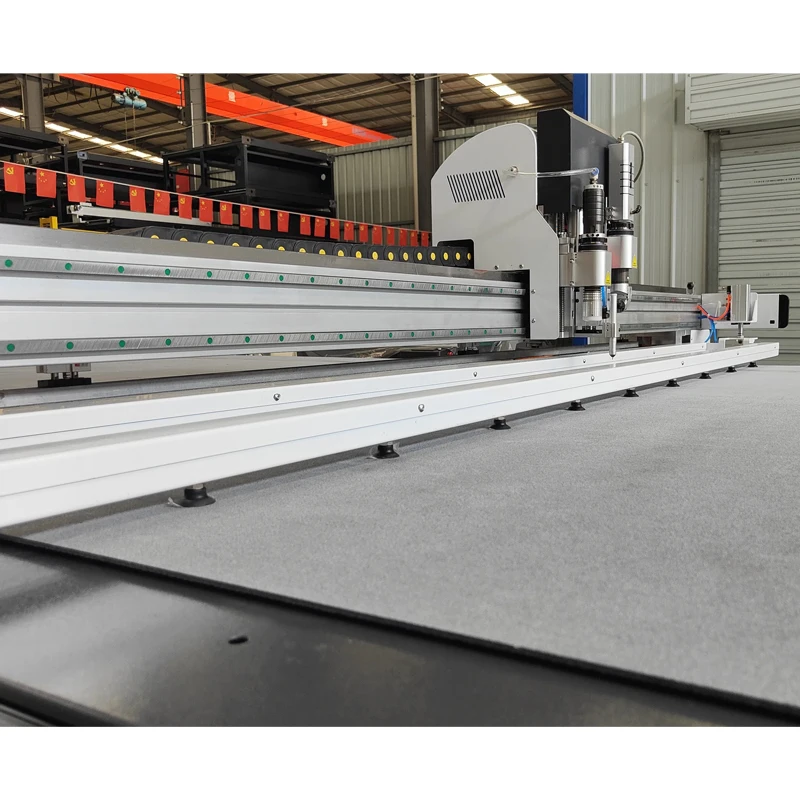
| Transmission | Straight guide rail and rack transmission |
| Servo Motor | Dongling servo (Delta servo motor available in other configuration) |
| Safety Device | Infrared sensors |
| Profile Format | DXF, OLT, PDF, AI |
| Control System Language | English, Russian, Italian, Chinese, and others customizable |
| Fixing Method | Vacuum system with auto feeding |
| Felt Belt | Wear-resistant anti-pull composite fiber, tension strength increased by 35% |
| Frame | Welded thick square seamless steel structure with high temperature treatment |
| Standards | CE declaration where applicable |
| Delivery Time | <30 working days |
Application Suitability
| Application | Material or Output |
|---|---|
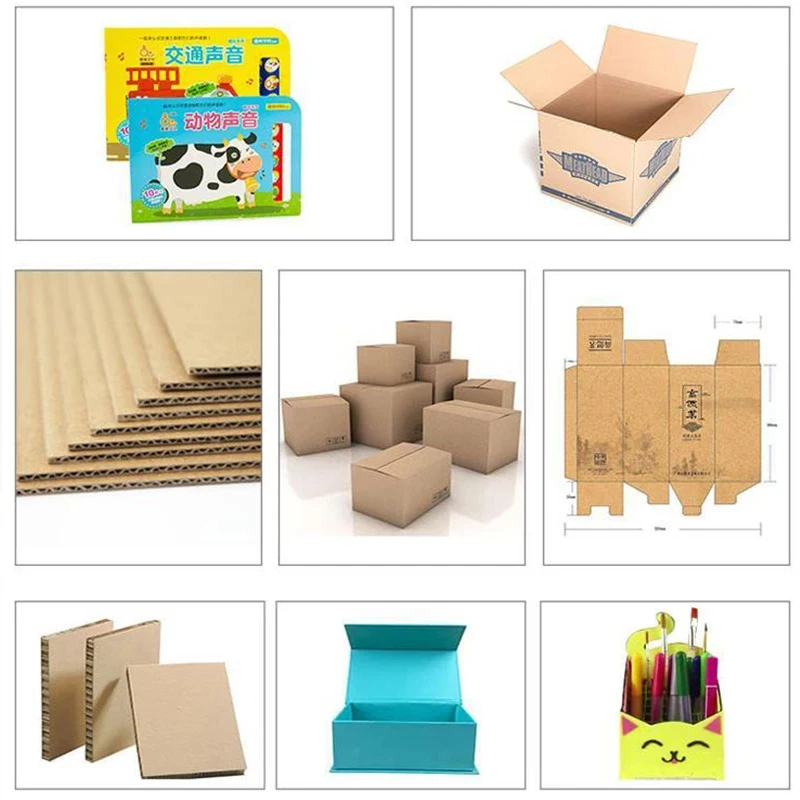
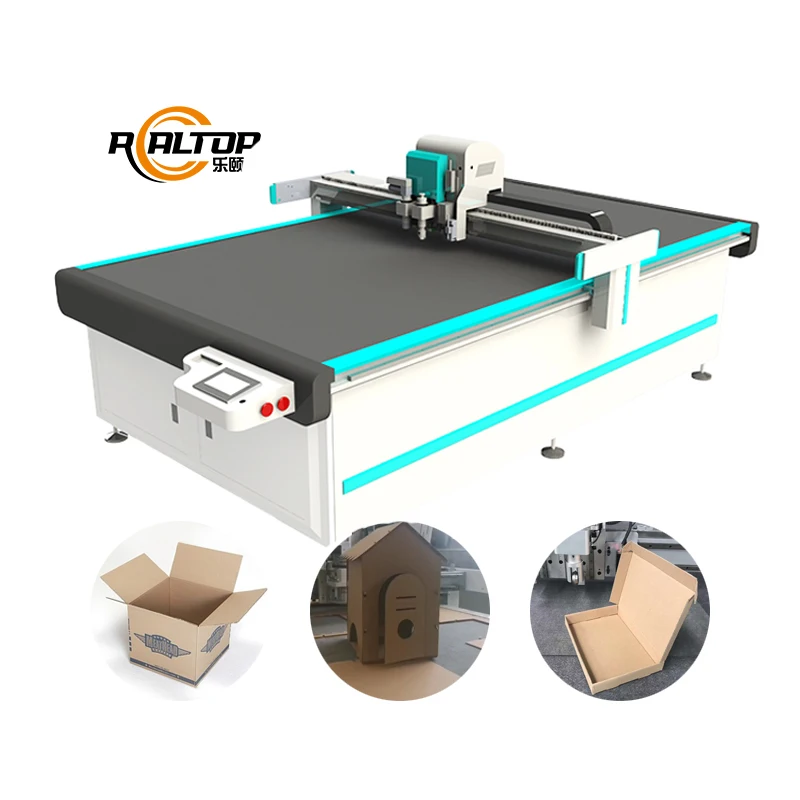
| Packaging carton sample making | Corrugated board, greyboard, folding carton stock up to 18 mm |
| Sticker and label production | Adhesive vinyl, PP paper, sticker sheets |
| Leather goods manufacturing | Split leather, PU leather, synthetic hide |
| Signage and billboard cutting | PVC foam board, corrugated plastic, display board |
| Business card and paper processing | Coated card stock, art paper, laminated sheets |
Why "Working Area" Alone Is the Wrong Starting Point for a CNC Oscillating Knife Cutting Machine
Match the tool head and vacuum zoning to your material before you match the table size.
A buyer once specified a large-format table based purely on sheet dimensions, only to find the vacuum zones were too broad for the small sticker nests they actually ran — parts lifted during the final kiss-cut pass, and an entire shift was lost to re-registration. With this CNC oscillating knife cutting machine, working area is one variable among several. The tool head selection, vacuum table zoning, and felt belt specification together determine whether a machine holds registration at your actual production mix [NEED_CITE: vacuum zoning strategies for small-part nested cutting on flatbed tables].
Knife Versus Laser: Where Each Method Earns Its Place
The decision between knife and laser is not about which technology is newer — it is about what happens to the edge of your specific material. Oscillating knife cutting compresses rather than melts, leaving a clean mechanical edge on corrugated board, foam, and gasket stock where a thermal process would seal or discolor. For packaging sample makers running short batches across many board weights, the ability to swap from an oscillating knife to a creasing tool on the same table eliminates the need for separate die-cutting setups. This full catalog approach means you evaluate the cutting method against your material first, then choose the platform that supports it.
Configuring the Complete Equipment Range by Material and Volume
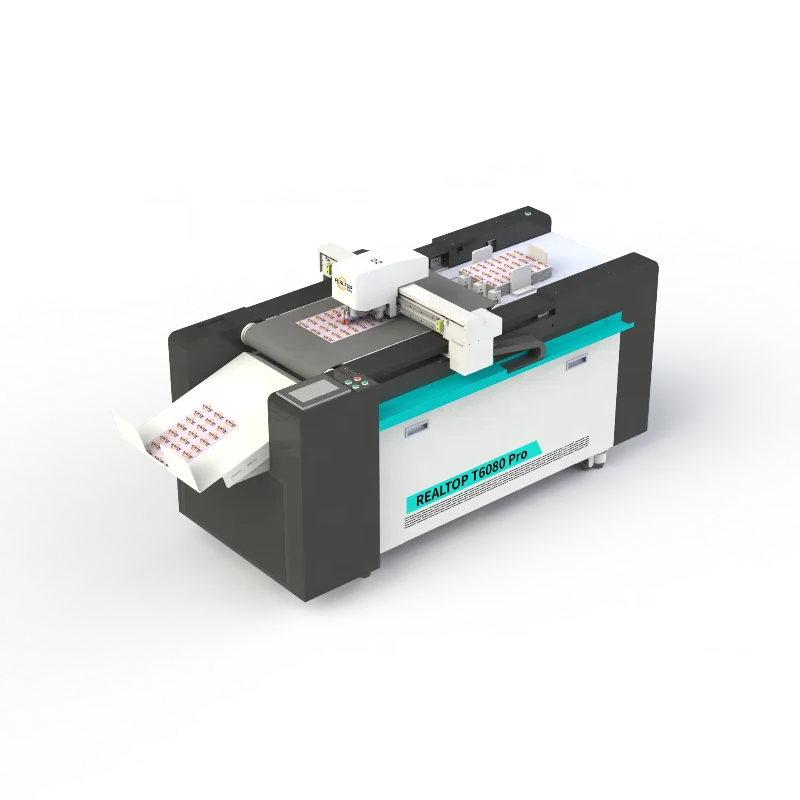
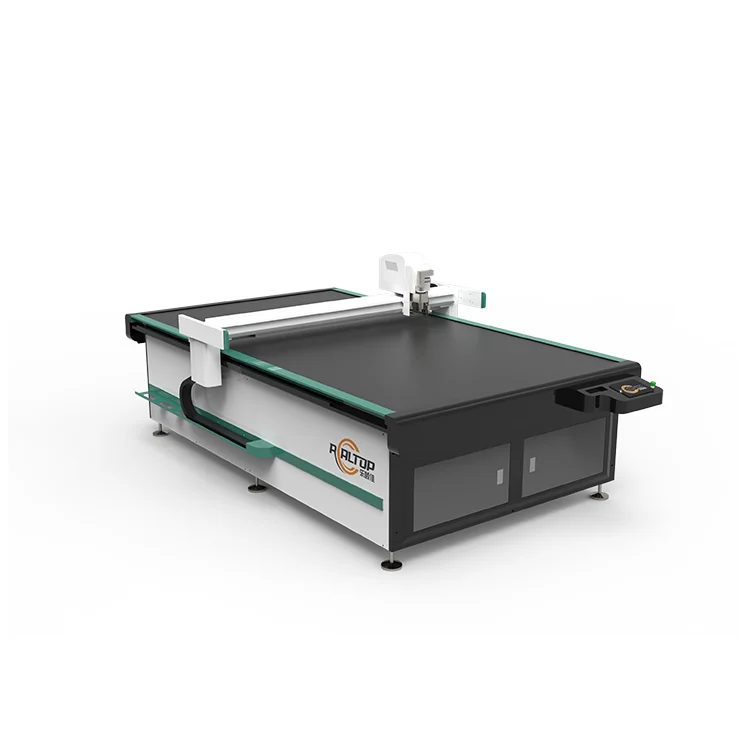
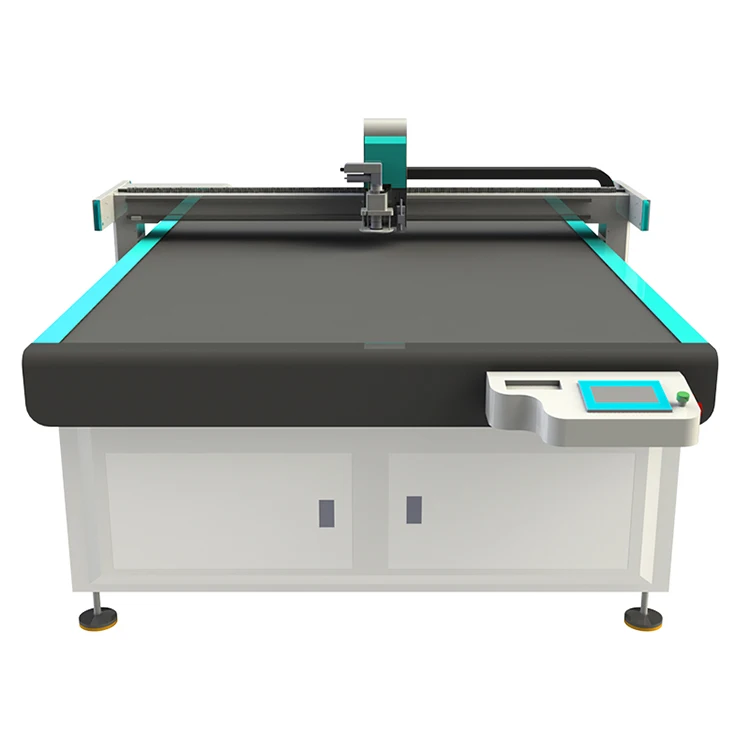
A flatbed digital cutting table sized for a single sheet of corrugated board runs very differently from one configured for roll-fed vinyl on a conveyor system. The RT–R2513, RT-D2516, and RT-S2516 models span two working area families, and each can be specified with auto feeding, conveyor belt, or static vacuum table depending on whether you load sheets manually or feed from a roll. The Germany-imported conveyor belt option pairs with the composite fiber felt for continuous-feed sticker and label work, while the aluminum honeycomb platform suits rigid board sample making where flatness matters more than throughput [NEED_CITE: flatbed cutting table configuration options for sheet-fed versus roll-fed flexible materials].
Reading the Specs That Actually Determine Cut Quality
The <0.05 mm repeated accuracy figure comes from the straight guide rail and rack transmission combination — in practice this governs how well a multi-pass crease-and-cut job registers on thick greyboard, where even slight drift across a 2500 mm travel produces visible misalignment at the fold line. The 7.5 kW vacuum pump drives the honeycomb platform; zoning determines whether small nested carton parts stay flat or lift at the edges during the final cut pass. The 9 kW rated power covers the servo drive, vacuum pump, and oscillating knife motor together, which matters when you calculate the dedicated circuit and breaker size for a workshop installation [NEED_CITE: electrical load calculation for CNC flatbed cutting equipment with vacuum pump].
What Happens When the Tool Head Is Wrong for the Material
An oscillating knife that slices cleanly through single-face corrugated may crush triple-wall board or leave ragged edges on dense foam if the stroke frequency and blade geometry are not matched to the material density. A kiss-cut tool set too deep scores the backing paper on sticker stock, rendering the sheet unusable for automatic dispensing downstream. These failures do not show up on a specification sheet — they appear on the shop floor after the machine arrives, which is why sample cutting on the buyer’s own material is a required step before any configuration is locked in [NEED_CITE: tool head selection errors and their effect on edge quality in digital flatbed cutting].
What the Catalog Covers That a Single-Product Page Cannot
Each machine family in this range addresses a different buyer profile. The RT–R2513 at 2500×1300 mm serves sample rooms and short-run packaging shops where floor space limits the footprint. The RT-D2516 and RT-S2516 at 1600×2500 mm accommodate full-size carton sheets for packaging converters running production volumes. Across all models, the in-house design team specifies the tool head array, vacuum zoning map, and control language per order rather than shipping a default configuration. Voltage and plug type are confirmed against the buyer’s local supply before production begins, not discovered at the destination port. The software licence and file format compatibility — DXF, OLT, PDF, AI — are verified against the buyer’s existing nesting workflow before the order is placed.
Documentation & Verification
- Machine specification sheet listing confirmed working area, tool head array, and vacuum zone map per material
- Electrical schematic with voltage and frequency matched to buyer’s local supply before shipment
- Sample cutting report performed on buyer’s own material stock before order confirmation
- Software licence and file format compatibility note covering DXF, OLT, PDF, and AI import
- Factory test record documenting repeated accuracy and cut quality on agreed material thickness
- Spare parts list with oscillating blade count and felt belt replacement specification
Installation, Commissioning & Support
- 380 V dedicated circuit with breaker sized for the 9 kW total rated load plus vacuum pump inrush
- Machine footprint of up to 3550×1910 mm requires level concrete floor with clearance for sheet loading on all sides
- Straight guide rail and rack transmission inspected and re-tensioned after transit before first power-on
- Vacuum platform zoning tested with buyer’s actual sheet size to confirm hold-down on smallest nested part
- Control system language set to buyer’s preference from English, Russian, Italian, Chinese, or other confirmed option
- Ten oscillating blades included at shipment; replacement blade and felt belt reorder schedule documented at training
What to Include With Your Next Inquiry
A cutting method recommendation starts with the material you actually run — type, thickness, and whether it arrives as sheets or rolls. Share your typical nesting layout and daily volume so the working area and feeding configuration can be matched accordingly. Confirm your workshop voltage and frequency, and let us know which file formats your current design software exports so compatibility is resolved before the machine is built.
Frequently Asked Questions
Q: How do I decide between oscillating knife and laser for my material?
A: Oscillating knife produces a mechanical cut edge suited to corrugated board, foam, gasket, and leather where melting or discoloration is unacceptable. Laser seals edges on synthetics and cuts acrylic cleanly. The choice depends on your material and the edge finish your downstream process requires, not on which technology is faster in general.
Q: Which working area fits a packaging sample room versus a production floor?
A: The 2500×1300 mm RT–R2513 suits sample rooms and short-run shops with limited floor space. The 1600×2500 mm RT-D2516 and RT-S2516 handle full-size carton sheets at production volume. Your sheet dimensions and daily throughput determine the right platform.
Q: What tool head do I need for cardboard, leather, or composite materials?
A: Oscillating knife handles most board and foam work. Creasing tools add fold lines on carton stock. Kiss-cut tools score through face material without cutting the backing on sticker sheets. Round punches create registration holes. Your material mix determines which combination is specified.
Q: Can the control system run in my local language?
A: The control system supports English, Russian, Italian, Chinese, and other languages by customization. Language is confirmed at order stage along with voltage and plug type so the machine arrives ready for your operators without aftermarket modification.
Q: Is sample cutting available before I commit to an order?
A: Yes. Buyers send their actual material stock and we run sample cuts on the proposed configuration. The sample cutting report documents edge quality, dimensional accuracy, and tool head performance on your specific material before the order is confirmed.
Knife or laser, matched to your material — our catalog pairs each oscillating knife and flatbed configuration with the material it actually cuts, rather than forcing one method across every job.
Technical Specifications
| Parameter | Value |
|---|---|
| Model | RT–R2513 / RT-D2516 / RT-S2516 |
| Product Type | CNC Oscillating Knife Cutting Machine |
| Working Area | 2500×1300 mm (RT–R2513) / 1600×2500 mm (RT-D2516 / RT-S2516) |
| Machine Size | 3550×1910×1400 mm (RT–R2513) / 3450×2300×1250 mm (RT-D2516 / RT-S2516) |
| Cutting Tools | Oscillating knife, creasing tool, kiss-cut knife tool, round punch |
| Cutting Thickness | ≤18 mm (basis not stated in source — confirm material and format) |
| Repeated Accuracy | <0.05 mm |
| Rated Power | 9 kW |
| Voltage | 380 V |
| Vacuum Pump | 7.5 kW |
| Vacuum Platform | Aluminum alloy honeycomb structure |
| Transmission | Straight guide rail and rack transmission |
| Servo Motor | Dongling servo (Delta servo motor available in other configuration) |
| Safety Device | Infrared sensors |
| Profile Format | DXF, OLT, PDF, AI |
| Control System Language | English, Russian, Italian, Chinese, and others customizable |
| Fixing Method | Vacuum system with auto feeding |
| Felt Belt | Wear-resistant anti-pull composite fiber, tension strength increased by 35% |
| Frame | Welded thick square seamless steel structure with high temperature treatment |
| Standards | CE declaration where applicable |
| Delivery Time | <30 working days |
Application Suitability
| Application | Material or Output |
|---|---|
| Packaging carton sample making | Corrugated board, greyboard, folding carton stock up to 18 mm |
| Sticker and label production | Adhesive vinyl, PP paper, sticker sheets |
| Leather goods manufacturing | Split leather, PU leather, synthetic hide |
| Signage and billboard cutting | PVC foam board, corrugated plastic, display board |
| Business card and paper processing | Coated card stock, art paper, laminated sheets |
Why "Working Area" Alone Is the Wrong Starting Point for a CNC Oscillating Knife Cutting Machine
Match the tool head and vacuum zoning to your material before you match the table size.
A buyer once specified a large-format table based purely on sheet dimensions, only to find the vacuum zones were too broad for the small sticker nests they actually ran — parts lifted during the final kiss-cut pass, and an entire shift was lost to re-registration. With this CNC oscillating knife cutting machine, working area is one variable among several. The tool head selection, vacuum table zoning, and felt belt specification together determine whether a machine holds registration at your actual production mix [NEED_CITE: vacuum zoning strategies for small-part nested cutting on flatbed tables].
Knife Versus Laser: Where Each Method Earns Its Place
The decision between knife and laser is not about which technology is newer — it is about what happens to the edge of your specific material. Oscillating knife cutting compresses rather than melts, leaving a clean mechanical edge on corrugated board, foam, and gasket stock where a thermal process would seal or discolor. For packaging sample makers running short batches across many board weights, the ability to swap from an oscillating knife to a creasing tool on the same table eliminates the need for separate die-cutting setups. This full catalog approach means you evaluate the cutting method against your material first, then choose the platform that supports it.
Configuring the Complete Equipment Range by Material and Volume
A flatbed digital cutting table sized for a single sheet of corrugated board runs very differently from one configured for roll-fed vinyl on a conveyor system. The RT–R2513, RT-D2516, and RT-S2516 models span two working area families, and each can be specified with auto feeding, conveyor belt, or static vacuum table depending on whether you load sheets manually or feed from a roll. The Germany-imported conveyor belt option pairs with the composite fiber felt for continuous-feed sticker and label work, while the aluminum honeycomb platform suits rigid board sample making where flatness matters more than throughput [NEED_CITE: flatbed cutting table configuration options for sheet-fed versus roll-fed flexible materials].
Reading the Specs That Actually Determine Cut Quality
The <0.05 mm repeated accuracy figure comes from the straight guide rail and rack transmission combination — in practice this governs how well a multi-pass crease-and-cut job registers on thick greyboard, where even slight drift across a 2500 mm travel produces visible misalignment at the fold line. The 7.5 kW vacuum pump drives the honeycomb platform; zoning determines whether small nested carton parts stay flat or lift at the edges during the final cut pass. The 9 kW rated power covers the servo drive, vacuum pump, and oscillating knife motor together, which matters when you calculate the dedicated circuit and breaker size for a workshop installation [NEED_CITE: electrical load calculation for CNC flatbed cutting equipment with vacuum pump].
What Happens When the Tool Head Is Wrong for the Material
An oscillating knife that slices cleanly through single-face corrugated may crush triple-wall board or leave ragged edges on dense foam if the stroke frequency and blade geometry are not matched to the material density. A kiss-cut tool set too deep scores the backing paper on sticker stock, rendering the sheet unusable for automatic dispensing downstream. These failures do not show up on a specification sheet — they appear on the shop floor after the machine arrives, which is why sample cutting on the buyer’s own material is a required step before any configuration is locked in [NEED_CITE: tool head selection errors and their effect on edge quality in digital flatbed cutting].
What the Catalog Covers That a Single-Product Page Cannot
Each machine family in this range addresses a different buyer profile. The RT–R2513 at 2500×1300 mm serves sample rooms and short-run packaging shops where floor space limits the footprint. The RT-D2516 and RT-S2516 at 1600×2500 mm accommodate full-size carton sheets for packaging converters running production volumes. Across all models, the in-house design team specifies the tool head array, vacuum zoning map, and control language per order rather than shipping a default configuration. Voltage and plug type are confirmed against the buyer’s local supply before production begins, not discovered at the destination port. The software licence and file format compatibility — DXF, OLT, PDF, AI — are verified against the buyer’s existing nesting workflow before the order is placed.
Documentation & Verification
- Machine specification sheet listing confirmed working area, tool head array, and vacuum zone map per material
- Electrical schematic with voltage and frequency matched to buyer’s local supply before shipment
- Sample cutting report performed on buyer’s own material stock before order confirmation
- Software licence and file format compatibility note covering DXF, OLT, PDF, and AI import
- Factory test record documenting repeated accuracy and cut quality on agreed material thickness
- Spare parts list with oscillating blade count and felt belt replacement specification
Installation, Commissioning & Support
- 380 V dedicated circuit with breaker sized for the 9 kW total rated load plus vacuum pump inrush
- Machine footprint of up to 3550×1910 mm requires level concrete floor with clearance for sheet loading on all sides
- Straight guide rail and rack transmission inspected and re-tensioned after transit before first power-on
- Vacuum platform zoning tested with buyer’s actual sheet size to confirm hold-down on smallest nested part
- Control system language set to buyer’s preference from English, Russian, Italian, Chinese, or other confirmed option
- Ten oscillating blades included at shipment; replacement blade and felt belt reorder schedule documented at training
What to Include With Your Next Inquiry
A cutting method recommendation starts with the material you actually run — type, thickness, and whether it arrives as sheets or rolls. Share your typical nesting layout and daily volume so the working area and feeding configuration can be matched accordingly. Confirm your workshop voltage and frequency, and let us know which file formats your current design software exports so compatibility is resolved before the machine is built.
Frequently Asked Questions
Q: How do I decide between oscillating knife and laser for my material?
A: Oscillating knife produces a mechanical cut edge suited to corrugated board, foam, gasket, and leather where melting or discoloration is unacceptable. Laser seals edges on synthetics and cuts acrylic cleanly. The choice depends on your material and the edge finish your downstream process requires, not on which technology is faster in general.
Q: Which working area fits a packaging sample room versus a production floor?
A: The 2500×1300 mm RT–R2513 suits sample rooms and short-run shops with limited floor space. The 1600×2500 mm RT-D2516 and RT-S2516 handle full-size carton sheets at production volume. Your sheet dimensions and daily throughput determine the right platform.
Q: What tool head do I need for cardboard, leather, or composite materials?
A: Oscillating knife handles most board and foam work. Creasing tools add fold lines on carton stock. Kiss-cut tools score through face material without cutting the backing on sticker sheets. Round punches create registration holes. Your material mix determines which combination is specified.
Q: Can the control system run in my local language?
A: The control system supports English, Russian, Italian, Chinese, and other languages by customization. Language is confirmed at order stage along with voltage and plug type so the machine arrives ready for your operators without aftermarket modification.
Q: Is sample cutting available before I commit to an order?
A: Yes. Buyers send their actual material stock and we run sample cuts on the proposed configuration. The sample cutting report documents edge quality, dimensional accuracy, and tool head performance on your specific material before the order is confirmed.
商品评价
There are no reviews yet.