

Fast Delivery
Quick, reliable shipping to any location.

Free & easy returns
Return this item by mail or in store within 90 days for a full refund.
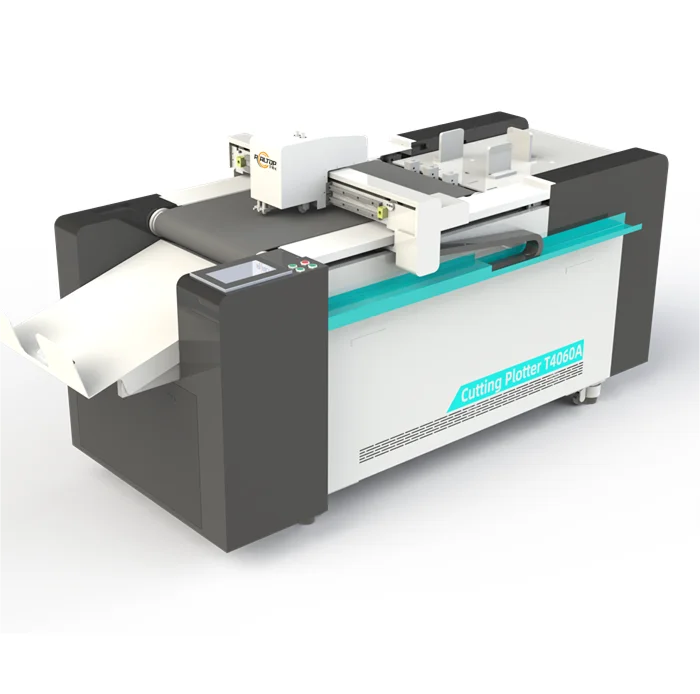
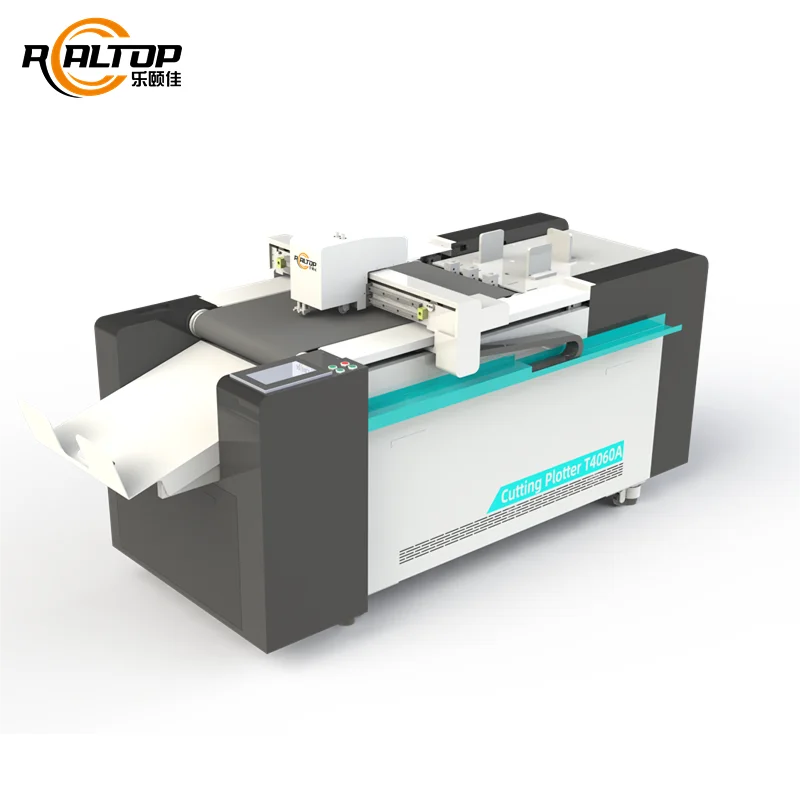
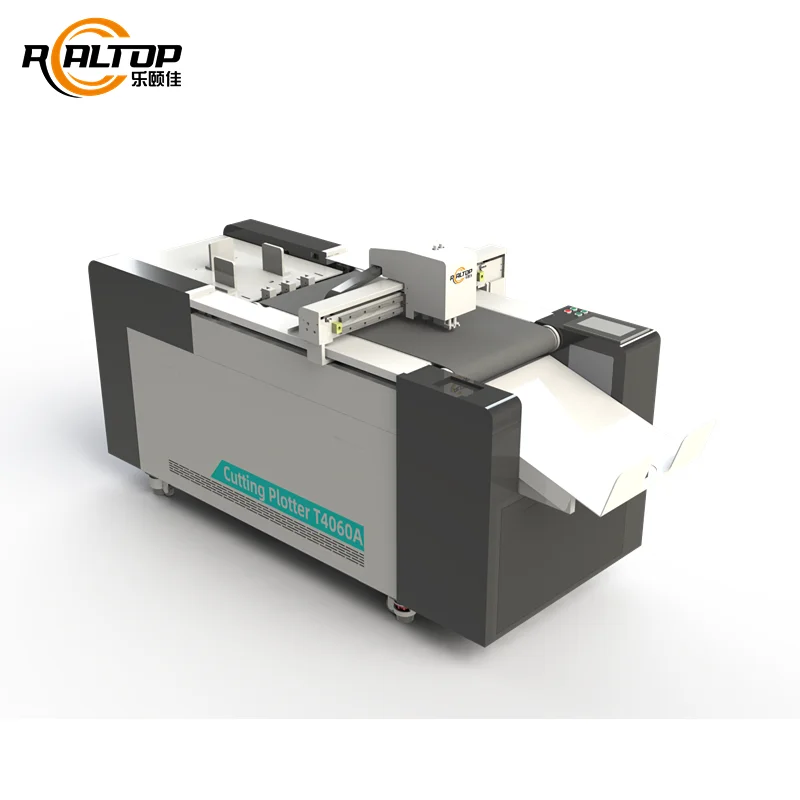
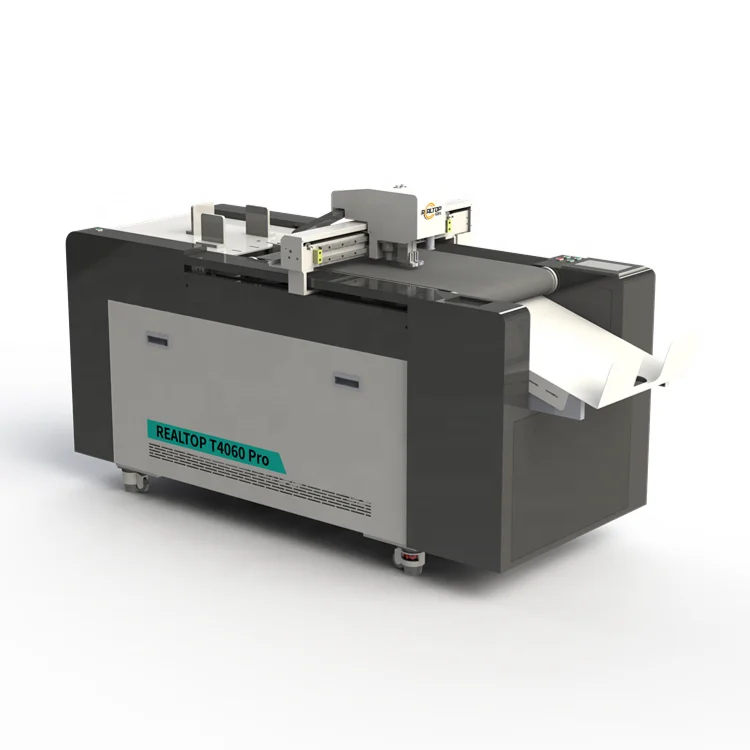
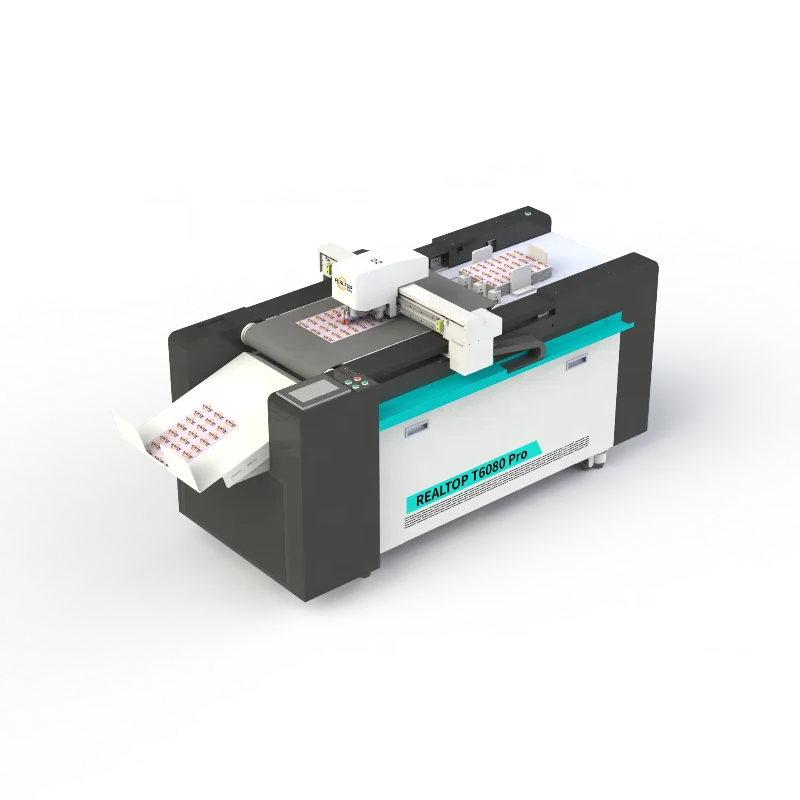
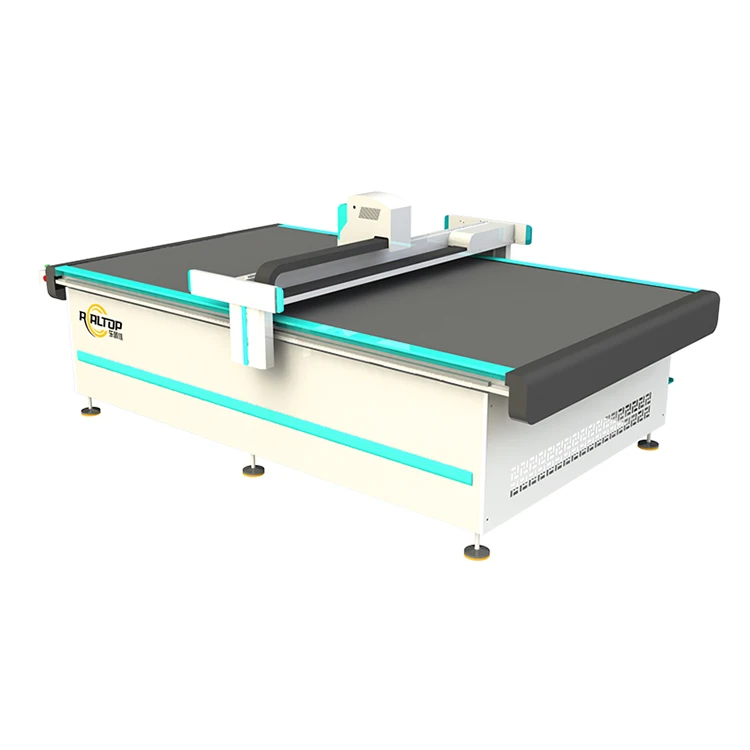
Configuration matched to material — RTT4060 series pairs cutting method with cardstock or board thickness rather than forcing one tool across all jobs.
Technical Specifications
| Parameter | Value |
|---|---|
| Model | RTT4060 / RTT4060 Pro |
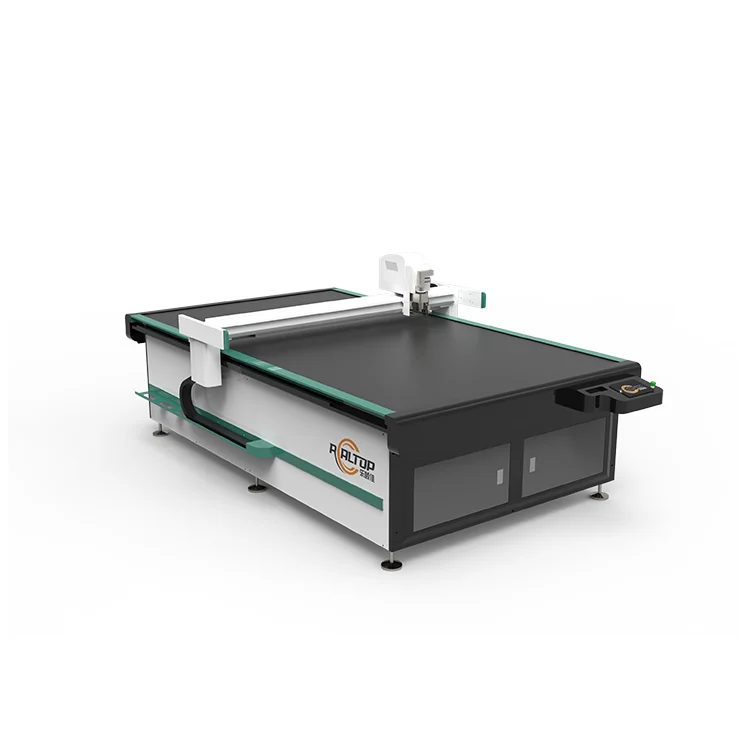
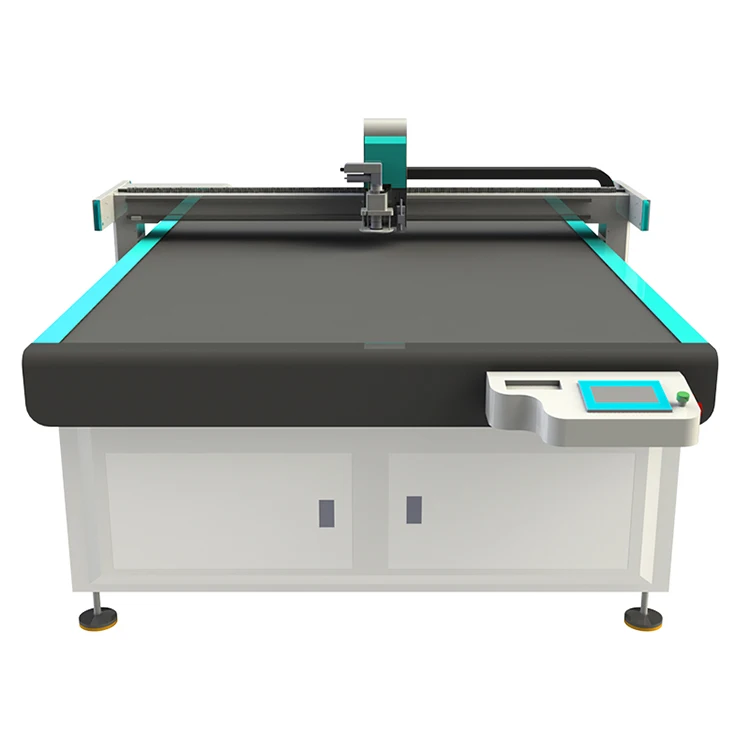
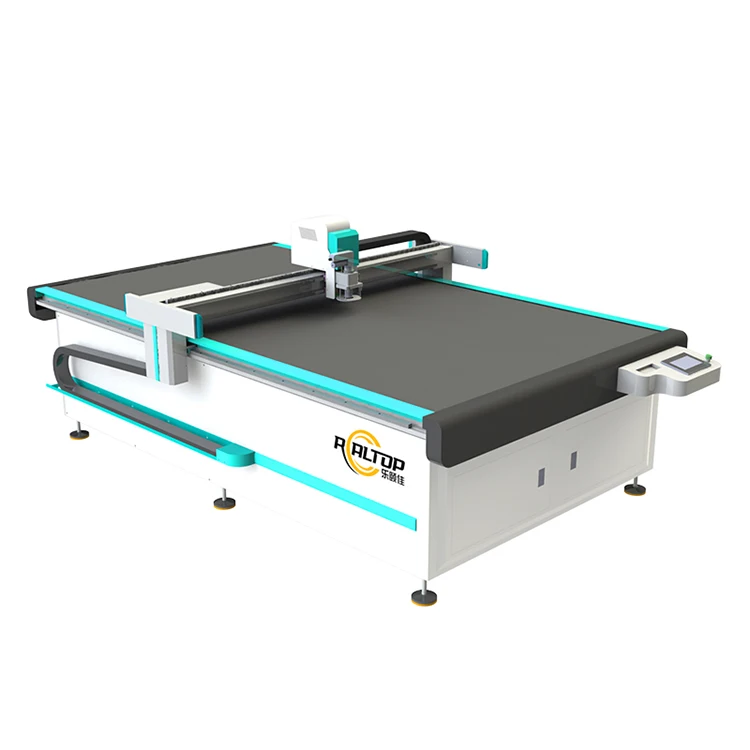
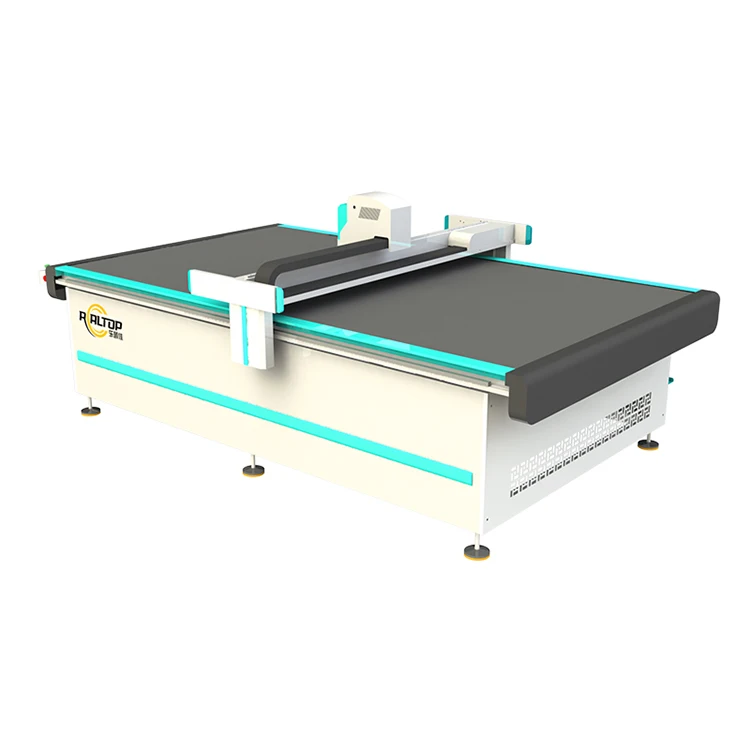
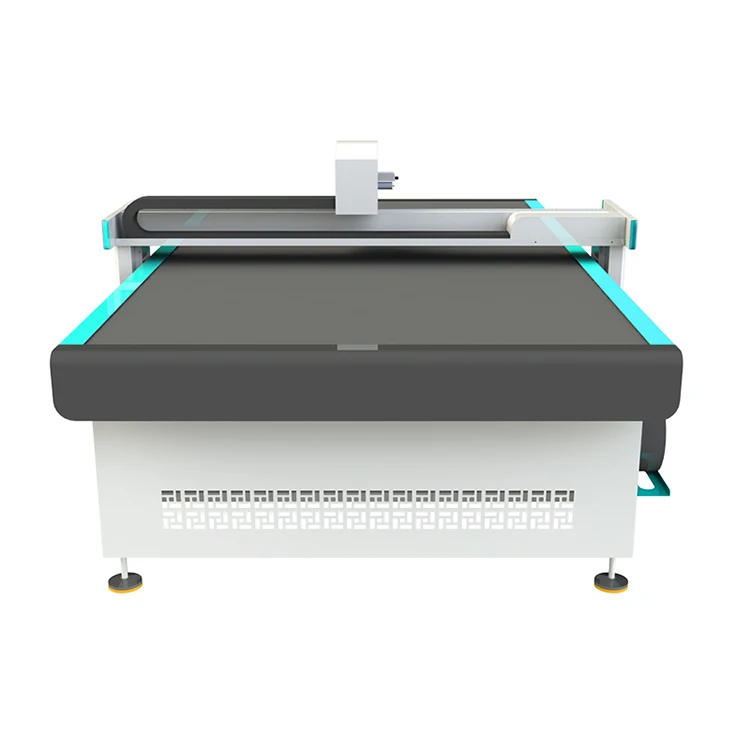
| Product Type | CNC Cardstock Cutting Machine / Mini Cardboard Box Plotter |
| Max Working Area | 400 mm × 600 mm |
| Tools Group | Cutting tool, kiss cutting tool, creasing tool, CCD camera; high-speed oscillating knife (Pro model) |
| Max Cutting Speed | 1500 mm/s depending on material (basis not stated in source) |
| Cutting Thickness | ≤2 mm (RTT4060) / ≤5 mm (RTT4060 Pro) |
| Positioning Accuracy | 0.05 mm |
| File Format Support | DXF, PLT, PDF, AI |
| Transfer Method | Ethernet port |
| Rated Power | 2.5 kW |
| Voltage | 220 V / 380 V, 50 Hz |
| Certification | CE declaration where applicable |
Application Suitability
| Application | Material or Output |
|---|---|
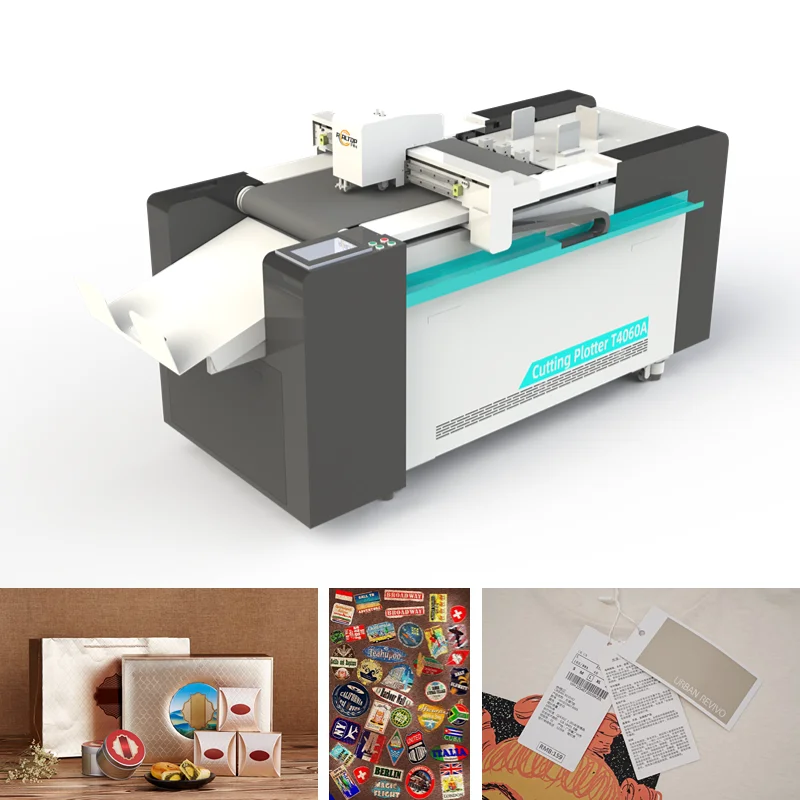
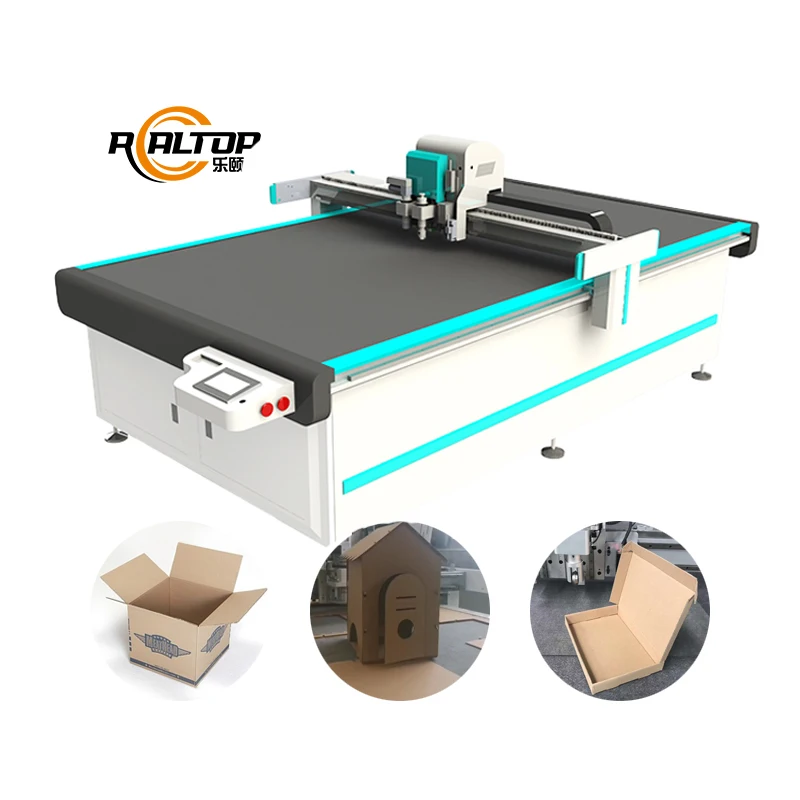
| Packaging and carton sample making | Short-run prototypes in white cardstock, kraft board and corrugated liner |
| Advertising and signage production | PVC foam board, vinyl and thin composite sheets for display graphics |
| Small-format digital die-cutting | Craft card, stationery, greeting cards and folding carton mock-ups |
| Gasket and seal prototyping | Thin non-metallic sheet stock for fit-check samples |
Why Cutting Thickness Matters More Than Working Area on a CNC Cardstock Cutting Machine
Specify the material first, then the machine, not the other way around.
I once sized a mini cardboard box plotter purely on sheet dimensions for a packaging client, only to discover on the first production day that their actual stock was grey board running thicker than the quoted range. The standard knife stalled, edge quality collapsed and daily throughput dropped to a fraction of expectations. Since then I refuse to sign a configuration sheet without a physical material sample. [NEED_CITE: material thickness verification before machine specification]
Tool Head Selection Across the Compact Cutting Range
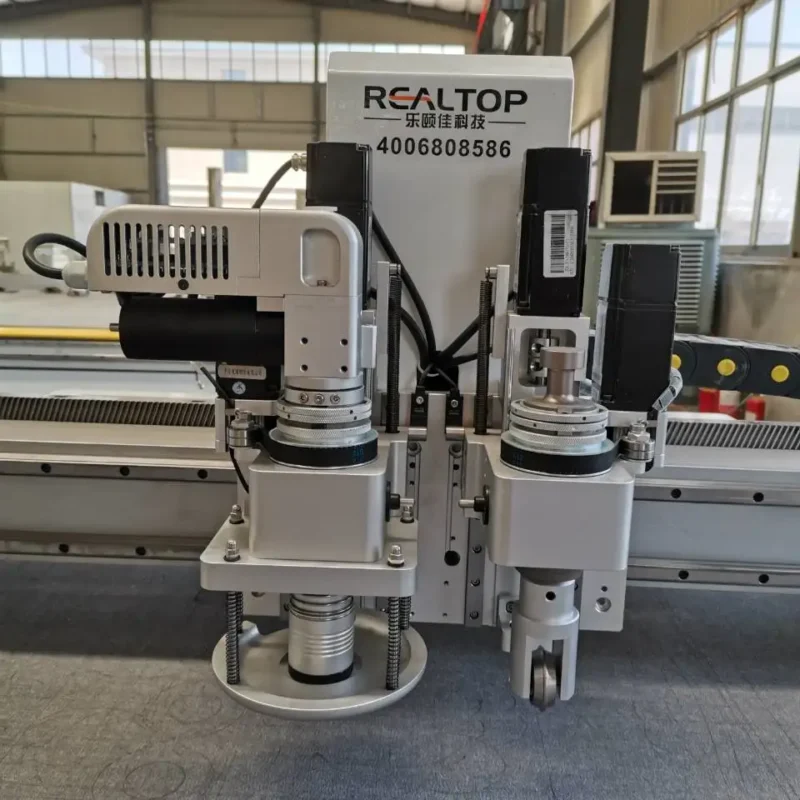
The RTT4060 platform covers knife cutting, kiss cutting, creasing and CCD contour recognition in one frame. This gives sample shops a CNC cardstock cutting machine manufacturer configuration that matches each job to the right head — drag knife for thin vinyl graphics, oscillating knife for dense corrugated board, creasing wheel for fold lines on folding carton. Pro models extend the upper thickness boundary so heavier grey board stays within the same footprint.
CCD Camera Positioning for Printed Contour Work
When artwork is pre-printed and register must hold within fractions of a millimetre, the CCD camera tracks fiducial marks before each cut path. On short-run packaging prototypes and premium stationery this means contour cuts follow the print rather than drifting across the sheet. The system reads mark positions at production speed, adjusting the cut path on the fly to compensate for minor print-to-sheet misalignment. [NEED_CITE: CCD camera contour recognition on printed cardstock]
Reading the Specs Beyond the Headline Numbers
The 0.05 mm positioning accuracy translates directly into tight register on multi-pass packaging samples where cut, crease and kiss-cut layers must align. File format support for DXF, PLT, PDF and AI means existing artwork flows from design software without intermediate conversion, reducing nesting errors. The 2.5 kW rated power covers vacuum hold-down, spindle drives and CCD illumination simultaneously, so the machine sustains feed rates without voltage sag on a standard 220 V single-phase workshop circuit. Ethernet transfer keeps the controller off the shop floor network, isolating motion control from general IT traffic.
The Cost of Overlooking Vacuum Zoning on Small Parts
Small cardstock shapes lift off the table when vacuum zones are sized only for full-sheet hold-down. Ragged edges follow, and the operator wastes time re-fixturing blanks instead of feeding new stock. I have watched production stalls compound across a shift because the vacuum layout was never checked against the actual nesting pattern. [NEED_CITE: vacuum table zoning for small-part digital die-cutting]
Why Source the RTT4060 Series Through This Configuration Channel
The full catalogue approach lets you compare knife, kiss-cut, creasing and CCD options side by side before committing to a build. In-house design and production cover both the mechanical frame and the software layer, so file format compatibility is confirmed at order stage rather than discovered during commissioning. Sample cutting on your own cardstock or board stock runs before the configuration sheet is signed, validating edge quality and thickness handling. Voltage, plug type and control language are locked to your market before the machine leaves the assembly bay. Documentation ships with the unit — no separate requests for wiring diagrams or software licences after delivery.
Documentation & Verification
- Machine specification sheet confirming working area, tool heads and vacuum configuration
- Sample cutting report produced on your own cardstock and board stock
- Electrical schematic with voltage, plug type and circuit rating for your market
- Software licence and file format compatibility note covering DXF, PLT, PDF and AI
- Factory test record signed off before dispatch
Installation, Commissioning & Support
- 2.5 kW rated power requires a dedicated 16 A circuit on a 220 V or 380 V supply
- 400 mm × 600 mm working area fits standard bench space with rear clearance for Ethernet cable routing
- First commissioning includes CCD camera calibration on your printed artwork samples
- Operator training covers tool head changeover between cutting, kiss cutting and creasing
- Spare parts list covers oscillating knife blades, creasing wheels and CCD calibration targets
- Vacuum table filter inspection scheduled around production volume and dust load
What to Include with Your Enquiry
Send the exact cardstock or board grade, caliper thickness and sheet dimensions you plan to run daily. Note your local voltage and frequency, preferred control language and whether your artwork originates in Illustrator, CorelDRAW or a dedicated packaging CAD package. If contour cutting on pre-printed stock is part of the workflow, include a sample print with your standard fiducial marks so CCD tracking can be verified before configuration is finalised.
Frequently Asked Questions
Q: How do I choose between the RTT4060 and the RTT4060 Pro for my material?
A: The standard RTT4060 handles stock up to 2 mm with a cutting tool, kiss cutting tool and creasing wheel. The Pro model raises the thickness limit to 5 mm and adds a high-speed oscillating knife for denser corrugated board and foam. Send a material sample so edge quality and cutting depth can be verified before configuration is locked.
Q: Is the 1500 mm/s max cutting speed achievable on my specific cardstock grade?
A: The published figure is a mechanical limit measured under controlled conditions; actual feed rate depends on material density, thickness and the tool head selected. We run your stock on a sample machine and record the sustainable speed with acceptable edge quality before quoting production throughput.
Q: Can the CCD camera track printed contour marks on my packaging artwork?
A: The CCD system reads standard fiducial marks and adjusts the cut path in real time. Tracking reliability depends on mark size, contrast and placement on your printed sheet. Providing a sample print allows the camera calibration to be matched to your artwork before the machine is configured.
Q: Which file formats does the software accept from my existing design workflow?
A: The controller imports DXF, PLT, PDF and AI files natively. If your design team uses a packaging-specific CAD package, we confirm export compatibility and nesting behaviour during the sample stage, so no intermediate conversion step sits between artwork and cut file.
Q: Are voltage, plug type and control language confirmed before shipment?
A: Yes. The electrical schematic is reviewed against your local supply standard, the correct plug and cable are fitted, and the control interface language is set before dispatch. This avoids rewiring or software reloading after the machine arrives at your facility.
Configuration matched to material — RTT4060 series pairs cutting method with cardstock or board thickness rather than forcing one tool across all jobs.
Technical Specifications
| Parameter | Value |
|---|---|
| Model | RTT4060 / RTT4060 Pro |
| Product Type | CNC Cardstock Cutting Machine / Mini Cardboard Box Plotter |
| Max Working Area | 400 mm × 600 mm |
| Tools Group | Cutting tool, kiss cutting tool, creasing tool, CCD camera; high-speed oscillating knife (Pro model) |
| Max Cutting Speed | 1500 mm/s depending on material (basis not stated in source) |
| Cutting Thickness | ≤2 mm (RTT4060) / ≤5 mm (RTT4060 Pro) |
| Positioning Accuracy | 0.05 mm |
| File Format Support | DXF, PLT, PDF, AI |
| Transfer Method | Ethernet port |
| Rated Power | 2.5 kW |
| Voltage | 220 V / 380 V, 50 Hz |
| Certification | CE declaration where applicable |
Application Suitability
| Application | Material or Output |
|---|---|
| Packaging and carton sample making | Short-run prototypes in white cardstock, kraft board and corrugated liner |
| Advertising and signage production | PVC foam board, vinyl and thin composite sheets for display graphics |
| Small-format digital die-cutting | Craft card, stationery, greeting cards and folding carton mock-ups |
| Gasket and seal prototyping | Thin non-metallic sheet stock for fit-check samples |
Why Cutting Thickness Matters More Than Working Area on a CNC Cardstock Cutting Machine
Specify the material first, then the machine, not the other way around.
I once sized a mini cardboard box plotter purely on sheet dimensions for a packaging client, only to discover on the first production day that their actual stock was grey board running thicker than the quoted range. The standard knife stalled, edge quality collapsed and daily throughput dropped to a fraction of expectations. Since then I refuse to sign a configuration sheet without a physical material sample. [NEED_CITE: material thickness verification before machine specification]
Tool Head Selection Across the Compact Cutting Range
The RTT4060 platform covers knife cutting, kiss cutting, creasing and CCD contour recognition in one frame. This gives sample shops a CNC cardstock cutting machine manufacturer configuration that matches each job to the right head — drag knife for thin vinyl graphics, oscillating knife for dense corrugated board, creasing wheel for fold lines on folding carton. Pro models extend the upper thickness boundary so heavier grey board stays within the same footprint.
CCD Camera Positioning for Printed Contour Work
When artwork is pre-printed and register must hold within fractions of a millimetre, the CCD camera tracks fiducial marks before each cut path. On short-run packaging prototypes and premium stationery this means contour cuts follow the print rather than drifting across the sheet. The system reads mark positions at production speed, adjusting the cut path on the fly to compensate for minor print-to-sheet misalignment. [NEED_CITE: CCD camera contour recognition on printed cardstock]
Reading the Specs Beyond the Headline Numbers
The 0.05 mm positioning accuracy translates directly into tight register on multi-pass packaging samples where cut, crease and kiss-cut layers must align. File format support for DXF, PLT, PDF and AI means existing artwork flows from design software without intermediate conversion, reducing nesting errors. The 2.5 kW rated power covers vacuum hold-down, spindle drives and CCD illumination simultaneously, so the machine sustains feed rates without voltage sag on a standard 220 V single-phase workshop circuit. Ethernet transfer keeps the controller off the shop floor network, isolating motion control from general IT traffic.
The Cost of Overlooking Vacuum Zoning on Small Parts
Small cardstock shapes lift off the table when vacuum zones are sized only for full-sheet hold-down. Ragged edges follow, and the operator wastes time re-fixturing blanks instead of feeding new stock. I have watched production stalls compound across a shift because the vacuum layout was never checked against the actual nesting pattern. [NEED_CITE: vacuum table zoning for small-part digital die-cutting]
Why Source the RTT4060 Series Through This Configuration Channel
The full catalogue approach lets you compare knife, kiss-cut, creasing and CCD options side by side before committing to a build. In-house design and production cover both the mechanical frame and the software layer, so file format compatibility is confirmed at order stage rather than discovered during commissioning. Sample cutting on your own cardstock or board stock runs before the configuration sheet is signed, validating edge quality and thickness handling. Voltage, plug type and control language are locked to your market before the machine leaves the assembly bay. Documentation ships with the unit — no separate requests for wiring diagrams or software licences after delivery.
Documentation & Verification
- Machine specification sheet confirming working area, tool heads and vacuum configuration
- Sample cutting report produced on your own cardstock and board stock
- Electrical schematic with voltage, plug type and circuit rating for your market
- Software licence and file format compatibility note covering DXF, PLT, PDF and AI
- Factory test record signed off before dispatch
Installation, Commissioning & Support
- 2.5 kW rated power requires a dedicated 16 A circuit on a 220 V or 380 V supply
- 400 mm × 600 mm working area fits standard bench space with rear clearance for Ethernet cable routing
- First commissioning includes CCD camera calibration on your printed artwork samples
- Operator training covers tool head changeover between cutting, kiss cutting and creasing
- Spare parts list covers oscillating knife blades, creasing wheels and CCD calibration targets
- Vacuum table filter inspection scheduled around production volume and dust load
What to Include with Your Enquiry
Send the exact cardstock or board grade, caliper thickness and sheet dimensions you plan to run daily. Note your local voltage and frequency, preferred control language and whether your artwork originates in Illustrator, CorelDRAW or a dedicated packaging CAD package. If contour cutting on pre-printed stock is part of the workflow, include a sample print with your standard fiducial marks so CCD tracking can be verified before configuration is finalised.
Frequently Asked Questions
Q: How do I choose between the RTT4060 and the RTT4060 Pro for my material?
A: The standard RTT4060 handles stock up to 2 mm with a cutting tool, kiss cutting tool and creasing wheel. The Pro model raises the thickness limit to 5 mm and adds a high-speed oscillating knife for denser corrugated board and foam. Send a material sample so edge quality and cutting depth can be verified before configuration is locked.
Q: Is the 1500 mm/s max cutting speed achievable on my specific cardstock grade?
A: The published figure is a mechanical limit measured under controlled conditions; actual feed rate depends on material density, thickness and the tool head selected. We run your stock on a sample machine and record the sustainable speed with acceptable edge quality before quoting production throughput.
Q: Can the CCD camera track printed contour marks on my packaging artwork?
A: The CCD system reads standard fiducial marks and adjusts the cut path in real time. Tracking reliability depends on mark size, contrast and placement on your printed sheet. Providing a sample print allows the camera calibration to be matched to your artwork before the machine is configured.
Q: Which file formats does the software accept from my existing design workflow?
A: The controller imports DXF, PLT, PDF and AI files natively. If your design team uses a packaging-specific CAD package, we confirm export compatibility and nesting behaviour during the sample stage, so no intermediate conversion step sits between artwork and cut file.
Q: Are voltage, plug type and control language confirmed before shipment?
A: Yes. The electrical schematic is reviewed against your local supply standard, the correct plug and cable are fitted, and the control interface language is set before dispatch. This avoids rewiring or software reloading after the machine arrives at your facility.
商品评价
There are no reviews yet.