


Fast Delivery
Quick, reliable shipping to any location.

Free & easy returns
Return this item by mail or in store within 90 days for a full refund.
Material-Matched Configuration — every tool head, vacuum zone and CCD option is specified against the buyer’s actual material sample before the order is confirmed, not assumed from a catalogue default.
Technical Specifications
| Parameter | Value |
|---|---|
| Model | RT-D2516/RT-S2516 |
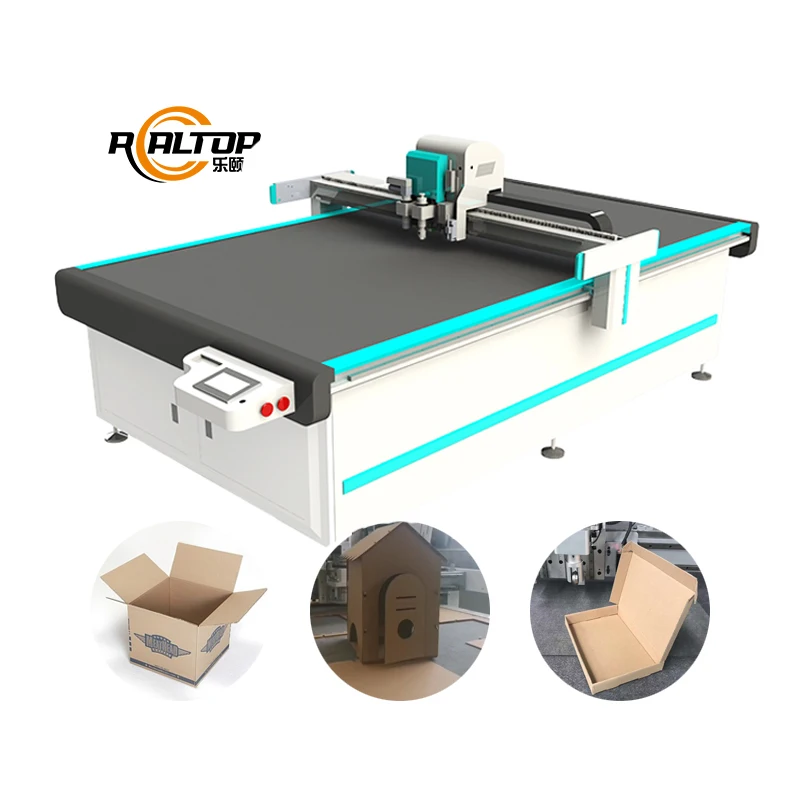
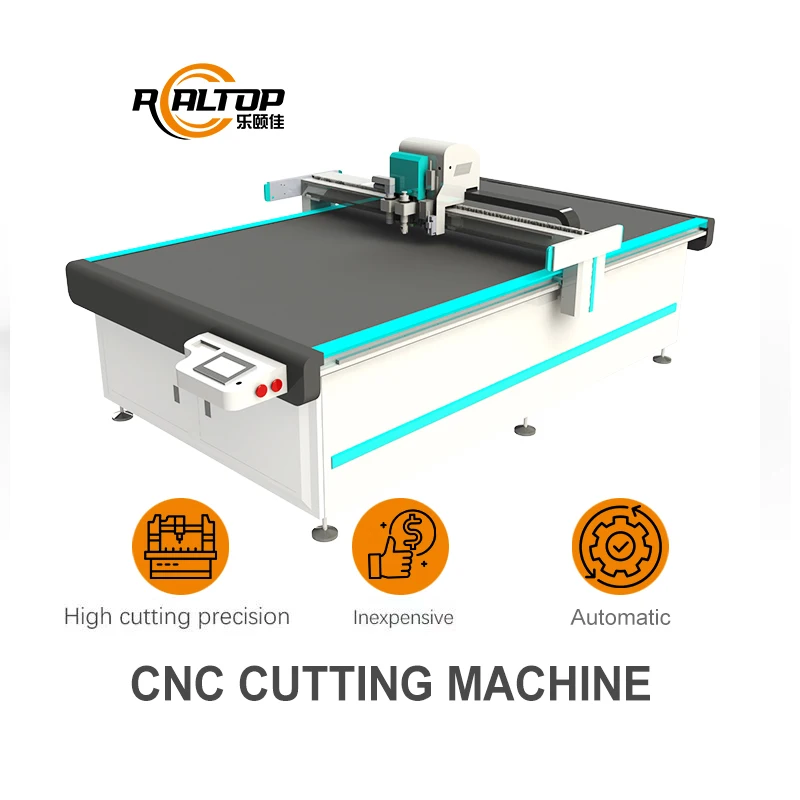
| Product Type | CNC Oscillating Knife Cutting Machine |
| Working Area | 1600 × 2500 mm |
| Machine Size | 3450 × 2300 × 1250 mm |
| Rated Power | 9 kW |
| Working Table | Flat magnesium-aluminum alloy vacuum adsorption table with fluorocarbon PVDF powder spraying, anodic and hard oxidation |
| Translational Velocity | 800–1200 mm/s |
| Cutting Thickness | 20–80 mm depending on material density and tool head selection |
| Repeated Accuracy | ≤0.1 mm |
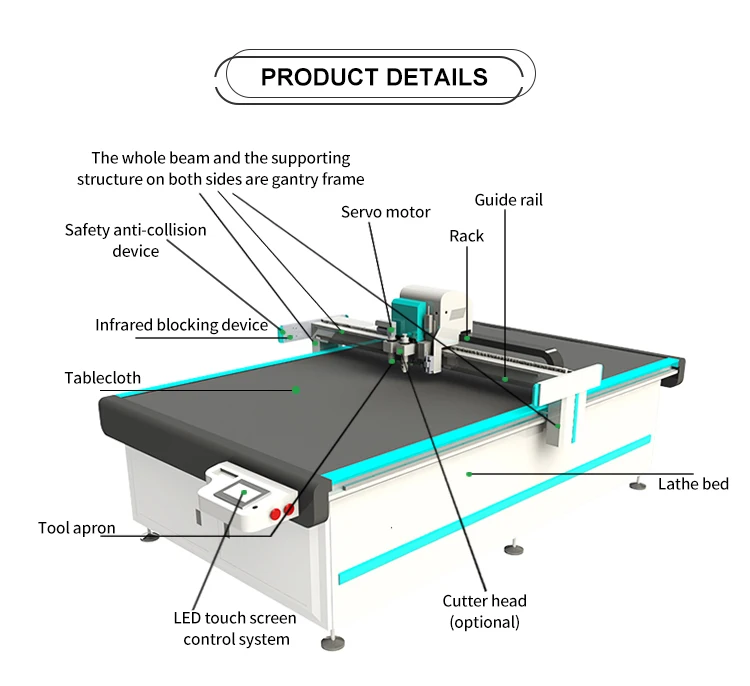
| Transmission System | Digital servo motor, linear guide, synchronous belt, ball screw |
| Servo Motor | Delta servo motor |
| Linear Rail | Taiwan Hiwin rail |
| Instruction System | HP-GL compatible format |
| Voltage | 380V ±10% |
| Vacuum Pump | 7.5 kW, integrated aviation aluminum shell with built-in silencer sponge |
| Safety Features | Infrared induction blocking, anti-collision device, emergency stop |
| Frame | Welded thick-walled seamless steel structure, high-temperature tempering, CNC machining center finished |
| Tool Head Options | Oscillating knife, pneumatic knife, high-power vibrating knife, circular knife, V-cutting knife, drag knife, creasing wheel, dotted line knife, punching, brush |
| Visual Positioning | Small CCD camera mark-point positioning, panoramic camera recognition positioning, projection positioning |
| Conveyor Belt | Germany imported conveyor belt with auto feeding |
| Language Options | English, Russian, Italian, Chinese and other languages; special languages can be customized |
| Standards | CE declaration where applicable |
Application Suitability
| Application | Material or Output |
|---|---|
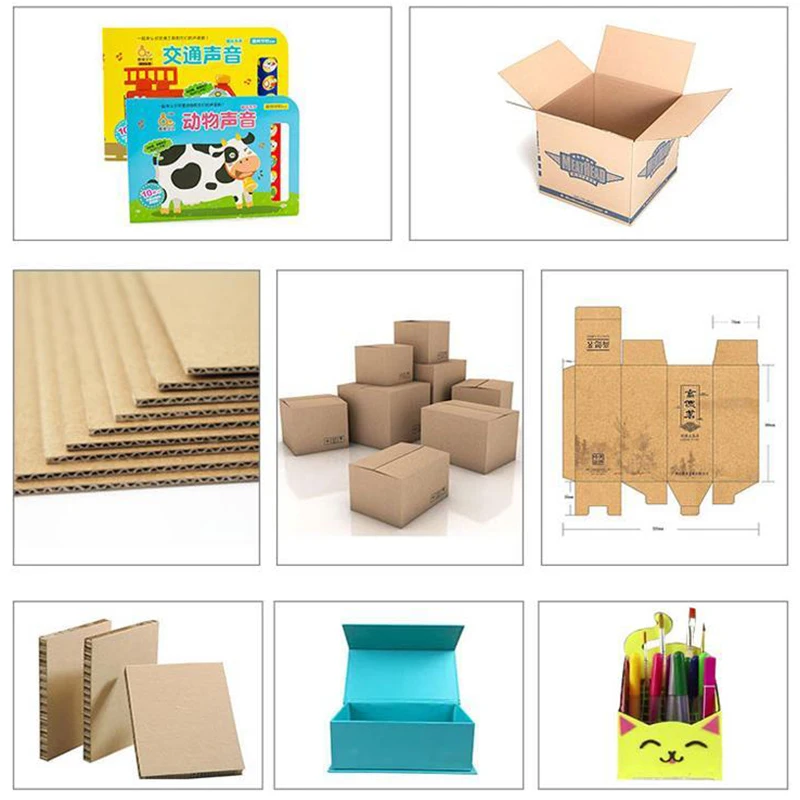
| Carton and packaging sample making | Cardboard, corrugated cardboard, multi-layer grey board, plastic box sheet |
| Advertising and signage production | Sticker, vinyl film, rigid and flexible sign board |
| Garment and footwear manufacturing | Leather, fabric, textile, clothing cloth, shoe material, luggage material |
| Automotive interior and gasket | Gasket material, composite materials, foam-backed fabric |
| Soft home furnishings | Carpet, sponge, non-woven fabric |
| Foam and composite fabrication | Foam board, PU, EVA, XPE, PVC, PP, PE, PTFE, ETFE, fiberglass, rubber |
| Sports and outdoor products | Neoprene, padded panels, composite sheet stock |
| Sealing pads | PTFE, rubber, fiber gasket material |
Why Specifying Working Area Alone Leads to Scrap Piles
A cutting table sized only by sheet dimensions will fail when the material thickness or density exceeds the configured tool head capacity.
I spent years in the quality control lab testing oscillating knife cutting accuracy on standard substrates. Then a carton sample maker ordered a machine rated for corrugated cardboard but actually needed to cut multi-layer grey board composites. The standard oscillating knife head could not penetrate the full depth, leaving ragged edges across every sheet. The workshop floor was covered in rejected blanks before the root cause was traced back to a tooling mismatch that never surfaced during the initial specification stage [NEED_CITE: common causes of CNC cutting edge defects in composite board materials].
A CNC knife cutting machine manufacturer must confirm material type, thickness, layer count and daily volume before recommending tool heads and vacuum zoning. Without that step, even a precision-built frame and accurate servo system cannot compensate for a knife that simply cannot reach the bottom of the cut.
Mapping Tool Heads to Material Behaviour
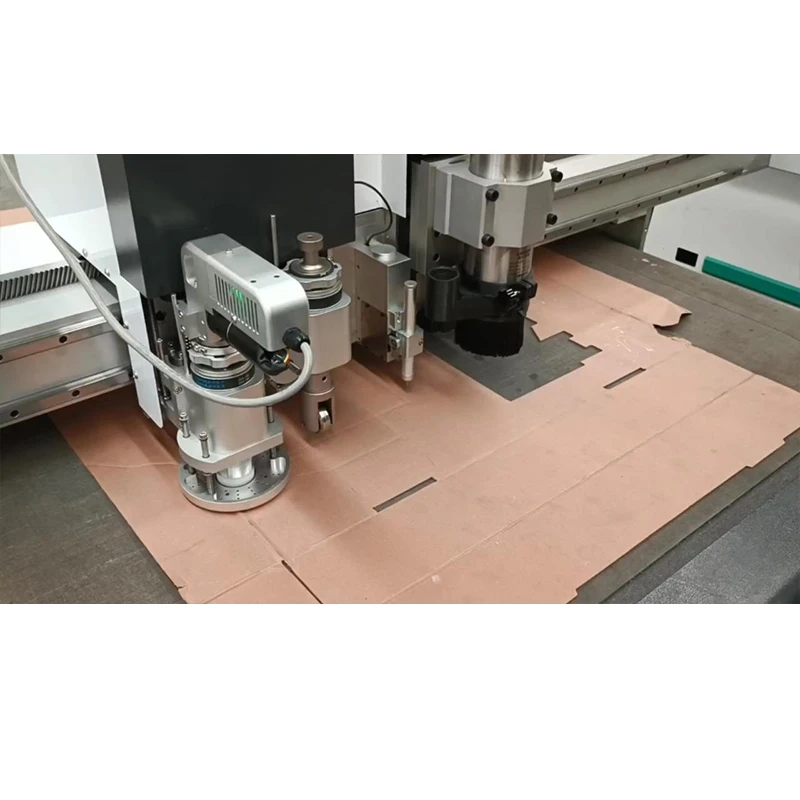
The RT-D2516/RT-S2516 supports oscillating knife, pneumatic knife, high-power vibrating knife, drag knife, creasing wheel, circular knife, V-cutting knife, dotted line knife, punching and brush tool heads. Each tool head addresses a different failure mode. An oscillating knife works well on foam and fabric where a clean shearing action prevents fibre pull. A drag knife suits vinyl and thin sticker films where drag pressure produces a clean kiss-cut without penetrating the backing paper. A creasing wheel scores cardboard for folding without severing the material. Specifying the correct head before the machine ships avoids the costly discovery that the installed tool produces crushed edges on the buyer’s actual stock [NEED_CITE: tool head selection criteria for CNC flatbed cutting tables].
Vacuum Table Zoning for Small and Large Parts
The magnesium-aluminum alloy vacuum table with multi-zone adsorption holds material flat across the 1600 × 2500 mm working area. When cutting small gasket pieces or signage letters, a single large vacuum zone loses suction efficiency on parts that do not cover the full surface. Zoned vacuum channels allow operators to activate only the regions under the material, maintaining hold-down force on small nests. The fluorocarbon PVDF coating and hard oxidation finish resist abrasion from repeated sheet loading, extending table service life in high-throughput environments.
Reading the Specification Sheet for Real-World Impact
The 7.5 kW vacuum pump with integrated aviation aluminum shell and silencer sponge delivers the suction required to hold dense materials like multi-layer grey board and thick EVA foam. The Delta servo motor paired with Taiwan Hiwin rails and ball screw transmission maintains the ≤0.1 mm repeated accuracy across the full travel, which matters when CCD camera contour recognition must align cuts to printed registration marks within tight tolerances. The welded thick-walled seamless steel frame undergoes high-temperature tempering and CNC machining center finishing, reducing vibration that would otherwise introduce chatter marks on rigid substrates. Translational velocity of 800–1200 mm/s allows the cutting head to maintain momentum through long linear passes without decelerating excessively at corners.
The Cost of Skipping Material Verification
When a buyer does not send sample material for test cutting before shipment, the risk concentrates entirely on the production floor. A wrong tool head produces ragged edges on foam, crushed cells on sponge composites, or incomplete penetration on layered board stock. Insufficient vacuum zoning allows small parts to lift during cutting, shifting registration and ruining the nest. A CCD camera system quoted for printed contour work may struggle to track marks at production speed if the material surface reflectivity or print contrast was never evaluated [NEED_CITE: printed mark recognition challenges on reflective and low-contrast substrates].
Why Source This CNC Oscillating Knife Cutting Machine for Sale Here
The catalogue covers both knife and laser cutting technologies, so a buyer can match the cutting method to the material rather than forcing one method across every job. Tool head and table configurations are specified per material sample and production volume, not selected from a fixed default package. CCD camera positioning options include small mark-point, panoramic camera and projection positioning, each suited to different print workflow requirements. Software compatibility with the buyer’s existing file format and nesting workflow is confirmed before the order enters production. Voltage, plug type, control language and documentation are verified per destination market. Sample cutting on the buyer’s own material is conducted before commitment, producing a report that documents edge quality, cutting depth and achievable speed on that specific substrate.
Documentation & Verification
- Machine specification sheet listing confirmed tool head and vacuum table zoning per material
- Electrical schematic with voltage and frequency matching the destination workshop supply
- Sample cutting report on buyer’s own material documenting edge quality and depth
- Factory test record showing repeated accuracy measurement before crating
- Operation and maintenance manual in the confirmed control language
- Software licence and file format compatibility note for HP-GL and nesting workflow
Installation, Commissioning & Support
- 3450 × 2300 × 1250 mm footprint requires level concrete floor with clearance for sheet loading on both sides
- 9 kW rated power plus 7.5 kW vacuum pump require dedicated 380V ±10% circuit with appropriate breaker sizing
- Machine ships with frame and table assembled; conveyor and auto-feeding units connected on site
- First commissioning includes vacuum zone calibration and tool head pressure setting for the buyer’s confirmed material
- Operator training covers tool head changeover, CCD camera calibration and nesting software workflow
- Spare parts list includes knife blades, creasing wheels, vacuum seals and CCD camera replacement components
Starting the Specification Conversation
Provide the material type, maximum thickness and layer composition you need to cut, along with the largest sheet size and your daily volume target. Share your workshop voltage and frequency, preferred control language, and whether your existing design software exports in HP-GL or another format. If you have printed contour work, describe the mark type and contrast level so the correct visual positioning system can be matched to your workflow.
Frequently Asked Questions
Q: How do I decide between knife cutting and laser cutting for my material?
A: Knife cutting suits thicker, layered and composite materials where a laser would leave burnt edges or fail to penetrate. Laser cutting works better on thin acrylic, wood veneer and textiles requiring sealed edges. The catalogue covers both technologies, so the recommendation is based on your material test rather than defaulting to one method.
Q: Which tool head should I use for multi-layer cardboard and corrugated composites?
A: High-power vibrating knife or pneumatic knife heads deliver the downward pressure needed for dense, layered board stock. A standard oscillating knife may not penetrate the full depth, leaving incomplete cuts and ragged edges. The correct head is selected after a test cut on your actual material sample.
Q: What CCD positioning system fits my printed contour workflow?
A: Small CCD mark-point positioning works for sheets with clear registration marks. Panoramic camera recognition suits high-variety print jobs where mark placement varies. Projection positioning overlays the cut path directly on the material for manual alignment. The right choice depends on your print consistency and production speed requirements.
Q: How does vacuum table zoning affect cutting small parts?
A: A single large vacuum zone loses suction on small parts that do not cover the full table surface. Multi-zone adsorption activates only the channels beneath the material, maintaining hold-down force and preventing part lift during cutting. Zone layout is confirmed based on your typical nest geometry before the table is built.
Q: What configuration options are available across the knife cutting catalogue?
A: Options include single-head and multi-head configurations, conveyor belt with auto-feeding for roll and continuous sheet work, working area sizes from compact to large format, and tool head combinations matched to the buyer’s material mix. Each variant is specified against the production volume and sheet format required.
Material-Matched Configuration — every tool head, vacuum zone and CCD option is specified against the buyer’s actual material sample before the order is confirmed, not assumed from a catalogue default.
Technical Specifications
| Parameter | Value |
|---|---|
| Model | RT-D2516/RT-S2516 |
| Product Type | CNC Oscillating Knife Cutting Machine |
| Working Area | 1600 × 2500 mm |
| Machine Size | 3450 × 2300 × 1250 mm |
| Rated Power | 9 kW |
| Working Table | Flat magnesium-aluminum alloy vacuum adsorption table with fluorocarbon PVDF powder spraying, anodic and hard oxidation |
| Translational Velocity | 800–1200 mm/s |
| Cutting Thickness | 20–80 mm depending on material density and tool head selection |
| Repeated Accuracy | ≤0.1 mm |
| Transmission System | Digital servo motor, linear guide, synchronous belt, ball screw |
| Servo Motor | Delta servo motor |
| Linear Rail | Taiwan Hiwin rail |
| Instruction System | HP-GL compatible format |
| Voltage | 380V ±10% |
| Vacuum Pump | 7.5 kW, integrated aviation aluminum shell with built-in silencer sponge |
| Safety Features | Infrared induction blocking, anti-collision device, emergency stop |
| Frame | Welded thick-walled seamless steel structure, high-temperature tempering, CNC machining center finished |
| Tool Head Options | Oscillating knife, pneumatic knife, high-power vibrating knife, circular knife, V-cutting knife, drag knife, creasing wheel, dotted line knife, punching, brush |
| Visual Positioning | Small CCD camera mark-point positioning, panoramic camera recognition positioning, projection positioning |
| Conveyor Belt | Germany imported conveyor belt with auto feeding |
| Language Options | English, Russian, Italian, Chinese and other languages; special languages can be customized |
| Standards | CE declaration where applicable |
Application Suitability
| Application | Material or Output |
|---|---|
| Carton and packaging sample making | Cardboard, corrugated cardboard, multi-layer grey board, plastic box sheet |
| Advertising and signage production | Sticker, vinyl film, rigid and flexible sign board |
| Garment and footwear manufacturing | Leather, fabric, textile, clothing cloth, shoe material, luggage material |
| Automotive interior and gasket | Gasket material, composite materials, foam-backed fabric |
| Soft home furnishings | Carpet, sponge, non-woven fabric |
| Foam and composite fabrication | Foam board, PU, EVA, XPE, PVC, PP, PE, PTFE, ETFE, fiberglass, rubber |
| Sports and outdoor products | Neoprene, padded panels, composite sheet stock |
| Sealing pads | PTFE, rubber, fiber gasket material |
Why Specifying Working Area Alone Leads to Scrap Piles
A cutting table sized only by sheet dimensions will fail when the material thickness or density exceeds the configured tool head capacity.
I spent years in the quality control lab testing oscillating knife cutting accuracy on standard substrates. Then a carton sample maker ordered a machine rated for corrugated cardboard but actually needed to cut multi-layer grey board composites. The standard oscillating knife head could not penetrate the full depth, leaving ragged edges across every sheet. The workshop floor was covered in rejected blanks before the root cause was traced back to a tooling mismatch that never surfaced during the initial specification stage [NEED_CITE: common causes of CNC cutting edge defects in composite board materials].
A CNC knife cutting machine manufacturer must confirm material type, thickness, layer count and daily volume before recommending tool heads and vacuum zoning. Without that step, even a precision-built frame and accurate servo system cannot compensate for a knife that simply cannot reach the bottom of the cut.
Mapping Tool Heads to Material Behaviour
The RT-D2516/RT-S2516 supports oscillating knife, pneumatic knife, high-power vibrating knife, drag knife, creasing wheel, circular knife, V-cutting knife, dotted line knife, punching and brush tool heads. Each tool head addresses a different failure mode. An oscillating knife works well on foam and fabric where a clean shearing action prevents fibre pull. A drag knife suits vinyl and thin sticker films where drag pressure produces a clean kiss-cut without penetrating the backing paper. A creasing wheel scores cardboard for folding without severing the material. Specifying the correct head before the machine ships avoids the costly discovery that the installed tool produces crushed edges on the buyer’s actual stock [NEED_CITE: tool head selection criteria for CNC flatbed cutting tables].
Vacuum Table Zoning for Small and Large Parts
The magnesium-aluminum alloy vacuum table with multi-zone adsorption holds material flat across the 1600 × 2500 mm working area. When cutting small gasket pieces or signage letters, a single large vacuum zone loses suction efficiency on parts that do not cover the full surface. Zoned vacuum channels allow operators to activate only the regions under the material, maintaining hold-down force on small nests. The fluorocarbon PVDF coating and hard oxidation finish resist abrasion from repeated sheet loading, extending table service life in high-throughput environments.
Reading the Specification Sheet for Real-World Impact
The 7.5 kW vacuum pump with integrated aviation aluminum shell and silencer sponge delivers the suction required to hold dense materials like multi-layer grey board and thick EVA foam. The Delta servo motor paired with Taiwan Hiwin rails and ball screw transmission maintains the ≤0.1 mm repeated accuracy across the full travel, which matters when CCD camera contour recognition must align cuts to printed registration marks within tight tolerances. The welded thick-walled seamless steel frame undergoes high-temperature tempering and CNC machining center finishing, reducing vibration that would otherwise introduce chatter marks on rigid substrates. Translational velocity of 800–1200 mm/s allows the cutting head to maintain momentum through long linear passes without decelerating excessively at corners.
The Cost of Skipping Material Verification
When a buyer does not send sample material for test cutting before shipment, the risk concentrates entirely on the production floor. A wrong tool head produces ragged edges on foam, crushed cells on sponge composites, or incomplete penetration on layered board stock. Insufficient vacuum zoning allows small parts to lift during cutting, shifting registration and ruining the nest. A CCD camera system quoted for printed contour work may struggle to track marks at production speed if the material surface reflectivity or print contrast was never evaluated [NEED_CITE: printed mark recognition challenges on reflective and low-contrast substrates].
Why Source This CNC Oscillating Knife Cutting Machine for Sale Here
The catalogue covers both knife and laser cutting technologies, so a buyer can match the cutting method to the material rather than forcing one method across every job. Tool head and table configurations are specified per material sample and production volume, not selected from a fixed default package. CCD camera positioning options include small mark-point, panoramic camera and projection positioning, each suited to different print workflow requirements. Software compatibility with the buyer’s existing file format and nesting workflow is confirmed before the order enters production. Voltage, plug type, control language and documentation are verified per destination market. Sample cutting on the buyer’s own material is conducted before commitment, producing a report that documents edge quality, cutting depth and achievable speed on that specific substrate.
Documentation & Verification
- Machine specification sheet listing confirmed tool head and vacuum table zoning per material
- Electrical schematic with voltage and frequency matching the destination workshop supply
- Sample cutting report on buyer’s own material documenting edge quality and depth
- Factory test record showing repeated accuracy measurement before crating
- Operation and maintenance manual in the confirmed control language
- Software licence and file format compatibility note for HP-GL and nesting workflow
Installation, Commissioning & Support
- 3450 × 2300 × 1250 mm footprint requires level concrete floor with clearance for sheet loading on both sides
- 9 kW rated power plus 7.5 kW vacuum pump require dedicated 380V ±10% circuit with appropriate breaker sizing
- Machine ships with frame and table assembled; conveyor and auto-feeding units connected on site
- First commissioning includes vacuum zone calibration and tool head pressure setting for the buyer’s confirmed material
- Operator training covers tool head changeover, CCD camera calibration and nesting software workflow
- Spare parts list includes knife blades, creasing wheels, vacuum seals and CCD camera replacement components
Starting the Specification Conversation
Provide the material type, maximum thickness and layer composition you need to cut, along with the largest sheet size and your daily volume target. Share your workshop voltage and frequency, preferred control language, and whether your existing design software exports in HP-GL or another format. If you have printed contour work, describe the mark type and contrast level so the correct visual positioning system can be matched to your workflow.
Frequently Asked Questions
Q: How do I decide between knife cutting and laser cutting for my material?
A: Knife cutting suits thicker, layered and composite materials where a laser would leave burnt edges or fail to penetrate. Laser cutting works better on thin acrylic, wood veneer and textiles requiring sealed edges. The catalogue covers both technologies, so the recommendation is based on your material test rather than defaulting to one method.
Q: Which tool head should I use for multi-layer cardboard and corrugated composites?
A: High-power vibrating knife or pneumatic knife heads deliver the downward pressure needed for dense, layered board stock. A standard oscillating knife may not penetrate the full depth, leaving incomplete cuts and ragged edges. The correct head is selected after a test cut on your actual material sample.
Q: What CCD positioning system fits my printed contour workflow?
A: Small CCD mark-point positioning works for sheets with clear registration marks. Panoramic camera recognition suits high-variety print jobs where mark placement varies. Projection positioning overlays the cut path directly on the material for manual alignment. The right choice depends on your print consistency and production speed requirements.
Q: How does vacuum table zoning affect cutting small parts?
A: A single large vacuum zone loses suction on small parts that do not cover the full table surface. Multi-zone adsorption activates only the channels beneath the material, maintaining hold-down force and preventing part lift during cutting. Zone layout is confirmed based on your typical nest geometry before the table is built.
Q: What configuration options are available across the knife cutting catalogue?
A: Options include single-head and multi-head configurations, conveyor belt with auto-feeding for roll and continuous sheet work, working area sizes from compact to large format, and tool head combinations matched to the buyer’s material mix. Each variant is specified against the production volume and sheet format required.










商品评价
There are no reviews yet.