

Fast Delivery
Quick, reliable shipping to any location.

Free & easy returns
Return this item by mail or in store within 90 days for a full refund.
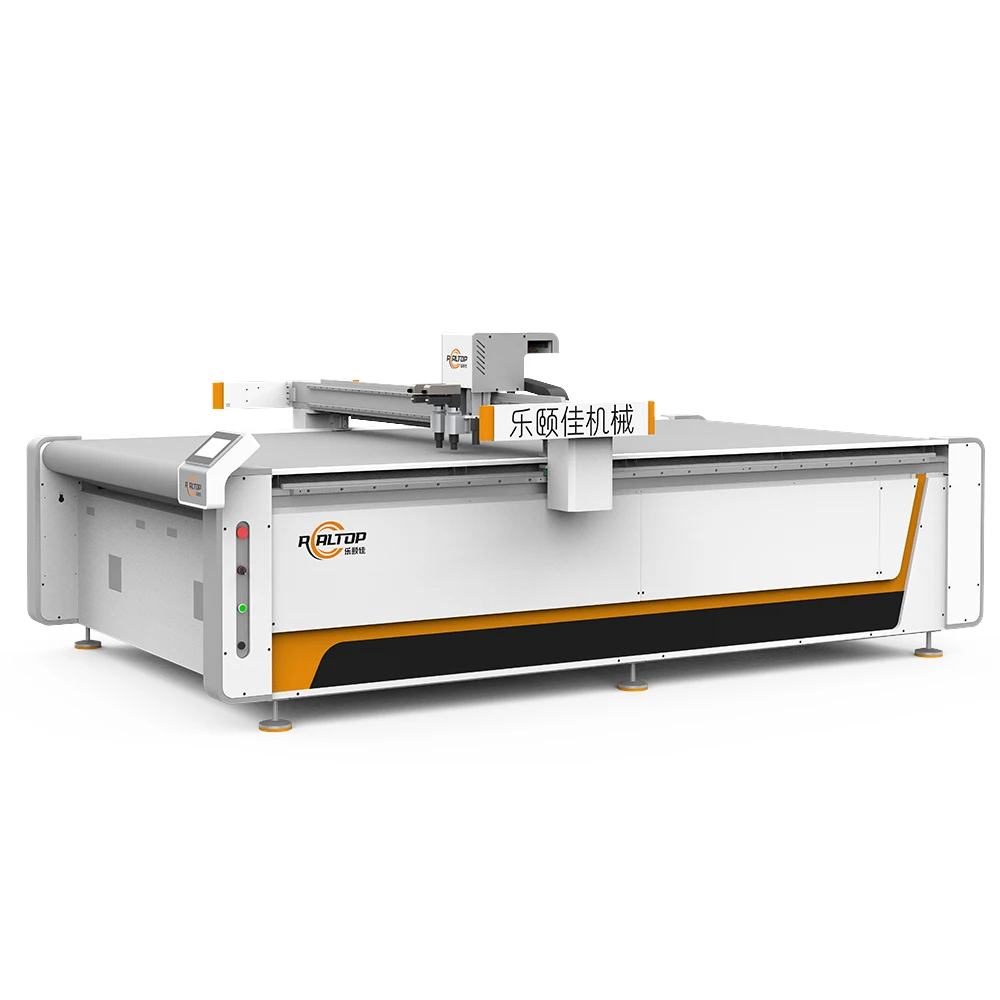
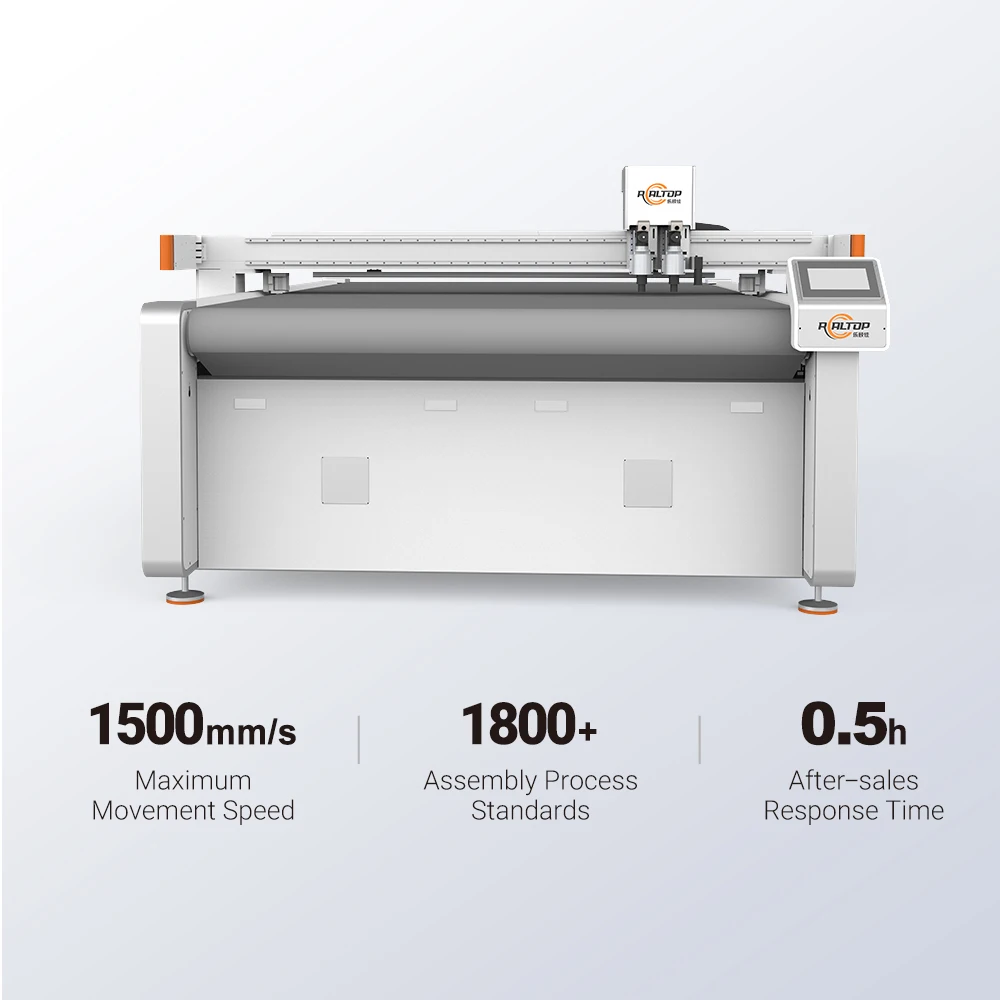
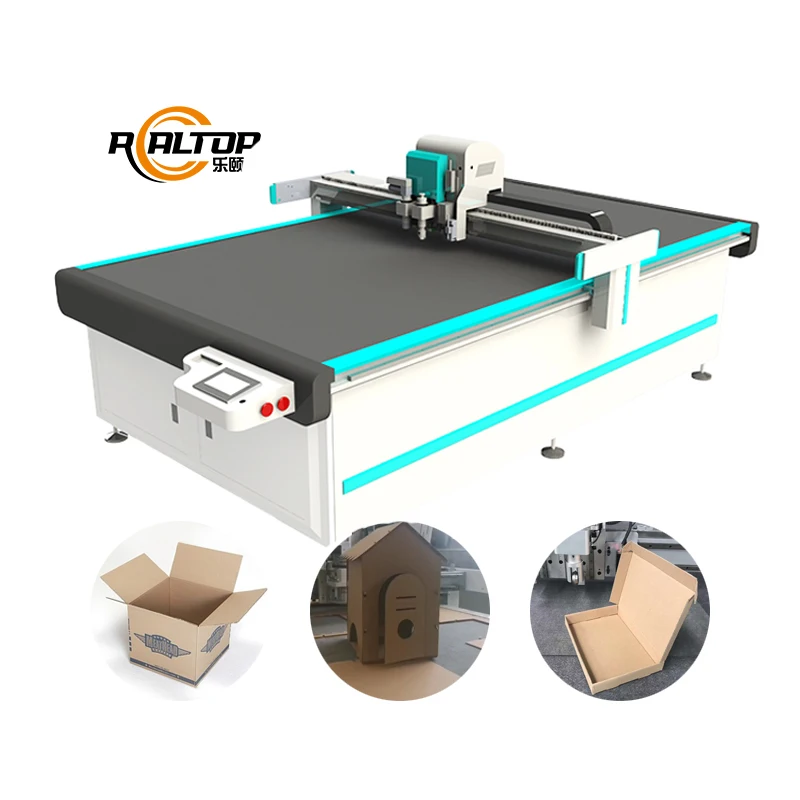
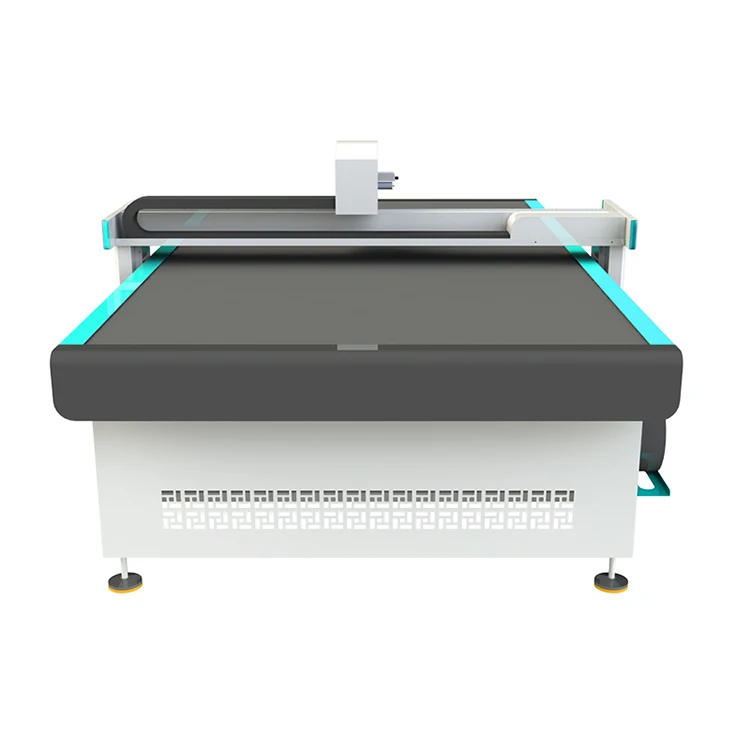
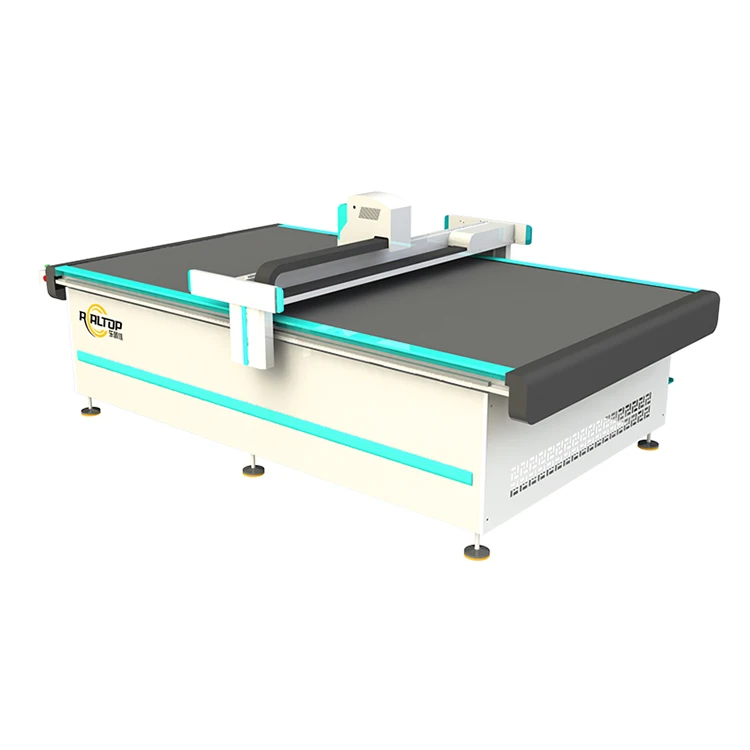
Customized Cutting Configuration — We match the oscillating knife tool head, vacuum zoning and software workflow to your actual material before quoting the RT-D2516/RT-S2516, so you get a flatbed system built for your production job rather than a generic working area.
Technical Specifications
| Parameter | Value |
|---|---|
| Model | RT-D2516/RT-S2516 |
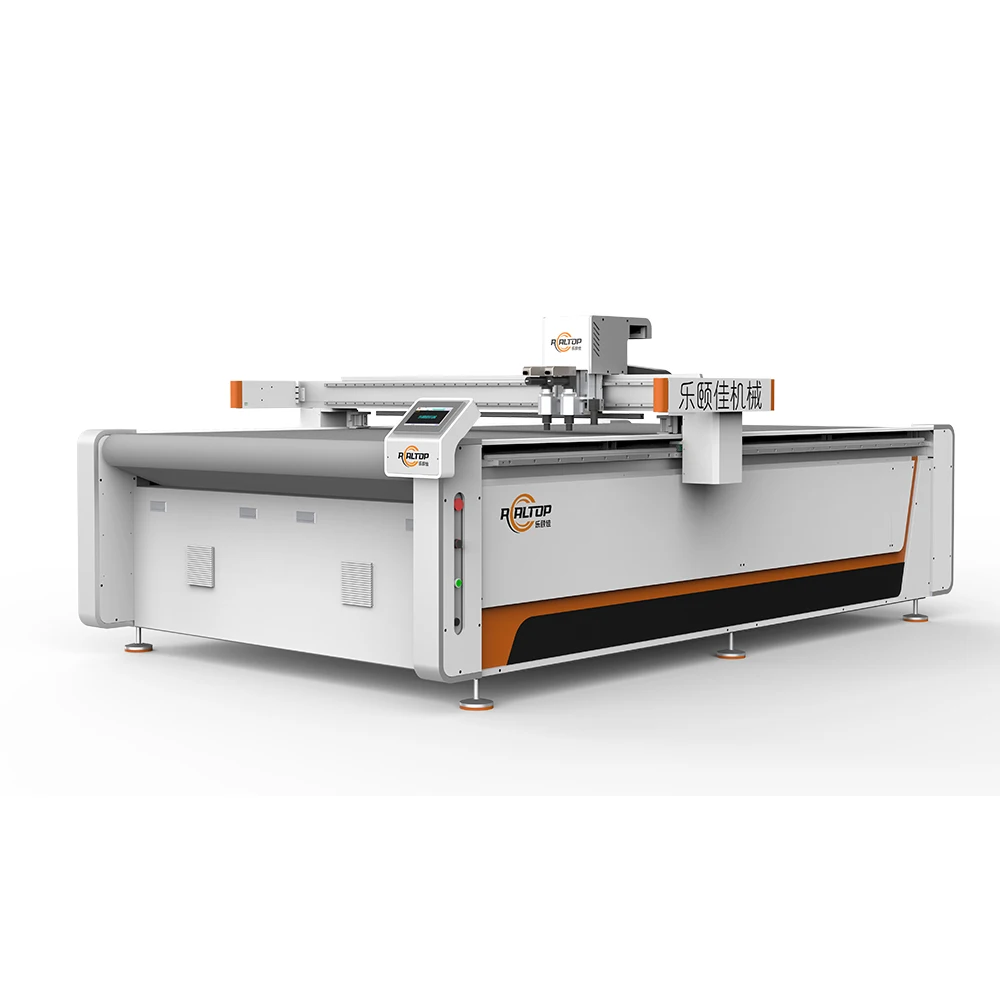
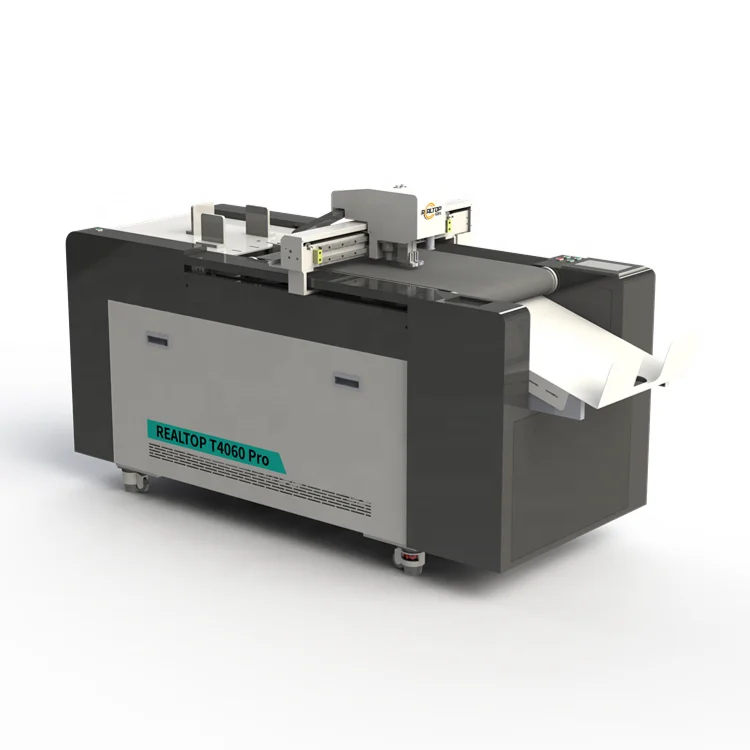
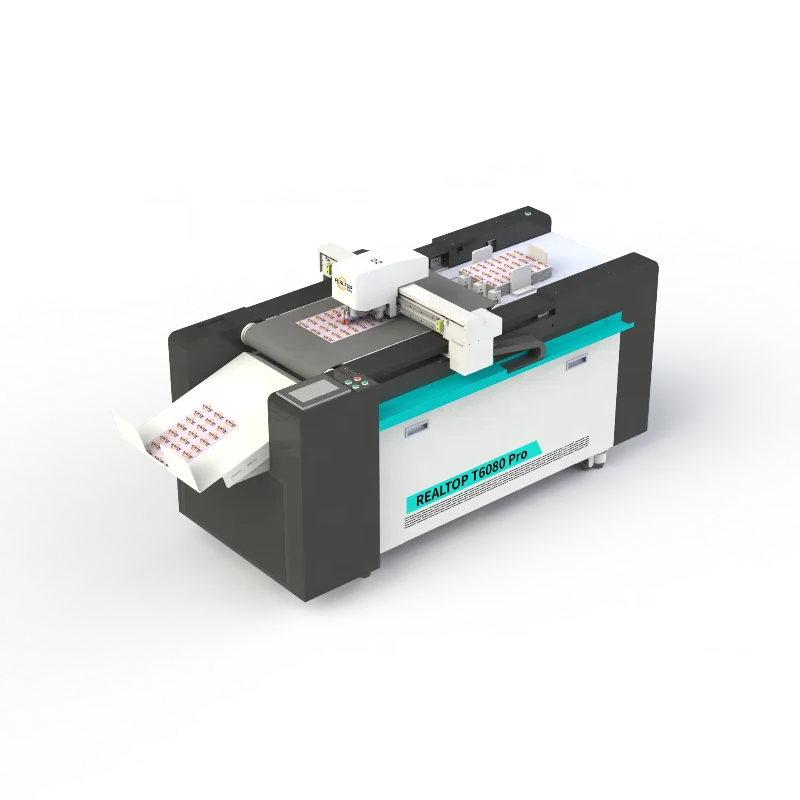
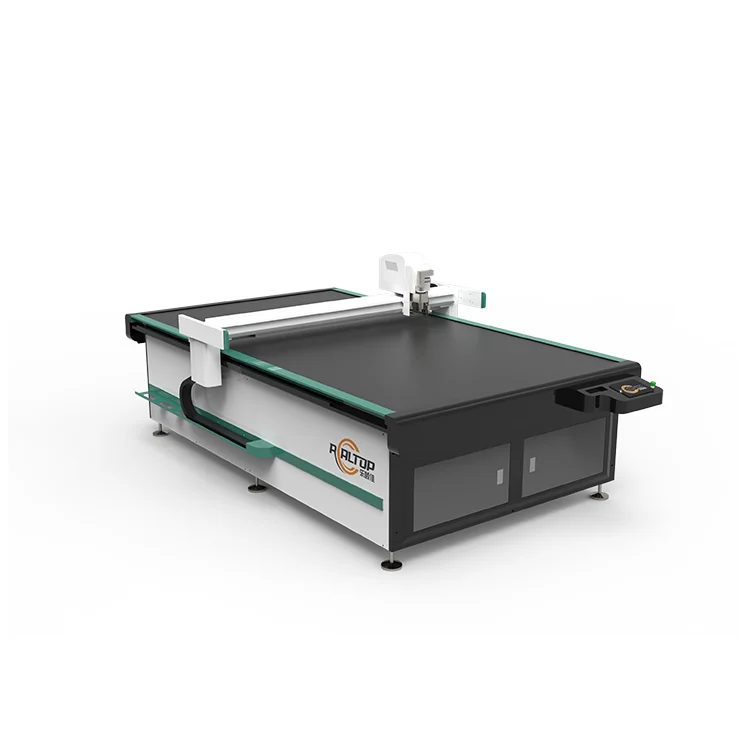
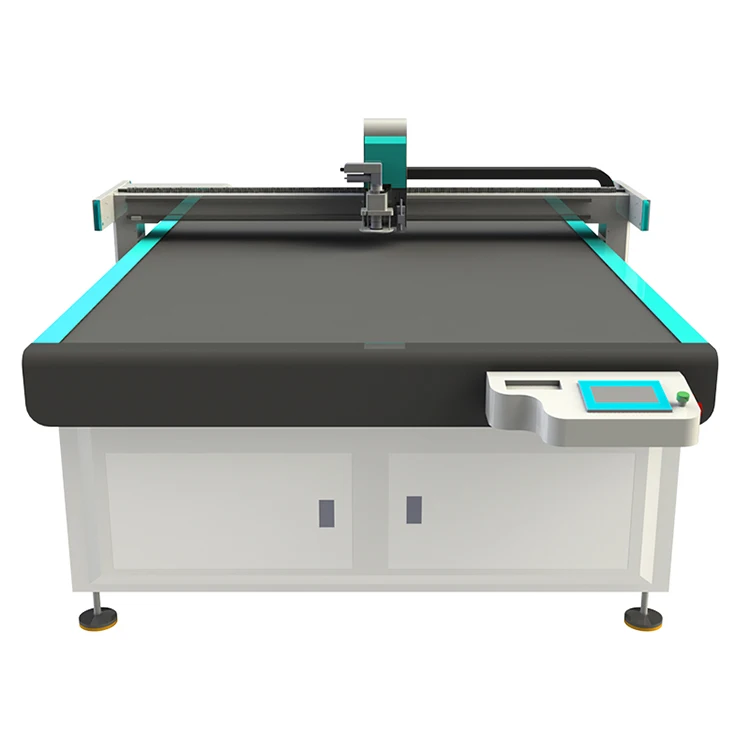
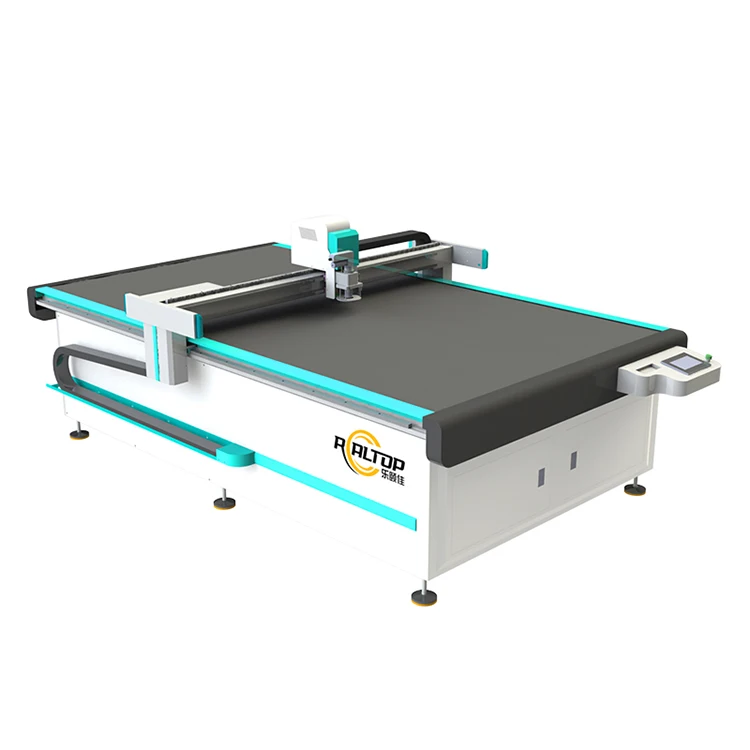
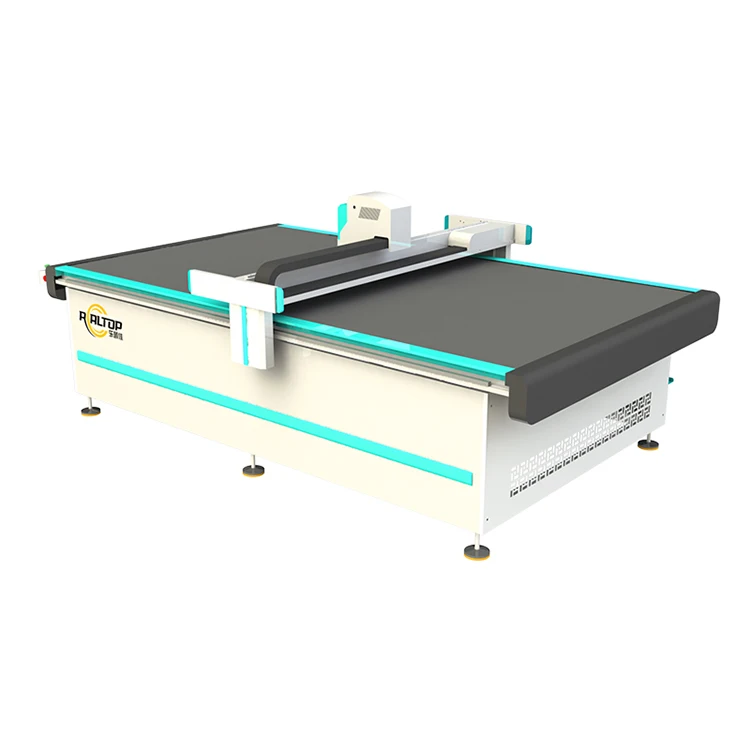
| Product Type | CNC Oscillating Knife Cutting Machine |
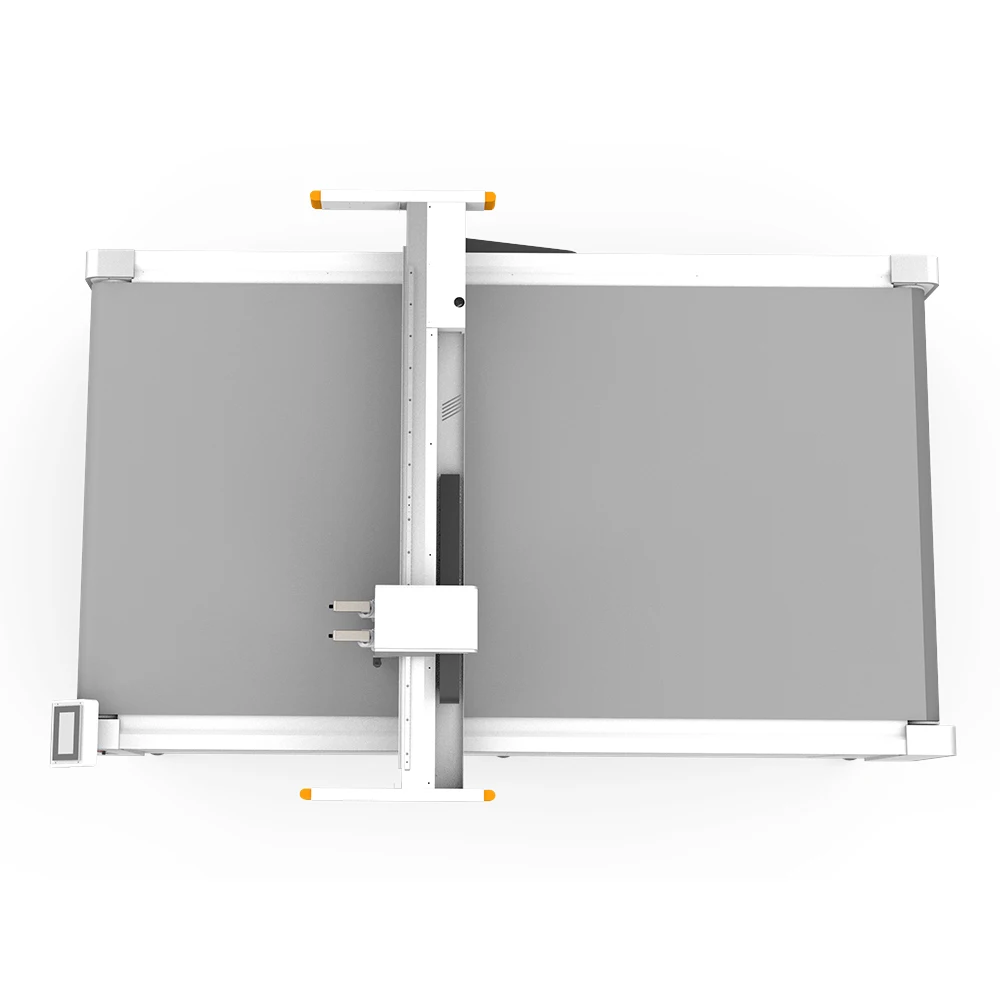
| Working Area | 1600 × 2500 mm |
| Machine Dimensions | 3450 × 2300 × 1250 mm |
| Rated Power | 9 kW |
| Working Table | Flatbed aluminum alloy honeycomb vacuum table |
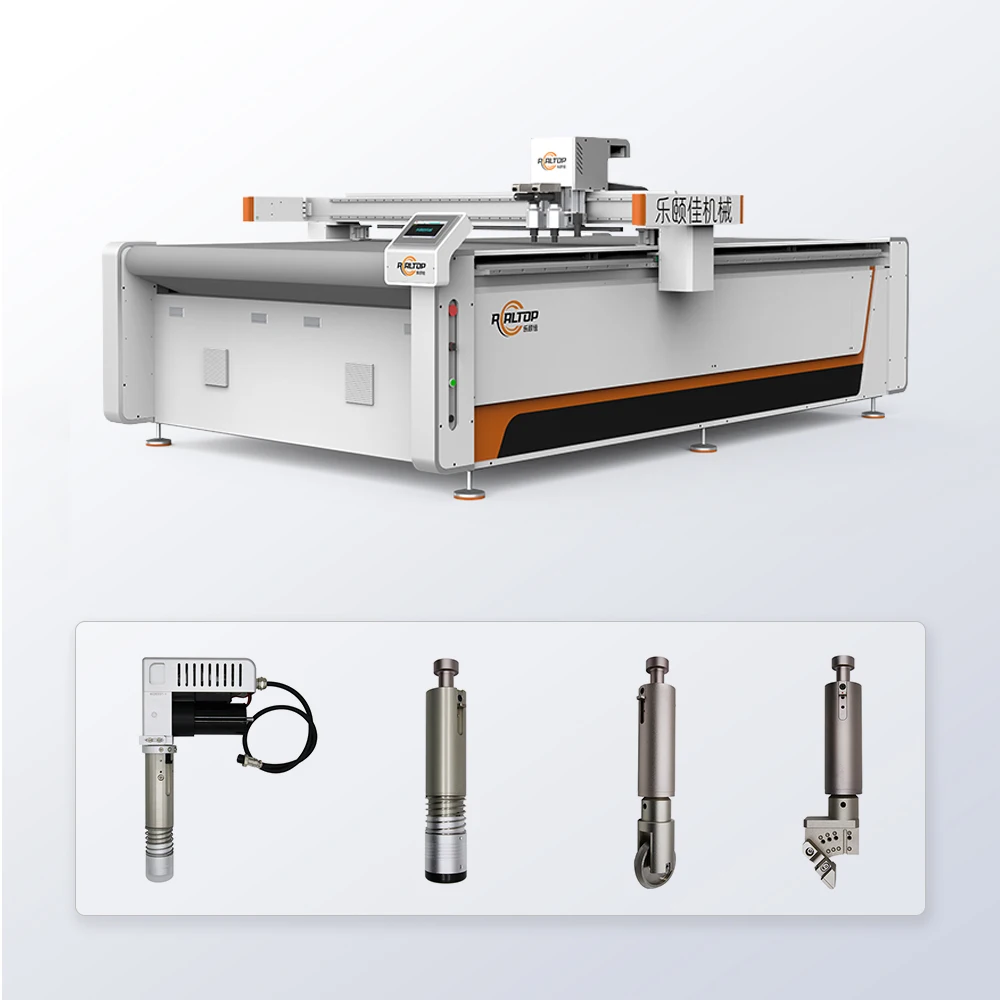
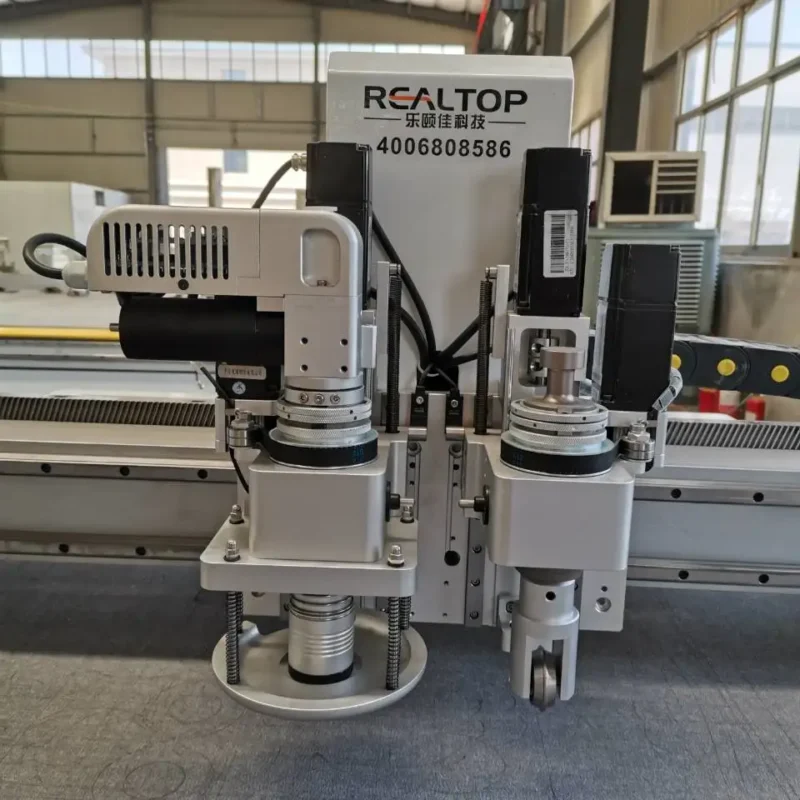
| Tool Head | Swiss imported oscillating knife: full cutting, half cutting, cursor location |
| Safety Device | Infrared sensor barrier |
| Translational Velocity | 800–2000 mm/s |
| Cutting Speed | 200–800 mm/s (varies with material type and thickness) |
| Cutting Thickness | Up to 100 mm (basis not stated in source — confirm block format / material / thickness) |
| Compatible Materials | Leather, flexible garment materials, sponge composite leather, PVC, soft glass, silicone, rubber |
| Repeated Positioning Accuracy | ≤0.1 mm |
| Transmission System | Digital servo motor, linear guide, synchronous belt, ball screw |
| Instruction Format | HP-GL compatible |
| Voltage | 380V ±10% |
| Servo Motor | Delta servo motor |
| Vacuum Pump | 7.5 kW |
| Additional Hardware | Germany imported conveyor belt, auto feeding system, Taiwan Hiwin linear rail |
| Control Language | English, Russian, Italian, Chinese; custom languages available |
| Nesting Software | Professional carton nesting software (included, language customizable) |
| Certification | CE |
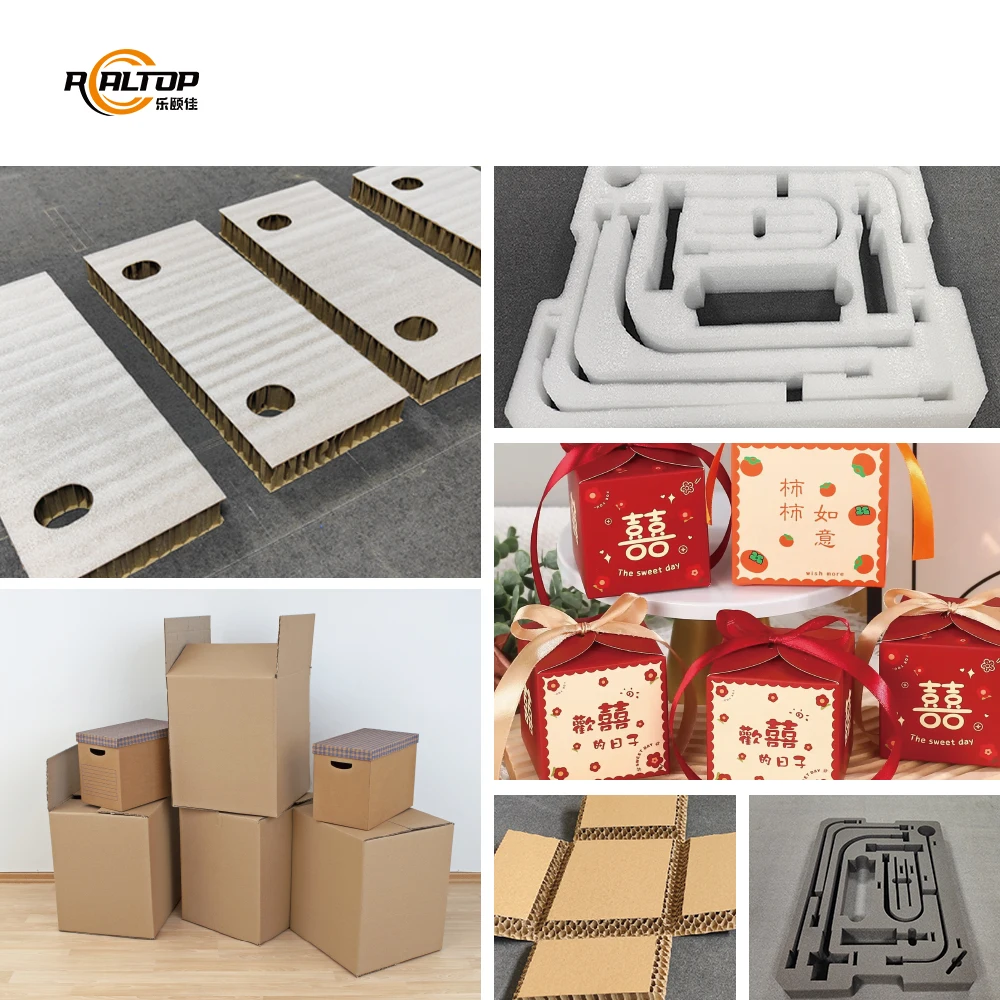
Application Suitability
| Application | Material or Output |
|---|---|
| Carton and packaging sample making | Corrugated board, cardboard, paperboard up to working-area sheet size |
| Sticker and label contour cutting | Self-adhesive vinyl, printed sticker sheets, label stock |
| Express and snack food packaging | Foldable carton stock, coated paperboard |
| High-end gift box packaging | Rigid board, laminated box board |
| Leather and soft goods cutting | Natural and synthetic leather for shoes, bags, garment panels |
| Automotive interior and composite cutting | Sponge composite leather, flexible upholstery materials, rubber gaskets |
Why Working Area Alone Is Not Enough to Specify a CNC Oscillating Knife Cutting Machine
A flatbed system must be matched to your material thickness and density first, with working area treated as the secondary constraint.
I once shipped a carton sample cutting machine to a workshop in the Middle East. On paper the working area was perfect. What I did not ask about was the corrugated board grammage they actually ran daily — it was nearly double what we used for the factory sample test. The knife head could not penetrate cleanly at production speed, and the entire parameter set had to be rebuilt on site. That kind of mismatch happens more often than buyers expect, because most quotation templates start with table size and stop there [NEED_CITE: common flatbed cutting machine specification gaps].
When evaluating a CNC oscillating knife cutting machine manufacturer, the first question should be what material, thickness and sheet density you will process, not just how large a sheet the table accepts. A 1600 × 2500 mm bed handles most standard packaging formats, but if the vacuum zoning is too coarse for small sticker contours or the knife stroke cannot handle a dense board, the machine will underperform regardless of its footprint.
Knife Versus Laser: Where This Flatbed Sits in the Catalogue
The RT-D2516/RT-S2516 fills the mid-to-large format slot in the Realtop flatbed range for buyers who have already determined that knife cutting suits their material better than laser. For corrugated board, cardboard and sticker sheets, an oscillating knife produces clean edges without the burn marks or fume extraction requirements that a CO2 laser introduces. For thicker sponge composites and rubber gaskets, the mechanical stroke of the knife head simply handles densities that would demand impractical laser power levels.
This CNC oscillating knife cutting machine manufacturer offers both knife and laser platforms across the range. The decision between them is not about which technology is newer — it is about edge quality, fume management and material compatibility. Buyers comparing options should request sample cuts on their own stock from both methods before narrowing the specification.
Matching the Tool Head to the Production Job
The Swiss imported oscillating knife on this model delivers full cutting, half cutting and cursor location from a single tool head, which means a packaging sample maker can score a fold line and through-cut the outline in one pass without swapping tools. Half cutting is equally important for sticker contour work where the blade must kiss-cut the vinyl without penetrating the release liner.
Different materials in the catalogue — leather, PVC, soft glass, silicone — each demand a specific oscillation frequency and blade geometry. The tool head configuration list supplied before order should name the exact blade profile, oscillation rate and cutting depth setting for each material the buyer intends to run. Generic statements about "multi-material capability" do not survive contact with a production floor [NEED_CITE: oscillating knife blade selection by material type].
Reading the Specifications That Actually Matter
The Delta servo motor and Taiwan Hiwin linear guide transmission produce a repeated positioning accuracy of ≤0.1 mm, which is the figure that determines whether nested sticker contours register against pre-printed graphics sheet after sheet. Translational velocity of 800–2000 mm/s defines how fast the head moves between cuts, while cutting speed of 200–800 mm/s depends entirely on material resistance — a dense corrugated board will push the speed toward the lower end of that range.
The 7.5 kW vacuum pump paired with the honeycomb table must hold small parts flat against the blade’s lateral force. When a sticker sheet contains dozens of small labels, insufficient vacuum zoning causes corners to lift mid-cut, producing ragged edges that fail quality inspection. The HP-GL compatible instruction system and included carton nesting software accept standard packaging design file formats, but buyers should confirm that their existing design workflow exports a compatible format before the machine ships.
What Happens When Configuration Is Chosen Blindly
Selecting a flatbed on working area and price alone leaves several failure modes open. If the vacuum zoning does not match the smallest part in your nesting layout, pieces shift during cutting and entire sheets become scrap. If the oscillating knife frequency is set for thin card but you later introduce dense rubber gasket material, the blade will deflect and produce beveled edges rather than square cuts.
Software incompatibility surfaces only after the machine arrives, when the operator discovers that the nesting program cannot import the shop’s existing DXF or PLT files without manual re-drawing [NEED_CITE: CNC cutting software file format compatibility issues]. Voltage mismatch is another avoidable problem — a 380V ±10% machine connected to an unstable supply without confirmation of local frequency and phase will trip breakers or damage the servo drivers within the first week.
Why Buyers Source This Range Here
Realtop designs and produces both knife and laser cutting systems under one roof, which means a buyer comparing methods gets sample cuts from both platforms using the same material batch. The in-house design team specifies tool head and table configuration per material type and daily volume rather than offering a fixed machine package.
Before order confirmation, voltage, plug type, control language and software file format are documented in writing. Every machine ships with a factory test record and sample cutting report run on the buyer’s own material, not a generic demonstration board. The control system language is configurable across English, Russian, Italian, Chinese and custom options, so operators in different markets work in their native interface from day one.
Documentation & Verification
- Machine specification sheet listing every tool head option and vacuum zone layout
- Electrical schematic confirming 380V ±10% wiring and Delta servo motor circuit
- Sample cutting report produced on your submitted material at agreed thickness
- Factory test record showing ≤0.1 mm repeated accuracy verification before crating
- Software license and HP-GL file format compatibility confirmation for your design workflow
- Spare parts list with oscillating knife blade profiles and consumable intervals
Installation, Commissioning & Support
- Requires level floor space exceeding 3450 × 2300 mm with clearance for auto feeding conveyor
- Dedicated 380V ±10% circuit rated for 9 kW continuous draw plus 7.5 kW vacuum pump
- Arrives partially assembled; table leveling and Hiwin rail alignment completed on site
- First-day commissioning includes oscillation frequency tuning for your specific material thickness
- Operator training covers carton nesting software, tool head changeover and vacuum zone activation
- Consumable blade stock and Swiss knife assembly spares identified in the parts list
Before You Send an Inquiry
Provide the exact material type, thickness range and maximum sheet size you intend to process daily. Include your local voltage and frequency standard, preferred control language, and the file format your design team currently exports. If possible, send a sample of your actual production material so we can run cutting tests and return a sample report before any specification is finalized.
Frequently Asked Questions
Q: How does the RT-D2516/RT-S2516 oscillating knife system compare to a CO2 laser for cardboard and sticker cutting?
A: An oscillating knife cuts cardboard and sticker stock without burn marks, fumes or extraction systems that a CO2 laser requires. For thicker boards and kiss-cut sticker contours, the mechanical blade maintains edge quality at depths where laser power would need to increase significantly. The choice depends on your material range and workshop ventilation capacity.
Q: What tool head options are available across the Realtop flatbed range, and how do I match them to my material?
A: The range includes oscillating knife, drag knife, creasing wheel, milling and pen tool heads, each suited to different material families. Your submitted material sample is cut with multiple tool configurations, and the results are documented in a sample report so you can compare edge quality, cutting depth and speed before the tool head is locked into the order specification.
Q: How should I verify cutting thickness capacity for my specific material?
A: The stated cutting thickness of up to 100 mm varies significantly with material density and structure. Send a sample of your actual production material — including the exact grammage and lamination — so we can test cutting speed, blade penetration and edge quality under production conditions and document the results before you commit.
Q: What software file formats does the nesting system accept, and can it integrate with my existing design workflow?
A: The professional carton nesting software is HP-GL compatible and accepts standard formats used in packaging and label design. Before the order is finalized, we confirm file format compatibility by exchanging test files with your design team to ensure the nesting workflow integrates without manual re-drawing or third-party conversion tools.
Q: Where does this machine sit in the full catalogue — when should I consider a larger format or multi-head setup?
A: The RT-D2516/RT-S2516 covers standard packaging sheet sizes and mid-volume sticker and leather cutting. Buyers running oversized display graphics or high-volume multi-layer fabric production may need a larger working area or multi-head configuration. The catalogue comparison shows where each platform fits by material type, sheet size and daily throughput requirement.
Customized Cutting Configuration — We match the oscillating knife tool head, vacuum zoning and software workflow to your actual material before quoting the RT-D2516/RT-S2516, so you get a flatbed system built for your production job rather than a generic working area.
Technical Specifications
| Parameter | Value |
|---|---|
| Model | RT-D2516/RT-S2516 |
| Product Type | CNC Oscillating Knife Cutting Machine |
| Working Area | 1600 × 2500 mm |
| Machine Dimensions | 3450 × 2300 × 1250 mm |
| Rated Power | 9 kW |
| Working Table | Flatbed aluminum alloy honeycomb vacuum table |
| Tool Head | Swiss imported oscillating knife: full cutting, half cutting, cursor location |
| Safety Device | Infrared sensor barrier |
| Translational Velocity | 800–2000 mm/s |
| Cutting Speed | 200–800 mm/s (varies with material type and thickness) |
| Cutting Thickness | Up to 100 mm (basis not stated in source — confirm block format / material / thickness) |
| Compatible Materials | Leather, flexible garment materials, sponge composite leather, PVC, soft glass, silicone, rubber |
| Repeated Positioning Accuracy | ≤0.1 mm |
| Transmission System | Digital servo motor, linear guide, synchronous belt, ball screw |
| Instruction Format | HP-GL compatible |
| Voltage | 380V ±10% |
| Servo Motor | Delta servo motor |
| Vacuum Pump | 7.5 kW |
| Additional Hardware | Germany imported conveyor belt, auto feeding system, Taiwan Hiwin linear rail |
| Control Language | English, Russian, Italian, Chinese; custom languages available |
| Nesting Software | Professional carton nesting software (included, language customizable) |
| Certification | CE |
Application Suitability
| Application | Material or Output |
|---|---|
| Carton and packaging sample making | Corrugated board, cardboard, paperboard up to working-area sheet size |
| Sticker and label contour cutting | Self-adhesive vinyl, printed sticker sheets, label stock |
| Express and snack food packaging | Foldable carton stock, coated paperboard |
| High-end gift box packaging | Rigid board, laminated box board |
| Leather and soft goods cutting | Natural and synthetic leather for shoes, bags, garment panels |
| Automotive interior and composite cutting | Sponge composite leather, flexible upholstery materials, rubber gaskets |
Why Working Area Alone Is Not Enough to Specify a CNC Oscillating Knife Cutting Machine
A flatbed system must be matched to your material thickness and density first, with working area treated as the secondary constraint.
I once shipped a carton sample cutting machine to a workshop in the Middle East. On paper the working area was perfect. What I did not ask about was the corrugated board grammage they actually ran daily — it was nearly double what we used for the factory sample test. The knife head could not penetrate cleanly at production speed, and the entire parameter set had to be rebuilt on site. That kind of mismatch happens more often than buyers expect, because most quotation templates start with table size and stop there [NEED_CITE: common flatbed cutting machine specification gaps].
When evaluating a CNC oscillating knife cutting machine manufacturer, the first question should be what material, thickness and sheet density you will process, not just how large a sheet the table accepts. A 1600 × 2500 mm bed handles most standard packaging formats, but if the vacuum zoning is too coarse for small sticker contours or the knife stroke cannot handle a dense board, the machine will underperform regardless of its footprint.
Knife Versus Laser: Where This Flatbed Sits in the Catalogue
The RT-D2516/RT-S2516 fills the mid-to-large format slot in the Realtop flatbed range for buyers who have already determined that knife cutting suits their material better than laser. For corrugated board, cardboard and sticker sheets, an oscillating knife produces clean edges without the burn marks or fume extraction requirements that a CO2 laser introduces. For thicker sponge composites and rubber gaskets, the mechanical stroke of the knife head simply handles densities that would demand impractical laser power levels.
This CNC oscillating knife cutting machine manufacturer offers both knife and laser platforms across the range. The decision between them is not about which technology is newer — it is about edge quality, fume management and material compatibility. Buyers comparing options should request sample cuts on their own stock from both methods before narrowing the specification.
Matching the Tool Head to the Production Job
The Swiss imported oscillating knife on this model delivers full cutting, half cutting and cursor location from a single tool head, which means a packaging sample maker can score a fold line and through-cut the outline in one pass without swapping tools. Half cutting is equally important for sticker contour work where the blade must kiss-cut the vinyl without penetrating the release liner.
Different materials in the catalogue — leather, PVC, soft glass, silicone — each demand a specific oscillation frequency and blade geometry. The tool head configuration list supplied before order should name the exact blade profile, oscillation rate and cutting depth setting for each material the buyer intends to run. Generic statements about "multi-material capability" do not survive contact with a production floor [NEED_CITE: oscillating knife blade selection by material type].
Reading the Specifications That Actually Matter
The Delta servo motor and Taiwan Hiwin linear guide transmission produce a repeated positioning accuracy of ≤0.1 mm, which is the figure that determines whether nested sticker contours register against pre-printed graphics sheet after sheet. Translational velocity of 800–2000 mm/s defines how fast the head moves between cuts, while cutting speed of 200–800 mm/s depends entirely on material resistance — a dense corrugated board will push the speed toward the lower end of that range.
The 7.5 kW vacuum pump paired with the honeycomb table must hold small parts flat against the blade’s lateral force. When a sticker sheet contains dozens of small labels, insufficient vacuum zoning causes corners to lift mid-cut, producing ragged edges that fail quality inspection. The HP-GL compatible instruction system and included carton nesting software accept standard packaging design file formats, but buyers should confirm that their existing design workflow exports a compatible format before the machine ships.
What Happens When Configuration Is Chosen Blindly
Selecting a flatbed on working area and price alone leaves several failure modes open. If the vacuum zoning does not match the smallest part in your nesting layout, pieces shift during cutting and entire sheets become scrap. If the oscillating knife frequency is set for thin card but you later introduce dense rubber gasket material, the blade will deflect and produce beveled edges rather than square cuts.
Software incompatibility surfaces only after the machine arrives, when the operator discovers that the nesting program cannot import the shop’s existing DXF or PLT files without manual re-drawing [NEED_CITE: CNC cutting software file format compatibility issues]. Voltage mismatch is another avoidable problem — a 380V ±10% machine connected to an unstable supply without confirmation of local frequency and phase will trip breakers or damage the servo drivers within the first week.
Why Buyers Source This Range Here
Realtop designs and produces both knife and laser cutting systems under one roof, which means a buyer comparing methods gets sample cuts from both platforms using the same material batch. The in-house design team specifies tool head and table configuration per material type and daily volume rather than offering a fixed machine package.
Before order confirmation, voltage, plug type, control language and software file format are documented in writing. Every machine ships with a factory test record and sample cutting report run on the buyer’s own material, not a generic demonstration board. The control system language is configurable across English, Russian, Italian, Chinese and custom options, so operators in different markets work in their native interface from day one.
Documentation & Verification
- Machine specification sheet listing every tool head option and vacuum zone layout
- Electrical schematic confirming 380V ±10% wiring and Delta servo motor circuit
- Sample cutting report produced on your submitted material at agreed thickness
- Factory test record showing ≤0.1 mm repeated accuracy verification before crating
- Software license and HP-GL file format compatibility confirmation for your design workflow
- Spare parts list with oscillating knife blade profiles and consumable intervals
Installation, Commissioning & Support
- Requires level floor space exceeding 3450 × 2300 mm with clearance for auto feeding conveyor
- Dedicated 380V ±10% circuit rated for 9 kW continuous draw plus 7.5 kW vacuum pump
- Arrives partially assembled; table leveling and Hiwin rail alignment completed on site
- First-day commissioning includes oscillation frequency tuning for your specific material thickness
- Operator training covers carton nesting software, tool head changeover and vacuum zone activation
- Consumable blade stock and Swiss knife assembly spares identified in the parts list
Before You Send an Inquiry
Provide the exact material type, thickness range and maximum sheet size you intend to process daily. Include your local voltage and frequency standard, preferred control language, and the file format your design team currently exports. If possible, send a sample of your actual production material so we can run cutting tests and return a sample report before any specification is finalized.
Frequently Asked Questions
Q: How does the RT-D2516/RT-S2516 oscillating knife system compare to a CO2 laser for cardboard and sticker cutting?
A: An oscillating knife cuts cardboard and sticker stock without burn marks, fumes or extraction systems that a CO2 laser requires. For thicker boards and kiss-cut sticker contours, the mechanical blade maintains edge quality at depths where laser power would need to increase significantly. The choice depends on your material range and workshop ventilation capacity.
Q: What tool head options are available across the Realtop flatbed range, and how do I match them to my material?
A: The range includes oscillating knife, drag knife, creasing wheel, milling and pen tool heads, each suited to different material families. Your submitted material sample is cut with multiple tool configurations, and the results are documented in a sample report so you can compare edge quality, cutting depth and speed before the tool head is locked into the order specification.
Q: How should I verify cutting thickness capacity for my specific material?
A: The stated cutting thickness of up to 100 mm varies significantly with material density and structure. Send a sample of your actual production material — including the exact grammage and lamination — so we can test cutting speed, blade penetration and edge quality under production conditions and document the results before you commit.
Q: What software file formats does the nesting system accept, and can it integrate with my existing design workflow?
A: The professional carton nesting software is HP-GL compatible and accepts standard formats used in packaging and label design. Before the order is finalized, we confirm file format compatibility by exchanging test files with your design team to ensure the nesting workflow integrates without manual re-drawing or third-party conversion tools.
Q: Where does this machine sit in the full catalogue — when should I consider a larger format or multi-head setup?
A: The RT-D2516/RT-S2516 covers standard packaging sheet sizes and mid-volume sticker and leather cutting. Buyers running oversized display graphics or high-volume multi-layer fabric production may need a larger working area or multi-head configuration. The catalogue comparison shows where each platform fits by material type, sheet size and daily throughput requirement.
商品评价
There are no reviews yet.