

Fast Delivery
Quick, reliable shipping to any location.

Free & easy returns
Return this item by mail or in store within 90 days for a full refund.
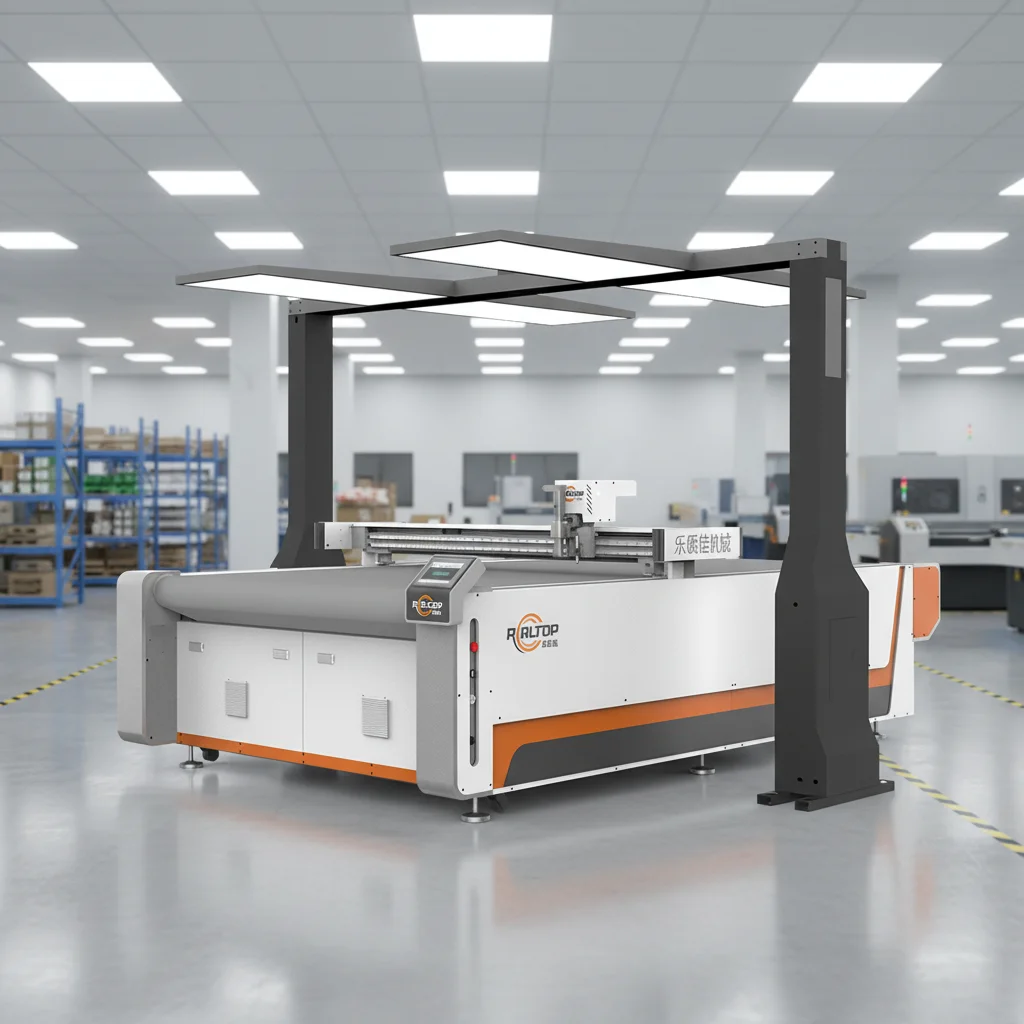
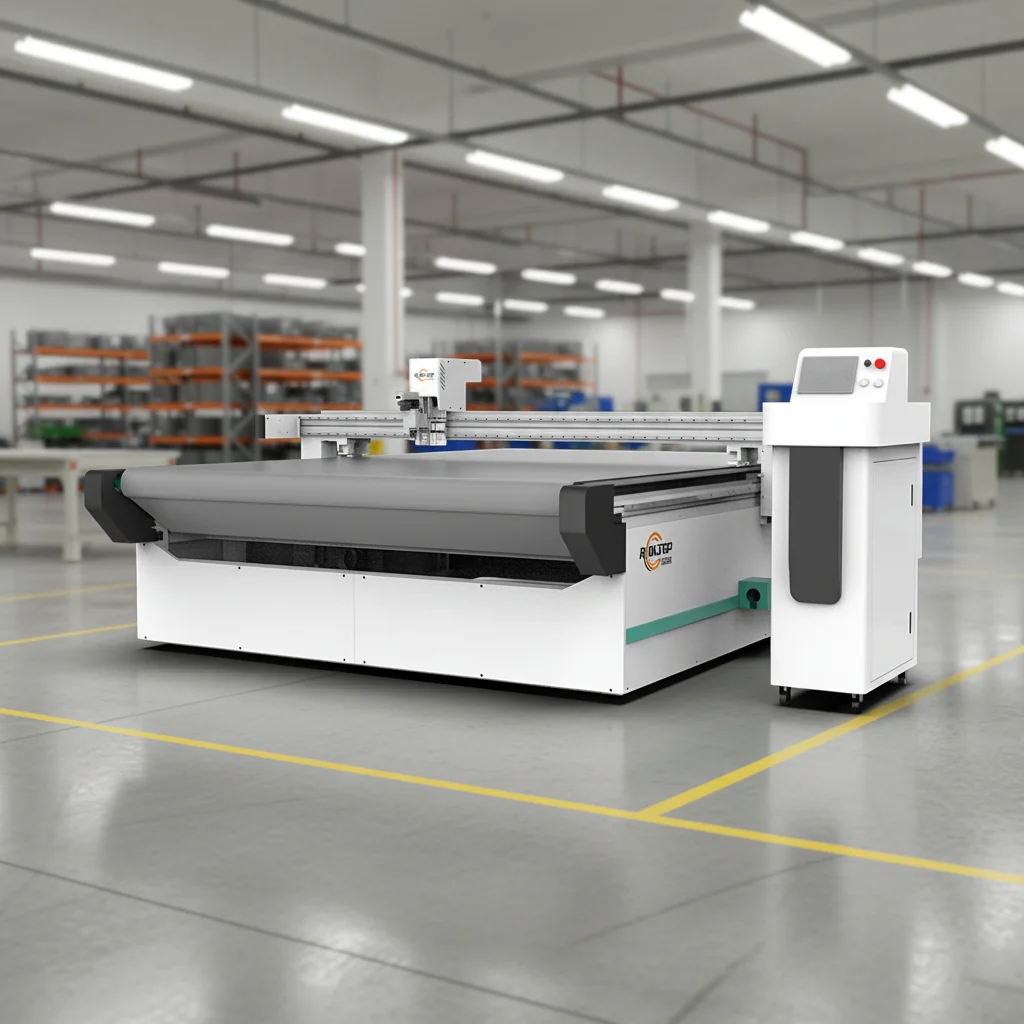
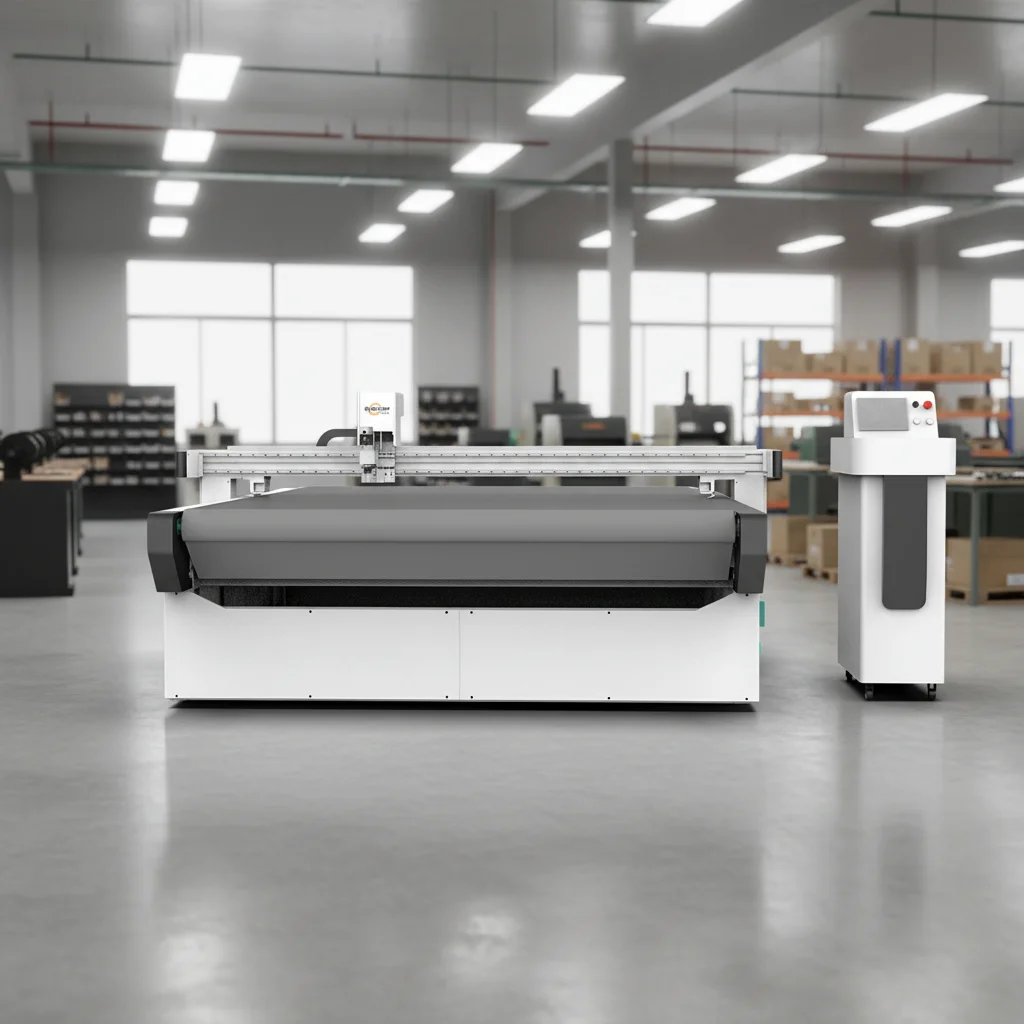
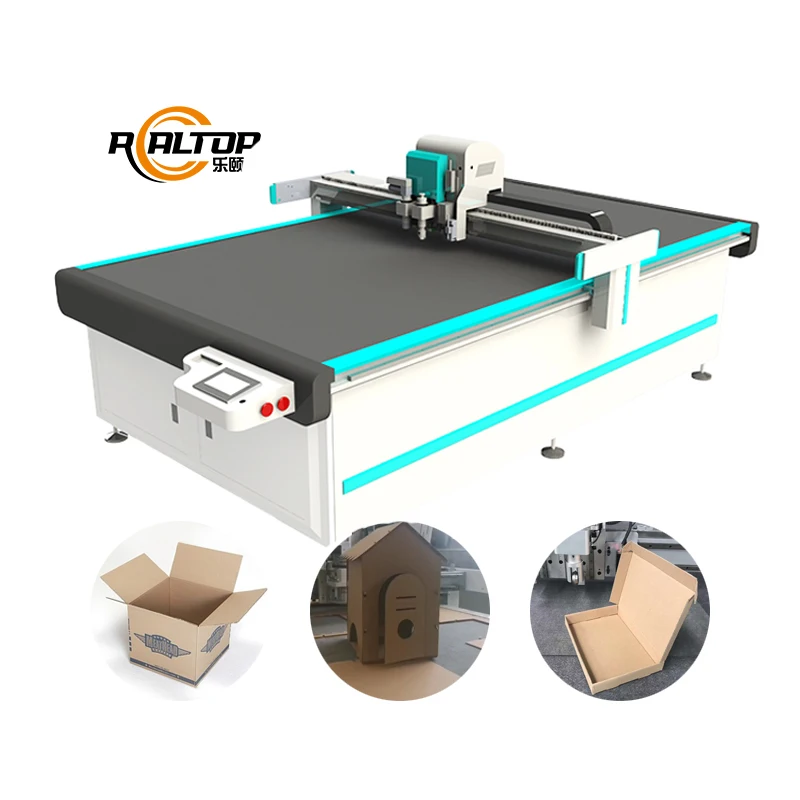
Complete Cutting Range — matching oscillating knife, driven rotary and pneumatic tool heads to the exact material and layer count your production line demands, backed by sample cutting on your own stock before commitment.
Technical Specifications
| Parameter | Value |
|---|---|
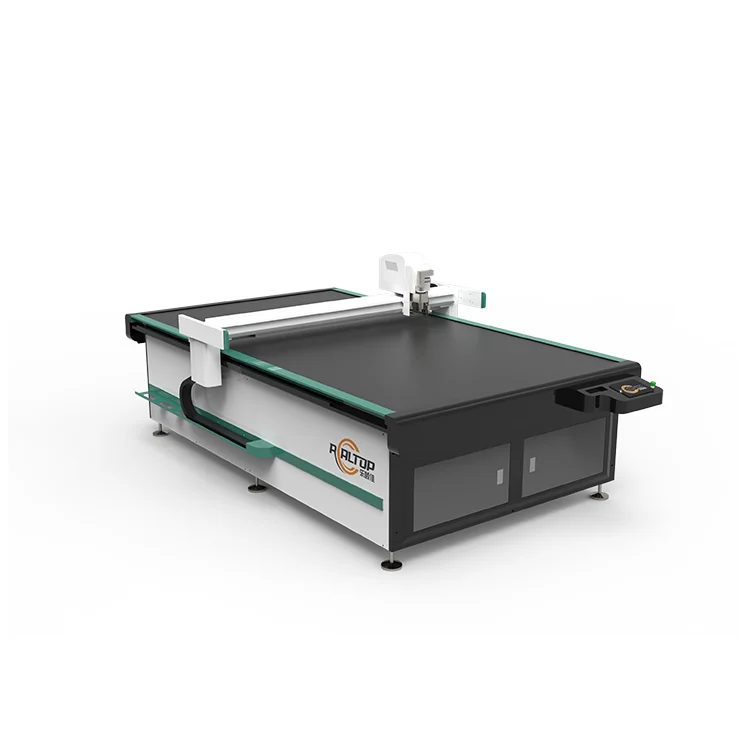
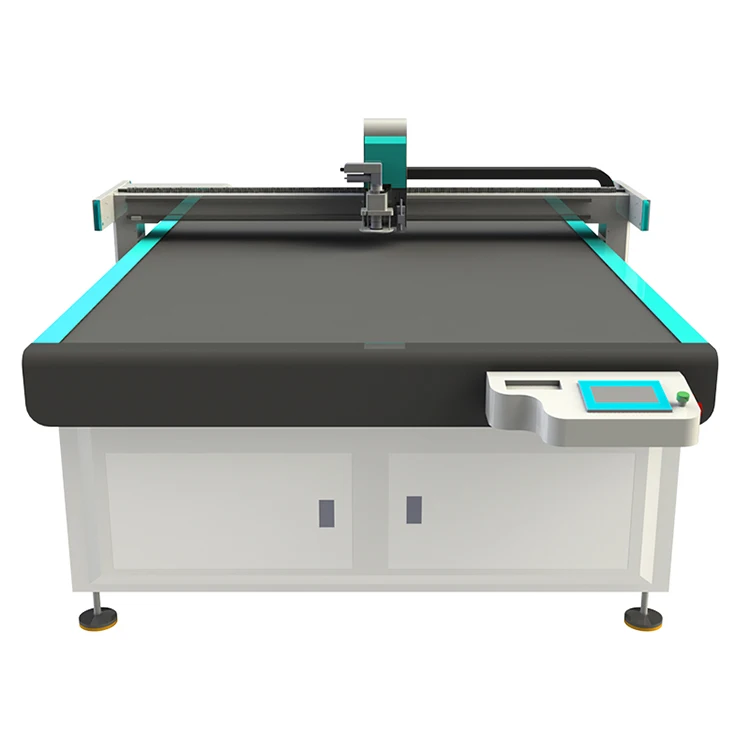
| Product Type | CNC Oscillating Knife Cutting Machine |
| Working Area | 1600×2500 mm |
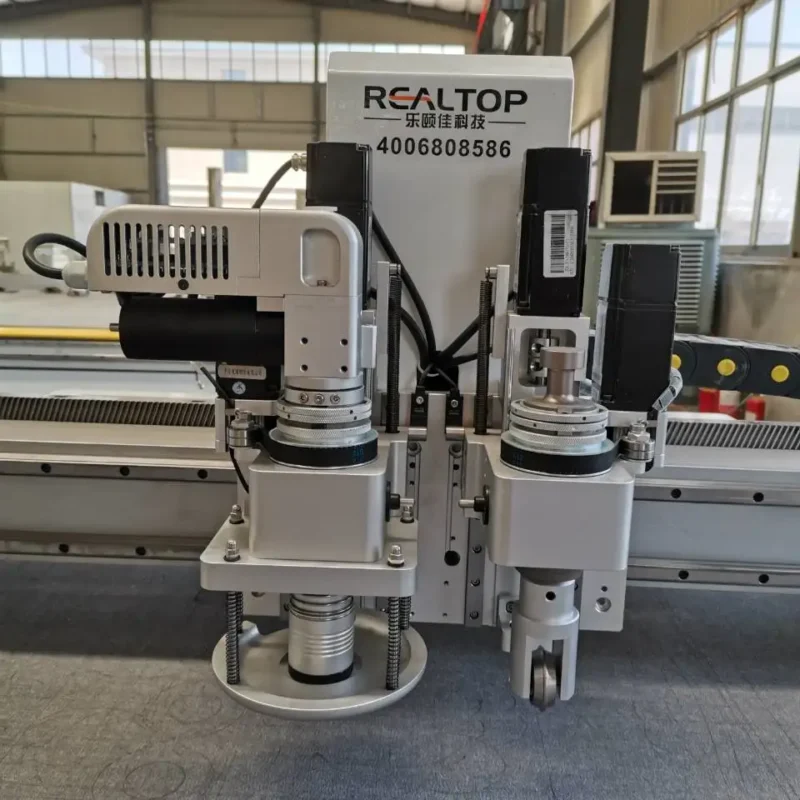
| Tool Head Options | Oscillating knife, Driven rotary knife, Creasing wheel, Kiss cutting tool, Pneumatic knife, Milling tool, V groove knife |
| Cutting Speed | 0–2000 mm/s |
| Cutting Thickness | Up to 30 mm (basis not stated in source — confirm material type and layer count) |
| Cutting Accuracy | ±0.1 mm |
| Vacuum Table | Aluminum bellows vacuum table |
| Vacuum Pump | 9 kW |
| Voltage Options | 110V, 220V, 380V |
| Control System | PLC control panel with multi-language display |
| Servo Drive Options | Panasonic, Delta, Dorna (source value — verify against manufacturer catalog) |
| Software & File Formats | PLT, DXF, AI, PDF |
| Nesting | Intelligent nesting system for automatic layout optimization |
| Safety Devices | Infrared sensor and emergency stop |
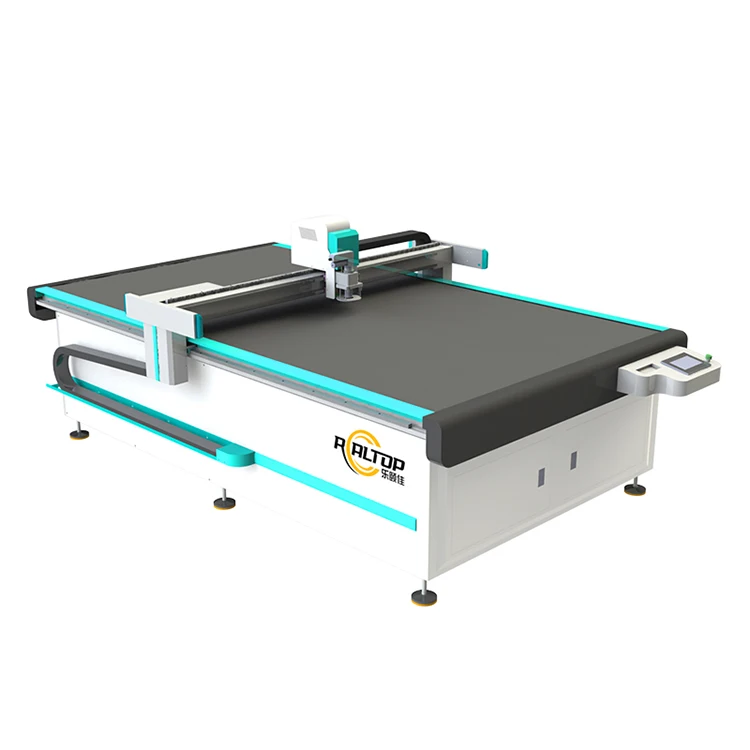
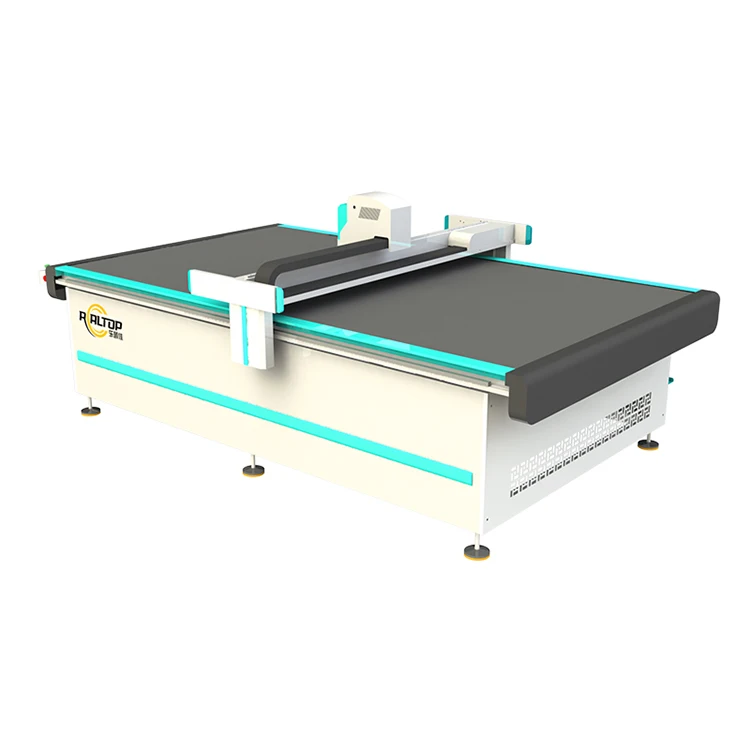
| Overall Dimensions (L×W×H) | 3300×2100×1350 mm |
| Language Options | English, Russian, Italian, Chinese (customizable) |
Application Suitability
| Application | Material or Output |
|---|---|
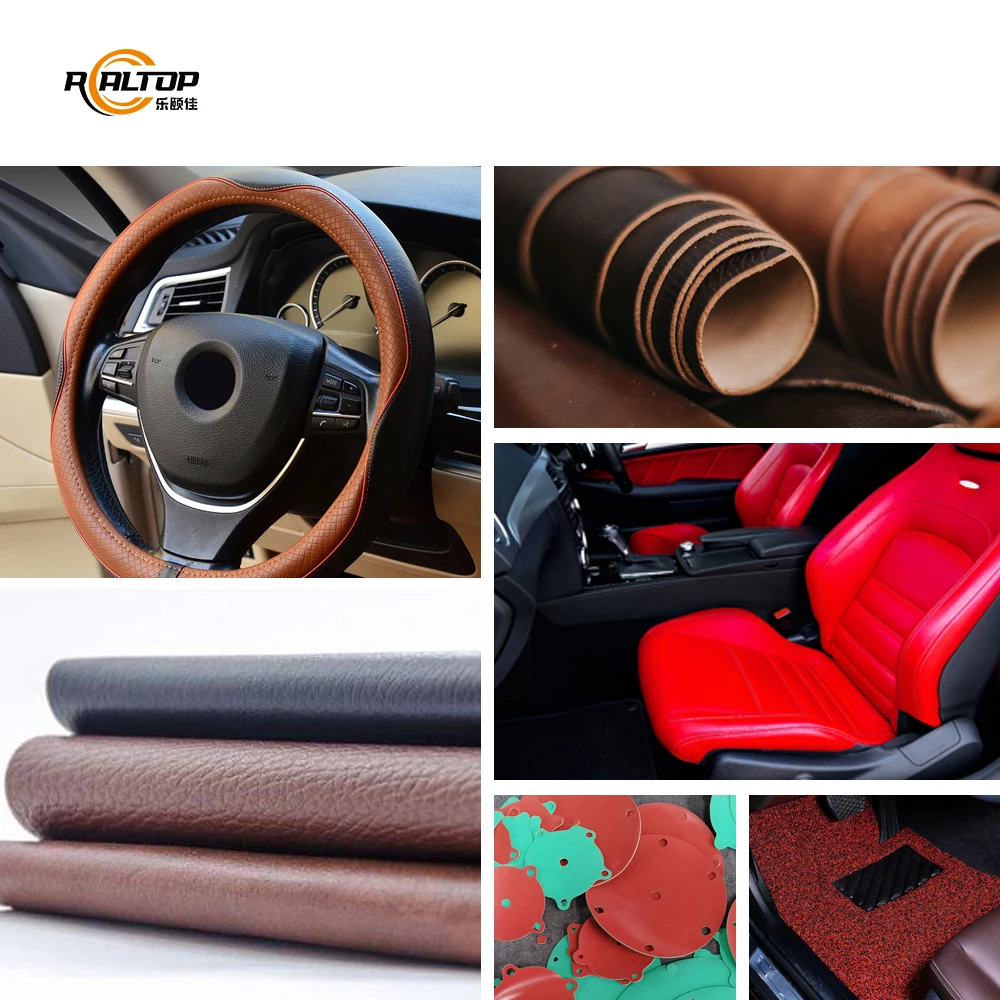
| Apparel manufacturing | Suits, knitwear, lace, complex patterned fabrics requiring multi-layer layup and pattern-matching |
| Automotive interiors | Seat fabrics, carpets, PVC floor mats, headliner materials in single and stacked ply |
| Home textiles | Sofa upholstery fabrics, heavy curtains, rugs cut in multi-layer bundles |
| Composite processing | Carbon fiber prepreg, aramid weaves, specialty laminates where edge integrity is critical |
Why Specified Cutting Depth Rarely Matches Your Actual Material
The machine must be validated against the densest, thickest layup you will run — not the sample swatch you send first.
Every season I see buyers commit to a flatbed cutter after testing a single layer of polyester, then discover their real production stock is six plies of fabric bonded to foam backing. The oscillating knife stalls mid-cut, the vacuum table cannot hold the stack flat, and the line stops. That mismatch is not a machine defect; it is a specification gap that sample cutting on the buyer’s actual material would have caught before the deposit was wired [NEED_CITE: cutting force requirements for multi-layer textile stacks versus single-ply samples].
How the Full Knife Cutting Range Narrows Your Choice
A CNC oscillating knife cutting machine manufacturer offering only one tool head forces every material into the same cut profile. This catalogue covers the complete range — oscillating, driven rotary, creasing wheel, kiss cutting, pneumatic, milling and V groove — so the cutting method follows the material rather than the other way around. Fabric with open weave needs a different blade geometry than dense leather, and foam-backed composites need a stroke profile that a single fixed head cannot deliver across both.
What Separates a Catalogue from a Quotation
Browsing the full equipment range lets production planners compare working area, tool head combinations and vacuum table zoning before narrowing to one configuration. Each model in the line differs in how many heads it carries simultaneously and how the vacuum zones divide the 1600×2500 mm surface. A buyer cutting large automotive carpet blanks will prioritize full-table suction, while a garment shop cutting small pattern pieces needs fine zoning to keep individual plies from lifting at the edges [NEED_CITE: vacuum hold-down requirements for nested small-part textile cutting].
Reading the Specs Through a Production Lens
The 9 kW vacuum pump paired with an aluminum bellows table addresses the most common failure in flatbed cutting: parts drifting after the blade releases them. Aluminum bellows construction maintains flatness across the full working area, preventing the slight dish that welded steel tables develop after months of vacuum cycling. Cutting speed up to 2000 mm/s is the travel rate, not the effective throughput — actual piece output depends on contour complexity, corner count and the number of tool changes per sheet. The ±0.1 mm positioning accuracy matters most when kiss-cutting vinyl transfers or creasing carton samples, where half a millimetre of drift rejects the entire batch. Nesting software that reads DXF, PLT, AI and PDF directly eliminates the file-conversion step that often introduces geometry errors in pattern-matched garment layouts.
The Hidden Cost of Skipping the Material Trial
When a buyer specifies a machine based on working area alone, the downstream problems arrive in sequence: ragged edges on foam composites that require manual trimming, crushed pile on velvet that ruins the face side, and delamination on bonded fabrics where the blade pressure separates the layers before cutting completes. None of these show up on a spec sheet. They appear on the shop floor, usually weeks after installation, when the production team is already under delivery pressure [NEED_CITE: material-specific tool head selection for oscillating knife cutting].
Why Sourcing from the Full Range Matters
In-house design across both knife and laser cutting means the cutting method is matched to the material, not forced into one technology. Tool head and table configuration are specified per material and production volume rather than sold as a fixed package. CCD camera positioning is available for printed contour work, so registered graphics on signage or garment panels are cut to the print, not to the sheet edge. Software compatibility is confirmed before order — file format and nesting workflow are validated with your existing design output. Voltage, control language and safety device specification are locked before production begins, eliminating the shipment-surprise that stalls commissioning.
Documentation & Verification
- Machine specification sheet listing every tool head and table zone option per configuration
- Sample cutting report produced on your exact material, showing edge quality and achievable ply count
- Electrical schematic with confirmed voltage and frequency matching your facility supply
- Software licence and file format compatibility note covering DXF, PLT, AI and PDF workflows
- Factory test record documenting vacuum hold, positioning accuracy and cut completion before dispatch
Installation, Commissioning & Support
- 3300×2100 mm footprint requires level concrete floor with clearance for material loading on all accessible sides
- 9 kW vacuum pump may require dedicated circuit; confirm supply capacity against local panel ratings
- Machine ships in knock-down form; reassembly includes table leveling and vacuum seal verification
- PLC language set to operator preference during commissioning; servo tuning adjusted for chosen tool heads
- Oscillating knife blades and vacuum table seals included in initial spare parts kit for early-stage maintenance
What to Include in Your Inquiry
Tell us the material type, ply count and sheet dimensions you actually run — not the lightest variant in your range. Specify your local voltage and frequency, preferred control language, and whether your existing design files are in DXF, AI or another format. If you work with printed materials requiring contour recognition, note the mark style and registration tolerance your print supplier holds. Send a representative material sample so we can run a cutting trial and return a configuration recommendation based on real results.
Frequently Asked Questions
Q: How do I choose between oscillating knife, driven rotary knife and other tool heads?
A: Oscillating knife suits woven and non-woven fabrics up to moderate thickness, where the vibrating stroke produces a clean severed edge. Driven rotary knife handles heavier stacked textiles and carpet materials where continuous blade rotation cuts through dense fibre without fraying. Creasing wheel and kiss cutting tools address carton scoring and adhesive-backed vinyl respectively. The correct choice depends on your specific material stack and edge quality requirement.
Q: What working area sizes and multi-head configurations are available?
A: The 1600×2500 mm working area shown here is one option across the range. Larger and smaller formats are available, and multi-head configurations allow simultaneous cutting with different tool types on the same table. The right size depends on your standard sheet dimensions and whether you need to run mixed jobs in a single cycle.
Q: How does cutting thickness vary by material type and layer count?
A: The stated thickness capacity depends entirely on material density and ply construction. A single layer of dense rubber behaves very differently from six plies of lightweight knit fabric at the same total depth. Sample cutting on your actual material stack is the only reliable way to confirm achievable thickness before ordering.
Q: How does vacuum table zoning affect small-part cutting?
A: Large vacuum zones hold big sheets effectively, but small nested parts can lift at the edges if suction is not concentrated. The aluminum bellows table divides the surface into zones that can be activated selectively, directing hold-down force to the active cutting area and preventing part movement during high-speed contour work.
Q: Is CCD camera contour recognition available, and how does it track printed marks?
A: CCD camera positioning is an available option for buyers cutting printed graphics or pattern-matched textiles. The system locates registration marks on the sheet surface and adjusts the cut path to follow the actual print position, compensating for stretch or skew introduced during material handling.
Complete Cutting Range — matching oscillating knife, driven rotary and pneumatic tool heads to the exact material and layer count your production line demands, backed by sample cutting on your own stock before commitment.
Technical Specifications
| Parameter | Value |
|---|---|
| Product Type | CNC Oscillating Knife Cutting Machine |
| Working Area | 1600×2500 mm |
| Tool Head Options | Oscillating knife, Driven rotary knife, Creasing wheel, Kiss cutting tool, Pneumatic knife, Milling tool, V groove knife |
| Cutting Speed | 0–2000 mm/s |
| Cutting Thickness | Up to 30 mm (basis not stated in source — confirm material type and layer count) |
| Cutting Accuracy | ±0.1 mm |
| Vacuum Table | Aluminum bellows vacuum table |
| Vacuum Pump | 9 kW |
| Voltage Options | 110V, 220V, 380V |
| Control System | PLC control panel with multi-language display |
| Servo Drive Options | Panasonic, Delta, Dorna (source value — verify against manufacturer catalog) |
| Software & File Formats | PLT, DXF, AI, PDF |
| Nesting | Intelligent nesting system for automatic layout optimization |
| Safety Devices | Infrared sensor and emergency stop |
| Overall Dimensions (L×W×H) | 3300×2100×1350 mm |
| Language Options | English, Russian, Italian, Chinese (customizable) |
Application Suitability
| Application | Material or Output |
|---|---|
| Apparel manufacturing | Suits, knitwear, lace, complex patterned fabrics requiring multi-layer layup and pattern-matching |
| Automotive interiors | Seat fabrics, carpets, PVC floor mats, headliner materials in single and stacked ply |
| Home textiles | Sofa upholstery fabrics, heavy curtains, rugs cut in multi-layer bundles |
| Composite processing | Carbon fiber prepreg, aramid weaves, specialty laminates where edge integrity is critical |
Why Specified Cutting Depth Rarely Matches Your Actual Material
The machine must be validated against the densest, thickest layup you will run — not the sample swatch you send first.
Every season I see buyers commit to a flatbed cutter after testing a single layer of polyester, then discover their real production stock is six plies of fabric bonded to foam backing. The oscillating knife stalls mid-cut, the vacuum table cannot hold the stack flat, and the line stops. That mismatch is not a machine defect; it is a specification gap that sample cutting on the buyer’s actual material would have caught before the deposit was wired [NEED_CITE: cutting force requirements for multi-layer textile stacks versus single-ply samples].
How the Full Knife Cutting Range Narrows Your Choice
A CNC oscillating knife cutting machine manufacturer offering only one tool head forces every material into the same cut profile. This catalogue covers the complete range — oscillating, driven rotary, creasing wheel, kiss cutting, pneumatic, milling and V groove — so the cutting method follows the material rather than the other way around. Fabric with open weave needs a different blade geometry than dense leather, and foam-backed composites need a stroke profile that a single fixed head cannot deliver across both.
What Separates a Catalogue from a Quotation
Browsing the full equipment range lets production planners compare working area, tool head combinations and vacuum table zoning before narrowing to one configuration. Each model in the line differs in how many heads it carries simultaneously and how the vacuum zones divide the 1600×2500 mm surface. A buyer cutting large automotive carpet blanks will prioritize full-table suction, while a garment shop cutting small pattern pieces needs fine zoning to keep individual plies from lifting at the edges [NEED_CITE: vacuum hold-down requirements for nested small-part textile cutting].
Reading the Specs Through a Production Lens
The 9 kW vacuum pump paired with an aluminum bellows table addresses the most common failure in flatbed cutting: parts drifting after the blade releases them. Aluminum bellows construction maintains flatness across the full working area, preventing the slight dish that welded steel tables develop after months of vacuum cycling. Cutting speed up to 2000 mm/s is the travel rate, not the effective throughput — actual piece output depends on contour complexity, corner count and the number of tool changes per sheet. The ±0.1 mm positioning accuracy matters most when kiss-cutting vinyl transfers or creasing carton samples, where half a millimetre of drift rejects the entire batch. Nesting software that reads DXF, PLT, AI and PDF directly eliminates the file-conversion step that often introduces geometry errors in pattern-matched garment layouts.
The Hidden Cost of Skipping the Material Trial
When a buyer specifies a machine based on working area alone, the downstream problems arrive in sequence: ragged edges on foam composites that require manual trimming, crushed pile on velvet that ruins the face side, and delamination on bonded fabrics where the blade pressure separates the layers before cutting completes. None of these show up on a spec sheet. They appear on the shop floor, usually weeks after installation, when the production team is already under delivery pressure [NEED_CITE: material-specific tool head selection for oscillating knife cutting].
Why Sourcing from the Full Range Matters
In-house design across both knife and laser cutting means the cutting method is matched to the material, not forced into one technology. Tool head and table configuration are specified per material and production volume rather than sold as a fixed package. CCD camera positioning is available for printed contour work, so registered graphics on signage or garment panels are cut to the print, not to the sheet edge. Software compatibility is confirmed before order — file format and nesting workflow are validated with your existing design output. Voltage, control language and safety device specification are locked before production begins, eliminating the shipment-surprise that stalls commissioning.
Documentation & Verification
- Machine specification sheet listing every tool head and table zone option per configuration
- Sample cutting report produced on your exact material, showing edge quality and achievable ply count
- Electrical schematic with confirmed voltage and frequency matching your facility supply
- Software licence and file format compatibility note covering DXF, PLT, AI and PDF workflows
- Factory test record documenting vacuum hold, positioning accuracy and cut completion before dispatch
Installation, Commissioning & Support
- 3300×2100 mm footprint requires level concrete floor with clearance for material loading on all accessible sides
- 9 kW vacuum pump may require dedicated circuit; confirm supply capacity against local panel ratings
- Machine ships in knock-down form; reassembly includes table leveling and vacuum seal verification
- PLC language set to operator preference during commissioning; servo tuning adjusted for chosen tool heads
- Oscillating knife blades and vacuum table seals included in initial spare parts kit for early-stage maintenance
What to Include in Your Inquiry
Tell us the material type, ply count and sheet dimensions you actually run — not the lightest variant in your range. Specify your local voltage and frequency, preferred control language, and whether your existing design files are in DXF, AI or another format. If you work with printed materials requiring contour recognition, note the mark style and registration tolerance your print supplier holds. Send a representative material sample so we can run a cutting trial and return a configuration recommendation based on real results.
Frequently Asked Questions
Q: How do I choose between oscillating knife, driven rotary knife and other tool heads?
A: Oscillating knife suits woven and non-woven fabrics up to moderate thickness, where the vibrating stroke produces a clean severed edge. Driven rotary knife handles heavier stacked textiles and carpet materials where continuous blade rotation cuts through dense fibre without fraying. Creasing wheel and kiss cutting tools address carton scoring and adhesive-backed vinyl respectively. The correct choice depends on your specific material stack and edge quality requirement.
Q: What working area sizes and multi-head configurations are available?
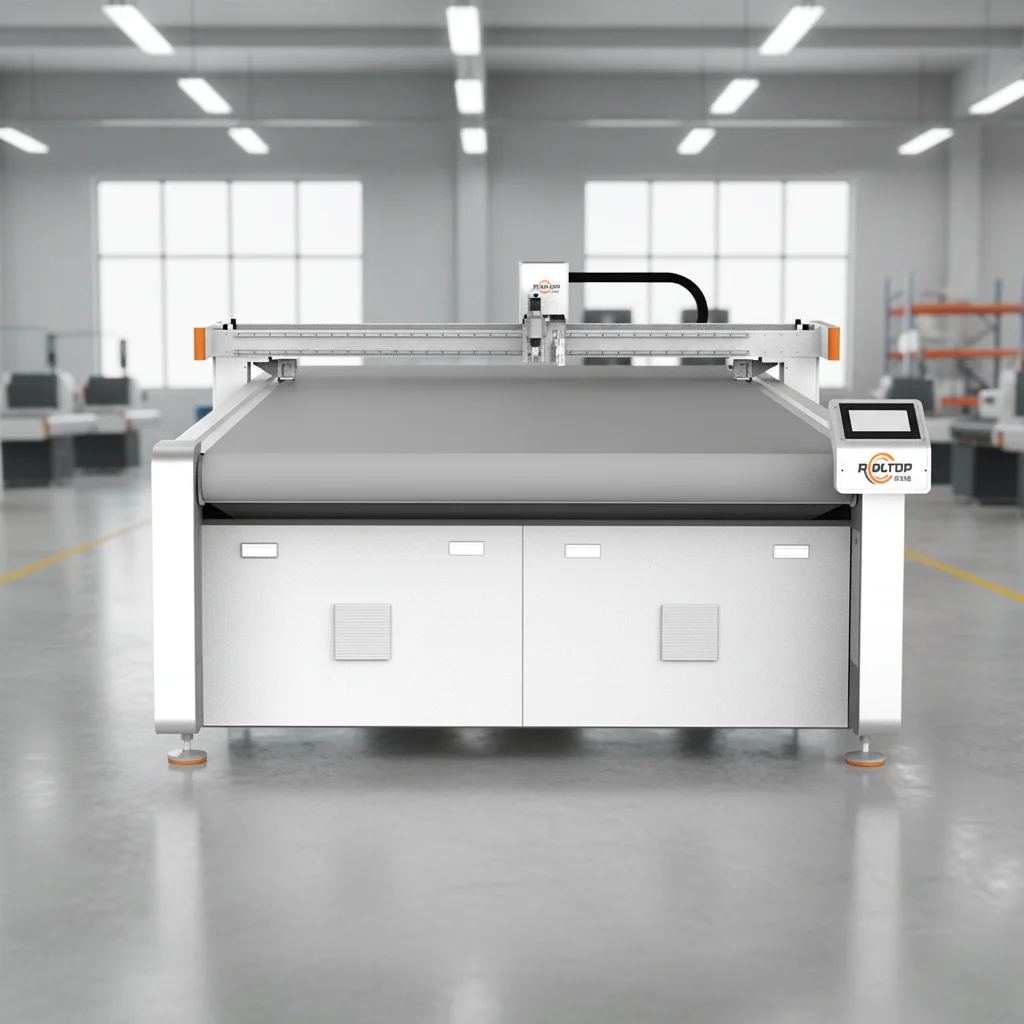
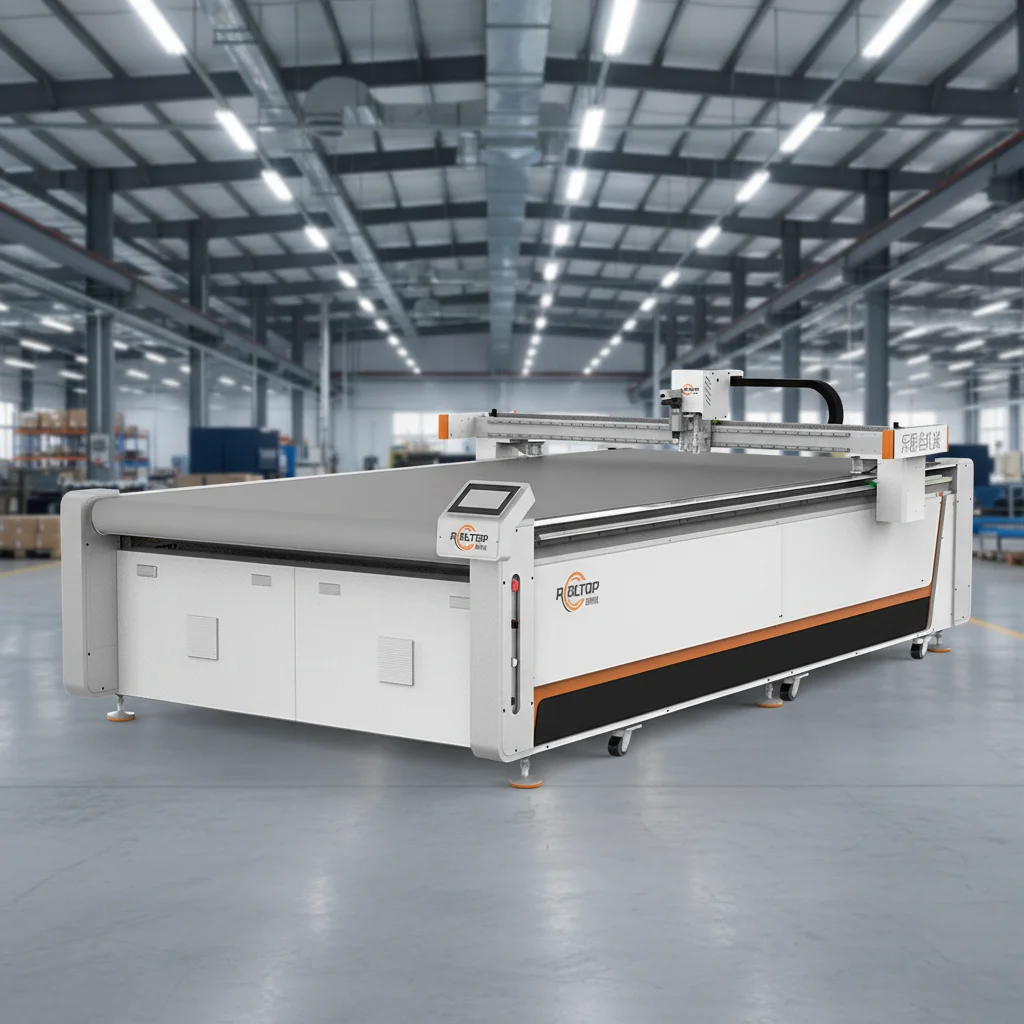
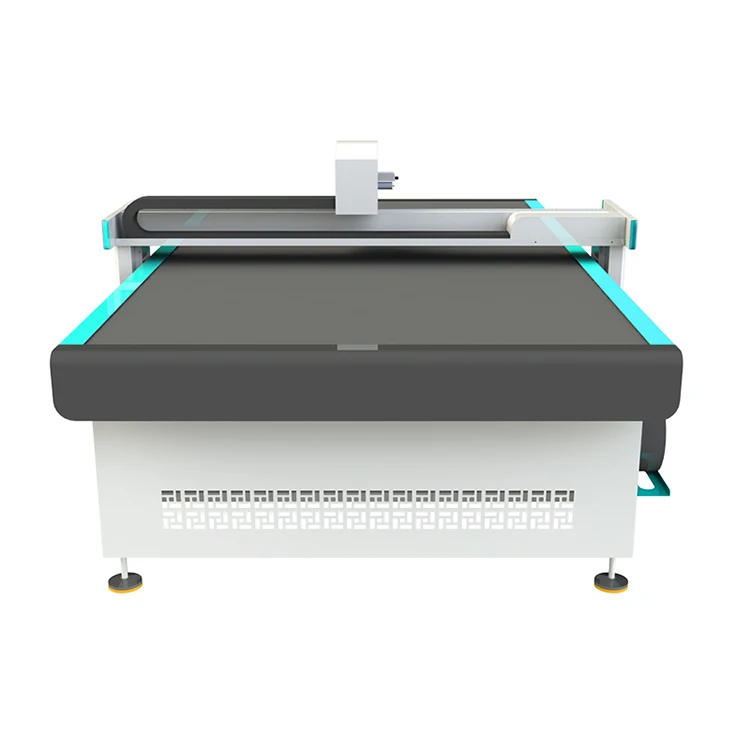
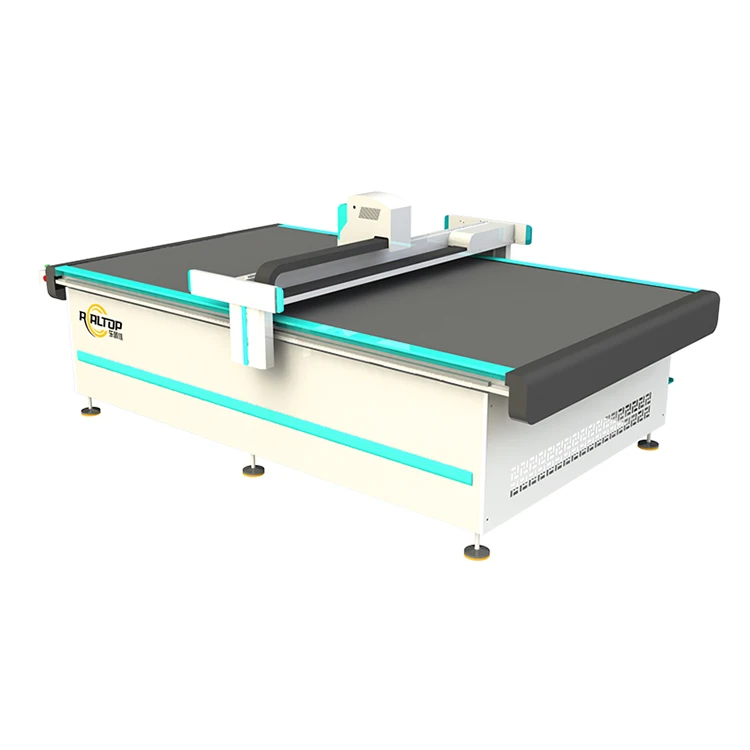
A: The 1600×2500 mm working area shown here is one option across the range. Larger and smaller formats are available, and multi-head configurations allow simultaneous cutting with different tool types on the same table. The right size depends on your standard sheet dimensions and whether you need to run mixed jobs in a single cycle.
Q: How does cutting thickness vary by material type and layer count?
A: The stated thickness capacity depends entirely on material density and ply construction. A single layer of dense rubber behaves very differently from six plies of lightweight knit fabric at the same total depth. Sample cutting on your actual material stack is the only reliable way to confirm achievable thickness before ordering.
Q: How does vacuum table zoning affect small-part cutting?
A: Large vacuum zones hold big sheets effectively, but small nested parts can lift at the edges if suction is not concentrated. The aluminum bellows table divides the surface into zones that can be activated selectively, directing hold-down force to the active cutting area and preventing part movement during high-speed contour work.
Q: Is CCD camera contour recognition available, and how does it track printed marks?
A: CCD camera positioning is an available option for buyers cutting printed graphics or pattern-matched textiles. The system locates registration marks on the sheet surface and adjusts the cut path to follow the actual print position, compensating for stretch or skew introduced during material handling.
商品评价
There are no reviews yet.