

Fast Delivery
Quick, reliable shipping to any location.

Free & easy returns
Return this item by mail or in store within 90 days for a full refund.
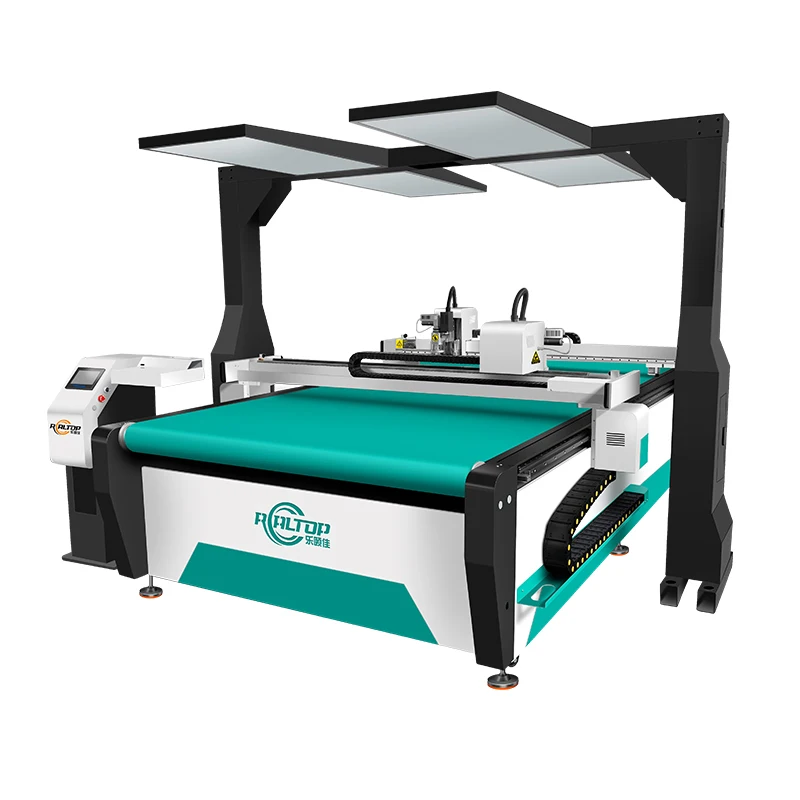
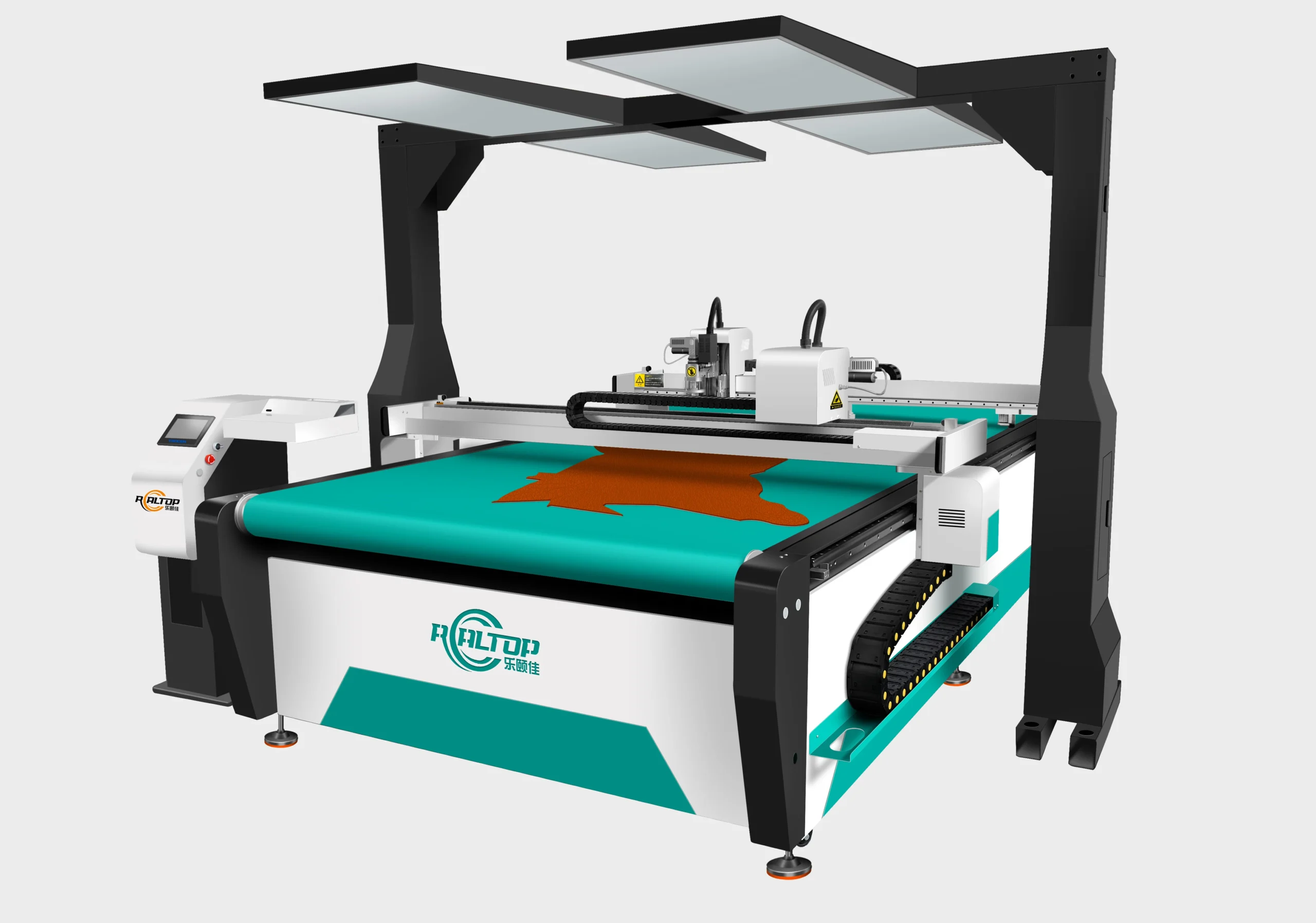
Versatile Cutting Portfolio — The RT-D2516/RT-S2516 sits within a broader equipment range where knife and laser methods are matched to material behavior rather than forced into one technology.
Technical Specifications
| Parameter | Value |
|---|---|
| Product Type | CNC Oscillating Knife Cutting Machine |
| Model | RT-D2516 / RT-S2516 |
| Working Area | 1600 × 2500 mm |
| Machine Dimensions | 3450 × 2300 × 1250 mm |
| Rated Power | 9 kW |
| Voltage | 380V ±10% |
| Vacuum Pump Power | 7.5 kW |
| Cutting Thickness | 20–80 mm (material-dependent) |
| Translational Velocity | 800–1200 mm/s |
| Repeated Accuracy | ≤0.1 mm |
| Transmission System | Digital servo motor, linear guide, synchronous belt, ball screw (Taiwan Hiwin rail) |
| Servo Motor | Delta servo motor and driver |
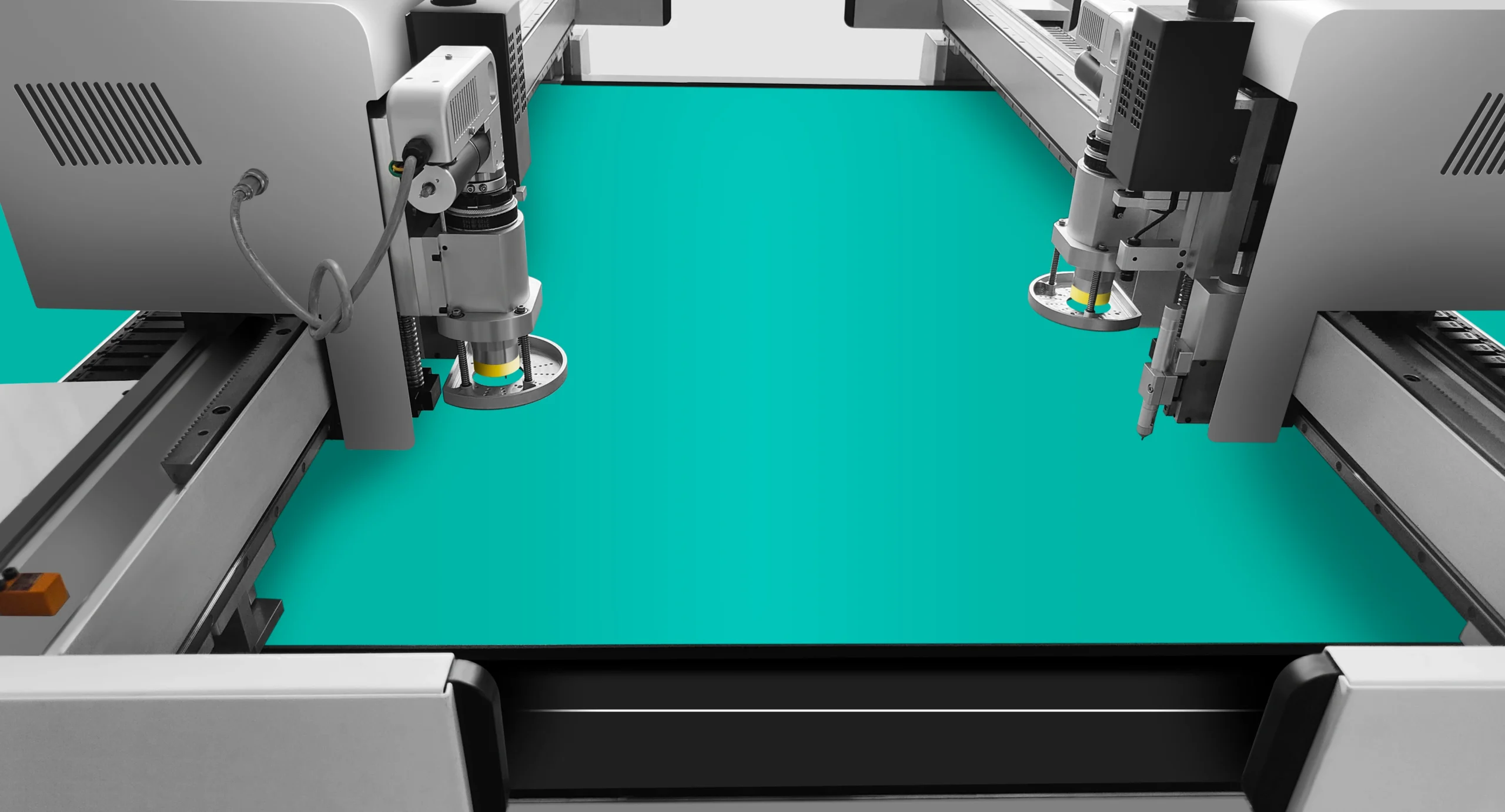
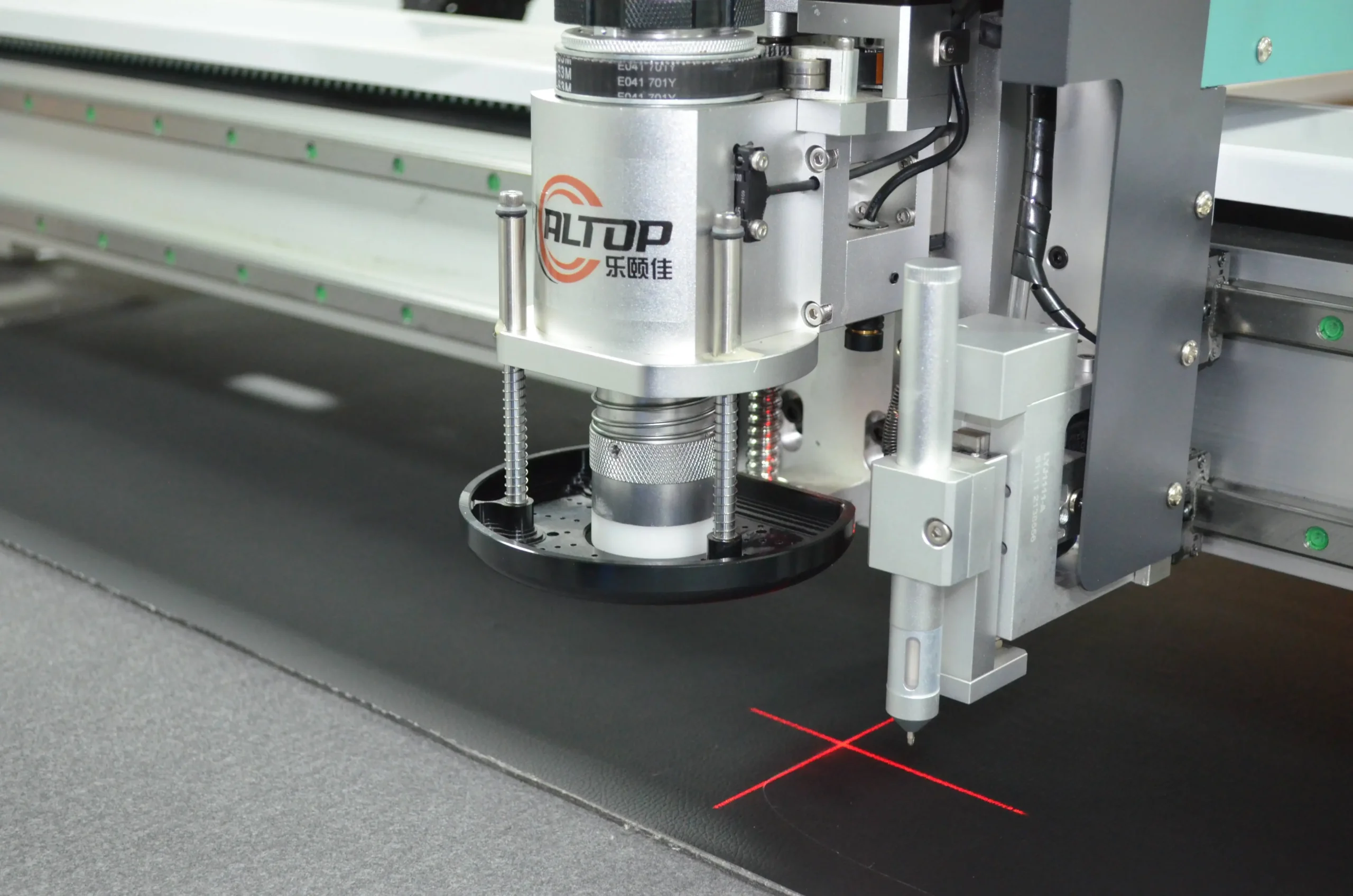
| Tool Head Options | Oscillating knife, pneumatic knife, high-power vibrating knife, circular knife, V-cutting knife, drag knife, creasing wheel, dotted line knife, punching, brush |
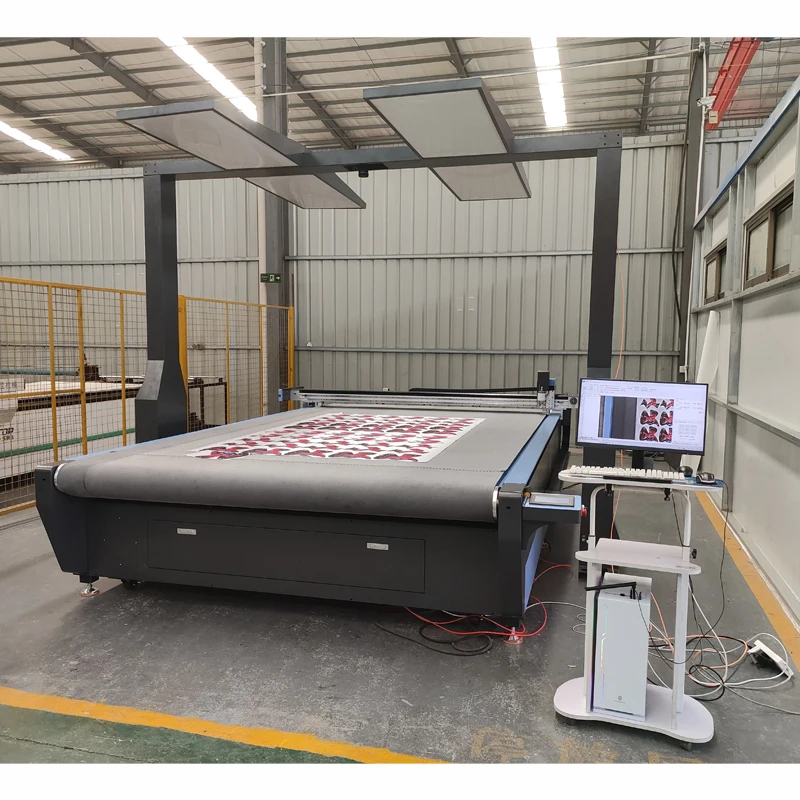
| Vision System | Industrial vision with CCD mark-point positioning, panoramic camera recognition, projection positioning |
| Feeding System | Auto feeding with Germany-imported conveyor belt |
| Table Type | Flat working table with vacuum hold-down |
| Instruction System | HP-GL compatible format |
| Language Options | English, Russian, Italian, Chinese; special languages customizable |
| Safety Device | Infrared sensors |
| Standards | CE compliant; 5 patents technology certification |
Application Suitability
| Application | Material or Output |
|---|---|
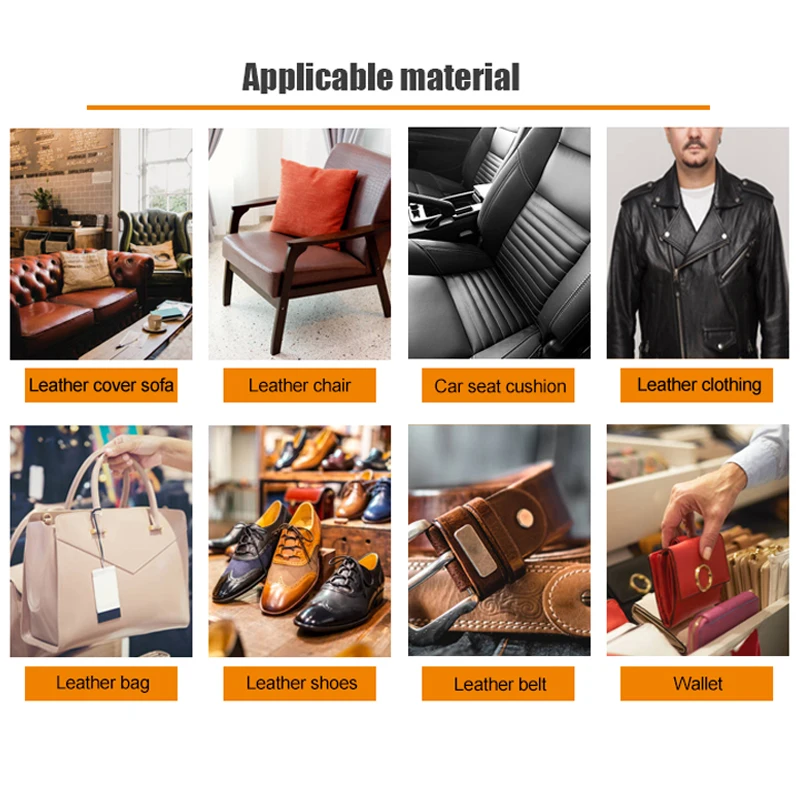
| Footwear and leather goods | Genuine leather, PU, synthetic uppers, sponge composite leather |
| Automotive interiors | Car foot pads, seat sleeves, gasket materials |
| Garment and flexible textiles | Clothing fabric, multi-layer textile lay-ups |
| Packaging and carton sample making | Corrugated board, card stock, foam inserts |
| Soft furnishings and floor coverings | Carpets, floor mats, soft home furnishing fabrics |
| Sealing and industrial gaskets | Rubber, silicon, soft glass, PVC sheets |
| Advertising and graphic printing | Vinyl, flexible signage substrates |
| Sports and outdoor products | Composite padding, foam layers, synthetic panels |
Why Working Area Alone Is Not Enough to Specify a CNC Knife Cutting Machine
Material density and thickness determine tool head selection long before the table size matters.
Buyers often start with sheet dimensions and assume any flatbed in that footprint will handle the job. The reality is more complicated. A machine sized for 1600×2500 mm sheets may struggle with 80 mm composite foam if the tool head lacks the stroke and oscillation force needed for that density. I once saw a footwear factory specify a cutter purely on leather hide dimensions, only to find their actual production stock was multi-layer bonded synthetic — the knife could not hold an edge through the composite, and two weeks of parameter tuning followed before output stabilized. [NEED_CITE: material density impact on oscillating knife tooling selection]
Evaluating the Full Cutting Range Before Committing
This CNC oscillating knife cutting machine for sale is one configuration within a catalogue that spans both knife and laser methods. Buyers surveying options at this stage benefit from comparing how each method handles their specific substrate. Knife cutting preserves edge integrity on foams and composites where laser heat would seal or discolor the cut face, while laser may outperform knife on thin acrylic or engraved signage. The point is to let the material dictate the method, not the other way around.
Tool Head Flexibility Across Material Families
The RT-D2516/RT-S2516 supports a wide selection of tool heads — oscillating knife, drag knife, creasing wheel, pneumatic knife, circular knife, V-cutting knife, punching, and brush — mounted on a single multifunctional head. This means a packaging sample maker can score and cut corrugated board on the same table, and an automotive interior producer can switch between cutting car foot pad rubber and creasing seat sleeve patterns without moving the workpiece to a different station. The tooling is chosen per material, not per machine.
Reading the Specifications That Actually Matter
Cutting thickness of 20–80 mm is listed as a range, but the usable depth depends entirely on material type and density — a firm rubber gasket at 60 mm behaves very differently from a soft sponge composite leather at the same thickness. Confirming the exact stock with sample cutting removes guesswork. The Delta servo motor and Taiwan Hiwin linear guide combination maintains repeated accuracy at ≤0.1 mm across the full 1600×2500 mm travel, which matters when nesting tight patterns on expensive leather hides where every millimeter of yield counts. The 7.5 kW vacuum pump provides hold-down force across the flat table, though small parts may require zoned vacuum to prevent lift during high-speed passes at up to 1200 mm/s translational velocity. [NEED_CITE: vacuum table zoning requirements for small-part CNC cutting]
The Cost of Wrong Configuration Choices
Choosing a drag knife for thick foam produces crushed edges instead of clean cuts, and the operator may spend days adjusting depth before realizing the tool type itself is wrong. Insufficient vacuum zoning causes small gasket pieces to lift mid-cut, ruining the part and the surrounding nest. A vision system that cannot track printed registration marks at production speed turns CCD contour recognition into a bottleneck rather than a time-saver. These are not machine defects — they are specification mismatches that surface only after the equipment is on the factory floor. [NEED_CITE: consequences of incorrect tool head selection on foam and composite materials]
Why Source From This Equipment Range
In-house design covers both knife and laser cutting technologies, so buyers comparing methods can test each against their actual material rather than being steered toward a single option. Tool head and table configurations are specified per material type and production volume, not offered as a fixed package. The CCD camera positioning system supports printed contour work across the range, and software compatibility is confirmed against the buyer’s existing file format before the order is placed. Voltage, control language, and plug type are customized to the destination market. Sample cutting on the buyer’s own material runs before commitment, producing a documented report on edge quality and achievable speed.
Documentation & Verification
- Machine specification sheet with tool head and table configuration matched to your material type
- Electrical schematic and voltage confirmation document for your local supply standard
- Sample cutting report on your own stock showing edge quality, burr assessment, and cycle time
- Factory test record documenting repeated accuracy and axis travel before dispatch
- Software licence and file format compatibility note for your nesting and design workflow
- Spare parts list with part numbers for consumable tooling and wear components
Installation, Commissioning & Support
- Flat working table requires level floor with clearance for 3450×2300 mm machine footprint plus material infeed space
- 380V ±10% three-phase supply with dedicated circuit for 9 kW rated power plus 7.5 kW vacuum pump
- Fully assembled delivery — no structural reassembly required on site, only utility connections
- First-run parameter setting on your material thickness range, adjusting oscillation frequency and feed rate
- Operator training covering tool head changeover, vacuum zoning adjustment, and CCD mark-point calibration
- Consumable blade and knife holder stock recommended for initial production period
Preparing Your Inquiry
To match the right configuration, share the material type, maximum thickness, and whether you run sheets or rolls. Your local voltage and frequency, preferred control language, and the nesting software you currently use help confirm compatibility before quotation. If your production involves printed contour cutting, provide a sample print file so the vision system can be validated against your registration marks.
Frequently Asked Questions
Q: How do I decide between knife cutting and laser for my material?
A: Knife cutting suits foams, composites, leather, and thick flexible materials where heat from laser would seal, discolor, or melt the cut edge. Laser excels on thin acrylic, engraving, and sealed-edge synthetics. The decision depends on your specific material composition and edge-quality requirement. Sample cutting on your stock with both methods provides direct comparison before commitment.
Q: How is cutting thickness verified for my specific material?
A: The listed 20–80 mm range is material-dependent. Your stock is tested before order confirmation, and a sample cutting report documents achievable thickness, edge quality, and speed. Density, layer bonding, and filler content all affect real cutting depth, so verification on your actual production material is the only reliable method.
Q: What tool heads do I need if I cut multiple materials?
A: The multifunctional head accepts oscillating knife, drag knife, creasing wheel, pneumatic knife, punching, and other tooling. Your tool head list is specified based on the materials and processes you run. A packaging sample maker typically needs oscillating knife plus creasing wheel, while a gasket producer may prioritize oscillating and drag knife.
Q: Can the vision system handle my printed registration marks?
A: The industrial vision system supports CCD mark-point positioning and panoramic camera recognition. Before order, your printed file is tested to confirm the camera tracks marks accurately at production speed. This validation step prevents contour recognition issues that only appear once the machine is running your actual artwork.
Q: What electrical and software customization is available?
A: Voltage is configurable beyond the standard 380V ±10%, with plug type and control language adapted to your market. The software supports HP-GL compatible formats, and file format compatibility with your existing nesting workflow is confirmed before the order. Language options include English, Russian, Italian, Chinese, with special languages available on request.
Versatile Cutting Portfolio — The RT-D2516/RT-S2516 sits within a broader equipment range where knife and laser methods are matched to material behavior rather than forced into one technology.
Technical Specifications
| Parameter | Value |
|---|---|
| Product Type | CNC Oscillating Knife Cutting Machine |
| Model | RT-D2516 / RT-S2516 |
| Working Area | 1600 × 2500 mm |
| Machine Dimensions | 3450 × 2300 × 1250 mm |
| Rated Power | 9 kW |
| Voltage | 380V ±10% |
| Vacuum Pump Power | 7.5 kW |
| Cutting Thickness | 20–80 mm (material-dependent) |
| Translational Velocity | 800–1200 mm/s |
| Repeated Accuracy | ≤0.1 mm |
| Transmission System | Digital servo motor, linear guide, synchronous belt, ball screw (Taiwan Hiwin rail) |
| Servo Motor | Delta servo motor and driver |
| Tool Head Options | Oscillating knife, pneumatic knife, high-power vibrating knife, circular knife, V-cutting knife, drag knife, creasing wheel, dotted line knife, punching, brush |
| Vision System | Industrial vision with CCD mark-point positioning, panoramic camera recognition, projection positioning |
| Feeding System | Auto feeding with Germany-imported conveyor belt |
| Table Type | Flat working table with vacuum hold-down |
| Instruction System | HP-GL compatible format |
| Language Options | English, Russian, Italian, Chinese; special languages customizable |
| Safety Device | Infrared sensors |
| Standards | CE compliant; 5 patents technology certification |
Application Suitability
| Application | Material or Output |
|---|---|
| Footwear and leather goods | Genuine leather, PU, synthetic uppers, sponge composite leather |
| Automotive interiors | Car foot pads, seat sleeves, gasket materials |
| Garment and flexible textiles | Clothing fabric, multi-layer textile lay-ups |
| Packaging and carton sample making | Corrugated board, card stock, foam inserts |
| Soft furnishings and floor coverings | Carpets, floor mats, soft home furnishing fabrics |
| Sealing and industrial gaskets | Rubber, silicon, soft glass, PVC sheets |
| Advertising and graphic printing | Vinyl, flexible signage substrates |
| Sports and outdoor products | Composite padding, foam layers, synthetic panels |
Why Working Area Alone Is Not Enough to Specify a CNC Knife Cutting Machine
Material density and thickness determine tool head selection long before the table size matters.
Buyers often start with sheet dimensions and assume any flatbed in that footprint will handle the job. The reality is more complicated. A machine sized for 1600×2500 mm sheets may struggle with 80 mm composite foam if the tool head lacks the stroke and oscillation force needed for that density. I once saw a footwear factory specify a cutter purely on leather hide dimensions, only to find their actual production stock was multi-layer bonded synthetic — the knife could not hold an edge through the composite, and two weeks of parameter tuning followed before output stabilized. [NEED_CITE: material density impact on oscillating knife tooling selection]
Evaluating the Full Cutting Range Before Committing
This CNC oscillating knife cutting machine for sale is one configuration within a catalogue that spans both knife and laser methods. Buyers surveying options at this stage benefit from comparing how each method handles their specific substrate. Knife cutting preserves edge integrity on foams and composites where laser heat would seal or discolor the cut face, while laser may outperform knife on thin acrylic or engraved signage. The point is to let the material dictate the method, not the other way around.
Tool Head Flexibility Across Material Families
The RT-D2516/RT-S2516 supports a wide selection of tool heads — oscillating knife, drag knife, creasing wheel, pneumatic knife, circular knife, V-cutting knife, punching, and brush — mounted on a single multifunctional head. This means a packaging sample maker can score and cut corrugated board on the same table, and an automotive interior producer can switch between cutting car foot pad rubber and creasing seat sleeve patterns without moving the workpiece to a different station. The tooling is chosen per material, not per machine.
Reading the Specifications That Actually Matter
Cutting thickness of 20–80 mm is listed as a range, but the usable depth depends entirely on material type and density — a firm rubber gasket at 60 mm behaves very differently from a soft sponge composite leather at the same thickness. Confirming the exact stock with sample cutting removes guesswork. The Delta servo motor and Taiwan Hiwin linear guide combination maintains repeated accuracy at ≤0.1 mm across the full 1600×2500 mm travel, which matters when nesting tight patterns on expensive leather hides where every millimeter of yield counts. The 7.5 kW vacuum pump provides hold-down force across the flat table, though small parts may require zoned vacuum to prevent lift during high-speed passes at up to 1200 mm/s translational velocity. [NEED_CITE: vacuum table zoning requirements for small-part CNC cutting]
The Cost of Wrong Configuration Choices
Choosing a drag knife for thick foam produces crushed edges instead of clean cuts, and the operator may spend days adjusting depth before realizing the tool type itself is wrong. Insufficient vacuum zoning causes small gasket pieces to lift mid-cut, ruining the part and the surrounding nest. A vision system that cannot track printed registration marks at production speed turns CCD contour recognition into a bottleneck rather than a time-saver. These are not machine defects — they are specification mismatches that surface only after the equipment is on the factory floor. [NEED_CITE: consequences of incorrect tool head selection on foam and composite materials]
Why Source From This Equipment Range
In-house design covers both knife and laser cutting technologies, so buyers comparing methods can test each against their actual material rather than being steered toward a single option. Tool head and table configurations are specified per material type and production volume, not offered as a fixed package. The CCD camera positioning system supports printed contour work across the range, and software compatibility is confirmed against the buyer’s existing file format before the order is placed. Voltage, control language, and plug type are customized to the destination market. Sample cutting on the buyer’s own material runs before commitment, producing a documented report on edge quality and achievable speed.
Documentation & Verification
- Machine specification sheet with tool head and table configuration matched to your material type
- Electrical schematic and voltage confirmation document for your local supply standard
- Sample cutting report on your own stock showing edge quality, burr assessment, and cycle time
- Factory test record documenting repeated accuracy and axis travel before dispatch
- Software licence and file format compatibility note for your nesting and design workflow
- Spare parts list with part numbers for consumable tooling and wear components
Installation, Commissioning & Support
- Flat working table requires level floor with clearance for 3450×2300 mm machine footprint plus material infeed space
- 380V ±10% three-phase supply with dedicated circuit for 9 kW rated power plus 7.5 kW vacuum pump
- Fully assembled delivery — no structural reassembly required on site, only utility connections
- First-run parameter setting on your material thickness range, adjusting oscillation frequency and feed rate
- Operator training covering tool head changeover, vacuum zoning adjustment, and CCD mark-point calibration
- Consumable blade and knife holder stock recommended for initial production period
Preparing Your Inquiry
To match the right configuration, share the material type, maximum thickness, and whether you run sheets or rolls. Your local voltage and frequency, preferred control language, and the nesting software you currently use help confirm compatibility before quotation. If your production involves printed contour cutting, provide a sample print file so the vision system can be validated against your registration marks.
Frequently Asked Questions
Q: How do I decide between knife cutting and laser for my material?
A: Knife cutting suits foams, composites, leather, and thick flexible materials where heat from laser would seal, discolor, or melt the cut edge. Laser excels on thin acrylic, engraving, and sealed-edge synthetics. The decision depends on your specific material composition and edge-quality requirement. Sample cutting on your stock with both methods provides direct comparison before commitment.
Q: How is cutting thickness verified for my specific material?
A: The listed 20–80 mm range is material-dependent. Your stock is tested before order confirmation, and a sample cutting report documents achievable thickness, edge quality, and speed. Density, layer bonding, and filler content all affect real cutting depth, so verification on your actual production material is the only reliable method.
Q: What tool heads do I need if I cut multiple materials?
A: The multifunctional head accepts oscillating knife, drag knife, creasing wheel, pneumatic knife, punching, and other tooling. Your tool head list is specified based on the materials and processes you run. A packaging sample maker typically needs oscillating knife plus creasing wheel, while a gasket producer may prioritize oscillating and drag knife.
Q: Can the vision system handle my printed registration marks?
A: The industrial vision system supports CCD mark-point positioning and panoramic camera recognition. Before order, your printed file is tested to confirm the camera tracks marks accurately at production speed. This validation step prevents contour recognition issues that only appear once the machine is running your actual artwork.
Q: What electrical and software customization is available?
A: Voltage is configurable beyond the standard 380V ±10%, with plug type and control language adapted to your market. The software supports HP-GL compatible formats, and file format compatibility with your existing nesting workflow is confirmed before the order. Language options include English, Russian, Italian, Chinese, with special languages available on request.










商品评价
There are no reviews yet.