


Fast Delivery
Quick, reliable shipping to any location.

Free & easy returns
Return this item by mail or in store within 90 days for a full refund.
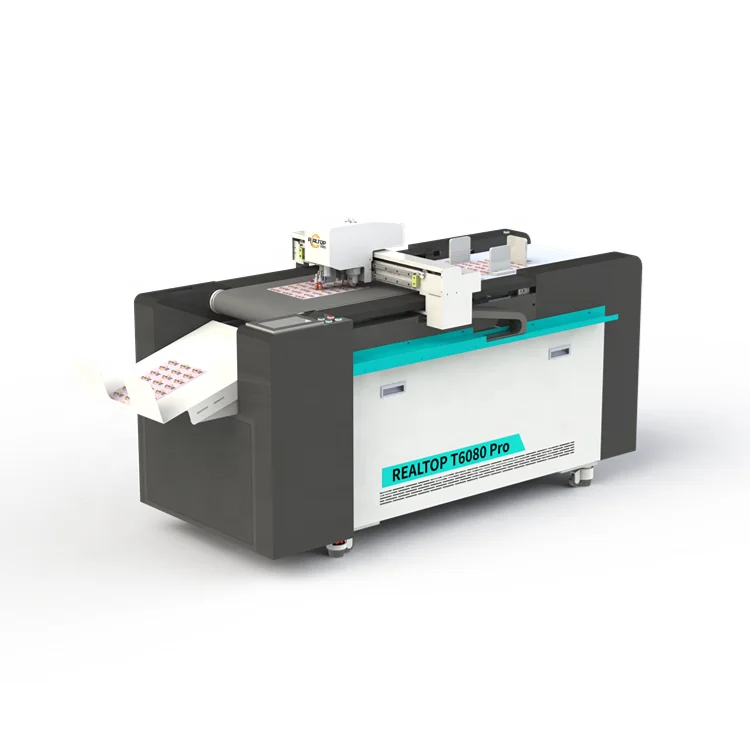
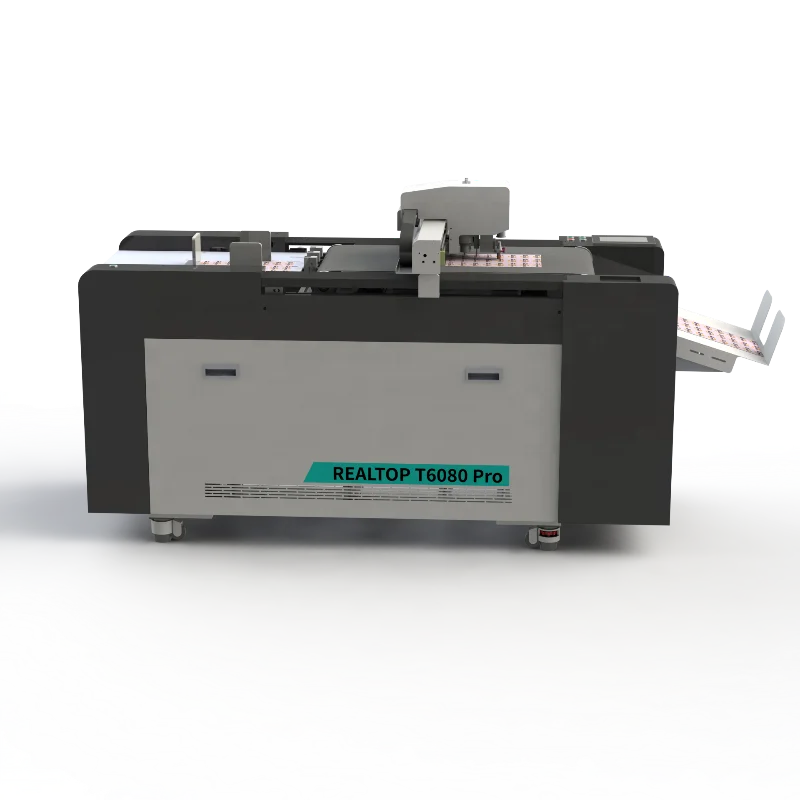
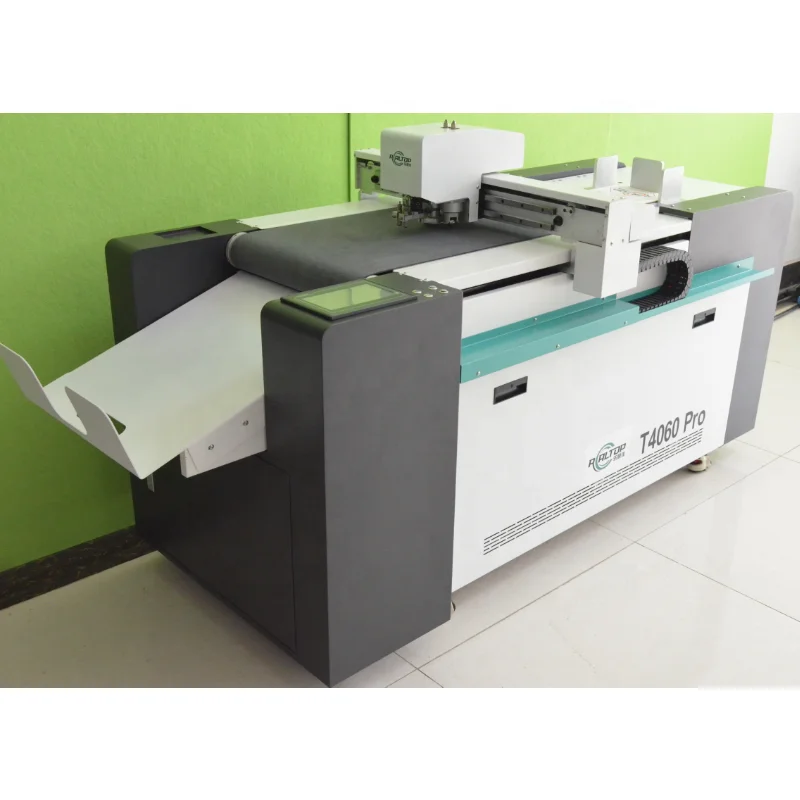
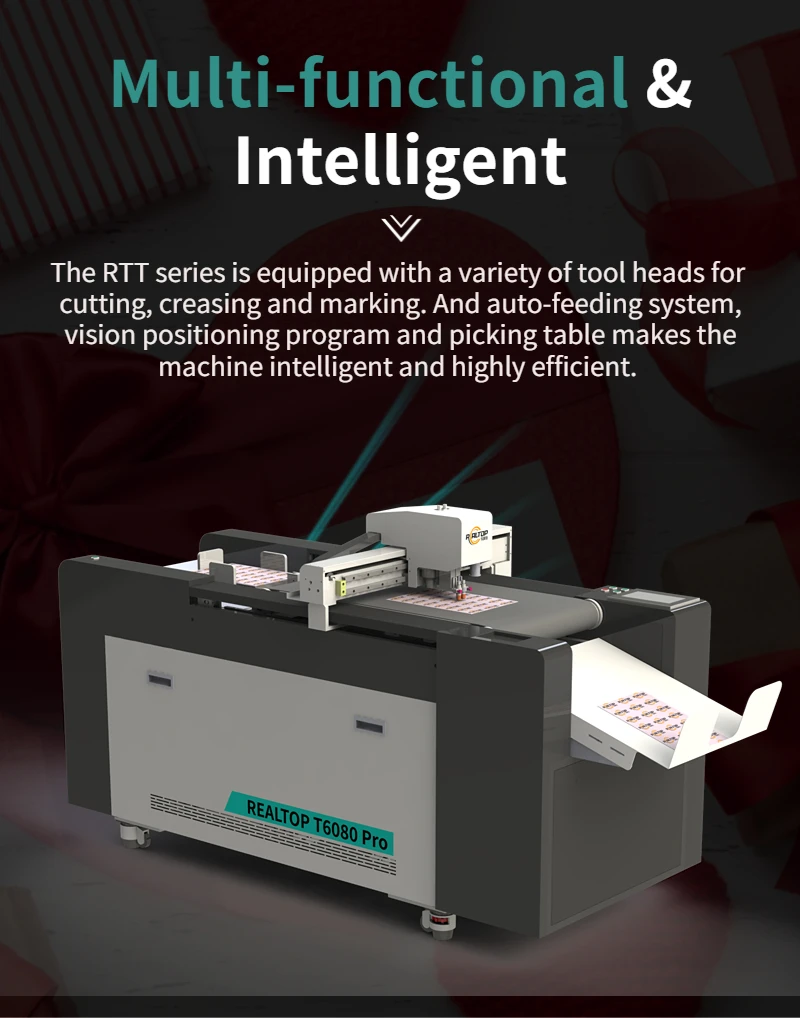
In-house tool head matching — The RTT6080 flatbed is configured per material at the factory rather than shipped with a generic head, so oscillating knife, drag knife and creasing options are matched to the buyer’s actual sheet stock and thickness range before the order is released.
Technical Specifications
| Parameter | Value |
|---|---|
| Model | RTT6080 / RTT6080 Pro |
| Product Type | CNC Oscillating Knife Cutting Machine |
| Max Working Area | 600 mm × 800 mm |
| Tool Group | Cutting tool, kiss cutting tool, creasing tool, CCD camera, high speed oscillating knife (Pro model) |
| Max Cutting Speed | 1500 mm/s (according to the material) |
| Cutting Thickness | ≤2 mm (RTT6080); ≤5 mm (RTT6080 Pro) |
| Positioning Accuracy | 0.05 mm |
| File Format | DXF, PLT, PDF, AI |
| Transfer Method | Ethernet port |
| Rated Power | 3.2 kW |
| Voltage | 220V/380V, 50Hz |
| Standards | CE declaration (where applicable) |
Application Suitability
| Application | Material or Output |
|---|---|
| Packaging and carton sample making | Short-run prototypes and die-line samples on paper, card and thin corrugated |
| Advertising and signage production | Vinyl, printed labels and thin board with CCD contour follow |
| Small-batch garment and leather accessories | Thin leather, textile and synthetic sheets requiring vacuum zoning on small parts |
| Printed contour cutting | Labels and graphics tracked via CCD camera on registered marks |
What a "600×800 Working Area" Spec Sheet Leaves Out About CNC Knife Cutting
The working area alone does not determine whether the machine can handle your material — tool head selection, vacuum zoning and blade frequency must all be matched to the sheet stock before the first cut.
I have walked into shops where the machine physically fit the floor space and the bed was large enough, but the drag knife crushed the foam or left hairy edges on a PU-faced composite because the oscillating frequency and foot pressure were never dialled in for that specific roll [NEED_CITE: material-tool interaction parameters in digital flatbed cutting]. A compact-format CNC oscillating knife cutting machine manufacturer should be confirming these variables against the buyer’s actual material before releasing the order, not just quoting a bed size and hoping for the best.
Tool Head Selection Across the RTT6080 Range
The RTT6080 ships with cutting, kiss cutting and creasing tools as standard, while the RTT6080 Pro adds a high speed oscillating knife for materials up to 5 mm thick. This matters because a drag knife works well on thin vinyl and film but will compress and tear layered foam, whereas an oscillating knife slices through the same stock with a clean vertical edge. The CNC oscillating knife cutting machine manufacturer configures the tool group based on the buyer’s material samples, so the machine arrives with the correct head already installed and tested.
CCD Camera Contour Recognition on a Compact Bed
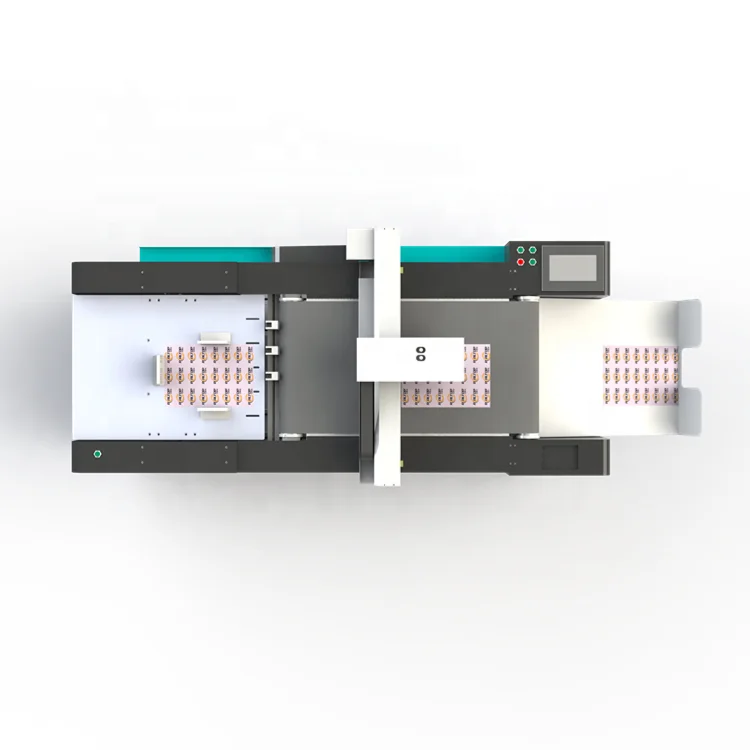
Printed contour work on a 600×800 mm table demands that the CCD camera tracks registered marks reliably across the entire cutting area, even when the print quality varies from one sheet to the next. The system reads fiducial marks and adjusts the cutting path in real time, which is essential for label producers and signage shops running short batches of mixed designs. File formats including DXF, PLT, PDF and AI are confirmed against the buyer’s existing workflow before the machine is built [NEED_CITE: CCD contour recognition accuracy in digital cutting applications].
Reading the Spec Sheet Against Actual Production Needs
Positioning accuracy of 0.05 mm means the RTT6080 holds tight registration on intricate die-line patterns and nested label layouts, where accumulated drift across a long cut path would otherwise push parts out of tolerance. The 1500 mm/s maximum cutting speed is material-dependent — thin film and paper approach the upper range, while denser gasket material and multi-layer composites require slower passes to maintain edge quality. The 3.2 kW rated power covers the servo drives, vacuum pump and spindle on a single circuit, and the 220V/380V 50Hz supply is configurable for the destination market so there are no transformer surprises on arrival. Ethernet transfer keeps the machine on the shop network without relying on USB drives that migrate between workstations.
When the Wrong Configuration Costs More Than the Machine
A buyer who selects a drag knife for a material that actually needs oscillating action will spend weeks fighting ragged edges and fibre pull, then eventually order the correct tool head and lose production time retrofitting it [NEED_CITE: tool head changeover impact on production schedules]. Insufficient vacuum zoning on a compact bed means small parts lift during the final cuts, producing scrap that could have been avoided if the table zones were mapped to the nesting layout. And if the voltage and plug type are not confirmed before shipment, the machine sits idle while a local electrician sources an adapter or steps down the supply.
Why Source This Compact Cutter From the Same Factory That Builds Larger Systems
The RTT6080 is designed and produced in the same facility that builds the larger-format knife and laser machines, so the motion components, gantry stiffness and vacuum table technology are drawn from a shared engineering base rather than a separate light-duty product line. Tool head and table configuration are specified per material, meaning the buyer sends a sample roll or sheet and receives a cutting report showing edge quality and achievable thickness before commitment. Software licence and file format compatibility are confirmed in writing, so there is no discovery on day one that the nesting software will not open the buyer’s existing AI or PDF files. Voltage, control language and plug type are locked in before production begins. The CE declaration is issued where applicable for the destination market.
Documentation & Verification
- Machine specification sheet listing the confirmed tool head group and cutting thickness range for RTT6080 or RTT6080 Pro
- Sample cutting report on the buyer’s own paper, card, vinyl or film stock before order confirmation
- Electrical schematic with voltage and frequency matched to the destination country
- Software licence and file format compatibility note covering DXF, PLT, PDF and AI workflows
- Factory test record showing positioning accuracy and CCD tracking on a registered test pattern
Installation, Commissioning & Support
- 3.2 kW rated power requires a dedicated 220V/380V 50Hz circuit with appropriate breaker sizing
- 600×800 mm bed footprint allows placement in compact workshops with standard floor loading
- Ethernet port connection to the local network for file transfer and remote diagnostics
- Vacuum table commissioning includes zone mapping to match the buyer’s typical nesting layout
- Operator training covers tool head changeover between cutting, kiss cutting and creasing functions
- Spare parts list includes oscillating knife blades, drag knife tips and CCD calibration targets
Before You Send the Enquiry
Provide the material type, maximum thickness and sheet or roll dimensions so the correct tool head and vacuum configuration can be quoted. Confirm your local voltage and frequency, the control language your operators prefer, and whether your existing design files are in DXF, PLT, PDF or AI format. If printed contour cutting is part of the workflow, send a sample printed sheet so the CCD camera can be tested against your actual register marks before the machine ships.
Frequently Asked Questions
Q: How is the tool head chosen between oscillating knife, drag knife and creasing for my material?
A: The choice depends on material composition, thickness and edge quality requirement. Drag knives suit thin vinyl and film, oscillating knives handle foam and composites up to 5 mm on the Pro model, and creasing wheels score fold lines on card stock. We cut your actual material sample and share the edge result before confirming the configuration.
Q: Can the CCD camera track my printed marks at full production speed?
A: CCD contour recognition on the RTT6080 reads fiducial marks and adjusts the cut path in real time. Tracking reliability depends on mark contrast, print consistency and lighting conditions. We test with your printed sheet to confirm the camera locks on at the cutting speed your material requires before the order is finalised.
Q: Will my local voltage and plug type be confirmed before the machine ships?
A: Voltage and frequency are specified at order stage, and the electrical schematic is matched to your destination market. The RTT6080 supports 220V/380V at 50Hz, and plug type is confirmed alongside control panel language so the machine is ready to connect on arrival without additional electrical work.
Q: What does sample cutting on my own material cover before I commit?
A: You send a representative sheet or roll, and we run it on the configured RTT6080 tool head. The resulting sample cutting report documents edge quality, achievable thickness and any fibre pull or compression marks. This lets you evaluate the output before the machine is built to your order.
Q: What spare parts and support are included after delivery?
A: The spare parts list covers oscillating knife blades, drag knife tips, creasing wheels and CCD calibration targets specific to your tool group. Software updates for file format compatibility are provided as released. The operation manual includes maintenance intervals for the gantry, vacuum pump and tool head mechanisms.










商品评价
There are no reviews yet.