


Fast Delivery
Quick, reliable shipping to any location.

Free & easy returns
Return this item by mail or in store within 90 days for a full refund.
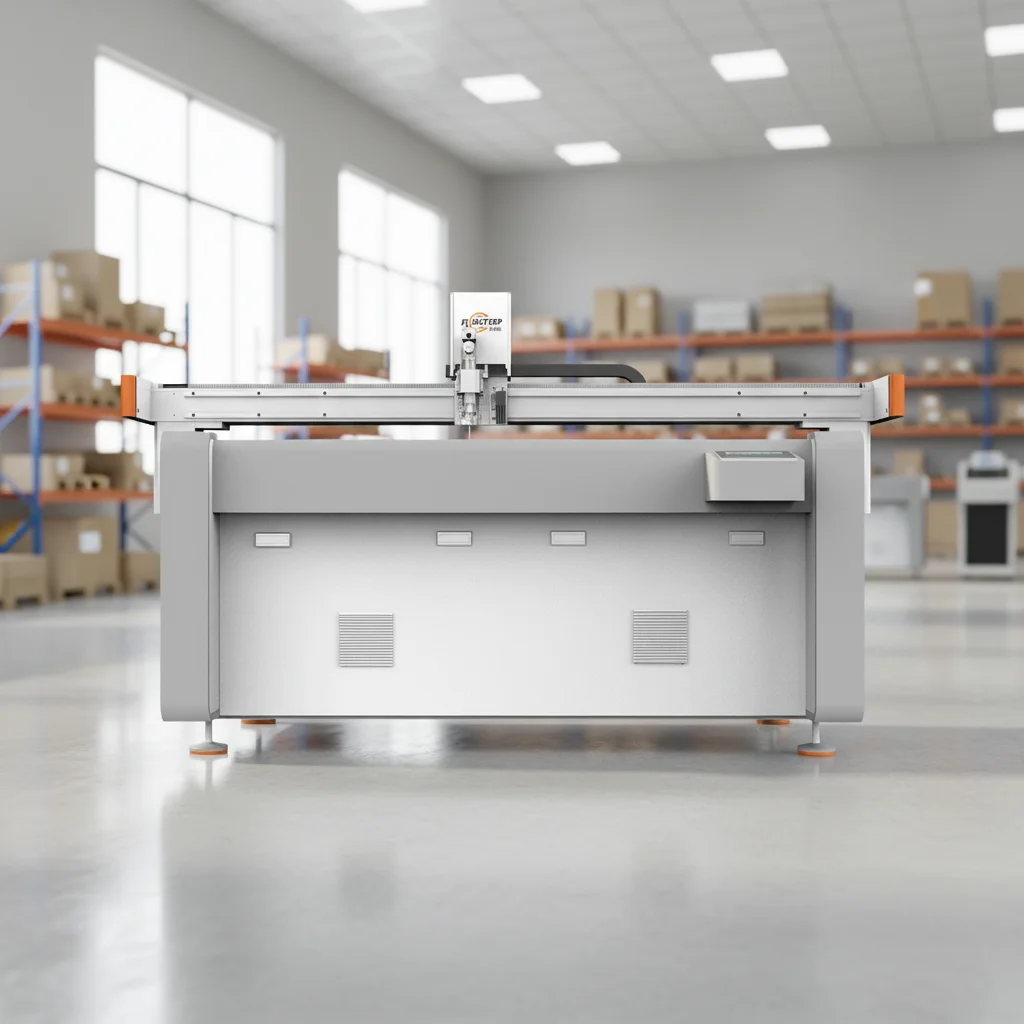
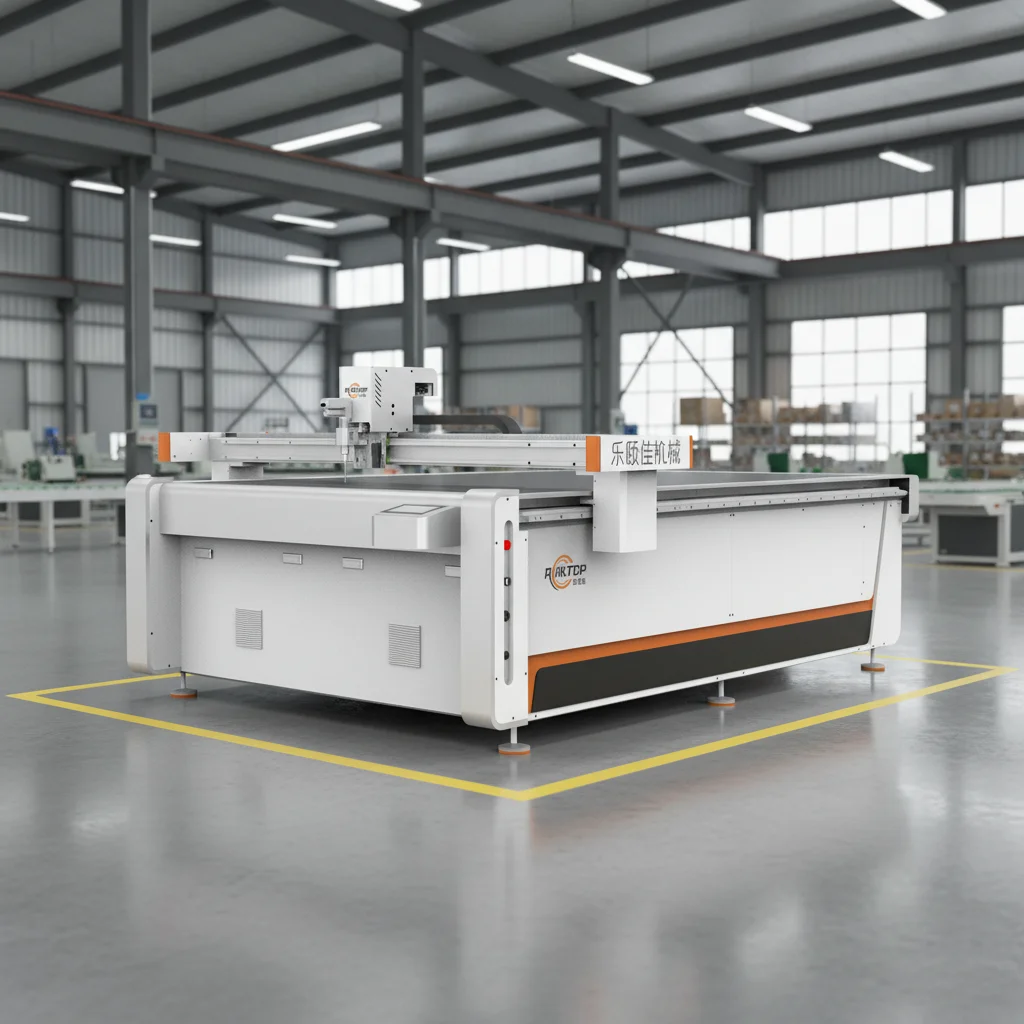
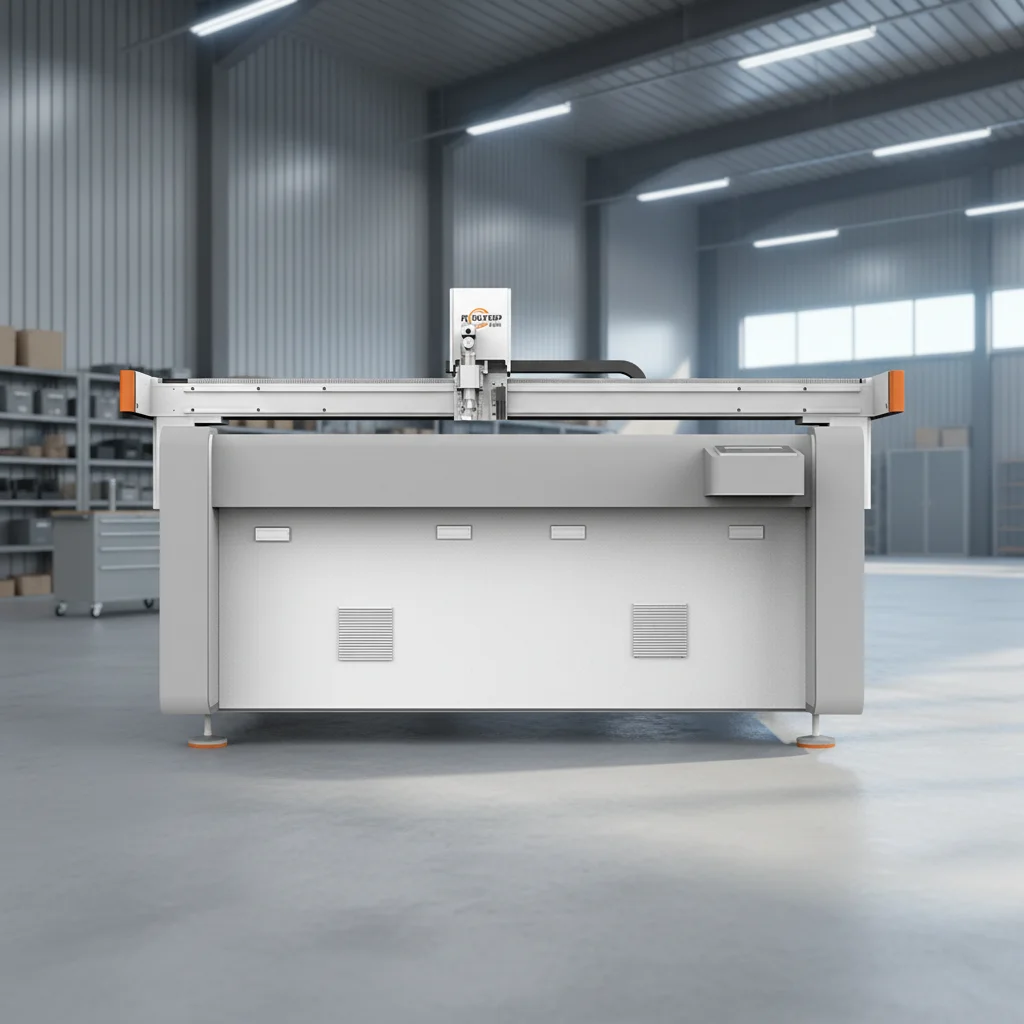
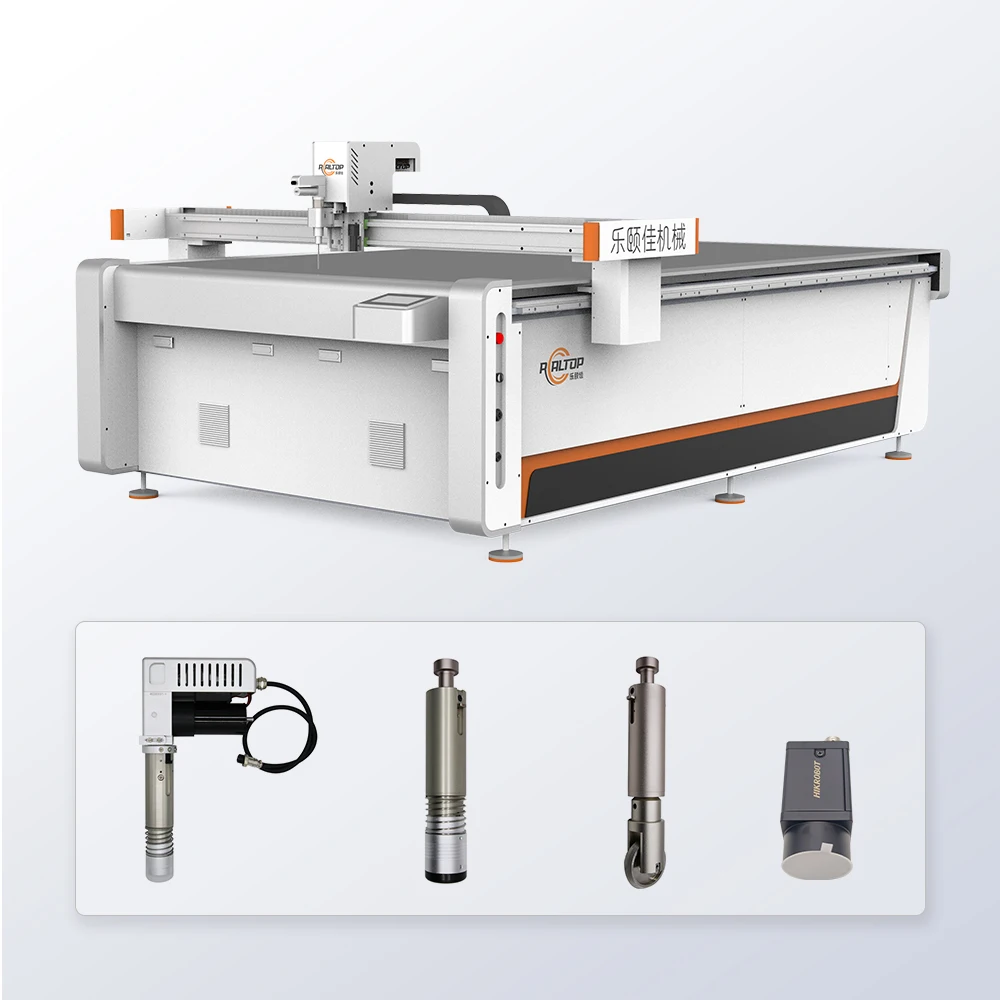
Tool Head and Table Configuration Specified per Material — The RT-D2516/RT-S2516 is offered with oscillating knife, creasing wheel, V-cutting, drag knife and punching heads, paired with either a flat vacuum table or auto-feeding conveyor, so packaging buyers match the cutting method to corrugated, honeycomb or plastic board before narrowing to a single setup.
Technical Specifications
| Parameter | Value |
|---|---|
| Model | RT-D2516/RT-S2516 |
| Product Type | CNC Oscillating Knife Cutting Machine for Packaging |
| Working Area | 1600×2500 mm |
| Machine Size | 3450×2300×1250 mm |
| Rated Power | 9 kW |
| Voltage | 380V±10% (50/60 Hz to be confirmed) |
| Table Type | Flat vacuum table / Auto-feeding conveyor table |
| Tool Head Options | Swiss imported oscillating knife, creasing wheel, V-cutting knife, pneumatic knife, circular knife, drag knife, dotted line knife, punching, brush |
| Visual Positioning | Small CCD camera mark point positioning, panoramic camera recognition, projection positioning |
| Translational Velocity | 800–2000 mm/s |
| Cutting Speed | 200–800 mm/s (basis not stated in source — confirm material type and thickness) |
| Cutting Thickness | ≤100 mm (varies by material) |
| Repeatability | ≤0.1 mm |
| Transmission System | Digital servo motor (Delta optional), linear guide, synchronous belt, ball screw (Taiwan Hiwin rail) |
| Vacuum Pump | 7.5 kW, aviation aluminum shell with built-in silencer sponge |
| Vacuum Table Material | Magnesium-aluminum alloy, fluorocarbon PVDF powder sprayed, anodic oxidation, hard oxidation |
| Control System / Software | HP-GL compatible; supports PLT, DXF, AI file formats; auto nesting |
| Safety Devices | Infrared induction blocking, anti-collision sensors on beam sides, emergency stop button |
| Frame | Thick-walled seamless steel, high-temperature tempering, CNC machining center finish |
| Conveyor Belt | Germany imported |
| Servo Motor Options | Delta (Taiwan), Panasonic (Japan), or domestic China brand |
| Language Options | English, Russian, Italian, Chinese (special languages customizable) |
| Key Features | Touch screen, multi-language control, blade physical cutting (no burr, no burnt edge, no discoloration), CE declaration where applicable |
Application Suitability
| Application | Material or Output |
|---|---|
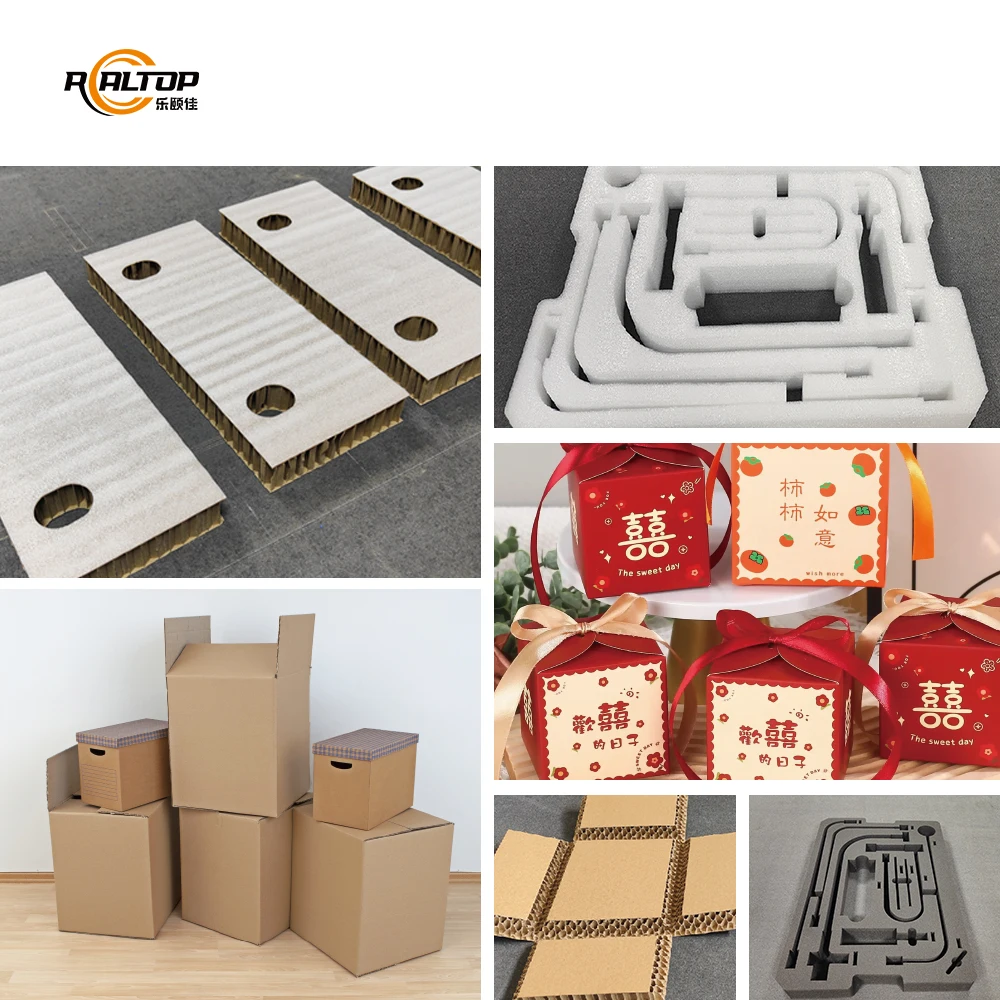
| Carton and packaging sample making | Corrugated cardboard, honeycomb cardboard, plastic box board |
| Box prototyping and short-run production | Cardboard cutting, slotting, creasing, V-cutting |
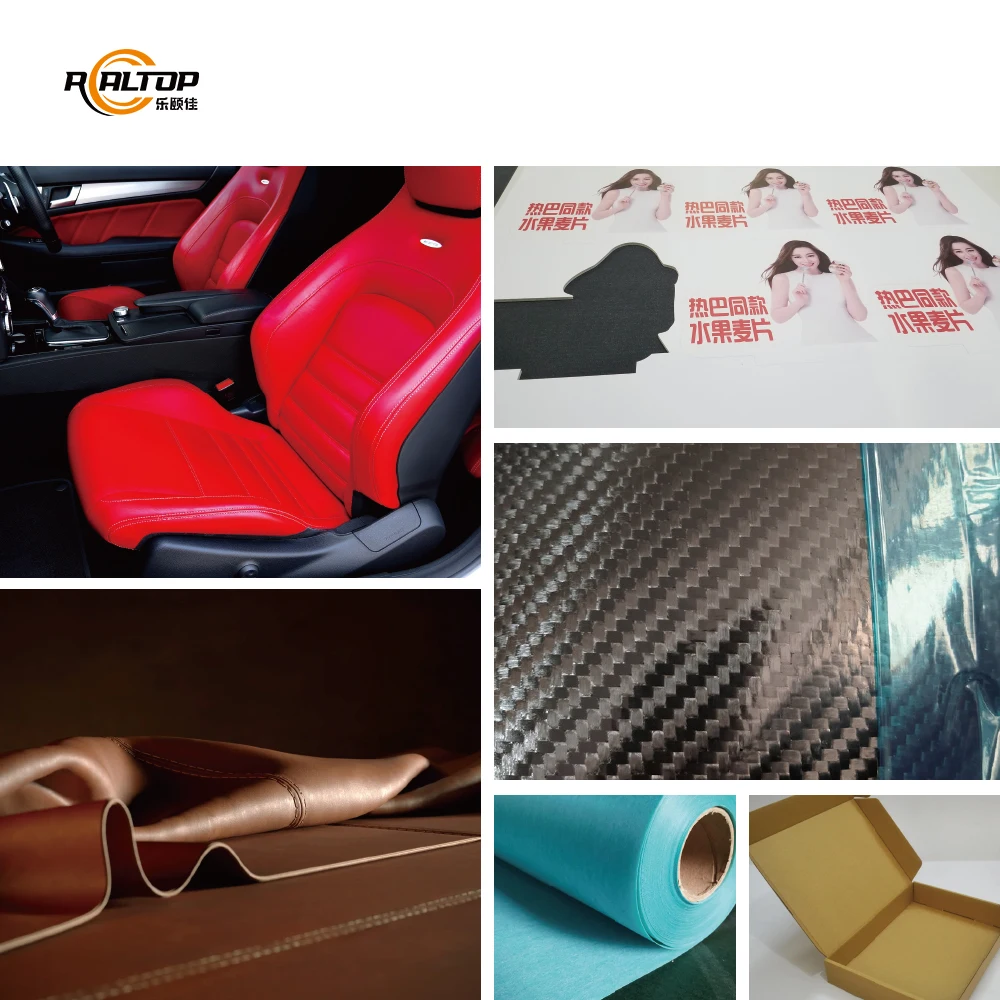
| Leather and footwear component cutting | Leather, shoe material, luggage material |
| Garment and textile lay cutting | Fabric, textile, clothing cloth, non-woven fabric |
| Gasket and sealing pad fabrication | PVC sheet, silicone, rubber, fiberglass, composite materials |
| Foam and cushion shaping | Foam board, sponge, PU, EVA, XPE |
| Signage and graphic production | Sticker, film, vinyl, carpet |
Why Voltage Confirmation Must Happen Before You Compare Any CNC Oscillating Knife Cutting Machine for Sale
A cutting table specified at 380V/50Hz that arrives in a 208V/60Hz North American shop will sit idle until a transformer shows up.
I once watched a packaging sample line stall for two weeks because the cutter was wired for a Chinese three-phase standard while the building ran 208V under a Delta configuration. The crew had materials staged, CAD files nested, even the vacuum pump ducted — everything except the right voltage. The delay cost the shop a contract renewal. [NEED_CITE: voltage and frequency standards by export market] Every quotation we issue now carries a voltage confirmation sheet that the buyer signs off before the frame leaves the welding bay, because a 9 kW machine with a 7.5 kW vacuum pump is not something you plug into a generic workshop outlet.
Mapping Tool Heads to the Board You Actually Cut
A packaging operation rarely runs one substrate all year. Corrugated flute profiles shift between B, C and E depending on the box specification, and honeycomb panels introduce a crush risk that a standard oscillating knife cannot manage without adjusted amplitude. The RT-D2516/RT-S2516 tool head carousel lets you switch between the Swiss imported oscillating knife for full-depth cuts and the creasing wheel for fold lines in the same program cycle, keeping the CNC oscillating knife cutting machine for sale versatile across box styles. Punching tools handle ventilation slots and hand-hold cutouts without a secondary die station, which matters when sample quantities stay below the threshold where a steel-rule die becomes economical.
Flat Vacuum versus Conveyor: Choosing the Table Format That Fits Your Workflow
Flat vacuum tables hold rigid sheets of corrugated or honeycomb board flat across the 1600×2500 mm work envelope, relying on zoned suction to prevent small cut-outs from lifting during the final passes. The magnesium-aluminum alloy platen with PVDF coating resists the abrasion that cardboard dust causes over long shifts. For operations running roll stock — non-woven interleaf material, foam gasket rolls, or textile lays — the auto-feeding conveyor version advances the material after each nesting cycle, reducing the manual load-unload rhythm that limits throughput on flat-bed machines. [NEED_CITE: CE machinery directive requirements for industrial equipment]
What the Specification Sheet Actually Means for Board Quality
The ≤0.1 mm repeatability figure matters most when you are creasing and then cutting the same box blank in a single pass; if the crease line drifts relative to the cut edge, the folded carton will not square up on the packing line. Taiwan Hiwin rails and ball screws maintain that tolerance across the full 2500 mm stroke, something that becomes visible only after months of two-shift operation. The 7.5 kW vacuum pump with its aviation aluminum shell and internal silencer sponge reduces audible noise noticeably compared to open-cast iron pump housings, which affects operator fatigue in enclosed sample rooms. Delta or Panasonic servo options give buyers a choice between cost positioning and long-term parts availability in markets where specific drive brands have established service networks.
The Cost of Configuring the Machine on Working Area Alone
Buyers who select a machine only by its 1600×2500 mm bed size often discover that the vacuum zoning was not specified for the small gasket pieces they actually cut, leaving parts adrift on the table at full cutting speed. Others find that the CCD camera promised in the brochure cannot keep pace with their printed mark spacing on high-speed conveyor feed, forcing manual registration every few sheets. [NEED_CITE: CCD contour recognition speed versus conveyor feed rate in digital cutting] I have seen a buyer run 3 mm PVC on a table configured with a drag knife meant for vinyl — the edge came out crushed rather than sheared because the tool head was never swapped. These mismatches surface only after the machine is bolted to the floor.
Why Buyers Source This Equipment Through a Single Point of Responsibility
The in-house design team covers both knife and laser cutting technologies, so a packaging buyer evaluating fold-line quality on coated board can compare methods without being pushed toward whichever machine happens to be in stock. Tool head and table configuration are specified against the buyer’s actual substrate and daily volume, not a generic bill of materials. CCD camera positioning options are validated with the buyer’s print file before the order is locked. Voltage, plug type, and control language are confirmed on a signed sheet before the electrical cabinet is wired. Sample cutting on the buyer’s own material — sent to the factory or tested during a visit — produces a report that accompanies the shipment, giving the production manager a benchmark to check against on day one.
Documentation & Verification
- Machine specification sheet listing tool head and table configuration matched to your substrate
- Electrical schematic with voltage, frequency, and plug type confirmed for your facility
- Sample cutting report produced on your own corrugated or honeycomb board before dispatch
- Software licence note confirming PLT, DXF, AI and HP-GL file format compatibility
- Factory test record with repeatability measurement across the full 1600×2500 mm travel
Installation, Commissioning & Support
- 9 kW rated power plus 7.5 kW vacuum pump requires a dedicated three-phase circuit; confirm breaker rating before delivery
- 3450×2300 mm machine footprint needs clear access on both long sides for beam maintenance and conveyor loading
- Frame arrives as a single welded unit; gantry and gantry-side covers are assembled on site
- First-run calibration includes vacuum zone mapping across the PVDF-coated magnesium-aluminum platen
- Touch screen language set to your operator preference (English, Russian, Italian, or custom) during commissioning
- Servo drive parameter backup saved to USB for rapid recovery if the Delta or Panasonic controller is replaced
What to Include in Your Inquiry
Provide the exact board grades you run — flute type, grammage, and whether coatings or laminations are present — along with typical blank dimensions and the daily volume you need to clear. State your facility voltage, phase configuration, and frequency so the electrical cabinet is built correctly before shipping. If your workflow relies on a specific nesting software or CAD export format, mention it so file compatibility is confirmed against the HP-GL, PLT, DXF and AI support before the order is finalized.
Frequently Asked Questions
Q: How do I choose between oscillating knife and laser cutting for my packaging material?
A: Knife cutting produces no burnt edges or discoloration, making it preferable for corrugated board and coated carton where appearance matters. Laser methods can seal synthetic edges but leave char marks on cellulose-based substrates. Share your material samples and we recommend the method that matches your edge quality requirement and production volume.
Q: Should I order the flat vacuum table or the auto-feeding conveyor version?
A: Flat vacuum tables suit rigid sheet stock such as corrugated, honeycomb, and plastic board where zoned suction holds small cut pieces in place. Conveyor tables handle roll-fed materials like foam, fabric, and non-woven interleaf, advancing the web between nesting cycles. Your material format determines the correct choice.
Q: Which tool head do I need for creasing and cutting in a single pass?
A: The creasing wheel scores fold lines without penetrating the board, while the oscillating knife handles full-depth cuts and the V-cutting knife removes material for corner folds. A machine configured with multiple heads switches between these tools within the same program, completing the entire blank without manual intervention.
Q: Do I need CCD camera positioning for my packaging work?
A: CCD positioning is necessary when cutting pre-printed board where the cut path must follow registered marks. Small CCD handles fixed mark points, while panoramic recognition covers larger printed areas. If your work involves unprinted corrugated or blank carton prototyping, the standard cursor location system is sufficient.
Q: What electrical and language details must I confirm before the machine ships?
A: Confirm your facility voltage, phase, frequency, and plug type so the 9 kW system is wired correctly — the RT-D2516/RT-S2516 supports 380V±10% as standard with customization available. Control language is set on the touch screen before dispatch, with English, Russian, Italian, Chinese, and custom options available.










商品评价
There are no reviews yet.