

Fast Delivery
Quick, reliable shipping to any location.

Free & easy returns
Return this item by mail or in store within 90 days for a full refund.
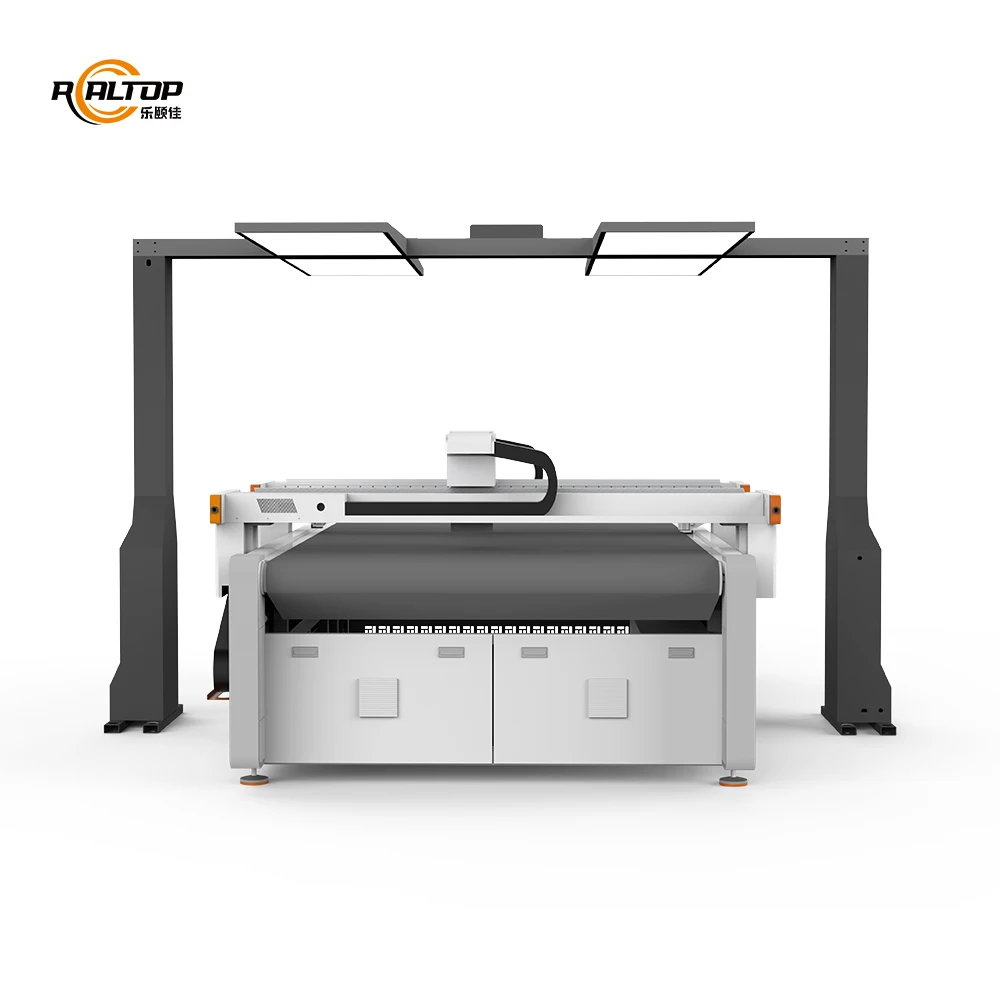
Configurable cutting paths — Tool heads and table zones are specified against your leather grade and daily volume, not picked from a default list.
Technical Specifications
| Parameter | Value |
|---|---|
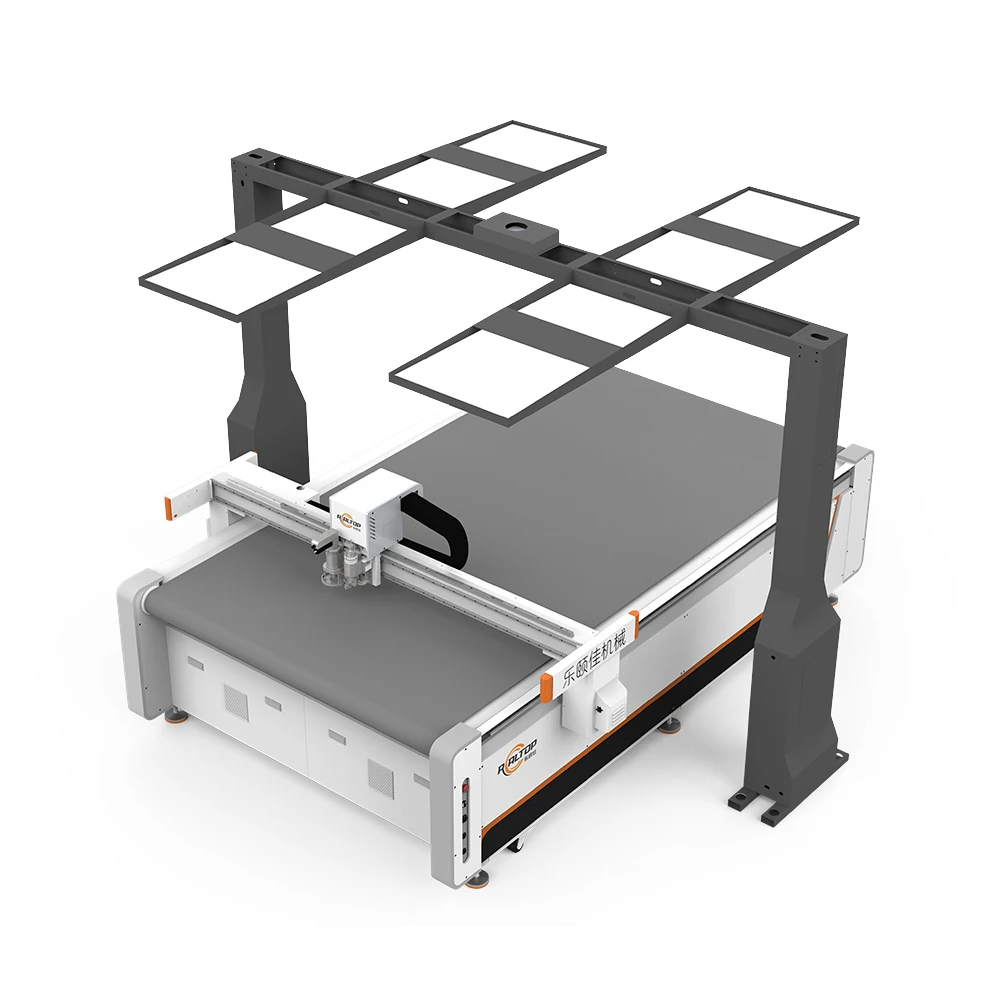
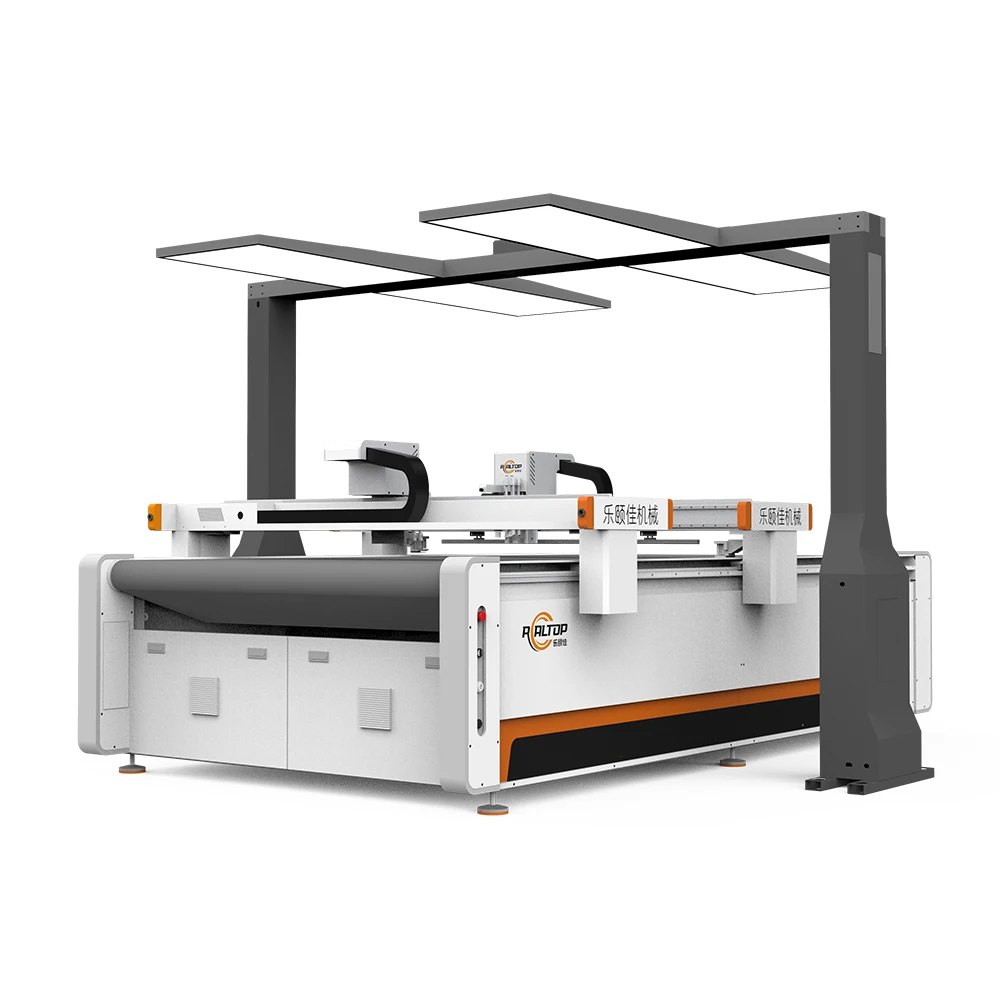
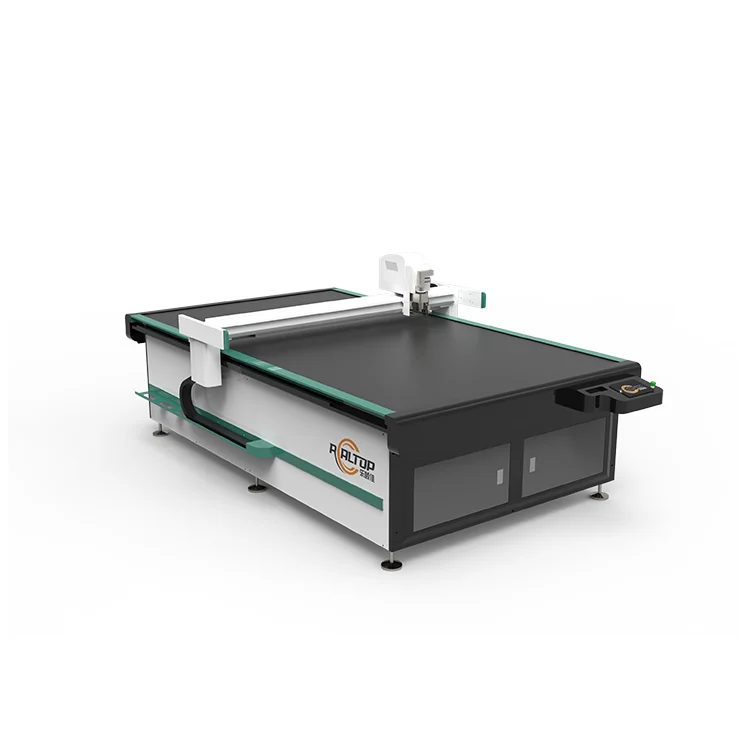
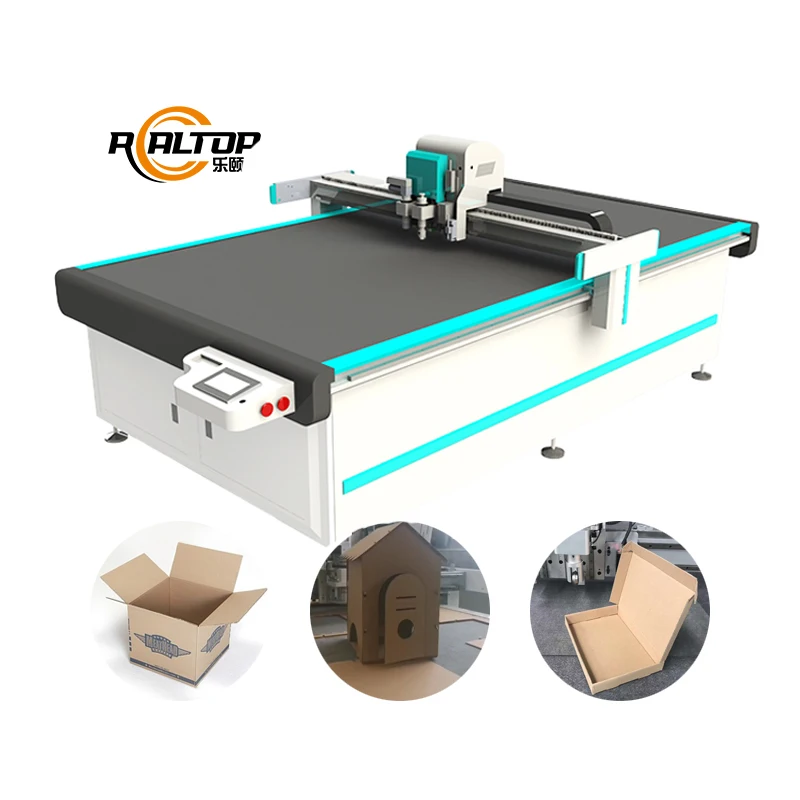
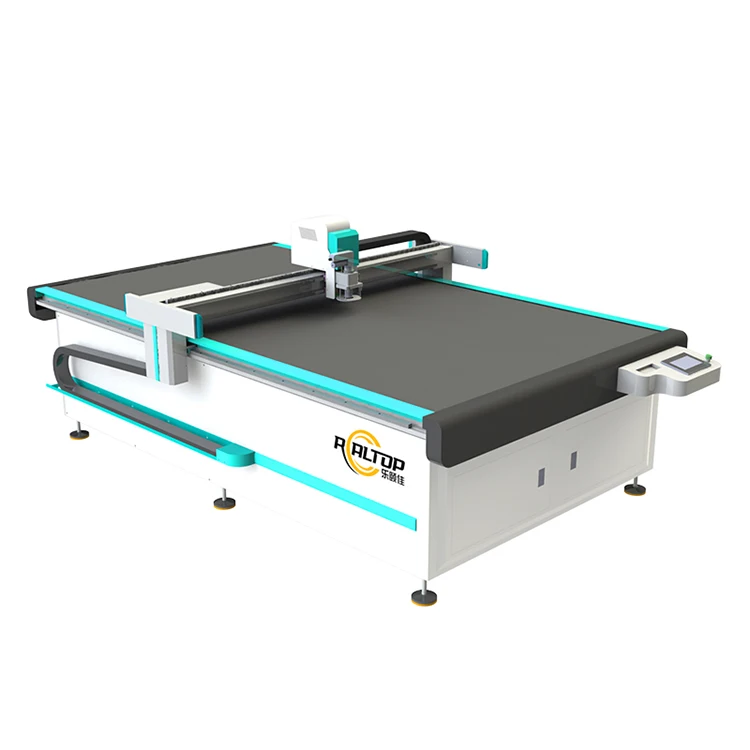
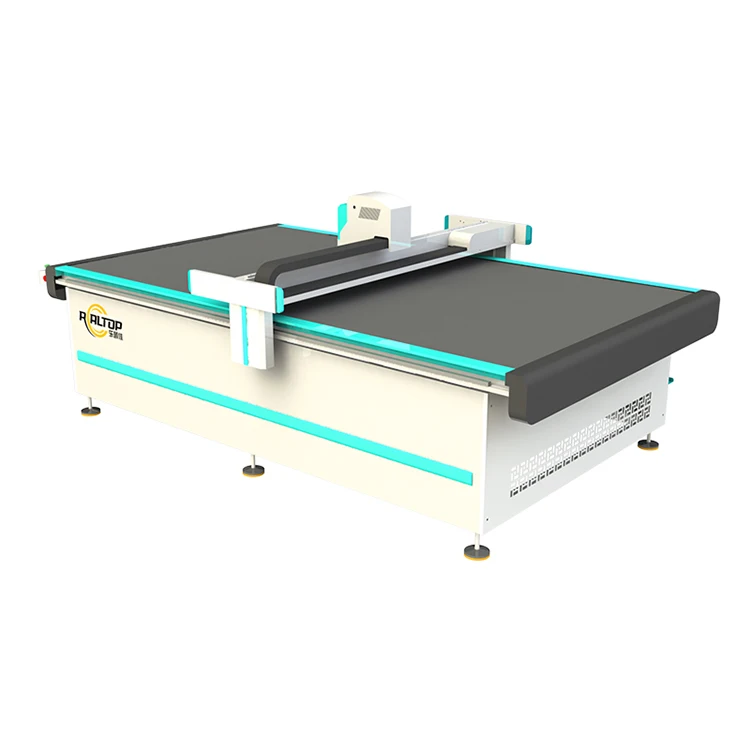
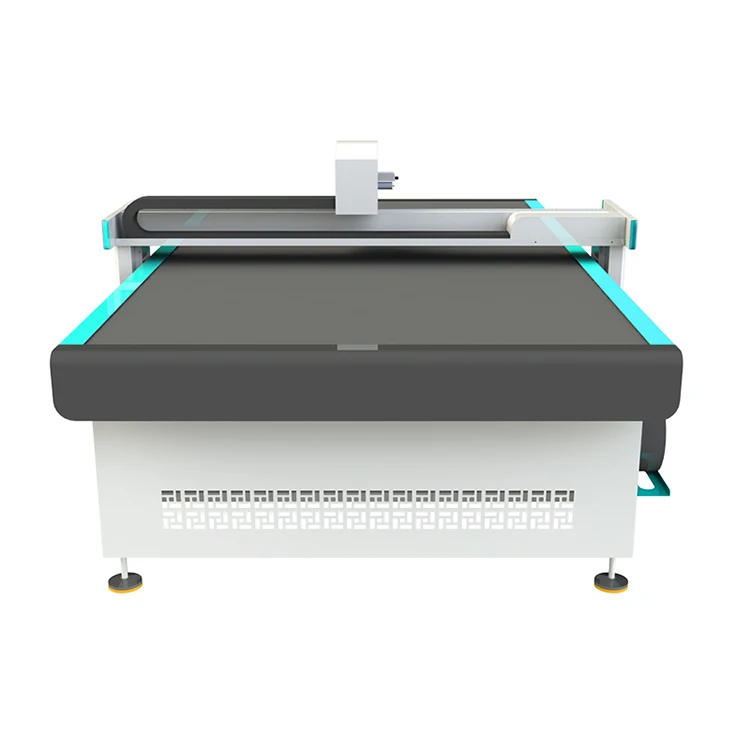
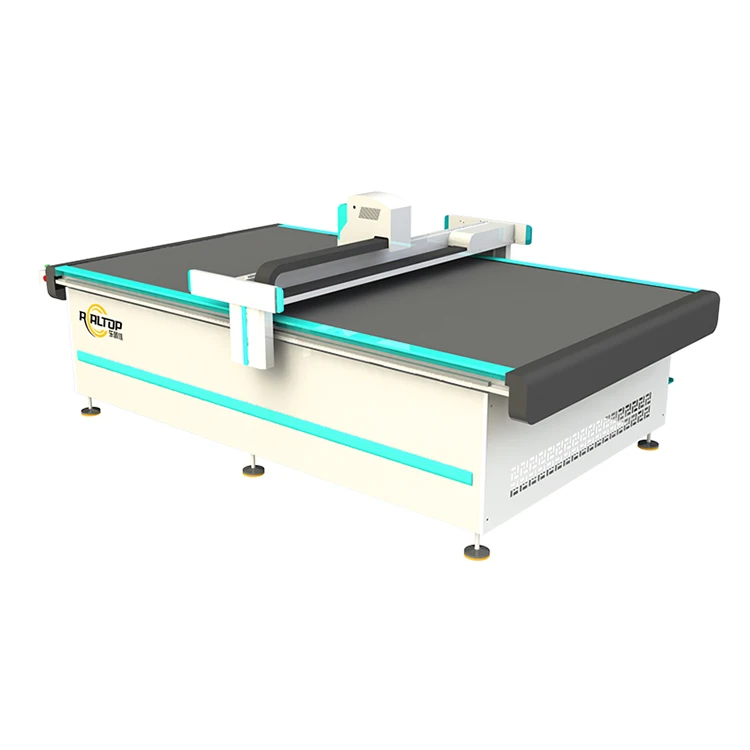
| Product Type | CNC Oscillating Knife Cutting Machine with Auto Feeding |
| Model | 1625 |
| Working Area | 1600×2500 mm |
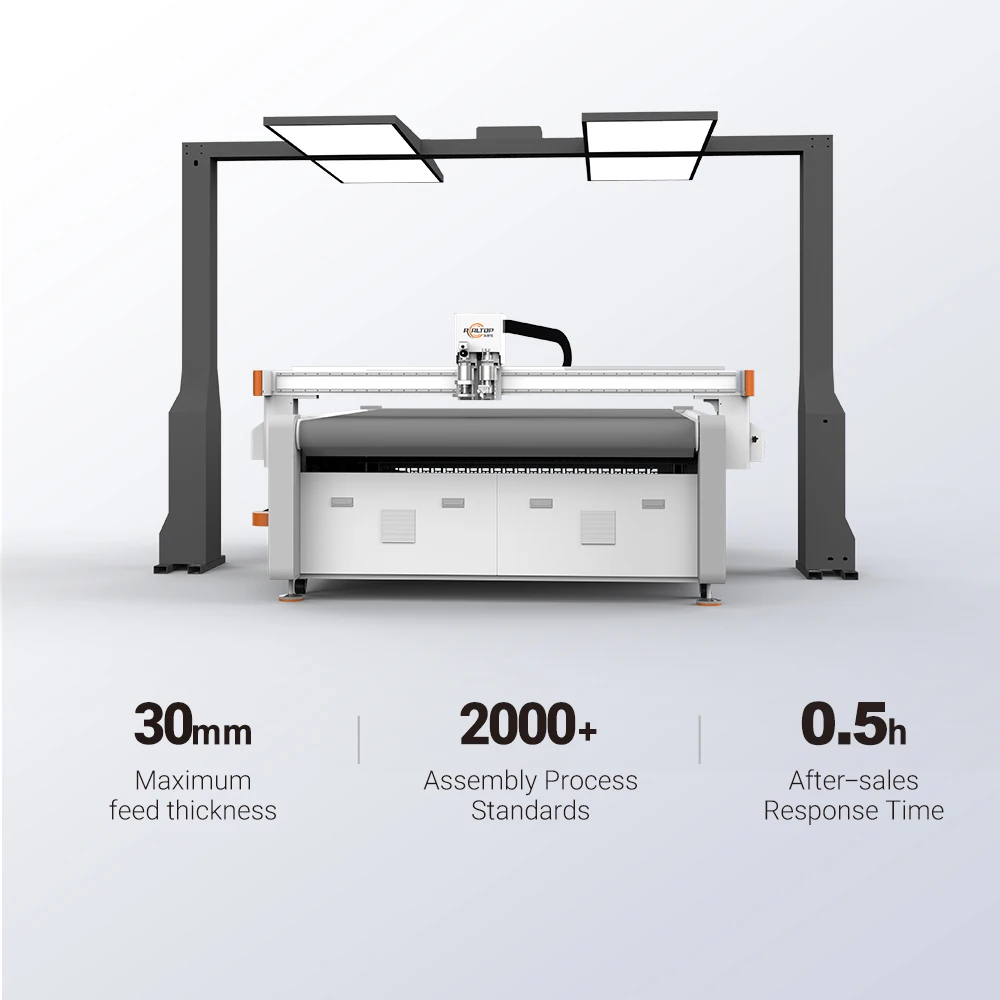
| Cutting Thickness Capacity | Up to 30 mm |
| Cutting Speed Range | 0–2000 mm/s |
| Positioning Accuracy | ±0.1 mm |
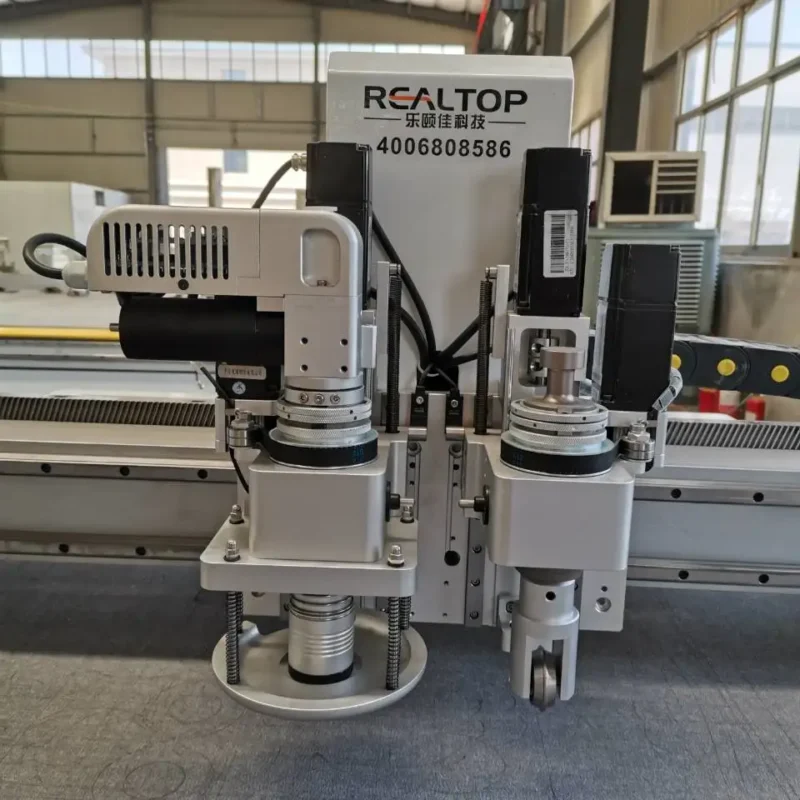
| Available Tool Heads | Oscillating knife, Driven rotary knife, Creasing wheel, Kiss cutting tool, Pneumatic knife, Milling tool, V-groove knife |
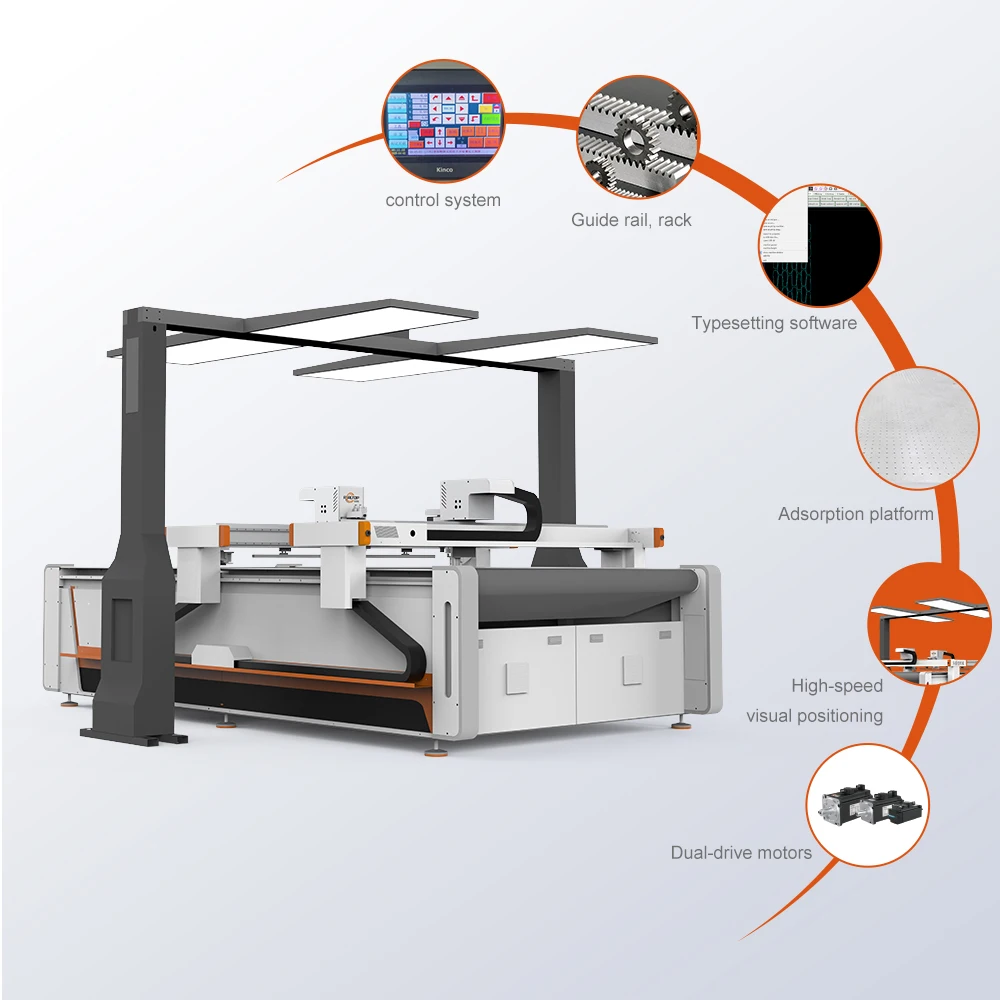
| Servo Drive Options | Panasonic, Delta, Dorna |
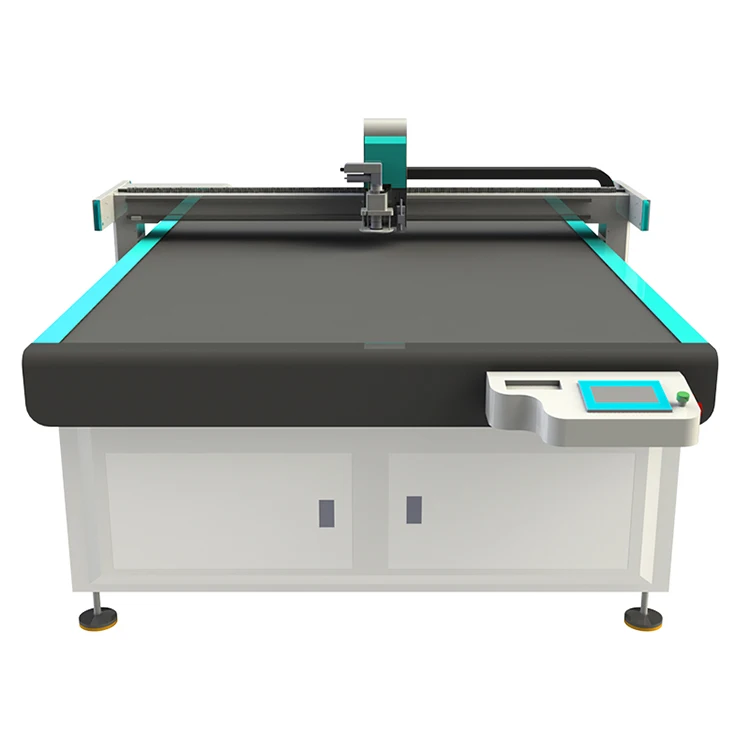
| Vacuum Table | Aluminum bellows vacuum table |
| Vacuum Pump Power | 9 kW |
| Control Interface | PLC control panel |
| Software Compatibility | PLT, DXF, AI, PDF |
| Voltage Options | 110V, 220V, 380V |
| Machine Dimensions | 3300×2100×1350 mm |
| Frame Construction | Heavy-duty frame with precision-ground surface |
| Safety Features | Infrared sensor, emergency stop |
| Certification | CE |
Application Suitability
| Application | Material or Output |
|---|---|
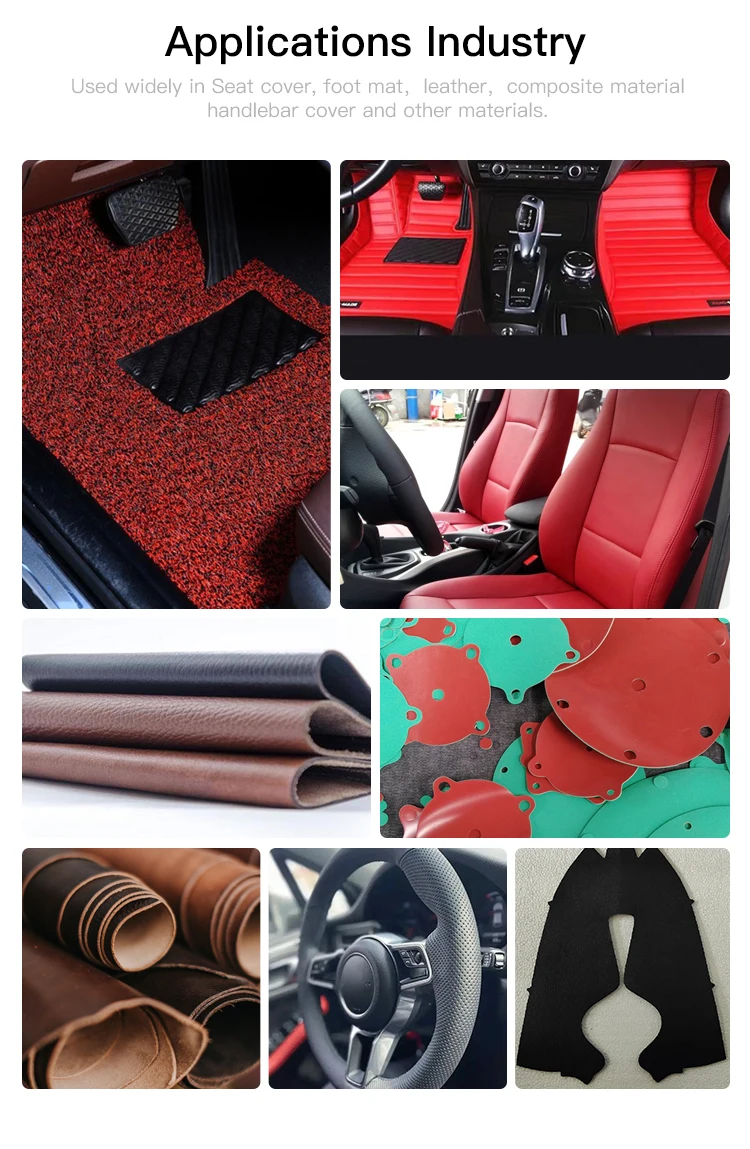
| Automotive seat cover production | Multi-layer genuine leather and synthetic upholstery hides |
| Shoe upper and footwear cutting | Natural leather, PU leather, suede, and lined textile uppers |
| Bag and leather goods manufacturing | Full-grain and split leather panels, strap stock |
| Sofa and soft furniture upholstery | Thick hide, bonded leather, fabric-laminated foam |
| Automotive interior trimming | Leather-wrapped dash inserts, door panel covers, headrests |
| Patterned roll cutting with contour tracking | Printed leather and textile rolls with registration marks |
Why the Wrong Tool Head Wastes More Leather Than You Think
A cutting system chosen on bed size alone will leave you with ragged edges on tough hides or crushed layers on soft composites — the machine runs, but the material does not survive the pass.
Match the blade motion to the fiber structure before anything else.
I once configured an auto-feeding knife cutter for a Gulf automotive trim shop running five-layer genuine leather for seat covers. The oscillating head was set to a mid-range stroke, which worked fine on single-ply synthetic but shredded the dense fiber bundles in real cowhide. The buyer lost several batches before we swapped to a driven rotary knife with adjusted downforce. After that, I stopped quoting default tooling on any CNC Oscillating Knife Cutting Machine manufacturer order without first asking what exactly is going under the blade [NEED_CITE: oscillating versus rotary knife behavior on multi-layer dense leather].
Knife, Rotary, or Pneumatic — Picking the Right Motion
An oscillating knife moves up and down at high frequency, slicing through foam, gasket, and lighter leather cleanly. A driven rotary knife spins continuously and handles the tensile resistance of thick, multi-ply genuine leather without pulling or fraying edges. A pneumatic knife uses air pressure to drive a straight blade through dense stacks. The 1625 platform accepts all three, along with creasing wheels for fold lines and V-groove tools for bevel work. The correct head depends on fiber toughness, layer count, and whether the cut path includes tight radii.
Vacuum Zoning and Hold-Down on Irregular Hides
Leather hides are not rectangular sheets. Edges curl, thickness varies across the surface, and small cut parts can lift mid-pass if suction is uneven. The aluminum bellows vacuum table on this cutter provides continuous adsorption across the full working area, holding irregularly shaped hides flat without mechanical clamps. The 9 kW vacuum pump maintains suction even when the auto-feeding system advances a new hide over partially open zones. For smaller offcuts and nested patterns typical in shoe upper production, consistent hold-down prevents the material shift that ruins contour accuracy.
Reading the Specs That Actually Matter on the Floor
The 1600×2500 mm bed accommodates full hides and rolled goods without re-positioning mid-sheet, which matters when nesting software is calculating yield across an entire leather panel. Cutting speed up to 2000 mm/s is the travel rate of the head — actual throughput depends on path complexity, corner density, and material resistance. The ±0.1 mm positioning accuracy is achieved through the servo drive system, available in Panasonic, Delta, or Dorna configurations depending on the performance tier and budget the buyer selects. PLC control with PLT, DXF, AI, and PDF import means most existing pattern files load without conversion, reducing the gap between design and first cut.
What Happens When Configuration Is Skipped
A buyer in the Emirates once received a flatbed cutter with a single oscillating head and no creasing wheel, ordered purely on working area. The machine cut leather shoe uppers fine but could not score fold lines for bag gussets, forcing a second manual operation on every piece. Another shop specified a vacuum table without checking zone count, then found small automotive badge inserts lifting off the table during cutting because suction was concentrated in large quadrants. These are not machine defects — they are specification gaps that surface only after the line is running and material is already on the table [NEED_CITE: vacuum table zoning requirements for small leather component cutting].
Why Source This Cutter Through Realtop
The 1625 is built in a facility that produces both knife and laser cutting systems, so the cutting method is matched to your material rather than forced into one technology. Tool head combinations are confirmed against your sample before the order is locked, not assumed from a catalogue page. Voltage is configured to your local grid — 110V, 220V, or 380V — with the plug type and control panel language set before the machine leaves the factory. A CCD camera positioning option is available for printed contour work on patterned leather rolls. Every machine ships with a factory test record cut on your specific material, so you see edge quality and dimensional accuracy before the crate is sealed.
Documentation & Verification
- Machine specification sheet listing your confirmed tool head and table configuration
- Electrical schematic with your voltage and plug type documented
- Factory test record showing cut samples on your leather type and thickness
- Software licence and file format compatibility note for PLT, DXF, AI, PDF workflows
- CE declaration for applicable import markets
- Spare parts list with tool head consumables and vacuum pump maintenance items
Installation, Commissioning & Support
- Heavy-duty frame requires level concrete floor to maintain ±0.1 mm accuracy across the 1600×2500 mm bed
- Dedicated power circuit matching your confirmed voltage at 110V, 220V, or 380V with proper grounding
- Machine arrives partially assembled; table and gantry require on-site alignment and belt tensioning
- First-run parameter setup covers blade depth, oscillation frequency, and vacuum pressure for your material
- Operator training includes tool head changeover, nesting software loading, and PLC panel navigation
- Recommended spare blades, vacuum pump filters, and bellows seals listed in the shipped parts kit
Before You Send the Inquiry
To get a configuration that actually fits your production floor, provide the leather type and thickness you run most often, the number of layers per cut, and your typical daily sheet or hide count. Confirm your facility voltage and frequency, the language your operators need on the control panel, and whether your existing pattern files are in PLT, DXF, AI, or PDF format. If you are cutting printed hides with registration marks, mention that so CCD camera positioning can be included in the build.
Frequently Asked Questions
Q: How do I choose between oscillating knife and driven rotary knife for leather cutting?
A: Oscillating knives handle thinner leather, suede, and synthetic materials with clean vertical cuts at high speed. Driven rotary knives cut through dense, multi-layer genuine leather without pulling fibers, making them better for automotive seat covers and heavy hides. The 1625 accepts both heads, and the selection is confirmed after sample testing on your actual material.
Q: What working area sizes are available if 1600×2500 mm does not fit my material?
A: The 1625 is one configuration in a broader range of CNC Oscillating Knife Cutting Machine manufacturer models. Compact and large-format beds are available. The correct size depends on your maximum hide dimension and nesting strategy, so we confirm bed size after reviewing your typical material sheet dimensions.
Q: Can this machine cut printed leather with contour recognition?
A: Yes. A CCD camera positioning option tracks printed registration marks and adjusts the cut path in real time to follow distorted or stretched patterns. This is specified at order stage, not added later, so confirm whether your production includes printed or patterned roll materials when requesting a quote.
Q: How is voltage and control language handled for export markets?
A: Voltage is configurable at 110V, 220V, or 380V with the correct plug type for your market. The PLC control panel language is set before shipment — standard options include English, Russian, Italian, and Chinese, with special languages available on request. Both are documented in the electrical schematic shipped with the machine.
Q: What if my existing design files are not in the supported formats?
A: The system accepts PLT, DXF, AI, and PDF files directly. If your current workflow uses a different format, file compatibility is checked during the quotation stage before the order is confirmed. This avoids discovering a software gap after the machine is already on your floor [NEED_CITE: CAD file format interoperability in CNC cutting environments].
Configurable cutting paths — Tool heads and table zones are specified against your leather grade and daily volume, not picked from a default list.
Technical Specifications
| Parameter | Value |
|---|---|
| Product Type | CNC Oscillating Knife Cutting Machine with Auto Feeding |
| Model | 1625 |
| Working Area | 1600×2500 mm |
| Cutting Thickness Capacity | Up to 30 mm |
| Cutting Speed Range | 0–2000 mm/s |
| Positioning Accuracy | ±0.1 mm |
| Available Tool Heads | Oscillating knife, Driven rotary knife, Creasing wheel, Kiss cutting tool, Pneumatic knife, Milling tool, V-groove knife |
| Servo Drive Options | Panasonic, Delta, Dorna |
| Vacuum Table | Aluminum bellows vacuum table |
| Vacuum Pump Power | 9 kW |
| Control Interface | PLC control panel |
| Software Compatibility | PLT, DXF, AI, PDF |
| Voltage Options | 110V, 220V, 380V |
| Machine Dimensions | 3300×2100×1350 mm |
| Frame Construction | Heavy-duty frame with precision-ground surface |
| Safety Features | Infrared sensor, emergency stop |
| Certification | CE |
Application Suitability
| Application | Material or Output |
|---|---|
| Automotive seat cover production | Multi-layer genuine leather and synthetic upholstery hides |
| Shoe upper and footwear cutting | Natural leather, PU leather, suede, and lined textile uppers |
| Bag and leather goods manufacturing | Full-grain and split leather panels, strap stock |
| Sofa and soft furniture upholstery | Thick hide, bonded leather, fabric-laminated foam |
| Automotive interior trimming | Leather-wrapped dash inserts, door panel covers, headrests |
| Patterned roll cutting with contour tracking | Printed leather and textile rolls with registration marks |
Why the Wrong Tool Head Wastes More Leather Than You Think
A cutting system chosen on bed size alone will leave you with ragged edges on tough hides or crushed layers on soft composites — the machine runs, but the material does not survive the pass.
Match the blade motion to the fiber structure before anything else.
I once configured an auto-feeding knife cutter for a Gulf automotive trim shop running five-layer genuine leather for seat covers. The oscillating head was set to a mid-range stroke, which worked fine on single-ply synthetic but shredded the dense fiber bundles in real cowhide. The buyer lost several batches before we swapped to a driven rotary knife with adjusted downforce. After that, I stopped quoting default tooling on any CNC Oscillating Knife Cutting Machine manufacturer order without first asking what exactly is going under the blade [NEED_CITE: oscillating versus rotary knife behavior on multi-layer dense leather].
Knife, Rotary, or Pneumatic — Picking the Right Motion
An oscillating knife moves up and down at high frequency, slicing through foam, gasket, and lighter leather cleanly. A driven rotary knife spins continuously and handles the tensile resistance of thick, multi-ply genuine leather without pulling or fraying edges. A pneumatic knife uses air pressure to drive a straight blade through dense stacks. The 1625 platform accepts all three, along with creasing wheels for fold lines and V-groove tools for bevel work. The correct head depends on fiber toughness, layer count, and whether the cut path includes tight radii.
Vacuum Zoning and Hold-Down on Irregular Hides
Leather hides are not rectangular sheets. Edges curl, thickness varies across the surface, and small cut parts can lift mid-pass if suction is uneven. The aluminum bellows vacuum table on this cutter provides continuous adsorption across the full working area, holding irregularly shaped hides flat without mechanical clamps. The 9 kW vacuum pump maintains suction even when the auto-feeding system advances a new hide over partially open zones. For smaller offcuts and nested patterns typical in shoe upper production, consistent hold-down prevents the material shift that ruins contour accuracy.
Reading the Specs That Actually Matter on the Floor
The 1600×2500 mm bed accommodates full hides and rolled goods without re-positioning mid-sheet, which matters when nesting software is calculating yield across an entire leather panel. Cutting speed up to 2000 mm/s is the travel rate of the head — actual throughput depends on path complexity, corner density, and material resistance. The ±0.1 mm positioning accuracy is achieved through the servo drive system, available in Panasonic, Delta, or Dorna configurations depending on the performance tier and budget the buyer selects. PLC control with PLT, DXF, AI, and PDF import means most existing pattern files load without conversion, reducing the gap between design and first cut.
What Happens When Configuration Is Skipped
A buyer in the Emirates once received a flatbed cutter with a single oscillating head and no creasing wheel, ordered purely on working area. The machine cut leather shoe uppers fine but could not score fold lines for bag gussets, forcing a second manual operation on every piece. Another shop specified a vacuum table without checking zone count, then found small automotive badge inserts lifting off the table during cutting because suction was concentrated in large quadrants. These are not machine defects — they are specification gaps that surface only after the line is running and material is already on the table [NEED_CITE: vacuum table zoning requirements for small leather component cutting].
Why Source This Cutter Through Realtop
The 1625 is built in a facility that produces both knife and laser cutting systems, so the cutting method is matched to your material rather than forced into one technology. Tool head combinations are confirmed against your sample before the order is locked, not assumed from a catalogue page. Voltage is configured to your local grid — 110V, 220V, or 380V — with the plug type and control panel language set before the machine leaves the factory. A CCD camera positioning option is available for printed contour work on patterned leather rolls. Every machine ships with a factory test record cut on your specific material, so you see edge quality and dimensional accuracy before the crate is sealed.
Documentation & Verification
- Machine specification sheet listing your confirmed tool head and table configuration
- Electrical schematic with your voltage and plug type documented
- Factory test record showing cut samples on your leather type and thickness
- Software licence and file format compatibility note for PLT, DXF, AI, PDF workflows
- CE declaration for applicable import markets
- Spare parts list with tool head consumables and vacuum pump maintenance items
Installation, Commissioning & Support
- Heavy-duty frame requires level concrete floor to maintain ±0.1 mm accuracy across the 1600×2500 mm bed
- Dedicated power circuit matching your confirmed voltage at 110V, 220V, or 380V with proper grounding
- Machine arrives partially assembled; table and gantry require on-site alignment and belt tensioning
- First-run parameter setup covers blade depth, oscillation frequency, and vacuum pressure for your material
- Operator training includes tool head changeover, nesting software loading, and PLC panel navigation
- Recommended spare blades, vacuum pump filters, and bellows seals listed in the shipped parts kit
Before You Send the Inquiry
To get a configuration that actually fits your production floor, provide the leather type and thickness you run most often, the number of layers per cut, and your typical daily sheet or hide count. Confirm your facility voltage and frequency, the language your operators need on the control panel, and whether your existing pattern files are in PLT, DXF, AI, or PDF format. If you are cutting printed hides with registration marks, mention that so CCD camera positioning can be included in the build.
Frequently Asked Questions
Q: How do I choose between oscillating knife and driven rotary knife for leather cutting?
A: Oscillating knives handle thinner leather, suede, and synthetic materials with clean vertical cuts at high speed. Driven rotary knives cut through dense, multi-layer genuine leather without pulling fibers, making them better for automotive seat covers and heavy hides. The 1625 accepts both heads, and the selection is confirmed after sample testing on your actual material.
Q: What working area sizes are available if 1600×2500 mm does not fit my material?
A: The 1625 is one configuration in a broader range of CNC Oscillating Knife Cutting Machine manufacturer models. Compact and large-format beds are available. The correct size depends on your maximum hide dimension and nesting strategy, so we confirm bed size after reviewing your typical material sheet dimensions.
Q: Can this machine cut printed leather with contour recognition?
A: Yes. A CCD camera positioning option tracks printed registration marks and adjusts the cut path in real time to follow distorted or stretched patterns. This is specified at order stage, not added later, so confirm whether your production includes printed or patterned roll materials when requesting a quote.
Q: How is voltage and control language handled for export markets?
A: Voltage is configurable at 110V, 220V, or 380V with the correct plug type for your market. The PLC control panel language is set before shipment — standard options include English, Russian, Italian, and Chinese, with special languages available on request. Both are documented in the electrical schematic shipped with the machine.
Q: What if my existing design files are not in the supported formats?
A: The system accepts PLT, DXF, AI, and PDF files directly. If your current workflow uses a different format, file compatibility is checked during the quotation stage before the order is confirmed. This avoids discovering a software gap after the machine is already on your floor [NEED_CITE: CAD file format interoperability in CNC cutting environments].
商品评价
There are no reviews yet.