


Fast Delivery
Quick, reliable shipping to any location.

Free & easy returns
Return this item by mail or in store within 90 days for a full refund.
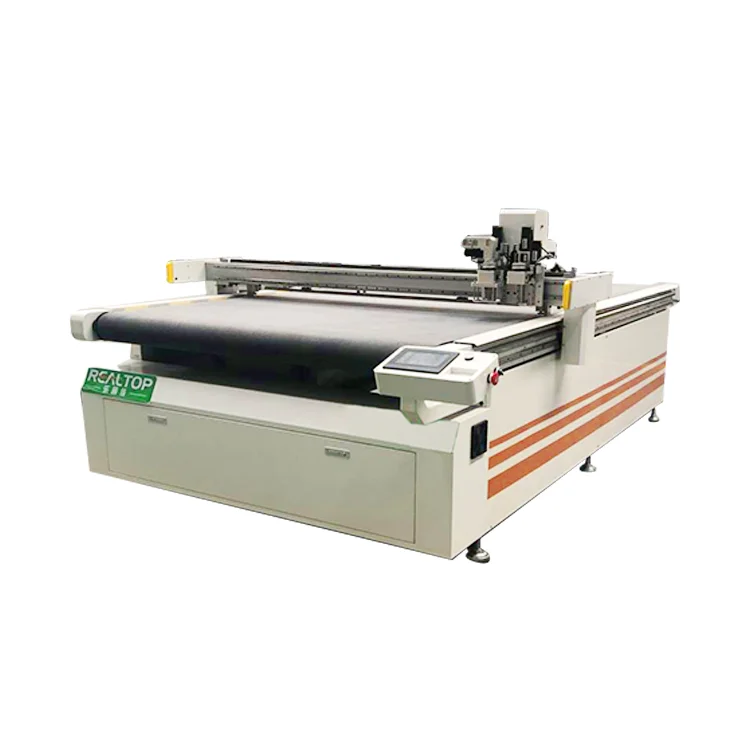
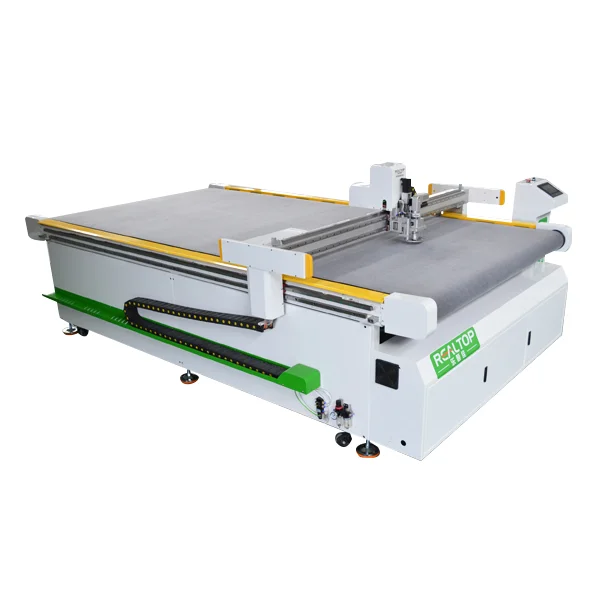
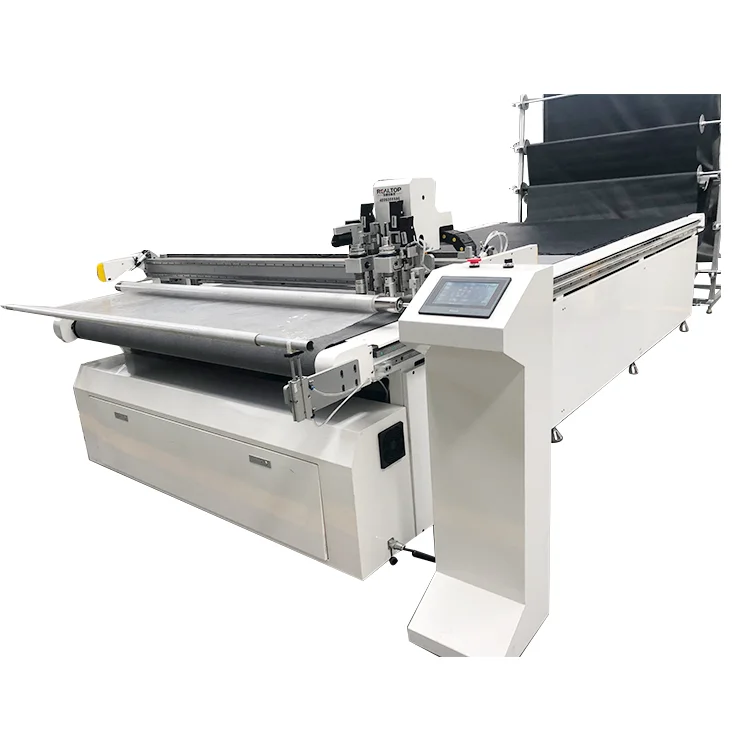
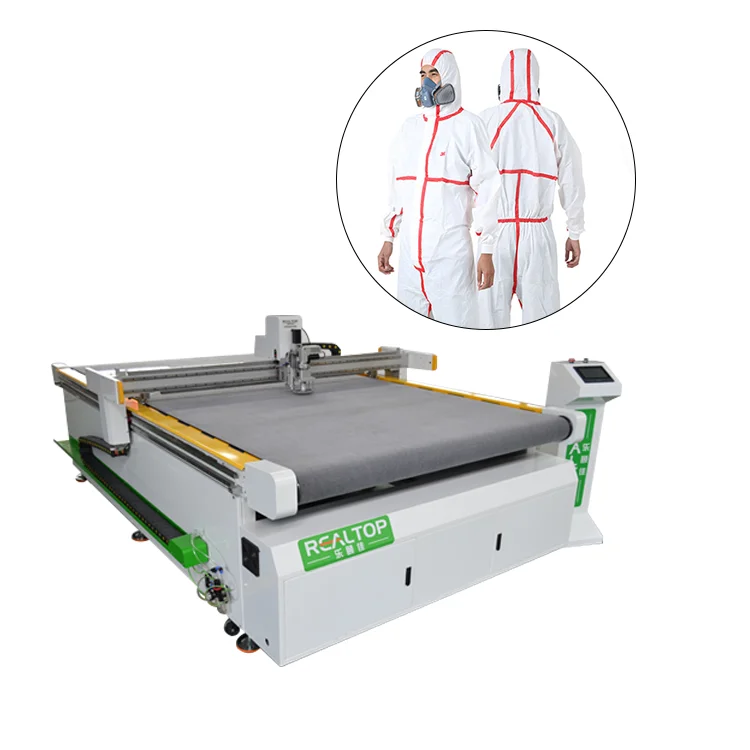
Material-Matched Configuration — The RT-D2516 and RT-S2516 large-format oscillating knife platforms are specified by material type and ply count rather than working area alone, preventing the common mismatch where a machine cannot handle the actual thickness on the production floor.
Technical Specifications
| Parameter | Value |
|---|---|
| Product Type | Large Area CNC Oscillating Knife Cutting Machine |
| Model | RT-D2516 / RT-S2516 |
| Working Area | 1600 × 2500 mm |
| Machine Size | 3450 × 2300 × 1250 mm |
| Rated Power | 9 kW |
| Table Type | Flat vacuum table with conveyor belt |
| Tool Head | Swiss imported oscillating knife (full cut, half cut, cursor location) |
| Translational Velocity | 800–1200 mm/s |
| Cutting Speed | 200–800 mm/s (basis not stated in source — confirm material type, thickness and ply count) |
| Repeatability | ≤0.1 mm |
| Transmission System | Digital servo motor, linear guide, synchronous belt, ball screw |
| Servo Motor | Japanese Yaskawa |
| Linear Guide | Taiwan Hiwin rail |
| Conveyor Belt | Germany imported |
| Vacuum Pump | 7.5 kW |
| Feeding System | Auto feeding |
| Instruction Format | HP-GL compatible |
| Voltage | 380V ±10% |
| Safety Device | Infrared sensors |
| Applicable Materials | Leather, garment flexible materials, sponge composite leather, PVC, soft glass, silicon, rubber |
| Standards | CE declaration (verify per shipment) |
Application Suitability
| Application | Material or Output |
|---|---|
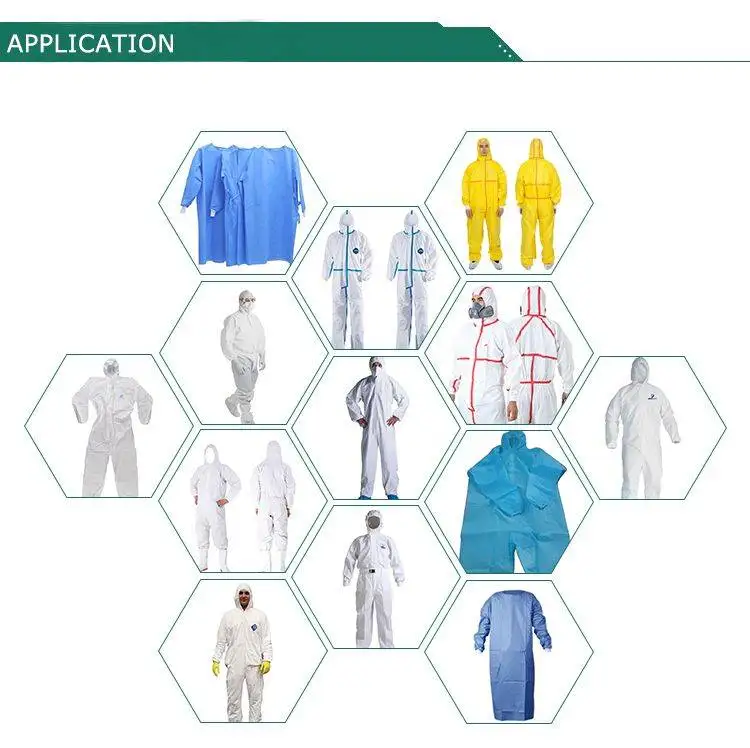
| Garment and apparel fabric cutting | Single and multi-ply woven, knitted and technical textiles |
| Leather goods and footwear components | Natural hides, synthetic leather and PU-coated uppers |
| Soft composite material processing | Sponge composite leather, PVC sheets, silicon and rubber gaskets |
| Signage and flexible media | Vinyl, banner material and flexible display substrates |
Why a 1600×2500 Bed Size Does Not Guarantee Your Material Will Cut Cleanly
The cutting method must match the material before the working area is confirmed.
I have watched buyers specify a large-format CNC digital cutting machine for sale based purely on table dimensions, only to discover during commissioning that the oscillating knife head could not penetrate their multi-layer composite fabric at production speed. The RT-D2516 and RT-S2516 address this by pairing the 1600×2500 mm format with a Swiss imported oscillating knife capable of full cutting, half cutting and cursor location — but the real validation happens when your actual material runs on the table [NEED_CITE: material thickness and ply count verification before purchase]. Without that test, a working area figure is just a number on a spec sheet.
Comparing Knife and Laser Across the Catalogue
This CNC Oscillating Knife Cutting Machine manufacturer produces both knife and laser platforms, meaning buyers can evaluate which cutting method suits their material before committing to a format. The RT-D2516 and RT-S2516 handle flexible and semi-rigid materials — textiles, leather, foam composites, PVC — where an oscillating blade produces a clean edge without the thermal sealing or charring that a CO2 laser would leave on the same substrate. For buyers processing acrylic or wood, the laser range in this catalogue covers those materials instead.
How the 2516 Format Fits Your Production Volume
The 1600×2500 mm bed with auto-feeding and a German imported conveyor belt supports continuous roll-to-sheet workflow, letting operators load fabric rolls and cut nested patterns without manual repositioning. The 7.5 kW vacuum pump holds multi-ply layups flat across the full table area, though zoning effectiveness on small pattern pieces must be confirmed during sample cutting [NEED_CITE: vacuum table zoning performance on small garment components]. Buyers running high-volume apparel production should compare this format against smaller beds in the catalogue to determine whether the extra table length justifies the floor space.
What the Transmission Specs Mean for Cut Accuracy
The Yaskawa digital servo motors paired with Hiwin linear rails deliver ≤0.1 mm repeatability — a figure that directly affects pattern matching when cutting striped or printed fabric where registration errors compound across hundreds of plies. The synchronous belt and ball screw transmission keeps the oscillating knife head on path at translational velocities up to 1200 mm/s, but the actual cutting speed of 200–800 mm/s depends on your material density and ply count. A thicker sponge composite leather will demand slower feed rates than a single-ply polyester lining, and this relationship should be established during the sample cutting phase rather than guessed from the spec sheet.
The Cost of Skipping the Sample Cutting Step
Buyers who order based on working area and power rating alone often discover ragged edges on leather or crushed foam cores during the first production week. The oscillating knife frequency and blade geometry must be matched to the specific composite structure — a sponge-backed PU leather behaves differently under the blade than a solid rubber gasket. When the wrong tool head is selected, the material deforms rather than shears, and the resulting scrap rate forces a full re-evaluation of the cutting parameters [NEED_CITE: tool head selection errors and material waste in flexible material cutting].
Why Source This Machine Through the Full Catalogue
The design team covers both knife and laser cutting technologies in-house, so a buyer processing mixed materials — fabric for garment uppers and acrylic for signage — can match each material to the correct method rather than forcing one machine to do both. Tool head and table configuration are specified per material and production volume, documented in a configuration list that accompanies the quotation. CCD camera positioning for printed contour work is available across the range, confirmed or excluded before the order is placed. Voltage, plug type and control language are verified against the destination market’s standards before the machine leaves the factory floor [NEED_CITE: electrical standards for industrial machinery by export destination]. Software compatibility, including HP-GL and other nesting file formats, is tested against the buyer’s existing workflow before commitment.
Documentation & Verification
- Machine specification sheet confirming RT-D2516/RT-S2516 working area and transmission components
- Tool head and vacuum table configuration list matched to your fabric type and ply count
- Sample cutting report on your own material showing edge quality and dimensional accuracy
- Electrical schematic and voltage confirmation for your local 380V or alternative supply
- Software licence and file format compatibility note covering HP-GL and nesting imports
- Factory test record documenting repeatability and cutting speed on your specified material
Installation, Commissioning & Support
- Floor space planning for the 3450×2300×1250 mm machine envelope plus material feed and offcut zones
- Dedicated 380V ±10% circuit with sufficient capacity for the combined 9 kW machine and 7.5 kW vacuum pump load
- Assembly of conveyor belt and auto-feeding system on site with belt tension calibrated to your roll stock
- First-run parameter setting for oscillating knife depth, vacuum zoning and cutting speed on your actual material
- Operator training covering HP-GL file import, nesting workflow and tool head changeover procedures
- Spare parts list with Swiss knife blades, vacuum seals and Hiwin rail wipers for scheduled maintenance
What to Include With Your Inquiry
Send your material samples with ply count, thickness and roll width so we can run a sample cutting on the RT-D2516 or RT-S2516 before quoting. Confirm your local voltage, frequency and plug type, along with the control language your operators need. Let us know your existing nesting software and file format so we verify compatibility during the evaluation stage.
Frequently Asked Questions
Q: Should I choose the oscillating knife or a laser for my garment fabric?
A: The oscillating knife cuts without heat, leaving no sealed or discoloured edge on woven and knitted textiles. A CO2 laser seals synthetic edges but melts natural fibres. We run your actual fabric on both methods so you can compare edge quality, ply handling and cutting speed before selecting the platform from the catalogue.
Q: How do I confirm the 1600×2500 mm bed handles my material thickness?
A: Working area alone does not determine cutting capacity. We need your material type, ply count and total thickness to configure the oscillating knife stroke and vacuum hold-down. A sample cutting report documents actual edge quality and dimensional accuracy on your specific layup before you commit to the order.
Q: What tool heads are available across this catalogue for flexible materials?
A: The range includes oscillating knife, drag knife, creasing wheel, milling and pen tool heads. For garment fabric and multi-ply textiles, the Swiss imported oscillating knife on the RT-D2516/RT-S2516 handles full and half cutting. Other heads suit carton creasing or gasket routing. We specify the correct head based on your material sample.
Q: Will my existing nesting files work with this machine?
A: The control system accepts HP-GL compatible formats as standard. If you use DXF, PLT or proprietary nesting software, we test file import and nesting output during the evaluation stage. The software licence and file format compatibility note confirms which formats are supported before shipment.
Q: How does this 2516 format compare to other machines in the full range?
A: The RT-D2516/RT-S2516 is the large-format oscillating knife entry, suited to high-volume garment and leather cutting with auto-feeding. Smaller beds in the catalogue serve sample-making or low-volume production. Laser platforms cover non-flexible materials. We map your material, daily volume and floor space to the correct family before recommending a configuration.










商品评价
There are no reviews yet.